Elegant Glassware

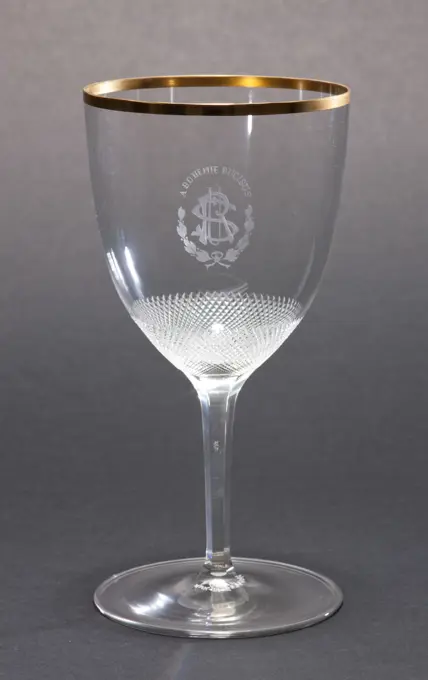
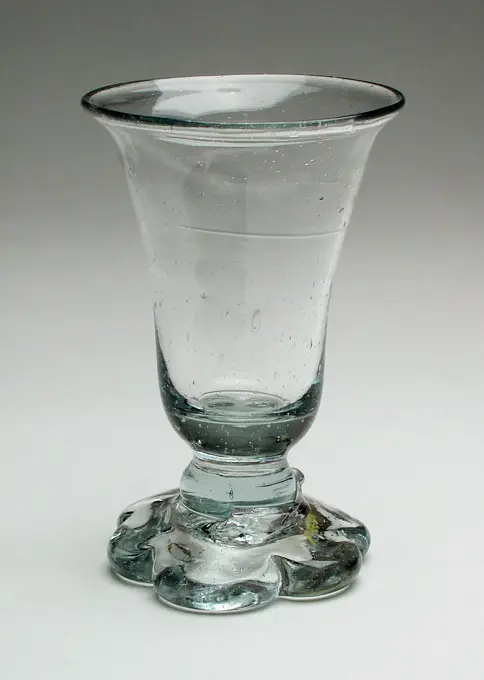
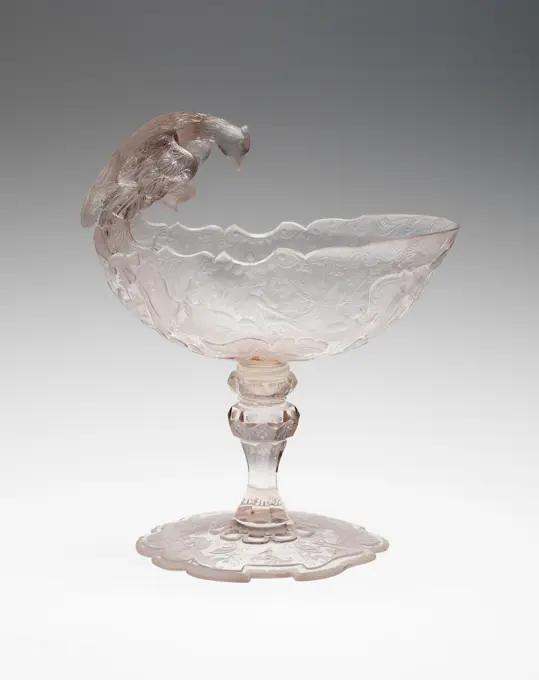
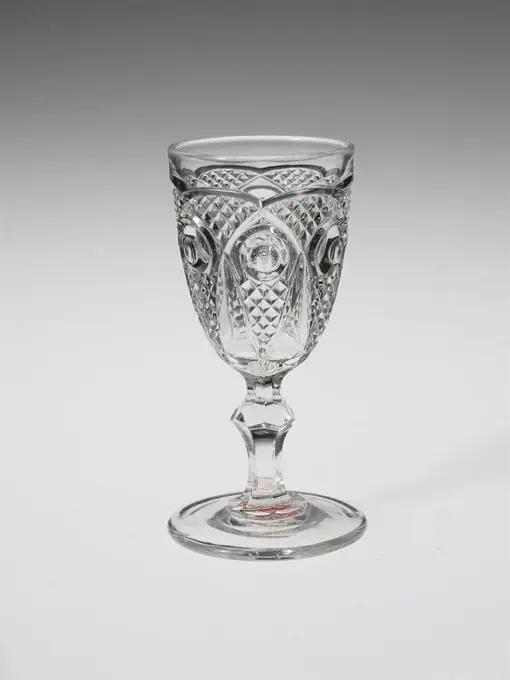
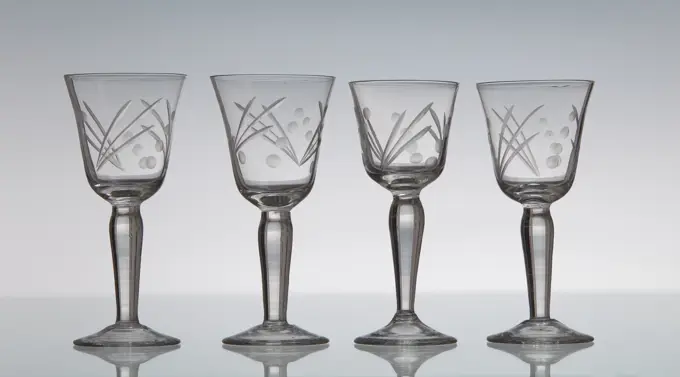
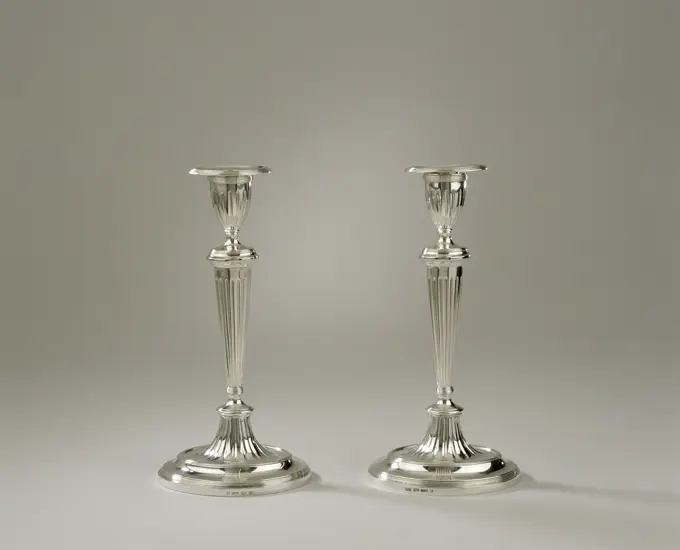
Antique glassware pieces, including flutes and goblets, featuring intricate designs and historical significance from various periods.

Slinger glass with funnel -shaped chalice, anonymous, c. 1750 - c. 1775 Slinger glass with conical foot and slightly flared trunk. Multiple air spiral in the trunk. Stam continuous in funnel -shaped chalice. England glass glassblowing Slinger glass with conical foot and slightly flared trunk. Multiple air spiral in the trunk. Stam continuous in funnel -shaped chalice. England glass glassblowing
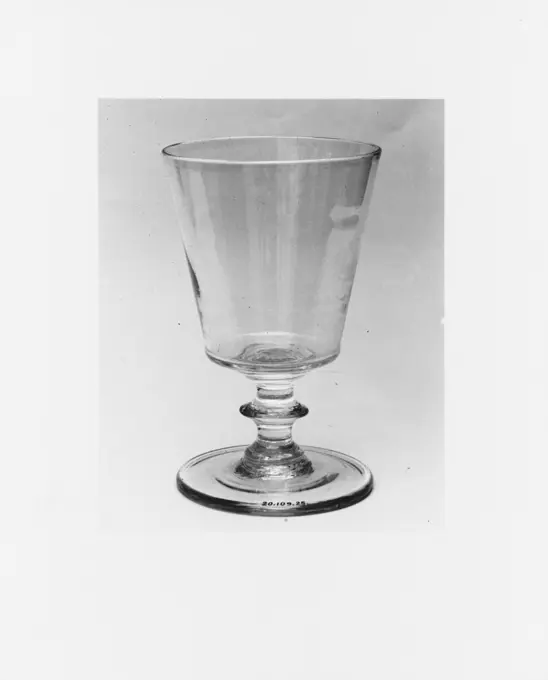
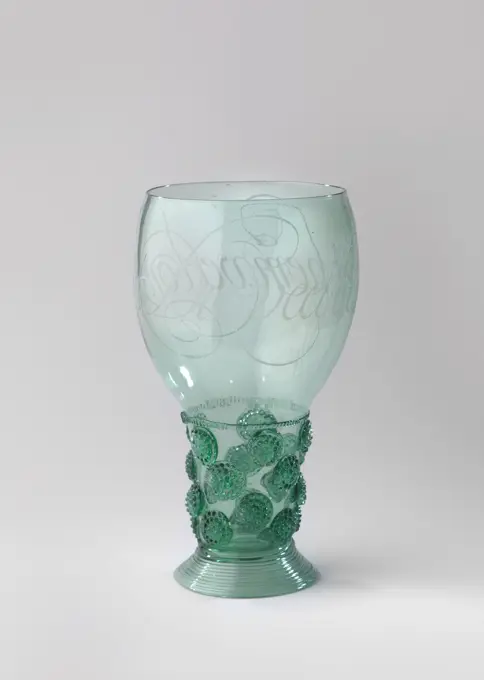
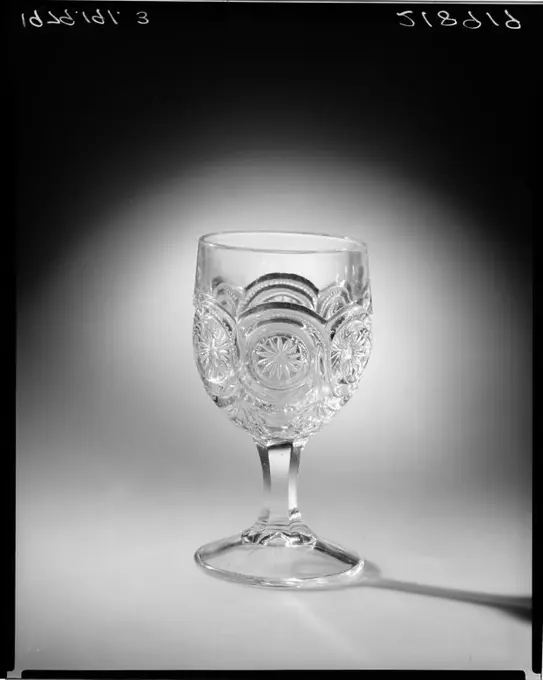
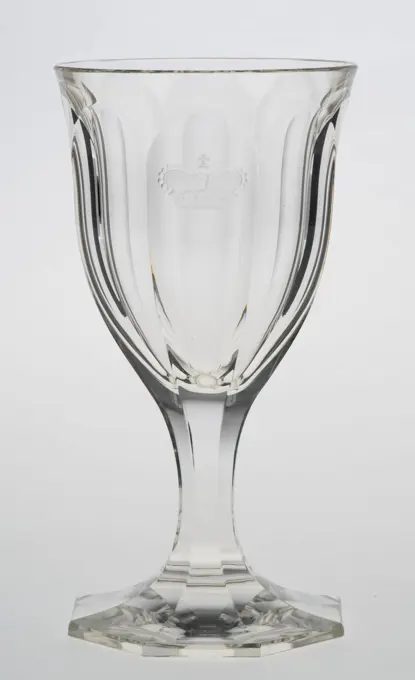
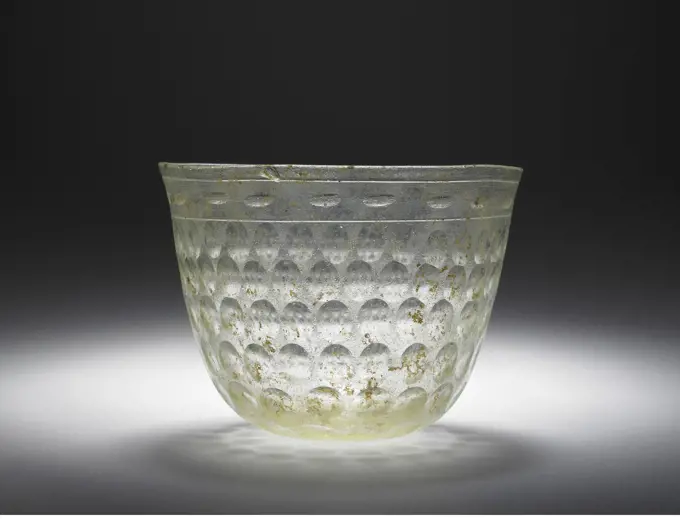
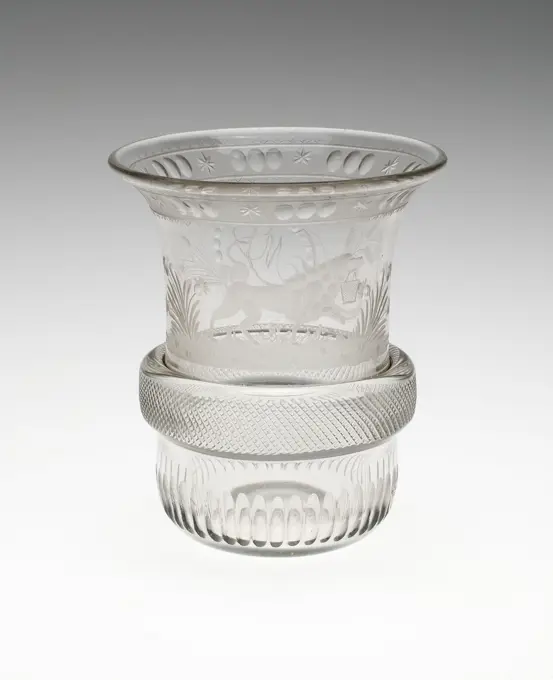
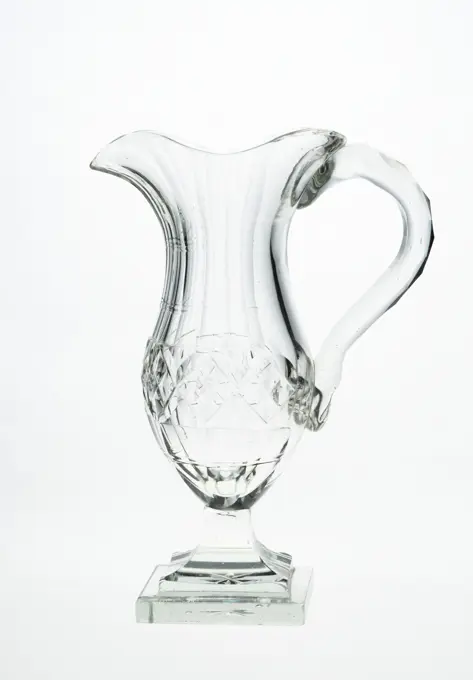
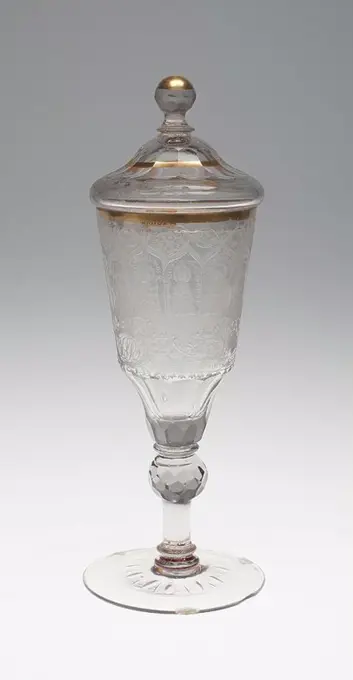
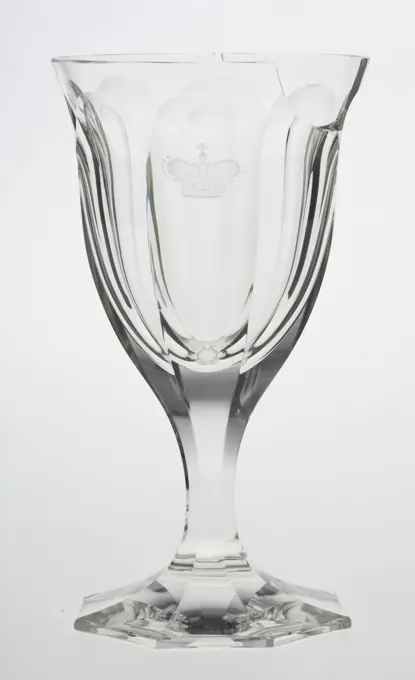
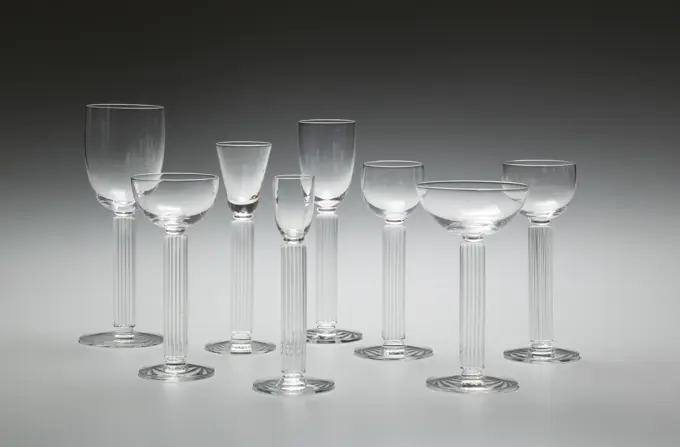
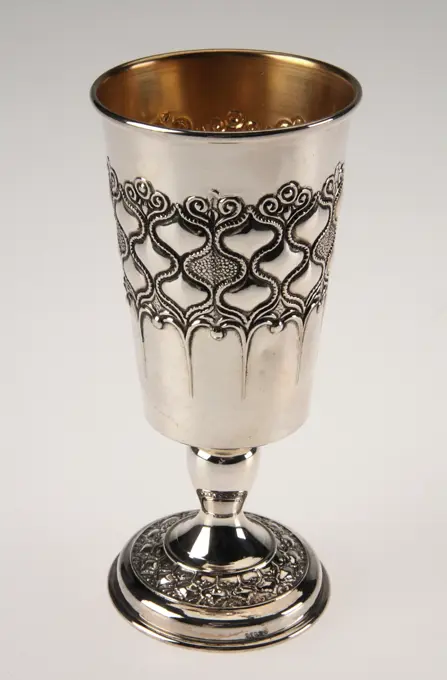
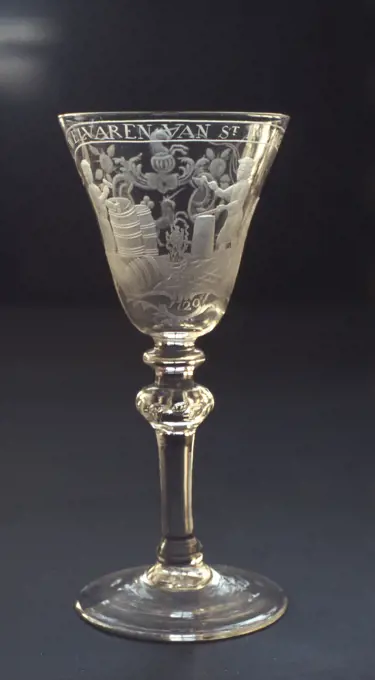
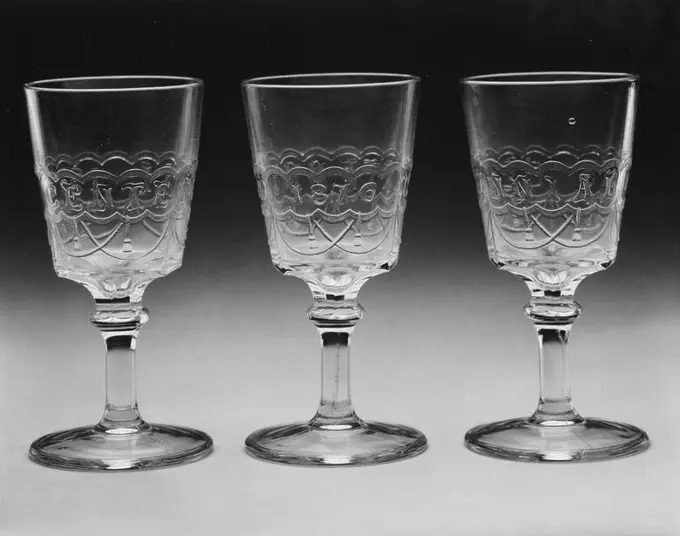
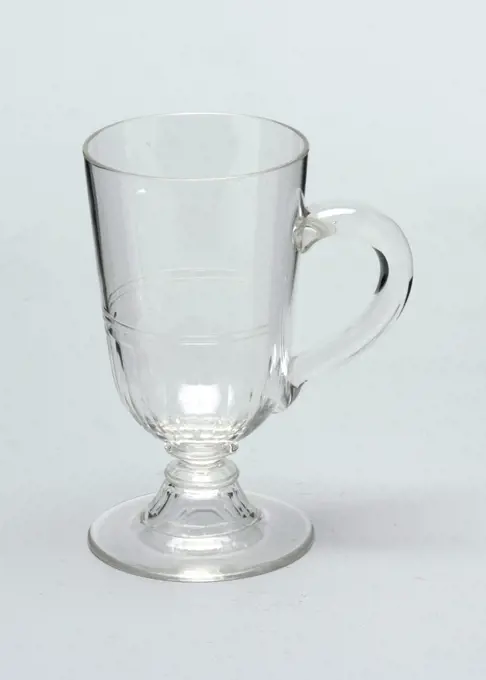
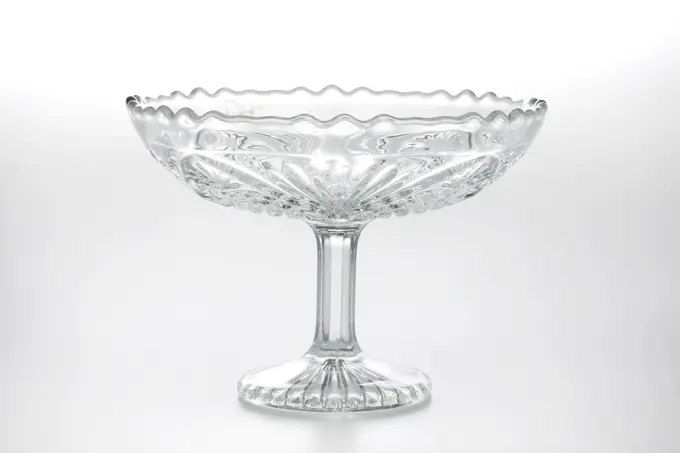
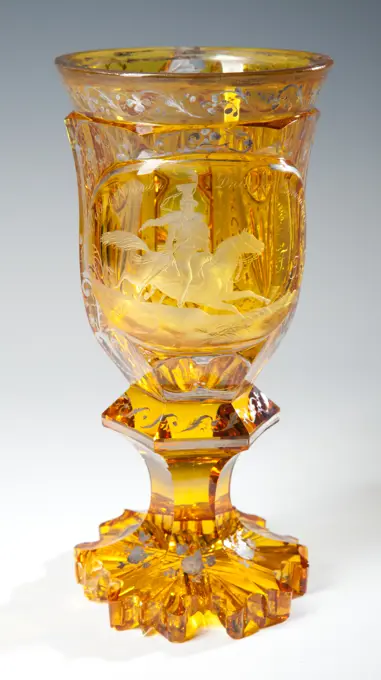
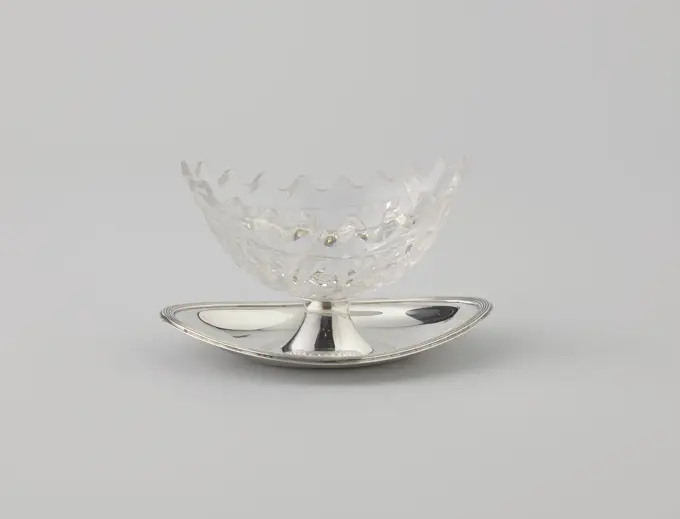
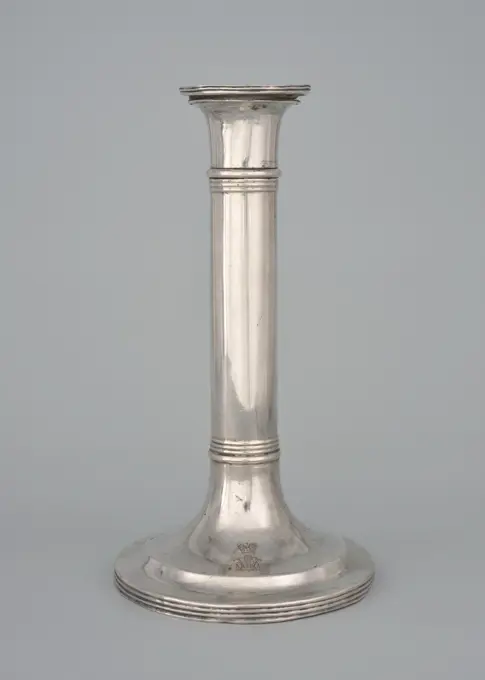
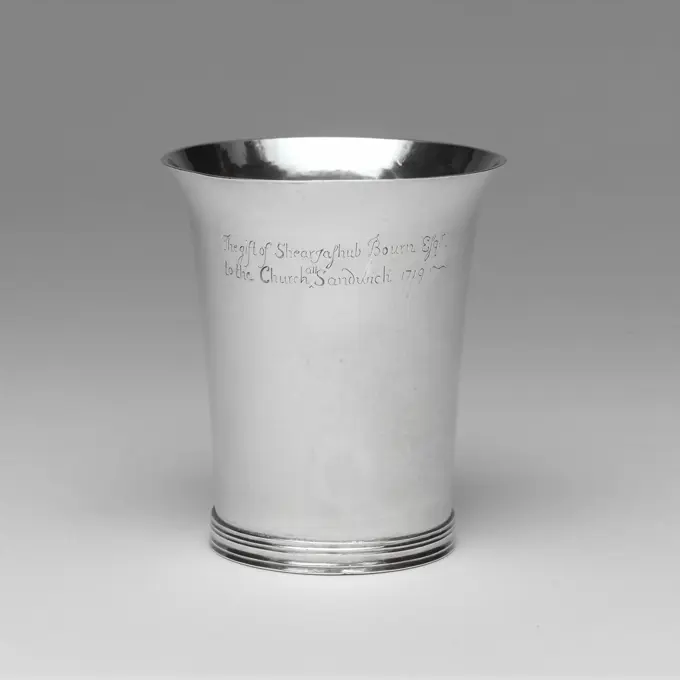
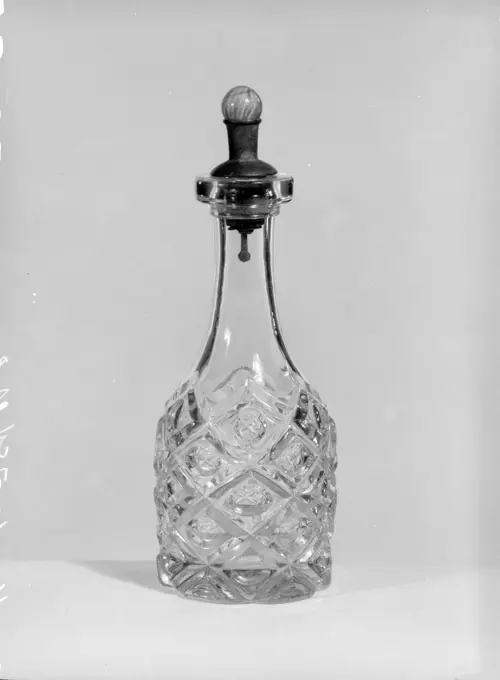
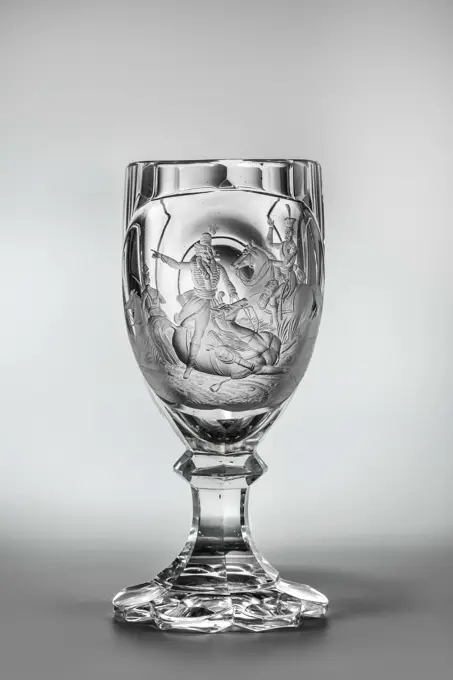
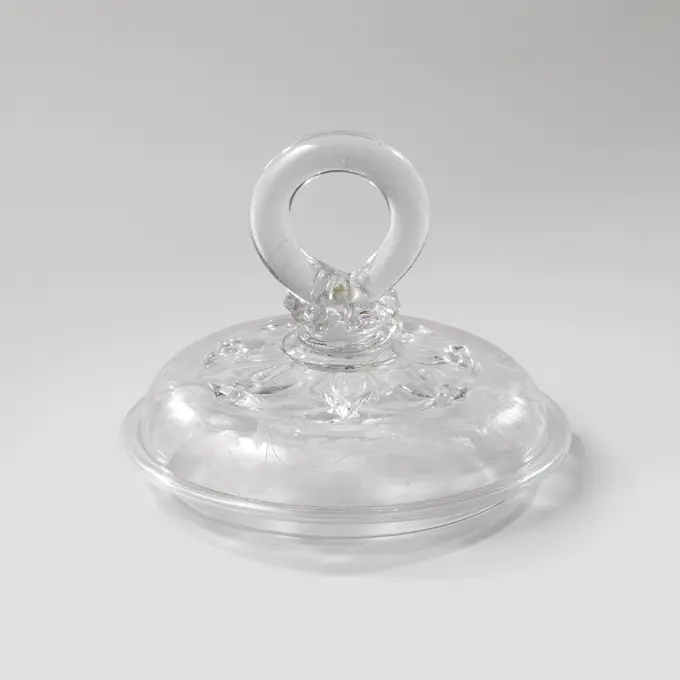
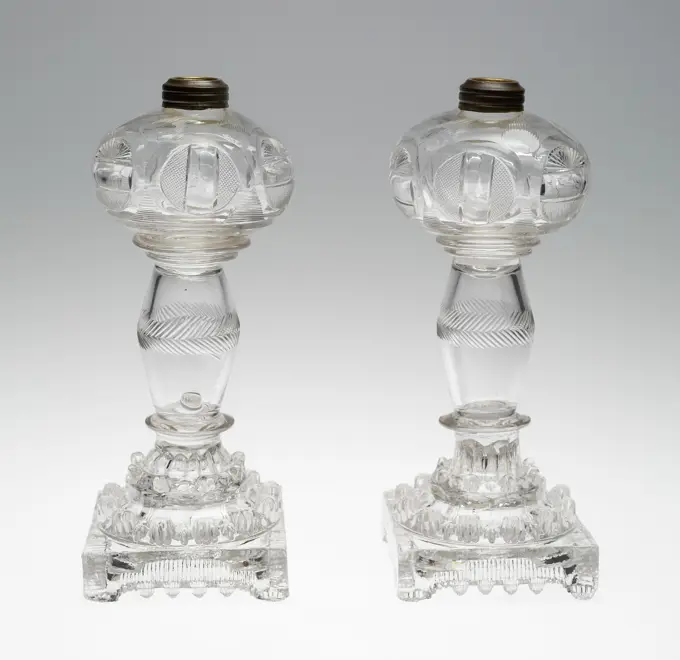
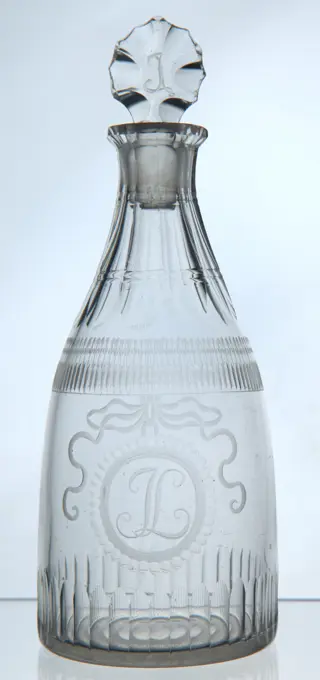
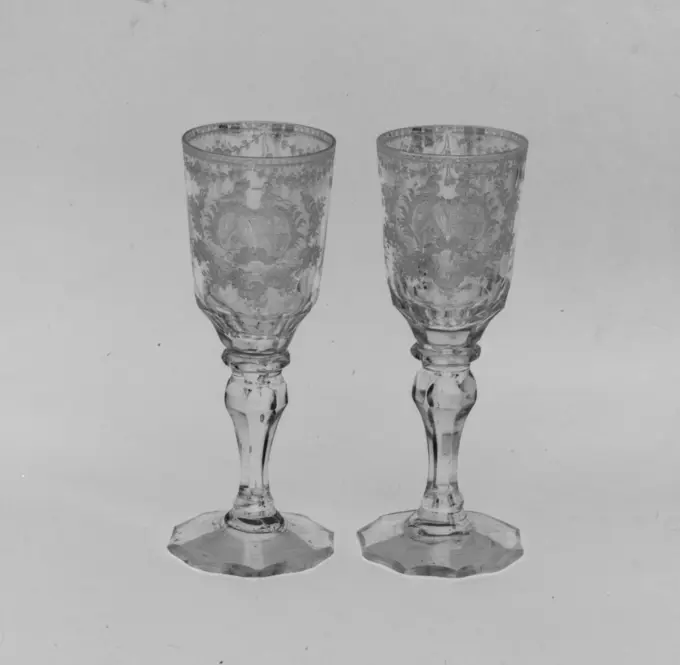
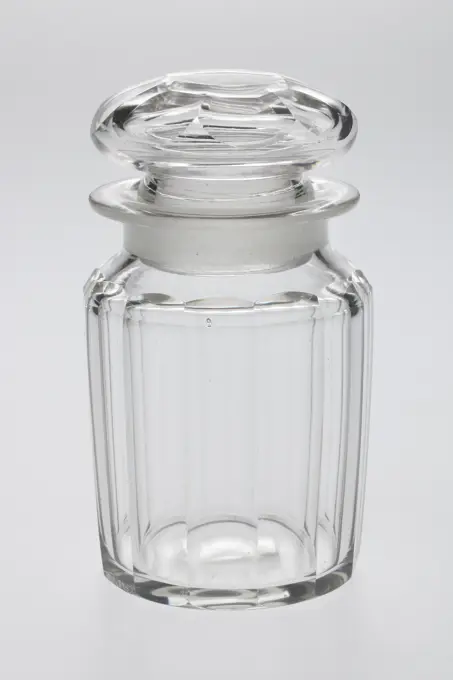
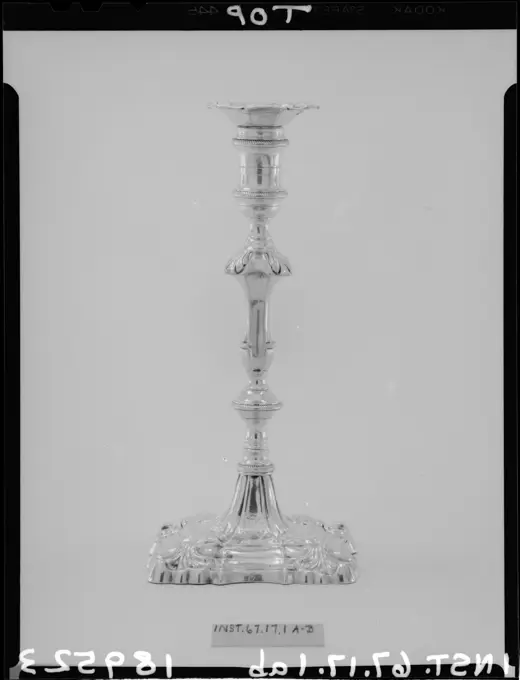
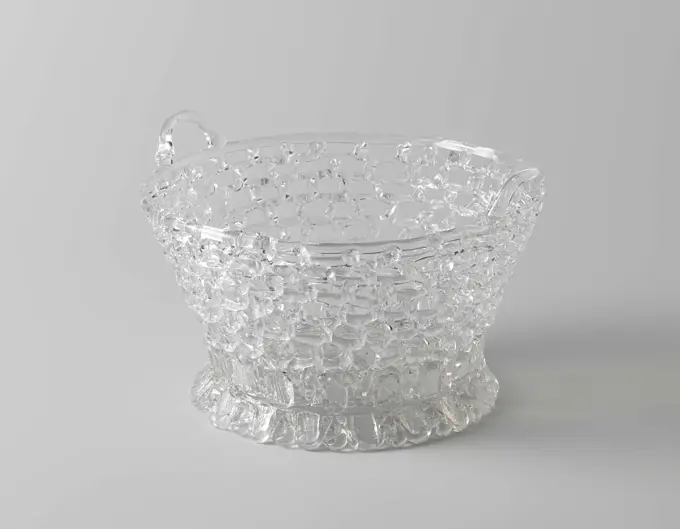
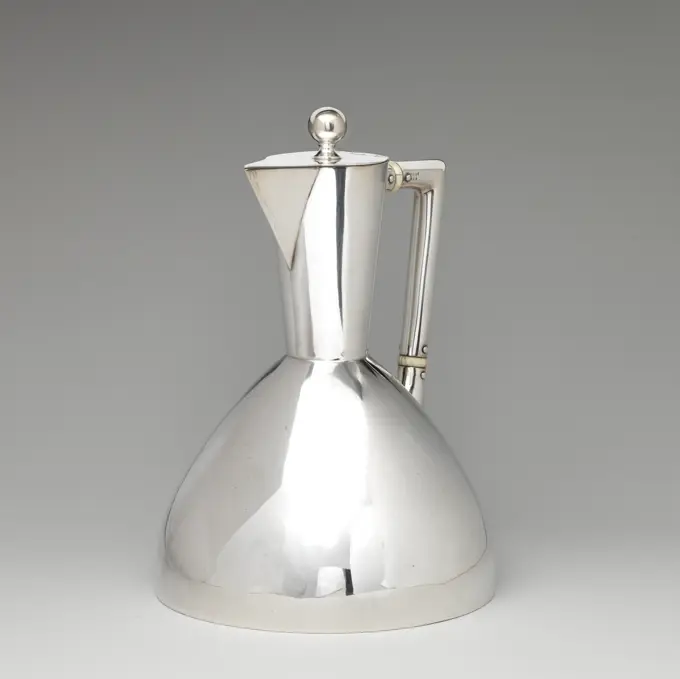
monochromatic still life composition with glass 6Wineglass 18th century Dutch or Flemish. Wineglass. Dutch or Flemish. 18th century. Glass. GlassGoblet 1800-1830 American. Goblet 4079Roemer with the inscription: that a lot of best, him a lot, anonymous, c. 1650 - c. 1660 Somewhat convex, spun from a wire. Soul inserted. The egg -shaped chalice blown as a whole with the trunk, which is set with four rows of brambles stamped in a flower motif. The transition from the chalice to the trunk indicated by a ribbed thread. On the chalice, in Italian letters, the saying "that much best," fucked him a lot, "Celligraphy. glassblower: NetherlandsNorthern Netherlands glass glassblowing Somewhat convex, spun from a wire. Soul inserted. The egg -shaped chalice blown as a whole with the trunk, which is set with four rows of brambles stamped in a flower motif. The transition from the chalice to the trunk indicated by a ribbed thread. On the chalice, in Italian letters, the saying "that much best," fucked him a lot, "Celligraphy. glassblower: NetherlandsNorthern Netherlands glass glassblowingBeaker 1815-1825 Bohemia. Glass .Bowl early 19th century Irish. Bowl. Irish. early 19th century. Glass. GlassGoblet. Dimensions: H. 5 13/16 in. (14.8 cm); Diam. 3 in. (7.6 cm). Date: 1885-90. Museum: Metropolitan Museum of Art, New York, USA.Compote 1870-90 Adams and Company. Compote. American. 1870-90. Pressed yellow glass. Made in Pittsburgh, Pennsylvania, United Statesprobably Boston and Sandwich Glass Works, Decanter and Stopper, c. 1826-35, colorless lead glass.Glass, possibly presenting a water lens. Glass, bright colorless, possibly presenting a water lens; Grote Bolle Cuppa with close edge turned out, inside inside hollow foot and a short strain. Possibly a water lens.Masonic cup of a member of the Zu den drei Seraphim lodge, Berlin. unknown, authorWine Glass 1700-1725 Bohemia. Glass with engraved gold leaf decoration .Glass;  1920-39 (1920-00-00-1939-00-00);Cup; Eastern Mediterranean; 3rd - 4th century; Glass; 8.1 x 11.2 cm (3 3,16 x 4 7,16 in.)Salt vessel on oval base with spire glass container, company Bennewitz and Bonebakker, 1807 The salt vessels each consist of a scale -shaped oval base, which rises in the middle to the Spitsovale container. Both parts are higher on the sides. A filet edge has been applied to the top of the foot on the outer edge. The container of colorless glass has a corrugated top edge and is sharpened with an edge of diamond heads above a jet wreath. The container is attached to the foot by means of a silver screw with a golden cup that is visible on the inside of the container. The trays of A, B and D are damaged. Amsterdam silver (metal). schroefkop: gold (metal). bak: glass The salt vessels each consist of a scale -shaped oval base, which rises in the middle to the Spitsovale container. Both parts are higher on the sides. A filet edge has been applied to the top of the foot on the outer edge. The container of colorless glass has a corrugated top edge and is sharpened with an edge of diamond headsPort glass 1866-1867 Antonio Salviati. Port glass. Antonio Salviati (Italian, 1816-1890). Italian, Venice (Murano). 1866-1867. Glass. GlassKelkglas with funnel-shaped chalice. Kelkglas with flat foot and slim trunk. Stam continuously in a funnel-shaped chalice.Decanter. Culture: Irish, probably Belfast. Dimensions: Overall: 11 7/8 × 3 1/2 in. (30.2 × 8.9 cm). Date: early 19th century. Museum: Metropolitan Museum of Art, New York, USA.Beaker 1805-1825 Germany. Glass .Bowl. Culture: Irish. Dimensions: Overall: 7 1/8 × 7 1/8 × 10 in. (18.1 × 18.1 × 25.4 cm). Date: early 19th century. Museum: Metropolitan Museum of Art, New York, USA.Jug;  1 19th century (1830-00-00-1850-00-00);Bottle 1845-1855 Austria. Glass .Chalice with Twelve Apostles. Germany, Schleswig. Date: 1735-1745. Dimensions: 27.6 x 8.6 cm (10 7/8 x 3 3/8 in.). Glass; engraved and gilt decoration. Origin: Schleswig. Museum: The Chicago Art Institute, Chicago, USA.Service: wine glass Ludwig Moser & SonsSyllabub or Jelly Glass. United States, probably Pennsylvania, 1770-1790. Furnishings; Serviceware. GlassDecanter with stopper probably late 18th century British. Decanter with stopper. British. probably late 18th century. Glass. GlassGlass; Non -like Lona Huta; End of the 17th century (1680-00-00-1710-00-00);Bell Beaker. Culture: Frankish. Dimensions: Overall: 4 15/16 x 3 5/16 in. (12.5 x 8.4 cm). Date: 6th-7th century. Museum: Metropolitan Museum of Art, New York, USA.Sweetmeat Dish 1745-1755 Poland. Glass .Wine Glass. Culture: American. Dimensions: H. 4 5/16 in. (11 cm). Maker: New England Glass Company (American, East Cambridge, Massachusetts, 1818-1888). Date: 1860-70. Museum: Metropolitan Museum of Art, New York, USA.Vase 1810-30 American. Vase 9212Glass;  1920-39 (1920-00-00-1939-00-00);Glass on wooden surfaceSmall Beaker, 1793, 2 7/8 x 2 5/8 x 2 5/8 in. (7.3 x 6.67 x 6.67 cm), Glass, enamel, Switzerland, 18th centuryParfait Glass, Embassy” Pattern. Designer Walter Dorwin Teague, American, 1883-1960 Designer Edwin W. Fuerst, American, 1903-1988 Manufacturer: Libbey Glass Company, a subsidiary of Owens-Illinois Glass Co., American, 1935-1943Kiddush cup -Chalice, engraved with 't Welvaren van St. Iansgild (pirate and wineglass guild), wine glass drinking glass drinking utensils tableware holder lead glass glass, gram free blown and formed radgraving polishing goblet wineglass in clear colorless lead glass Pontil mark under round ascending hollow base On convex knot solid light balustere baluster knot with round 12 12 row drop-shaped air bubbles and sharp knot Rounded trumpet-shaped chalice with fire-rounded rim 't Welvaren of St. Iansgild (radgravure top of the chalice) and 1720 (radgravure underside of the calyx) Rotterdam heraldry cooper cooper St. Jansgilde guild Jacob Vosmaer serving drinks Made for and in use at the Rotterdam cooper and guilders guild.Glass with ice isolated on white backgroundGoblet. Dimensions: H. 6 1/4 in. (15.9 cm); Diam. 3 1/4 in. (8.3 cm). Date: 1876. Museum: Metropolitan Museum of Art, New York, USA.No. 132, Professor Josef Storck, Austria, 1830 - 1902, J. & L. Lobmeyr GmbH, Vienna, Austria, founded ca. 1935, Mouth-blown crystal, facet-cut and polished, Mouth-blown crystal punch glass, facet-cut and polished (without engraving)., Austria, 1870, glasswares, Decorative Arts, Punch glass, Punch glassBeaker, anonymous, c. 1550 - c. 1700 Comet cup with inserted soil. Ribbed stand ring. Cylindrical body with a ribbed thread on a dial of the height. This includes three sloped corrugated threads of blue glass, which end in claws Low Countries glass glassblowing Comet cup with inserted soil. Ribbed stand ring. Cylindrical body with a ribbed thread on a dial of the height. This includes three sloped corrugated threads of blue glass, which end in claws Low Countries glass glassblowingCream Jug. United States, New Jersey, Wistarberg (before 1780) or Glassboro (after 1781), 1770-1820. Furnishings; Serviceware. Pattern-molded glass with a yellowish castGlass for Wine Empty Clear Wine Glass at White Background Copyright: xZoonar.com/MarkoxBericx 13104897Compote - Pineapple pattern Model Flint Glass Company Model Flint Glass CompanyTumbler; cut glass with gilt decorationPitcher 1850-70 American. Pitcher. American. 1850-70. Pressed glass. Made in Massachusetts, United StatesCupImage about the glass, its manufacture and history, with motifs of finished glass, manufacturing process and craft.Smell bottle of six -sided cut crystal with frame, foot and cap of silver, anonymous, 1855 - 1865 Smell bottle of six -sided cut crystal; Bulb belly and high slender neck, on a slightly vaulted foot of silver with lobed lower edge and alternately high and low notches. The neck has a frame of silver with engraved geometric motifs, the cap is attached to this, consisting of a sphere rising from leaves and is crowned by a round button. Dent in cap. The Netherlands, ca. 1860. Schoonhoven (Possible) silver (metal). crystal (lead glass) Smell bottle of six -sided cut crystal; Bulb belly and high slender neck, on a slightly vaulted foot of silver with lobed lower edge and alternately high and low notches. The neck has a frame of silver with engraved geometric motifs, the cap is attached to this, consisting of a sphere rising from leaves and is crowned by a round button. Dent in cap. The Netherlands, ca. 1860. Schoonhoven (Possible) silver (metal). crystal (lead glass)Cup on legs with the inscription: Sometimes SOP / Som Time Drop. Cylindrical cup with inserted soul, standing on three flattened filling feet. The bottom edge deposited with a wire. On the body Galligated inscription: Sometimes SOP / Som Time Drop. On the bottom: that is: Knows, in fat and Schrael, Teert delicious, if it is sober mael.Glass; Non -like Lona Huta; End of the 18th century (1775-00-00-1800-00-00);Glass;  1920-39 (1920-00-00-1939-00-00);Tumbler 1830-70 American With the development of new formulas and techniques, glass-pressing technology had improved markedly by the late 1840s. By this time, pressed tablewares were being produced in large matching sets and innumerable forms. During the mid-1850s, colorless glass and simple geometric patterns dominated. Catering to the demand for moderately-priced dining wares, the glass industry in the United States expanded widely, and numerous factories supplied less expensive pressed glassware to the growing market. At the Exhibition of the Industry of All Nations at New Yorks Crystal Palace in 1853, for example, the New England Glass Company exhibited 130 pieces of one design, "consisting of bowls, tumblers, champagnes, wines, and jelly glasses." This object belongs to one such service. Although the glass manufactory is not known, the glassware is very typical of the large services that were very popular with Americas middle class in the nineteenth century.. Tumbler 9099Salt vessel on oval base with spire glass container, company Bennewitz and Bonebakker, 1807 The salt vessels each consist of a scale -shaped oval base, which rises in the middle to the Spitsovale container. Both parts are higher on the sides. A filet edge has been applied to the top of the foot on the outer edge. The container of colorless glass has a corrugated top edge and is sharpened with an edge of diamond heads above a jet wreath. The container is attached to the foot by means of a silver screw with a golden cup that is visible on the inside of the container. The trays of A, B and D are damaged. Amsterdam silver (metal). schroefkop: gold (metal). bak: glass The salt vessels each consist of a scale -shaped oval base, which rises in the middle to the Spitsovale container. Both parts are higher on the sides. A filet edge has been applied to the top of the foot on the outer edge. The container of colorless glass has a corrugated top edge and is sharpened with an edge of diamond headsJug. United States, probably Massachusetts, 1800-1825. Furnishings; Serviceware. GlassCandlestick; Mayerhofer, Stephan (1772-1852); around 1825 (1820-00-00-1840-00-00);Wine Glass 1850-1899 Bohemia. Glass; blown, cut, stained red and engraved .Beaker ca. 1719 Moody Russell The sum of eight pounds bequeathed by Shearjashub Bourne to the church in Sandwich, Massachusetts, likely was used to purchase these two beakers. Bourne was a prominent and affluent citizen whose wealth derived from a lucrative trade he carried on with Native Americans. At his death, Bourne's estate was appraised at £943.1s.4d. Although a domestic form, beakers often were used as communion cups. These beakers appear to have served as models for four other beakers made for the church in the nineteenth century by Lewis Cary.. Beaker 421Beker met instulpingen, Gerard Muller (attributed to), c. 1900 - c. 1925 Flat soil with grinded star, conical, upwards, in three places input in three places. designer: Amsterdamglassblower: Europe glass glassblowing / grinding Flat soil with grinded star, conical, upwards, in three places input in three places. designer: Amsterdamglassblower: Europe glass glassblowing / grindingHandled Mug, 1700s. America, Stiegel Type, 18th century. Glass; diameter: 8 cm (3 1/8 in.); overall: 14.6 x 9.6 cm (5 3/4 x 3 3/4 in.).Bitters Bottle 1860-1870 American With the development of new formulas and techniques, glass-pressing technology had improved markedly by the late 1840s. By this time, pressed tablewares were being produced in large matching sets and innumerable forms. During the mid-1850s, colorless glass and simple geometric patterns dominated. Catering to the demand for moderately-priced dining wares, the glass industry in the United States expanded widely, and numerous factories supplied less expensive pressed glassware to the growing market. At the Exhibition of the Industry of All Nations at New Yorks Crystal Palace in 1853, for example, the New England Glass Company exhibited 130 pieces of one design, "consisting of bowls, tumblers, champagnes, wines, and jelly glasses." This object belongs to one such service. Although the glass manufactory is not known, the glassware is very typical of the large services that were very popular with Americas middle class in the nineteenth century.. Bitters BoGoblet. Czechy, creatorFate Fraget, Józef (1797 1867)Vase. Culture: China. Dimensions: H. 8 1/2 in. (21.6 cm). Museum: Metropolitan Museum of Art, New York, USA.Close up of empty crystal cognac stem glass with reflection and back lighting.Goblet ca. 1800 British or Irish. Goblet. British or Irish. ca. 1800. Blown lead glass. Possibly made in Ireland; Possibly made in EnglandBeaker 1720-40 George Hanners Sr.. Beaker 398Lid of a cup with a ring -shaped button and oak leaf, c. 1680 - c. 1700 lid Vaulted lid of clear, colorless glass, with tang ornament blown in the shape. Ring -shaped button. On the lid a continuous edge of branches with oak leaf in radgravure. glassblower: Low CountriesNorthern Netherlands glass glassblowingFour glasses Economic Huta Krosno. Aert Schouman probably learnt the art of stippleengraving from Frans Greenwood. An engraver and painter by profession, Schouman was able to create exceptionally fine scenes, which he based on his own designs rather than prints by others. The man on this glass is holding a wine jug. In the same year Schouman also engraved a glass with the motif of a man eating.Lid of a jar. Lid of a jar with bent foot edge. The top is virtually flat, but showing a strong curve to the button. The button has two rings and a ball with a small pointed striker. In the knocked decoration of bubbles. Engraved decoration of a garland of flowers and sheets. Does not originally hear from BK-NM-10754-189-A.Bottle of oil and vinegar with four bottles, with the Clifford family crest, Fa. Diemont, 1806 One of the two larger bottles of colorless glass, decorated in various sharpening, fits. The upper part of the bottle is contained in a silver frame that is decorated with a filet edge, where it ends in a point at the front and back. One handle is provided on the frame, hinged snee -shaped lid. The, presumably English, bottle has a high rising, bent, grooved silver ear, which runs just above the bottle base to below the folding lid. Amsterdam glass One of the two larger bottles of colorless glass, decorated in various sharpening, fits. The upper part of the bottle is contained in a silver frame that is decorated with a filet edge, where it ends in a point at the front and back. One handle is provided on the frame, hinged snee -shaped lid. The, presumably English, bottle has a high rising, bent, grooved silver ear, which runs just above the bottle base to below the folding lid. Amsterdam glassCandlestick with the Clifford family crest, Anton Hinrich Pape, 1805 The oval candlesticks with loose fat catchers rest on a base, which is made up of two curved parts above a right -wing base. The widening tribe is crowned by a neck, which consists of a conical sub -part and a vaulted, rejuvenating upper part. The scale -shaped fat catcher closes in the vase -shaped candle holder. The upper part of the foot, the shaft and the candle holder are scanned. At the bottom of the two parts of the foot, along the underside of the trunk, along the neck above the trunk, along the upper side of the candle holder and along the outer edge of the fat catcher, traffic jams are fitted. The Clifford weapon is engraved on the foot of both. Amsterdam silver (metal) The oval candlesticks with loose fat catchers rest on a base, which is made up of two curved parts above a right -wing base. The widening tribe is crowned by a neck, which consists of a conical sub -part and a vaulted, rejuvenating upper partLid of a jar. Vaulted lid, awarded with articulated lid, consisting of a spherical knob with a row of air bubbles and a rod-shaped end with three bramnops. On the lid a engraved leaf sling.Pair of Lamps c 1835-1840 Philadelphia. These lamps were made to burn oil. The brass collars allowed wicks and glass shades to be screwed tightly to the tops. The shades fit over the wicks and aided in illuminating a room by diffusing the light of the flame.. Glass . Union Flint Glass Co.Vase 1840-65 American. Vase. American. 1840-65. Pressed amethyst glass, marble. Made in New England, United StatesWing glass with ashesian chalice, anonymous, c. 1550 - c. 1650 Wing glass on a flat base with overflowed edge. Hollow, ribbed and twisted baluster -shaped tribe with three nodi. On both sides a wing in the shape of a seahouses of colorless and blue glass. Wide, horizontal chalice, in which a hollow, ribbed ball of blue glass is attached to the bottom. Venice glass glassblowing Wing glass on a flat base with overflowed edge. Hollow, ribbed and twisted baluster -shaped tribe with three nodi. On both sides a wing in the shape of a seahouses of colorless and blue glass. Wide, horizontal chalice, in which a hollow, ribbed ball of blue glass is attached to the bottom. Venice glass glassblowingRealistic transparent and isolated whiskey tulip glass. Alcohol drink glass vector icon illustration. Vector realistic transparent and isolated whiskey tulip glass. Alcohol drink glass icon illustrationTumbler 1770-1820. Tumbler 9000Tumbler 18th century. Tumbler 8994Tumbler after 1886 Probably Hobbs, Brockunier and Company. Tumbler. American. after 1886. Pressed cranberry with opalescent glass. Made in Wheeling, West Virginia, United StatesTwo wine glassesMug;  19th century (1801-00-00-1900-00-00);Cobalt blue Fruit Bowl; Designed by Michael Powolny (Austrian, 1871 - 1954); Manufactured by J. & L. Lobmeyr GmbH (Austria), Loetz-Witwe (Czech Republic); Bohemia (now Germany); mold and mouth-blown blue-green "sapphire" glassCarafe with traffic jamWineglass mid-18th century Southern German. Wineglass 206283Two -life fervor; Leuchars & Son (London; company Z Otnicz; Fl. CA 1845-1902), Leuchars, William (Fl. 1876-1888); 1881/82 (1881-00-00-1882-00-00);Pickle jar -Dish 1783 Gaspard Burel. Dish 200197Flask c 1870-1876 Pittsburgh. Glass . William Frank and SonsCandlestick 1764-66 Ebenezer Cocker. Candlestick. British. 1764-66. Silver. Made in EnglandBasket. Scalloped stand ring. Soil blown into a honeycomb motif, flared wall made up of smooth wires in a fillet pattern. Along the edge a smooth wire. Two smooth, raised ears.Vase; glassComposition of two empty wineglassesGlassware, Silhouette” pattern. Designer Eva Zeisel, American, born Hungary, 1906-2011 Manufacturer: Bryce Brothers, American, 1882-1965Glass; Wessel & Müller (Luckenwalde; Production Zak 1847-1939); XIX-XX century (1801-00-00-2000-00-00);Pitcher ca. 1881 Christopher Dresser British, Scottish Listen to experts illuminate this artwork's story Listen Play or pause #418. Christopher Dresser and the Birth of Industrial Design Supported by Bloomberg Philanthropies We're sorry, the transcript for this audio track is not available at this time. We are working to make it available as soon as possible.. Pitcher. ca. 1881. Silver-plate, ivory. MetalworkVase 1885-88 New England Glass Company. Vase 14498Stripempty whisky glass isolated on white background