Elegant Glassware

Antique glassware pieces, including flutes and goblets, featuring intricate designs and historical significance from various periods.

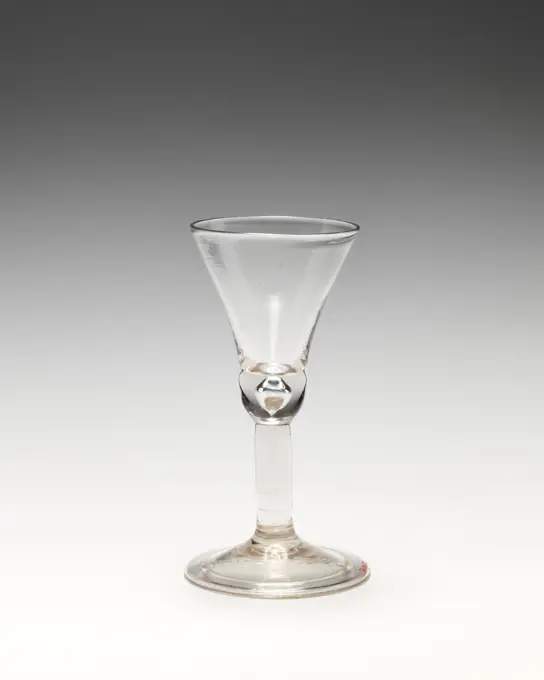
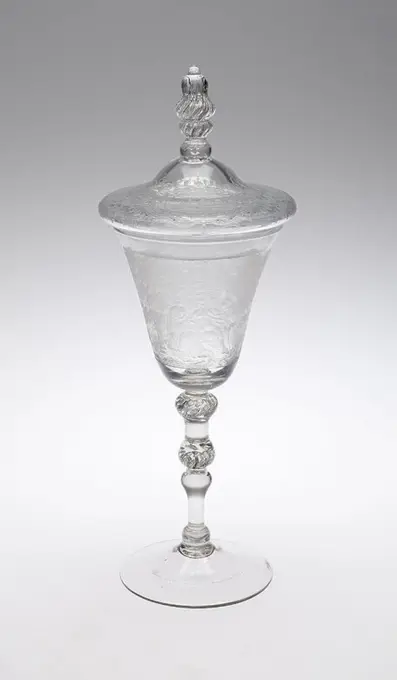
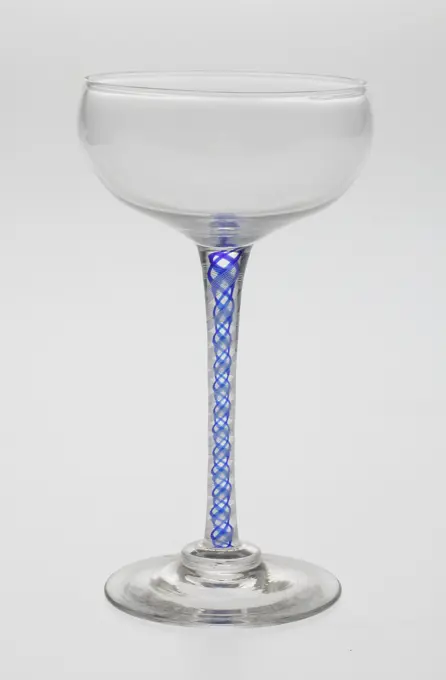
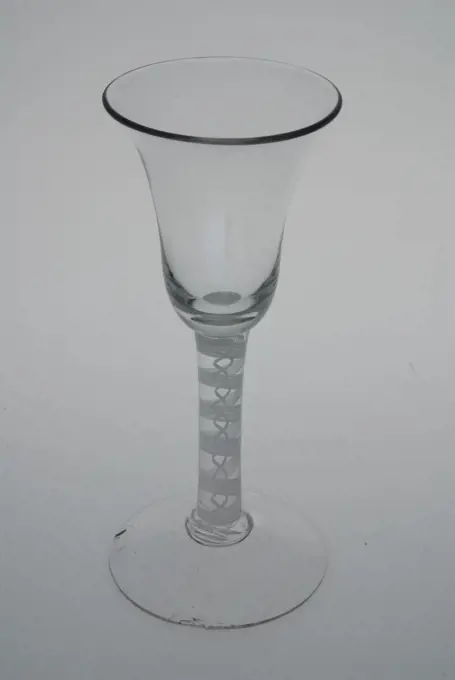
Slinger glass with funnel -shaped chalice, anonymous, c. 1750 - c. 1775 Slinger glass with conical foot and slightly flared trunk. Multiple air spiral in the trunk. Stam continuous in funnel -shaped chalice. England glass glassblowing Slinger glass with conical foot and slightly flared trunk. Multiple air spiral in the trunk. Stam continuous in funnel -shaped chalice. England glass glassblowing
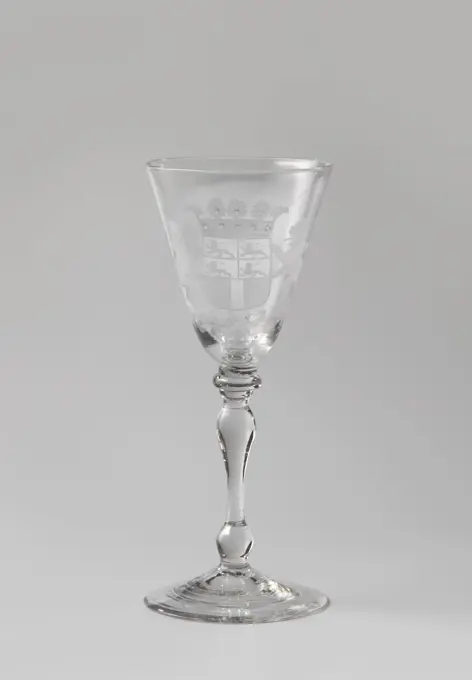
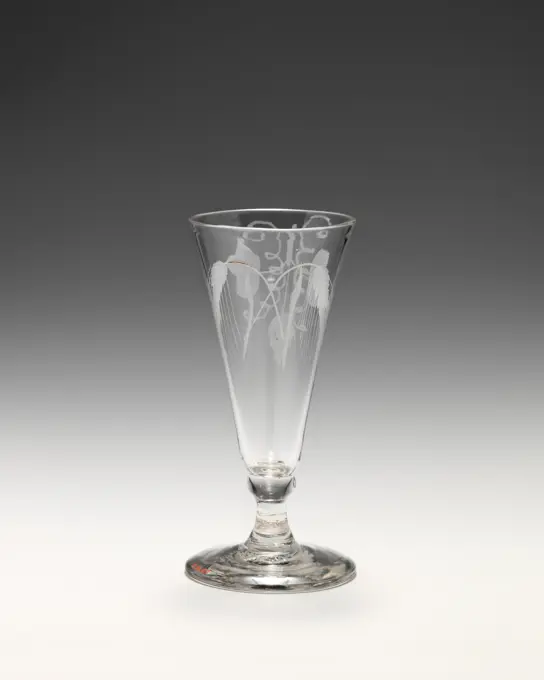
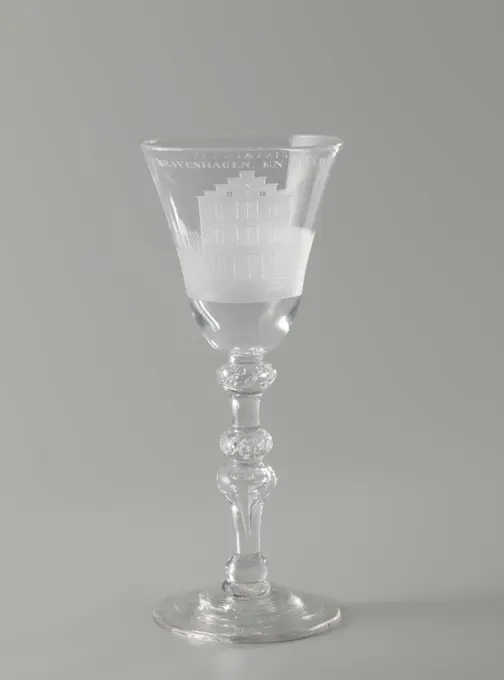
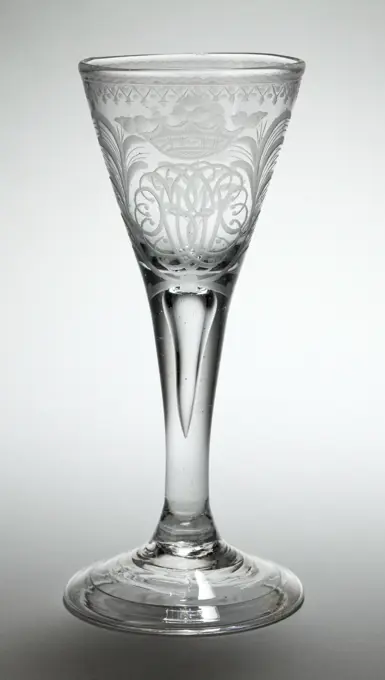
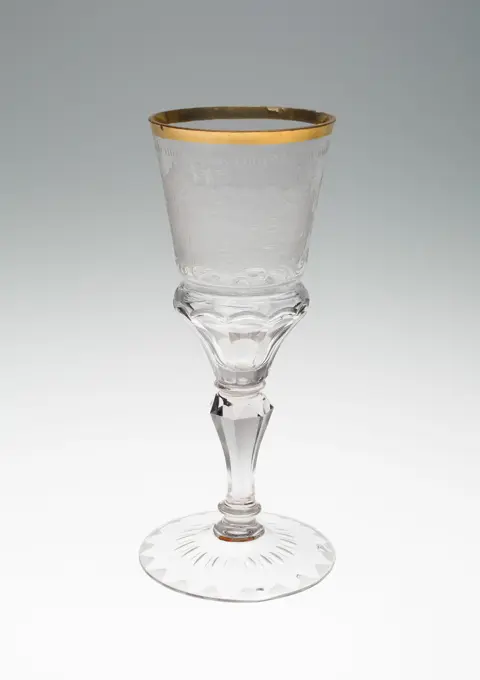
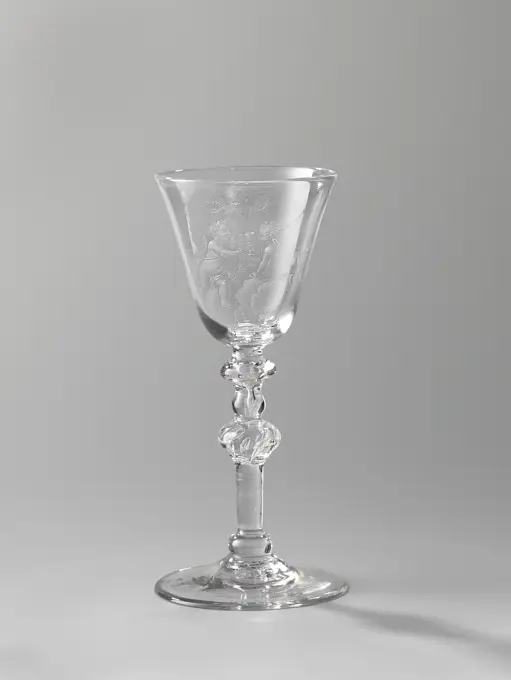
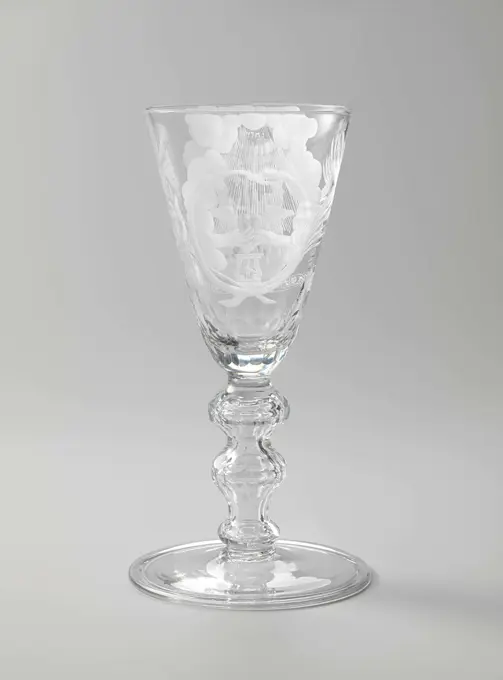
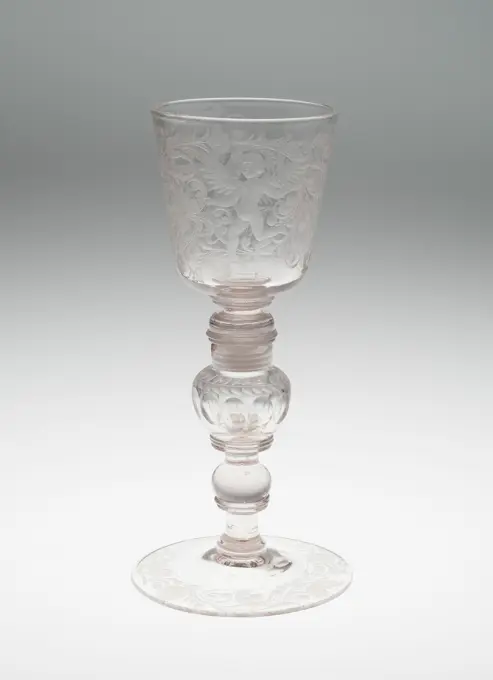
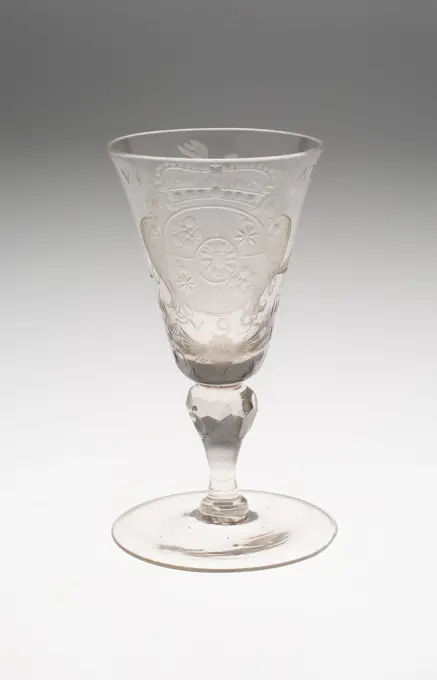
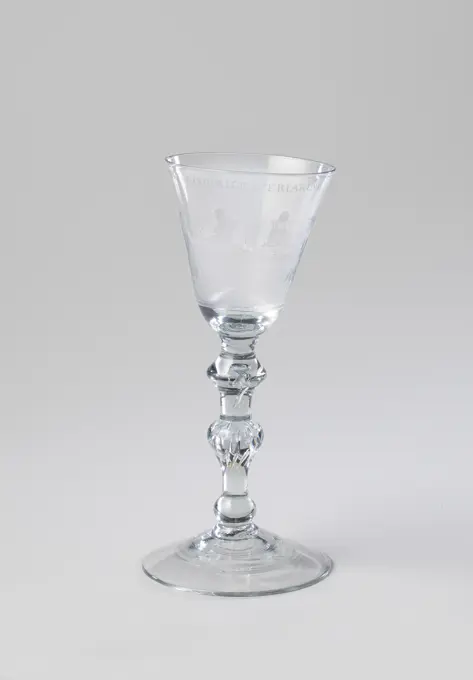
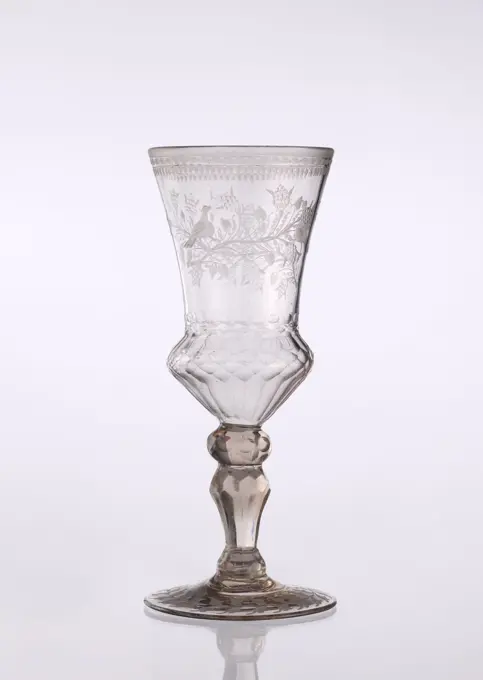
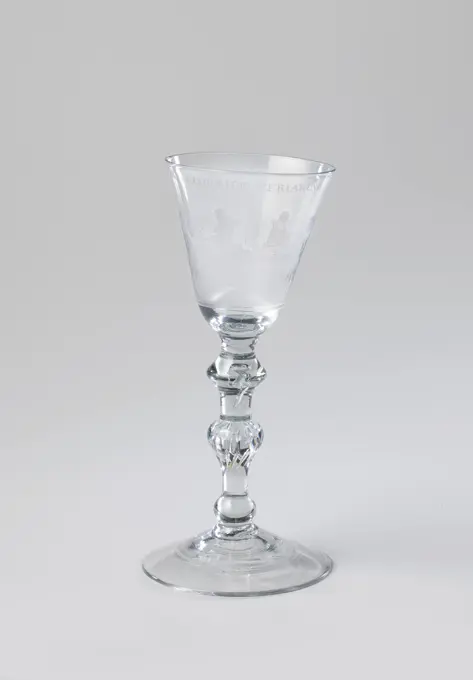
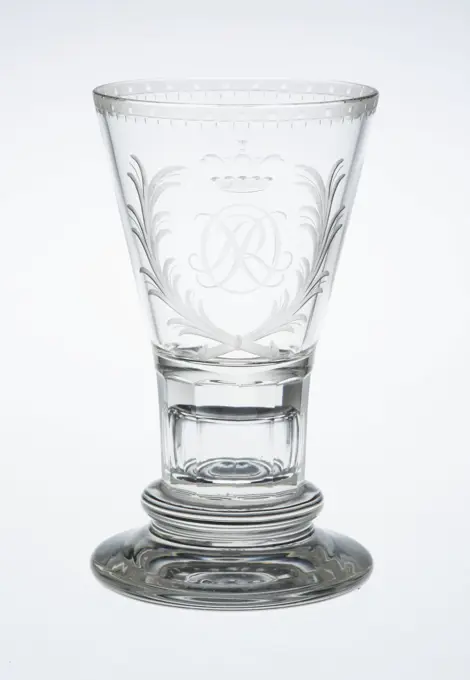
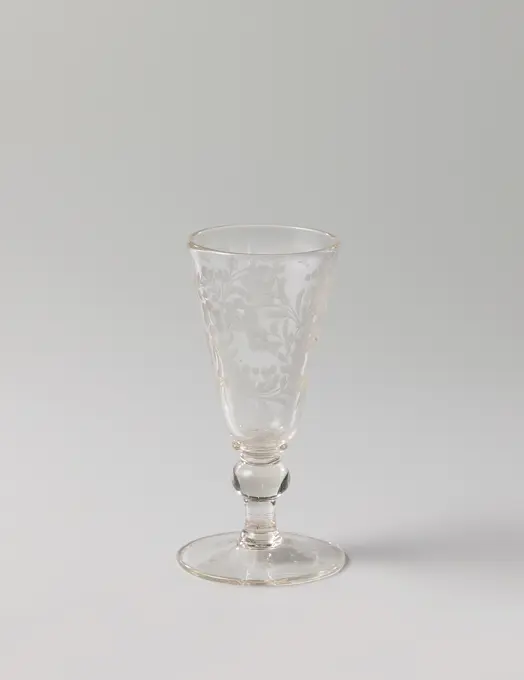
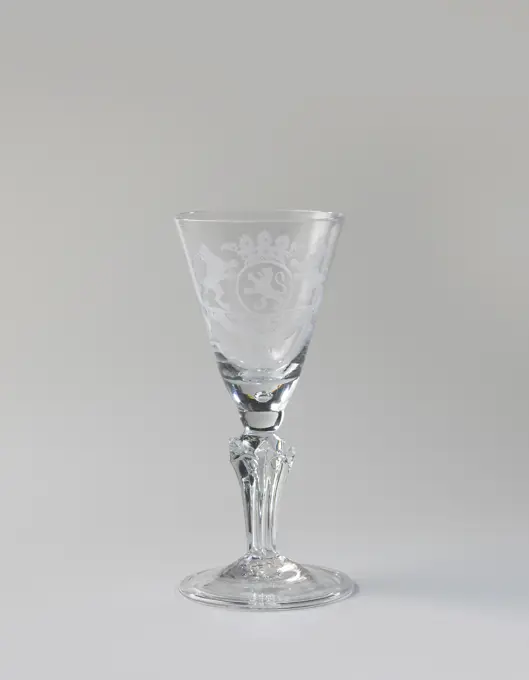
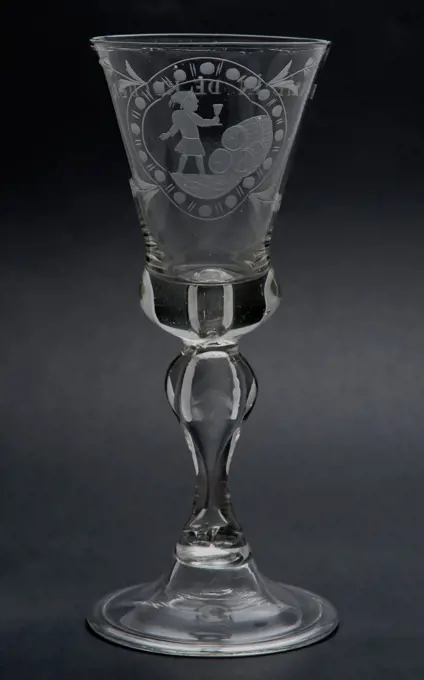
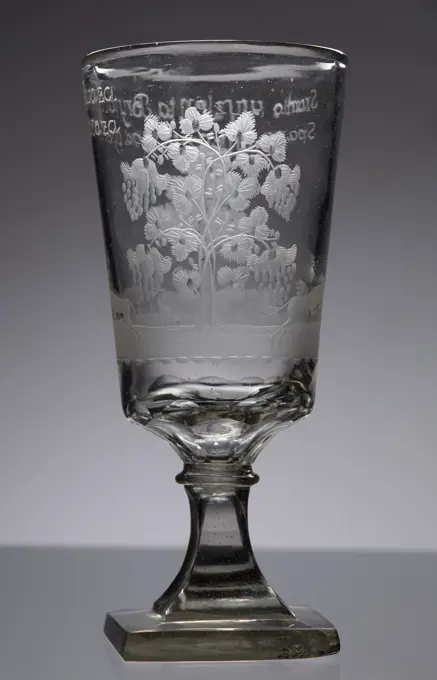
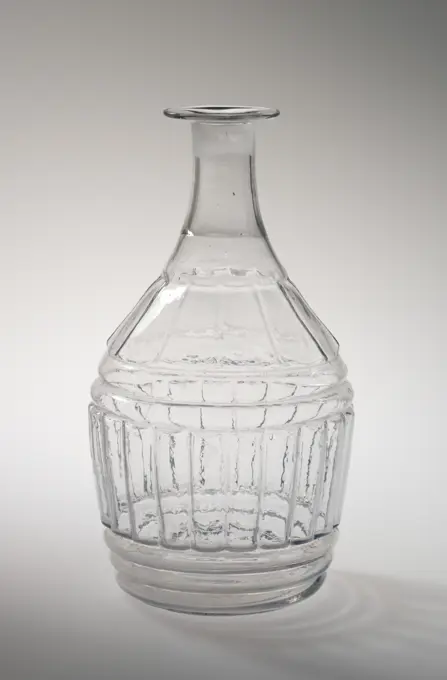
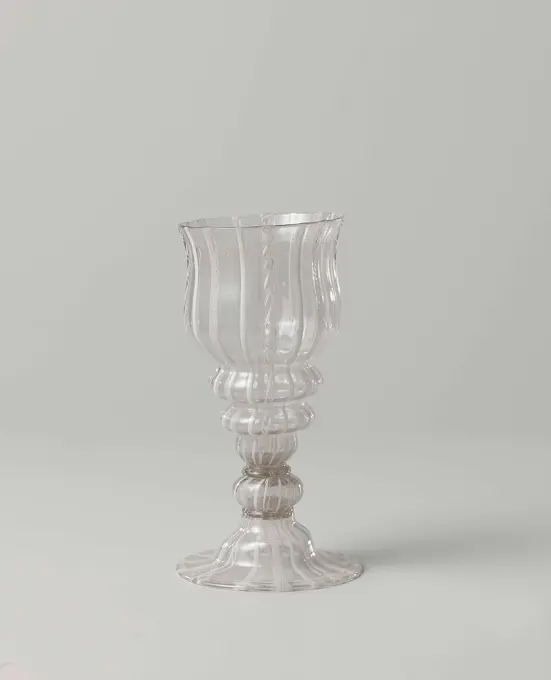
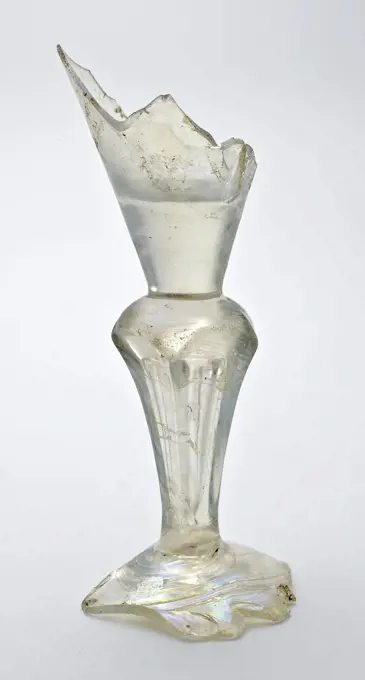
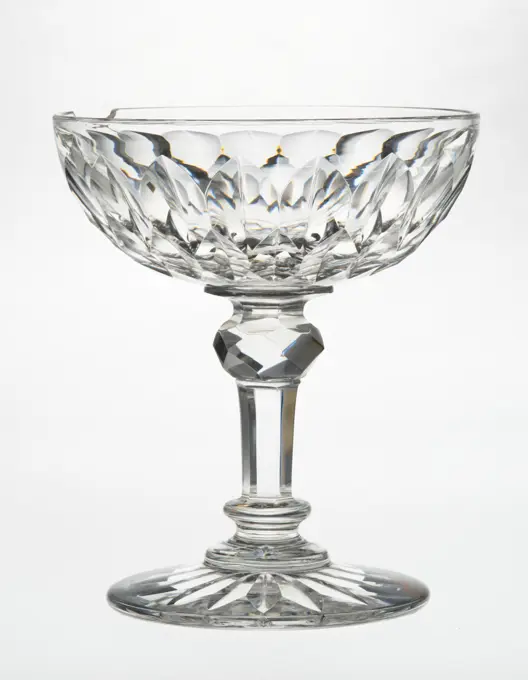
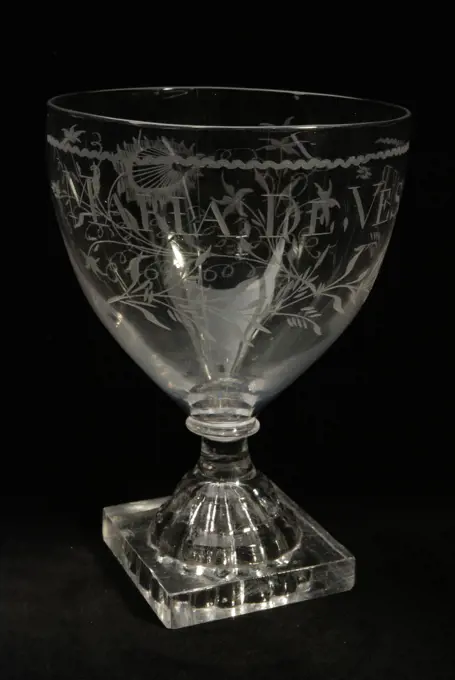
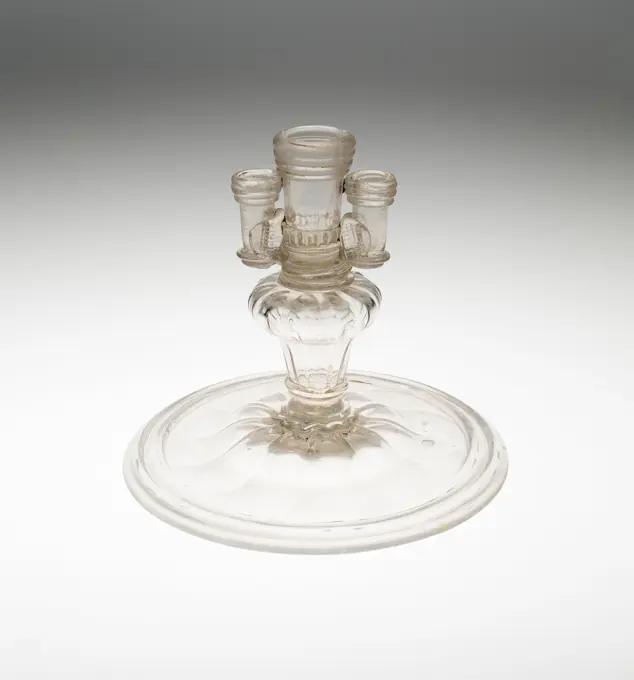
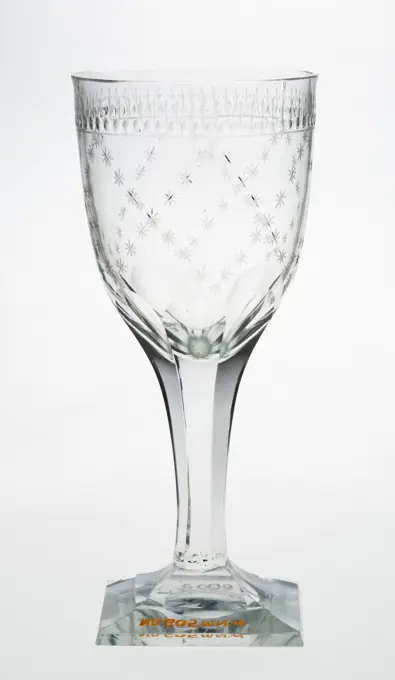
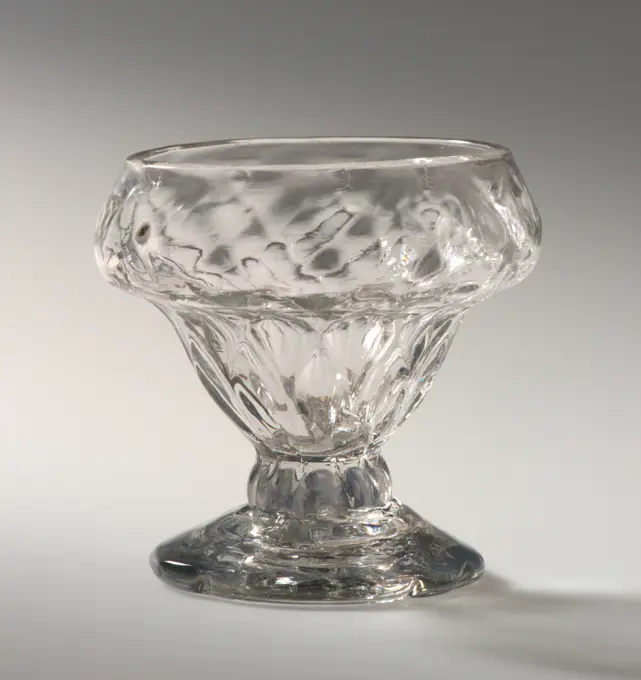
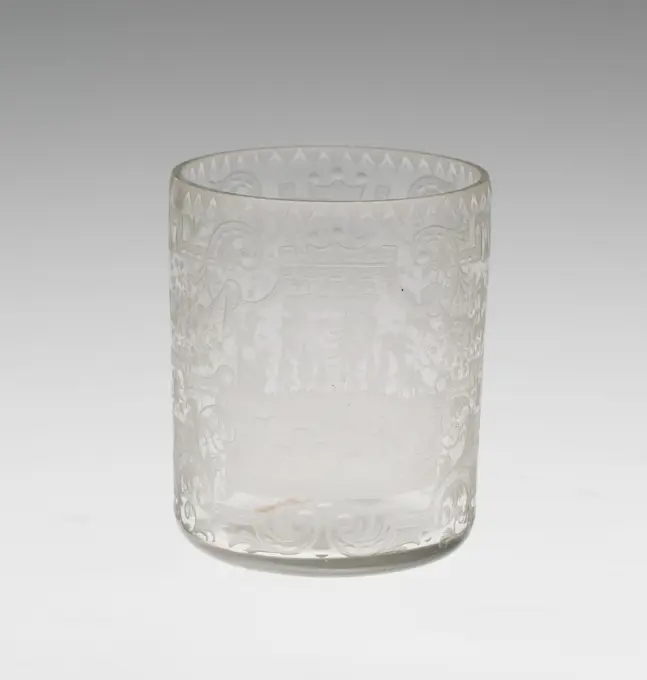
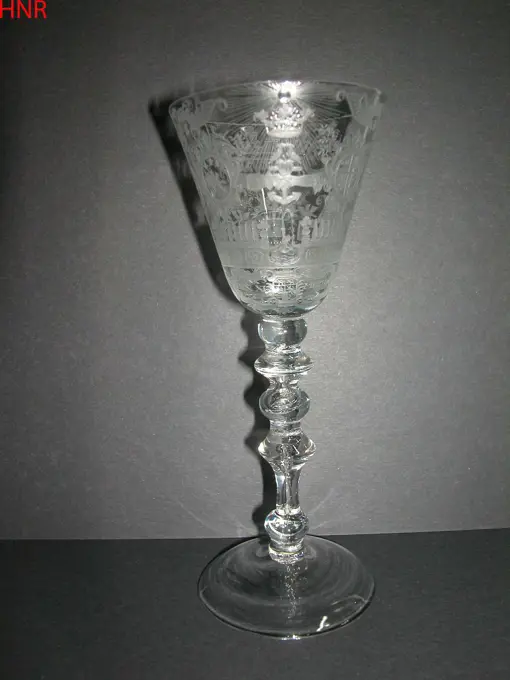
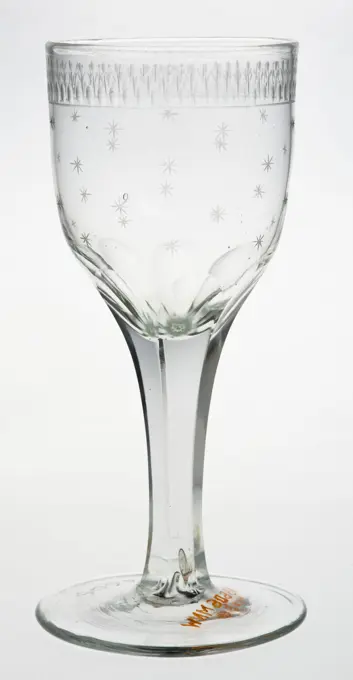
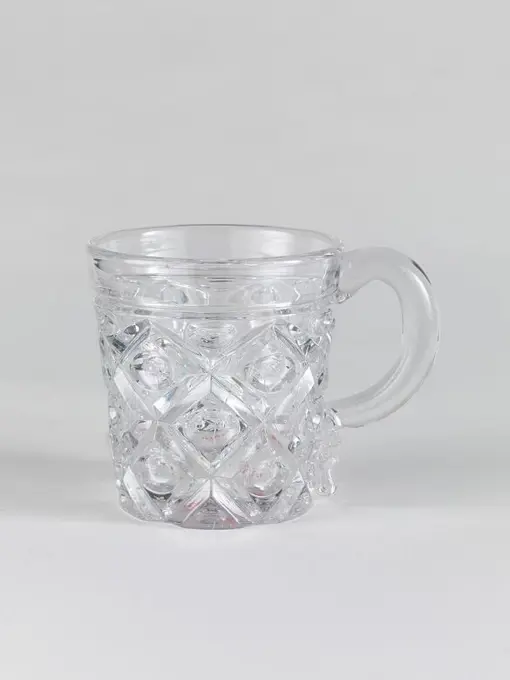
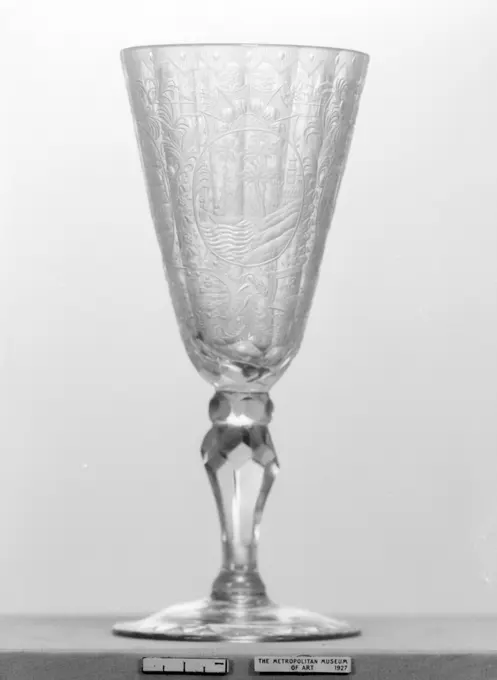
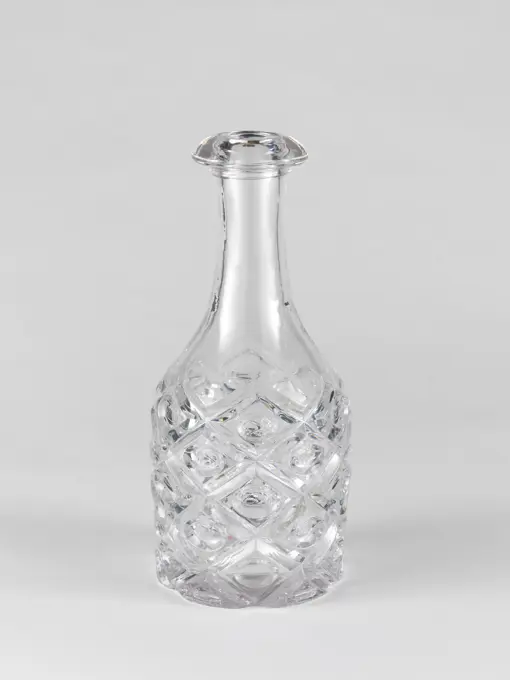
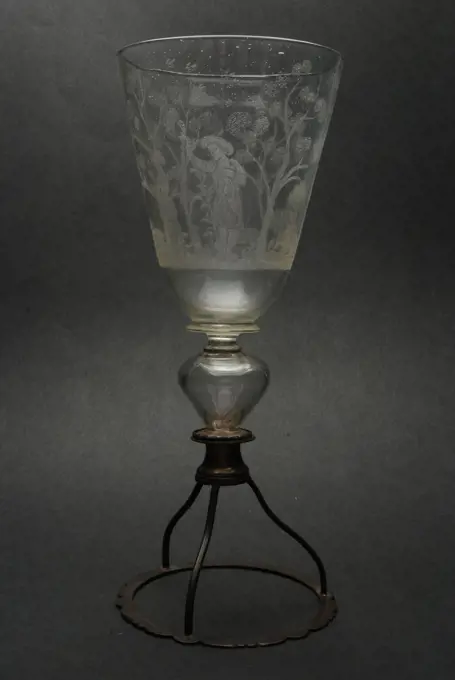
Flute 1750-1850 England. Glass .Flute 1815-1835 England. Glass .Goblet, anonymous, c. 1675 - c. 1685 Low base with turned around. Hollow, baluster -shaped trunk with two flat discs. Funnel -shaped chalice rounded at the bottom, on which Syt is once engraved in Italian letters.  glassblower: Low CountriesLeiden glass glassblowing Low base with turned around. Hollow, baluster -shaped trunk with two flat discs. Funnel -shaped chalice rounded at the bottom, on which Syt is once engraved in Italian letters.  glassblower: Low CountriesLeiden glass glassblowingChalice glass with the weapon of the city of Rotterdam, c. 1725 - c. 1750 Conical foot. Balus -shaped trunk with a compound button and two smooth knots. Funnel -shaped chalice with rounded bottom. On the chalice the crowned weapon of the city of Rotterdam on two leaf vines, flanked by two lions. glassblower: Low CountriesNorthern Netherlands glass glassblowing  Rotterdam Conical foot. Balus -shaped trunk with a compound button and two smooth knots. Funnel -shaped chalice with rounded bottom. On the chalice the crowned weapon of the city of Rotterdam on two leaf vines, flanked by two lions. glassblower: Low CountriesNorthern Netherlands glass glassblowing  RotterdamSlinger glass with funnel -shaped chalice, anonymous, c. 1750 - c. 1775 Slinger glass with conical foot and slightly flared trunk. Multiple air spiral in the trunk. Stam continuous in funnel -shaped chalice. England glass glassblowing Slinger glass with conical foot and slightly flared trunk. Multiple air spiral in the trunk. Stam continuous in funnel -shaped chalice. England glass glassblowingAle glass 18th century British. Ale glass. British. 18th century. Glass. GlassBokaal with the weapons of the Seven United Provinces. Cup with conical foot, facet cut, baluster-shaped strain with two buttons and an extended air bubble. Funnel-shaped chalice with facet cut, rounded bottom. On the chalice, under a matte band and a zig saw edge, the crowned weapons of the seven united provinces are depicted in a continuous row, above a matte, serrated edge, awarded bulbs.Ale or champagne glass. Culture: British. Dimensions: Overall (confirmed): 7 1/2 × 3 × 3 in. (19.1 × 7.6 × 7.6 cm). Date: 1750-1800. Museum: Metropolitan Museum of Art, New York, USA.. .Wineglass. Culture: British, probably Bristol. Dimensions: Height: 5 3/4 in. (14.6 cm). Date: 1750-1800. Museum: Metropolitan Museum of Art, New York, USA.Sling glass with bell -shaped calyx, anonymous, c. 1750 - c. 1775 Slingerlas with conical foot and balust raw trunk. In the trunk, white garlands around white network spiral. Bell -shaped chalice. England glass glassblowing Slingerlas with conical foot and balust raw trunk. In the trunk, white garlands around white network spiral. Bell -shaped chalice. England glass glassblowingCup on lobed foot, anonymous, c. 1750 - c. 1774 Small cup on lobed foot and trumpet -shaped chalice. England glass glassblowing Small cup on lobed foot and trumpet -shaped chalice. England glass glassblowingCup; Non -like Lona Huta; End of the 17th century (1680-00-00-1700-00-00);GlassGoblet 1745-1755 Germany. Glass with gilding .Wine glass with three putti, anonymous, c. 1760 - c. 1780 Conical foot. Balus -shaped trunk with tear -shaped bubble, two knots with air bubbles. Conical, unpleasant chalice on the underside. On the chalice three putti on clouds. The right, kneeling, raises a glass to the left that is sitting. The middle, standing, keeps two flower wreaths up. glassblower: EnglandThe Hague glass glassblowing Conical foot. Balus -shaped trunk with tear -shaped bubble, two knots with air bubbles. Conical, unpleasant chalice on the underside. On the chalice three putti on clouds. The right, kneeling, raises a glass to the left that is sitting. The middle, standing, keeps two flower wreaths up. glassblower: EnglandThe Hague glass glassblowingMarriage glass. translation of inscription: as Gods loving flame nourishes our kinSmall drinking vessel ca. 1855 Brooklyn Flint Glass Company This drinking glass is one of three (2015.459.2-.4) graduated sizes of glasses made for a large luxury table service. In addition to the glasses, the Museum has a compote and a decanter from the same service (69.257, 2015.459.1a, b). Dating to the mid-19th century, the service represents a moment when dining patterns were evolving, and fine tables were set with a proliferation of glassware for different functions. A Gothic-style H” is prominently engraved on each piece of glass. The service descended in the family of Johns Hopkins (1795-1873), prominent businessman, entrepreneur, abolitionist, and philanthropist of Baltimore, Maryland. Hopkins may have purchased the service for use in his country estate, Clifton, outside of Baltimore, which he extensively renovated into an Italianate mansion in 1858. It is known that he enjoyed entertaining there, welcoming family, friends and dignitaries, including the Prince of Wales (laterGaming Goblet with Glass Dice 1675-1699 Bohemia. Glass; blown with wheel engraved decoration .Slinger glass with trumpet -shaped chalice, anonymous, c. 1750 - c. 1775 Slinger glass with conical foot and slightly flared trunk. Multiple air spiral in the trunk. Stam continuous in trumpet -shaped chalice. England glass glassblowing Slinger glass with conical foot and slightly flared trunk. Multiple air spiral in the trunk. Stam continuous in trumpet -shaped chalice. England glass glassblowingWineglass ca. 1800 British. Wineglass. British. ca. 1800. Glass. GlassChalice glass with a water -spying dolphin flanked by a putto and a Meerman, Anonymous, c. 1775 Conical foot. Balus -shaped trunk a wreath of air bubbles. Funnel -shaped chalice rounded at the bottom. On the chalice, against a background of reeds, a water -breathing dolphin, flanked by two putti, who stops a weapon with two crossed anchors with twice the letter A. As a helmet sign three ship's studies. W: Sautyn D: D: D:. glassblower: EnglandThe Hague glass glassblowing Conical foot. Balus -shaped trunk a wreath of air bubbles. Funnel -shaped chalice rounded at the bottom. On the chalice, against a background of reeds, a water -breathing dolphin, flanked by two putti, who stops a weapon with two crossed anchors with twice the letter A. As a helmet sign three ship's studies. W: Sautyn D: D: D:. glassblower: EnglandThe Hague glass glassblowingStanding cup ca. 1730 Bohemian. Standing cup. Bohemian. ca. 1730. Zwischengold glass. GlassGlass; XVII/18th century (1680-00-00-1710-00-00);Goblet 1700-1799 Europe. Glass .Saltcellar. Culture: American. Dimensions: H. 3 in. (7.6 cm). Date: 1780-1825. Museum: Metropolitan Museum of Art, New York, USA.Kelkglas with a company at the table and the inscription: Happy Verriaing. Vaulted foot. Baluster trunk with three knots, two rows of air bubbles and an elongated air bubble. Conical chalice with rounded soil. On the chalice two ladies and two gentlemen at a table, above the inscription: the happy transport.Bowl with lid, with the weapon of Batavia and the VOC monogram. Vaulted foot with beaten edge. Hollow Baluster trunk with a button. On the tulip-shaped chalice the VOC monogram in a shield between Neptune and mermaid, as well as the weapon of Batavia. Foot and lid with leaf ornament. The lid knob is missing.Cup; Naliboki (glassworks; 1722-1862), Urzecze (Huta Zwierciadlana; 1737-1846); 3. Exercise of the 18th century (1750-00-00-1775-00-00);Rusiecki-Ursyn, Stanisław (1862-1944)-collection, gift (provenance)Cablite with cover; Unfolded author, indefinite Lona Huta; XVII/18th century (1700-00-00-1725-00-00);Chalice glass with a company at the table and the inscription: the lucky veriaring, anonymous, c. 1750 - c. 1775 Vaulted foot. Baluster tribe with three knots, two rows of air bubbles and an elongated bubble. Conical chalice with rounded soil. On the chalice two ladies and two gentlemen at a table, above that the inscription: the lucky veriaring. glassblower: Low CountriesNorthern Netherlands glass glassblowing Vaulted foot. Baluster tribe with three knots, two rows of air bubbles and an elongated bubble. Conical chalice with rounded soil. On the chalice two ladies and two gentlemen at a table, above that the inscription: the lucky veriaring. glassblower: Low CountriesNorthern Netherlands glass glassblowingWineglass ca. 1730 Bohemian. Wineglass. Bohemian. ca. 1730. Zwischengold glass. GlassWineglass first half 18th century British. Wineglass. British. first half 18th century. Glass. GlassWine Glass 1725-1775 Germany. Glass .Slinger glass with bell-shaped chalice. Slinger glass with conical foot and straight trunk. In the stem opaak white garlands around winding network spiral. Clock-shaped chaliceRummer 1750-1850 England. Glass .Wine glass with a company drinking and a bacchante on a barrel. translation of inscription: The Good AnniversaryWine glass or salt cellar, 18th-19th century, 3 x 2 5/8 x 2 5/8in. (7.6 x 6.7 x 6.7cm), Glass, United States, 18th-19th centuryGoblet (Pokal) 1655-1665 Nuremberg. Glass and silver . Georg Schwanhard, IKelkglas with an ornament edge. Kelkglas with baluster-shaped strain with buttons in which air bubbles. Chop-shaped glass with garlands engraved along the top edge.Cup; Non -like Lona Huta; 2. W. 18th century (1725-00-00-1750-00-00);Chalip glass, funnel -shaped with unadorned cylindrical trunk and round foot, Anonymous, 1800 - 1900 Chalip glass, funnel -shaped with unadorned cylindrical trunk and round foot.  glass Chalip glass, funnel -shaped with unadorned cylindrical trunk and round foot.  glassBowl with flowers and leaf drinks. Vaulted foot. Facet cut, baluster-shaped strain with two discs. Conical chalice with facet cut, rounded soil. On the chalice, above a continuous line of arches that follow the facets of the soil, two four passes made up of four circles connected by stylized leaf branches and flowers, which are repeated at the foot.Kelkglas with curved chalice. Kelkglas on vaulted foot. Hollow, ballustroid tribe. Bent, upwards tapered chaliceRoemer with two rows of Braamnoppen, Anonymous, c. 1700 - c. 1900 Roemer with inserted bottom on Concave, spun from a wire. The egg -shaped chalice with light ribs, as a whole blown with the trunk that is set with two rows of brambles. The transition from the chalice to the trunk is indicated by a ribbed thread. Low Countries glass glassblowing Roemer with inserted bottom on Concave, spun from a wire. The egg -shaped chalice with light ribs, as a whole blown with the trunk that is set with two rows of brambles. The transition from the chalice to the trunk is indicated by a ribbed thread. Low Countries glass glassblowingGoblet 1715-1725 Potsdam. Glass .Flip Cup, c. 1800. America, early 19th century. Glass; overall: 49.9 x 20.7 cm (19 5/8 x 8 1/8 in.).Glass;  1920-39 (1920-00-00-1939-00-00);Glass; Lobmeyr, J. & L. (Vienna; 1823-); 1920-39 (1920-00-00-1939-00-00);Chalice glass with flower vines, anonymous, c. 1700 - c. 1725 Vaulted foot. Baluster tribe with two discs. Conical chalice with rounded soil. Flower vines and berries engraved on the chalice. Bohemia glass glassblowing Vaulted foot. Baluster tribe with two discs. Conical chalice with rounded soil. Flower vines and berries engraved on the chalice. Bohemia glass glassblowingKelkglas with the coat of arms of the province of Holland. Conical foot with beaten edge. The strain composed of a button, an eight-sided, ribbed baluster-shaped strain with eight diamonds on the shoulder. Fully shaped chalice with a rounded, thickened bottom with air bubble. On the chalice, on a lambrequin with frills, the crowned coat of arms of the province of Holland in a circular shield, flanked by two lions.Covered Goblet with Goddess Diana Bathing. Netherlands, Amsterdam; Engraved by Jacob Sang (Dutch, active 1752-62). Date: 1752. Dimensions: 32.1 × 10.3 cm (12 5/8 × 4 1/16 in.). Glass. Origin: England. Museum: The Chicago Art Institute, Chicago, USA.Wineglass 1700-1750 German or Dutch. Wineglass. German or Dutch. 1700-1750. Glass. GlassChalice glass with funnel -shaped chalice, anonymous, c. 1750 - c. 1775 Chalk glass on conical foot. Balustroid trunk with inserted air bubbles. Funnel -shaped chalice rounded at the bottom. England glass glassblowing Chalk glass on conical foot. Balustroid trunk with inserted air bubbles. Funnel -shaped chalice rounded at the bottom. England glass glassblowingChalice glass engraved with cartouche, child with glass by pile of barrels and Hansie in the cellar, wineglass drinking glass drinkware tableware holder glass h 19,6 foot, goblet, 213 gram free blown and formed radgraving goblet wineglass in clear colorless glass with yellowish hue Pontil mark under round high (3,4 cm) ascending hollow foot with rim folded down. On convex knot hollow inverted balustere At the bottom rounded thistle-shaped chalice on convex thick bottom with bubble and fire-rounded rim engraving on chalice: HANSIE IN THE KELDER Hansje in the basement pregnancy birth serving drinkWine with a cockerel, a chicken and a cage, anonymous, c. 1750 - c. 1775 Vaulted foot. Baluster tribe with buttons and a disc. Conical chalice with rounded soil. On the chalice a rooster on top of a cage in which a chicken; Above that: "You Chante and Mon Malheur". glassblower: Low CountriesNorthern Netherlands glass glassblowing Vaulted foot. Baluster tribe with buttons and a disc. Conical chalice with rounded soil. On the chalice a rooster on top of a cage in which a chicken; Above that: "You Chante and Mon Malheur". glassblower: Low CountriesNorthern Netherlands glass glassblowingChalip glass on the 25-year marriage of Leendert Balbian and Elizabeth Everaars, 1764 Chalice glass made of clear, colorless glass, with engraved representation of two hands above an altar on which two burning hearts are located. A text is engraved on the other side of the glass: for the destination // 25 Iarigen wedding day // van // Leendert Balbian // and // Elizabeth Everaars // celebrated in Rotterdam // on 16 August. // 1764. glassblower: NetherlandsNorthern Netherlands glass glassblowing Chalice glass made of clear, colorless glass, with engraved representation of two hands above an altar on which two burning hearts are located. A text is engraved on the other side of the glass: for the destination // 25 Iarigen wedding day // van // Leendert Balbian // and // Elizabeth Everaars // celebrated in Rotterdam // on 16 August. // 1764. glassblower: NetherlandsNorthern Netherlands glass glassblowingPrzeszo Przyszoci unknownUnknown , United States, Decanter, c. 1825-50, colorless glass.Champagne glass;  20th century (1901-00-00-2000-00-00);Candy dish -Wine glass;  the beginning of the 20th century (1900-00-00-1910-00-00);Bokaal of filigree glass, anonymous, c. 1590 - c. 1650 Bokaal on curved foot with turned around. The trunk made up of a hollow nodus between two rings. The lower part of the chalice tied three times, the upper clock -shaped. Foot, stem and chalice of filigree glass a fili and a retortoli. The rings of colorless glass Low Countries glass glassblowing Bokaal on curved foot with turned around. The trunk made up of a hollow nodus between two rings. The lower part of the chalice tied three times, the upper clock -shaped. Foot, stem and chalice of filigree glass a fili and a retortoli. The rings of colorless glass Low Countries glass glassblowingWine glass, anonymous, c. 1650 - c. 1675 Flat. Hollow, baluster -shaped trunk with three discs. Light flared, rounded chalice, on which engraved Bacchus on a barrel with a drum next to him, the methamond hose by Bacchus van Ampelus in a vine and a putto with a horn of abundance sitting on a team. glassblower: Low CountriesNorthern Netherlands glass glassblowing Flat. Hollow, baluster -shaped trunk with three discs. Light flared, rounded chalice, on which engraved Bacchus on a barrel with a drum next to him, the methamond hose by Bacchus van Ampelus in a vine and a putto with a horn of abundance sitting on a team. glassblower: Low CountriesNorthern Netherlands glass glassblowingFiligraanglas jar. Bagic on vaulted foot with beaten edge. The stem made up of a hollow nodus between two rings. The lower part of the chalice has been cut three times, the upper bell-shaped. Foot, trunk and chalice of filigraanglas a fili and a retortoli. The rings of colorless glassJacobite "Amen" glass. Culture: British. Dimensions: Overall: 7 × 3 7/16 in. (17.8 × 8.7 cm). Date: between 1720 and 1749. Museum: Metropolitan Museum of Art, New York, USA.Wine glass. Beneath a grapevine are female allegorical figures of the three theological virtues, Faith, Hope and Charity.. translation of inscription: No Lustful Youth, No Dotage Old / But Manly Virtue, Wisdom Grey, are Celebrating / this silver Anniversary The Olive Fields ornamenting / the Marriage feast, Ah, Guests of Cana, Do / Pour the Wine, for then a Band / of Angels around our Dining Hall will be Celebrating / T.P.Beaker 1712-1713 Augsburg. Parcel gilt silver .Goblet early 19th century British. Goblet. British. early 19th century. Glass. GlassFragment of part of the foot, trunk and part of the goblet of chalice with Silesian trunk in clear colorless glass, drinking glass drinking utensils tableware holder soil find glass, hand blown in the form blown Fragment of part foot stem and part chalice of chalice in clear colorless glass The glass is made of three parts: foot stem and chalice. pontil mark underneath hollow ascending foot. The stem is pseudo-facetted in the form blown with four facets so called Silesian trunk (á la façon d'Angleterre) with an enclosed elongated air bubble. The chalice has thick solid bottom and is made of thick glass. Archeology Rotterdam rail tunnel drink Soil discovery: rail tunnel Rotterdam.Beaker 12th-15th century European. Beaker. European. 12th-15th century. Glass. Glass-VesselsWine glass for the Amsterdam Arms Brewery. translation of inscription: 1731 the 13th of May, Reynier Hillegaart / Maria Paurzooy. God Bless / the brewery of the Amsterdam Arms / as long as one of the family is living / may God / his blessing in abundance be giving / and enjoy peace in eternityChampagne glass;  the beginning of the 20th century (1900-00-00-1910-00-00);Glass;  1920-39 (1920-00-00-1939-00-00);Beaker 18th century Bohemian. Beaker. Bohemian. 18th century. Zwischengold glass. GlassChalice engraved with Maria, De, Vesser, wineglass drinking glass drinking utensils tableware holder lead glass glass, gram free blown and formed in form blown pressed radgraving polished Goblet wineglass in clear colorless lead glass. Thick flat square bell-shaped ascending hollow base at the bottom in the form of lemon squeezer On short solid trunk with sharp knot at the bottom rounded and flared (dm 1.9 - 9.7 cm) ovoid chalice On front of the calyx radgraving: under wavy edge: MARIA DE VESSER above the roof branch wanched flower branch with polished radiant sun. MARIA DE VESSER (wheel engraving front of the chalice) freemasonry Maria de Vesser J. Anthony drinkCandlestick with Three Nozzles 1700-1799 Bohemia. Glass .Glass;  1. W. 19th century (1801-00-00-1825-00-00);Unknown, Salt, c. 1775-90, colorless glass.Water Goblet ca. 1867 Boston & Sandwich Glass Company. Water Goblet. American. ca. 1867. Blown glass. Made in Sandwich, Massachusetts, United StatesSherry Glass ca. 1885-87 Probably Hobbs, Brockunier and Company. Sherry Glass. American. ca. 1885-87. Blown glass. Made in Wheeling, West Virginia, United StatesBeaker 1730-1740 Schleswig. Glass .Wine glass. This glass is engraved with the coats of arms of the Rotterdam mayor Gerard François Meyners and of Margaretha Catharina Sleght, who were married on 11 May 1746. The two shields are linked by clasped hands, below which is depicted a symmetrical garden with a fountain. The glass was probably used on their wedding day.Goblet 1855-70 New England Glass Company. Goblet 4092Glass;  around 1800 (1795-00-00-1805-00-00);Whiskey mug. Culture: American. Dimensions: H. 2 7/8 in. (7.3 cm). Date: 1850-60.With the development of new formulas and techniques, glass-pressing technology had improved markedly by the late 1840s. By this time, pressed tablewares were being produced in large matching sets and innumerable forms. During the mid-1850s, colorless glass and simple geometric patterns dominated. Catering to the demand for moderately-priced dining wares, the glass industry in the United States expanded widely, and numerous factories supplied less expensive pressed glassware to the growing market. At the Exhibition of the Industry of All Nations at New York's Crystal Palace in 1853, for example, the New England Glass Company exhibited 130 pieces of one design, "consisting of bowls, tumblers, champagnes, wines, and jelly glasses." This object belongs to one such service. Although the glass manufactory is not known, the glassware is very typical of the large services that were very popular with America's midChampagne glass - Tiffany Glass Company Tiffany Glass CompanyTwo Tall Pitchers 1725-1775 France. Glass .Standing cup ca. 1740 Bohemian, Riesengebirge (Krkonoše). Standing cup. Bohemian, Riesengebirge (Krkonoše). ca. 1740. Glass. GlassMug, glass, Beaker shape, tapered at middle; scalloped base; loop handle cut with notches; sides cut with band of tall diamonds with central printies, the central panel engraved 'Erinerung.', 1820-30, glasswares, Decorative Arts, MugHalf-pint decanter 1850-70 American With the development of new formulas and techniques, glass-pressing technology had improved markedly by the late 1840s. By this time, pressed tablewares were being produced in large matching sets and innumerable forms. During the mid-1850s, colorless glass and simple geometric patterns dominated. Catering to the demand for moderately-priced dining wares, the glass industry in the United States expanded widely, and numerous factories supplied less expensive pressed glassware to the growing market. At the Exhibition of the Industry of All Nations at New Yorks Crystal Palace in 1853, for example, the New England Glass Company exhibited 130 pieces of one design, "consisting of bowls, tumblers, champagnes, wines, and jelly glasses." This object belongs to one such service. Although the glass manufactory is not known, the glassware is very typical of the large services that were very popular with Americas middle class in the nineteenth century.. Half-pinRoemer with the weapon of Willem III surrounded by the weapons of provinces and cities, Anonymous, 1657 Stand ring pulled out in drops. Deep inserted soil. The high tribe, which is set with seven rows of burrs, is blown as a whole with the curved chalice. The transition from the trunk to the chalice is indicated by a ribbed thread. On the chalice, the weapon is engraved from Stadholder Prince William III, surrounded by weapon trophies. Above it is the word 'orangen', below the year 'in 1657' and a crowned young swan. The weapons are engraved around 'Brabant, Limburgh, Gelderland, Lutsenburg, Zeland, Artois, Hénegou, Hollant, Namuier, Zutphen, Antwerp, Elanderlant, Friesland, Overijssel, Utrecht, Mechelen and Groningen'. On the trunk is once again the year 1657 and the letter 'F'. glassblower: Low CountriesNorthern Netherlands glass glassblowing Stand ring pulled out in drops. Deep inserted soil. The high tribe, which is set with seven rows of burrs, is blown as a whole with the curved Can with body blown in angular shape, anonymous, c. 1700 - c. 1750 Conical foot. In an angular shape blown body with palmets on the bottom. Hexagonal, tapered neck with a triangle and a circle in relief. C-shaped, bent ear. Europe glass glassblowing Conical foot. In an angular shape blown body with palmets on the bottom. Hexagonal, tapered neck with a triangle and a circle in relief. C-shaped, bent ear. Europe glass glassblowingChalice, pendulum glass, wine glass drinking glass drinking utensils tableware holder glass lead glass, gram free blown and shaped glass processing Six chalice glasses (1-6) pendulum glasses in clear colorless and opaque white glass Pontil mark under round light ascending hollow base all with chips from edge. Mounted massive cylindrical stem with ribbon-shaped bundled thin opaque-white glass wires around two intertwined flat opaque white wires. Tulip-shaped chalice with fire-rounded edge.CupChalice in façon de Venise style, engraved with pastoral scene, wineglass drinking glass drinkware tableware holder glass silver, free blown and formed diamond engraving Goblet wine glass in façon de Venise style in clear colorless (gray tint) glass. On twentieth century silver stand ring with three upward curved supports to attach to remaining trunk. Reverse balustere with hollow teardrop-shaped button to flat knot. On high knot high funnel-shaped chalice (h 11 cm, - 9,3 cm) diamond engraved with on pastoral scene of two shepherdesses shepherd ram three sheep several birds five trees and several shrubs serve drinkWine glass with a putto of peace, anonymous, c. 1795 Conical foot. Straight trunk, ending in a funnel -shaped chalice with a rounded bottom. On the chalice a putto sitting on a cloud, a branch in the right hand. Above the show the text: Vreede. glassblower: EnglandNorthern Netherlands glass glassblowing Conical foot. Straight trunk, ending in a funnel -shaped chalice with a rounded bottom. On the chalice a putto sitting on a cloud, a branch in the right hand. Above the show the text: Vreede. glassblower: EnglandNorthern Netherlands glass glassblowingFruit bowl early 19th century Continental European. Fruit bowl. Continental European. early 19th century. Glass. GlassCandlestick and drip pan, Cut blown glass, Glass candlestick with square base; a thin shaft near foot, with round drip pan with scalloped rim, garlands of beaded glass and hanging teardrops. Above this, straight wide shaft and open mouth for socket with small scalloped rim., England, 1760-90, glasswares, Decorative Arts, Candlestick and drip pan