Elegant Glassware Artifacts

A collection of antique glassware, including ewers and jars from various centuries, showcasing intricate designs and historical craftsmanship.

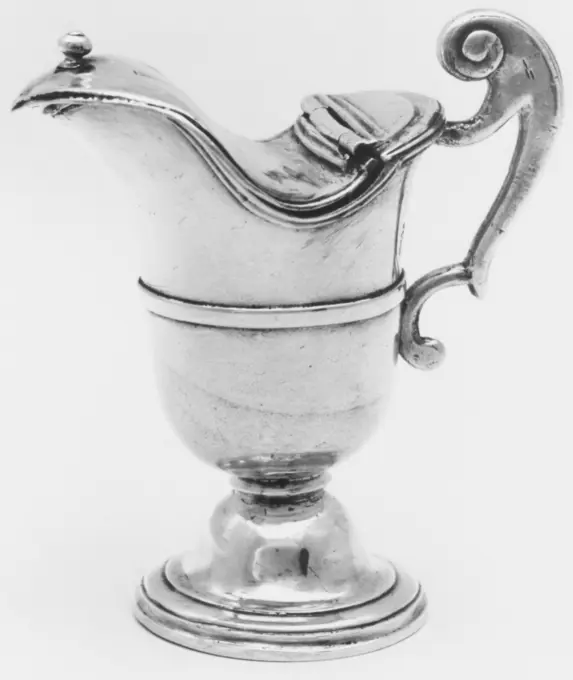
Ewer early 18th century German. Ewer. German. early 18th century. Glass. Glass
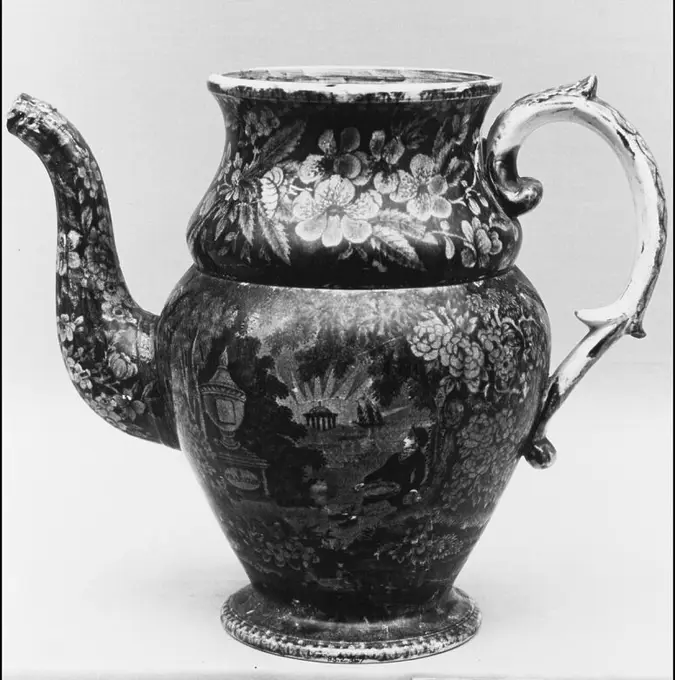
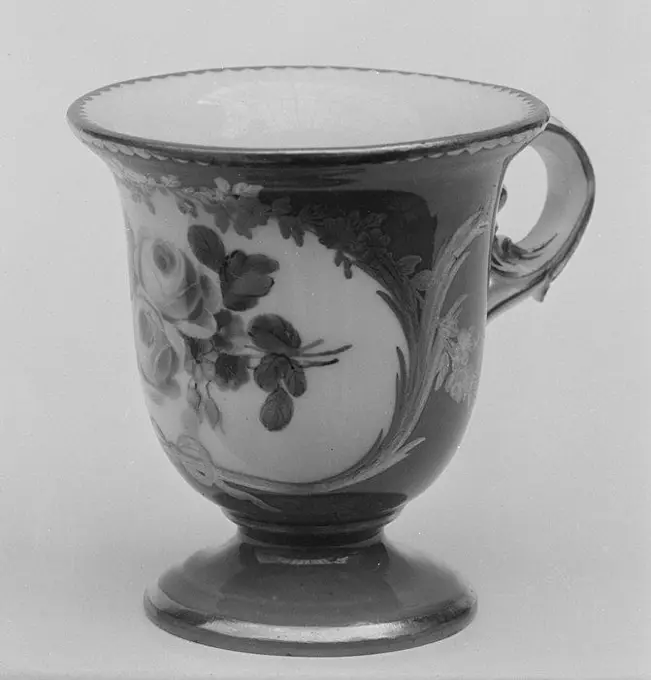
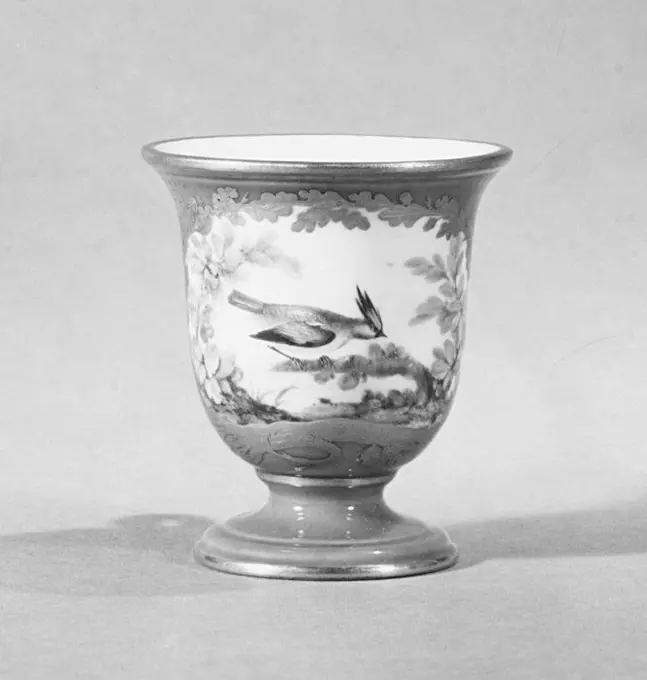
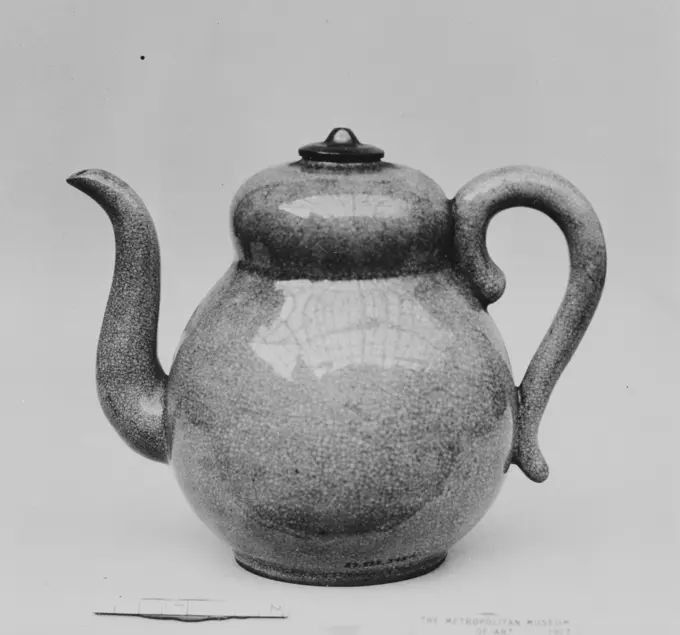
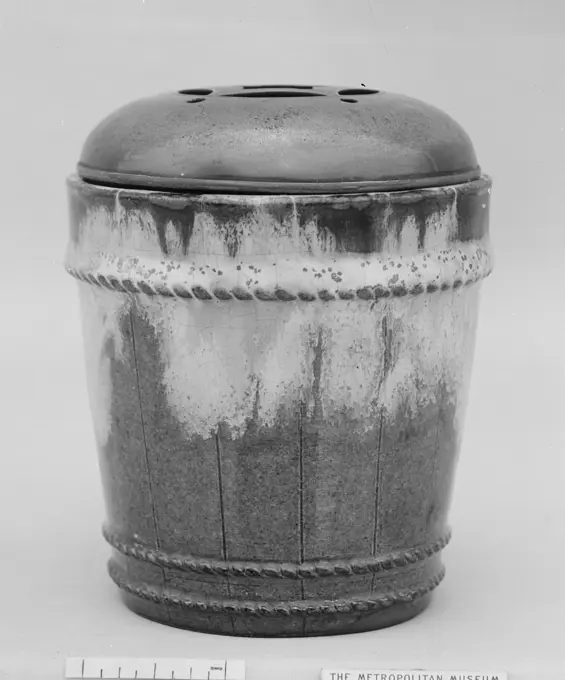
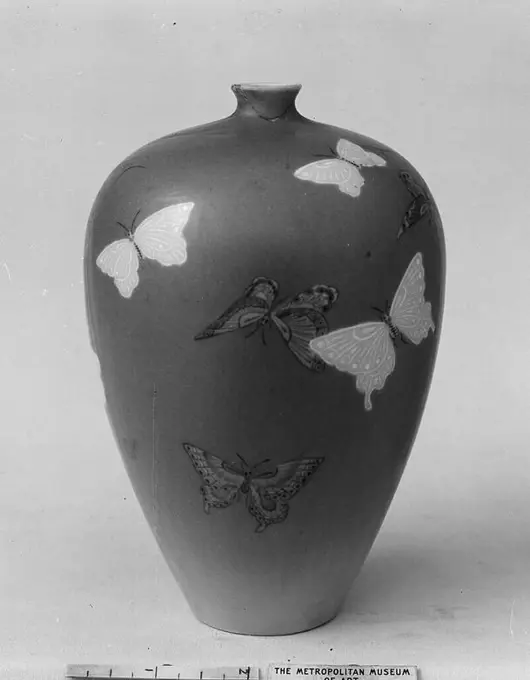
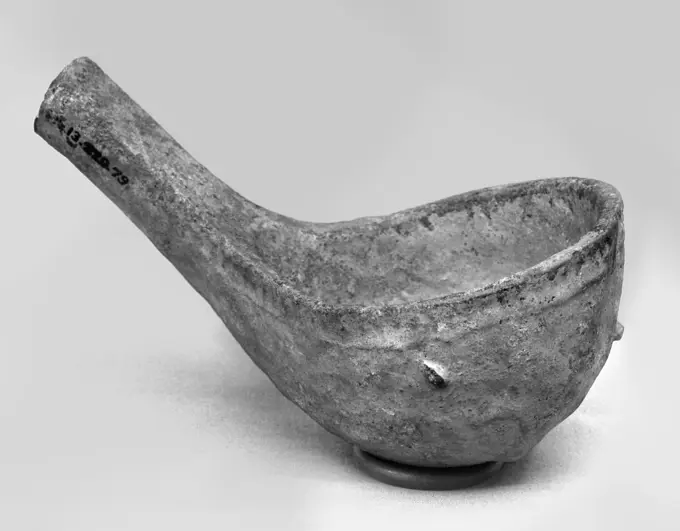
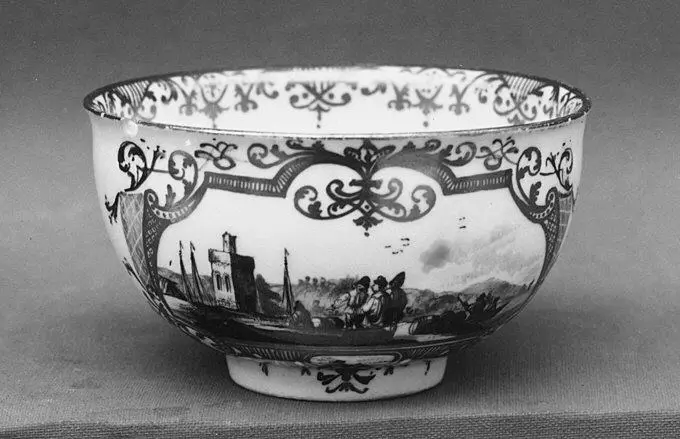
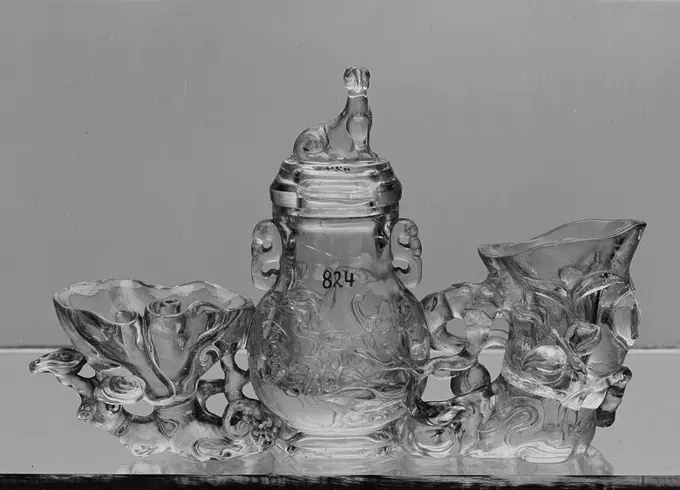
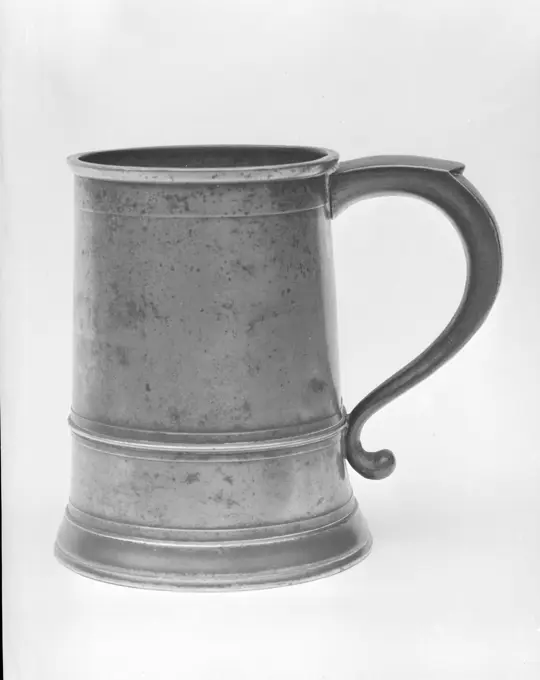
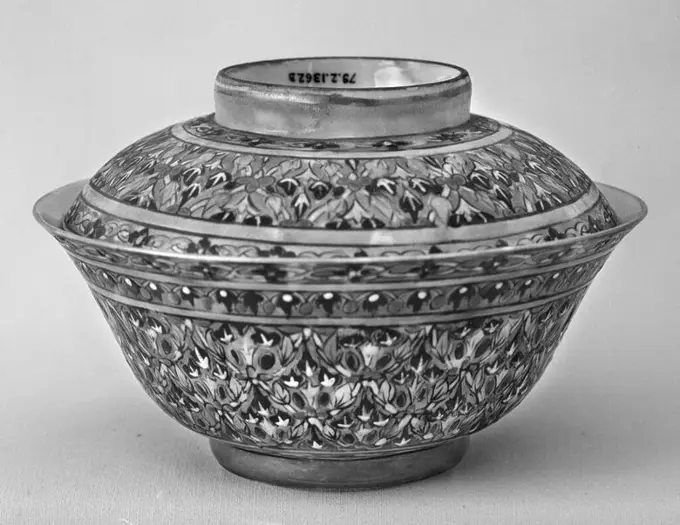
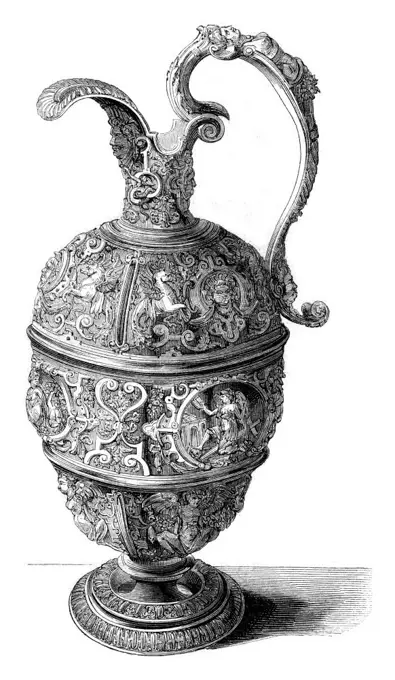
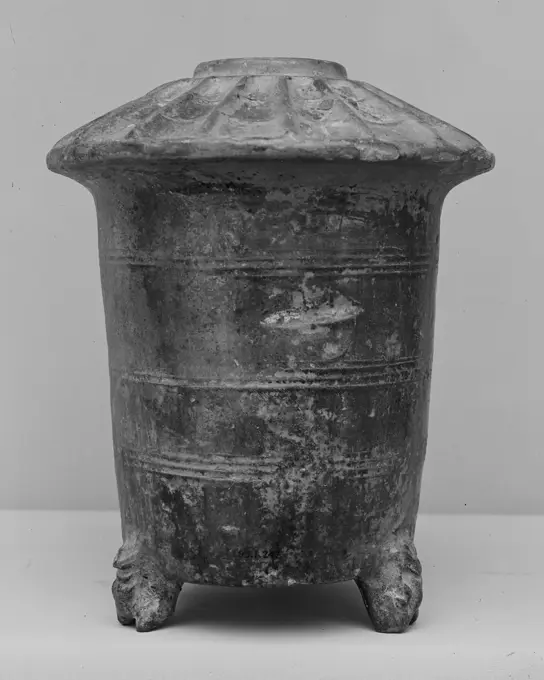
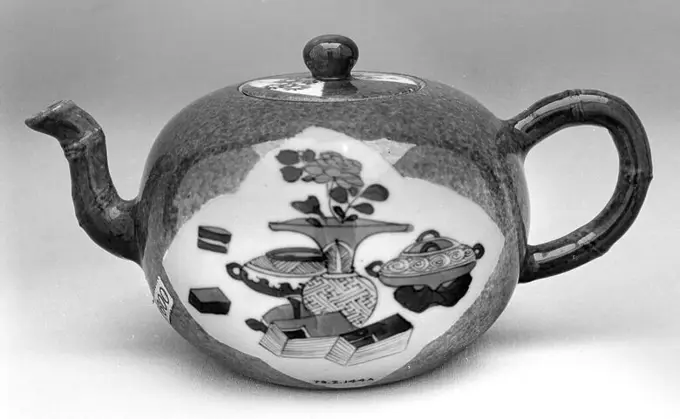
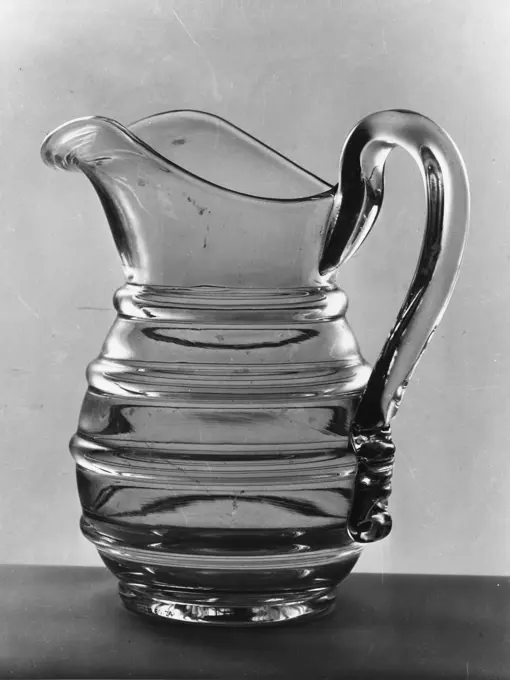
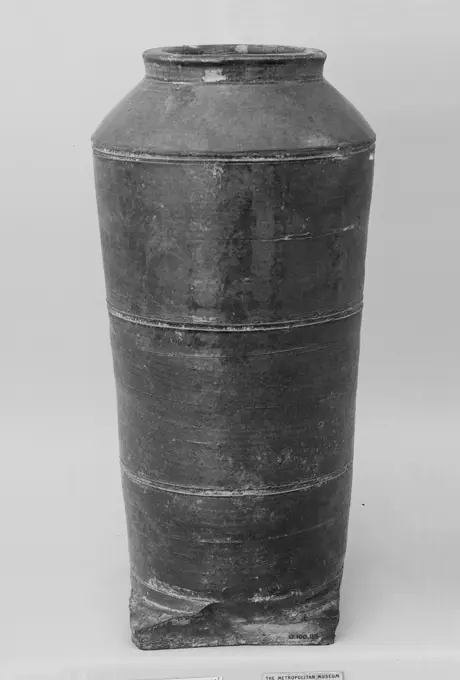
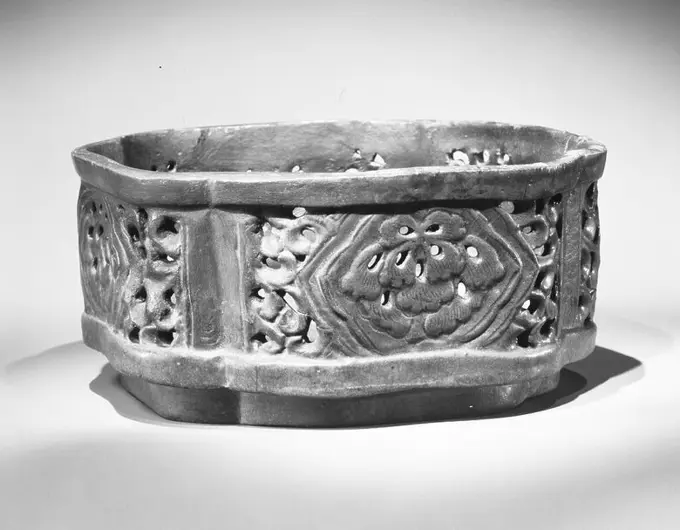
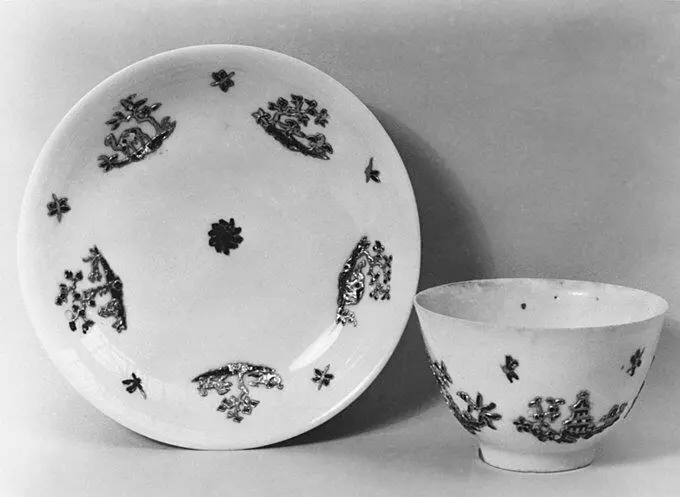
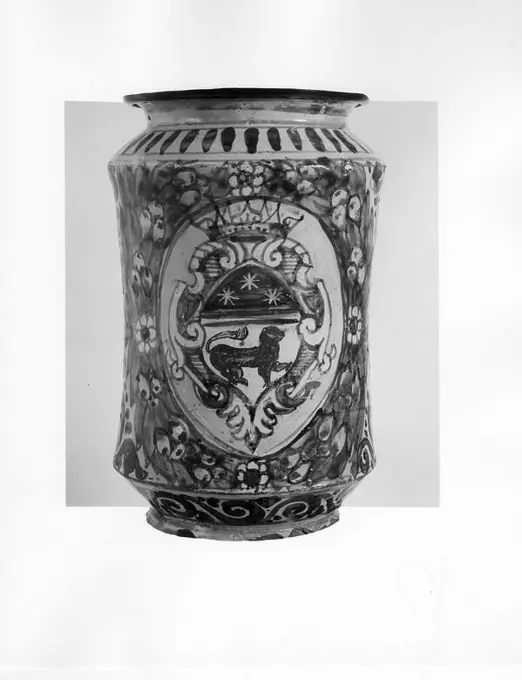
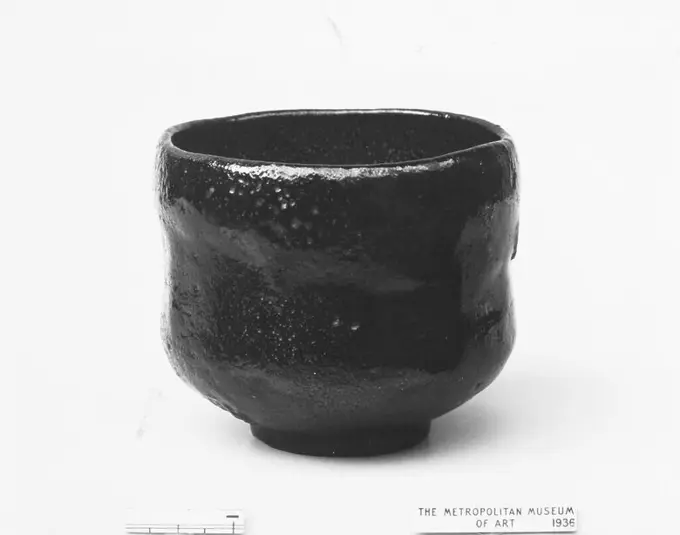
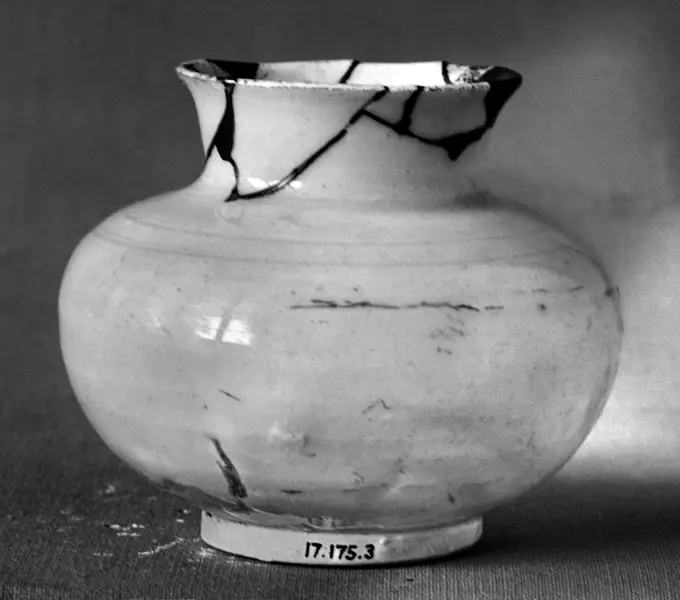
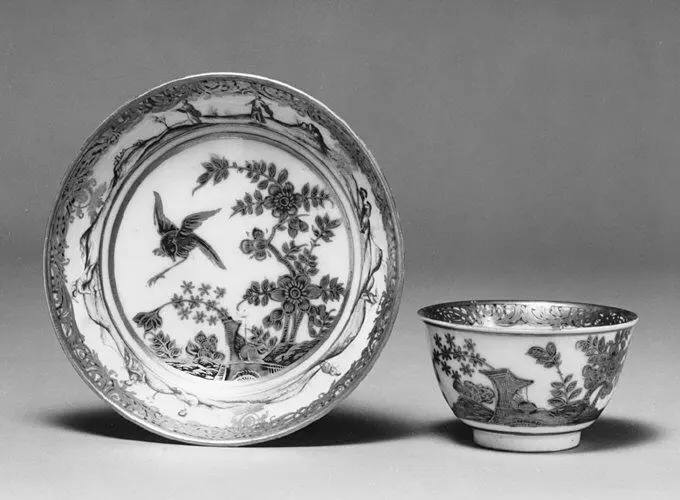
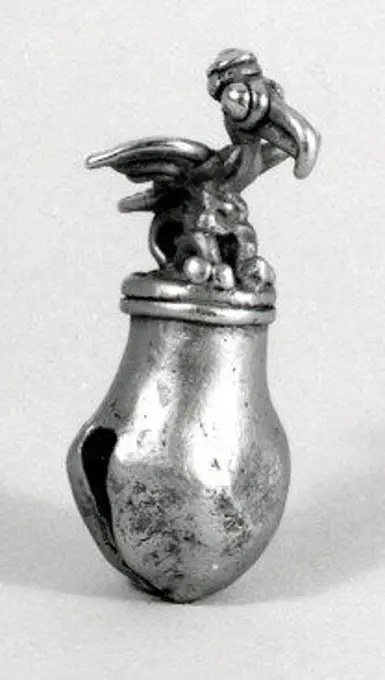
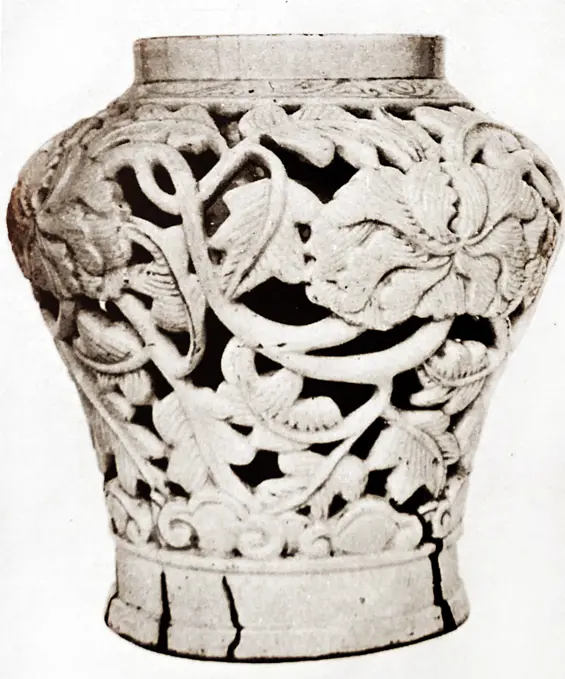
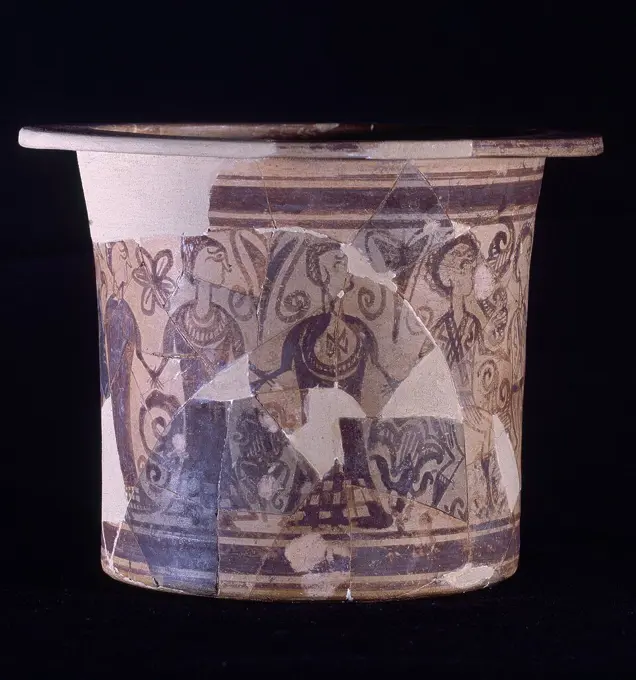
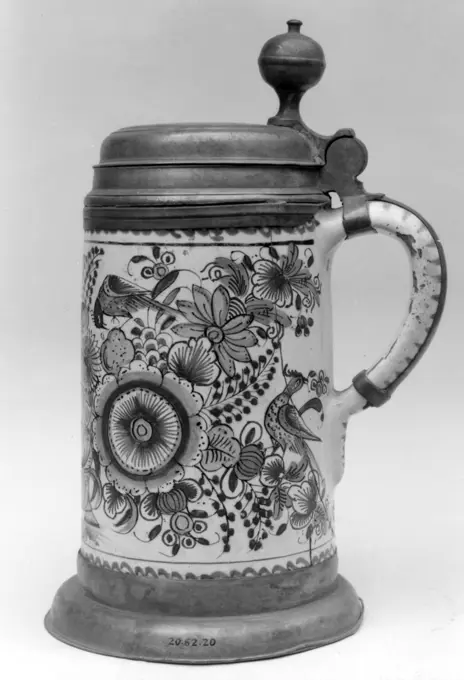
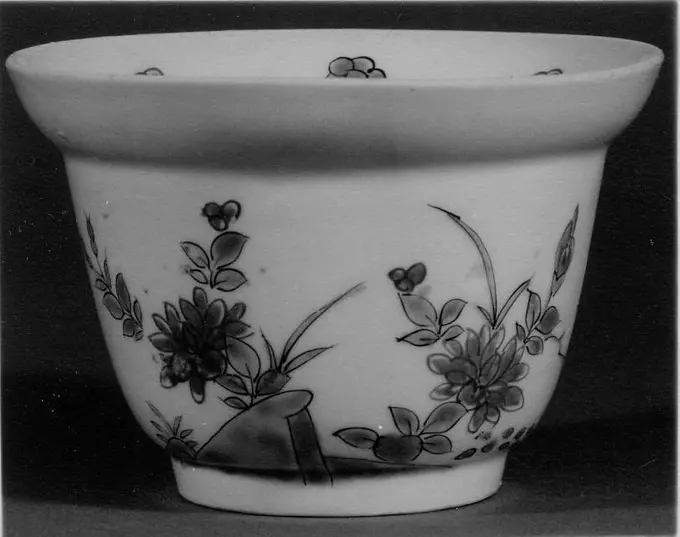
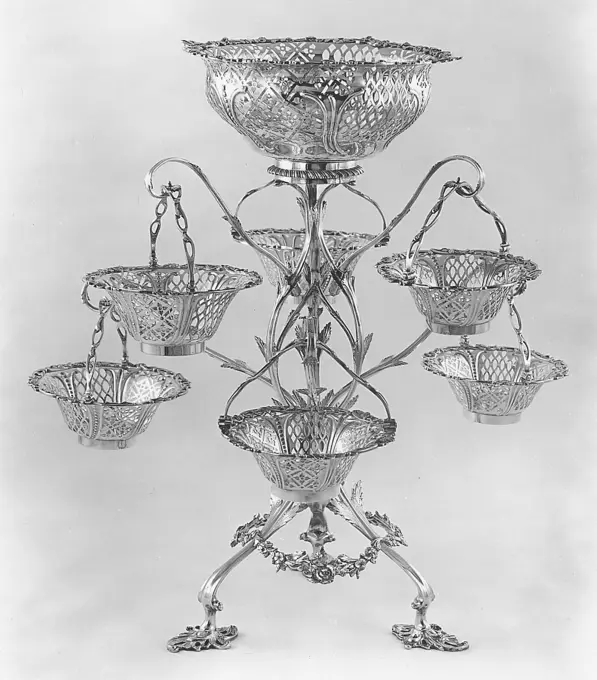
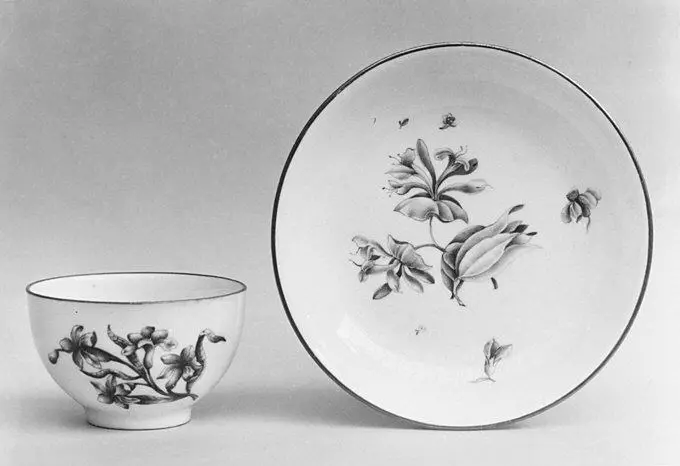
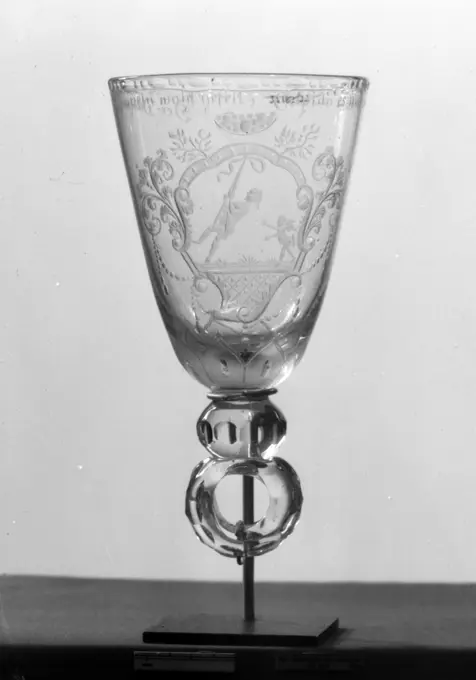
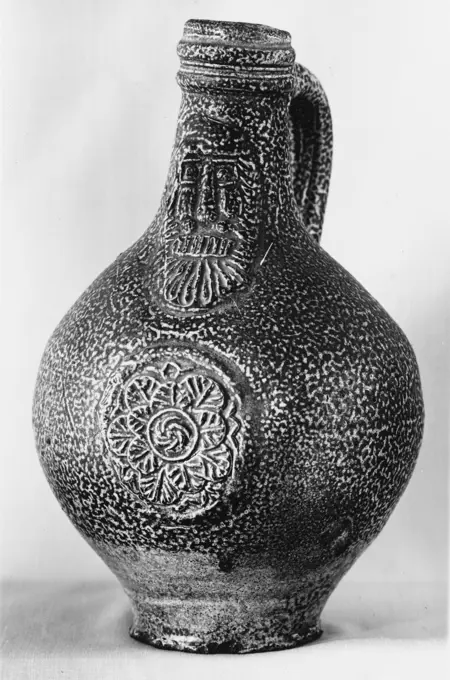
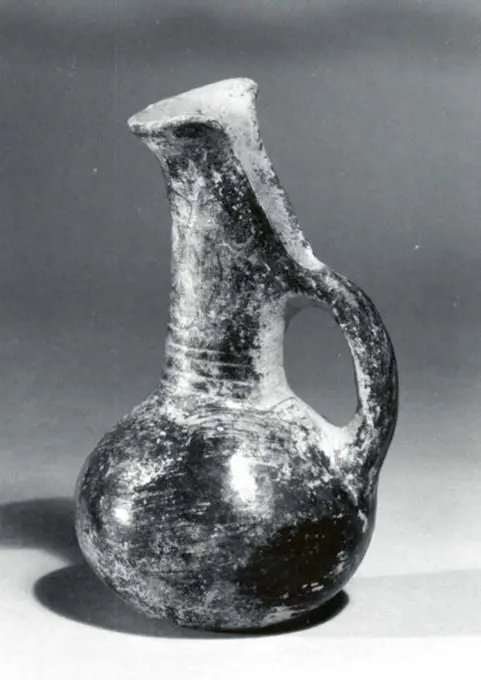
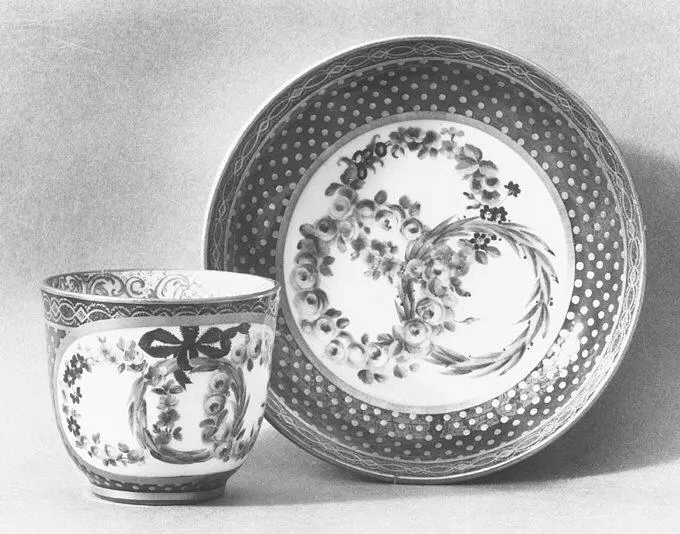
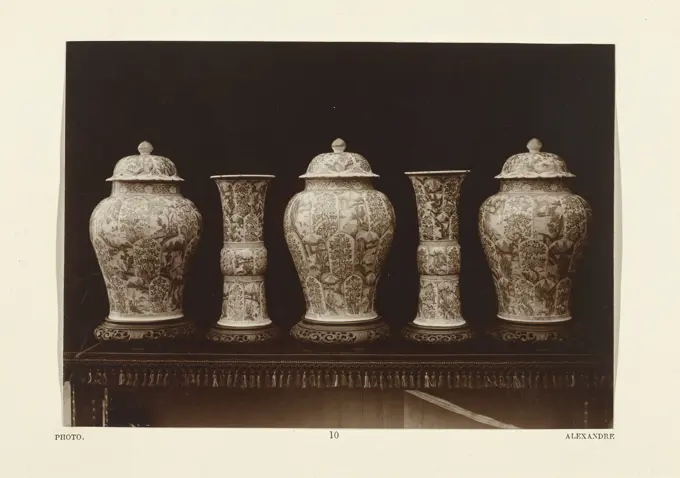
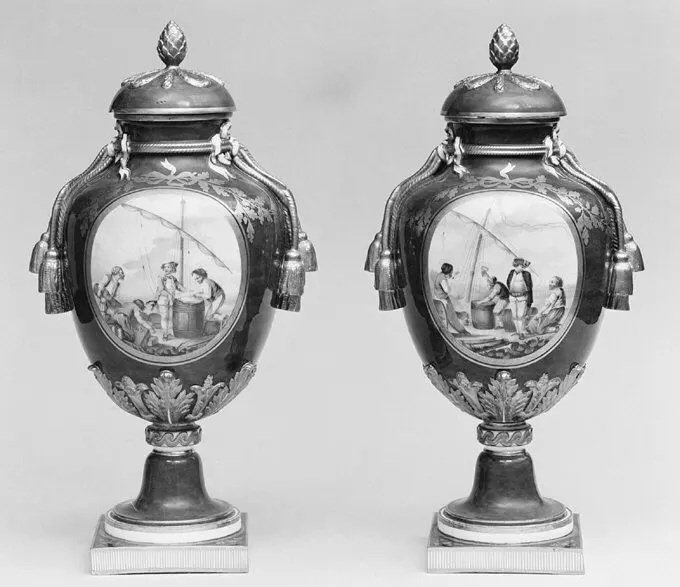
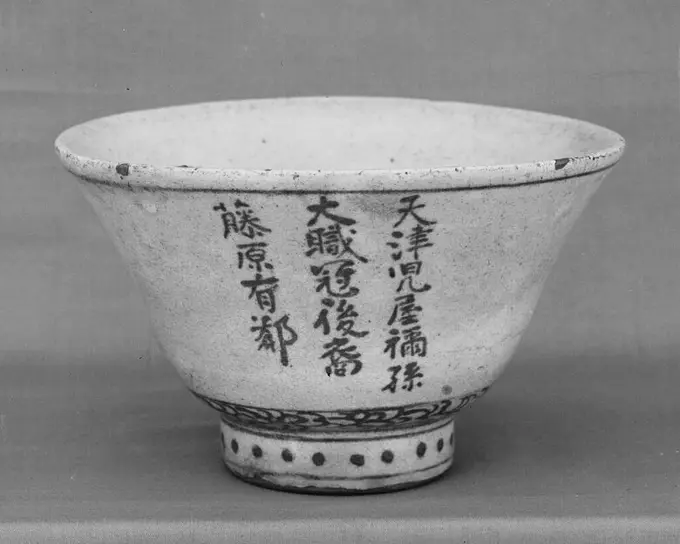
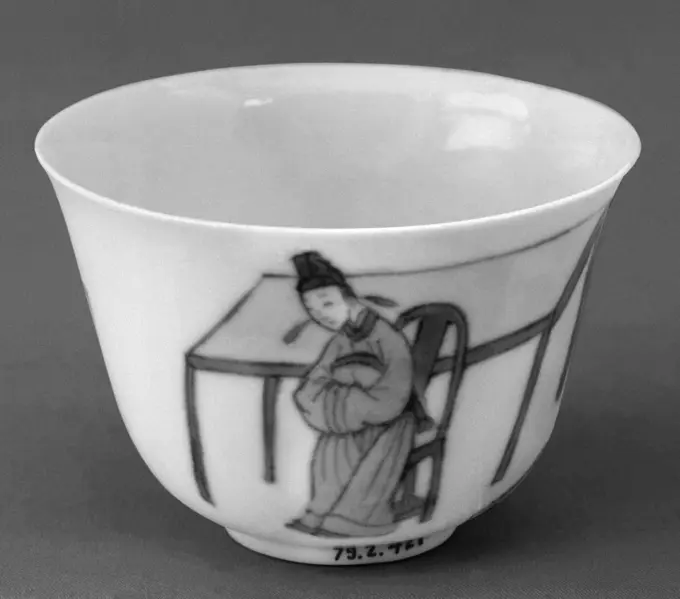
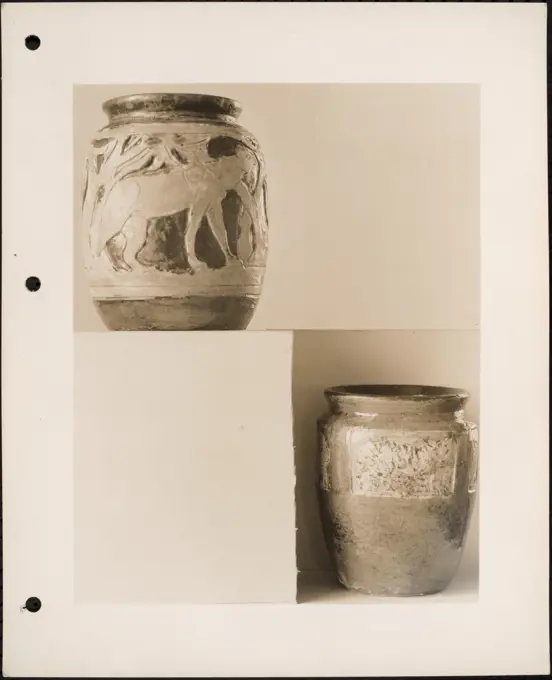
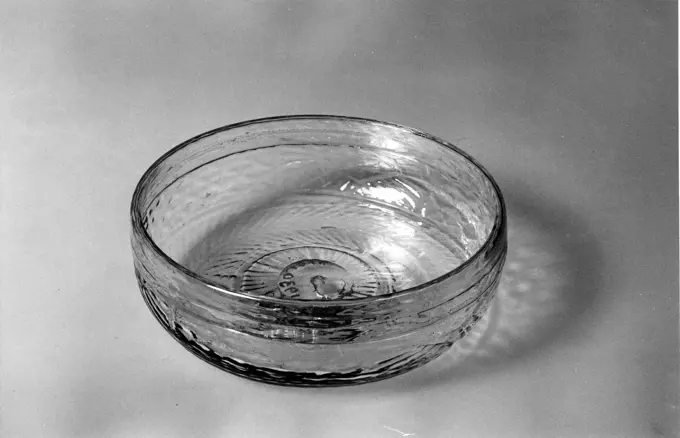
Altar cruet (one of a pair) first half 18th century French, Saint-Omer (Lille Mint). Altar cruet (one of a pair) 200139Coffeepot. Culture: British (American market). Dimensions: H. 9 3/4 in. (24.8 cm). Maker: Enoch Wood & Sons (British, active Burslem, 1818-46). Date: ca. 1824-ca. 1846. Museum: Metropolitan Museum of Art, New York, USA.Beaker 17th century Northern German or Scandinavian. Beaker. Northern German or Scandinavian. 17th century. Silver, parcel-gilt. Metalwork-SilverTeapot 19th century () Japan. Teapot. Japan. 19th century (). Earthenware. CeramicsIce cream cup (tasse à glace) (one of thirty-one) (part of a service) 1771 Sèvres Manufactory French. Ice cream cup (tasse à glace) (one of thirty-one) (part of a service). French, Sèvres. 1771. Soft-paste porcelain. Ceramics-PorcelainSaucer ca. 1720-25 Meissen Manufactory German. Saucer. German, Meissen. ca. 1720-25. Hard-paste porcelain. Ceramics-PorcelainSugarBowl.   Maker: Samuel Kirk and Son, American, 1815-1979Ice cream cup (tasse à glace) (one of a pair) (part of a service) 1771-72 Sèvres Manufactory French The table services produced at Sèvres in the eighteenth century were highly prized and extremely expensive. They were not only purchased by the Crown and members of the aristocracy but also given by the king as diplomatic gifts to foreign courts and visiting dignitaries, and the esteem in which they were held did much to enhance the factorys prestige and fortunes. Because the number of pieces composing a service was very large, the cost was enormous, but this did not deter many courtiers from ordering a dinner or dessert service, or both.One of the most celebrated services produced at Sèvres was delivered to Louis-René-Édouard, prince de Rohan-Guémenée (1734-1803), on September 7, 1772. All of the pieces were decorated with the rich turquoise ground color known as bleu céleste and with birds encircled by an elaborate gilt wreath of oak leaves and acorns. Many of the components of the seLekythos. Culture: Greek, Attic. Dimensions: Height: 12 3/4 in. (32.4 cm)Diameter: 3 13/16 × 2 3/16 × 2 5/8 in. (9.7 × 5.6 × 6.7 cm). Date: ca. 430 B.C.. Museum: Metropolitan Museum of Art, New York, USA.Sencha Water Pitcher (Suich) early 19th century Japan. Sencha Water Pitcher (Suich). Japan. early 19th century. Stoneware with finely crackled transparent glaze (Satsuma ware). Edo period (1615-1868). CeramicsMeiping vase with flowers early 16th century China. Meiping vase with flowers. China. early 16th century. Porcelain with raised slip and enamels (Jingdezhen fahua ware). Ming dynasty (1368-1644). CeramicsIncense Burner 19th century Japan. Incense Burner. Japan. 19th century. Clay covered with a transparent glaze and splashes (Awata ware). Edo (1615-1868) or Meiji period (1868-1912). CeramicsBottle. Culture: China. Dimensions: H. 6 1/2 in. (16.5 cm). Museum: Metropolitan Museum of Art, New York, USA.Jar with geometric decoration ca. 8th-7th century B.C. Assyrian. Jar with geometric decoration 324345Vase with Butterflies. Artist: Kato Tomotaro (Japanese, 1851-1916). Culture: Japan. Dimensions: H. 6 1/4 in. (15.9 cm); Diam. 4 in. (10.2 cm). Date: late 19th century. Museum: Metropolitan Museum of Art, New York, USA.Beaker second half 17th century Possibly by Conrad Kerstner. Beaker 192066Djed pillar Amulet 664-332 B.C. Late Period The djed-pillar is a stylized representation of an early fetish that probably consisted of plant material. From the beginning of ancient Egyptian history, it was used as a symbol signifying permanence. Later it was associated with the god Osiris and identified as his backbone. The djed-pillar here was probably used as a funerary amulet to ensure permanence and to closely connect the deceased to Osiris, who was revived after death.. Djed pillar Amulet 552797Ladle China. Ladle. China. Glazed pottery. Han dynasty (206 B.C.-A.D. 220). CeramicsTeabowl 1730-35 Meissen Manufactory German. Teabowl 188735 Factory: Meissen Manufactory, German, 1710present, Teabowl, 173035, Hard-paste porcelain, Height: 1 13/16 in. (4.6 cm). The Metropolitan Museum of Art, New York. Gift of Alfred Duane Pell, 1902 (02.6.235)Goblet ca. 1725, engraved 1728 Engraved by Frans Greenwood. Goblet. British, Newcastle or Dutch, Dordrecht. ca. 1725, engraved 1728. Glass. Engraved by Frans Greenwood (Dutch, Rotterdam 1680-1761 Dordrecht). GlassTumblerNo maker's mark, Sugar Bowl, c. 1750-70, silver.Jar. Culture: China. Dimensions: H. 3 1/2 in. (8.9 cm). Date: ca. 2300-2000 B.C.. Museum: Metropolitan Museum of Art, New York, USA.Emilia-Romagna Ferrara Ferrara Museo Civico di Schifanoia95. Hutzel, Max 1960-1990 General Notes: INCOMPLETE RECORD--NEGATIVES PROCESSED, PRINTS FILED German-born photographer and scholar Max Hutzel (1911-1988) photographed in Italy from the early 1960s until his death. The result of this project, referred to by Hutzel as Foto Arte Minore, is thorough documentation of art historical development in Italy up to the 18th century, including objects of the Etruscans and the Romans, as well as early Medieval, Romanesque, Gothic, Renaissance and Baroque monuments. Images are organized by geographic region in Italy, then by province, city, site complex and monument.Basin China. Basin 46110Bottle with Cover. Culture: China. Dimensions: H. 6 1/4 in. (15.9 cm); L. 9 1/2 in. (24.1 cm). Date: 18th century. Museum: Metropolitan Museum of Art, New York, USA.Mug 1810-50 Thomas Danforth Boardman. Mug. American. 1810-50. Pewter. Made in Hartford, Connecticut, United StatesLazio Viterbo Viterbo Museo Civico73. Hutzel, Max 1960-1990 Views of paintings (Middle Ages through 18th c.), frescoes, a tabernacle, coffin, sculpture reliefs, portal fragments, busts, sculpture, tapestry found in the Pinacoteca, Second floor gallery and Second floor cloister sequences. Antiquities: Many views of Etruscan and Roman fragments, sculpture, sarcophagi, pottery, masks, jewelry and other objects found in the Storeroom sequence (inventory numbers on back of prints), and the Cloister, Second floor Cloister, Valle Giulia, Sala Romana and Sala Etrusca sequences. General Notes: There are eight separate numerical sequences for this location. The cloister as an architectural structure, rather than museum site, is documented in the record and file for S. Maria della Verita, Cloister, all views of which are stored in Medieval core collection. Five views from the Museo Civico Second floor cloister sequence are stored in Medieval. German-born photographer and scholar Max Hutzel (1911-Covered Bowl. Culture: China. Dimensions: H. 3 3/8 in. (8.6 cm); Diam. 5 5/8 in. (14.3 cm). Museum: Metropolitan Museum of Art, New York, USA.Vase with cover ca. 1755-65 Chelsea Porcelain Manufactory. Vase with cover 192800Goblet ca. 9th century B.C. Iran. Goblet 325619Wineglass 17th century German, Potsdam. Wineglass 195852Covered bowl with flowers 19th century China. Covered bowl with flowers 46243Lazio Latina Sezze Antiquarium Comunale04. Hutzel, Max 1960-1990 German-born photographer and scholar Max Hutzel (1911-1988) photographed in Italy from the early 1960s until his death. The result of this project, referred to by Hutzel as Foto Arte Minore, is thorough documentation of art historical development in Italy up to the 18th century, including objects of the Etruscans and the Romans, as well as early Medieval, Romanesque, Gothic, Renaissance and Baroque monuments. Images are organized by geographic region in Italy, then by province, city, site complex and monument.Coffeepot 1800-1830 American. Coffeepot. American. 1800-1830. Painted tinned sheet iron. Made in Pennsylvania, United StatesBowl 18th century China. Bowl. China. 18th century. Porcelain with underglaze incised decoration (Jingdezhen ware). Qing dynasty (1644-1911). CeramicsMuseum of Cluny, Pewter Ewer, vintage engraved illustration. Magasin Pittoresque 1852.Vase 18th century China. Vase. China. 18th century. White porcelain with incised decoration (Dehua ware). Qing dynasty (1644-1911). CeramicsTea Jar 18th century Japan. Tea Jar. Japan. 18th century. Clay covered with glaze, partly mottled (Iga ware). Edo period (1615-1868). CeramicsHobnail Pitcher. Culture: American. Dimensions: H. 4 1/16 in. (10.3 cm). Maker: Probably Hobbs, Brockunier and Company (1863-1891). Date: after 1886. Museum: Metropolitan Museum of Art, New York, USA.Granary China. Granary. China. Earthenware with relief decoration under iridescent green glaze. Han dynasty (206 B.C.-A.D. 220). CeramicsSoup tureen ca. 1760 British, Staffordshire. Soup tureen 194482Cup 304-30 B.C. Ptolemaic Period. Cup. 304-30 B.C.. Faience. Ptolemaic Period. From Egypt, Upper Egypt, Thebes, Asasif, Courtyard CC 41, Radim, Burial 5A.Ptol. x, MMA excavations, 1915-16Cup with cover 1600-1605 Hans I Warnberger. Cup with cover 193551Urn ca. 1825-35 French. Urn 9179Bowl. Culture: French, Neuilly-sur-Seine, Paris. Dimensions: Height: 2 in. (5.1 cm); Diameter: 2 1/2 in. (6.4 cm). Maker: Fernand Thesmar (French, 1843-1912). Date: 1903.In this plique à jour technique there is no supporting metal structure for this enamel. The fabric of the bowl is the enamel itself which is held in place during firing by a thin sheet of gold that is later removed.Thesmar executed many small bowls of this type between 1891-1903. All are evocative of Islamic style, relating this group more closely to the Near Eastern-inspired glass of his contemporary Philippe-Joseph Brocard (died 1896) than to his own work in cloisonné enamels. Museum: Metropolitan Museum of Art, New York, USA.Teapot. Culture: China. Dimensions: H. 3 1/2 in. (8.9 cm); W. 6 1/2 in. (16.5 cm). Date: early 18th century. Museum: Metropolitan Museum of Art, New York, USA.Flower Vase. Culture: Japan. Dimensions: H. 7 1/2 in. (19.1 cm). Date: 19th century. Museum: Metropolitan Museum of Art, New York, USA.Pitcher 1830-70 American. Pitcher 5654Mustard pot ca. 1740-45 Meissen Manufactory German. Mustard pot. German, Meissen. ca. 1740-45. Hard-paste porcelain. Ceramics-PorcelainMortuary Urn China. Mortuary Urn. China. Earthenware. Han dynasty (206 B.C.-A.D. 220). CeramicsBrush Washer (Yüe ware). Culture: China. Dimensions: H. 3 1/8 in. (7.9 cm); Diam. 6 3/4 in. (17.1 cm). Museum: Metropolitan Museum of Art, New York, USA.Beaker 16th-17th century German. Beaker. German. 16th-17th century. Glass. GlassCampania Caserta Capua Museo Campano055. Hutzel, Max 1960-1990 Medieval: Byzantine architectural fragments; parchment fragments with miniatures (12th century) from Montecassino; painted wooden crucifix (13th century); Carolingian crucifixes; Bishop's miter (11th century) of gold and silver damask; fresco (13th century). Post-medieval: Architecture (15th century). Formerly the Palazzo Antignano. Unusual Catalan/Moorish-style portal; Paintings on panel and canvas (15th-18th centuries); marble intarsia (16th century); marble sculpture: busts of Christ and Mary (17th century); sculpture of saints in marble and in wood (15th century); painted and gilded sculpture in wood; marble grave sculpture (16th century); sarcophagus with allegorical carvings; gold reliquary "Rosa d'Oro"; crucifix made of elephant tusk Specific Location: Pianterreno Antiquities: Italic sculpture (seated women holding babies); inscription. Photo campaign #1: 533 photos. Roman relief and sculpture; cinerary urns; Greek aTeabowl and saucer porcelain ca. 1715-20, decoration ca. 1720-30 Meissen Manufactory German. Teabowl and saucer 200745Apothecary jar (albarello). Culture: Italian. Dimensions: Height: 13 in. (33 cm). Date: 17th century. Museum: Metropolitan Museum of Art, New York, USA.Coffeepot (part of a coffee service) early 19th century Nymphenburg Porcelain Manufactory. Coffeepot (part of a coffee service) 186248Teabowl. Artist: Raku Sanyu (Japanese, 1685-1739). Culture: Japan. Dimensions: H. 2 7/8 in. (7.3 cm); Diam. 3 3/8 in. (8.6 cm). Date: ca. 1730. Museum: Metropolitan Museum of Art, New York, USA.Covered Tripod Vessel China. Covered Tripod Vessel. China. Bronze, wood, glass. Ming dynasty (1368-1644) or later. MetalworkSugar Bowl. Culture: American. Dimensions: Overall: 9 1/8 x 6 9/16 in. (23.2 x 16.7 cm); 28 oz. 12 dwt. (890.1 g)Foot: Diam. 4 3/4 in. (12.1 cm)Body: H. 6 1/8 in. (15.6 cm); 20 oz. 9 dwt. (636.4 g)Cover: 3 3/16 x 5 7/8 in. (8.1 x 14.9 cm); 8 oz. 3 dwt. (253.7 g). Maker: Taylor and Lawrie (active 1837-62). Retailer: Bailey and Kitchen (active ca. 1833-46). Date: ca. 1840. Museum: Metropolitan Museum of Art, New York, USA.Pot Korea. Pot. Korea. Clay. Goryeo dynasty (918-1392). CeramicsTeabowl and saucer ca. 1730-40 Meissen Manufactory German The gift of the Hans Syz Collection in 1995 endowed the Museum with nearly three hundred examples of European and Asian ceramics meticulously acquired by Swiss-born collector Dr. Syz (1894-1991) to chart the migration of models and patterns from East to West. Documenting a continuous process of influence and adaptation, these pieces provide a discriminating review of the nuances of stylistic change resulting from three centuries of trade.. Teabowl and saucer 208443Moose Moose 19th century Native American (Great Lakes Region: prob. Sauk, Fox of Chippewa). Moose Moose 501233Beaker 1705 Cornelius Poppe. Beaker. German, Augsburg. 1705. Silver, partly gilt. Metalwork-SilverAvian Bell A.D. 900-1520 Greater Chiriquí This bell with a pear-shaped resonator is surmounted by a finial in the shape of a bird, possibly an eagle or vulture, in a position suggesting that it is landing from flight. The wings of the bird are outstretched and its feet are grounded. The bird has a tuft or crest on top of its head that consists of a semispherical dome on top of a circular band. Each of its semi-spherical eyes is set into a circular band and attached to each side of the head. Its beak curves downward; the upper and lower jaw were originally formed with two separate pieces of wax, and the upper piece hooks over the lower one. Like other bells from the Central American Isthmus, the present example was lost-wax-cast, meaning that all of its metal was originally designed in wax. Casting, and slow cooling, is confirmed by the dendritic appearance of the base of the finial. When making the model of the bird, the metallurgist carefully joined four bands of wax to form each wingWhite porcelain with openwork. A Jar from Joseon KoreaLazio Viterbo Viterbo Museo Civico33. Hutzel, Max 1960-1990 Views of paintings (Middle Ages through 18th c.), frescoes, a tabernacle, coffin, sculpture reliefs, portal fragments, busts, sculpture, tapestry found in the Pinacoteca, Second floor gallery and Second floor cloister sequences. Antiquities: Many views of Etruscan and Roman fragments, sculpture, sarcophagi, pottery, masks, jewelry and other objects found in the Storeroom sequence (inventory numbers on back of prints), and the Cloister, Second floor Cloister, Valle Giulia, Sala Romana and Sala Etrusca sequences. General Notes: There are eight separate numerical sequences for this location. The cloister as an architectural structure, rather than museum site, is documented in the record and file for S. Maria della Verita, Cloister, all views of which are stored in Medieval core collection. Five views from the Museo Civico Second floor cloister sequence are stored in Medieval. German-born photographer and scholar Max Hutzel (1911-Jar possibly 2nd-4th century Roman. Jar. Roman. possibly 2nd-4th century. Transparent blue glass. Blown (the body probably blown in a mold), the rim finished at the furnace.. GlassBowl 1750 Japan. Bowl 46484VASO DE LA DANZA - CERAMICA PROCEDENTE DE LIRIA - KALATHOS. Location: MUSEO DE PREHISTORIA Y ARQUEOLOGIA. Valencia. SPAIN.Lime Container: Foot 7th-2nd century B.C. Chavin (). Lime Container: Foot 316818Vase China. Vase. China. Porcelain. Qing dynasty (1644-1911), Kangxi period (1662-1722). CeramicsJar 14th-15th century. Jar 447951Tankard 18th century Possibly made at Erfurt Manufactory. Tankard 194598Covered bowl with floral pattern 19th century China. Covered bowl with floral pattern 46211Cup Japan 17th centuryDecanter. Maker, possibly by: Boston and Sandwich Glass Works, American, 1826-88Terracotta loutrophoros (ceremonial vase for water). Culture: Greek, Attic. Dimensions: H.: 21 3/8 in. (54.3 cm). Date: ca. 400 B.C..Bride and groomWhile the wedding scene is traditional, the shape has undergone considerable change from earlier examples, particularly in the proportions. The pronounced elongation renders the loutrophoros unwieldy and also reduces the amount of water that it could contain. This example and others like it were probably more symbolic than functional. Museum: Metropolitan Museum of Art, New York, USA.Emick Romer, Epergne, 1770/71, silver.Cup and saucer ca. 1740 Meissen Manufactory German. Cup and saucer. German, Meissen. ca. 1740. Hard-paste porcelain. Ceramics-PorcelainCreamer. Culture: American. Dimensions: Overall: 7 1/2 x 7 3/4 in. (19.1 x 19.7 cm); 16 oz. 7 dwt. (508.9 g)Foot: Diam. 3 3/4 in. (9.5 cm). Maker: Belloni and Durandeau (active ca. 1835). Date: ca. 1835. Museum: Metropolitan Museum of Art, New York, USA.Cup 1736-95 Chinese. Cup. Chinese. 1736-95. Porcelain. Made in ChinaBulb Bowl 13th-14th century China. Bulb Bowl 49923Wineglass (Sturzbecher) ca. 1725 Possibly engraved by G. E. Kunckel This so-called "Fool's glass" was made to be emptied at a single draught.. Wineglass (Sturzbecher). German, Thuringia. ca. 1725. Glass. Possibly engraved by G. E. Kunckel or his workshop. GlassBellarmine jug 1660-80 probably German, Frechen German bearded man” stoneware jugs are known to have been used in seventeenth-century America. Stoneware is fired at a higher temperature than earthenware—hot enough to make the clay vitrify, or change into a glasslike substance—resulting in a nonporous ceramic body. Thus, stoneware jugs made ideal long-term storage containers.. Bellarmine jug. probably German, Frechen. 1660-80. Salt-glazed stoneware. Ceramics-PotterySpouted jug ca. 2700-2400 B.C. Yortan. Spouted jug 325515Sugar bowl ca. 1775-85 British, Sheffield. Sugar bowl 191276Jar with Cover. Culture: China. Dimensions: H. (w. cover) 7 in. (17.8 cm). Museum: Metropolitan Museum of Art, New York, USA.Limestone cippus of Onesimos. Culture: Roman, Cypriot. Dimensions: 21 3/4 x 9 1/2 in. (55.2 x 24.1 cm). Date: ca. 2nd-3rd century A.D..The Greek inscription reads: "Good Onesimos, farewell!". Museum: Metropolitan Museum of Art, New York, USA.Cup European 19th centuryAttic Black-Figure Neck Amphora Fragment. UnknownBowl 12th-13th century China. Bowl 50234Three Porcelain Vases, Alexandre (photographer), 1860 - 1900 photograph  France paper. cardboard albumen print container of ceramics: jar, jug, pot, vase FranceVase with cover (Vase à gland) (one of a pair) ca. 1775 Sèvres Manufactory French The two primary reserves of these vases (see also 58.75.75a, b) feature dockside scenes of sailors and merchants with barrels of cargo and the mast of a ship in the middle distance. This type of marine theme was popular at Sèvres and was a specialty of the painter Jean-Louis Morin (act. 1754-87). While neither of these vases bears the painter's mark of Morin, the decoration can be attributed to him on the basis of stylistic affinities to other works on which his mark appears.Jeffrey H. Munger, 2007. Vase with cover (Vase à gland) (one of a pair) 202180Deep Cup. Culture: Japan. Dimensions: H. 3 3/8 in. (9.5 cm); Diam. 5 1/2 in. (14 cm); Diam. of foot 2 1/2 in. (6.4 cm). Date: 19th century. Museum: Metropolitan Museum of Art, New York, USA.Cup with a scholar and monk late 17th-early 18th century China. Cup with a scholar and monk. China. late 17th-early 18th century. Porcelain painted in underglaze cobalt blue (Jingdezhen ware). Qing dynasty (1644-1911), Kangxi period (1662-1722). CeramicsGlazed pottery vases for the Boston Public Schools , Vases. The Massachusetts WPA Federal Art Project Photograph CollectionDish orsaucer. Maker, possibly by: Boston and Sandwich Glass Works, American, 1826-88Bowl late 18th-late 19th century Japan. Bowl. Japan. late 18th-late 19th century. Porcelain. Edo period (1615-1868). CeramicsBowl 1820 Japan. Bowl 52409