Elegant Glassware Artifacts

A collection of antique glassware, including ewers and jars from various centuries, showcasing intricate designs and historical craftsmanship.

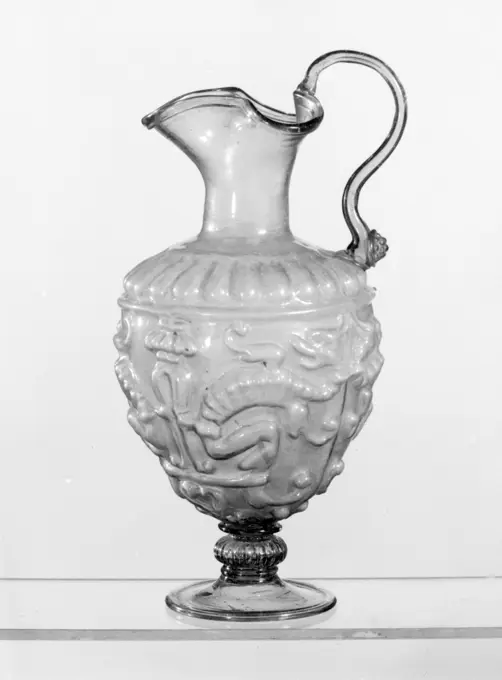
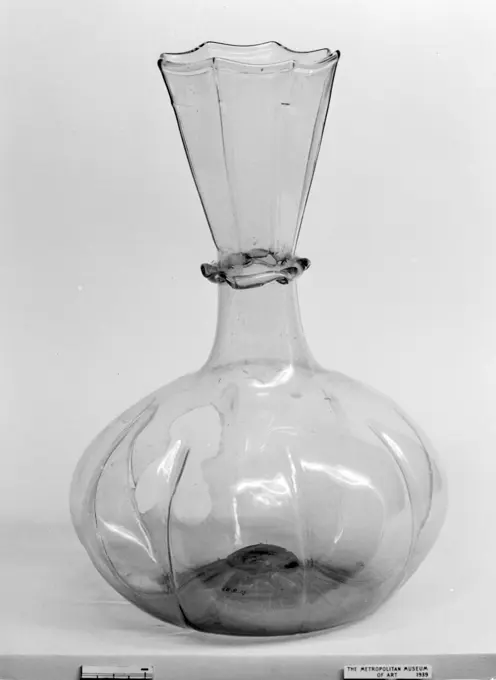
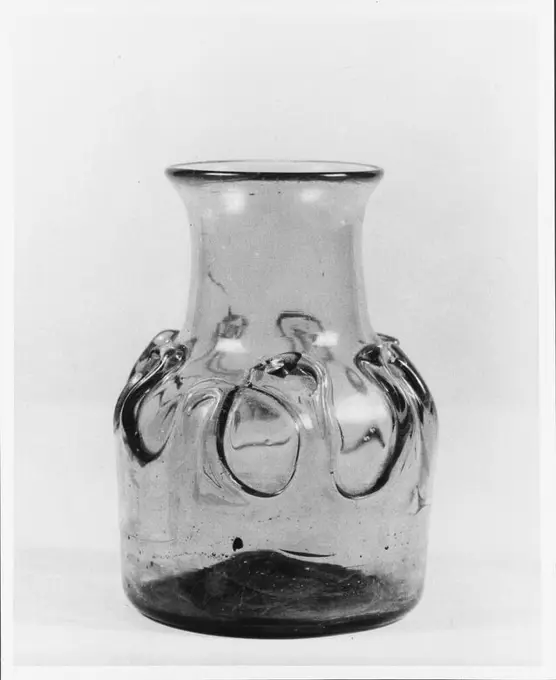
Ewer early 18th century German. Ewer. German. early 18th century. Glass. Glass
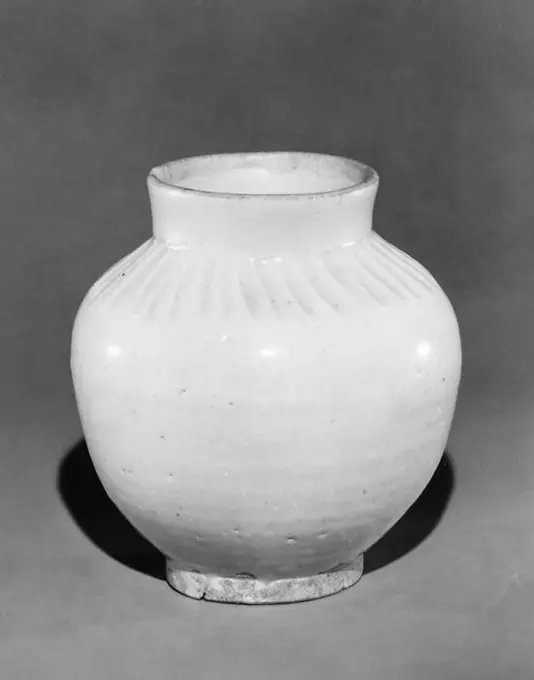
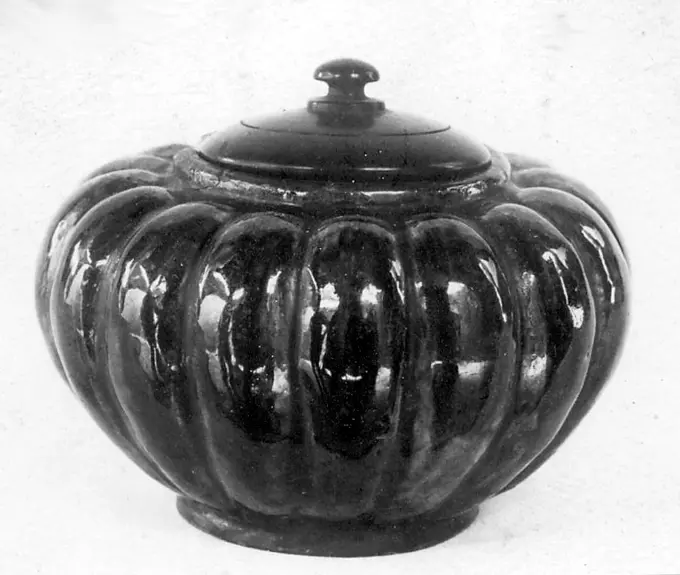
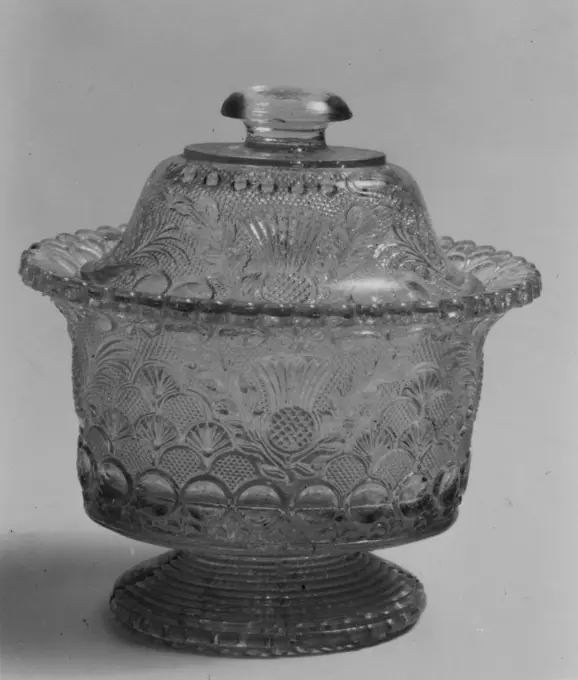
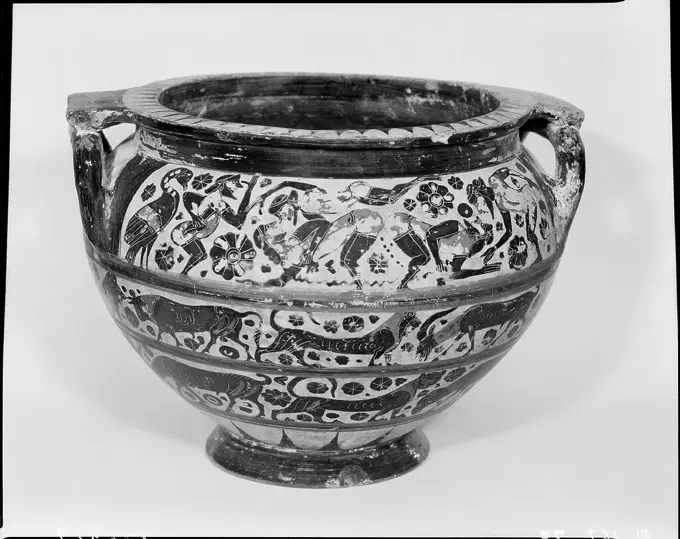
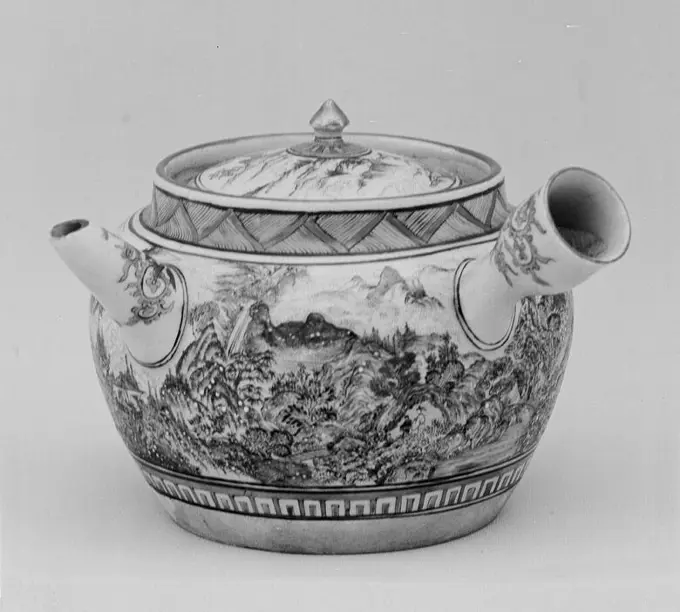
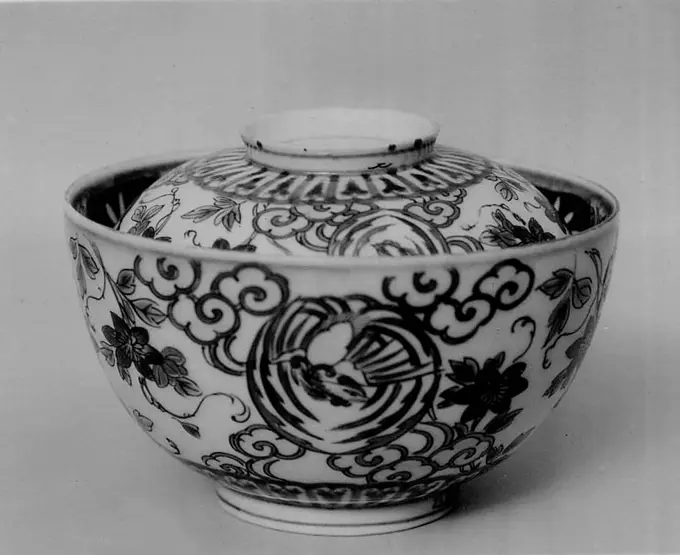
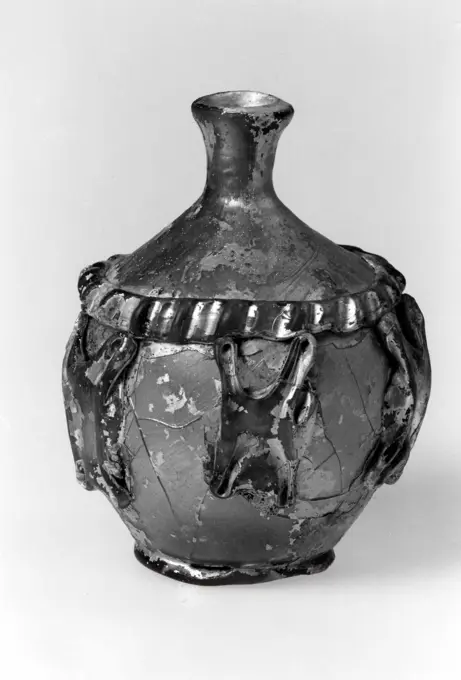
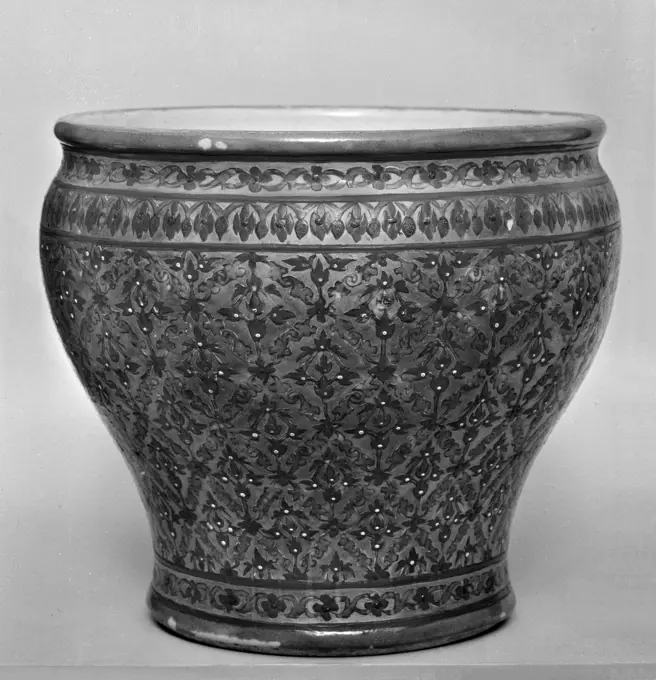
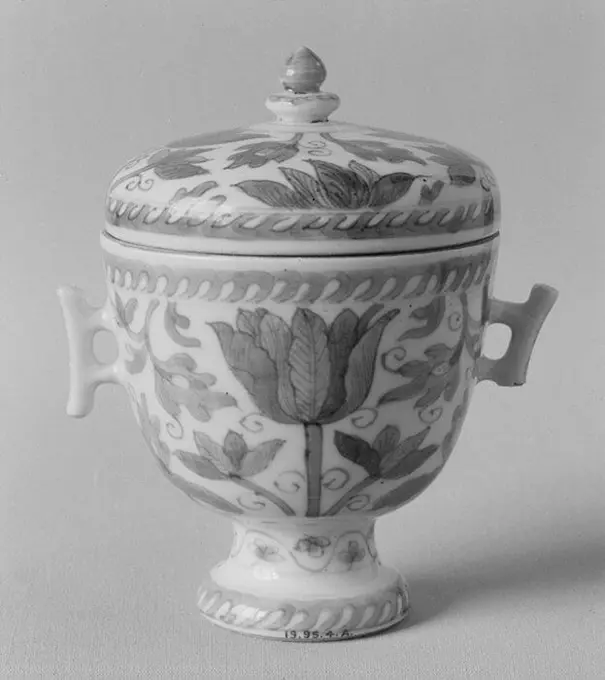
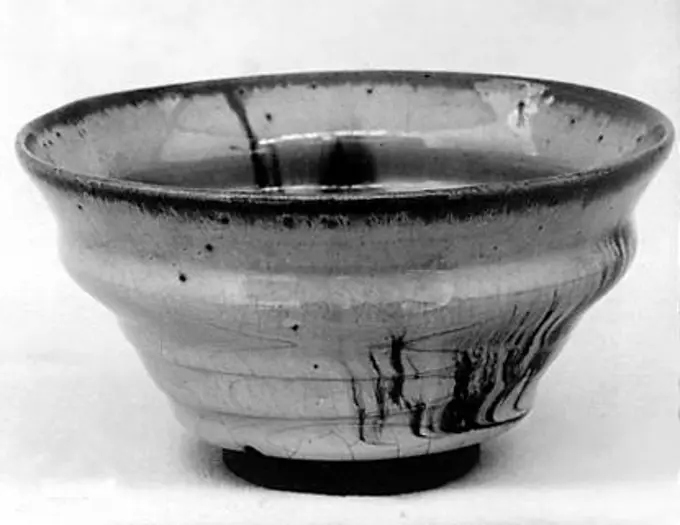
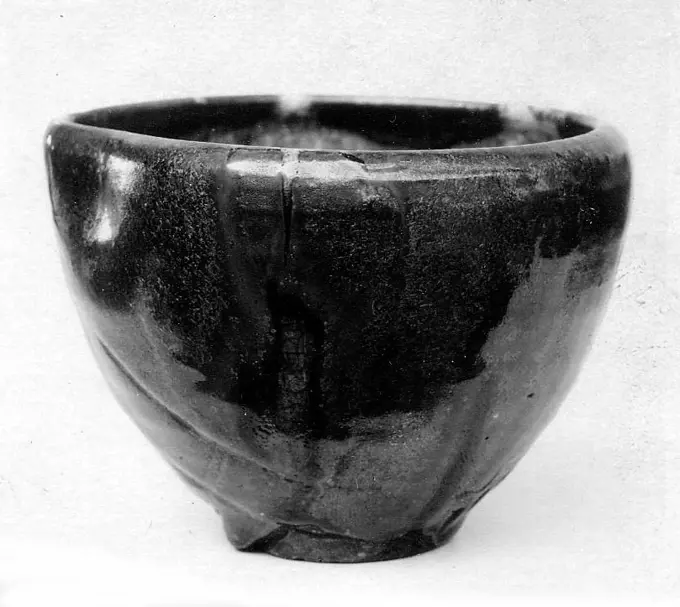
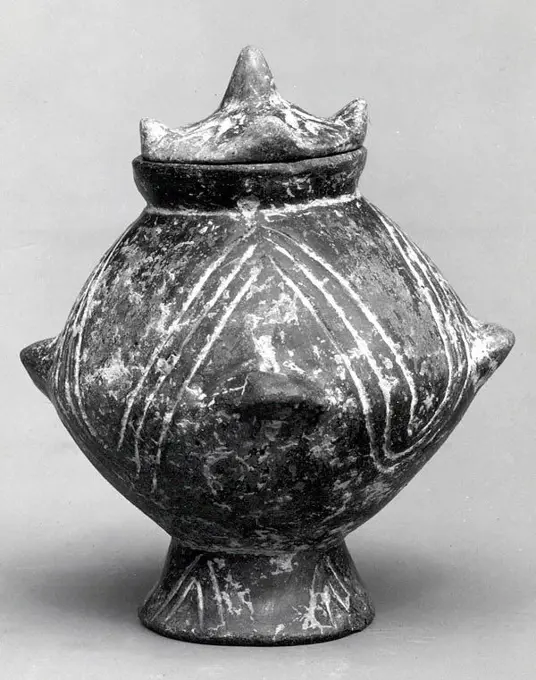
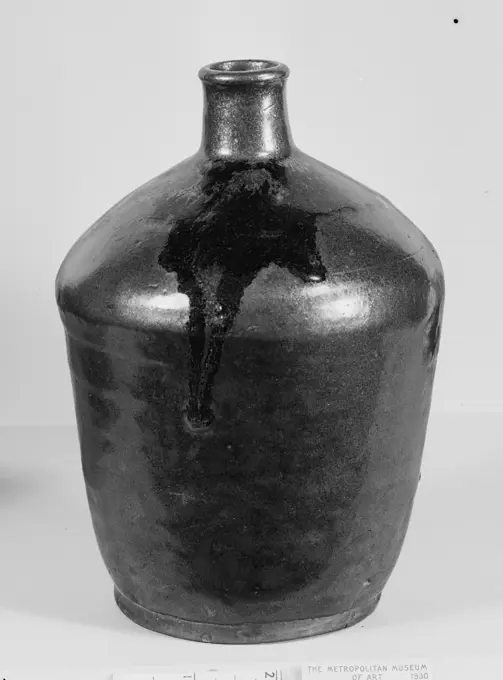
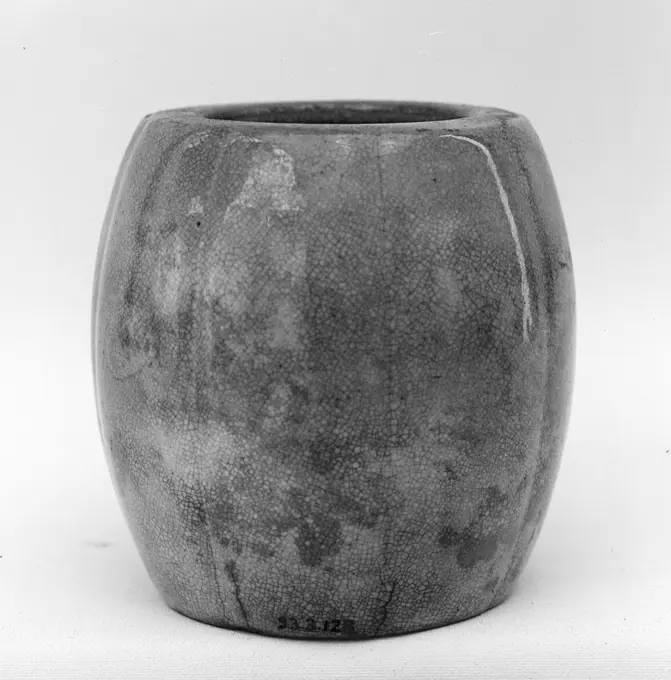
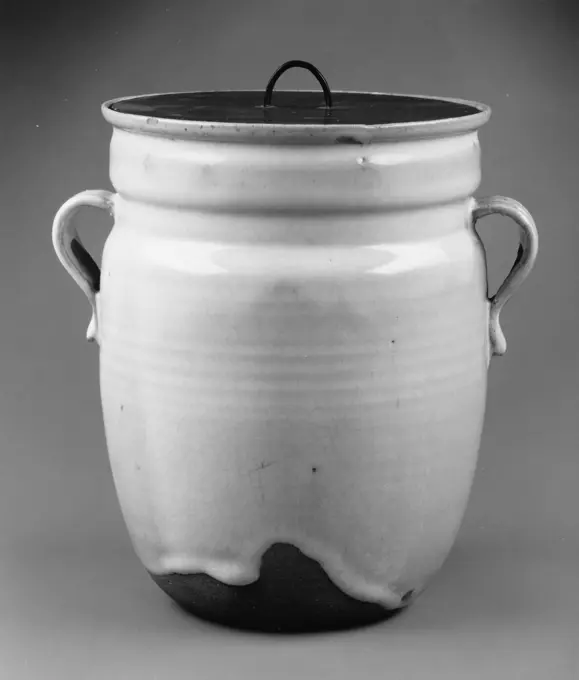
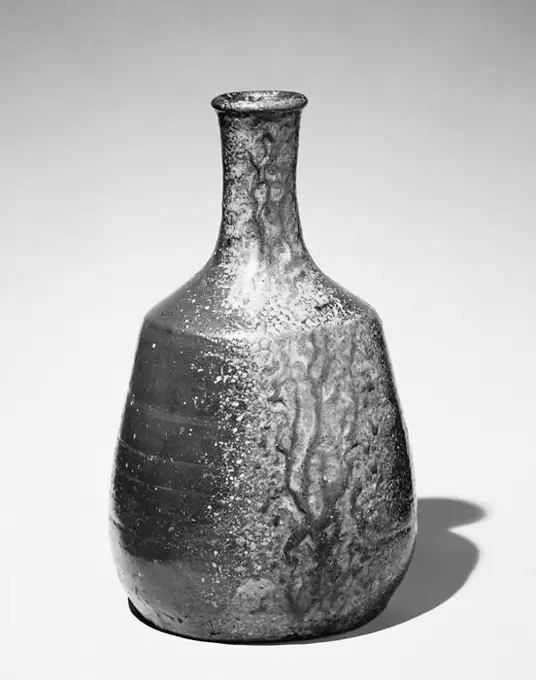
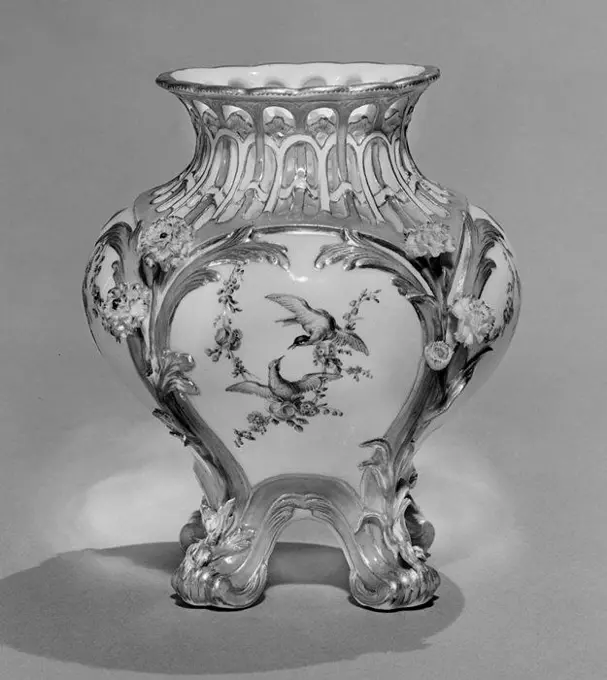
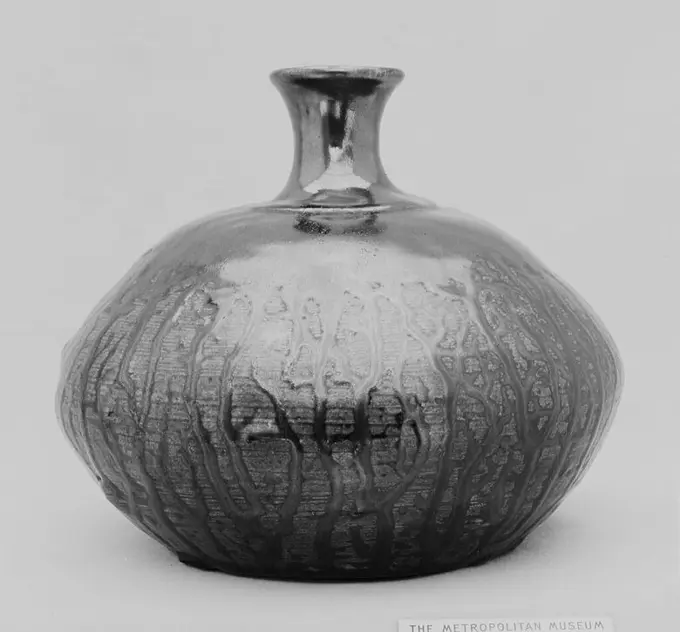
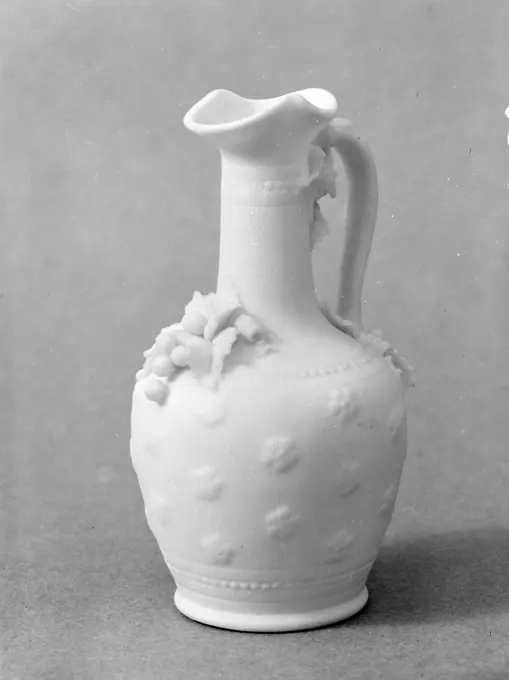
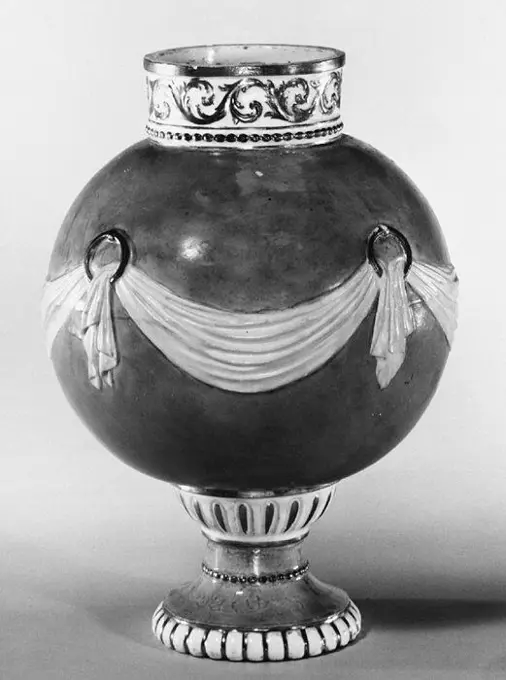
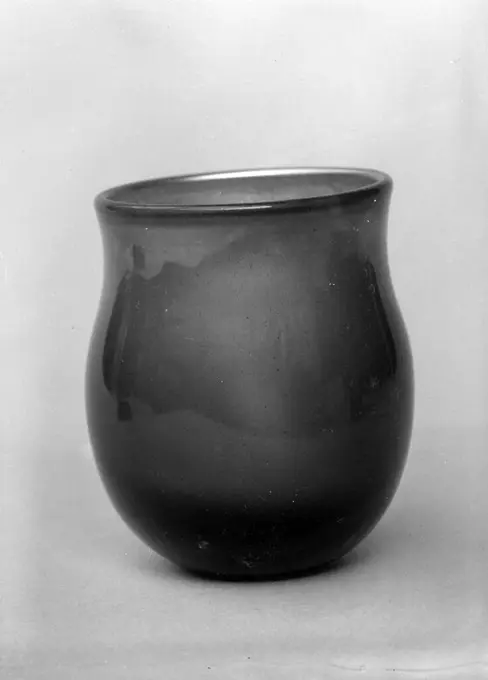
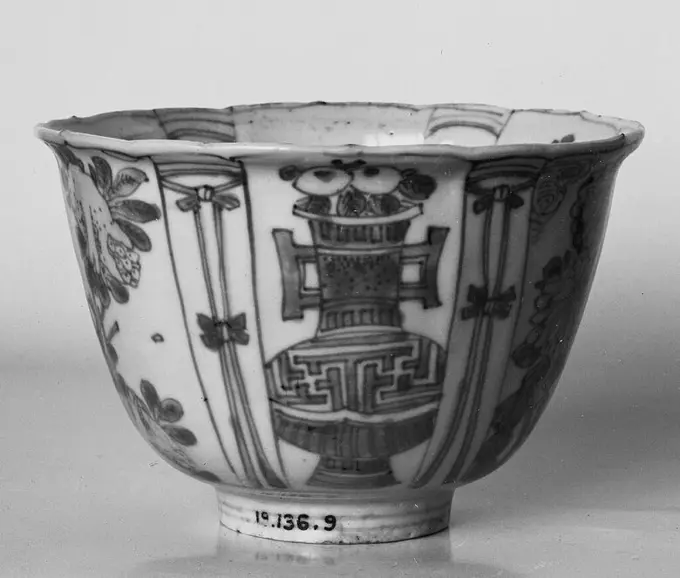
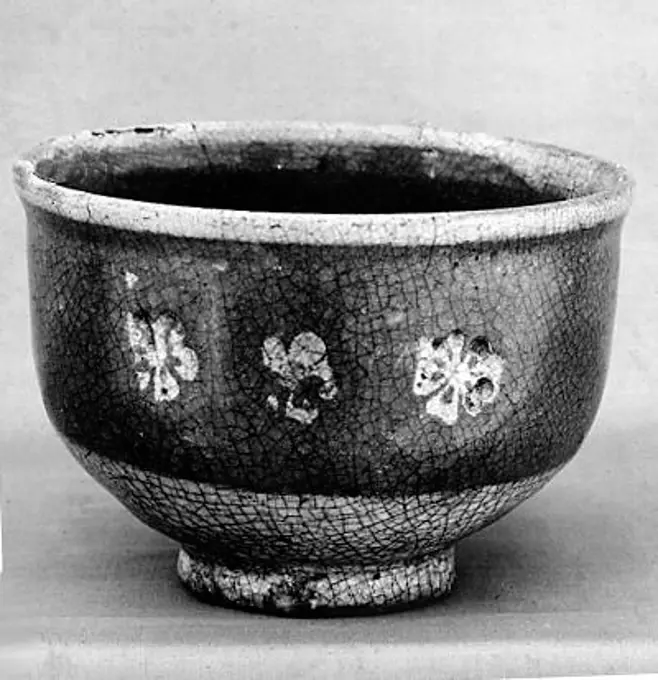
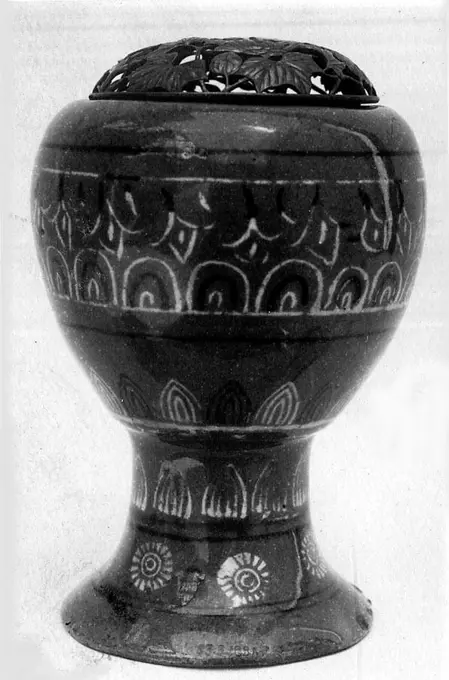
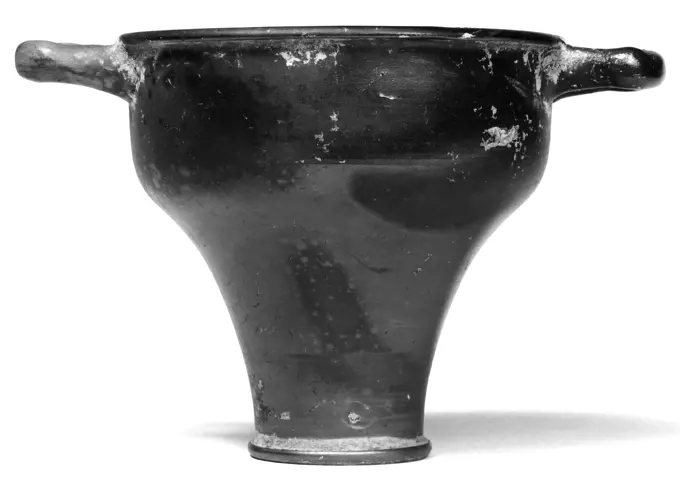
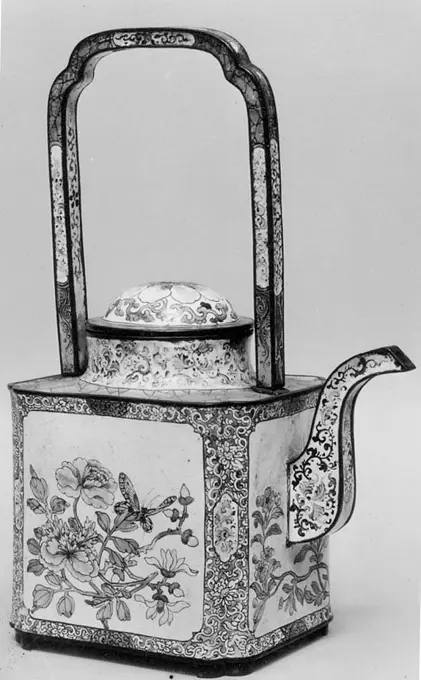
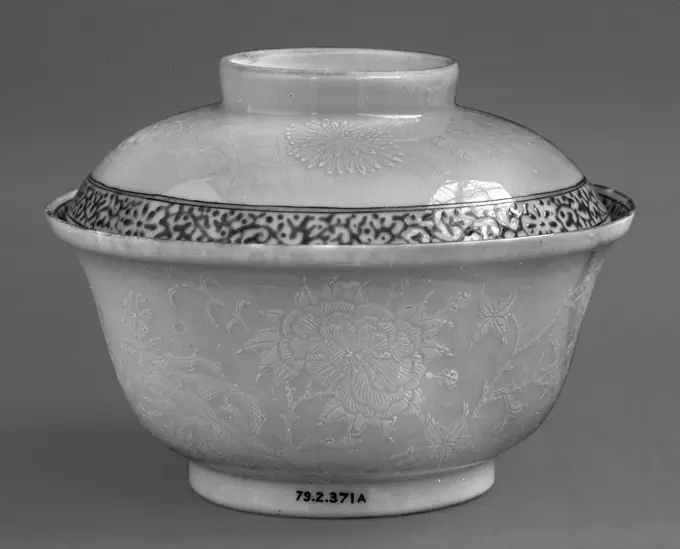
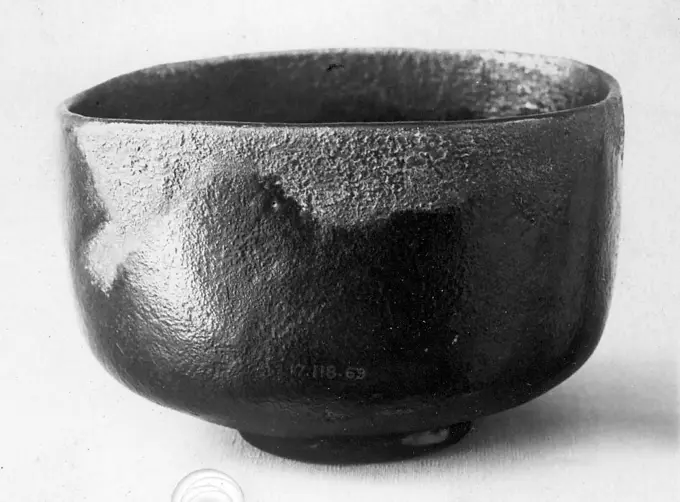
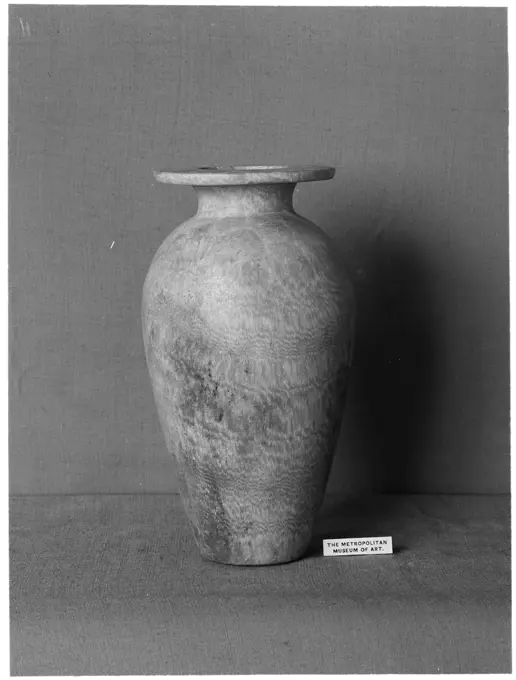
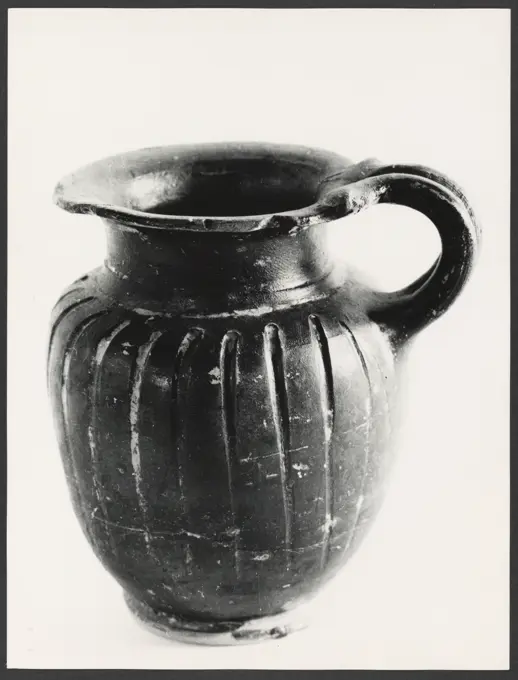
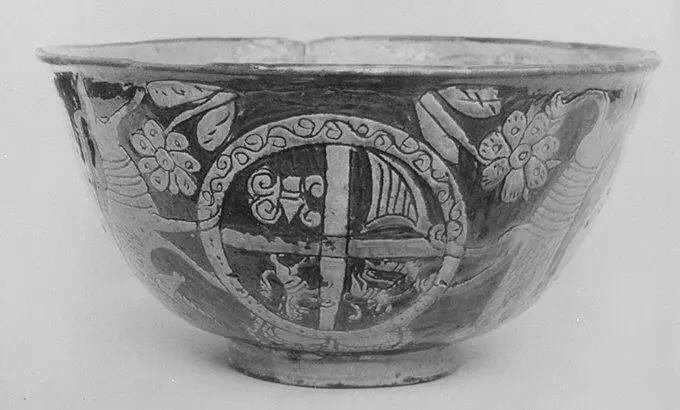
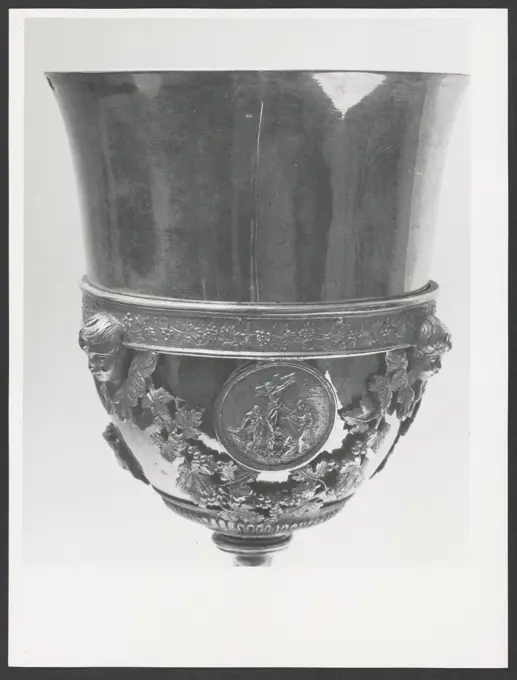
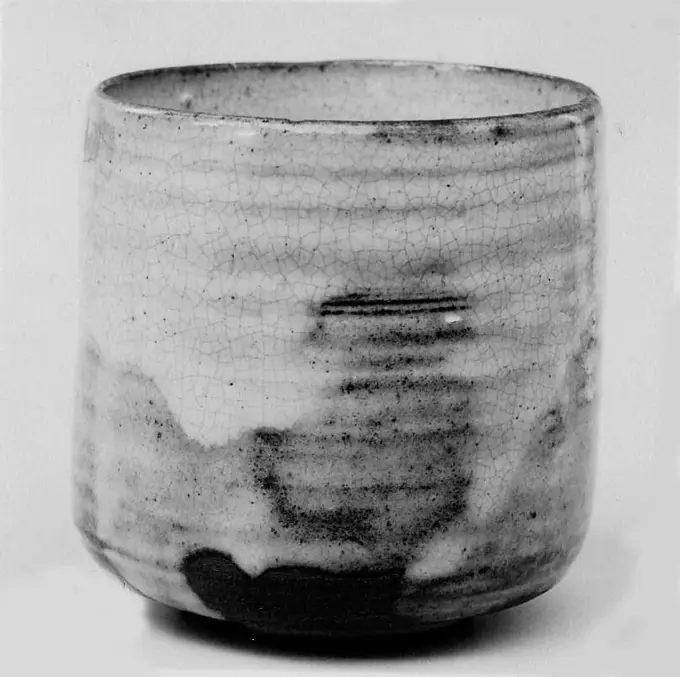
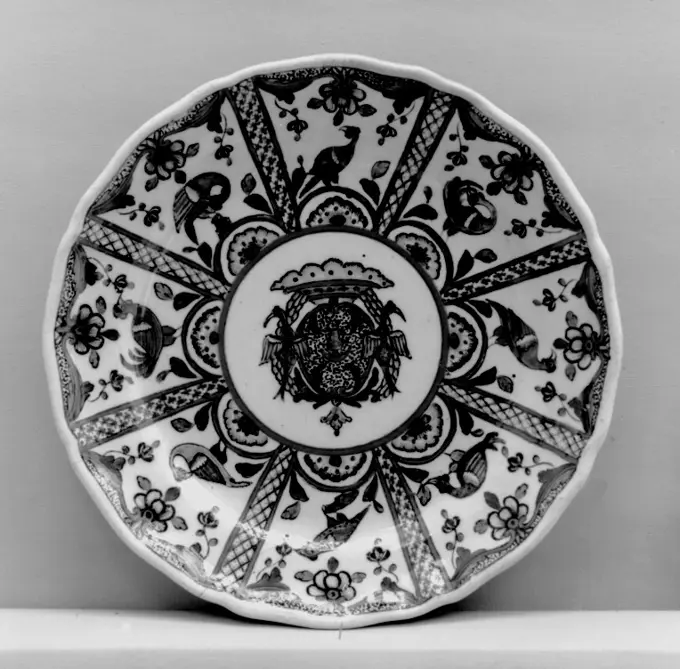
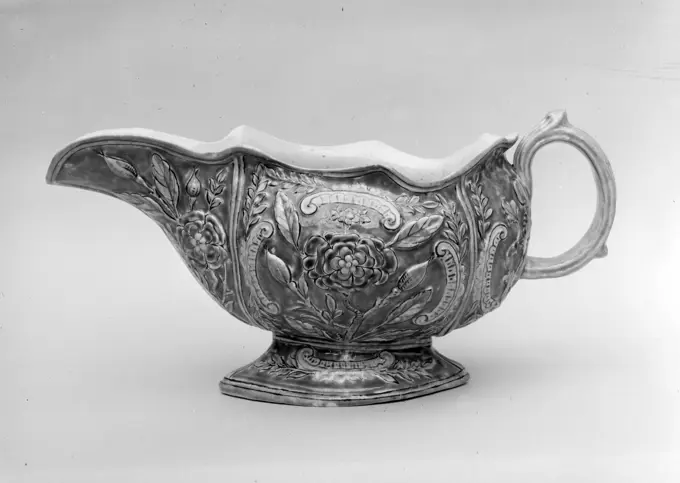
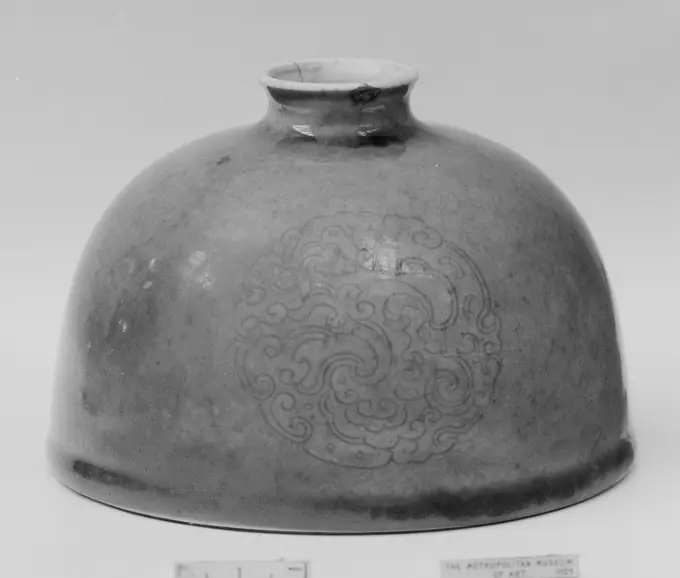
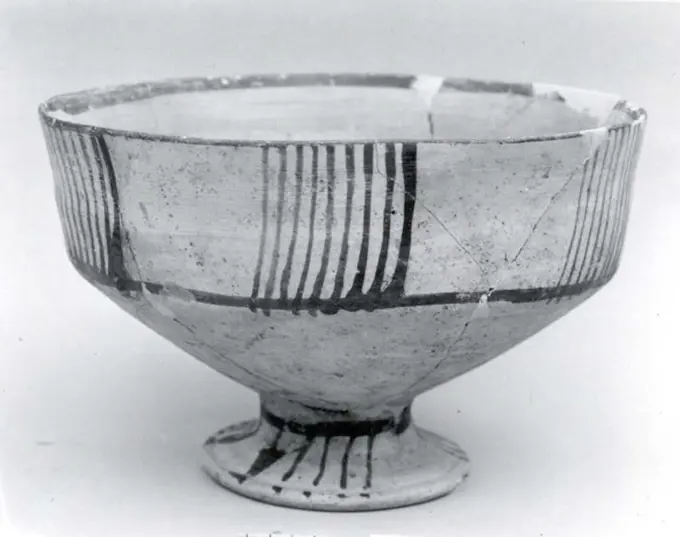
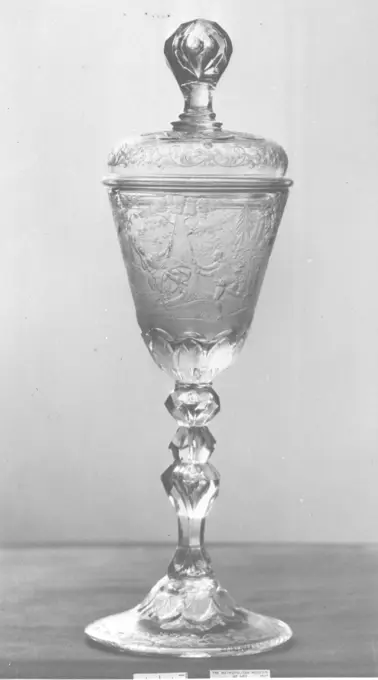
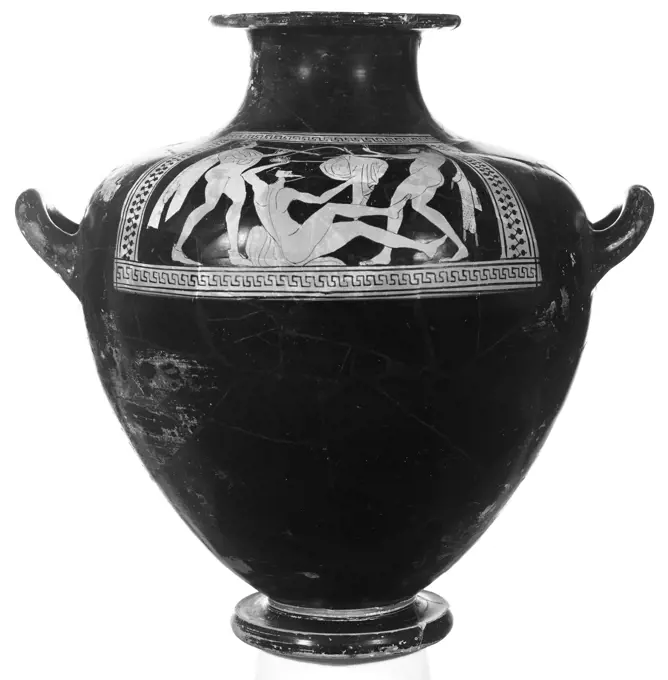
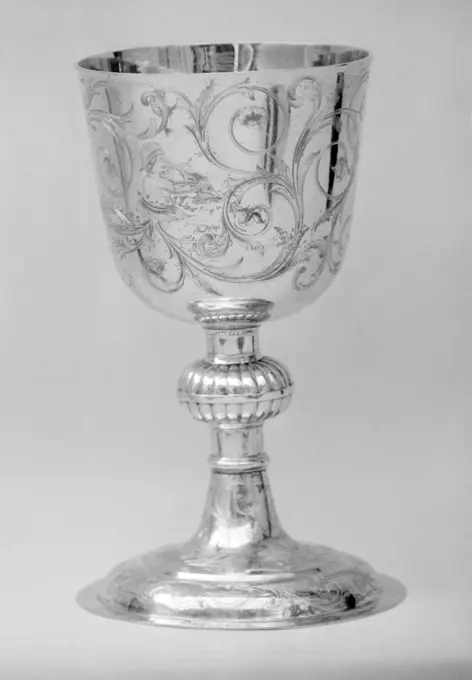
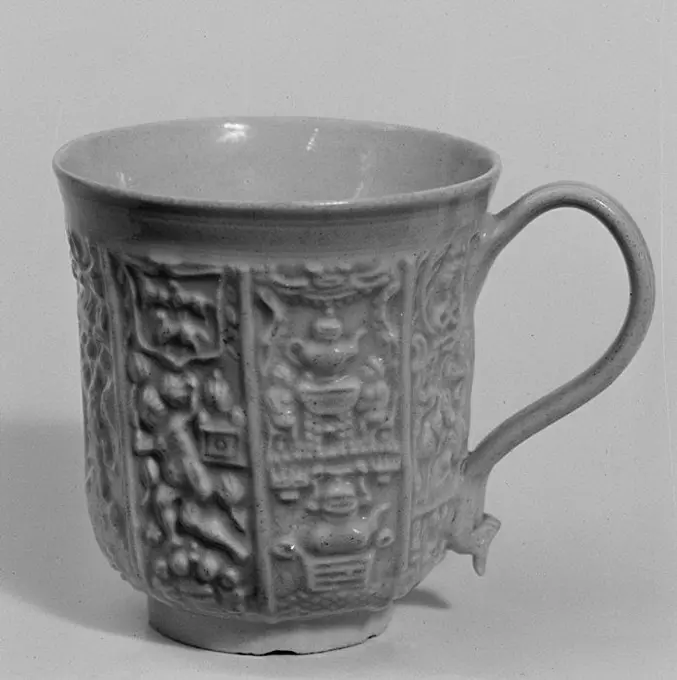
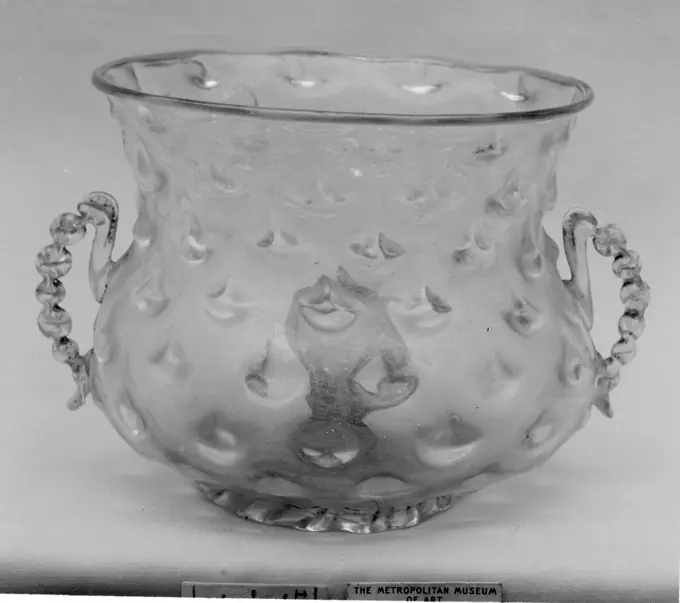
Ewer 16th century probably Italian, Venice (Murano) During the Renaissance, Venetian glassmakers, working on the island of Murano, were celebrated across Europe for their fine and sparkling work. Called cristallo” emulating the clarity of rock crystal, in the hands of the most skilled glassblowers the medium could be delightfully manipulated, variously stretched paper-thin flat, or playfully twisted, or blown into molds with spectacular patterns.. Ewer. probably Italian, Venice (Murano). 16th century. Glass. GlassJar ca. 1620 Japan. Jar 52215Ewer early 18th century German. Ewer. German. early 18th century. Glass. GlassTea Jar 19th century Japan. Tea Jar. Japan. 19th century. Clay covered with transparent glaze over white slip (Karatsu ware). Momoyama (1573-1615) or Edo period (1615-1868). CeramicsCovered Sugar Bowl ca. 1835 American. Covered Sugar Bowl 2494Terracotta column-krater (bowl for mixing wine and water). Culture: Greek, Corinthian. Dimensions: H. 10 15/16 in. (27.7 cm)diameter 13 7/8 in. (35.3 cm)width with handles 14 13/16 in. (37.7 cm). Date: ca. 625-600 B.C..Padded dancers, usually shown dancing and drinking, were a common theme in Corinthian vase painting. They were apparently ordinary people dressed in a special costume stuffed or padded to accentuate bellies and buttocks. On this vase they surround a wine krater on one side and play leapfrog on the other. Museum: Metropolitan Museum of Art, New York, USA.Teapot. Culture: Japan. Dimensions: H. 5 1/4 in. (13.3 cm). Date: ca. 1850. Museum: Metropolitan Museum of Art, New York, USA.Covered bowl with Thai mythical figures 19th century China. Covered bowl with Thai mythical figures. China. 19th century. Porcelain painted in overglaze polychrome enamels (Bencharong ware for Thai market). Qing dynasty (1644-1911). CeramicsTea caddy 18th century Dutch, Haarlem. Tea caddy 192128Jar 15th-16th century China. Jar 48565Covered box with floral pattern 19th century China. Covered box with floral pattern. China. 19th century. Porcelain painted in overglaze polychrome enamels (Bencharong ware for Thai market). Qing dynasty (1644-1911). CeramicsCovered bowl 1840 Japan. Covered bowl 52480Octagonal cup with ring handle 8th century China Listen to experts illuminate this artwork's story Listen Play or pause #8992. Overview: Foreign Influence on Tang Dynasty Gold and Silver Art Supported by Bloomberg Philanthropies We're sorry, the transcript for this audio track is not available at this time. We are working to make it available as soon as possible.. Octagonal cup with ring handle 42182Jar 19th century Japan. Jar. Japan. 19th century. Pottery; silver band about rim (Kyoto ware). Edo (1615-1868) or Meiji period (1868-1912). CeramicsFlask 7th-9th century Islamic. Flask. Islamic. 7th-9th century. Probably almost colorless glass with a green or yellowish tint. Blown, the rim finished at the furnace, the decoration applied and tooled.. GlassJar with geometric pattern 19th century China. Jar with geometric pattern. China. 19th century. Porcelain painted in overglaze polychrome enamels (Bencharong ware). Qing dynasty (1644-1911). CeramicsDeep Bowl 1750 Japan. Deep Bowl 47143Jar. Culture: Japan. Dimensions: H. 5 1/2 in. (14 cm). Date: 19th century. Museum: Metropolitan Museum of Art, New York, USA.Oil bottle Japan. Oil bottle 52259Cup with cover ca. 1700 Chinese, for European or possibly British market. Cup with cover 194557Cream jug 1761-62 G. S., London. Cream jug 197387Teabowl 19th century Japan. Teabowl 62644Teabowl 18th century Japan. Teabowl 63066Jar 19th century Japan. Jar. Japan. 19th century. Clay covered with glaze and splashes (Kyoto kiln). Momoyama (1573-1615) or Edo period (1615-1868). CeramicsUsed-Water Container (Kensui) mid-19th century Japan. Used-Water Container (Kensui). Japan. mid-19th century. Stoneware with iron glaze (Takatori ware). Edo period (1615-1868). CeramicsVase 16th century China. Vase 46994Pot 1820 Japan. Pot 47019Vessel with a lid and incised decoration ca. 2700-2400 B.C. Yortan. Vessel with a lid and incised decoration 325070Vase China. Vase. China. Porcelain with incised decoration under colored glazes. Qing dynasty (1644-1911), Qianlong period (1736-95). CeramicsBottle ca. 1700 Japan. Bottle. Japan. ca. 1700. Clay with iridescent underglaze; overglaze on shoulder (Seto ware). Edo period (1615-1868). CeramicsIncense burner with Arab inscription China. Incense burner with Arab inscription. China. Bronze. Qing dynasty (1644-1911), Kangxi period (1662-1722). MetalworkJar. Culture: China. Dimensions: H. 15 in. (38.1 cm); Diam. 11 in. (27.9 cm). Museum: Metropolitan Museum of Art, New York, USA.Incense Burner 1620 Japan. Incense Burner. Japan. 1620. Clay with finely crackled glaze (Satsuma ware). Edo period (1615-1868). CeramicsMug. Culture: British. Dimensions: 3 5/8 x 4 1/8 in. (9.2 x 10.5 cm). Maker: Lambeth Factories. Date: 1680-1700. Museum: Metropolitan Museum of Art, New York, USA.Bottle. Culture: China. Dimensions: H. 8 in. (20.3 cm). Date: 14th century. Museum: Metropolitan Museum of Art, New York, USA.Ice cream cup (tasse à glace) (one of thirty-one) (part of a service) 1780 Sèvres Manufactory French. Ice cream cup (tasse à glace) (one of thirty-one) (part of a service) 197870Water Jar 17th century Nonomura Ninsei Japanese. Water Jar 39576Sake bottle ca. 1700 Japan. Sake bottle 63548Vase with stand and cover. Culture: China. Dimensions: H. 19 3/4 in. (50.2 cm). Museum: Metropolitan Museum of Art, New York, USA.Potpourri vase (pot-pourri à jour) 1754 Vincennes Manufactory French In 1753, the Vincennes factory introduced a marking system that indicated the year the object was decorated. Prior to 1753, the factory had begun to mark the base of each piece with interlaced Ls, the royal cipher. Beginning at some point in 1753, a letter that represented a year was painted inside the interlaced Ls. For the first ten years of this marking system, the letter actually indicates a two-year period, as the new letter was adopted during the year rather than at its start (i.e., A = 1753/54). This practice changed in 1763, allowing a letter to signify a single year.. Potpourri vase (pot-pourri à jour) 206522Wine Bottle. Culture: Japan. Dimensions: H. 6 1/2 in. (16.5 cm). Date: 18th century. Museum: Metropolitan Museum of Art, New York, USA.Octagonal Bowl 1780 Japan. Octagonal Bowl 52417Covered jar with floral patterns late 17th-early 18th century China. Covered jar with floral patterns 46097Jug 1830-70 American. Jug. American. 1830-70. Parian porcelain. Probably made in Bennington, Vermont, United StatesBowl with Thai mythical figures 19th century China. Bowl with Thai mythical figures 46255Cup. Culture: China. Dimensions: H. 1 7/8 in. (4.8 cm); Diam. 2 3/8 in. (6 cm). Museum: Metropolitan Museum of Art, New York, USA.Jar. Culture: China. Dimensions: H. 18 1/4 in. (35.6 cm); W. 14 in. (35.6 cm). Museum: Metropolitan Museum of Art, New York, USA.Vase late 18th century Höchst Manufactory. Vase 206393Vase. Culture: American. Designer: Designed by Louis Comfort Tiffany (American, New York 1848-1933 New York). Dimensions: H. 2 in. (5.1 cm). Maker: Tiffany Glass and Decorating Company (American, 1892-1902). Date: ca. 1895. Museum: Metropolitan Museum of Art, New York, USA.Pilgrim Bottle late 16th century-early 17th century China. Pilgrim Bottle 40688Cup. Culture: China. Dimensions: H. 3 in. (7.6 cm); W. 4 5/8 in. (11.7 cm). Date: ca. 1600. Museum: Metropolitan Museum of Art, New York, USA.Tureen with cover (part of a service) 1750-70 Chinese, for Continental European market. Tureen with cover (part of a service) 201213Teabowl 18th century Japan. Teabowl 62699Bowl probably 16th century Italian, Venice (Murano). Bowl. Italian, Venice (Murano). probably 16th century. Glass, enameled and gilt. GlassVase with arhat 19th century China. Vase with arhat. China. 19th century. Porcelain painted in cobalt blue under yellow glaze (Jingdezhen ware). Qing dynasty (1644-1911). CeramicsTwo-Handled Cup. Culture: China. Dimensions: Diam. 3 in. (7.6 cm). Date: mid-19th century. Museum: Metropolitan Museum of Art, New York, USA.Wineglass with cover late 17th-early 18th century possibly Bohemian. Wineglass with cover. possibly Bohemian. late 17th-early 18th century. Glass. GlassVase 19th century Japan. Vase 59847Carafe 19th century Italian, Venice (Murano). Carafe. Italian, Venice (Murano). 19th century. Glass. GlassIncense Burner on High Foot 1670 Japan. Incense Burner on High Foot 62784Anefo photo collection. Excavations at Schiedam. Vase. June 1, 1961. Schiedam, South HollandCampanian Black Glazed Skyphos; Campania, South Italy; 323 - 31 B.C; Terracotta; 12 × 18.2 × 12.3 cm (4 3,4 × 7 3,16 × 4 13,16 in.)Covered Wine Pot China. Covered Wine Pot. China. Painted enamel. Qing dynasty (1644-1911), Qianlong period (1736-95). EnamelsCovered jar with immortals 15th-16th century China. Covered jar with immortals. China. 15th-16th century. Stoneware with polychrome enamels (Fahua ware). Ming dynasty (1368-1644). CeramicsLowestoft Porcelain Manufactory, Teapot and Cover, 18th century, soft-paste porcelain.Jar 19th century Korea. Jar 57417Covered Cup late 18th century China. Covered Cup. China. late 18th century. Porcelain with incised decoration, painted in overglaze blue enamel. Qing dynasty (1644-1911), Qianlong period (1736-95). CeramicsTeabowl ca. 1770 Tokunyu Japanese. Teabowl 62888Pitcher.  Manufacturer: Henry B. Stanwood and Company, active ca. 1853 - 1861Shouldered jar ca. 2323-2150 B.C. Old Kingdom. Shouldered jar. ca. 2323-2150 B.C.. Travertine (Egyptian alabaster). Old Kingdom. From Egypt. Dynasty 6Lazio Latina Sezze Antiquarium Comunale56. Hutzel, Max 1960-1990 German-born photographer and scholar Max Hutzel (1911-1988) photographed in Italy from the early 1960s until his death. The result of this project, referred to by Hutzel as Foto Arte Minore, is thorough documentation of art historical development in Italy up to the 18th century, including objects of the Etruscans and the Romans, as well as early Medieval, Romanesque, Gothic, Renaissance and Baroque monuments. Images are organized by geographic region in Italy, then by province, city, site complex and monument.Creamer 1855-65 New England Glass Company. Creamer 2693Vase ca. 1700-22 China. Vase. China. ca. 1700-22. Porcelain with peach bloom glaze. Qing dynasty (1644-1911), Kangxi mark and period (1662-1722). CeramicsDropper flask. Culture: Roman. Dimensions: H. 9.2 cm; diam. of rim 4.4 cm; diam. of body 6.6 cm. Date: probably 3rd-4th century. Museum: Metropolitan Museum of Art, New York, USA.Pitcher. Culture: British (American market). Dimensions: H. 9 1/4 in. (23.5 cm). Maker: Philip Christian & Company. Date: ca. 1765-70. Museum: Metropolitan Museum of Art, New York, USA.Bowl third quarter 18th century British, Devonshire. Bowl 195225Lazio Roma Velletri Museo Capitolare6. Hutzel, Max 1960-1990 Medieval: Breviaries (two, 14-15th century); "The Passion" on vellum (French school, late 13th century); reliquaries. Post-medieval: Paintings, frescoes, vestments, sculpture, metalwork, panel painting Object Notes: Bibliographic material housed in Center library. Hutzel photo campaign dates: one undated, another November 9, 1985. It is likely that notes for the Pinacoteca Cattedrale (no separate Hutzel entry) describe items under this heading. TCI seems to indicate that the Museo Capitolare is adjacent to the cathedral. As well, some prints are missing; the initial Hutzel entry indicates that there are 422 prints. At this count, I can find 142. German-born photographer and scholar Max Hutzel (1911-1988) photographed in Italy from the early 1960s until his death. The result of this project, referred to by Hutzel as Foto Arte Minore, is thorough documentation of art historical development in Italy up to the 18th century, incluTeabowl ca. 1810 Yōsobei I Japanese. Teabowl 63236Food serving vessel (Dou) 5th-4th century B.C. China This pottery replica of a bronze or lacquer vessel was made as a substitute for use in the tomb.. Food serving vessel (Dou) 49141Plate ca. 1750 French, Sinceny Faience, or tin-glazed and enameled earthenware, first emerged in France during the sixteenth century, reaching widespread usage among elite patrons during the seventeenth and early eighteenth centuries, prior to the establishment of soft-paste porcelain factories. Although characterized as more provincial in style than porcelain, French faience was used at the court of Louis XIV as part of elaborate meals and displays, with large-scale vessels incorporated into the Baroque garden designs of Versailles. Earlier examples of French faience attest to the strong influence of maiolica artists from Italy. Later works demonstrate the ways in which cities such as Nevers, Rouen, Lyon, Moustiers, and Marseille developed innovative vessel shapes and decorative motifs prized among collectors throughout Europe. While faience can be created from a wide mixture of clays, it is foremost distinguished by the milky opaque white color achieved by the addition of tin oxide tLazio Roma Subiaco Monastery of S. Scolastica Archaeological Museum0. Hutzel, Max 1960-1990 Antiquities: Views of antiquities in museum, including sarcophagi, plates, vases, coins. General Notes: Hutzel guide says we have negatives, but we cannot find them. German-born photographer and scholar Max Hutzel (1911-1988) photographed in Italy from the early 1960s until his death. The result of this project, referred to by Hutzel as Foto Arte Minore, is thorough documentation of art historical development in Italy up to the 18th century, including objects of the Etruscans and the Romans, as well as early Medieval, Romanesque, Gothic, Renaissance and Baroque monuments. Images are organized by geographic region in Italy, then by province, city, site complex and monument.Stemmed Bowl China. Stemmed Bowl 48554Lazio Viterbo Viterbo Museo Civico01. Hutzel, Max 1960-1990 Views of paintings (Middle Ages through 18th c.), frescoes, a tabernacle, coffin, sculpture reliefs, portal fragments, busts, sculpture, tapestry found in the Pinacoteca, Second floor gallery and Second floor cloister sequences. Antiquities: Many views of Etruscan and Roman fragments, sculpture, sarcophagi, pottery, masks, jewelry and other objects found in the Storeroom sequence (inventory numbers on back of prints), and the Cloister, Second floor Cloister, Valle Giulia, Sala Romana and Sala Etrusca sequences. General Notes: There are eight separate numerical sequences for this location. The cloister as an architectural structure, rather than museum site, is documented in the record and file for S. Maria della Verita, Cloister, all views of which are stored in Medieval core collection. Five views from the Museo Civico Second floor cloister sequence are stored in Medieval. German-born photographer and scholar Max Hutzel (1911-Bottle 18th century Japan. Bottle. Japan. 18th century. Pottery moulded in the paste and covered with a mottled glaze (Takatori ware). Edo period (1615-1868). CeramicsVase ca. 1830-40 French. Vase 195499Sauceboat ca. 1750 British. Sauceboat. British. ca. 1750. Stoneware. Made in EnglandWater Coupe China. Water Coupe. China. Porcelain with incised decoration under peachbloom glaze. Qing dynasty (1644-1911), Kangxi mark and period (1662-1722). CeramicsCup ca. 3980-3865 BC Iran This cup has a wide mouth and straight sides, which taper abruptly to meet a small foot. It is made of a buff clay, with brown decorations, namely vertical lines on the upper part of the vessel and straight radial lines on the foot. Wheel lines on the interior indicate it was made on a potters wheel.This cup was excavated at Tepe Hissar, near the modern city of Damghan in northern Iran. Tepe Hissar was primarily an agricultural settlement, though much of the evidence for plant cultivation dates to later periods, with buildings made of mudbrick or simply mud walls. This cup belongs to the Hissar IC/IIA period, dating to ca. 3980-3865 B.C. on the basis of radiocarbon dating. During this period there was a lively and technically proficient ceramic industry at the site, producing well-formed vessels decorated with geometric designs and stylized images of ibexes, gazelles and birds. But it is not known what these vessels were used for. Similar cups were found in gStanding cup with cover ca. 1730 Workshop of Jacob Sang. Standing cup with cover. Dutch, Amsterdam. ca. 1730. Glass. GlassSquare Cup 19th century China. Square Cup 40894Attic Red-Figure Hydria; Akin to Nikoxenos Painter, or Pezzino Group; Athens, Greece; about 490 B.C; Terracotta; 39.3 × 16.5 cm (15 1,2 × 6 1,2 in.)Flower Pot 13th-14th century China. Flower Pot 49218Standing cup ca. 1715 Niels Jonsen. Standing cup 188787 Maker: Niels Jonsen, working 170531, Standing cup, ca. 1715, Silver gilt, H. 8 3/8 in. (21.3 cm). The Metropolitan Museum of Art, New York. Gift of Alfred Duane Pell, 1902 (03.2.6)Cup ca. 1745 British, Staffordshire. Cup 197535Bowl with Cover China. Bowl with Cover 46185Jar late 17th-early 18th century China. Jar. China. late 17th-early 18th century. Porcelain with crackled green glaze (Jingdezhen ware). Qing dynasty (1644-1911), Kangxi period (1662-1722). CeramicsVase 1885-90 American or British. Vase. American or British. 1885-90. Blown satin pink glass. Possibly made in England; Possibly made in United StatesBowl 17th century Italian, Venice (Murano) During the Renaissance, Venetian glassmakers, working on the island of Murano, were celebrated across Europe for their fine and sparkling work. Called cristallo” emulating the clarity of rock crystal, in the hands of the most skilled glassblowers the medium could be delightfully manipulated, variously stretched paper-thin flat, or playfully twisted, or blown into molds with spectacular patterns.. Bowl. Italian, Venice (Murano). 17th century. Glass. GlassVase. Culture: American. Dimensions: H. 4 1/2 in. (11.4 cm). Date: 1830-50. Museum: Metropolitan Museum of Art, New York, USA.Lazio Viterbo Viterbo Museo Civico23. Hutzel, Max 1960-1990 Views of paintings (Middle Ages through 18th c.), frescoes, a tabernacle, coffin, sculpture reliefs, portal fragments, busts, sculpture, tapestry found in the Pinacoteca, Second floor gallery and Second floor cloister sequences. Antiquities: Many views of Etruscan and Roman fragments, sculpture, sarcophagi, pottery, masks, jewelry and other objects found in the Storeroom sequence (inventory numbers on back of prints), and the Cloister, Second floor Cloister, Valle Giulia, Sala Romana and Sala Etrusca sequences. General Notes: There are eight separate numerical sequences for this location. The cloister as an architectural structure, rather than museum site, is documented in the record and file for S. Maria della Verita, Cloister, all views of which are stored in Medieval core collection. Five views from the Museo Civico Second floor cloister sequence are stored in Medieval. German-born photographer and scholar Max Hutzel (1911-