Elegant Glassware Collection

A selection of beautifully crafted glassware, featuring intricate engravings and diverse styles from different historical periods.
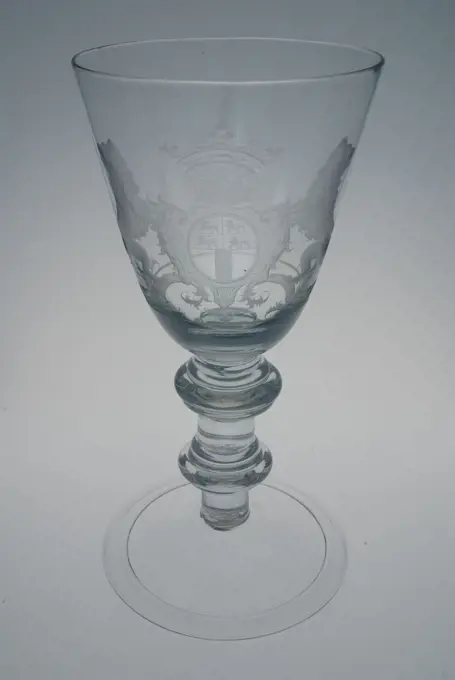
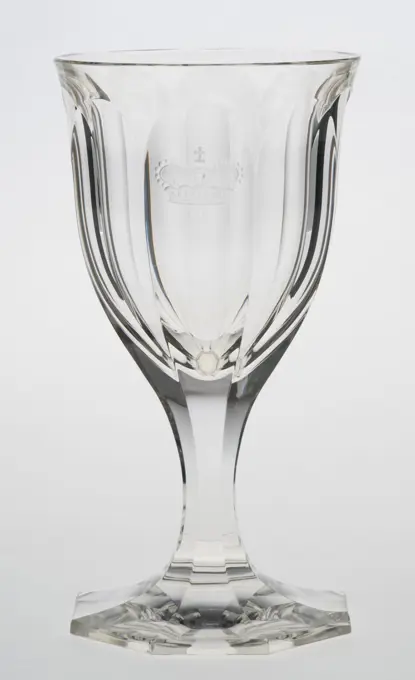
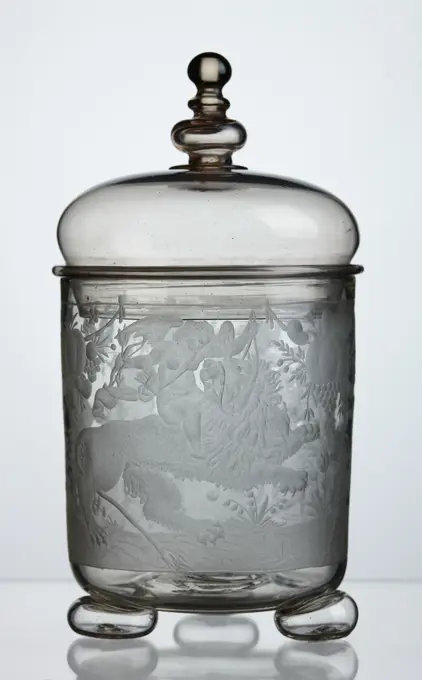
Large goblet engraved with crowned city coat of arms Rotterdam, goblet drinking glass drinking utensils tableware holder glass, gram free blown and formed radgraving polishing Large goblet goblet in clear colorless glass with lead addition Pontil mark under round ascending hollow base with wide downwards folded edge. Solid cylindrical trunk with bottom and top two knots composed of five flat knots. Bottom rounded funnel-shaped chalice with fire-rounded edge heraldic board Rotterdam drink
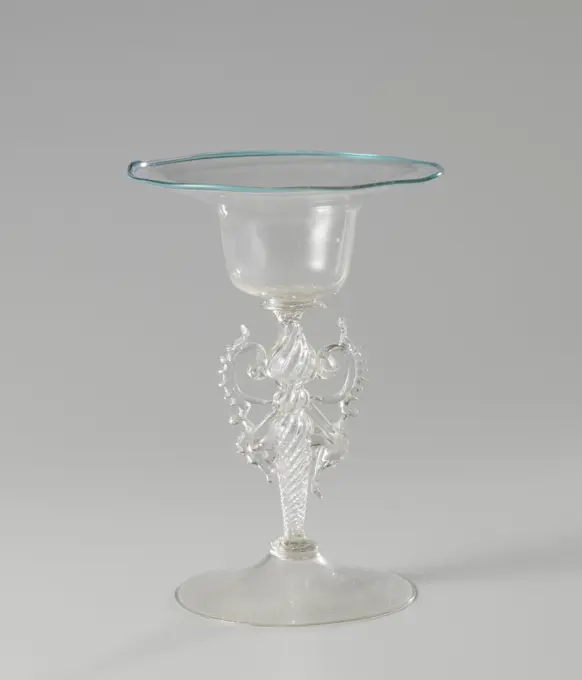
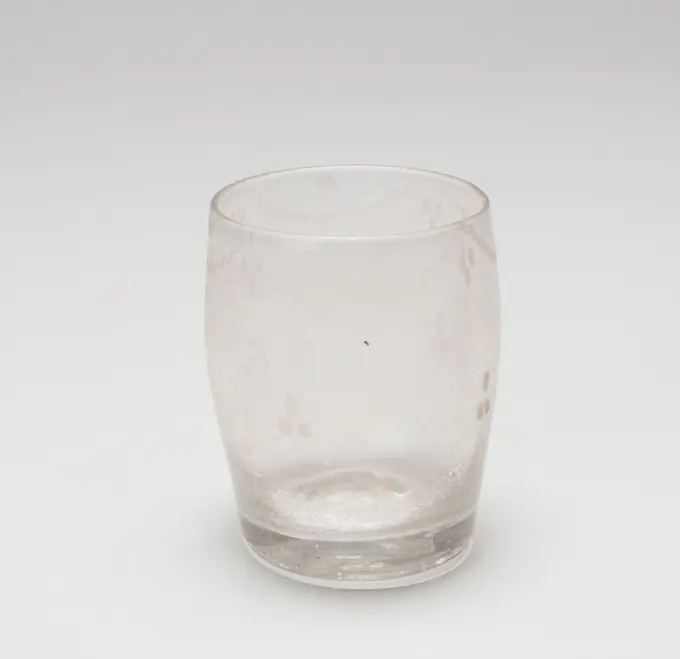
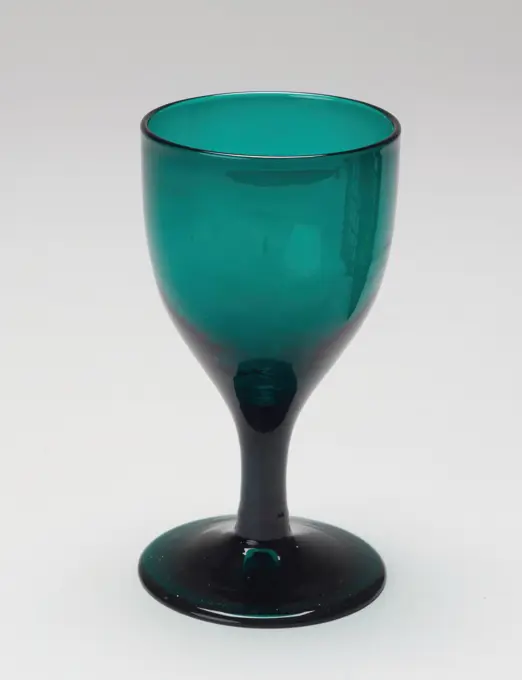
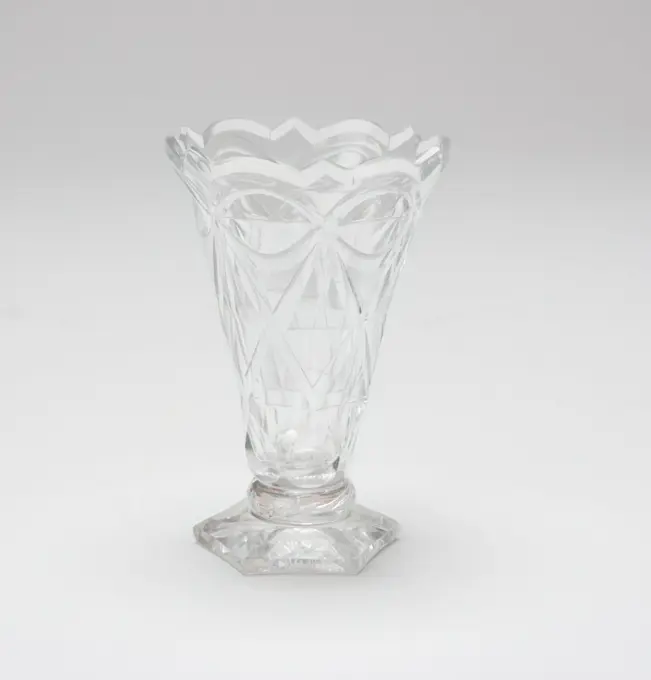
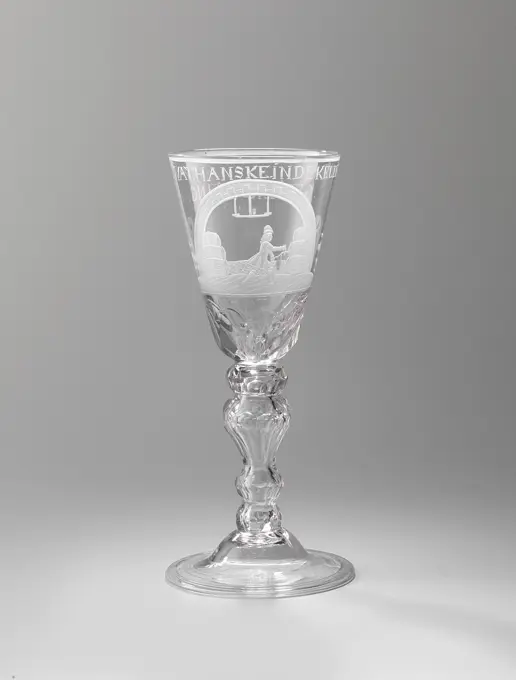
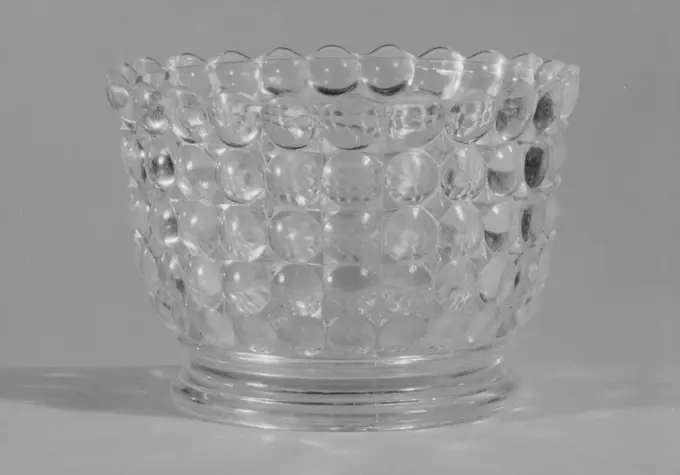
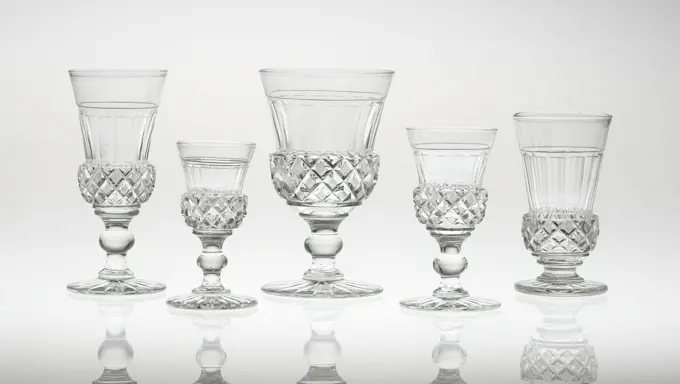
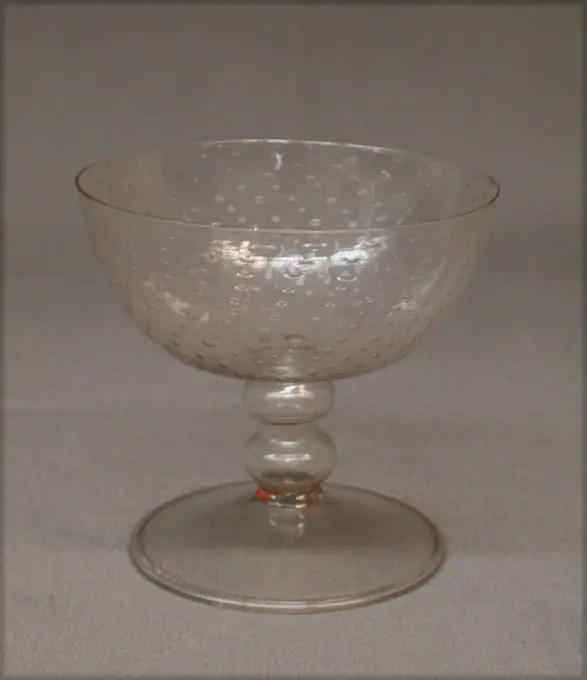
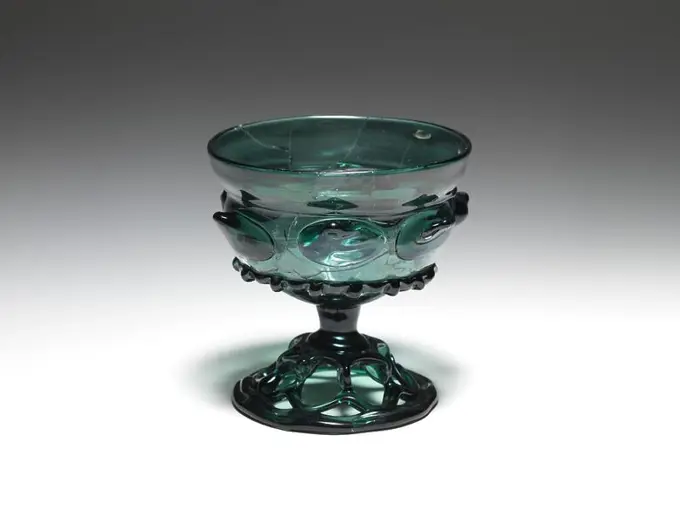
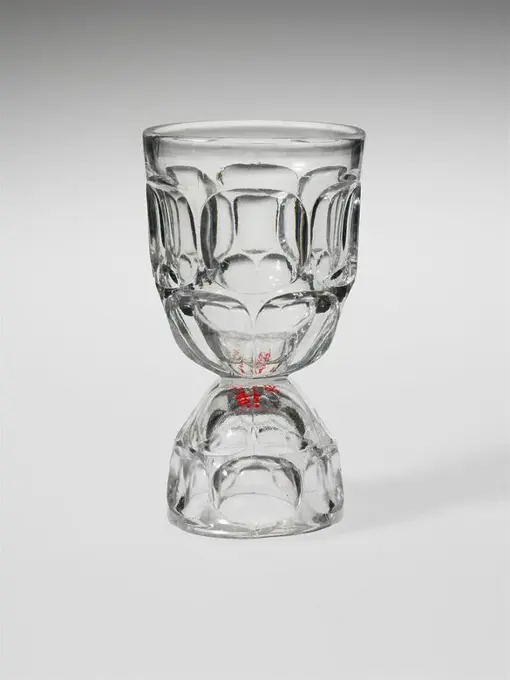
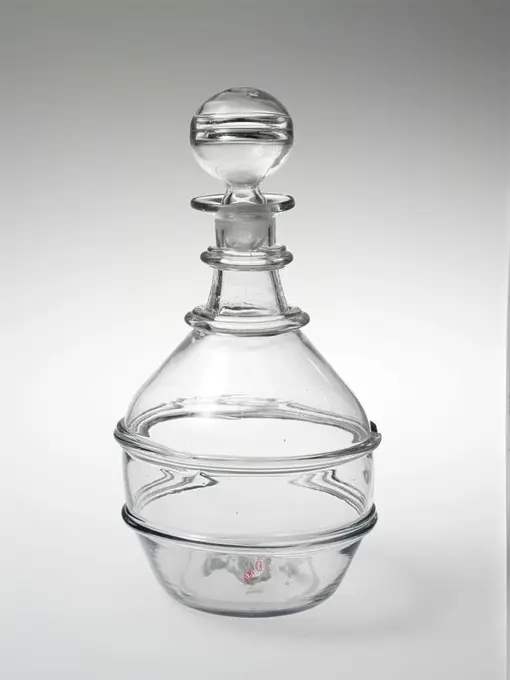
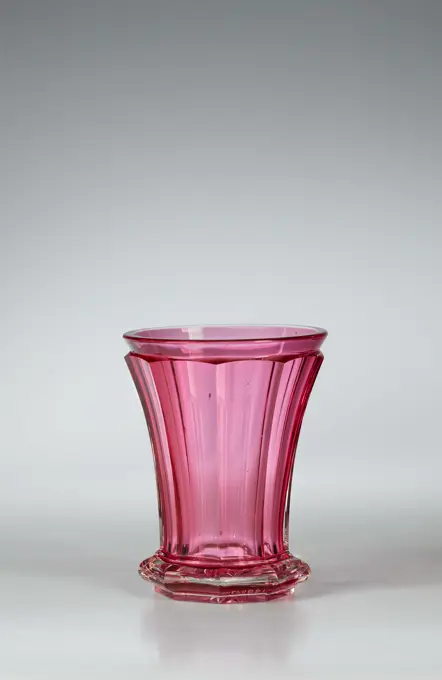
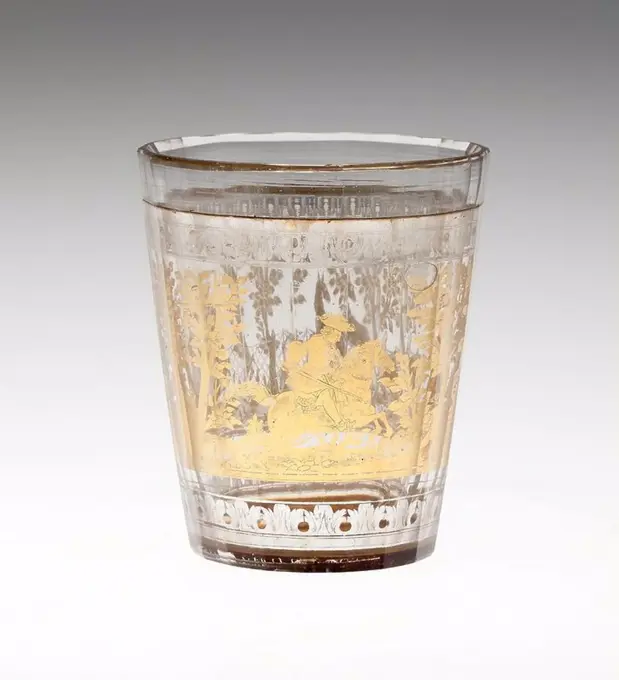
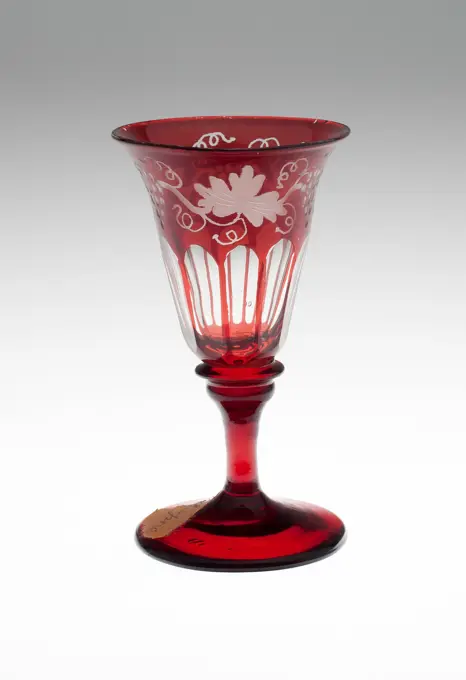
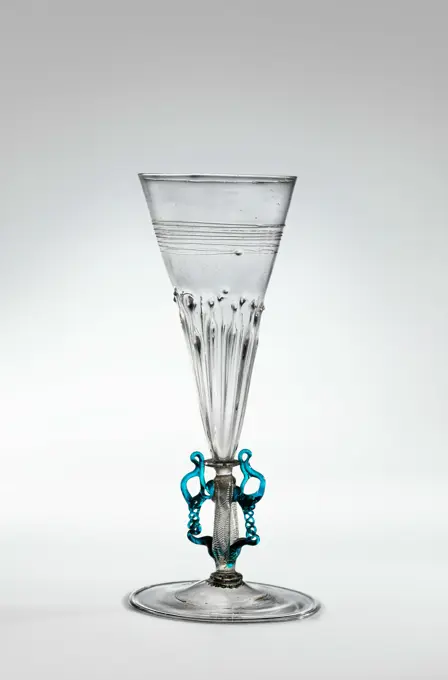
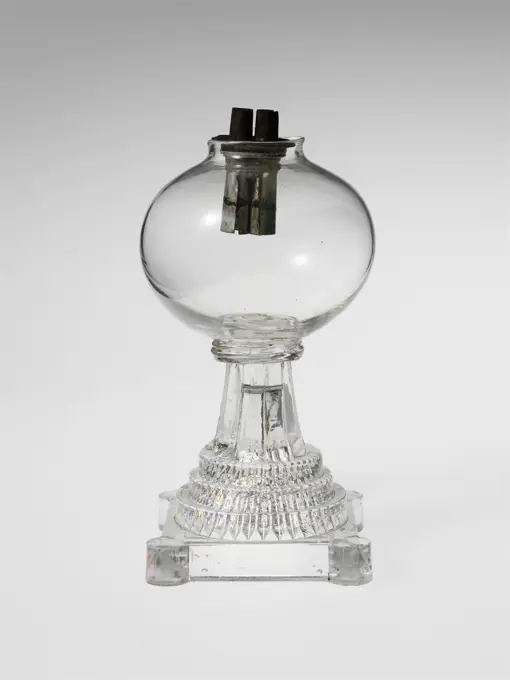
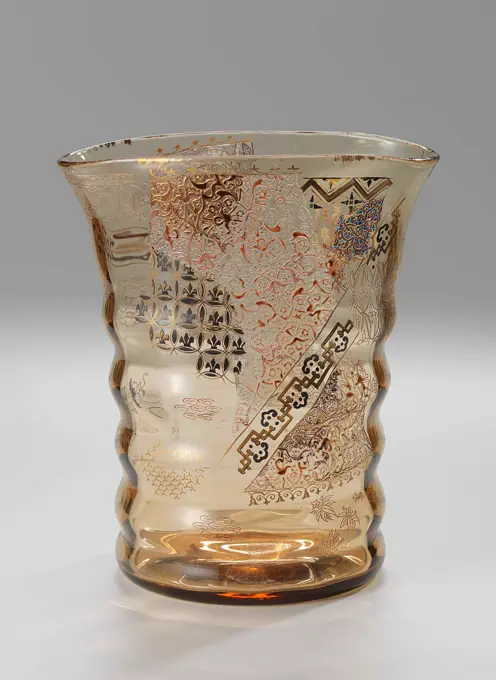
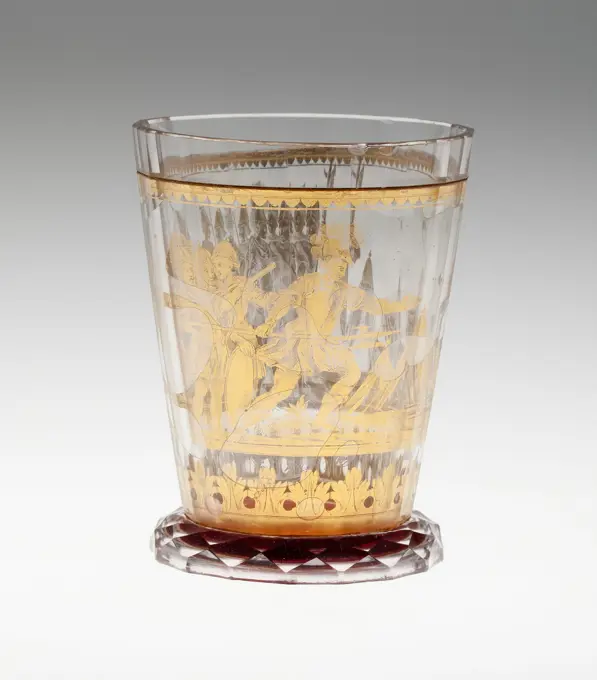
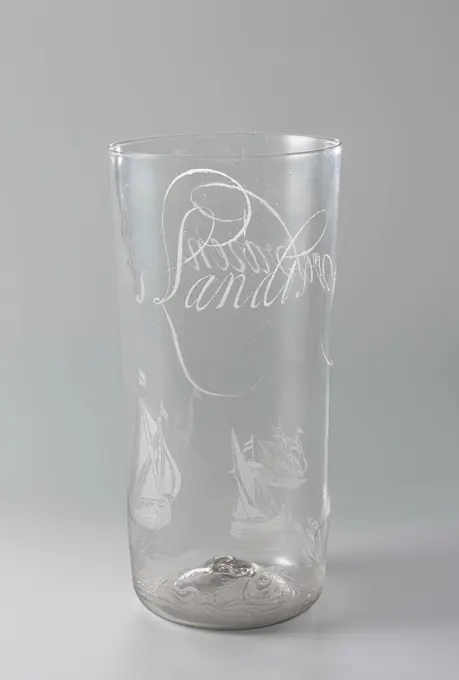
Chalip glass, funnel -shaped with unadorned cylindrical trunk and round foot, Anonymous, 1800 - 1900 Chalip glass, funnel -shaped with unadorned cylindrical trunk and round foot.  glass Chalip glass, funnel -shaped with unadorned cylindrical trunk and round foot.  glassWing glass with bell -shaped chalice, anonymous, c. 1550 - c. 1650 Flat. Hollow, ribbed and twisted, baluster -shaped tribe with two nodi. A wing in the shape of a seahouses on both sides. Bell -shaped chalice with a wide border deposited with a blue wire Venice glass glassblowing Flat. Hollow, ribbed and twisted, baluster -shaped tribe with two nodi. A wing in the shape of a seahouses on both sides. Bell -shaped chalice with a wide border deposited with a blue wire Venice glass glassblowingWater glass, 18th-19th century, 3 3/4 x 2 7/8 x 2 7/8in. (9.5 x 7.3 x 7.3cm), Glass, United States, 18th-19th centuryGlassSmall Beaker, 1759, 2 7/8 x 2 5/8 x 2 5/8 in. (7.3 x 6.67 x 6.67 cm), Glass, enamel design, Switzerland, 18th centuryRoemer, anonymous, 1644 Low, Cunnic, spun from a wire. Inserted soul with pontil brand. The tribe, which is set with four rows of blackberry snubs, is blown as a whole with the curved chalice. A ribbed thread indicates the transition from the trunk to the chalice. On the chalice, a face on Nijmegen, the river Waal and the weapon of Nijmegen is engraved. Below the top edge the inscription 'Niemegen'. On the tribe is the year 1644 and the letters 't R'. Low Countries glass glassblowing  Nijmegen Low, Cunnic, spun from a wire. Inserted soul with pontil brand. The tribe, which is set with four rows of blackberry snubs, is blown as a whole with the curved chalice. A ribbed thread indicates the transition from the trunk to the chalice. On the chalice, a face on Nijmegen, the river Waal and the weapon of Nijmegen is engraved. Below the top edge the inscription 'Niemegen'. On the tribe is the year 1644 and the letters 't R'. Low Countries glass glassblowing  NijmegenDouble drinking glass which holds a wine and brandy snifter at each endWine glass, one of a set of twelve, 1780-1800, 5 x 2 5/8 x 2 5/8 in. (12.7 x 6.67 x 6.67 cm), Green glass, England, 18th-19th centuryVase with a menagerie between leaf and flower vines, anonymous, c. 1850 - c. 1900 Large vase of bell -shaped base, which passes through a short trunk to an egg -shaped chalice with a bent edge. The vase is decorated with a menagerie between leaf and flower vines. Bohemen (possibly) glass glassblowing Large vase of bell -shaped base, which passes through a short trunk to an egg -shaped chalice with a bent edge. The vase is decorated with a menagerie between leaf and flower vines. Bohemen (possibly) glass glassblowingOrange Glass, from a syllabub set, 1750-1780, Unknown Anglo-Irish, 6 1/4 x 4 1/2 x 4 1/2 in. (15.88 x 11.43 x 11.43 cm) (approximately), Lead and non-lead glass, England or Ireland, 18th centuryBottle with stopper ca. 1860-80 Italian, Venice (Murano) During the Renaissance Europeans prized cristallo for its transparency and delicacy. Thinly blown, this tall and elegant bottle recaptures the effects of early Venetian forms. Threads of colored glass provide structure to a vessel that otherwise appears weightless.. Bottle with stopper. Italian, Venice (Murano). ca. 1860-80. Glass. GlassBowl (Ireland); glassWine glass with a man in a cellar with barrels, anonymous, c. 1725 - c. 1750 Klok -like curved foot. Holle, faceted baluster tribe with buttons. Conical chalice with faceted, rounded soil. On the chalice an engraved representation of a man between barrels. Along the mouth edge the inscription: "vivat.Hanske.ind.kelder". On the downside: "Gerit Rotting". A flower edge on the lid. The foot cracked. glassblower: GermanyNorthern Netherlands glass grinding / glassblowing Klok -like curved foot. Holle, faceted baluster tribe with buttons. Conical chalice with faceted, rounded soil. On the chalice an engraved representation of a man between barrels. Along the mouth edge the inscription: "vivat.Hanske.ind.kelder". On the downside: "Gerit Rotting". A flower edge on the lid. The foot cracked. glassblower: GermanyNorthern Netherlands glass grinding / glassblowingBowl 1870-90 Adams and Company. Bowl. American. 1870-90. Pressed yellow glass. Made in Pittsburgh, Pennsylvania, United StatesJug. Spain. Date: 1766-1776. Dimensions: H. 11.4 cm (4 1/2 in.). Glass. Origin: Spain. Museum: The Chicago Art Institute, Chicago, USA.StandingCup.   Maker: I. T., active ca. 1785-95Decanter and stopper, Glass, Bulbous body, ring of molded vertical fluting bottom carrying over onto bottom; engraved border with initials I B H; 3 triple neck rings, everted lips; molded mushroom shaped stopper, radially grooved; pontil mark bottom., Cork, Ireland, ca. 1815-20, glasswares, Decorative Arts, Decanter and stopperSherry glass, from a set of four, c. 1830, 4 1/4 x 2 3/8 x 2 3/8 in. (10.8 x 6.03 x 6.03 cm), Cut glass, France (), 19th centurySweetmeat glass, from a set of four, c. 1830, 4 1/8 x 2 3/8 x 2 3/8 in. (10.48 x 6.03 x 6.03 cm), Cut glass, France (), 19th centuryPitcher 1820-40 American. Pitcher 5756WineGlassesDecanter.  Maker: Boston and Sandwich Glass Works, American, 1826-88MugFragment of conical beaker decorated with wheel engraving, pontilmark, beaker tumbler drinking glass drinking utensils tableware holder soil find glass, in shape blown radgraving Beaker Slight discolouration by irisation. Conical model on narrow foot Clear and colorless glass Decoration with radgravering applied floral motifs and wave line Pontil mark partially smooth sanded archeology Valckensteyn Poortugaal Albrandswaard indigenous glassware import beverage wine serve beer Soil discovery: castle Valckensteyn in Poortugaal now Albrandswaard 1961-1962.Spoon Holder ca. 1888 Richards and Hartley Flint Glass Co.. Spoon Holder. American. ca. 1888. Pressed colorless and opalescent glass. Made in Tarentum, Pennsylvania, United StatesWineglass 17th century Italian, Venice (Murano) During the Renaissance, Venetian glassmakers, working on the island of Murano, were celebrated across Europe for their fine and sparkling work. Called cristallo” emulating the clarity of rock crystal, in the hands of the most skilled glassblowers the medium could be delightfully manipulated, variously stretched paper-thin flat, or playfully twisted, or blown into molds with spectacular patterns.. Wineglass. Italian, Venice (Murano). 17th century. Glass. GlassGlass;  2nd half 18th century (1751-00-00-1800-00-00);Bronisław (1887-1983) - collection, Bronisław Krystall. Testament (Warsaw - exhibition - 2015/2016), Krystall, Wencker von (coat of arms), Herby, Silesia (Prussia - 1740-1918)Glass; Lobmeyr, J. & L. (Vienna; 1823-); 1920-39 (1920-00-00-1939-00-00);Glass;  1920-39 (1920-00-00-1939-00-00);Przeszo Przyszoci Huta Uarzecko NalibockieTumbler. Culture: American. Dimensions: H. 5 5/8 in. (14.3 cm). Date: 1770-1830. Museum: Metropolitan Museum of Art, New York, USA.Beaker with open-work foot. Culture: German. Dimensions: 3 3/4 × 3 11/16 in. (9.6 × 9.4 cm)Diam. of foot: 2 7/8 in. (7.3 cm). Date: ca. 1500-1525.The distinctive bluish-green color of the vessels in this case corresponds to glassware excavated along the Rhine River in the vicinity of Mainz. The body of this vessel is essentially the same as the short beaker shown nearby (2011.21), but its maker added a stem and an openwork foot. Only two other examples of this elaborated form exist. Museum: Metropolitan Museum of Art, New York, USA.Wineglass ca. 1765 Engraved by David Wolff In the Netherlands between 1798-1806, following the "Republic of the Seven Provinces," there was a republic called the Batavian Commonwealth (or Republic). The inscription on the ribband refers to this republic.. Wineglass. Dutch, The Hague. ca. 1765. Glass. Engraved by David Wolff (Dutch, 's Hertogenbosch 1732-1798 The Hague). GlassEgg Cup. Culture: American. Dimensions: H. 3 15/16 in. (10 cm). Date: 1830-70. Museum: Metropolitan Museum of Art, New York, USA.CupWine Glass 1845-1885 Bohemia. Glass; blown, cut, stained red and engraved .. Cup with deep soil. Smooth stand ring. Conical body, optically blown with chewed ribsSingle empty glass for red wine on reflective surface. Concave conic foot with folded edge. The stem made up of a hollow nodus between two rings. Funnel shaped chalice. Foot, trunk and chalice from filigraanglas with alternating jobs 'a fili' and 'a retortoli', the rings of colorless glass.Butter; Naliboki (Huta Szk after 1781 (1781-00-00-1791-00-00);Murdielo (coat of arms), Odrowąż (coat of arms), Rusiecki-Ursyn, Stanisław (1862-1944)-collection, Straszewicz, Marianna née Oskierków, Straszewicz, Michał (1750-1818), Dar (provenance), coats of armsFooted Salt. United States, Midwest, 1815-1840. Furnishings; Serviceware. Sapphire blue glassDrinking Glass. Italy, Venice, circa 1550-1650. Furnishings; Serviceware. GlassGlass;  1. W. 19th century (1801-00-00-1825-00-00);Decanter. Culture: American. Dimensions: H. 10 in. (25.4 cm); Diam. 5 1/4 in. (13.3 cm). Maker: South Boston Flint Glass Works. Date: ca. 1813-30. Museum: Metropolitan Museum of Art, New York, USA.Stop with Stop of Stop belonging to oil and vinegar set consisting of four bottles in a rush-in holder, Fa. Diemont, 1801 One of the two smaller bottles of an oil and a side set with four flessn of colorless cut glass. With stop of sharpened glass. Amsterdam glass One of the two smaller bottles of an oil and a side set with four flessn of colorless cut glass. With stop of sharpened glass. Amsterdam glassChalip glass with the weapon of Willem V, Anonymous, c. 1775 - In or Before 1798 Conical foot. Broadening, moving in facets, transferring to a curved chalice. On the chalice, in an oval coat of arms with a frame of Rococo-Voluten, the crowned weapon of Stadholder Prins Willem V (1748-1806) with the garter and Honi Soit Qui Mal Y Pense. Three putti, sitting on clouds, hold the weapon. glassblower: EnglandNorthern Netherlands glass grinding / glassblowing Conical foot. Broadening, moving in facets, transferring to a curved chalice. On the chalice, in an oval coat of arms with a frame of Rococo-Voluten, the crowned weapon of Stadholder Prins Willem V (1748-1806) with the garter and Honi Soit Qui Mal Y Pense. Three putti, sitting on clouds, hold the weapon. glassblower: EnglandNorthern Netherlands glass grinding / glassblowingCologne decanter. Culture: American. Dimensions: H. 9 in. (22.9 cm). Maker: Louis Friedrich Vaupel (1824-1930). Manufacturer: New England Glass Company (American, East Cambridge, Massachusetts, 1818-1888). Date: 1876.Louis Vaupel was one of the most skilled glass engravers working in the United States during the third quarter of the nineteenth century. Trained in Germany, Vaupel immigrated to America in 1850, and began work at the New England Glass Company where he quickly became designer and head of the engraving shop. The engraving on this pair (2015.256.1,.2) of cologne bottles depicting an arrangement of fruit in a basket must be among the finest engraving in America at that time. Vaupel was able to achieve an astonishing degree of naturalism, especially conveying the plumpness of the pears, plums and apples, a feat exceedingly difficult to achieve with a copper engraving wheel. The pair of stags on the opposite side similarly exhibit the engraver's skill, especially in the renderGlass; Lobmeyr, J. & L. (Vienna; 1823-); 1920-39 (1920-00-00-1939-00-00);Glassdrink and glassware concept - empty faceted glass jug on table over black background. empty faceted glass jug on tableBeaker. Nieokreślona huta, factoryBeaker. Bohemia, Czech Republic. Date: 1725-1735. Dimensions: 8.9 × 7 cm (3 1/2 × 2 3/4 in.). Glass with engraved gold leaf decoration. Origin: Bohemia. Museum: The Chicago Art Institute, Chicago, USA.Glass; Lobmeyr, J. & L. (Vienna; 1823-); 1920-39 (1920-00-00-1939-00-00);A cup with a coverA small fancy glass vaseClassic cognac glass, whisky glass, bar ware, necessary accessories for parties, stylish vector illustration with good quality whiskey goblet is always devastated to the last dropTwelve glasses with the figure of Louis-Philippe ". Cristal. Paris, Museum of romantic life. Threatening art, crown, crystal, royal emblem, dishes, glassCandlestick, one of a pair, mid 19th century, Unknown American, 9 1/2 x 4 1/2 in. (24.1 x 11.43 cm), Glass, pewter inserts, United States, 19th centuryRoemer with coats of arms, Anonymous, 1650 Stand ring pulled out in drops. Deep inserted soil. The high tribe, which is set with five rows of brambles, is blown as a whole with the curved chalice. A ribbed thread gives the transition from the trunk to the chalice. Three large and sixteen smaller weapons are engraved on the chalice. The three large are those of Spain with emperor crown and chain of the Golden Fleece, Oranje-Nassau with a prince crown and Holland with a gravy crown. The last weapon is placed in the 'Dutch garden'. Under the smaller weapons are the following inscriptions 'Zelandt, Flaendria, Aertoirs, Vittrecht, Antwerp, Brabantia, Limburch, Lutzenburg, Mechlen, Namur, Geldria, Zutuen, Hengou, Ouerijsel, Frisia and Groninga'. Under the Wapen van Oranje-Nassau are the letters J.M and the year 1650. glassblower: Low CountriesNorthern Netherlands glass glassblowing Stand ring pulled out in drops. Deep inserted soil. The high tribe, which is set with five rows of brambles, isMug ca. 1760 Tudor and Leader. Mug 204469Wine Glass 1850-1899 Bohemia. Glass; blown, cut, stained red adn engraved .Candlestick 1790-1800. Candlestick. 1790-1800. Sheffield silver plate, free-blown glass. Made in South Yorkshire, Sheffield, EnglandBeaker 1725-1735 Bohemia. Glass with engraved gold leaf decoration .Goblet 19th century Probably Dr. Antonio Salviati Company. Goblet. Italian, Venice (Murano). 19th century. Glass. Glass. Flat foot with beaten edge, cut into ovals on the underside interspersed by a double line. Double cuff, faceted, baluster-shaped strain and nodus. Fully-shaped, multilaterally faceted, versatile celking. In the bottom of the chalice a gold-plated medallion with windows surrounded by a border palmets. On the chalice in gold, under an edge festive and leafwork, the weapons of the seven provinces between a smooth trim and a border palmets. Kitrand approx. 1 cm below the top edge.Sweetmeat Glass (Ireland); glassGlass; Lobmeyr, J. & L. (Vienna; 1823-); 1920-39 (1920-00-00-1939-00-00);Set of three crystal glasses on reflective surface with reflectionsEmpty glass bottles with corks against a white backgroundCandelabra 1700-1720 England. Glass . Unknown artistDecanter, 18th-19th century, 9 x 4 5/8 x 4 5/8in. (22.9 x 11.7 x 11.7cm), Glass, United States, 18th-19th centuryKultrolf. Niemcy, creatorVase 19th century Italian, Venice (Murano). Vase. Italian, Venice (Murano). 19th century. Glass. GlassLiquor bottle with stopper (one of a pair) early 19th century British or Irish This liquor bottle is one of a pair with 30.120.232a, b.. Liquor bottle with stopper (one of a pair). British or Irish. early 19th century. Glass. GlassTwo crystal glasses, isolated on a white background.shot glass filled with vodka on a white backgroundBottle Huta KrysztaFlute. Niderlandy, creator, Wenecja (ośrodek szklarski ; ca 1000- ), creatorEmpty wine glass isolated on white background. Full transparency wine glass. Empty wine glass isolated on white background. Full transparency wine glass Copyright: xZoonar.com/MaksimxPavlovx 18214403Double box, anonymous, c. 1725 - c. 1750 The lid also has palmets and its red button forms the trunk of the upper chalice, which has the same shape and decorations smaller than the lower, but birds instead of Amors. Bohemia glass grinding / glassblowing The lid also has palmets and its red button forms the trunk of the upper chalice, which has the same shape and decorations smaller than the lower, but birds instead of Amors. Bohemia glass grinding / glassblowingWhale Oil Lamp 1830-40. Whale Oil Lamp 5434Carafe 1850-70 American. Carafe 1413GlassEgg cup. Culture: probably British. Dimensions: Height: 3 1/2 in. (8.9 cm). Date: 18th century. Museum: Metropolitan Museum of Art, New York, USA.Snake glass with funnel-shaped chalice. Kelkglas of bright green glass. Flat foot. The stem made up of a wire laid in loops. Funnel shaped chalice.MugVase. This vase features a striking combination of decoration. The exceptionally free medley of Gothic, Japanese, Chinese, Arabian and Classical motifs looks like overlapping swatches of fabric. Experiments of this kind are typical of the glass artist Emile Gallé. In the 1880s this brought him lasting international success.clear glass cup cartoon. restaurant water, crystal alcohol, bar clean clear glass cup sign. isolated symbol vector illustration. clear glass cup cartoon vector illustrationColorful drinking glass lined up on white backgroundFlash;  around 1830 (1820-00-00-1840-00-00);Empty wineglass isolated on a white backgroundCommunion cup 1683-84 Probably by Ralph Leeke British. Communion cup. British, London. 1683-84. Silver. Metalwork-SilverBeaker 1725-1735 Bohemia. Glass with engraved gold leaf decoration .Beaker 1801-2 Daniel Pontifex British. Beaker 19086Beaker. The engraving on this beaker represents ships at sea, with an inscription that translates as: To the Prosperity of the Country’.Variety of different empty crystal glassesTumbler ca. 1700 or later Southern German. Tumbler 193175Beaker. Painted by Johann Schaper; German, 1621-1670; Nuremberg, Germany,. Date: 1660-1670. Dimensions: 7.9 x 8.1 cm (3 1/8 x 3 3/16 in.). Glass with enamel decoration. Origin: Nuremberg. Museum: The Chicago Art Institute, Chicago, USA.Glass;  1731 (1731-00-00-1731-00-00);August II Mocny (King of Poland - 1670-1733), Konrad, Rzeczpospolita both nations (coat of arms), Saxony, Strauss, Wettyn (coat of arms), electorate (coat of arms), coat of arms, monograms, rulers, purchase (provenance)Glass. unknown, glass works