Elegant Glassware Collection

A selection of beautifully crafted glassware, featuring intricate engravings and diverse styles from different historical periods.
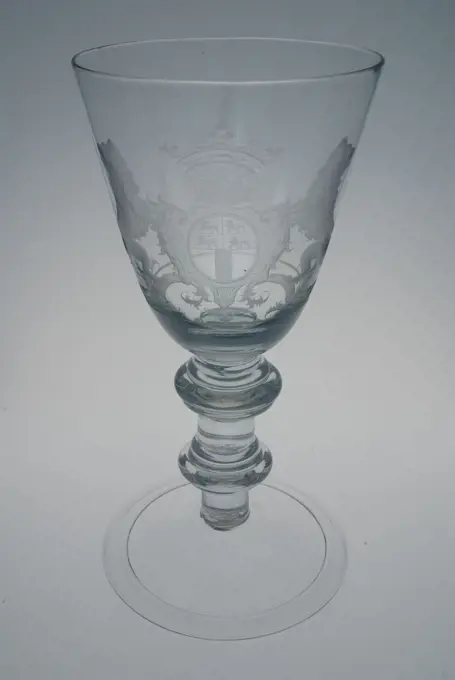
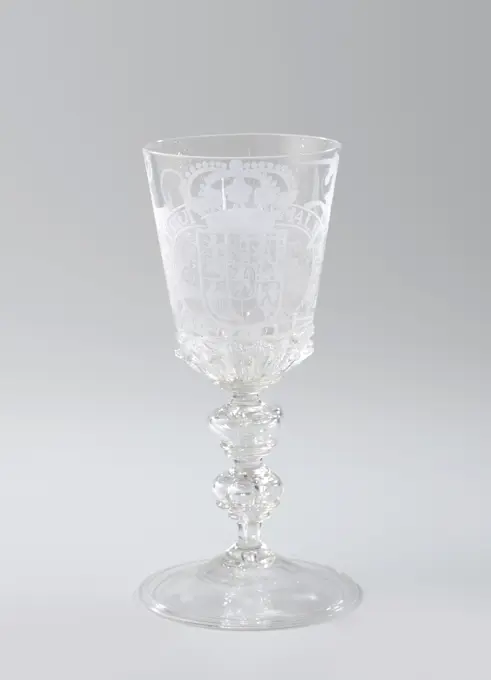
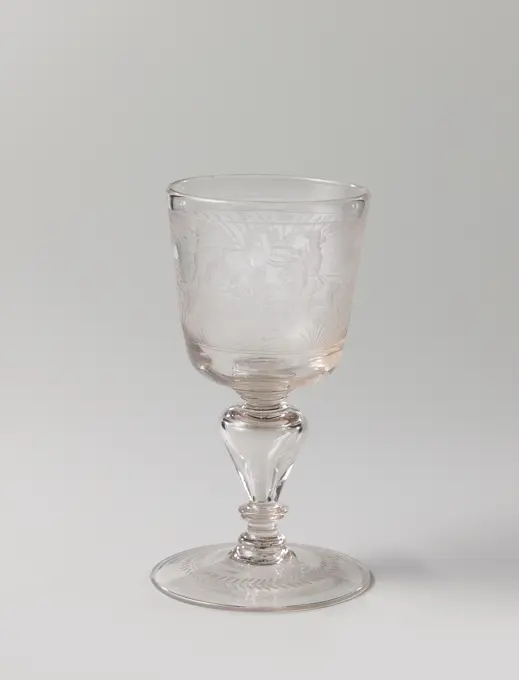
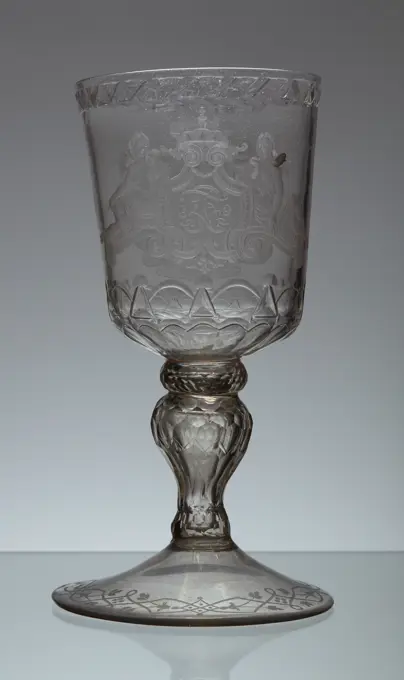
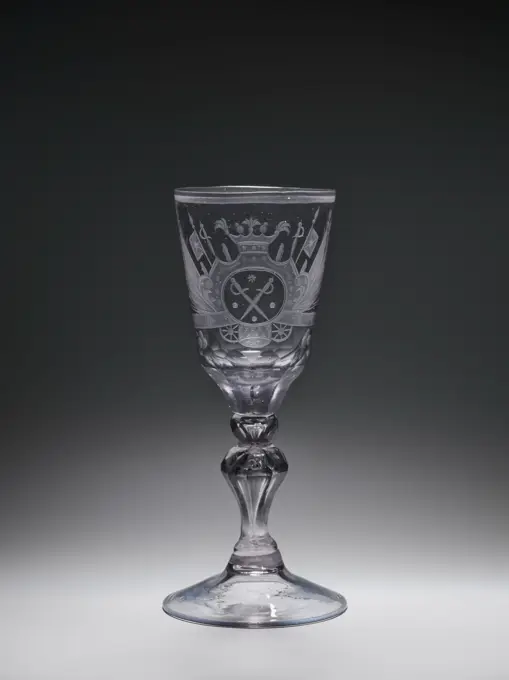
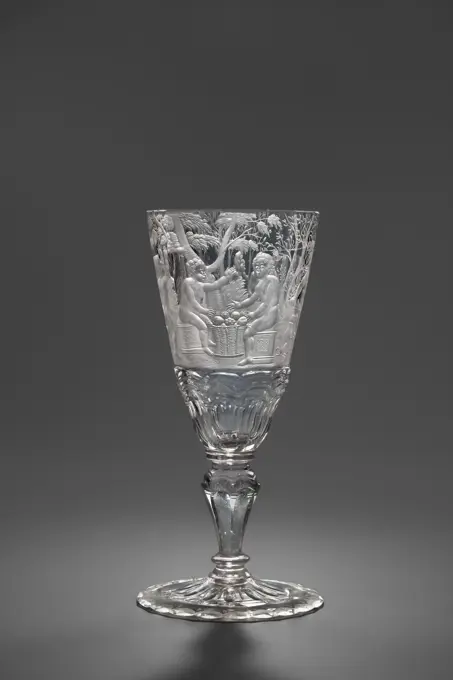
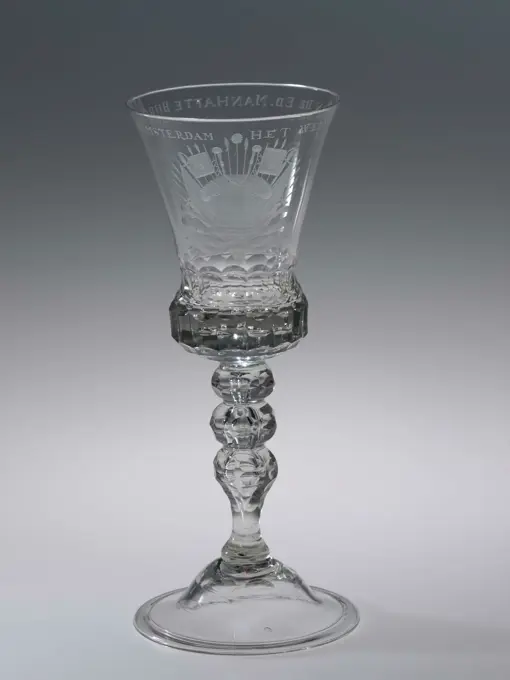
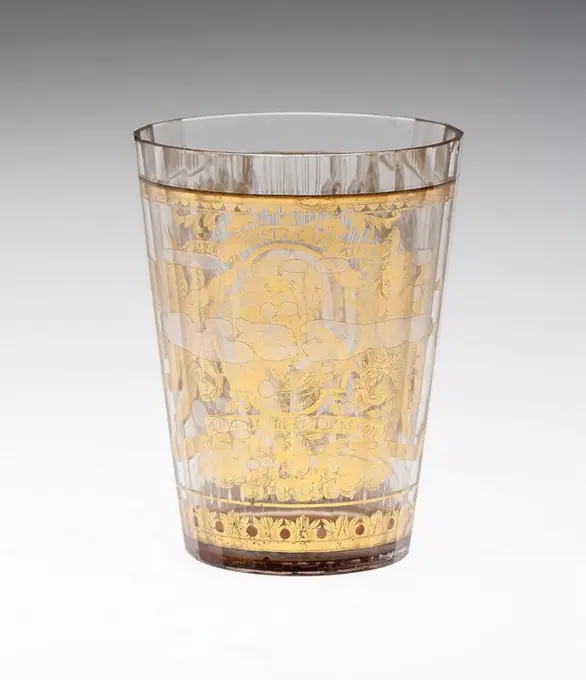
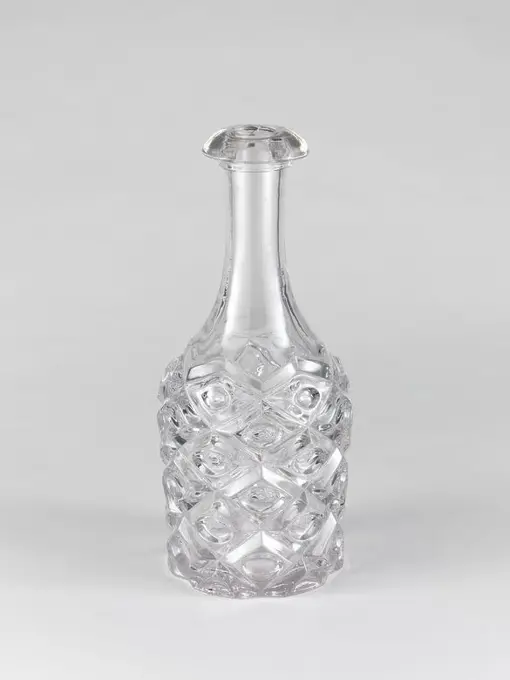
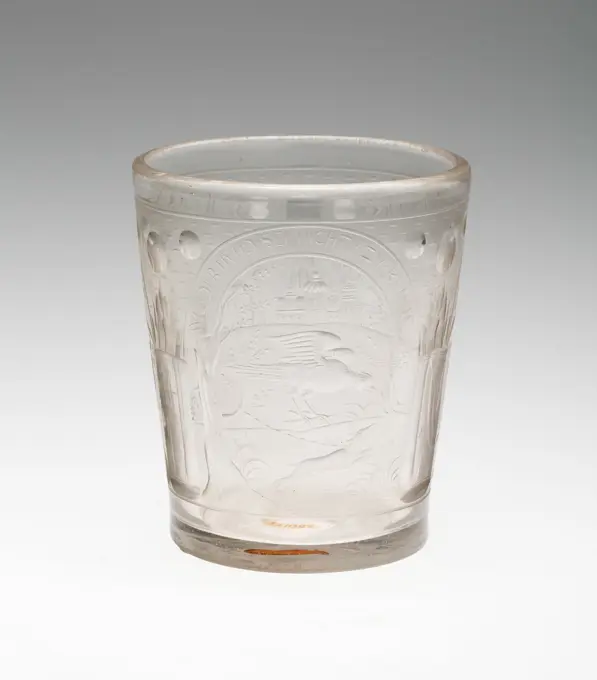
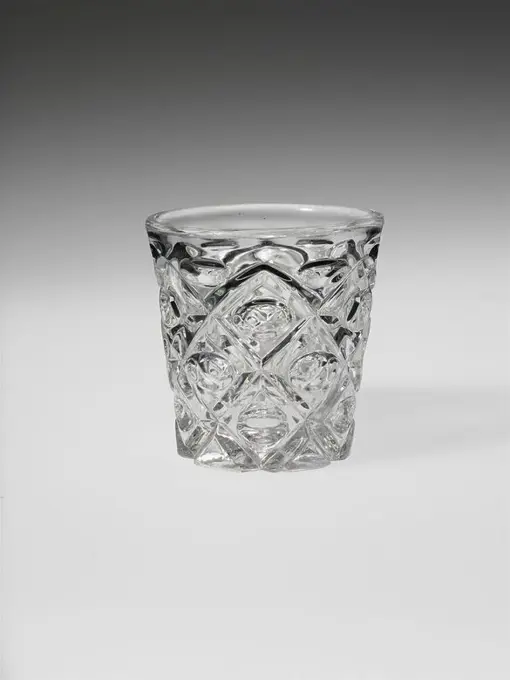
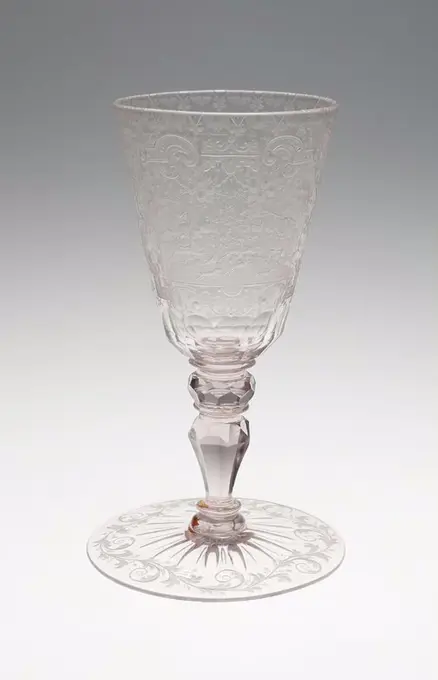
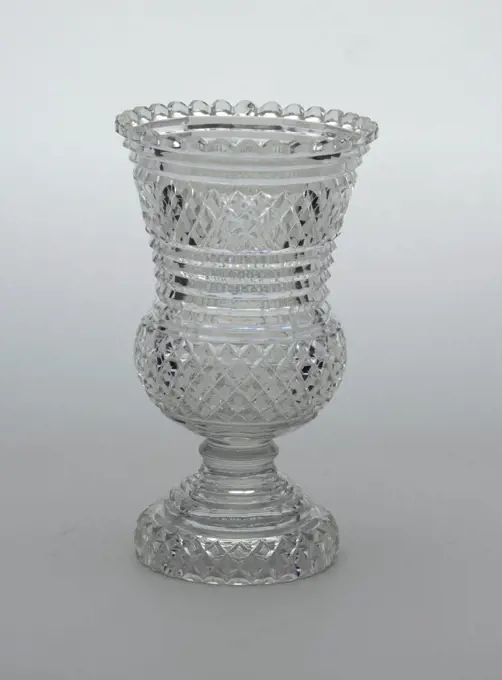
Large goblet engraved with crowned city coat of arms Rotterdam, goblet drinking glass drinking utensils tableware holder glass, gram free blown and formed radgraving polishing Large goblet goblet in clear colorless glass with lead addition Pontil mark under round ascending hollow base with wide downwards folded edge. Solid cylindrical trunk with bottom and top two knots composed of five flat knots. Bottom rounded funnel-shaped chalice with fire-rounded edge heraldic board Rotterdam drink
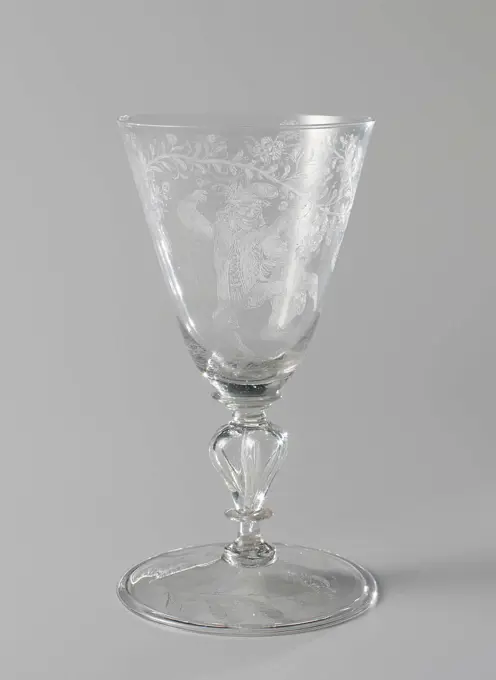
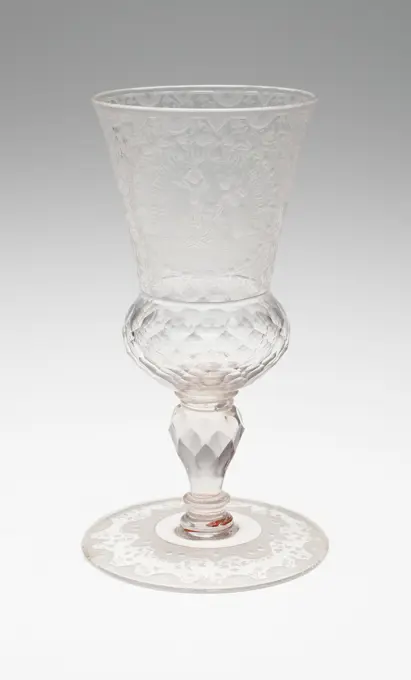
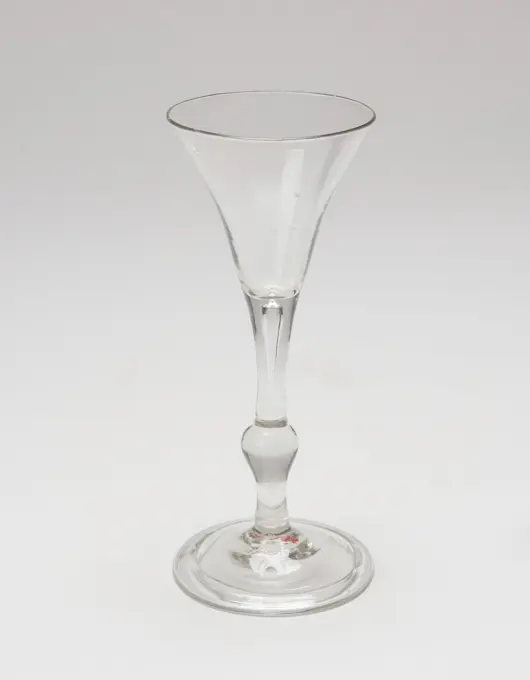
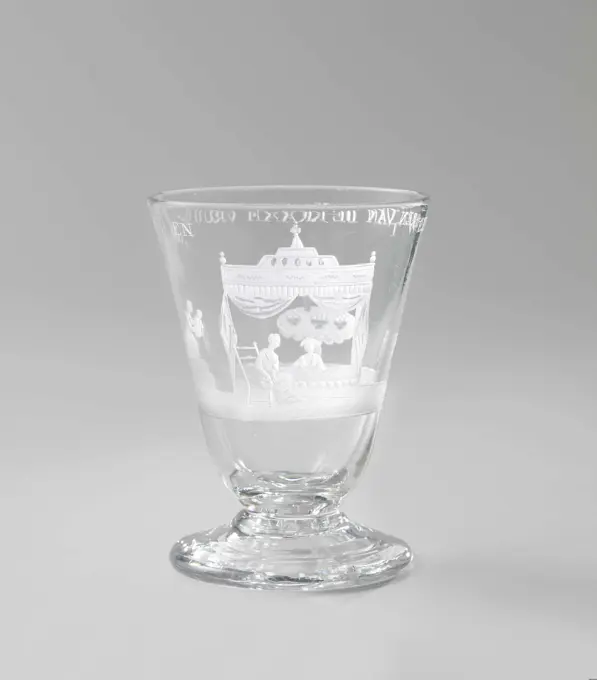
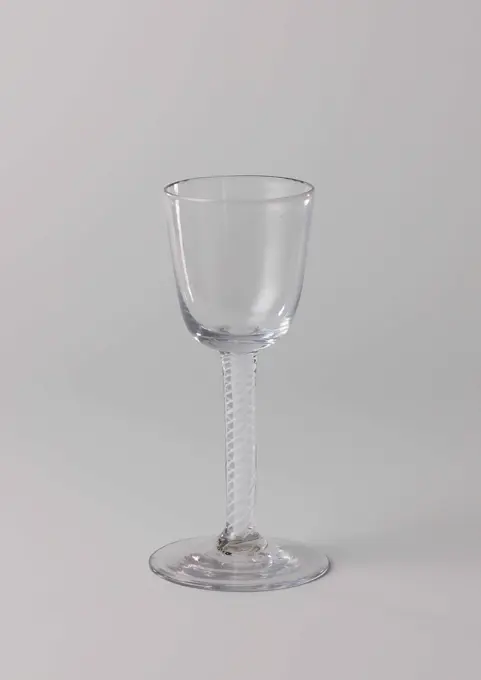
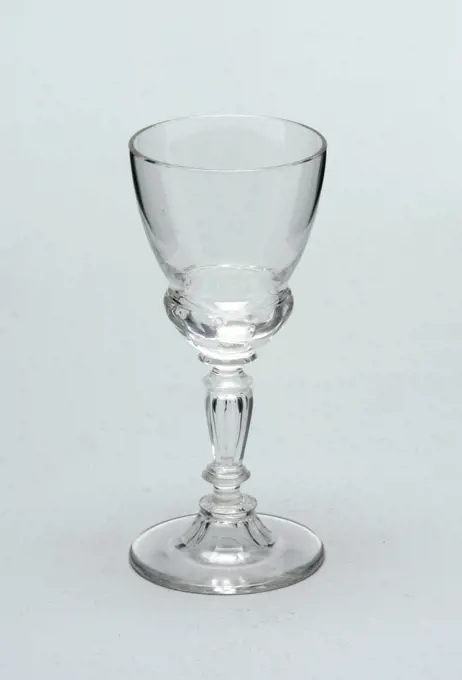
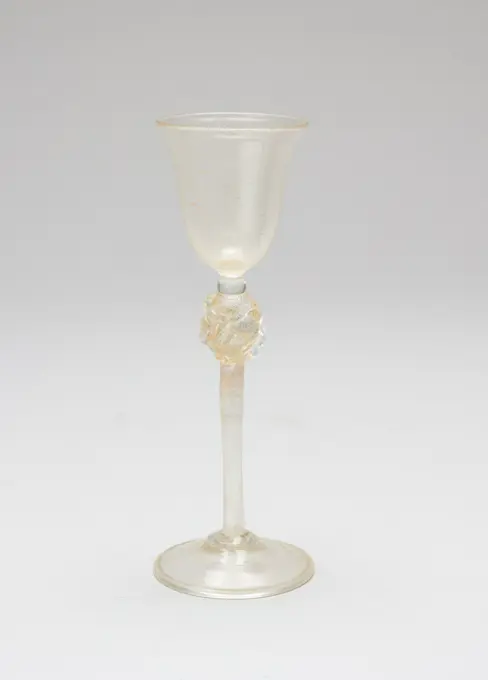
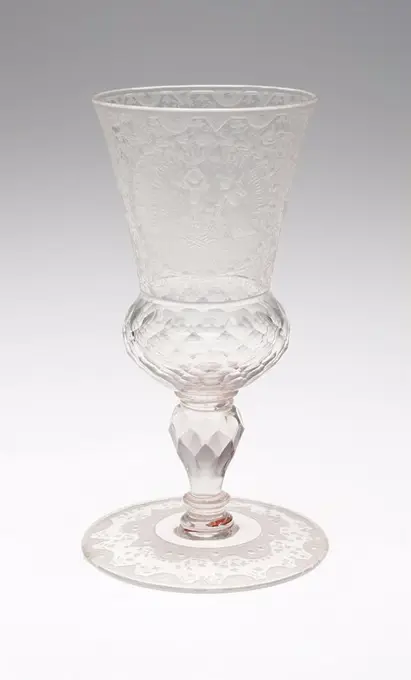
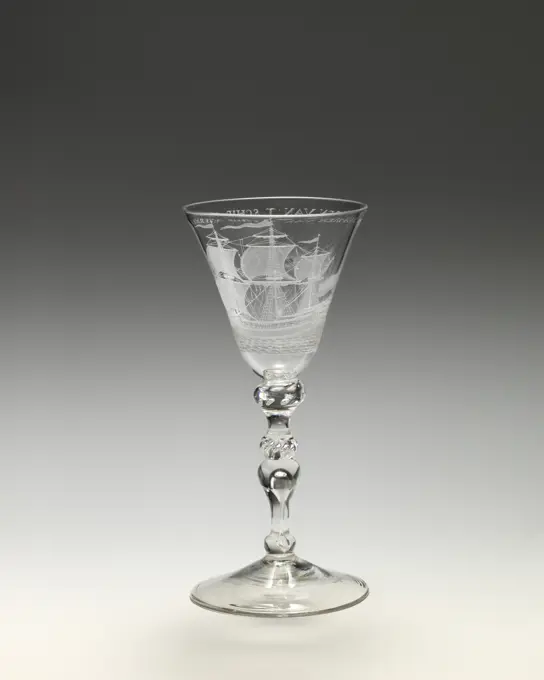
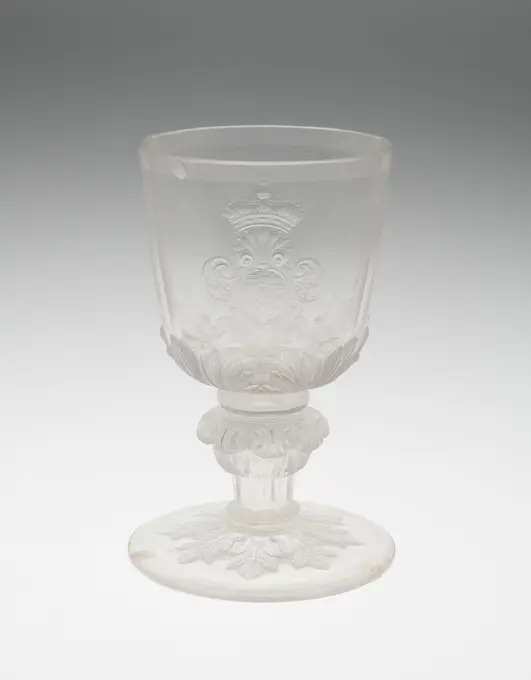
Kelkglas with the weapon of Goes. Kelkglas of clear, colorless glass. Conical foot. The baluster-shaped strain with five knots, air bubbles and a double band air bubbles. Bell-shaped chalice. On the chalice, together on two symmetrical leaf refines with a flower celk, the crowned weapon of Goes flanked by two climbing lions. The name of the city is engraved under the weapon.Wineglass. Culture: British, probably Bristol or possibly Dutch. Dimensions: Height: 5 1/2 in. (14 cm). Date: 1750-1800. Museum: Metropolitan Museum of Art, New York, USA.Large goblet engraved with crowned city coat of arms Rotterdam, goblet drinking glass drinking utensils tableware holder glass, gram free blown and formed radgraving polishing Large goblet goblet in clear colorless glass with lead addition Pontil mark under round ascending hollow base with wide downwards folded edge. Solid cylindrical trunk with bottom and top two knots composed of five flat knots. Bottom rounded funnel-shaped chalice with fire-rounded edge heraldic board Rotterdam drink. The inscription translates as: Be of one mind’.Wineglass late 18th century British, probably Bristol. Wineglass. British, probably Bristol. late 18th century. Glass. GlassGlass;  20th century (1901-00-00-2000-00-00);Chalice glass with a three -mast and the inscription: t Lands Welvaaren, Anonymous, c. 1750 - c. 1775 Chalice glass with baluster tribe with a knot with air vesicles. On the chalice: t Lands Welvaaren, including a three -mast. glassblower: NetherlandsNorthern Netherlands glass glassblowing Chalice glass with baluster tribe with a knot with air vesicles. On the chalice: t Lands Welvaaren, including a three -mast. glassblower: NetherlandsNorthern Netherlands glass glassblowingBokaal with six putti with chimney sweep tools, anonymous, c. 1680 - c. 1700 Conical foot with turned around. Hollow baluster tribe with four discs. On the conical chalice the presentation of six putti with chimney sweep tools. glassblower: Low CountriesNorthern Netherlands glass glassblowing Conical foot with turned around. Hollow baluster tribe with four discs. On the conical chalice the presentation of six putti with chimney sweep tools. glassblower: Low CountriesNorthern Netherlands glass glassblowingChalice glass with a woman and a man with a raised glass and the inscription: Vivat de Inclinati, c. 1725 - c. 1750 Chalice glass made of clear, colorless glass with the representation of a woman and a man with a raised glass and the inscription: Vivat de Inclinati. Glassblower: Saksennorthern Netherlands glass glassblowing Chalice glass made of clear, colorless glass with the representation of a woman and a man with a raised glass and the inscription: Vivat de Inclinati. Glassblower: Saksennorthern Netherlands glass glassblowingGoblet. This goblet is decorated with a dancing peasant girl and two peasants holding glasses.Kelkglas with a bird cage and the inscription: Vive La Liberte. Vaulted foot with beaten edge. Slim baluster trunk with four knots. At the bell-shaped chalice an engraved representation of a bird cage and the inscription: vive la liberte.Bowl with a funnel-shaped chalice and a trunk with two squubic hollow balusters. Vaulted foot with beaten edge. The stem made up of two quadruped, hollow balusters and three discs. Conical, closed at the bottom, half in the mold blown with ribs.Bokaal with the weapon of Willem III and the weapon of Breda, c. 1680 - c. 1700 goblet Flat base with turned around. The trunk consists of two hollow, ribbed buttons between two pairs and one three discs. Conical chalice with rounded soil with tang ornament ('nipt diamond-waies'). On the chalice the crowned weapon of King-Stadholder Willem III (1650-1702), flanked on the left by a lion and on the right by a unicorn; Surrounded by the garter with the inscription: Hony soit qui mal y Pense. Under the weapon a banderolle with the motto: your mantiendrai. On the other side the crowned weapon of the city of Breda, flanked by two lions. A stylized leaf vend on the foot. glassblower: Low CountriesNorthern Netherlands glass glassblowingSling glass with bell -shaped calyx, anonymous, c. 1750 - c. 1775 Slingerlas with conical foot and balust raw trunk. In the trunk, white garlands around white network spiral. Bell -shaped chalice. England glass glassblowing Slingerlas with conical foot and balust raw trunk. In the trunk, white garlands around white network spiral. Bell -shaped chalice. England glass glassblowingJar with lid, with the weapon of Great Britain, Anonymous, c. 1680 - c. 1700 Cup with lid, hollow baluster tribe with two four and five -lobe buttons. On the chalice cut the weapon of Great Britain and as a heart shield the Nassauer Leeuw; Then a radiant sun. Flower branches on the lid. glassblower: Low CountriesNorthern Netherlands glass glassblowing Cup with lid, hollow baluster tribe with two four and five -lobe buttons. On the chalice cut the weapon of Great Britain and as a heart shield the Nassauer Leeuw; Then a radiant sun. Flower branches on the lid. glassblower: Low CountriesNorthern Netherlands glass glassblowingCup; Weissbach (glassworks; 1617-1754), Weiberge (glassworks; Post 1702-1754), Jeleniogórska Basin (engraving center; Ca 1600-), Karlsthal (glassworks; 1754-Post 1874); 1740-1760 (1740-00-00-1760-00-00);Goblet 1725-1735 Bohemia. Glass .Chalip glass with a lute player and two vanders in a landscape, anonymous, c. 1790 - c. 1800 Conical foot. Straight trunk with a tear -shaped bubble, transferring to a trumpet -shaped chalice. On the chalice, in a landscape with trees, there is a lute player between two sitting vagrants. The right, with wooden leg, raises a bottle, the left sticks his hand to his companion. glassblower: EnglandNorthern Netherlands glass glassblowing Conical foot. Straight trunk with a tear -shaped bubble, transferring to a trumpet -shaped chalice. On the chalice, in a landscape with trees, there is a lute player between two sitting vagrants. The right, with wooden leg, raises a bottle, the left sticks his hand to his companion. glassblower: EnglandNorthern Netherlands glass glassblowingJar with lid, with the inscription: Vreede and Vryheid, Anonymous, c. 1670 - c. 1700 Flat base with turned around. Hollow baluster tribe with a disk. Vaulted lid with a spherical button. On the conical chalice the calligraphy inscription: Vreede and Vryheid. The monogram AMVS on the bottom of the foot. On the lid the calligraphy inscription: Lang live in Vreug '. glassblower: Low CountriesNorthern Netherlands glass glassblowing Flat base with turned around. Hollow baluster tribe with a disk. Vaulted lid with a spherical button. On the conical chalice the calligraphy inscription: Vreede and Vryheid. The monogram AMVS on the bottom of the foot. On the lid the calligraphy inscription: Lang live in Vreug '. glassblower: Low CountriesNorthern Netherlands glass glassblowingKelkglas with the coat of arms of the city of Utrecht. Kelkglas of clear, colorless glass, with the crowned arms of the city of Utrecht.Kelkglas with the coat of arms of the Saint Sebastian or Schuttersgilde in The Hague. Kelkglas of clear, colorless glass, engraved with the coat of arms of the Saint Sebastian or Schuttersgilde in The Hague.Wine Glass, c. 1765, 6 1/2 in. (16.51 cm), Glass, England, 18th centuryCommemorative cupGoblet.Wine glass, 18th-19th century, 5 5/8 x 2 5/8 x 2 5/8 in. (14.29 x 6.67 x 6.67 cm), Glass, United States, 18th-19th centuryGoblet. Norymberga, glass engraverSlinger glass with conical chalice, anonymous, c. 1750 - c. 1775 Slinger glass with conical foot and straight trunk. In the trunk, white spirals around white network spiral. Conical chalice with rounded soil. England glass glassblowing Slinger glass with conical foot and straight trunk. In the trunk, white spirals around white network spiral. Conical chalice with rounded soil. England glass glassblowingGlassGlass;  1920-39 (1920-00-00-1939-00-00);Bokaal with thread, with the weapons of the Seven United Provinces, c. 1725 - c. 1750 Flat base with turned around. Facetted baluster tribe with elongated bubble and nodus, in which thread and bus. Conical chalice, engraved with the weapons of the seven United Provinces. glassblower: GermanyNorthern Netherlands glass grinding / glassblowing Flat base with turned around. Facetted baluster tribe with elongated bubble and nodus, in which thread and bus. Conical chalice, engraved with the weapons of the seven United Provinces. glassblower: GermanyNorthern Netherlands glass grinding / glassblowingBokaal with two duulating riders, c. 1700 - c. 1725 Bokaal with conical foot and hollow baluster tribe with discs. On the chalice an engraved representation of two dueling riders with pistols. Bohemen (possibly) glass glassblowing Bokaal with conical foot and hollow baluster tribe with discs. On the chalice an engraved representation of two dueling riders with pistols. Bohemen (possibly) glass glassblowing. translation of inscription: the well-being of the mother and childSlinger glass with conical chalice. Slinger glass with conical foot and straight trunk. In the stem opaak white spirals around white network spiral. Conical chalice with rounded soil.Glass; Non -like Lona Huta; 1. W. 18th century (1700-00-00-1725-00-00);No. 176, Ludwig Lobmeyr, Austrian, 1829 - 1917, J. & L. Lobmeyr GmbH, Vienna, Austria, founded ca. 1935, Mouth-blown crystal, hand-cut and polished, Mouth-blown crystal, hand-cut and polished, ca. 1880, glasswares, Decorative Arts, Cordial glass, Cordial glassWine glass with a lying-in chamber, anonymous, c. 1750 Vaulted foot. Conical chalice with engraved representation of a maternity room and the inscription: 'Twelvaeren of the stall woman and the kintien. glassblower: EnglandNorthern Netherlands glass glassblowing Vaulted foot. Conical chalice with engraved representation of a maternity room and the inscription: 'Twelvaeren of the stall woman and the kintien. glassblower: EnglandNorthern Netherlands glass glassblowingWine glass: To the Prosperity of Siparipabo’. Whether in Suriname or Europe, plantation owners used these kinds of glasses to toast the prosperity of their property, in this case the Siparipabo sugar plantation on the Commewijne River in Suriname. The engraved decoration includes a resting female slave, the planter’shouse, the sugar mill and slave huts. It was probably ordered by Catharina Marcus, the mistress of the plantation during the second quarter of the 18th century.Aperitif glass, one of five, c. 1920, 7 3/8 x 2 1/2 in. (18.73 x 6.35 cm), Aventurine glass, Italy, 20th centuryWine Glass. England. Date: 1715-1725. Dimensions: 5.6 cm (6 1/8 in.). Glass. Origin: England. Museum: The Chicago Art Institute, Chicago, USA.Wineglass ca. 1730-70 possibly British, Bristol. Wineglass. possibly British, Bristol. ca. 1730-70. Glass. GlassMiniature Firing Glass. United States, 1800-1840. Furnishings; Serviceware. GlassCupPrzeszo Przyszoci Huta Uarzecko NalibockieGlass;  1920-39 (1920-00-00-1939-00-00);Goblet. Bohemia, Czech Republic. Date: 1725-1735. Dimensions: 17.5 × 8.3 cm (6 7/8 × 3 1/4 in.). Glass. Origin: Bohemia. Museum: The Chicago Art Institute, Chicago, USA.Slinger glass with conical chalice. Slinger glass with conical foot and straight trunk. In the stem opaak white spirals around white network spiral. Conical chalice with rounded soil.Small goblet. Kuhn & Komor (wytwórnia sreber ; 1869-1919), goldsmiths company, Kurokawa, Yoshikatsu (1867- 1949), craftsmanGoblet late 18th century Glass made by Dagnia family. Goblet. British, Newcastle glass with Dutch engraving. late 18th century. Wheel engraved glass. GlassSling glass with bell -shaped calyx, anonymous, c. 1750 - c. 1775 Sling glass with flat foot and trembled stem. In the stem Opening White Slingers around White network spiral. Bell -shaped calyx. England glass glassblowing Sling glass with flat foot and trembled stem. In the stem Opening White Slingers around White network spiral. Bell -shaped calyx. England glass glassblowingSweetmeat glass (one of two) ca. 1780 Irish. Sweetmeat glass (one of two). Irish. ca. 1780. Glass. GlassWineglass late 18th century British. Wineglass. British. late 18th century. Glass. GlassGlass; Non -like Lona Huta; 2. PO. 18th century (1750-00-00-1800-00-00);Wine glass;  the beginning of the 20th century (1900-00-00-1910-00-00);Glass;  2. PO. 19th century (1851-00-00-1900-00-00);Wine glass with scenes relating to marriage and fertility. translation of inscription: not to be brokenWine Glass. England. Date: 1740-1750. Dimensions: 17.1 cm (6 3/4 in.). Glass. Origin: England. Museum: The Chicago Art Institute, Chicago, USA.CupGoblet. Germany, Saxony. Date: 1730-1740. Dimensions: H. 36.8 cm (14 1/2 in.). Glass. Origin: Saxony. Museum: The Chicago Art Institute, Chicago, USA.Goblet 1715-1725 Kassel. Glass . Franz GondelachCup; Non -like Lona Huta; 2. PO. 18th century (1750-00-00-1800-00-00);Chalice. Kotlina Jeleniogórska (ośrodek rytownictwa ; ca 1600- ), creator, Weiberberge (huta szkła ; post 1702-ante 1754), creator, Weissbach (huta szkła ; 1617-ante 1754), creatorRoemer with vines, anonymous, c. 1750 - c. 1810 Roemer with inserted bottom on high base spun from a wire. The spherical chalice and the trunk, which is occupied with three blackberry naps, have been blown separately. A vine is engraved on the chalice with the wheel. The transition from the chalice to trunk is indicated by a ribbed thread. Netherlands glass glassblowing Roemer with inserted bottom on high base spun from a wire. The spherical chalice and the trunk, which is occupied with three blackberry naps, have been blown separately. A vine is engraved on the chalice with the wheel. The transition from the chalice to trunk is indicated by a ribbed thread. Netherlands glass glassblowing. Vaulted foot with beaten edge and a band cut ovals. Faceted trunk with three buttons and an extended tear. Bell-shaped chalice with faceted, massive bottom with air bubbles. On the chalice two drums under a breast cure for getting trophies. Between the trophies, on the left, a banner with the lion of the province of Holland, and on the right, a banner with the coat of arms of the city of Amsterdam. Along the mouth edge the inscription: the prosperity of the ED. Manhafte Burgerij van Amsterdam.Communion set. Central to the Protestant celebration of the Holy Communion is the remembrance of the Last Supper, when Christ and his disciples gathered for the last time. Christ asked that his suffering and death be commemorated with a communal meal. This is why wine is poured into cups and bread is placed on plates during religious services. This communion set from Dordrecht ranks among the most richly decorated altar plate.Jelly Glass 1785-1825 American or British. Jelly Glass 4533Compote - Lion pattern Burlington Glass Works Burlington Glass WorksJelly Glass. Culture: American or British. Dimensions: H. 3 3/4 in. (9.5 cm). Date: 1785-1825. Museum: Metropolitan Museum of Art, New York, USA.Eggcup -Goblet. Russia. Date: 1755-1765. Dimensions: 27.8 cm (10 15/16 in.). Glass. Origin: Russia. Museum: The Chicago Art Institute, Chicago, USA.Flip glass, Glass, Straight-flaring sides, decorated with etched sprays of flowers with foliage, heightened with engraving., Netherlands, mid-18th century, glasswares, Decorative Arts, Flip glassKelkglas with a weapon with four Molen wicks. Konian foot with folded edge and pontital brand. The stem made up of a baluster and a large, half-bottled nodus. An air bubble has been stabbed in the trunk. Funnel-shaped chalice with rounded bottom. On the chalice a weapon is engraved in a rococo cartouche with four diagonally placed mill wicks. On the downside, "B: G: Müller." On the underside of the chalice, under the weapon is the signature and the year 'A: F: Schurman Sculpsit Anno 1758.'.Wine Glass. England or Netherlands. Date: 1760. Dimensions: 7 7/16 in. u.d. 3 7/16 in. Glass; blown and stipple engraved. Origin: Netherlands. Museum: The Chicago Art Institute, Chicago, USA.Tumbler. Culture: American. Dimensions: H. 4 in. (10.2 cm). Maker: Probably Hobbs, Brockunier and Company (1863-1891). Date: after 1886. Museum: Metropolitan Museum of Art, New York, USA.Rummer, Anonymous, Anna Roemers Visscher, 1621Wine Glass 1700-1799 England. Glass .Cup, anonymous, c. 1675 - c. 1700 Cup on a ribbed foot. The cup runs upwards and is marked: Mt. = W in lying oval and the letter V. Netherlands silver (metal) Cup on a ribbed foot. The cup runs upwards and is marked: Mt. = W in lying oval and the letter V. Netherlands silver (metal)Beaker with a man between barrels, anonymous, 1725 - 1775 Footed foot. On the chalice a man walking between barrels (wine cellar). In addition, the inscription: Vivat Hensel In/ De Kelder. glassblower: GermanyNorthern Netherlands glass grinding / glassblowing Footed foot. On the chalice a man walking between barrels (wine cellar). In addition, the inscription: Vivat Hensel In/ De Kelder. glassblower: GermanyNorthern Netherlands glass grinding / glassblowingCup with two hands and the inscription: the good freeze shelf. Jar, cut baluster trunk. The ground chalice shows two hands in a circular edge. To make this medallion a flower wreath and the words: the good flind shelf. Leaf wreaths on the lid.GlassBeaker. Bohemia, Czech Republic. Date: 1725-1735. Dimensions: 8.9 × 6.4 cm (3 1/2 × 2 1/2 in.). Glass with engraved gold leaf decoration. Origin: Bohemia. Museum: The Chicago Art Institute, Chicago, USA.Beaker. The inscription translates as: Humility breeds contentment’.Pint decanter. Culture: American. Dimensions: H. 9 in. (22.9 cm). Date: 1850-70.With the development of new formulas and techniques, glass-pressing technology had improved markedly by the late 1840s. By this time, pressed tablewares were being produced in large matching sets and innumerable forms. During the mid-1850s, colorless glass and simple geometric patterns dominated. Catering to the demand for moderately-priced dining wares, the glass industry in the United States expanded widely, and numerous factories supplied less expensive pressed glassware to the growing market. At the Exhibition of the Industry of All Nations at New York's Crystal Palace in 1853, for example, the New England Glass Company exhibited 130 pieces of one design, "consisting of bowls, tumblers, champagnes, wines, and jelly glasses." This object belongs to one such service. Although the glass manufactory is not known, the glassware is very typical of the large services that were very popular with America's middChampagne glass - Tiffany Glass Company Tiffany Glass CompanyWine Glass. England. Date: 1755-1765. Dimensions: H. 15.2 cm (6 in.). Glass. Origin: England. Museum: The Chicago Art Institute, Chicago, USA.Beaker 1700-1799 Bohemia. Glass .Wine glass;  the beginning of the 20th century (1900-00-00-1910-00-00);Glass; Lobmeyr, J. & L. (Vienna; 1823-); 1920-39 (1920-00-00-1939-00-00);Tumbler. Culture: American. Dimensions: H. 3 in. (7.6 cm); Diam. 2 15/16 in. (7.5 cm). Date: 1850-60.With the development of new formulas and techniques, glass-pressing technology had improved markedly by the late 1840s. By this time, pressed tablewares were being produced in large matching sets and innumerable forms. During the mid-1850s, colorless glass and simple geometric patterns dominated. Catering to the demand for moderately-priced dining wares, the glass industry in the United States expanded widely, and numerous factories supplied less expensive pressed glassware to the growing market. At the Exhibition of the Industry of All Nations at New York's Crystal Palace in 1853, for example, the New England Glass Company exhibited 130 pieces of one design, "consisting of bowls, tumblers, champagnes, wines, and jelly glasses." This object belongs to one such service. Although the glass manufactory is not known, the glassware is very typical of the large services that were very populaCup with personifications of the four continents, Anonymous, 1660 Inserted soil. Cylindrical body. The four continents are shown on the body. Europe is being personalized by Amsterdam mayor Joan Huydecoper (1599-1661), with a feathered hat, standing in front of his Buitenhuis Goudesteijn, in a landscape with cows and swans. His left hand rests on an oval shield with his weapon, and he stands on a plinth with the inscription Europe. In the background on the right a carriage, pulled by horses. Asia is personalized by a man with turban and a staff in his right hand. It stands on a plinth with the inscription Asia in a landscape with trees, a monkey and a dromedary. Africa is personalized by a man in an animal skin, seen from behind, in a landscape with palms, an elephant, a lying camel, a running bird and mountains. In his right hand he holds an arrow, an arc in his left hand, a arrow sleeve hangs on his back. It is on a plinth with the inscription Africa. America is personalized by a manCompote - Nova Scotia Crown Pattern Lamont Glass Company Lamont Glass CompanyChampagne cup. Polska, creatorChalice glass whose chalice has been lost, anonymous, c. 1725 - c. 1750 On the chalice originally the representation of the righteousness and the inscription: Justitia. Netherlands glass On the chalice originally the representation of the righteousness and the inscription: Justitia. Netherlands glassGoblet. Germany, Schleswig. Date: 1720-1730. Dimensions: 19.2 x 8.9 cm (7 9/16 x 3 1/2 in.). Glass. Origin: Schleswig. Museum: The Chicago Art Institute, Chicago, USA.Vase with Diamond Pattern, Glass, Baluster shaped, with flaring rim and scalloped lip; short knopped stem, high stepped base; cut in strawberry diamond pattern all over with prismatic rings under lip, middle of sides and top of base; glass very reflective., England, ca. 1835, glasswares, Decorative Arts, vase, vaseStanding cup ca. 1750 German, Hesse. Standing cup. German, Hesse. ca. 1750. Glass. GlassWine glass with the arms of the Beuningen family. Wine glass of bright, colorless glass. Flat foot. The twisted, baluster-shaped strain has a red spiral, a bubble and three mereses. The funnel-shaped chalice has a rounded soil. On the chalice, in a cartouche consisting of volutes with matted surfaces with dots and circles, surrounded by leafwork, is an oval medallion with the crowned family crest of beuningen, flanked by two branches that are tied to each other at the bottom. Along the mouth edge a band with symmetrical leafwork and flower branches.Set of three crystal glasses on reflective surface with reflectionsGlass, one of four, c. 1880, 4 3/4 x 3 in. (12.07 x 7.62 cm), Glass, England, 19th centuryCordial glass, from a set of four, c. 1865, New England Glass Company (), American (Cambridge, Massachusetts), American (Cambridge, Massachusetts), H.4 x Dia.2 in., Lead glass, United States, 19th centuryStoppered Decanter, 19th century, 9 1/4 x 4 x 4 in. (23.5 x 10.16 x 10.16 cm) (including stopper), Glass, England, 19th century