Elegant Glassware Collection

Exquisite glass chalices and flutes from different periods, featuring detailed engravings and elegant forms.

Bokaal with a castle and a rabbit mountain, anonymous, c. 1725 - c. 1750 Bokaal with baluster -shaped, faceted trunk with a tear -shaped bubble. Klock -shaped chalice with thickened, faceted, underside. On the chalice, all around, above a border, a rabbit mountain on a pond with ducks, in a park with a castle. On the square in front of the castle a fountain and walking people. Glücksburg glass glassblowing Bokaal with baluster -shaped, faceted trunk with a tear -shaped bubble. Klock -shaped chalice with thickened, faceted, underside. On the chalice, all around, above a border, a rabbit mountain on a pond with ducks, in a park with a castle. On the square in front of the castle a fountain and walking people. Glücksburg glass glassblowing
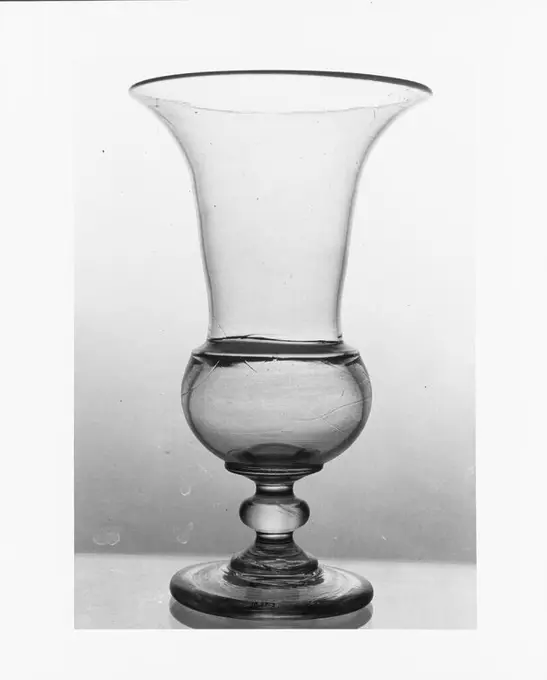
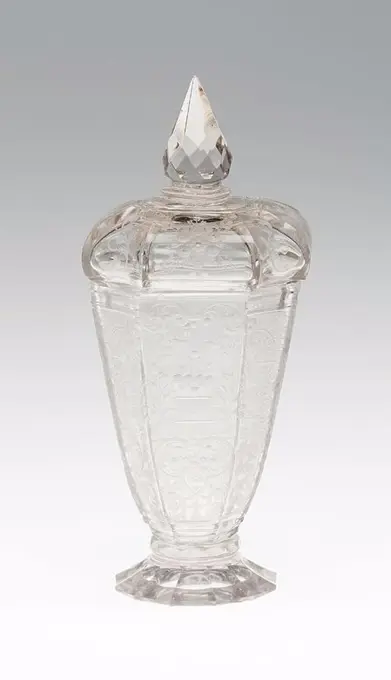
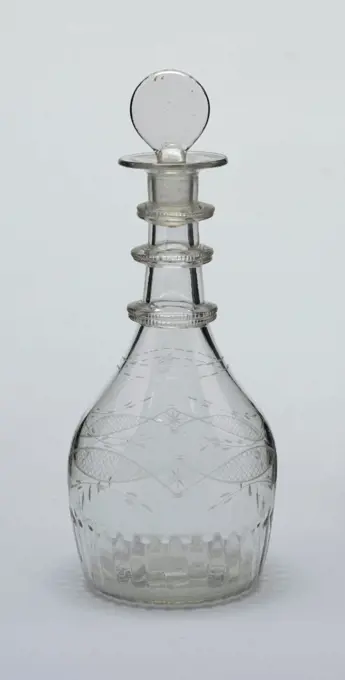
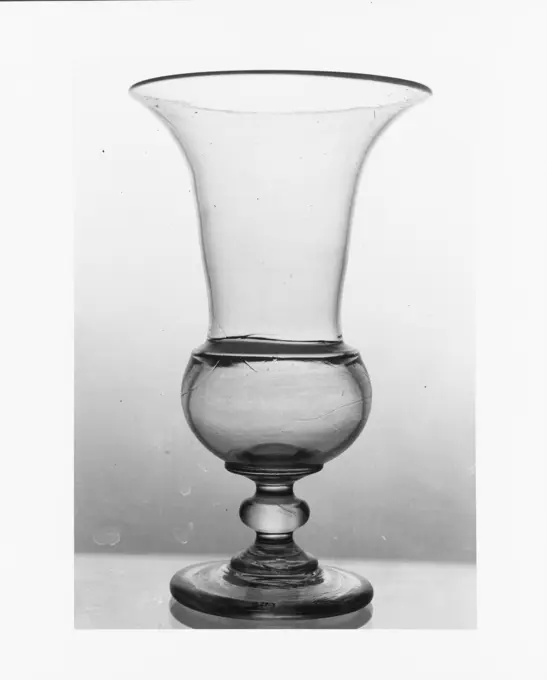
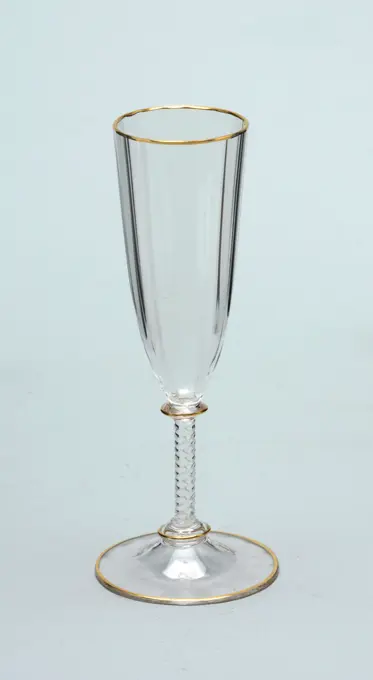
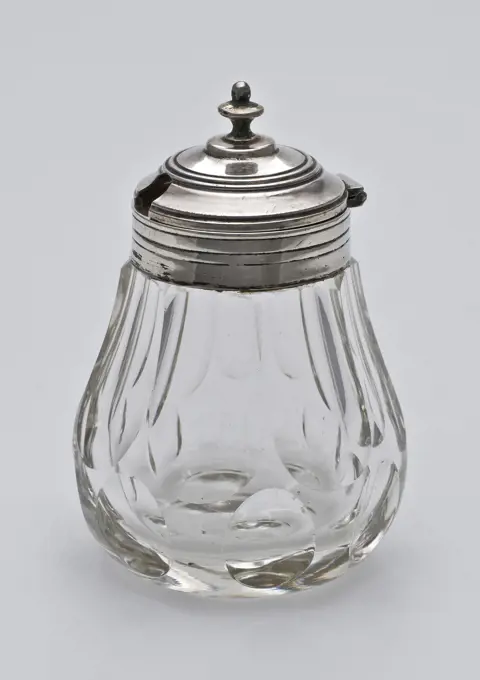
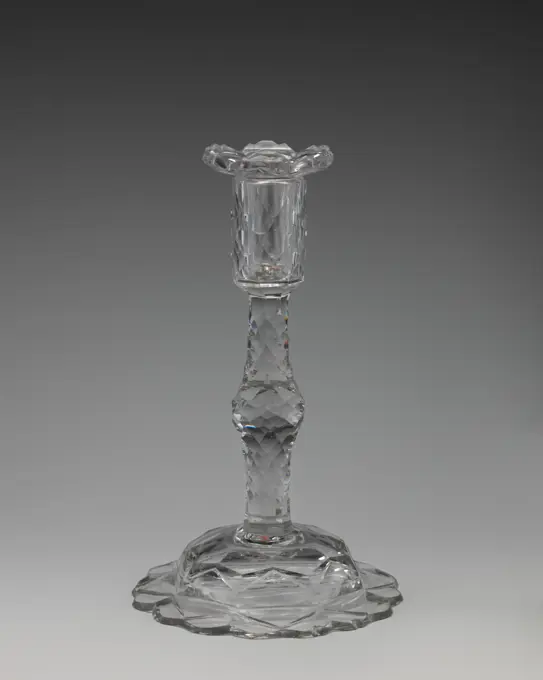
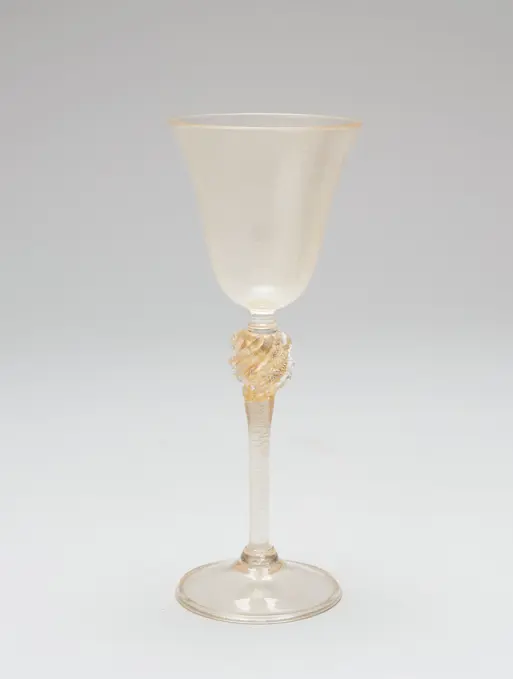
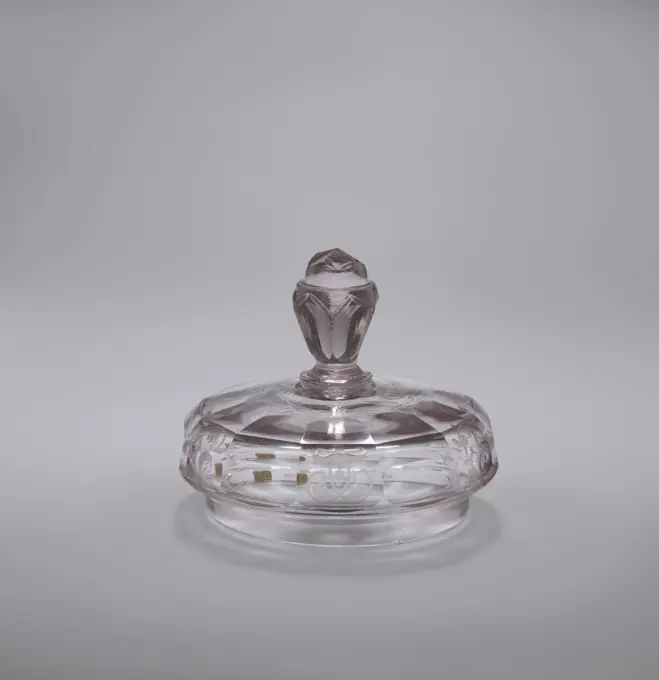
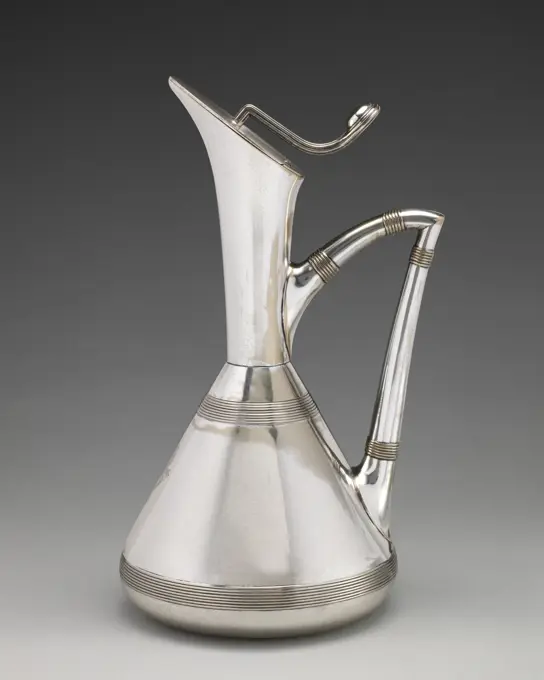
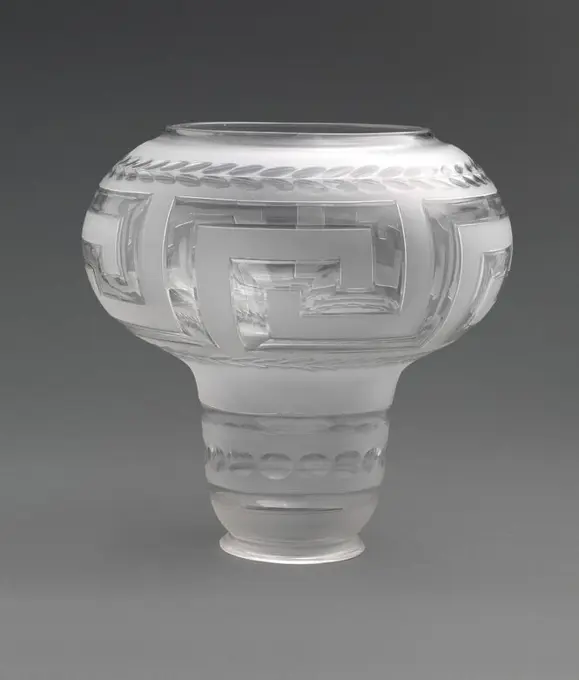
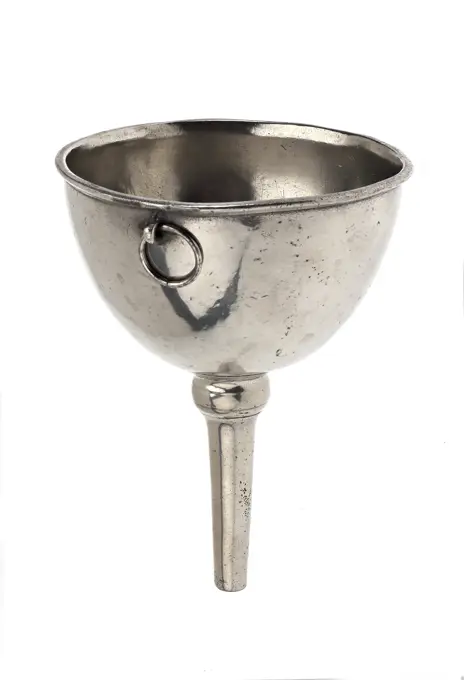
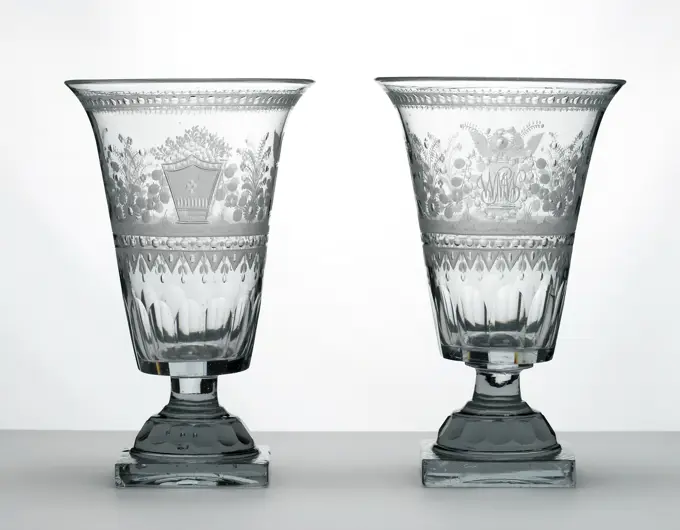
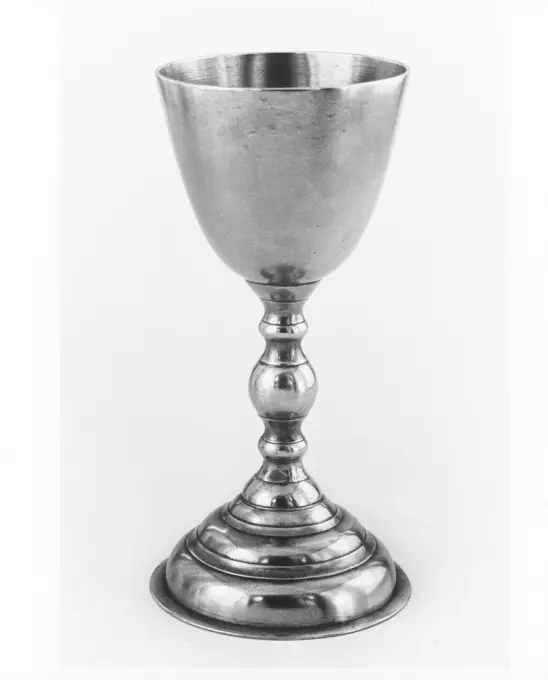
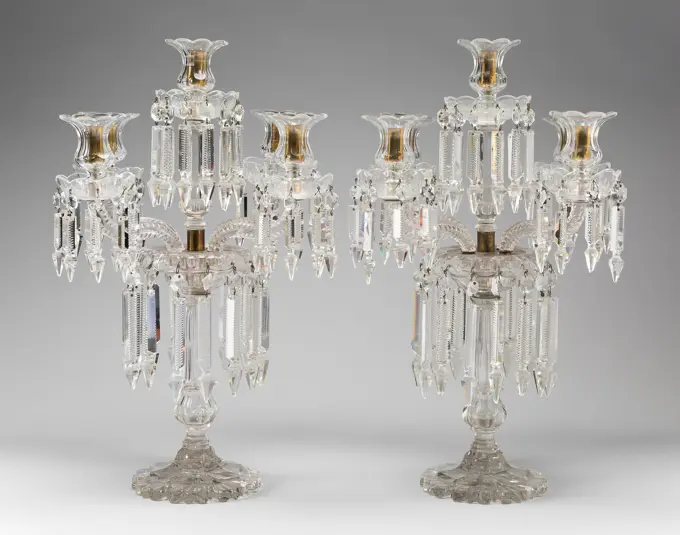
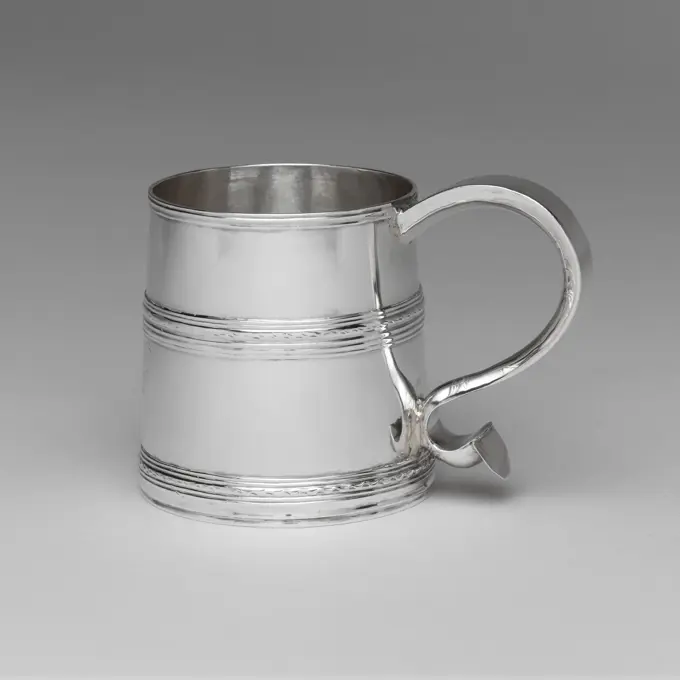
Vase. Culture: American. Dimensions: H. 8 1/2 in. (21.6 cm). Date: 1830-50. Museum: Metropolitan Museum of Art, New York, USA.Covered Friendship Goblet (Pokal). Germany, Schleswig. Date: 1725-1735. Dimensions: 17.8 x 5.6 cm (7 x 2 3/16 in.). Glass. Origin: Schleswig. Museum: The Chicago Art Institute, Chicago, USA.Glass; Lobmeyr, J. & L. (Vienna; 1823-); 1920-39 (1920-00-00-1939-00-00);Cup; Weissbach (Huta Szk A; 1617-1754), Weiberge (Huta Szk 1 XVIII (1700-00-00-1725-00-00);Beaker with a satire on the Pope. Who leads us to salvation The Pope of Rome, richly attired and mounted on horseback, or Christ, wearing rags and riding a scrawny donkey For the beaker’s Protestant owner, the answer was self-evident, as the caustic inscription on it makes clear: as the servant of God, the Pope should wear rags.Glass; Lobmeyr, J. & L. (Vienna; 1823-); 1920-39 (1920-00-00-1939-00-00);Goblet with the Arms of Liechtenberg. UnknownDecanter with Stars and Vesica, Cork Glass Company, 1783-1818, glass, Bulbous body, molded vertical fluting around bottom of sides, an engraved border of vesica motif with cross-hatching and stars above; 3 double neck rings, notched; wide flat lip; target-shaped stopper with molded waffle pattern; maker's mark ringing pontil mark on bottom., Cork, Ireland, ca. 1783-1818, glasswares, Decorative Arts, decanter, decanterWine glass, 18th-19th century, 4 x 2 1/4 x 2 1/4in. (10.2 x 5.7 x 5.7cm), Glass, United States, 18th-19th centuryCompote - Nova Scotia Tassel & Crest PatternGlass; Lobmeyr, J. & L. (Vienna; 1823-); 1920-39 (1920-00-00-1939-00-00);Vase 1830-50 American. Vase 9203Slinger glass with four bramnops. Slinger glass on vaulted, green foot. Straight trunk with a white garland. Between the trunk and the chalice a hollow, green nodus, set with four green bram buds. Bent, upwards tapered chaliceCompote - Lozenge pattern Burlington Glass Works Burlington Glass WorksChampagne Flute, No. 196 Champagne Flute; Designed by Ludwig Lobmeyr (Austrian, 1829 - 1917); Manufactured by J. & L. Lobmeyr GmbH (Austria); Austria; glass, gildingBeaker 1725-1735 Bohemia. Glass with engraved gold leaf decoration .Silversmith: Baksteen & Middendorp, Glass transparent mustard pot with silver lid, mustard pot pottery holder glass lead glass silver, crystal hammered cast Inverted baluster shaped crystal body flat arched silver lid hingedly attached to silver folded top edge notch in the outside edge for small spoon small vase-shaped knob lid inside (beaten) serveCompote - King's Cross or X.L.C.R.pattern Adams & Co., 1861-1891 Adams & Co., 1861-1891Tumbler ca. 1790-1810 probably French. Tumbler 194853Kelkglas with the coat of arms of the Republic of the Seven Provinces. Kelkglas with Baluster Stem with facets (cast). On the chalice the crowned weapon of the Republic of the Seven United Provinces, two crossed anchors and the Letters Ava (= Admiralty of Amsterdam).Three stacked glass. Isolated on white background shot in studio lighting.Decanter with stopper (one of a pair). Culture: British. Dimensions: Height: 9 5/8 in. (24.4 cm). Date: late 18th century. Museum: Metropolitan Museum of Art, New York, USA.Candlestick ca. 1760-70 British. Candlestick. British. ca. 1760-70. Glass. GlassBowl with a driving horse. Scalloped, facet cut foot. Baluster-shaped, faceted trunk. Bell-shaped chalice with Überfang, on which a driving horse is engraved in a landscape. A clarity and palmets on the back. The foot and trunk deposed with red piping.Wine glass, one of a set of ten, c. 1920, 8 1/4 x 3 1/4 in. (20.96 x 8.26 cm), Aventurine glass, Italy, 20th centurySauceboat; Norblin and Spóża (Warsaw; Platernicza label; 1831-1939); the beginning of the 20th century (1900-00-00-1910-00-00);Goblet 1700-1725 Schleswig. Glass .South Boston Flint Glass Works, Sugar Bowl and Cover, c. 1813-35, colorless lead glass.Vase (Ireland); glassCake stand - Nova Scotia Diamond Ray PatternVase, Glass, Tall straight-sided bow with wide turned-over rim and flat bottom spool stem on wide flat circular base; turned-over rim cut with all-over diamond pattern, notched at rim, band of strawberry diamonds center of side, prismatic band above, fluting below; glass slightly greenish., possibly Waterford, Ireland, ca. 1825-30, glasswares, Decorative Arts, Vase. .Sweetmeat glass, from a set of four, c. 1830, 4 1/8 x 2 3/8 x 2 3/8 in. (10.48 x 6.03 x 6.03 cm), Cut glass, France (), 19th centuryRummer, c. 1800-1820, 6 1/8 x 3 7/8 in. (15.56 x 9.84 cm), Lead glass, England, 18th-19th centuryGlass; Lobmeyr, J. & L. (Vienna; 1823-); 1920-39 (1920-00-00-1939-00-00);Covers; Non -like Lona Huta; 2. PO. 18th century (1750-00-00-1800-00-00);Kiddush (sanctification) cup, c. 1961, 4 1/8 x 2 1/8 x 2 1/8 in. (10.48 x 5.4 x 5.4 cm), Silver, United StatesCzarka;  1. PO. 20th century (1901-00-00-1950-00-00);Carafe with spherical body with serrated ribs. Inserted soul, printed spherical body through a straight neck with a smooth dripping ring. On the body, slanted ribs, which are connected at the top by a ribbed band. The gold-plated copper plug engraved with a rosette.Wing glass. Conical foot. Hollow, baluster-shaped strain with two wings sit down with a pinched kam ornament. High, violet, funnel-shaped, rounded chalice.Cup with incredged plate with the inscription Amitié. Flat bottom and lightly finished body, completely decorated with grinding work: the star in the bottom continues into the ribs on the lower part, the upper part is cut into ellipses. At the front an injected rectangular plate of porcelain in blue, white and gold with the inscription Amitié.South Boston Flint Glass Works, Decanter and Stopper, c. 1813-30, colorless lead glass.Goblet. unknown, glass worksGlass; Lobmeyr, J. & L. (Vienna; 1823-); 1920-39 (1920-00-00-1939-00-00);. Kroes of silver on three bolts, partially plated. Decorated with driven representation of three allegorical children's figures in oval medallions, between which fruit roses. Master sign: IP including a star, shield.Lamp 1850-75 American. Lamp. American. 1850-75. Free-blown molded green glass, metal. Probably made in Pittsburgh, Pennsylvania, United StatesWine Glass 1800-1830 American. Wine Glass 9875Art Nouveau flower vase. Orivit AG (Kolonia ; wytwórnia złotnicza ; 1894-1905 ; 1906-1914), factoryPhilip Syng Jr., Cann, c. 1750, silver.Fruit bowl late 18th-early 19th century probably Irish. Fruit bowl. probably Irish. late 18th-early 19th century. Glass. GlassClose-up of a glass decanter, EnglandFlute glass, anonymous, c. 1675 - c. 1700 Flat base with turned around. The trunk made up of a twisted wire, in which white, red and blue threads have melted. Blue, pinched wings. High, funnel -free chalice, on which flower vines, birds and insects are engraved. glassblower: Low CountriesNorthern Netherlands glass glassblowing Flat base with turned around. The trunk made up of a twisted wire, in which white, red and blue threads have melted. Blue, pinched wings. High, funnel -free chalice, on which flower vines, birds and insects are engraved. glassblower: Low CountriesNorthern Netherlands glass glassblowingStanding cup 1639-40 I. I., London. Standing cup 195721H. C. Fry Glass Company, Compote, c. 1907, colorless lead glass.Burgundy Glass, Embassy” Pattern. Designer Walter Dorwin Teague, American, 1883-1960 Designer Edwin W. Fuerst, American, 1903-1988 Manufacturer: Libbey Glass Company, a subsidiary of Owens-Illinois Glass Co., American, 1935-1943Wine cup, 20th century, 3 1/4 x 1 9/16 x 1 9/16 in. (8.26 x 3.97 x 3.97 cm), Silver, 20th centuryGoblet late 19th century Italian, Venice (Murano). Goblet. Italian, Venice (Murano). late 19th century. Glass. GlassGlass;  1736-1763 (1736-00-00-1763-00-00);August III (Polish King-1696-1763), Rusiecki-Ursyn, Stanisław (1862-1944)-collection, gift (provenance), monograms, rulerEwer or pitcher 1885 Christopher Dresser This rare example of ewer or pitcher is part of a larger group of objects designed by Christopher Dresser for the highly influential Birmingham firm of Elkington & Co, famous for having patented the first commercial electroplating in England in 1838. Although previously described as coffeepot,” the absence of ivory insulators on the handle suggest that this vessel was designed as a ewer or pitcher and not to hold hot liquids. Elkington’s second design book, preserved today at the Victoria and Albert Museum in London, comprises twenty-four drawings for domestic wares by Dresser, including one for this pitcher. The clean and geometric lines of Dresser’s silver have led posterity to describe him as a proto-modernist. He was a prolific and versatile designer, who teamed up with several English companies, including James Dixon & Sons, and Hukin & Heath for silver and glass, as well as Wedgwood and Minton for ceramics. Listen to experts illuminate thWine Glass 1850-1899 Bohemia. Glass; blown, cut, stained red and engraved .Chalip glass with a portrait of William IV, Anonymous, 1750 Conical foot. Balus -shaped trunk with a tear -shaped bubble and two wreaths of air bubbles, two knots. Conical chalice rounded at the bottom. On the chalice, in a rectangular field with bent top, a bust of Stadholder Prince William IV (1711-51) in Harness with a branch with two orange apples in front. On the right a helmet with open sights and a banderolle with Honi soit qu (i mal y) pe (nse). Left behind the prince scepter and sword. Signed under the show A: Schouman. FEC = 1750. glassblower: EnglandThe Hagueafter print by: Amsterdamafter drawing by: Rotterdam glass glassblowing Conical foot. Balus -shaped trunk with a tear -shaped bubble and two wreaths of air bubbles, two knots. Conical chalice rounded at the bottom. On the chalice, in a rectangular field with bent top, a bust of Stadholder Prince William IV (1711-51) in Harness with a branch with two orange apples in front. On the right a helmet with open sights and a banCut glass shade. Culture: American. Dimensions: 9 7/8 × 10 in. (25.1 × 25.4 cm). Maker: Possibly Boston & Sandwich Glass Company (American, 1825-1888, Sandwich, Massachusetts); Possibly New England Glass Company (American, East Cambridge, Massachusetts, 1818-1888). Date: ca. 1865-75. Museum: Metropolitan Museum of Art, New York, USA.Empty glass for scotch whiskey top view isolated over white backgroundRoemer with the inscription: a demain les affairs. Low, spun foot. Inserted soul. The egg-shaped chalice as a whole blown with the trunk that is busy with four rows of braam buds. A ribbed wire indicates the transition from the chalice to the trunk. The spell is the "A Demain Les Affaires." (Another day will be engraved tomorrow.Wine Glass 1780-1825 American, possibly. Wine Glass. American, possibly. 1780-1825. Blown pattern-molded lead glass. Possibly made in United StatesService: Vodka glass Ludwig Moser & SonsDecanter 1810-30 American. Decanter 3065Glass; Lobmeyr, J. & L. (Vienna; 1823-); 1920-39 (1920-00-00-1939-00-00);Kitchen funnel -Celery vase, one of a pair, c. 1830, Attributed to Bakewell, Page and Bakewell, Pittsburgh, Pennsylvania, 1808-1882, 9 1/8 x 5 3/4 x 5 3/4 in. (23.18 x 14.61 x 14.61 cm), Glass, United States, 19th centuryGlassEmpty cognac glass, isolated on a white background. Candlestick of silver. The square, profiled, rejuvenating foot has beveled corners and tranquility on a straight-wide basis. In the flat top there is a round floor from which it also rises round, rubbed by a ring articulated top. The baluster-shaped strain and the vase-shaped candle holder, both re-square with beveled corners and both rich are profiled.CupChalice 1816-19 Timothy Brigden. Chalice 1924Communion cup 1733-34 George Wickes. Communion cup. British, London. 1733-34. Silver gilt. Metalwork-SilverStop van apothekersfles, anonymous, c. 1850 - in or before 1863 Platte stop. Glassblower: Northwest Europe Amsterdam glass etching / glassblowing Platte stop. Glassblower: Northwest Europe Amsterdam glass etching / glassblowingApothekersfles met stop, anonymous, c. 1850 - in or before 1863 Light soul inserted. Cylindrical body with rounded shoulder. Short neck with flat, protruding edge. Flat stop. On the body an oval, etched and engraved medallion, surrounded by flower vines and a bow at the bottom. In the medallion, the Latin names Sulph Aethyl Acid.c alcoh are saved. - El.acid.h. On the neck the monogram dc. Glassblower: Northwest Europe Amsterdam glass etching / glassblowing Light soul inserted. Cylindrical body with rounded shoulder. Short neck with flat, protruding edge. Flat stop. On the body an oval, etched and engraved medallion, surrounded by flower vines and a bow at the bottom. In the medallion, the Latin names Sulph Aethyl Acid.c alcoh are saved. - El.acid.h. On the neck the monogram dc. Glassblower: Northwest Europe Amsterdam glass etching / glassblowingThree glassesCandlestick 1875-1900 American. Candlestick 1342Glass;  4. W. 18th century (1760-00-00-1795-00-00);Cup decorated with engraved zigzag edge above volutes and bulbs. Cup of bright colorless glass with massive bottom; Decoration in Radgravure: Zigzagrand above Volutes and spheres.Mug. New England Glass Company (United States, Massachusetts, East Cambridge, 1818-1888). United States, 19th century. Furnishings; Serviceware. GlassFluitglas, anonymous, c. 1550 - c. 1650 Flute glass on a flat foot. The trunk made up of a ribbed, twisted and curved tube with a wing of a spiral wounded colorless wire on either side. Funnel -shaped chalice on top of a flat disc. Venice glass glassblowing Flute glass on a flat foot. The trunk made up of a ribbed, twisted and curved tube with a wing of a spiral wounded colorless wire on either side. Funnel -shaped chalice on top of a flat disc. Venice glass glassblowingBeaker.   Maker: Jacob Hurd, American, 1702-1758Memorial Glass 1846-1870 France. Glass .Sherbet Bowl, Knickerbocker” Pattern. Designer Edwin W. Fuerst, American, 1903-1988 Designer A. Douglas Nash, American, 1881-1940 Manufacturer: Libbey Glass Manufacturing Company, American, 1919-1935probably Boston and Sandwich Glass Works, Cream Pitcher, c. 1825-40, mold-blown glass.MugCzarka;  1. PO. 20th century (1901-00-00-1950-00-00);Glass of drinking water isolated on a white backgroundWine glass. Niemcy, creator, Czechy, creatorFlute. unknown, glass worksCordial glass, 18th century, 5 1/2 x 2 7/8 x 2 7/8in. (14 x 7.3 x 7.3cm), Glass, England, 18th centuryDecanter (one of a pair). Culture: Irish, Cork. Dimensions: Height: 11 1/8 in. (28.3 cm). Maker: Cork Glass Company. Date: late 18th century. Museum: Metropolitan Museum of Art, New York, USA.Pair of Candelabra 1835-1840 England. Glass and brass .Milk bottle - Dominion Glass Company, 1913- Dominion Glass Company, 1913-Mug ca. 1700 Koenraet Ten Eyck This straight-sided, slightly tapered mug is typical of early American silver drinking vessels. On early New York mugs, the reeded bandswhich in addition to being ornamental also provided reinforcementare sometimes embellished with meander wire, as here. Particularly attractive on this mug is the interlaced mirror cipher, engraved within a heart-shaped reserve amid symmetrical foliate scrolls. The initials, J E S, are those of Johannes (1668-1747) and Elizabeth (ca. 1659-1737) Schuyler. It was originally one of a pair, and its matching mug is now in the collection of the New-York Historical Society. Albany-born, Johannes Schuyler became a successful fur trader and military officer, rising to the rank of colonel. In April 1695, he married Elizabeth Staats Wendell, widow of Johannes Wendell and mother of eleven children; together he and Elizabeth would have four more. Johannes was very active politically and in the Dutch Reformed Church. In 1703 he was apCandlestick -Beaker ca. 1730 Bohemian. Beaker. Bohemian. ca. 1730. Zwischengold glass. Glass