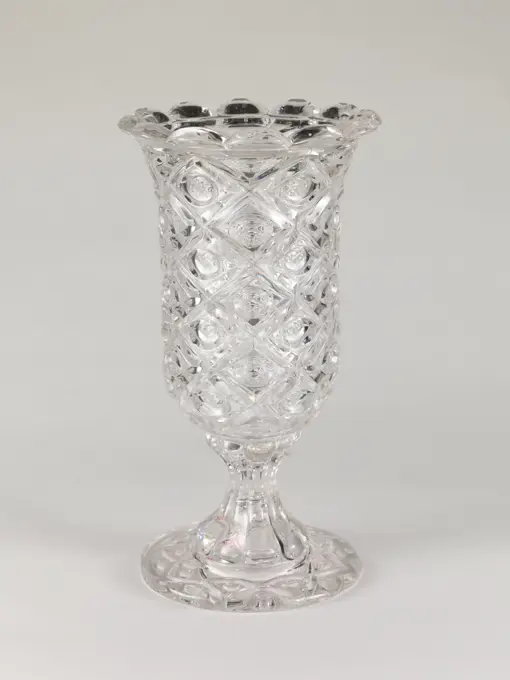
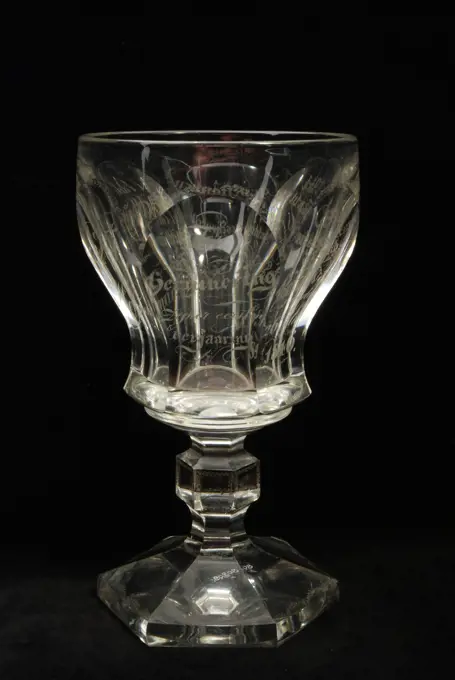
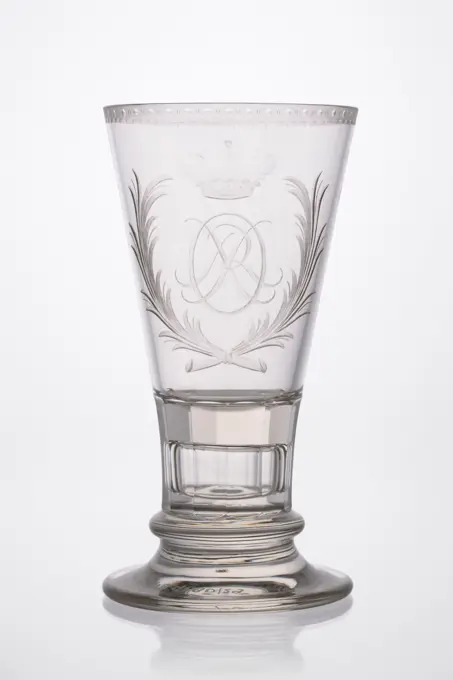
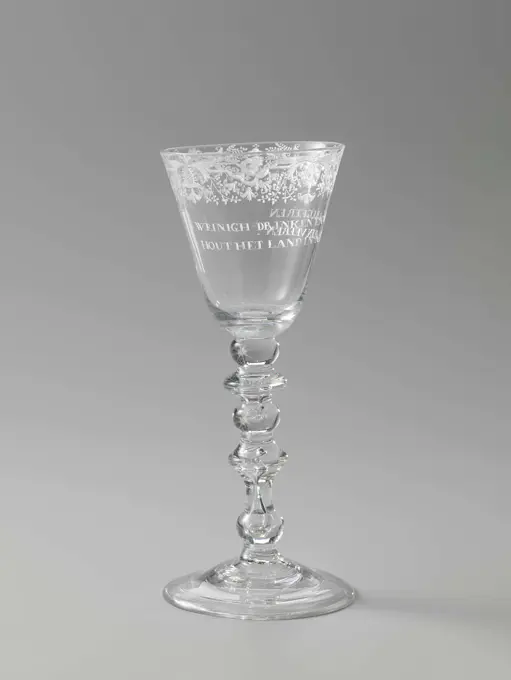
Elegant Glassware Collection

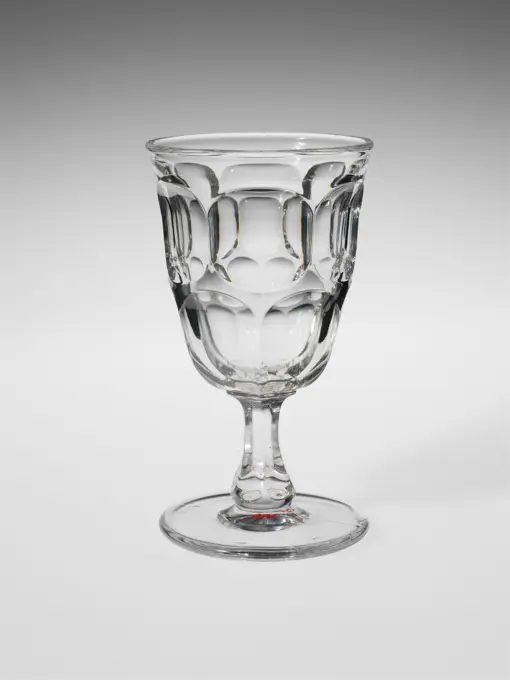
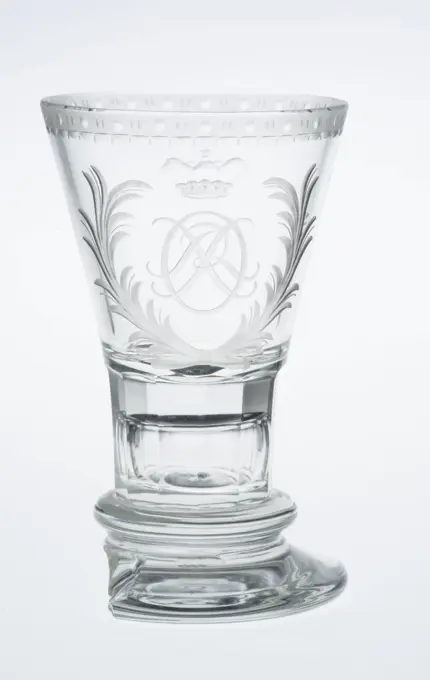
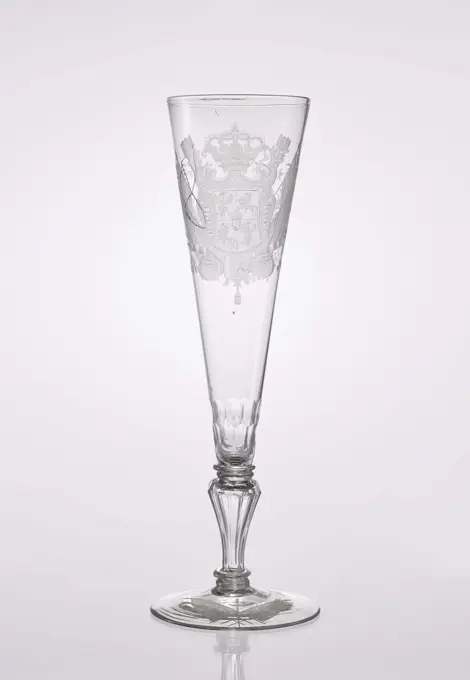
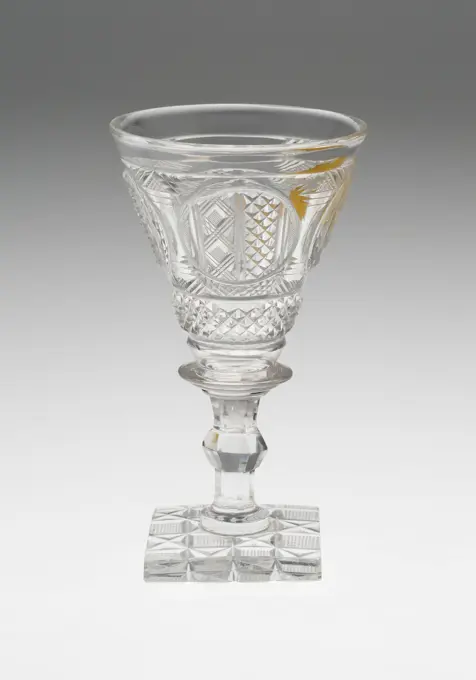
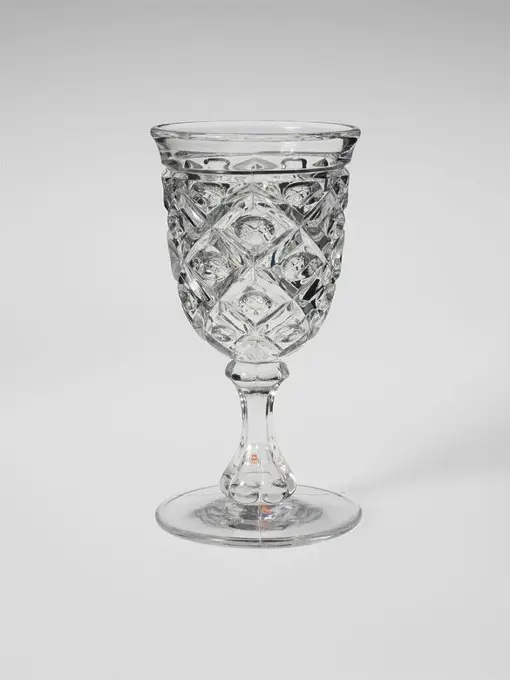
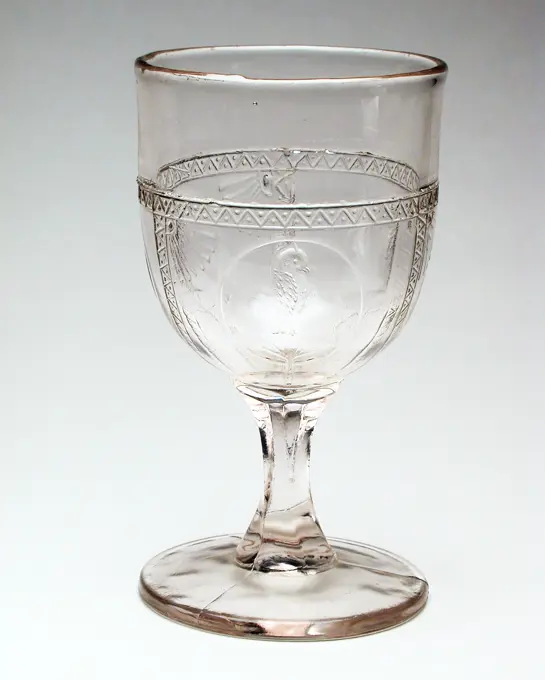
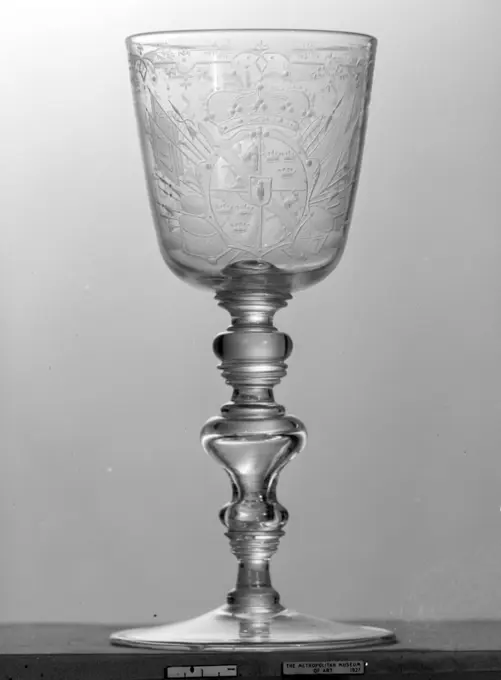
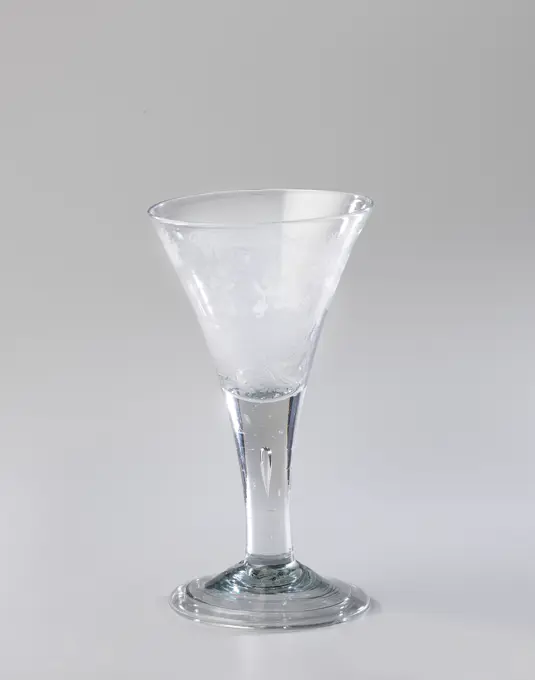
Exquisite glass chalices and flutes from different periods, featuring detailed engravings and elegant forms.

Bokaal with a castle and a rabbit mountain, anonymous, c. 1725 - c. 1750 Bokaal with baluster -shaped, faceted trunk with a tear -shaped bubble. Klock -shaped chalice with thickened, faceted, underside. On the chalice, all around, above a border, a rabbit mountain on a pond with ducks, in a park with a castle. On the square in front of the castle a fountain and walking people. Glücksburg glass glassblowing Bokaal with baluster -shaped, faceted trunk with a tear -shaped bubble. Klock -shaped chalice with thickened, faceted, underside. On the chalice, all around, above a border, a rabbit mountain on a pond with ducks, in a park with a castle. On the square in front of the castle a fountain and walking people. Glücksburg glass glassblowing
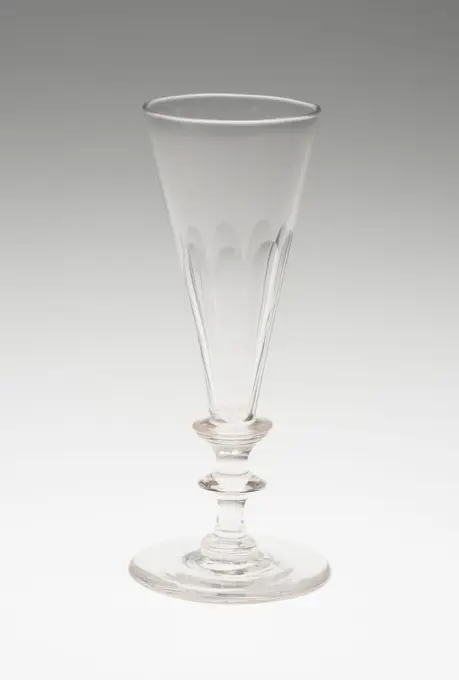
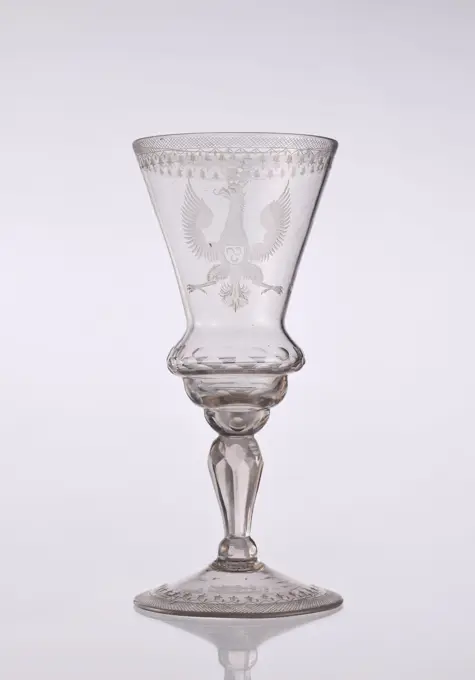
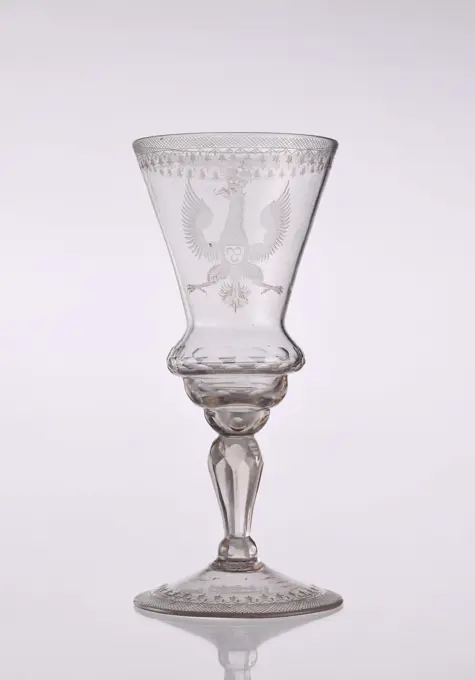
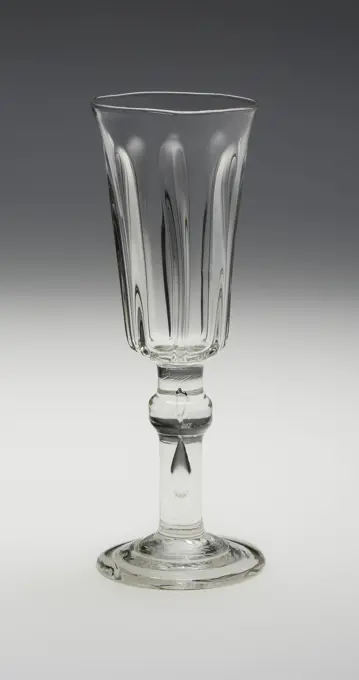
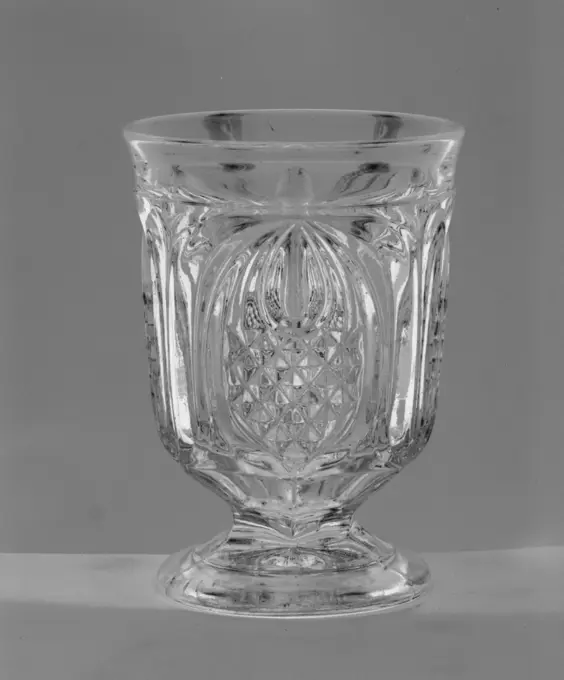
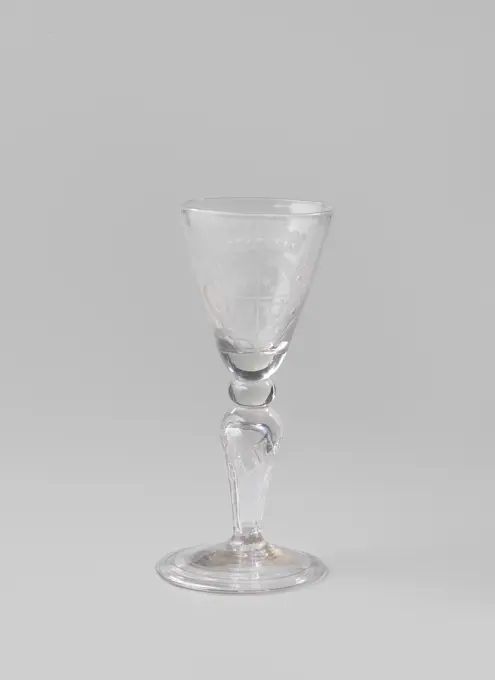
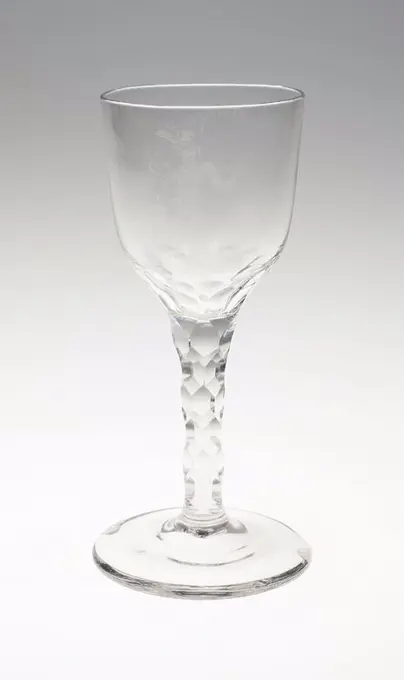
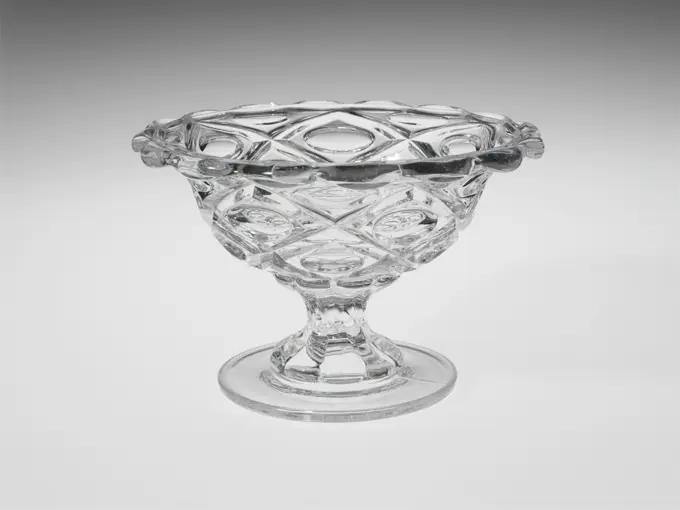
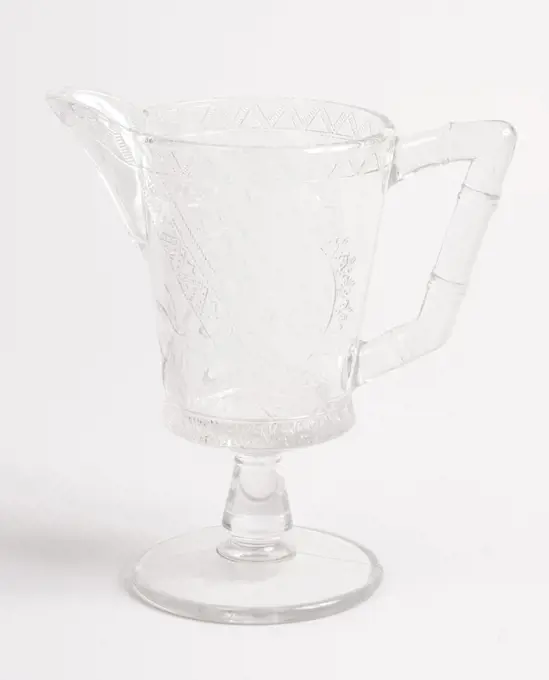
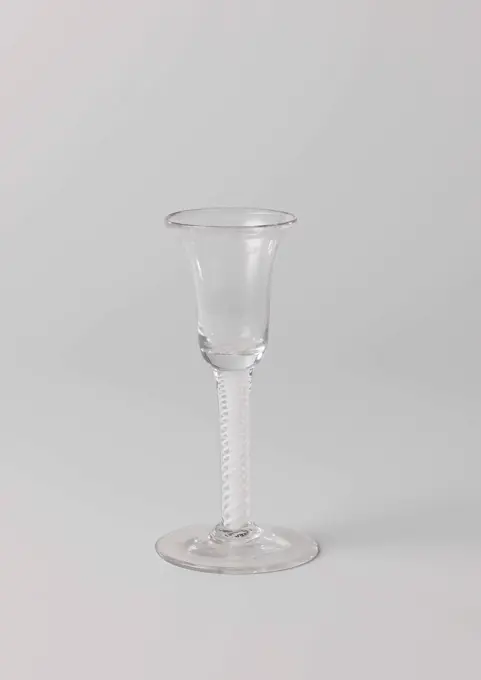
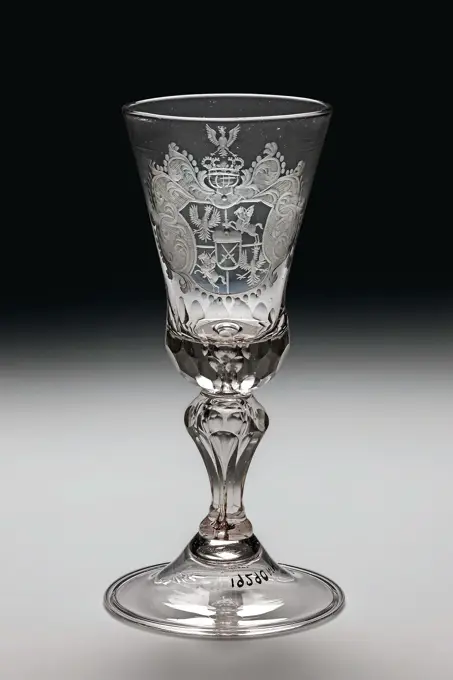
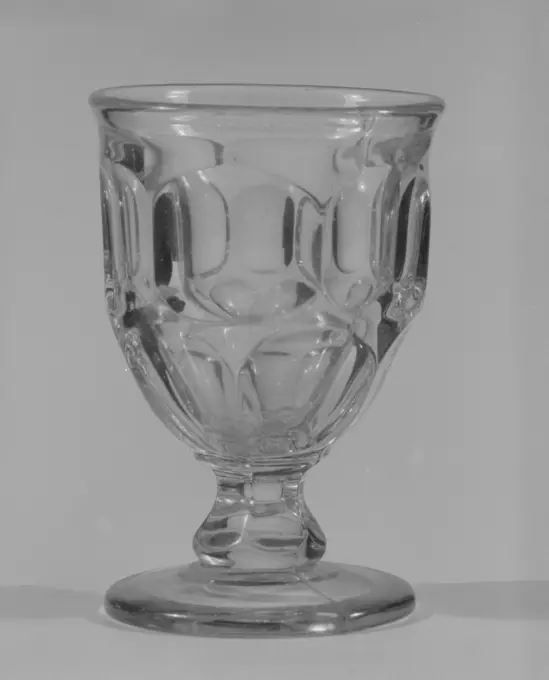
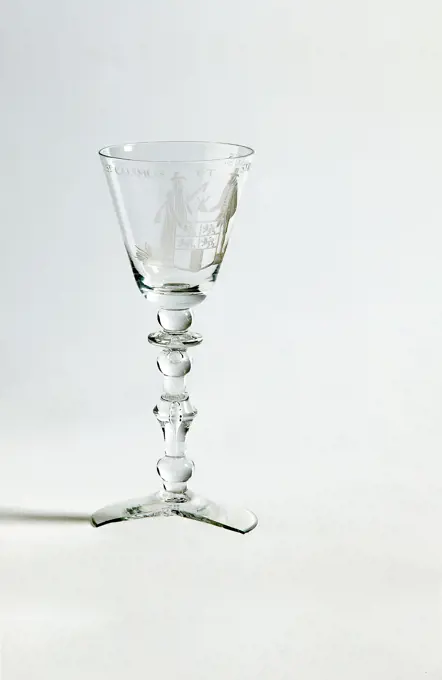
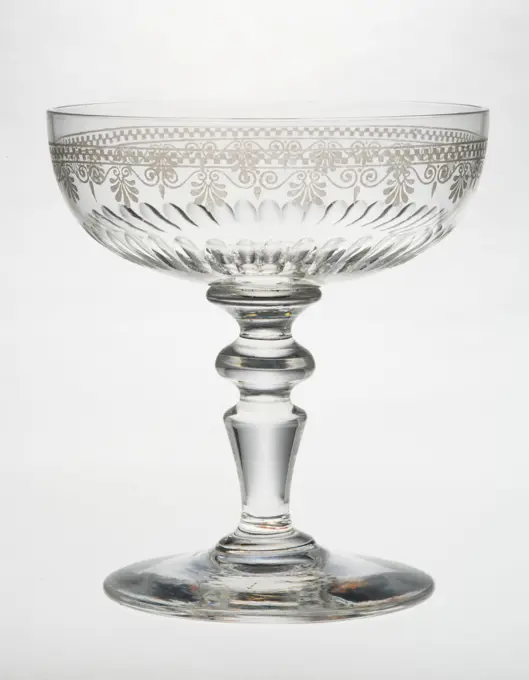
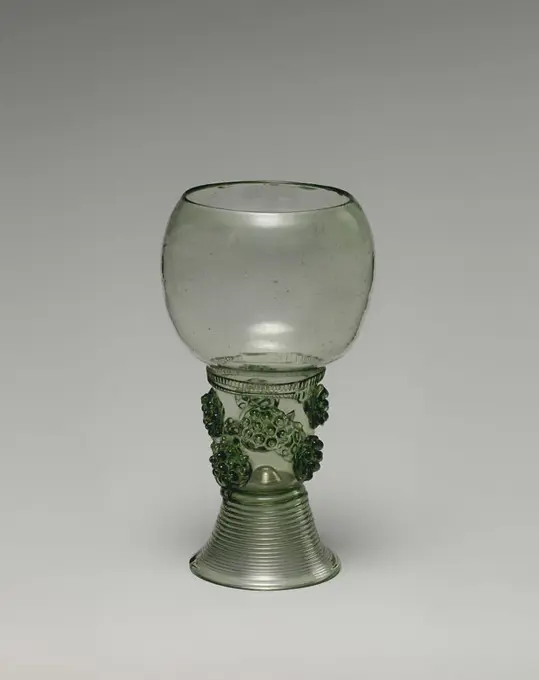
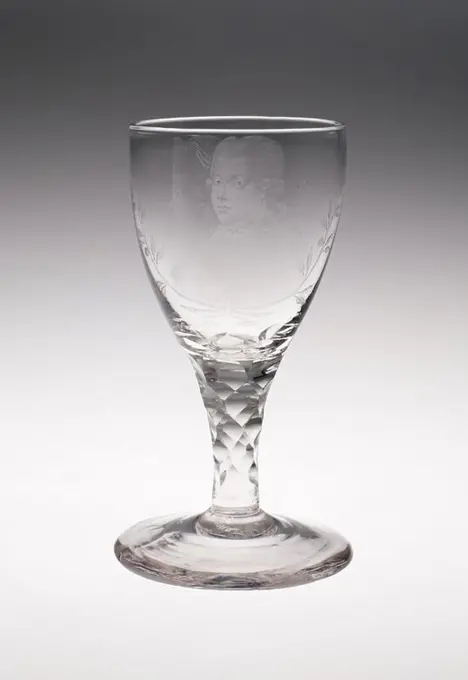
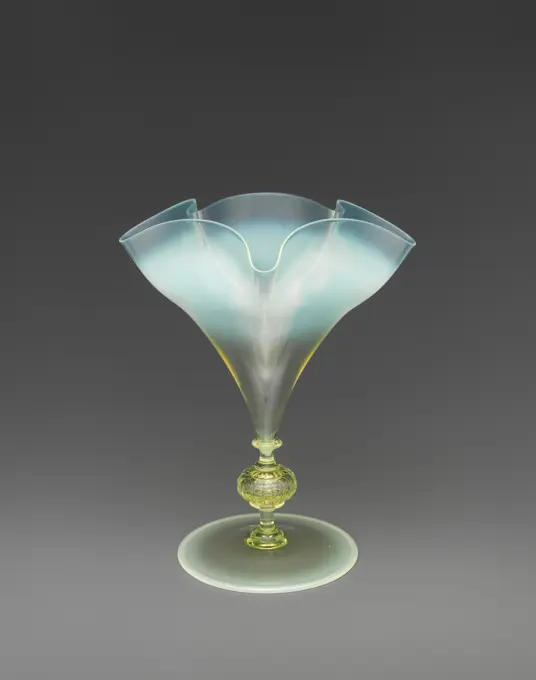
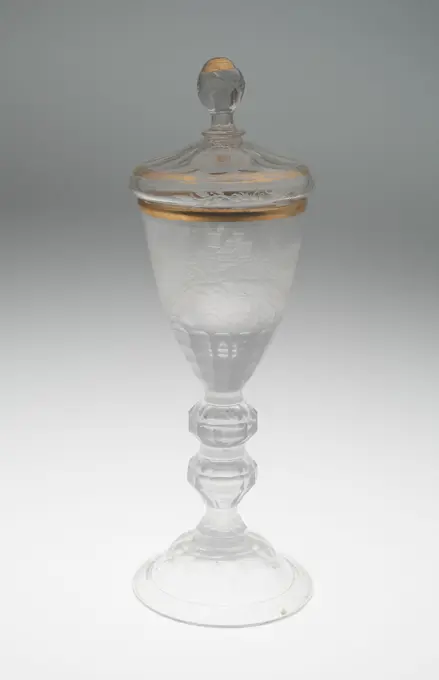
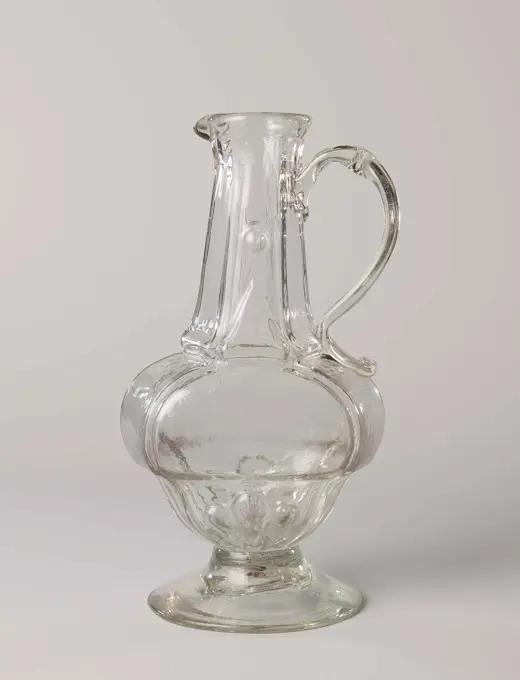
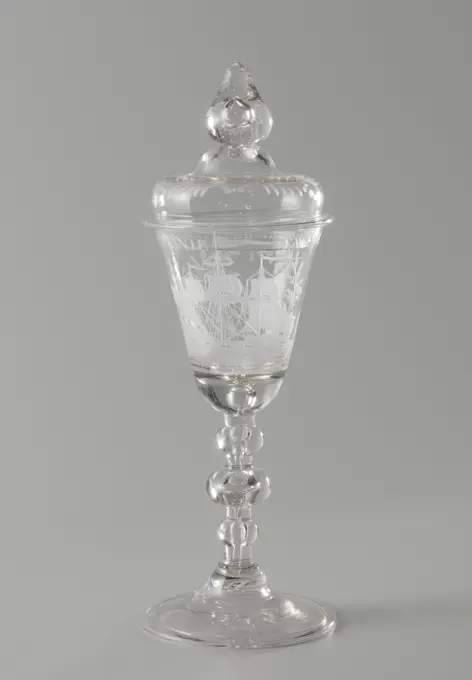
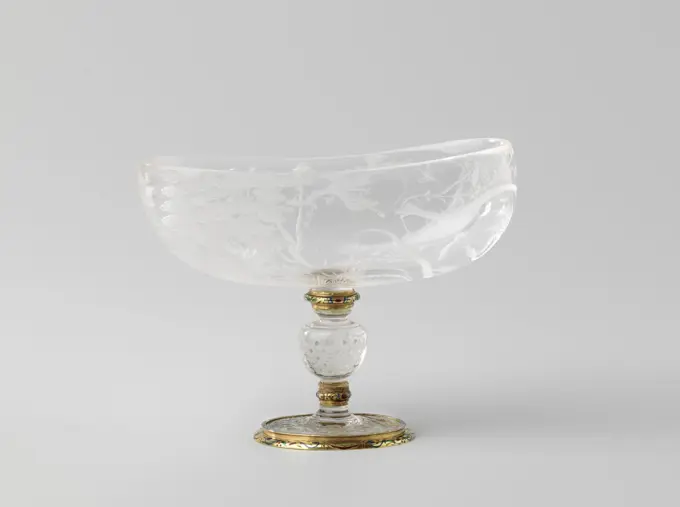
Chalice glass with the weapon of Leiden, Anonymous, c. 1725 - c. 1750 High chalice glass with baluster tribe and three knots. On the chalice the Wapen van Leiden between two lions. glassblower: Low CountriesNorthern Netherlands glass glassblowing High chalice glass with baluster tribe and three knots. On the chalice the Wapen van Leiden between two lions. glassblower: Low CountriesNorthern Netherlands glass glassblowingFlute 1700-1799 England. Glass .Bokaal with a castle and a rabbit mountain, anonymous, c. 1725 - c. 1750 Bokaal with baluster -shaped, faceted trunk with a tear -shaped bubble. Klock -shaped chalice with thickened, faceted, underside. On the chalice, all around, above a border, a rabbit mountain on a pond with ducks, in a park with a castle. On the square in front of the castle a fountain and walking people. Glücksburg glass glassblowing Bokaal with baluster -shaped, faceted trunk with a tear -shaped bubble. Klock -shaped chalice with thickened, faceted, underside. On the chalice, all around, above a border, a rabbit mountain on a pond with ducks, in a park with a castle. On the square in front of the castle a fountain and walking people. Glücksburg glass glassblowingCup; Naliboki (glassworks; 1722-1862), Urzecze (Huta Zwierciadlana; 1737-1846); approx. 18th century (1740-00-00-1760-00-00);Rusiecki-Ursyn, Stanisław (1862-1944)-collection, gift (provenance), coats of armsJar with the weapons of the seven united regions, anonymous, c. 1700 - c. 1725 Bokaal with slightly curved foot with turned around. Hollow baluster tribe with four discs. On the conical chalice the crowned weapons of the seven united regions. Germany glass glassblowing Bokaal with slightly curved foot with turned around. Hollow baluster tribe with four discs. On the conical chalice the crowned weapons of the seven united regions. Germany glass glassblowingChampagne glass ca. 1735-60 British. Champagne glass. British. ca. 1735-60. Glass. GlassJar with a rooster and a chicken and the inscription: par plaisirs, anonymous, c. 1725 - c. 1750 Flat base with turned around. The trunk is a hexagonal prism with two multi -flawy buttons. On the conical chalice an engraved representation of a rooster that covers a chicken, above which: "par plaisirs". Cover rib with engraved edge. glassblower: GermanyNorthern Netherlands glass grinding / glassblowing Flat base with turned around. The trunk is a hexagonal prism with two multi -flawy buttons. On the conical chalice an engraved representation of a rooster that covers a chicken, above which: "par plaisirs". Cover rib with engraved edge. glassblower: GermanyNorthern Netherlands glass grinding / glassblowingGlass;  20th century (1901-00-00-2000-00-00);Goblet 1695-1705 Potsdam. Glass .Toast goblet. Urzecze (huta zwierciadlana ; 1737-1846), creator, Naliboki (huta szkła ; 1722-1862), creatorChalip glass with the coat of arms of the province of Utrecht, Anonymous, c. 1725 - c. 1750 Konical base with changed edge and pontil brand. Balus-shaped trunk of the 'Silezian' type. Funnel -shaped chalice with thick bottom, in which an air bubble is stabbed. On the front, the crowned weapon of the province of Utrecht is engraved with two standing lions as shield carriers. Above the weapon is the saying 'Salus Patriae'. On the reverse side, in a round medallion formed by a leaf vank, a harnessed warrior with a sword and a bundle of a bundle. The goddess Minerva is on both sides. A band of leaf vines is engraved along the top edge. Glassblower: Englandual right glass glassblowing  Eemland Konical base with changed edge and pontil brand. Balus-shaped trunk of the 'Silezian' type. Funnel -shaped chalice with thick bottom, in which an air bubble is stabbed. On the front, the crowned weapon of the province of Utrecht is engraved with two standing lions as shield carriers. Above the weapon Chalk glass with a whistling boy in the company of a girl and boy, anonymous, c. 1760 - c. 1780 Conical foot. Straight, faceted strain. Funnel -shaped chalice rounded at the bottom. On the chalice, in a landscape with trees, a boy and girl sitting on a couch. The boy holds a magazine music in his hand. The girl looks over his shoulder. A whistling boy playing behind them. Trees on either side. glassblower: EnglandThe Hague glass grinding / glassblowing Conical foot. Straight, faceted strain. Funnel -shaped chalice rounded at the bottom. On the chalice, in a landscape with trees, a boy and girl sitting on a couch. The boy holds a magazine music in his hand. The girl looks over his shoulder. A whistling boy playing behind them. Trees on either side. glassblower: EnglandThe Hague glass grinding / glassblowingBeaker; glassSlinger glass with bell-shaped chalice. Slinger glass with conical foot and a ballustroid tribe. In the trunk opask white garland around white network spiral. Bell-shaped chalice.Celery vase 1850-70 American With the development of new formulas and techniques, glass-pressing technology had improved markedly by the late 1840s. By this time, pressed tablewares were being produced in large matching sets and innumerable forms. During the mid-1850s, colorless glass and simple geometric patterns dominated. Catering to the demand for moderately-priced dining wares, the glass industry in the United States expanded widely, and numerous factories supplied less expensive pressed glassware to the growing market. At the Exhibition of the Industry of All Nations at New Yorks Crystal Palace in 1853, for example, the New England Glass Company exhibited 130 pieces of one design, "consisting of bowls, tumblers, champagnes, wines, and jelly glasses." This object belongs to one such service. Although the glass manufactory is not known, the glassware is very typical of the large services that were very popular with Americas middle class in the nineteenth century.. Celery vase 15Wineglass Containing Two Uncirculated Charles II Silver Coins Dated 1670 and 1671. England. Date: 1685-1715. Dimensions: 20.3 × 7.9 × 7.9 cm (8 × 3 1/8 × 3 1/8 in.). Blown lead glass with applied decoration and silver inclusions. Origin: . Museum: The Chicago Art Institute, Chicago, USA.Beer or ale glass. Culture: British. Dimensions: Height: 8 3/4 in. (22.2 cm). Date: 1725-75. Museum: Metropolitan Museum of Art, New York, USA.Bokaal with putti between vines, anonymous, c. 1680 - c. 1700 Bokaal with flat base with turned around. The trunk consists of two hollow, four -lobe knots between three pairs of discs. The funnel -shaped chalice with rounded underside is decorated with tang ornament. On the chalice, between vineyards, four putti, one with a basket with grapes on his head. A wine rank on the foot. glassblower: Low CountriesNorthern Netherlands glass glassblowing Bokaal with flat base with turned around. The trunk consists of two hollow, four -lobe knots between three pairs of discs. The funnel -shaped chalice with rounded underside is decorated with tang ornament. On the chalice, between vineyards, four putti, one with a basket with grapes on his head. A wine rank on the foot. glassblower: Low CountriesNorthern Netherlands glass glassblowingGoblet. Czechy, creatorWineglass. Culture: British. Dimensions: Height: 6 3/4 in. (17.1 cm). Date: 1725-75. Museum: Metropolitan Museum of Art, New York, USA.Slinger glass with trumpet -shaped chalice, anonymous, c. 1750 - 1775 Slinger glass with conical foot and straight, light concave tribe. In the trunk a multiple opaque white pendulum around a white spiral, turning into a trumpet -shaped chalice. England glass glassblowing Slinger glass with conical foot and straight, light concave tribe. In the trunk a multiple opaque white pendulum around a white spiral, turning into a trumpet -shaped chalice. England glass glassblowingChalip glass with birds in a tree and the inscription: Wir Leben Einsam, Anonymous, c. 1725 - c. 1775 Chalice glass, long and slim, on pentagonal trunk: a disk between Kelk and Staam. Slightly curved foot with edge turned down. The chalice is decorated with a radgravure: two birds on the two branches of a tree, above which the inscription: Wir Leben Einsam. Bohemia glass glassblowing Chalice glass, long and slim, on pentagonal trunk: a disk between Kelk and Staam. Slightly curved foot with edge turned down. The chalice is decorated with a radgravure: two birds on the two branches of a tree, above which the inscription: Wir Leben Einsam. Bohemia glass glassblowingFooted Vase (Austria); Designed by Josef Hoffmann (Austrian, b. Moravia, 1870-1956); Manufactured by J. & L. Lobmeyr GmbH (Austria), Meyr's Neffen, Adolf; mouth-blown, cut and polished glassCovered Goblet (Pokal). Germany, Schleswig. Date: 1710-1720. Dimensions: 27.3 × 9.5 cm (10 3/4 × 3 3/4 in.). Engraved glass, silver finial. Origin: Germany. Museum: The Chicago Art Institute, Chicago, USA.Sling glass with bell -shaped calyx, anonymous, c. 1750 - c. 1775 Sling glass with flat foot and trembled stem. In the stem Opening White Slingers around White network spiral. Bell -shaped chalice England glass glassblowing Sling glass with flat foot and trembled stem. In the stem Opening White Slingers around White network spiral. Bell -shaped chalice England glass glassblowingD. Blitz Szn (engraver), Thick-sided goblet, wine glass, inscribed with inscription regarding mayor Hoffman, wine glass drinking glass drinking utensils tableware holder lead glass glass, free blown and shaped diamond engraving polished polished Thick-walled chalice in clear colorless lead glass. Road-polished pontilmark under upright flat hexagonal ground base with diamond engraved flower garlands along the edges. hexagonal cut stem with ditto knob Bottom-shaped bell-shaped hexagonal cut chalice with diamond engraving: Honored from the Honorary Honorable Lord JF Hoffman Ter Remembering his first anniversary as mayor of the City of Rotterdam on the 26th of March 1846. and signed first sentence: by D. Blitz SZn Engraved on six surfaces of chalice: Honored to the Wel Noble Achtbaren Lord JF Hoffman Ter Remembering his first birthday as mayor of the City of Rotterdam on the 26th of March 1846. and signed first sentence: by D. Blitz SZn Hoffman Hoffmann mayor RotterdamWine Glass With a Scene of A Lying-in Chamber. Vaulted foot. Octagonal in shape blown stem with buttons and a bubble. Conical chalice with rounded soil. On the chalice mother with a child in the baby shower and the Kaamleer Kandeel treating a large company. The foot is broken.Glass; Lobmeyr, J. & L. (Vienna; 1823-); 1920-39 (1920-00-00-1939-00-00);Fluitglas, anonymous, c. 1600 - c. 1700 Flat base with turned around. The trunk made up of a hollow baluster and a disc. Funnel -shaped chalice Low Countries glass glassblowing Flat base with turned around. The trunk made up of a hollow baluster and a disc. Funnel -shaped chalice Low Countries glass glassblowingBowl with sunflowers and towers. Vaulted foot. Baluster trunk with two buttons, three discs and a tear-shaped bubble. Conical chalice with rounded soil. On the chalice sunflowers and towers.Wine glass with leaf work, anonymous, c. 1725 - c. 1750 Vaulted foot. Baluster tribe with buttons, discs and three air bubbles. On the conical, rounded chalice along the edge and leaf work with rose and hanging chalets; Below the inscription: little drinking and riding/ wood the country in Noppe and Veeren. Light chalice -shaped base. Low Countries glass glassblowing Vaulted foot. Baluster tribe with buttons, discs and three air bubbles. On the conical, rounded chalice along the edge and leaf work with rose and hanging chalets; Below the inscription: little drinking and riding/ wood the country in Noppe and Veeren. Light chalice -shaped base. Low Countries glass glassblowingPair of marriage goblets with lids, anonymous, 1759 Bokaal with lid with diamond engraved on the occasion of the 50-year marriage of J.J. van Westrenen and J.C. Momochet on August 25, 1759. Klock -shaped chalice with double baluster with air bubbles, on round, slightly curved foot. On the chalice: the weapons of the couple with a crown above it. Shield holders are a wild man and a lion including rocailles. A palm tree above every shield holder. Along the top edge a banderol with the inscription: Sint.Alet.annorvm.sat.mvlto.pondere.pressae.stant.et.vigent. In Hebrew letters Jahve, in a hemisphere with rays rising down. Under the rocailles a banderol with the inscription: felicitas.foederis.deo.dante.conservata. Below a long Latin text, framed by rocailles, marriage and other emblems. The lid is decorated with a grape voucher, flower branches and a bird with a branch. glassblower: EnglandNorthern Netherlands glass Bokaal with lid with diamond engraved on the occasion of the 50-year marriGlass; Non -like Lona Huta; 3. W. 18th century (1750-00-00-1775-00-00);Wine glass with foliate motifs. The rim of this glass is accentuated by a symmetrically organized band of garlands and foliate motifs. The inscription calls for moderation in alcohol consumption in order to govern well. Translation of inscription: Drinking little and governing well / Keeps the country stocked and well.Sweetmeat glass ca. 1750 British. Sweetmeat glass. British. ca. 1750. Glass. GlassKelkglas with boot-shaped chalice. Flat foot. Hollow baluster-shaped strain above a disc. Boot-shaped chalice, optically blown, with ribbed underside, deposited with a smooth thread.Goblet 1830-70 American With the development of new formulas and techniques, glass-pressing technology had improved markedly by the late 1840s. By this time, pressed tablewares were being produced in large matching sets and innumerable forms. During the mid-1850s, colorless glass and simple geometric patterns dominated. Catering to the demand for moderately-priced dining wares, the glass industry in the United States expanded widely, and numerous factories supplied less expensive pressed glassware to the growing market. At the Exhibition of the Industry of All Nations at New Yorks Crystal Palace in 1853, for example, the New England Glass Company exhibited 130 pieces of one design, "consisting of bowls, tumblers, champagnes, wines, and jelly glasses." This object belongs to one such service. Although the glass manufactory is not known, the glassware is very typical of the large services that were very popular with Americas middle class in the nineteenth century.. Goblet 4104Glass; Lobmeyr, J. & L. (Vienna; 1823-); 1920-39 (1920-00-00-1939-00-00);Wine Glass. England. Date: 1715-1725. Dimensions: H. 18.4 cm (7 1/4 in.). Glass. Origin: England. Museum: The Chicago Art Institute, Chicago, USA.Sling glass with bell -shaped calyx, anonymous, c. 1750 - c. 1775 Slinger glass with conical foot and straight trunk. In the trunk a multiple opaque white pendulum. Klock -shaped chalice with a thick bottom in which a wreath of nine air bubbles is stabbed. England glass glassblowing Slinger glass with conical foot and straight trunk. In the trunk a multiple opaque white pendulum. Klock -shaped chalice with a thick bottom in which a wreath of nine air bubbles is stabbed. England glass glassblowingGoblet. England. Date: 1805. Dimensions: 14 × 8.9 cm (5 1/2 × 3 1/2 in.). Glass. Origin: England. Museum: The Chicago Art Institute, Chicago, USA.Goblet 1850-70 Bakewell, Pears and Company. Goblet 4115Flute. Drezno (huta szkła ; 1699-post 1756), creatorChalice glass with boat -shaped chalice, anonymous, c. 1550 - c. 1600 Flat. Hollow baluster -shaped trunk above a disc. Boat -shaped chalice, optically blown, with ribbed underside, trimmed with a smooth wire. Venice glass glassblowing Flat. Hollow baluster -shaped trunk above a disc. Boat -shaped chalice, optically blown, with ribbed underside, trimmed with a smooth wire. Venice glass glassblowingWine Glass 1700-1799 Netherlands. Glass .Wine Glass 1735-1745 England. Glass .. Glass . Johann Heinrich Balthasar SangWineglass. Culture: British, probably Bristol. Dimensions: Overall (confirmed): 6 3/16 × 2 3/4 × 2 3/4 in. (15.7 × 7 × 7 cm). Date: late 18th century. Museum: Metropolitan Museum of Art, New York, USA.Hogarth Cordial Glass 1752 England. Glass .Wine Glass With Seven Women Fighting About a Pair Of Breeches. Vaulted foot. Faceted baluster trunk with buttons and two air bubbles. Bell-shaped chalice with rounded, faceted soil. On the chalice an engraved representation of seven women who fight for pants.Cup; 3. W. 18th century (1750-00-00-1775-00-00);Snake glass with clamped chalice. Conical foot with beaten edge. The stem made up of a ribbed wire, curved in the form of an eight, with two times two perpendicular wings of ribbed and chewed wires, deposited with a pinched kam ornament. Vertically ribbed chalice, part of the chalice has been played.Goblet. England. Date: 1847. Dimensions: H. 16.4 cm (6 7/16 in.). Glass. Origin: England. Museum: The Chicago Art Institute, Chicago, USA.Tumbler 1850-70 American. Tumbler 9026Ale Glass 1850-70 Union Glass Company American. Ale Glass. American. 1850-70. Pressed glass. Made in Somerville, Massachusetts, United StatesKelkglas with crowned weapon of the family Verstege. Konian foot. Hexagonal in shape blown stem with a button and with diamond pattern on the shoulder. Funnel-shaped chalice with rounded bottom. On the chalice, in a round shield surrounded by a cartouche, the crowned weapon of the Zutphense family Verstege.Kelkglas with representations regarding marriage and fertility. Vaulted foot. Baluster trunk with buttons and an elongated bubble. The conical, from below-rounded chalice is decorated along the edge with band and leafwork with fruit garlands and alternately a bird on its nest and a pyramid and cartouches in which representations regarding marriage and fertility.Wine Glass. England or Netherlands Engraved by Jan van den Blyk (Dutch, active late 18th century). Date: 1770-1780. Dimensions: 17.8 x 7.5 cm (7 x 2 15/16 in.). Glass; cut and stipple engraved. Origin: Netherlands. Museum: The Chicago Art Institute, Chicago, USA.Footed Bowl 1850-70 American With the development of new formulas and techniques, glass-pressing technology had improved markedly by the late 1840s. By this time, pressed tablewares were being produced in large matching sets and innumerable forms. During the mid-1850s, colorless glass and simple geometric patterns dominated. Catering to the demand for moderately-priced dining wares, the glass industry in the United States expanded widely, and numerous factories supplied less expensive pressed glassware to the growing market. At the Exhibition of the Industry of All Nations at New Yorks Crystal Palace in 1853, for example, the New England Glass Company exhibited 130 pieces of one design, "consisting of bowls, tumblers, champagnes, wines, and jelly glasses." This object belongs to one such service. Although the glass manufactory is not known, the glassware is very typical of the large services that were very popular with Americas middle class in the nineteenth century.. Footed Bowl 88Pitcher, Duncan Glass Company, glass (pressed), Slightly flairing cylindrical body on circular foot; clear with pressed assymetrical patterns, bamboo shoots and figure with parasol; handle moldedas stem of bamboo., USA, 1880-85, glasswares, Decorative Arts, PitcherBeaker. Germany, circa 1850-1880. Furnishings; Serviceware. GlassCompote. Maker, attributed to: Pittsburgh Flint Glass WorksProprietor: Bakewell, Pears, & Co., American, 1842-1880Kelkglas with a representation of Iustitia. Conical foot. Baluster-shaped strain with a tear-shaped bubble, two buttons with a wreath air bubbles. Conical, rugged on the bottom. On the chalice, against a background of trees, Iustitia, personalized by a throne woman with sword and scales. Above her a banderle with the text: Iustitia.Wine Glass 1755-1765 England. Glass .Wineglass. Culture: British, probably Bristol. Dimensions: Height: 5 3/4 in. (14.6 cm). Date: 1750-1800. Museum: Metropolitan Museum of Art, New York, USA.Sweetmeat glass with cover. Culture: British. Dimensions: Height: 8 3/4 in. (22.2 cm). Date: ca. 1740. Museum: Metropolitan Museum of Art, New York, USA.Goblet with Cover 1720-1730 Schleswig. Glass .Rummer 1800-1899 England. Glass .Water Goblet. Culture: American. Dimensions: H. 6 in. (15.2 cm); Diam. 3 1/4 in. (8.3 cm). Maker: Possibly Christian Dorflinger (1828-1915). Date: 1860-70. Museum: Metropolitan Museum of Art, New York, USA.Goblet. Culture: American. Dimensions: Dimensions unavailable. Date: 1850-60.With the development of new formulas and techniques, glass-pressing technology had improved markedly by the late 1840s. By this time, pressed tablewares were being produced in large matching sets and innumerable forms. During the mid-1850s, colorless glass and simple geometric patterns dominated. Catering to the demand for moderately-priced dining wares, the glass industry in the United States expanded widely, and numerous factories supplied less expensive pressed glassware to the growing market. At the Exhibition of the Industry of All Nations at New York's Crystal Palace in 1853, for example, the New England Glass Company exhibited 130 pieces of one design, "consisting of bowls, tumblers, champagnes, wines, and jelly glasses." This object belongs to one such service. Although the glass manufactory is not known, the glassware is very typical of the large services that were very popular with America's middle Goblet. United States, 1885. Furnishings; Serviceware. Pressed glassStanding cup ca. 1715 German, Hesse or Swedish. Standing cup. German, Hesse or Swedish. ca. 1715. Glass. GlassChalip glass with a nar and the inscription: five sentences for sale, anonymous, c. 1725 - c. 1750 Chalice glass made of clear, colorless glass. Stam and the funnel -shaped chalice run smoothly into each other. On the chalice a satire on the campaign trade: a jam in landscape above which: "Five sentences for sale" and an appropriate verse: for a lot of loss or quickly win the action, the promotion fits his heart and sentences. glassblower: EnglandNorthern Netherlands glass glassblowing Chalice glass made of clear, colorless glass. Stam and the funnel -shaped chalice run smoothly into each other. On the chalice a satire on the campaign trade: a jam in landscape above which: "Five sentences for sale" and an appropriate verse: for a lot of loss or quickly win the action, the promotion fits his heart and sentences. glassblower: EnglandNorthern Netherlands glass glassblowingBokaal with lid, with a house and two gentlemen and the inscription: the prosperity of the Hoyse, Anonymous, c. 1725 - c. 1750 Jar with lid. Conical foot with turned around. Stam with three hollow knots, by the way of thick glass. On the chalice a house and two gentlemen in 18th-century traditional costume between flower wreaths. Behind it: sailing/ from the hoy/ se. A flower owl on the lid. glassblower: GermanyNorthern Netherlands glass glassblowing Jar with lid. Conical foot with turned around. Stam with three hollow knots, by the way of thick glass. On the chalice a house and two gentlemen in 18th-century traditional costume between flower wreaths. Behind it: sailing/ from the hoy/ se. A flower owl on the lid. glassblower: GermanyNorthern Netherlands glass glassblowingGlass;  1920-39 (1920-00-00-1939-00-00);Cordial Glass 1865-70 New England Glass Company. Cordial Glass 2262Wine Glass. Germany. Date: 1725-1735. Dimensions: H. 16.2 cm (6 3/8 in.). Glass. Origin: Germany. Museum: The Chicago Art Institute, Chicago, USA.Gillinder and Sons, Footed Sugar Bowl and Cover, c. 1876-86, colorless glass.Goblet with Allegorical Figures. Silesia, Reisenebirge, circa 1700-1710. Furnishings; Serviceware. GlassSlinger glass with bell-shaped chalice. Slinger glass with flat foot and straight trunk. In the trunk opask white garlands around white network spiral. Clock-shaped chaliceGoblet. unknown, glass worksCup;  1920-39 (1920-00-00-1939-00-00);Glass; Non -like Lona Huta; 2. PO. 18th century (1750-00-00-1800-00-00);Roemer with vines, anonymous, c. 1750 - c. 1810 Roemer with inserted bottom on high base spun from a wire. The spherical chalice and the trunk, which is occupied with three blackberry naps, have been blown separately. A vine is engraved on the chalice with the wheel. The transition from the chalice to trunk is indicated by a ribbed thread. Netherlands glass glassblowing Roemer with inserted bottom on high base spun from a wire. The spherical chalice and the trunk, which is occupied with three blackberry naps, have been blown separately. A vine is engraved on the chalice with the wheel. The transition from the chalice to trunk is indicated by a ribbed thread. Netherlands glass glassblowingEgg Cup 1830-70 American With the development of new formulas and techniques, glass-pressing technology had improved markedly by the late 1840s. By this time, pressed tablewares were being produced in large matching sets and innumerable forms. During the mid-1850s, colorless glass and simple geometric patterns dominated. Catering to the demand for moderately-priced dining wares, the glass industry in the United States expanded widely, and numerous factories supplied less expensive pressed glassware to the growing market. At the Exhibition of the Industry of All Nations at New Yorks Crystal Palace in 1853, for example, the New England Glass Company exhibited 130 pieces of one design, "consisting of bowls, tumblers, champagnes, wines, and jelly glasses." This object belongs to one such service. Although the glass manufactory is not known, the glassware is very typical of the large services that were very popular with Americas middle class in the nineteenth century.. Egg Cup. American. Chalice glass engraved with coat of arms of Rotterdam, two doctors and inscription St Cosmus et St Damianus, wineglass drinking glass drinking utensils tableware holder lead glass glass, gram free blown and formed radgraving Goblet wine glass in clear colorless lead glass Pontil mark under round ascending hollow base of which 13 are missing . Massive light balustere stem made of two parts: lower part with two buttons elongated enclosed air bubble; upper part with three knots: lower sphere with enclosed air bubble middle flat and wide (dm 2.7 cm) and upper sphere. Bottom rounded funnel-shaped chalice with thick bottom and fire-rounded edge St. Cosmus et St. Damianus (engraved top of chalice) Rotterdam heraldry medical care serving drinking Made for and in use at the Rotterdam Surgeons Guild. Cosmas and Damian are the patron patterns of the surgeons; the city coat of arms indicates that the glass served as an official institution.Glass;  1920-39 (1920-00-00-1939-00-00);Champagne glass;  End of the 19th century (1875-00-00-1890-00-00);Roemer. Culture: Dutch. Dimensions: Overall (confirmed): 4 3/4 × 2 9/16 × 2 9/16 in. (12.1 × 6.6 × 6.6 cm). Date: probably late 17th-early 18th century.This roemer is a very appealing piece complements two outstanding examples of Dutch seventeenth-century roemers (04.24 and 27.185.236) of massive scale and top level craftsmanship. It is a comparative piece of more pedestrian manufacture and size more appropriate to daily use. Seen alongside a related goblet in the Museum's collection (27.185.213), this provides a complete gamut of scale graduations typical for this type of drinking vessel.From design and technique, this roemer is typical of Dutch, late seventeenth-, early eighteenth-century production, however a revival of taste for this type of object in the late nineteenth century heralded production of pastiche pieces, including catalogued works of this scale. Museum: Metropolitan Museum of Art, New York, USA.Standing cup with cover ca. 1720 Bohemian. Standing cup with cover. Bohemian. ca. 1720. Glass. GlassWine Glass. Netherlands. Date: 1785-1795. Dimensions: 13.3 × 6.8 cm (5 1/4 × 2 11/16 in.). Glass; cut and stipple engraved. Origin: England. Museum: The Chicago Art Institute, Chicago, USA.Glass;  1920-39 (1920-00-00-1939-00-00);Vase with knopped stem ca. 1880 Attributed to Harry Powell British This vase is a very fine example of the series of vases designed by Harry Powell (grandson of the wine-merchant, James Powell, who had purchased the Whitefriars Glassworks in 1834). Harry Powells designs of the 1880s and '90s created a whole group of decorative vessels characterized by delicately wavy-rimmed bowls and subtly tinted glass. The silhouette of the vase and fineness of the glass, accentuated by the ruffles of the bowl, is inspired by Venetian cristallo. The fluid design of the delicately regular waves of the bowl is testament to the skill of the Whitefriars glassmakers and to Powells confidence in their craftsmanship, achieved by gently manipulating the molten glass with a crimping tool. In later years, this effect would be taken to its logical conclusion, by replacing the use of the crimping tool by a more natural formation of waves in the bowls achieved by holding the partially-shaped molten glass upsidLidded goblet, anonymous, c. 1725 - c. 1750 Facetted, curved foot. Facetted baluster tribe with three knots. Conical chalice with solid bottom, in which a tear -shaped bubble is stabbed. On the Kelk David and Jonathan in a landscape, above which: gleyck deese two existence measures our faithful; Below that: David and Iona Tam. Lid vaulted with two knots, the upper pear -shaped. On the lid a garland. glassblower: GermanyNorthern Netherlands glass grinding / glassblowing Facetted, curved foot. Facetted baluster tribe with three knots. Conical chalice with solid bottom, in which a tear -shaped bubble is stabbed. On the Kelk David and Jonathan in a landscape, above which: gleyck deese two existence measures our faithful; Below that: David and Iona Tam. Lid vaulted with two knots, the upper pear -shaped. On the lid a garland. glassblower: GermanyNorthern Netherlands glass grinding / glassblowingVase in the form of a cup; Woodward, Horace & Co Ltd (Birmingham, London; Fl. CA 1851-1919); 1899/1900 (1899-00-00-1900-00-00);Wine Glass and Cover 1751-1761 Lauenstein. Glass .Wineglass ca. 1750 Dutch. Wineglass. Dutch. ca. 1750. Glass. GlassCan with a angular shape blown. Conical foot. In a angular shape blown body with palmets on the bottom. Hexagonal, tapered neck with a triangle and a circle in relief. C-shaped, curved ear.Jar with lid, moored with a three -mast on a quay with merchandise, c. 1725 - c. 1750 Conical foot with turned around. Balus -shaped trunk with three knots and an extended bubble. Funnel -shaped chalice with rounded bottom. On the chalice the monogram of the United Oostindische Compagnie, VOC, in between bay branches tied together at the bottom. On the downside a three -mast, moored on a quay full of merchandise. Along the mouth edge a continuous inscription: t.welvaaren.van. deoostindische.compagnie. glassblower: Low CountriesNorthern Netherlands glass glassblowing Conical foot with turned around. Balus -shaped trunk with three knots and an extended bubble. Funnel -shaped chalice with rounded bottom. On the chalice the monogram of the United Oostindische Compagnie, VOC, in between bay branches tied together at the bottom. On the downside a three -mast, moored on a quay full of merchandise. Along the mouth edge a continuous inscription: t.welvaaren.van. deoostindische.compagnie. glassbStanding Dish, Hans Heinrich Rhabenhaupt, Hans Heinrich Rhabenhaupt (rejected attribution), in or after 1592 - before 1607 Scale on the foot of rock crystal with a frame of gold with email. The horizontally stretched, oval barrel is decorated with a tree group, birds, snakes and insects in matt grinding work. On a tree the weapon of Peter Wok von Rosenberg (Petr Vok Zozmberka, 1539-1611) and Katharina von Ludanice (Katerina Z Ludanic). Crumlaw frame: Gold (Metal). frame: Scale on the foot of rock crystal with a frame of gold with email. The horizontally stretched, oval barrel is decorated with a tree group, birds, snakes and insects in matt grinding work. On a tree the weapon of Peter Wok von Rosenberg (Petr Vok Zozmberka, 1539-1611) and Katharina von Ludanice (Katerina Z Ludanic). Crumlaw frame: Gold (Metal). frame: