Elegant Historical Glassware

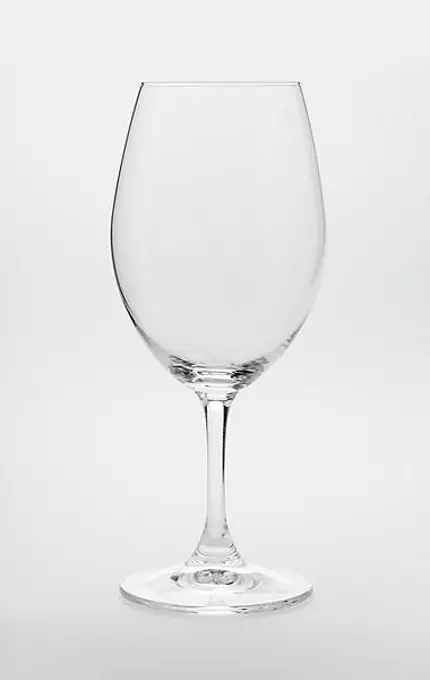
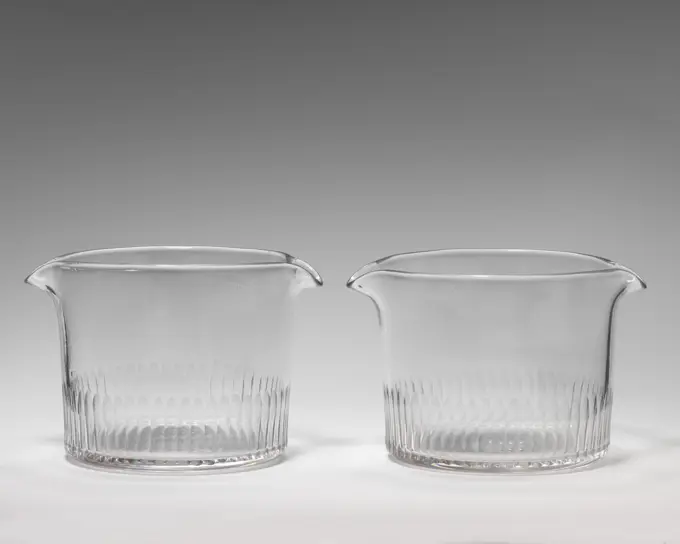
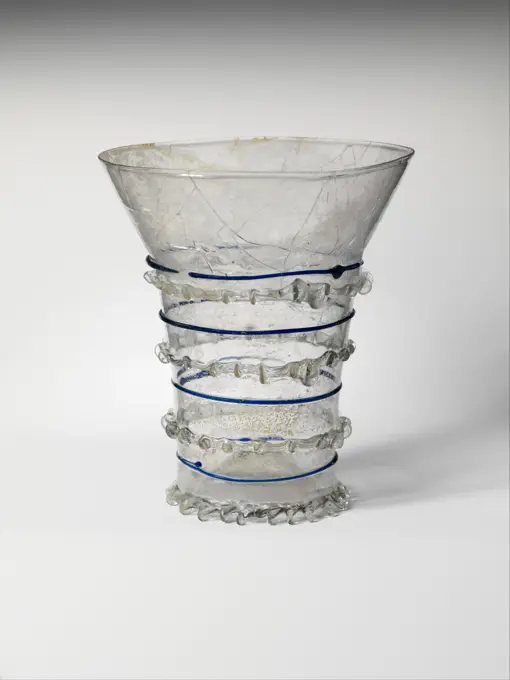
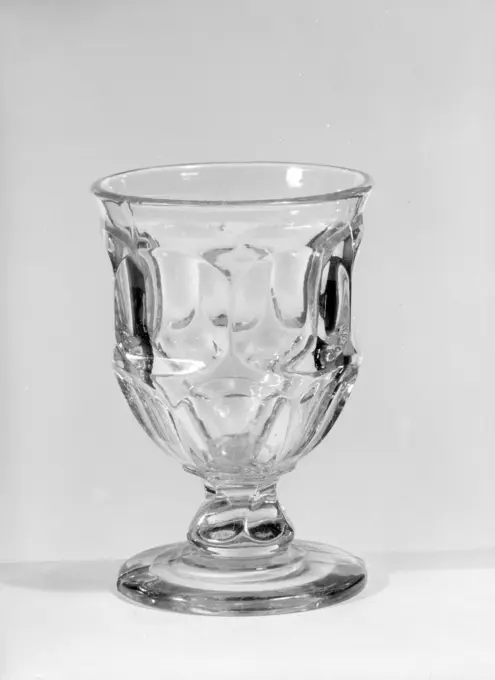
A collection of antique glass chalices and wine glasses, featuring intricate engravings and varied shapes from different historical periods.

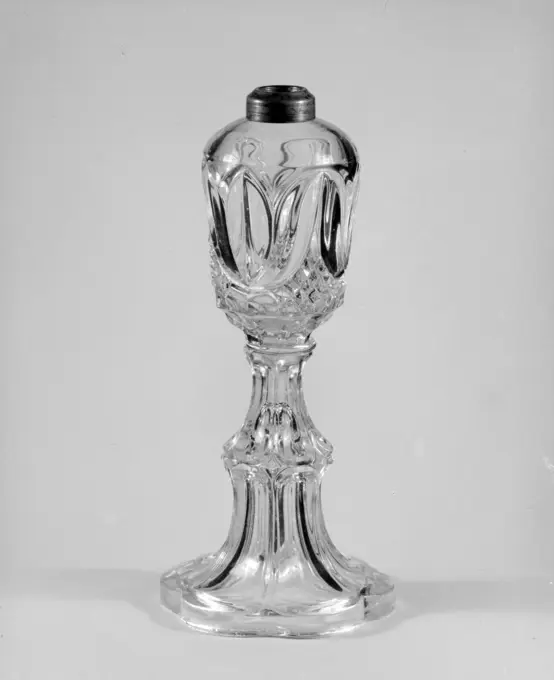
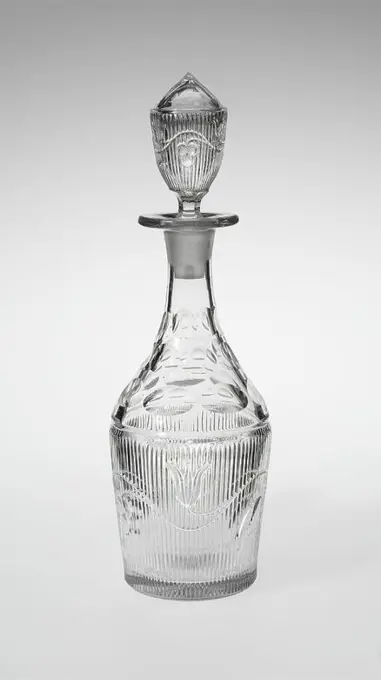
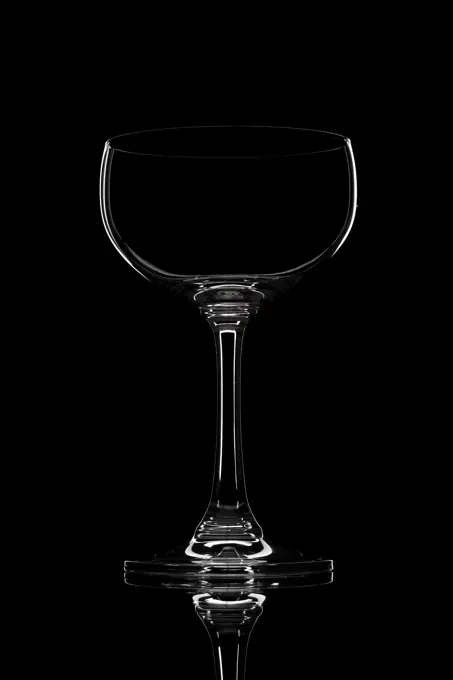
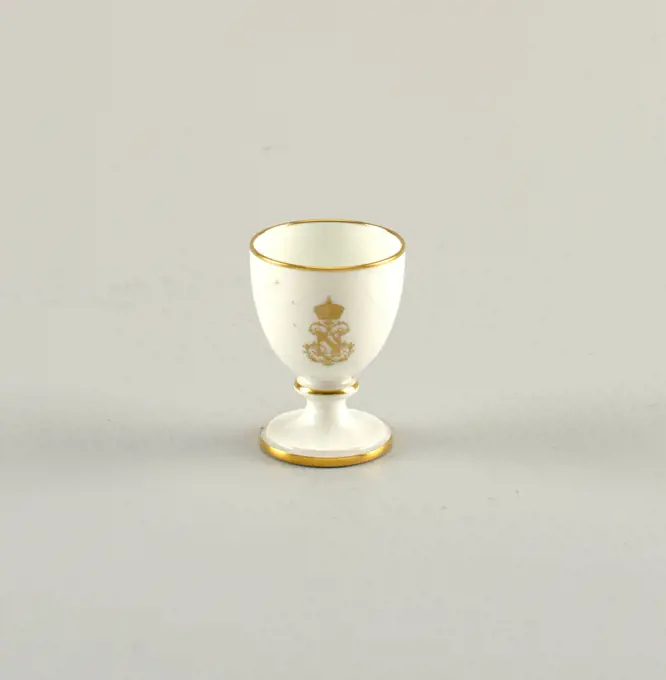
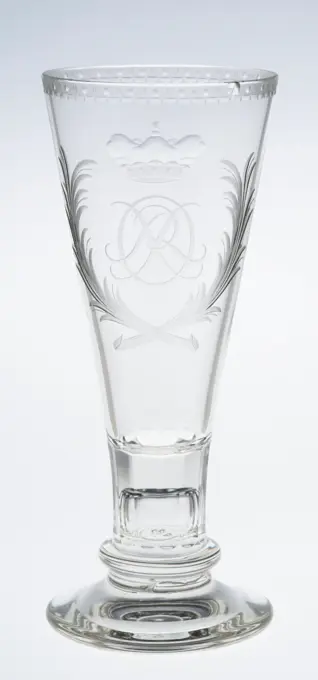
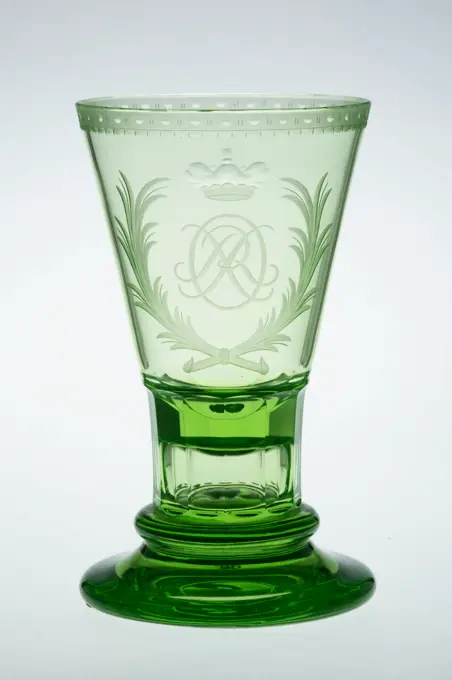
Bokaal with alliance weapon of Anna van Hannover and William IV of Oranje-Nassau, c. 1735 - c. 1750 Vaulted foot with turned around. Solid baluster tribe with a button and a bubble. On the conical chalice the alliance weapons of Anna van Hannover (1709-1759) and Stadholder Willem IV of Oranje-Nassau (1711-1751). glassblower: GermanyNorthern Netherlands glass glassblowing Vaulted foot with turned around. Solid baluster tribe with a button and a bubble. On the conical chalice the alliance weapons of Anna van Hannover (1709-1759) and Stadholder Willem IV of Oranje-Nassau (1711-1751). glassblower: GermanyNorthern Netherlands glass glassblowing
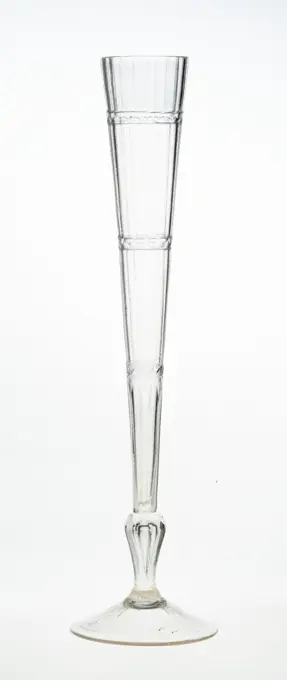
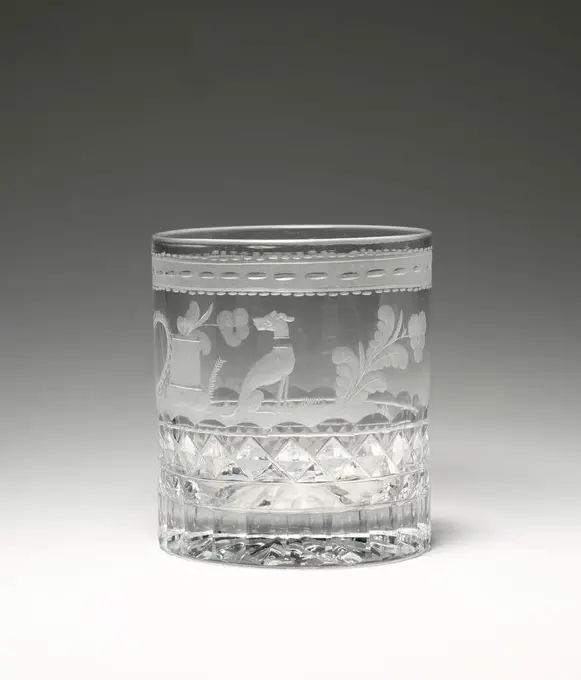
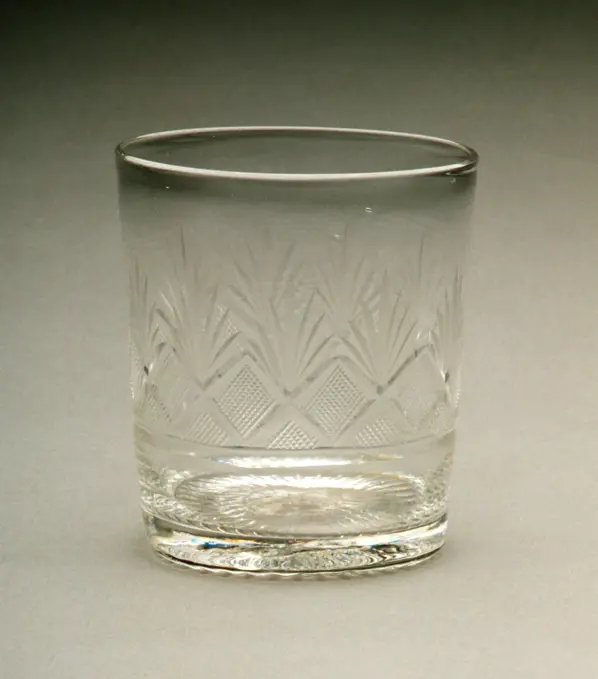
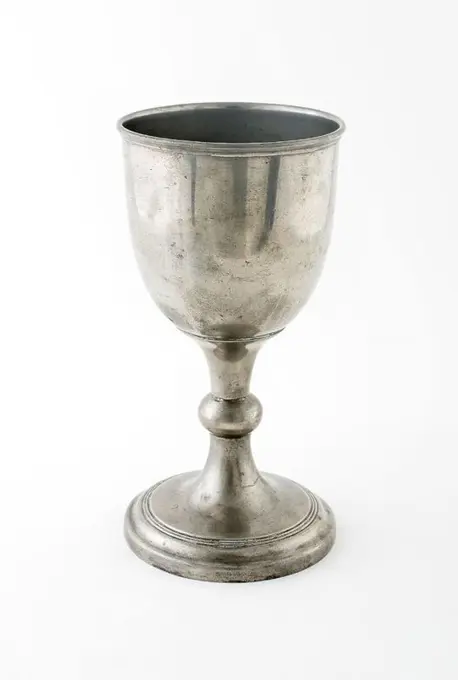
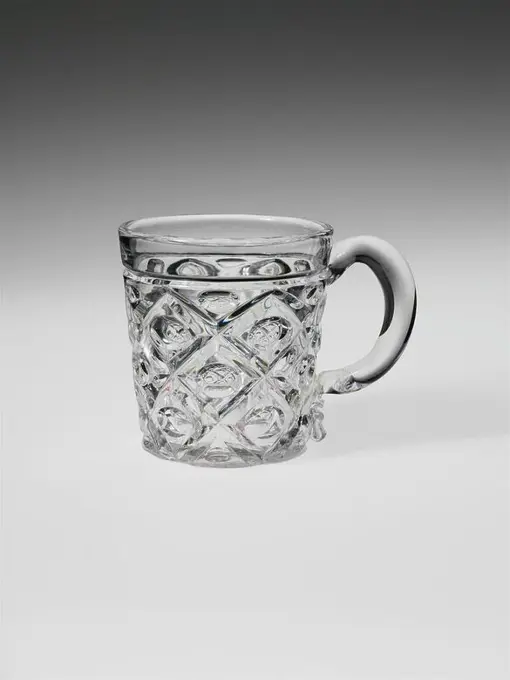
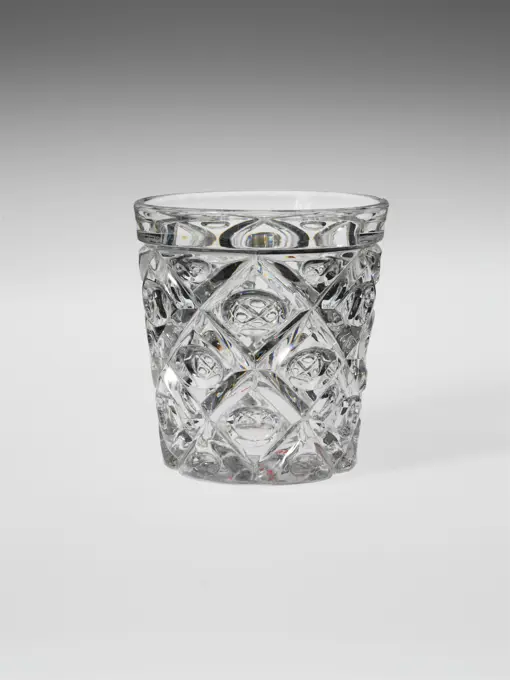
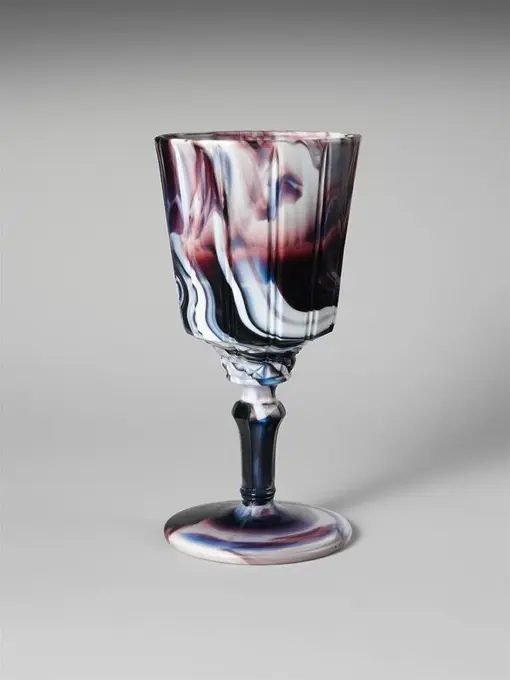
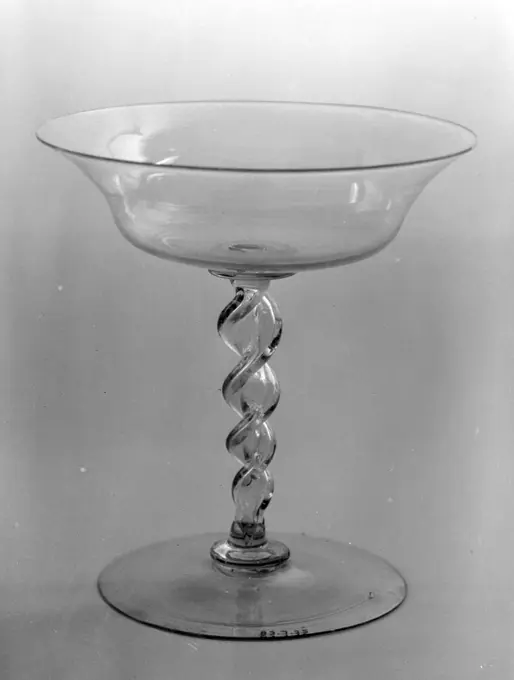
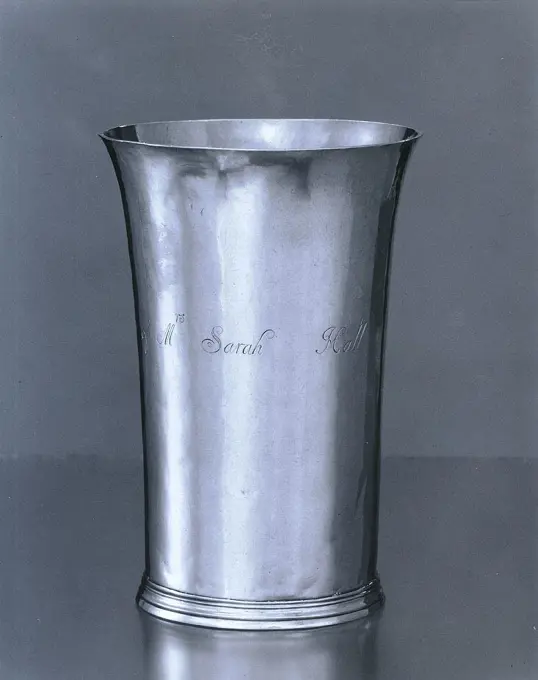
Roemer with a row of blackberry, anonymous, c. 1750 - c. 1810 Roemer on high, conical, spun from a wire. The spherical chalice and the trunk, which is occupied with four blackberry, are blown separately. The transition from the chalice to the trunk is indicated by a ribbed thread Low Countries glass glassblowing Roemer on high, conical, spun from a wire. The spherical chalice and the trunk, which is occupied with four blackberry, are blown separately. The transition from the chalice to the trunk is indicated by a ribbed thread Low Countries glass glassblowingCup-flet; Crystal glassworks (Naliboki; 1722-1862); 3 18th century (1751-00-00-1775-00-00);Jar with a soldier on horseback, anonymous, c. 1850 Vaulted foot with a dark red überfang, slabing away at the bottom in the motif of a garland. Straight, faceted strain with a double spiral of red and white threads. Funnel -shaped, rounded and faceted chalice at the bottom. On the chalice, in radgravure, in überfang Reliefschnitt, in a rectangle, a soldier on horseback, driving along a fence; On the left a group of trees. The chalice is also decorated with large vertical ovals, slipped away in the dark red überfang. Bohemia glass glassblowing / grinding Vaulted foot with a dark red überfang, slabing away at the bottom in the motif of a garland. Straight, faceted strain with a double spiral of red and white threads. Funnel -shaped, rounded and faceted chalice at the bottom. On the chalice, in radgravure, in überfang Reliefschnitt, in a rectangle, a soldier on horseback, driving along a fence; On the left a group of trees. The chalice is also decorated with large vertical ovals, slippedWine Glass 1770-1820. Wine Glass 9913Wineglass late 18th century Engraved by David Wolff. Wineglass. Dutch, The Hague. late 18th century. Glass. Engraved by David Wolff (Dutch, 's Hertogenbosch 1732-1798 The Hague). GlassEmpty wine glass isolated on whiteTumbler. Culture: American. Dimensions: H. 3 1/4 in. (8.3 cm); Diam. 2 5/16 in. (5.9 cm). Maker: Bakewell, Page & Bakewell (1808-1882). Date: 1825-30.The greyhound was a popular motif on French glass of the early nineteenth century. One visitor to the Bakewell factory in 1828 admired the Pittsburgh version, observing that, "though it was not an inch in length, the greyhound was perfect and entire." The two hearts on a pedestal, another French element, suggest that such tumblers were given as tokens of affection. Museum: Metropolitan Museum of Art, New York, USA.No. 4 Goblet; Designed by Ludwig Lobmeyr (Austrian, 1829 - 1917); Manufactured by J. & L. Lobmeyr GmbH (Austria); Austria; mouth-blown glassGlass; Non -like Lona Huta; 4. W. 18th century (1775-00-00-1800-00-00);Dessert Dish ca. 1878-90 George Duncan and Sons. Dessert Dish 14277Flute glass..Wine glasses of water isolateQuart decanter. Culture: American. Dimensions: H. 13 3/4 in. (34.9 cm). Date: 1850-70.With the development of new formulas and techniques, glass-pressing technology had improved markedly by the late 1840s. By this time, pressed tablewares were being produced in large matching sets and innumerable forms. During the mid-1850s, colorless glass and simple geometric patterns dominated. Catering to the demand for moderately-priced dining wares, the glass industry in the United States expanded widely, and numerous factories supplied less expensive pressed glassware to the growing market. At the Exhibition of the Industry of All Nations at New York's Crystal Palace in 1853, for example, the New England Glass Company exhibited 130 pieces of one design, "consisting of bowls, tumblers, champagnes, wines, and jelly glasses." This object belongs to one such service. Although the glass manufactory is not known, the glassware is very typical of the large services that were very popular with America'Vodka shot glass isolated on white background. Vodka shot glassTumbler. Bakewell, Page & Bakewell (attributed to) (United States, Pennsylvania, Pittsburgh, 1811-1827). United States, 1820-1840. Furnishings; Serviceware. GlassRoemer with the coats of arms of Maurice and Prince Phillip William, anonymous, 1608 Low, spun from a wire. Soul inserted. The trunk, which is set with four rows of Doornnoppen, is blown as a whole with the curved chalice. A smooth thread indicates the transition from the trunk to the chalice. On the chalice, the crowned weapon of Prince Maurits, his motto is 'Je Maintiendraey Nassau' and the year 1608 is engraved. Under his weapon a branch with two orange apples. To the right of the weapon of Maurits the crowned weapon of Philips Willem, surrounded by the chain of the Order of the Golden Fleece. After this, four follows with a ducal hat -crowned weapons with the accompanying name under the weapon: Brabant, Limburch, Luisemborch and Geldria; Seven weapons crowned with a gravy crown: Artoos, Henegou, Holant, Zeelant, Names Vlaender and Zutphen; Six weapons crowned with a laurel wreath: Vrisland, Valckemborch, Mechelen, Utrecht, Overisel and Groeninge. Under the weapons, three branches wWine Glass. Culture: American or British. Dimensions: H. 4 1/8 in. (10.5 cm). Date: 1780-1825. Museum: Metropolitan Museum of Art, New York, USA.Communion Cup. James Dixon & Sons; English, 1835-1976 (following the firms of James Dixon, 1806-1829 and James Dixon and Son, 1829-1835); Sheffield, England. Date: 1840-1850. Dimensions: 19.1 x 9.5 cm (7 1/2 x 3 3/4 in.). Pewter. Origin: Sheffield. Museum: The Chicago Art Institute, Chicago, USA.Small Beaker, 18th century, 2 3/8 x 2 1/2 x 2 1/2 in. (6 x 6.35 x 6.35 cm), Glass, enamel design, Switzerland, 18th centuryGoblet 1725-75 British. Goblet. British. 1725-75. Glass. GlassGlass Lobmeyer J.&L.Empty high quality red wine glassEmpty wine glass, isolated on a white background. With clipping pathPair of wineglass coolers 18th century British. Pair of wineglass coolers. British. 18th century. Glass. GlassGlass; Lobmeyr, J. & L. (Vienna; 1823-); 1920-39 (1920-00-00-1939-00-00);Beaker with Cobalt Trailing 1275-1325 Central European Though clear glass with and without colored trailing is generally associated with the renowned glassmaking workshops of late Medieval Murano, vessels such as this piece suggest that glassmakers north of the Alps were experimenting with the decorative possibilities from a relatively early date.. Beaker with Cobalt Trailing 462874Wine glass isolated on the white backgroundGlass; Non -like Lona Huta; 2. PO. 18th century (1750-00-00-1800-00-00);Water glass, from a set of four, c. 1830, 5 1/4 x 3 1/4 x 3 1/4 in. (13.34 x 8.26 x 8.26 cm), Cut glass, France (), 19th centuryVase 1835-45 Boston & Sandwich Glass Company Catering to the demand for elaborate but moderately priced dining wares, glasshouses produced large table services all in one pattern. At the Exhibition of the Industry of All Nations at New Yorks Crystal Palace in 1853, for example, the New England Glass Company exhibited 130 pieces of one design, “consisting of bowls, tumblers, champagnes, wines, and jelly glasses.”. Vase. American. 1835-45. Pressed glass. Made in Massachusetts, United StatesCrystal glass on stem isolated on white backgroundCordial 1830-70 American With the development of new formulas and techniques, glass-pressing technology had improved markedly by the late 1840s. By this time, pressed tablewares were being produced in large matching sets and innumerable forms. During the mid-1850s, colorless glass and simple geometric patterns dominated. Catering to the demand for moderately-priced dining wares, the glass industry in the United States expanded widely, and numerous factories supplied less expensive pressed glassware to the growing market. At the Exhibition of the Industry of All Nations at New Yorks Crystal Palace in 1853, for example, the New England Glass Company exhibited 130 pieces of one design, "consisting of bowls, tumblers, champagnes, wines, and jelly glasses." This object belongs to one such service. Although the glass manufactory is not known, the glassware is very typical of the large services that were very popular with Americas middle class in the nineteenth century.. Cordial. American. Tumbler. Dimensions: H. 7 in. (17.8 cm). Date: 1770-1820. Museum: Metropolitan Museum of Art, New York, USA.Celery Vase ca. 1825 Bakewell, Page & Bakewell. Celery Vase. American. ca. 1825. Blown lead glass. Made in Pittsburgh, Pennsylvania, United StatesBeaker c 1818-1842 South Carolina. Silver . William GreggCake stand - Late Nugget Pattern Jefferson Glass Company, Limited Jefferson Glass Company, LimitedDecanter with stopper. Culture: British. Dimensions: Height: 11 1/4 in. (28.6 cm). Date: probably late 18th century. Museum: Metropolitan Museum of Art, New York, USA.Chalip glass with the engraved text: Lisbet Hendricks, Anonymous, 1590 Conical, profiled foot of red painted wood. The trunk made up of a flat and a round, red -painted, wooden nodus. Funnel -shaped chalice. Along the edge remains of gilding. On the chalice the name Lisbet Hendricks, a leaf vank and the year 1590 is engraved. glassblower: Low CountriesNorthern Netherlands glass. wood (plant material) gilding / glassblowing Conical, profiled foot of red painted wood. The trunk made up of a flat and a round, red -painted, wooden nodus. Funnel -shaped chalice. Along the edge remains of gilding. On the chalice the name Lisbet Hendricks, a leaf vank and the year 1590 is engraved. glassblower: Low CountriesNorthern Netherlands glass. wood (plant material) gilding / glassblowingGlass; Lobmeyr, J. & L. (Vienna; 1823-); 1920-39 (1920-00-00-1939-00-00);Champagne glass;  the beginning of the 20th century (1900-00-00-1910-00-00);Drinkglas, anonymous, c. 1725 - c. 1775 Funnel -shaped drinking glass on a high baluster -shaped trunk. The foot is round and vaulted. The Drinking Glas is equal to five other copies (BK-NM-1177-181-B-IV, BK-NM-1177-181-V, BK-NM-11177-181-B-VI, BK-NM-11177-181 -B-VII, BK-NM-11177-181-B-VIII). The Ddrink glasses are on a tray (BK-NM-11177-181-B-I) with a gift jug (BK-NM-1177-181-II). The tray is on a folding table (BK-NM-11177-181-A). Netherlands silver (metal) Funnel -shaped drinking glass on a high baluster -shaped trunk. The foot is round and vaulted. The Drinking Glas is equal to five other copies (BK-NM-1177-181-B-IV, BK-NM-1177-181-V, BK-NM-11177-181-B-VI, BK-NM-11177-181 -B-VII, BK-NM-11177-181-B-VIII). The Ddrink glasses are on a tray (BK-NM-11177-181-B-I) with a gift jug (BK-NM-1177-181-II). The tray is on a folding table (BK-NM-11177-181-A). Netherlands silver (metal)Tumbler, Glass, Cylindrical, with fluted base and band of facetted diamonds. Decoration includes monogram, trophies, plants, flying cherub, altar and dog. Underside with eight-rayed rosette., France, 19th century, glasswares, Decorative Arts, Tumbler. Low vaulted foot with beaten edge. Stem formed by a hollow nodus. Funnel shaped chalice. Foot, trunk and chalice with vertical, cused lattimo wires.Whiskey Mug. Culture: American. Dimensions: H. 2 7/8 in. (7.3 cm). Date: 1850-60.With the development of new formulas and techniques, glass-pressing technology had improved markedly by the late 1840s. By this time, pressed tablewares were being produced in large matching sets and innumerable forms. During the mid-1850s, colorless glass and simple geometric patterns dominated. Catering to the demand for moderately-priced dining wares, the glass industry in the United States expanded widely, and numerous factories supplied less expensive pressed glassware to the growing market. At the Exhibition of the Industry of All Nations at New York's Crystal Palace in 1853, for example, the New England Glass Company exhibited 130 pieces of one design, "consisting of bowls, tumblers, champagnes, wines, and jelly glasses." This object belongs to one such service. Although the glass manufactory is not known, the glassware is very typical of the large services that were very popular with America's midVase 1865-1921 Dorflinger Glass Works. Vase 9330Close-up of glass champagne fluteEmpty glass isolated on white background with soft reflectionJoseph Lownes, Footed Bowl, c. 1780, silver.Beaker. Urzecze (huta zwierciadlana ; 1737-1846), creator, Naliboki (huta szkła ; 1722-1862), creatorMand, c. 1750 - c. 1800 Scalloped stand ring, bottom in a honeycomb motif, flared wall built from smooth threads in a fillet pattern. A smooth thread along the edge. Two smooth, raised ears. With accompanying Subtotel (BK-NM-2151-1). South of the Netherlands glass Scalloped stand ring, bottom in a honeycomb motif, flared wall built from smooth threads in a fillet pattern. A smooth thread along the edge. Two smooth, raised ears. With accompanying Subtotel (BK-NM-2151-1). South of the Netherlands glassCandleLamp. Designer Louis Comfort Tiffany, American, 1848-1933 Manufacturer: Tiffany Studios, American, 1890-1932Whale Oil Lamp 1860-70 Bryce, Walker and Company. Whale Oil Lamp. American. 1860-70. Pressed glass. Made in Pittsburgh, Pennsylvania, United StatesJoke with a military horse. Vaulted foot with a dark red Überfang, cut off at the bottom in the motif of a garland. Straight, faceted strain with a double spiral of red and white wires. Funnel-shaped, rounded and faceted chalice. On the chalice, in Radgravure, in Überfang reliefschnitt, in a rectangle, a military horse, moving along a fence; On the left a group of trees. The chalice is further decorated with large vertical ovals, cut away in the dark red Überfang.Glass Lausitzer glassworks. Berkenmeier of blue glass, with inserted bottom on a flat spun feet. The funnel-shaped chalice tribe as a whole blown up with the trunk that is busy with two rows of thorns. The transition from the chalice to the trunk indicated by a smooth wireEmpty beer mug isolated on a white backgroundDecanter. Dimensions: H. 11 5/8 in. (29.5 cm). Date: 1850-70. Museum: Metropolitan Museum of Art, New York, USA.empty glass empty glass on dark background Copyright: xZoonar.com/Adirekxkatax 7329989Beaker ca. 1720 possibly Polish. Beaker 187182Candlestick. Culture: British. Dimensions: Height: 8 5/8 in. (21.9 cm). Date: ca. 1740. Museum: Metropolitan Museum of Art, New York, USA.Egg Cup, from the Service des Officiers (Coquetier), Sèvres Porcelain Manufactory, French, established 1756 to the present, hard paste porcelain, gold, Flat circular food. Gilding on edges. Decorated with crowned cipher of Napoleon III., France, 1844, ceramics, Decorative Arts, egg cup, egg cupTumbler 1850-70 American With the development of new formulas and techniques, glass-pressing technology had improved markedly by the late 1840s. By this time, pressed tablewares were being produced in large matching sets and innumerable forms. During the mid-1850s, colorless glass and simple geometric patterns dominated. Catering to the demand for moderately-priced dining wares, the glass industry in the United States expanded widely, and numerous factories supplied less expensive pressed glassware to the growing market. At the Exhibition of the Industry of All Nations at New Yorks Crystal Palace in 1853, for example, the New England Glass Company exhibited 130 pieces of one design, "consisting of bowls, tumblers, champagnes, wines, and jelly glasses." This object belongs to one such service. Although the glass manufactory is not known, the glassware is very typical of the large services that were very popular with Americas middle class in the nineteenth century.. Tumbler 9061Goblet. Culture: American. Dimensions: H. 6 3/8 in. (16.2 cm). Maker: Challinor, Taylor and Company (1866-1891). Date: 1870-90. Museum: Metropolitan Museum of Art, New York, USA.Glass; Lobmeyr, J. & L. (Vienna; 1823-); 1920-39 (1920-00-00-1939-00-00);Vase 1845-1855 Bohemia. Glass; cut and stained red .A wine glass standing on a reflective surface.Various wine glasses standing on a reflective surface.CordialBeaker 1840-1850 Bohemia. Glass; blown, cut, overlaid with opaque blue glass .Vase.   Maker: Arthur L. Hartwell, American, 1882-1956Glass with ice isolated on white backgroundNo. 222 Water Tumbler; Designed by Stefan Rath (Austrian, 1876-1960); Manufactured by J. & L. Lobmeyr GmbH (Austria); Austria; mouth-blown crystal, engravingWineglass 17th century Italian, Venice (Murano) During the Renaissance, Venetian glassmakers, working on the island of Murano, were celebrated across Europe for their fine and sparkling work. Called cristallo” emulating the clarity of rock crystal, in the hands of the most skilled glassblowers the medium could be delightfully manipulated, variously stretched paper-thin flat, or playfully twisted, or blown into molds with spectacular patterns.. Wineglass. Italian, Venice (Murano). 17th century. Glass. GlassGlass in the shape of a riding boot. Flat sole and broken heel, long, slender foot, modeled shaft.Empty wine glass with reflectionChalice 18th century probably French. Chalice 185961Glass. Wenecja (ośrodek szklarski ; ca 1000- ), creatorPipe stalk glass with funnel -shaped chalice, anonymous, c. 1700 - c. 1800 Pipe stalk glass on flat base. Slim high tribe, transferring to a funnel -shaped, slightly flared chalice. Southern Netherlands glass glassblowing Pipe stalk glass on flat base. Slim high tribe, transferring to a funnel -shaped, slightly flared chalice. Southern Netherlands glass glassblowingBeaker 1762 Caspar Olsen Rust. Beaker 192131Flute glass, Anonymous, Pieter Nolpe, c. 1680 - c. 1700Glass of drinking beer isolated on a white background. Glass on a white backgroundCup with a Dutch. Cup with engraved representation of a Dutch. With the inscription: Holländern.Przeszo Przyszoci unknownLiquor bottle, 1765-1780, Stiegal Glass Works, American, (Manheim, Pennsylvania), 9 1/2 x 4 1/2 x 4-1/2 in. (24.1 x 11.4 x 11.4 cm), White flint glass, silver stopper, United States, 18th centuryTwo -healer's valve; Hutton & Sons Ltd (Shefield, Birmingham, London; company Z Otnicz and Platernicza; Fl. 1800-1930); 1926/27 (1926-00-00-1927-00-00);Glass; Lobmeyr, J. & L. (Vienna; 1823-); 1920-39 (1920-00-00-1939-00-00);Pouring Blue Curacao cocktail in glassClose-up of silver and gold salt-pots with silver and mother-of-pearl spoonsCoffee mug 3D render on gray background.. Coffee mug 3DPoll photo collection. Glass. Antiques, engraved glass. January 1, 1937Sports Cup isolated on a white backgroundGlass of whiskey isolated on a white backgroundBeakerMartini glasses against white background, close-upGlass; Lobmeyr, J. & L. (Vienna; 1823-); 1920-39 (1920-00-00-1939-00-00);Tablets Falling and Dissolving into a Glass of Water against White BackgroundWater Pitcher 1830-70 American. Water Pitcher. American. 1830-70. Pressed glass. Made in United StatesStanding Cup 1800-1830 Alfred Welles. Standing Cup 7888Wine Glass; blown glassA small fancy glass vasePair of candlesticks probably late 17th century possibly Flemish or Dutch. Pair of candlesticks 205395