Elegant Jewelry Collections

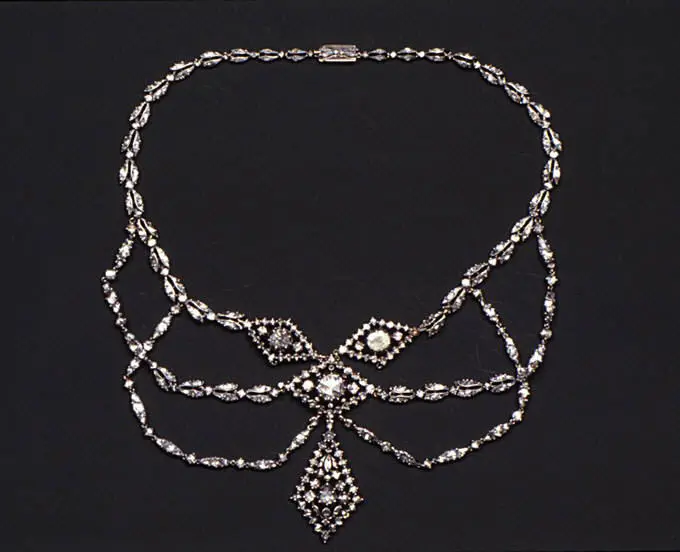
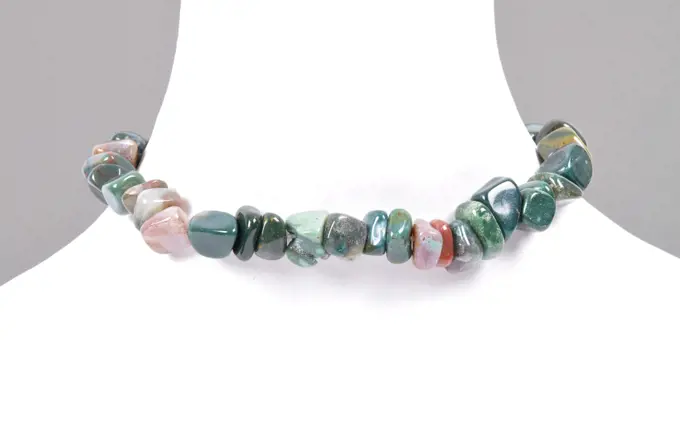
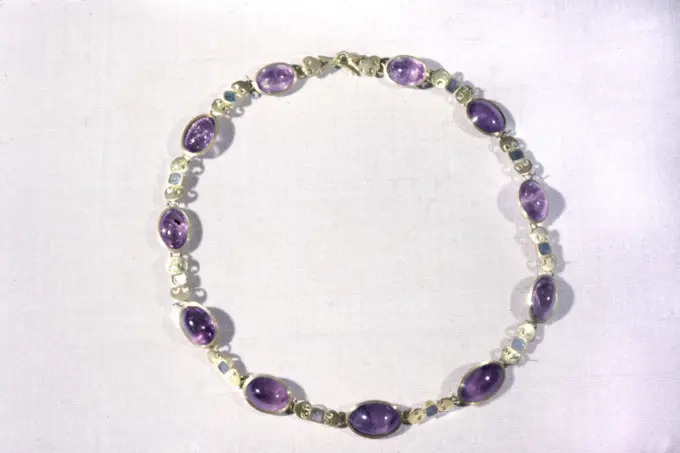
Assorted necklaces featuring various gemstones and styles, displayed against a white background for an elegant look.
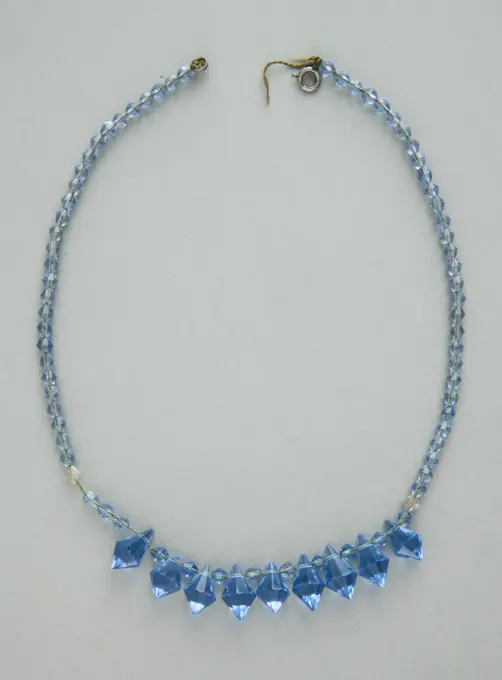
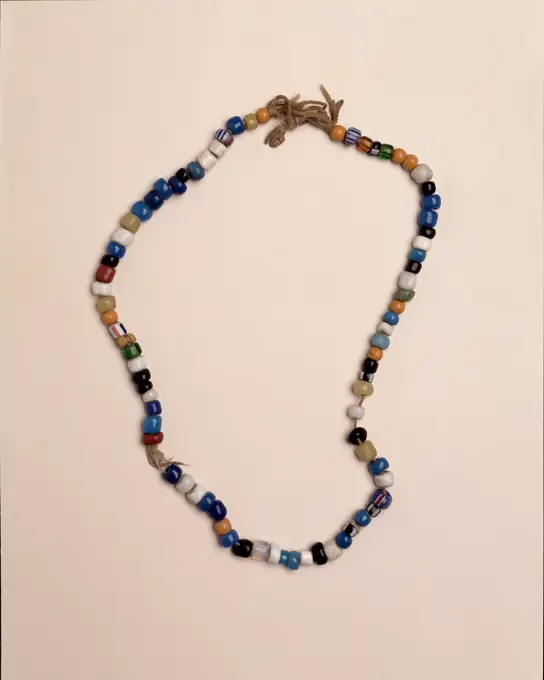
Necklace: string of beads
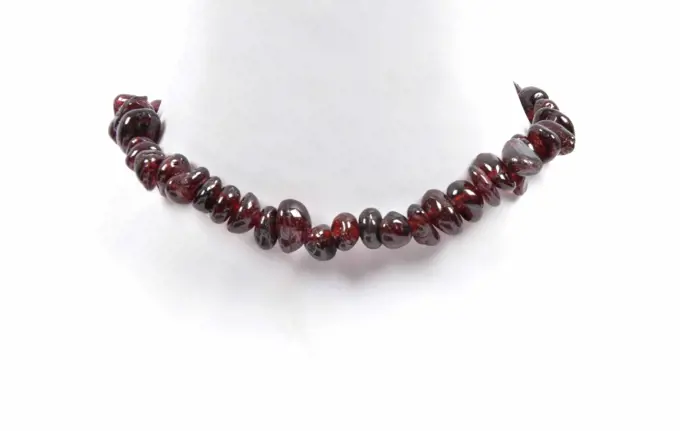
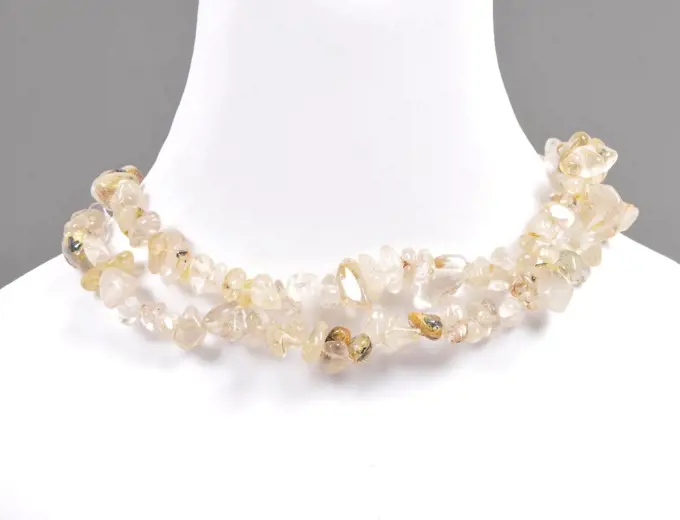
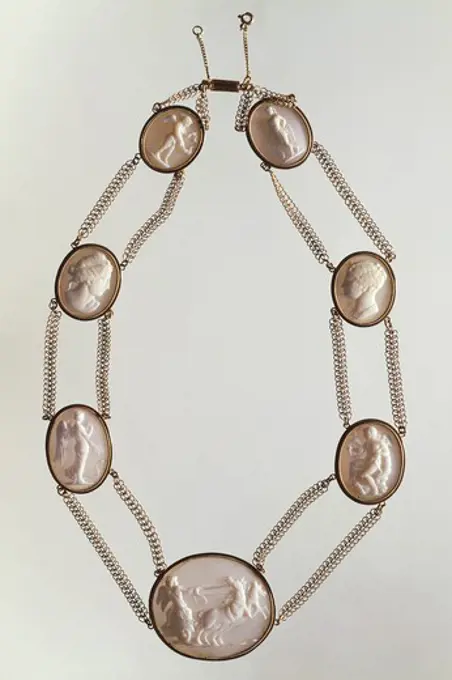
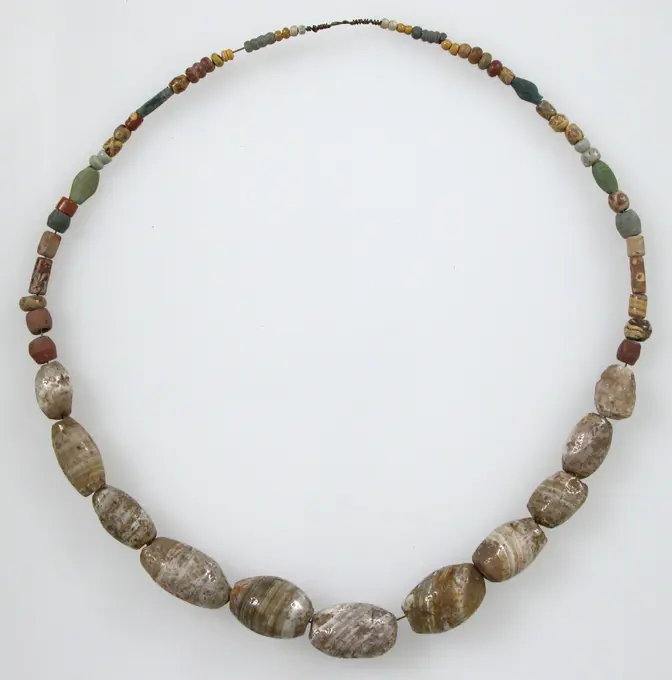
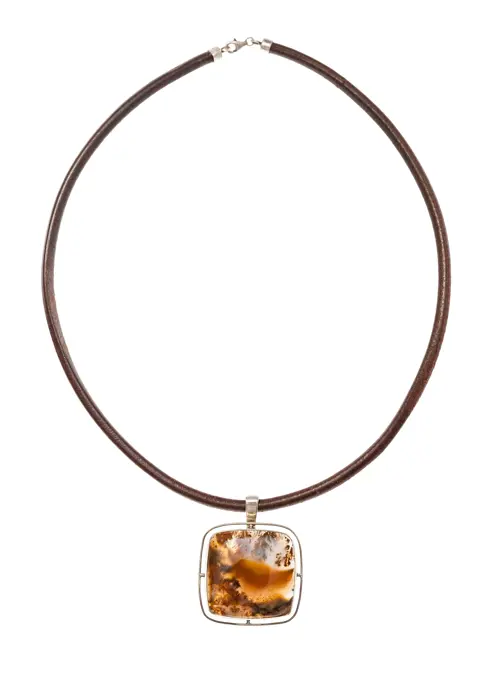
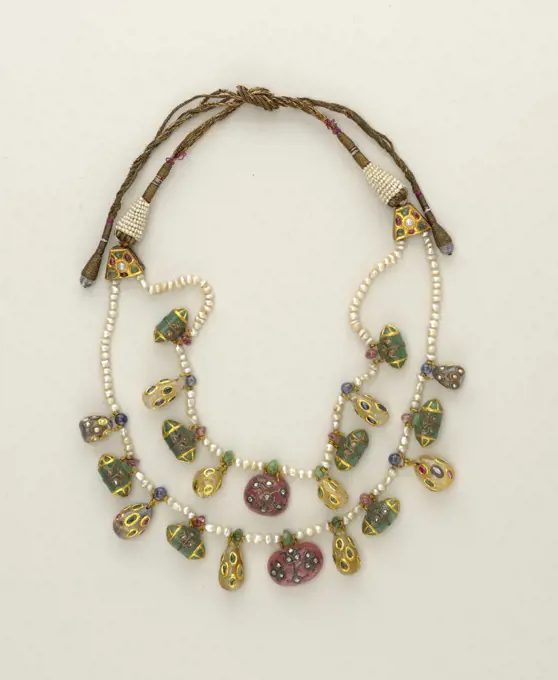
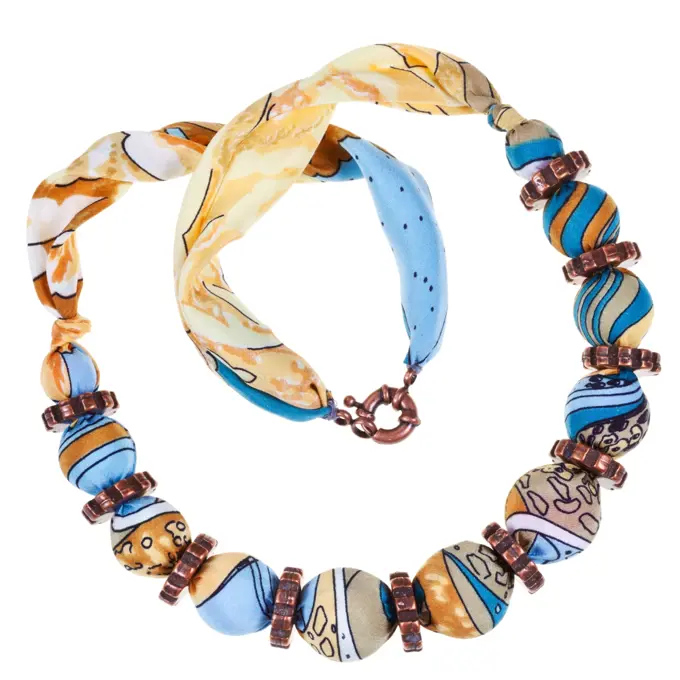
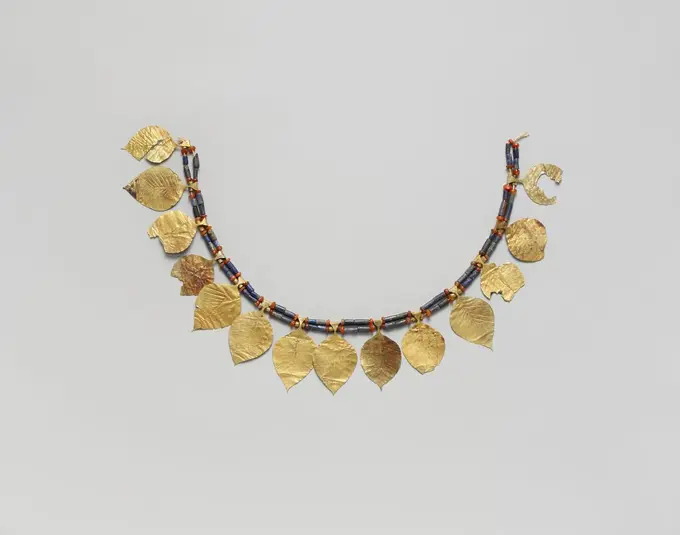
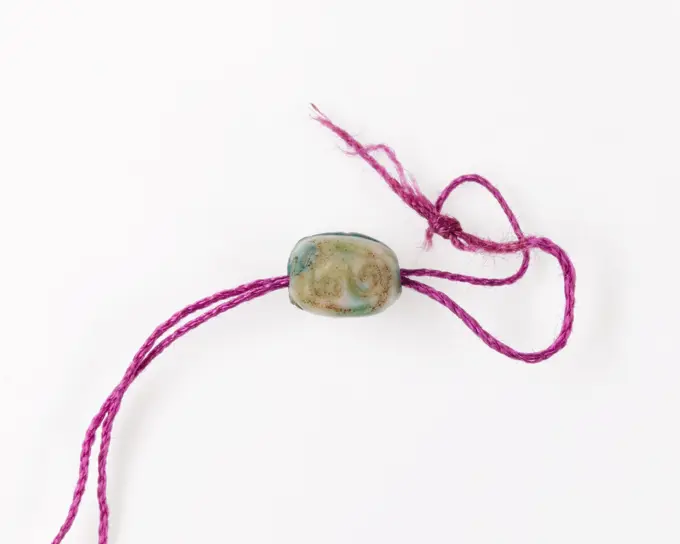
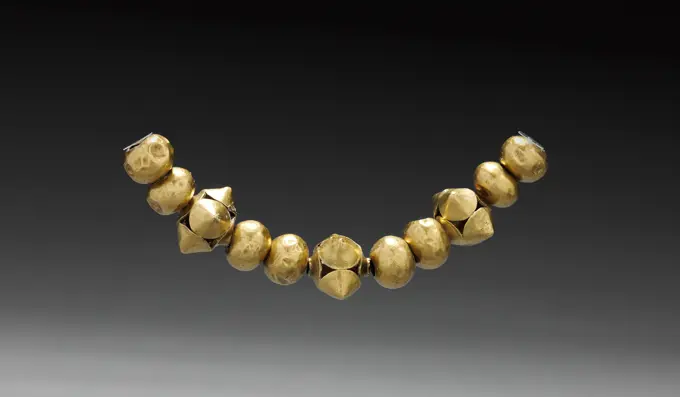
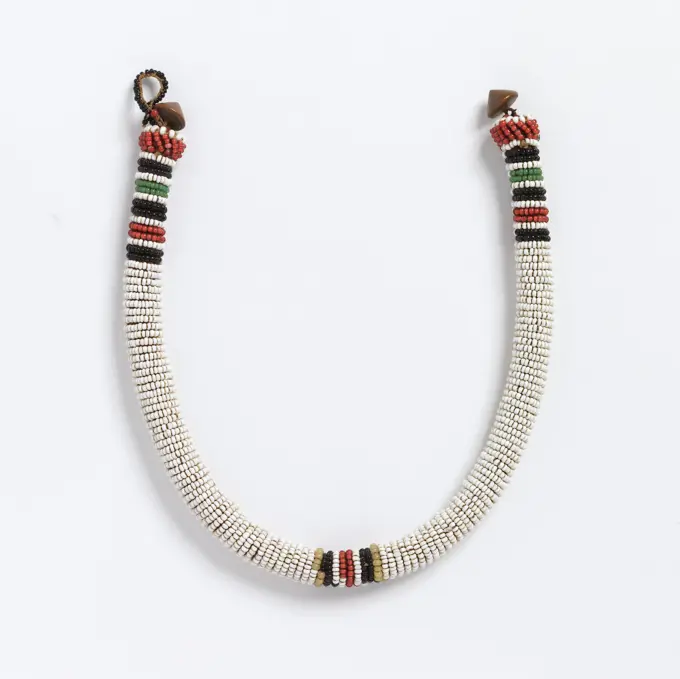
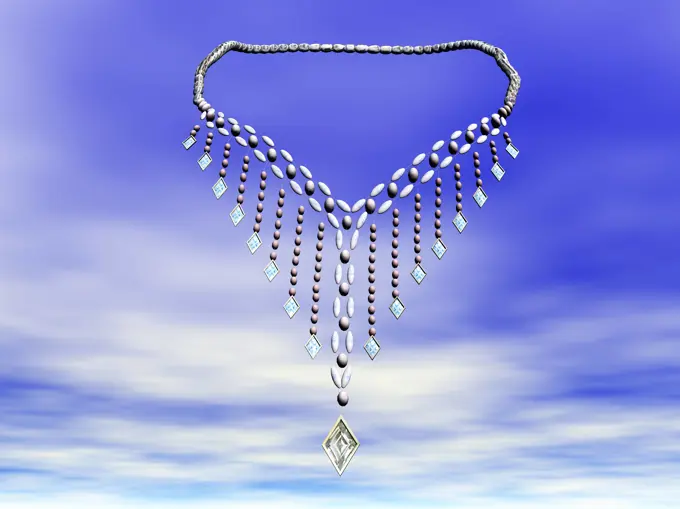
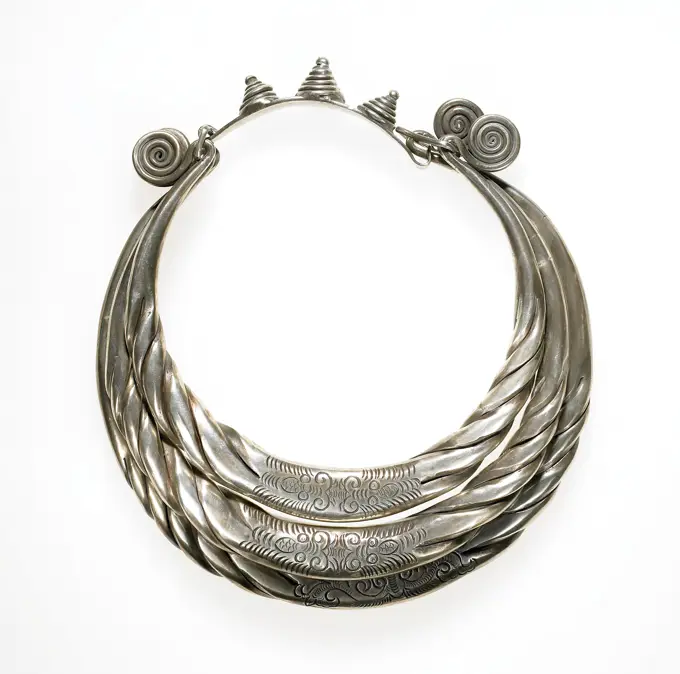
Necklace isolated on the whiteBeaded necklace isolated on the white backgroundNecklace: string of beadsSplintered garnet chain on bustWoman jewellery isolated on white backgroundNice necklace isolated on white backgroundWoman jewellery isolated on white backgroundNice elegant necklace isolated on white backgroundNice necklace against gradient backgroundPearl necklace isolated on the whiteSplintered rutile quartz chain on bustBeaded necklace isolated on the white backgroundElegant jewellery isolated on the whtie backgroundNecklace isolated on the whiteCollier of fifty dime connected by Zilverdraad, 2001 Collier of fifty dimes connected by silver wire with a chapter closure. "Rietveld to the fair. Netherlands nickel (metal) Collier of fifty dimes connected by silver wire with a chapter closure. "Rietveld to the fair. Netherlands nickel (metal)Goldsmith's art, 19th century. Shell cameos necklace.Pearl necklace isolated on whiteNecklace of assorted gold and carnelian beads, with gold terminals and carnelian pendant. Culture: Cypriot. Dimensions: Length (a. (43 lements)): 10 in. (25.4 cm)pendant: 1 1/2 × 5/16 in. (3.8 × 0.8 cm)Diameter (largest carnelian pendant): 7/16 in. (1.2 cm)Diameter (smallest carnelian pendant): 3/16 in. (0.5 cm)Diameter (gold spacers laegest): 3/8 in. (1 cm)Diameter (gold spacers, smalest): 1/4 in. (0.6 cm)Diameter (average small gold beads): 1/8 in. (0.4 cm)Length (right clasp): 11/16 in. (1.8 cm)Length (left clasp): 11/16 in. (1.7 cm). Date: 5th-4th century B.C.. Museum: Metropolitan Museum of Art, New York, USA.Lady Liberty dollar coin squash blossom necklace, c. 1923, 13 1/2 × 7 1/2 in. (34.29 × 19.05 cm) (clasped), Silver, United States, 20th centuryElegant jewellery isolated on the whtie backgroundNecklace, c. 1930, 13 1/4 in. (33.66 cm), Silver, turquoise, United States, 20th centuryNice elegant necklace isolated on white backgroundNice necklace isolated on white backgroundobject on white - decoration beads close upNecklace of ivory beads. Necklace of ivory beads. Art Déco. The bol round beads are of alternating size; with a screw slot.Neck Chain (India); gilt metalWoman bracelet isolated on the white backgroundFashion concept with necklacea necklace with pendants and earrings on a white backgroundblue textile lady s bead with glass crystals isolated on white blue textile lady s bead with glass crystals isolated on white Copyright: xZoonar.com/VVxVoennyyx 5012453Willow wreath. Round frame made of willow twigs. Easter wreath made of willow stalks.Vector flat illustration isolated on a white background. Design for invitations, postcards, printing.. Willow wreath. Round frame made of willow twigs.blue beads isolated on white backgroundGlass eye beads 6th-4th century B.C. Greek, Eastern Mediterranean. Glass eye beads. Greek, Eastern Mediterranean. 6th-4th century B.C.. Glass. Archaic or Classical. GlassPearl necklace against gradient backgroundBeaded Necklace 500-600 Frankish. Beaded Necklace. Frankish. 500-600. Glass, banded agate. Made in Niederbreisig, Germany. Glass-BeadsGolden jewellery against gradient backgroundNecklace 18th century European. Necklace 202238Necklace, 1900-1920, 15 in. (38.1 cm), Silver, United States, 20th centurycolorful beads isolated on white backgroundSplintered moss agate chain on bustNecklace, before 1532. Peru. Jadeite; overall: 63.6 cm (25 1/16 in.).Nice necklase isolated on the whiteNice bracelet isolated on the whiteWoman necklace isolated on the white backgroundNecklace -String of Ball Beads. Dimensions: L. 43 cm (16 15/16 in). Dynasty: Dynasty 18. Reign: reign of Amenhotep III. Date: ca. 1390-1353 B.C.. Museum: Metropolitan Museum of Art, New York, USA.Indian Pearl moti bangles Copyright: xNehaxSadaye/DinodiaxPhotoxWoman necklace isolated on the white backgroundWoman bracelet isolated on the white backgroundJewellery- Necklace, amethyst and emeralds. 3rd cent. AD. Roman ITALY.Fashion concept with necklacePERLA NATURAL INCRUSTADA EN PLATA - COLGANTE CON FORMA DE CARACOLA. Location: PRIVATE COLLECTION. MADRID. SPAIN.Necklacependant from polished natural Moss Agate isolated pendant from polished natural Moss Agate with dendritic inclusion on leather lace isolated on white background Copyright: xZoonar.com/ValeryxVoennyyx 14768940Egyptian Lapis lazuli and gold necklaces inspired in a jewel found in the royal cemetery at Tanis. New Kingdom-Late Period (1550-332 BC).Pearl necklace against gradient backgroundStand with necklace in fashion conceptNecklace, Gold-foil, enamel, pearls, diamonds, rubies, sapphires, emeralds, moonstones, tourmalines, aventurines, cord of metal-covered silk, A gold-color metal cord tying at the back of the neck, has at the back ends, wrapped in elongated small conical shapes, a pale sapphire in each. The ends that are at the front are of larger conical shape, wrapped in small pearls. In front of these are truncated, triangular shapes not examine and described by Mr. Crowingshield, but in appearance gold, with enameled decoration on their sloping vertical sides, and on the tops of both, a pearl at center, surrounded by three red stones, alternated by three green ones. From these triangular ornaments are suspended two strands of small pearls, each with pendant jewels, nine in the inner, shorter strand; eleven in the outer, longer strand. The inner of these pearl-covered strands has as its center pendant, a pink tourmaline with an emerald bead attached, through which the string passes. The pendant stoneWoman necklace isolated on the white backgroundBeads, 14. Culture: Roman. Dimensions: Other: 3 5/16 in. (8.4 cm)Diameter (Largest bead): 7/16 in. (1.1 cm)Diameter (diameter of smallest bead): 1/4 in. (0.7 cm). Museum: Metropolitan Museum of Art, New York, USA.Hand drawn doodle frame pattern of tulip flowers. Perfect for postcard, party invitation and print. Doodle vector illustration for decor and design.Bracelet isolated on the white backgroundNecklace, c. 1950, 14 in. (35.56 cm), Silver, turquoise, United States, 20th centuryStand with necklace in fashion conceptPearl necklace against gradient backgroundAccessoryPearl necklace isolated on whiteNice bracelet isolated on the whiteVector illustration of a string of Christmas lights in a hand drawn style features a twisted wire and lightbulbs detailed with simple linework for holiday decorations, greeting cards, festive projects.Black and purple beads Black and purple beads on white background Copyright: xZoonar.com/SergeyxSukhorukovx 4378644Amazonian ornament created from feathers, cotton and vegetable fibres, from Brazil. Dated 20th CenturyturquoiseFashion concept with necklacetop view of handmade silk necklace with copper rings isolated on white backgroundPearl necklace against gradient backgroundHeaddress. Culture: Sumerian. Dimensions: L. 15 1/8 in. (38.5 cm). Date: ca. 2600-2500 B.C..Kings and nobles became increasingly powerful and independent of temple authority during the course of the Early Dynastic period (2900-2350 B.C.), although the success of a king's reign was considered to depend on support from the gods. A striking measure of royal wealth was the cemetery in the city of Ur, in which sixteen royal tombs were excavated in the 1920s and 1930s by Sir Leonard Woolley. These tombs consisted of a vaulted burial chamber for the king or queen, an adjoining pit in which as many as seventy-four attendants were buried, and a ramp leading into the grave from the ground.This delicate chaplet of gold leaves separated by lapis lazuli and carnelian beads adorned the forehead of one of the female attendants in the so-called King's Grave. In addition, the entombed attendants wore necklaces of gold and lapis lazuli, gold hair ribbons, and silver hair rings. Since gold, silver, lapisScarab Decorated with a Scroll ca. 1981-1850 B.C. Middle Kingdom Scrolls and spirals -whether single or interlocking, or in combination with hieroglyphs or floral motifs- already decorate the earliest types of scarabs and are common throughout the first half of the second millennium B.C. While their meaning and source of inspiration remains unknown, scroll designs are also appealing to the eye. A wide variety of combinations, some of which more complex than others, is found on Egyptian scarabs of the Middle Kingdom and scrolls become particularly popular during late Dynasty 12 and Dynasty 13 (ca. 1850-1640 B.C.). While these designs continue to appear on scarabs in the Second Intermediate Period (ca. 1640-1550 B.C.) and on contemporary Canaanite imitations, details in the composition or on the scarabs back or its legs allow the seal-amulet to be more precisely dated.. Scarab Decorated with a Scroll. ca. 1981-1850 B.C.. Faience. Middle Kingdom. From Egypt, Memphite Region, Lisht North,Elegant necklace isolated on white backgroundBlack velvet neck form with a sharp barbed wired necklace - path includedBeads, c. 900-1550. Central Colombia, Muisca Style, 10th-16th century. Hammered gold; overall: 34.3 cm (13 1/2 in.).Big diamonds Double gold chain with enormous big diamonds Copyright: xZoonar.com/Baloncicix 14664491Beaded jewelry isoilated on a white backgroundNecklace (South Africa); glass beads, metal fastenersLadies watch neck chain. Golden chain from a ladies watch.Halskette mit Perlen und Juwelen Halskette mit Perlen und Juwelen Copyright: xZoonar.com/Dr.xNorbertxLangex 14314887EarringWoman jewellery isolated on white backgroundTorque, 8 1/2 x 8 x 1 1/4 in. (21.59 x 20.32 x 3.18 cm), Silver, ChinaFashion concept with necklace. Some of the links in this chain are decorated with claws, a symbol of the Amsterdam Company of Arquebusiers. The winner of their shooting contest - the king’ of the guild - was allowed to wear the chain for a year. The names of two winners were attached to the chain in the 17th century.Fragment of a Necklace. Italy (), Etruscan, 4th or 3rd century B.C.. Jewelry and Adornments. GoldStand with necklace in fashion conceptBraided Wire Chain with Clasp Last quarter of the 10th-last quarter of the 15th century Indonesia (Java). Braided Wire Chain with Clasp 50058Necklace, 30 BC-AD 395. Egypt, Roman Empire. Various materials; overall: 43 cm (16 15/16 in.).Woman bracelet isolated on the white backgroundPearl necklace against gradient backgroundAnklet (Paizeb), One of a Pair 19th century These gold anklets are made up of many small articulated balls that would jingle and move alongside the wearer. Such jewels would have been worn in the areas of Rajasthan, Malwa, and Madhya Pradesh as part of a suite of jewelry. The use of gold in these pieces indicates that these jewels were made for a person of privilege. This jewel was formerly in the collection of American artist and designer Lockwood de Forest (1850-1932) who purchased many jeweled objects while traveling in India between 1879-1881. Today, his collection of Indian jewelry in the Met serves as a near-comprehensive assemblage of late nineteenth century bodily adornment. View more. Anklet (Paizeb), One of a Pair. 19th century. Gold. Attributed to probably Central India. JewelryNecklace isolated on the whiteVikings. Scandinavia. 5th century. Gold piece found among other objects witch the kings were incinerated in the pyres. Uppland. Swedish History Museum. Stockholm. Sweden.Stand with necklace in fashion concept