Elegant Linen Tablecloths

A collection of antique tablecloths featuring intricate patterns and designs, showcasing historical craftsmanship in white linen and damask with unique motifs.

Linnamast napkin with a flower pattern, c. 1680 - c. 1700 Linnamast napkin with volutes and stripped flowers. The napkin belongs to seven napkins (BK-1973-162-A to BK-1973-162-H) and a tablecloth (BK-1973-161).  linen (material) damask Linnamast napkin with volutes and stripped flowers. The napkin belongs to seven napkins (BK-1973-162-A to BK-1973-162-H) and a tablecloth (BK-1973-161).  linen (material) damask
Linnamast napkin with a flower pattern, c. 1680 - c. 1700 Linnamast napkin with volutes and stripped flowers. The napkin belongs to seven napkins (BK-1973-162-A to BK-1973-162-H) and a tablecloth (BK-1973-161). linen (material) damask Linnamast napkin with volutes and stripped flowers. The napkin belongs to seven napkins (BK-1973-162-A to BK-1973-162-H) and a tablecloth (BK-1973-161). linen (material) damask
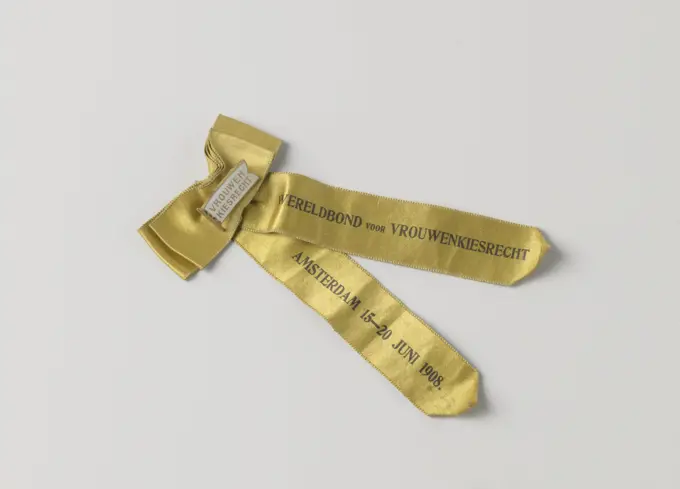
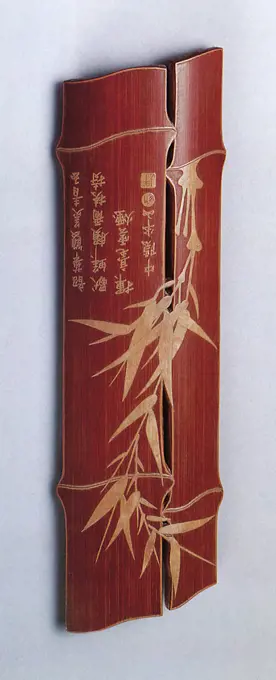
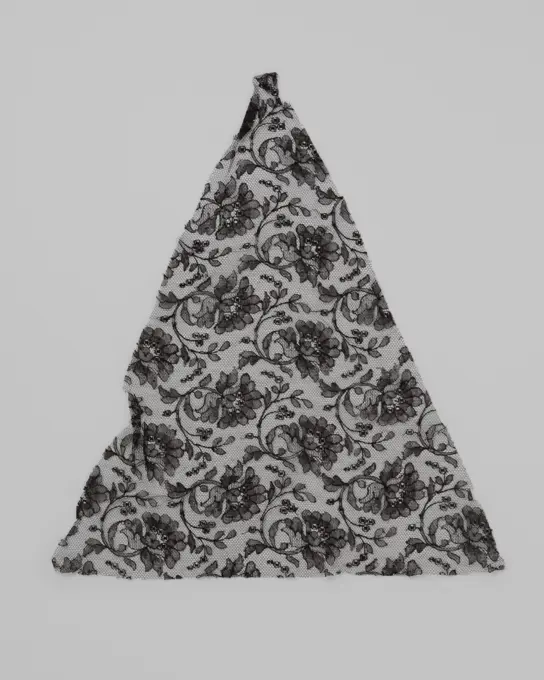
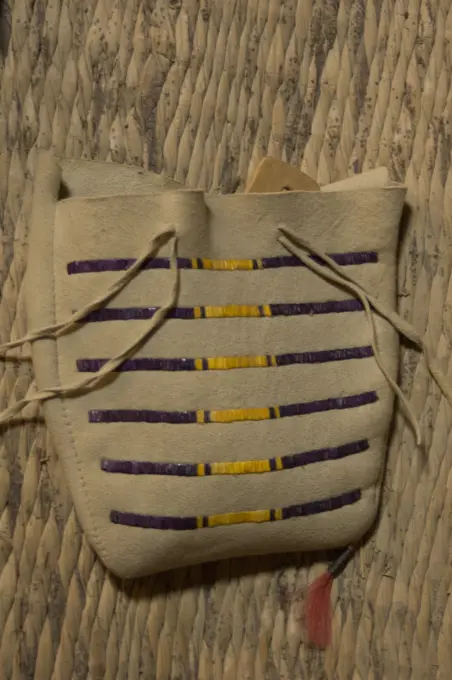
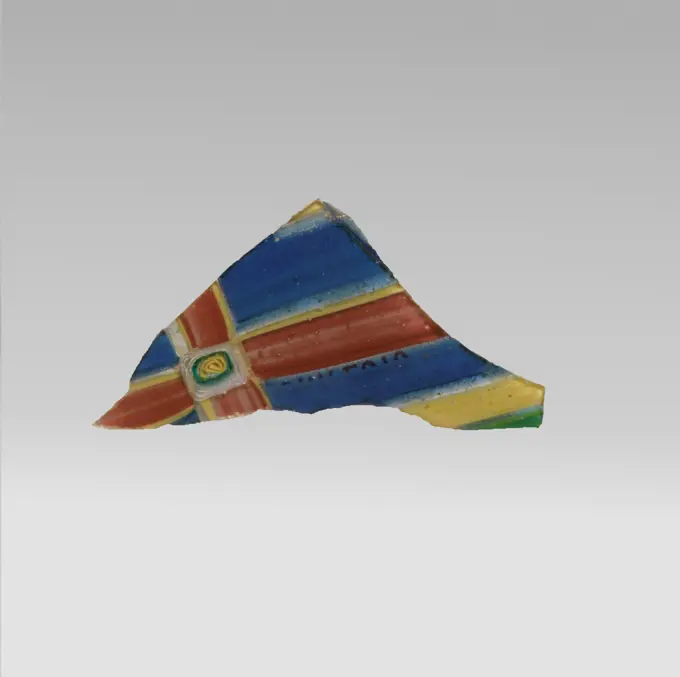
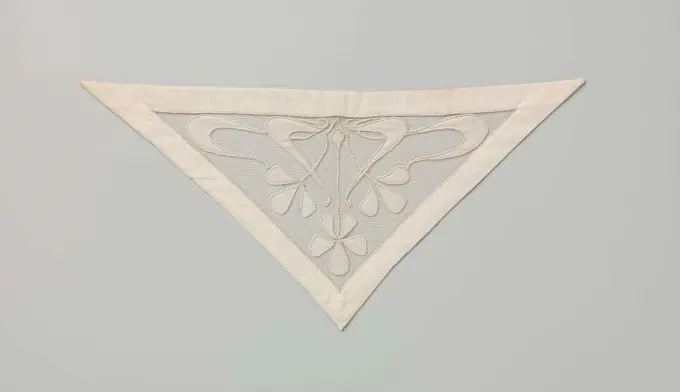
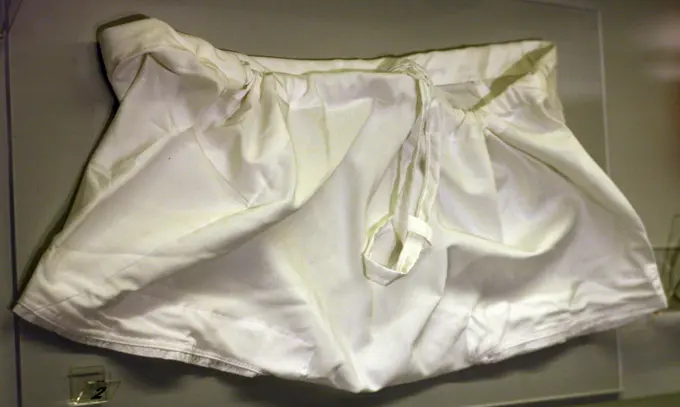
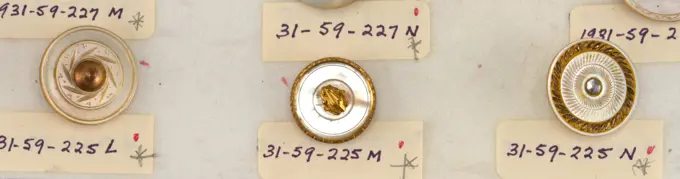
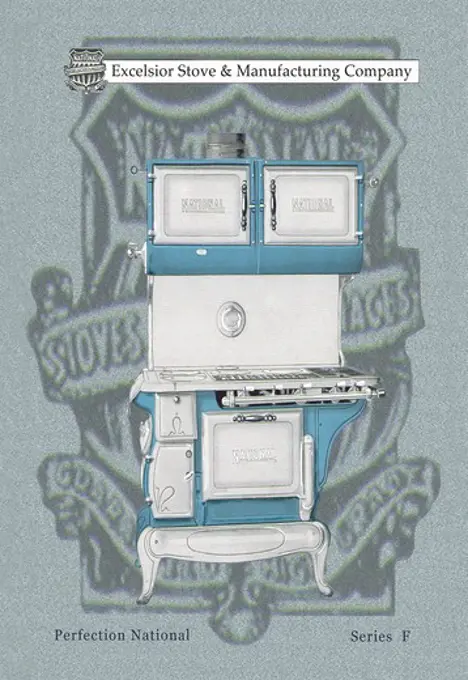
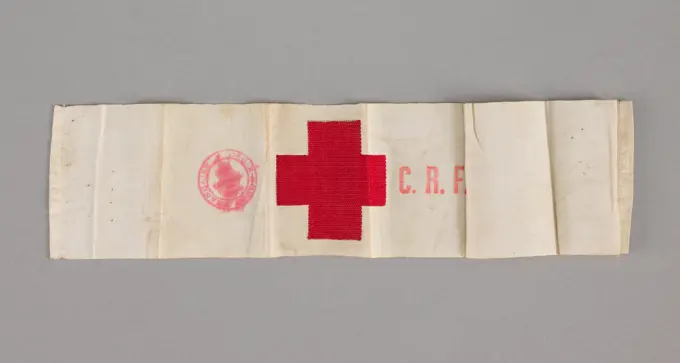
Fragment of standing figure with extensive arm.Paperweight. Dated: c. 1940. Dimensions: overall: 30.5 x 23.1 cm (12 x 9 1/8 in.). Medium: watercolor, graphite, and gouache on paper. Museum: National Gallery of Art, Washington DC. Author: Gertrude Lemberg.Bracelet;  19th/20th century (1890-00-00-1910-00-00);Barrier ribbon manufactured for the fourth international congress of the World Union for Women's Store Law in Amsterdam in 1908 on which a propaganda pin for women's suffrage was mounted in the Netherlands, World Union for Women's Law, 1908 - 1909  Yellow silk bow, held together at the rear with a safety pin. Printed on the two hanging ribbons with text in black. On the bow of the ribbon, an enamelled pin was later mounted with the inscription Women's voting rights. Stored in a white cardboard box. Dated on the hanging ribbon: Amsterdam 15 - 20 June 1908 and on the other ribbon the text world union for women's law. Netherlands silk. metal. copper (metal). printing / forging  NetherlandsShards of a bowl from V.O.C. ship De 'Witte Leeuw', Before 1613 bowl Shards of a bowl from V.O.C. ship the 'Witte Leeuw'.  porcelain   Sint-HelenaPiece 19th century Japan. Piece 72148Fabric Swatch Fab-Tex Inc.. , 1963-1966. Wool, sheet: 8 1/4 x 10 1/2 in. (21 x 26.7 cm).    1963-1966Piece 19th century Japan. Piece 72159Fragment, Medium: silk Technique: 4&1 satin damask, China, 17th century, woven textiles, FragmentSkirt, 1980, 46 1/4 x 72 in. (117.48 x 182.88 cm) (excluding fringe), Cotton, Nigeria, 20th centuryred wood plate on leather made in 3DBamboo Wrist Rest, Ch'ing Dynasty. Textile Swatches Onondaga Silk Company, Inc. (1925-1981). Textile Swatches, 1948-1959. 72 silk; 28 metal, a-d: 8 × 4 1/2 in. (20.3 × 11.4 cm).    1948-1959texture of the foil, candy packingmetal    gray  morocco in    africa the old wood  facade home and rusty safe padlock Textile Sample from Sample Book 19th century Japan. Textile Sample from Sample Book 68088Kontusz belt. unknown, authorOranjelint 1747, anonymous, in or after 1747 ribbon (material) Oranjelint 1747 Netherlands ribbon (material)Photo album with 83 photos and 2 prints, presumably French, Anonymous, 1860 - 1900  Photo album with fifty pages with a total of 82 photos, a photomechanical print and two prints. The album contains 21 cabinet photos, 61 cartes-de-visiting and two prints in a different format in rectangular rim-plated passe-partouts and 1 loose print. Each page contains either a passe-partout for a cabinet photo, or 4 passe-partouts for Cartes-de Vision. Not all passe-partouts are filled. Portrayed are portraits of men, women and some clergy, photo productions of paintings and drawings, faces on church interiors and exteriores and landscapes. The photos were taken by various French manufacturers. France cardboard. paper. leather. metal albumen print / engraving / collotype historical persons. historical persons - BB - woman. adult manTorso of a naked man, c. 1751  Page 77 from a sketchbook with 158 pages.  paper. chalk  the (nude) human figure; 'Corpo humano' (Ripa). torsoAurora Pyramid of Hope. This stunning array of 296 naturally coloured diamonds has taken more than 25 years to collect. It shows the full range of colours in which diamonds can be found. Under ultraviolet light you can see another, hidden quality. The diamonds glow, showing colours quite different from the ones you see in normal light.Sketchbook with 84 magazines, Marius Bauer, 1897 - 1898  Sketchbook consisting of 84 sheets with sketches made in India with mainly figure studies of Indians, elephants, architecture studies of various monuments and religious structures, cityscapes and strategic scenes. India ink. boekband: leather. pencil. chalk pen Asiatic races and peoples: Indians. places and objects of worship ~ Hinduism, Buddhism, Jainism. street (+ city(-scape) with figures, staffage) IndiaVignette with a sign with a jug on it, a head, bottles and glasses, Isaac Weissenbruch, 1836 - 1912 print  Netherlands paper  vignette. signboard. containers. drinking-vesselsWinter Frost Saskatchewan Canada ice storm dangerSector of a parasold deck made of black machine side with a spread pattern, Gustav Schnitzler, c. 1900 - c. 1910 Sector of a Parasoldek, triangular, of black machining side. The side has a spread pattern. Nijmegenwitzerland . Sector of a Parasoldek, triangular, of black machining side. The side has a spread pattern. Nijmegenwitzerland .Time cards on wallPorcupine quillwork sewn onto buck skin bag that would be typically used for storing personal items by the Mandan, Hidatsa and Arikara on display at the Knife River Indian Village Museum, North DakotaFabric Swatch Fab-Tex Inc.. Fabric Swatch, 1963-1966. Cotton, sheet: 8 1/4 x 10 1/2 in. (21 x 26.7 cm).    1963-1966French Flag in France the French national flag, Europe made with garments in France Copyright: xZoonar.com/ClaudioxDiviziax 14235823Glass striped mosaic bowl fragment late 1st century B.C.-early 1st century A.D. Roman Translucent cobalt blue, purple layered with colorless and appearing red, turquoise blue layered with yellow and appearing green; opaque yellow and white, and colorless.Shallow convex curving bottom.Quadripartite striped mosaic pattern formed from lengths of at least four different canes laid side by side in parallel rows: green, yellow, blue outlined in colorless, and red outlined in yellow; four sections laid at right angles around a central square cane in a colorless ground with a white spiral around a green ground and a central yellow spiral in a purple ground.Polished exterior; slight pitting of surface bubbles on exterior; dulling and iridescent weathering on interior and jagged edges.. Glass striped mosaic bowl fragment. Roman. late 1st century B.C.-early 1st century A.D.. Glass; cast. Early Imperial. GlassDriehoekig wit handwerk met Jugendstilmotief.Handicraft in the form of a standing triangle with flower application in Jugendstil on tulle. Belonging to series of eight white and ten colored needlework, manufactured by Aagje tapp for obtaining the deed beautiful and / or useful needlework to the industrial school, BK-1974-105-A to R.old used soccer ball close-upLinen, from Wah's Mummy ca. 1981-1975 B.C. Middle Kingdom. Linen, from Wah's Mummy. ca. 1981-1975 B.C.. Linen. Middle Kingdom. From Egypt, Upper Egypt, Thebes, Southern Asasif, Tomb of Wah (MMA 1102), Mummy, MMA excavations, 1920. Dynasty 12The male Sikh is obliged to wear the Kaccha or undergarment was made part of the five Ks as a symbol of a Sikh soldier's willingness to be ready at a moment's notice for battle or for defence. It was to get around quickly in a fight. The confirmed Sikh (one who has taken the Amrit) wears a Kaccha every day.Sketchbook with 17 magazines, Joseph Israëls, c. 1885 - c. 1902  Sketchbook consisting of 17 sheets with heads, figures, hill landscapes with trees and water mills. Also a study by an artist who works on the banks of a river, possibly a self -portrait. Switzerland (possibly) paper. ink. watercolor (paint). boekband: linen (material). boekband: cardboard. pencil pen / brush low hill country. head (human)Button; pearl, shell, brass, copper, glass; 1931-59-225-lTextile Swatch Textile Swatch, 1950s to 1960s. Silk, 21 3/4 x 12 1/2 in. (55.2 x 31.8 cm).    1950s to 1960sA sash from the funeral of Adam Mickiewicz in Krakow on July 4, 1890Sketchbook with 46 sheets, Gaspard Louis François van Kinschot, 1821 - 1861 Sketchbook consisting of 46 sheets with burials, monuments and coats of arms in churches in Arnhem. Arnhem paper. ink. omslag: cardboard. pencil pen  Arnhem Sketchbook consisting of 46 sheets with burials, monuments and coats of arms in churches in Arnhem. Arnhem paper. ink. omslag: cardboard. pencil pen  ArnhemPerfection National, Interior Design - Plumbing Fixtures & FurnacesVignette with a crown, Isaac Weissenbruch, 1836 - 1912 print  Netherlands paper  vignette. crown (symbol of sovereignty)French Red Cross, Brassard of the rescuers of the French Red Cross (CRF) by Robert Faille (attributed title), 1942. Embroidered fabric, mechanical seams. Museum of the Liberation of Paris - General Leclerc Museum - Jean Moulin Museum.Textile Swatches Onondaga Silk Company, Inc. (1925-1981). , 1948-1959. silk, largest component (a): 48 x 17 in. (121.9 x 43.2 cm).    1948-1959Sketchbook with 28 magazines, Marius Bauer, 1879 - c. 1885  Sketchbook consisting of 28 magazines with mainly figures (some of which are in historic costume or knight costume), nudes and studies of dogs and horses. The Hague (possibly) paper. watercolor (paint). boekband: cardboard. boekband: linen (material). chalk brush horse. adult man. the (nude) human figure; 'Corpo humano' (Ripa) - AA - female human figure. historical costume