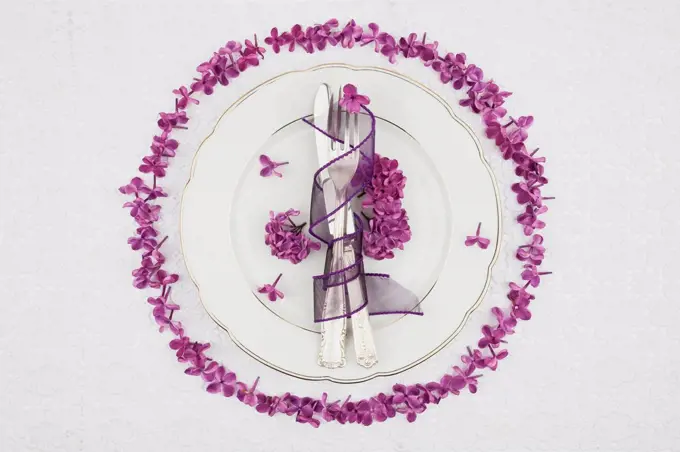
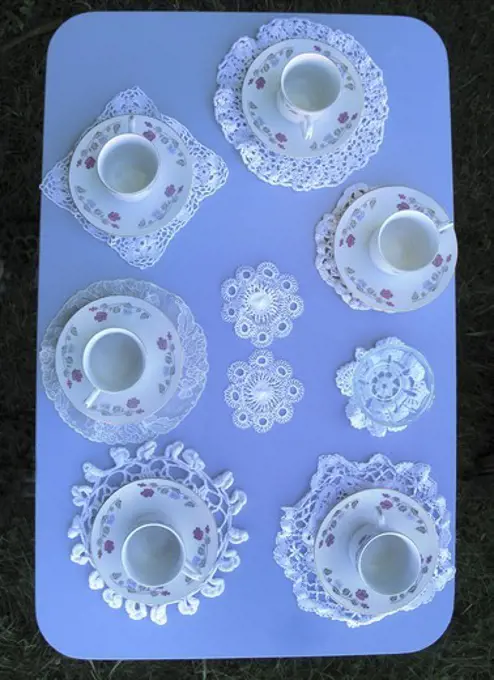
Elegant Plate Designs

A selection of decorative plates featuring unique shapes, colors, and textures, illustrating artistry from different periods.

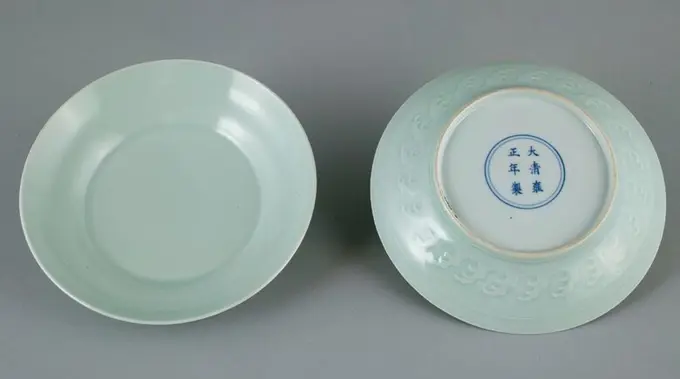
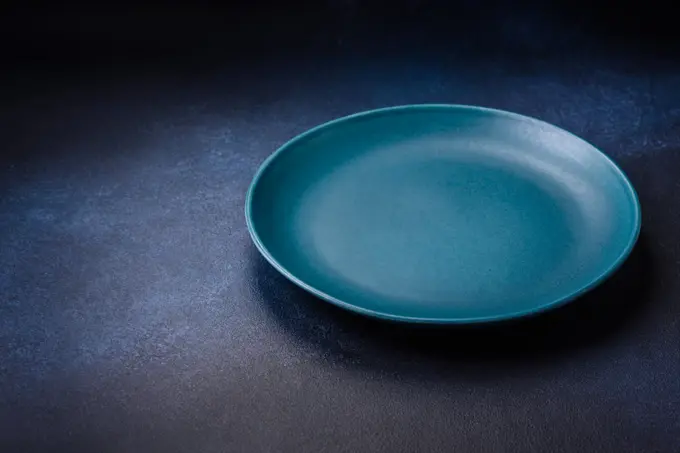
plate on white plate isolated on white background Copyright: xZoonar.com/RuslanxNassyrovx 11343953
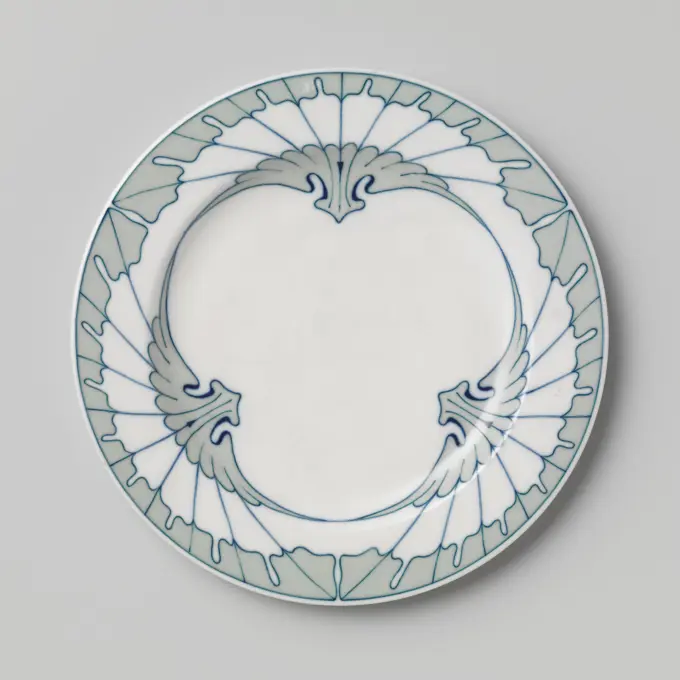
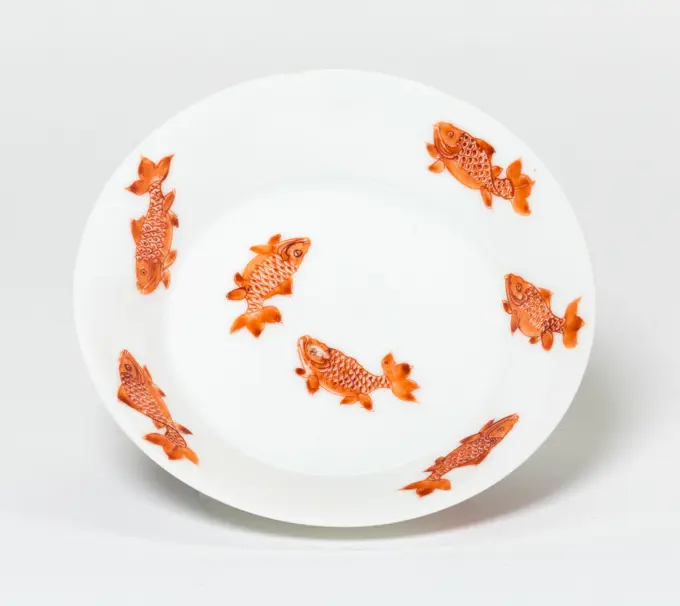
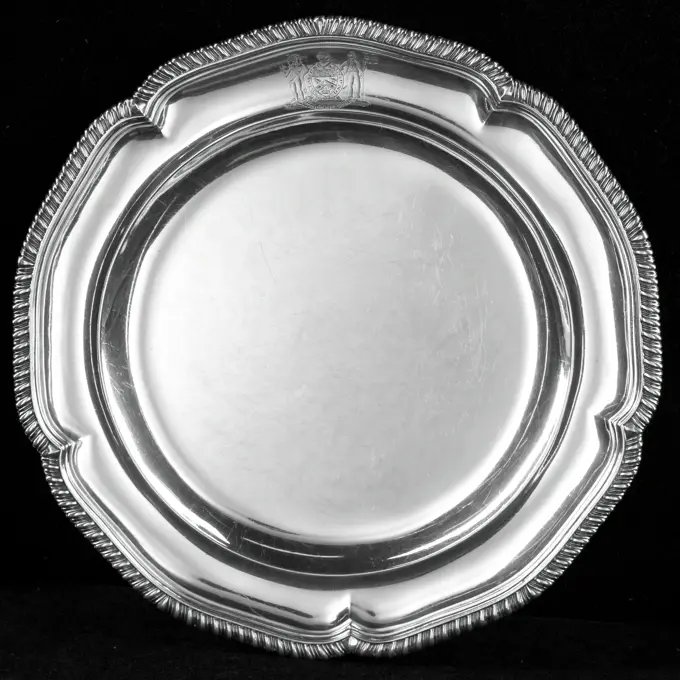
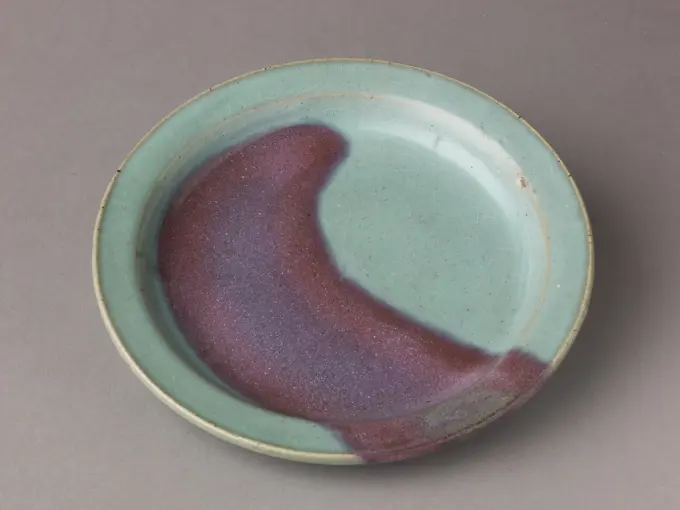
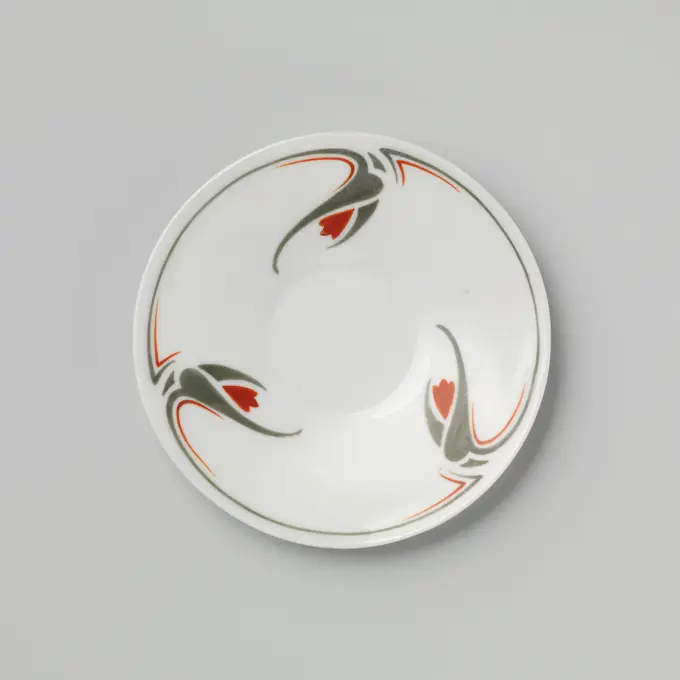
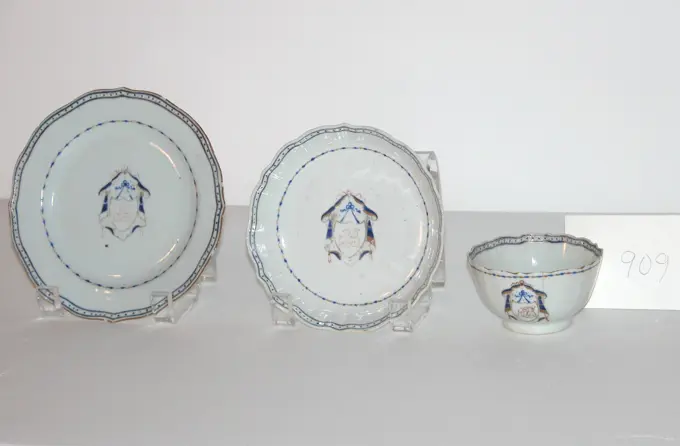
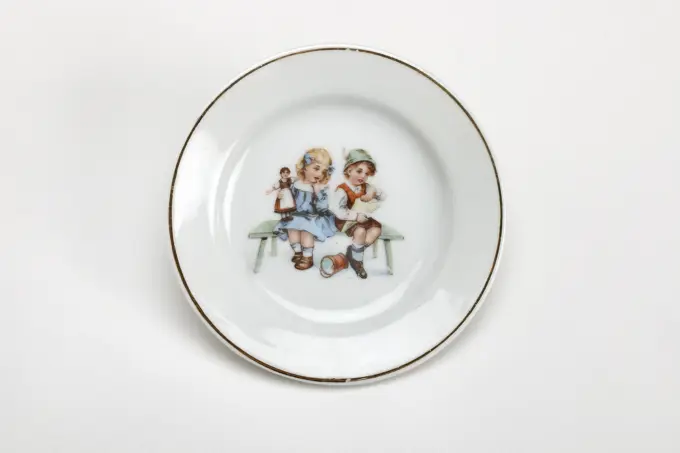
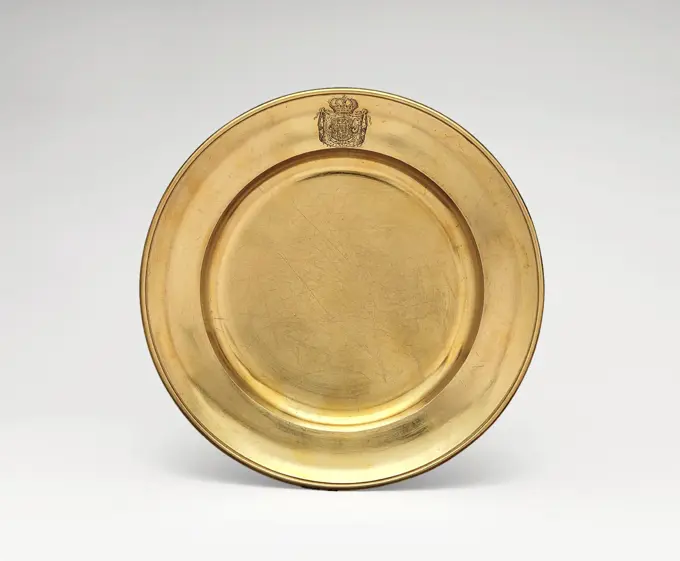
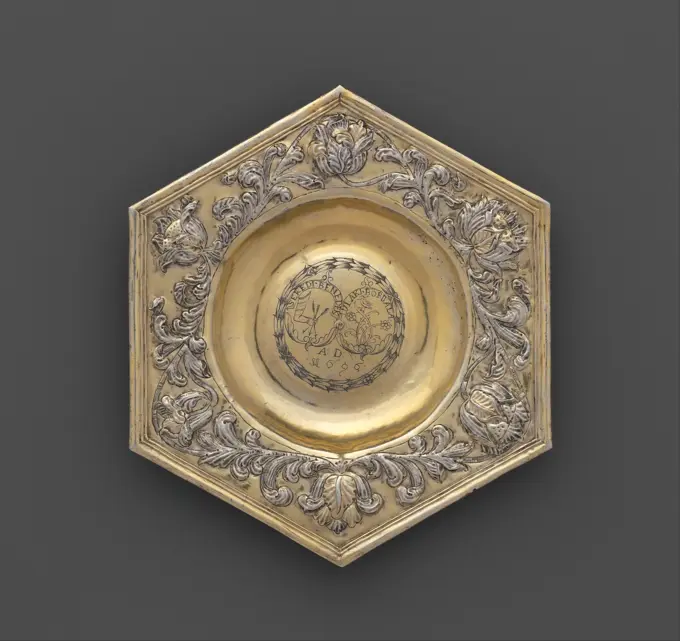
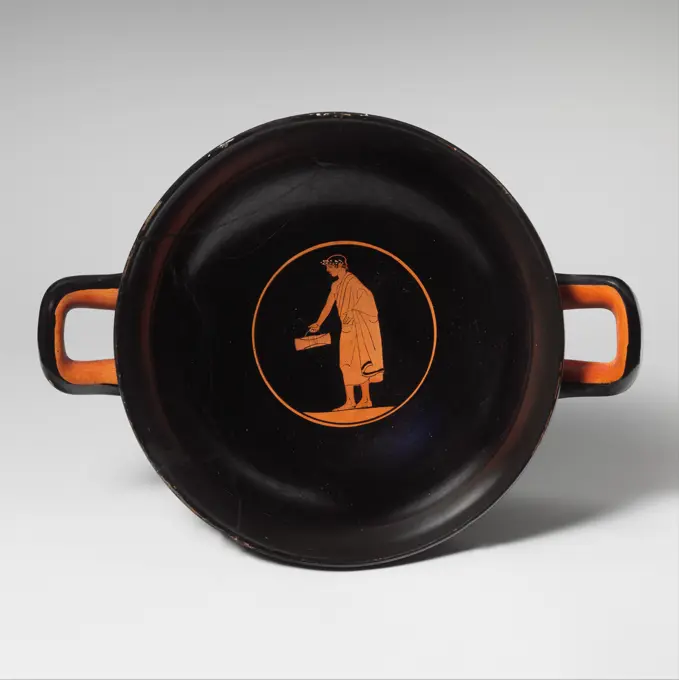
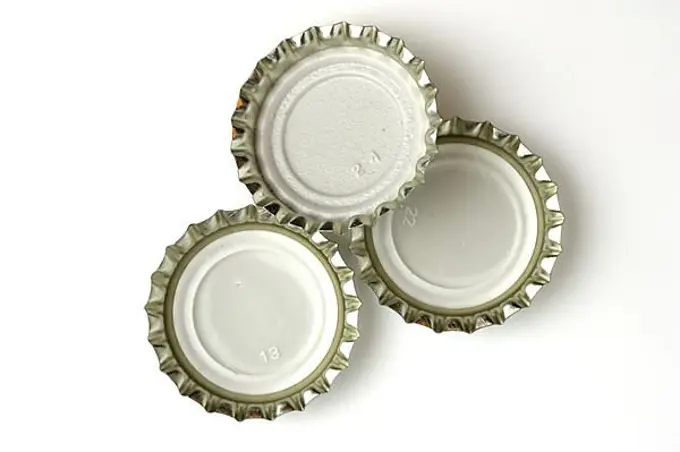
Dish with Waves. China. Date: 1723-1735. Dimensions: H. 3.1 cm (1 1/4 in.); diam. 16.3 cm (6 7/16 in.). Porcelain with underglaze molded decoration. Origin: China. Museum: The Chicago Art Institute, Chicago, USA.white plate on a white backgroundBORD, TELDERD MET Het wing pattern decor, Meissener porcelain manufactory, 1901 Plate of painted porcelain. The board is painted in green and blue with the Flügelmuster. The board belongs to a service (BK-1976-65-1 to BK-1976-65-34) and is marked. Float porcelain Plate of painted porcelain. The board is painted in green and blue with the Flügelmuster. The board belongs to a service (BK-1976-65-1 to BK-1976-65-34) and is marked. Float porcelainDish, ribbed, with vegetative ornaments, N.V. Plateelbakkerij Ram, After Theo Colenbrander, c. 1925 Dish of earthenware, ribbed, polychrome painted with abstract vegetative ornaments in the colors yellow, green, green -blue, pink and purple in yellow stock. Arnhem earthenware. uranium oxide Dish of earthenware, ribbed, polychrome painted with abstract vegetative ornaments in the colors yellow, green, green -blue, pink and purple in yellow stock. Arnhem earthenware. uranium oxideplate at napkin isolated on white backgroundDinner plate with flower decoration. Korzec (manufaktura porcelany ; 1790-1832), factoryHead and saucer with a multi -colored landscape in a medallion saved in a geometric pattern, Weesper Porcelain factory, c. 1759 - c. 1771 Cup and saucer with a multi -colored landscape in a medallion spared in a purple geometric pattern. Marked with two crossed swords and three bulbs in underlaze blue, Ingrift 2. Weesp porcelain Cup and saucer with a multi -colored landscape in a medallion spared in a purple geometric pattern. Marked with two crossed swords and three bulbs in underlaze blue, Ingrift 2. Weesp porcelainThree White Plates of Different SizeA white empty plate on a linen napkin On the bright surface of the table is a white empty plate on a linen napkin . Top view, copy space . Copyright: xZoonar.com/GalinaxxTolochkox 14763421Dish with Ten Fish 1723-1735 China. Porcelain painted in underglaze iron red, possibly refired .White 3d podium cylinder foundation with golden round frame leaves realistic vector illustration. Pedestal basic construction elegant empty showcase display for product presentation award arena designFemale (woman) hands hold (support) a white dish (plate) on wooden tabletop view of square white deep plate on plaster top view of square white deep plate on plastering surface Copyright: xZoonar.com/ValeryxVoennyyx 9787738Plate, one of twelve, c. 1807, William Sumner; Artist: Attributed to Mary Sumner, English, -1807, Silver, England, 19th century, It is impossible to be certain if Mary Sumner had a hand in making or engraving this set of plates. They could have been already completed by her husband William Sumner, a registered plateworker, before he died. In any case, women in the Sumner family were very involved with the operations of the firm. Shortly after Mary registered her mark as a widow, she formally entered into partnership with her daughter, Elizabeth Sumner, one of the few women known to enter the trade formally before marriage.Dish Josiah Wedgwood and Sons British 1765-88 View more. Dish. British, Staffordshire. 1765-88. Queensware (lead-glazed pottery). Ceramics-PotteryDish with Peonies and Phoenixes. China. Date: 960 AD-1279. Dimensions: H. 3.6 cm (1 7/16 in.); diam. 17.2 cm (6 3/4 in.). Qingbai ware; porcelain with underglaze molded decoration; copper rim. Origin: China. Museum: The Chicago Art Institute, Chicago, USA.Realistic Illustration Nature 3D Render Podium for product displayPlate, Jun ware 12th-13th century Chinese. Plate, Jun ware 460657Round empty colored ceramic plate on concrete texture background Round empty colored ceramic plate on concrete texture background. Preparing dishes and cutlery for dinner Copyright: xZoonar.com/TetianaxChernykovax 2169231018th Century tableware place settingSimple clean white porcelain dinner plate with shadowContemporary place setting with red accentSaucer with stylized floral motifs, Parthénon (possibly), c. 1900 - c. 1905 Porcelain dish, painted on the glaze in green and red. Flower branches stylized on the wall. The outer wall with a thin band in relief. Marked on the underside with 'Le Parthénon/ Paris'. Designed by Maurice Dufrêne, manufactured for La Maison Moderne, possibly by Le Parthénon, Paris. Paris porcelain. glaze. painting / vitrification Porcelain dish, painted on the glaze in green and red. Flower branches stylized on the wall. The outer wall with a thin band in relief. Marked on the underside with 'Le Parthénon/ Paris'. Designed by Maurice Dufrêne, manufactured for La Maison Moderne, possibly by Le Parthénon, Paris. Paris porcelain. glaze. painting / vitrificationDessert Plate, c. 1796, 7/8 x 7 1/2 in. (2.22 x 19.05 cm), Porcelain with enamel decoration, China, 18th-19th centuryBreadplateSet of empty white plates on white background.Dish, painted with a regular spray pattern of rosettes in blue and gold, manufacture Oud-Loosdrecht, c. 1778 - c. 1782 Porcelain dish. Round with scalloped edge. Painted with a regular spray pattern of rosettes alternately in blue and gold. Loosdrecht porcelain Porcelain dish. Round with scalloped edge. Painted with a regular spray pattern of rosettes alternately in blue and gold. Loosdrecht porcelainplate at napkin cloth on white backgroundPlate from the First/Gold Młoczkowski, Marcin, Karibia Sp. z o.o.Toy dessert plate - Inconnu / UnknownDinner plate - St. Johns Stone Chinaware Company (founded 1873) St. Johns Stone Chinaware Company (founded 1873)Plate ca. 1830 Possibly New England Glass Company. Plate. American. ca. 1830. Lacy pressed opaque white glass. Possibly made in East Cambridge, Massachusetts, United StatesOpened Empty Tin Can With Broken Cover Isolated on White BackgroundPlate (one of two) 1730 Gottlieb Menzel These plates are part of the addition to the Double-Gilded Service of about 1718. The number 224 incised on the reverse indicates the extent of this first grand German parade service, made for Alberts grandfather Augustus II the Strong (1670-1733), king of Poland (1697-1704, 1709-33) and elector of Saxony (1694-1733; hence the engraved arms). The king is best remembered as a patron of the arts and architecture, commissioning the Zwinger Palace and the fabled Green Vault filled with jeweled treasures as well as separate chambers displaying silver and gilded-silver parade buffets. Augustus commissioned the so-called Double-Gilded (intended to imitate gold) Service from Augsburg, a center of European goldsmithing, on the occasion of the four-week-long festivities surrounding the wedding of Alberts parents in August 1719.. Plate (one of two) 206436Plate.   Maker: Joseph Danforth, American, 1758-1788Silver knife, fork, dinner plates, wineglass and burning candles, which is located on a table covered with a red tableclothHexagonal dish 1696 Hungarian, Transylvania The center of each dish in this set (acc. nos. 2010.110.42-49) bears an engraved laurel wreath encircling a coat of arms. Small differences in these arms could be the result of different masters working quickly to complete what was probably a much larger set for a wedding that was fast approaching. The bold blossoms in the six corners symbolize both the wish for abundance throughout marriage and the transitory glories of earthly existence. Salgo acquired two of these dishes at a later date from the others, but all eight pieces belonged to the same set of fourteen dishes that were once part of the Andrássy treasury.LiteratureEuropean Silver. Sale cat., Sothebys, Geneva, November 15, 1983, p. 19, no. 53.European Silver. Sale cat., Sothebys, Geneva, November 14, 1984, n.p., no. 34.Judit H. Kolba. Hungarian Silver: The Nicolas M. Salgo Collection. London, 1996, p. 86, no. 64.ExhibitedRégi ezüstkiállításának leíró lajstroma. Exh. cat. Museum of Cup and Saucer, Chrysanthemum” pattern.   Maker: Worcester Porcelain Manufactory, British, founded 1751A set of dark green ceramic tableware with orange outlines on a white background. Set of dark green ceramic tableware with orange outlines on a white backgroundPlate, with a man playing on the flat with a child, Peter Regout, c. 1860 - c. 1890 Plate of earthenware with black transfer decor, filled in frequently. Playing a man in a chair on the flat with a child. The edge of the plate with a red and a black piping. Maastricht . Plate of earthenware with black transfer decor, filled in frequently. Playing a man in a chair on the flat with a child. The edge of the plate with a red and a black piping. Maastricht .L'urne mystérieuse' plate with initials 'S.D.M.' for the French market, c. 1800, 1 x 9 1/2 x 9 1/2 in. (2.54 x 24.13 x 24.13 cm), Porcelain, China, 18th-19th century, The central design on this plate is known as L'urne mystérieuse, after an unsigned engraving of the same title published in 1793. The urn's support column forms the outline of the faces of King Louis XVI and Queen Marie Antoinette of France. The face of their son, the Dauphin, is silhouetted by the branch of the willow tree on the left and the profile of the Madame Royale, the king's mother, is formed by the willow branches on the upper right. All four members of the French royal family were executed during the French Revolution; the willow tree, urn, and hidden portraits symbolize death, mourning, and continued allegiance to the monarchy.White jar with ornament of blue flowers. Gzhel. Vector illustration.Bliżej KulturyTerracotta kylix (drinking cup) ca. 460 B.C. Attributed to the Painter of Munich 2660 Interior and exterior, schoolboysAthenian boys received their elementary education at three different places. They could learn to read, write, and do arithmetic at various private establishments. They learned to play the lyre and sing from a lyre master. And they were trained in gymnastics at a palaestra, a public or private exercise ground. On the inside of this cup, a boy trudges to school carrying a writing tablet, which consists of two wooden leaves coated on one side with wax and tied together. One could scratch into the wax surface with a sharp stylus and then smooth the wax to erase the marks. It has been suggested that the boys on the outside of the cup are playing school. On either side, two students approach a boy who is acting as teacher. Two of the boys have papyrus rolls on which various poetic works could be written.. Terracotta kylix (drinking cup) 250548 : Attributed to the Painter ofThree crown capsPlace Setting (Japan)Glass eye in a plastic boxCup Plate. Culture: American. Dimensions: Dimensions unavailable. Date: before 1830. Museum: Metropolitan Museum of Art, New York, USA.Plate, open, nose, open, tin can, tin cans, rifle, rifles, can, can, canned canned, canned food, canned cans, preserving boxes ** Plate, open, tin, plates, open, tins 539-pmaWhite House China. Plate from the White House china collection.Place setting with lilac flower on tableclothIslamic ramadan podium background of futuristic and modern 3d realistic mosque with scene and stage for product displayStacks of dirty and clean dishes isolated on white background. Plates, bowls and cups before and after washing. Vector flat illustrationCommemorative plate - Wileman & Company, 1892-1925 Wileman & Company, 1892-1925Cups, saucers and chrotched table--cloth on table fDinner plate - Hotel Champlain Onondaga Pottery Company Onondaga Pottery Company