Elegant Porcelain Teapots and Dishware

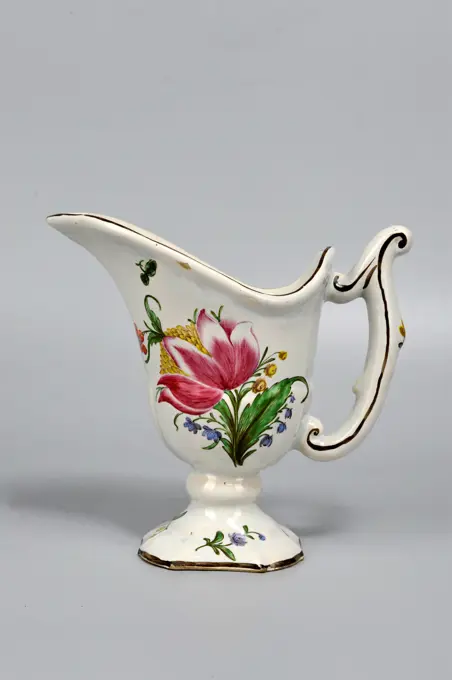
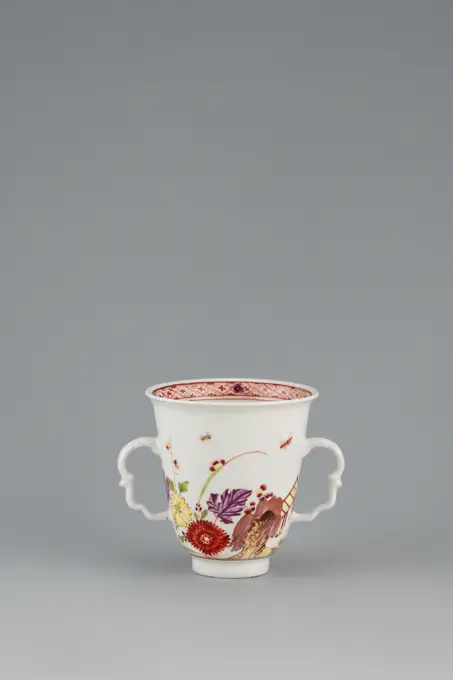
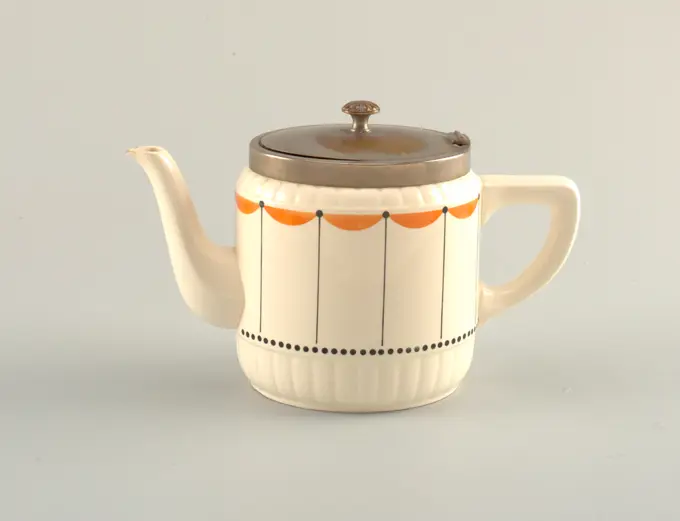
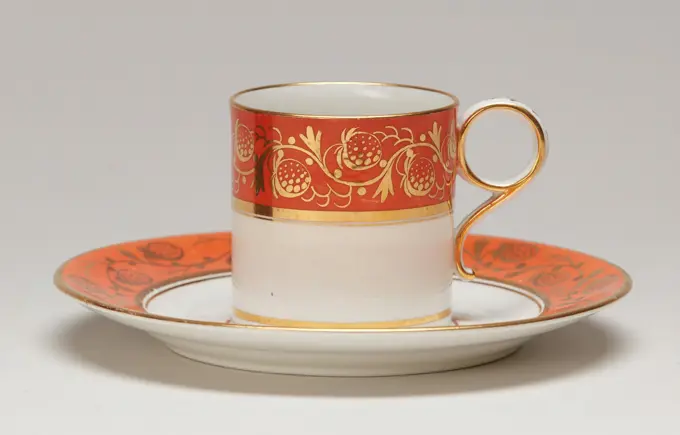
Delicate porcelain teapots and dishware featuring intricate floral designs and vibrant colors, highlighting craftsmanship from the 18th century, including Famille Rose and Arita styles.

Pear-shaped milk jug with Europeans in a landscape and two flower sprays, anonymous, c. 1775 - c. 1799 Pear -shaped milk can be porcelain lid, painted on the glaze in blue, red, pink, green, yellow, black and gold. Painted with a tire with tendrils and two flower branches. European form and representation in email colors. China porcelain. glaze. gold (metal) painting / gilding / painting Pear -shaped milk can be porcelain lid, painted on the glaze in blue, red, pink, green, yellow, black and gold. Painted with a tire with tendrils and two flower branches. European form and representation in email colors. China porcelain. glaze. gold (metal) painting / gilding / painting
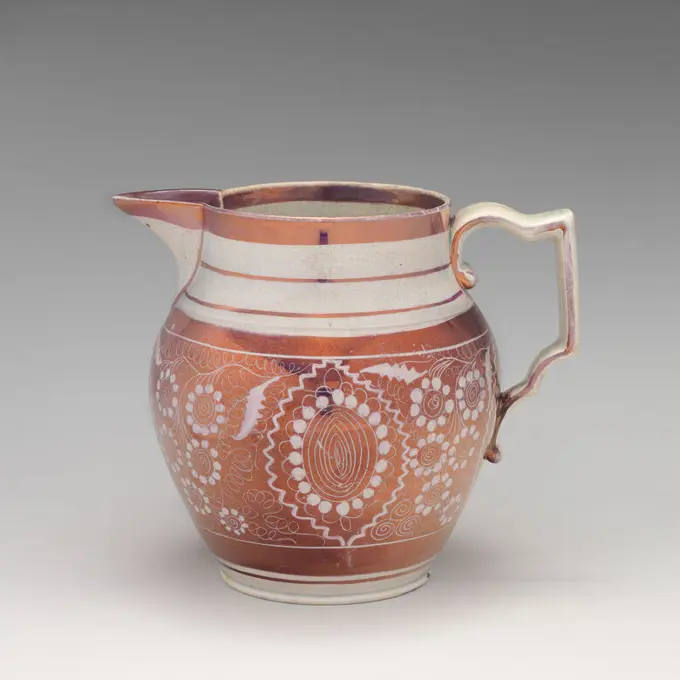
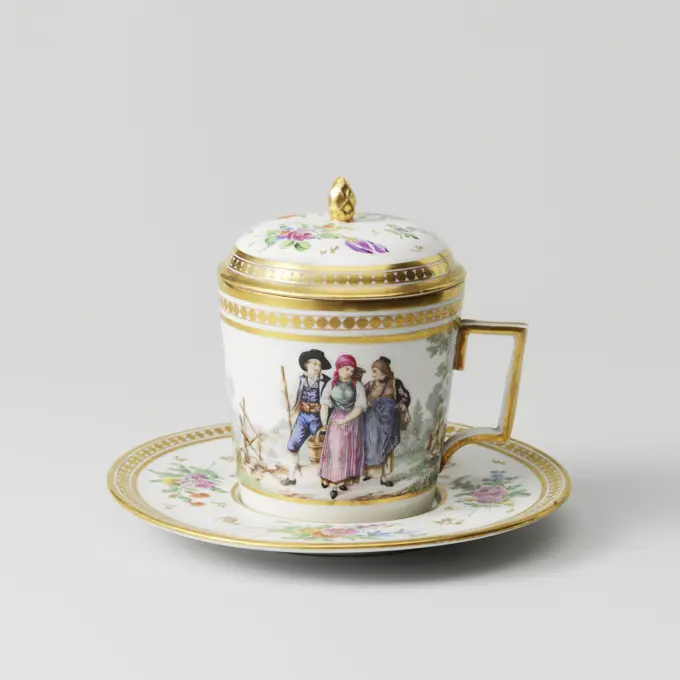
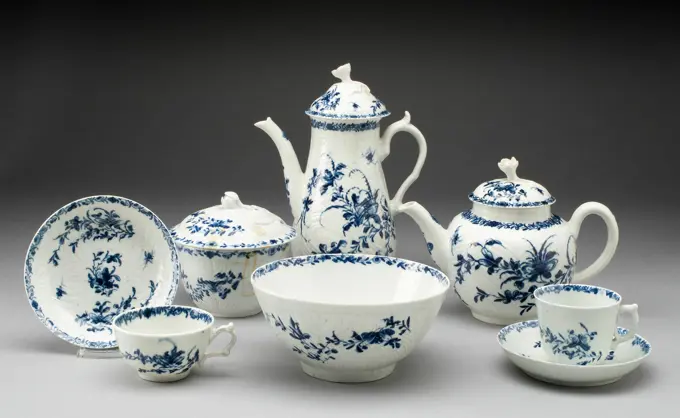
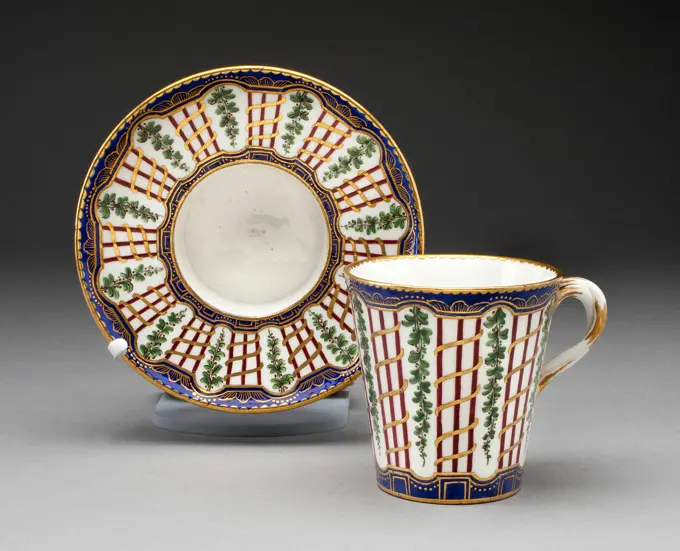
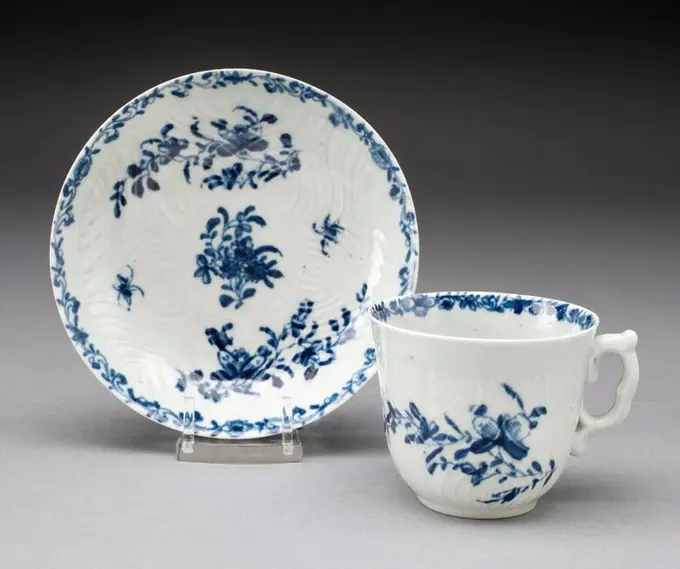
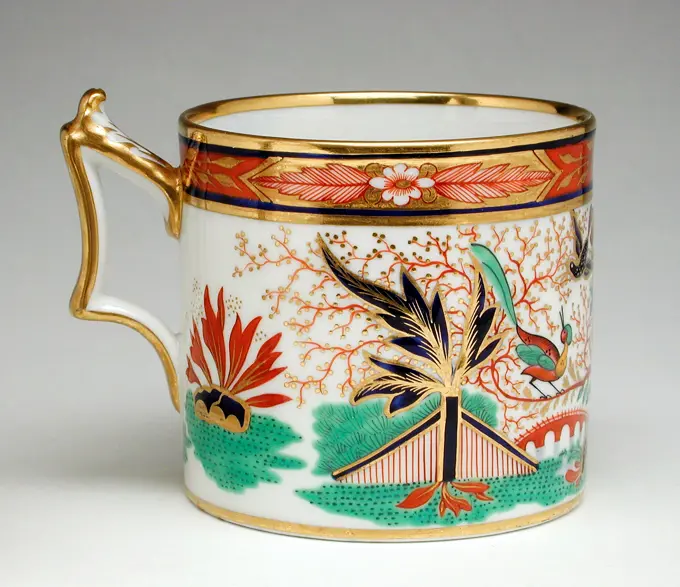
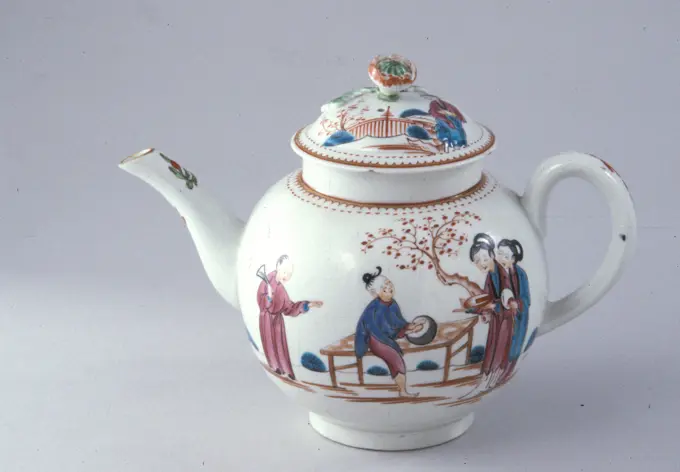
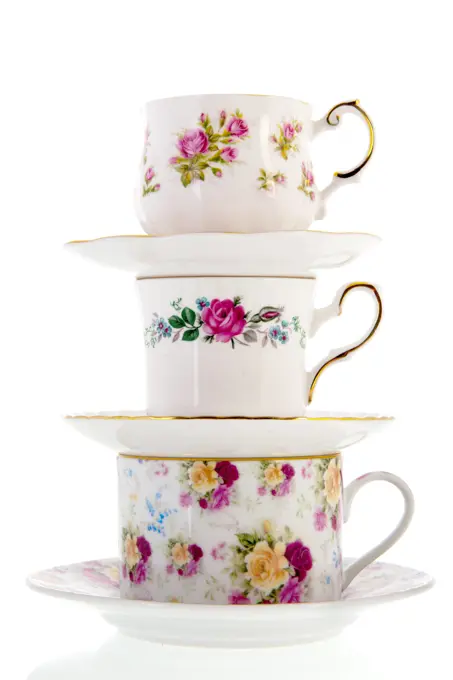
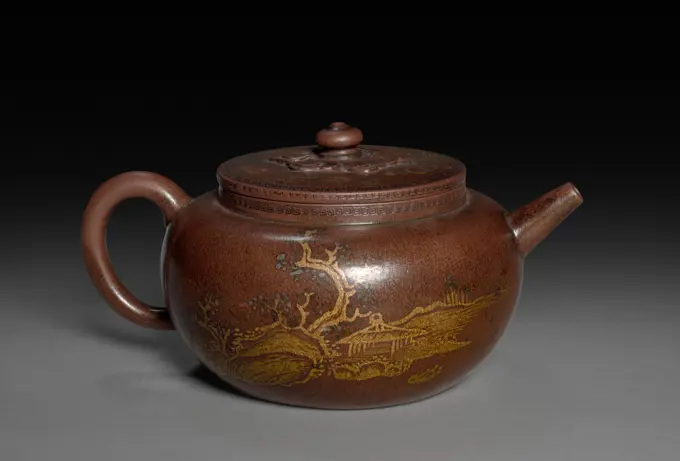
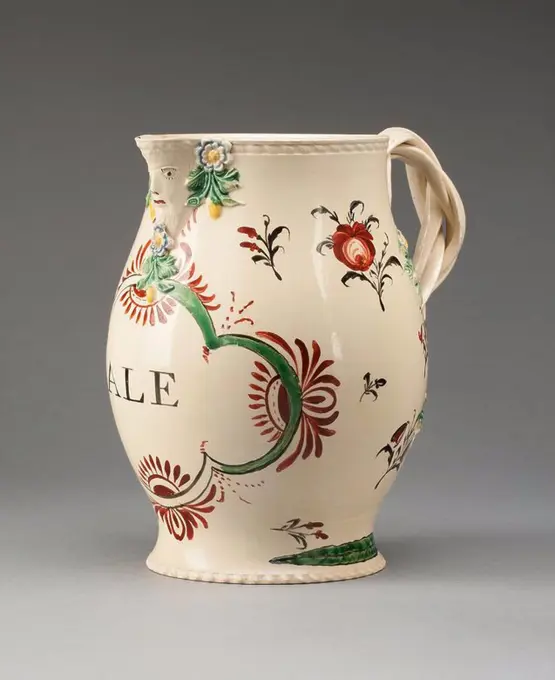
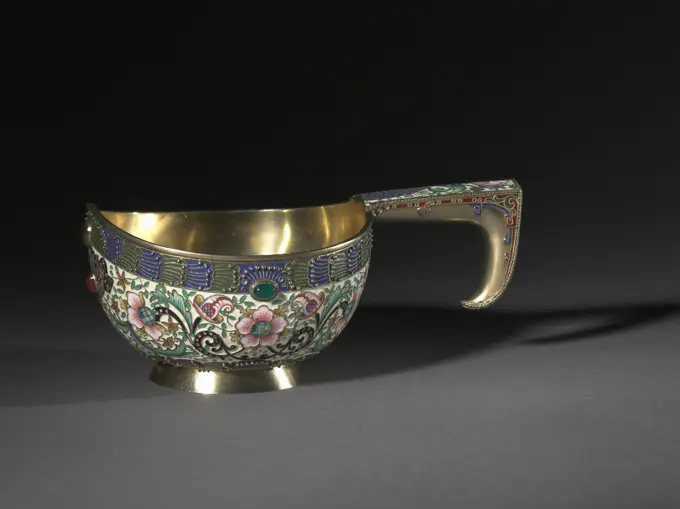
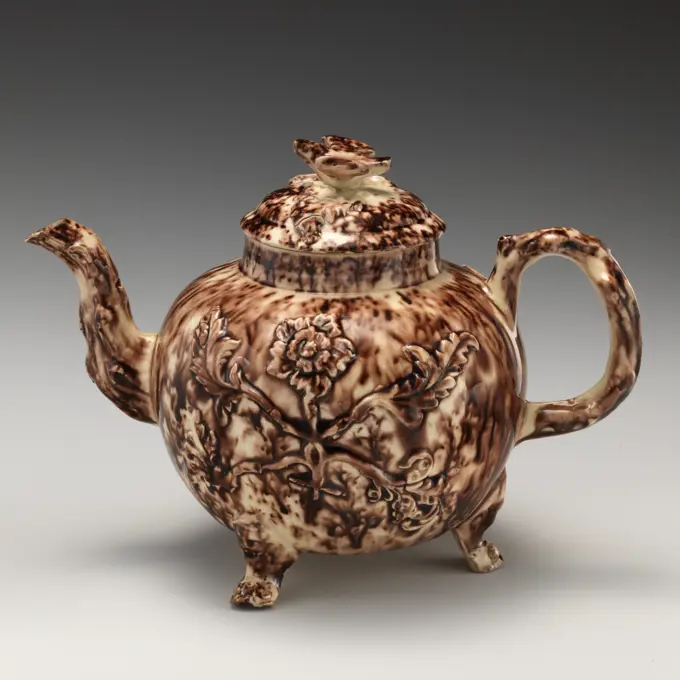
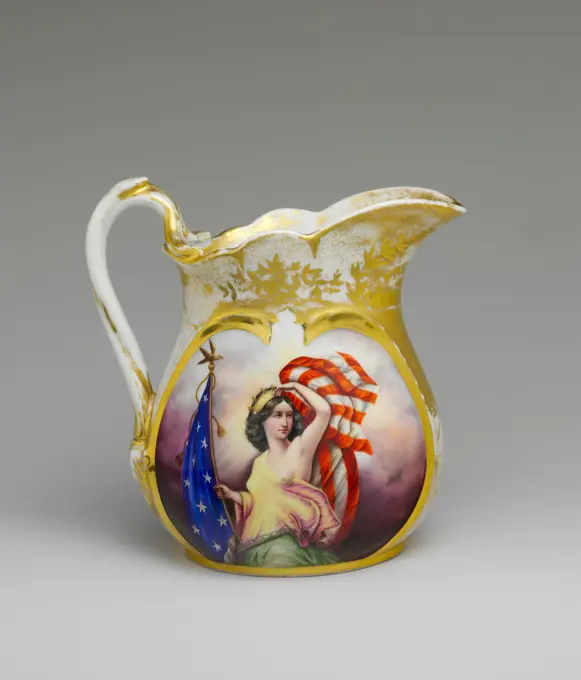
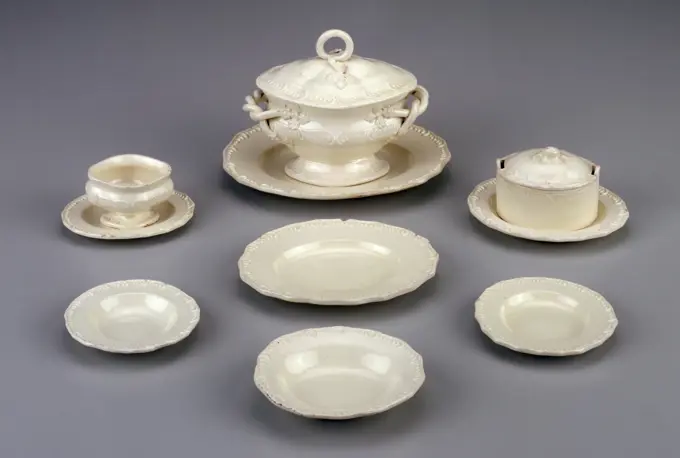
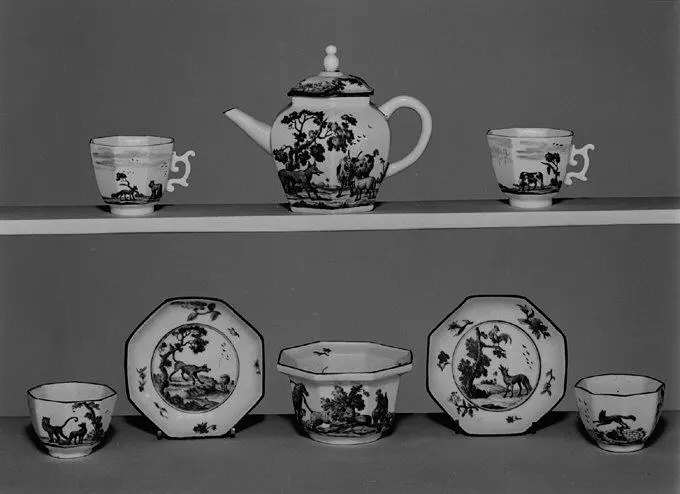
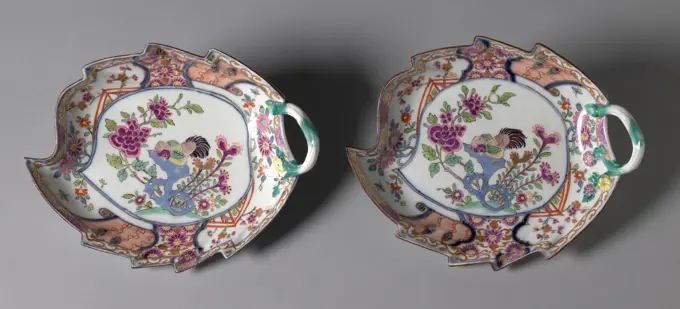
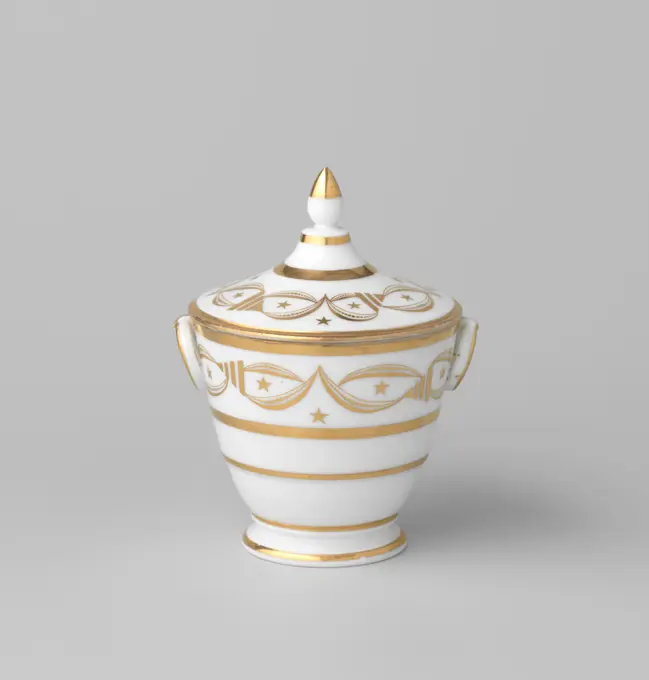
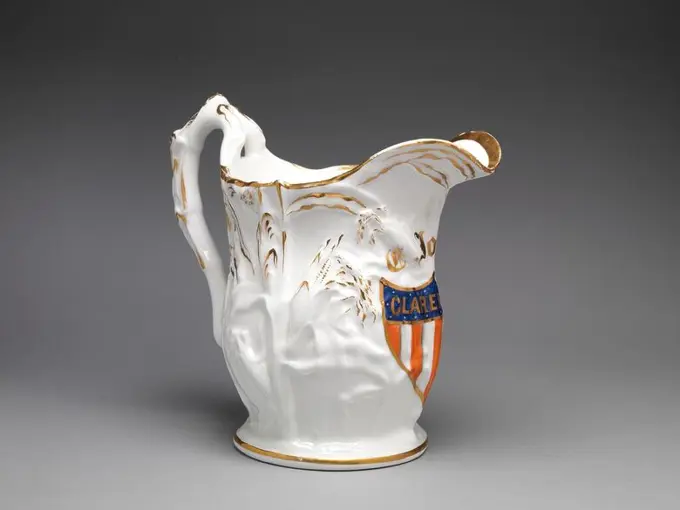
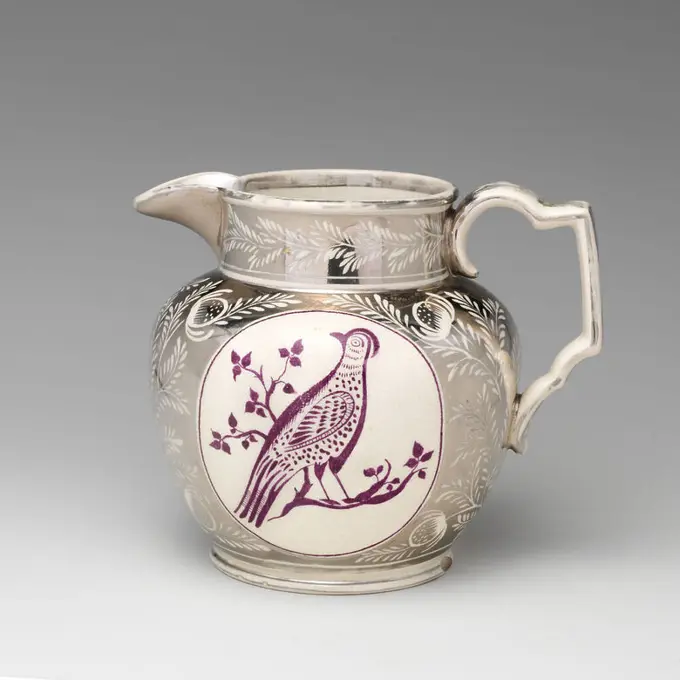
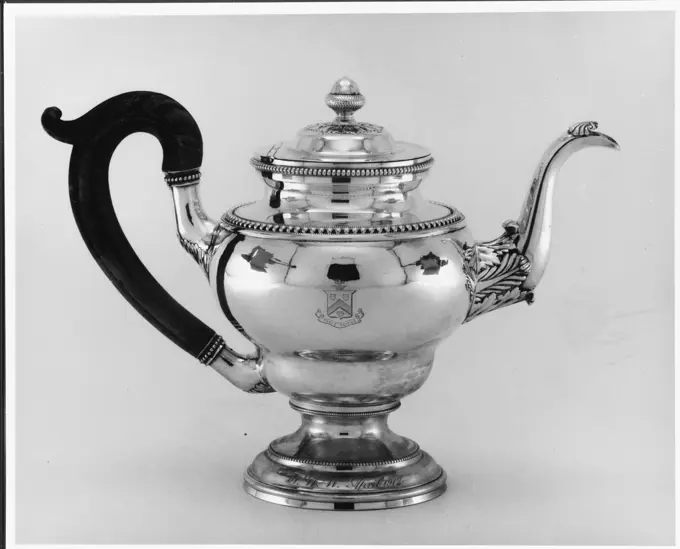
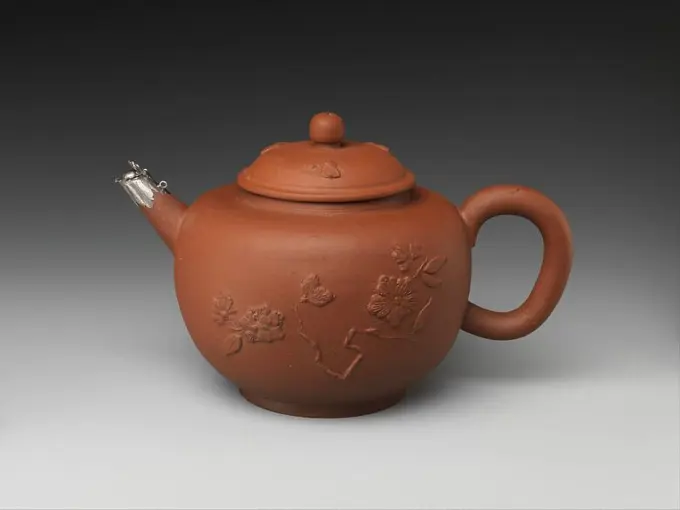
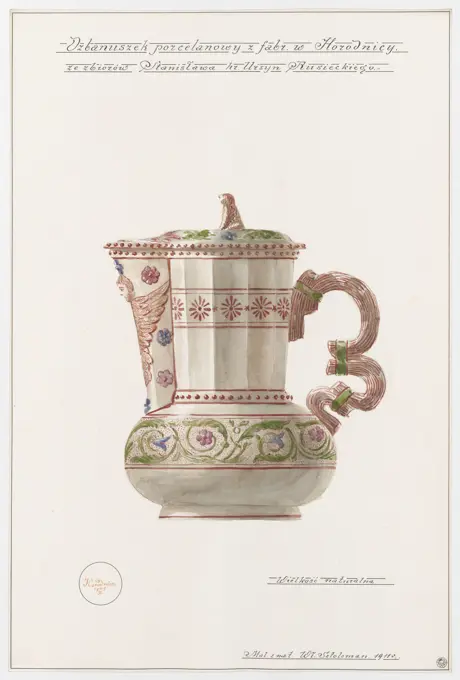
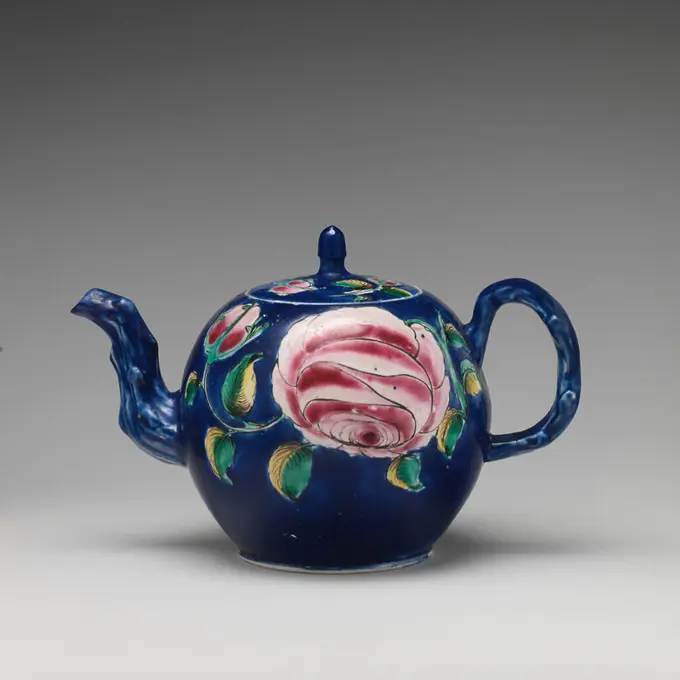
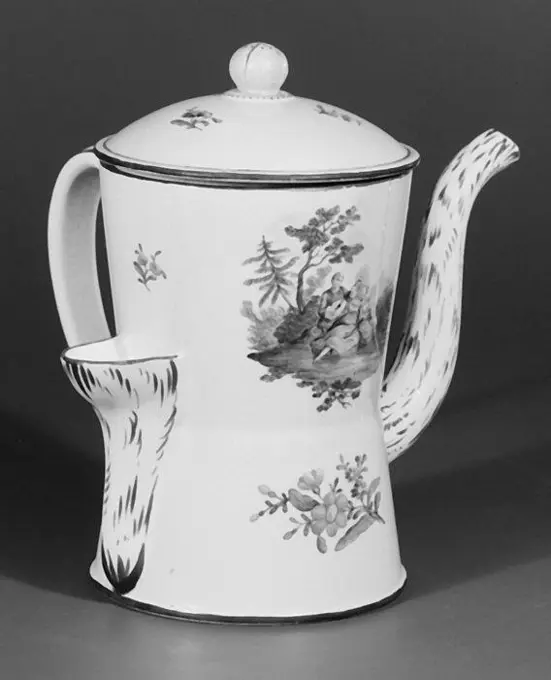
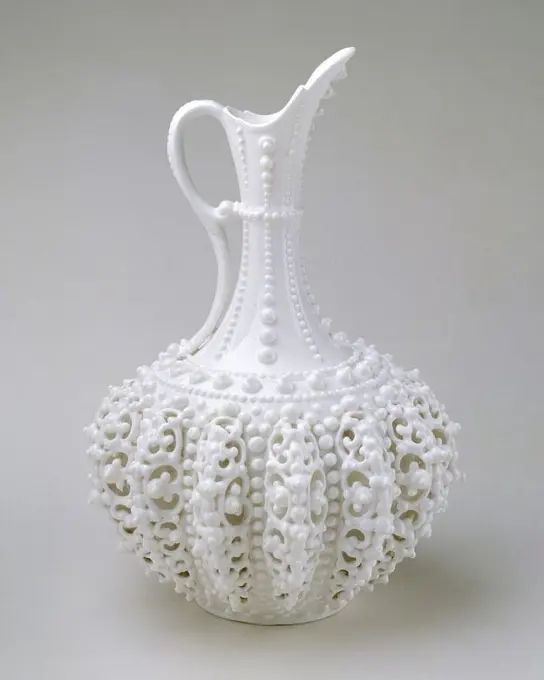
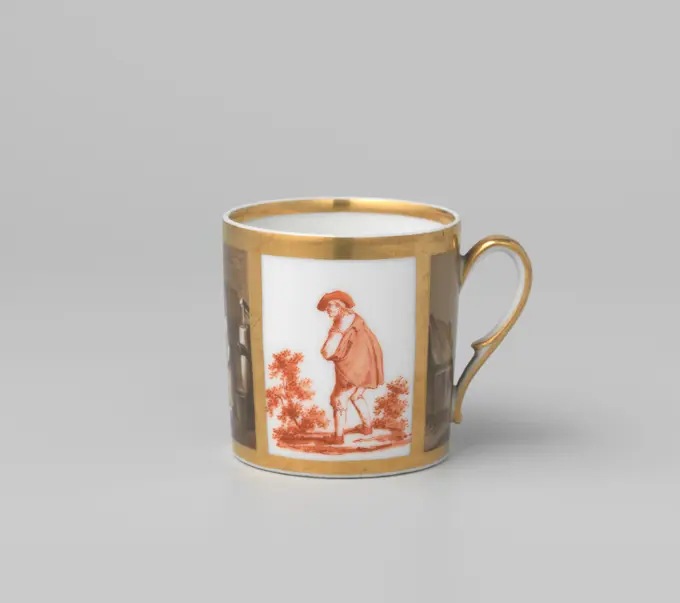
Mennecy Porcelain Factory, Cup and Saucer, c. 1760, soft-paste porcelain.Pitcher. Artist: Joseph Carbone. Culture: British. Date: 19th century. Museum: Metropolitan Museum of Art, New York, USA.. Porcelain milk jug. Multicolored painted with poppies inside an ornamental decor. Part of tea service.Covered cup and saucer with figures in a landscape and bouquets, c. 1800 - c. 1899 Porcelain lid and saucer, painted on the glaze in email colors and gold. The head with a cylindrical, slightly flared wall and an angular ear. On the outside wall a performance of people (farmers) In a landscape. A man and a woman with a basket walk on the left on a road and a man with a walking stick with two women, one of whom carries a bucket, walk on the right on a road. A decorative band on the edge. The dish and lid with bouquets of different flowers. Vals marked on the underside with the fish of the Swiss porcelain factory Nyon. Switzerland (possibly) porcelain. glaze. gold (metal) painting / gilding / vitrification Porcelain lid and saucer, painted on the glaze in email colors and gold. The head with a cylindrical, slightly flared wall and an angular ear. On the outside wall a performance of people (farmers) In a landscape. A man and a woman with a basket walk on the left on a road and a man with. Meissener Porzellan ManufakturMeissen, c. 1730painted decoration: Augsburg, c. 1735hard-paste porcelainInner box of blue glass, Anonymous, 1908 - 1909 Inner box of a mustard pot. London glass Inner box of a mustard pot. London glassTea Set Made 1755-1765 Worcester. Soft-paste porcelain, underglaze blue decoration . Worcester Royal Porcelain CompanyTeapot 1718-19 David Willaume I British. Teapot 205021Sugar-bowl with a lid. Korzec (manufaktura porcelany ; 1790-1832), factoryCandlestick WedgwoodCup and Saucer 1755-1765 Sèvres . Manufacture nationale de Sèvres (Manufacturer)SOPERA VIDRIADA Y POLICROMADA - ARTE POPULAR S XX. Location: ALFARERIA. Lorca. MURCIA. SPAIN.Pot de Crème Cup And Lid; China (for export); glaze and gilt porcelainTea service. Porzellanmanufaktur FrankenthalFrankenthal, c. 1765-1770hard-paste porcelainCoffee Cup and Saucer. Worcester Porcelain Factory; Worcester, England, founded 1751. Date: 1755-1765. Dimensions: Cup: 5.7 x 6.7 cm ( 2 1/4 x 2 5/8 in.); Saucer: diam. 11.4 cm (4 1/2 in.). Soft-paste porcelain, underglaze blue decoration. Origin: Worcester. Museum: The Chicago Art Institute, Chicago, USA. Author: Worcester Royal Porcelain Company.Lid, at a fixed underfacy, with a green edge and golden Greek band. Pottery lid, at solid understaffed, round, scalloped, with green edge and golden Greek tie. Button in the form of leaf raft.Armonal Jug with Lid. China (for the European market), Qianlong period, 1780-1790. Furnishings; Serviceware. PorcelainTerrine, Cornelis Swerder, c. 1728 - c. 1734 Oval terrine on four legs bent out. The two handles are each formed by a flower. The button of the lid is formed by a sprig of flowers. The top of the lid is decorated with driven flowers (Louis XV). The terrine is marked: size = foot 924 and twice a horizontal S (foot page 42). The terrine is on a non-corresponding dish (BK-NM-11177-245-A). Amsterdam silver (metal) Oval terrine on four legs bent out. The two handles are each formed by a flower. The button of the lid is formed by a sprig of flowers. The top of the lid is decorated with driven flowers (Louis XV). The terrine is marked: size = foot 924 and twice a horizontal S (foot page 42). The terrine is on a non-corresponding dish (BK-NM-11177-245-A). Amsterdam silver (metal)Dessert Service (Coffee Cann). Flight, Barr & Barr (England, Worcester, 1813-1840). England, 1813. Furnishings; Serviceware. Porcelain, 'Japan' patternWorcester Porcelain Manufactory, Teapot and Cover, c. 1760-70, soft-paste porcelain.Cup and saucer 1871 Copeland. Cup and saucer 208541Stack vintage coffee or tea cups stacked vintage coffee or tea cups isolated over white background Copyright: xZoonar.com/IvonnexWierinkx 7998001Sauce Boat c 1745 Boston. Silver . Jacob HurdApostles Teapot And Lid; England; glazed stonewareBranch with a pastoral ear; Baranówka (Porcelain Manufaktura; 1804-2012); around 1825 (1820-00-00-1830-00-00);Vase, Newcomb Pottery, founded 1884 - ca.1940 sale of pottery ceased, Glazed earthenware, Buff clay body, thrown. Tapering cylindrical body, curving inward, no foot, straight rim, 3 applied curved handles. Decorated in three panels divided by buff-colored branches. Band at top below cobalt rim and band at bottom above cobalt band. Pine cones in buff, outlined in blue against washy blue background. Handles 'washed' in blue. High glaze allover. Interior and base glazed., New Orleans, Louisiana, USA, ca. 1901, ceramics, Decorative Arts, VasePear-shaped milk jug with a crucifixion scene, anonymous, c. 1780 Pear-shaped milk can of porcelain with entered, braided C-shaped ear, small, triangular spout and lid, painted on the glaze in black and gold. On the outside a representation of the crucifixion with the two Maria's; the edge and the lid edge with a band with a decorative pattern. A chip in the edge of the lid. Part of a tea set. European performance in Encre de Chine. China porcelain. glaze. gold (metal) painting / gilding / vitrification Pear-shaped milk can of porcelain with entered, braided C-shaped ear, small, triangular spout and lid, painted on the glaze in black and gold. On the outside a representation of the crucifixion with the two Maria's; the edge and the lid edge with a band with a decorative pattern. A chip in the edge of the lid. Part of a tea set. European performance in Encre de Chine. China porcelain. glaze. gold (metal) painting / gilding / vitrificationTeapot with Gold Leaf Landscape and Imperial Poem, 1762-95. China, Qing Dynasty (1644-1911), Qianlong reign (1736-95). Stoneware with gold leaf decoration, Yixing ware; diameter: 10.8 cm (4 1/4 in.); overall: 7.5 cm (2 15/16 in.); with spout: 15 cm (5 7/8 in.).Cup with Flowers, royal porcelain manufactory, c. 1849 - c. 1870 Porcelain head, painted on the glaze in blue, red, pink, green, yellow, purple and black. Slightly round wall and high, uneven c-shaped ear. The outside wall is covered with small sprinkling flowers. The inside is undecorated. Marked on the underside with the scepter including a medallion with the eagle, a scepter and a globe in his claws. The edge script reads' Koenigl. Porzellan Manufaktur '. Hereby the red government apple with K.P.M and I. chip in the edge. Berlin porcelain. glaze. painting / vitrification Porcelain head, painted on the glaze in blue, red, pink, green, yellow, purple and black. Slightly round wall and high, uneven c-shaped ear. The outside wall is covered with small sprinkling flowers. The inside is undecorated. Marked on the underside with the scepter including a medallion with the eagle, a scepter and a globe in his claws. The edge script reads' Koenigl. Porzellan Manufaktur '. Hereby the red governTea service ". White Sèvres porcelain with gold nets. Paris, museum of romantic life. Art of the table, white, net, gold, porcelain of sevres, service a the, saucer, cup, carafeTeapotAle Jug. Staffordshire, England. Date: 1775-1785. Dimensions: 31.8 x 12.1 x 16.2 cm (12 1/2x 4 3/4 x 6 3/8 in.). Lead-glazed earthenware (creamware) and polychrome enamels. Origin: Staffordshire. Museum: The Chicago Art Institute, Chicago, USA.. Can of faience with lid. Painted blue.Kovsh (Cup), 1896-1906. House of Fabergé (Russian, 1842-1918), Feodor Ivanovich Rückert (Russian, 1840-1917). Silver gilt, enamel, cabochon gems, chrysoprases, carnelians; overall: 8.6 x 20.5 x 13.2 cm (3 3/8 x 8 1/16 x 5 3/16 in.).Aiguiere. Prószków Śląski (fabryka fajansu ;1763-1853), factoryTeapot 1760-1775 Staffordshire. Lead-glazed earthenware (creamware) .Double-ear teacup. Stadler(Stadtler), Johann Ehrenfied (1701-1741), painter, Koenigliche Porcellain Fabrique, Meissen (1710-1763), factoryTureen with cover (Terrine épis de blé or épis en or et plateau) ca. 1777-85 Sèvres Manufactory French Dining etiquette in eighteenth-century French aristocratic households required the table to be set with an array of serving dishes arranged in a decorative pattern. The diners helped themselves from the dishes and vessels close at hand, and servants reset the table for each course. This style of dining, in which all the components of a course were displayed on the table rather than presented by servants to the diners, was known as the service à la française (service in the French manner), as the custom was codified in France in the seventeenth century. It became the dominant mode of fashionable dining in Europe until the early nineteenth century, when it was supplanted by the service à la Russe (service in the Russian manner), in which the guests no longer served themselves but rather were waited upon by servants.An important component of the first course of a dinner was commonly a stMeissen Porcelain Manufactory, Cup and Saucer, c. 1760-70, hard-paste porcelain.Peach-Shaped Wine Pot or Tea Pot ca. 1644-83 Chinese. Peach-Shaped Wine Pot or Tea Pot 459776Teapot (part of a set) ca. 1765 Royal Porcelain Manufactory, Berlin. Teapot (part of a set) 194898Pastry colander, Petrus Regout, 1882 The colander is a rectangular, white plate with nine holes. Maastricht earthenware. luster glaze vitrification The colander is a rectangular, white plate with nine holes. Maastricht earthenware. luster glaze vitrificationSugar bowl with lid, N.V. Haagsche Plateel Factory Rozenburg, 1903 Sugar bowl with lid made of porcelain, multicolored painted with poppies within an ornamental decor. Part of tea set. The Hague porcelain Sugar bowl with lid made of porcelain, multicolored painted with poppies within an ornamental decor. Part of tea set. The Hague porcelainTeapot (Germany); Designed by Eduard Schweitzer (German, 1870 - 1939); Manufactured by Waechtersbach (Germany); glazed earthenware, metal; 14.6h x 23w x 9.6d cm (5 3/4 x 9 1/16 x 3 3/4 in. )Cup with an inscription on a blue ground, anonymous, c. 1800  Porcelain head on spreading foot, slightly flared wall and high, curled ear. Painted in blue and gold. The head is completely covered with gold with a blue band on the outside wall. The inscription 'Gratus Sanus Memor Medici' and two decorative tires are engraved. Marked on the bottom with B, 10 and 1/5. France porcelain. glaze. gold (metal) painting / gilding / vitrificationCup and Saucer from a Tea Service, 1807-1813, Worcester Porcelain Works (a.k.a. Royal Worcester Porcelain Company), Worcester, England, est. 1751, 2 7/8 x 6 1/8 x 6 1/8in. (7.3 x 15.6 x 15.6cm), Porcelain, England, 20th centuryCaudle Cup with Cover 1659-1660 London. Silver . Arthur ManwaringTeapot ca. 1740 British. Teapot. British. ca. 1740. Stoneware. Made in EnglandFooted teapot ca. 1750-65 Style of Whieldon type Listen to experts illuminate this artwork's story Listen Play or pause #407. Teapots Supported by Bloomberg Philanthropies We're sorry, the transcript for this audio track is not available at this time. We are working to make it available as soon as possible.. Footed teapot. probably British, Staffordshire. ca. 1750-65. Tortoiseshell ware (glazed earthenware). Ceramics-Potteryold vintage teapot cartoon. old vintage teapot sign. isolated symbol vector illustration. old vintage teapot cartoon vector illustrationBouilloire, spherical, with applivated garlands, belonging to Komfoor, Martinus Logerath, 1772 Bouilloire. The spherical vessel with short, curved spout is decorated with appliqued leaf guirandes. Amsterdam silver (metal). purpleheart (wood) Bouilloire. The spherical vessel with short, curved spout is decorated with appliqued leaf guirandes. Amsterdam silver (metal). purpleheart (wood)Pitcher 1863 Rudolph T. Lux. Pitcher 20760Teapot. England, Staffordshire. Date: 1740-1750. Dimensions: 17.8 × 14.6 cm (7 × 5 3/4 in.). Salt-glazed stoneware. Origin: Staffordshire. Museum: The Chicago Art Institute, Chicago, USA. Author: Staffordshire Potteries.Plate, from a Child's Dinner Service, c. 1775, 3/8 x 2 11/16 in. (1 x 6.83 cm), Creamware, England, 18th centuryPlate, from a Child's Dinner Service, c. 1775, 3/8 x 2 11/16 in. (1 x 6.83 cm), Creamware, England, 18th centuryCup and saucer (part of a service) ca. 1765-70 Worcester factory. Cup and saucer (part of a service) 198452Saucer ca. 1752-55 Chelsea Porcelain Manufactory The Chelsea factory often used illustrations drawn from Aesops Fables to decorate porcelain in the early 1750s. Much of the best painting of Fable scenes was executed by Jefferyes Hammet ONeale, to whom the decoration of these pieces is attributed.. Saucer 815762. Meissen porcelain manufactory ice cream, c. 1715-1720Painted Decoration: Attributed to Martin Quick (1675 -1740) Lid: Abraham Warmberger (1670-1753), Augsburg, 1732-1733Stoneware, Lacquer, SilverCup with insects, flower sprays and grapevines, Rue Thiroux Parijs, c. 1797 - c. 1798 service (set) Porcelain head with a cylindrical wall and C-shaped ear, painted on the glaze in enamel colors and gold. The outer wall is covered with colored insects (butterflies, beetles, dragonflies, etc.) and in gold flower branches and grape vines. Golden edge and ear. Marked on the bottom with 0. Paris porcelain. glaze. gold (metal) painting / gilding / vitrification. Lid of a bonbonnière (A) of porcelain, hexagonal, polychrome painted in the colors green, yellow, red and black with floral motifs and a bird.Leaf Dishes, c. 1735. Meissen Porcelain Factory (German), possibly by Johann David Kretschmar (German). Porcelain; overall: 5.6 x 22.6 x 17.7 cm (2 3/16 x 8 7/8 x 6 15/16 in.).Sugar bowl with ornamental borders, anonymous, c. 1800 - c. 1824 Porcelain sugar bowl, painted on the glaze in gold. The pot has a tapered wall on a slightly spreading foot. The two handles are in the form of rings. The wall is with golden lines divided into three wide tires with a pendulum of stars in the top one, half moon shapes with dots and triangles. The lid with the same decoration. Empire. France porcelain. glaze. gold (metal) painting / gilding / vitrification Porcelain sugar bowl, painted on the glaze in gold. The pot has a tapered wall on a slightly spreading foot. The two handles are in the form of rings. The wall is with golden lines divided into three wide tires with a pendulum of stars in the top one, half moon shapes with dots and triangles. The lid with the same decoration. Empire. France porcelain. glaze. gold (metal) painting / gilding / vitrificationCup And Saucer; Manufactured by Manufacture de Nast; gilded porcelain; Frame H x W x D: 6.5 × 6.5 × 8.8 cm (2 9/16 × 2 9/16 × 3 7/16 in.) H x diam.: 3.1 × 13 cm (1 1/4 × 5 1/8 in.)Pitcher. Culture: American. Dimensions: 10 3/4 in. (27.3 cm). Manufacturer: Charles Cartlidge and Company (1848-1856). Date: 1853-56.The mid-nineteenth century porcelain manufactory of Charles Cartlidge and Company in Greenpoint, Brooklyn, produced a variety of slip-cast wares for the middle class market. The firm offered a wide array of forms which included tablewares and pitchers, along with mundane, everyday objects (inkstands, paper weights, spittoons, etc.) to highly specialized items. Among the company's favorite designs are the relief-molded pitchers of either corn and cornstalks or oak leaves and acorns. The most significant Cartlidge pitchers are those with shields and inscribed with names, often made for tradesmen or saloon keepers. This example is a presentation pitcher for Edmund Jones, lessee and proprietor of the Claremont, a resort hotel built in the early 1880s, on the Bloomingdale Road (what is now Riverside Drive and 124th street in the Morningside Heights neighborhTureen 1780-90 French, Lunéville. Tureen 206701Jug. Culture: British, Staffordshire. Dimensions: Height: 5 1/4 in. (13.3 cm). Date: early 19th century. Museum: Metropolitan Museum of Art, New York, USA.Nut basket with openwork walls, painted with spreader flowers and golden piping. Nut basket with porcelain lid. With plastically decorated ears. Basket and lid are open. On the outer edges Multicolored spreading trays, as well as on the bottom of the basket. In the middle of the bottom a colorful flower bouquet. All edges, including those of the open-worked parts are decorated with golden piping. The upper surface of the lid and the button are also painted with gold, as well as the ears.Vaas, Meissener porcelain manufactory, c. 1750 Vase of painted porcelain. The vase is cylindrical and has an outstanding mouth. The painting consists of multicolored flower bouquets. Vase is part of a seven -part cabinet set. Float porcelain Vase of painted porcelain. The vase is cylindrical and has an outstanding mouth. The painting consists of multicolored flower bouquets. Vase is part of a seven -part cabinet set. Float porcelainTeapot 1827 Harvey Lewis. Teapot. American. 1827. Silver. Made in Philadelphia, Pennsylvania, United StatesCup with Bird-and-Flower Design and Basketry Exterior. Artist: Zoshuntei Sanpo (brand name used 1841-78). Culture: Japan. Dimensions: H. 6 in. (15.2 cm); W. 4 3/4 in. (12.1 cm). Date: ca. 1840-60s. Museum: Metropolitan Museum of Art, New York, USA.transparent glass teapot and tea cup with reflection. kitchen transparent kettleWorcester Porcelain Manufactory, Sauceboat, c. 1752-55, soft-paste porcelain.Unknown (n. - d.), Inkwell with two buckets (title of the whole) Ceramic, great fire earthenware, polychrome enamels. Petit Palais, Museum of Fine Arts of the City of Paris.Teapot. Culture: Dutch, Delft. Dimensions: Height: 4 in. (10.2 cm). Factory: Factory of Arij de Milde. Date: 1671-1708.The teapot was made by the Delft factory of Arij de Milde, known for its red wares made in imitation of Chinese Yixing wares. In the Netherlands, the practice of tea drinking became popular among the nobility and wealthy merchant class beginning in the late 1660s and 1670s, creating demand for imported Chinese redware teapots. The factory of Arij de Milde was one of three Dutch pottery works established to create domestically-made redwares. Museum: Metropolitan Museum of Art, New York, USA.Pot decorated with floral motifs, product of the faience factory of Horodnica, from the collection of Stanisław Ursyn-Rusiecki ; drawing for the publication: `CERAMIKA POLSKA ZEBRANA STARANIEM DOMINIKA WITKE JEŻEWSKIEGO, MALOWAŁ WŁ. SZTOLCMAN` Polish cer???????????????????. Sztolcman, Władysław Roman (1873-1950), painterParis Porcelain Manufactory, Cup and Saucer, c. 1820, hard-paste porcelain.Teapot. Culture: British, Staffordshire. Dimensions: Overall: 4 1/4 × 6 1/2 in. (10.8 × 16.5 cm). Date: ca. 1765. Museum: Metropolitan Museum of Art, New York, USA.Sauceboat (Argyle) (part of a set) ca. 1780 Josiah Wedgwood British This sauceboat is part of a set with a pair of cups (62.152.2, .3) and pair of posset cups (62.152.4, .5).. Sauceboat (Argyle) (part of a set) 204539Blue ename tea pot Blue ename retro tea pot isolated over white background Copyright: xZoonar.com/IvonnexWierinkx 7833784Meissen Manufacture. Decor teapot says snowball. Hard porcelain, polychrome enamels. 2nd quarter of the 18th century. Museum of Fine Arts of the City of Paris, Petit Palais. Faience, service to the, theiere, dishes, 18th 18th 18th 18th 18th 18th 18th centuryEwer. Culture: American. Dimensions: H. 9 1/4 in. (23.5 cm); Diam. 6 3/8 in. (16.2 cm). Manufacturer: Manufactured by Knowles, Taylor, and Knowles (1870-1929). Date: 1893-98.The decorator squeezed wet clay through an instrument similar to a cake decorator's bag and funnel in order to create delicate floral designs and openwork beading on this Lotus-ware ewer. Museum: Metropolitan Museum of Art, New York, USA.Cup and Saucer. Meissen Porcelain Manufactory; German, founded 1710; Decorated by Samuel Mohn; German, 1761-1815. Date: 1797. Dimensions: Cup: H. 5.6 cm (2 3/16 in.); diam. 5.6 cm (2 3/16 in.); Saucer: H. 2.7 cm (1 1/16 in.); diam. 12.5 cm (4 15/16 in.). Hard-paste porcelain with polychrome enamel decoration. Origin: Meissen. Museum: The Chicago Art Institute, Chicago, USA.. Hard-paste porcelain and polychrome enamels . Meissen Porcelain Manufactory (Manufacturer)traditional vintage teapot cartoon. traditional vintage teapot sign. isolated symbol vector illustration. traditional vintage teapot cartoon vector illustrationCup with figures, landscapes and interiors, anonymous, c. 1775 - c. 1799  Porcelain head with a cylindrical wall and C-shaped ear, painted on the glaze in red, sepia and gold. The wall is divided into courses with a scene in red and sepia alternately. The scenes show farm scenes in a landscape or interior. Gold ear. Marked on the bottom with 'B.S. Paris'. Paris porcelain. glaze. gold (metal) painting / gilding / vitrificationCream jug ca. 1770 Liverpool. Cream jug. British, Liverpool. ca. 1770. Soft-paste porcelain. Liverpool. Ceramics-PorcelainWine cooler (one of a pair) ca. 1735-36 Elias Adam German These wine coolers (see also 2004.520a, b) were produced in China for export to Europe. While the decoration is Chinese in origin, the form is western and is probably based on a silver example. The mounts by the Augsburg silversmith Elias Adam enhance the luxurious nature of the coolers and reflect the continuing appreciation for Chinese porcelain in the eighteenth century.. Wine cooler (one of a pair) 211391Candlestick, pair Mi Nia (Meissen)Andrew Ellicott Warner, Pair of Sauce Tureens, c. 1817, silver.classic set in blue, gold tones in nautical styleBeautiful tea cups and saucers The beautiful tea cups decorated with a list with gold with the image of scenes from antique life. Copyright: xZoonar.com/GalinaxTolochkox 5916240Beaker 1816 Berlin. Glass; colorless, blown, cut, stained and enameled .Tankard Made 1780-1790 Jingdezhen. Hard-paste porcelain with polychrome enamels and gilding .Caudle Cup. Lambeth, England. Date: 1668. Dimensions: 14.3 × 8.6 cm (5 5/8 × 3 3/8 in.). Tin-glazed earthenware. Origin: Lambeth. Museum: The Chicago Art Institute, Chicago, USA. Author: Lambeth Potteries.Burley and Company. Porcelain pottery and glassware.. Burley and Company. Porcelain pottery and glassware.