Elegant Seating Designs

Diverse styles of elegant chairs, showcasing intricate carvings and upholstery reflecting classic furniture design and artistry.
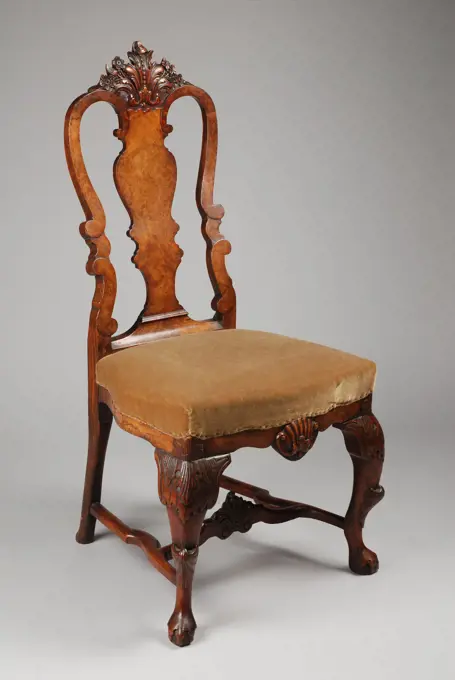
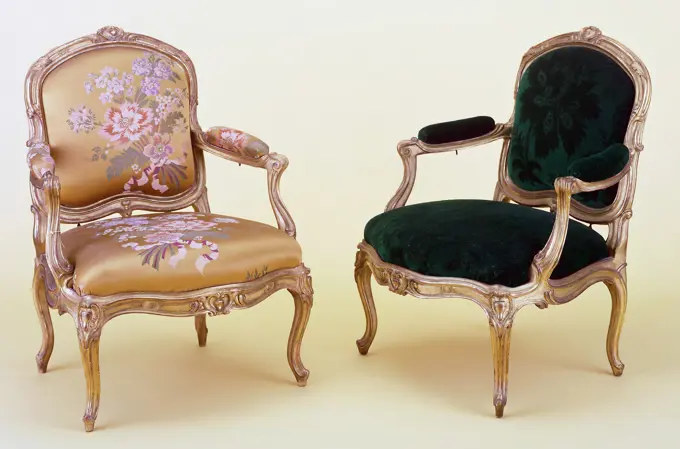
Walnut Queen Anne chair, chair furniture furniture interior design walnut beech wood velor burr walnut wood, Carving on the hood the front and backrest line and lines veneered with root walnut green velor upholstery Queen Anne
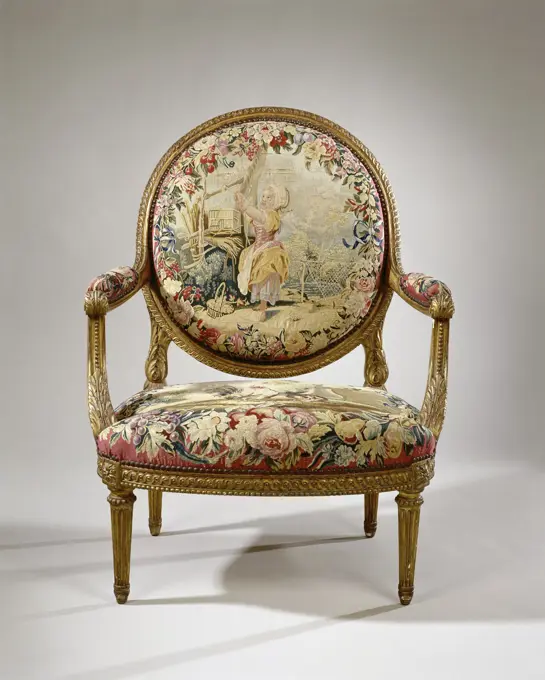
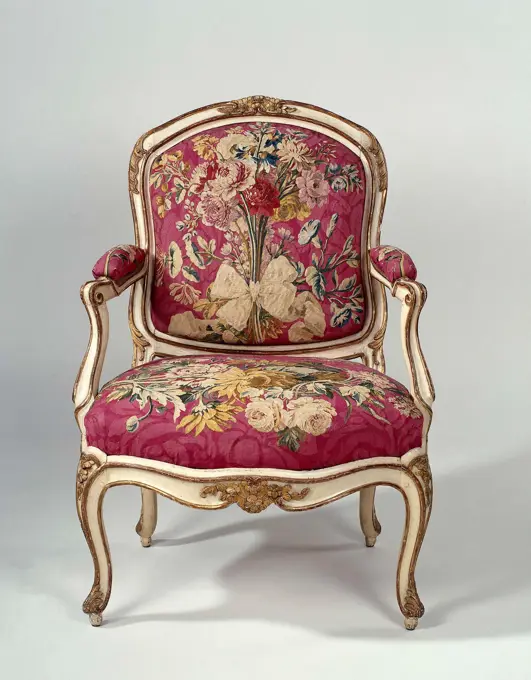
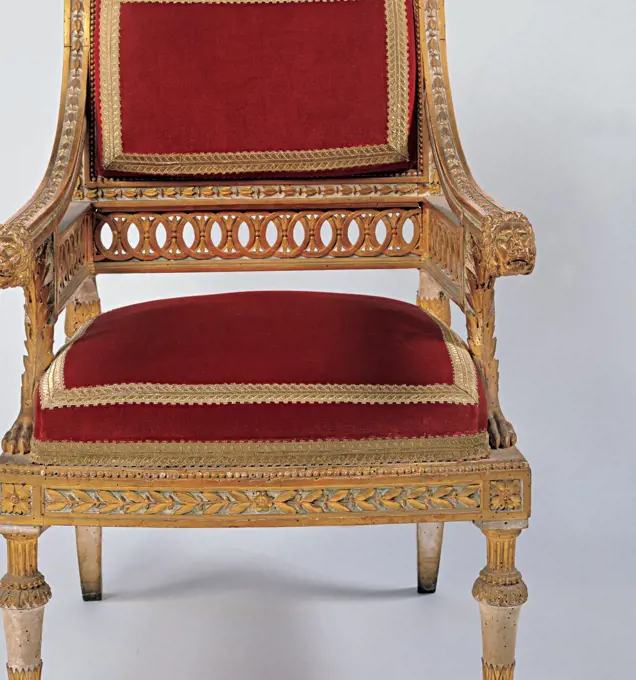
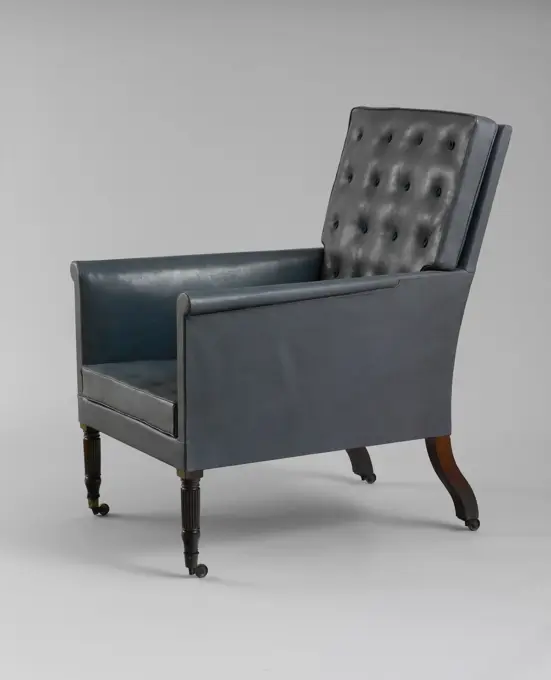
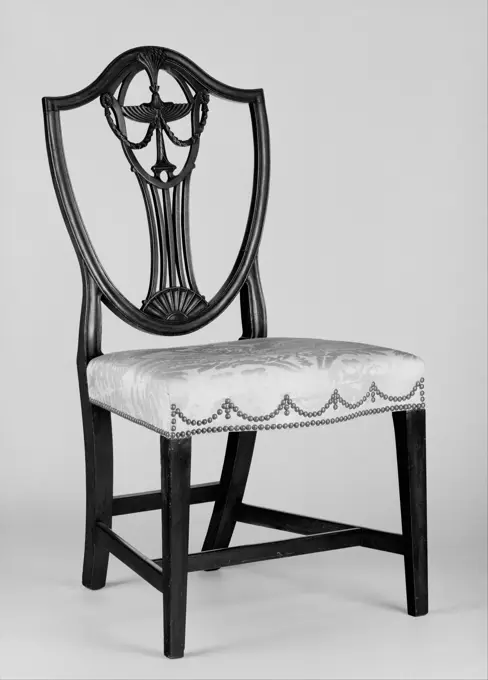
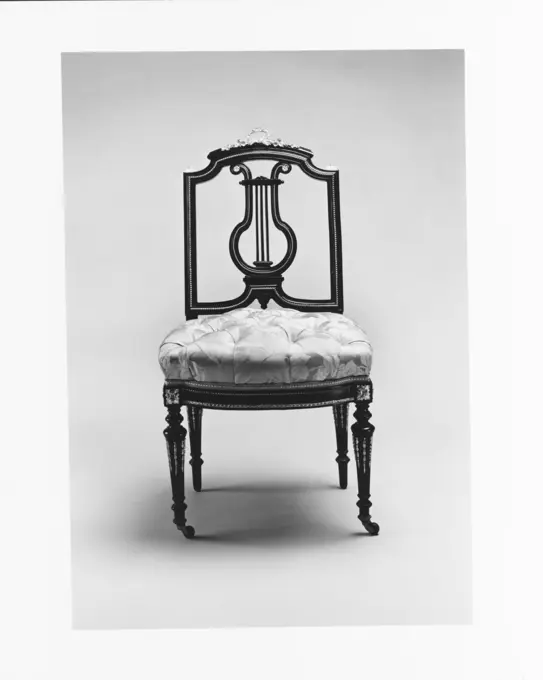
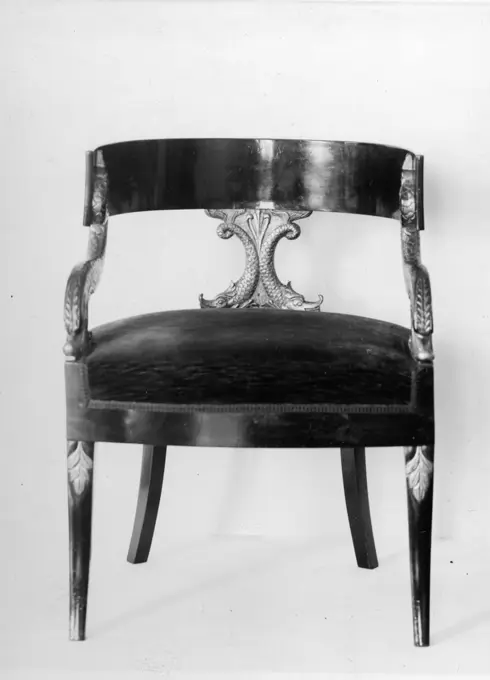
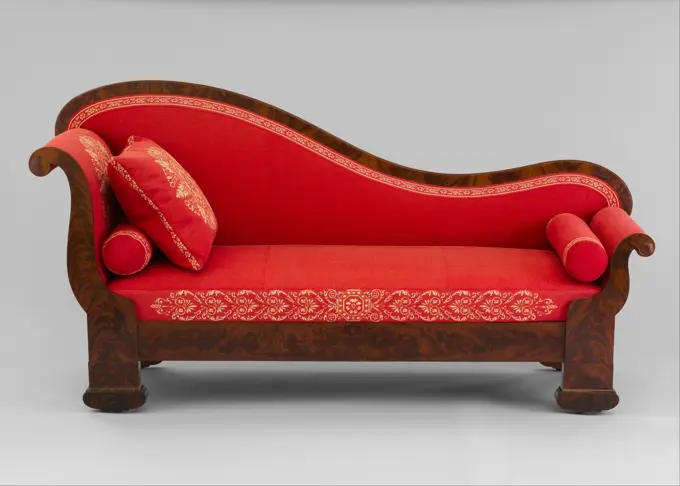
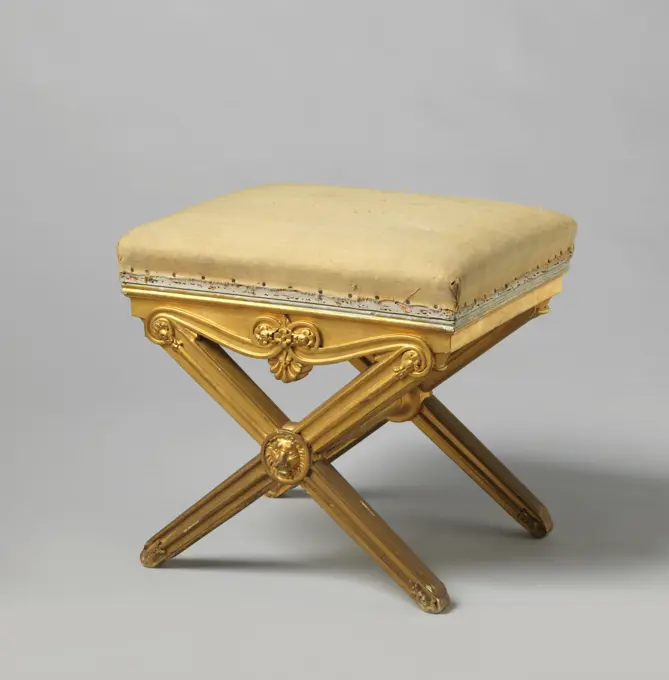
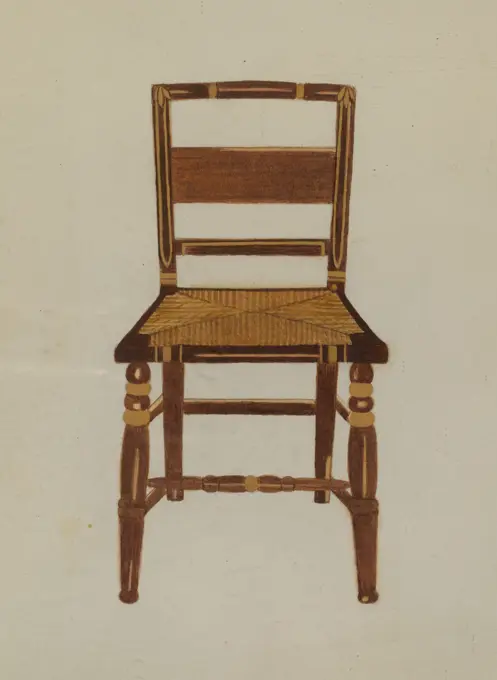
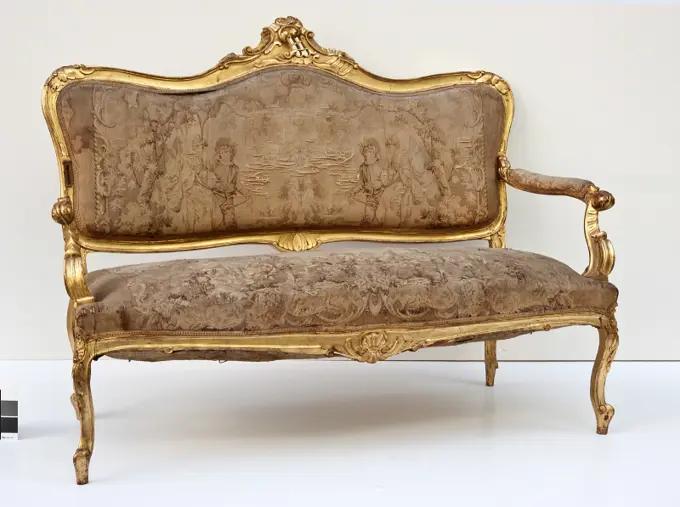
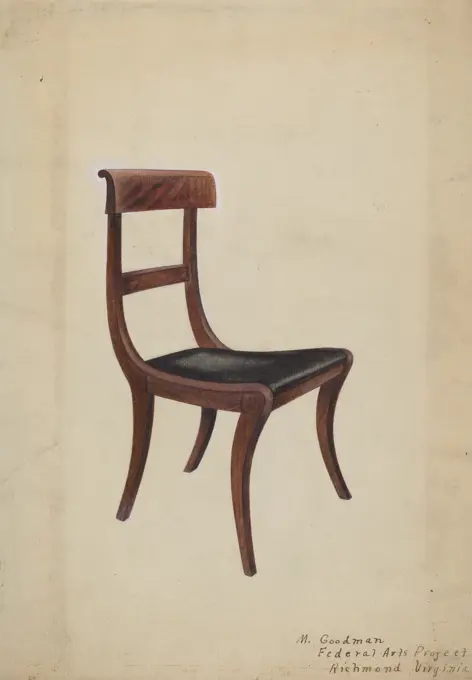
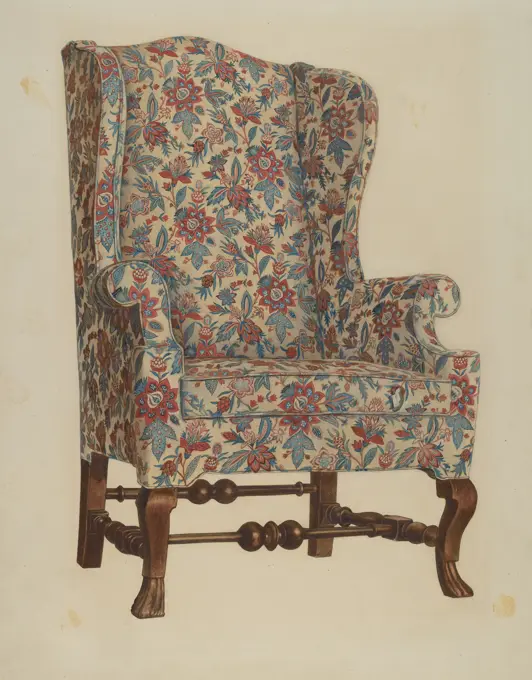
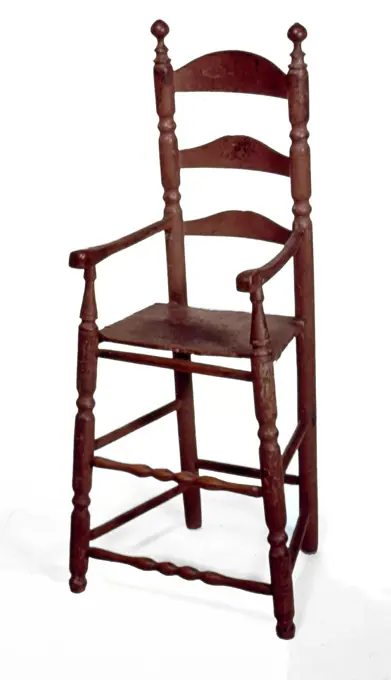
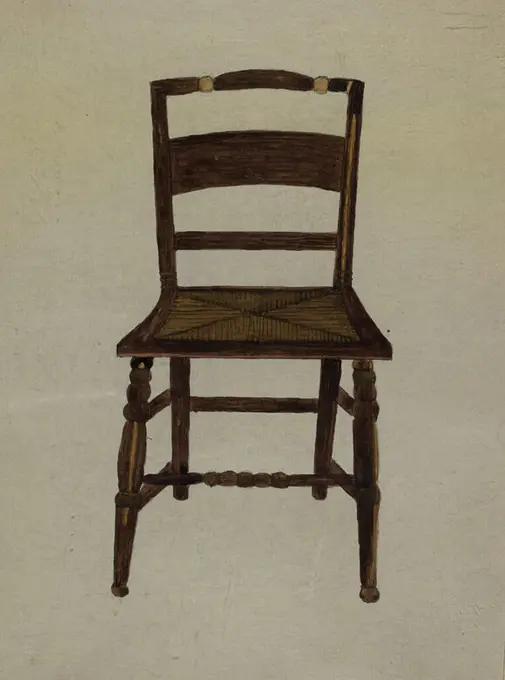
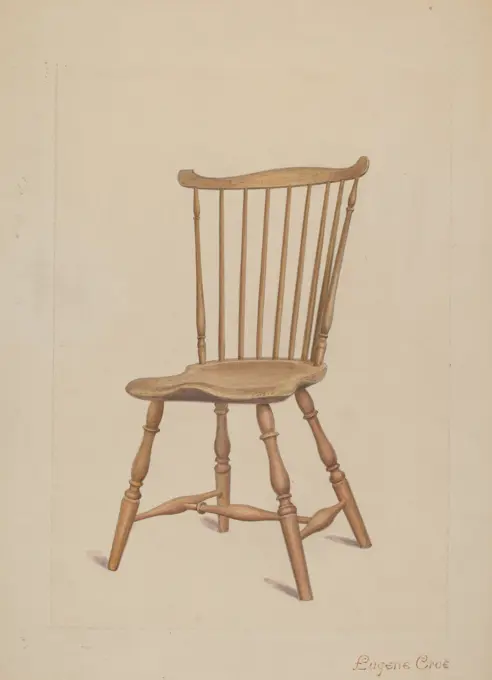
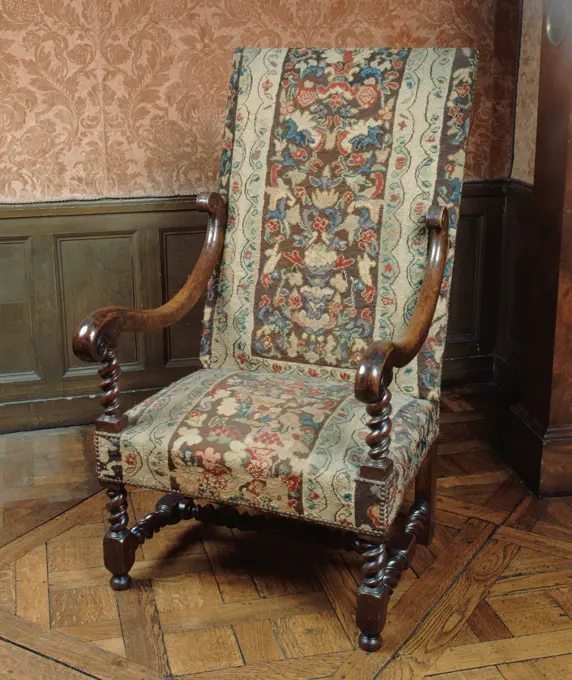
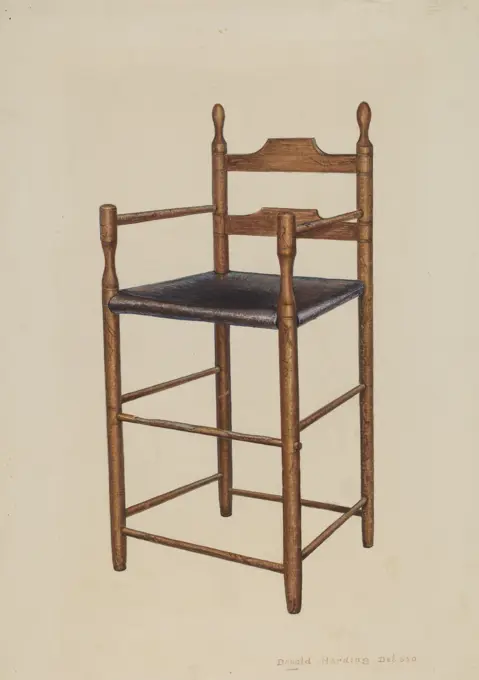
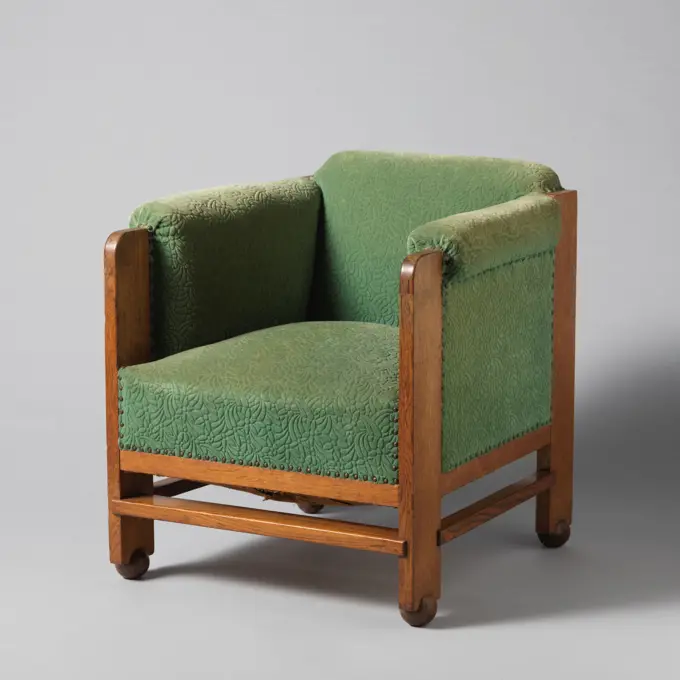
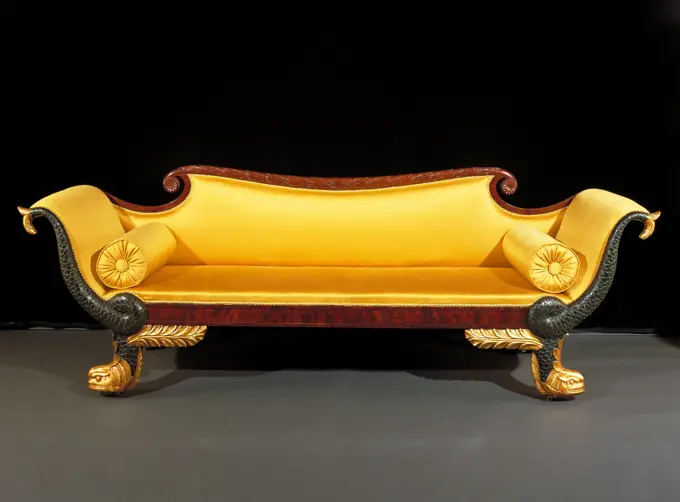
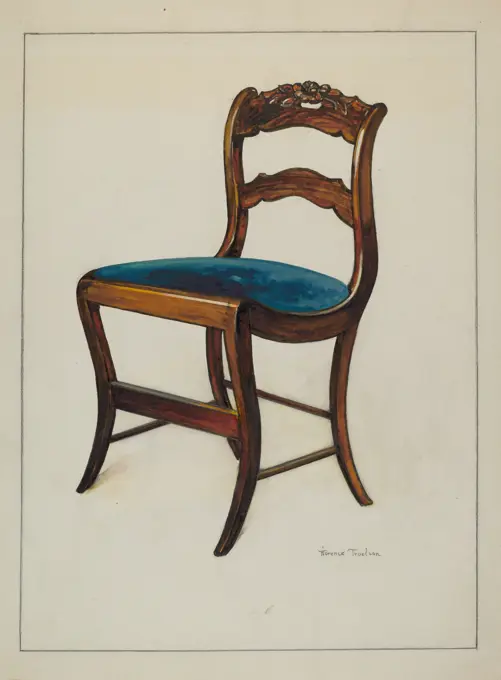
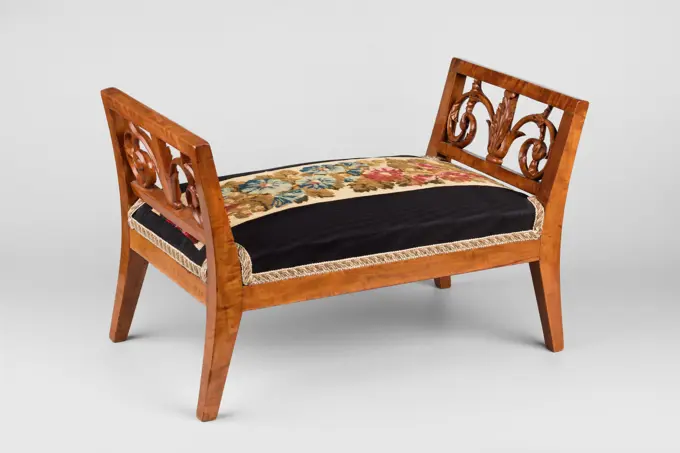
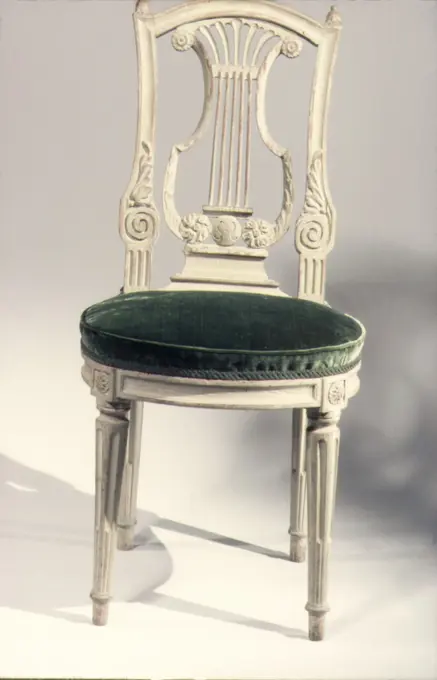
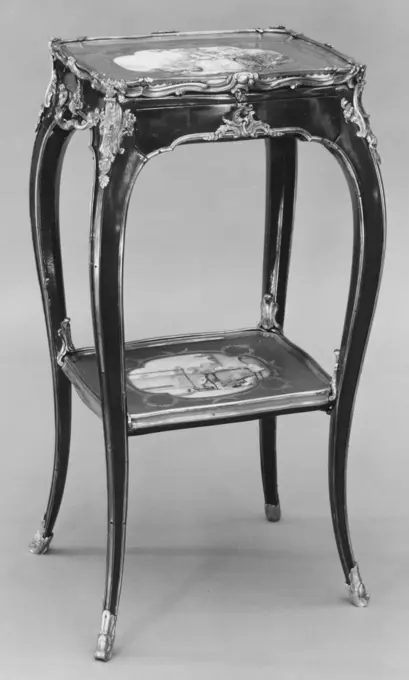
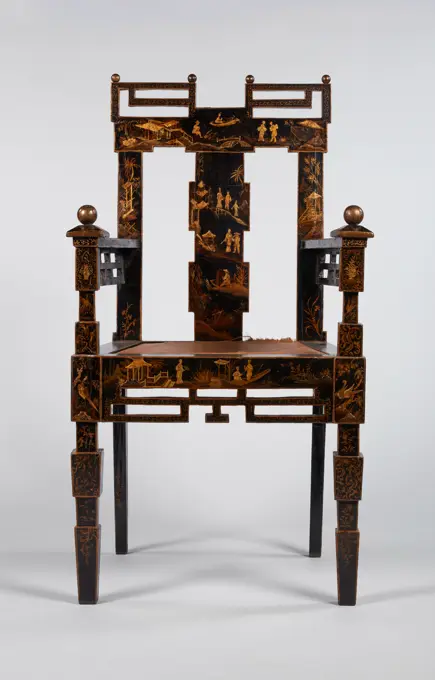
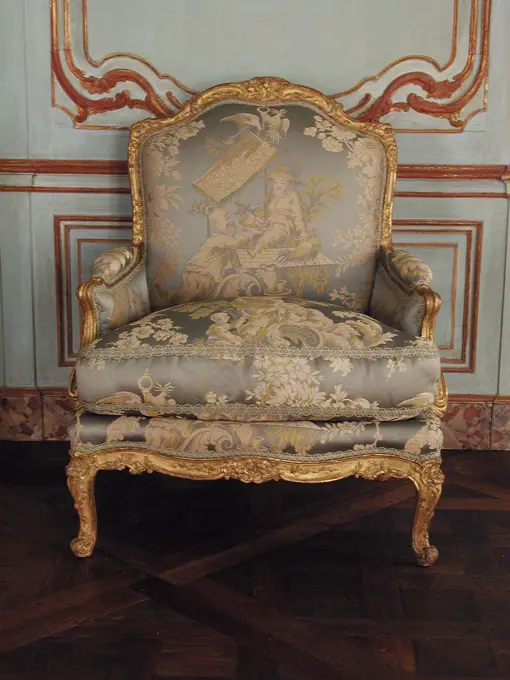
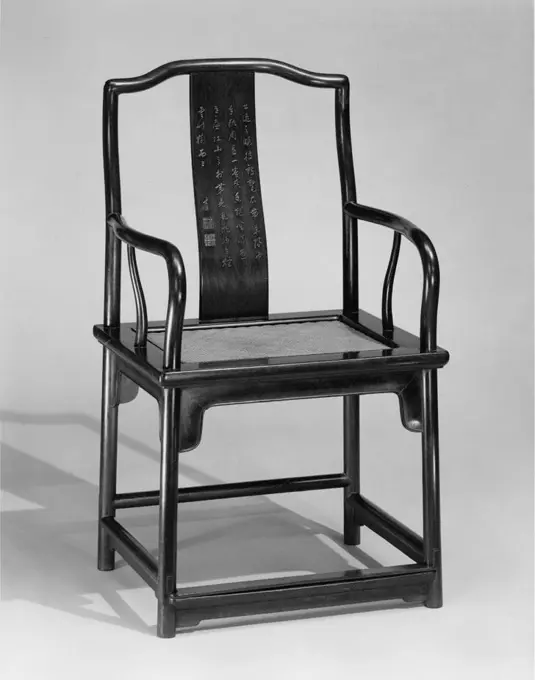
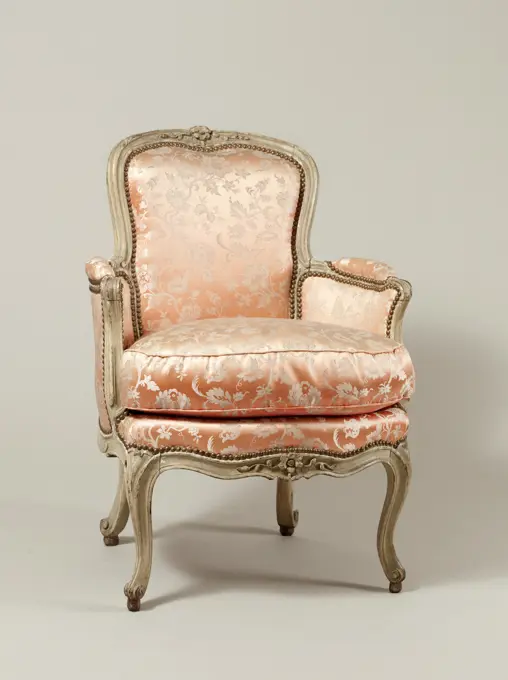
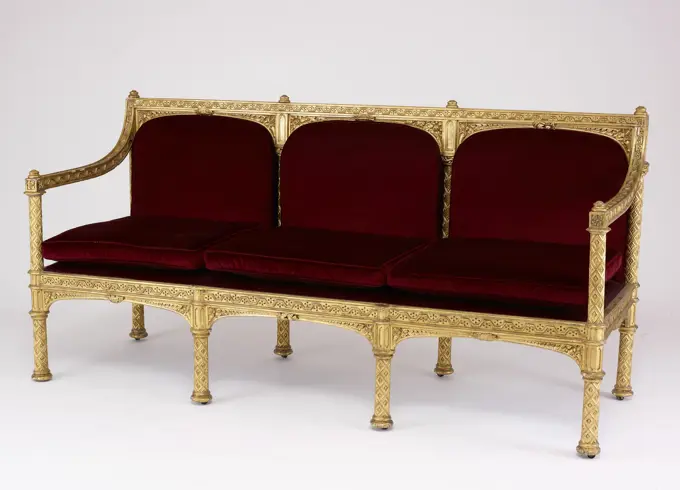
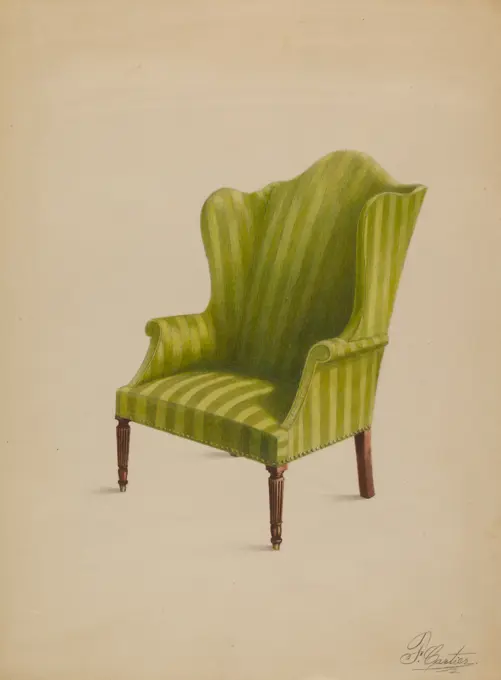
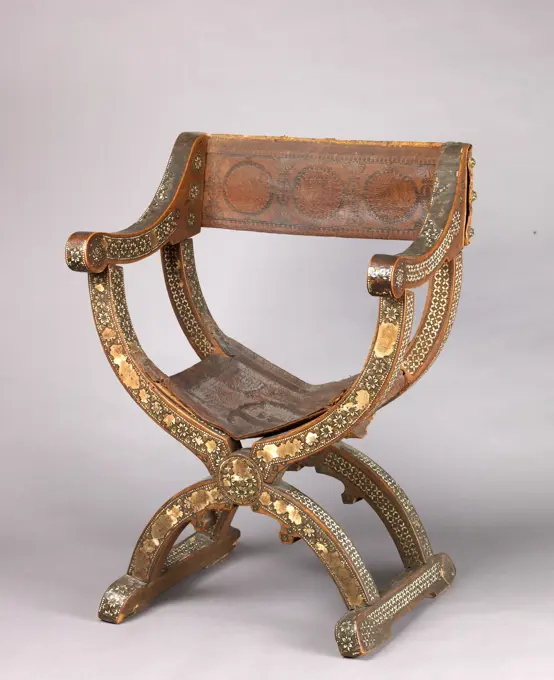
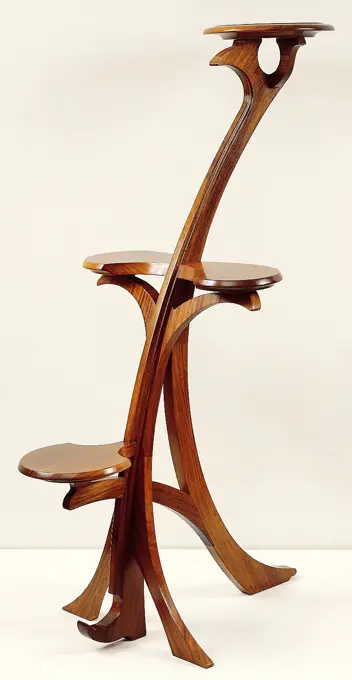
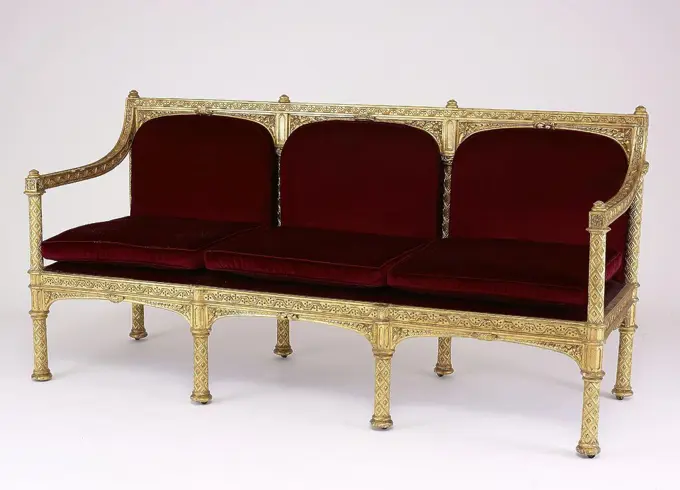
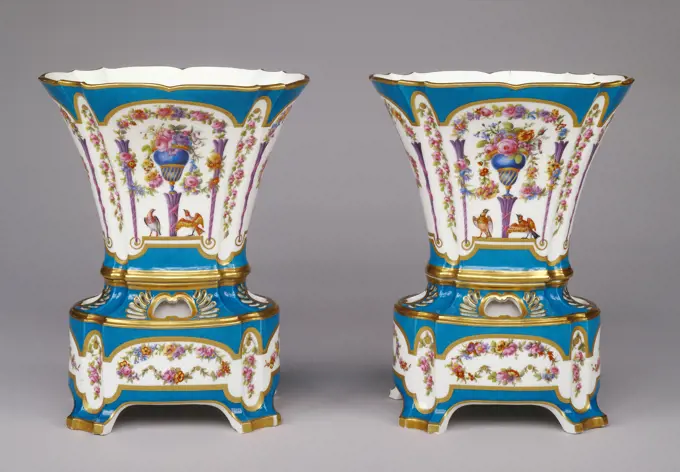
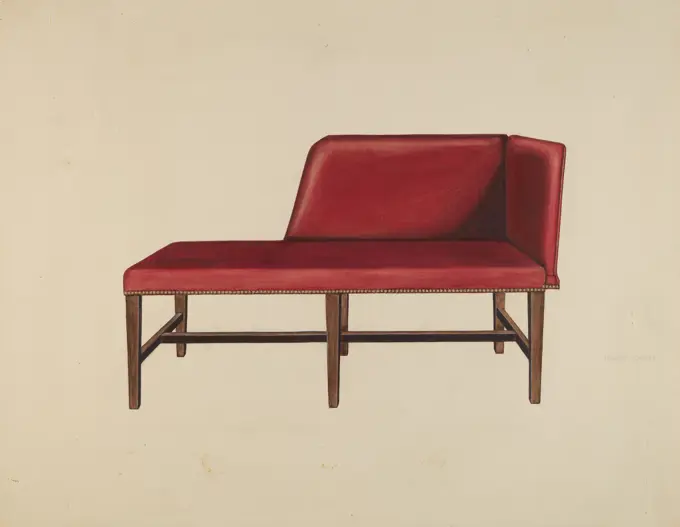
Fan-Back Windsor Chair c 1760-1770 Philadelphia. Yellow poplar, maple, hickory, and oak . Artist unknownArmchair. unknown, creatorArm chair lined with tapisserie with a girl with bird cage and bird net (Petit Oiselière) (back) and the fable of the rooster and the pearl (seat), Manufacture Royale des Gobelins, c. 1935 Arm chair of gilded beech wood, resting on conically shaped legs. The chair belongs to an ameublement. On the covered bent sitting window and the covered oval back window have been installed on a pink long -distance performances within flower wreaths (Tapisserie de Beauvais). See also: BK-16657-A/D and F. ParisParisdesigner: Francedesigner: Francefurniture worker: France walnut (hardwood). gilding (material). ketting: wool. inslag: silk tapestry / gilding Arm chair of gilded beech wood, resting on conically shaped legs. The chair belongs to an ameublement. On the covered bent sitting window and the covered oval back window have been installed on a pink long -distance performances within flower wreaths (Tapisserie de Beauvais). See also: BK-16657-A/D and F. ParisParisdesigner: Francedesigner: FrancefuLove Seat. Dated: c. 1942. Dimensions: overall: 36 x 45.5 cm (14 3/16 x 17 15/16 in.) Original IAD Object: 32"high; 51"long. See data sheet for details.. Medium: watercolor, colored pencil, gouache, and graphite on paperboard. Museum: National Gallery of Art, Washington DC. Author: Ralph Morton.Side Chair 1790-1800 American. Side Chair 1622. Oak's armchair resting on four wide flat legs with chapter upper and bottom. The front and hind legs are connected to each other by means of wide side walls. The front legs run through in the arm struts and the hind legs run through in the back styles. The arm struts and back stamps are connected to each other by means of a line where the armrests that are embedded in the back stamps. Both the seat and the handrail are lined with red-colored wool.. Armchair, part of an ameublement, made of white with gold painted beech wood and covered on a loose window with tapestry that shows on a red dama-crazy floor bouquets, tied together by ribbons with bows. The front legs, front seat, upper shell and styles of the back window wearing inserted leaf and floral motifs. The armrests with pads end in Volutes; The overhoeks placed S-shaped legs end in an acanthus sheet. Signature: I. Gourdin. See: BK-16655-A / B, C, E, F, g.SidechairArmchair, by Lombard workmanship, 1780, wood carved, gilded and partially painted, padded seat and back covered with fabric. Italy: Lombardy: Mantua: Ducal Palace. Detail. Chair armchair seat upholstery decoration furniture furnishings fittings design backrest sunken armrests gold red leonine lion's headsArmchair ca. 1800 Probably Duncan Phyfe Scottish. Armchair 3498Eikhout chair with a seat and back of leather, anonymous, 1675 - 1700 Eight oak seats with leather seat and back. The legs show house and suffered and are connected by an H-shaped cross. At the front is, between two houses, a wide forecution. The hind legs turn back. The back rests high on the struts and is bent from above. Northern Netherlands wood (plant material). oak (wood). elm (wood). leather Eight oak seats with leather seat and back. The legs show house and suffered and are connected by an H-shaped cross. At the front is, between two houses, a wide forecution. The hind legs turn back. The back rests high on the struts and is bent from above. Northern Netherlands wood (plant material). oak (wood). elm (wood). leatherArmchair, Hendrik Petrus Berlage (attributed to), c. 1920 Arm chair of Coromandelhout resting on four legs that end in block -shaped feet. The legs are interconnected by means of an H-shaped cross whose rule at the front has a light V-shape. The front legs run into the partly profiled arms and the hind legs run into the backstyles. The backstyles are bent and profiled on the front. The backrest consists of a lower and top line with a curved top. Between the two lines, a panel is covered with green Trijp on which black tires that is trimmed with light green band. The lower sill has beveled corners. Both the seat and the armrests are covered with the same green trijp with black tires. Only the armrests are trimmed with light green band.  wood (plant material). Arm chair of Coromandelhout resting on four legs that end in block -shaped feet. The legs are interconnected by means of an H-shaped cross whose rule at the front has a light V-shape. The front legs run into the partly profiled armSide Chair 1795-1805 American. Side Chair 1752Chair. Schinkel, Karl Friedrich (1781-1841), designer, unknown, author. Armchair of gold-plated beech wood, resting on conical shaped legs. The armchair is part of an ameublement. On the coated curved sitting window and the coated oval back window are applied to a pink-part shows within flower wreaths (Tapisserie de Beauvais). See also: BK-16657-a / e.Side Chair 1860-70 Léon Marcotte French This side chair is part of a suite of Louis XVI-style furniture that John Taylor Johnston (1820-1893) purchased from the firm of Ringuet-Leprince and L. Marcotte in about 1856. This international firm had showrooms in both Paris and New York, and it is believed that at least some of the pieces of the suite were made in Paris for the New York commission. Johnston, a railroad executive and the first president of The Metropolitan Museum of Art, used the furniture in the music room of his residence at 8 Fifth Avenue. The suite (68.69.1-68.69.11, 68.165.1-68.165.6) includes two sofas, two armchairs, a table, two matching cabinets, a third large cabinet, six matching side chairs, a pair of lyre-back side chairs, and a firescreen. After Ringuet-Leprince retired in 1860, the firm became known as L. Marcotte and Company. Léon Marcotte was New York's most noted cabinetmaker and interior decorator during the 1860s.. Side Chair 1774Sofa c 1860-1870 New York. Rosewood, inlays of various woods, ormolu mounts, and porcelain plaques . Pierre E. Guerin (firm) (Manufacturer)Chair;  1850-1860 (1850-00-00-1860-00-00);Sweden, Blekinge, Blekinge, Karlskrona, Karlskrona, external marina (depicted, town).Sweden, Blekinge, Blekinge, Karlskrona, Karlskrona, External War Gogs (depicted, City)SidechairSofaCouch ca. 1837 Attributed to the Workshop of Duncan Phyfe Scottish The scrolled armrests at opposite ends of this couch (and its pair 66.221.2) encouraged comfortable reposeor even a midday nap. In the early nineteenth century, designers and furniture makers embraced a revival of Classical prototypes from ancient Greek and Roman architecture and decorative arts. The sleek, curvaceous lines, and dramatic, figural mahogany veneers of this couch characterize the distinct Grecian Plain style that emerged in the 1820s to 1840s during the revival period. American cabinetmakers were highly influenced by French interpretations of Classical forms that circulated in design books and periodicals, such as Pierre de La Mésangère's Collection de Meubles et Objets de Goût (1820-1831). This couch and its pair are part of an expansive suite of seating furniture attributed to the workshop of cabinetmaker Duncan Phyfe (see 66.221.1-.10 and 1972.264.1-.2). It was made to furnish a New York City townhouseTaburet of gilded elm wood with intersections, anonymous, 1800 - 1825  Taburet of gilded elm wood with intersections (shape of folding chair) and a loose pillow. Netherlands elm (wood). gilding (material) gildingArm chair with angular armrests and covered with blue Trijp, Jacobus Fernandus Adolphus Semey, 1933 Arm chair of black lacquered wood resting on four square legs. The front legs are straight and the hind legs are slightly bent and continue in the backstyles. The session is set in four lines whose two side rules are right and the front and back rule bent. The benchmark of the backrest is also bent. From the center of the backrest, flat angular armrests walk off who are on the front, not in line with the front legs, on flat struts that are partly attached to the seat and partly. Both the handrail and the seat are covered with blue Trijp. The covering of the seat is trimmed with a beige trim. The Hague wood (plant material). wool. paint (coating) Arm chair of black lacquered wood resting on four square legs. The front legs are straight and the hind legs are slightly bent and continue in the backstyles. The session is set in four lines whose two side rules are right and the front and back Genevieve Sherlock, Side Chair, 1935 1942 Side ChairSettee. unknown, authorArmchair. Armchair from walnut, partially plated. The front legs end as a struts, which are decorated at the top of leaf consoles, and supports the armrests, ending in volutes. The most outward prosposal, preside and back sports are decorated with, among other things, browse motifs, rosettes and volutes. The back styles, awarded with leaf motifs, tilting backwards. The upper sport of the back carries a coat of arms with flowers, bullets and a star. The legs are square. See also BK-16646-A, C and D.Three chairsChair 1876 New York City. Patent furniture reached the height of its popularity in the last quarter of the 19th century. This folding chair was patented in 1876 and touted in advertisements as ìthe king of all chairs.îIt could be adjusted into numerous positions by utilizing the lever on the seat rail and was used variously as a lounge chair, an invalid chair, a smoking chair, or a bed. Most likely exhibited at the 1893 Chicago Worldís Columbian Exposition, this chair was prized for its durable materials and comfort in addition to its versatility.. Iron, walnut, cane, and upholstery . Cevedra B. SheldonMattie P Goodman, Side Chair, 1935 1942 Side ChairHenri Sauvage (1873-1932). "Café de Paris" chair. Oak ; Garnish: purple velvet. 1899. Paris, Carnavalet museum. 100081-3 FURNITURERolland Livingstone, Wing Chair, 1941 Wing ChairArmchair ca. 1904 J. S. Ford, Johnson and Company American. Armchair. American. ca. 1904. Oak, poplar. Made in Chicago, Illinois, United StatesGothic Style Chair with Dark Wood Frame and Maroon Upholstery. Artist: Anonymous, British, 19th century. Dimensions: sheet: 9 1/2 x 5 1/2 in. (24.1 x 14 cm). Date: 19th century. Museum: Metropolitan Museum of Art, New York, USA.HighChairSide Chair. Culture: American. Dimensions: 33 1/2 x 20 3/4 x 16 3/4 in. (85.1 x 52.7 x 42.5 cm). Maker: Possibly Thomas Ash (active ca. 1774-1813). Date: ca. 1820. Museum: Metropolitan Museum of Art, New York, USA.Side Chair ca. 1880 Henry Hobson Richardson. Side Chair 1685Chair. Dated: 1935/1942. Medium: watercolor and graphite on paper. Museum: National Gallery of Art, Washington DC. Author: Genevieve Sherlock.Chair/ Armchair by Aleix Puig Clapés (1850-1920) a painter of modernism symbolic and student of Claudio Lorenzale at the School of the Llotja of Barcelona. Dated 1904Eugene Croe, Windsor Chair, c 1936 Windsor ChairLouis XIII armchair of Honoré de Balzac ", 17th century. Anonymous. Mobilier. Paris, Maison de Balzac. 25650-1 French writer, Louis XIII armchair, Balzac house, furniture, reporting, seatstool in velvet and wood in front of white backgroundDonald Harding, Child's High Chair, c 1942 Child's High ChairHemelbed, anonymous, c. 1775 - c. 1800 Wall sky bed of white painted beech wood. The bed is also lacquered green and painted with rosettes, palmets and leaf motifs and tendrils. The upholstery is of a later date. Northern Netherlands wood (plant material). beech (wood). oak (wood). spruce (wood). elm (wood). paint (coating). textile materials Wall sky bed of white painted beech wood. The bed is also lacquered green and painted with rosettes, palmets and leaf motifs and tendrils. The upholstery is of a later date. Northern Netherlands wood (plant material). beech (wood). oak (wood). spruce (wood). elm (wood). paint (coating). textile materialsFauteuil, e.g.c. Shrudad, 1910 - 1927  Netherlands oak (wood). rosewood (wood). wool  Netherlands oak (wood). rosewood (wood). woolFederal sofa, c. 1805, 37 x 84in. (94 x 213.4cm), Mahogany, United States, 19th centurySofa. Dated: 1935/1942. Dimensions: overall: 22.7 x 29.9 cm (8 15/16 x 11 3/4 in.) Original IAD Object: none given. Medium: watercolor, colored pencil, and graphite on paperboard. Museum: National Gallery of Art, Washington DC. Author: Frank Wenger.Side chair. UnknownSofa, c. 1820, 104 x 35 x 27 1/2 in. (264.16 x 88.9 x 69.85 cm), Mahogany, maple, ash, pine, polychrome, gilt, upholstery, United States, 19th century, Greek and Roman excavations helped spark an interest in Classically-inspired design in the early nineteenth century.Blue sofa couch in vintage room - classical styleeye;  1815-1830 (1815-00-00-1830-00-00);Florence Truelson, Mahogany Chair with Card Rose Design on UpperWrung, c 1937 Mahogany Chair with Card Rose Design on UpperWrungSofa. unknown, creatorFootstool. unknown, creatorRed Chair Contemporary style in vintage roomSide chair (one of a pair) ca. 1780 French One of a pair of elegant and light side chairs in the neoclassical style. Each with a shaped back framing a pierced lyre-form splat over a horseshoe shaped seat upholstered in green velvet. The chairs are supported on fluted round tapering legs. Chairs with lyre-shaped backs became quite fashionable during the late eighteenth century continued to remain popular in the nineteenth century. Although this pair is unsigned, identical chairs were made by Georges Jacob (1739-July 5, 1814), one of the most prominent Parisian menuisiers. Given their scale, this pair may have been used in one of the smaller private rooms or possibly in a music salon. They were part of the model collection of woodwork, paneling and seat furniture of Maison Leys, a successful decorating business, located at the Place de la Madeleine in Paris. Since 1885 the business was directed by Georges Hoentschel who installed the collection in 1903 in a museum-like display at BoulevaArmchair, one of eight, after 1756, Jean-Baptiste Lebas (Maître in 1756), French, 38 1/2 x 27 x 24 in. (97.79 x 68.58 x 60.96 cm), Gilt wood and upholstery, France, 18th centurySheraton StyleChair'Chippendale Mahogany Arm-Chair with Needlework Upholstery',  mid 18th century, (1928). Artist: Thomas Chippendale.Eating and work table (one of a pair) ca. 1758-65 Table attributed to Bernard II van Risenburgh This small eating and work table mounted with Sèvres porcelain plaques comes from the Hillingdon Collection, which was founded by Sir Charles Mills (1792-1880), a partner in the great firm of Glyn, Mills, Currie and Company, bankers to the British royal family. Tradition says that Sir Charles acquired the collection during a series of visits to France in the first half of the nineteenth century. Sir Charles son was created first Baron Hillingdon in 1886. In 1937, his descendants sold the collection to the well-known art dealers Duveen Brothers. Although various collectors, such as Calouste Gulbenkian and J. Paul Getty, were interested in buying the Hillingdon Collection, ultimately the majority of the artworks, including seventeen pieces of porcelain-mounted furniture, were acquired in 1947 by the cultural foundation that had been established by the American businessman and philanthropist SAnonymous, Chinese armchair - Decor of Hauteville II, Maison de Juliette Drouet in Guernesey (attributed title), 1700. Maison de Victor Hugo - Hauteville House.Armchair. Culture: American. Dimensions: 45 1/2 x 26 1/2 x 16 1/2 in. (115.6 x 67.3 x 41.9 cm). Date: 1670-1700. Museum: Metropolitan Museum of Art, New York, USA.Miniature side chair. Culture: British, London. Dimensions: 3 1/8 × 1 1/4 × 1 1/4 in. (7.9 × 3.2 × 3.2 cm). Maker: David Clayton (British, active 1689). Date: late 17th-early 18th century. Museum: Metropolitan Museum of Art, New York, USA.Armchair (bergère) (one of a pair) ca. 1765 possibly by Louis I Cresson French This kind of armchair, upholstered between the arms and the seat, is called a bergère. It was introduced at the beginning of Louis XVs reign, when furniture became less formal and changed according to the latest fashions, as a more comfortable piece of seat furniture. In fact, the armrests are set back from the front corner of the seat rail to accommodate the newly introduced voluminous dresses called “à panier”. The incised decoration on the outer back of the frame suggests that these chairs were intended to be used in the center of the room rather than to be placed against the paneling as part of the wall decoration.These bergères were made around 1760, probably by the joiner (menuisier) Louis I Cresson. The mark L.CRESSON is stamped underneath the frame of one of these chairs. It is difficult, however, to attribute this stamp with certainty to a particular member of the Cresson family since ten of them wArmchair 17th century China To enhance aesthetic enjoyment, the brush writing of famous calligraphers was often carved on favorite objects in the scholar's study. Here, the calligraphy of two literati, Zhou Tianqiu (1514-1595) and Dong Qichang (1555-1636), on the splats testifies to the popularity of that custom.. Armchair 54285Armchair, 1500s. France, Henri II style, 16th century. Walnut; overall: 108.9 x 61 x 63.5 cm (42 7/8 x 24 x 25 in.).Blechtwerk chair, with geometric motifs, anonymous, c. 1800 - c. 1899 Chair made of bent, and rods of small lisdodde stretched on wooden pins. The backrest with geometric motifs. The legs interconnected with cross rules. The seat is made of 5 halved stems attached in the width. England (possibly) PIN: Wood (Plant Material) Chair made of bent, and rods of small lisdodde stretched on wooden pins. The backrest with geometric motifs. The legs interconnected with cross rules. The seat is made of 5 halved stems attached in the width. England (possibly) PIN: Wood (Plant Material)Etienne Meunier. Shepherdess. Beech, around 1745. Paris, Carnavalet museum. 50254-5 Bergere, stretch, furniture, floral motif, furnitureSide Chair (one of six). Dated: 1936. Dimensions: overall: 29.8 x 22.8 cm (11 3/4 x 9 in.) Original IAD Object: none given. Medium: watercolor, colored pencil, graphite and gouache on paperboard. Museum: National Gallery of Art, Washington DC. Author: Alfred Nason.Armchair Armchair , Augustus Welby Northmore Pugin, 19th century, york, 1840, Amsterdam, Netherlands Copyright: xZoonar.com/BartomeuxBalaguerxRotgerx 21697306Sofa Designed 1807 London. Gilded beechwood, gilt bronze, and velvet . Augustus Welby Northmore Pugin (Designer)Ferdinand Cartier, Wing Chair, c 1936 Wing ChairHip-joint armchair (sillón de cadera or jamuga) ca. 1480s Spanish (Granada), Hispano-Moresque. Hip-joint armchair (sillón de cadera or jamuga). Spanish (Granada), Hispano-Moresque. ca. 1480s. Walnut, elm, other woods, ivory, mother-of-pearl, pewter, parchment; leather, tooled.. Woodwork-FurniturePedestal, 1897, Gustave Serrurier-Bovy, Belgian, 1858-1910, 62 3/4 x 38 3/4 x 31in. (159.4 x 98.4 x 78.7cm), Congolese palissandre, Belgium, Art Nouveau, Its a plant stand that appears to be a plant itself, sprouting from the floor. Its 'branches' support shelves for displaying art objects and potted plants (though it has a support at the back, the top platform cannot bear anything too heavy).The design highlights the flame-like grain of the exotic wood, accentuating the beauty of the organic material.Sofa. Designed by James Wyatt; English, 1746-1813; Made by John Russell; active 1773-1822; England. Date: 1807. Dimensions: 99.4 x 191.1 x 69.9 cm (39 1/8 x 78 x 27 1/2 in.). Gilded beechwood, gilt bronze, and velvet. Origin: London. Museum: The Chicago Art Institute, USA. Author: AUGUSTUS WELBY NORTHMORE PUGIN.yellow fabric armchair with wooden legs isolated on white background. side viewStoel Kops-Amouublement, Anonymous, c. 1793 - C. 1795 Covered chair, part of the KopsEublement, of white and blue gray painted beech wood and resting on conical legs. The seating rules and sills of the back window, with Tuscan -canaled columns as backstyles, show stabbed braid tire with rosettes. Finish with rosettes and acanthus leaves. The upholstery shows floral motifs on light blue satin soil, held on the back by griffins. Ordered for the Nieuwe Gracht 74 building, Haarlem. See: BK-15615-A/P; BK-15614; BK-15616-A/B. furniture worker: Netherlandsdesigner: Amsterdam wood (plant material). beech (wood). silk. paint (coating) Covered chair, part of the KopsEublement, of white and blue gray painted beech wood and resting on conical legs. The seating rules and sills of the back window, with Tuscan -canaled columns as backstyles, show stabbed braid tire with rosettes. Finish with rosettes and acanthus leaves. The upholstery shows floral motifs on light blue satin soil, held on the back byAnonymous, chair with a carved wooden owl with backrest and seated in tapestry (dummy title). Wood and tapestry. House of Victor Hugo - Hauteville House.beige Retro Classic fabric style chairCarl Weiss, Stool Living Room, 1935 1942 Stool-Living Roomclassic chair in the dark classic chair in the dark made in 3D Copyright: xZoonar.com/StanislavxRishnyakx 2952342Rolkussen van Het Polish bed, Anonymous, c. 1775 Roll cushion of silk damask of the bed in box. France wood (plant material). walnut (hardwood). beech (wood). iron (metal). silk. satin. copper (metal). paint (coating) cutting / damask Roll cushion of silk damask of the bed in box. France wood (plant material). walnut (hardwood). beech (wood). iron (metal). silk. satin. copper (metal). paint (coating) cutting / damaskVintage photograph. Armchair with curved frilly baseArmchair. Brion, Pierre-Gaston (1767-1855), joinerWhite Vintage classical farbirc style ChairRed Vintage retro style ChairWhite Vintage retro style Chair with lampOld-fashioned armchair in the vintage interiorpink fabric armchair with wooden legs isolated on white background. Front viewWhite Vintage retro style Chair with lampSofa ca. 1860 Léon Marcotte French This sofa is part of a suite of Louis XVI-style furniture that John Taylor Johnston (1820-1893) purchased from the firm of Ringuet-Leprince and L. Marcotte in about 1856. This international firm had showrooms in both Paris and New York, and it is believed that at least some of the pieces of the suite were made in Paris for the New York commission. Johnston, a railroad executive and the first president of The Metropolitan Museum of Art, used the furniture in the music room of his residence at 8 Fifth Avenue. The suite (68.69.1-68.69.11, 68.165.1-68.165.6) includes two sofas, two armchairs, a table, two matching cabinets, a third large cabinet, six matching side chairs, a pair of lyre-back side chairs, and a firescreen. After Ringuet-Leprince retired in 1860, the firm became known as L. Marcotte and Company. Léon Marcotte was New York's most noted cabinetmaker and interior decorator during the 1860s.. Sofa 7588Pair of Vases; Painted by Jacques-François-Louis de Laroche (French, about 1740 - about 1802), Gilded by Antoine-Toussaint Cornaille (French, 1735 - 1812), Sèvres Manufactory (French, 1756 - present); Sèvres, France; about 1775 - 1780; Soft paste porcelain; enamel colors and gold decoration, bleu céleste ground color;Green chair in victorian style on wooden floorVintage luxury Blue sofa Armchair isolated on white background with Clipping pathLillian Causey, Settee or Chaise Lounge, c 1939 Settee or Chaise LoungeChair -isolated golden object isolated golden object made in 3d graphics Copyright: xZoonar.com/StanislavxRishnyakx 2952443Old antique chair, vector sketch illustration. hand drawn stoolModel of a bed with headboard decorated with coral flowers, partially gilded wrought iron. Italy, 17th-18th century.Chair, Jan Bonket, 1779 Chair with smooth, pumpal seat and volute -shaped front legs. The open worked backrest is crowned by a crest. The center of the backrest is formed by a rosette and leaf hangers. The chair is marked: stk. = Amsterdam, Jrl. = 1779, Mt. = Jan Bonket. The chair belongs to five identical copies (BK-NM-1177-169, BK-NM-1177-170, BK-NM-11177-171, BK-NM-11177-172 and BK-NM-11177-173). Amsterdam silver (metal) Chair with smooth, pumpal seat and volute -shaped front legs. The open worked backrest is crowned by a crest. The center of the backrest is formed by a rosette and leaf hangers. The chair is marked: stk. = Amsterdam, Jrl. = 1779, Mt. = Jan Bonket. The chair belongs to five identical copies (BK-NM-1177-169, BK-NM-1177-170, BK-NM-11177-171, BK-NM-11177-172 and BK-NM-11177-173). Amsterdam silver (metal)