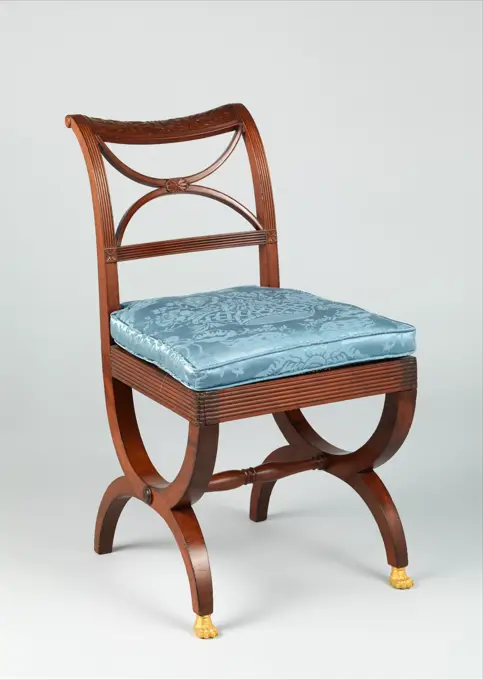
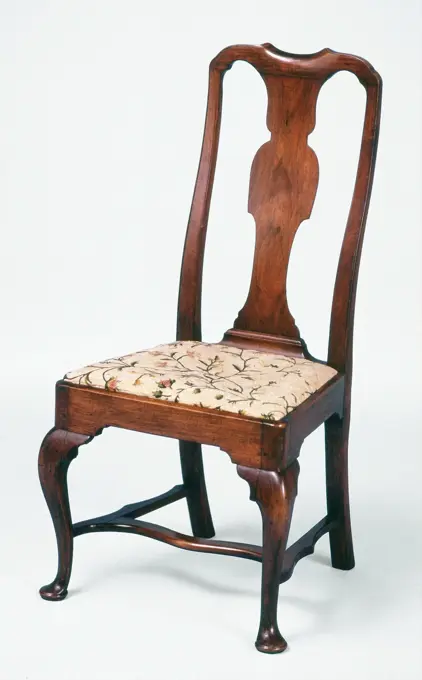
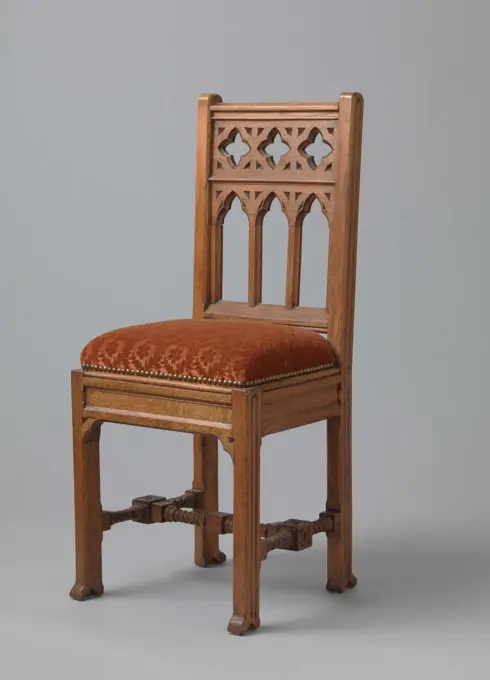
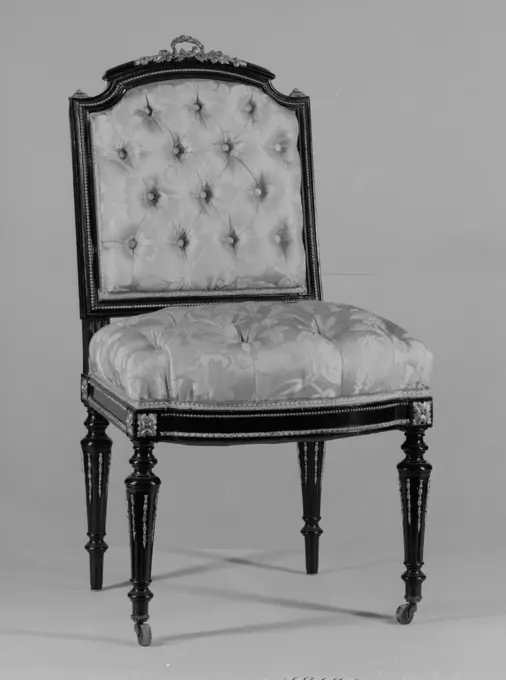
Elegant Seating Designs

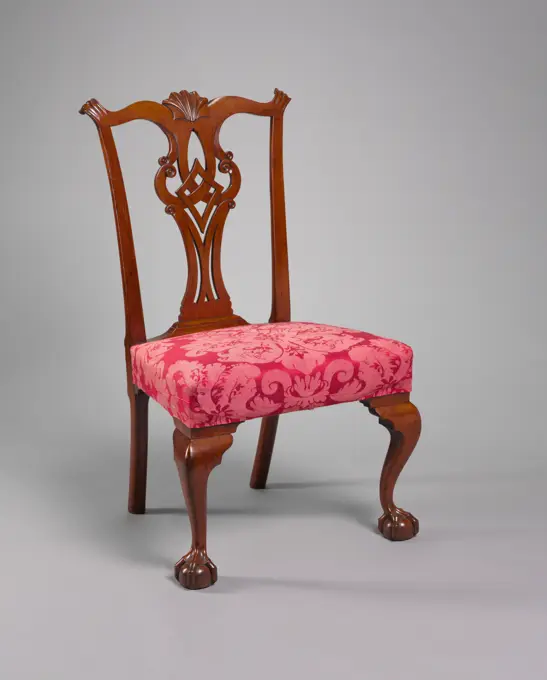
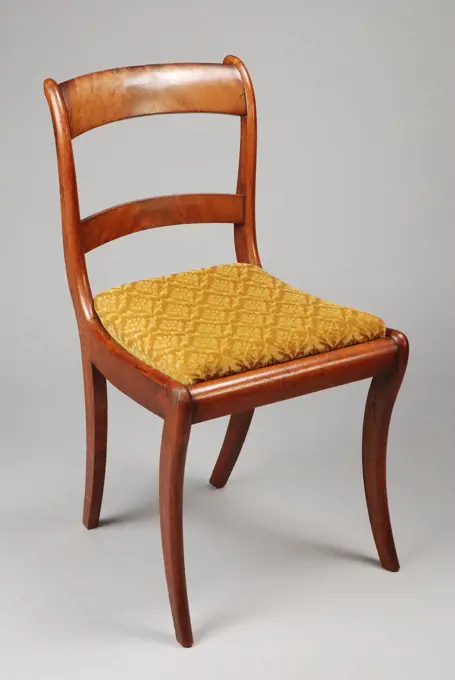
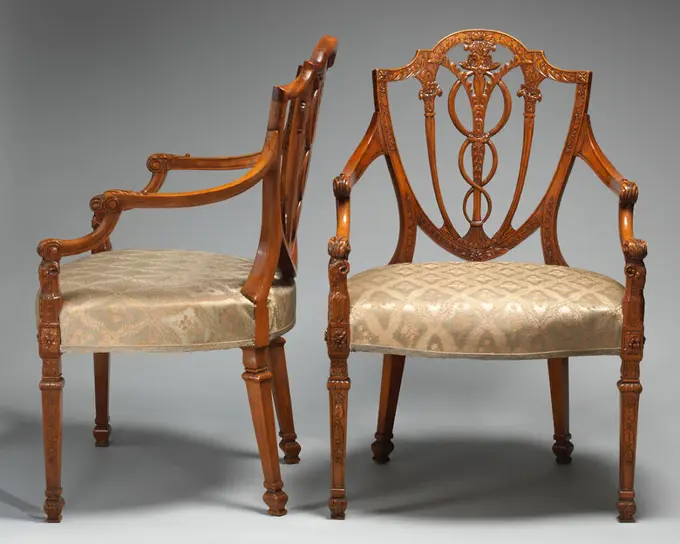
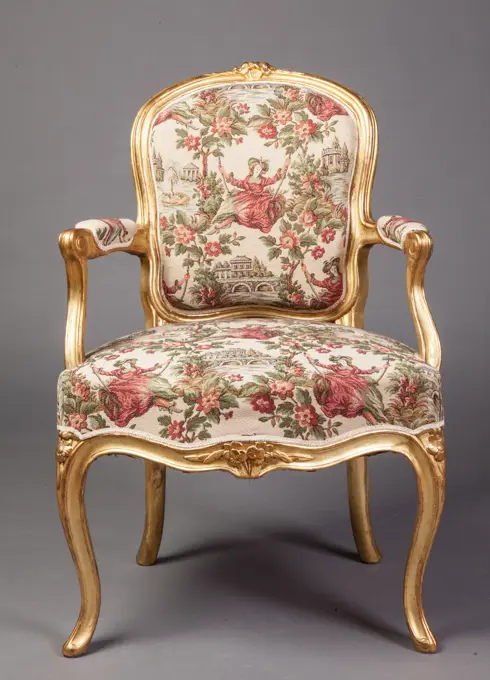
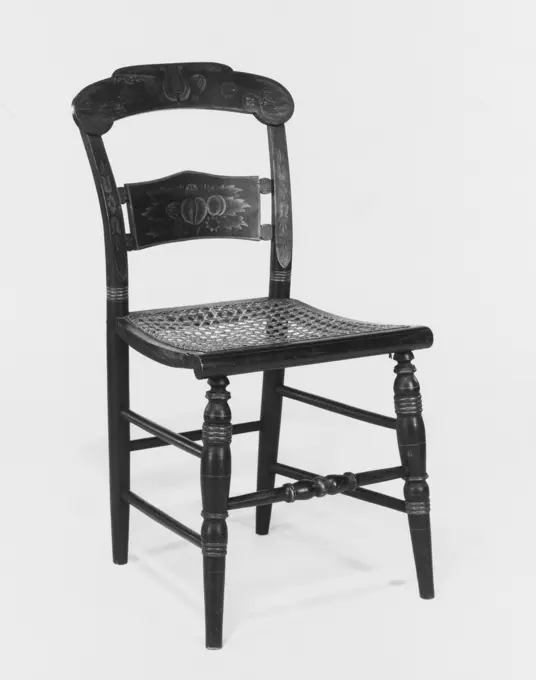
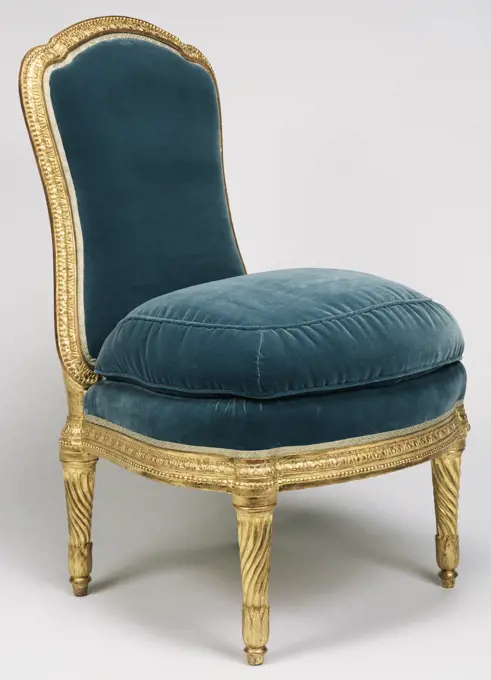
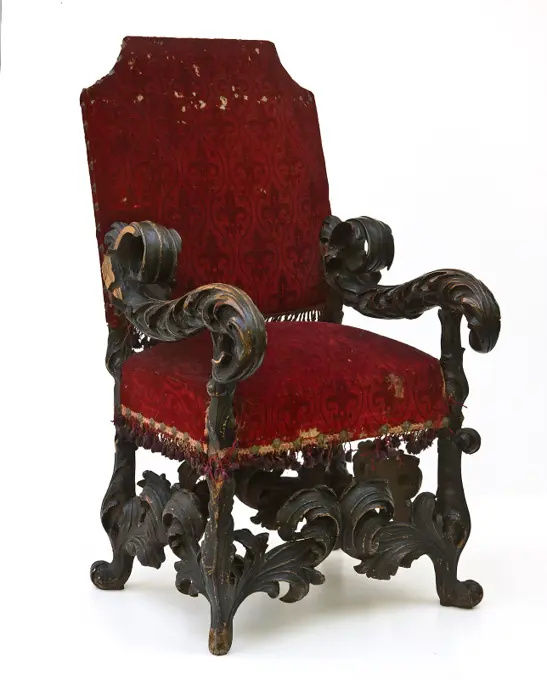
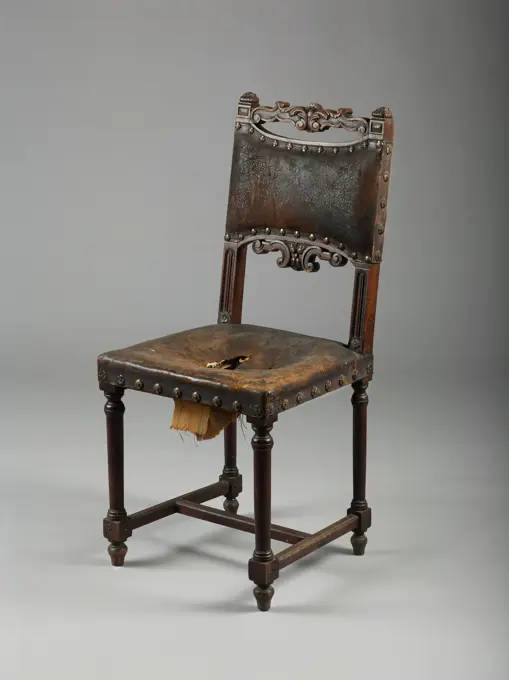
Diverse styles of elegant chairs, showcasing intricate carvings and upholstery reflecting classic furniture design and artistry.
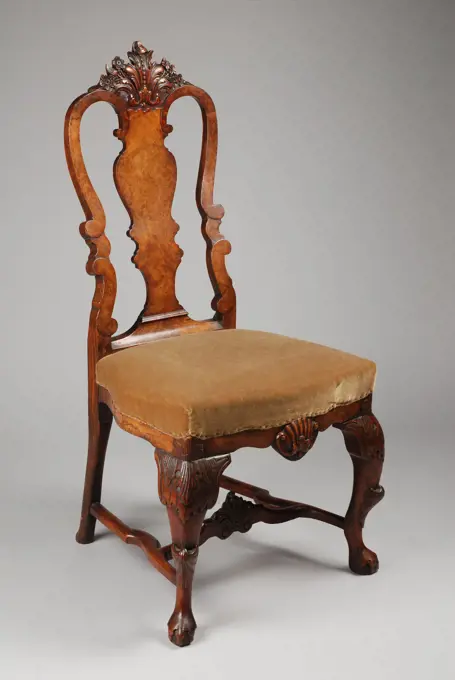
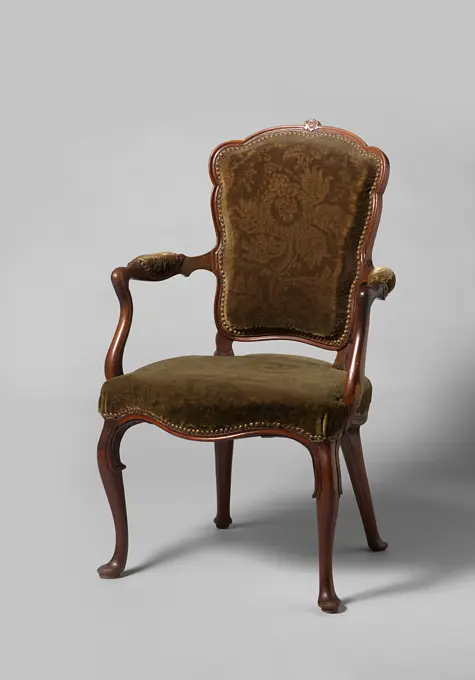
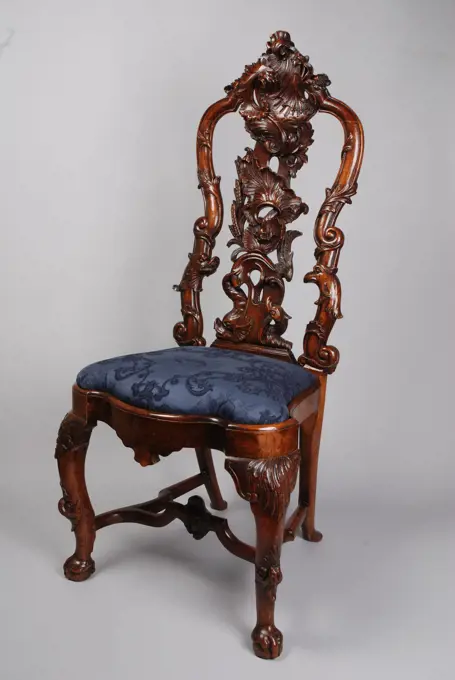
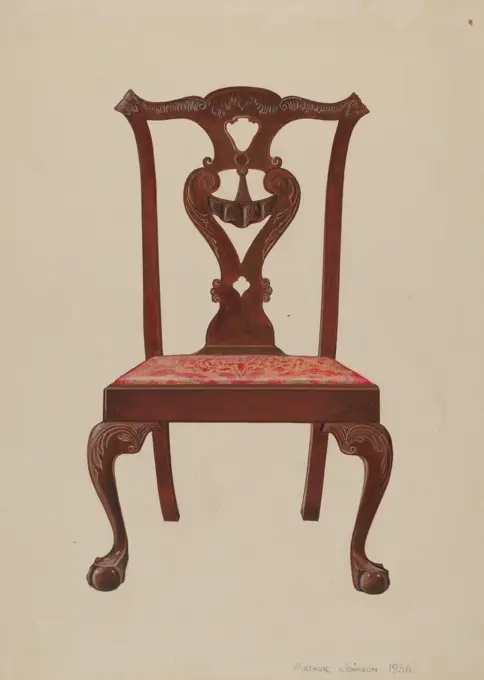
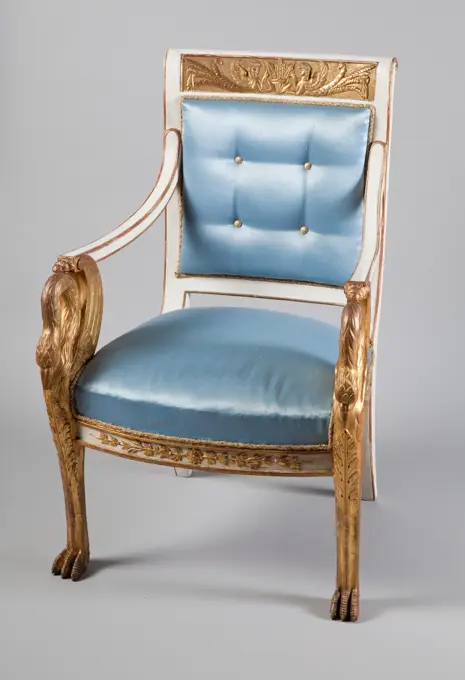
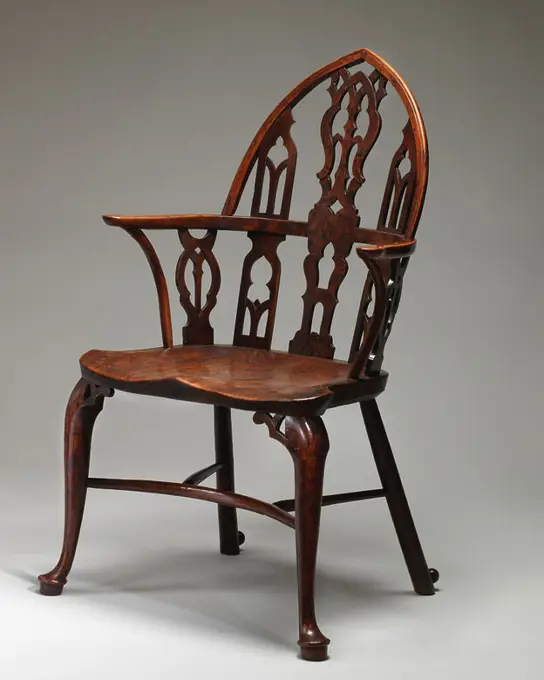
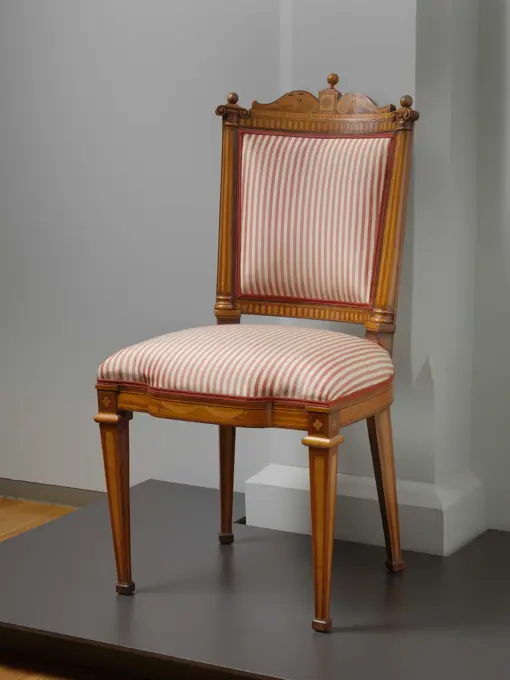
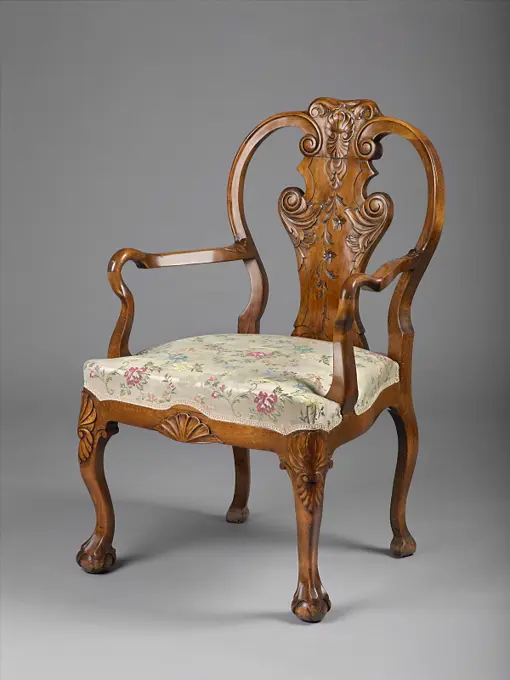
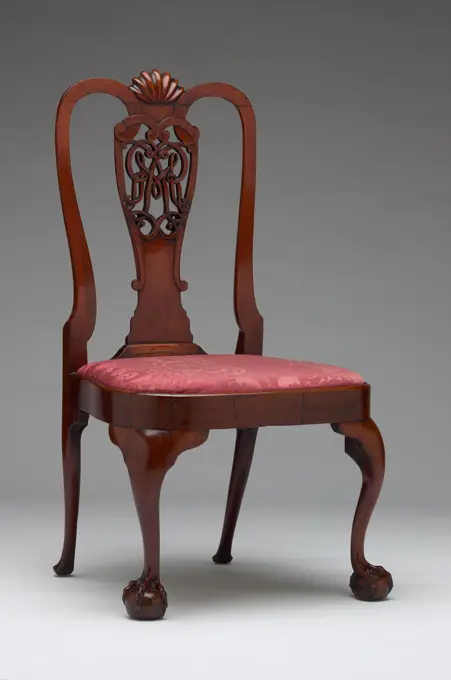
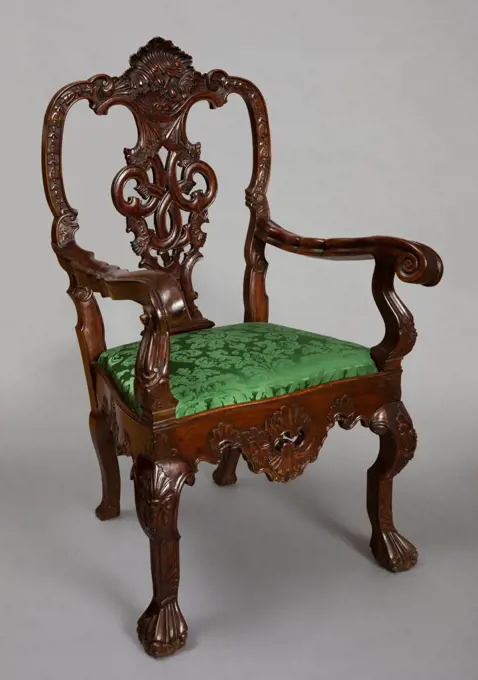
Walnut Queen Anne chair, chair furniture furniture interior design walnut beech wood velor burr walnut wood, Carving on the hood the front and backrest line and lines veneered with root walnut green velor upholstery Queen Anne
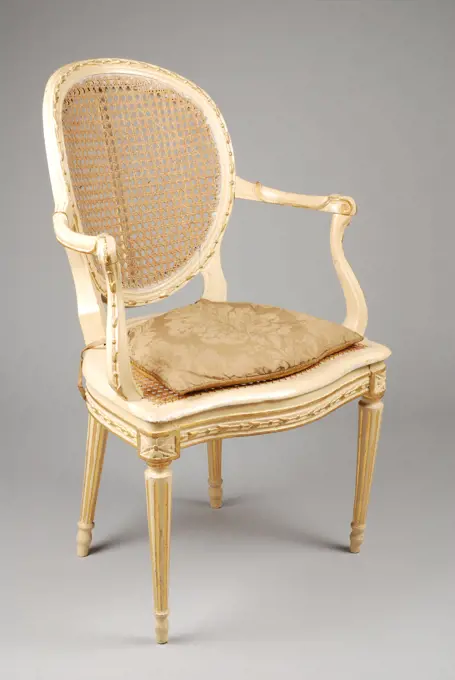
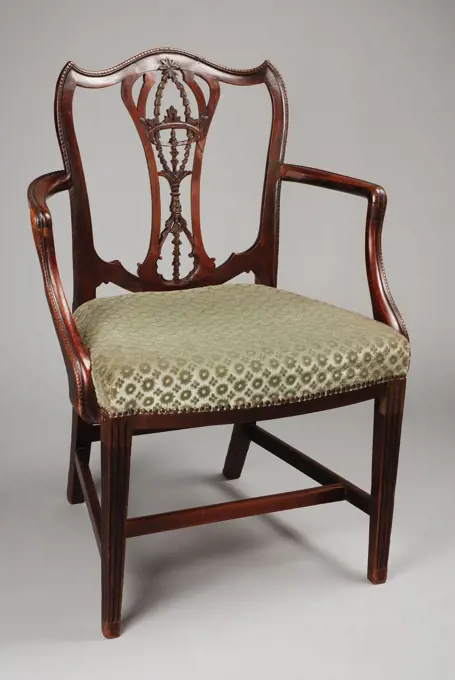
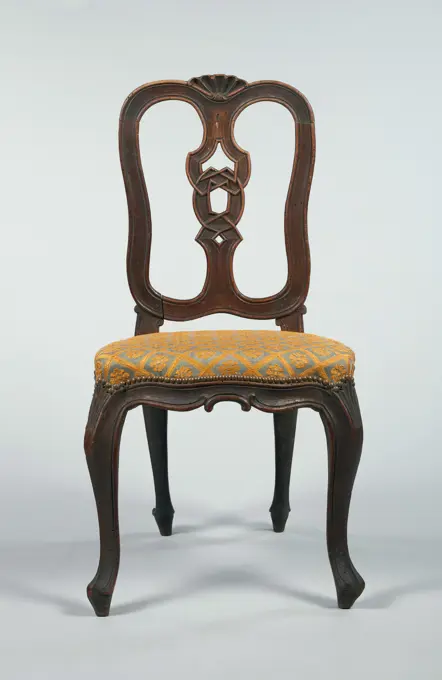
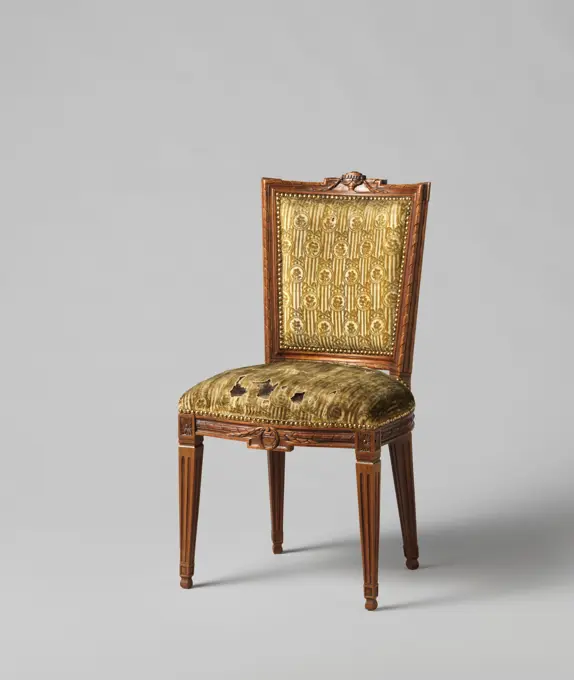
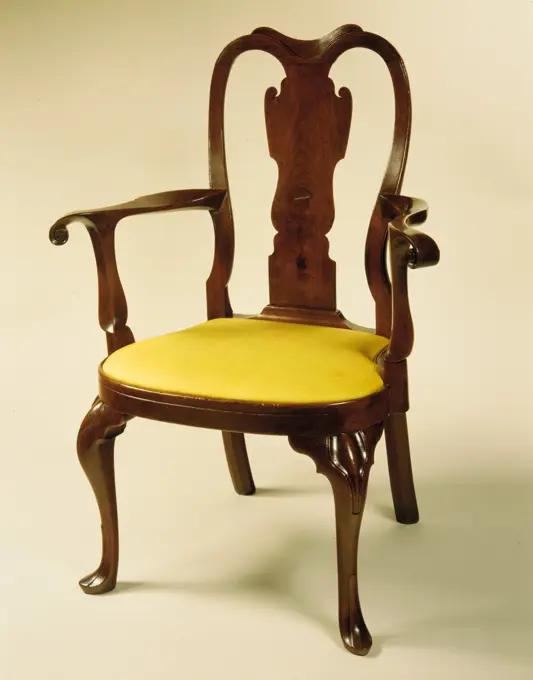
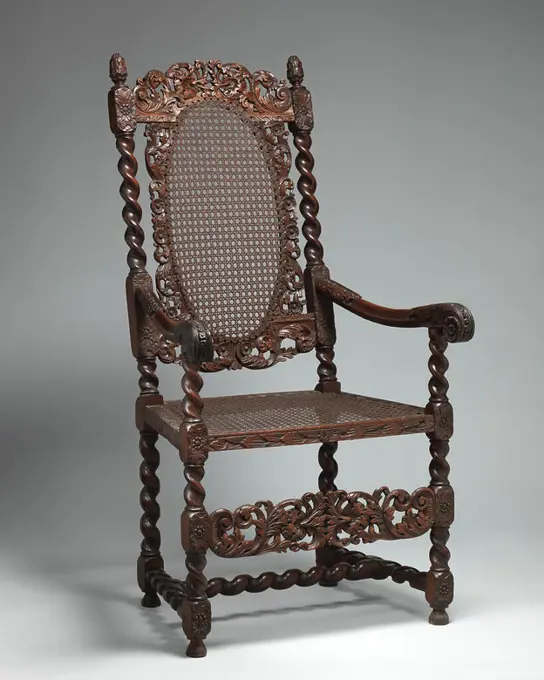
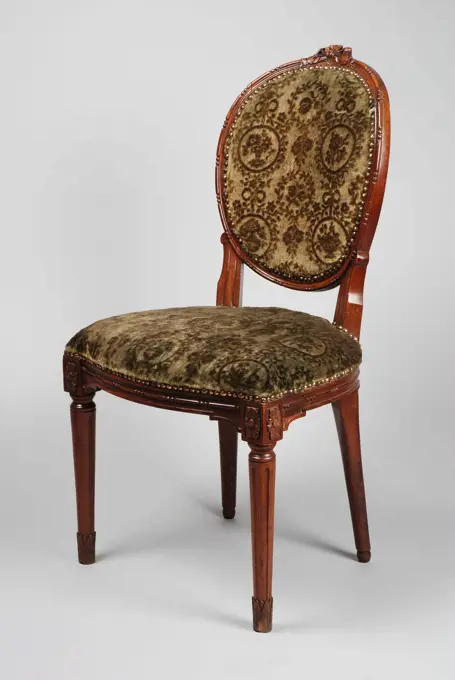
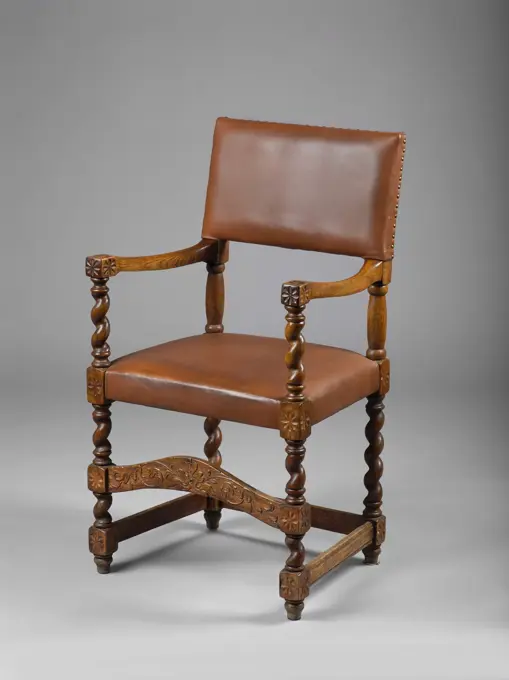
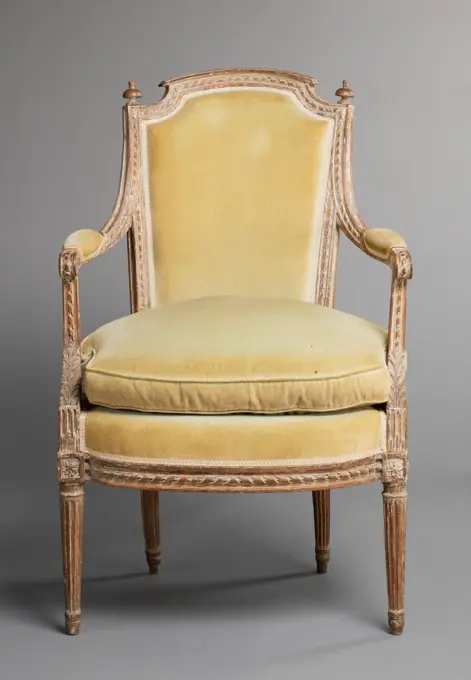
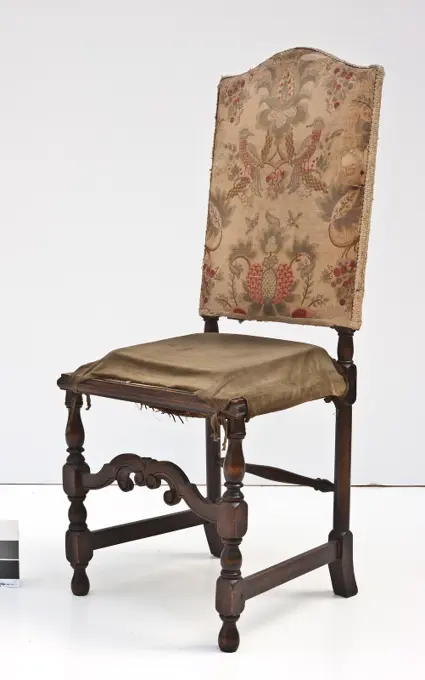
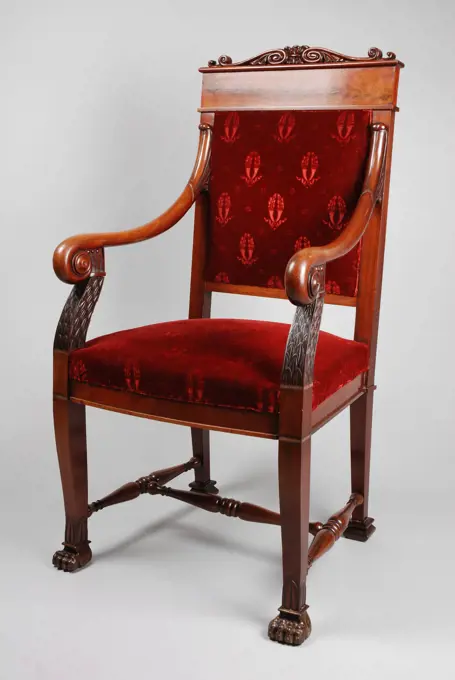
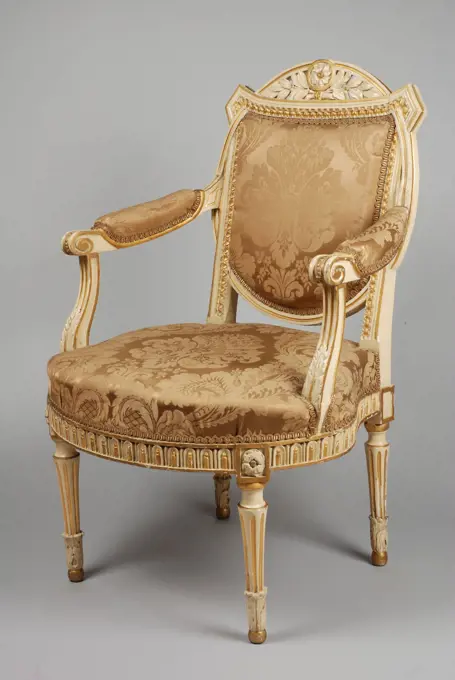
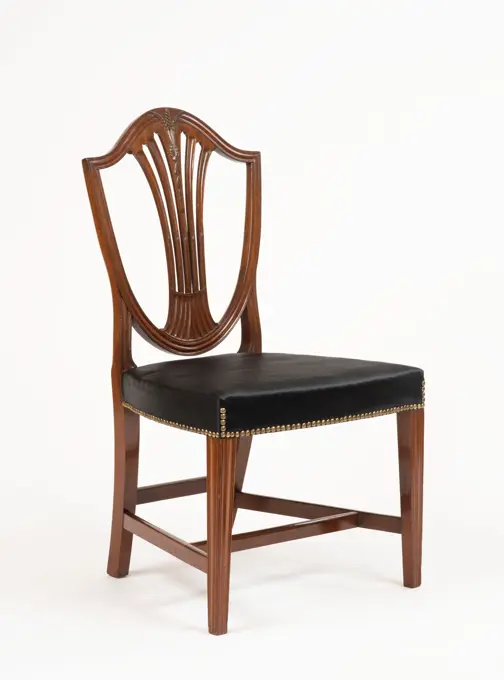
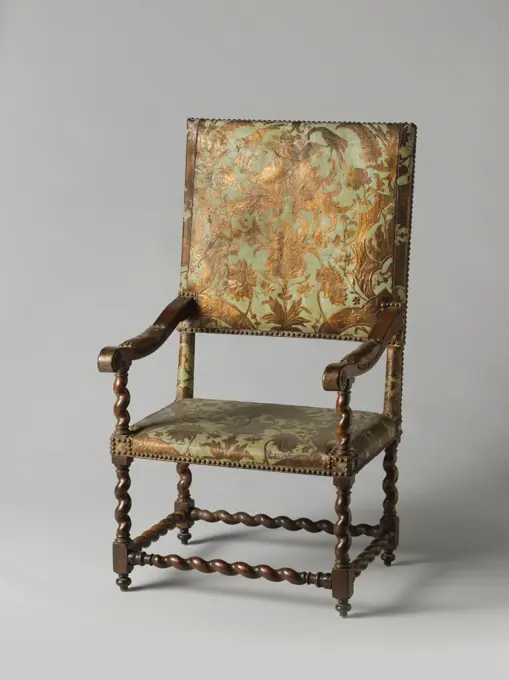
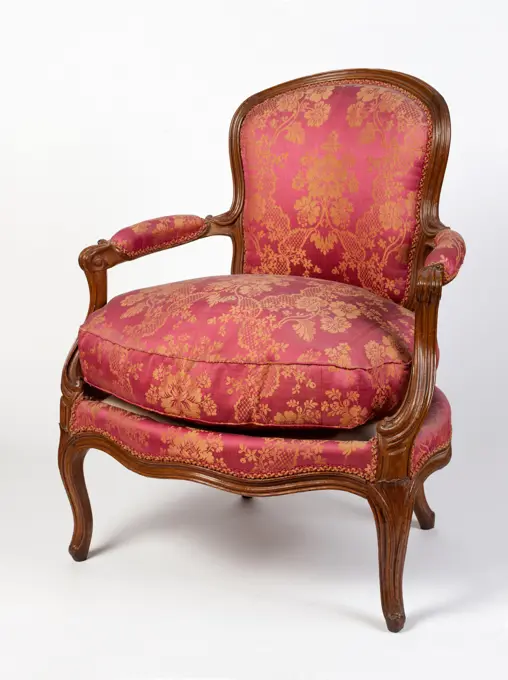
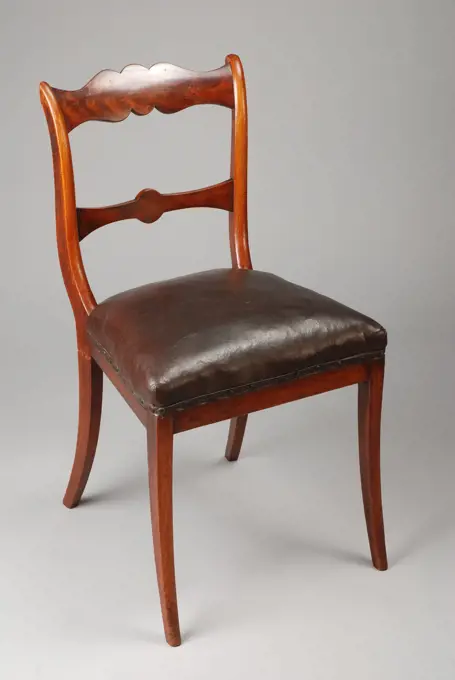
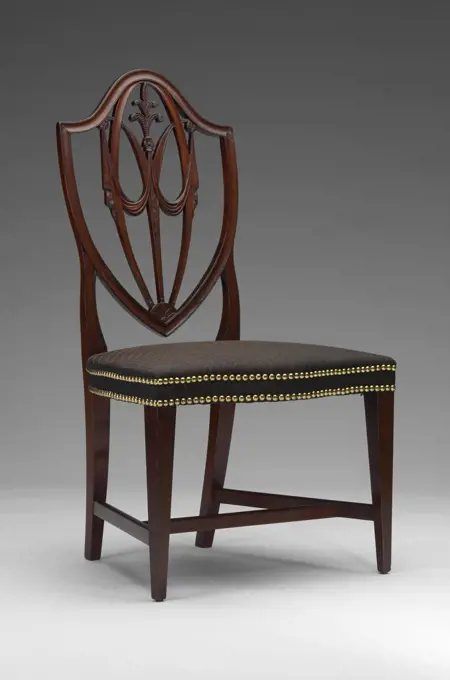
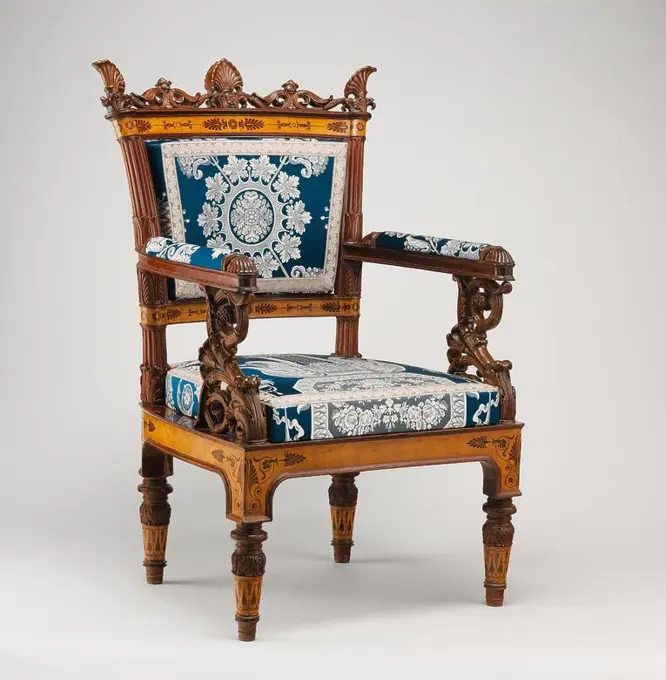
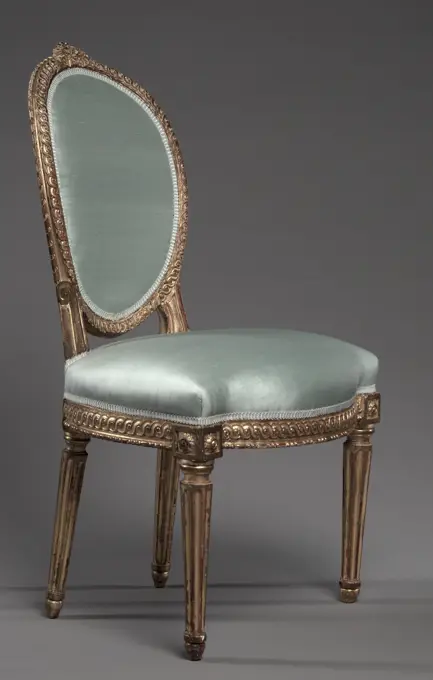
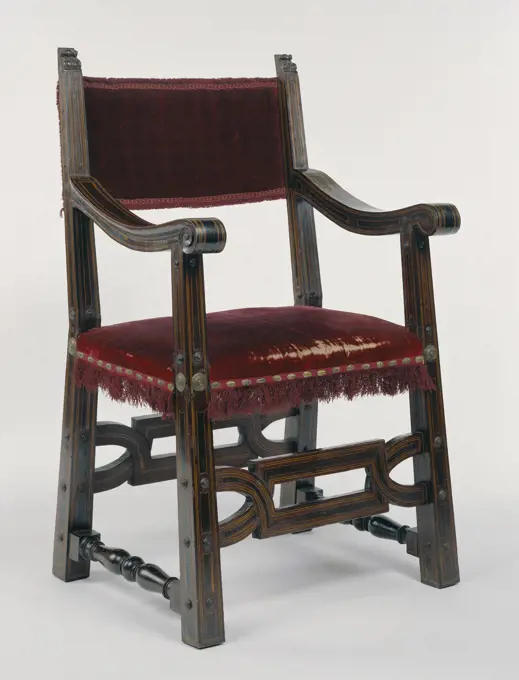
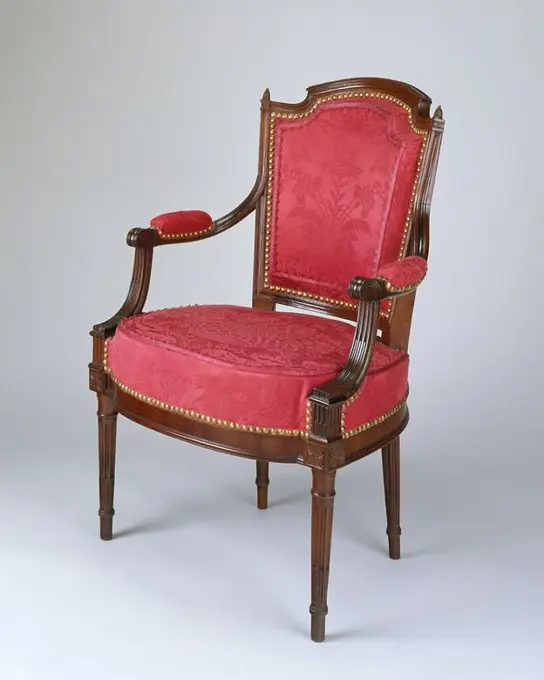
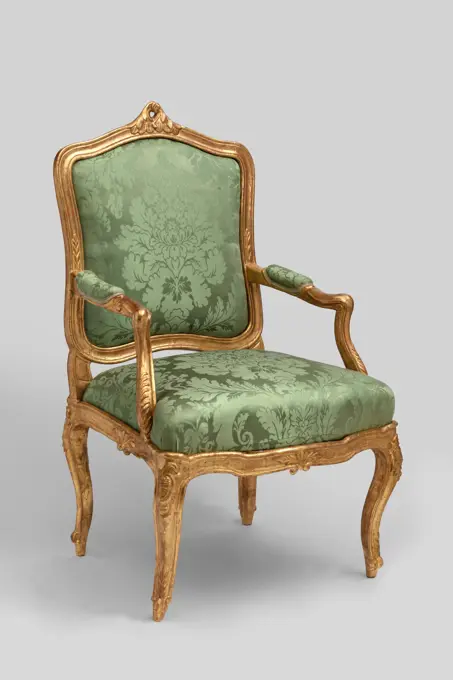
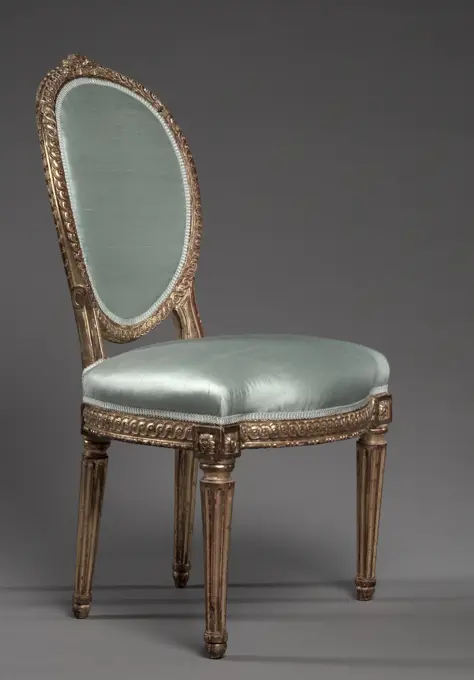
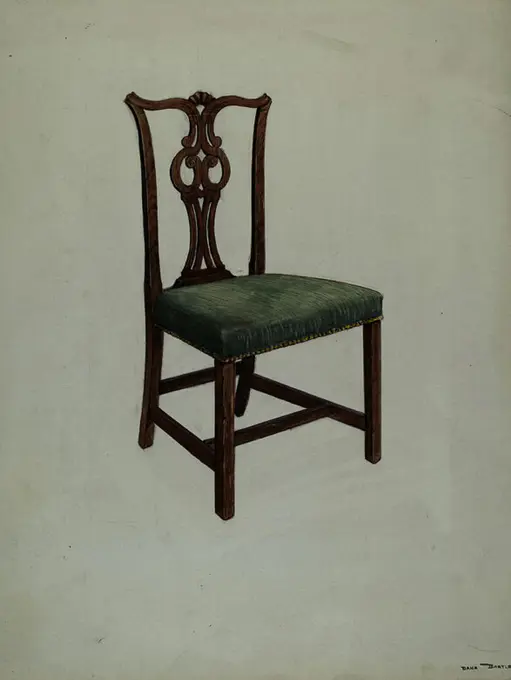
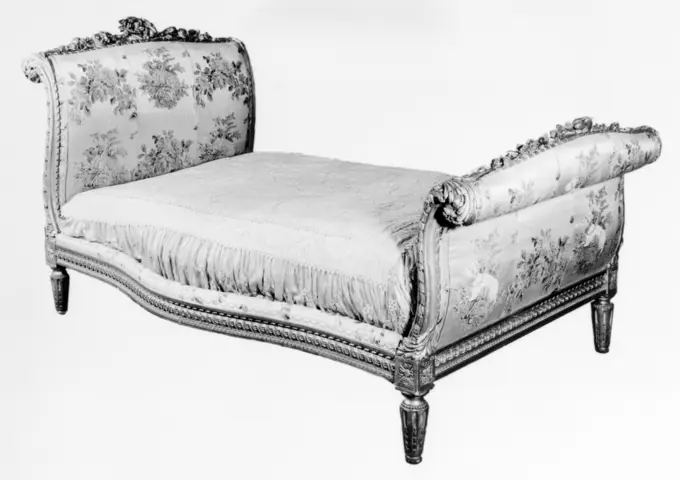
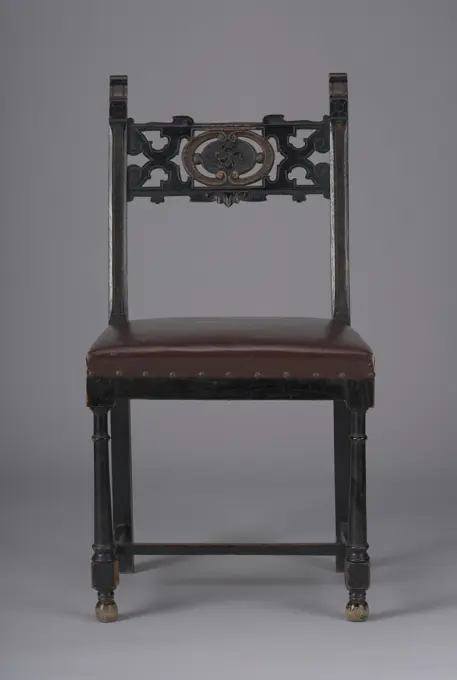
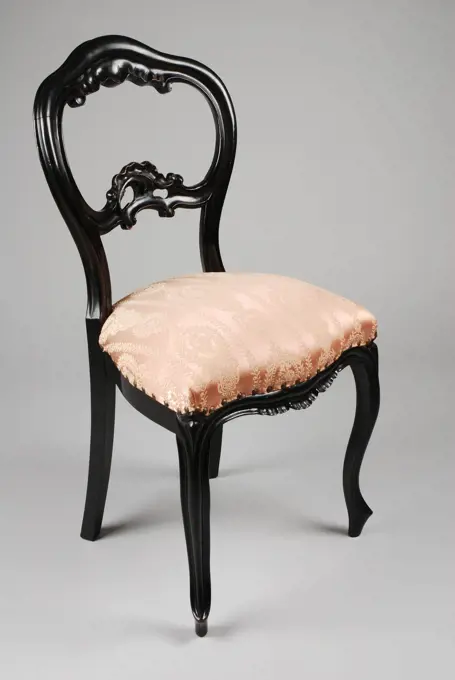
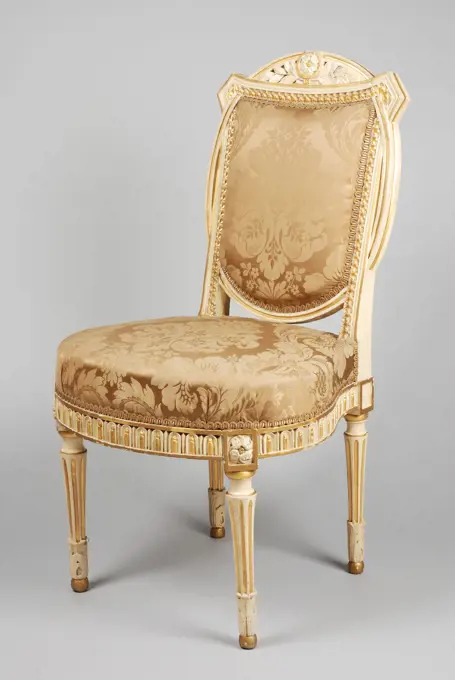
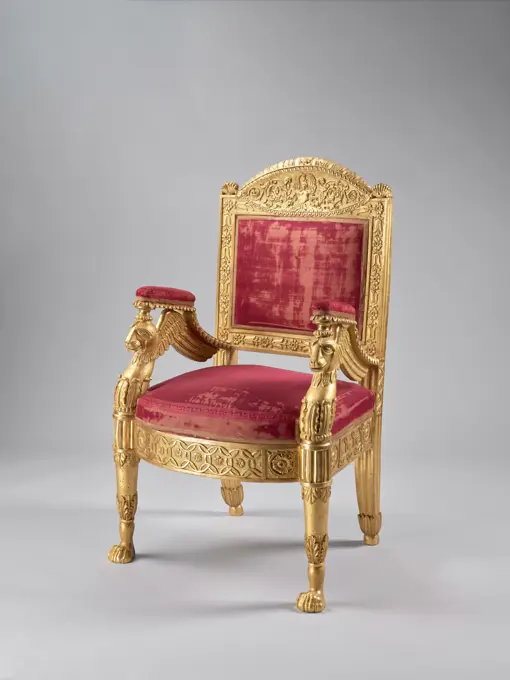
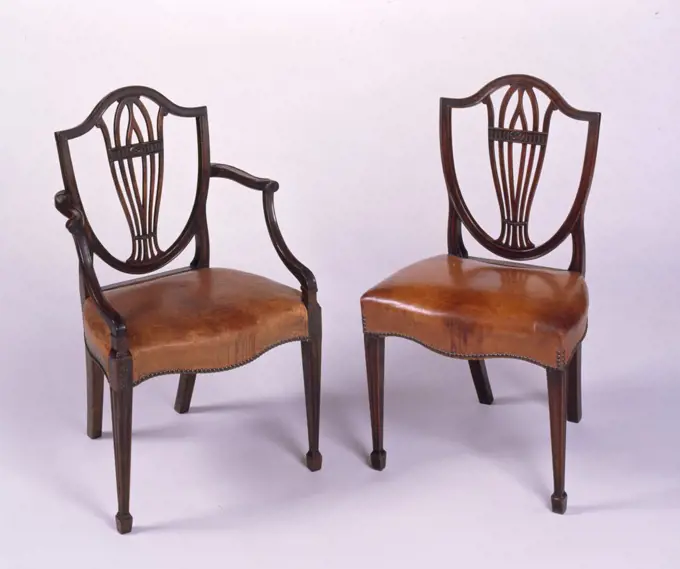
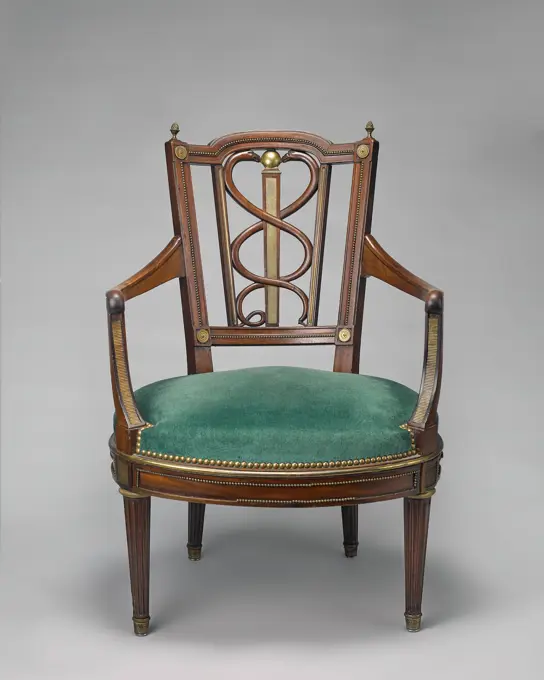
Demay, Jean-Baptiste (n.1758-D.1848-03-14), Cabriolet armchair, file with caduceus reason (main title). Wood, mahogany, bronze, covered with green velvet. Petit Palais, Museum of Fine Arts of the City of Paris.Chair. Muhogany armchair. The furniture is covered and rests on overhoeks, stretched S-shaped legs, which proceed in the seating room without interruption. The seating frame is hemisphere and sheltered at the front; Scalloped rule. The armrest struts have been placed backwards, stretched S-shaped and distinguish slightly. The C-shaped armrests have cushions. The healed back window rests on short struts. The styles are scalloped, as well as the upper shell, which has a stunned flower in the middle.Cream-white Louis Seize medallion armchair painted, medallion chair seat furniture furniture interior design wood elm paint gold rattan silk dam 95,5, golden details rattan seat and back in lines and back carving edge with chalice motif loose silk damask Louis XVI Louis XVI Louis Seize Kralingen-Crooswijk Rubroek Rotterdam Van Rijckevorsel From the estate Rubroec (Rubroek) of the Van Rijckevorsel family.Chair. unknown, authorArmchair. unknown, creatorChair of mahogany, covered with green tripe. Chair of mahogany, covered with green tripe, belonging to an amele. The hind legs deviate from the conical, fluted legs. The sitting window is round; The oval healed back window rests on C-shaped struts with acanthus leaf. The rule and the upper spray are decorated with a vase, in the middle of branches with leaves, hung on rings. See also: BK-18323-A / L and M / N.Mahogany Chippendale armchair, armchair chair seating furniture furniture interior design wood mahogany beechwood velvet brass, Open worktop in which crown and garlands light green velor upholstery rejuvenated front legs with cannelures ChippendaleWalnut Queen Anne chair, chair furniture furniture interior design walnut beech wood velor burr walnut wood, Carving on the hood the front and backrest line and lines veneered with root walnut green velor upholstery Queen AnneChair 1750-60 British. Chair. British. 1750-60. Mahogany. Woodwork-FurnitureChair. A comparison with the chair next to this one makes it likely that it, too, was made in Amsterdam, perhaps also by Jan Ermans. The form and decoration are here more unified, making this piece of furniture an example of the mature Rococo style.Chippendal chair (lined seat) (dummy title). Carved and textile wood. House of Victor Hugo - Hauteville House.joiner, Rococo chair with sea monster and bird in the back, chair furniture furniture interior design wood walnut elmwood burr walnut silk, cut stitched veneered Above the seat in the backrest fish on the left and snake right Pendant of 804812 debossed number under the session: XI home interior rococo agricultureChair of Mahoniehout, covered with tripe with a continuous pattern of ovals hanging on bows in which a flower on striped soil, Anonymous, 1775 - 1800 Chair of Mahoniehout, covered with Trijp with a continuous pattern of ovals hanging on bows in which a flower on a striped soil. The square legs are scanned. The chair rule is decorated in the middle with a bayer wreath and a pendulum. The back window is parallelographer and walled. The upper sill is decorated with a stabbed vase and bay garland. The upholstery is attached with nails with gilded heads. The chair belongs to an ameublement (inv.no. BK-16145-A to-G). Northern Netherlands wood (plant material). mahogany (wood). Chair of Mahoniehout, covered with Trijp with a continuous pattern of ovals hanging on bows in which a flower on a striped soil. The square legs are scanned. The chair rule is decorated in the middle with a bayer wreath and a pendulum. The back window is parallelographer and walled. The upper sill is decorated with a sElbow chair, chair furniture furniture interior design wood elm wood velvet, Green velor upholstery rejuvenated legs front legs with cannelures backrest cut open with slats and lying oval opening.Side chair, Carved mahogany, Shield back side chair with a splat composed of three open blade-forms; cusped on their interiors and separated under the top rail by two blossoms. The forms merge into a fluted spreading panel at their base. Its legs are straight, square, and tapered in the front on square feet. The seat is shaped, hollowed, and upholstered in black-painted canvas (possibly the original upholstery)., England, ca. 1785, furniture, Decorative Arts, Side chairArmchair 1740-60 American To compete with Boston imports, chair makers in Philadelphia introduced a local interpretation of the fashionable Queen Anne style, wherein virtually all the structural members were gracefully curved. This armchair is an elegant example, made inviting by its balloon” seat and splayed arms with crisply scrolled armrests.. Armchair. American. 1740-60. Walnut. Made in Philadelphia, Pennsylvania, United StatesArmchair, c. 1875-80. America, New York. Mahogany, leather; overall: 97 x 68 x 60 cm (38 3/16 x 26 3/4 x 23 5/8 in.).Armchair. Culture: British. Dimensions: Overall: 47 1/2 × 17 1/2 × 25 1/4 in. (120.7 × 44.5 × 64.1 cm). Date: ca. 1680. Museum: Metropolitan Museum of Art, New York, USA.Mahogany Louis Seize medallion chair, medallion chair seat furniture furniture interior design wood mahogany velvet metal, With bow as crest and dark green ropes with medallions round rejuvenated legs with cannelures Louis XVI Louis XVI Louis SeizeChair of mahogany, covered with green tripe. Chair of mahogany, covered with green tripe, belonging to an amele. The hind legs deviate from the conical, fluted legs. The sitting window is round; The oval healed back window rests on C-shaped struts with acanthus leaf. The rule and the upper spray are decorated with a vase, in the middle of branches with leaves, hung on rings. See also: BK-18323-a / h and j / n.ArmchairArmchair;  1880-1900 (1880-00-00-1900-00-00);baroque (style), plant decorationUnknown, Armchair (Fauteuil en Cabriolet), 18th century, wood.Chair. unknown, authorChair;  1850-1860 (1850-00-00-1860-00-00);Side chair 1755-75 American. Side chair 20590. Chair from white painted beech wood, with cane. The overhoeks placed S-shaped legs end in an acanthus sheet and go into the seat rules. Flower branches are applied to the swells of front legs, the center of the front seat and the upper sprinkle of the back window. The sitting room, with light scalloped front and vaulted sides, crosses over and is trapezoidal. The stifed back window has stretched S-shaped styles with small volutes above and acanthus leaf under and scalloped sills.Arthur Johnson, Chippendale Mahogany Side Chair, 1936 Chippendale Mahogany Side ChairArmchairGothic Windsor armchair (one of a pair). Culture: British, Thames Valley. Dimensions: Overall (confirmed): 41 3/4 × 23 × 22 in. (106 × 58.4 × 55.9 cm);Height of seat: 18 1/4 in. (46.4 cm);Width of seat: 22 in. (55.9 cm). Date: ca. 1760s.Quintessentially English country furniture, this pair of Windsor armchairs (see also 2016.250) is a variant of the more traditional bow-back design. With its pointed arch-shaped back and openwork splats displaying Gothic tracery, these chairs beautifully reflect the Gothic taste which became fashionable in England in the middle of the 18th century. Museum: Metropolitan Museum of Art, New York, USA.Scarsdale, Walnut and beechwood, gilt pewter, gilt and reverse-painted glass (verre églomisé) panel, mortise-and-tenon construction, Shaped open back with voluted top rail and two horizontal crossing members enclosing a verre églomisé panel bearing the arms of the Earl of Scarsdale (extinct 1735). Cabriole sharply raking rear legs, voluted at knees, and with moulded ankles and Dutch feet. Voluted cabriole front legs with gilded pewter mounts at knees; hoof feet. Gilded pewter mask in center of front seat rail. Slip seat., England, 1724-36, furniture, Decorative Arts, Side Chair, Side ChairFour chairs. The shape of these chairs was common in the Neo-classical period in the Netherlands. At that time, it was usual for the decoration to be carved on the chair. In the case of these four chairs, however, the decora-tion is carried out in marquetry. This suggests that they were not made by a chairmaker, but rather by a cabinetmaker, who usually made cabinets, com-modes and other such furniture.Djatihout rocking chair, stretched with reeds. Djatihout rocking chair stretched with reeds. Curved front and hind legs resting on two faint bent ships, on front and sides connected by slim sports, which are decorated at the front with turn. Curved back styles ending in bent volutes bent, punctured upper spray ending in a lily-like middle motif, S-shaped curved struts.Mahogany armchair in late Empire style, armchair seat seating furniture interior furniture wood mahogany oak velvet, Council seat Empire inclined towards Biedermeier; mahogany veneer over oak core Front legs standing on stabbed claw transition to armrest with inserted ornament same ornament on transition armrest to back. Twisted lines under the seat Tapestry on the topside red velvet upholstery Empire town hall town hall administration Rotterdam City Triangle Cheese Market Hoogstraat Originating from the old Town Hall on the Cheese Market Rotterdam The chairs remained in use until 1851.White painted, partly gilded Louis Seize armchair, armchair chair seating furniture interior interior design wood beechwood lacquer gold leaf silk damask, Oval backrest rimmed by rectangular frame brown silk damask covering with passement on seat and back crest with laurel branches and rosette Louis XVI Louis XVI Louis Seize Kralingen-Crooswijk Rubroek Rotterdam Van Rijckevorsel From the estate Rubroec (Rubroek) of the Van Rijckevorsel family.Chair; Manufaktura George Hepplewhite; XVIII/19th century (1791-00-00-1810-00-00);Armstoel, anonymous, 1650 - 1700 Arm chair of walnut resting on flared legs and underputing. The square seat and back, as well as the backstyles and struts and the armrest cushions are covered with, later applied, gold leather and attached with gilded nails. The faintly curved armrests end in volutes, decorated on the outside with a rosette. The legs rest on renewed bobbins. Northern Netherlands wood (plant material). walnut (hardwood). metal gilding Arm chair of walnut resting on flared legs and underputing. The square seat and back, as well as the backstyles and struts and the armrest cushions are covered with, later applied, gold leather and attached with gilded nails. The faintly curved armrests end in volutes, decorated on the outside with a rosette. The legs rest on renewed bobbins. Northern Netherlands wood (plant material). walnut (hardwood). metal gildingColonial arm chair with rattan seat and pillow, anonymous, c. 1700 - c. 1800 Colonial armchair with rattan seat and pillow Indonesia textile materials. rattan Colonial armchair with rattan seat and pillow Indonesia textile materials. rattanArmchair. unknown, authorChair with front legs, X -shaped cross and trip cover with flower pattern, anonymous, 1685 - 1700 Chair of Notenhout, covered with bronze -colored, pressed tripe with floral pattern. The chair has overhoeks placed front legs in the form of broken S-Voluten and rests on lion's trees that include bulbs. The X-shaped cross has broken S-Voluten, as well as the forSport. There is a button at the intersection. The high, open work also shows S-Voluten. The elongated centerpiece is decorated with circle and rosette in the middle and up and bottom with acanthus leaf and rosettes. Northern NetherlandsNetherlands wood (plant material). walnut (hardwood). Chair of Notenhout, covered with bronze -colored, pressed tripe with floral pattern. The chair has overhoeks placed front legs in the form of broken S-Voluten and rests on lion's trees that include bulbs. The X-shaped cross has broken S-Voluten, as well as the forSport. There is a button at the intersection. The high, open work also shows S-VolutAnonymous. Bergère en Cabriolet. Beech, cushion garnish. 1750. Paris, Carnavalet museum. Furniture, furnitureMahogany Biedermeier chair, chair furniture furniture interior design wood mahogany elm wood textile tarpaulin, veneered and scalloped hood and tassel leg sable-shaped legs and rear pillars ending in volutes covered with dark brown canvas BiedermeierSideChair, Mahogany, ash, 38 1/4 × 13 3/4 × 17 3/4 in. (97.2 × 34.9 × 45.1 cm), Vase- or shield-shaped backs were the quintessential design of the Federal period and are found on chairs made from Boston to Charleston, S.C. The plume of feathers and the drapery swags appear on many examples; however, the narrow proportions of this chair differentiate it from those made in theNorth. , Made in Charleston, South Carolina, American, 18thcentury, FurnitureFolding Chair (USA); Manufactured by Edward W. Vaill (American, active 1861-92); carved, joined and turned wood or mahogany, woven wool upholstery, metal tacksVintage classical style Chair in white roomArmchair, Theo Nieuwenhuis, art trade E.J. Van Wisselingh, 1908 Arm chair of mahogany resting on four legs. The front legs run into the curved army tits The armrests end up in a curl at the front. The transition from the front legs to the sitting rule consists of concave struts in the corners. The sitting rule contains cut leaf vines and the letters ehr. The hind legs continue in the backstyles and end in a curl facing back. Both the front legs, the backstyles and the struts contain cut leaf vines. The slightly bent backrest has an upper rule and is below, just like the seat, covered with red-batiked trijp with brown slender and leaf motifs. Amsterdam mahogany (wood). Arm chair of mahogany resting on four legs. The front legs run into the curved army tits The armrests end up in a curl at the front. The transition from the front legs to the sitting rule consists of concave struts in the corners. The sitting rule contains cut leaf vines and the letters ehr. The hind legs continue in the SideChairPair of armchairs (part of a set). Culture: Italian, Piedmont. Designer: Designed by Filippo Pelagio Palagi (Italian, Bologna 1775-1860 Turin). Dimensions: Each: 43 × 27 9/16 × 24 in. (109.2 × 70 × 61 cm). Maker: Gabriele Capello ((called Il Moncalvo), Italian, 1806-1876); and Carlo Chivasse. Date: ca. 1835.These two armchairs and a sofa (1987.62.1) are from a set of furniture that also included a daybed, six side chairs, and two additional armchairs. The set was designed by the Bolognese architect Filippo Pelagio Palagi, who in 1832 was commissioned by Carlo Alberto, king of Sardinia, to redecorate his royal palaces. One of these palaces was at Racconigi, and Palagi designed this set of furniture for the principal drawing room next to the royal bedroom.The armchairs and sofa are distinguished by the sculptural treatment of the crest rails and by the quality and refinement of the veneering. The set of furniture was executed by Gabrielle Cappello, whose workshop produced many of PelagChair. unknown, creatorSide Chair (2 of 2), 1700s. Jean Baptiste fils Lelarge (French, 1743-1802). Gilded wood; overall: 90.2 x 51.5 x 54 cm (35 1/2 x 20 1/4 x 21 1/4 in.).Arm chair of teak and rattan -stretched seat, so -called 'raffles' chair, anonymous, 1800 - 1810 Arm chair of teak with rattan-stretched seat ('raffles chair'). The chair rests on baluster -shaped ribbed front legs and saber -shaped hind legs that turn into the backwards curved backstyles. The back has a wide upper sill, including an open -up field with horizontal and vertical bars above a field with crossed bars. The curved arms end in ribbed uiva forms on twisted struts. Indonesia teak (wood). rattan Arm chair of teak with rattan-stretched seat ('raffles chair'). The chair rests on baluster -shaped ribbed front legs and saber -shaped hind legs that turn into the backwards curved backstyles. The back has a wide upper sill, including an open -up field with horizontal and vertical bars above a field with crossed bars. The curved arms end in ribbed uiva forms on twisted struts. Indonesia teak (wood). rattanArmchair; Italy; about 1620 - 1630; Mahogany with inlaid oak, spindle tree, and lignum vitae; 100 x 62 x 51.7 cm (39 3,8 x 24 7,16 x 20 3,8 in.)Couch covered with velvet on which window motif, the inner house, c. 1905 - c. 1910 Bench with two handrails of mahogany -wood resting on four high legs that run wide at the height of the middle in the corner styles from where they walk over in the army tits. The square corner styles are interconnected at the height of the middle by means of an H-shaped cross. Both the seat and the top of the armresters are covered with velvet in green, beige and yellow with a diamond pattern trimmed with a strap in dark green. The corner styles and army tuts contain cut curved lines and imposed circles of ivory. Amsterdam designer: Amsterdam designer: Hengelo (Possibly) Hengelo (Possible) Designer: Amsterdam mahogany (wood). ivory. velvet (fabric weave) Bench with two handrails of mahogany -wood resting on four high legs that run wide at the height of the middle in the corner styles from where they walk over in the army tits. The square corner styles are interconnected at the height of the middle by mSide Chair 1791-1818 Attributed to Duncan Phyfe Scottish This chair is part of a large suite of furniture that includes a sofa, a pair of armchairs, ten side chairs, and a pair of footstools. It was once owned by Thomas Cornell Pearsall, a wealthy New York merchant and shipowner. The attribution to the famed furniture maker Duncan Phyfe is based on a Pearsall family tradition and is recorded in an inscription stamped on the inside of the seat rails of the sofa and several chairs.. Side Chair 1894SideChairChair. Chair in gothic style. Covered with red tripe.Side Chair ca. 1860 Léon Marcotte French This side chair is part of a suite of Louis XVI-style furniture that John Taylor Johnston (1820-1893) purchased from the firm of Ringuet-Leprince and L. Marcotte in about 1856. This international firm had showrooms in both Paris and New York, and it is believed that at least some of the pieces of the suite were made in Paris for the New York commission. Johnston, a railroad executive and the first president of The Metropolitan Museum of Art, used the furniture in the music room of his residence at 8 Fifth Avenue. The suite (68.69.1-68.69.11, 68.165.1-68.165.6) includes two sofas, two armchairs, a table, two matching cabinets, a third large cabinet, six matching side chairs, a pair of lyre-back side chairs, and a firescreen. After Ringuet-Leprince retired in 1860, the firm became known as L. Marcotte and Company. Léon Marcotte was New York's most noted cabinetmaker and interior decorator during the 1860s.. Side Chair 1872Armchair. Culture: American. Dimensions: 34 3/4 x 23 1/4 x 19 in. (88.3 x 59.1 x 48.3 cm). Maker: Attributed to Adam Hains (1768-after 1820). Date: 1792-97.Among the French émigrés who arrived in Philadelphia and New York City in the 1790s were artisans, including upholsterers and cabinetmakers, who brought French styles and techniques that were adopted by local craftsmen for their patrons who desired furniture in the French taste. This upholstered armchair with its gently curved back is based on a late Louis XVI fauteuil en cabriolet. The mahogany frame is attributed to a Philadelphia cabinetmaker; the French-style upholstery may be by George Bertault, who advertised himself in a Philadelphia newspaper in 1793 as an "upholsterer from Paris." The original upholstery foundations survive beneath the modern cover fabric; the crisp, squared shape of the front seat and chair back, which follows the outline of the frame, was called a "French edge." The high padding on the "elbows" was also Armchair, Hardwood (mahogany or primavera); modern upholstery, Elaborately carved mahogany or primavera chair inspired by Chippendale design; the upholstery is modern., Mexico, 18th century, furniture, Decorative Arts, chair, chairArmchair. unknown, creatorPair of armchairs. Georges Jacob was the leading menuisier (maker of chairs and other carved furniture) in Paris in the last quarter of the 18th century. These armchairs are executed in a light, refined interpretation of Neoclassicism. Jacob made several sets of chairs for Queen Marie Antoinette of France, which closely resemble this pair.Side Chair (1 of 2), 1700s. Jean Baptiste fils Lelarge (French, 1743-1802). Gilded wood; overall: 90.2 x 51.5 x 54 cm (35 1/2 x 20 1/4 x 21 1/4 in.).Armchair;  around 1900 (1895-00-00-1905-00-00), around 1900 (1895-00-00-1905-00-00);secession (style)Side Chair, c. 1775. Eliphalet Chapin (American, 1741-1807). Cherry; overall: 96.8 x 59.1 x 51.1 cm (38 1/8 x 23 1/4 x 20 1/8 in.).Side Chair 1795-1810 American. Side Chair. American. 1795-1810. Mahogany, ash, cherry. Made in New York, New York, United StatesMahogany Biedermeier chair, chair seating furniture furniture interior design wood mahogany velvet, Veneered hood and lining saber legs and ocher yellow velor upholstery on the seat backstyles ending in volutes BiedermeierSide Chair 1859 Joseph Meeks & Sons American. Side Chair 1820Pair of armchairs. Culture: British. Dimensions: Overall (each): 37 3/4 × 25 1/2 × 21 3/4 in. (95.9 × 64.8 × 55.2 cm). Date: ca. 1800.The center of the shield-shaped back is derived from Thomas Sheraton's Cabinet-maker and Upholsterer's Drawing-book (1793). Museum: Metropolitan Museum of Art, New York, USA.ArmchairArmchair. Culture: French. Dimensions: 42 7/8 × 27 1/2 × 24 3/4 in. (108.9 × 69.9 × 62.9 cm). Date: late 17th-early 18th century. Museum: Metropolitan Museum of Art, New York, USA.. Armchair of oak resting on four curved legs. The legs are interconnected through curved rules. The front legs run through in the struts for the armrests. The hind legs run through in the back styles. The backrest consists of a panel with a rounded top at the top and a line at the bottom with three styles between which the middle style is wider than the two other. On the panel on the top, a sliced braided rosette with pearl edges and inlaid with ebony is in the middle. The armrests widen to the front. The seat is trapezoidal and is covered with red / pink tripe.Eikhout chair with a seat and back of leather, anonymous, 1675 - 1700 Eight oak seats with leather seat and back. The legs show house and suffered and are connected by an H-shaped cross. At the front is, between two houses, a wide forecution. The hind legs turn back. The back rests high on the struts and is bent from above. Northern NetherlandsNetherlands wood (plant material). oak (wood). elm (wood). leather Eight oak seats with leather seat and back. The legs show house and suffered and are connected by an H-shaped cross. At the front is, between two houses, a wide forecution. The hind legs turn back. The back rests high on the struts and is bent from above. Northern NetherlandsNetherlands wood (plant material). oak (wood). elm (wood). leatherSide Chair. Dated: 1935/1942. Dimensions: overall: 34.1 x 25.5 cm (13 7/16 x 10 1/16 in.). Medium: watercolor and graphite on paper. Museum: National Gallery of Art, Washington DC. Author: Dana Bartlett.Bed ca. 1780 French. Bed. French. ca. 1780. Carved and gilded wood, silk upholstery. Woodwork-FurnitureChair with the coat of arms of Radziw Radziwi , Micha Piotr (1853-1903); around 1880 (1876-00-00-1885-00-00);Armchair. unknown, authorChair with three open work in the center leaf of the backrest, 't Binnenhuis, c. 1900 - c. 1903 Eikhout chair resting on four rejuvenating legs. The hind legs continue in the backstyles widening upwards. The legs are interconnected by rules on which the session rests. The ridge raised in the middle contains a pickled circle of ebony and four smaller inserted circles of kops oak. Between the upper sill and the sill is a wide middle style in which three open worked jobs. The seat is covered with yellow -brown rib velvet that is secured with nails. Amsterdam oak (wood). ebony (wood). corduroy Eikhout chair resting on four rejuvenating legs. The hind legs continue in the backstyles widening upwards. The legs are interconnected by rules on which the session rests. The ridge raised in the middle contains a pickled circle of ebony and four smaller inserted circles of kops oak. Between the upper sill and the sill is a wide middle style in which three open worked jobs. The seat is covered with Fa. Johann Diedrich Schmidt & Co. en Cord Heinrich Schmidt, Straight neo-rococo chair, straight-seat chair furniture furniture interior design wood mahogany elmwood shellac textile, Black polished mahogany with red silk-damask covering on the hood and the front line rocailles and other rococo carving Rotterdam City Center Cool Schiedamsesingel neorococo Supposedly delivered to the Polak-Rosenthal couple in front of their house Schiedamsesingel 143 Rotterdam.Side Chair (2 of 2), early 1700s. Germany, Belgium, or the Netherlands, early 18th century. Walnut; overall: 104.1 x 55.9 x 50.8 cm (41 x 22 x 20 in.).Armchair inlaid with circles. Armchair from mahogany resting on four legs. The rejuvenating front legs on wheels run through in the arm struts and are inlaid at the top with circles of ebony. The shaking behind legs support the armrests and the malted back styles that are inlaid at the top with circles of ebony. The seat, backrest and cheeks are lined with tripe in green, red, purple, yellow and brown.Side Chair 1825-28 Lambert Hitchcock. Side Chair 1770White painted, partly gilded Louis Seize chair, chair furniture furniture interior design wood beech lacquer gold leaf silk damask, Oval backrest rimmed by rectangular frame brown silk damask cover with passement on seat and back crest with laurel branches and rosette Louis XVI Louis XVI Louis Seize Kralingen-Crooswijk Rubroek Rotterdam Van Rijckevorsel From the estate Rubroec (Rubroek) of the Van Rijckevorsel family.Arm chair covered with tapisserie with flower bouquets, I. Gourdin, c. 1770 Arm chair, part of an ameublement, made of white with gold painted beech wood and covered on a loose window with tapisserie, that bouquets, bound by ribbons together, shows on a red dammed soil. The front legs, by-line, upper sill and styles of the back window wear stabbed leaf and floral motifs. The armrests with cushions end in volutes; The S-shaped legs covered over-corner ends in an Acanthus leaf. Marked: I. Gourdin. See: BK-16655-A/C-G. maker: Francemaker: Parismaker: Parisdesigner: Francedesigner: France wood (plant material). beech (wood). gilding (material). ketting: wool. inslag: wool. inslag: silk tapestry / gilding Arm chair, part of an ameublement, made of white with gold painted beech wood and covered on a loose window with tapisserie, that bouquets, bound by ribbons together, shows on a red dammed soil. The front legs, by-line, upper sill and styles of the back window wear stabbed leaf and floral Side Chair (chaise à la reine); Jean Boucault (French, 1705 - 1786 (master 1728)); Paris, France; about 1765 - 1770; Gessoed and gilded beech; modern silk velvet upholstery; 91 x 57 x 66.5 cm (35 13,16 x 22 7,16 x 26 3,16 in.)Chair Maskowski, Karol (1860 1936)Chair. unknown, creatorSide chair. Culture: American. Dimensions: Seat height: 20 1/4 (51.4 cm)Front-to-back: 23 in. (58.4 cm)Crest rail to floor: 36 7/8" (93.7 cm)Seat front s/s: 19 ¼" (48.9 cm)Seat back s/s:13 ½" (33 cm). Maker: George A. Schastey & Co. (1873-97); George A. Schastey (1839-1894). Date: 1881-82.In 1881, Arabella Worsham, then-mistress of railroad magnate Collis P. Huntington, hired George A. Schastey & Co. to decorate her townhouse at 4 West Fifty-Fourth Street in New York City. The resulting artistic interiors would have been considered the height of cosmopolitan style in the early 1880s and were emblematic of Worsham's quest to fashion her identity as a wealthy, prominent woman of taste. When Worsham married Huntington in 1884, she sold the house, fully furnished, to John D. and Laura Spelman Rockefeller, who made few subsequent changes to the decorations. Following Mr. Rockefeller's death, the house was demolished in 1938, yet some furnishings, large-scale architectural elements, andArmchair (one of a pair) ca. 1725 Tapestry woven at Savonnerie Manufactory. Armchair (one of a pair). French. ca. 1725. Carved beechwood; Savonnerie tapestry upholstery. Woodwork-FurnitureArmchair ca. 1730 British. Armchair. British. ca. 1730. Walnut, burr walnut veneer. Woodwork-FurnitureArmchair. unknown, authorSide Chair. Culture: American. Dimensions: 33 7/8 x 18 1/4 x 26 in. (86 x 46.4 x 66 cm). Maker: Samuel Gragg (1772-1855). Date: ca. 1810. Museum: Metropolitan Museum of Art, New York, USA.Pair of Armchairs; Georges Jacob (French, 1739 - 1814 (master 1765)); Paris, France, Europe; about 1790 - 1792; Painted beechwood and modern silk upholstery;Side Chair 1850-60 American. Side Chair. American. 1850-60. Wood. Made in United StatesGeorge III Mahogany Dining-Chairs with Shield Shaped Backs Antiques Christie's, London Side Chair. Samuel Gragg; American, 1772-1855. Date: 1808-1815. Dimensions: 86.4 × 45.2 × 49.5 cm (34 × 17 3/4 × 19 1/2 in.). Oak, ash, and maple. Origin: Boston. Museum: The Chicago Art Institute, USA.Armchair. unknown, authorArm chair covered with a green plastic upholstery and with side walls consisting of three flat lines, Piet L. Kramer, c. 1920 - c. 1930 Red armchair rinted elm wood resting on four legs that rejuvenate down. The front legs contain a profile at the front and continue in the arms. The hind legs continue in the backstyles and have a rounded top. The side walls consist of three flat lines. A wide rule has been installed below and above that the armrests are laid in the backstyles. Both the backrest and the seat with green plastic with a diamond pattern and rosettes are covered with copper nails. The upholstery of the backrest is stretched over the top sill with curved sides Netherlands Elm (Wood). upholstery: Red armchair rinted elm wood resting on four legs that rejuvenate down. The front legs contain a profile at the front and continue in the arms. The hind legs continue in the backstyles and have a rounded top. The side walls consist of three flat lines. A wide rule has been installed bHigh-back chair (pair with 1975.1.1999) late 19th or early 20th century Northern Africa (Morocco) or Syrian (). High-back chair (pair with 1975.1.1999) 460622Side Chair c 1735-1743 Portsmouth. John Gaines III learned to turn banister-back chairs from his father, John Gaines, Jr. The younger Gaines brought this aesthetic tradition with him to Portsmouth but soon incorporated the graceful, curvilinear forms of the new late-Baroque style. This chair represents the transition between the older influence and new fashion.. Maple . John Gaines, IIIChair;  End of the 19th century (1880-00-00-1900-00-00);Baroque (style), plant decorations, trolls