Elegant Silver and Glass Candle Holders

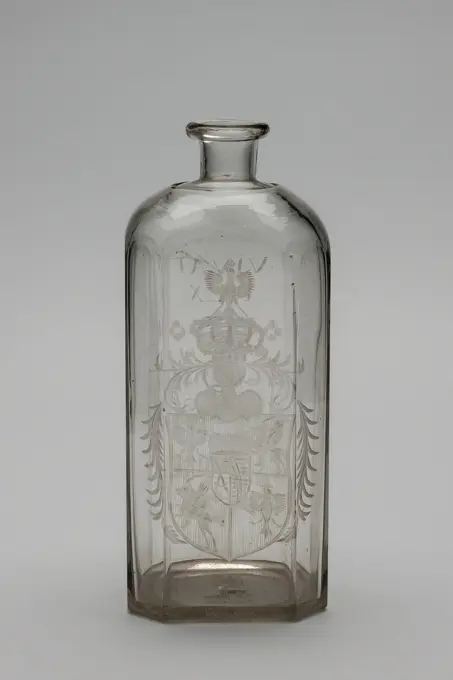
A collection of intricately designed silver candlesticks and a glass decanter, showcasing various shapes, decorations, and historical craftsmanship.

Candlestick of silver with trunk in the form of a winding tree trunk with three winding branches with oval leaves and candle holder in flower crown., Jan Kemaer (Possible), 1784 Silver candlestick. A winding tree trunk rises from a leaf rosette, which divides into three winding branches with oval leaves. The candle holder is caught in a flower crown. Dordrecht silver (metal) Silver candlestick. A winding tree trunk rises from a leaf rosette, which divides into three winding branches with oval leaves. The candle holder is caught in a flower crown. Dordrecht silver (metal)
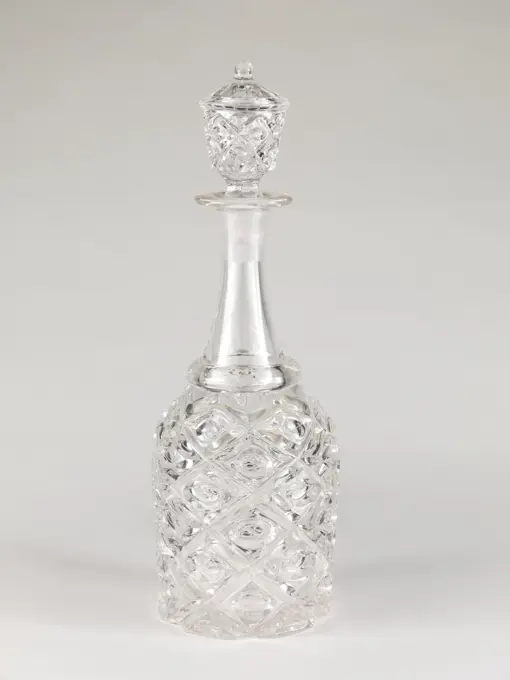
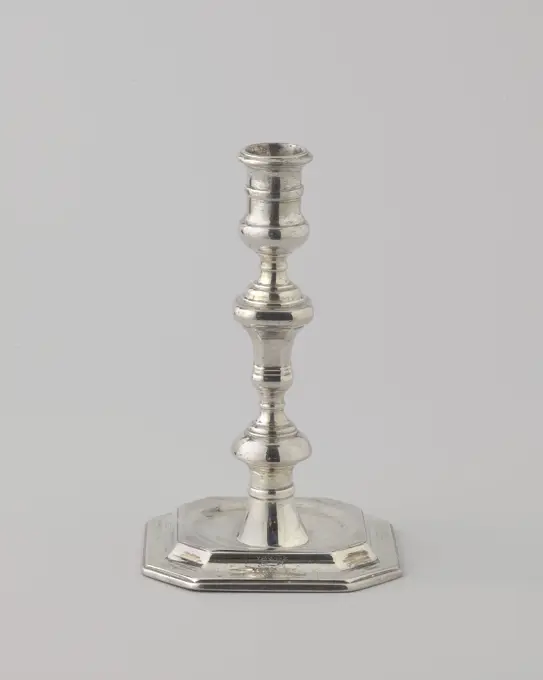
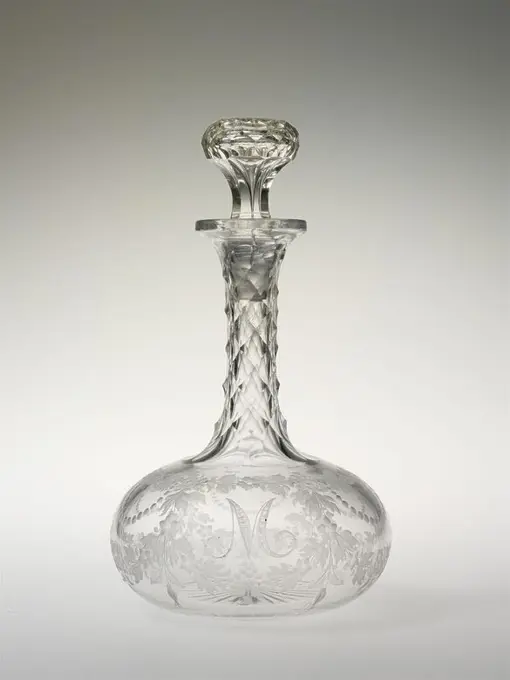
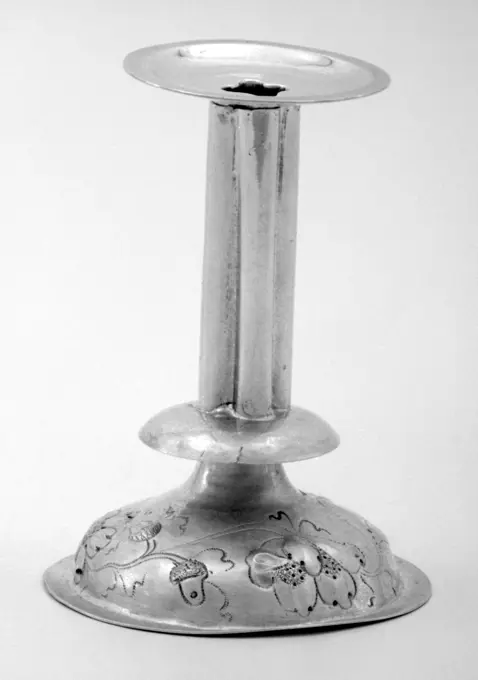
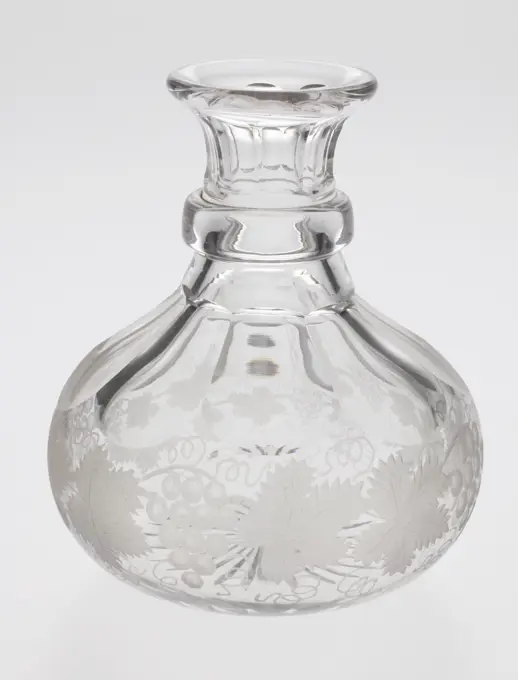
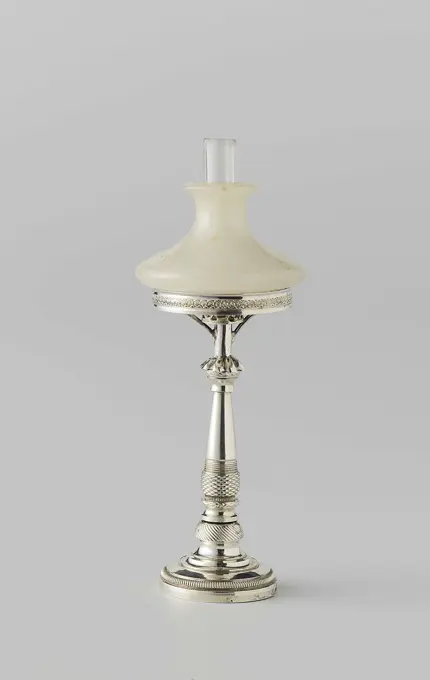
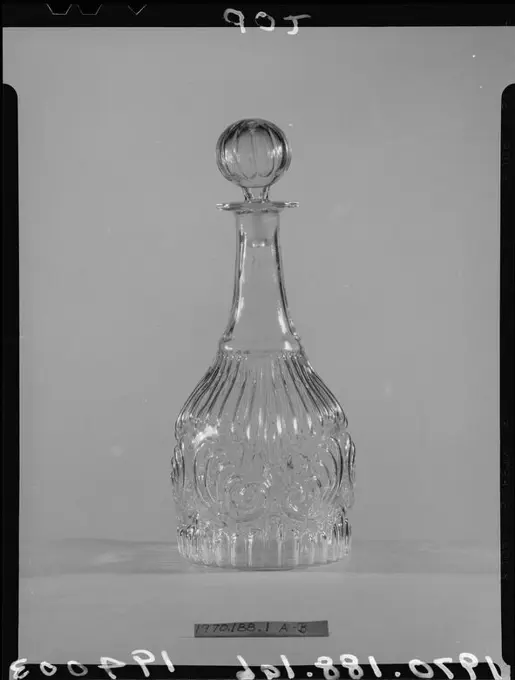
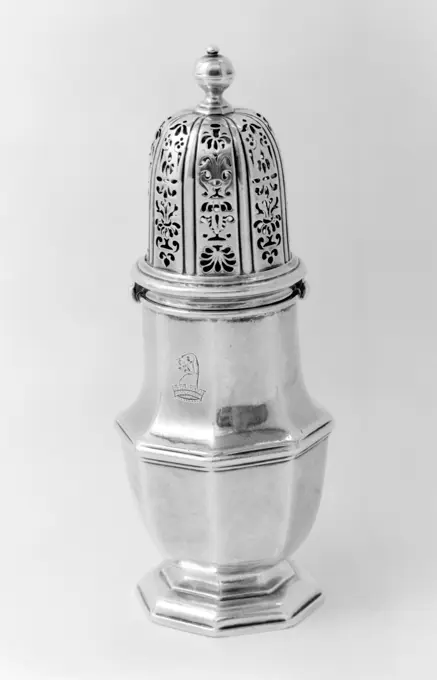
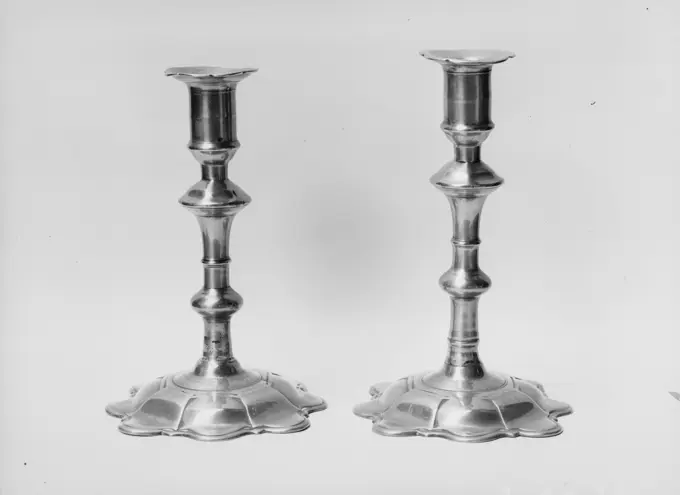
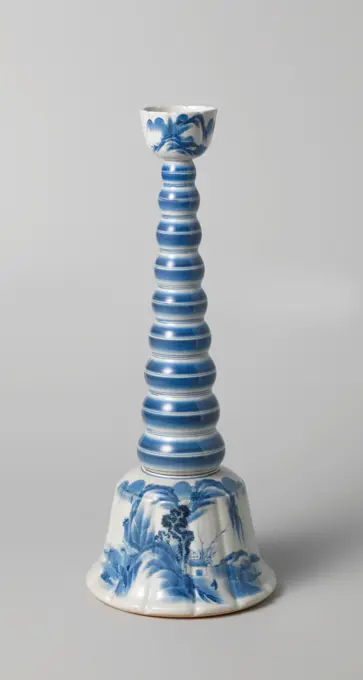
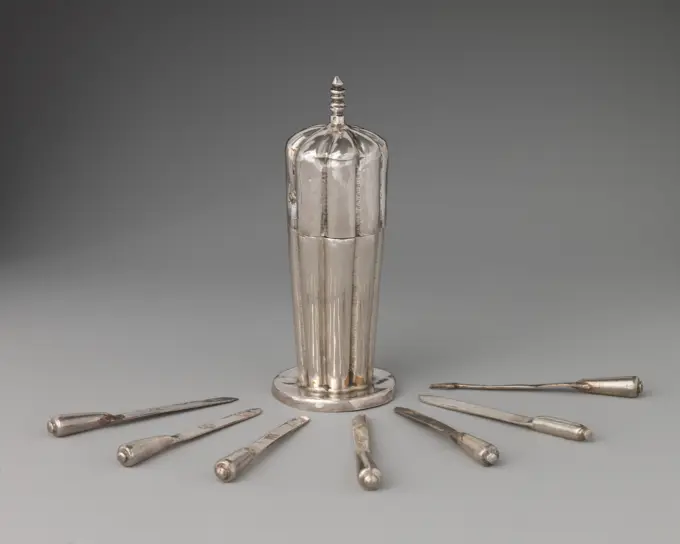
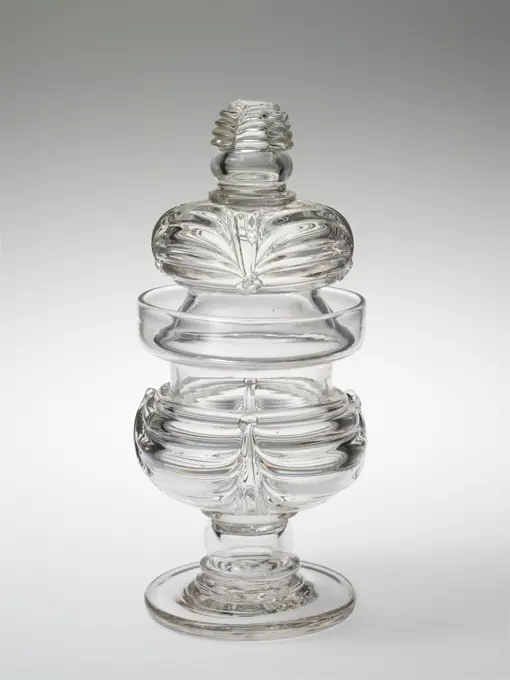
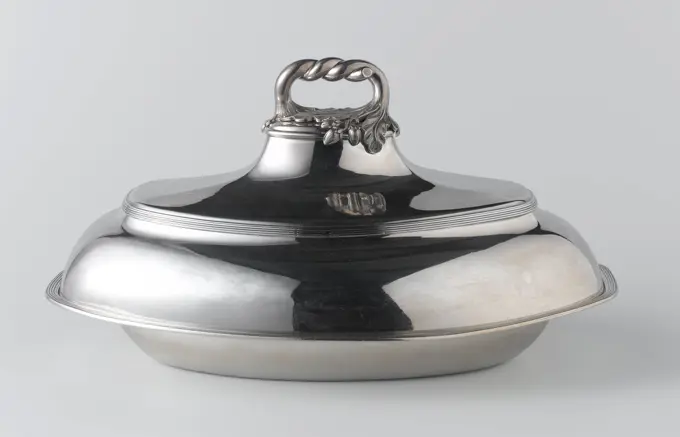
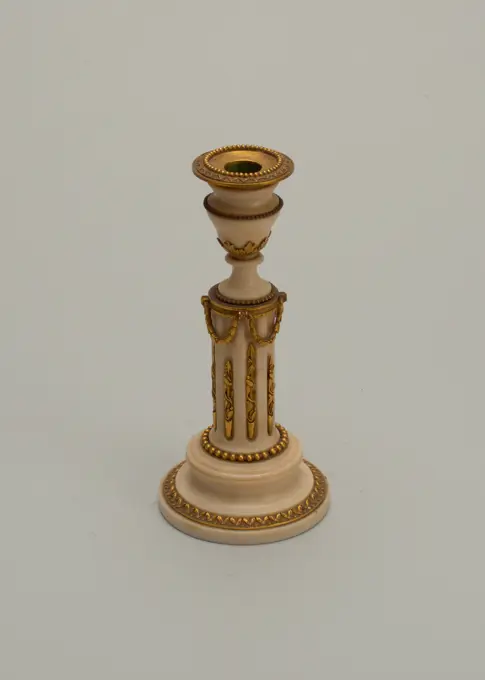
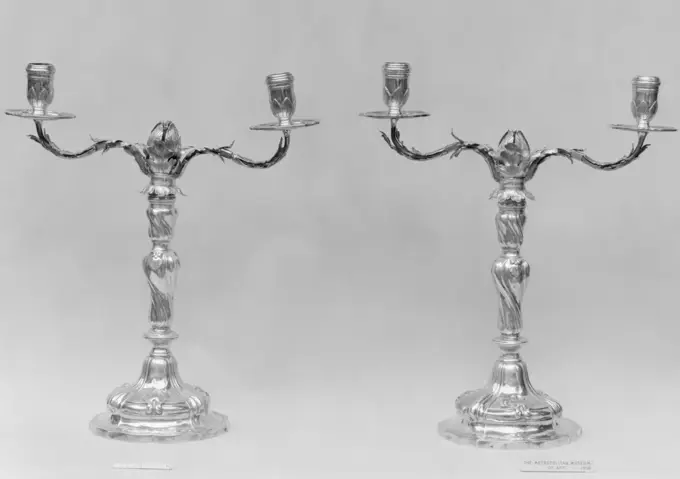
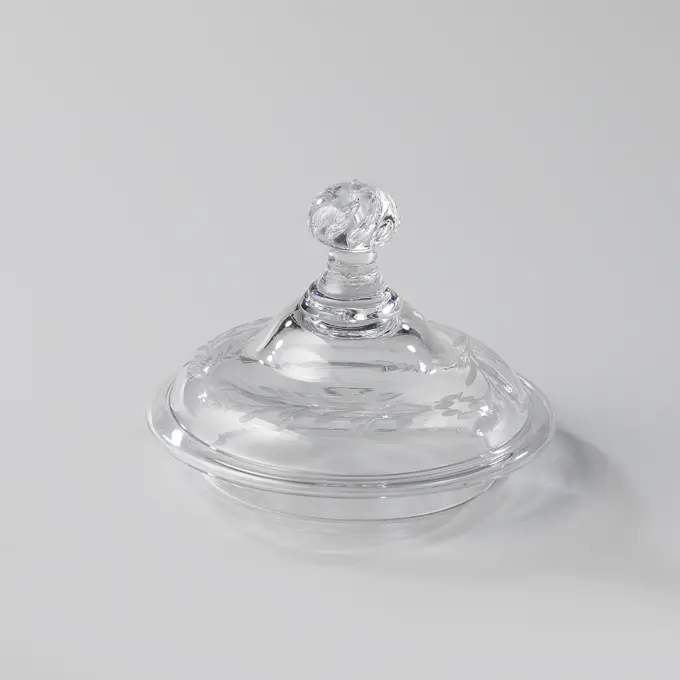
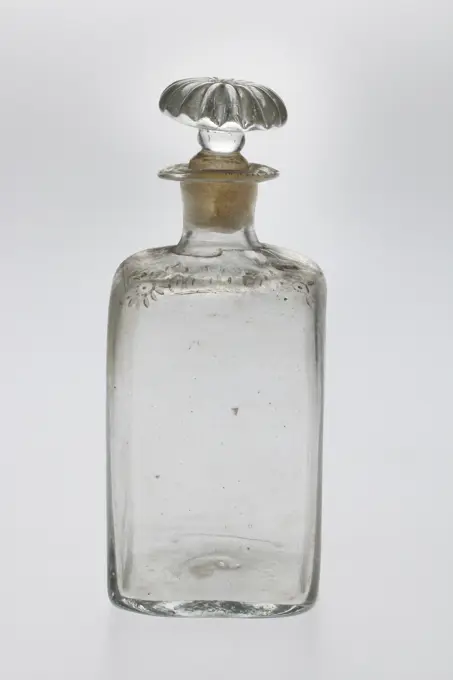
Paul de Lamerie, Taperstick, 1726/27, silver.Candlestick on square base with indented, round corners decorated with shells, Pieter de Keen (attributed to), 1729 Silver candlestick. The square, profiled, rejuvenating foot has entered, round corners that are decorated with a shell. In the flat top there is a round floor from which the also round, slightly incited, rises through a ring rises from the foot of the foot. This carries a flat disc on which the baluster -shaped trunk rests. Both the trunk and the vase -shaped candle holder are square with beveled corners; Both are richly profiled. The four sides of the trunk are decorated at the bottom with a shell and at the top, below a profile edge, with an imposed lambrequin. The corners are decorated with stylized leaf motifs at the bottom. The four sides of the candle holder are also at the top, under the profiled crown, decorated with an imposed lambrequin. Amsterdam silver (metal) Silver candlestick. The square, profiled, rejuvenating foot has entered, round corners that are decorQuart decanter 1850-70 American With the development of new formulas and techniques, glass-pressing technology had improved markedly by the late 1840s. By this time, pressed tablewares were being produced in large matching sets and innumerable forms. During the mid-1850s, colorless glass and simple geometric patterns dominated. Catering to the demand for moderately-priced dining wares, the glass industry in the United States expanded widely, and numerous factories supplied less expensive pressed glassware to the growing market. At the Exhibition of the Industry of All Nations at New Yorks Crystal Palace in 1853, for example, the New England Glass Company exhibited 130 pieces of one design, "consisting of bowls, tumblers, champagnes, wines, and jelly glasses." This object belongs to one such service. Although the glass manufactory is not known, the glassware is very typical of the large services that were very popular with Americas middle class in the nineteenth century.. Quart decantCandlestick with a engraved alliance weapon consisting of two oval shields in which a crowned two -headed eagle with fleurons and clover leaves., Anonymous, 1709 Candlestick consisting of a foot, a trunk and a candle holder. An alliance weapon is engraved on the foot, consisting of two oval shields, each with a two -headed eagle, crowned with three fleurons and two clover leaves. Marked and dated. The Hague silver (metal) casting / engraving Candlestick consisting of a foot, a trunk and a candle holder. An alliance weapon is engraved on the foot, consisting of two oval shields, each with a two -headed eagle, crowned with three fleurons and two clover leaves. Marked and dated. The Hague silver (metal) casting / engravingCandlestick of silver with trunk in the form of a winding tree trunk with three winding branches with oval leaves and candle holder in flower crown., Jan Kemaer (Possible), 1784 Silver candlestick. A winding tree trunk rises from a leaf rosette, which divides into three winding branches with oval leaves. The candle holder is caught in a flower crown. Dordrecht silver (metal) Silver candlestick. A winding tree trunk rises from a leaf rosette, which divides into three winding branches with oval leaves. The candle holder is caught in a flower crown. Dordrecht silver (metal)Covers; Non -like Lona Huta; End of the 17th century (1690-00-00-1700-00-00);Cruet. Culture: American. Decorator: Possibly engraved by Louis Friedrich Vaupel (1824-1930). Dimensions: H. 7 in. (17.8 cm); Diam. 4 in. (10.2 cm). Manufacturer: New England Glass Company (American, East Cambridge, Massachusetts, 1818-1888). Date: 1860-70.Louis F. Vaupel mastered the art of engraving in Germany before immigrating to the United States, where he eventually became the superintendent of the New England Glass Company's engraving department. He decorated a number of pieces for his family, and this cruet bears the initial "M" for his daughter, Minette. Museum: Metropolitan Museum of Art, New York, USA.Footless beaker. Niemcy, creatorBottle with flower vines, birds and insects, anonymous, c. 1675 - c. 1700 Inserted soul with pontil brand. Spherical body, long slender neck with imposed ring around the neck. Eight smooth ribs have been laid on the body. Bloemranken, birds and insects are engraved between these ribs. glassblower: Low CountriesNorthern Netherlands glass glassblowing Inserted soul with pontil brand. Spherical body, long slender neck with imposed ring around the neck. Eight smooth ribs have been laid on the body. Bloemranken, birds and insects are engraved between these ribs. glassblower: Low CountriesNorthern Netherlands glass glassblowingPair of miniature tapersticks ca. 1700 A. Pair of miniature tapersticks 202780Miniature candlestick (one of a pair). Artist: Henry Flavelle. Culture: Irish, Dublin. Dimensions: Height: 2 3/4 in. (7 cm). Date: 1828-29. Museum: Metropolitan Museum of Art, New York, USA.Bokaal, with sunflowers, berries and circles. Lid with garlands.Land;  Ok. PO. 19th century (1846-00-00-1855-00-00);. Oval, irregular shaped vase of silver, widening body at vaulted foot. Engraved on bottom bottom: 8 March 1930 to my dear brother Anton after the difficult year 1929 c.j.a. Bened FECIT 1918.Lid of a jar. Faceted, vaulted lid with faceted, pear-shaped button on four discs. Leaf garland engraved on the lid.Decanter -Lazio Viterbo Viterbo Museo Civico77. Hutzel, Max 1960-1990 Views of paintings (Middle Ages through 18th c.), frescoes, a tabernacle, coffin, sculpture reliefs, portal fragments, busts, sculpture, tapestry found in the Pinacoteca, Second floor gallery and Second floor cloister sequences. Antiquities: Many views of Etruscan and Roman fragments, sculpture, sarcophagi, pottery, masks, jewelry and other objects found in the Storeroom sequence (inventory numbers on back of prints), and the Cloister, Second floor Cloister, Valle Giulia, Sala Romana and Sala Etrusca sequences. General Notes: There are eight separate numerical sequences for this location. The cloister as an architectural structure, rather than museum site, is documented in the record and file for S. Maria della Verita, Cloister, all views of which are stored in Medieval core collection. Five views from the Museo Civico Second floor cloister sequence are stored in Medieval. German-born photographer and scholar Max Hutzel (1911-New technology radically changed daily life during the 19th century. Such innovations, however, were no longer reflected in silver miniatures in the same way they had been in previous centuries. This silver lamp is one exception. It represents a modern type of oil lamp, introduced in France in 1836, which soon found its way into Dutch living rooms.Caster (Ireland); glassKandelaber, donated to captain Cornelis Schrijver, Pieter Mouritz (Attributed to), 1738 The Kandelabers (BK-NM-12502 and BK-NM-12503) consist of a candlestick and an attachment with three hinged arms. The profiled, rejuvenating foot is octagonal in diameter, with alternating straight and corrugated sides. In the flat top there is a round floor from which the also round, incorporated, rises through a ring rises from the foot. The baluster -shaped trunk, standing on a widened sphere -walled base, rests on it. The trunk is also octagonal; The alternating straight and flooded sides correspond with those of the foot. The vase -shaped, profiled candle holder is again in diameter. The constricted body is articulated by a ring. In the candle holder, the attachment, which consists of a hexagonal core that has alternately straight and corrugated sides, fits and three arms connected to the straight sides of the core by hinges. The profiled core, which first widens and then rejuvenates, rests on aMill Glass, Anonymous, c. 1600 - c. 1699DecanterMiniature caster with cover. Artist: David Clayton (British, active 1689). Culture: British, London. Dimensions: Height: 2 in. (5.1 cm). Date: 1720-23. Museum: Metropolitan Museum of Art, New York, USA.Art Nouveau small cup. Schöllkopf, A. (fl. 1910-1919), goldsmiths companySpoon (possibly Germany); silver; L x W: 19.8 x 5.4 cm (7 13/16 x 2 1/8 in.); The Robert L. Metzenberg Collection, gift of Eleanor L. Metzenberg; 1985-103-244Obbelisk, the metal pot, c. 1690 - c. 1720 Obelisk van faience Delft . Obelisk van faience Delft .Decanter. Culture: American. Dimensions: H. 11 1/4 in. (28.6 cm). Maker: Probably Boston & Sandwich Glass Company (American, 1825-1888, Sandwich, Massachusetts). Date: 1830-40. Museum: Metropolitan Museum of Art, New York, USA.Candlestick (one of a pair) ca. 1785 British or Irish. Candlestick (one of a pair). British or Irish. ca. 1785. Glass. GlassCock lid, anonymous, c. 1750 - c. 1775 Facetted, curved lid with faceted, pear -shaped button on three discs. Growing leaf ornaments on the lid. Silesia (Possible) glass grinding / glassblowing Facetted, curved lid with faceted, pear -shaped button on three discs. Growing leaf ornaments on the lid. Silesia (Possible) glass grinding / glassblowingCaster 1714-15 John Chartier. Caster 201424Porringer.   Maker: Jacob Hurd, American, 1702-1758Candlestick of smooth silver with short trunk and round base, gaming table wallet or travel candlestick, Martinus Stapele, 1779 Round candlestick of smooth silver consisting of a foot, a short trunk and a candle holder. The foot is filled with lead. Marked and dated. Note: This candlestick is part of a set of four. See inv.nrs. (BK-1989-10-B and BK-1992-29-A and B). The Hague silver (metal). lead (metal) casting Round candlestick of smooth silver consisting of a foot, a short trunk and a candle holder. The foot is filled with lead. Marked and dated. Note: This candlestick is part of a set of four. See inv.nrs. (BK-1989-10-B and BK-1992-29-A and B). The Hague silver (metal). lead (metal) castingLid of a jar. Vaulted lid with a faceted, pear-shaped button on three discs in which a red garland is locked up. On the lid a engraved leaf ornament.Lid of a jar, anonymous, c. 1725 - c. 1750 Facetted, curved lid with faceted, pear -shaped button on three discs. Bohemia glass glassblowing Facetted, curved lid with faceted, pear -shaped button on three discs. Bohemia glass glassblowingMortar. Pourer with a pestle (input. BK-NM-11177-109-b). The shape of the mortar is concave cup-shaped. In the middle of the outer wall the mortar has a profiled edge. Two buttons were attached to this edge. The mortar is labeled: STK. = Amsterdam, JRL. = P (1749), Mt. = Jan Embroidery and an ax.Upper of a salt barrel from tin, anonymous, c. 1590 - c. 1596 salt (condiment vessel) Upper of a Tin salt barrel. Uif -shaped lid with a round ball on it that ends in a peak and in which four holes are. This part could probably be screwed loose. The bottom of this consists of a pewter plate. Traces of cashing are visible. Together with a central and bottom piece, forms a salt. England tin (metal) casting / soldering  Nova Zembla. Saving HuysTea caddy. Kuhn & Komor (wytwórnia sreber ; 1869-1919), goldsmiths company, unknown, craftsmanCandlestick 1740-70. Candlestick. 1740-70. Brass. Probably made in EnglandCandlestick with a conical bulb stem and candleholder and base with a water landscape, anonymous, c. 1775 - c. 1799 Porcelain candlestick with conical stem with nine ring -shaped thickening and a head -shaped candle holder with ribbed wall and lobed edge. Painted in underlaze blue. The ring -shaped nodules with blue tires. The head with a continuous river landscape with pavilions, trees, rocks and boats on the water. Blue White. Japan porcelain. glaze. cobalt (mineral) painting / vitrification Porcelain candlestick with conical stem with nine ring -shaped thickening and a head -shaped candle holder with ribbed wall and lobed edge. Painted in underlaze blue. The ring -shaped nodules with blue tires. The head with a continuous river landscape with pavilions, trees, rocks and boats on the water. Blue White. Japan porcelain. glaze. cobalt (mineral) painting / vitrificationSprinkler 1001-1400 Mediterranean Region. Glass . IslamicMiniature knife late 17th century George Manjoy British. Miniature knife. British, London. late 17th century. Silver. Metalwork-Silver-MiniatureReliquary. Culture: Italian. Dimensions: Overall: 7 1/8 x 3 3/4 x 2 13/16 in. (18.1 x 9.5 x 7.2 cm). Date: 16th century. Museum: Metropolitan Museum of Art, New York, USA.Flakon with a stopperBell, 1805, Solomon Hougham, H.5 x Dia.2-1/2 in., silver, England, 19th centuryPaul de Lamerie, Set of Four Candlesticks, 1738/39, silver.Sugar bowl 1815-35 Attributed to New England Glass Company Glass, elaborately cut or engraved in a variety of patterns based on English Regency styles, was in vogue for fine tableware during the early nineteenth century. This elegant sugar bowl and its related cream pitcher reveal a sophisticated alternative to cutting: the manipulation of the clear, colorless glass in its molten state. The vessels combine multiple decorative techniques characteristic of three New England factories that were producing stylish wares during the 1820s and 1830s. The predominant feature is the tooled horizontal ribbing on a second gather, or applied layer, of glass, which was drawn upward into the ribs with a sharp tool to create a swag pattern. This striking ornamentation is repeated on the domed cover of the sugar bowl and again on the cover's finial. The bold, classic footed shapes and the rounded hollow stems are hallmarks of all three Massachusetts firms. Although lacking the refractive qualities of tSword Pommel. Italian. Date: 1625-1675. Dimensions: Overall. Iron. Origin: Italy. Museum: The Chicago Art Institute, Chicago, USA.Standing cup with cover 19th century Italian, Venice (Murano). Standing cup with cover. Italian, Venice (Murano). 19th century. Glass. GlassPlot of a tin salt barrel. Plot of a tin salt barrel. A cavity for salt or herbs at the top. There are traces of silver suspension. Together with a middle and a top, forms a salt barrel.Cover of deck scale belonging to Komfoor, decorated with filet edges, Bennewitz and Bonebakker company, 1816 The lid consists of a convex lower and a concave upper part, between which the separation is marked by a filet edge. The lid is crowned by a handle in the shape of two leaf branches with acorns, which are turned around each other in the middle. Amsterdam silver (metal) The lid consists of a convex lower and a concave upper part, between which the separation is marked by a filet edge. The lid is crowned by a handle in the shape of two leaf branches with acorns, which are turned around each other in the middle. Amsterdam silver (metal)Candlestick Jancke, Johann Christoph (young)Perfume bottle. Czechy, creatorPair of candlesticks early 18th century British. Pair of candlesticks. British. early 18th century. Pewter. Metalwork-PewterOil Lamp 1830-40 Probably New England Glass Company. Oil Lamp 5458Creamer 1840-50 George B. Foster. Creamer 2723Vase. Culture: China. Dimensions: H. 8 1/4 in. (21 cm). Museum: Metropolitan Museum of Art, New York, USA.Pierre Vallieries, Pair Salt Cellars, 1798-1809, silver.Drinking glass in the form of a string instrument, anonymous, c. 1600 - c. 1700 Flat base with turned around. The trunk made up of a hollow, ribbed nodus above a flat disc. The body in the form of a string instrument. Two blue wings are bordered above the blue. Slightly tackled neck end in a bird head with a colorless comb and opened mouth. Venice glass glassblowing Flat base with turned around. The trunk made up of a hollow, ribbed nodus above a flat disc. The body in the form of a string instrument. Two blue wings are bordered above the blue. Slightly tackled neck end in a bird head with a colorless comb and opened mouth. Venice glass glassblowingSilver object called naveta. Baroque, 18th century. Museum: Museo Arqueológico Nacional, Madrid. Author: CASAMITJANA.Vase. Culture: China. Dimensions: H. 4 7/8 in. (12.4 cm); Diam. 3 1/4 in. (8.3 cm). Museum: Metropolitan Museum of Art, New York, USA.Tree 13th-15th century Chimú or Chancay. Tree 314895Candlestick (France); marble, gilt bronzeCandlestick (one of a pair) 1776-90 Italian, Genoa. Candlestick (one of a pair) 196549Canister (one of three). Edward Workman; Irish, active 1699-1722; Dublin, Ireland. Date: 1704-1706. Dimensions: H. 19.7 cm (7 3/4 in.). Silver. Origin: Dublin. Museum: The Chicago Art Institute, Chicago, USA.Drawer Pull 1810-60. Drawer Pull 14235Lid of a jar. Lid of a cup with low vaulted lid with convex button with spiral decoration of bubbles. Engraving of laurel branches around. Does not originally hear from BK-KOG-1620-A.Glass perfume bottle (candlestick unguentarium) Roman 2nd-3rd century CE Colorless.Everted, rounded rim; tall, cylindrical neck, expanding slightly downwards, with deep horizontal indent around base; broad, disk-like body, with upper side convex and conical, then almost horizontal with rounded edge; deep central kick in bottom.Complete, but crack in body and bottom; few bubbles; dulling, some soil encrustation, and iridescent weathering. View more. Glass perfume bottle (candlestick unguentarium). Roman. 2nd-3rd century CE. Glass; blown. Mid Imperial. GlassCandy Jar (lid), 1869-1880. Firm of Christian Dorflinger (American, 1828-1915). Glass; diameter: 12.1 cm (4 3/4 in.); overall: 42.6 x 10.8 cm (16 3/4 x 4 1/4 in.); average: 28.6 cm (11 1/4 in.).Perfume Crysterl BottleHat Pin Holder; silver, wood; Overall: 15.2 x 6.5 cm diameter (6 x 2 9/16 in.)Decanter -Shishak Made 1500-1600 Eastern Europe. Steel .Phineas Garde, Nutmeg Grater, 1823, silver and steel.Curb Bit first half 19th century Mexican The shanks of this particularly elegant bit are shaped as waving serpents, their bodies inlaid in silver and their eyes with red stone. More serpents adorn the slobber bar and the chains for attaching the reins. The purchases are chiseled and decorated with a silver rose on each.This bit is a Mexican version of a spade bit (type of mouthpiece from California), the spade being the flat extension at the top pressing against the horses palate when the reins are pulled. The small copper pendants had the purpose of ‘entertaining the horse, who, by playing with it with its tongue, would salivate and relax its jaw. Moreover, copper, reacting by electrolysis with the warmth and the moisture of the mouth, has a pleasant taste to horses and helps them to accept the bit.. Curb Bit. Mexican. first half 19th century. Iron alloy, copper, silver, stone. Equestrian Equipment-BitsPair of candlesticks possibly British 19th centuryBowlWineglass 19th century probably Italian, Venice. Wineglass. probably Italian, Venice. 19th century. Glass. GlassInkwell associated with ink set. Silver ink set. The leaf is straight on the back and at the front. The inkwell and sand spreader are melon. The pear-shaped table bubble is applied between the two melons.Cigar holder bowl Estreicher, Dominik (1750 1809)Water bottle toilets with an atomizer;  20th century (1900-00-00-2000-00-00);purchaseToy butter dish - Thumbleina pattern Federal Glass Company Federal Glass Company. Square tobacco spot on four volutely legs awarded by imposed leaf motifs. The rejuvenating pot has beveled corners as well as the square, rejuvenating lid. The loose lid has a pointed button. Profile bands are arranged along the top and bottom of the pot and along the bottom of the lid. The tobacco spot is noticed: STK. = Amsterdam, JRL. = V (1755), Mt. = Jan Embroidery and a Cursive I (Reterper).Creampitcher.  Manufacturer: Jones, Ball and Company, active ca. 1852 - 1854Three-Piece Tea Service, Theodorus Gerardus Bentvelt, 1833 Silver teapot, flattened around in shape and completely decorated with godrons. The lid has a "button" in the form of a lion. The ear is from ebony. The teapot is part of a tea set consisting of teapot, milk jug and sugar bowl. Amsterdam silver (metal). ebony (wood) Silver teapot, flattened around in shape and completely decorated with godrons. The lid has a "button" in the form of a lion. The ear is from ebony. The teapot is part of a tea set consisting of teapot, milk jug and sugar bowl. Amsterdam silver (metal). ebony (wood)Caster.   Maker: Rufus Greene, American, 1707-1777Crystal Bottle Crystal Bottle For Alcohol Drinks Isolated Copyright: xZoonar.com/MarkoxBericx 7947912Fragment of part of neck and mouth of stock bottle (medicine bottle), medicine bottle stock bottle bottle holder bottomfound glass, free blown and formed Fragment of neck and mouth of stock bottle (medicine bottle) in clear light green glass Short (6.5 cm) rejuvenated (3.2 - 2.1 cm) neck with flattened wide (3.2 cm) and turned down mouth edge archeology Rotterdam City Center Stadsdriehoek Oudehaven archaeological find in the soil Oude Haven 1979 - 1980.Ewer 1575-1625 Netherlands. Colorless glass with blue glass trails and prunts .REMATE ARQUITECTONICO EN CERAMICA - S XX. Location: ALFARERIA. JAEN. SPAIN.Drinking glasses of various color on a plateInkstand. Kuhn & Komor (wytwórnia sreber ; 1869-1919), goldsmiths company, Kurokawa, Yoshikatsu (1867- 1949), craftsmanChess figure isolated on the white backgroundBrass design fitting on antique wooden candle stand, Jodhpur, Rajasthan, India Copyright: xSafatxAli/DinodiaxPhotoxbottle of cologne on a white backgroundHead-and-dish, anonymous, 1775 Fun -shaped tea head on a dish. The dish has a raised edge, is unadorned and marked: Mt. = Foot 430. The tea cup is engraved along the top edge and is not marked. The head and saucer are kept as part of a tea set (BK-NM-11177-142). The tea set has a total of twelve cups and saucers that are the same as this specimen. Amsterdam silver (metal) Fun -shaped tea head on a dish. The dish has a raised edge, is unadorned and marked: Mt. = Foot 430. The tea cup is engraved along the top edge and is not marked. The head and saucer are kept as part of a tea set (BK-NM-11177-142). The tea set has a total of twelve cups and saucers that are the same as this specimen. Amsterdam silver (metal)Sugar tongs. Sugar pliers with two legs. The edge of the tongs is scalloped and the legs are engraved. The sugar pliers has not been marked. The sugar pliers are kept in a sugar bowl (BK-Nm-11177-142-P) and as part of a tea set (BK-NM-11177-142).Tray. Elongated tray with raised tripperbore and two machined handles. The tray has been marked: STK. = Amsterdam, JRL. = V (1780) and Mt. = Foot 430. On the tray there is a tea set (BK-NM-11177-142).Silver glass Silver decorative glass ornament with clipping path Copyright: xZoonar.com/Baloncicix 7287176Drinking glasses of various color on a platePuzdrowy bottle;  1736-1763 (1736-00-00-1763-00-00);August III (King of Poland-1696-1763), Rusiecki-Ursyn, Rzeczpospolita both nations (coat of arms), Saxony, Stanisław (1862-1944)-collection, Wettyn (coat of arms), gift (provenance), electorate (coat of arms), coat of arms, coat of arms, ruler