Elegant Silver and Porcelain Spoons

A collection of various antique spoons made from silver and porcelain, showcasing intricate designs and historical craftsmanship from different cultures.

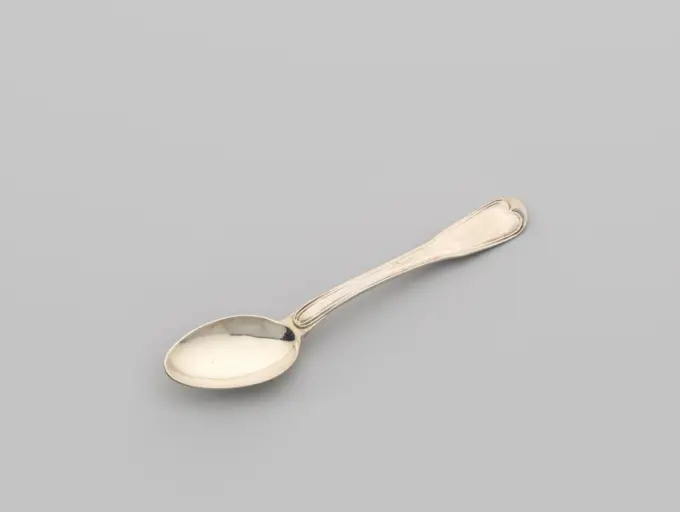
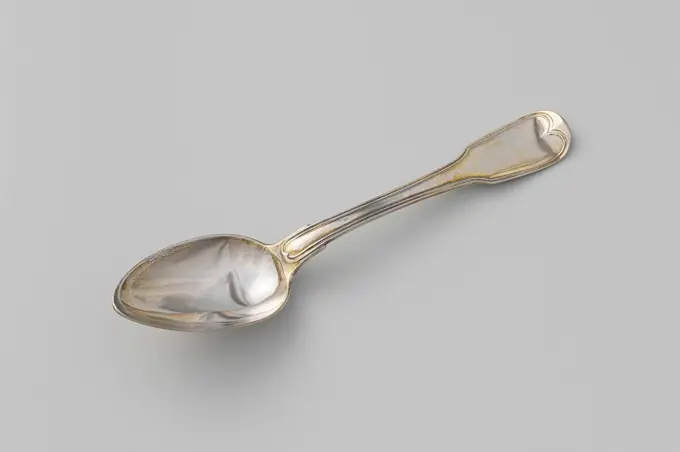
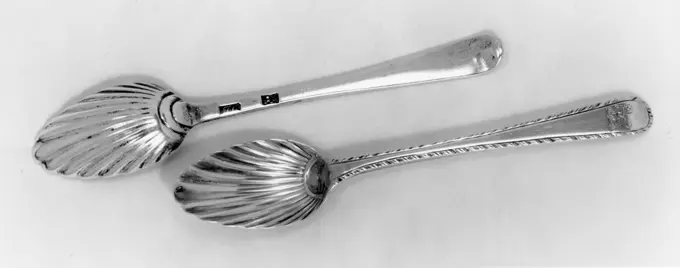
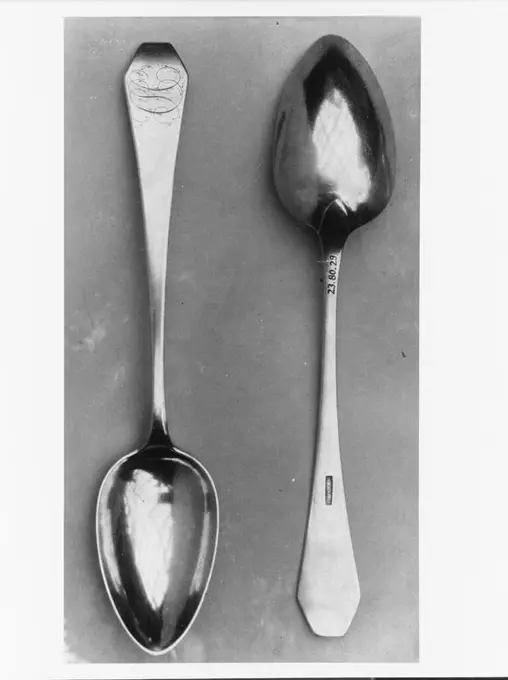
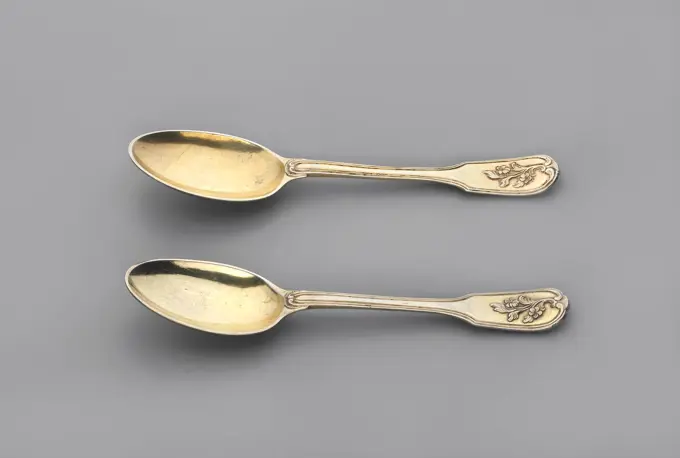
Dessert spoon with the Helmet Helmet, Roelof Helweg, 1806 The egg-shaped container of the spoon has a narrowed end and is connected to the flat, bent stem on both the top and bottom by means of a single praise, which broadens to the spatula-shaped end. At the top and bottom of the handle are surrounded by a double file edge, which has been swept up at the end. On the bottom of the spatula of both the spoons and the forks, the Clifford helmet sign is engraved. Amsterdam silver (metal) The egg-shaped container of the spoon has a narrowed end and is connected to the flat, bent stem on both the top and bottom by means of a single praise, which broadens to the spatula-shaped end. At the top and bottom of the handle are surrounded by a double file edge, which has been swept up at the end. On the bottom of the spatula of both the spoons and the forks, the Clifford helmet sign is engraved. Amsterdam silver (metal)
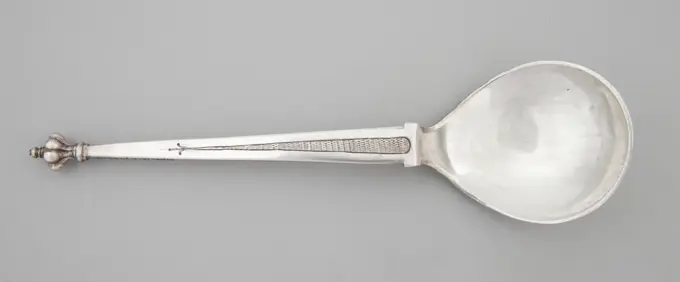
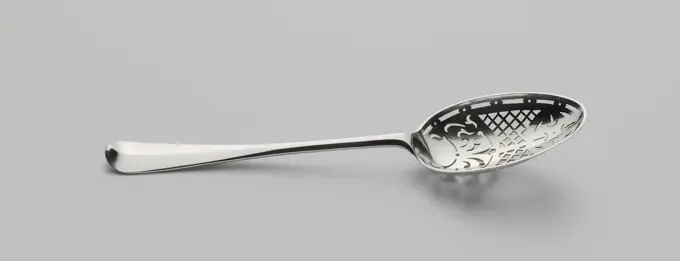
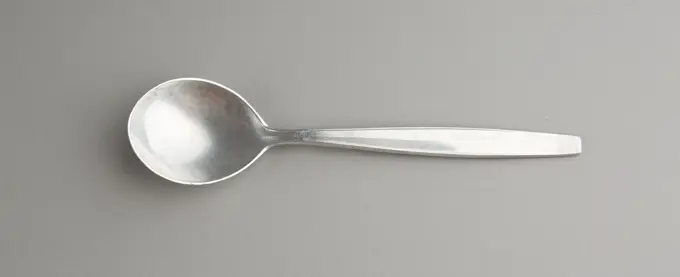
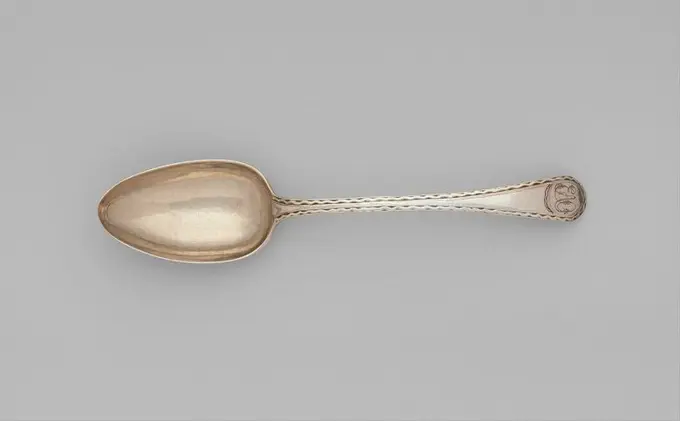
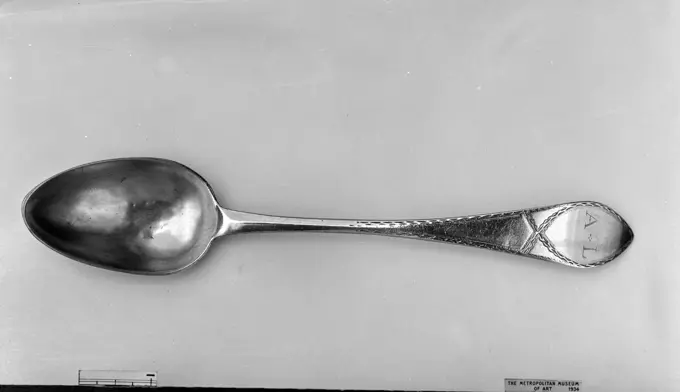
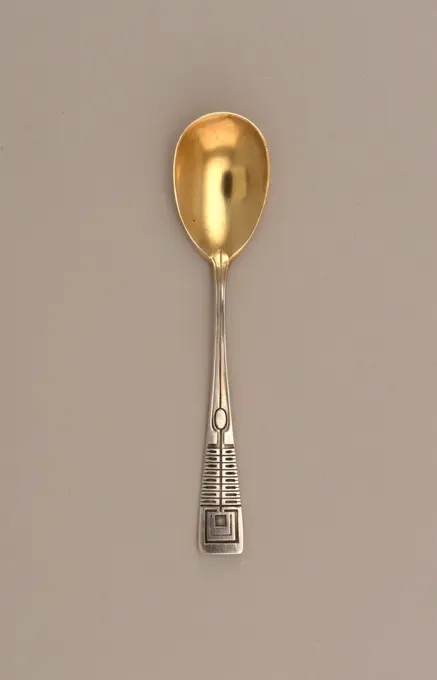
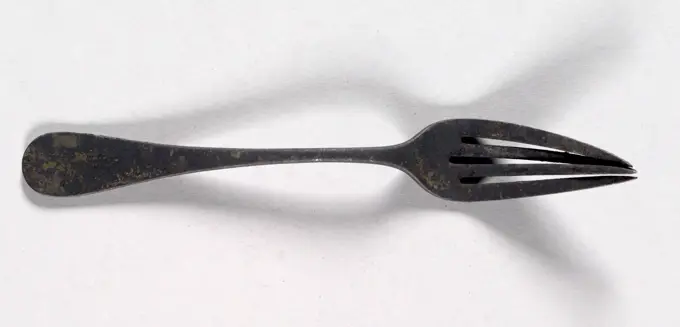
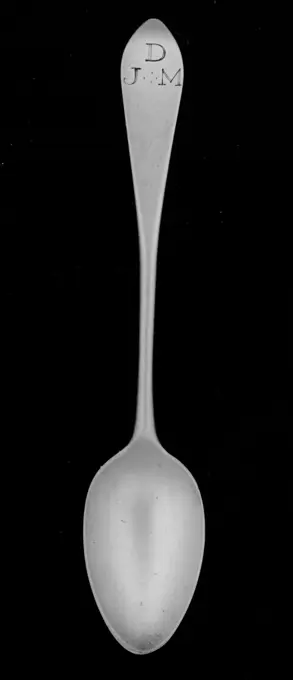
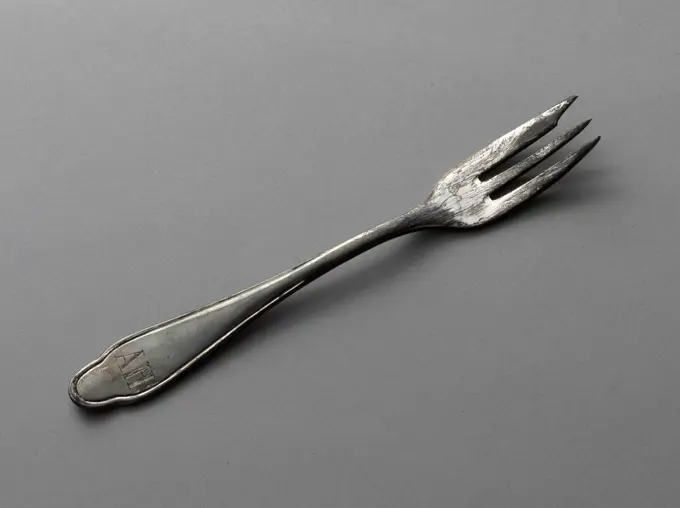
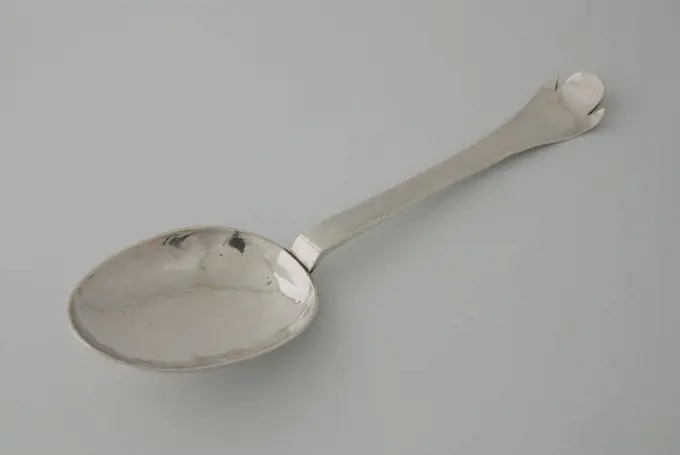
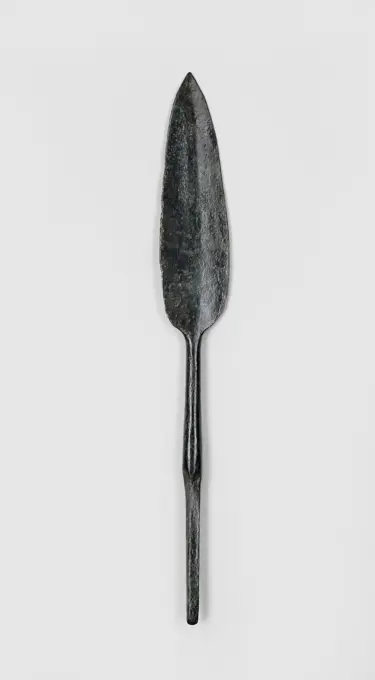
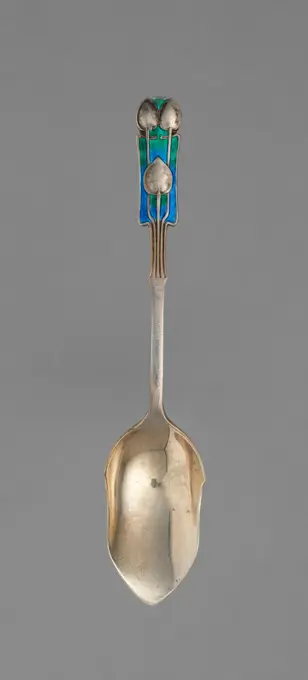
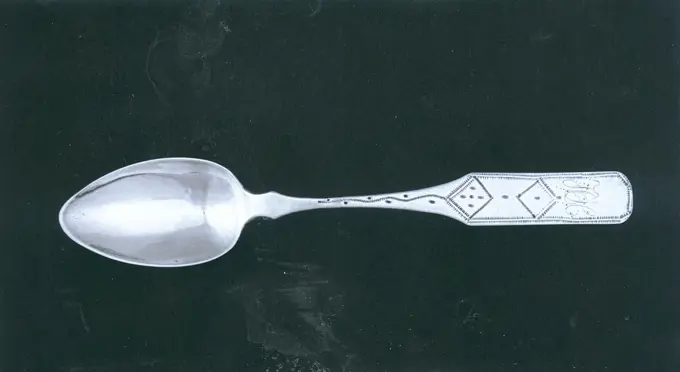
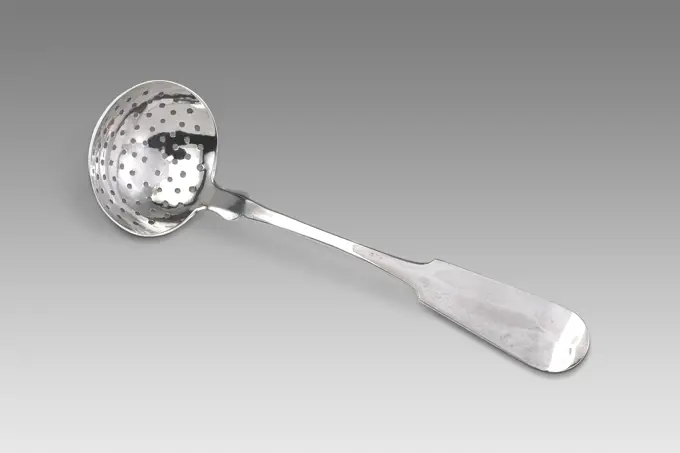
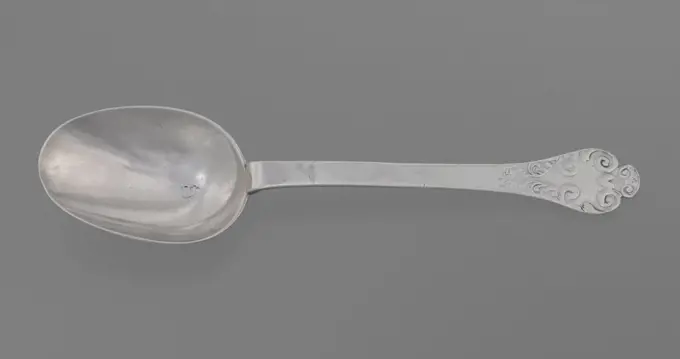
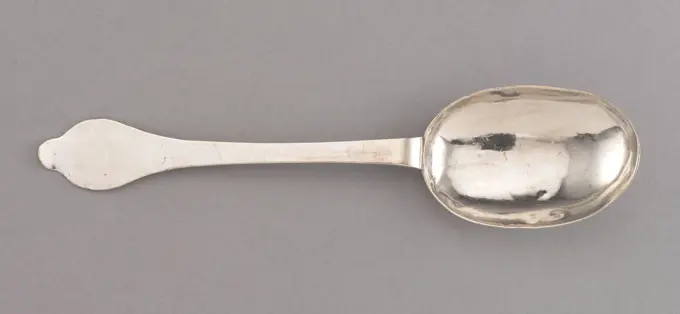
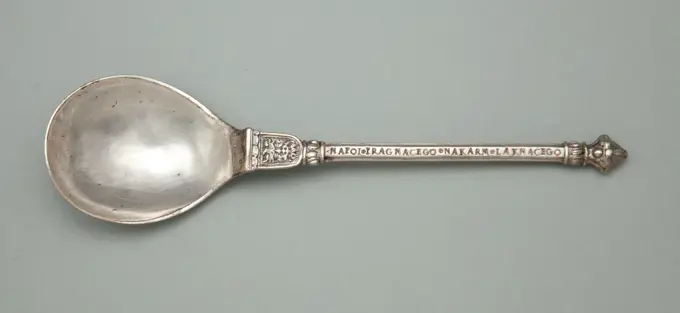
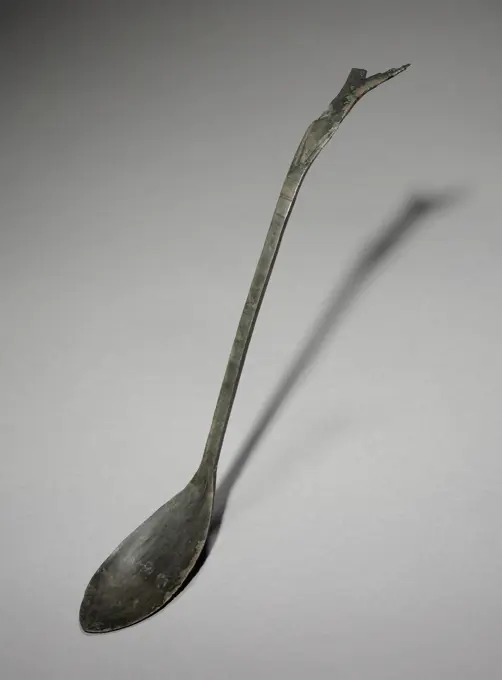
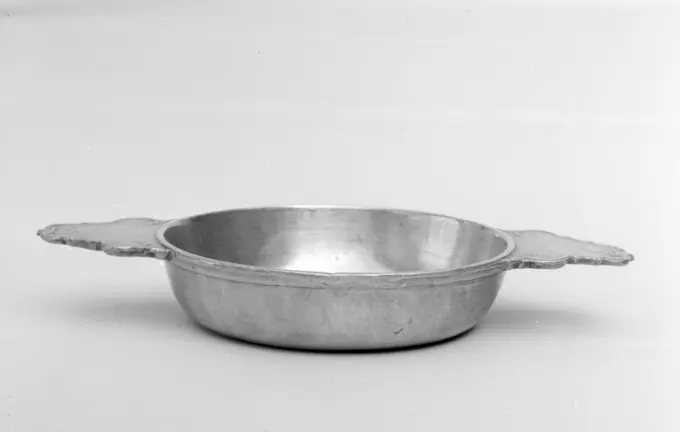
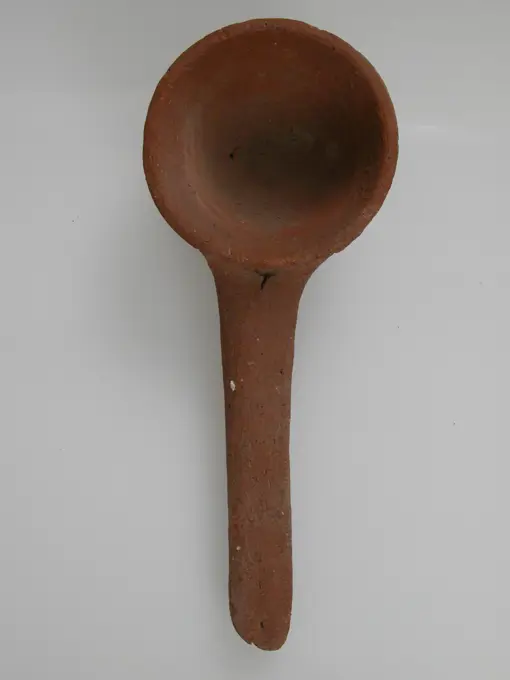
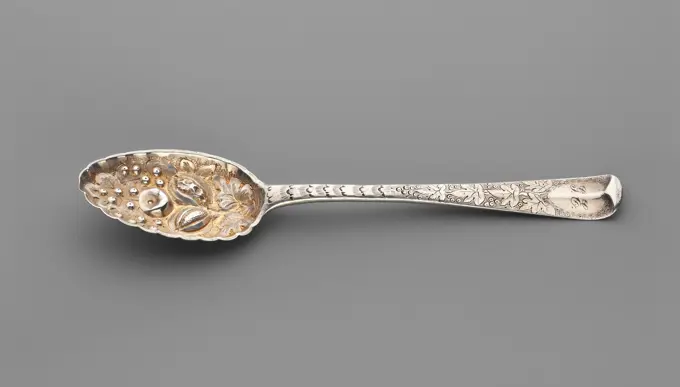
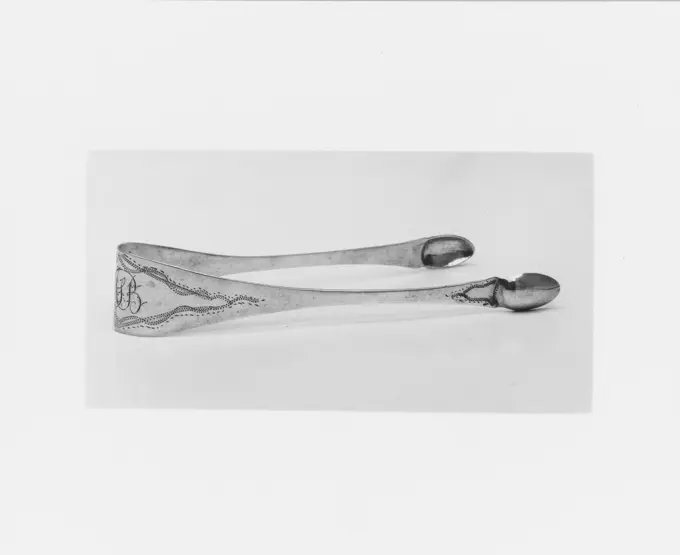
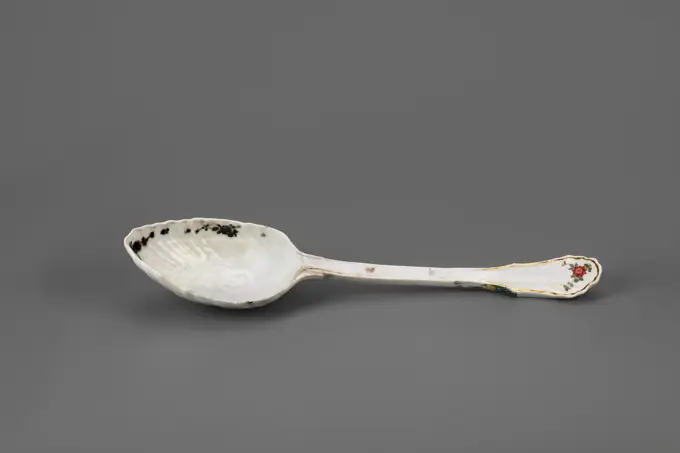
Spoon, Dirk van Gameren, 1764 Spoon of silver, with an oval container. The flat, curved stem extends to the rounded end. Utrecht silver (metal) Spoon of silver, with an oval container. The flat, curved stem extends to the rounded end. Utrecht silver (metal)Spoon. Culture: American. Dimensions: L. 7 5/8 in. (19.4 cm). Maker: John Edwards (ca. 1671-1746). Date: ca. 1700. Museum: Metropolitan Museum of Art, New York, USA.SpoonSpoon (part of a set) ca. 1765 Royal Porcelain Manufactory, Berlin. Spoon (part of a set). German, Berlin. ca. 1765. Hard-paste porcelain. Royal Porcelain Manufactory, Berlin (German, founded 1763). Ceramics-PorcelainTeaspoonCoffee yield;  20th century (1901-00-00-2000-00-00);Dessert spoon with the Helmet Helmet, Roelof Helweg, 1806 The egg-shaped container of the spoon has a narrowed end and is connected to the flat, bent stem on both the top and bottom by means of a single praise, which broadens to the spatula-shaped end. At the top and bottom of the handle are surrounded by a double file edge, which has been swept up at the end. On the bottom of the spatula of both the spoons and the forks, the Clifford helmet sign is engraved. Amsterdam silver (metal) The egg-shaped container of the spoon has a narrowed end and is connected to the flat, bent stem on both the top and bottom by means of a single praise, which broadens to the spatula-shaped end. At the top and bottom of the handle are surrounded by a double file edge, which has been swept up at the end. On the bottom of the spatula of both the spoons and the forks, the Clifford helmet sign is engraved. Amsterdam silver (metal)Teaspoon.   Maker: R. King, American, active 1795-1805Teaspoon, Peter Gill & Son (Aberdeen, Scotland, active c.1812 - 1849) 1783 - 1824Fruit spoon, Jan Christoffel Ultzen (Possible), 1791 A large silver fruit spoon with an ajour processed oval container. The smooth handle broadens itself by the handle. Brands: Leiden, Holland, with the annual letter H (1791), and an ax. Master sign: i.c.u. = Jan Christoffel Ultzen. Leiden silver (metal) A large silver fruit spoon with an ajour processed oval container. The smooth handle broadens itself by the handle. Brands: Leiden, Holland, with the annual letter H (1791), and an ax. Master sign: i.c.u. = Jan Christoffel Ultzen. Leiden silver (metal)Potagle with egg-shaped container and stem crowned with rocaille ornament, Barend Swierinck (attributed to), 1776 Potage filler of silver, with egg -shaped container. The stem is decorated at the end with imposed rocaille ornament. Amsterdam silver (metal) Potage filler of silver, with egg -shaped container. The stem is decorated at the end with imposed rocaille ornament. Amsterdam silver (metal)Old scoop Old scoop Copyright: xZoonar.com/BorisxZerwannx 6984769STOP fork; Klinkosch, Josef Carl von (1822-1888); 1872-88 (1890-00-00-1890-00-00);Unknown, Tea Spoon, 1792, silver.Vork van Zilver, Dirk van Gameren, 1764 Fork of silver, with 4 teeth. The fork gradually turns into the flat stem that broadens itself to the rounded end. Utrecht silver (metal) Fork of silver, with 4 teeth. The fork gradually turns into the flat stem that broadens itself to the rounded end. Utrecht silver (metal)Coffee spoon with egg -shaped container and spatula -shaped end, Roelof Helweg, 1806 The egg-shaped container is connected to the flat, bent stem on both the top and bottom by means of a single praise, which broadens to the spatula-shaped end. At the top and bottom of the handle are surrounded by a double file edge, which has been swept up at the end. The Clifford helmet is engraved on the underside of the spatula. Amsterdam silver (metal) The egg-shaped container is connected to the flat, bent stem on both the top and bottom by means of a single praise, which broadens to the spatula-shaped end. At the top and bottom of the handle are surrounded by a double file edge, which has been swept up at the end. The Clifford helmet is engraved on the underside of the spatula. Amsterdam silver (metal)SpoonSpoon with clifford helmet sign. The egg-shaped bin of the spoon is on both upstairs and bottom by means of single praise connected to the flat, curved stem, which widened to the spatula-shaped end. Upper and bottom of the handle are surrounded by a double fillet edge, which is injected at the end. The Clifford Helmet is engraved on the underside of the spatula.Spoon. Culture: American. Dimensions: L. 8 in. (20.3 cm). Maker: Paul Revere Jr. (American, Boston, Massachusetts 1734-1818 Boston, Massachusetts). Date: ca. 1787. Museum: Metropolitan Museum of Art, New York, USA.Master spoon 1584-85 British, London. Master spoon 197685Basting spoon, Molded, raised, and engraved silver, With ovoid bowl with arced stem and Old English curved handle engraved with initials., London, England, 1743, cutlery, Decorative Arts, Basting spoonSpoon 1770-1800 Saunders Pitman. Spoon. American. 1770-1800. Silver. Made in Providence, Rhode Island, United StatesLepel, Rudolph Sondagh, 1789 Spoon of silver, with an egg -shaped container. The flat, curved stem extends to the rounded end. Rotterdam silver (metal) Spoon of silver, with an egg -shaped container. The flat, curved stem extends to the rounded end. Rotterdam silver (metal)Military Two part essentialLepel, Cornelis Knuysting, 1802 Spoon of silver, with a striker oval container and striker tapered stem. The stem is engraved at the top with a flower drink and an oval medallion. Rotterdam silver (metal) Spoon of silver, with a striker oval container and striker tapered stem. The stem is engraved at the top with a flower drink and an oval medallion. Rotterdam silver (metal)STOP fork; Klinkosch, Josef Carl von (1822-1888); 1872-88 (1890-00-00-1890-00-00);Empty yellow metal spoon on a white isolated backgroundSpoon (Germany); Designed by Peter Behrens (German, 1868-1940); Manufactured by Martin Josef Rückert (Germany); silver, silver gilt; cm: L: 11.5 x W: 2.5Tablespoon.   Maker: John Coddington, American, 1690-1743Brijlepel, Cornelis Van Dijk, 1713 Mashed of silver. The egg -shaped container is connected by means of a long needle to the flat, curved stem, which broadens to the accolade -shaped end. Delft silver (metal) Mashed of silver. The egg -shaped container is connected by means of a long needle to the flat, curved stem, which broadens to the accolade -shaped end. Delft silver (metal)Nathaniel Smith & Co., Caddy Spoon, 1795/96, silver.Tablespoon with the Clifford family crest, Nathanael Teuter, 1823 The round, deep container is connected to the flat, powerful stem by means of single praise, which broadens to the rounded end and which is surrounded by a traffic jam at the top. On the top of the handle, the crowned weapon Clifford is engraved with the helmet sign and shield holders. Amsterdam silver (metal) The round, deep container is connected to the flat, powerful stem by means of single praise, which broadens to the rounded end and which is surrounded by a traffic jam at the top. On the top of the handle, the crowned weapon Clifford is engraved with the helmet sign and shield holders. Amsterdam silver (metal)Fork salvaged from the Great Chelsea Fire of 1908 , Fires. Chelsea Public Library Archive Collectiona hundred;  XIX-XX century (1800-00-00-1810-00-00);Fork with the Helmet helmet sign, Roelof Helweg, 1806 The fourth fork is on both the top and bottom by means of only praise to the flat, curved stem, which broadens to the spatula-shaped end. At the top and bottom of the handle are surrounded by a double file edge, which has been swept up at the end. The Clifford helmet is engraved on the underside of the spatula. Amsterdam silver (metal) The fourth fork is on both the top and bottom by means of only praise to the flat, curved stem, which broadens to the spatula-shaped end. At the top and bottom of the handle are surrounded by a double file edge, which has been swept up at the end. The Clifford helmet is engraved on the underside of the spatula. Amsterdam silver (metal)Fork; Silver Products Factory K.F. Malcza (Warsaw; Sreber label; 1828-1864), Malcz, Karol (1797-1867); Years of the 19th century (1850-00-00-1859-00-00);William Simes, Tea Spoon, c. 1790, silver.Tablespoon.   Maker: Thomas W. Burger, active ca. 1805 - 1806Toy spoon - Inconnu / UnknownSTOP fork; Norblin and Spóża (Warsaw; Platernicza label; 1831-1939); 1896-1901 (1896-00-00-1901-00-00);Six forks first half 18th century Paul de Lamerie British. Six forks 202074War 1939-1945. Adolf Hitler's initials for dessert fork. General Leclerc Museum of Hauteclocque and the Liberation of Paris, Jean Moulin Museum. 75311-13 Fork, War 1939-1945 39-45, Object, Second World War, Table service, Daily LifeSilver spoon with D °. Robertus Macward breakfast on the 5th of June ° 1681, spoon cutlery silver, forged engraved oval bake smooth flat handle Rat tail pied the biche back side steal eating Robert Macward preacher religion Rotterdam migration Robert Macward studied at St. Andrews University and in 1654 became pastor in England to Rotterdam and was appointed on January 23, 1676 as second teacher at the Scottish Church.Grot oszczepu. nieznany warsztat bliskowschodni, workshopDropper ca. A.D. 7th-10th century Sasanian or Islamic. Dropper 323058Teaspoon ca. 1770-80 British, Sheffield. Teaspoon 194880Fork with the Helmet Clifford, Hendrik Helweg, 1832 The fourth fork is on both the top and bottom by means of only praise to the flat, curved stem, which broadens to the spatula-shaped end. At the top and bottom of the handle are surrounded by a double file edge, which has been swept up at the end. The Clifford helmet is engraved on the underside of the spatula. Amsterdam silver (metal) The fourth fork is on both the top and bottom by means of only praise to the flat, curved stem, which broadens to the spatula-shaped end. At the top and bottom of the handle are surrounded by a double file edge, which has been swept up at the end. The Clifford helmet is engraved on the underside of the spatula. Amsterdam silver (metal)Maker's Mark I.C in script, possibly Joseph Carpenter, Eleven Teaspoons, c. 1770-80, silver.Dinning-room spoonSet of six Spoons in Original Box, c. 1895-1910. Liberty and Company (British), attributed to Archibald Knox (British, 1864-1933). Silver, enamel decoration and leather box;Fork on a white backgroundShield-top spoon probably 1642 Dutch, Haarlem. Shield-top spoon 188112 Dutch, Haarlem, Shield-top spoon, probably 1642, Silver, Overall: 7 3/4  2 5/16 in. (19.7  5.9 cm). The Metropolitan Museum of Art, New York. Gift of Mrs. Samuel P. Avery, 1897 (97.2.77)Teaspoon.   Maker: William Moulton IV, American, 1772-1861Strainer Spoon c 1836-1838 Philadelphia. Silver . Watson and BrownMaker: Jeremiah Dummer, American, 1645-1718, Spoon, Silver, 7 3/16 in. (18.2cm), Manufactured in Boston, Massachusetts, American, 17thcentury, FlatwareJoseph Richardson Sr., Saucepan, c. 1740, silver.wooden spoon isolated on white backgroundTablespoon, 1700-1720. Jacob Boelen I (American, 1654-1729). Silver; overall: 19.7 x 4.8 cm (7 3/4 x 1 7/8 in.).silverware spoon cartoon. metal knife, view cutlery, kitchen steel silverware spoon sign. isolated symbol vector illustration. silverware spoon cartoon vector illustrationLeerer Metalllöffel auf einem monochromen braunen Hintergrund Empty metal spoon on a monochrome brown background. Cutlery on the dining table LicenseRF Copyright: xZoonar.com/TetianaxChernykovax 23261882Pair oftablespoons.   Maker: Thomas W. Burger, active ca. 1805 - 1806SpoonFork with the Helmet helmet sign, Roelof Helweg, 1806 The fourth fork is on both the top and bottom by means of only praise to the flat, curved stem, which broadens to the spatula-shaped end. At the top and bottom of the handle are surrounded by a double file edge, which has been swept up at the end. The Clifford helmet is engraved on the underside of the spatula. Amsterdam silver (metal) The fourth fork is on both the top and bottom by means of only praise to the flat, curved stem, which broadens to the spatula-shaped end. At the top and bottom of the handle are surrounded by a double file edge, which has been swept up at the end. The Clifford helmet is engraved on the underside of the spatula. Amsterdam silver (metal)Wooden spoon isolated on whiteTable Spoon. Culture: American. Dimensions: L. 9 1/4 in. (23.5 cm). Maker: William G. Forbes (1751-1840). Date: 1800-1830. Museum: Metropolitan Museum of Art, New York, USA.two silver forks isolated on white. 3d two silver forks isolated on white. 3d Copyright: xZoonar.com/SerhiixPavlovx 2403996Wooden spoon isolated on the white backgroundMaker's Mark T.O, possibly Thomas Oliphant, Caddy Spoon, 1814/15, silver.Jam spoon. Fisher, John (fl. 1793-ca 1810), goldsmithDaniel Rogers, Tea Spoon, c. 1760.Mustard spoon 19th century Dutch. Mustard spoon 188271Lazio Roma Rome SS. Giovanni e Paolo, Museum4. Hutzel, Max 1960-1990 Medieval: Ceramic fragments, sculptural fragments, fresco fragments, inscribed tomb markers. Houses one of the best collections of Malagan medieval ceramics for casting wall monuments, copies of which are housed in campanile. Specific Location: Museum Antiquities: Ceramic fragments, sculptural fragments, architectural fragments Object Notes: Basilica has separate record and is filed separately. German-born photographer and scholar Max Hutzel (1911-1988) photographed in Italy from the early 1960s until his death. The result of this project, referred to by Hutzel as Foto Arte Minore, is thorough documentation of art historical development in Italy up to the 18th century, including objects of the Etruscans and the Romans, as well as early Medieval, Romanesque, Gothic, Renaissance and Baroque monuments. Images are organized by geographic region in Italy, then by province, city, site complex and monument.Wooden spoon isolated on white background. Wood spoonsSpoon with Fish-Tail Design, 918-1392. Korea, Goryeo period (918-1392). Bronze; overall: 26 cm (10 1/4 in.).Spoon.  Artist, forgery of: Jacob Boelen, American, 1654-1729 Artist, forgery of: Henricus Boelen II, American, 1697-1755Boar Spear ca. 1600 German. Boar Spear 26735Tablespoon.   Maker: J. Nagel, active ca. 1810 - 1830Bowl 18th century French. Bowl. French. 18th century. Pewter. Metalwork-PewterWooden spoons isolated on a white background.Arrowhead (Yanone). Culture: Japanese. Dimensions: L. 7 in. (17.8 cm); L. of head 2 in. (5.1 cm); W. 1 in. (2.5 cm); Wt. 0.6 oz. (17 g). Date: 18th century. Museum: Metropolitan Museum of Art, New York, USA.wooden spoon isolated on white backgroundTeaspoon.   Maker: Zebulon Stanton, 1753-1828Carving wooden spoon isolated on white background cutoutWooden cooking spoons isolated on white backgroundLadle 580-640 Coptic. Ladle 474947Unknown, Two Tea Spoons, c. 1860, silver.jerk to jam; Taylor, James (Fl. Ca 1731-); 1737/38 (1737-00-00-1738-00-00);jam (cutlery), monograms, fruit, vineMetal steel knife . On the metal table.. Metal steel knifeTwo tablespoons. Warnberger, Abraham IV (fl. 1741-1793), goldsmithLittle Wooden Spoon A little wooden spoon isolated on white background Copyright: xZoonar.com/AlainxdexMaximyx 11559644Teaspoon, c. 1770-1780. Samuel II Drowne (American, 1749-1815). Silver; overall: 2.6 cm (1 in.).Tool, Spanner, Combination spannerSpatula for a barbecueTongs ca. 1795 Nicholas Geffroy. Tongs. American. ca. 1795. Silver. Made in Newport, Rhode Island, United StatesFourTeaspoons. Maker, attributed to: John Brevoort, American, active ca. 1742 - 1764Tablespoon.   Maker: Moses P. Stickney, American, active ca. 1826 - 1828Brooch Lorgnette; probably Germany; silver, glass; Closed: 12.3 x 3 x 1 cm (4 13/16 x 1 3/16 x 3/8 in.)A fork.Wooden spoon icon in cartoon style on a white background. Wooden spoon icon, cartoon stylePlatter spoon. Kaendler, Johann Joachim (1706-1775), sculptor, Koenigliche Porcellain Fabrique, Meissen (1710-1763), factory