Elegant Silverware Collection

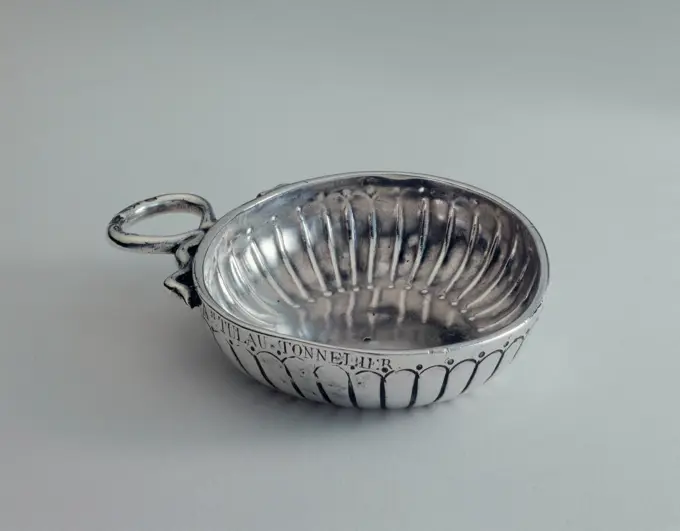
Images of exquisite silverware pieces such as tastevins and porringers, showcasing craftsmanship and historical relevance.

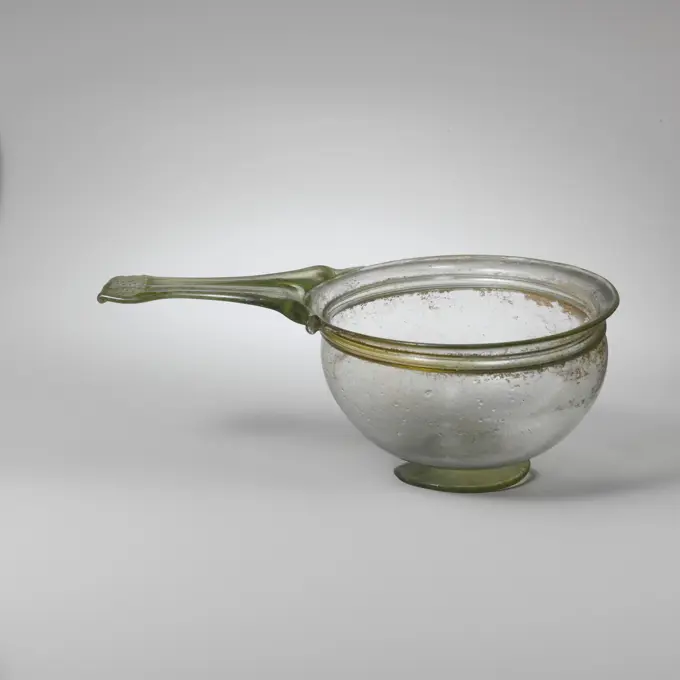
Glass trulla (pan) 1st-4th century A.D. Roman Translucent blue green; handle in same color.Outsplayed, rounded, and slightly thickened rim; almost vertical side, then curves in sharply; applied, solid, low ring base; slightly convex, uneven bottom; broad, flat strap handle pressed on to rim, drawn out horizontally, and trailed off back along its underside.Intact; many pinprick bubbles and small glassy inclusions, and elongated bubbles in handle; dulling, iridescence, and patches of weathering.. Glass trulla (pan) 245252
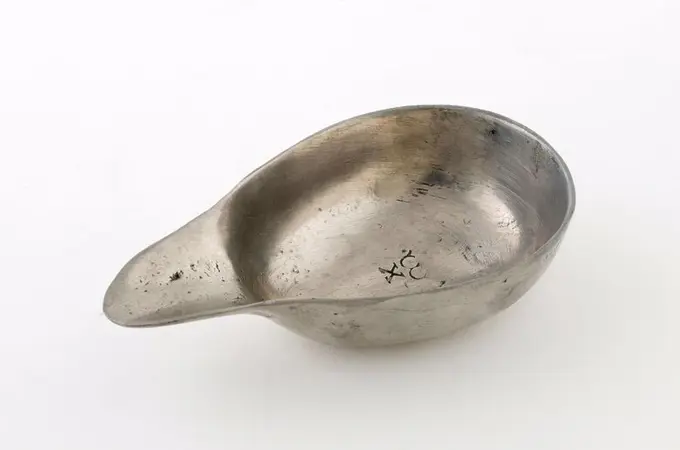
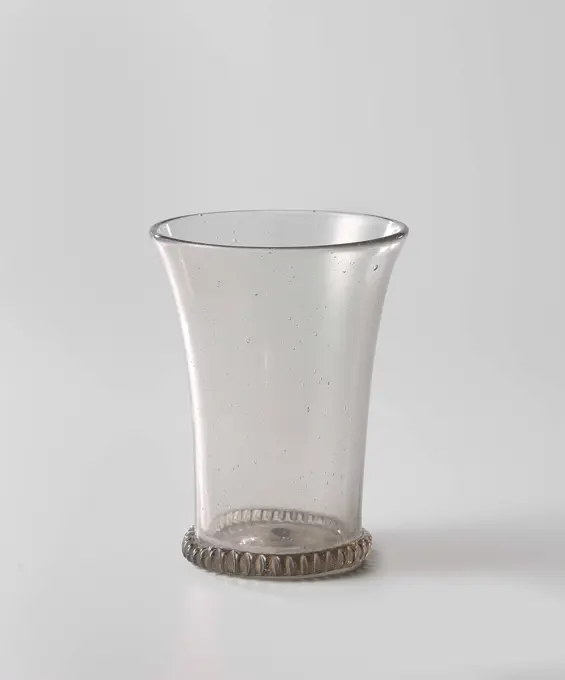
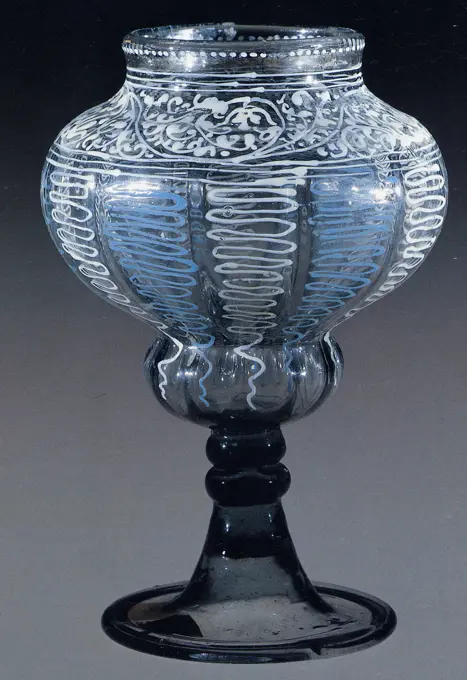
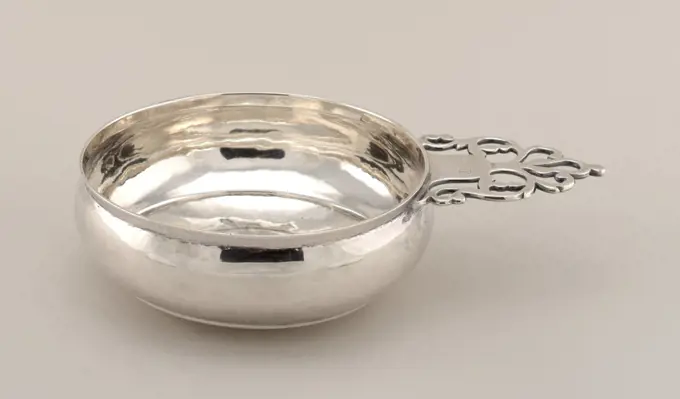
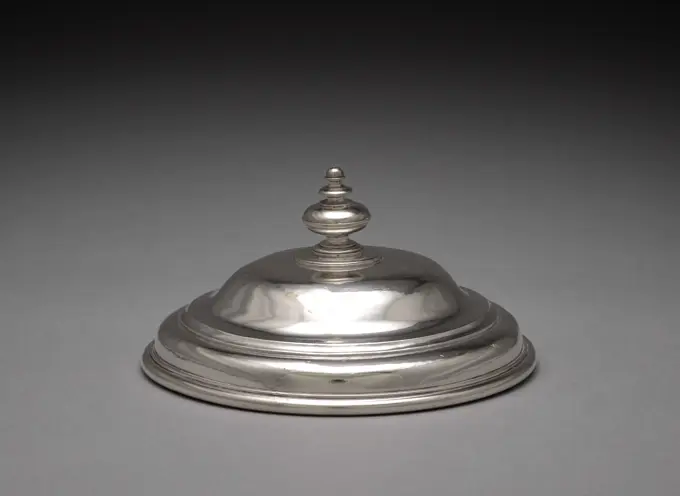
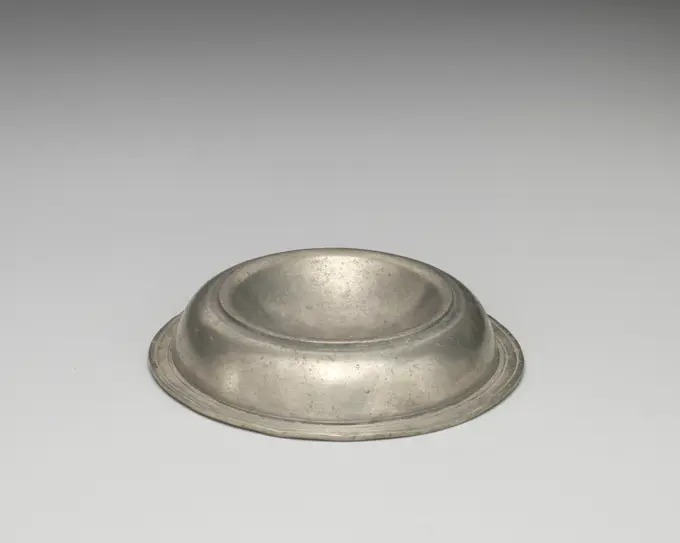
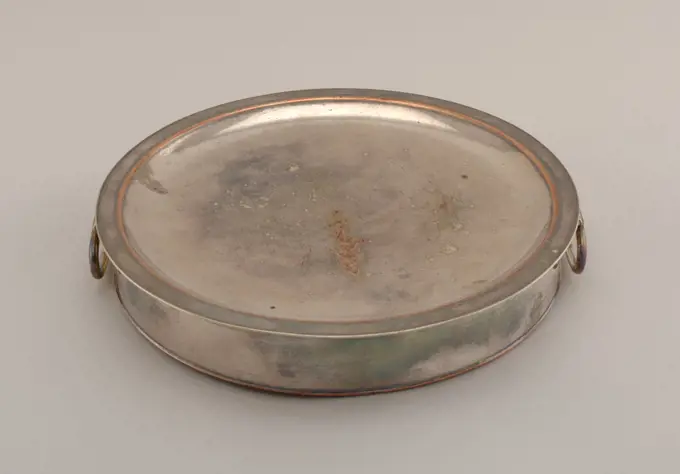
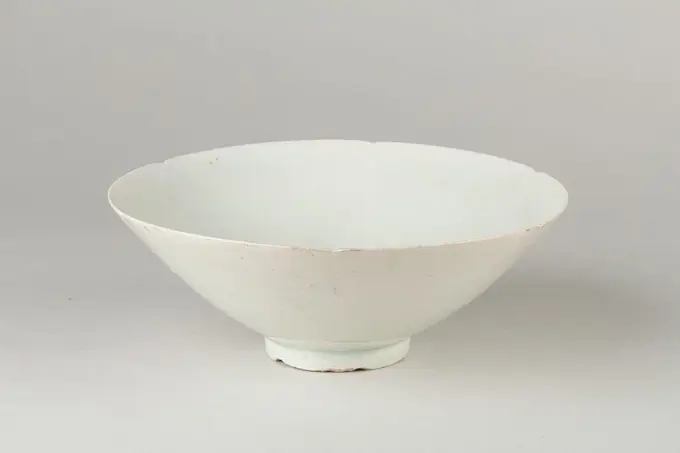
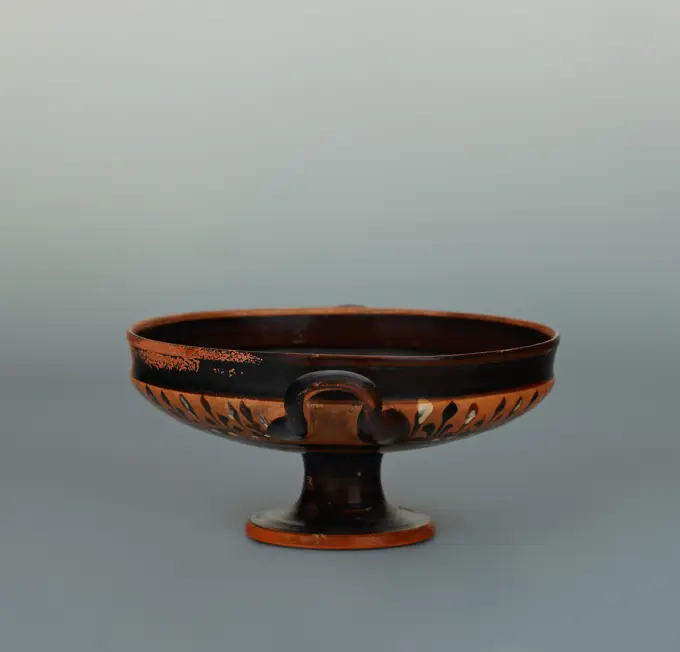
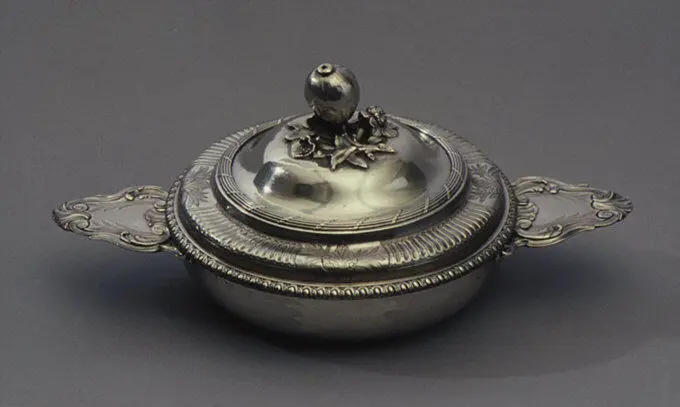
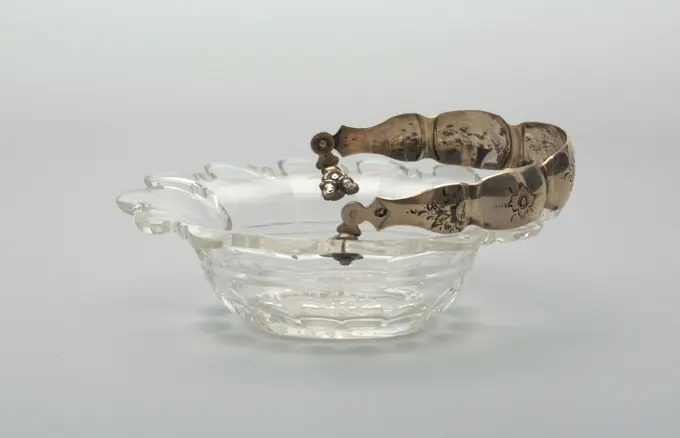
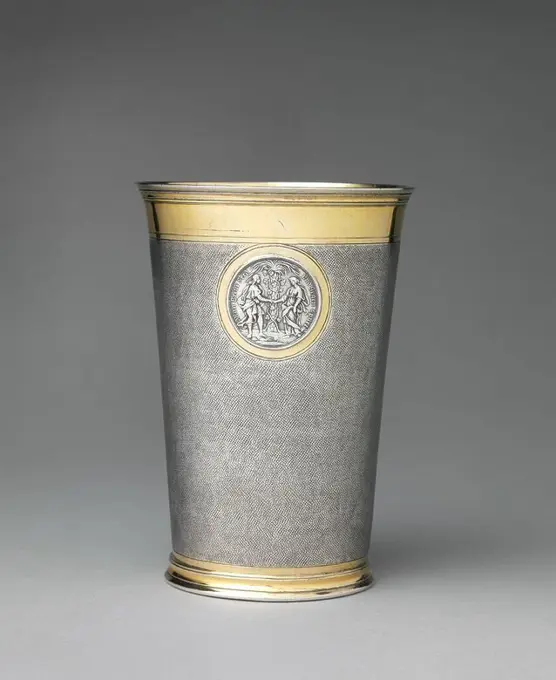
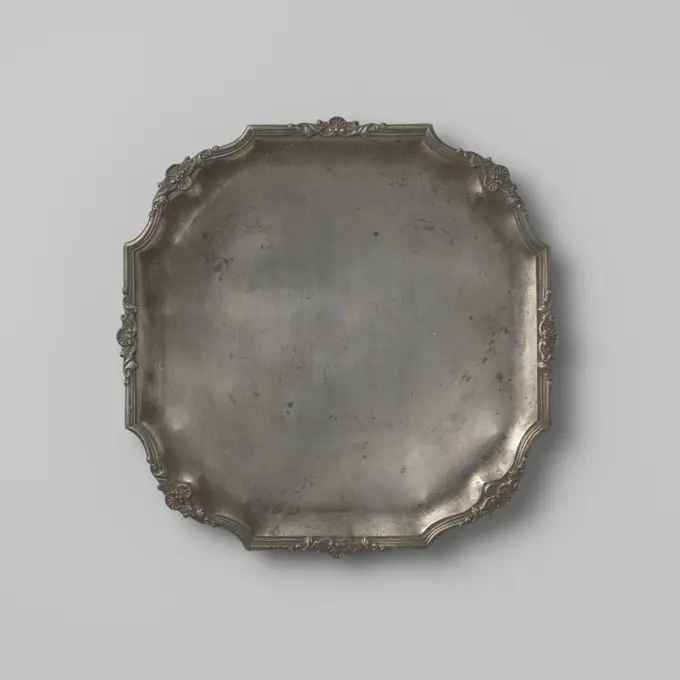
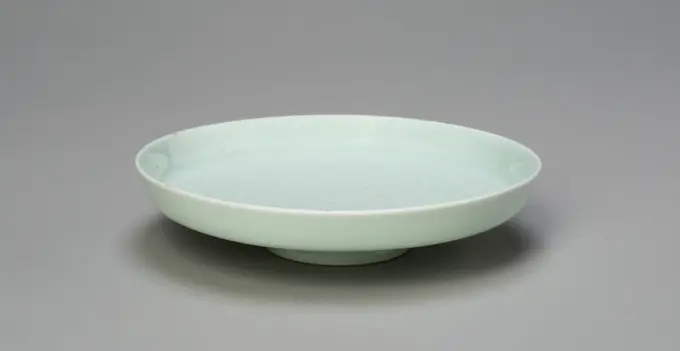
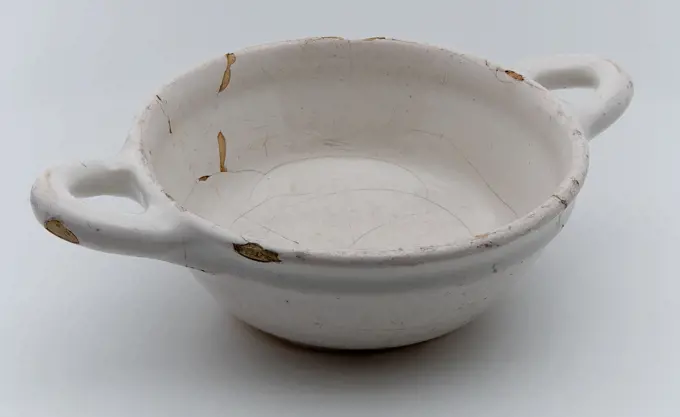
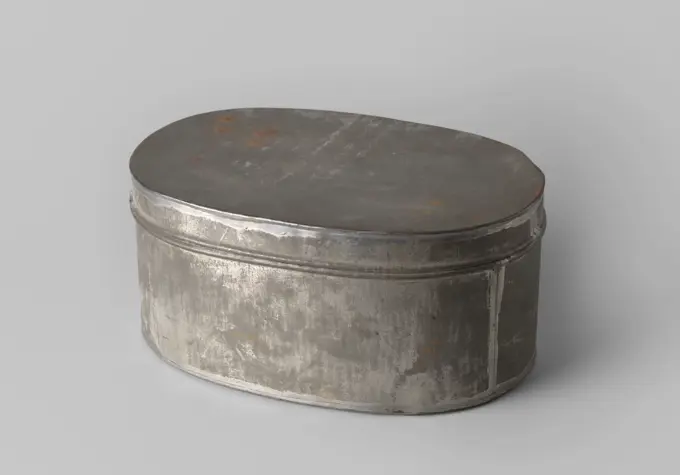
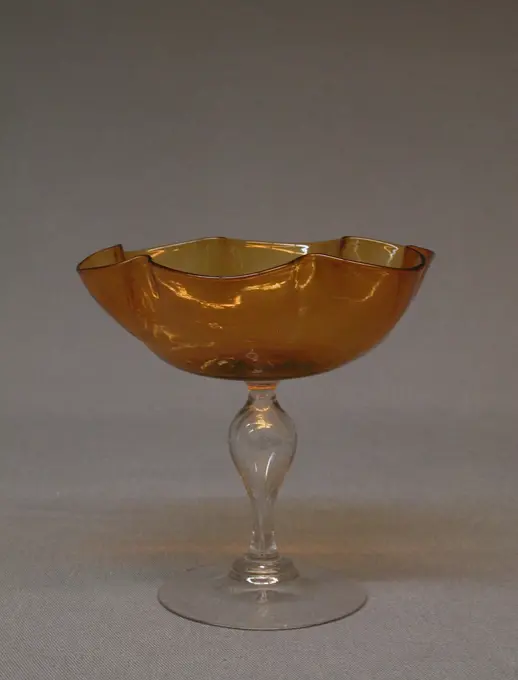
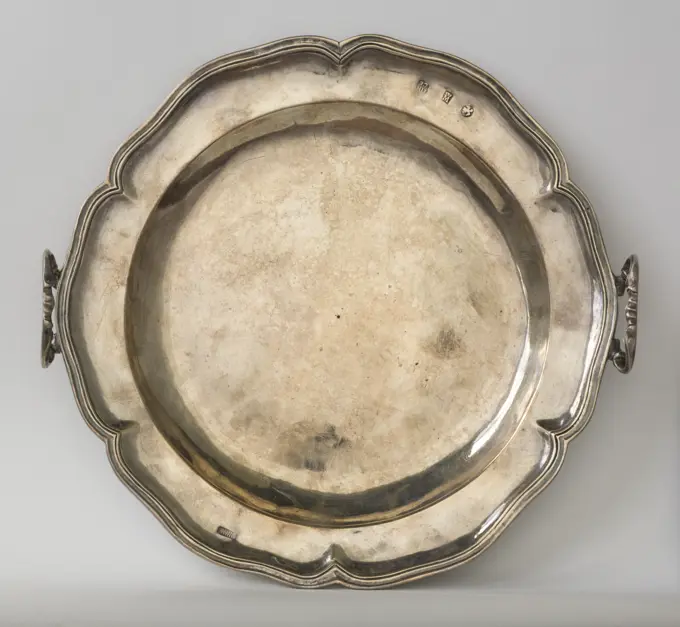
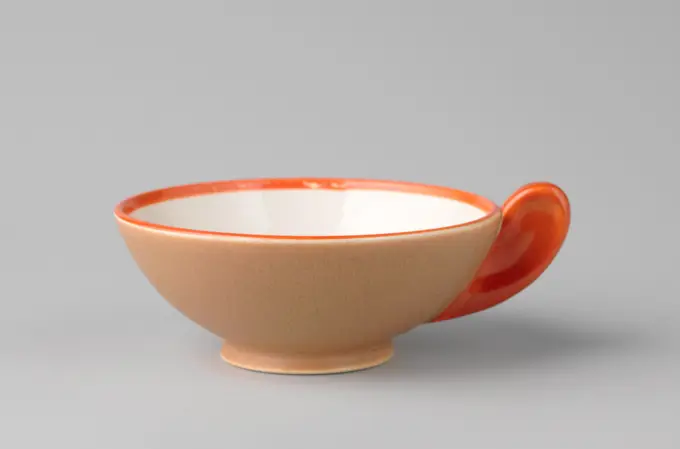
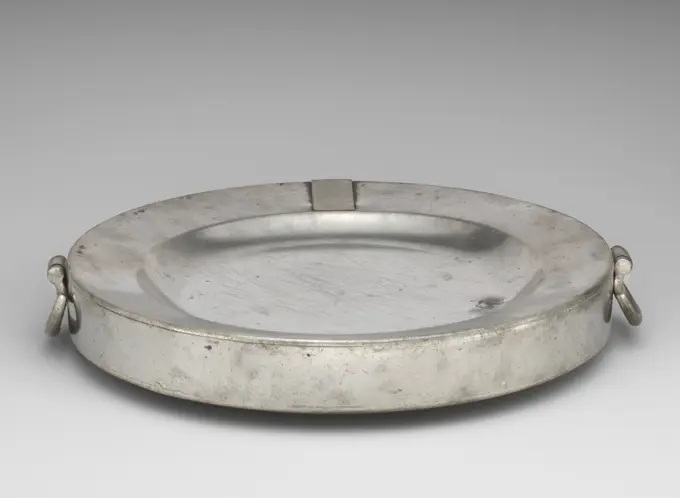
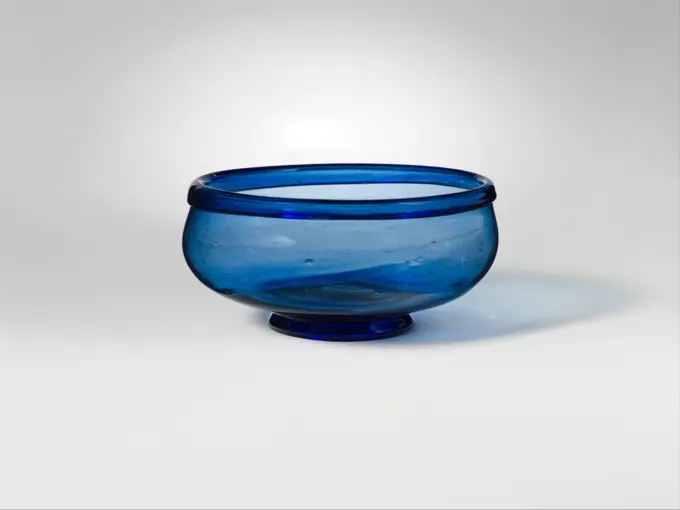
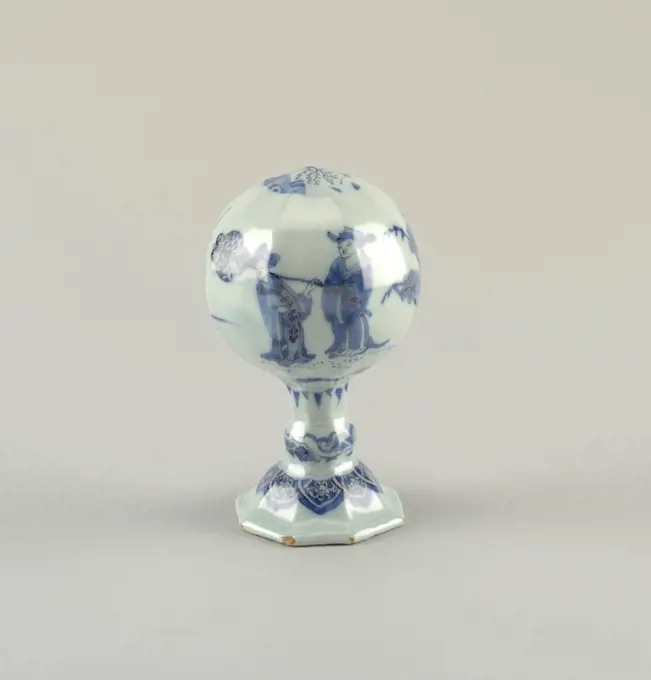
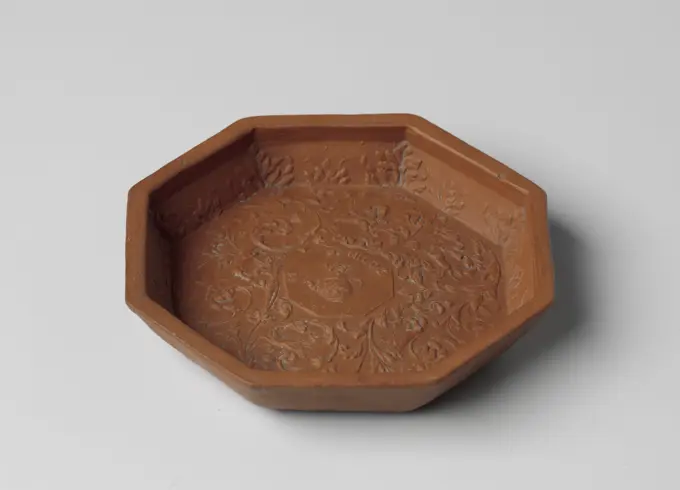
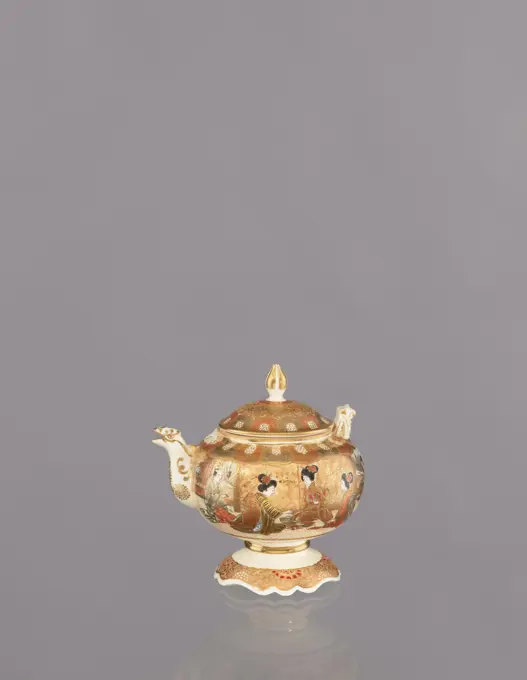
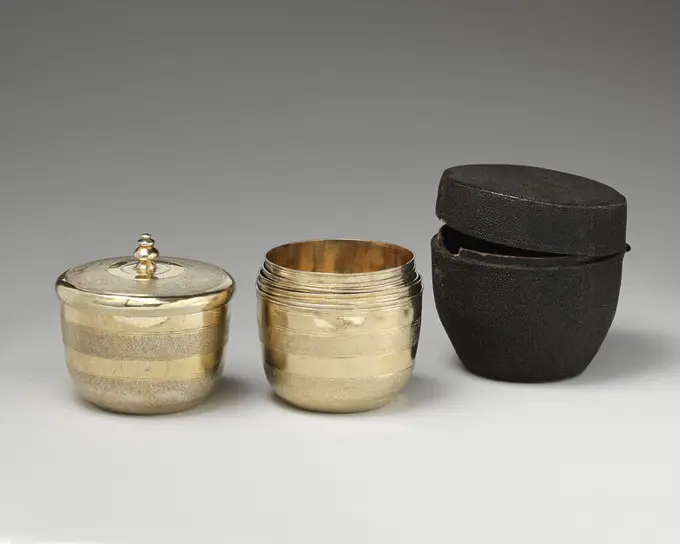
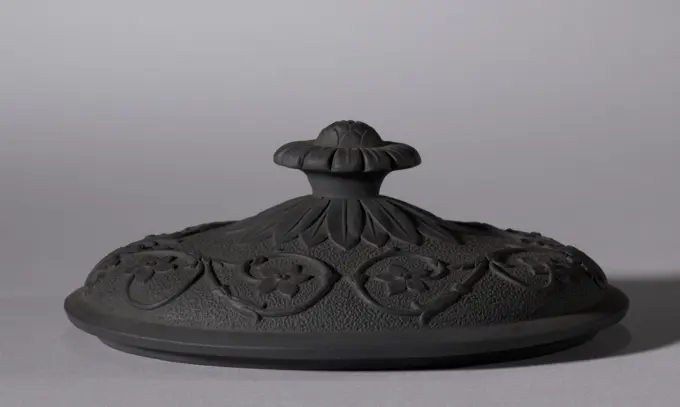
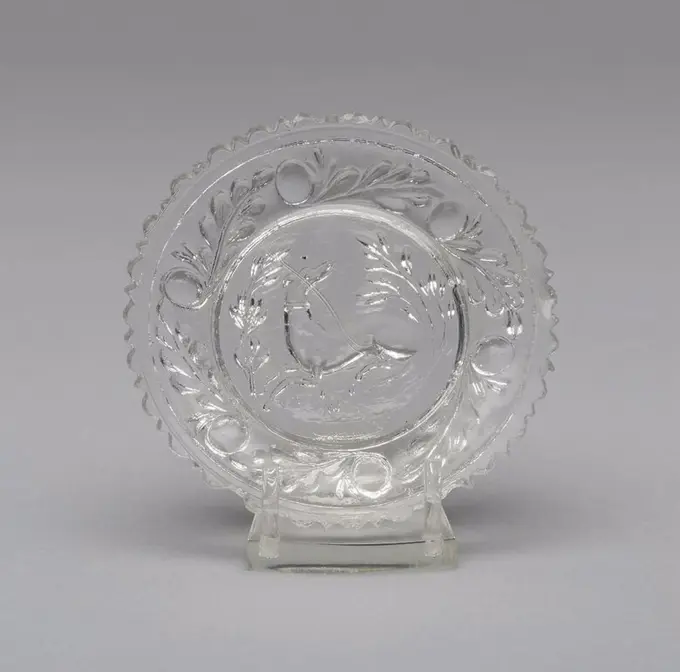
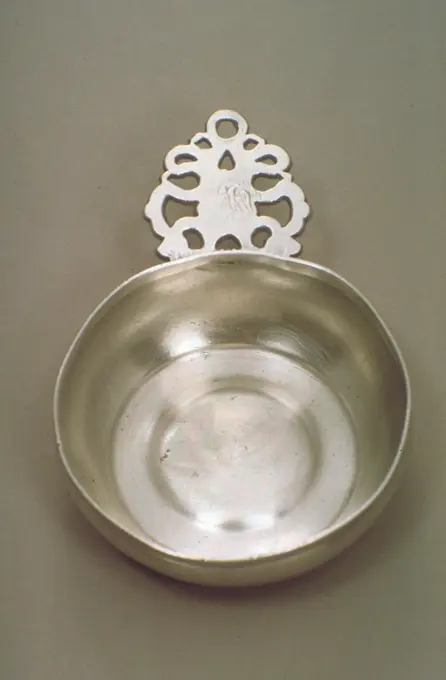
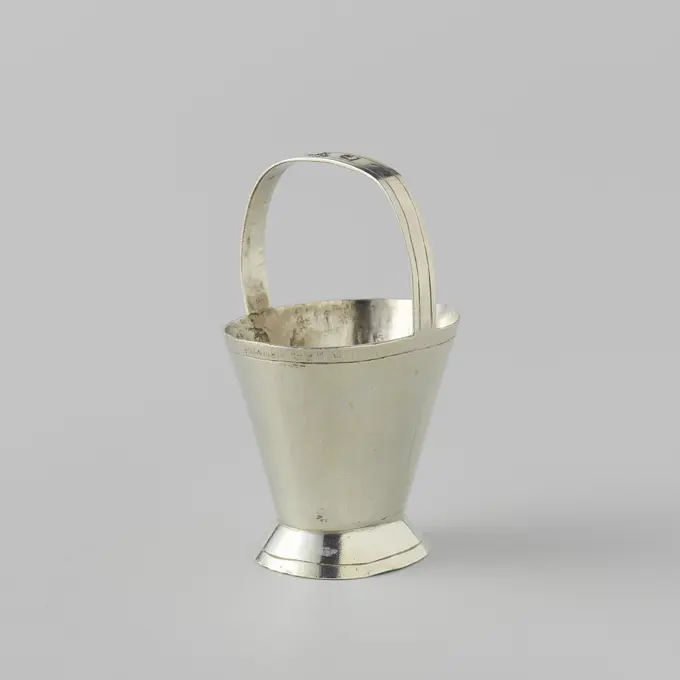
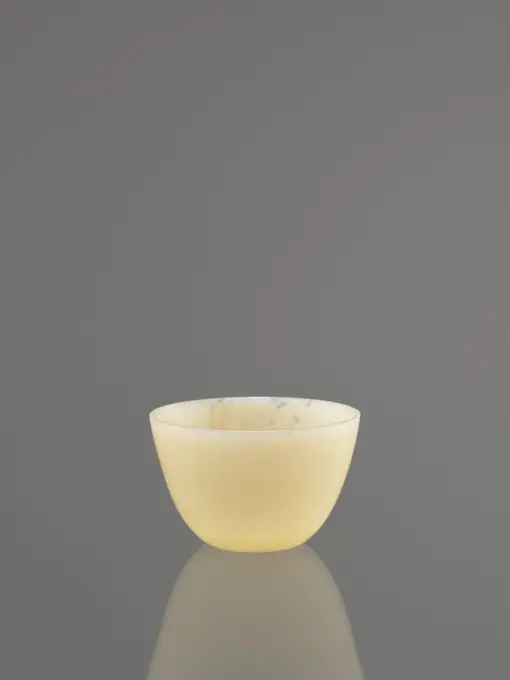
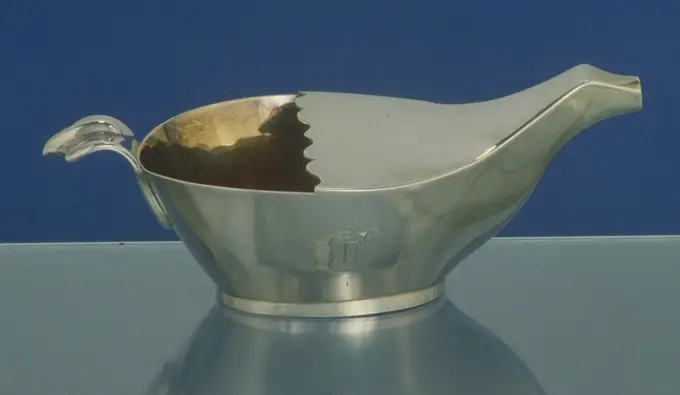
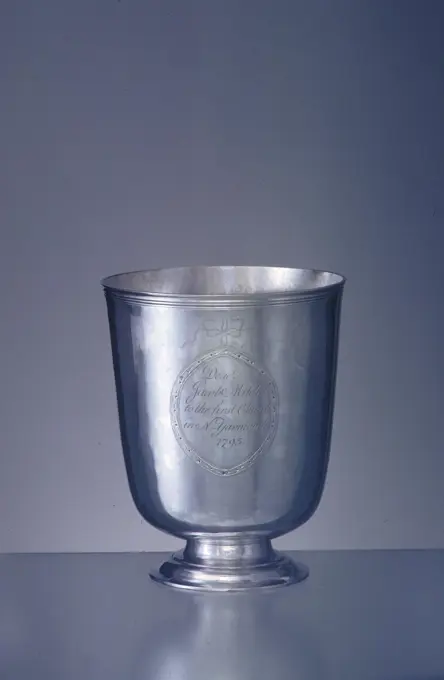
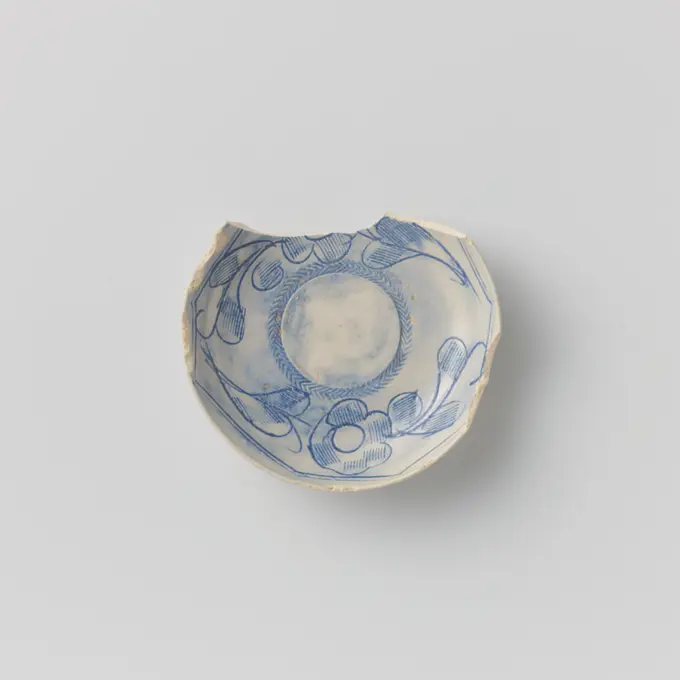
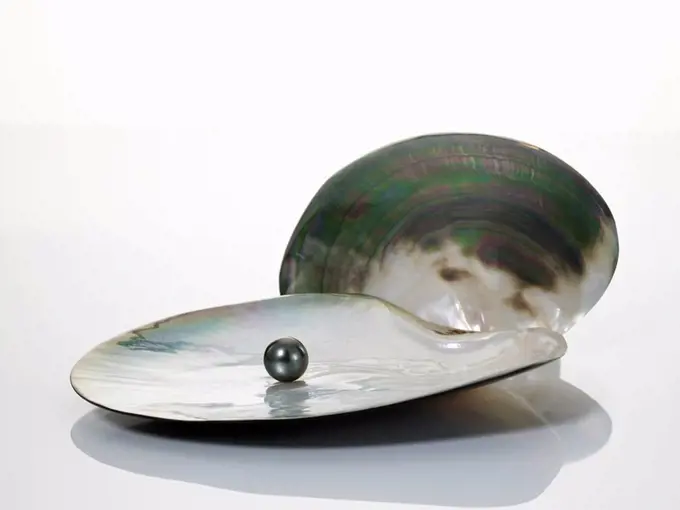
François-André II Guillou. "Taste-vin". Money. 1781-1782. Museum of Fine Arts of the City of Paris, Petit Palais. 74385-6 Silver, silverware, bottleneck, TastevinPorringer with Cover. Ball, Black & Co.; American, c. 1851/74; New York, New York. Date: 1851-1876. Dimensions: H. 9.7 cm (3 3/4 in.). Silver. Origin: New York City. Museum: The Chicago Art Institute, Chicago, USA.Paterka;  2. PO. 19th century (1801-00-00-1900-00-00);Glass trulla (pan) 1st-4th century A.D. Roman Translucent light green; base and handle in same color.Everted rim with rounded outer lip; tubular flange formed by folding at top of side; hemispherical body; applied, outsplayed, low oval base with rounded outer edge; slightly raised edge to concave bottom; handle applied as a broad flat strap to edge of rim, with small pinched projection on either side, drawn out horizontally with concave side edges, then pinched off with rough surface marks from pincers on top and bottom at end.Intact, but one internal crack in lower part of side; many pinprick and a few larger bubbles, and glassy inclusions; slight dulling, faint iridescence, and small patches of creamy weathering.Greenish, with handle.. Glass trulla (pan). Roman. 1st-4th century A.D.. Glass; blown. Imperial. GlassPan. American; Possibly Kent, Ohio. Date: 1824-1832. Dimensions: 4.5 × 12.1 × 12.1 cm (1 3/4 × 4 3/4 × 4 3/4 in.). Blown glass. Origin: Ohio. Museum: The Chicago Art Institute, Chicago, USA.Bowl with pearl chasing dragons above swirling waves, anonymous, c. 1875 - c. 1908 Bell -shaped bowl of porcelain, covered with a monochrome yellow glaze. The outside of the bowl with two pearl pursuit, five -clawy dragons between flames and clouds, swirling waves. White glazed within the foot ring; marked on the underside with the six-character brand of Keizer Guangxu. Monochrome. China porcelain. glaze. cobalt (mineral) engraving / vitrification Bell -shaped bowl of porcelain, covered with a monochrome yellow glaze. The outside of the bowl with two pearl pursuit, five -clawy dragons between flames and clouds, swirling waves. White glazed within the foot ring; marked on the underside with the six-character brand of Keizer Guangxu. Monochrome. China porcelain. glaze. cobalt (mineral) engraving / vitrificationColander, anonymous, c. 1600 - c. 1699 Colander with two handles and three legs. The colander is marked, but the brands are unreadable. Netherlands silver (metal) Colander with two handles and three legs. The colander is marked, but the brands are unreadable. Netherlands silver (metal)Pap Boat. England. Date: 1775-1799. Dimensions: 11.2 × 6.5 × 3 cm (4 3/8 × 2 9/16 × 1 3/16 in.). Pewter. Origin: England. Museum: The Chicago Art Institute, Chicago, USA.Glass trulla (pan) 1st-4th century A.D. Roman Translucent blue green; handle in same color.Outsplayed, rounded, and slightly thickened rim; almost vertical side, then curves in sharply; applied, solid, low ring base; slightly convex, uneven bottom; broad, flat strap handle pressed on to rim, drawn out horizontally, and trailed off back along its underside.Intact; many pinprick bubbles and small glassy inclusions, and elongated bubbles in handle; dulling, iridescence, and patches of weathering.. Glass trulla (pan) 245252Cup; Beer glass from Valdez. Cup with light inserted soil, ribbed stand ring. Cubformed, dioving bodyGoblet late 16th century Façon de Venise, probably Bohemian. Goblet 460757Porringer, silver, Straight, flaring bottom set off from rounded body. Narrow, slightly falring rim. Pierced, symmetrically scrolled handle with engraved monograpm and makers mark., Boston, Massachusetts, USA, ca. 1740, metalwork, Decorative Arts, dish, dishDish van Tin, Anonymous, c. 1700 - c. 1800 Large, undecorated dish from Tin. The wide edge is double profiled. Great Britain tin (metal) casting / hammering Large, undecorated dish from Tin. The wide edge is double profiled. Great Britain tin (metal) casting / hammeringTwo-Handled Cup (lid), 1712. Anthony Nelme (British). Silver; overall: 25.4 x 26.1 cm (10 x 10 1/4 in.). Nelme was one of the most famous and successful native English silversmiths of a time when Huguenots (French Protestants) dominated the creation of richly decorated pieces for the most fashionable market.Salt trencher early 18th century British. Salt trencher. British. early 18th century. Pewter. Metalwork-PewterWarming plate and cover, Sheffield plate (copper, silver, tin), Two-part, round; with dish-shaped upper part and shallow circular lower part with straight sides; two loop handles opposite sides; diamond-shaped shield on side; interior of base and bottom of top tinned., Sheffield, England, ca. 1805, metalwork, Decorative Arts, Warming plate and coverCup, decorated with three stylized stylized leaves that together form a flower challenge, Frans Zwollo (I), 1902 Copper cup whose body is decorated with three stylized stylized leaves, forming a flower chalice together. On the underside of the cup, the engraved symbol of the Dutch theosophical movement: two intertwined triangles that together form a five -pointed star. In combination with this the theosophical motto: "No religion above truth", also engraved. Amsterdam copper (metal) Copper cup whose body is decorated with three stylized stylized leaves, forming a flower chalice together. On the underside of the cup, the engraved symbol of the Dutch theosophical movement: two intertwined triangles that together form a five -pointed star. In combination with this the theosophical motto: "No religion above truth", also engraved. Amsterdam copper (metal)Bowl. Culture: China. Dimensions: H. 2 3/4 in. (7 cm); Diam. 7 1/4 in. (18.4 cm). Date: 12th-13th century. Museum: Metropolitan Museum of Art, New York, USA.KylixBasin, 19th century, 2 x 8 x 8 in. (5.08 x 20.32 x 20.32 cm), Pewter, United States, 19th centuryBowl with a male bust within a medallion ca. A.D. early 4th century Sasanian. Bowl with a male bust within a medallion. Sasanian. ca. A.D. early 4th century. Silver. Sasanian. IranKandelaar, vierdelig.Candlestick, four-part existing one from a wide range-shaped base decorated with egg list, a flat bowl with egg list, a baluster-shaped shaft above which disk-shaped knot and a cylindrical candle holder with two round leak holes. Housewalk.Vessel;  19th century (1801-00-00-1900-00-00);Salt trencher. Culture: British. Dimensions: 5/8 × 3 1/4 in. (1.6 × 8.3 cm). Date: early 18th century. Museum: Metropolitan Museum of Art, New York, USA.Beaker.   Maker: Hugh Wishart, American, active ca. 1793-1824Bread Tray (England); copper, silver; 6.2 x 43 x 20.5 cm (2 7/16 x 16 15/16 x 8 1/16 in.); Bequest of Walter Phelps Warren; 1986-61-1Wine Cup with a Sexual Encounter; Foundry Painter (Greek (Attic), active 500 - 470 B.C.); Athens, Greece; about 480 B.C; Terracotta; 9.4 × 30.5 × 23.6 cm (3 11,16 × 12 × 9 5,16 in.)Vase (one of a pair). Culture: China. Dimensions: H. 6 3/4 in. (17.1 cm). Museum: Metropolitan Museum of Art, New York, USA.Peter Archambo I, Set of Six Dishes, 1740/41, silver gilt.Vase van Faience with blue -green fond, anonymous, c. 1700 - c. 1750 cup. vase Cup of multi -colored painted faience on a blue -green stock, without a lid. The cup is part of a couple. Delft earthenware. tin glaze.Bowl with cover (Écuelle) 1752-62 Simon Bourguet. Bowl with cover (Écuelle) 200362Cut. Monochrome sandstone with white and covered ivory. Cernuschi Museum, Asia Museum of Asia in the city of Paris.Salt British or Irish late 18th century View more. Salt. British or Irish. late 18th century. Glass. GlassMiniature vase with two handles unknownFooted Dish (England); treenBowl (Netherlands); glass, silver; 4.4 x 15.2 x 10 cm (1 3/4 x 6 x 3 15/16 in.); Bequest of Walter Phelps Warren; 1986-61-80Snuff box. Snuff box of silver in shell shape. A winter landscape with ArrensleDe is engraved on the lid.Beaker. Culture: Hungarian, Brass. Dimensions: Overall: 6 x 4 1/4 in. (15.3 x 10.8 cm). Maker: Michael May II (active 1731-76). Date: ca. 1740.Incorporating medals or coins into the walls of drinking vessels has a captivating effect, and here they underline the beaker's probable use. This refined, stylish beaker was likely a special wedding present. The German inscriptions on the front and back of the medal read, "If faithfulness and blessing is felt" and "Pure love sets the heart at rest." Another medal (dated 1588) at the bottom reminds the viewer of vanity, alertness, and faith in God by illustrating events from the Genesis story of Lot.LiteratureTihamr Gyrfs. A brassai tvssg trtnete. Brass, 1912, pp. 131-32, no. 320.Elemr Koszeghy. Magyarorszgi tvsjegyek a kzpkortl 1867-ig / Merkzeichen der Goldschmiede Ungarns vom Mittelalter bis 1867. Budapest, 1936, nos. 130 town mark, 264f maker's mark.European Silver. Sale cat., Sotheby's, Geneva,Scalloped Dish with Stylized Floral Sprays and Sickle-Leaf Scrolls 1100-1234 China. Yaozhou ware; glazed stoneware with underglaze molded decoration .Gui bowl;  2. PO. 18th century (1751-00-00-1800-00-00);Presenteerblad van tin, Joseph Vos (attributed to), 1725 - 1775 TIN present magazine on four legs. The square basic shape has broken corners. The edge is profiled and has a shell motif on each side and in the corners. Heusden tin (metal) TIN present magazine on four legs. The square basic shape has broken corners. The edge is profiled and has a shell motif on each side and in the corners. Heusden tin (metal)Chamber candlestick 1715-16 Thomas Folkingham. Chamber candlestick. British, London. 1715-16. Silver. Metalwork-SilverDish with Auspicious Emblems Clouds, Bats, Gourds, Plaintain, and Ruyi Scepter 1736-1795 China. Porcelain with underglaze molded decoration .Porringer 1761-99 Frederick Bassett. Porringer 6653Earthenware pap bowl, yellow shard, white glazed, two sausage ears, on stand, papkom bowl crockery holder earth discovery ceramics earthenware glaze tin glaze, hand-turned glazed baked Pottery pap bowl yellow shard entirely white glazed two slightly upward curved horizontal sausage on stand archaeology Rotterdam City center Stadsdriehoek Oudehaven indigenous pottery food prepare kitchen food cook room table Soil discovery: Oude Haven Rotterdam.Tureen with cover and tray 1820 Thomas Alderson This covered tureen and tray belonged to a set of pewter made for the Coronation Banquet of George IV.. Tureen with cover and tray. British, London. 1820. Pewter. Metalwork-PewterOval tin drum with loose lid, A. de Block (Possible), c. 1800 - c. 1850 Oval tin drum with loose lid. Amsterdam whole: tin plate Oval tin drum with loose lid. Amsterdam whole: tin plateWineglass 1860-75 Dr. Antonio Salviati Company. Wineglass. Italian, Venice (Murano). 1860-75. Glass. GlassAttributed to Felipe Castillo, Platter, 1779-88, silver.HoneycombBeakerTray, Silver, Broad cast ornamental border bearing marks, and figures and animals of ten classical hunt scenes among flowers and foliations. Four foliated feet terminate in dolphins' heads. Scroll and floral chasing. Engraved with impaled arms, crest, motto, ribbon and supporters of Fuller., London, England, 1823-24, metalwork, Decorative Arts, TrayBrass tobacco box with engraved scenes of the Prodigal Son from the wreck of the Dutch East Indiaman Hollandia, anonymous, 1700 - in or before 1743  Tobacco box; box with lid, oval, flat, domed, moulded rim, both sides engraved with scenes of the Prodigal Son (inscriptions: lid de verloore soon, underside al verteert), applied five-lugged hinge. Netherlands copper (metal)   SecondTea head, part of a tea set, Petrus Regout & Co., 1934 Tea head of earthenware, part of a tea set. Brown distance on the outside, with red buttons, spouts, ears and edges. Marked with sphinx stamp; Petrus Regout & Co Maastricht in a lying rectangle; Made in Holland. Maastricht earthenware Tea head of earthenware, part of a tea set. Brown distance on the outside, with red buttons, spouts, ears and edges. Marked with sphinx stamp; Petrus Regout & Co Maastricht in a lying rectangle; Made in Holland. Maastricht earthenwareImperial and Royal Porcelain Manufactory Vienna, Cup and Saucer, 19th century, hard-paste porcelain.The handheld teapot is an example of a translucent creamy glaze over an ivory porcelain body that Seif Yohei III called “great white porcelain.” Lid for a Hand-held Teapot with Yin-Yang Motif, c. 1893-1914. Seifū Yohei III (Japanese, 1851-1914). Porcelain with molded and carved design and cream glaze;Komfoor van Messing, Anonymous, c. 1400 - c. 1500 The object may have been composed of four -poured parts: the bin and the foot, which may be brown together, the two sounds excellent parts. Center points have remained visible at the top and bottom. The foot narrows upwards and is decorated with fine rings. The round -deepened container has a raised edge with eight tilting of uneven length. Eight decorations are installed in the wall consisting of alternating eight and five holes. The two extended excellent parts placed in each other have the shape of fantasized animal figures. The wall has been restored in three places. Northern Netherlands brass (alloy) casting The object may have been composed of four -poured parts: the bin and the foot, which may be brown together, the two sounds excellent parts. Center points have remained visible at the top and bottom. The foot narrows upwards and is decorated with fine rings. The round -deepened container has a raised edge with eight tilting of uSugarbowl. Maker, attributed to: John Heath, American, active ca. 1761-63. Penseel bowl of porcelain in the shape of a leaf, covered with a translucent cream-colored glaze. Ear in the form of a branch; The four legs consist of landscaped leaves, branches and flowers. Blanc De Chine.Dish 17th century India. Dish 56206Covered bowl with scrolls, diaper pattern and scattered flowers, anonymous, c. 1700 - c. 1749 Cover of lid bowl of porcelain with ribbed wall and lobed edge, painted on the glaze in red, green, yellow, aubergine, turquoise, black and gold. The outer wall of the bowl is divided into elongated compartments with alternating service and flower vines; Around the button a tire with curl. A stylized flower on the inside; The inner wall with five loose stylized flowers. A prunus branch within the ring -shaped lid button. Porcelain with email choices. Japan porcelain. glaze. gold (metal) vitrification / gilding / vitrification Cover of lid bowl of porcelain with ribbed wall and lobed edge, painted on the glaze in red, green, yellow, aubergine, turquoise, black and gold. The outer wall of the bowl is divided into elongated compartments with alternating service and flower vines; Around the button a tire with curl. A stylized flower on the inside; The inner wall with five loose stylized flowers. AChampagne or Tall Sherbet Glass, Comet” Pattern. Designer George Sakier, American, 1897-1988 Manufacturer: Fostoria Glass Company, American, 1887-1986Cover of pharmacists, anonymous, c. 1750 - c. 1800 Loose lid, without the corresponding pharmacist's jar. Delft . Loose lid, without the corresponding pharmacist's jar. Delft .Confectioner;  18th century (1700-00-00-1700-00-00);Pair of salt cellars on a griffin. Lilpop Sukcesorowie po 1833 (Jakub Marcińczyk), goldsmiths companySilver cup from the tomb of the Princes, Poland. Jewellery. Polish Civilization.Glass Zbigniew Horbowy, Huta Glasswoman SzczytnaFlower Pot China. Flower Pot 52644Mirrors, anonymous, c. 1300 - c. 1600 Mirror with breast -shaped bulge surrounded by four, double concentric circles. East Java bronze (metal) Mirror with breast -shaped bulge surrounded by four, double concentric circles. East Java bronze (metal)Whale Oil Lamp 1825-45. Whale Oil Lamp 5446Plate with plant patterns, Italian majolica of Druta, 16th century (face). Museum of Fine Arts of the City of Paris, Petit Palais. 27012-12 Ceramic, Italy, Majolique de Druta, vegetal motive, Italian rebirth, dishes, plateHot water dish third quarter 18th century Thomas Swanson. Hot water dish. British, London. third quarter 18th century. Pewter. Metalwork-PewterOld aluminum mug on a black backgroundGlass bowl 2nd half of 1st century A.D. Roman Translucent cobalt blue.Inverted tubular rim, folded over, out, and down; side bulges outwards, then curves in sharply; outsplayed low base ring with flattened bottom edge; small central kick on bottom with traces of pontil mark.Intact, except for small chip in base ring; some bubbles, striations, and streaky impurities; only very slight weathering.. Glass bowl 249411BowlCandlestick from brass, anonymous, c. 1800 - c. 1900 The candle holder is cast in two parts, the foot as a whole. At the bottom of the foot, the holders are again attached with tin. The conical foot has a border served in accolade profile. The somewhat cylindrically shaped holder is decorated with silly ribs. Netherlands brass (alloy) casting The candle holder is cast in two parts, the foot as a whole. At the bottom of the foot, the holders are again attached with tin. The conical foot has a border served in accolade profile. The somewhat cylindrically shaped holder is decorated with silly ribs. Netherlands brass (alloy) castingBeer mug with optically blown vertical ribs. Beer mug with inserted soil, smooth stand ring. The body and cylinder-shaped neck optically blown with vertical ribs. Around the neck a smooth blue thread. C-shaped earPorringer.   Maker: John Dixwell, American, 1680-1725Low table ca. 2750-2649 B.C. Early Dynastic Period. Low table. ca. 2750-2649 B.C.. Travertine (Egyptian alabaster). Early Dynastic Period. From Egypt, Memphite Region, Saqqara, Tomb 2316, Egyptian Antiquities Service/Quibell excavations, 1910-11. Dynasty 2, second halfwig stand, tin-glazed earthenware, Bulbous wig stand on a stem with octagonal foot. Chinoiserie decoration in cobalt. Blue tinted tin ground., Nevers, France, mid-18th century, ceramics, Decorative Arts, wig standPerska Chart DarkScale or teap lot, octagonal, of red -baking earthenware. Soil decorated with tifes with crowned teapot., Arij de Milde, c. 1680 - c. 1720 Scale or teap lot of red stoneware. On the soil, in relief a tifle decoration with a crowned teapot in the middle. Delft earthenware Scale or teap lot of red stoneware. On the soil, in relief a tifle decoration with a crowned teapot in the middle. Delft earthenwarePitcher. unknown, ceramistSet of six nesting beakers with case. Culture: British, London. Dimensions: Height (.308a): 2 1/16 in. (5.2 cm);Height (.308f): 1 3/4 in. (4.4 cm). Maker: P. H., London (ca. 1681-1691). Date: 1688/89.Such nests of beakers were rare in England. The idea is borrowed from the German sixteenth-century Monatsbecher, frequently decorated with scenes of the Labors of the Months. Museum: Metropolitan Museum of Art, New York, USA.Teapot (cover), c. 1810. Elijah Mayer (British, c. 1770-1805). Black basalt; overall: 12.7 x 15.3 x 11.6 cm (5 x 6 x 4 9/16 in.).Cup plate. American; New England, Pennsylvania, or Ohio. Date: 1830-1835. Dimensions: diam. 8.3 cm (3 1/4 in.). Pressed glass. Origin: United States. Museum: The Chicago Art Institute, Chicago, USA.Bowl Korea. Bowl 57429Porringer.   Maker: Samuel Ely Hamlin, American, 1774-1864White empty soup bowl on a dark concrete background. Family dinner preparationMarket Temmer, Johannes of Summer Wil (i) (Attributed to), 1757 Oval, wide -ranging market bucket on a foot. The bucket has a fixed handle and he has engraved lines along the edges. Amsterdam silver (metal) Oval, wide -ranging market bucket on a foot. The bucket has a fixed handle and he has engraved lines along the edges. Amsterdam silver (metal)Czarka;  19th century (1801-00-00-1900-00-00);Light for a Lighthouse. So-called argan lamp, consisting of a lamp holder with oil reservoir and a parabolic mirror, all attached to a brass bracket. The oil reservoir, rear against the mirror, is an elegantly designed and partially gold-plated vase with a float at the bottom, standing in a cylinder and connected to the lamp via a supply. The lamp holder has a small oil receptor at the bottom; The glass is missing. The parabolic mirror is made of copper, the mirror surface.Palmatoria del siglo XVIII. Museum: MUSEO ARQUEOLOGICO NACIONAL.Papboat.   Maker: Bigelow, Brothers and Kennard, American, active ca. 1847-1869Covered jar with women and flower pots, anonymous, c. 1680 - c. 1720 Porcelain lid jar, painted in under -glaze blue. On the wall twice a flower pot with a woman (long lijs) on either side with a twig in hand. The lid with the same decoration. Blue White. China porcelain. glaze. cobalt (mineral) painting / vitrification Porcelain lid jar, painted in under -glaze blue. On the wall twice a flower pot with a woman (long lijs) on either side with a twig in hand. The lid with the same decoration. Blue White. China porcelain. glaze. cobalt (mineral) painting / vitrificationBeaker.   Maker: Paul Revere, American, 1735-1818Fragmentary dish of earthenware with lead glaze., Anonymous, c. 1735 - c. 1760 Fragmentary dish of earthenware with lead glaze. The dish has a flower decoration in blue. The dish is just like BK-1979-23-B and BK-1979-23-C soil finds from Noord-Holland. Staffordshire earthenware. lead glaze Fragmentary dish of earthenware with lead glaze. The dish has a flower decoration in blue. The dish is just like BK-1979-23-B and BK-1979-23-C soil finds from Noord-Holland. Staffordshire earthenware. lead glazeBlack pearl on shellNappy - Beaded Band pattern Burlington Glass Works Burlington Glass WorksEwer and Basin 1766 Montpellier. Silver . Jean BellonSpoon (Norway); silver; L x W x D: 19.2 x 5.8 x 2.6 cm (7 9/16 x 2 5/16 x 1 in.)