Elegant Silverware Collection

Vintage silver items including intricate crumb trays, spoons, and decorative objects, showcasing detailed engravings and classic designs.

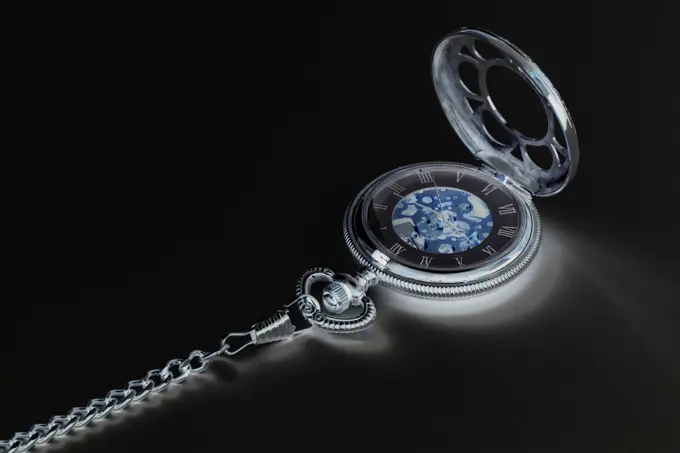
Isolated retro styled pocket watch on white background
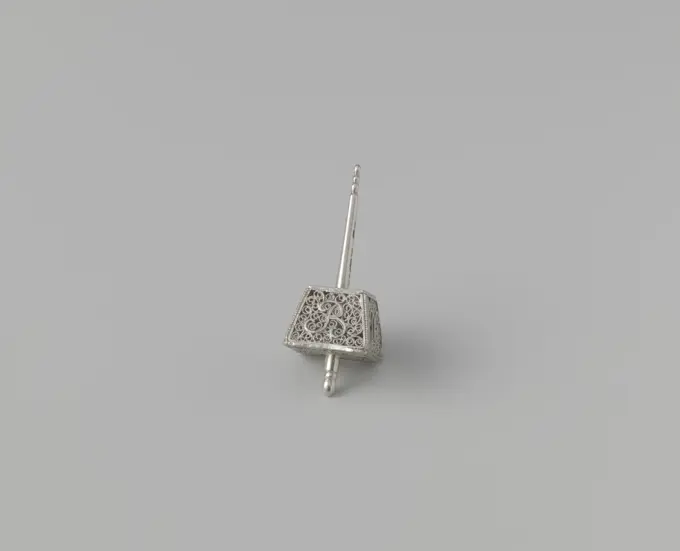
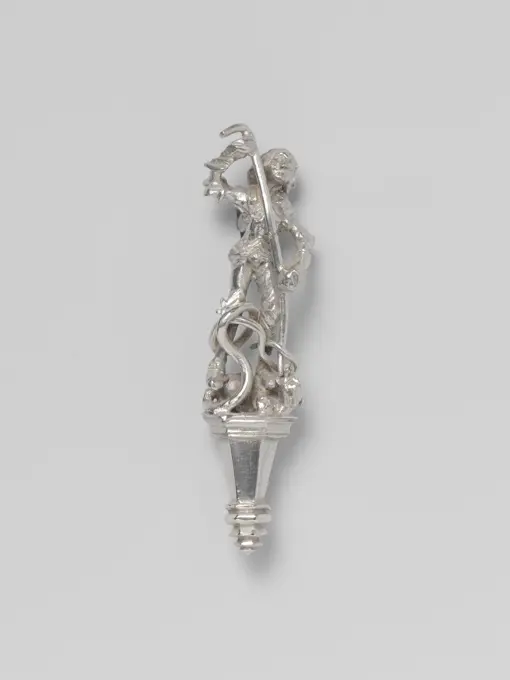
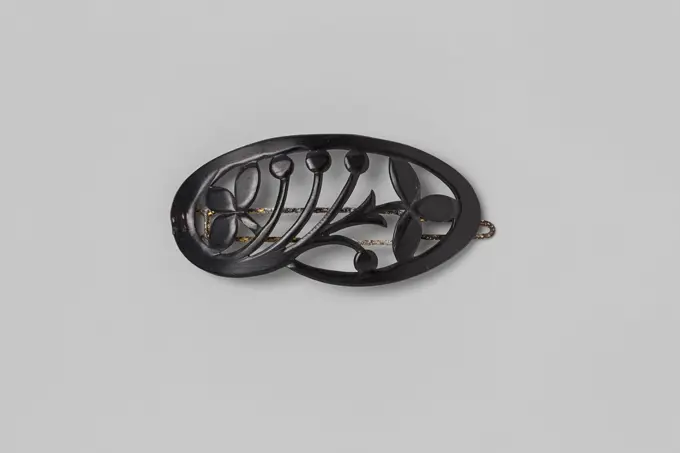
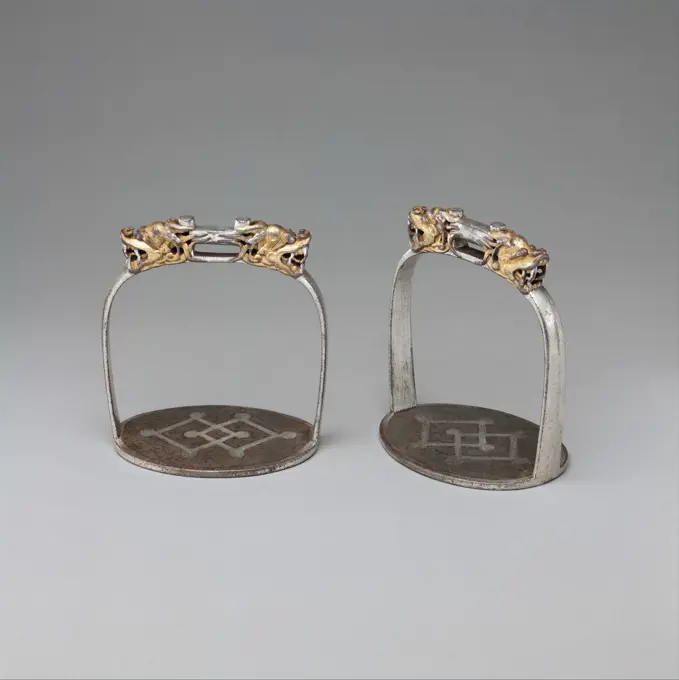
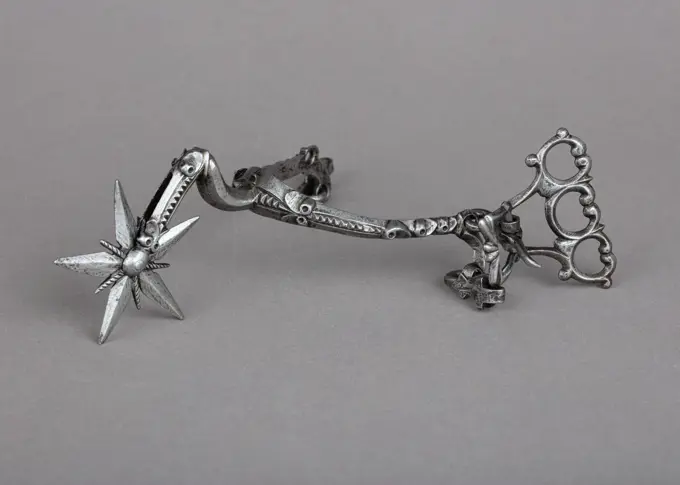
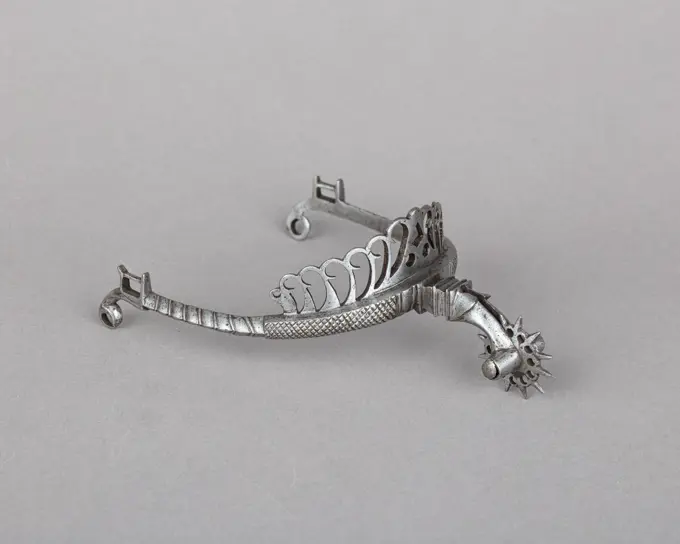
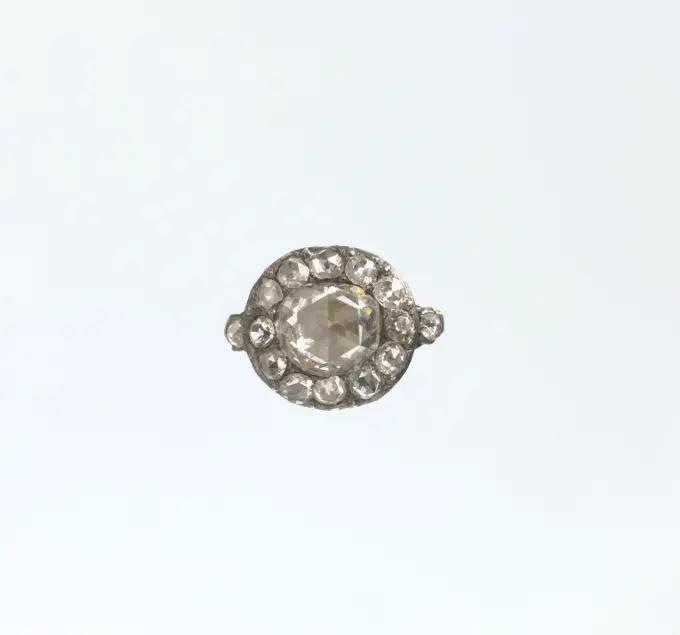
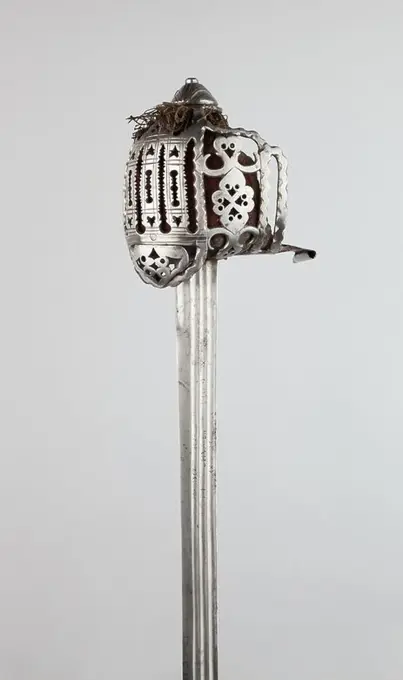
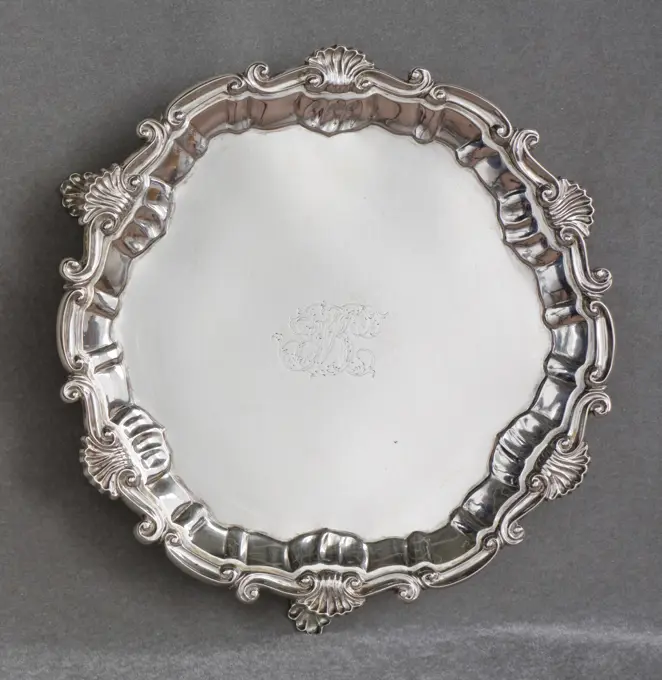
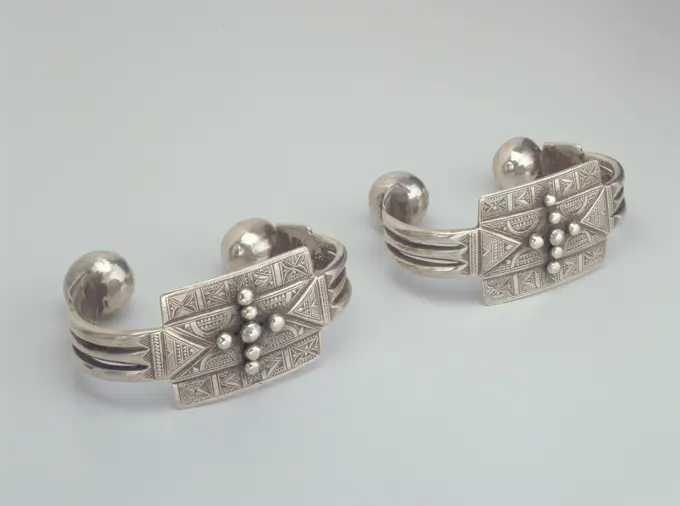
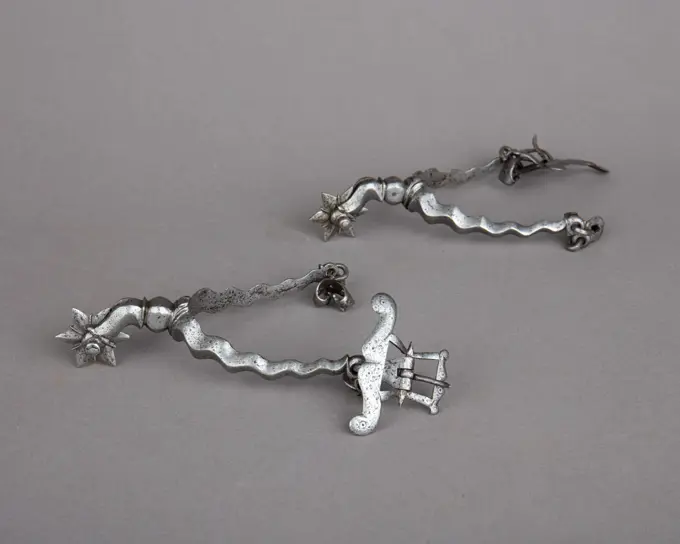
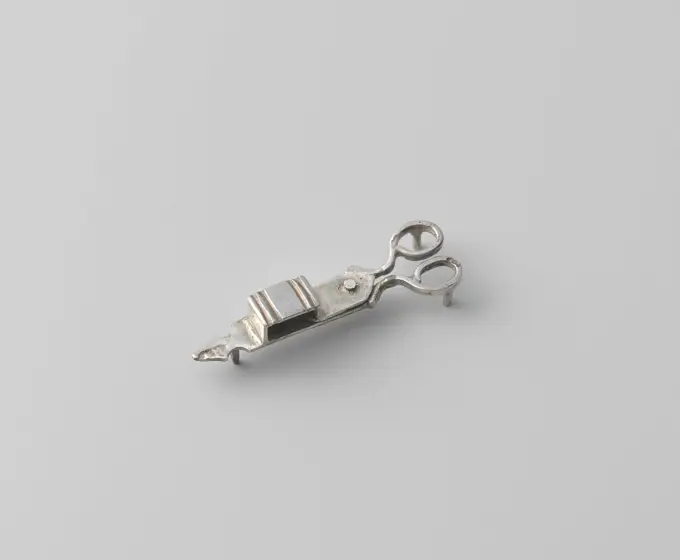
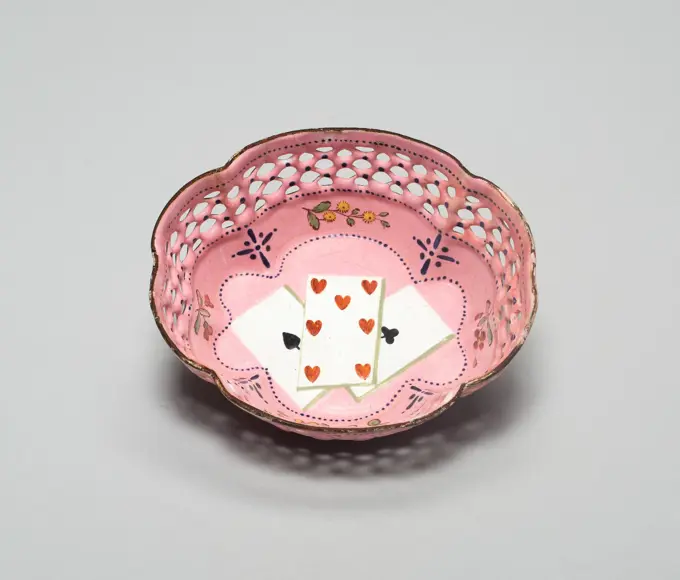
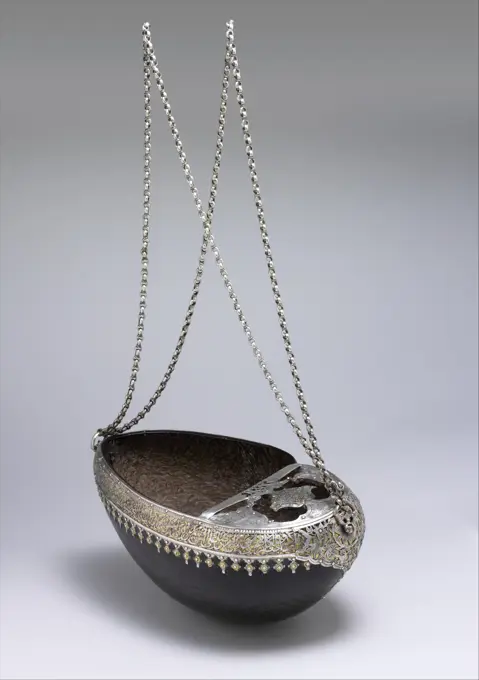
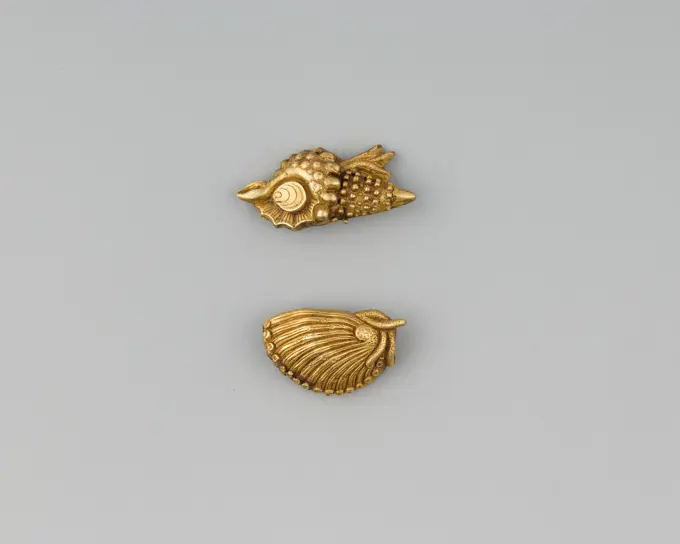
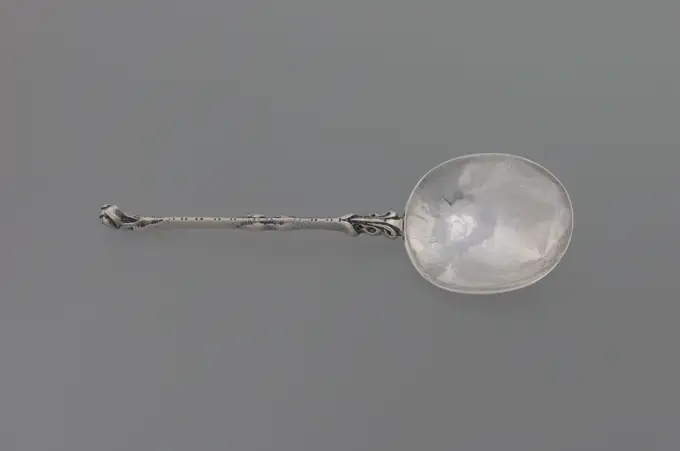
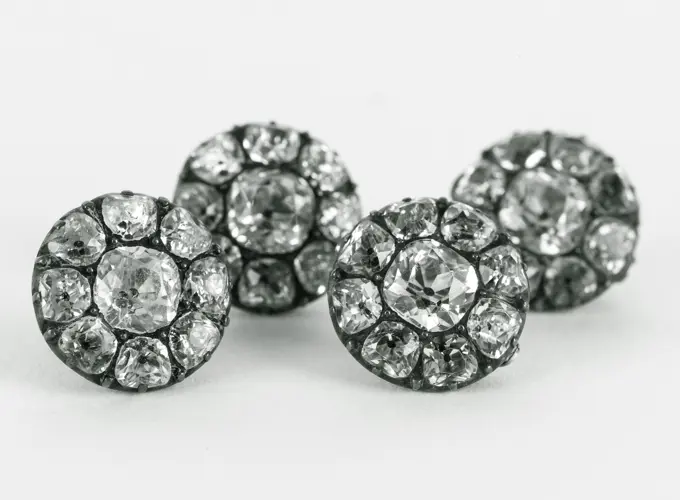
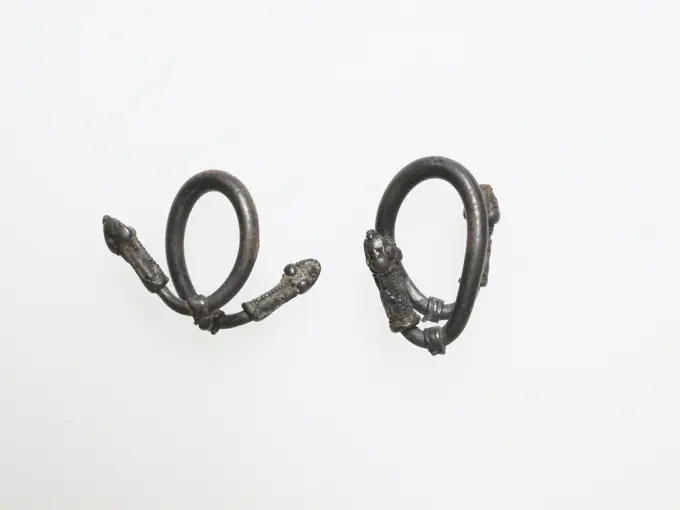
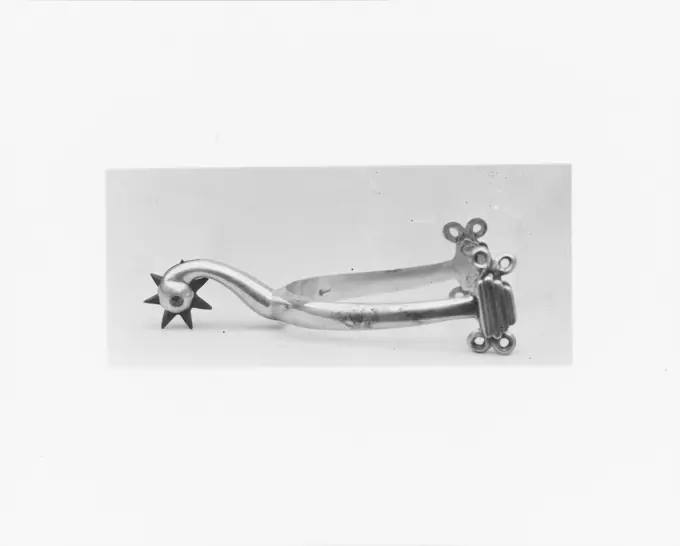
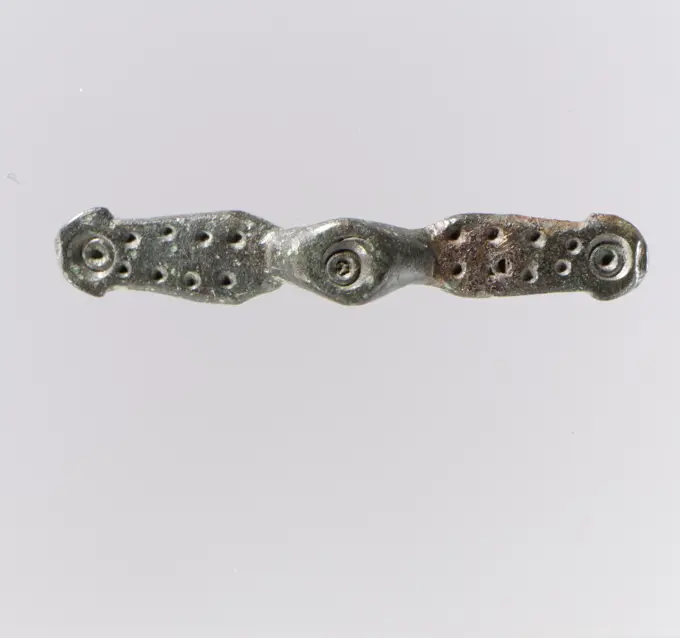
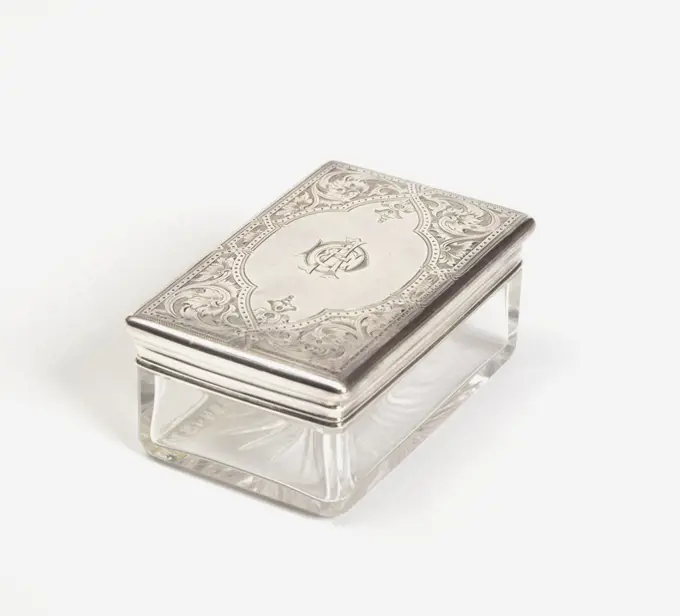
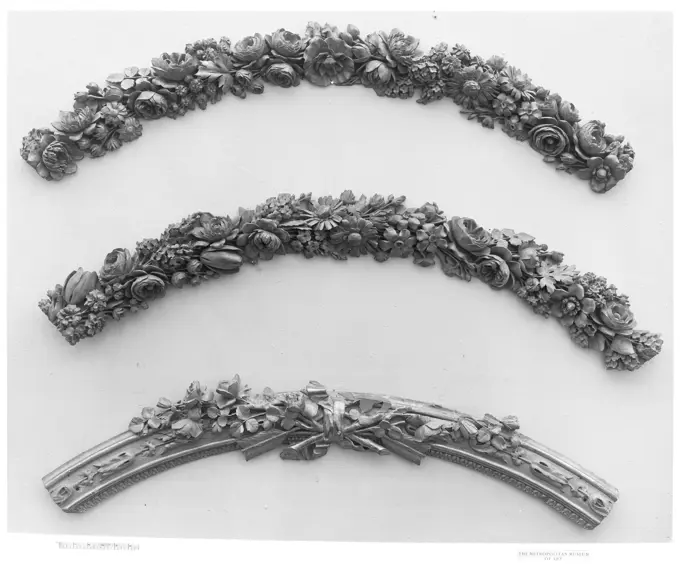
Kruimelblik, Firma Beversen & Rodenberg, c. 1819 - c. 1822 Crumb with flat, round handle. The edges of the can are processed (accolade shape) and engraved. Flowers are engraved in the middle of the can. The can includes a table chimney with invnr. BK-NM-11177-108-B. The can is marked: a sword and a brand of the Beversen & Rodenberg company. Amsterdam silver (metal) Crumb with flat, round handle. The edges of the can are processed (accolade shape) and engraved. Flowers are engraved in the middle of the can. The can includes a table chimney with invnr. BK-NM-11177-108-B. The can is marked: a sword and a brand of the Beversen & Rodenberg company. Amsterdam silver (metal)Spoon; silver; L x W x D: 19.2 x 4.6 x 2.1 cm (7 9/16 x 1 13/16 x 13/16 in.)ZaponaSONAJERO DE PLATA.Gold Medal  isolated on white backgroundBrooch -Tol, anonymous, c. 1700 - c. 1800 Tol with four surfaces. The letters are on the four planes: A, B, N, T. de Tol has been processed with filigrein and is not marked. Friesland (possibly) silver (metal) filigree Tol with four surfaces. The letters are on the four planes: A, B, N, T. de Tol has been processed with filigrein and is not marked. Friesland (possibly) silver (metal) filigreeIsolated retro styled pocket watch on white backgroundMetal chain on white backgroundCourting Couple Matchsafe; Manufactured by Simons Bros. & Company; USA; silver; 6.1 x 3.4 x 1 cm (2 3/8 x 1 5/16 x 3/8 in. )Bracelet (part of parure) ca. 1840 Italian Part of a parure, 67.139.1-.4, consisting of bracelet, brooch and earrings.. Bracelet (part of parure) 204761Gift box with a chain around on a white backgroundT shirt clipBracelet, one of a pair, 3 5/16 x 3 1/2 x 3/4 in. (8.41 x 8.89 x 1.91 cm), Silver, ChinaJewellery ring isolated on the white backgroundSeated Hindu Goddess Matchsafe; probably India; silver; 5.6 x 3.6 x 1.5 cm (2 3/16 x 1 7/16 x 9/16 in. )Image of cast silver, representing Saint Michael with the dragon, Anonymous, c. 1480 - c. 1500 Image of cast silver, representing Saint Michael with the dragon. From behind 2 protrusions to attach it to an object. Northern Netherlands (possibly) silver (metal) Image of cast silver, representing Saint Michael with the dragon. From behind 2 protrusions to attach it to an object. Northern Netherlands (possibly) silver (metal). Toll with four planes. On the four surfaces are the letters: A, B, N, T. The toll has been edited with a Filigrein and is not noticed.Hair comb of black lacquered wood in an oval shape, ajour, to a hinged buyer pin. Hair comb of black lacquered wood in an oval shape, ajour carved branches ending in a ball shape, on a hinged pin from copper.Pair of Stirrups 16th-18th century Tibetan Although close in form to the well-known style of Mongolian, Chinese, and Tibetan stirrups still in use in the region today, this pair, with its slender proportions and accomplished decoration, is earlier and finer than most examples of this type. The dragon heads are chiseled in high relief with deep undercutting and some piercing. The treads, where the rider's feet would rest, are decorated with the interlocked design known as the King's Earrings, damascened in silver.. Pair of Stirrups 26657Snaffle Bit. Culture: German. Dimensions: W. 5 1/4 in. (13.3 cm); Wt. 3.3 oz. (93.6 g). Date: 9th-11th century.If the Vikings are mostly known for being talented sailors, one may forget they were also horse riders, and as in all the Germanic cultures, horses had great importance in their society, in both its social and religious aspects. Equestrian equipment, like stirrups, spurs and bits, are regularly found in Viking burials, among the goods warriors wanted to bring with them to the afterlife. The elite would sometimes even be accompanied by sacrificed horses, a meaningful practice at that time, considering the high economic value of horses.The snaffle bit is the simplest type of horse bit, and has an effect on the bars (part of the horses' jaw without teeth) and the corners of the lips. The rings on the sides would serve to hang the bit on the headstall, attach the reins, as well as hold the mouthpiece in place. The clover-shapep ring is a later addition.This bit is said to have Ring early 19th century possibly Portuguese. Ring 206863Drawer Pull. Dimensions: Diam. 2 1/8 in. (5.4 cm). Date: 1810-60. Museum: Metropolitan Museum of Art, New York, USA.Bronze buckle, c. 1400 - c. 1950 Bronze buckle.  bronze (metal) Bronze buckle.  bronze (metal)Frame pendant early 17th century Northern German or Dutch. Frame pendant. Northern German or Dutch. early 17th century. Gold, enamel, pearlscorkscrew vintage rusty corkscrew on white background Copyright: xZoonar.com/YuryxZapx 11364930Finger Guard. European. Date: 1500-1600. Dimensions: . Iron. Origin: Europe. Museum: The Chicago Art Institute, Chicago, USA.Rowel Spur (Right) ca. 1650 possibly Spanish Despite its simple shape this spur is skillfully chiseled all over with geometric designs giving it a particularly sculptural aspect. Necks bent at an angle like this were popular in Europe between 1630 and 1660.. Rowel Spur (Right). possibly Spanish. ca. 1650. Iron alloy. Equestrian Equipment-SpursIsolated retro styled pocket watch on white backgroundBrooch -Rowel Spur ca. 1600 German This type of chiseled and pierced decoration was used by the spur makers in eastern Germany in the 16th and 17th centuries. Despite their name, spur makers not only made spurs, but also all the small equestrian hardware like bits, stirrups, muzzles, cavessons or curry-combs, sometimes adorned with the same intricate decoration.The width of the branches suggests they were worn over large cavalry boots.. Rowel Spur. German. ca. 1600. Iron alloy. Equestrian Equipment-SpursJewellery ring isolated on the white backgroundSilver stud earrings with diamond on white background Copyright: xNehaxSadaye/DinodiaxPhotox"Assyrian Head" pattern Server; Manufactured by Meriden Silver Plate Company (United States); USA; silver plate; cm: L: 24.5Basket a Ur.; Steinhart & Co (Birmingham, London; company Z Otnicz, commercial; Fl. 1897-1930); 1910/11 (1910-00-00-1911-00-00);Ring ca. 1760 European This gold and diamond ring was presented to Judith Crommelin (1739-1803) by Samuel Verplanck (1739-1820) at the time of their engagement in 1760. The rose cut diamonds are placed in closed-back settings, a typical fabrication technique used during the eighteenth century. Samuel Verplanck was a member of an influential New York City merchant family; a suite of parlor furniture from the couples eighteenth-century Wall Street townhouse can be viewed in the American Wings gallery 718.. Ring 6863Basket-Hilted Broadsword. Scottish. Date: 1770-1790. Dimensions: Overall L. 99 cm (39 3/16 in.)Blade L. 85 cm (33 1/2 in.)Wt. 2 lb. 14 oz. Steel. Origin: Scotland. Museum: The Chicago Art Institute, Chicago, USA.Light arm of forged iron, twisted and s -shaped bent, 1500 - 1525 A forged iron light-armed and bent in s-shape; Half with a toothed knot above which a rich leaf ornament and including a splitting branch, ending in two spirals.  iron (metal) forging A forged iron light-armed and bent in s-shape; Half with a toothed knot above which a rich leaf ornament and including a splitting branch, ending in two spirals.  iron (metal) forgingBancroft Woodcock, Salver, c. 1770, silver.Isolated retro styled pocket watch on white backgroundPair of Salts Made 1886 Baltimore. Silver . Artist unknownBliżej Kultury unknownCrane hookSnail motifs Matchsafe; Made by Whiting Manufacturing. Co.; USA; silverBracelet or armlet with uraei 304 B.C.-A.D. 364 Ptolemaic or Roman Period. Bracelet or armlet with uraei. 304 B.C.-A.D. 364. Silver. Ptolemaic or Roman Period. From Egypt, Central Delta, Tell el-Balamun (Diospolis Inferior), Carnarvon/Carter excavations, 1913Anklet, one of a pair, 20th century, 3 1/2 x 3 3/4 x 1 3/4 in. (8.89 x 9.53 x 4.45 cm), Silver, Morocco, 20th centuryJewelry from Indian Arts and Crafts Board displaygolden safety pin                               Hand mirrorNecklace ca. 1820 German. Necklace 654848Jewellery ring isolated on the white backgroundPendant Composed of Granulate Motifs Indonesia (Java) Second half of the 8th-second half of the 10th centuryPendant (), one of a pair, 5 5/16 x 7/8 x 3/8 in. (13.49 x 2.22 x 0.95 cm) (including chain at top and pendants), Silver, ChinaPair of Sword-Grip Ornaments (Menuki). Culture: Japanese. Dimensions: L. of each 3/4 in. (1.9 cm); Wt. of each 0.2 oz. (5.7 g). Date: 18th century. Museum: Metropolitan Museum of Art, New York, USA.Stew with fire test, Daniël van Strant (attributed to), 1756 Square stew, the top of which has beveled corners and five holes. The stove is marked: stk. = Amsterdam, Jrl. = W (1756), Mt. = Daniel van Strant, an ax and a crowned O. The stew is a test with the invnr. BK-14913-V-B. Amsterdam silver (metal) Square stew, the top of which has beveled corners and five holes. The stove is marked: stk. = Amsterdam, Jrl. = W (1756), Mt. = Daniel van Strant, an ax and a crowned O. The stew is a test with the invnr. BK-14913-V-B. Amsterdam silver (metal)Brooch -. Hexagonal stove on three legs and with a round handle. The top and all walls are open. A rose is engraved in the bottom on the outside. The stew has been marked with an unreadable brand.Bowl (Ireland); glassPair of Rowel Spurs 17th century German Despite their simple shapes these spurs are skillfully chiseled overall with a waving motif giving them a particularly sculptural aspect. In the first half of the 17th century spurs became true fashion accessories often worn outside the equestrian context, and some of them were real pieces of jewelry. Even if these spurs are simpler and more practical than some of their luxurious contemporaries, their decorative features give them enough elegance to align it with this idea.. Pair of Rowel Spurs. German. 17th century. Iron alloy. Equestrian Equipment-SpursEarrings 12th century. Earrings 452415Candle snout. Candle snout on three legs and engraved lines. The candle snout is stored at a sconce. The candle snooper is marked with an unclear sign and a sword.Counter Tray 1785-1795 South Staffordshire. Polychrome enamel on copper .Euro sign on podium. 3D icon Euro sign on podium. 3D icon on white background Copyright: xZoonar.com/SergiixSvyerchkovx 5940654Man and woman beside a heart shaped object  on canvasBegging Bowl dated A.H. 1130/ A.D. 1717-18 Yar Muhammad This kashkul, or sufi begging bowl, is made from a section of coco-de-mer shell, covered with a silver frame. The nutshell of the coco-de-mer palm is native to islands in the Indian Ocean; such shells probably washed up on the southern shores of Iran. While Sufis disavow most material objects, the kashkul is one of the very few items that a dervish would keep on his person. This example could have functioned as a vessel for collecting alms, or a container for holding food and drink. An empty kashkul can also be interpreted as a metaphor for the voiding of the ego, which is required of a dervish before he can nourish himself with divine knowledge. Though such objects were originally created to be functional, later examples, such as this one, were fabricated and collected solely for their aesthetic merit.. Begging Bowl. dated A.H. 1130/ A.D. 1717-18. Coco-de-mer shell, silver and gilded silver; pierced and engraved. Attributed to IrOrnamentEaster Egg Beautiful easter egg with floral ornament on vintage background Copyright: xnatalinka7626xGoldsmith's art, Italy, 20th century. Mario Buccellati, faceted rock crystal waist necklace with gold and silver elements. Commissioned by Gabriele D'Annunzio for Eleonora Duse, 1930s.Pair of Sword-Grip Ornaments (Menuki) 18th century Japanese Menuki are a pair of ornamental sword fittings attached to either side of a sword hilt.. Pair of Sword-Grip Ornaments (Menuki). Japanese. 18th century. Gold. Sword Furniture-MenukiSpoon.  Maker: Cornelius Vander Burgh, American, 1653-1699Brooch -. Buckle of silver in Art Nouveau style. Inspired by the French floral style.Four tail pimples recorded with colorless glass stones Fashion accessory, button, clothing buttonEarring or spiral 7th century B.C. Greek. Earring or spiral. Greek. 7th century B.C.. Silver. Archaic. Gold and SilverPorcelain Knife Handle, soft paste porcelain, vitreous enamel, gold, Tapering cylindrical from curved at broad end; decorated with ellipitical panels containing landscapes with birds, with borders and floral ornament in gold on a blue ground. Knife handle, Chelsea, England, ca. 1755, cutlery, Decorative Arts, handle, handleBlowball, Arnoldus van Geffen, 1760 Bladderball with profiled mouthpiece and concentric grooves on the bellows. The bladderball is marked: stk. = Amsterdam, Jrl. = A (1760), Mt. = Arnoldus van Geffen and a letter L. The bladder ball is saved as a part of a fireplace (BK-NM-11177-157). Amsterdam silver (metal) Bladderball with profiled mouthpiece and concentric grooves on the bellows. The bladderball is marked: stk. = Amsterdam, Jrl. = A (1760), Mt. = Arnoldus van Geffen and a letter L. The bladder ball is saved as a part of a fireplace (BK-NM-11177-157). Amsterdam silver (metal)Jewellery ring isolated on the whiteSet of different frame with ribbon in vintage realistic style with place for photo. Collection of various royal luxury avatar with retro design ornament isolated on white background. Set of different frame with ribbon in vintage realistic style with place for photoNutcrackerAsschep, Pieter van Summer Wil (i), c. 1725 Asschep with a long, steel profiled at the ends that ends in a bearing eye at the top. A flower is engraved in the leaf. The shan of shank is marked: Mt. = Pieter van Somerwil I and a dolphin. Amsterdam silver (metal) Asschep with a long, steel profiled at the ends that ends in a bearing eye at the top. A flower is engraved in the leaf. The shan of shank is marked: Mt. = Pieter van Somerwil I and a dolphin. Amsterdam silver (metal)ancient scroll illustrations as bannersEar Clip in the Shape of a Starfruit Second half of the 8th-second half of the 10th century Indonesia (Java). Ear Clip in the Shape of a Starfruit 49943watch watch isolated on a black Copyright: xZoonar.com/OleksandrxPakhayx 2204992Vinaigrette. Possibly William Kingdon or William Eley; London, England. Date: 1805-1816. Dimensions: 3.2 x 2.3 cm (1 1/4 x 7/8 in.). Silver and silver gilt. Origin: London. Museum: The Chicago Art Institute, Chicago, USA.. Bowl in the shape of a leaf that rests on three sprinter-like legs. A weapon is engraved on the leaf. Signature and dated.Bellows. Bellows with profiled mouthpiece and concentric grooves on the bellows. The bellows is marked: stk. = Amsterdam, jrl. = A (1760), mt. = Arnoldus van Geffen and a letter L. The bellows is saved as part of a fireplace (BK-NM-11177-157).Dessert spoon, Charles Victor Gibert, French, Silver, Handle in the form of a beetle and caterpillar on opposite sides of a curled leaf., ca. 1890, cutlery, Decorative Arts, Dessert spoonFiligree Shoe Matchsafe; silver; 6.2 x 3.4 x 1.7 cm (2 7/16 x 1 5/16 x 11/16 in. )Earring in the form of a three-lobed wineskin ca. 2nd-1st century B.C. Parthian Interaction between Mesopotamia and the Greco-Roman worldinitiated by the conquests of Alexander the Great, continuing with the influx of Greek merchants and settlers in the Seleucid period and Roman settlements in the area during the Parthian periodhad a considerable impact on the style, subject matter, and technique of Mesopotamian art of the first millennium A.D.This exquisitely crafted earring consists of an Eros-like, winged male youth with long curly hair partly drawn up in a topknot above his forehead. His hands are on his hips and one wing is folded back while the second is missing. There is a suspension loop on his lower body from which hangs a three-lobed wineskin covered with granulation (minute granules of gold attached to the surface). The combination in this earring of Eros, a Greek deity, and the wineskin, a Near Eastern motif that became associated with the worship of Dionysos, shows the sGear wheel from tools. A vector illustrationSpur 1770-1800 Paul Revere Jr. American. Spur. American. 1770-1800. Silver. Made in Boston, Massachusetts, United StatesEqual-Arm Brooch 7th-8th century Frankish. Equal-Arm Brooch 465007 Frankish, Equal-Arm Brooch, 7th8th century, Copper alloy, Overall: 1 7/8 x 1/4 x 3/8 in. (4.7 x 0.7 x 0.9 cm). The Metropolitan Museum of Art, New York. Gift of J. Pierpont Morgan, 1917 (17.191.298)Shoe spacer with steel pin, anonymous, c. 1400 - c. 1950 jewellery Shoe spacer with a steel pin, decorated with two flowers and two bows. West-Europa (possibly) paste (glass). steel (alloy)Box and cover, Glass, silver, Rectangular box with silver top, part of set., ca. 1875, containers, Decorative Arts, Box and coverShoe Buckle 1770-1800. Shoe Buckle 7439Circular frame fragment (mirror top) 18th century French. Circular frame fragment (mirror top). French. 18th century. Wood, gilt. WoodworkA pipette with a few drops of serum on a beige background. High quality photo.Handle (England); Possibly by Chelsea Porcelain Manufactory (United Kingdom); glazed and enameled porcelainRVD / Royal House photo collection. Toys of the sons of King Willem III. zd}Mourning Ring. Culture: American. Dimensions: Diam. 7/8 in. (2.2 cm). Date: 1762. Museum: Metropolitan Museum of Art, New York, USA.