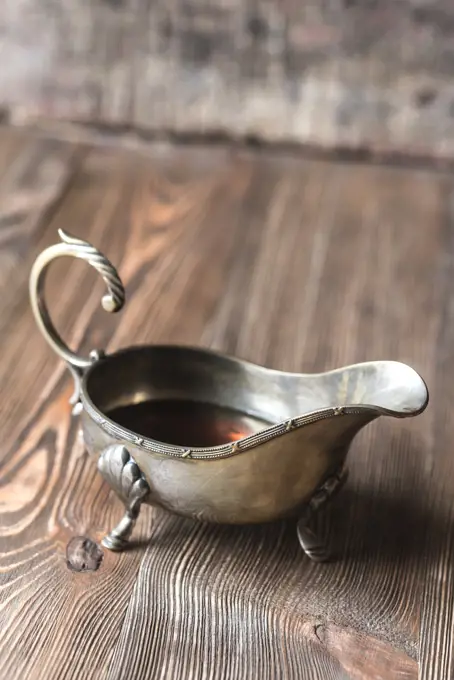
Elegant Silverware Collection

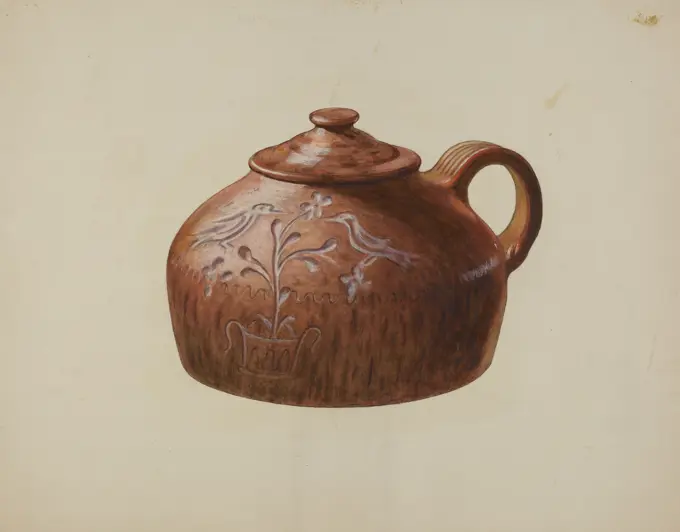
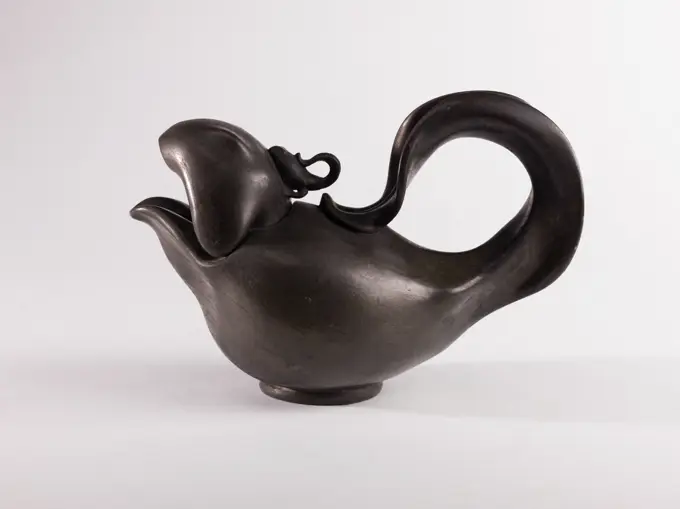
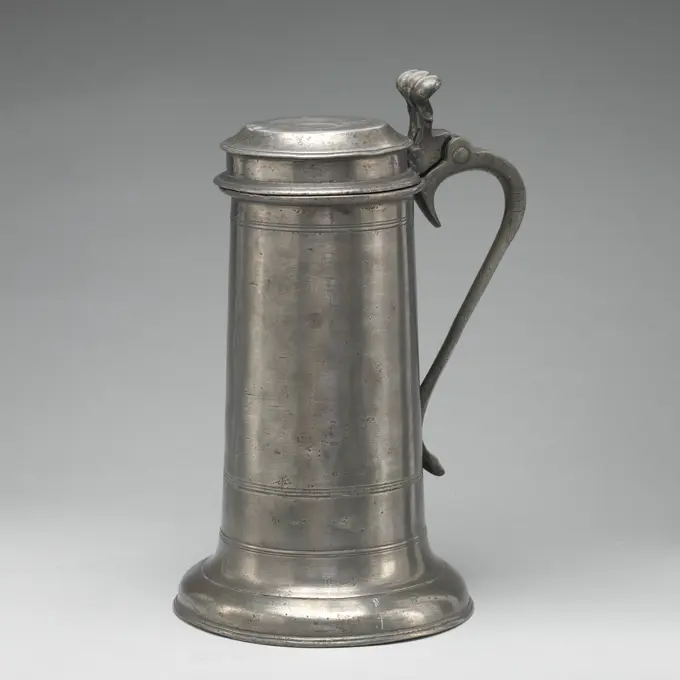
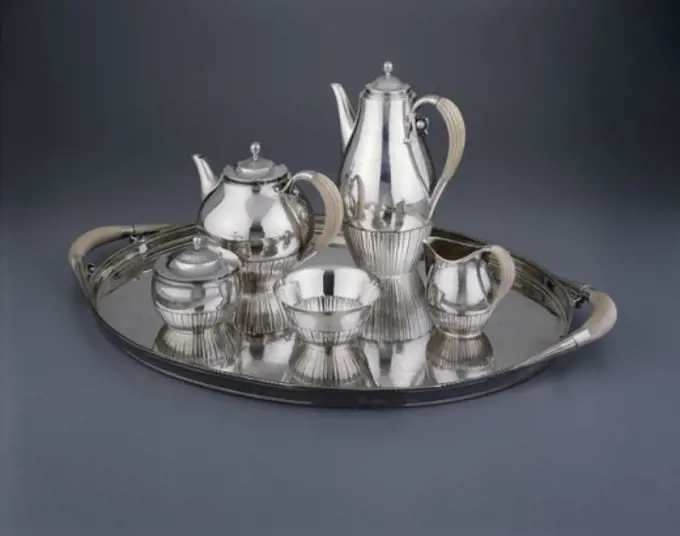
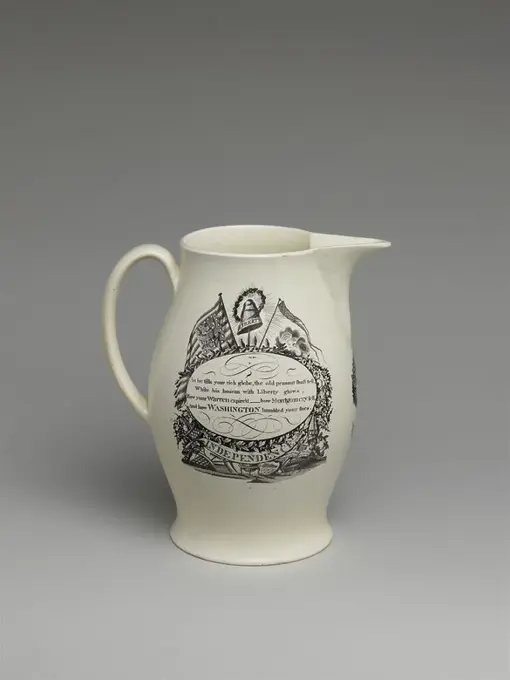
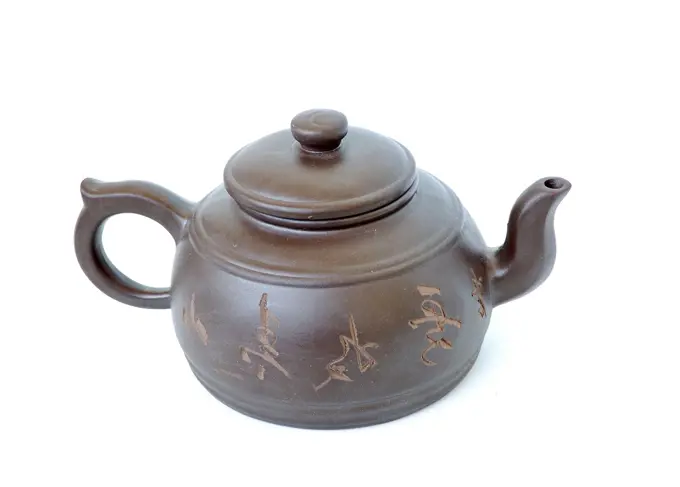
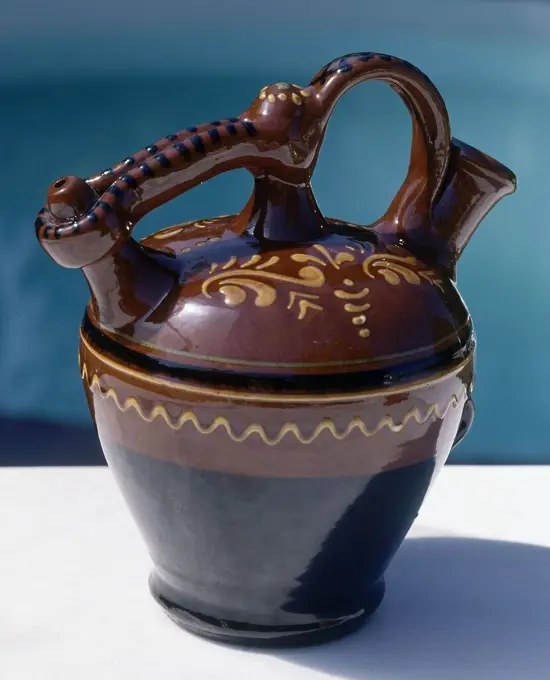
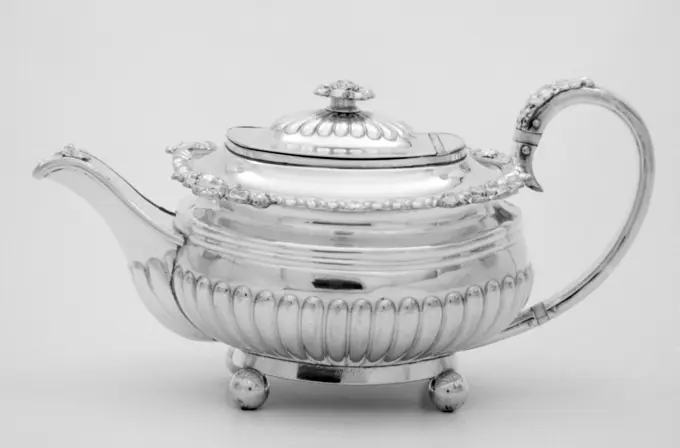
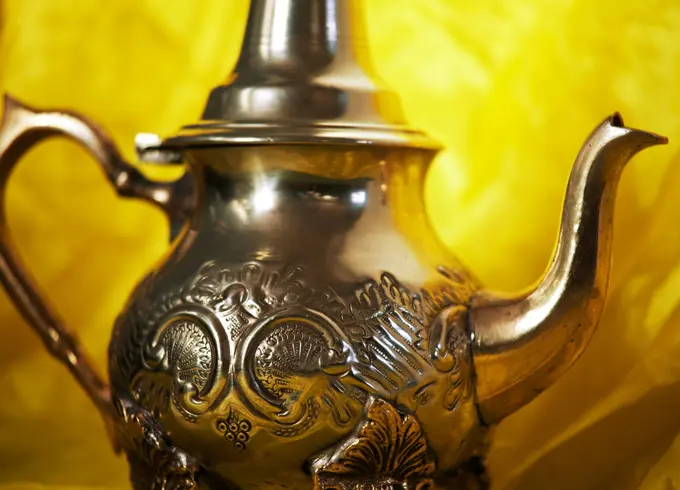
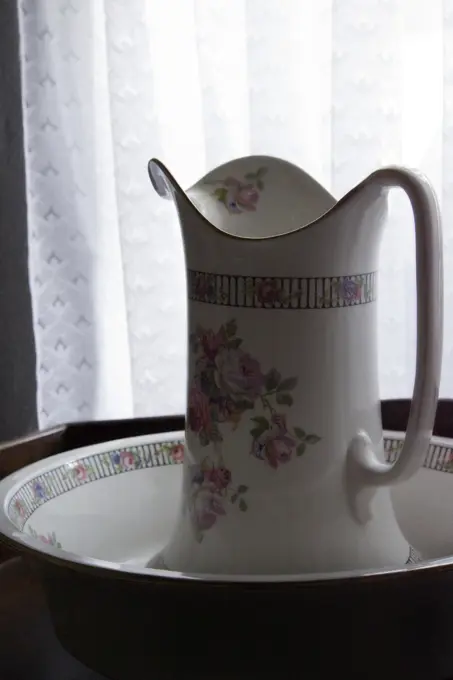
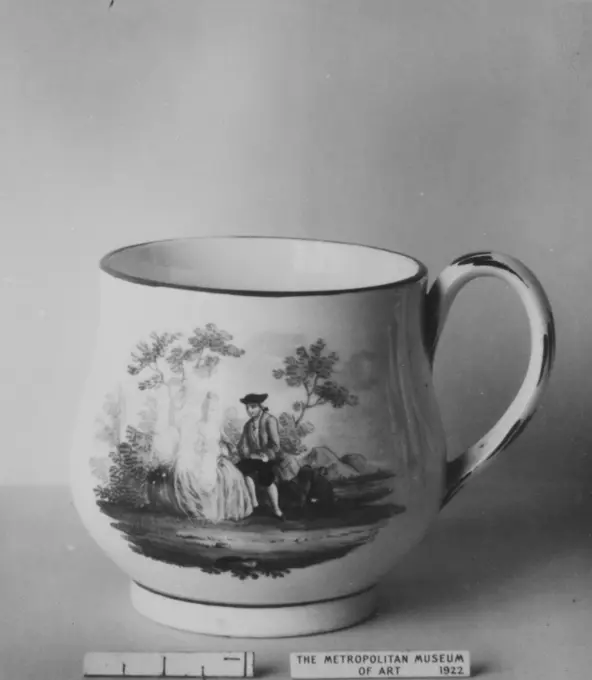
A variety of silver and porcelain tea and coffee pots, each featuring intricate designs, showcasing the artistry of metal and ceramics in beverage service.

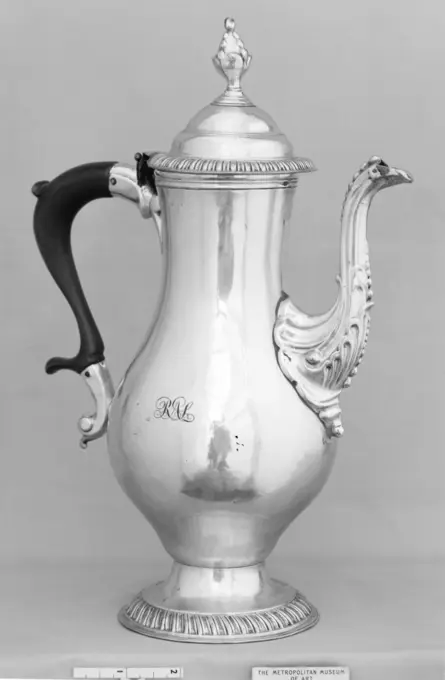
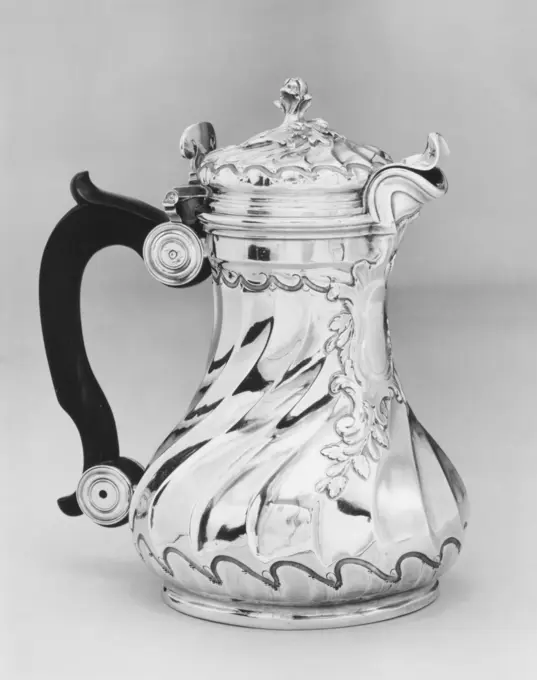
Coffee Pot, c. 1775, Philip Syng, Jr., American (born Ireland), American (born Ireland), 1703 - 1789, 12 x 10 3/4 x 5 1/4in. (30.5 x 27.3 x 13.3cm), Silver, United States, 18th century
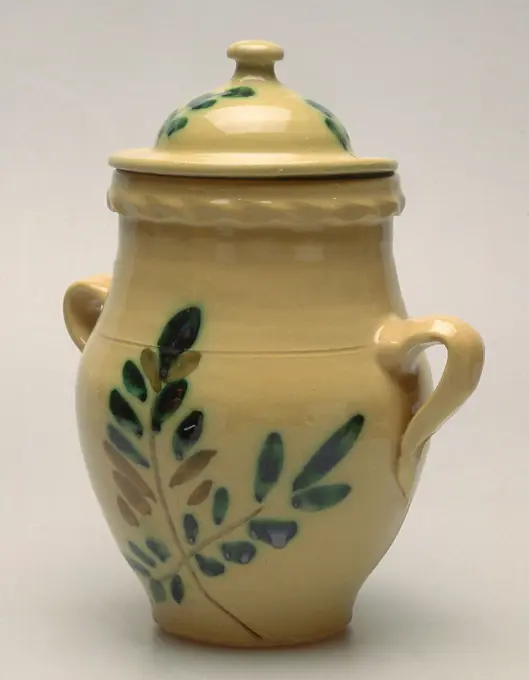
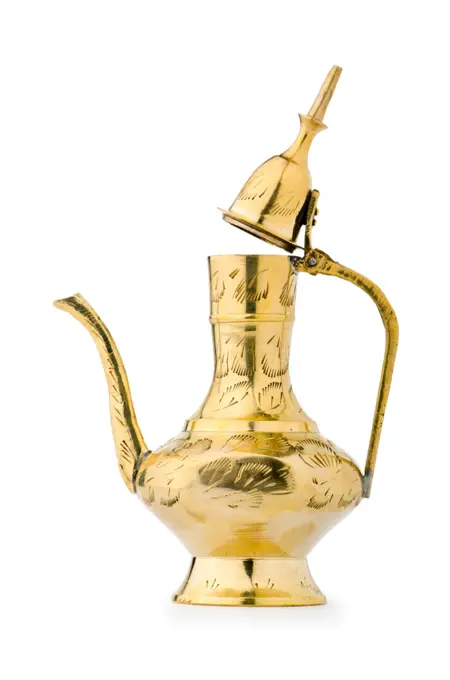
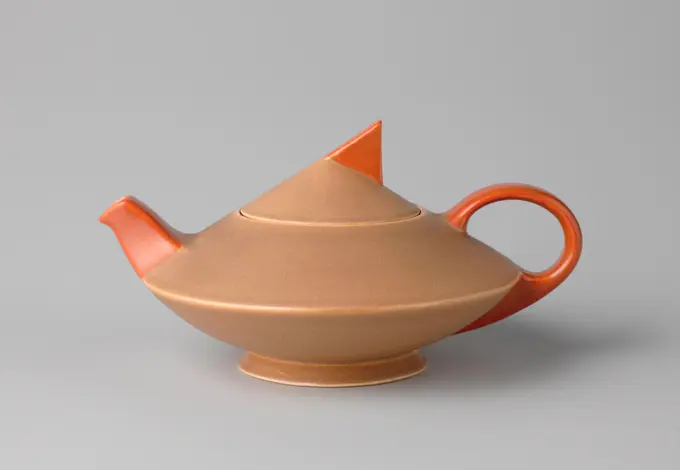
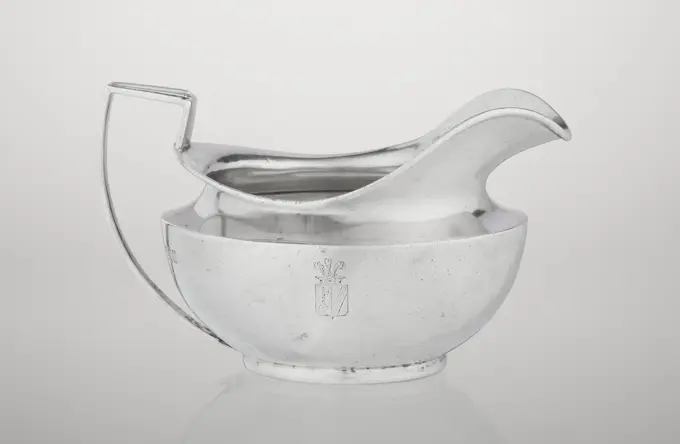
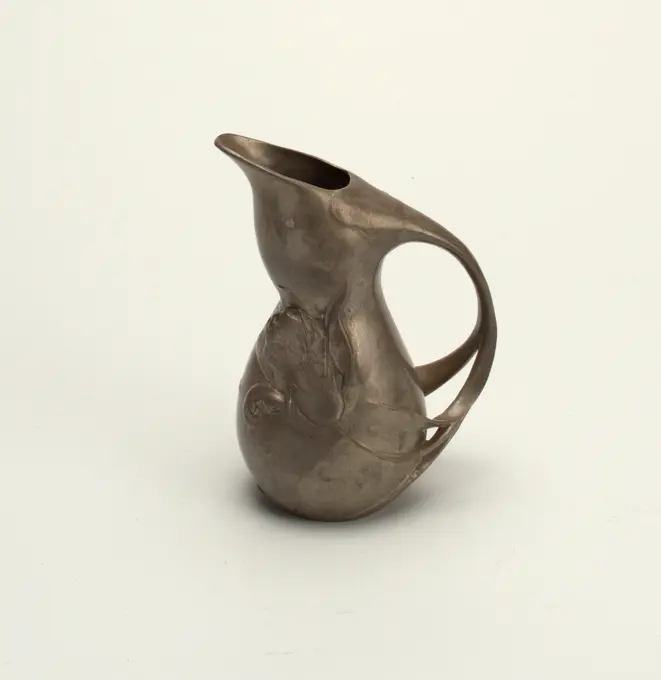
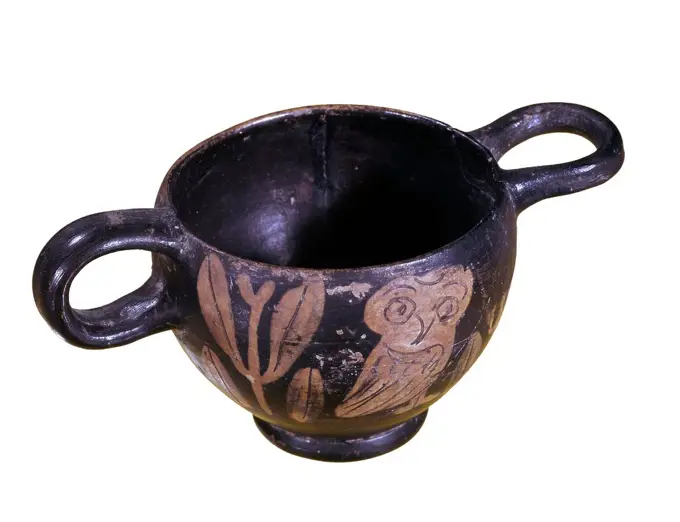
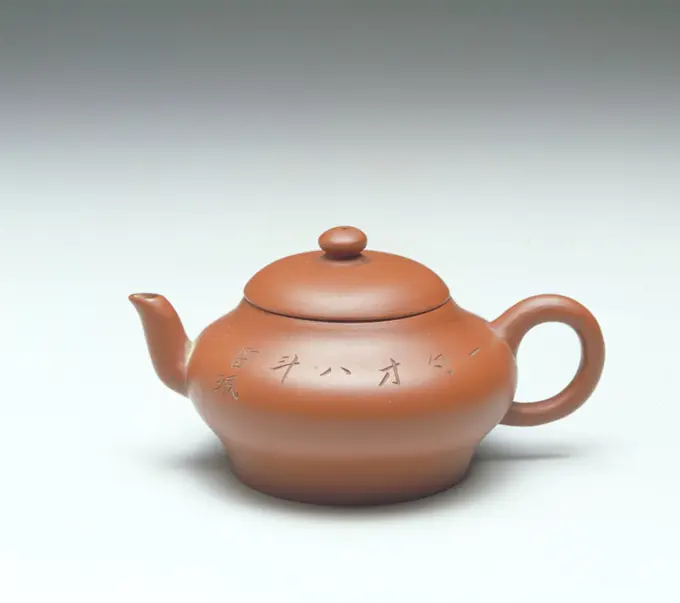
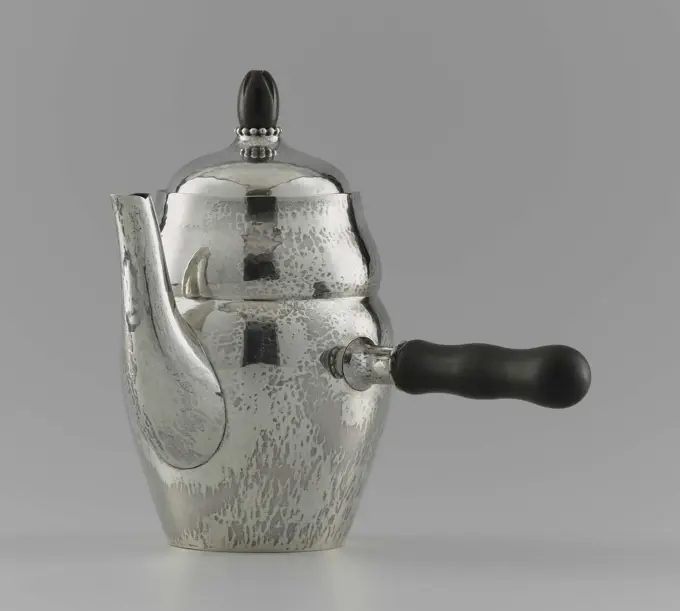
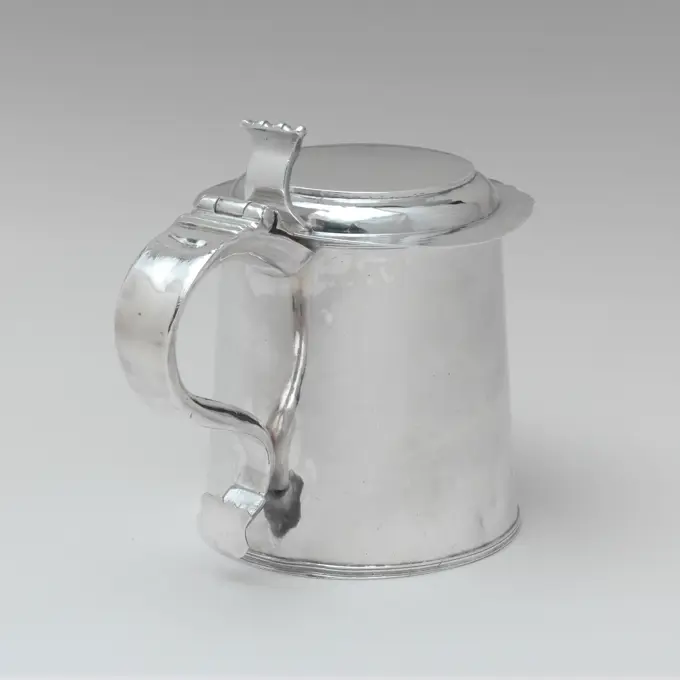
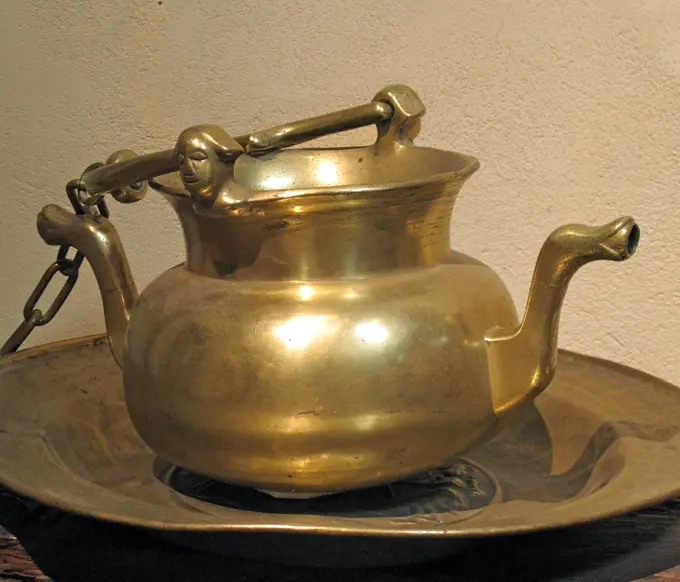
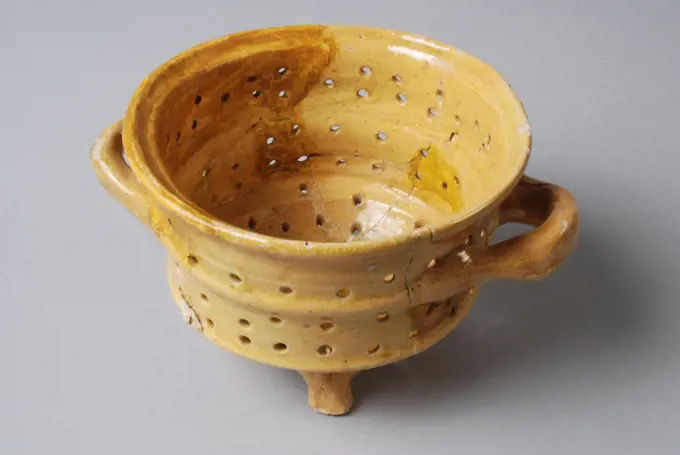
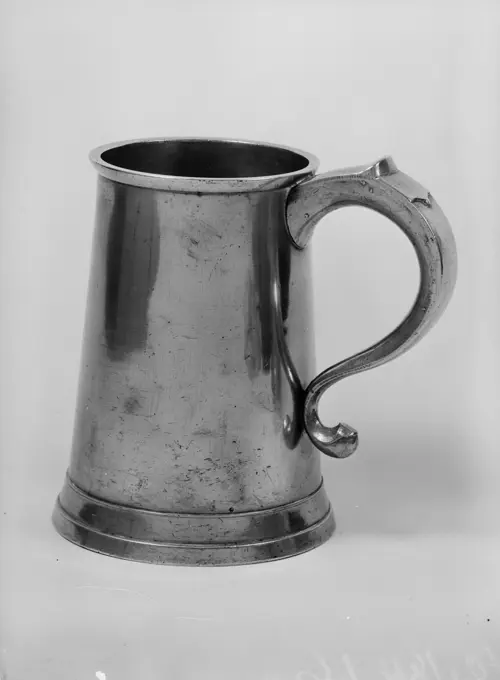
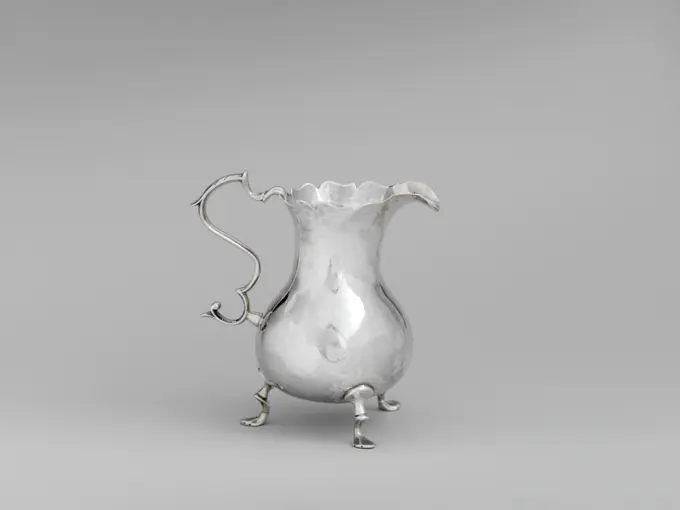
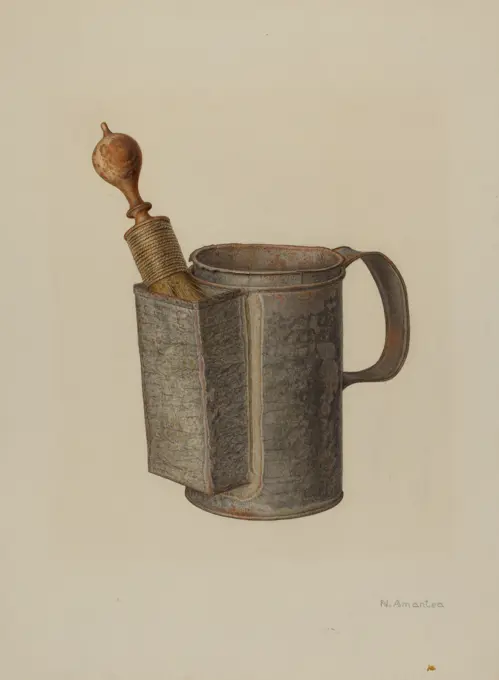
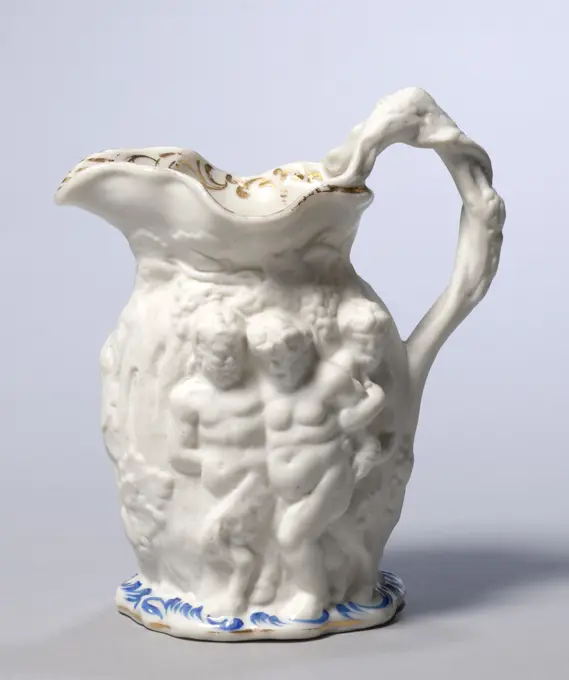
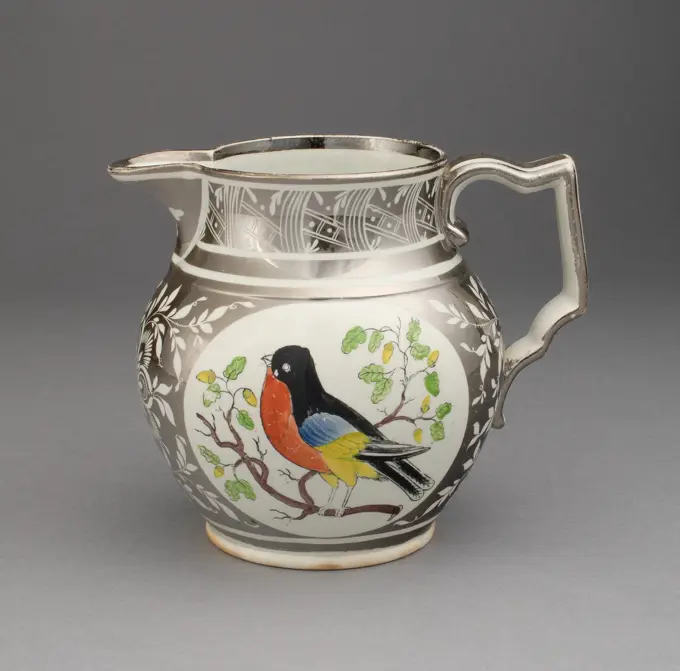
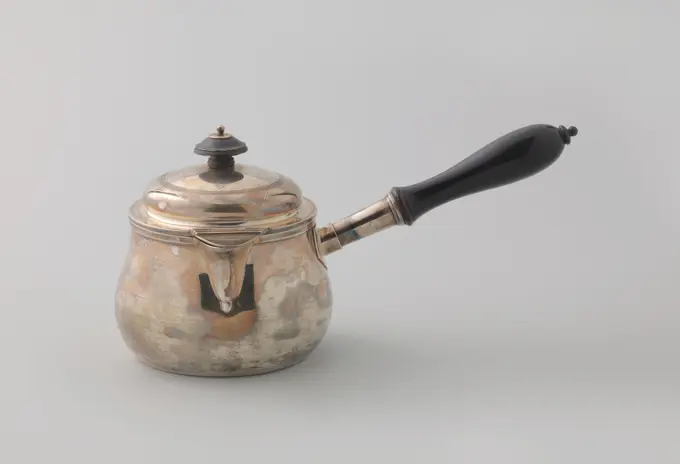
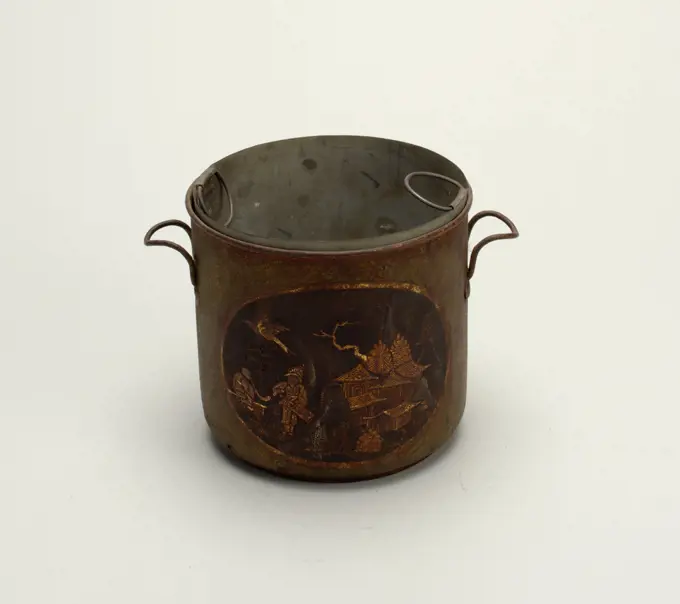
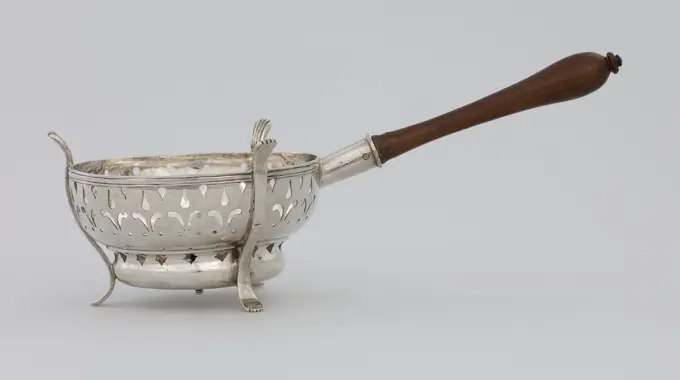
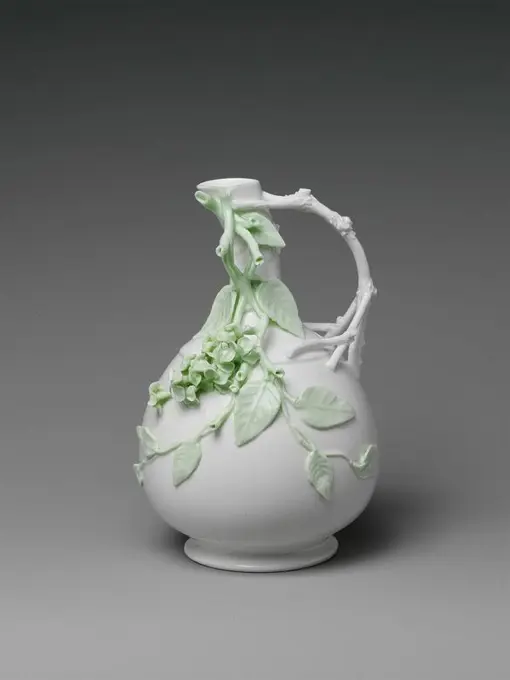
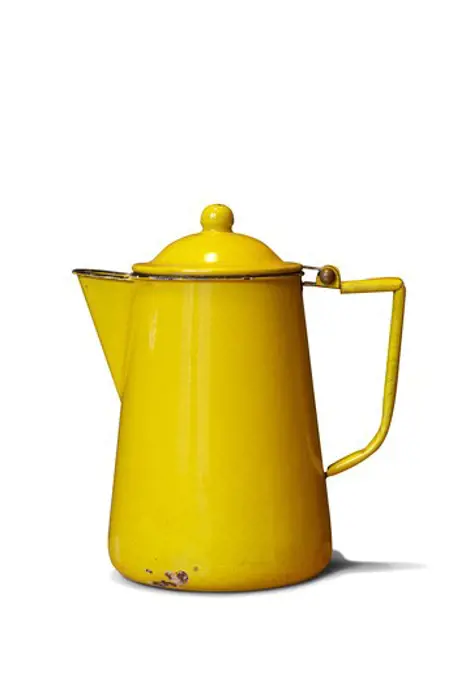
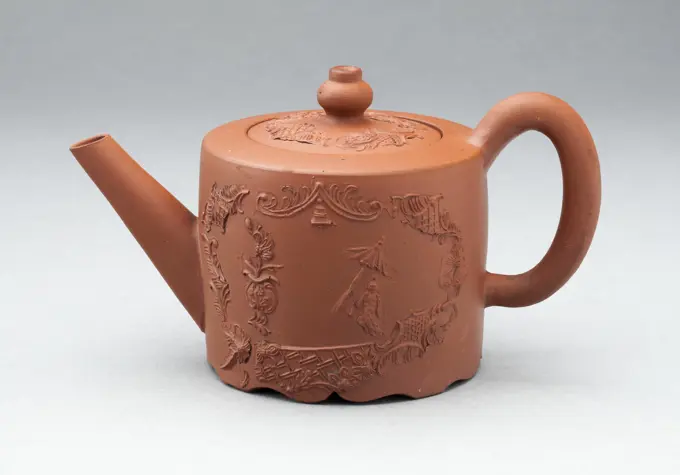
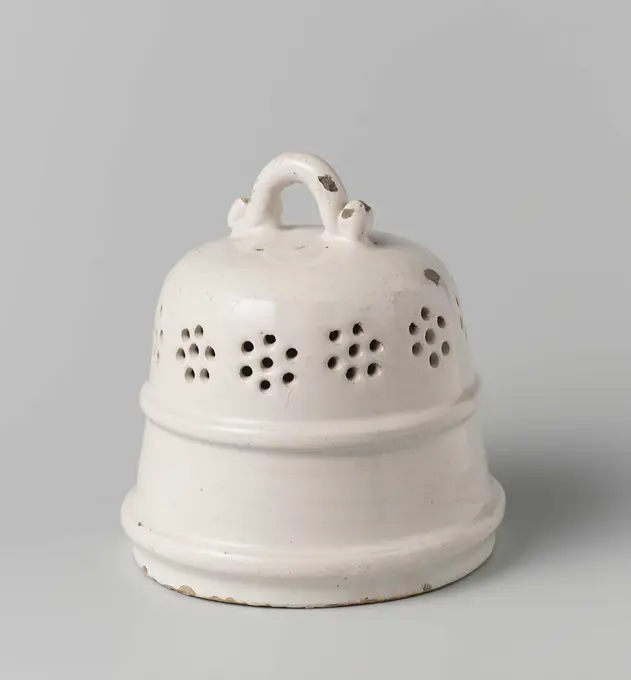
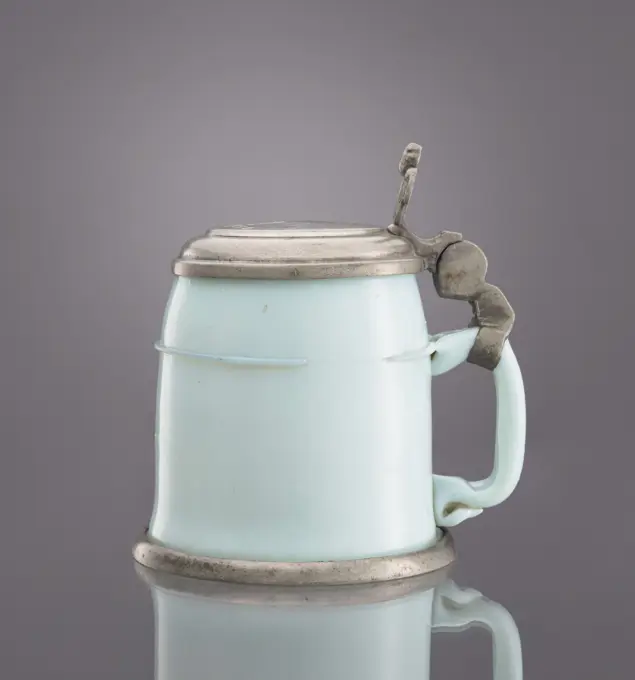
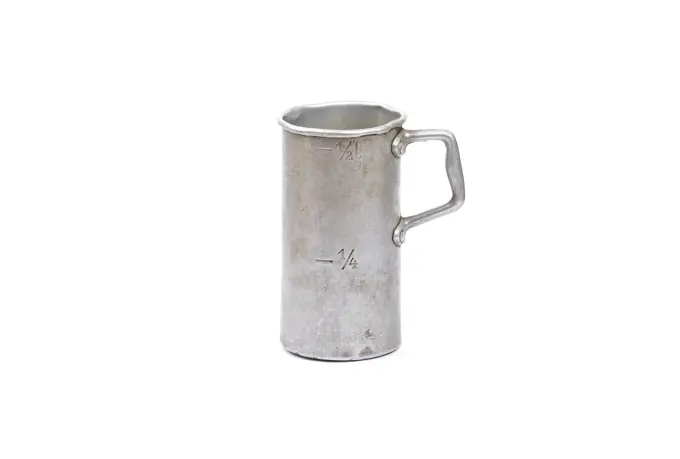
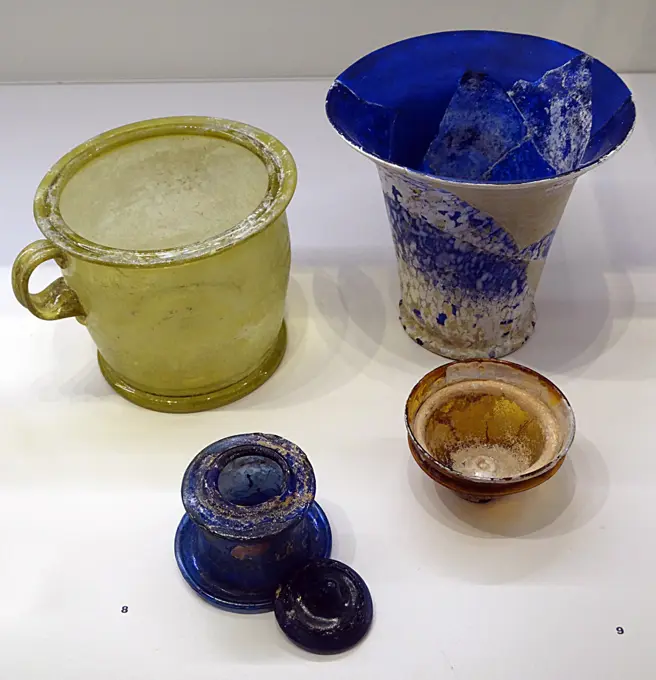
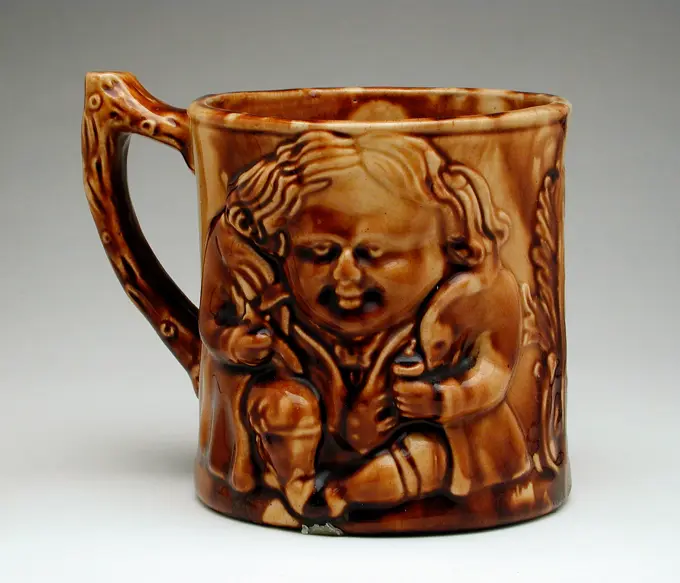
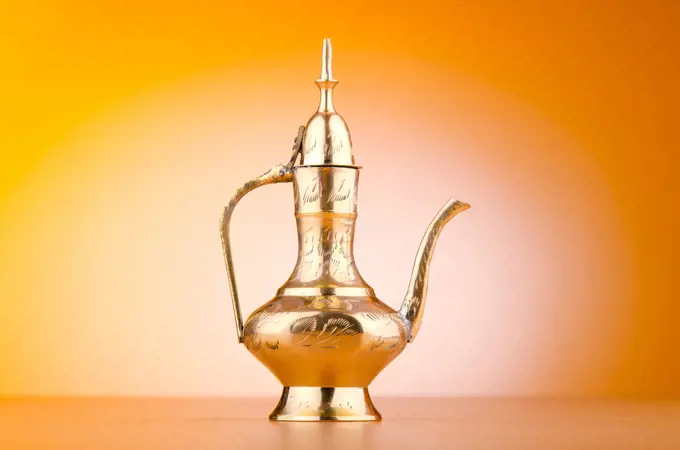
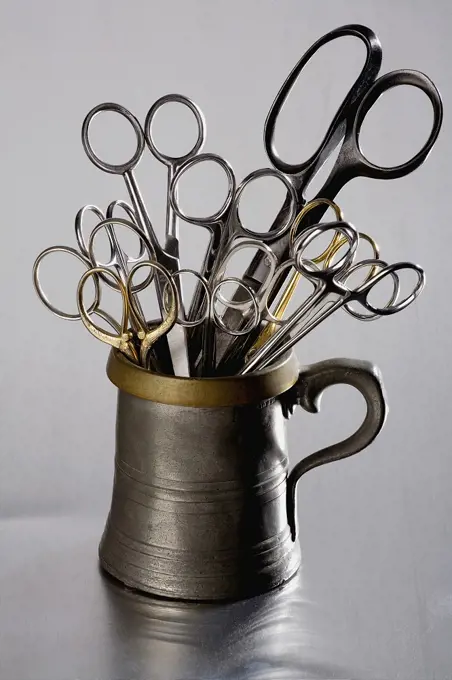
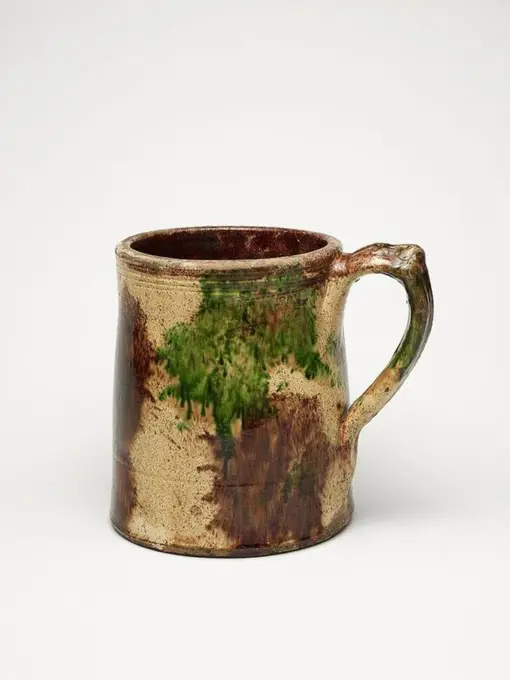
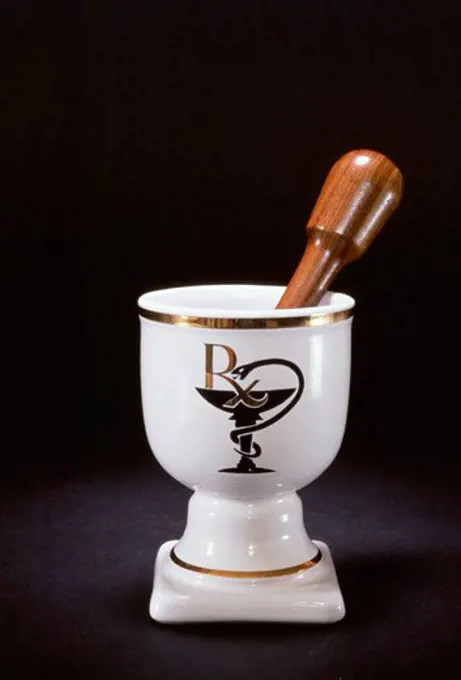
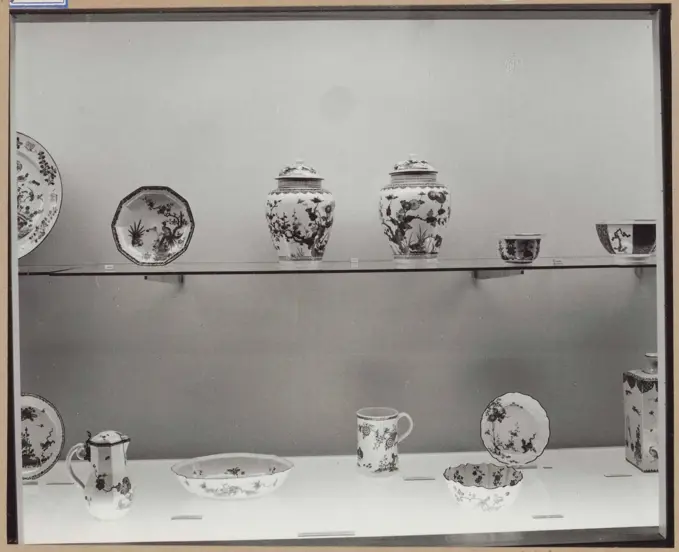
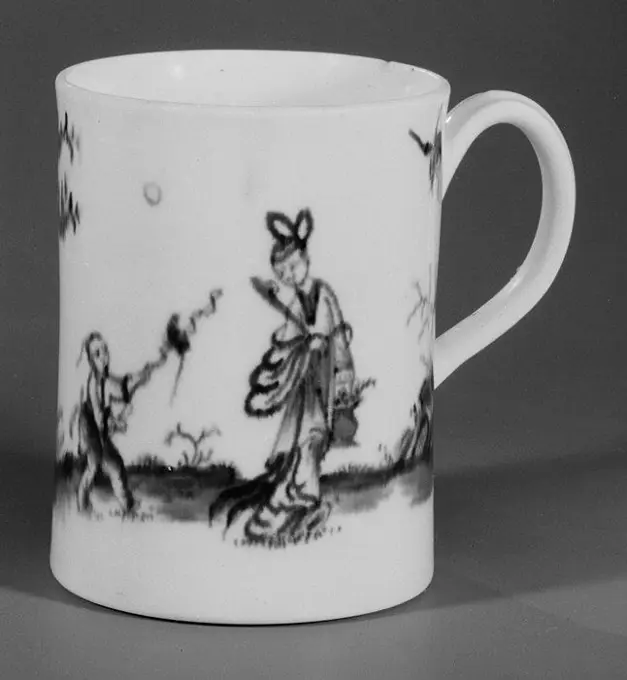
ancient oriental metal teapot on dark background. antique bronze tableware. ancient metal utensils. Teapot of silver, melon-shaped, standing on five leaves of a continuous rank. The spout is overgrown with branches and leaves in relief. The lid has the shape of a leaf and is crowned by a branch with fruit. The pot has an ebony ear.ORZA VIDRIADA Y DECORADA EN VERDE Y MARRON-S XX ARTE POPULAR. Location: ALFARERIA. LUCENA. CORDOBA. SPAIN.Tankard 1700-1730 Benjamin Wynkoop. Tankard 8247Pottery black-glazed beaked pouring vessel (oinochoe). From Athens. Dated 400 BCAncient lamp isolated on the whiteTeapot, part of a tea set, Petrus Regout & Co., 1934 Teapot of earthenware, part of a tea set. Brown distance on the outside, with red buttons, spouts, ears and edges. Marked with sphinx stamp; Petrus Regout & Co Maastricht in a lying rectangle; Made in Holland. Maastricht earthenware Teapot of earthenware, part of a tea set. Brown distance on the outside, with red buttons, spouts, ears and edges. Marked with sphinx stamp; Petrus Regout & Co Maastricht in a lying rectangle; Made in Holland. Maastricht earthenwareMilk; Wellby, Daniel & John, Ltd (London; company Z Otnicz; Fl. 1863-1973/74); 1906/07 (1906-00-00-1907-00-00);Mug; Non -like Lona Huta; 1797 (1797-00-00-1797-00-00);Henrietta S Bukill, Pa German Bean Pot with Lid, c 1941 Pa. German Bean Pot with LidCoffeepot ca. 1765 Tudor and Leader. Coffeepot 191638Pierre Roche (1855-1922). "Tetard teapot". Tin. 1905. Museum of Fine Arts of the City of Paris, Petit Palais. Anse, cover, tin, tertard form, theiere, animalFlagon 1663-69 T. S. British. Flagon. British. 1663-69. Pewter. Metalwork-PewterJug with Bulrush Jug; Manufactured by J. P. Kayser & Sohn (Germany); pewterCream Pot c 1755-1776 New York City. Silver . Myer MyersTankard 1750-75 Samuel Casey American. Tankard 8190VASIJA GRIEGA CON BUHO PINTADO. Location: MUSEO ARQUEOLOGICO NACIONAL-COLECCION. MADRID. SPAIN.Alcohol pourse with bamboo handle (attributed title). Yellow and green polychrome glazes. Cernuschi Museum, Asia Museum of Asia in the city of Paris.Miniature Teapot, mid to late 17th century, Liu P'ei, H.2-5/16 x W.4-1/2 x D.3-3/16 in. (overall), I-hsing stoneware, China, 17th century, This miniature stoneware teapot is of the classic brick-red color associated with I-hsing ware. A brief poetic line engraved before firing readsTea and Coffee Service, Silver Antiques-Housewares Peter Archambo I, Chocolate Jug, 1733/34, silver.Coffeepot Charles Donze 1768-69 Initially taken as a medicinal drink, the reception at the French court of Suleyman Aga Mustafa Raca, the envoy of the Ottoman Sultan Mehmet IV in 1669, made coffee drinking fashionable in France. Quickly becoming popular at all levels of society, the beverage was enjoyed in salons and coffee-houses. Coffee was brewed with finely powdered grounds in the Turkish manner and served from the same vessel. In contrast with the teapot, the spout on the coffee-pot, rising from the base of the neck of the vessel, was placed as high as possible, so that the coffee-grounds could settle and would not be poured into the cups. The more commonly found type of coffeepot has a pear-shaped body mounted on three feet, a flattened lid, a short spout, and a wooden handle, sometimes placed at a straight angle to the spout or directly opposite it. A three-legged pot could accommodate a burner placed between the feet to keep the beverage warm. As seen in this example by the ParJug (Krug) late 17th century Abraham Helmhack. Jug (Krug) 200885Cream Jug 1780-1825 British, probably. Cream Jug 2599steel jug with a handle and lid. A steel jug with a handle and lid. A steel jug with a handle and lid. Copyright: xZoonar.com/NikolayxZirovx 16755812Pitcher ca. 1862 Southern Porcelain Company. Pitcher 5848Jug; Manufactured by Royal Worcester (England, GB, United Kingdom); hand painted and glazed porcelain; 7.8 x 7.5 cm (3 1/16 x 2 15/16 in.). Coffee pot of silver with handle of ebony. The body consists of a spherical portion above which a lower portion with S-shaped curved wall. The straight wooden handle is at odds on the wall, connected to it by a silver attachment, which is decorated with an edge of ovals when the wooden portion is turned on. The spout is bent. The vaulted lid is crowned by a wooden knob in the form of a stylized flower bud around which a pearl edge. The surface of the pot is edited with a set hammer to reach a 'hammer's lag effect. Brands on bottom bottom: Georg Jensen in landscape oval; Copenhagen in lying oval; G1. 830 s under each other in standing oval; 1918 in rectangle; 1; Reterpur in Cursive V (Strange Works, 1906-1953); Rerkur Z II.Tankard ca. 1690 Jeremiah Dummer. Tankard 8196TETERA DE CERAMICA. Location: PALACIO TOPKAPI-MUSEO. ISTANBUL. TURQUIA.Laver 15th century South Netherlandish. Laver. South Netherlandish. 15th century. Brass. Made in possibly Dinant, South Netherlandish. Metalwork-BrassYellow colander, cheese mold, on three legs with two reclining ears, high model, colander cheese shape kitchen utensils equipment earth discovery ceramic earthenware glaze lead glaze, hand turned set pierced glazed baked Colander of white shard yellow glaze two lying sausage ears in the middle of the side wall attached High model with almost straight sidewall and curved soil on three legs archeology Valckensteyn Poortugaal Albrandswaard indigenous pottery kitchen cooking food nutrition cheese dairy Soil discovery: castle Valckensteyn in Poortugaal now Albrandswaard 1961-1962.Syrup Jug 1830-70 American. Syrup Jug 8042Teapot. Dated: c. 1936. Dimensions: overall: 30.7 x 23.2 cm (12 1/16 x 9 1/8 in.). Medium: watercolor, graphite, and heightening on paperboard. Museum: National Gallery of Art, Washington DC. Author: Thomas Holloway.Vincent Burzy, Blue Pitcher, c 1936 Blue PitcherJug, Garibaldi” pattern.   Maker: Cork, Edge & Malkin, British, 1860-1871Mug 1761-93 Henry Will. Mug. American. 1761-93. Pewter. Possibly made in Albany, New York, United States; Possibly made in New York, New York, United StatesOval Punch Strainer,  c.1760Covered Dish (Ireland); glass; 8.5 x 9.5 x 7 cm (3 3/8 x 3 3/4 x 2 3/4 in.); Bequest of Walter Phelps Warren; 1986-61-131-a,bCreamer ca. 1755-70 Samuel Casey American. Creamer 2660Pewter Teapot. Dated: c. 1937. Dimensions: overall: 25.4 x 32.1 cm (10 x 12 5/8 in.) Original IAD Object: 8 3/4" high; 7" in diameter. Medium: graphite on paperboard. Museum: National Gallery of Art, Washington DC. Author: Harry Goodman.White Charles Rennie Mackintosh teapot on a cafe tableNicholas Amantea, Shaving Mug, c 1941 Shaving MugCan with two acorns on the thumb grip, anonymous, 1450 - 1500 The KAN is composed of the following parts: the hull, the lid (cast and turned), the handle, the spout and the thumb rest (cast). The cylindrical hull has a spherical upper part and broadens at the bottom. The soil has a center point. The hull has a wide rib in the middle of the bottom half, flanked by two narrow ribs, as well as two narrow ribs resp. Up and bottom. In the transition to the spherical part of the hull, the shape of the widening is repeated at the bottom. The spherical part is unlocked at the front to bottom by the rushing from above flat spout. A small triangular opening has been saved on the inside. The spout reaches at the top against the short neck, which ends in a somewhat excellent lip edge. The handle is attached to this, which is more or less round and nods with a blunt corner inwards and then bends down. Against the lip edge there is the one -into -a -seal hinge for the more or less spherical lid on tJug, 1800s. Jacob Petit (French). Ceramic; overall: 16 cm (6 5/16 in.).PitcherPitcher Made 1810-1820 Staffordshire. Lead-glazed earthenware with lustre decoration .Tankard 17th-18th century probably German. Tankard. probably German. 17th-18th century. Glass, pewter. GlassPan of silver. The round unadorned barrel with long ebony stem has been somewhat widened at the bottom. With lid and hinged valve for the spout., Samuel Whitford, 1818 - 1819 Pan of silver. The round unadorned barrel with long ebony stem has been somewhat widened at the bottom. With lid and hinged valve for the spout. London silver (metal). steel: ebony (wood) Pan of silver. The round unadorned barrel with long ebony stem has been somewhat widened at the bottom. With lid and hinged valve for the spout. London silver (metal). steel: ebony (wood)Pair of cachepots and liners, sheet metal, metal, paint, gold, Cylindrical containers curving inward to a low feet. Wire handle at each side. Gold ground with chinoiserie decoration., France, ca. 1765, metalwork, Decorative Arts, Pair of cachepots and linersChafing Dish, c. 1750, Adrian Bancker, American, 1703 - 1772, 4 5/8 x 12 x 5 1/2in. (11.7 x 30.5 x 14cm), Silver, United States, 18th centuryEwer. Culture: American. Dimensions: 6 15/16 x 4 1/2 in. (17.6 x 11.4 cm). Maker: Knowles, Taylor, and Knowles (1870-1929). Date: 1891-97.Knowles, Taylor, and Knowles first marketed Lotus ware, a pure-white bone china, in 1891. Japanese influence is evident in this ewer's asymmetrical design, bamboo-form neck, and applied blossoms and leaves. Museum: Metropolitan Museum of Art, New York, USA.Teakettle with stand and spirit lamp 1749-50 Thomas Heming This teakettle is engraved with the arms of the Bisshopp family of Parham Park, Sussex.. Teakettle with stand and spirit lamp 198032Ewer probably 18th-19th century. Ewer 443131Abruzzo Chieti Chieti Museo Nazionale di Antichita3. Hutzel, Max 1960-1990 Exterior views of part of the former Villa Frigeri, which along with a neighboring palazzo, houses the Museo Nazionale di Antichita. Views also of the gardens, fountain (17th century) and the restored interior. The so-called "Capestrano Warrior" (5th century B.C.) is found in the Antiquities core collection under Men, Youths, Warriors--Stone--Etruscan, Italic. Hutzel views include statues, funerary monuments, portrait busts and mosaics, many of which were excavated from Alba Fucens. Hutzel paid particular attention to the colossal statue of Hercules (late Hellenistic); the funerary temple reliefs of Lucius Storax; various nudes, torsos and heads, including the portrait bust of Agrippina Minore and the sepulchral portrait relief of Lucius Poditius (1st century A.D.); gravestones with inscriptions and bas-reliefs; Roman coins; bronze figurines (mainly warriors); and bronze vessels, utensils, helmets and ornaments.Enamel Coffee PotTeapot Made 1755-1765 Staffordshire. Earthenware (redware) .Jug -Ernest Chaplet (1835-1909). Mug. Flammed porcelain. 1909. Museum of Fine Arts of the City of Paris, Petit Palais. 60192-14 Handle, mug, flower, cylindrical cup, floral motif, flame porcelain, containerStolp with two tires and eleven opened rosettes. Slim conical bell from untangled faience, with two tires imposed, eleven open-finished rosettes and a C-shaped ear on the top.Mug 1735-50 Jacob Ten Eyck. Mug 5335Teacup from Augustus IIIs dinner set for the Royal Castle in Warsaw. Koenigliche Porcellain Fabrique, Meissen (1710-1763), factoryclay cup isolated on whiteCoffeepot ca. 1710-15 Meissen Manufactory. Coffeepot 199308Drawing Clay pitcher and cup. Old porcelain tableware. Vintage earthenware or terracotta utensil set. Rustic crockery. Stock vector illustrationTankard and cover. Niemcy Południowe, creatorPitcher. Culture: British (American market). Dimensions: H. 9 1/2 in. (24.1 cm). Date: 1800-1810.Liverpool produced many transfer-printed ceramics with patriotic imagery for the American market. Depictions of George Washington and important sites in the Revolutionary War were especially popular. Transfer printing allowed manufacturers to reproduce images easily, as on this pitcher bearing the depiction of George Washington with a map of the United States. White earthenware printed in black or blue was a prevalent and affordable style. Museum: Metropolitan Museum of Art, New York, USA.JARRA NAPOLEONICA DE PLATA. Location: MUSEO DEL ROMANTICISMO-OBJETOS VARIOS. MADRID. SPAIN.classic chinese teapot of the brown clayBOTIJO VIDRIADO Y DECORADO EN AMARILLO Y NEGRO. Location: ALFARERIA. LA BISBAL. SPAIN.Earthen pot or carafe.  Earthenware vessel or decanter. Fictile tableware. Rustic purple utensil. Vintage porcelain crockery. Stock vector illustrationBachelor teapot ca. 1815 British. Bachelor teapot 204481Tea pot Tea pot Copyright: xZoonar.com/GalynaxAndrushkox 4641864Half hat from Utrecht, Anonymous, c. 1800  Content measure of half a hat. On the outside wall the Wapen van Utrecht and number 100. v.z.v. label. Utrecht tin (metal)   UtrechtTeapot on domestic home kitchen bench Teapot on domestic home kitchen bench with background defocused. Copyright: xZoonar.com/EdwardxOlivex 6815186Cup and Saucer Made 1810-1815 Paris. The rich, thick gilding and vivid enamel decoration on this cup and saucer are characteristic of porcelain made at the Dagoty manufactory in the early 19th century.Though as many as 19 porcelain factories were operating in Paris in 1800, the firm founded by brothers Pierre-Louis and Etienne-Jean-Baptiste Dagoty was one of the few that enjoyed imperial and royal patronage, supplying dining services to Empress JosÈphine and Marie-ThÈrËse Charlotte, Duchesse díAngoulÍme, the eldest child of Louis XVI and Marie Antoinette.. Hard-paste porcelain, enamel and gilding . Pierre Louis DagotyWater Pitcher. Dated: c. 1936. Dimensions: overall: 35.4 x 27.9 cm (13 15/16 x 11 in.) Original IAD Object: 8 1/8" High (overall) 5 1/2" Dia 7 1/2" Distance handle to spout. Medium: watercolor, graphite, and heightening on paperboard. Museum: National Gallery of Art, Washington DC. Author: Edward White.Ireland, Gleann Cholm Chille. Close-up of antique pitcher and bowl from the 1850s.Cup (part of a set) ca. 1770-1800 Wedgwood and Co.. Cup (part of a set). British, Etruria, Staffordshire. ca. 1770-1800. Creamware. Ceramics-PotteryMessbecher - Graduated jug Messbecher - Graduated jug Copyright: xZoonar.com/lantapixx 5722120Selection of glass objects including cups, bowls, bottles, ink wells and lidded containers. Eastern Mediterranean, from the 1st-2nd century.George Yanosko, Pitcher (Amberina), 1935 1942 Pitcher (Amberina)Cup and Saucer, 1800s. Wedgwood Factory (British). Black basalt; diameter of mouth: 8.3 cm (3 1/4 in.); overall: 6 cm (2 3/8 in.).CANTIMPLORA O CATARRAÑA VIDRIADA Y CON DECORACION INCISA - CERAMICA NEGRA. Location: ALFARERIA. SPAIN.Sugar bowl with cover and matchingcreamer. Maker, possibly by: John Sayre, American, 1771-1852Maker, possibly by: Joel Sayre, 1778-1818Mug (England); red transfer; 6.4 x 8.7 x 6.5 cm (2 1/2 x 3 7/16 x 2 9/16 in.); Bequest of Jane M. Epstine; 2006-20-56Teapot 18th century China. Teapot. China. 18th century. Jade. JadeMug. Edwin Bennet Pottery Company (United States, Maryland, Baltimore, founded 1845). United States, 1848-1856. Furnishings; Serviceware. Earthenware, glazeMug (England); 5.7 x 7.8 x 5.5 cm (2 1/4 x 3 1/16 x 2 3/16 in.); Bequest of Jane M. Epstine; 2006-20-57Ancient lamp against gradient backgroundClose-up of scissors in a cupOld objects once: aluminum kettle and old acetylene lampMug. S. Bell and Sons; American, c. 1882-1908; Strasburg, Virginia. Date: 1882-1900. Dimensions: H. 12.4 cm (4 7/8 in.). Earthenware, with cream slip embellished with copper and manganese oxides, finished with a pale yellow lead glaze. Origin: Strasburg. Museum: The Chicago Art Institute, Chicago, USA. Author: S. Bell & Son.John Burt Lyng, Creampot, c. 1761, silver.Pestle and mortar with Rx symbol.Showcase with objects of ceramics; Halls of crafts July 1962..PunchKettleMug ca. 1755 Worcester factory. Mug 204820Maple syrup in vintage sauce boat