Elegant Silverware Collection

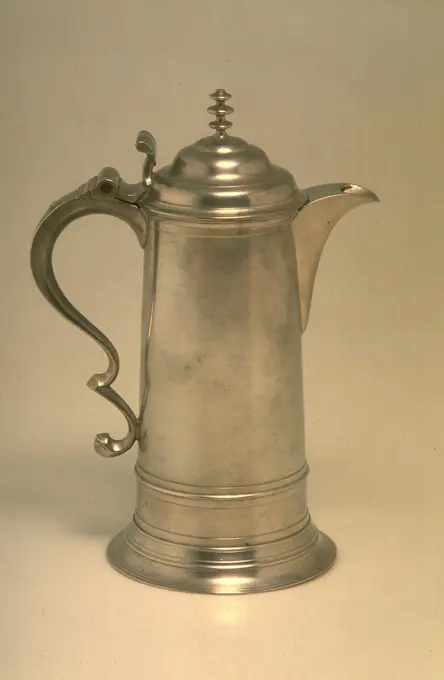
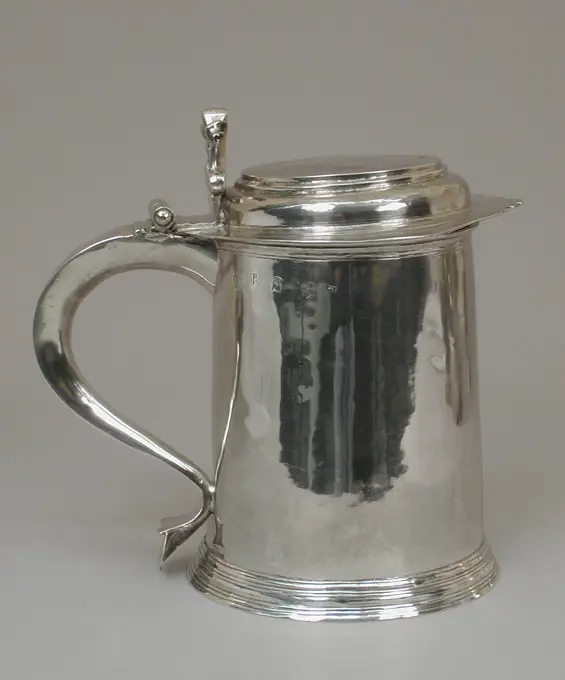
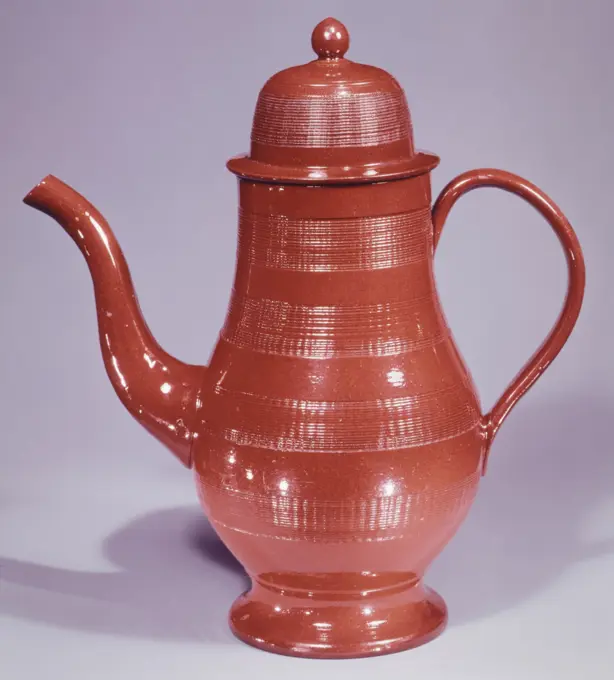
A variety of silver and porcelain tea and coffee pots, each featuring intricate designs, showcasing the artistry of metal and ceramics in beverage service.

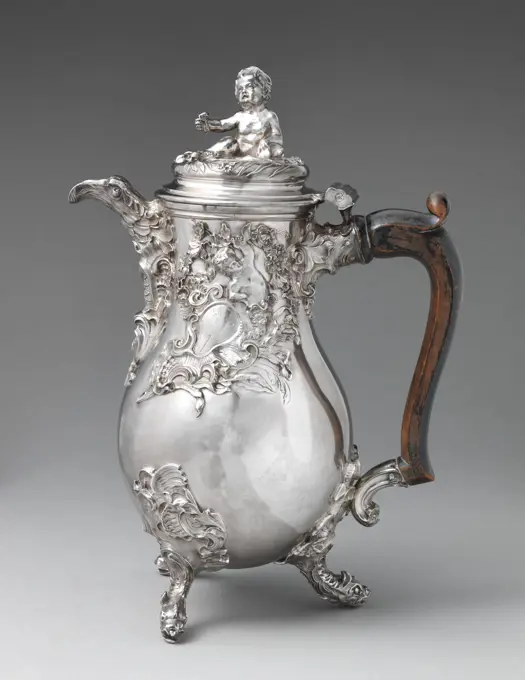
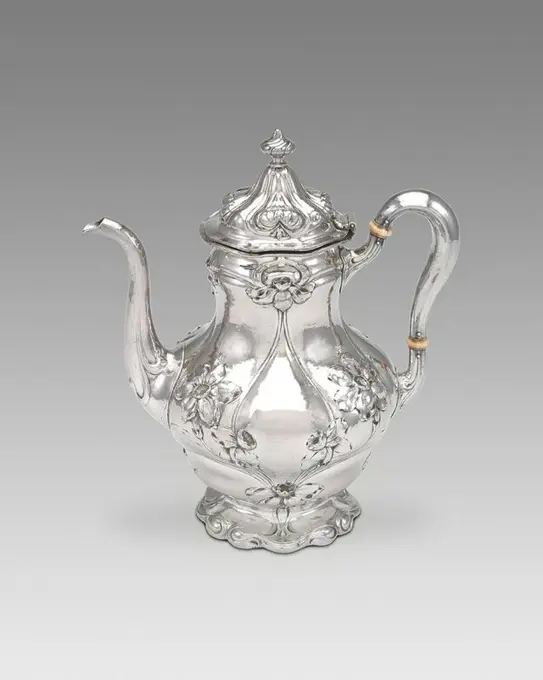
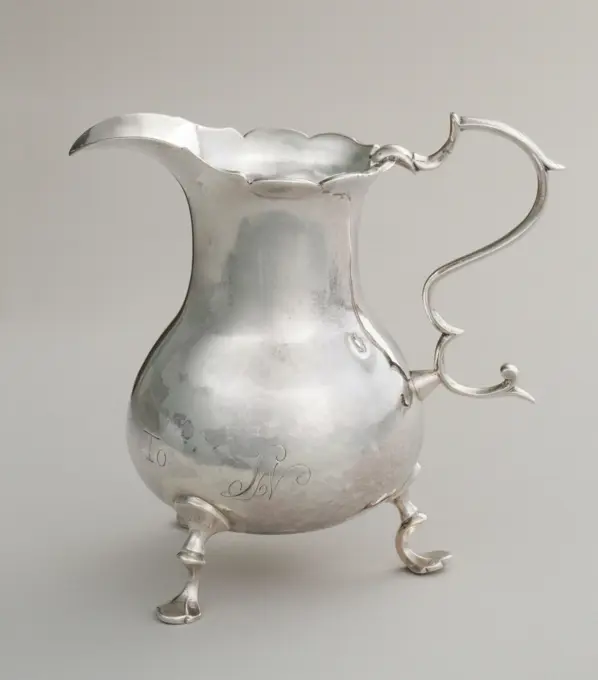
Coffee Pot, c. 1775, Philip Syng, Jr., American (born Ireland), American (born Ireland), 1703 - 1789, 12 x 10 3/4 x 5 1/4in. (30.5 x 27.3 x 13.3cm), Silver, United States, 18th century
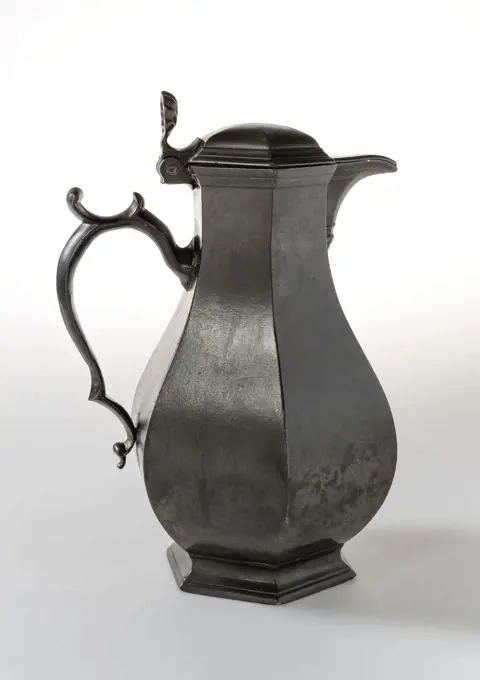
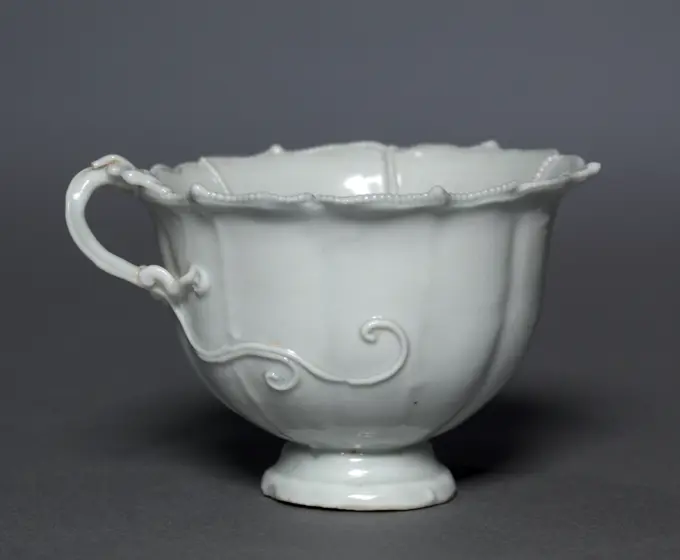
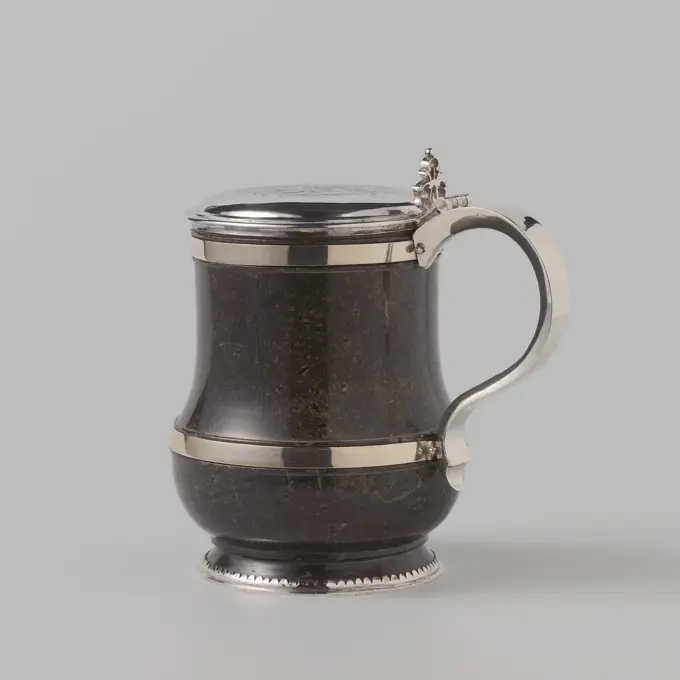
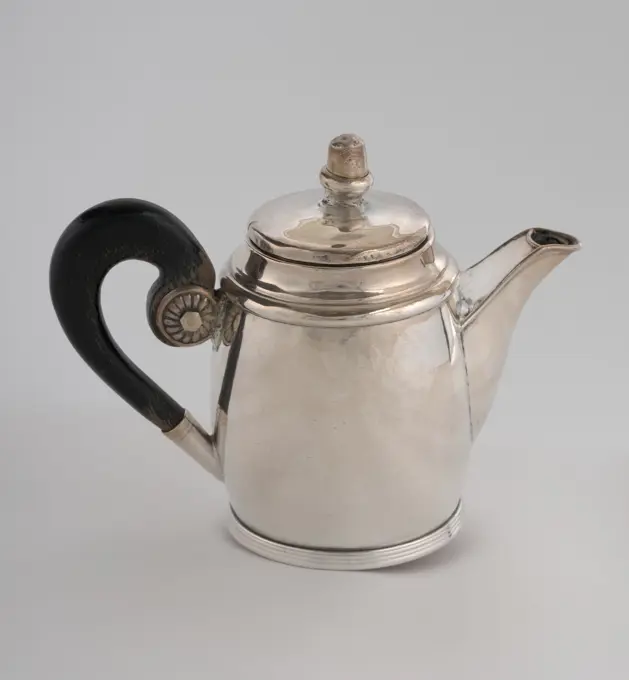
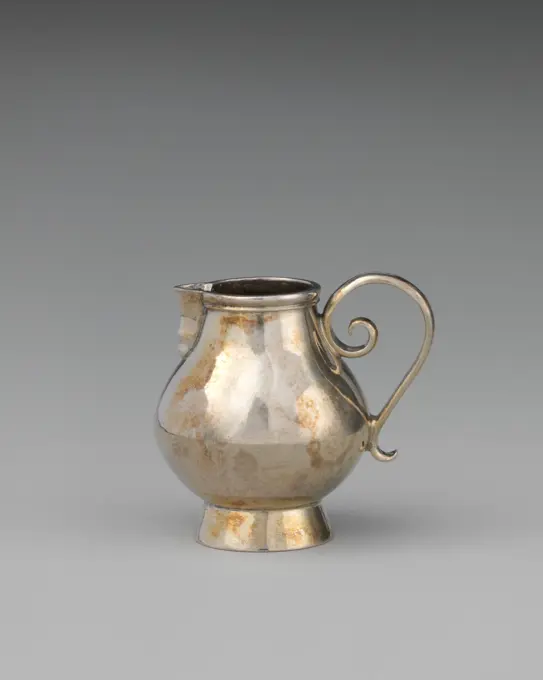
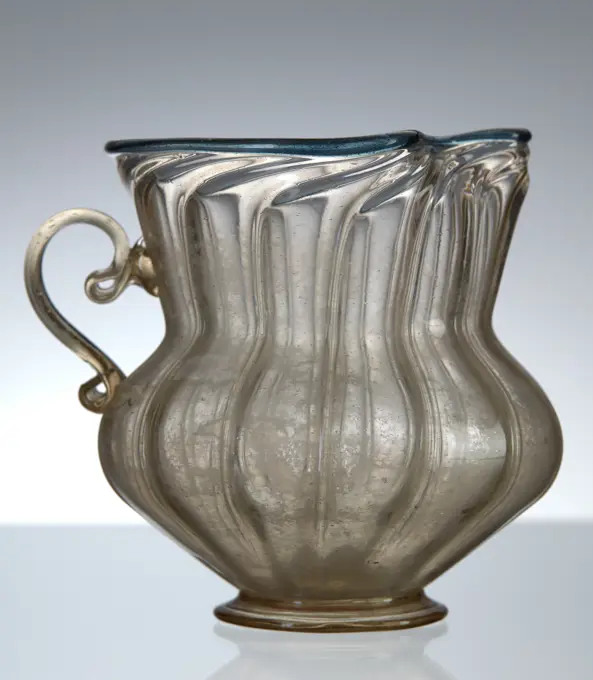
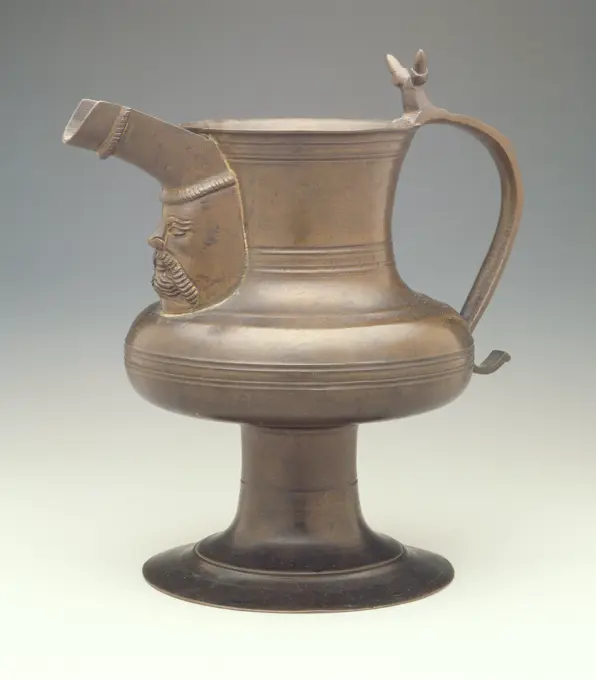
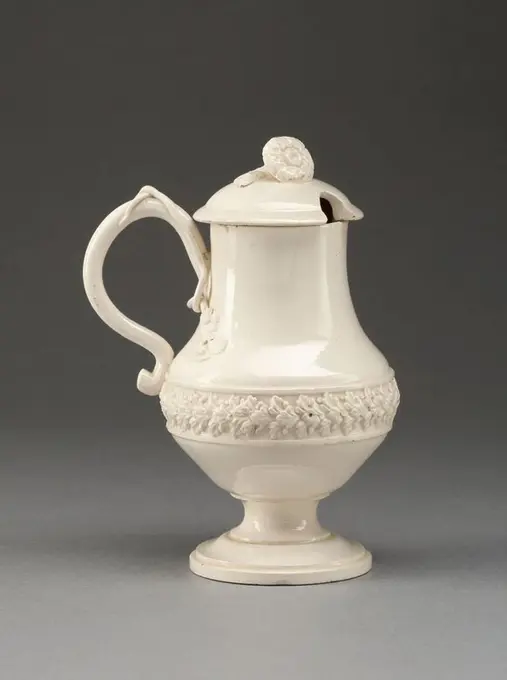
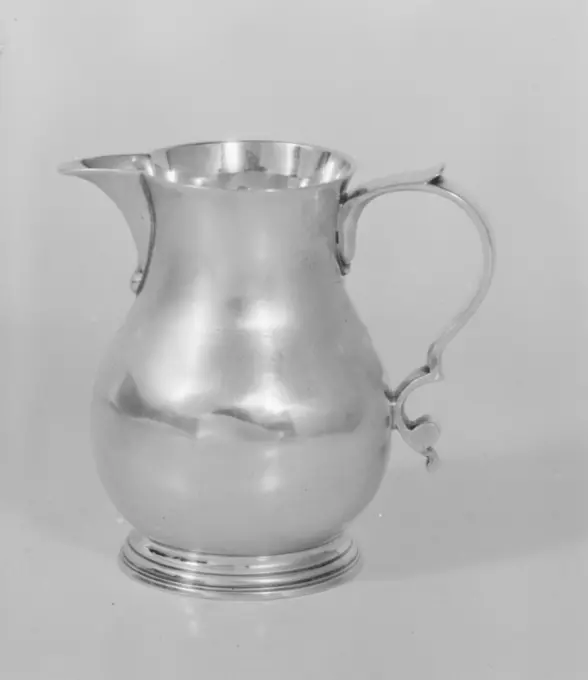
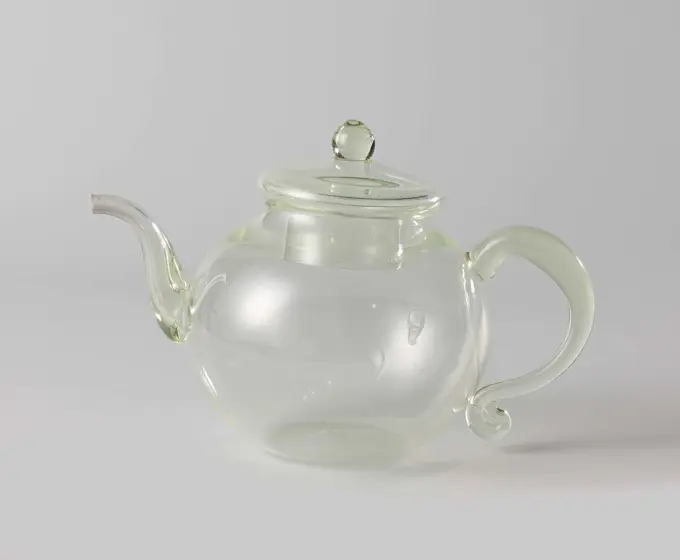
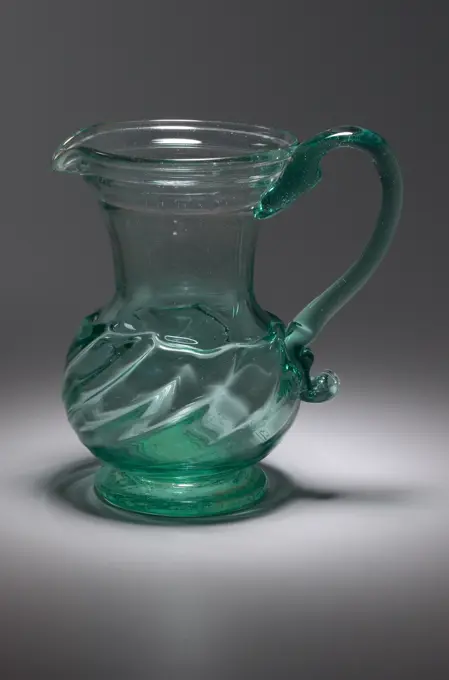
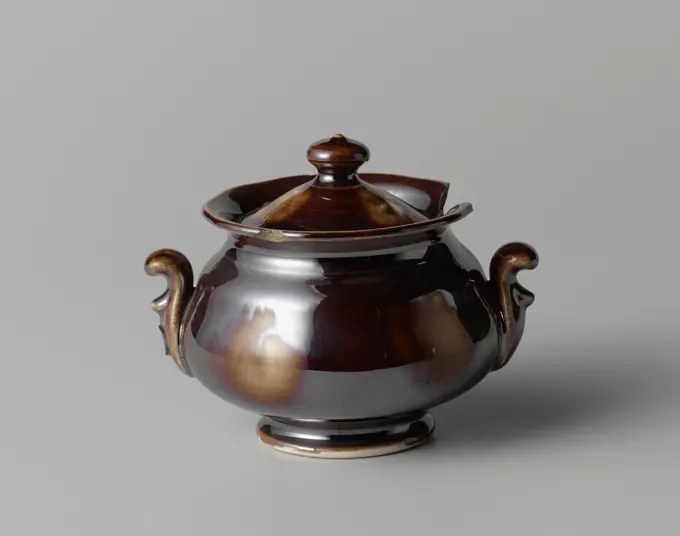
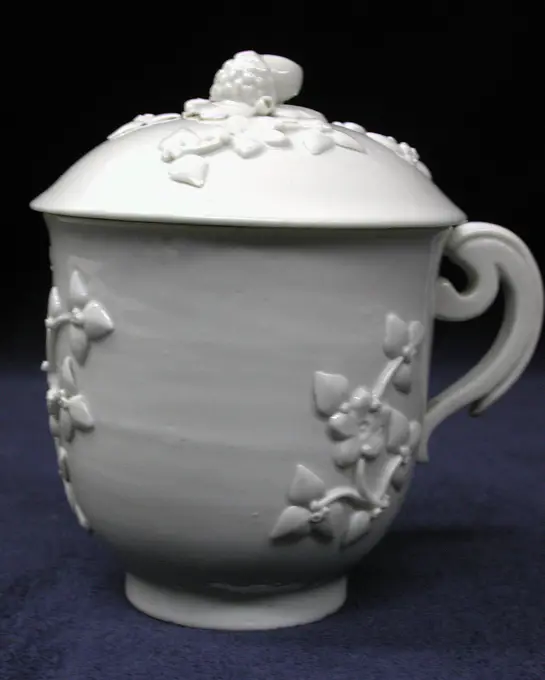
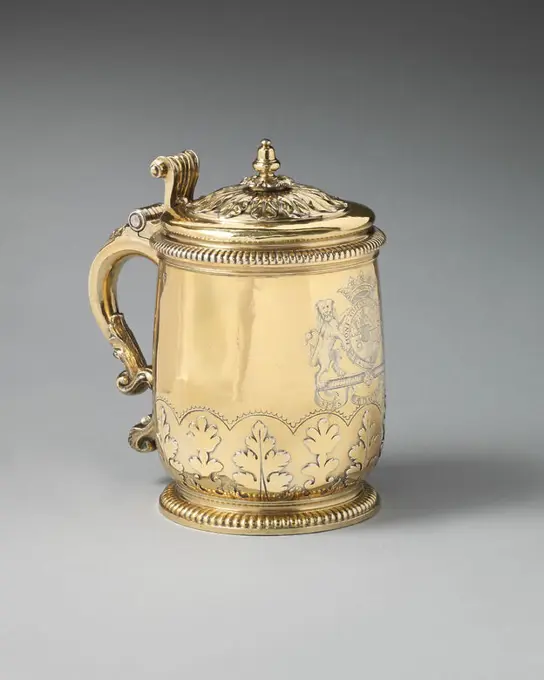
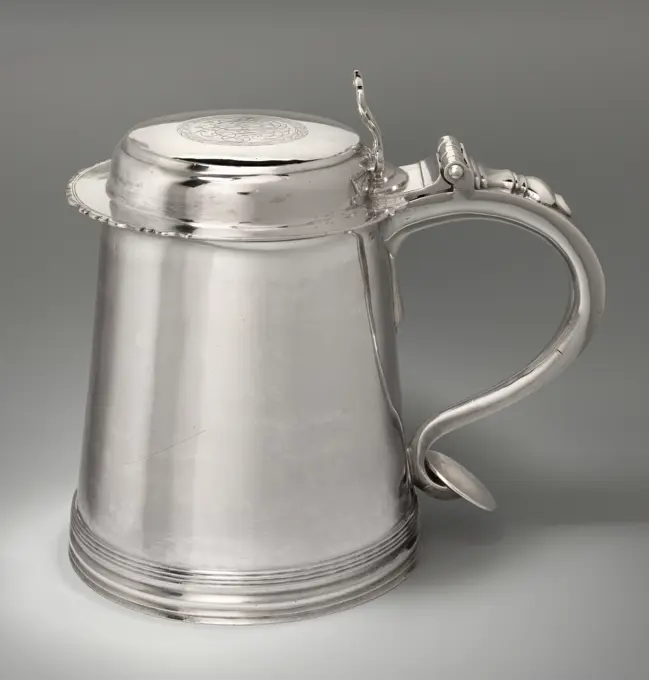
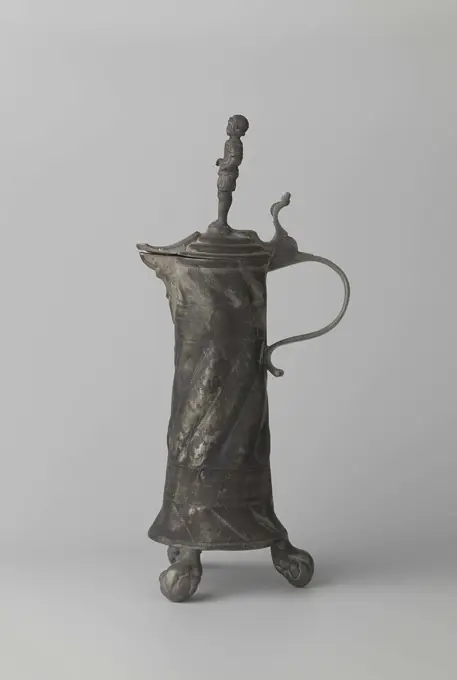
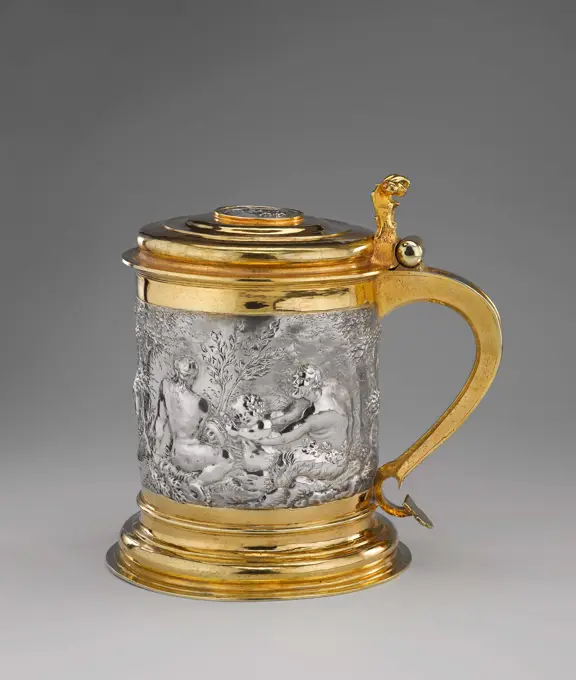
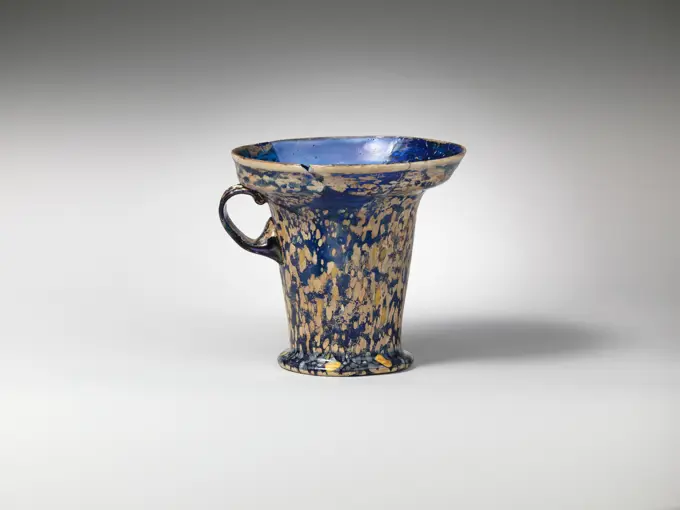
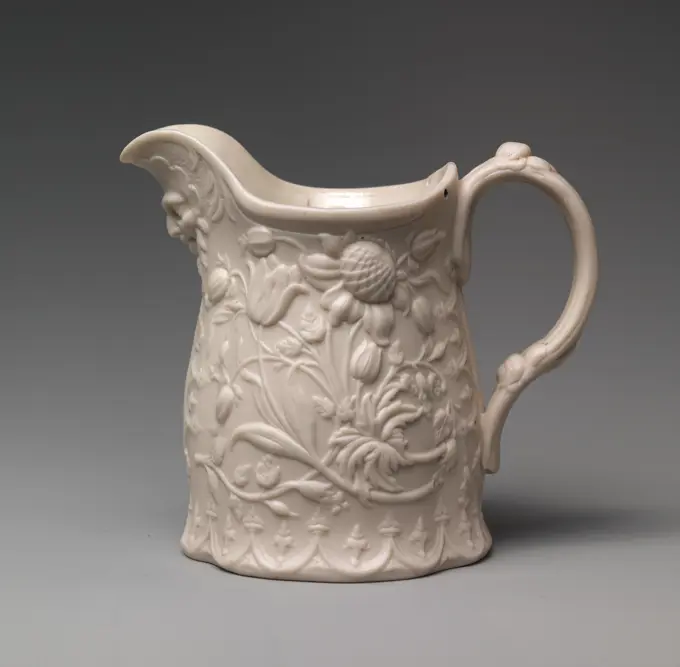
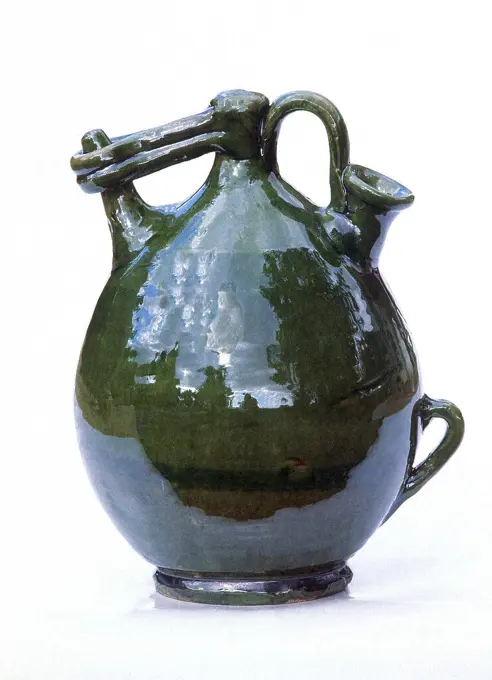
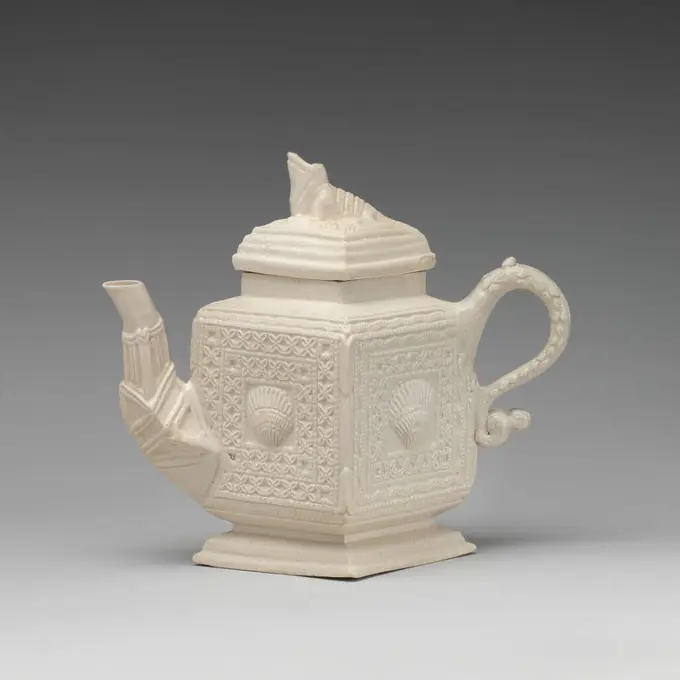
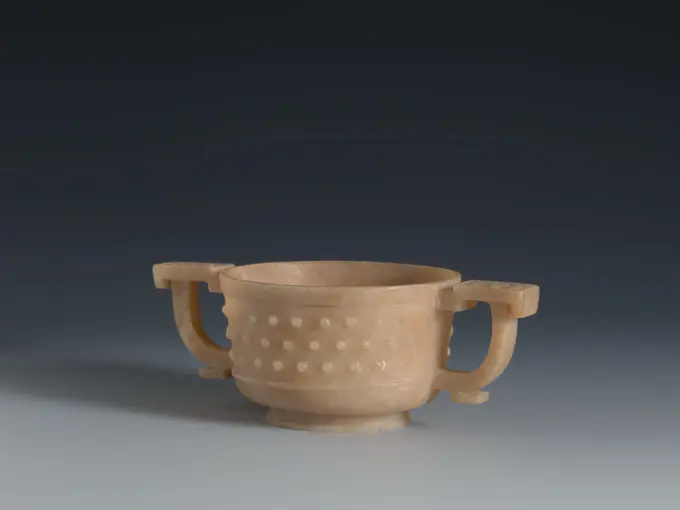
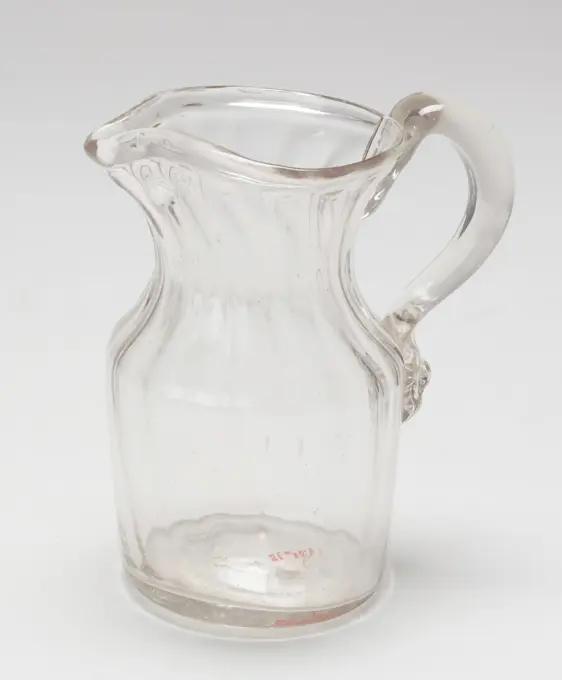
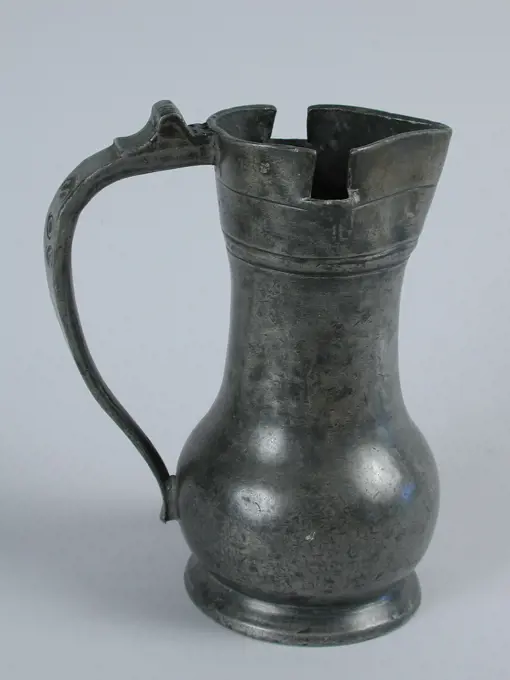
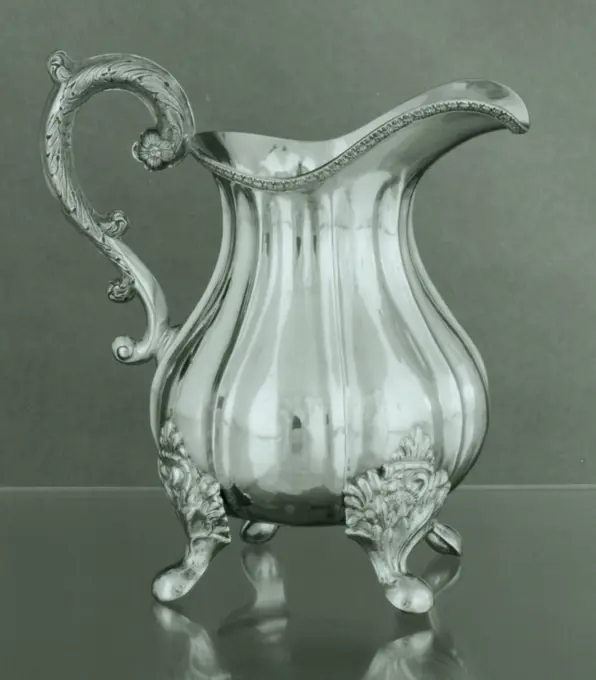
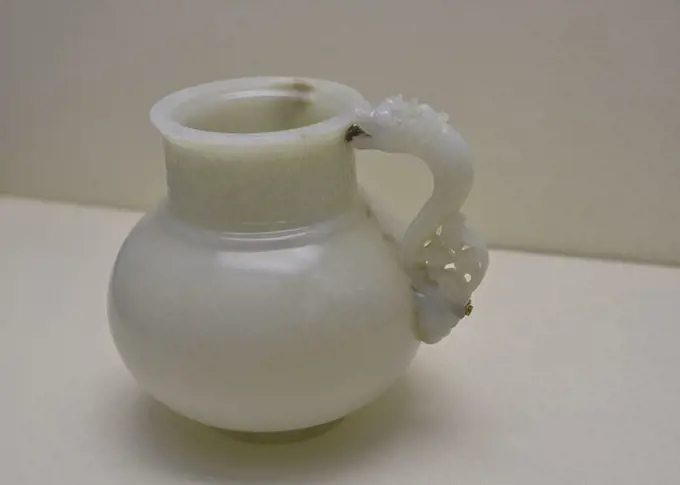
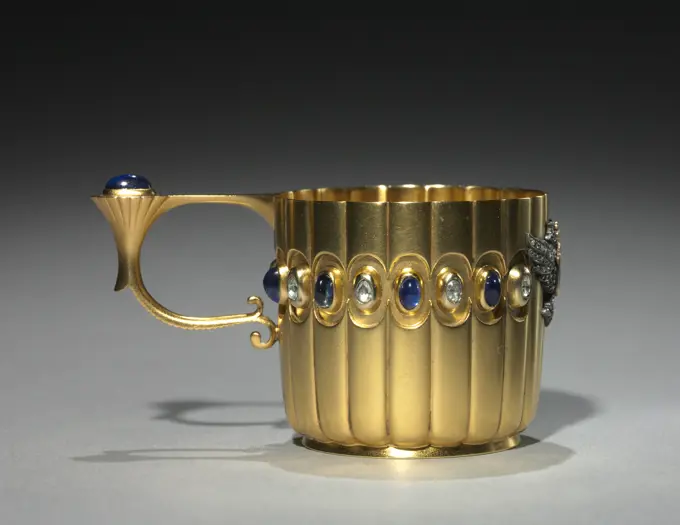
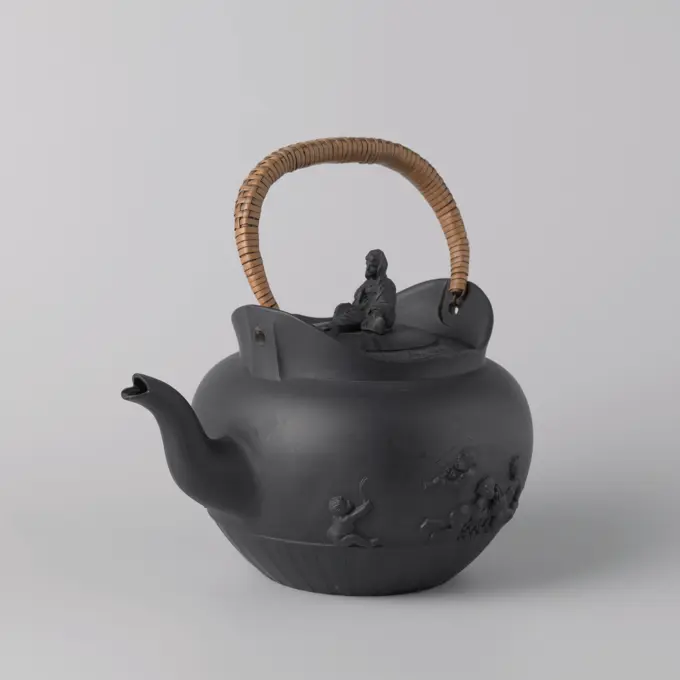
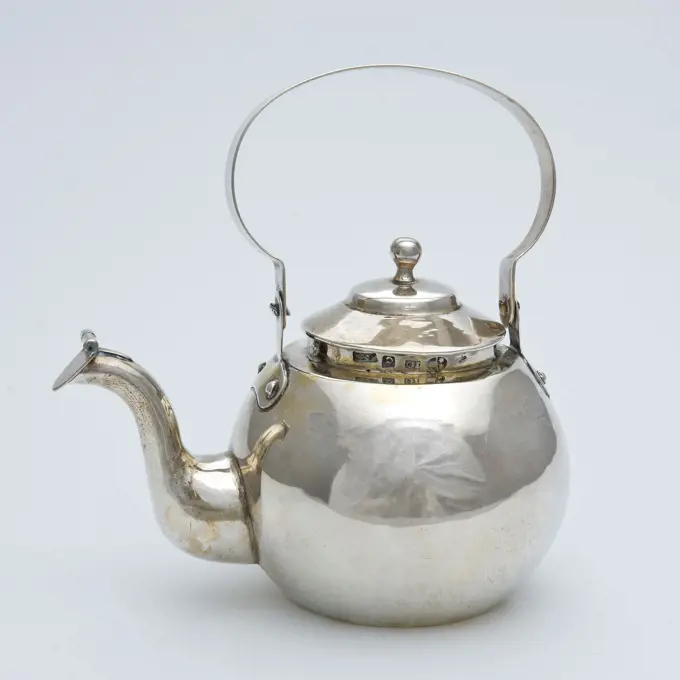
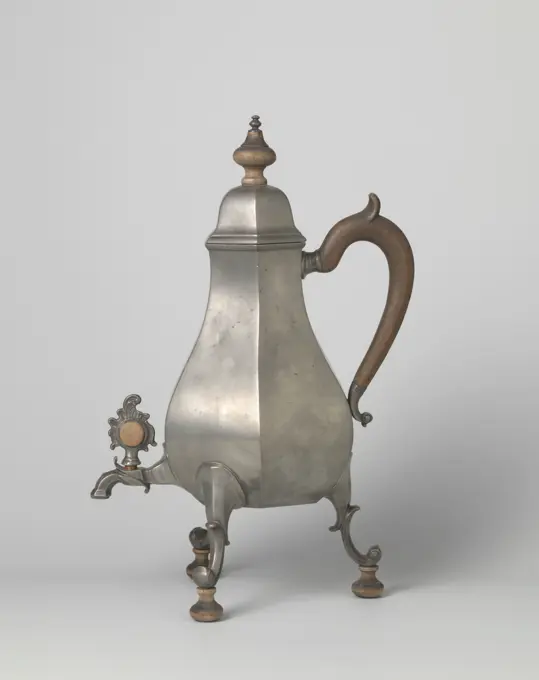
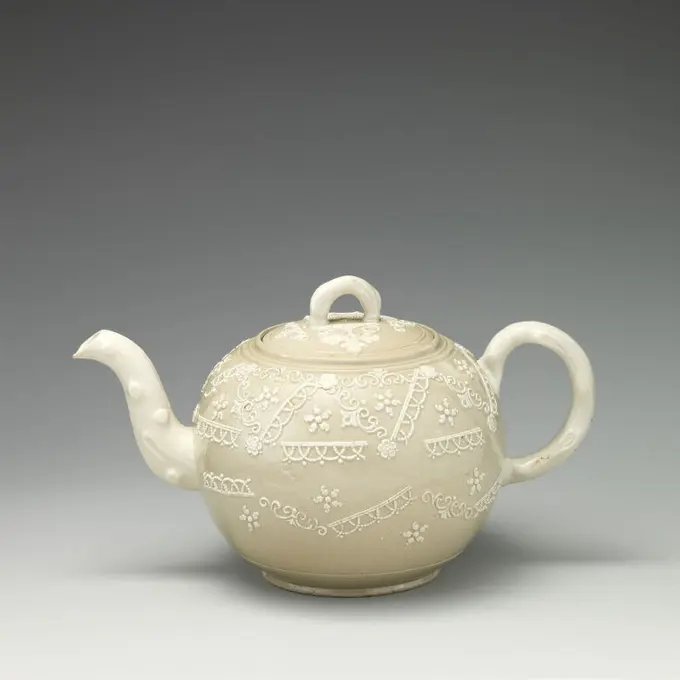
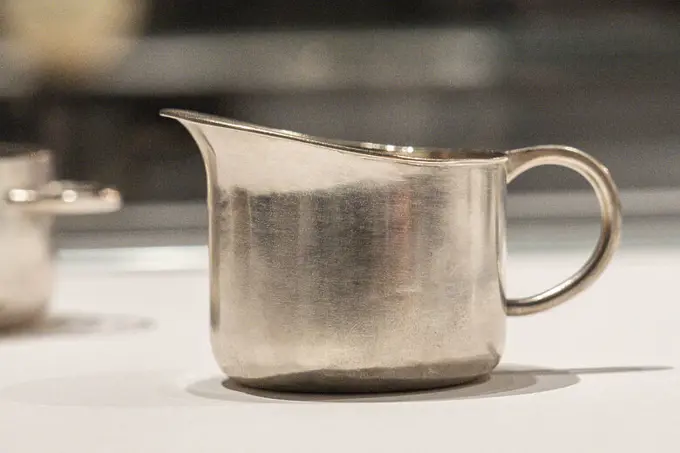
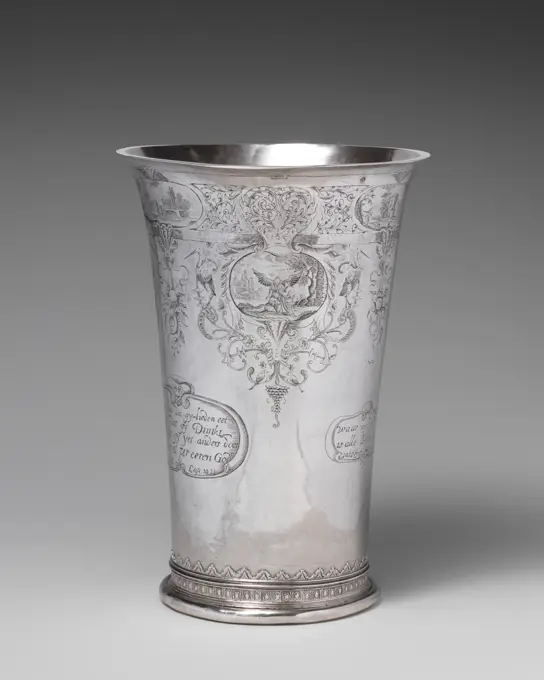
Can, baluster-shaped with a cup-shaped neck and a C-shaped ear. Undocrew., Anonymous, c. 1660 - c. 1700 Balus-shaped can of undecorated faience, with a cup-shaped neck and a C-shaped ear. Delft earthenware. tin glaze. Balus-shaped can of undecorated faience, with a cup-shaped neck and a C-shaped ear. Delft earthenware. tin glaze.Silversmith: Douwe Eysma, Silver teapot with brown wooden handle and knob on lid, teapot tableware holder silver wood, cast (spout and lid) Smooth baluster-shaped body through vertical grooves in 4 equal spaces divided on square foot with recessed corners s-shaped spout pinned wooden ear flat lid with hinge spherical wooden knob with silver crown hole in lid bottom underside (beaten) serve tea drink drink tea setCylindrical Wine Ewer With Dragon-Shaped Spout and Handle. Vine of porcelain, covered with a translucent white glaze. Cylindrical can with flat lid with knob in the form of a cured dragon; on the body a slightly absorbed rectangle and modeled belt; The spout and the ear in the form of a chilong (corneless dragon). Unglazed underside. Blanc De Chine.Jacob Hurd, Coffeepot, c. 1735, silver and ebony.Coffee Pot, c. 1775, Philip Syng, Jr., American (born Ireland), American (born Ireland), 1703 - 1789, 12 x 10 3/4 x 5 1/4in. (30.5 x 27.3 x 13.3cm), Silver, United States, 18th centuryJug with flowering plants in a richly ornamented panel, anonymous, c. 1750 - c. 1799 Can be made of stoneware on the stand ring with a pear -shaped body and wide neck with a pinched spout. The C-shaped ear is attached to the neck and shoulder. On the front a richly decorated medallion consisting of a tire of pressed zigzag lines (Knibis), one of the linked links and a double line. In the medallion an entry and stamped flowering plant. Westerwald. Westerwald stoneware. glaze vitrification Can be made of stoneware on the stand ring with a pear -shaped body and wide neck with a pinched spout. The C-shaped ear is attached to the neck and shoulder. On the front a richly decorated medallion consisting of a tire of pressed zigzag lines (Knibis), one of the linked links and a double line. In the medallion an entry and stamped flowering plant. Westerwald. Westerwald stoneware. glaze vitrificationTinsmith: Hendrik Jacobus van Kleef I, Hexagonal pear-shaped jug with sneb, question mark-shaped ear and hinging lid, snebkan jug holder holder tin, cast Hexagonal pear shaped jug with sneb hollow skirting questionmarked ear spherical hexagonal cover two-pronged hinge palm-shaped thumb rest mark underneath: four mark HIVK angel two puppy dogs standing lion with crowned X there in top and in cartouche and ... serving heart tin under metal watering pourFluted Cup with Dragon Handle, early 1300s. China, Jiangxi province, Jingdezhen kilns, Yuan dynasty (1271-1368). Glazed porcelain, qingbai ("blue-white") ware; diameter: 9 cm (3 9/16 in.); overall: 6 cm (2 3/8 in.).Bierpul, anonymous, c. 1640 - c. 1660 Serpentine stone beer mug with silver lid and ear. A silver frame around the foot, two flat silver tires around the body. On the lid is engraved the weapon of Wassenaar (with heart shield duvenvoirde) within a leaf wreath. Probably manufactured for Arent van Wassenaar Duvenvoirde, lord of Duvenvoirde (1610-1681) or his son Jacob (1649-1707). Via the granddaughter of the last Jacoba Maria (1709-1771), married to Frederik Willem Torck (1691-1761) in possession of the Torck family; later inherited to the Van Pallandts. Silver unnoticed. From Mrs. H.S.C. von Hemert, born Baroness van Pallandt. maker: Saksensilversmith: Netherlands serpentine (mineral). silver (metal) Serpentine stone beer mug with silver lid and ear. A silver frame around the foot, two flat silver tires around the body. On the lid is engraved the weapon of Wassenaar (with heart shield duvenvoirde) within a leaf wreath. Probably manufactured for Arent van Wassenaar Duvenvoirde, lord of Teapot with lid;  20th century (1920-00-00-1930-00-00);Whale Oil Lamp 1830-50. Whale Oil Lamp 5448Miniature cream jug ca. 1720-30 David Clayton British The production of miniature silver furniture and tea, coffee, and chocolate equipment was a specialty of goldsmiths known as "toy men." The miniatures were probably intended for dollhouses. From the mid-eighteenth century in England until the present, porcelain and fine earthenware miniatures have been made as well.. Miniature cream jug. David Clayton (British, active 1689). British, London. ca. 1720-30. Silver. Metalwork-Silver-MiniatureHousehold effects, anonymous, c. 1590 - c. 1596  Tin beer or wine duct, the bottom of which must have been originally flat. The pouring jug has a low bent base that forms one whole with the body. The body of the pawn is stalky with a wide collar at the top of the neck which plays a bit upwards. An parallel engraved decorative line runs under the edge of the gift jug. The lid is slightly arched with a heeled lid handle or thumb rest (with two -pike hinge). The handle has the shape of a question mark and is cast. The horizontally running casting seam is visible on the inside of the KAN. Amsterdam tin (metal) casting / welding  Nova Zembla. Saving HuysPrzeszo Przyszoci unknownPitcher. Flanders, Dinant, circa 1300. Furnishings; Serviceware. BrassMustard Pot. Leeds Pottery; English, founded 1756. Date: 1780-1790. Dimensions: 13 x 9.2 x 7 cm (5 1/8 x 3 5/8 x 2 3/4 in.). Lead-glazed earthenware (creamware). Origin: Yorkshire. Museum: The Chicago Art Institute, Chicago, USA.Tankard 1735-45 Probably Thomas Milner or Miller. Tankard. American. 1735-45. Silver. Made in Boston, Massachusetts, United StatesCup with lidCream jug 1729-30 John Gamon. Cream jug. British, London. 1729-30. Silver. Metalwork-SilverSugar Bowl, c. 1780-1830. America, Southern New Jersey. Glass; diameter: 8.3 cm (3 1/4 in.); overall: 8.6 x 6.7 cm (3 3/8 x 2 5/8 in.). Much glass of this type was produced in Southern New Jersey in the late 18th and early half of the 19th century because of the abundance of raw materials for glassmaking found there. Neoclassical shapes for sugar bowls and vases were popular forms in blown glass of the early 19th century.Milkjug with flowers, Pirkenhammer, c. 1935 Porcelain milk jug on slightly spreading base with a slightly ending body that thickens just above half and runs into a wide neck, triangular spout from the neck and p-shaped ear. Painted on the glaze in blue, red, green and gold. The belly and neck with blue flowers and a gold ear. Golden line on the foot and the edge. Lid with the same decoration and conical, golden lid button. Marked on the underside with the crossed hammers with crown, the text 'Epiag Pirkenhammer Cechoslow' and the number 5857. Carlsbad porcelain. glaze. gold (metal) painting / gilding / vitrification Porcelain milk jug on slightly spreading base with a slightly ending body that thickens just above half and runs into a wide neck, triangular spout from the neck and p-shaped ear. Painted on the glaze in blue, red, green and gold. The belly and neck with blue flowers and a gold ear. Golden line on the foot and the edge. Lid with the same decoration and conical, golden lid bMilk;  19th/20th century (1890-00-00-1910-00-00);Teapot with lid. Spherical body, curved spout and c-shaped handle. Over-knowing lid with round button.Lid of teapot. An octagonal lid, the lid has a lying animal (seal) As a button.Miniature cream jug 18th century Possibly by John Le Sage British. Miniature cream jug. British, London. 18th century. Silver. Metalwork-Silver-MiniaturePitcherCan of filigree glass, anonymous, c. 1550 - c. 1700 Can with inserted soil. Smooth stand ring. Spherical body transfersed into a neck with pinched spout of clear glass with white spiral -melted lattimo wires. There is a corrugated thread around the neck. C-shaped ear. Venice glass glassblowing Can with inserted soil. Smooth stand ring. Spherical body transfersed into a neck with pinched spout of clear glass with white spiral -melted lattimo wires. There is a corrugated thread around the neck. C-shaped ear. Venice glass glassblowingTankard.  Maker: Jeremiah Dummer, American, 1645-1718Teapot.   Maker: Jacob Hurd, American, 1702-1758Sugar bowl with lid, brown with light spots, Peter Regout, c. 1801 - c. 1879 Sugar bowl with pottery lid with brown lust glaze. Light spots on the abdomen and on the lid. Maastricht earthenware. luster glaze vitrification Sugar bowl with pottery lid with brown lust glaze. Light spots on the abdomen and on the lid. Maastricht earthenware. luster glaze vitrificationCup with cover ca. 1735-40 Chantilly The gift of the Hans Syz Collection in 1995 endowed the Museum with nearly three hundred examples of European and Asian ceramics meticulously acquired by Swiss-born collector Dr. Syz (1894-1991) to chart the migration of models and patterns from East to West. Documenting a continuous process of influence and adaptation, these pieces provide a discriminating review of the nuances of stylistic change resulting from three centuries of trade.. Cup with cover 208405Jug;  19th century (1801-00-00-1900-00-00);Jug British, Staffordshire 19th century View more. Jug. British, Staffordshire. 19th century. Lustered earthenware. Ceramics-PotteryJean Carriès (1855-1894). "Spherical pot with twisted handle". Enameled sandstone. Museum of Fine Arts of the City of Paris, Petit Palais. J. Carries - Spherical pot with twisted handle Twisted, Ceramic, Croooked Handle, Ceramic, Enamed Stoneware, Gres Emaille, Pot, Spherical, Spherical, SphericalMaker Unknown, Toy Pitcher, c. 1825-40, colorless lead glass.Teapot with lid, brown with light spots, Petrus Regout, c. 1801 - c. 1879 Teapot with lid of earthenware with brown lust glaze. Light spots on the abdomen and on the lid. Maastricht earthenware. luster glaze vitrification Teapot with lid of earthenware with brown lust glaze. Light spots on the abdomen and on the lid. Maastricht earthenware. luster glaze vitrificationMilkus, brown with light spots. Milk jug of pottery with brown luster. Light spots on the belly.Beer Pulm Met Portret Keizer Wilhelm I, 'Poultry Exhibition 1872 / Pruss: Hof: Altenburg'. .Coffeepot 1737-38 Paul de Lamerie British. Coffeepot. British, London. 1737-38. Silver. Metalwork-SilverKettle And Lid On Stand With Lamp And Lid (England); Made by William Fawdery (British); silver, woodTankard (one of a pair). Culture: British, London. Dimensions: Height: 9 3/8 in. (23.8 cm). Maker: John Le Chartier (active 1698-1731). Date: 1699-1700.The arms, supporters, coronet, and motto are those of John Holles, Duke of Newcastle. Museum: Metropolitan Museum of Art, New York, USA.Elias Pelletreau, Tankard, c. 1770, silver.Vase of hard baked earthenware, Wedgwood Creamware, Wedgwood, c. 1800 - c. 1830 Convex funnel -shaped vase, on a vaulted base of hard baked pottery. The vase is marked: Wedgwood. England earthenware Convex funnel -shaped vase, on a vaulted base of hard baked pottery. The vase is marked: Wedgwood. England earthenwarePitcherMeasure ca. 1864 Scottish, Glasgow The original of this very contemporary-looking cup is a Scottish pewter half-pint measure, made in Glasgow in 1864. Sets of measures of this "thistyle" shape were made in Glasgow from about 1800 in four sizes  but the type, derived from 18th century silver models, were rare in pewter.. Measure. Scottish, Glasgow. ca. 1864. Pewter. Metalwork-PewterCan of tin with spiral swellings. Can of tin. The three feet are formed by claws on bulbs. The cylindrical can thereafter, which is decorated with spiral-shaped swelling. At the top of a pointed sneb. The vaulted lid closes the can and sneb and has a Roman soldier as a button. The thumb trust is decorated with an angel head with wings and goes over in the handle via a double-dinner hinge.Beer mug with pewter lid. Beer mug from multi-colored padded faience, with a pewter lid. In a dark manganese-purple soil is a recess with a corrugated border, in which a turning horse jumping in blue. On either side of the ear are recesses in the form of flowers, painted with blue. The lid has a medallion.Flagon.   Maker: Boardman and Company, American, 1825-27Milk jug. Linden, Nikołaj Gustawowicz (fl. 1892-ca 1917), goldsmithTea kettle;  19th century (1801-00-00-1900-00-00);Peg tankard 1703-4 Henry Muston. Peg tankard 195229Coffeepot ca. 1800-25 American. Coffeepot 2141probably Boston and Sandwich Glass Works, Pitcher, c. 1820-40, colorless lead glass.Tankard. Staffordshire, England. Date: 1760-1770. Dimensions: 18.7 x 14.9 x 12.1 cm (7 3/8 x 5 7/8 x 4 3/4 in.). Lead-glazed earthenware (creamware). Origin: Staffordshire. Museum: The Chicago Art Institute, Chicago, USA.Beer mug (stein) and cover with a medal dated 1673. Schönermarck, Peter (fl. 1665-ca 1703), goldsmith, Geelhaar, Caspar (fl. 1667-1728), male medallistTeapot 1743-44 Paul de Lamerie British. Teapot. British, London. 1743-44. Silver and wood. Metalwork-SilverTeaSet.  Maker: Littleton Holland, American, 1770-1847Glass modiolus (one-handled drinking cup) 1st century A.D. Roman Translucent cobalt blue; handle in same color; blobs in opaque white and yellow; trail in opaque white.Rim outsplayed with rounded lip; broad sloping collar below, then curving in to cylindrical body, tapering downwards with slightly convex side; hollow folded foot ring at junction of side and bottom; bottom convex around edge but concave at center; two-ribbed strap handle, applied in an arched pad to upper body, drawn up and round in a loop, and pressed onto undercurve of collar.Trail wound around top of rim; surface covered with round and elongated blobs.Broken and repaired around rim and upper body, with patches of restoration and one remaining chip in rim; severe pitting, dulling, iridescence, and creamy weathering especially on white blobs and trail.Vessels of this shape are known in silver and pottery as well as glass. The shape resembles that of a measuring cup, from which the name modiolus derives. But the rich orJug with a mask, fluting and chip carving, anonymous, c. 1590 - c. 1620 Can be made of stoneware on a high base with a spherical body and narrow neck with a pinched spout. Profiles on the neck, belly and foot. The lower part of the abdomen with a wide tire Canelures, separated from the shoulder by profiles and a tire stamped plants. On the shoulder cutter. The neck with a printed and imposed mask in relief. Siegburg. Siegburg stoneware. glaze vitrification Can be made of stoneware on a high base with a spherical body and narrow neck with a pinched spout. Profiles on the neck, belly and foot. The lower part of the abdomen with a wide tire Canelures, separated from the shoulder by profiles and a tire stamped plants. On the shoulder cutter. The neck with a printed and imposed mask in relief. Siegburg. Siegburg stoneware. glaze vitrificationPitcher, c. 1780. Niderviller Factory (French). Hard-paste porcelain; overall: 21.6 x 14.3 cm (8 1/2 x 5 5/8 in.).Cream Pitcher 1830-70 American. Cream Pitcher 2634Cup with gold borders on a red ground, anonymous, c. 1800 - c. 1824 Porcelain head on spreading foot and with a high, curled ear, covered on the glaze with red and gold. The outer wall is covered with red and the foot, edge, ear and part of the inner wall with gold. On the outer edge a flower vank in one of the golden tires. Empire. France porcelain. glaze. gold (metal) painting / gilding / vitrification Porcelain head on spreading foot and with a high, curled ear, covered on the glaze with red and gold. The outer wall is covered with red and the foot, edge, ear and part of the inner wall with gold. On the outer edge a flower vank in one of the golden tires. Empire. France porcelain. glaze. gold (metal) painting / gilding / vitrification"BARRAL" O "MAMET" VIDRIADO - ARTE POPULAR S XX. Location: ALFARERIA. LA BISBAL. GERONA. SPAIN.Trekpot Mobilization 1939, N.V. Porcelain and tile factory Mosa, c. 1939  Teapot made of green glazed porcelain with white glazed inside. On the belly the maps of the Netherlands and the Dutch East Indies in relief and inscription. Marked; On the bottom: Mosa / Maastricht. Inscription; On stomach: your Maintiendrai / I will maintain. Maastricht porcelain vitrification  Dutch East Indies, ThePitcher 1850-75 Possibly Boston & Sandwich Glass Company. Pitcher 5776Teapot. Culture: British, Staffordshire. Dimensions: Overall: 4 7/8 × 5 3/8 in. (12.4 × 13.7 cm). Date: ca. 1745. Museum: Metropolitan Museum of Art, New York, USA.Tankard with Mansfeld Arms 1590-1600 Saxony. Colorless glass, enamel .Czarka typu gui. unknown, craftsmanPitcher, 18th-19th century, 5 x 4 1/4 x 3 1/4in. (12.7 x 10.8 x 8.3cm), Glass, United States, 18th-19th centuryArthur J. Stone, After dinner coffee service: coffee pot, cream pitcher, sugar bowl, 1908-36, Hand-cast silver.Tinsmith: Dirck Jansz. Messchaert I, Pewter measuring jug, measuring jug measuring instrument tin, and K (keurtin) measure metal foundryPitcherCoffee Pot (part of a set). Gorham Manufacturing Company; American, founded 1831; Providence, Rhode Island. Date: 1900. Dimensions: 25.7 × 22.9 × 15.2 cm (10 1/8 × 9 × 6 in.). Silver. Origin: Providence. Museum: The Chicago Art Institute, Chicago, USA.Tankard (schnelle) with Biblical scenes, F. Track (attributed to workshop of), c. 1559 - c. 1570 Jug (schnelle) of stoneware with cylindrical, tapered body and C-shaped ear. Profiles under the edge and above the foot. On the body in relief three times a printed and imposed, elongated box with biblical representations. The outer two subjects with three medallions with a performance by Salomon, David and Daniel, surrounded by flower vines and grotesken. The middle subject with the presentation of Christ and the Doornenkring with a cartouche with the date '1559' in between. All this is surrounded by grotesken. Under the subjects a bond with portraits and profil in medallions. The jug is caught in a pewter frame with lid. Siegburg. Siegburg Stoneware. Glaze. frame: tin (metal) vitrification Jug (schnelle) of stoneware with cylindrical, tapered body and C-shaped ear. Profiles under the edge and above the foot. On the body in relief three times a printed and imposed, elongated box with bibliTuitkan from tin with lid. Tangkan from tin. At the foot rests a baluster-shaped body and at the bottom of the foot the spout, which is secured halfway with a cross connection to the lip edge. The lid is slightly vaulted and has a simple thumb trust that passes through a double-headed hinge in the handle. The handle curls light down light.Pitcher.   Maker: Thomas Whartenby, active ca. 1811 - 1852Maker: Francis Bassett, Jr., American, 1729-1800, Tankard, Pewter, 7 in. (17.8 cm), Made in New York, New York, American, 18thcentury, Containers -MetalsPair ofMugs.  Maker: Simeon Soumaine, American, born England, baptized 1685-ca. 1750Mug 1795-1819 Parks Boyd. Mug 5322Samuel Casey, Creampot, c. 1760, silver.Dish, Moulded and thrown unglazed stoneware (Black Basalt), Molded with reeding and decorated with vine motif., England, late 18th century, ceramics, Decorative Arts, DishMug. Culture: American. Dimensions: H. 5 in. (12.7 cm); Diam. 4 3/4 in. (12.1 cm). Date: ca. 1770-1800. Museum: Metropolitan Museum of Art, New York, USA.Jug made for Ulugh Beg (1394-1449). Timurid ruler from 1417 to 1449. Timurid Period (ca. 1370-1507). Central Asia, Samarkand. White jade (nephrite). Calouste Gulbenkian Museum. Lisbon, Portugal.Mug ca. 1731 Marked by L. A.. Mug 5315Miniature Cup (Kovsh), c. 1886-1896. House of Fabergé (Russian, 1842-1918), Mikhail Evlampievich Perkhin (Russian, 1860-1903). Gold, diamonds, sapphires; overall: 4.4 x 8 cm (1 3/4 x 3 1/8 in.).Fopkan, anonymous, c. 1650 - c. 1670 Fopkan on a stand ring, made of multi -colored fowence. The neck is open, the ear is C-shaped and on the abdomen a flour with leaves in the colors blue, yellow and yellow-brown is painted. Delft earthenware. tin glaze. Fopkan on a stand ring, made of multi -colored fowence. The neck is open, the ear is C-shaped and on the abdomen a flour with leaves in the colors blue, yellow and yellow-brown is painted. Delft earthenware. tin glaze.Chocolate boiler with pottery lid, Wedgwood Black Basalt. With lid., Wedgwood, c. 1785 - c. 1800 Spherical chocolate boiler with pottery lid, Black Basalt. The boiler has a raised, accolade -shaped edge with two holes in which the loose handle of Was Riet hangs. The spout is S-shaped. The belly of the kettle is decorated in relief with playing naked children, above an edge of dripping out vertical piping. The boiler is marked. England earthenware Spherical chocolate boiler with pottery lid, Black Basalt. The boiler has a raised, accolade -shaped edge with two holes in which the loose handle of Was Riet hangs. The spout is S-shaped. The belly of the kettle is decorated in relief with playing naked children, above an edge of dripping out vertical piping. The boiler is marked. England earthenwareSilversmith: fake mark Hendrik Vrijman, Silver miniature kettle, Boiler kettle kettle miniature doll toy model relaxant model silver, hammered spherical body S-shaped spout with hinged apple clasp hinged handle attached to striking large T-shaped connecting plate flat vaulted lid with necking small spherical button prominently visible on the closing edge of the outside body (smashed) food preparation cooking kitchen forgery playSalt in the form of a coffee pot Japanese, Yokohama or Tokyo, for European market 1880-1900 View more. Salt in the form of a coffee pot. Japanese, Yokohama or Tokyo, for European market. 1880-1900. Silver. Metalwork-SilverMaker Unknown, Cream Pitcher, c. 1790-c. 1830, cobalt blue glass.Tin tap with lid, Nicolaas Kraan (attributed to), 1720 - 1750 Coffee pan from Tin, a so -called tap jug. The legs are formed by volutes and rest on wooden bulbs. In addition, the pear -shaped, hexagonal can. Just below the lip edge, the handle is applied, which extends to the widest point of the jug and partly of wood. At the bottom of the belly is the tap. The loose lid is hexagonal with a wooden button. Amsterdam tin (metal). wood (plant material) casting Coffee pan from Tin, a so -called tap jug. The legs are formed by volutes and rest on wooden bulbs. In addition, the pear -shaped, hexagonal can. Just below the lip edge, the handle is applied, which extends to the widest point of the jug and partly of wood. At the bottom of the belly is the tap. The loose lid is hexagonal with a wooden button. Amsterdam tin (metal). wood (plant material) casting"DOLL"VIDRIADO PARA AGUA O HIBRIDO DE CANTARO Y BOTIJO - ARTE POPULAR S XX. Location: ALFARERIA. Figueras. GERONA. SPAIN.Can. Quickly from stoneware. The cylindrical body narrowed upwards. Decorated with 3 high, printed strips on which the conversion of Saul. Signed: ft.Jug Jug; Designed by Willem Coenraad Brouwer (1877 - 1933); Netherlands; earthenware; 18 x 22 x 15 cm (7 1/16 x 8 11/16 x 5 7/8 in.)Beer mug with optically blown vertical ribs, anonymous, c. 1600 - c. 1700 Beer mug with inserted bottom, smooth position ring. The body and the cylindrical neck optically blown with vertical ribs. A smooth blue thread around the neck. C-shaped Low Countries glass glassblowing Beer mug with inserted bottom, smooth position ring. The body and the cylindrical neck optically blown with vertical ribs. A smooth blue thread around the neck. C-shaped Low Countries glass glassblowingAncient etruscan pottery on a white backgroundTeapot. Culture: British, Staffordshire. Dimensions: Height: 4 1/8 in. (10.5 cm). Date: ca. 1740. Museum: Metropolitan Museum of Art, New York, USA.creamer, Mariane Brandt, bauhaus museum, Dessau, Federal Republic of Germany.Head, painted with the Krokus decor. Cup of painted porcelain. The head is painted in green and brown. The head is noticed.Beaker with three scenes from the Story of Tobit 1653, with later inscriptions First scene after a print by Jan van de Velde II Dutch A refined stippling technique was used to create the clouds and trees in the three oval medallions below the beakers flaring rim enclosing landscapes in the manner of Jan van de Velde II (1593-1641). Three scenes from the apocryphal story of Tobit fill the larger medallions. One of them shows Tobias who, accompanied by the archangel Raphael, carries a large fish to cure his father Tobits blindness. Although not accepted by the Calvinist church, Tobits story of steadfast faith inspired many artists including Rembrandt. Grape ornament suggests that this beaker was used for drinking wine, possibly during Communion.. Beaker with three scenes from the Story of Tobit. First scene after a print by Jan van de Velde II (Dutch, Rotterdam or Delft ca. 1593-1641 Enkhuizen). Dutch, Enkhuizen. 1653, with later inscriptions. Silver. Metalwork-Silver