Elegant Vintage Glassware

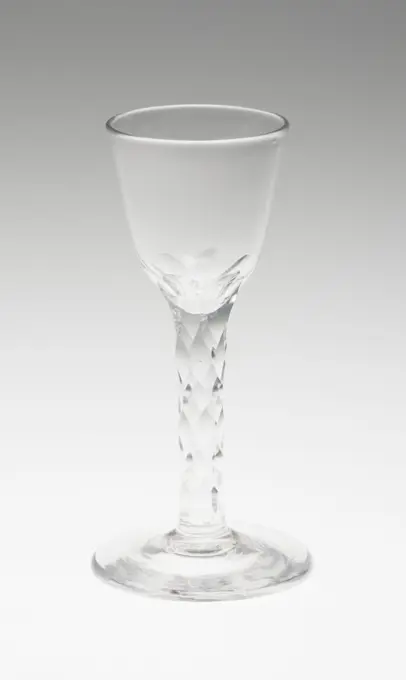
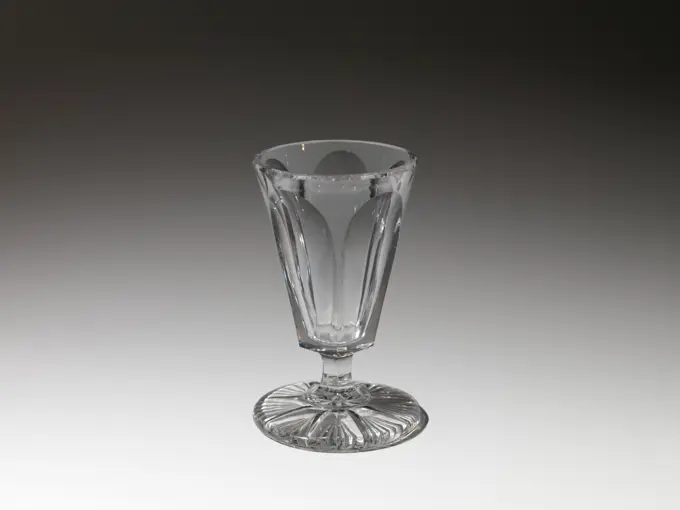
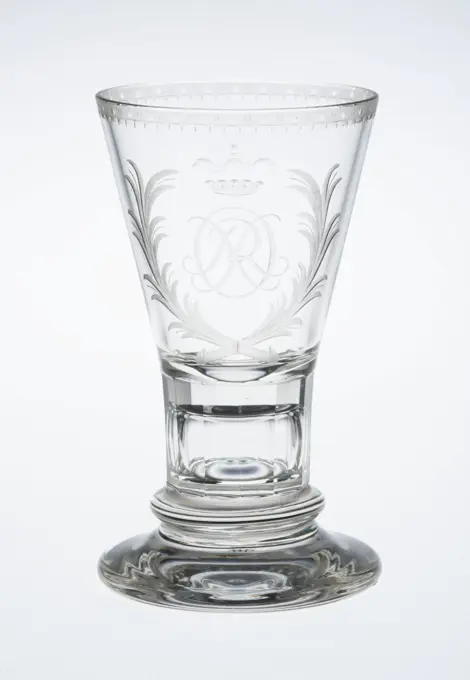
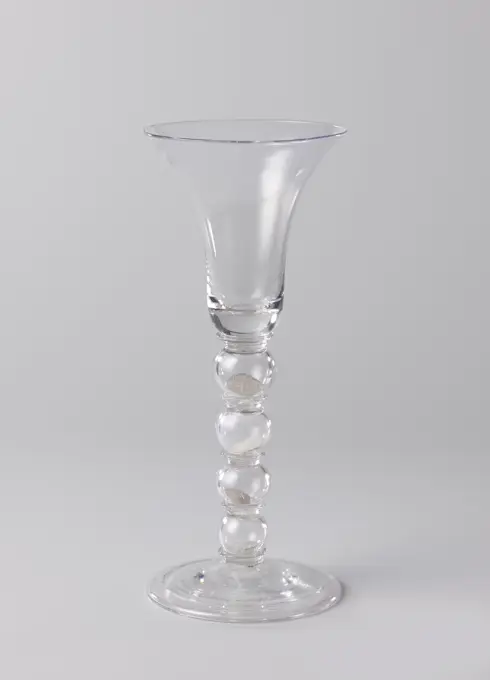
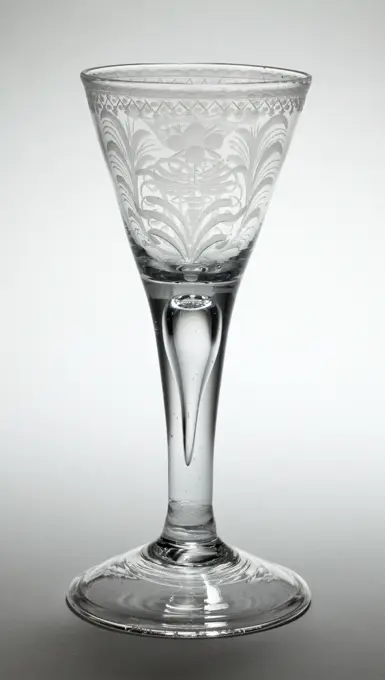
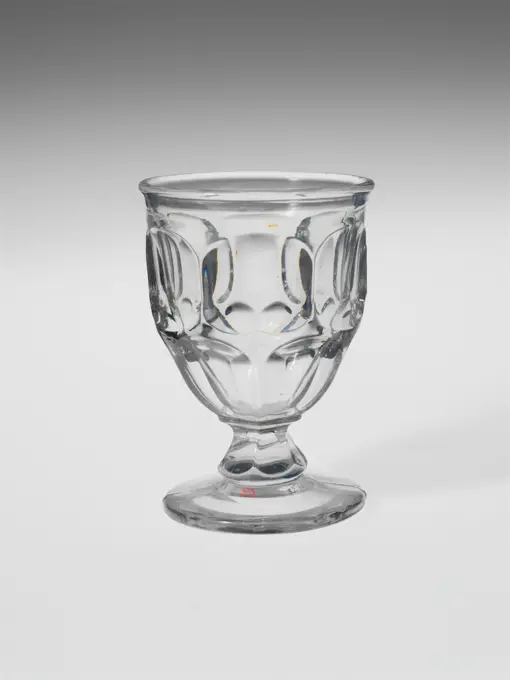
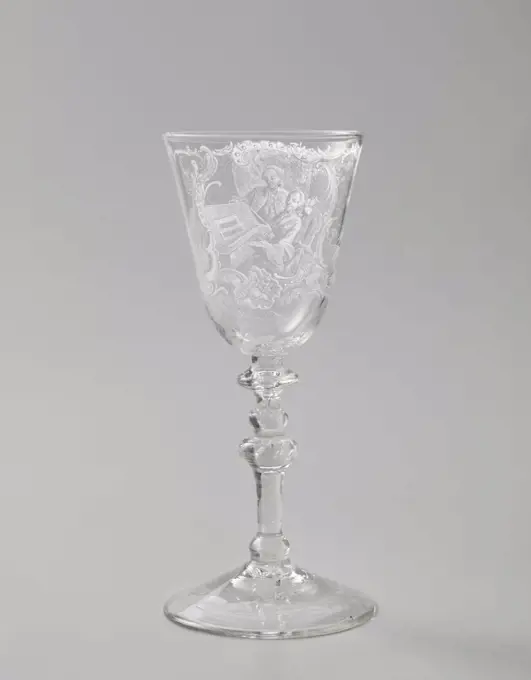
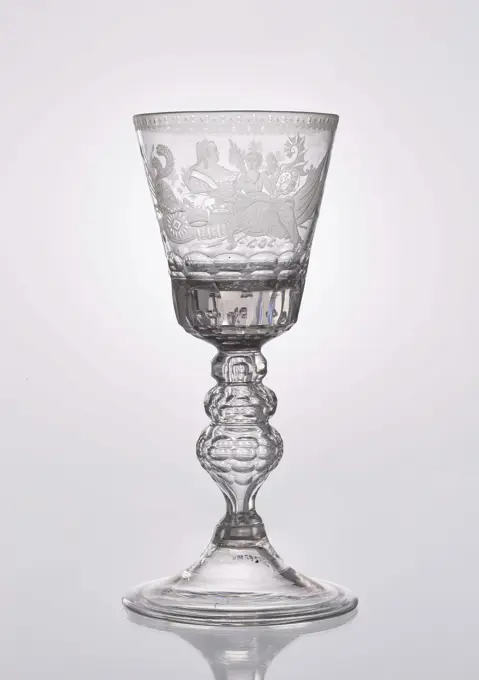
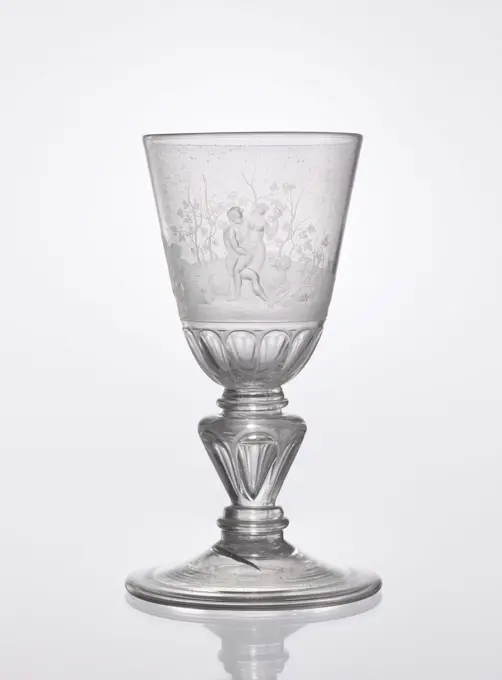
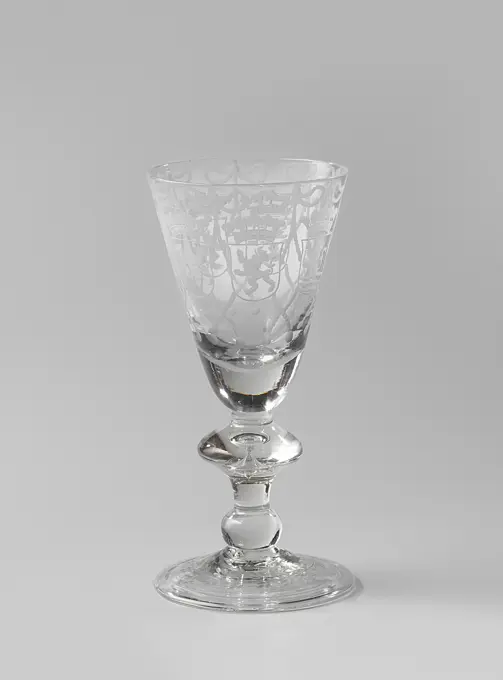
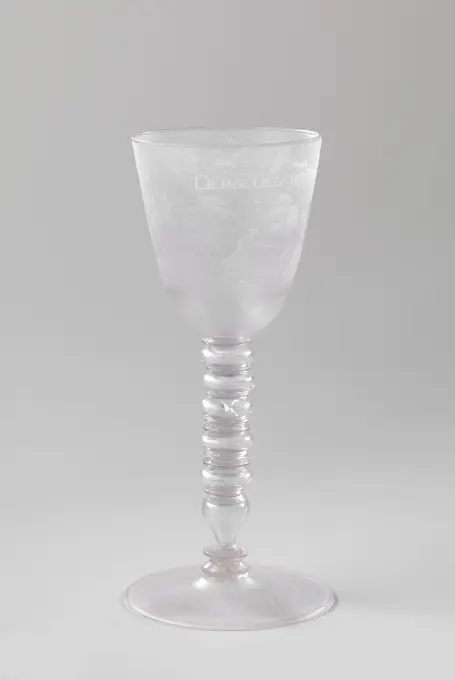
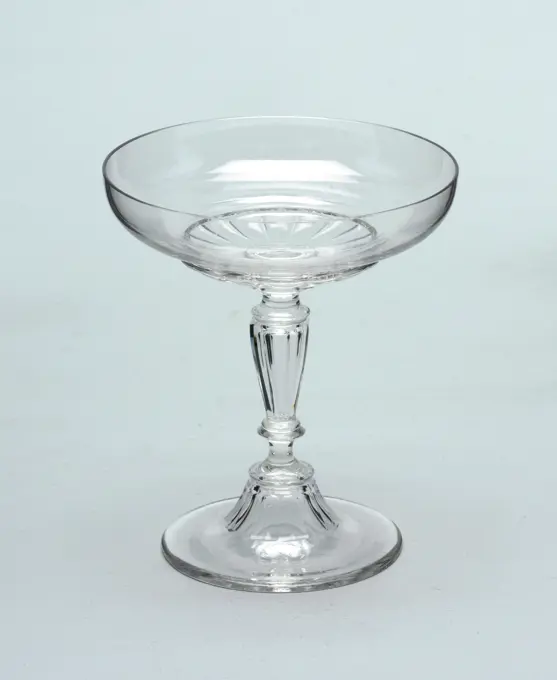
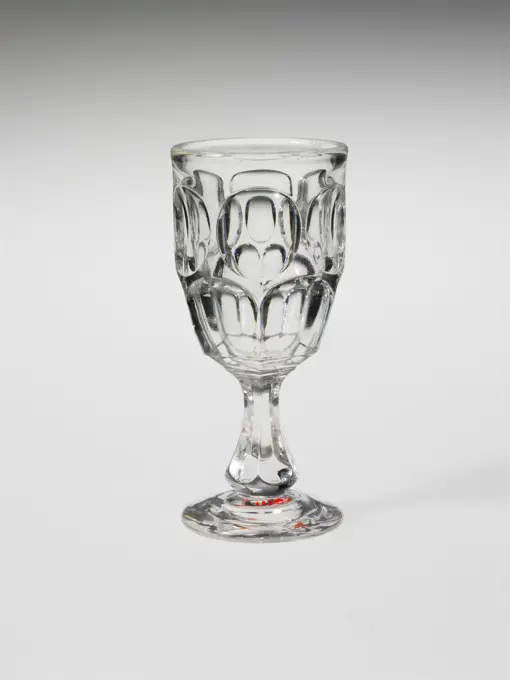
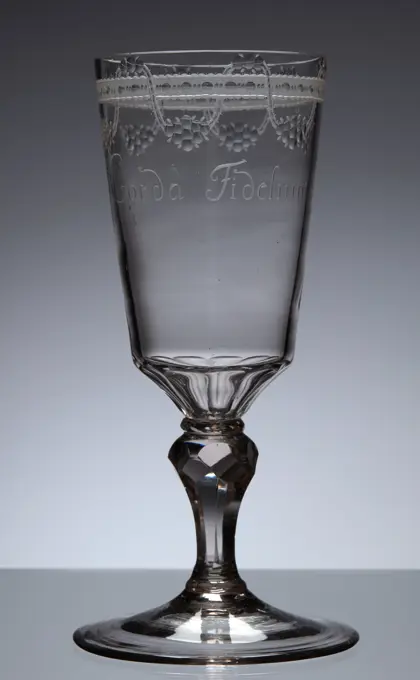
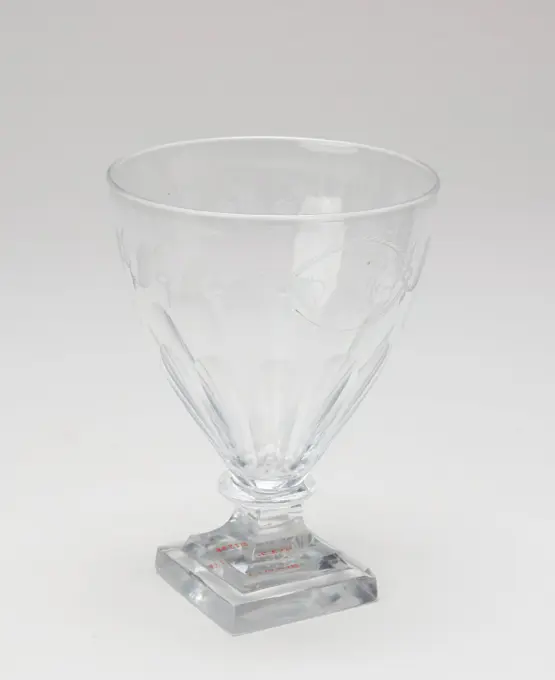
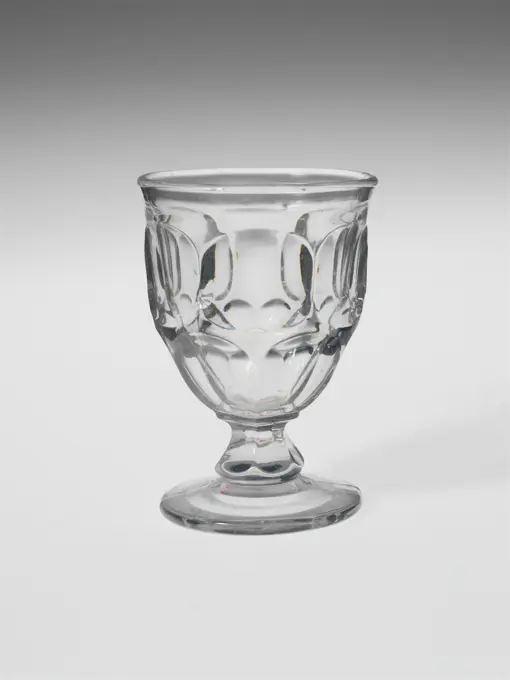
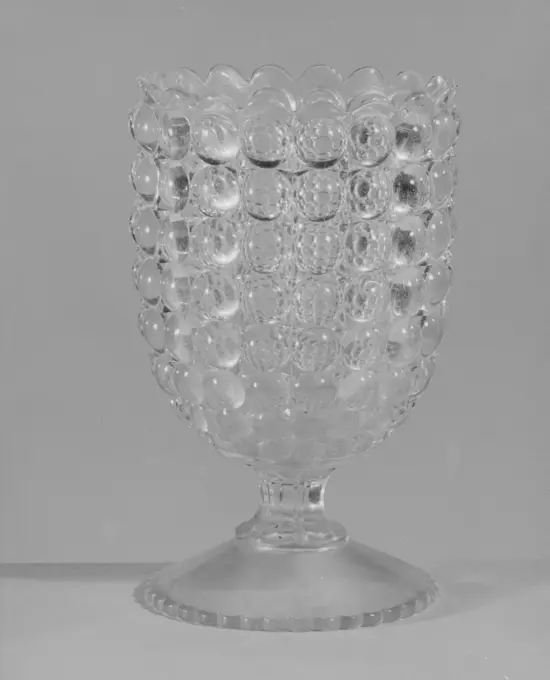
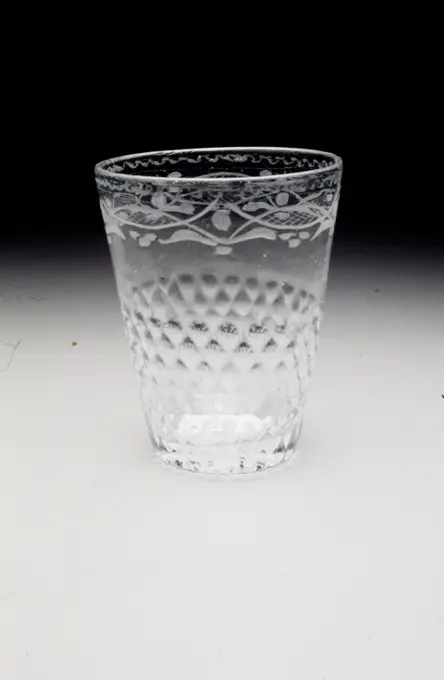
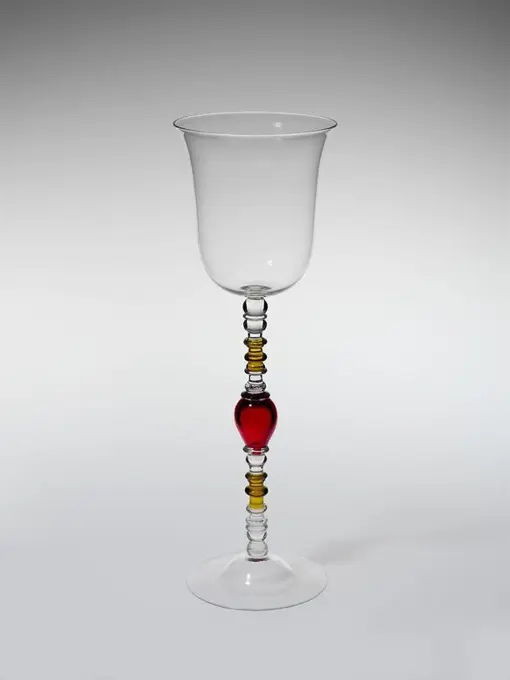
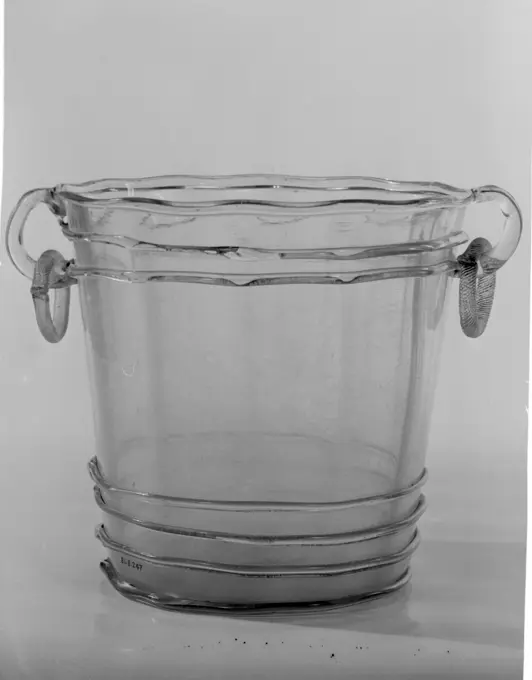
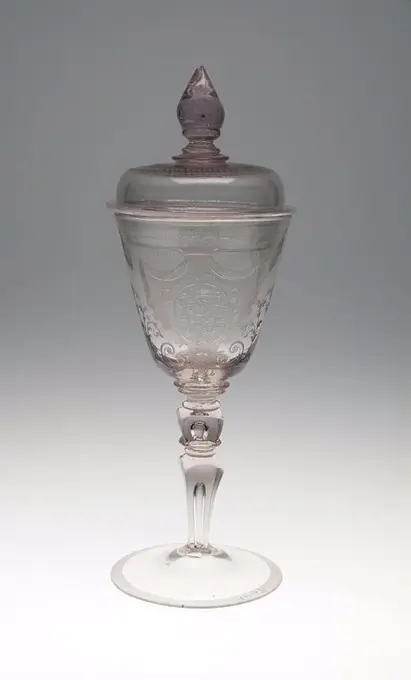
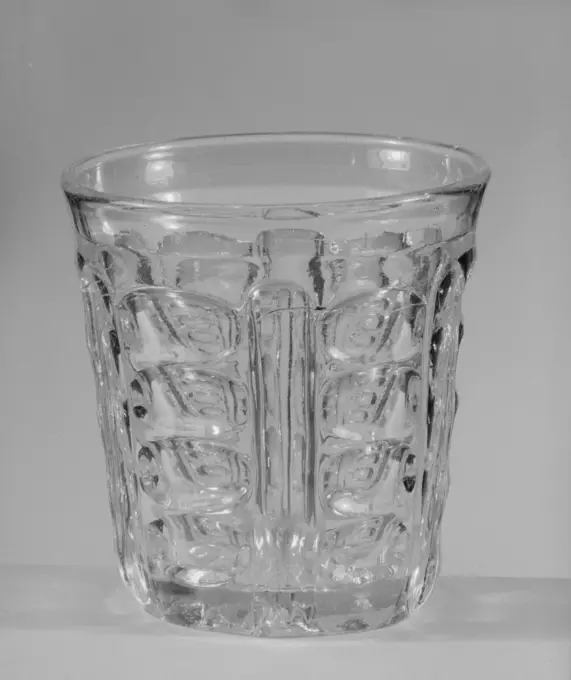
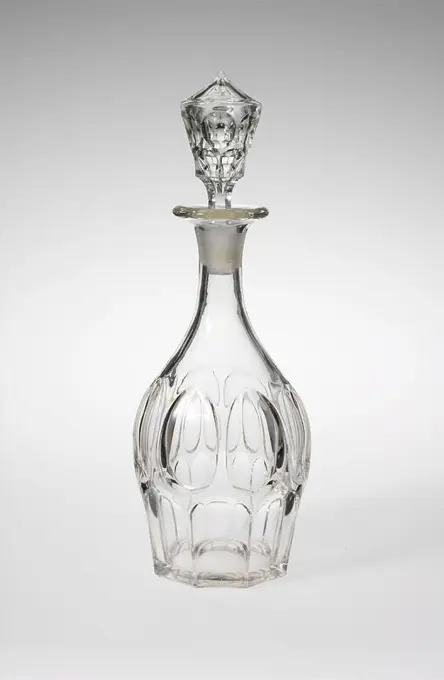
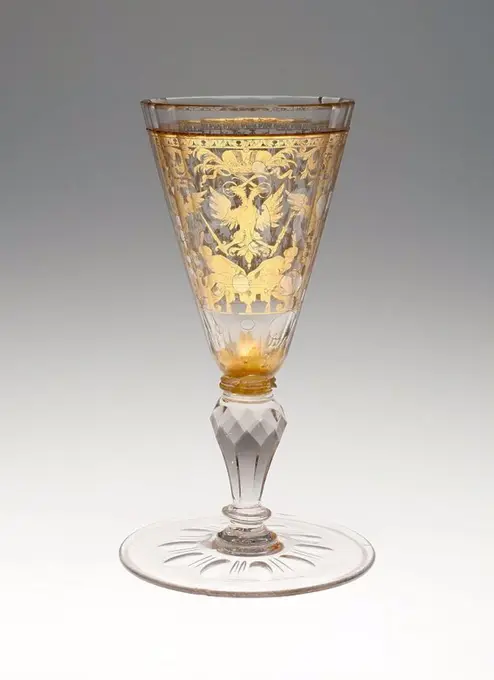
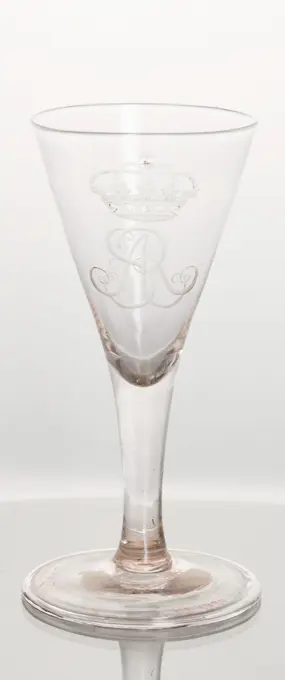
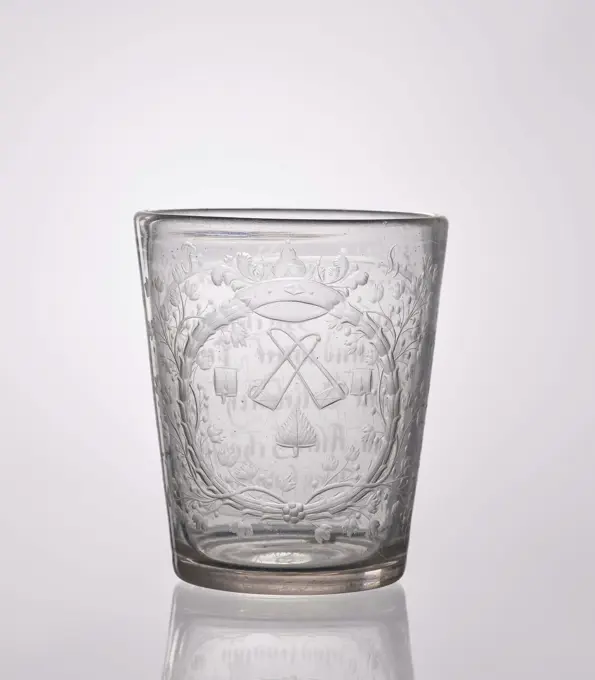
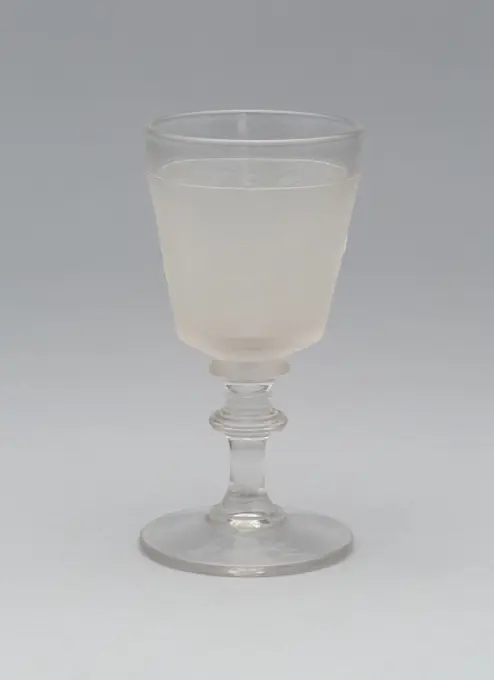
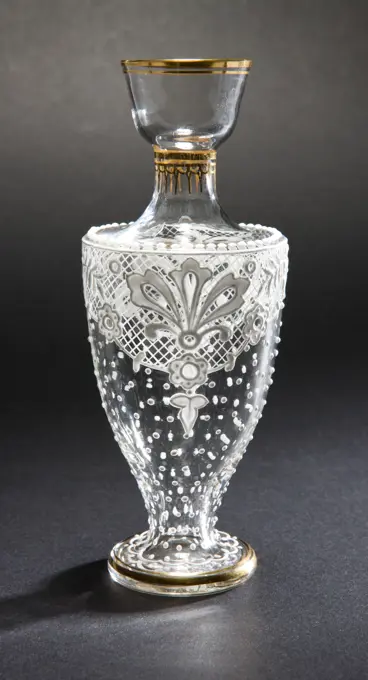
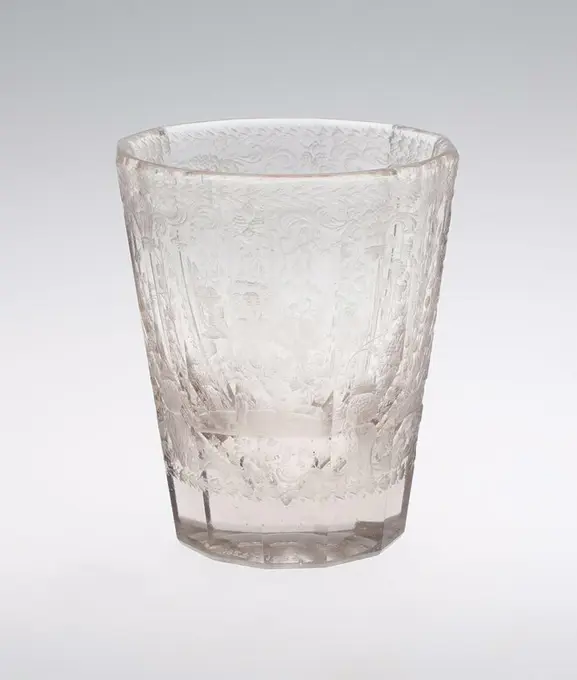
Collection of antique glass chalices and wine glasses, showcasing intricate designs and historical monograms. Clear glass with decorative motifs and distinctive shapes.

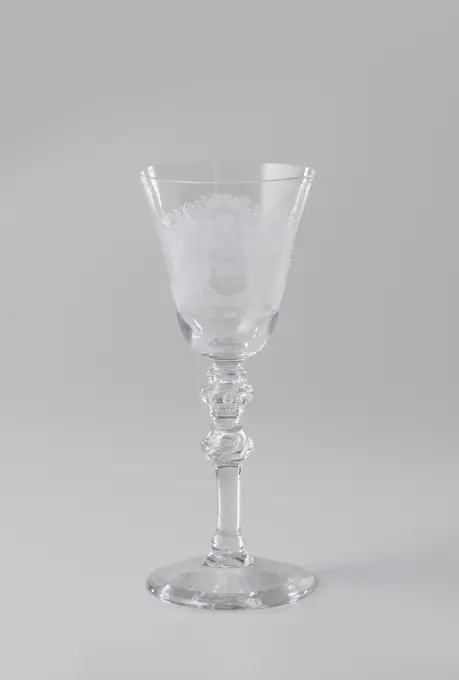
Chalip glass with the coat of arms of the province of Utrecht, Anonymous, c. 1725 - c. 1750 Chalice glass made of clear, colorless glass, with the coat of arms of the province of Utrecht. glassblower: EnglandNorthern Netherlands glass glassblowing Chalice glass made of clear, colorless glass, with the coat of arms of the province of Utrecht. glassblower: EnglandNorthern Netherlands glass glassblowing
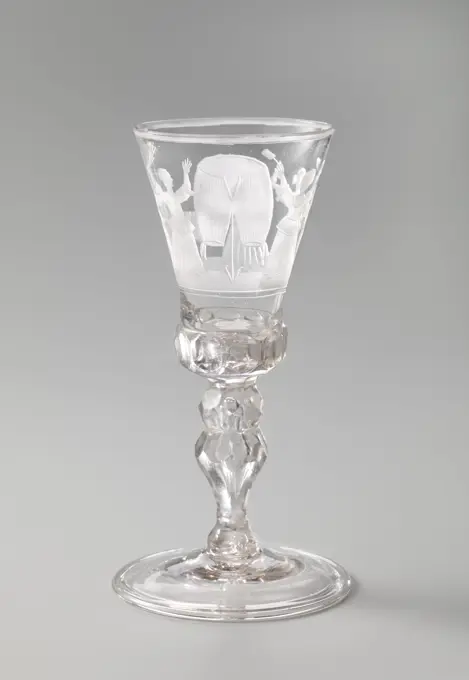
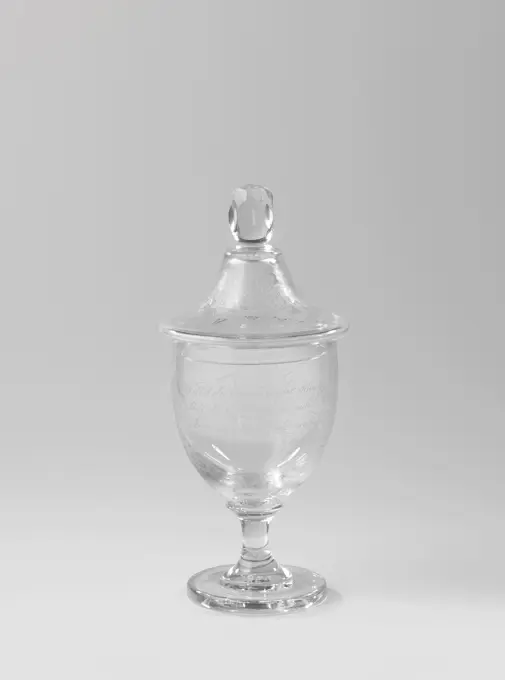
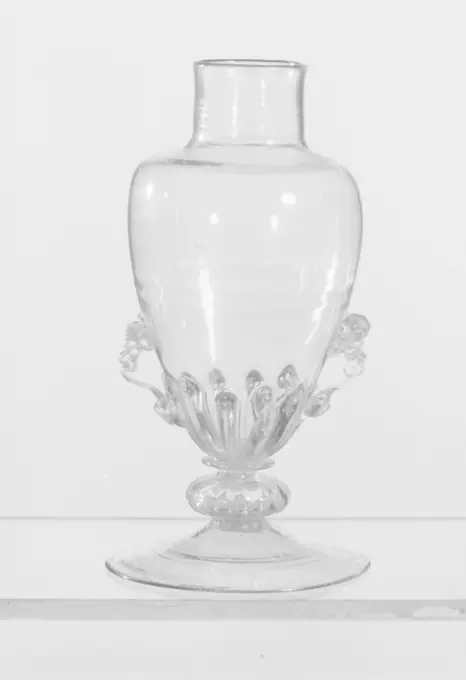
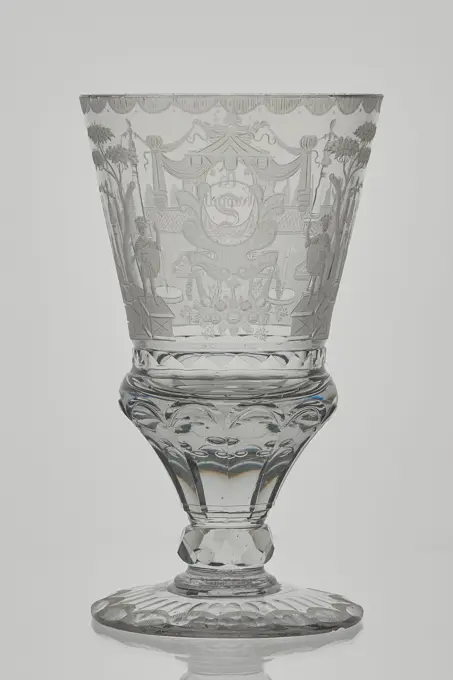
Kelkglas with Lennep Family Arm and Monogram WGM. Kelkglas of clear, colorless glass. At the conical foot. The baluster-shaped strain has two knots, a compound knot and two tires with air bubbles. The conical chalice has a rounded bottom. A swan is shown on the chalice for a harvest with the neck a shield with Monogram WGM (water grape lake). On the other side, the crowned weapon of Lennep family has been displayed surrounded by leafwork and garlands consisting of chalides.Wine Glass 1765-1775 England .Chalip glass with the coat of arms of the province of Utrecht, Anonymous, c. 1725 - c. 1750 Chalice glass made of clear, colorless glass, with the coat of arms of the province of Utrecht. glassblower: EnglandNorthern Netherlands glass glassblowing Chalice glass made of clear, colorless glass, with the coat of arms of the province of Utrecht. glassblower: EnglandNorthern Netherlands glass glassblowingChalice glass with an ornament edge, anonymous, c. 1725 - c. 1750 Vaulted foot. Baluster tribe with two knots and two elongated air bubbles. Conical chalice. An ornament edge along the chalice. glassblower: Low CountriesNorthern Netherlands (possibly) glass glassblowing Vaulted foot. Baluster tribe with two knots and two elongated air bubbles. Conical chalice. An ornament edge along the chalice. glassblower: Low CountriesNorthern Netherlands (possibly) glass glassblowingJar with Hanover Anna Coat of Arm. Ball of bright, colorless glass with conical foot. Hexagonal in shape blown stem with ringsn and a button. On the conical chalice in Radgravure the crowned weapon by Anna van Hanover (1709-1759).Bowl with the weapon of Willem IV. Cup with conical foot with beaten edge. Baluster trunk with four buttons with air bubbles. On the conical chalice The crowned weapon of Prince Willem IV (1711-1751) with the Order of the garter and Honi Sit Qui Mal Y Pense in capital letters. Ter either side of the weapon a branch of flowers and leaves.Slinger glass with bell-shaped chalice. Slinger glass with conical foot and a ballustroid tribe. In the trunk opask white garlands around white network spiral. Bell-shaped chalice.Glass; Lobmeyr, J. & L. (Vienna; 1823-); 1920-39 (1920-00-00-1939-00-00);Wine glass, anonymous, c. 1650 - c. 1675 Flat base with turned around. Balus -shaped, hollow trunk with two discs. Almost cylindrical chalice rounded at the bottom, on which birds, butterflies and insects are engraved on a surface of plants and low trees. glassblower: Low CountriesNorthern Netherlands glass glassblowing Flat base with turned around. Balus -shaped, hollow trunk with two discs. Almost cylindrical chalice rounded at the bottom, on which birds, butterflies and insects are engraved on a surface of plants and low trees. glassblower: Low CountriesNorthern Netherlands glass glassblowingWine glass 1824-35 Jersey Glass Company of George Dummer. Wine glass 21489Glass; Lobmeyr, J. & L. (Vienna; 1823-); 1920-39 (1920-00-00-1939-00-00);Ale or champagne glass 1750-1800 British. Ale or champagne glass. British. 1750-1800. Glass. GlassChalip glass with whale hunting and the inscription: the prosperity of the Groeland fisheries, Anonymous, c. 1725 - c. 1750 Chalice glass with conical foot and baluster tribe with three knots and a inserted bubble. On the chalice the presentation of a whale hunt and the inscription: the prosperity of the Groelandsche fisheries. glassblower: NetherlandsNorthern Netherlands glass glassblowing Chalice glass with conical foot and baluster tribe with three knots and a inserted bubble. On the chalice the presentation of a whale hunt and the inscription: the prosperity of the Groelandsche fisheries. glassblower: NetherlandsNorthern Netherlands glass glassblowingBokaal with a three -mast, a factory and the inscription: T. Welvaren van de Negotie, Anonymous, c. 1725 - c. 1750 Cup with lid, made of clear, colorless glass. On the chalice an engraved representation of a three -mast in a factory and the inscription: T. Welvaren of the Negotion. glassblower: GermanyNorthern Netherlands glass glassblowing Cup with lid, made of clear, colorless glass. On the chalice an engraved representation of a three -mast in a factory and the inscription: T. Welvaren of the Negotion. glassblower: GermanyNorthern Netherlands glass glassblowingChalip glass with four enclosed coins, anonymous, c. 1750 Chalice glass on slightly curved foot with turned around. Stam made up of four hollow nodi, separated by discs. Included in the nodi silver coins from George II from the years 1739, 1746, 1740 and 1746. Klock -shaped chalice. England glass glassblowing Chalice glass on slightly curved foot with turned around. Stam made up of four hollow nodi, separated by discs. Included in the nodi silver coins from George II from the years 1739, 1746, 1740 and 1746. Klock -shaped chalice. England glass glassblowingCup; Karlsthal (glassworks; 1754-Post 1874), Jeleniogórska Basin (engraving center; Ca 1600-); 1750-1770 (1750-00-00-1770-00-00);Czarnowska Helena, genre scenes, purchase (provenance), Silesia (Prussia - 1740-1918)Beaker 1700-1725 Bohemia. Glass .Wine Glass 1740-1750 England. Glass .GlassEgg Cup 1830-70 American With the development of new formulas and techniques, glass-pressing technology had improved markedly by the late 1840s. By this time, pressed tablewares were being produced in large matching sets and innumerable forms. During the mid-1850s, colorless glass and simple geometric patterns dominated. Catering to the demand for moderately-priced dining wares, the glass industry in the United States expanded widely, and numerous factories supplied less expensive pressed glassware to the growing market. At the Exhibition of the Industry of All Nations at New Yorks Crystal Palace in 1853, for example, the New England Glass Company exhibited 130 pieces of one design, "consisting of bowls, tumblers, champagnes, wines, and jelly glasses." This object belongs to one such service. Although the glass manufactory is not known, the glassware is very typical of the large services that were very popular with Americas middle class in the nineteenth century.. Egg Cup 3513Wine glass with a woman behind a spinet, Anonymous, c. 1750 - before 1757. Conical foot. Baluster-shaped, faceted trunk with two buttons. Conical, rounded, chalice at the bottom. On the chalice, in a frame of Rococo ornament, the crowned weapon of the Republic of the Seven Provinces, flanked by two lions passted guardant. Under the Scrocolis and Flower Rinks weapon.Goblet. Petersburg (huta szkła ; 1735-1774), creatorWine Glass 1785-1795 England. Glass .Wine glass with seven women fighting over a pair of breeches, anonymous, c. 1750 - c. 1775 Vaulted foot. Facetted baluster tribe with buttons and two air bubbles. Klock -shaped chalice with rounded, faceted bottom. On the chalice an engraved representation of seven women fighting for pants. glassblower: GermanyNorthern Netherlands glass grinding / glassblowing Vaulted foot. Facetted baluster tribe with buttons and two air bubbles. Klock -shaped chalice with rounded, faceted bottom. On the chalice an engraved representation of seven women fighting for pants. glassblower: GermanyNorthern Netherlands glass grinding / glassblowingWine glass with a ship. translation of inscription: The Prosperity of the Ship <Watervliet> and the Capt. Willem HouthuysenCup with lid, with a poem by Goethe, Anonymous, 1860 Flat. Convex strain, curved chalice. Clock -shaped lid with a faceted button. Between two vases filled with flowers and fruits a poem by Goethe: Willst du Immer weiter Schweissen/ Sieh, das Gute lies so nah,/ lerne nur das glück ergreifen,/ denn das glück ist ever da/ göthe/ above and under the poem Flower and leaf vines and a butterfly. Under the left vase the signature and the year DHDC. 1860. On the lid an etched and engraved decoration of flowers and leaf vines. Glassblower: Franceamsterdam glass grinding / etching / glassblowing Flat. Convex strain, curved chalice. Clock -shaped lid with a faceted button. Between two vases filled with flowers and fruits a poem by Goethe: Willst du Immer weiter Schweissen/ Sieh, das Gute lies so nah,/ lerne nur das glück ergreifen,/ denn das glück ist ever da/ göthe/ above and under the poem Flower and leaf vines and a butterfly. Under the left vase the signature and the year DHDC. 1860. On the lVase 16th-17th century Italian, Venice (Murano) During the Renaissance, Venetian glassmakers, working on the island of Murano, were celebrated across Europe for their fine and sparkling work. Called cristallo” emulating the clarity of rock crystal, in the hands of the most skilled glassblowers the medium could be delightfully manipulated, variously stretched paper-thin flat, or playfully twisted, or blown into molds with spectacular patterns.. Vase. Italian, Venice (Murano). 16th-17th century. Glass. GlassKelkglas with two joined hands and the inscription: the god vrytship. Vaulted foot. Baluster trunk with three buttons, a disk and an elongated air bubble. Conical chalice with rounded soil. On the chalice a engraved representation of two hands in a cartouche and inscription. The ,, God, Vrivet / Schap. The strain is not original and is attached to the chalice with a metal pin.Cup; Non -like Lona Huta; End of the 17th century (1680-00-00-1700-00-00);AnimalsCup; 1st half 19th century (1800-00-00-1850-00-00);Cup; Altmünden (glassworks; 1594-1818), gondels, Franz (1663-1723); around 1710 (1700-00-00-1710-00-00);Rusiecki-Ursyn, Stanisław (1862-1944)-collection, gift (provenance), genre scenesKelkglas with the weapons of the Seven Provinces. Vaulted foot with beaten edge. Baluster trunk with bubble. Conical chalice with solid, rounded soil. On the chalice the weapons of the seven provinces, on the foot and lid leaf ornament.Glass; Lobmeyr, J. & L. (Vienna; 1823-); 1920-39 (1920-00-00-1939-00-00);Bokaal with Christ and a blindfolded girl with a dog, anonymous, c. 1675 - c. 1700 Cup of clear, colorless glass. On the chalice an engraved performance of Christ with a blindfolded girl with a dog and the inscription: "Deine Lieb und Süssigkeit see Mich Nach Dir Elkzeit". Neurenberg (possibly) glass glassblowing Cup of clear, colorless glass. On the chalice an engraved performance of Christ with a blindfolded girl with a dog and the inscription: "Deine Lieb und Süssigkeit see Mich Nach Dir Elkzeit". Neurenberg (possibly) glass glassblowingWine Glass. England. Date: 1755-1765. Dimensions: H. 15.7 cm (6 3/16 in.). Glass. Origin: England. Museum: The Chicago Art Institute, Chicago, USA.No. 176 Champagne Cup; Designed by Ludwig Lobmeyr (Austrian, 1829 - 1917); Manufactured by J. & L. Lobmeyr GmbH (Austria); Austria; mouth-blown crystal, hand-cut and polishedGlass; Non -like Lona Huta; 1734-1763 (1734-00-00-1734-00-00);. Glass; engraved and gilt decorationIce glass cup, anonymous, c. 1550 - c. 1650 Ice glass cup, widening upwards, on ribbed excellent stand ring. Decorated slightly below the center of the wall with three mascarons and with three studs. Traces of gilding on the studs and along the mouth rim. Engraved on the stand ring 1662 Low Countries glass glassblowing / gilding Ice glass cup, widening upwards, on ribbed excellent stand ring. Decorated slightly below the center of the wall with three mascarons and with three studs. Traces of gilding on the studs and along the mouth rim. Engraved on the stand ring 1662 Low Countries glass glassblowing / gildingCordial 1830-70 American With the development of new formulas and techniques, glass-pressing technology had improved markedly by the late 1840s. By this time, pressed tablewares were being produced in large matching sets and innumerable forms. During the mid-1850s, colorless glass and simple geometric patterns dominated. Catering to the demand for moderately-priced dining wares, the glass industry in the United States expanded widely, and numerous factories supplied less expensive pressed glassware to the growing market. At the Exhibition of the Industry of All Nations at New Yorks Crystal Palace in 1853, for example, the New England Glass Company exhibited 130 pieces of one design, "consisting of bowls, tumblers, champagnes, wines, and jelly glasses." This object belongs to one such service. Although the glass manufactory is not known, the glassware is very typical of the large services that were very popular with Americas middle class in the nineteenth century.. Cordial 2267Glass; Lobmeyr, J. & L. (Vienna; 1823-); 1920-39 (1920-00-00-1939-00-00);Fluitglas, anonymous, c. 1600 - c. 1700 Flat base with turned around. The trunk made up of a hollow baluster and a disc. Funnel -shaped chalice Low Countries glass glassblowing Flat base with turned around. The trunk made up of a hollow baluster and a disc. Funnel -shaped chalice Low Countries glass glassblowingRoemer including Orpheus with Lier, Anonymous, c. 1800 - c. 1900 High, somewhat conical foot with turned around. Pontil brand. Wide, scale -shaped chalice, the trunk set with two rows of blackberry pinns. The transition from tribe to chalice indicated by a ribbed thread. Three scenes are engraved on the chalice: Orpheus with Lier, troning between pan with flute and a putto with a beehive; A bust of a man in the midst of three naked children with a passer, a Lauerkkrans and a trumpet, floating on clouds; Four putti on clouds with a fan, a torch, a zipper instrument and a flute. Under the first scene the signature and the year Jan Bot 1638. glassblower: GermanyLow Countries glass glassblowing High, somewhat conical foot with turned around. Pontil brand. Wide, scale -shaped chalice, the trunk set with two rows of blackberry pinns. The transition from tribe to chalice indicated by a ribbed thread. Three scenes are engraved on the chalice: Orpheus with Lier, troning between pan with flute aPrzeszo Przyszoci Huta Uarzecko NalibockieGoblet, 18th-19th century, 5 1/2 x 4 x 4in. (14 x 10.2 x 10.2cm), Glass, United States, 18th-19th centuryEgg Cup 1830-70 American With the development of new formulas and techniques, glass-pressing technology had improved markedly by the late 1840s. By this time, pressed tablewares were being produced in large matching sets and innumerable forms. During the mid-1850s, colorless glass and simple geometric patterns dominated. Catering to the demand for moderately-priced dining wares, the glass industry in the United States expanded widely, and numerous factories supplied less expensive pressed glassware to the growing market. At the Exhibition of the Industry of All Nations at New Yorks Crystal Palace in 1853, for example, the New England Glass Company exhibited 130 pieces of one design, "consisting of bowls, tumblers, champagnes, wines, and jelly glasses." This object belongs to one such service. Although the glass manufactory is not known, the glassware is very typical of the large services that were very popular with Americas middle class in the nineteenth century.. Egg Cup 3514Drinking Glass. Italy, Venice, circa 1550-1650. Furnishings; Serviceware. GlassWater Goblet ca. 1867 Boston & Sandwich Glass Company. Water Goblet 9760Cablite with cover; Non -like Lona Huta; 3. W. 18th century (1750-00-00-1775-00-00);Spoon Holder ca. 1888 Richards and Hartley Flint Glass Co.. Spoon Holder. American. ca. 1888. Pressed yellow glass. Made in Tarentum, Pennsylvania, United StatesFlip glass, 18th-19th century, 3 3/4 in. (9.5 cm), Glass, United States, 18th-19th centuryBokaal with a portrait of Cornelis Witsen, Anonymous, 1862 Vaulted foot. Stam made up of a nodus, a disc a hollow buluster and two composite nodes. Funnel-shaped chalice with a portrait of Cornelis Witsen in diamond and dotted engraving with Cornelis Jan Witsen 1653 below. On the reverse, between a vines and flower branches, the inscription: Engraved with Diamondt at Daniel Henriques de Castro AO 1862 Amsterdam. Glassblower: Englandamsterdam glass glassblowing Vaulted foot. Stam made up of a nodus, a disc a hollow buluster and two composite nodes. Funnel-shaped chalice with a portrait of Cornelis Witsen in diamond and dotted engraving with Cornelis Jan Witsen 1653 below. On the reverse, between a vines and flower branches, the inscription: Engraved with Diamondt at Daniel Henriques de Castro AO 1862 Amsterdam. Glassblower: Englandamsterdam glass glassblowingPresentation chalice. Culture: American. Designer: Probably designed by Nicholas Lutz. Dimensions: H. 14 1/4 in. (36.2 cm); Diam. 4 3/4 in. (12.1 cm). Maker: Boston & Sandwich Glass Company (American, 1825-1888, Sandwich, Massachusetts). Date: 1870-88.This chalice may have been made by Lutz, a glassmaker for the Boston and Sandwich Glass Company famous for his flower compositions and his fine threaded stemware. Tradition has it that he presented the piece to a fellow employee before the companyshut down in 1888. Museum: Metropolitan Museum of Art, New York, USA.Cup early 16th century French. Cup 186117Cup on legs with tendrils, birds and flowers, anonymous, c. 1680 - c. 1700 Cup on three legs, engraved with tendrils, birds and flowers. Bohemia glass engraving Cup on three legs, engraved with tendrils, birds and flowers. Bohemia glass engravingZoutvat, anonymous, c. 1600 - c. 1799 Salt barrel on wide, low foot, transfer in a straight trunk. A blue-green thread is wounded around the foot and trunk. The funnel -shaped chalice, blown in one piece with the trunk, is double -walled by unblocking the top France glass glassblowing Salt barrel on wide, low foot, transfer in a straight trunk. A blue-green thread is wounded around the foot and trunk. The funnel -shaped chalice, blown in one piece with the trunk, is double -walled by unblocking the top France glass glassblowingKelkglas with cromwell at the opened coffin of King Charles I. flat foot. Diabolo-shaped, faceted trunk, undervantage in a conical chalice. On the chalice a representation of Cromwell next to the karel I coffin placed and opened and opened in a chair. To the right below the show: G L Adams FEC ..Saltcellar. Culture: Japan. Dimensions: H. 3 in. (7.6 cm). Date: 1780-1825. Museum: Metropolitan Museum of Art, New York, USA.Glass;  1920-39 (1920-00-00-1939-00-00);Standing cup with cover ca. 1750 German, Saxony with Dutch cutting. Standing cup with cover 195867Cup with lidPail or cistern 18th century Italian, Venice (Murano). Pail or cistern. Italian, Venice (Murano). 18th century. Glass. GlassBowl with the coat of arms of the Republic of the Seven Provinces in the Dutch garden. Ball of bright, colorless glass, with conical foot. The baluster-shaped strain has four knots, two layers of air bubbles and an elongated air bubble. The conical chalice has a rounded soil. At the chalice an engraved representation of the Dutch garden with the weapon of the Republic of the Seven United Provinces for two crossed anchors. At the end of each of the anchors a letter A for Admiralty of Amsterdam.Goblet. Kuhn & Komor (wytwórnia sreber ; 1869-1919), goldsmiths company, Wakayama, Yoshikatsu, craftsmanGlass; Friedrichsgrund (Glassworks; 1772-TO 1945); 1780-1790 (1780-00-00-1790-00-00);Goblet with Cover. Germany, Thuringia. Date: 1715-1725. Dimensions: 24.9 x 11.9 cm (9 13/16 x 4 11/16 in.). Glass. Origin: Thuringia. Museum: The Chicago Art Institute, Chicago, USA.Glass Lobmeyer J.&L.Kelkglas with funnel-shaped chalice. Kelkglas on conical foot. Ballustroid strain with inserted tear-shaped air bubble. Funnel shaped chalice.Glass;  1920-39 (1920-00-00-1939-00-00);Five glassesWhiskey Tumbler 1850-60 With the development of new formulas and techniques, glass-pressing technology had improved markedly by the late 1840s. By this time, pressed tablewares were being produced in large matching sets and innumerable forms. During the mid-1850s, colorless glass and simple geometric patterns dominated. Catering to the demand for moderately-priced dining wares, the glass industry in the United States expanded widely, and numerous factories supplied less expensive pressed glassware to the growing market. At the Exhibition of the Industry of All Nations at New Yorks Crystal Palace in 1853, for example, the New England Glass Company exhibited 130 pieces of one design, "consisting of bowls, tumblers, champagnes, wines, and jelly glasses." This object belongs to one such service. Although the glass manufactory is not known, the glassware is very typical of the large services that were very popular with Americas middle class in the nineteenth century.. Whiskey Tumbler. 185Standing Dish. The coat of arms belongs to Peter Wok von Rosenberg and Katharina von Ludanice, who married in 1580. A highranking Bohemian nobleman, Von Rosenberg was one of the courtiers and collectors who shared the emperors interests. Under Rosenbergs patronage a workshop for carving vessels was established at his castle in Crumlau, where this Italian-looking dish was made.Quart Decanter. Culture: American. Dimensions: H. 13 3/8 in. (34 cm). Date: 1830-70. Museum: Metropolitan Museum of Art, New York, USA.Wine Glass. Bohemia, Czech Republic. Date: 1700-1725. Dimensions: 17.6 × 7.9 cm (6 15/16 × 3 1/8 in.). Glass with engraved gold leaf decoration. Origin: Bohemia. Museum: The Chicago Art Institute, Chicago, USA.Beaker with Cobalt Trailing. Culture: Central European. Dimensions: Overall: 5 1/4 x 4 1/2 in. (13.3 x 11.5 cm)at foot: 2 3/4 in. (7 cm). Date: 1275-1325.Though clear glass with and without colored trailing is generally associated with the renowned glassmaking workshops of late Medieval Murano, vessels such as this piece suggest that glassmakers north of the Alps were experimenting with the decorative possibilities from a relatively early date. Museum: Metropolitan Museum of Art, New York, USA.Beer glass Empty footed beer glass Copyright: xZoonar.com/J.xSandvikx 1308050. Inserted soil. Cylindrical body. The four continents are shown on the body. Europe is personalized by the Amsterdam mayor Joan Huydecoper (1599-1661), with a feathered hat, standing in front of his country house Goudesteijn, in a landscape with cows and swans. His left hand rests on an oval shield with his weapon, and he stands on a plinth with the Inscription Europe. In the background right a carriage, drawn by horses. Asia is personalized by an Arab with turban and a staff in his right hand. He stands on a plinth with the inscription Asia in a landscape with trees, a monkey and a dromedary. Africa is personalized by a warrior in an animal skin, seen from behind, in a landscape with palms, an elephant, a landscape camel, a running bird and mountains. In his right hand, he holds an arrow, in his left hand, on his back hangs a piping cake. He stands on a baseboard with the Inscription Africa. America is personalized by an Indian with a headdress, an arrow sleeve on the back, arrow andWestward Ho!/Pioneer pattern goblet (third of a set of four) c 1876 Philadelphia. Glass . Gillinder and Sons (Manufacturer)Drinking Glass. Italy, Venice, circa 1550-1650. Furnishings; Serviceware. GlassTumbler 1830-70 American With the development of new formulas and techniques, glass-pressing technology had improved markedly by the late 1840s. By this time, pressed tablewares were being produced in large matching sets and innumerable forms. During the mid-1850s, colorless glass and simple geometric patterns dominated. Catering to the demand for moderately-priced dining wares, the glass industry in the United States expanded widely, and numerous factories supplied less expensive pressed glassware to the growing market. At the Exhibition of the Industry of All Nations at New Yorks Crystal Palace in 1853, for example, the New England Glass Company exhibited 130 pieces of one design, "consisting of bowls, tumblers, champagnes, wines, and jelly glasses." This object belongs to one such service. Although the glass manufactory is not known, the glassware is very typical of the large services that were very popular with Americas middle class in the nineteenth century.. Tumbler 9101Set ofTumblersTumbler after 1886 Probably Hobbs, Brockunier and Company. Tumbler. American. after 1886. Pressed colorless and cranberry glass. Made in Wheeling, West Virginia, United StatesWine glass. unknown, glass worksWorkshop of the Sarachi; Annibale Fontana (Designer) () / 'Cup with grape harvesting scenes'. 1570 - 1600. Rock crystal / Hyaline quartz, Enamel, Gold. Museum: Museo del Prado, Madrid, España.Ewer, Glass, Tall ovoid body on flat circular stepped base, tapered neck, scalloped lip with pouring spout, loop handle notched for thumb; bottom of vase has deep cut radiating flutes, alternate ones with small diamonds, sides cut with alternate vertical pillar and diamond flutes, neck with same, horizontal., Ireland, early 19th century, glasswares, Decorative Arts, EwerBeaker. Czechy, creator, Śląsk, creatorGlass; Lobmeyr, J. & L. (Vienna; 1823-); 1920-39 (1920-00-00-1939-00-00);Westward Ho!/Pioneer pattern cordial glass c 1876 Philadelphia. Glass . Gillinder and Sons (Manufacturer)Beaker, glass, Beaker with flaring rim. Heavy channeled base surmounted by a facetted diamond-patterned band. On one side, engraved shield with letter C, floral sprays. On opposite side, a cherub drawn by two flying birds. Engraved rim with alternating group of 5 circular rounds and horizontal lozenge shape. See also 1931-41-7-a/c., Spain, ca. 1803, glasswares, Decorative Arts, BeakerBowl late 18th-early 19th century British or Irish. Bowl. British or Irish. late 18th-early 19th century. Glass. GlassVase Josef Schreiber & NephewStanding cup with cover ca. 1730 Bohemian. Standing cup with cover. Bohemian. ca. 1730. Zwischengold glass. GlassGlass Lausitzer glassworksCandy dish - Floral Nova SAcotia pattern Nova Scotia Glass Company Nova Scotia Glass CompanyDish engraved with the names of rebels. Six men, a single goal: to drive the Spanish from the Netherlands. The names of six friends are engraved on this dish. Among them are four of the noblemen who in 1566 had pleaded in vain for a less despotic regime. They were mockingly dubbed gueux, the French word for beggars’. The Dutch corruption of gueux - Geus’ - became the rebels’ name of honour.Beaker. Bohemia, Czech Republic. Date: 1700-1725. Dimensions: H. 8.9 cm (3 1/2 in.). Glass. Origin: Bohemia. Museum: The Chicago Art Institute, Chicago, USA.Lotus, Clara Barck Welles, American, 1868 - 1965, The Kalo Shop, 1900-1970, Raised and chased silver, Tall, tapering six-sided bowl with everted lobed rim and circular foot; hammered surface and applied border., New York, New York, USA, 1912-17, metalwork, Decorative Arts, Bowl, BowlCup with vertical, optically blown ribs and three studs, anonymous, c. 1550 - c. 1600 Cup with inserted soil, ribbed stand ring. Cup -shaped, waving body with vertical, optically blown ribs and three studs Low Countries glass glassblowing Cup with inserted soil, ribbed stand ring. Cup -shaped, waving body with vertical, optically blown ribs and three studs Low Countries glass glassblowingClose-up of glass bowl and two wine-glasses