Embroidered Textile Art

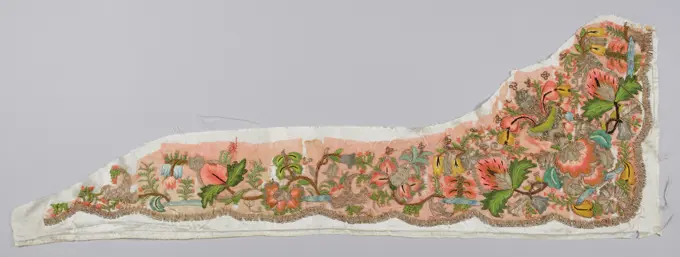
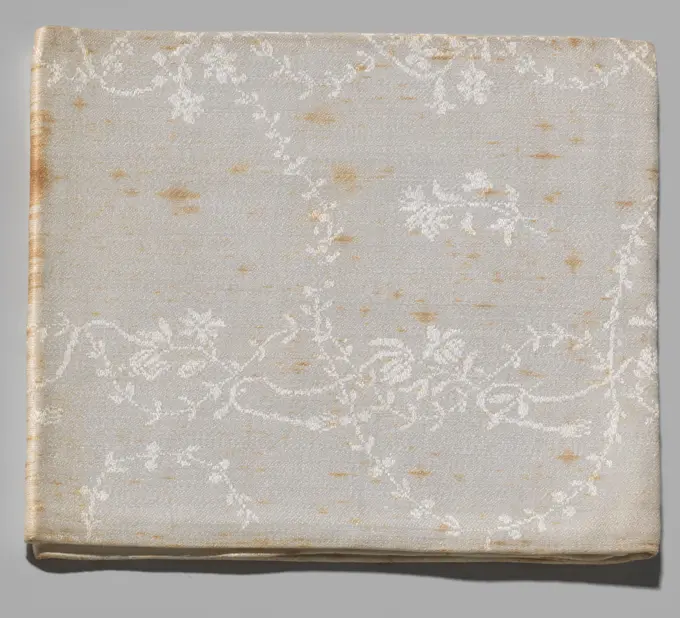
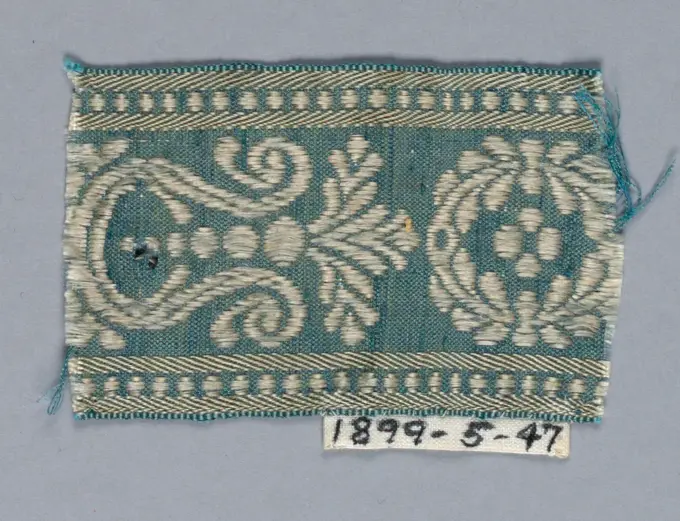
A collection of intricately crafted embroidered blankets and textiles, featuring floral designs and historical patterns in soft hues.
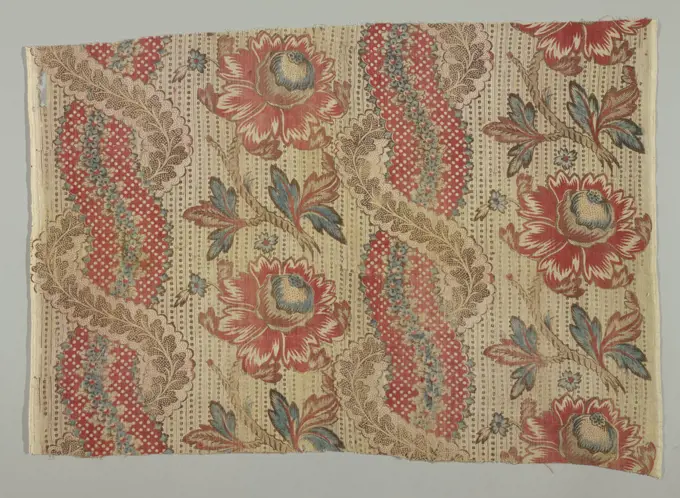
Textile, Medium: cotton Technique: block printed on plain weave with blue applied by brush, Printed length has half drop repeats of twined garlands and large flowers on short leafy stems., France, 18th century, printed, dyed & painted textiles, Textile
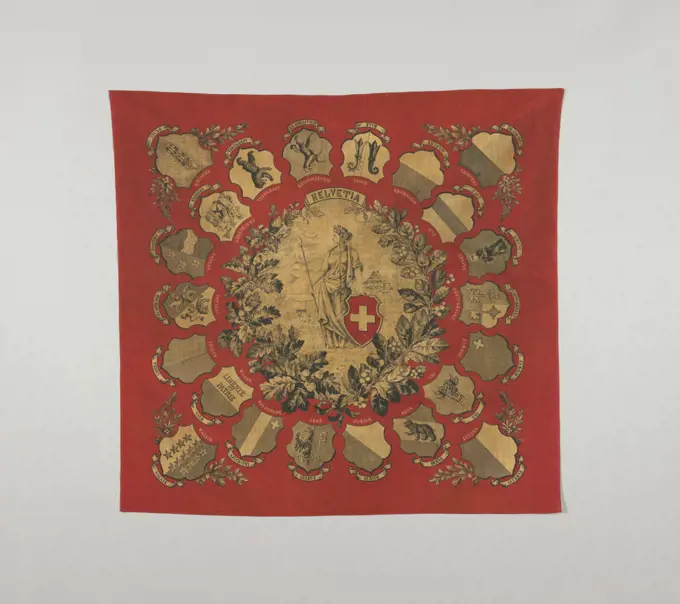
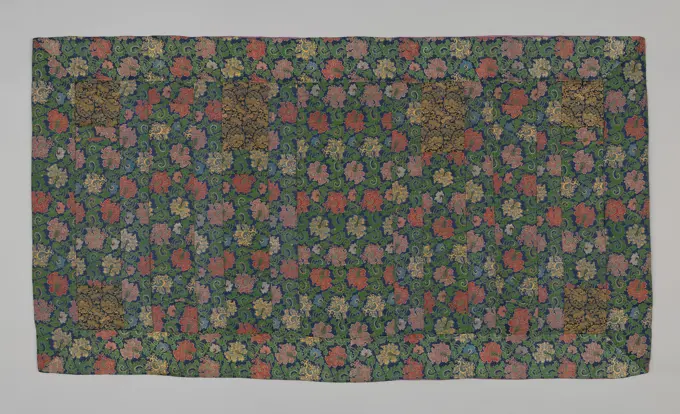
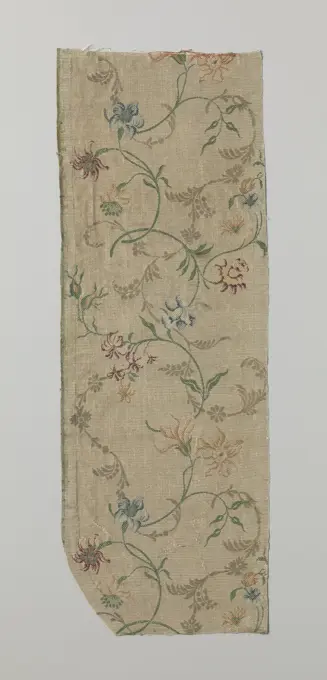
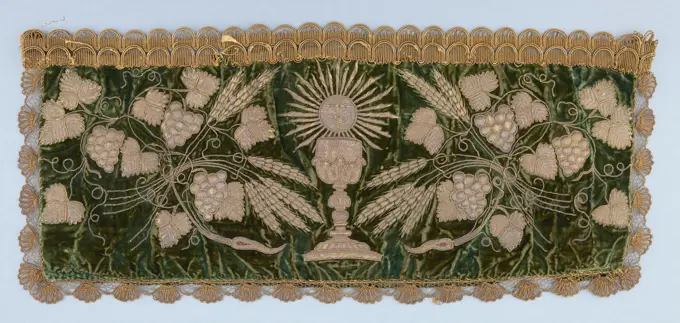
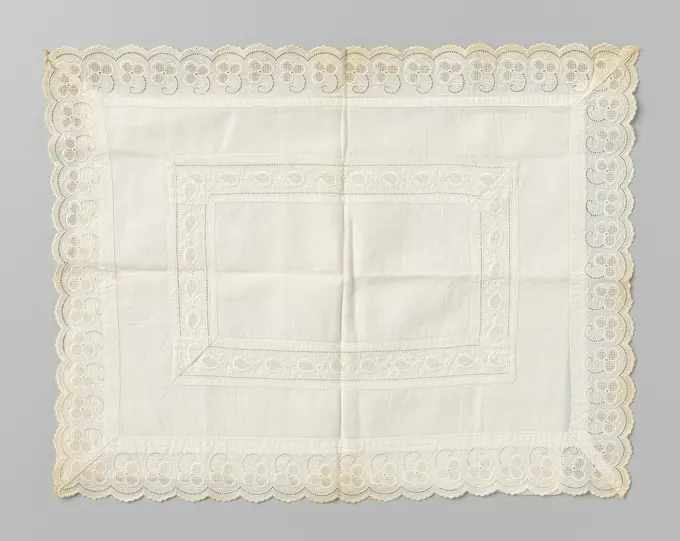
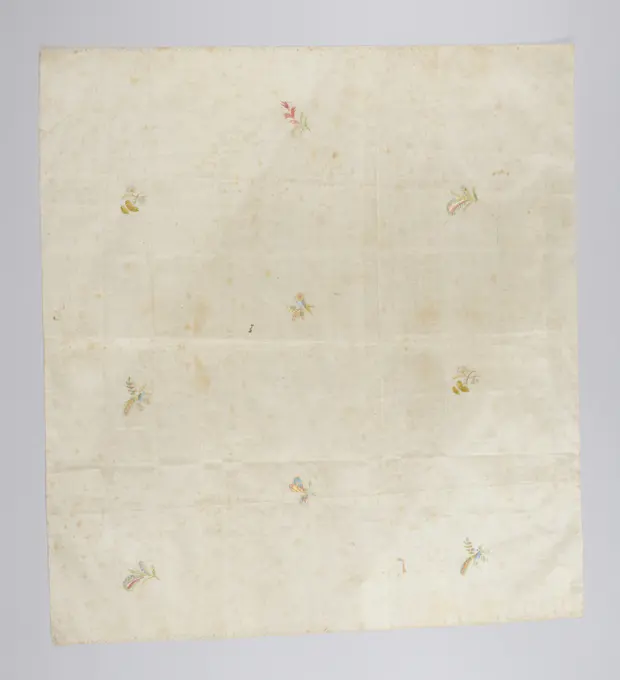
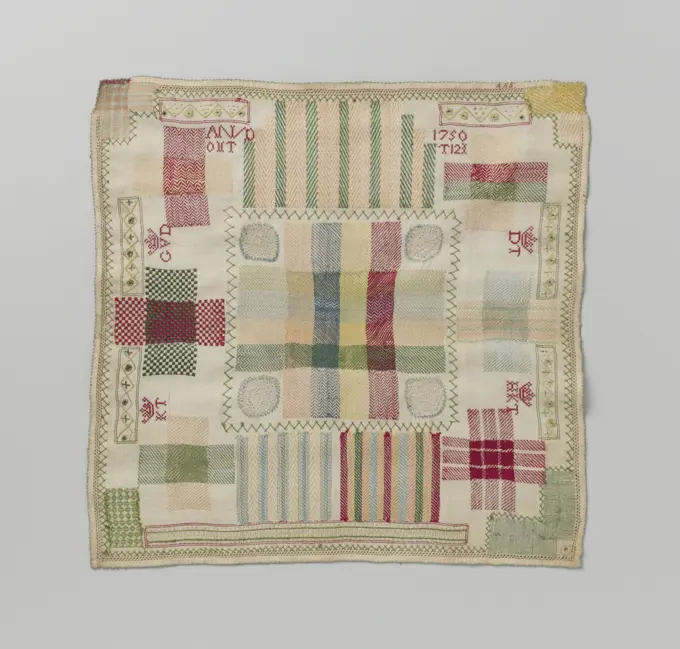
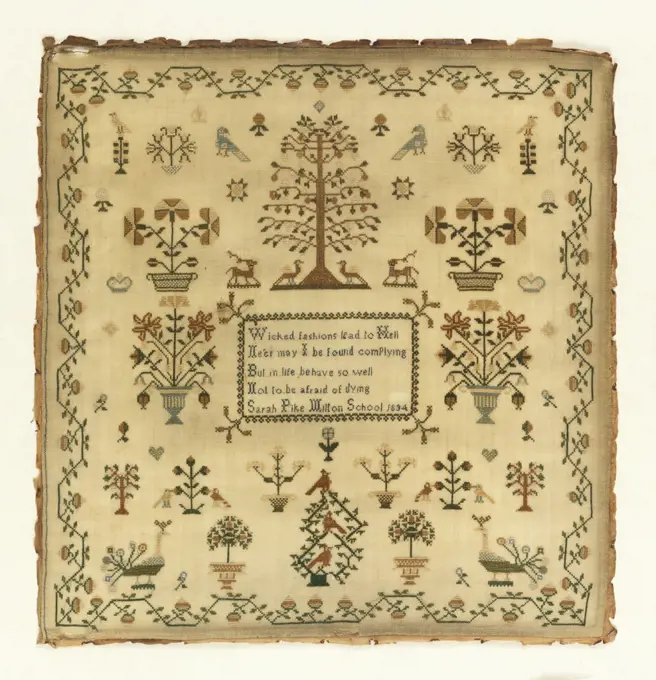
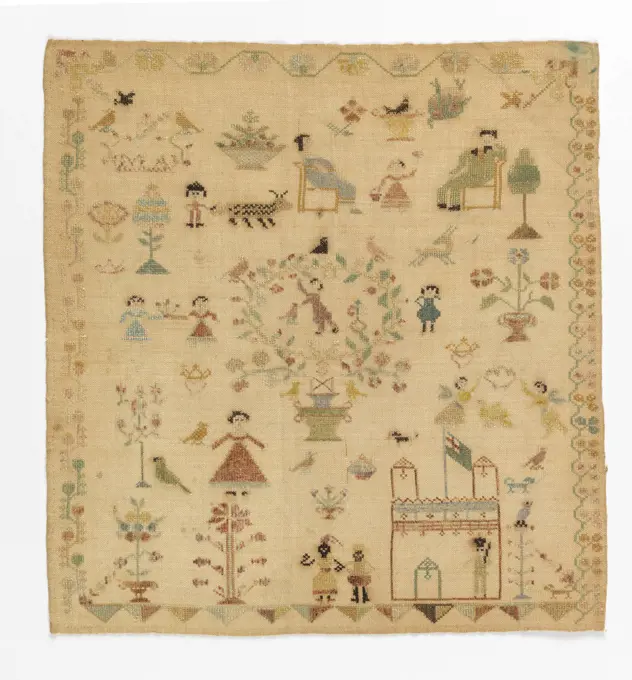
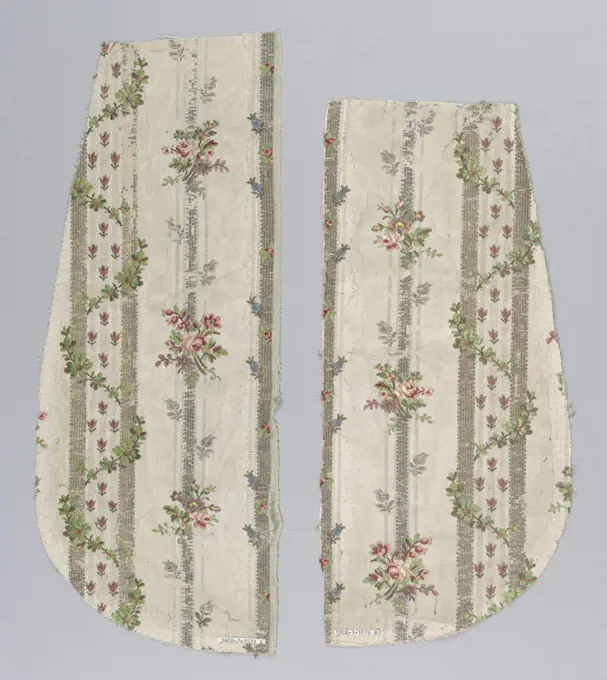
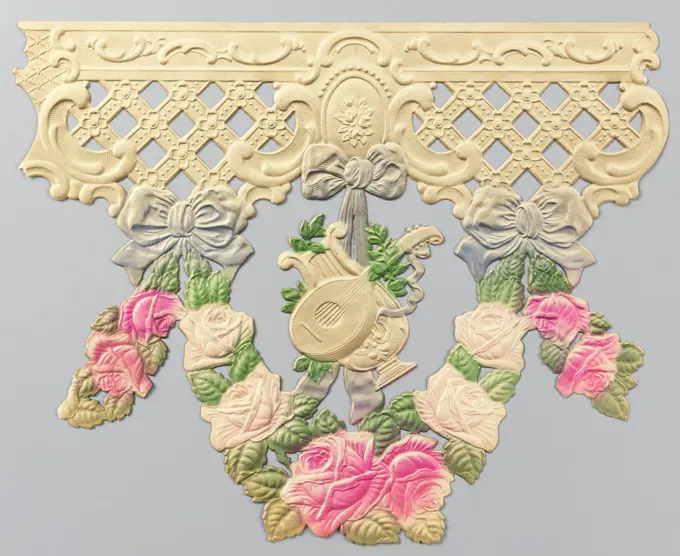
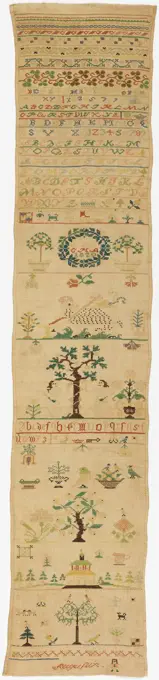
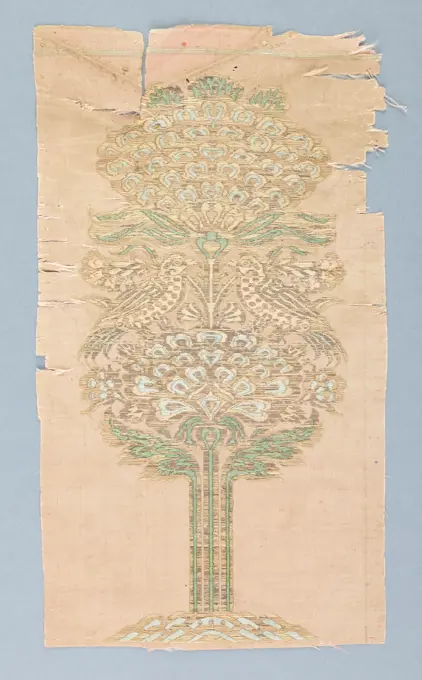
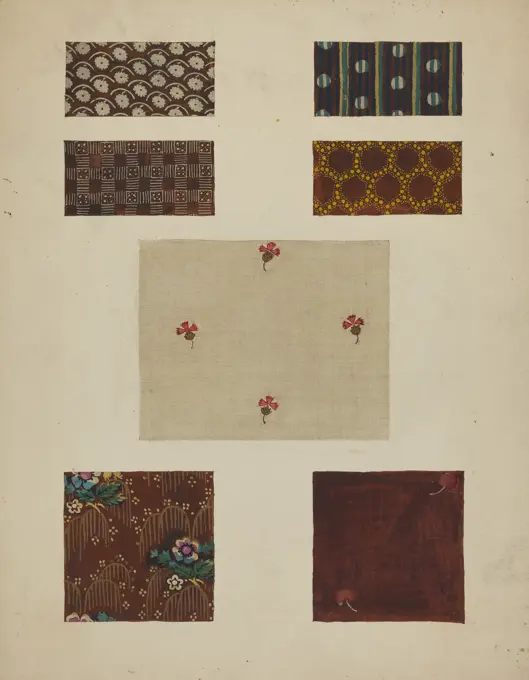
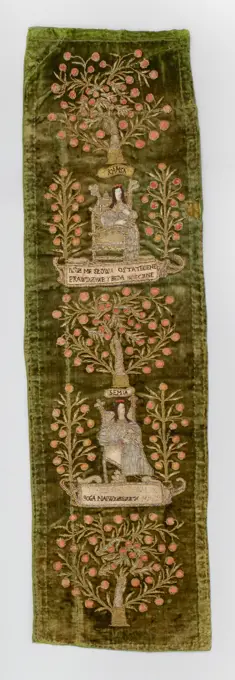
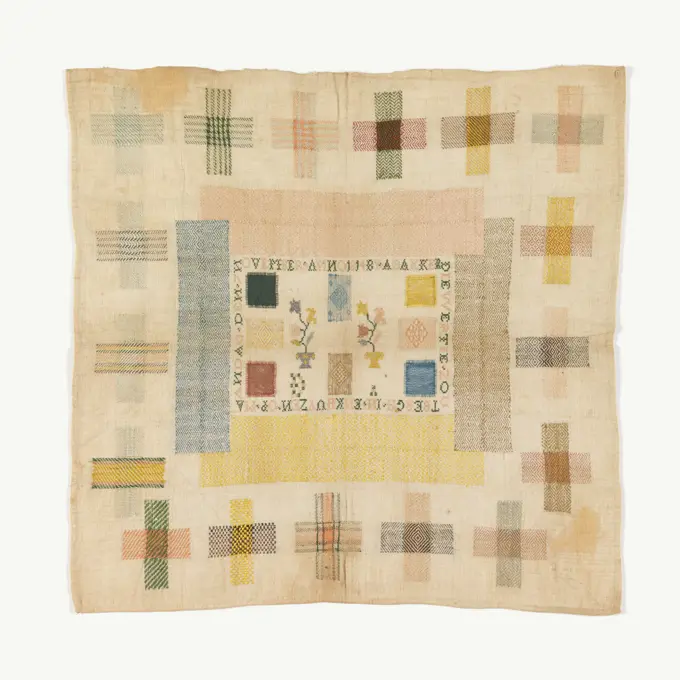
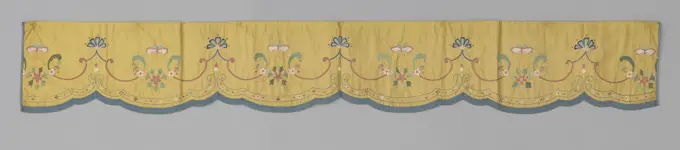
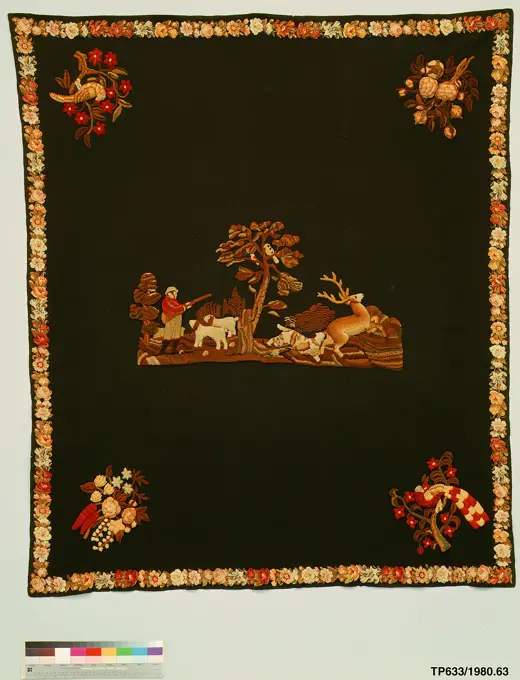
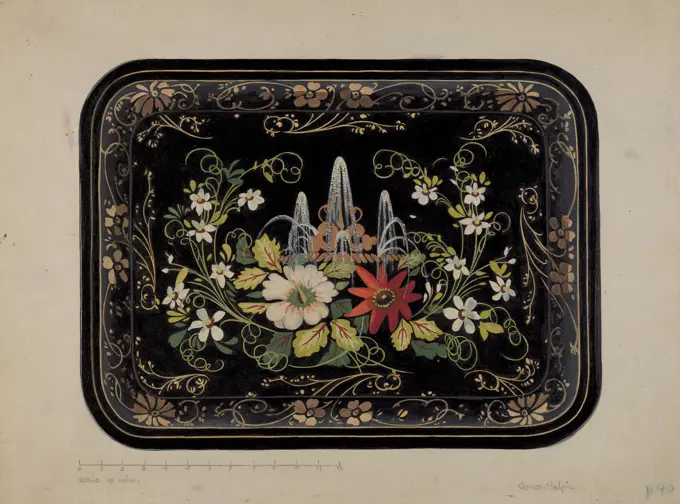
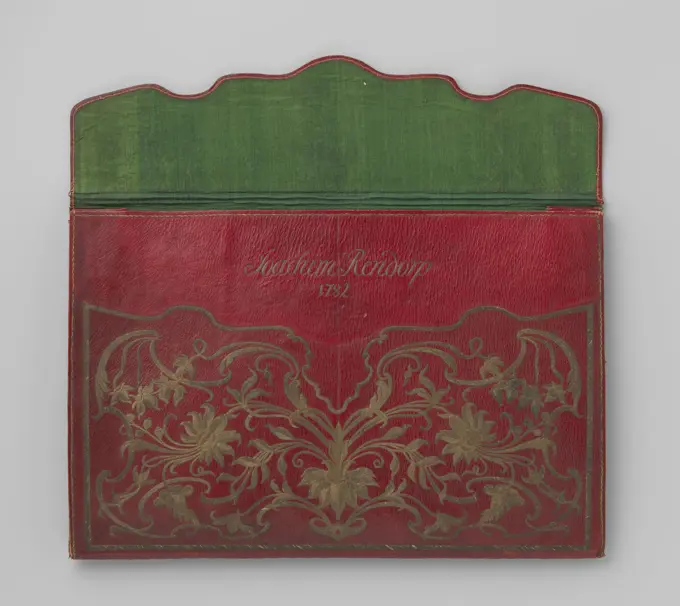
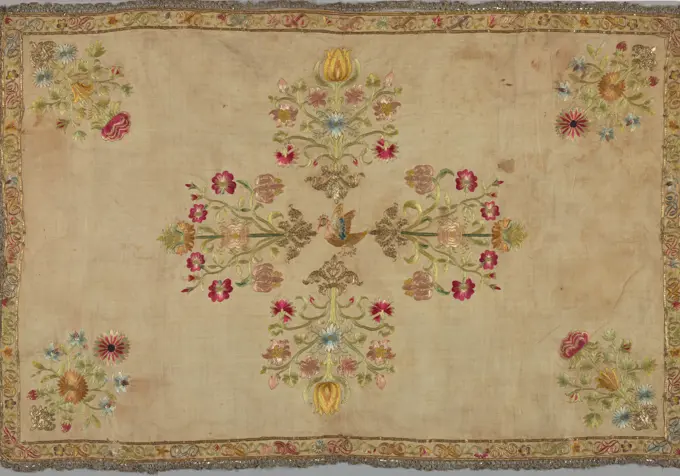
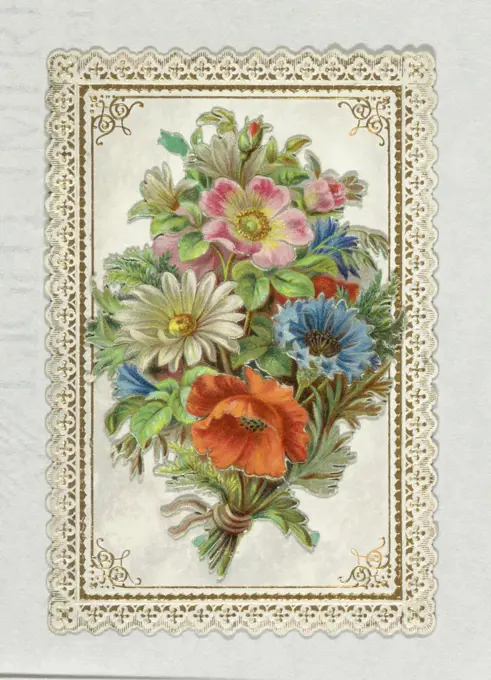
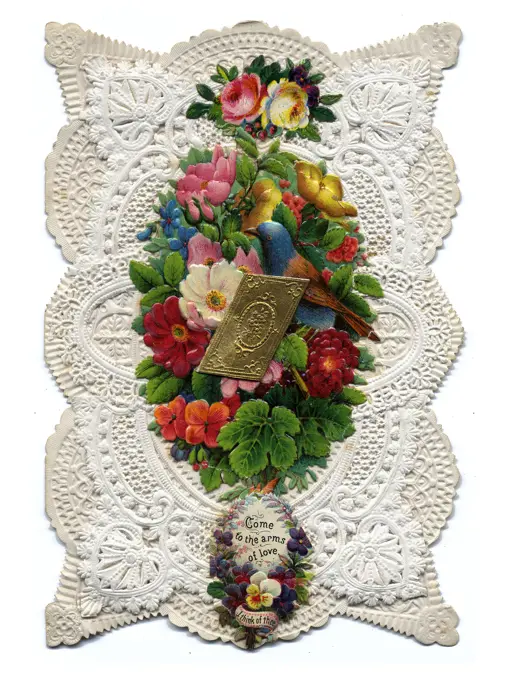
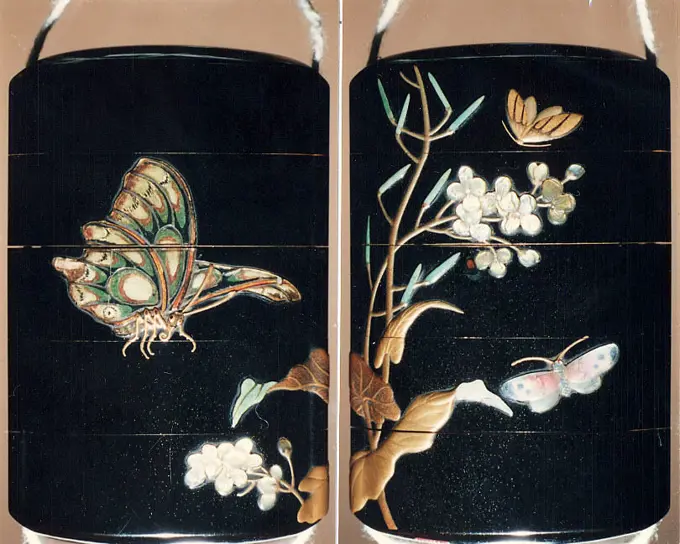
Piece early 19th century Japan. Piece 66255Carpet Fragment (England); Designed by William Morris (British, 1834-1896); woolLampas wall covering with lovebird pattern, c. 1770 - c. 1790 Wall extension, consisting of a lane Lampas. Lovebird pattern. Lyon (possibly) lampas (textile material) Wall extension, consisting of a lane Lampas. Lovebird pattern. Lyon (possibly) lampas (textile material)Sidewall - Fragment; machine-printed; Overall: 27 x 16.5cm (10 5/8 x 6 1/2in.)Pocket (USA); cottonTextile; silk on linenMildred E Bent, Coverlet, c 1938 CoverletCushion and pocket Swiss 19th centurySampler (Netherlands); silk embroidery on cotton foundationHandkerchief, Medium: cotton Technique: printed on plain weave, Handkerchief in red and black showing the Swiss female national figure of Helvetia in the center. She holds a spear and a shield emblazoned with the Swiss flag and stands in a bucolic landscape of mountains and chalet-like buildings. A wreath of leaves, acorns and berries surrounds her. In an outer ring are badges bearing cantons of Switzerland with their names in French and German. In the four corners are badges for Lucerne, Valais, St. Gall and Fribourg., Switzerland, late 19th century, printed, dyed & painted textiles, HandkerchiefNapkin with flowers and garlands, anonymous, c. 1800 - c. 1810 Linnamast napkin with flowers and garlands. Midfield: A straight -up fine swinging branch, with cord and brush, is intersected by a wide wavy -leafed branch. Edges: three times a straight list, coordinously wound; The middle one is wide and with leaves wound, the outer narrow and with a fine flower branch overranks. Brabant (possibly) linen (material) damask Linnamast napkin with flowers and garlands. Midfield: A straight -up fine swinging branch, with cord and brush, is intersected by a wide wavy -leafed branch. Edges: three times a straight list, coordinously wound; The middle one is wide and with leaves wound, the outer narrow and with a fine flower branch overranks. Brabant (possibly) linen (material) damaskKesa Made 1870-1880 Japan. Silk .Piece 18th-19th century Japan. Piece 67002Darning Sampler; silk embroidery on cotton foundationFragment of a waistcoat. unknown, authorSampler; linen, silk, metal-wrapped silkPiece 18th-19th century Japan. Piece 65957Fragment multicolored browse silk, anonymous, 1740 A silk tissue, consisting of two rectangular patches, green tots with various flowers including large salmon -colored blue, red and white rosette flowers. NOTE: Two panels put together on the left and right a fringes; 0.3 cm Effenbinding. England (possibly) silk. A silk tissue, consisting of two rectangular patches, green tots with various flowers including large salmon -colored blue, red and white rosette flowers. NOTE: Two panels put together on the left and right a fringes; 0.3 cm Effenbinding. England (possibly) silk.Fragment of IIturgical embroidery  chaIIce for the Host and grapevine sprouts unknownWoman's pocket, Medium: linen warp, cotton weft, wool embroidery Technique: embroidered on plain weave Label: linen warp, cotton weft, embroidered with wool, Flat pocket of hand-woven fabric, embroidered in a floral design in colored wools. Bound at edges and at opening for hand in fragments of dark, block-printed linen. Waist tapes are missing., USA, 18th century, embroidery & stitching, Woman's pocketNight bag with A-Jourstrook and Entre-Deux. Night bagPiece 18th century Japan. Piece 71728Handkerchief fourth quarter 19th century American The Asian theme of this handkerchief is an expression of the interest in exoticism in the late 19th century and the particular interest in Japanese culture. Although the lace is made by machine, the outlining threads are hand-sewn, which gives the overall piece a more textural quality.. Handkerchief 157631Fragment of embroidered fabric from womans gown unknownHeaddress 19th century Russian. Headdress. Russian. 19th century. Silk, metallic, metal, rhinestones, pearl beads, linenFragment, Medium: silk Technique: printed on plain weave, Fragment of white silk plain weave with widely-spaced repeat of sprays of cosmos and violets printed in rose, red, pink, purple, yellow, and green., USA, 1915-1920, printed, dyed & painted textiles, FragmentSilk stop patch on coarse cotton, anonymous, 1750 Stop patch on which different stitches and patterns are embroidered. On the lap, the year anno 1750 and Out T12i is embroidered. On the left, the award -winning initials KT and GVD are embroidered and on the right the award -winning initials DT and HKT. Silk on coarse cotton. Southern Netherlands silk. embroidering Stop patch on which different stitches and patterns are embroidered. On the lap, the year anno 1750 and Out T12i is embroidered. On the left, the award -winning initials KT and GVD are embroidered and on the right the award -winning initials DT and HKT. Silk on coarse cotton. Southern Netherlands silk. embroideringSampler, Sarah Pike, English, Medium: silk embroidery on wool foundation Technique: embroidered in cross stitch on plain weave foundation, 'Wicked fashions lead to hell/ Neer may I be found complying/ But in life behave so well/ Not to be afraid of dying.', England, 1834, embroidery & stitching, SamplerFragment of embroidery unknownChasuble with an embroidered column unknownSampler, Medium: silk embroidery and paint on linen foundation Technique: embroidered in cross stitch on plain weave foundation, Cartouche at center. Domestic motifs scattered throughout. Four different borders. Several stitches were painted after they were embroidered., mid-19th century, embroidery & stitching, SamplerFragment, Medium: silk Technique: cut supplementary warp loops in a five-harness satin foundation (velvet), Fragment of a large scale ogee patterned velvet with three colors. The pattern is created by blue cut pile with details in red and white cut pile. The background consisting of a linear pattern is voided. The pile is cut to one height over the entire surface., Italy, 15th century, woven textiles, FragmentCurtain of painted silk decorated with flowers and birds ,, 1750 - 1775 Curtain of painted silk. A contour drawing was printed on a fine white rips side and a painting in colors by hand (), Of which the pattern consists of an upright wavy branched and flowering stem, on which two pheasants are seated and whose a green slim winds. The flowers are: Lotus of red and white large purple and pink -red peon, Lotus of blue and pink, purple and pink carnation and fantasy flower in pink, purple, yellow and bleu. The leaves similar to those of chrysanthemums. The curtain consists of two jobs. It has briefly colored long fringe along the sides, striped of green, salmon color, yellow, blue, white and light brown, starting like a galon with zigzag pattern and then knotted. Lining of fine bright light brown cotton and 20th century Shantung; Under the long frills of white satinet. France silk.. cotton (textile) Curtain of painted silk. A contour drawing was printed on a fine white rips side and a painLetter bag () In a flat, rectangular model of white cotton, edited with Zoans stitching in large flower and fantasy motifs. Letter bag () In a flat, rectangular model of white cotton, completely decorated with Zoans stitching in large flower and fantasy motifs. Along the edges a trim of white linen ribbon. The bag is double folded, inside in the middle, opening two courses. The bag is unlined and wound down with a linen ribbon.Fragment ozdobnego pasa tuniki lub narzuty. warsztat egipski, workshopReticule with four drawstrings and a toggle, anonymous, c. 1795 - c. 1805 Reticule of yellow side in the form of a spearhead. The bag consists of four equal parts that are sewn together, two of which are folded over the length. On the four parts, a swinging edge is embroidered in dark brown side with flowers and leaves, within which an embroidery of a bouquet of flowers on the front and back, bound together by a bow, in multicolored Vloszijt. Also on the two folded parts embroidered flowers and branches in green and purple. Brown acorns from Vloszijde with yellow brushes are fixed on four points. The bag can be closed at the top by sliding a sliding ring over four braided brown side cords. The four cords come together by means of a button technique at the end, to which a jerk according to other four. The plug is made of brown silk wire, around which a branched yellow wire knotted in diamond shape. The reticule is lined with ivory -colored (ponjé) Silk. Netherlands whole: Silk. EmbroideFragment; cotton on bast fiber; 1947-84-2Napkin with flowers and garlands, anonymous, c. 1800 - c. 1810 Linnamast napkin with flowers and garlands. Midfield: A straight -up fine swinging branch, with cord and brush, is intersected by a wide wavy -leafed branch. Edges: three times a straight list, coordinously wound; The middle one is wide and with leaves wound, the outer narrow and with a fine flower branch overranks. Brabant (possibly) linen (material) damask Linnamast napkin with flowers and garlands. Midfield: A straight -up fine swinging branch, with cord and brush, is intersected by a wide wavy -leafed branch. Edges: three times a straight list, coordinously wound; The middle one is wide and with leaves wound, the outer narrow and with a fine flower branch overranks. Brabant (possibly) linen (material) damaskTrimming Fragment; silkFragments from a chasuble, Medium: silk, metallic Technique: plain weave with supplementary warps and discontinuous supplementary wefts., Stripe and flowers on white ground., late 18th century, woven textiles, Fragments from a chasubleEmbroidered sampler. Culture: American. Dimensions: 17 1/4 x 16 1/4 in. (43.8 x 41.3 cm). Maker: Sally Cornelius (1792-1877). Date: 1806. Museum: Metropolitan Museum of Art, New York, USA.Scarf (quarter) (England); silkSample book, Medium: paper, silk, Small sample book of eighty-eight swatches of silk in multiple colors and a variety of patterns., France, 1880-90, sample books, Sample bookTablecloth of printed velvet. Plush tablecloth; In blue midfield a lion around around flowers.Border (Germany); embossed, die cut; 45 x 36 cm (17 11/16 x 14 3/16 in.)Chair Seat Made 1712-1722 United States. Linen, plain weave; embroidered with wool yarns in bullion, flat, Roman, satin, stem, and surface satin stitches . Abigail Davenport (Williams)Fragment textile. Textile fragment, embroidery and pressure from kerse blossom and trunk on light brown fond.Sampler (Germany); silk embroidery on linen foundationTextile 19th century. Textile. 19th century. Silk, metal wrapped thread; embroidered. Attributed to Turkey. TextilesHeadcloth, c 1900s. Philippines, 20th century. Plain weave with paired weft: cotton; supplementary weft: silk; overall: 97.5 x 95 cm (38 3/8 x 37 3/8 in.).Excerpt multicolour, anonymous, 1730 A fragment silk tissue with a white stock on which multicolored flower branches that are connected to each other by garlands around which colored rings. Netherlands silk A fragment silk tissue with a white stock on which multicolored flower branches that are connected to each other by garlands around which colored rings. Netherlands silkWoman's necktie 1870-80 possibly French. Woman's necktie. possibly French. 1870-80. Silk. Textiles-WovenSampler (Italy); silk embroidery on cotton foundationA fragment of silk fabric unknownFrances Lichten, Materials from Patchwork Bedspread, c 1936 Materials from Patchwork BedspreadChasuble with embroidered orphrey unknownFragment of embroidery with antependium unknownSampler (Netherlands); silk embroidery on cotton foundationLambrekijn, part of a bed garnish, from yellow side, embroidered with flowers and butterflies in multicolored silk and omboard with blue passion, anonymous, c. 1720 - c. 1740 Lambrekijn, part of a bed garnish of yellow silk, embroidered with flowers and butterflies in multicolored silk, omboard with blue passion and lined with coarse linen and yellow silk. Intended for the right side of the bed, inside. Kanton (possibly) silk. linen (material) embroidering Lambrekijn, part of a bed garnish of yellow silk, embroidered with flowers and butterflies in multicolored silk, omboard with blue passion and lined with coarse linen and yellow silk. Intended for the right side of the bed, inside. Kanton (possibly) silk. linen (material) embroideringSewing sample, France, late 19th century, Sewing sampleSalesman's samples, Medium: silk Technique: embroidered on taffeta Label: Silk embroidery in satin and stem stitches on silk taffeta, black silk ribbon appliqué, a) Off-white taffeta fabric with birds on floral sprays and insects; b) Off-white taffeta fabric with an urn under leafy branches., France, ca. 1805, embroidery & stitching, Salesman's samplesFragments (France); silk; metal thread; linenSampler, Maria Rosa Mazzullo, Medium: silk embroidery, cotton foundation Technique: half cross, tent, and back stitches on plain weave, Within a floral border are detached motifs and an inscription., Italy, 1828, embroidery & stitching, SamplerKant pattern for a rug of bobbin with golden rain branches and flowers, Louise Wilhelmina van der Meulen -Nulle, c. 1912 Side letter or edge pattern with a part of the pattern for a rug with invnr. BK-1979-84. The letter is numbered (8). Apeldoorn paper drawing Side letter or edge pattern with a part of the pattern for a rug with invnr. BK-1979-84. The letter is numbered (8). Apeldoorn paper drawingPatchwork Quilt. Dated: c. 1936. Dimensions: overall: 40.2 x 35.9 cm (15 13/16 x 14 1/8 in.). Medium: watercolor and graphite on paper. Museum: National Gallery of Art, Washington DC. Author: Mabel Ritter.Cushion China. Silk, satin weave, embroidered with silk and gold-leaf-over-lacquered-paper-strip wrapped silk in back, Chinese knot, herringbone, satin, single satin, split, and stem stitches; laidwork and couching .Radiating Raindrop Pattern, Cut paper on wood frame, Magic lantern slide, optical toy. On black field, pierced rays, with four concentric circles composed of deep scallops that from center outward are white, pink, green, and orange. Yellow star at center., Savoy, France, ca. 1780, toys & games, Lantern slide, Lantern slideParasoldek made of white linen decorated with moesjes and with English embroidery in the form of Margrits, Anonymous, c. 1910 Parasold deck of coarse white linen with Margrits. The deck consists of eight sectors with a machine zoom. The decoration consists of mosjes and English embroidery in the form of Margrits. Netherlands whole: Linen (Material) embroidering Parasold deck of coarse white linen with Margrits. The deck consists of eight sectors with a machine zoom. The decoration consists of mosjes and English embroidery in the form of Margrits. Netherlands whole: Linen (Material) embroideringMagistratenkussen, , c. 1700 Magistrate cushion of Groen Laeken with embroidered crowned weapons from Holland, Zeeland and Friesland. Netherlands wool Magistrate cushion of Groen Laeken with embroidered crowned weapons from Holland, Zeeland and Friesland. Netherlands woolFan. Culture: British. Dimensions: 8 1/2 x 15 1/2 in. (21.6 x 39.4 cm). Date: 18th century. Museum: Metropolitan Museum of Art, New York, USA.Embroidered Tablecover ca. 1850 American. Embroidered Tablecover 14133Fragment of embroidery unknownGrace Halpin, Tray, c 1937 TrayCornelius Christoffels, Bag, c 1937 BagBorder (France); block-printed; 48 x 24 cm (18 7/8 x 9 7/16 in.)Sleeve Band Made 1875-1900 China. embroidered in silks on gauze in design of flowers and plants in jardinieres . Han-ChineseBrievalentas Joachim Rendorp, Anonymous, 1782  Large format letter bag made of red Morocin's leather with embroidery in silver thread. Under the valve, the name Joachim Rendorp and the year 1782 is embroidered. On the back of the letter bag the family crest.  leather. silver thread embroideringSampler (USA); Embroidered by Mary Ann Smith (American); Student at Scofton School; wool embroidery on linen foundationTable Cover (Italy); linen, silk, metallic thread (gold on silk core)Napkin with flowers and garlands, anonymous, c. 1800 - c. 1810 Linnamast napkin with flowers and garlands. Midfield: A straight -up fine swinging branch, with cord and brush, is intersected by a wide wavy -leafed branch. Edges: three times a straight list, coordinously wound; The middle one is wide and with leaves wound, the outer narrow and with a fine flower branch overranks. Brabant (possibly) linen (material) damask Linnamast napkin with flowers and garlands. Midfield: A straight -up fine swinging branch, with cord and brush, is intersected by a wide wavy -leafed branch. Edges: three times a straight list, coordinously wound; The middle one is wide and with leaves wound, the outer narrow and with a fine flower branch overranks. Brabant (possibly) linen (material) damaskMulticolored Silk Stop patch on cotton mousseline, Anonymous, 1763  Silk stop patch on cotton. The embroidery has the initials AV and the dating in 1763. Leiden silk. cotton (textile) embroideringSampler 1870 French. Sampler. French. 1870. Wool on canvas. Textiles-EmbroideredTextile; 1897-89-20Christmas Greeting, Chromolithograph on embossed paper, Bunch of flowers in scalloped enframement. The flowers are hinged and under them, in the inscription: 'A Merry Christmas and a Happy New Year'., United States, ca. 1865, Greeting Card, Greeting CardWoven silk skirt panel mid-17th century Italian, probably Venice. Woven silk skirt panel 229692Detail of a tablecloth decorated with flowers and birds, 1887 photograph  Europe paper. printing ink collotype table-cloth. ornamental birds EuropeBeaded Bag, 19th century. America, 19th century. Glass beads, cotton lining; average: 14 x 14 cm (5 1/2 x 5 1/2 in.).Sampler, Medium: silk and metal-wrapped silk embroidery on linen foundation Technique: embroidered in cross, satin, and stem stitches on plain weave foundation, Parrot, church, lion, and rooster at top. Alphabet and pattern bands at bottom., Germany, 1730, embroidery & stitching, SamplerEmbroidered message on a wall hanging, Sweden.Valentine - With best WishesCase (Inrō) with Design of Moth and Butterflies beside Flowering Mustard Plant 19th century Japan. Case (Inrō) with Design of Moth and Butterflies beside Flowering Mustard Plant 58659Still life with flowers ..Peony on a fan, first half 19th century, Yamamoto Baiitsu, Japanese, 1783 - 1856, 8 1/2 × 18 in. (21.59 × 45.72 cm) (image)39 11/16 × 23 13/16 in. (100.81 × 60.48 cm) (mount, without roller), Ink and color on paper, Japan, 19th centuryRibbon ornament, Medium: silk, Flat ornament representing a bouquet of flowers made of multicolored ribbons and chenille thread., France, 19th century, woven textiles, Ribbon ornamentChristmas, New Year and Valentine cards depicting flowers, children and birds.. Proofs, Greeting cards. 1865 - 1899. The Miriam and Ira D. Wallach Division of Art, Prints and Photographs: Print Collection. Children, FlowersBedcover Made 1885-1905 Pennsylvania. Wool, cotton, and silk; plain, twill, and satin weaves; some self-patterned, some with supplementary patterning wefts; some printed; pieced; embroidered with silk feather stitches; edged with twill weaves; backed with cotton, plain weave; printed; quilted with cotton .Mourning Sampler (USA); silkCache-pôt with square cross section. unknown, craftsmanpoppies poppies with beaded on embroidery ,model released, Symbolfoto ,property released Copyright: xZoonar.com/OleksandrxPakhayx 6893607 ,model released, Symbolfoto ,property releasedValentine - Honesty