Engraved Glassware Collection

Elegant glass goblets and chalices with intricate engravings, showcasing craftsmanship from different historical periods.
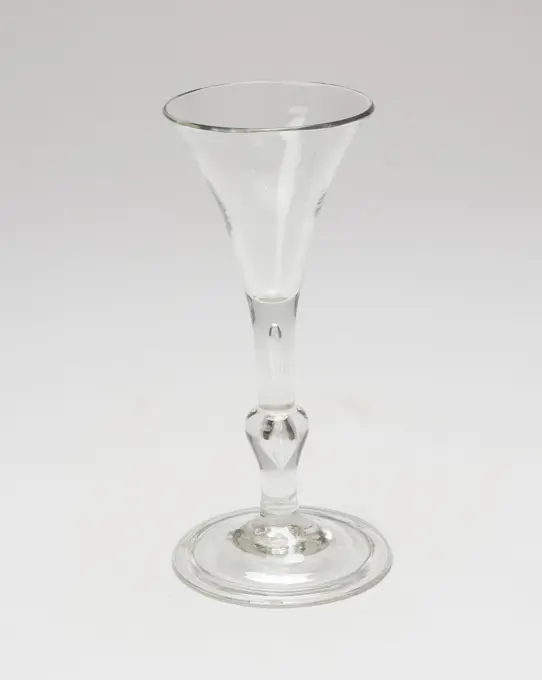
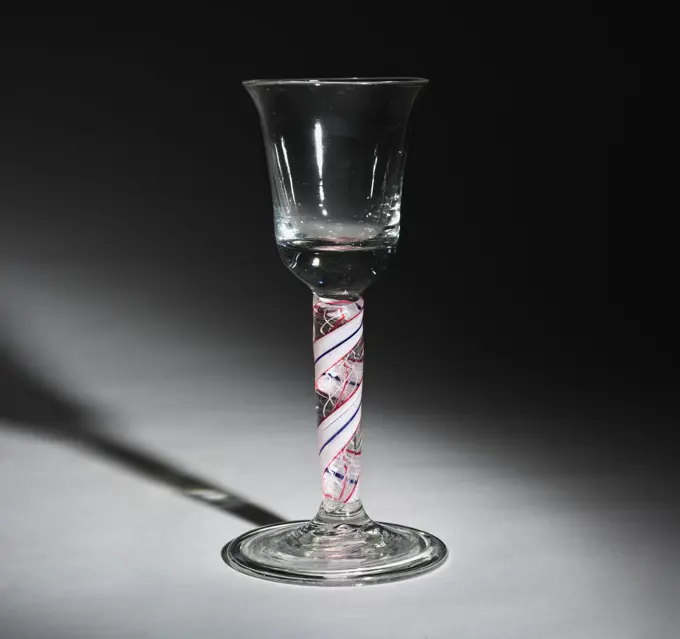
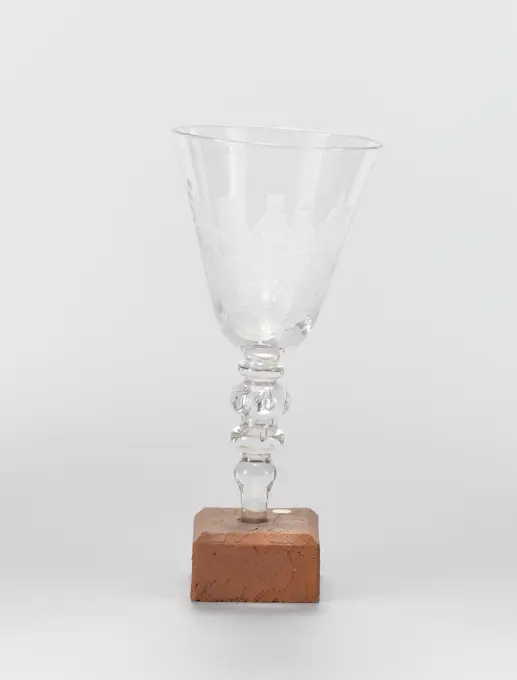
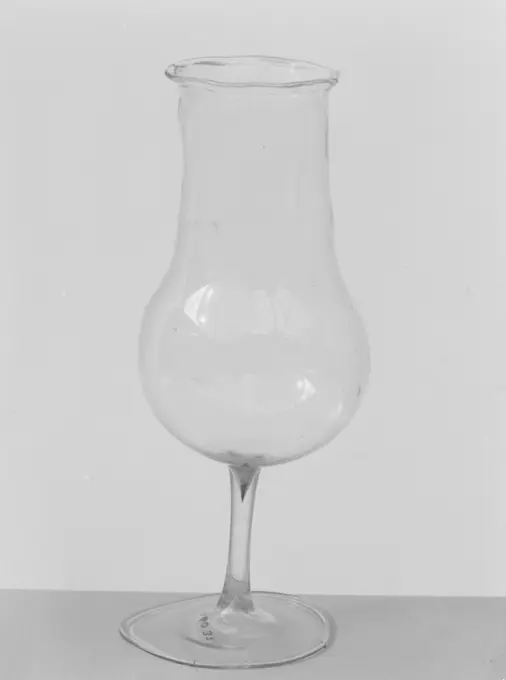
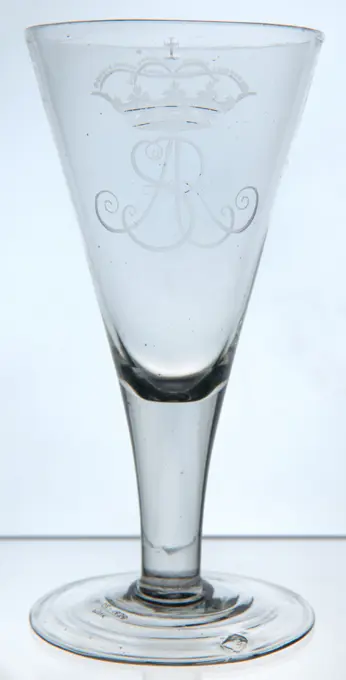
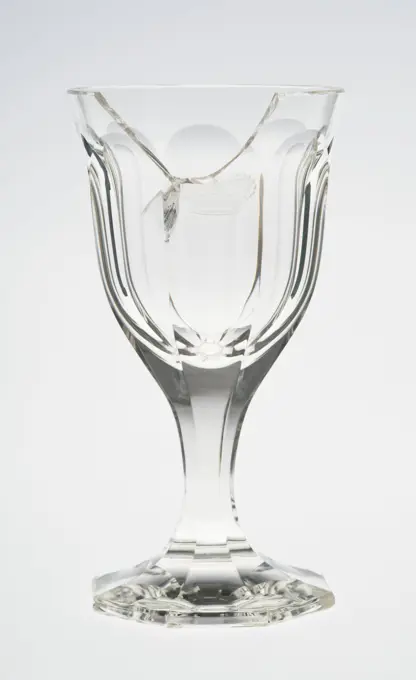
Wine Glass, c. 1725-1750, 6 1/2 in. (16.51 cm), Glass, England, 18th century
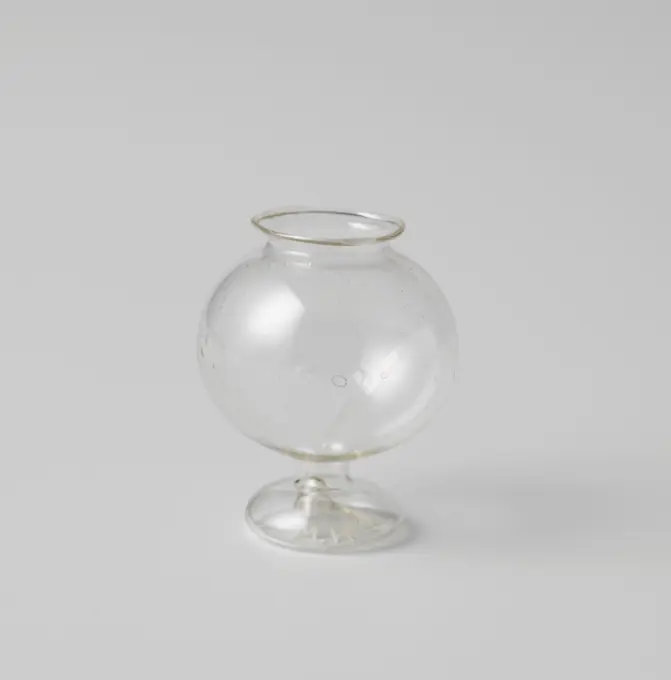
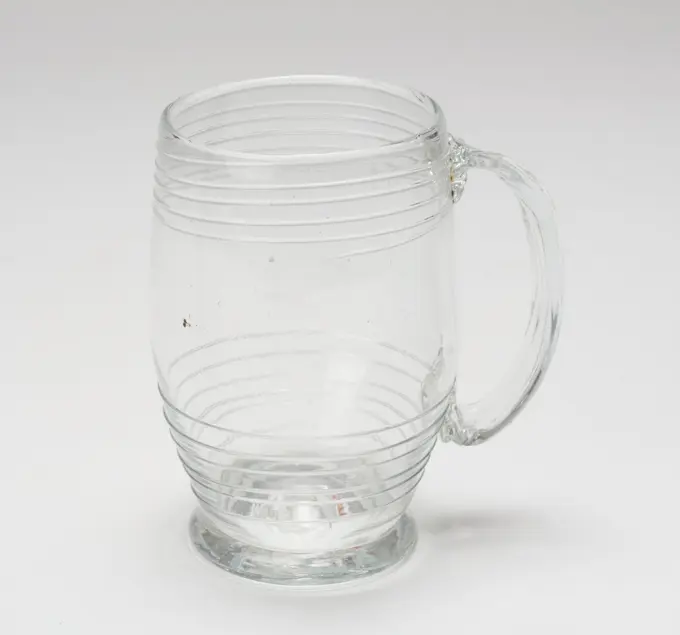
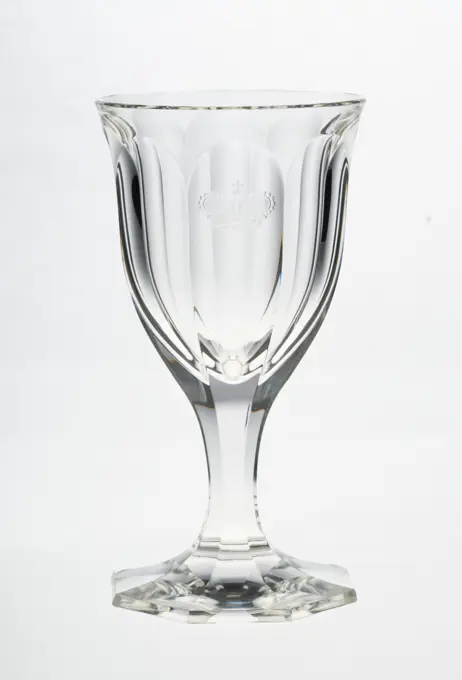
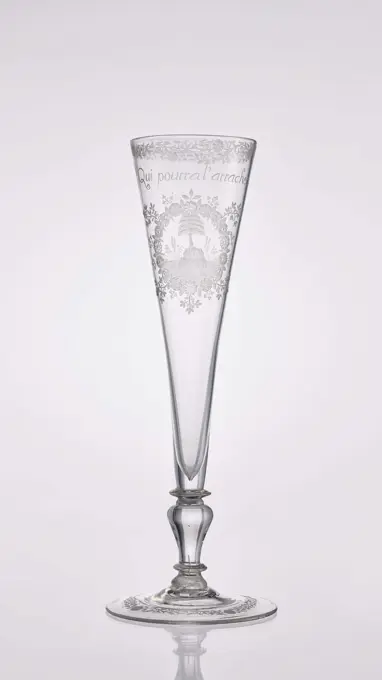
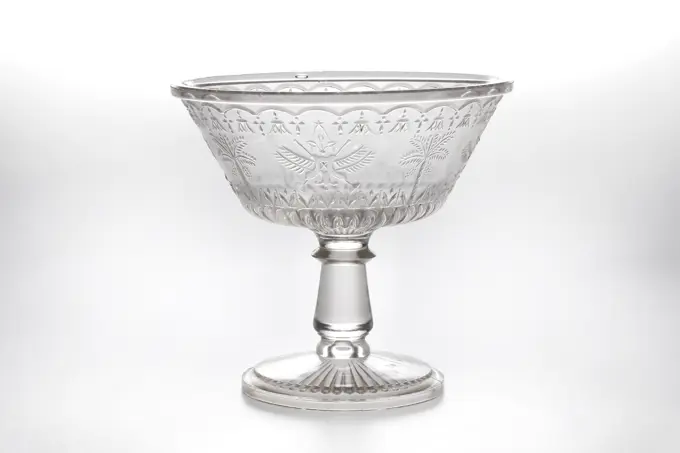
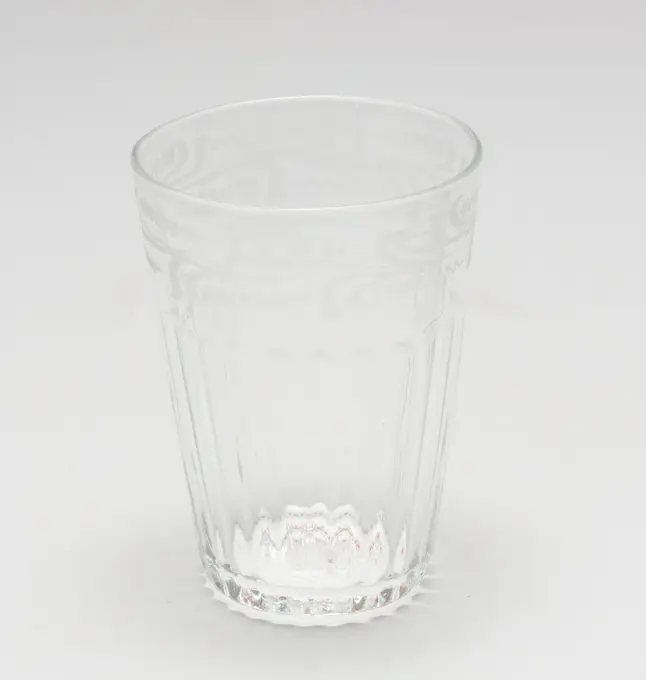
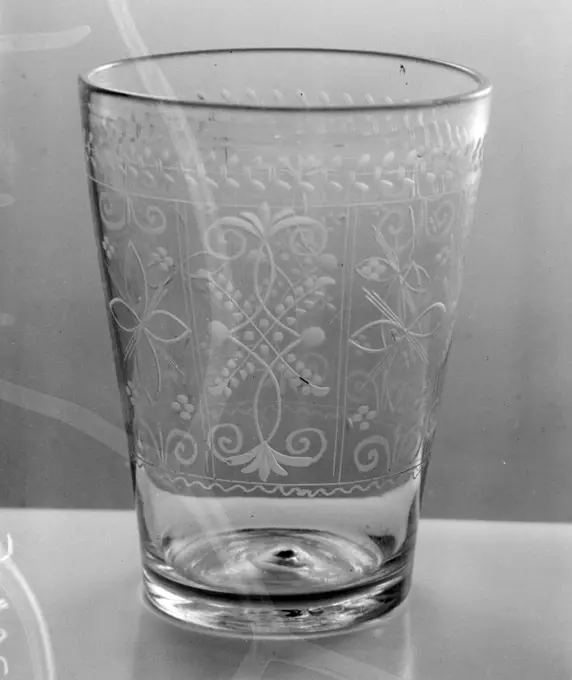
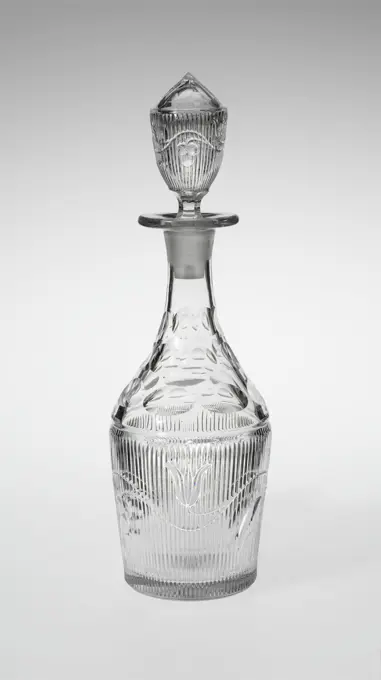
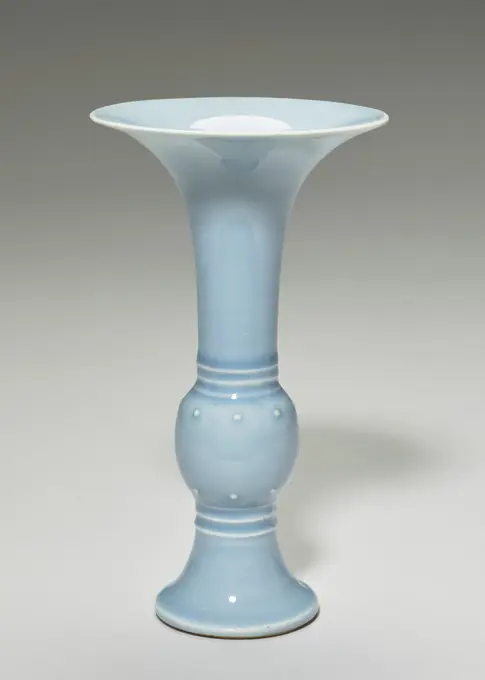
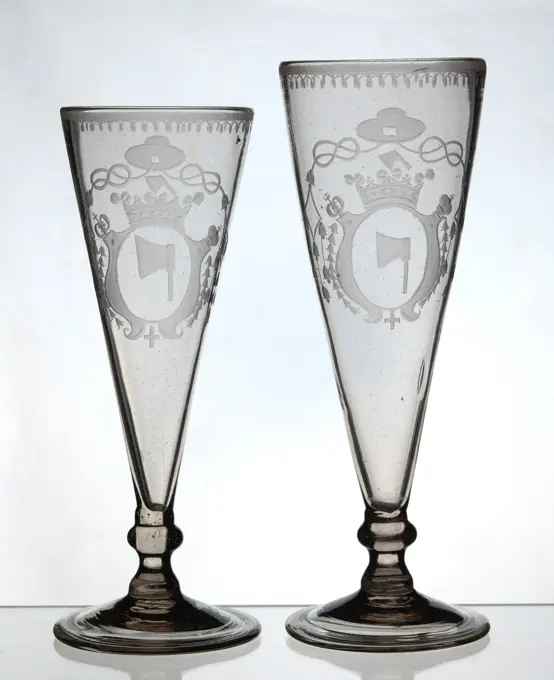
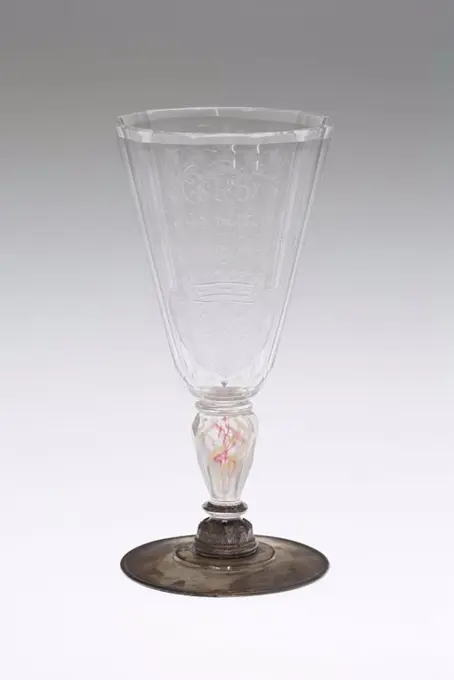
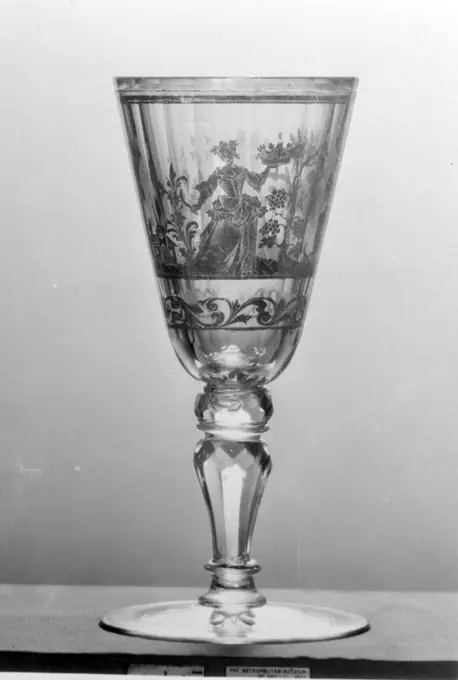
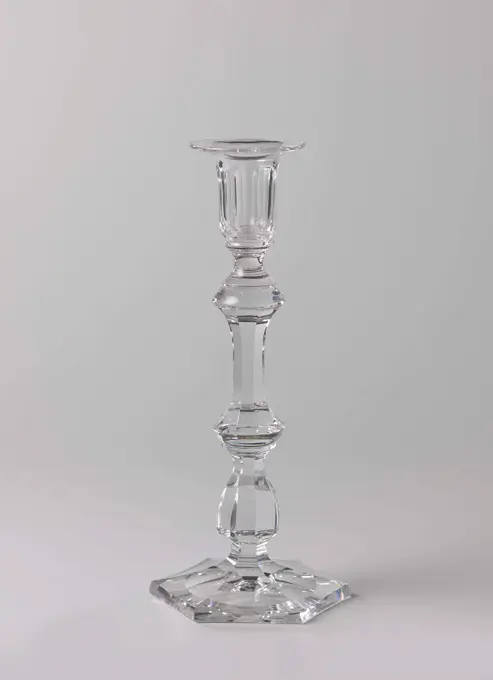
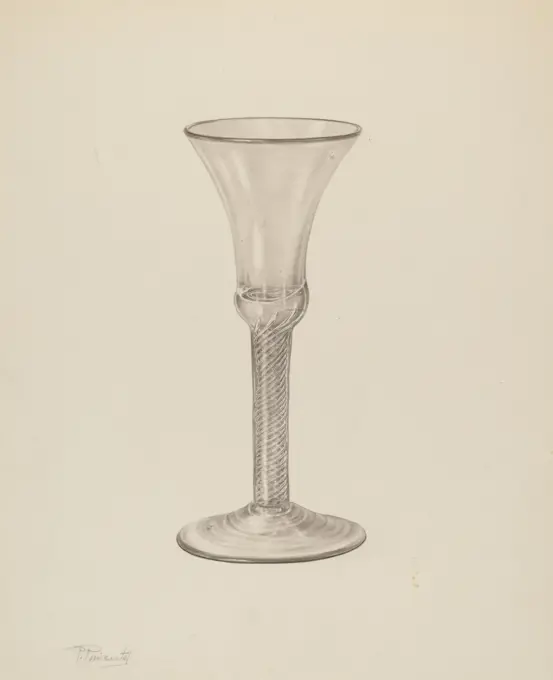
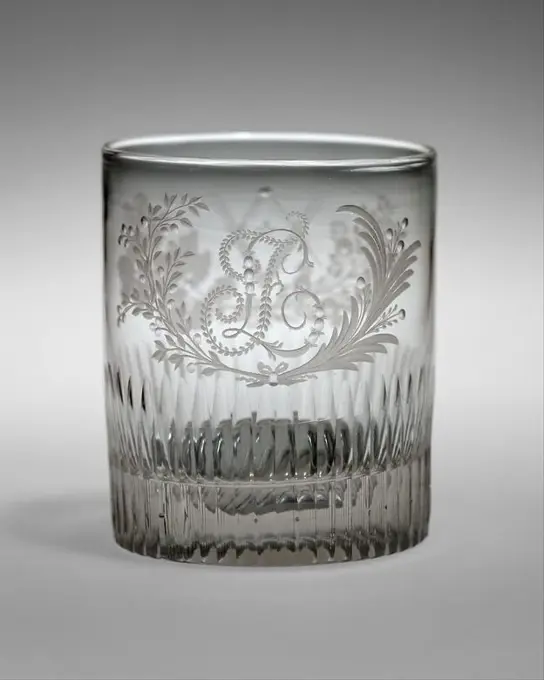
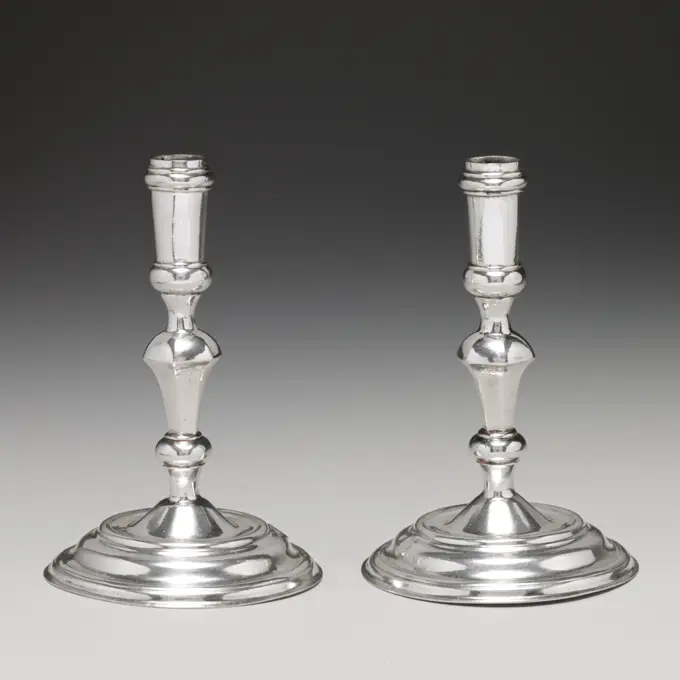
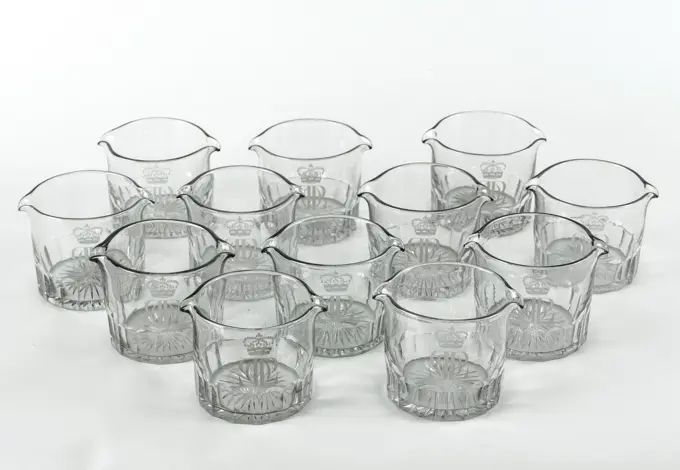
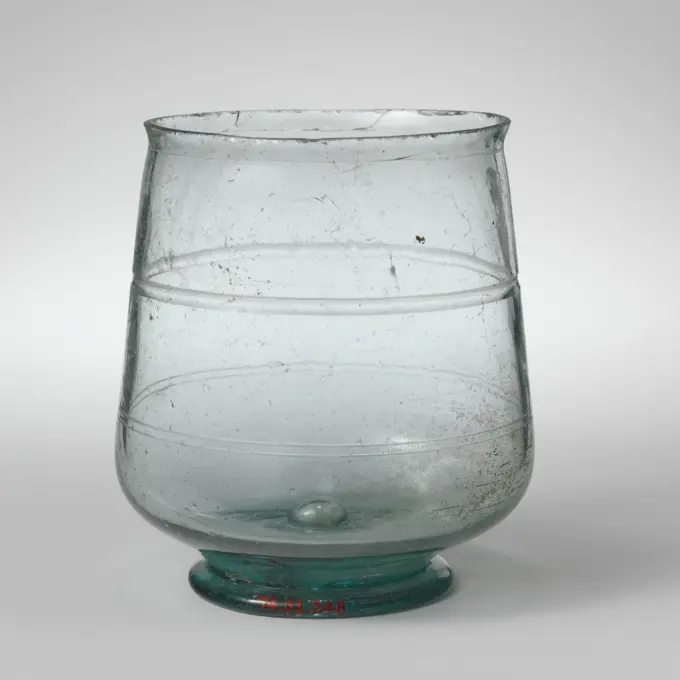
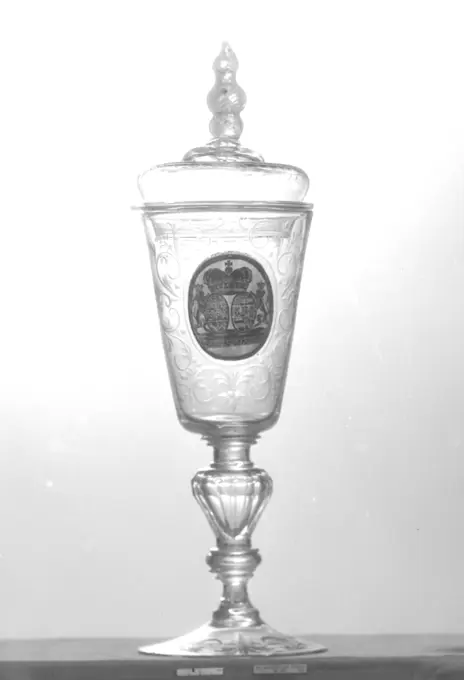
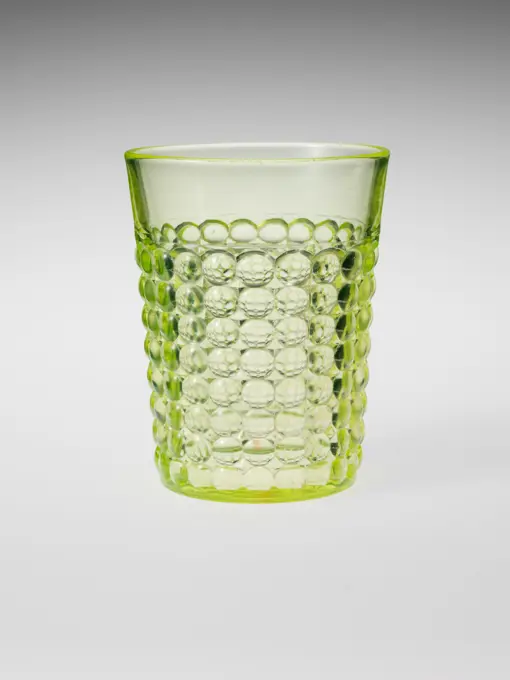
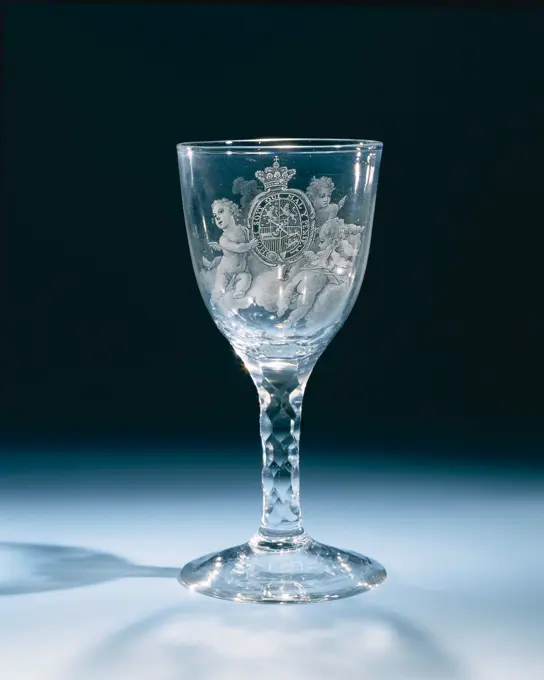
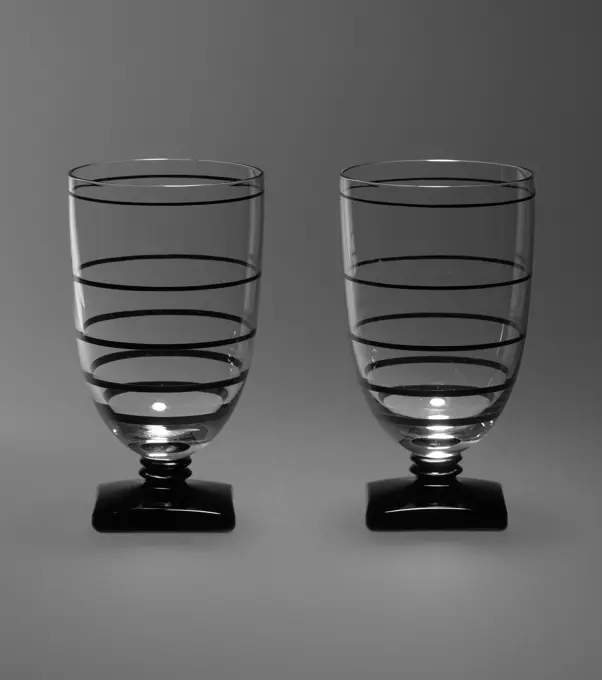
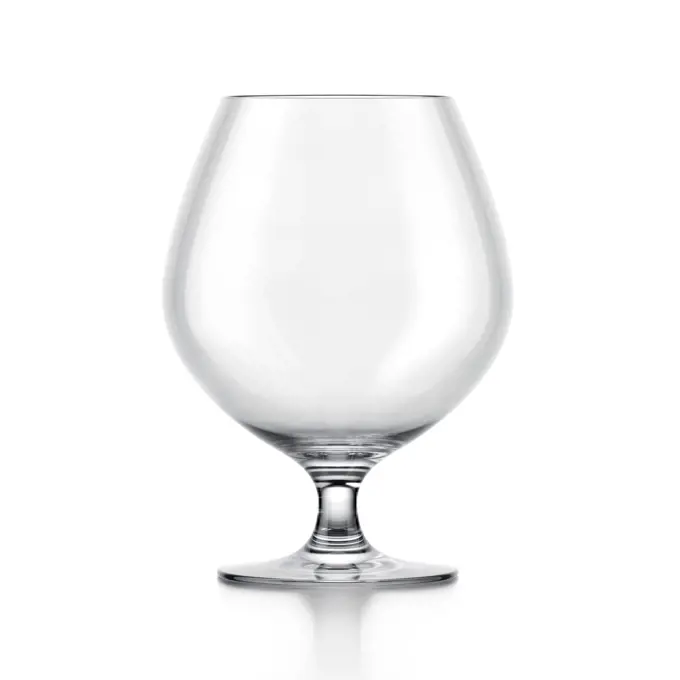
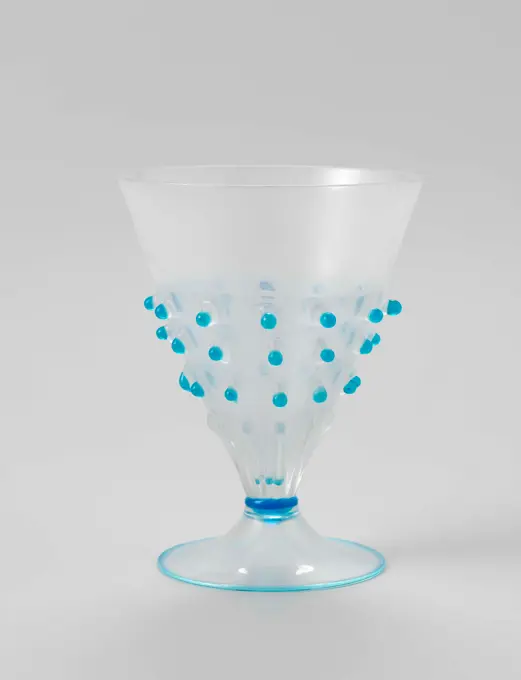
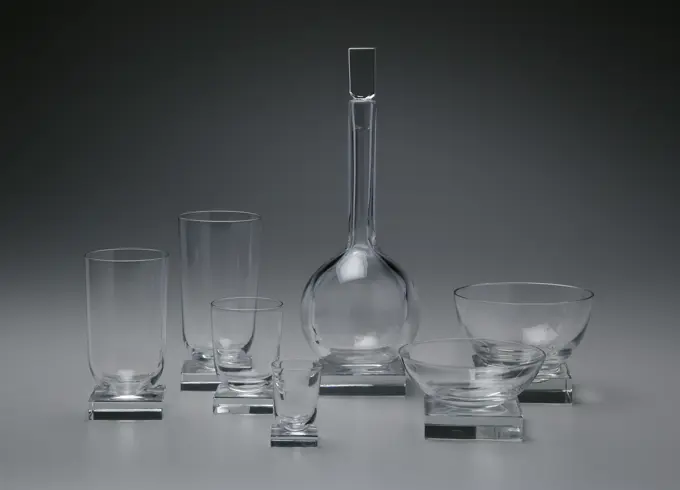
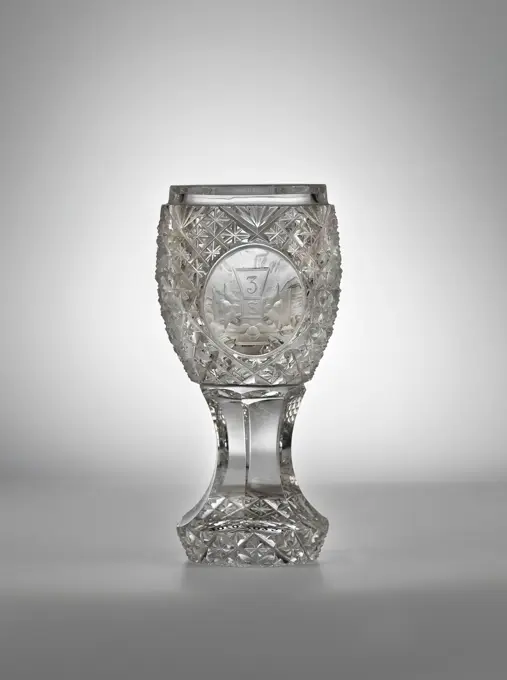
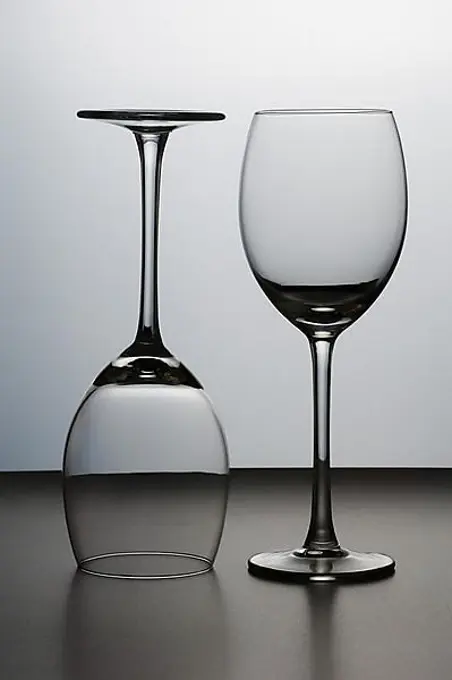
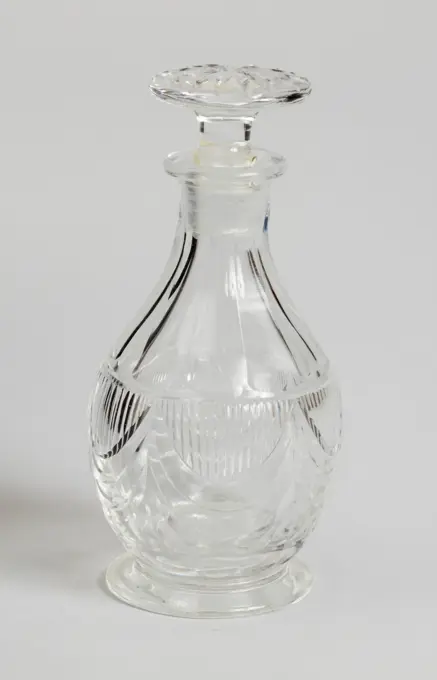
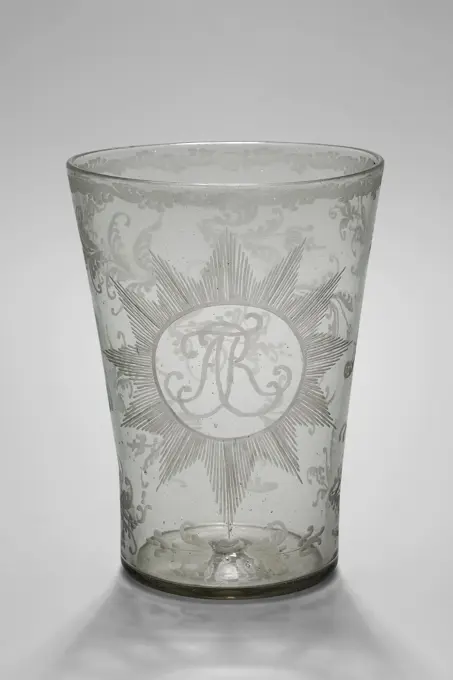
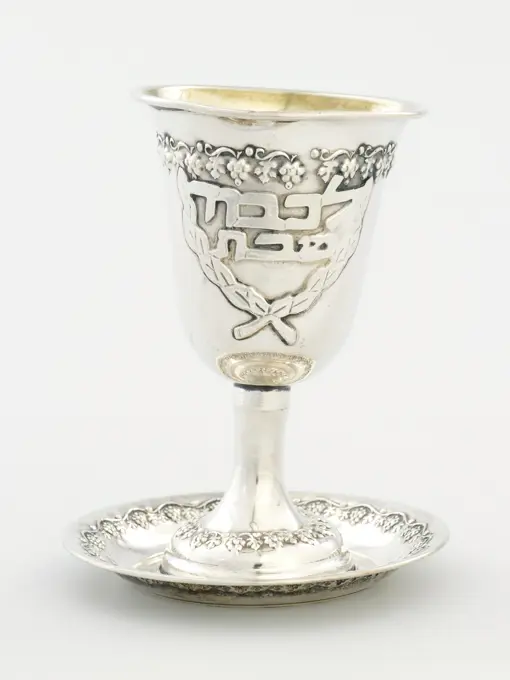
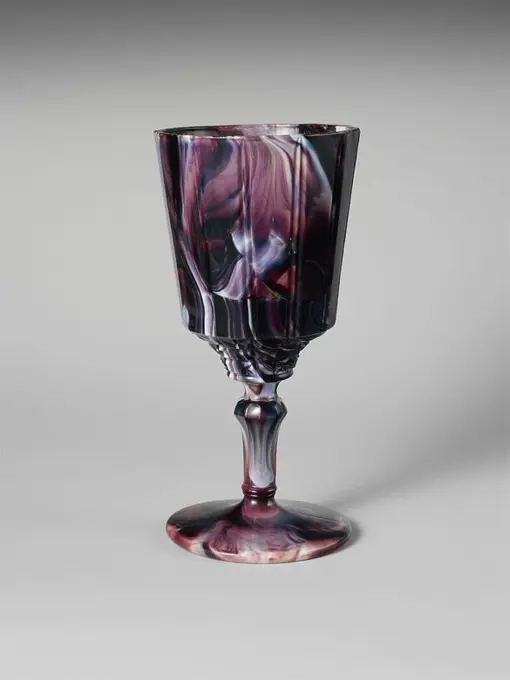
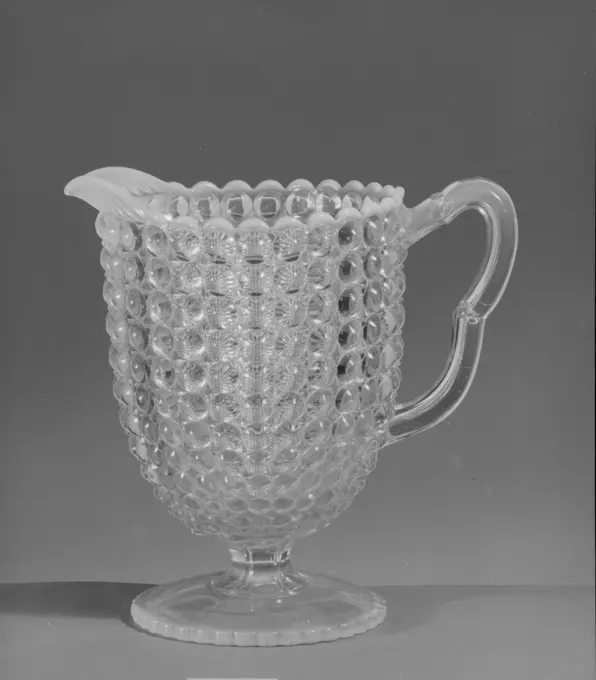
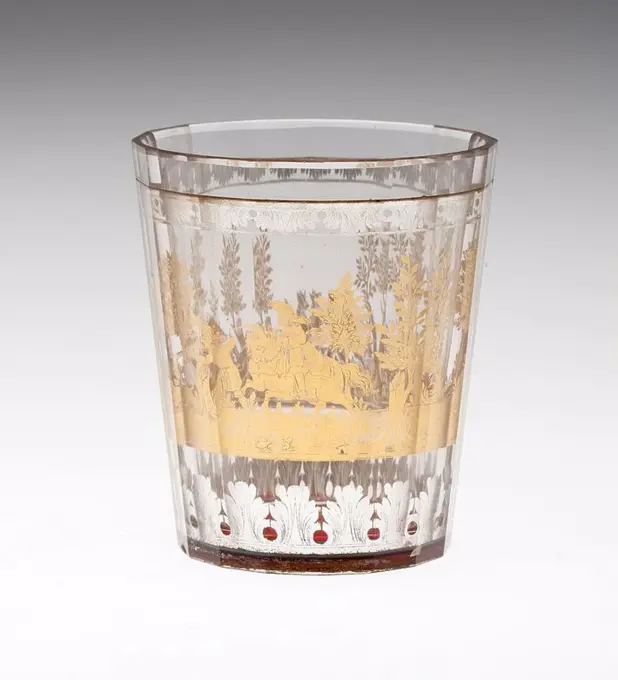
Beaker mid-16th century German. Beaker 466668Glass, possibly representing a water lens, anonymous, c. 1675 - c. 1699 Glass, clear colorless, possibly representing a water lens; Large convex cuppa with narrow outdoor rim, put on inner hollow foot and on a short trunk. Possibly a water lens. Amsterdam (possibly)Haarlem (possibly) glass Glass, clear colorless, possibly representing a water lens; Large convex cuppa with narrow outdoor rim, put on inner hollow foot and on a short trunk. Possibly a water lens. Amsterdam (possibly)Haarlem (possibly) glass. Conical foot. Breached in facets of tribe, undervantage in a curved chalice. On the chalice, in an oval frame of laurel branches, a portrait of Agatha blanket (1741-1804) in half.Mug, late 18th century, 4 7/8 in. (12.4 cm), White flint glass, United States, 18th centuryGoblet, c. 1725-1750. England, 18th century. Glass; diameter: 7 cm (2 3/4 in.); overall: 15.3 cm (6 in.).Kelkglas, anonymous, c. 1600 - c. 1700 Flat, high base with ribs blown. The trunk made up of two hollow, ribbed balusters, between which two knots. Klock -shaped low chalice with a wide edge, optically blown in a relief pattern. The glass mass shows many seeds and irregularities. Venice glass glassblowing Flat, high base with ribs blown. The trunk made up of two hollow, ribbed balusters, between which two knots. Klock -shaped low chalice with a wide edge, optically blown in a relief pattern. The glass mass shows many seeds and irregularities. Venice glass glassblowingTumbler 1850-70 Bakewell, Pears and Company. Tumbler 3776Beaker (Humpen) 17th century German. Beaker (Humpen). German. 17th century. Glass. GlassWater glass, 18th-19th century, 4 3/4 x 3 3/4 x 3 3/4in. (12.1 x 9.5 x 9.5cm), Glass, United States, 18th-19th centuryGlass;  1920-39 (1920-00-00-1939-00-00);Glass; Lobmeyr, J. & L. (Vienna; 1823-); 1920-39 (1920-00-00-1939-00-00);Goblet, Glass, Clear glass goblet with 2 rows of shields decoration painted on body., Switzerland, 18th century, glasswares, Decorative Arts, GobletChalice glass with a company at a table and the inscription: our good government, anonymous, c. 1750 - c. 1775 Chalice glass made of colorless glass. The chalice is conical; The trunk consists of four thickenings of which the two middle bubbles are decorated with small air bubbles. The foot is missing. On the chalice in Radsnijwerk a table around which 4 gentlemen in 18th century costume and wigs. The show is finished from below with a bileine -like decoration and on either side with bouquets. On the top edge in capital letters our good government. glassblower: Low CountriesNorthern Netherlands Glass. Foot: Wood (Plant Material) glassblowing Chalice glass made of colorless glass. The chalice is conical; The trunk consists of four thickenings of which the two middle bubbles are decorated with small air bubbles. The foot is missing. On the chalice in Radsnijwerk a table around which 4 gentlemen in 18th century costume and wigs. The show is finished from below with a bileine -like decoratSaltcellar 1780-1825 American or British. Saltcellar 6987Cruet with stopper, 18th-19th century, 6 x 2 7/8 x 2 7/8in. (15.2 x 7.3 x 7.3cm), Glass, United States, 18th-19th centuryBurgundy Glass, Embassy” Pattern. Designer Walter Dorwin Teague, American, 1883-1960 Designer Edwin W. Fuerst, American, 1903-1988 Manufacturer: Libbey Glass Company, a subsidiary of Owens-Illinois Glass Co., American, 1935-1943Flute. Drezno (huta szkła ; 1699-post 1756), creatorCompote - Nova Scotiia Tassel & Crest PatternWater glass, 18th-19th century, 3 3/4 x 2 3/4 x 2 3/4in. (9.5 x 7 x 7cm), Glass, United States, 18th-19th centuryBase, van vase, anonymous, c. 1850 - c. 1900 Hollow base, with a profiled base and a cylindrical body. The pedestal is decorated with a menagerie between leaf and flower vines. Bohemen (possibly) glass glassblowing Hollow base, with a profiled base and a cylindrical body. The pedestal is decorated with a menagerie between leaf and flower vines. Bohemen (possibly) glass glassblowingFlip or toddy glass 18th century Dutch. Flip or toddy glass. Dutch. 18th century. Glass. GlassWater Goblet Boston & Sandwich Glass Company American ca. 1867Wine glass with a portrait of William V, anonymous, 1787 Vaulted foot. Straight tribe, turning into a conical chalice. On the Kelk, in an oval medallion of Rococo ornament, a portrait of Stadholder Prince Willem V (1748-1806). Left and right a flower drink depends on the medallion. In a banderolle above the portrait Willem de Vde Prins of Oranje. Signed in the left under the portrait D: Wolff I: V: t., And on the right 1787. glassblower: EnglandNorthern Netherlands glass glassblowing Vaulted foot. Straight tribe, turning into a conical chalice. On the Kelk, in an oval medallion of Rococo ornament, a portrait of Stadholder Prince Willem V (1748-1806). Left and right a flower drink depends on the medallion. In a banderolle above the portrait Willem de Vde Prins of Oranje. Signed in the left under the portrait D: Wolff I: V: t., And on the right 1787. glassblower: EnglandNorthern Netherlands glass glassblowingDecanter 1850-70. Decanter 3091Jar and cover, glass, 19th century, glasswares, Decorative Arts, Jar and coverGlass in the form of a riding boot, anonymous, c. 1800 - c. 1850 Flat sole and set heel, long, slim base, modeled shaft. West-Europa glass glassblowing Flat sole and set heel, long, slim base, modeled shaft. West-Europa glass glassblowingPitcher. Thomas Cains (England, 1779-1865). United States, circa 1826-1835. Furnishings; Serviceware. Blown glassGu, 1644-1911, 7 1/4 × 4 in. (18.4 × 10.16 cm), Porcelain with clair de lune glaze, China, 18th centuryGoblet ca. 1830-40 Bohemian. Goblet. Bohemian. ca. 1830-40. Glass. GlassWine glass, from a set of four, c. 1830, 5 1/4 x 2 1/2 x 2 1/2 in. (13.34 x 6.35 x 6.35 cm), Cut glass, France (), 19th centuryGlass beaker. Culture: Roman, Cypriot. Dimensions: 3 9/16 × 3 3/16 in. (9 × 8.1 cm)Diam. of rim: 2 11/16 in. (6.8 cm)Diam. of foot: 2 1/16 in. (5.2 cm). Date: probably 3rd century A.D..Translucent blue green.Plain, knocked-off rim, with slight bulging collar beneath; straight sides to body, expanding downwards, then curving in to solid, low base; flat bottom, with central hollow kick, forming projecting knob on interior.Decoration of well-executed horizontal lines, comprising a single fine line below collar, a broad and deep groove on upper body, and a band of two fine lines on lower body.Intact, but numerous internal cracks, especially in base; some pinprick and larger bubbles, and a few glassy inclusions; very little weathering, with one patch of dulling, pitting, and brownish weathering on interior. Museum: Metropolitan Museum of Art, New York, USA.Two gobletsDecanter with stopper. Culture: British. Dimensions: Height: 11 1/4 in. (28.6 cm). Date: probably late 18th century. Museum: Metropolitan Museum of Art, New York, USA.Glass of shot drink isolated on a white backgroundGoblet. Germany, Schleswig. Date: 1700-1725. Dimensions: 15.1 x 7.3 cm (5 15/16 x 2 7/8 in.). Glass. Origin: Schleswig. Museum: The Chicago Art Institute, Chicago, USA.Allegory of the Seasons ca. 1730 Bohemian This wineglass is decorated with figures representing Autumn (grape harvest) and the other three seasons.. Allegory of the Seasons. Bohemian. ca. 1730. Zwischengold glass. GlassCandlestick with polished facets. Hexagonal, conical foot, baluster-shaped strain, cylinder-shaped holder with bumped edge. Facet cut foot, trunk and holder.Mug 1820-40 American. Mug 5272Wineglass ca. 1785-90 Engraved by David Wolff. Wineglass. Dutch, The Hague. ca. 1785-90. Glass. Engraved by David Wolff (Dutch, 's Hertogenbosch 1732-1798 The Hague). GlassCup Lausitzer glassworksPalmyra Pimentel, Wine Glass, 1935 1942 Wine GlassWineglass late 18th-early 19th century Dutch The irregularities of form suggest that this may have been a trial piece.. Wineglass. Dutch. late 18th-early 19th century. Glass. GlassTumbler. Culture: American. Dimensions: H. 3 1/2 in. (8.9 cm); Diam. 3 1/16 in. (7.8 cm). Maker: Bakewell, Page & Bakewell (1808-1882). Date: ca. 1825-30.This was one of probably three tumblers embellished with sulphide portraits (here of Andrew Jackson) presented to the marquis de Lafayette in 1825 by fellow Frenchman and Pittsburgh resident Felix Brunot. The engraved boughs with leaves and flowers frame Masonic symbols on one side and Lafayette's interlaced initials on the other. Museum: Metropolitan Museum of Art, New York, USA.Maker Unknown, Vase, 1920s, turquoise glass.Jelly Glass 18th century American. Jelly Glass 4532Miniature taperstick (one of a pair) ca. 1720-30 David Clayton. Miniature taperstick (one of a pair). David Clayton (British, active 1689). British, London. ca. 1720-30. Silver. Metalwork-Silver-MiniatureTwelve glasses with the figure of Louis-Philippe ". Cristal. Paris, Museum of romantic life. Threatening art, crown, crystal, royal emblem, dishes, glassTwelve glasses with the figure of Louis-Philippe ". Cristal. Paris, Museum of romantic life. Threatening art, crown, crystal, royal emblem, dishes, glassBeker met instulpingen, Gerard Muller (attributed to), c. 1900 - c. 1925 Flat soil with grinded star, conical, upwards, in three places input in three places. designer: Amsterdammaker: Europe glass glassblowing / grinding Flat soil with grinded star, conical, upwards, in three places input in three places. designer: Amsterdammaker: Europe glass glassblowing / grindingCompote - Tiffany Studios, 1902-1933 Tiffany Studios, 1902-1933Vase, Munden, Tin-glazed earthenware, High pierced vase in the form of a lattice cylinder with flowers at the crossings., ca. 1750, ceramics, Decorative Arts, VaseTumbler 1700-1800. Tumbler 8995Fruit basket ca. 1740-60 Belgian, Liège. Fruit basket 187393Champagne glass, empty, classic form, vector illustration isolated on a white backgroundGlassGlass beaker probably 3rd century A.D. Roman, Cypriot Translucent blue green.Plain, knocked-off rim, with slight bulging collar beneath; straight sides to body, expanding downwards, then curving in to solid, low base; flat bottom, with central hollow kick, forming projecting knob on interior.Decoration of well-executed horizontal lines, comprising a single fine line below collar, a broad and deep groove on upper body, and a band of two fine lines on lower body.Intact, but numerous internal cracks, especially in base; some pinprick and larger bubbles, and a few glassy inclusions; very little weathering, with one patch of dulling, pitting, and brownish weathering on interior.. Glass beaker. Roman, Cypriot. probably 3rd century A.D.. Glass; blown and cut. Late Imperial. GlassStanding cup with cover with alliance arms of East Friesland and Nassau-Idstein 1709-23 Bohemian. Standing cup with cover with alliance arms of East Friesland and Nassau-Idstein. Bohemian. 1709-23. Glass, verre églomisé and Zwischengold glass. GlassCup-flet; Crystal glassworks (Naliboki; 1722-1862); 3 18th century (1751-00-00-1775-00-00);Salt or BonnetGlassJug 1735-1750 Schleswig. Glass .Tumbler ca. 1888 Richards and Hartley Flint Glass Co.. Tumbler 9150. Conical foot. Breached in facets of tribe, undervantage in a curved chalice. On the chalice, in an oval coat of arms with a picture frame of Rococo volutes, the crowned coat of arms of Stadholder Prince Willem V (1748-1806) with the garter and Honi Soit Qui Mal y Pense. Three, putting putti on clouds, hold the weapon.Pair of Tumbler Glasses, Club” Pattern. Designer George Sakier, American, 1897-1988 Manufacturer: Fostoria Glass Company, American, 1887-1986Cognac glass isolated on white background. Cognac glass. Kelk on foot from clear glass, decorated with blue studs.CupDecanter, Knickerbocker” Pattern. Designer Edwin W. Fuerst, American, 1903-1988 Designer A. Douglas Nash, American, 1881-1940 Manufacturer: Libbey Glass Manufacturing Company, American, 1919-1935Maso cup of the part of the "zu den Drei Seraphim", Berlin;  around 1916 (1911-00-00-1921-00-00);Germans, angels, the Rosician Cross, Freemasonry, FreemasonryBeer glasses isolated on the white backgroundTwo empty glassesMiniature Bowl. Culture: American. Dimensions: Dimensions unavailable. Date: ca. 1835. Museum: Metropolitan Museum of Art, New York, USA.Elegant clear glass waiting to be filled with a refreshing beverage in a cozy setting Elegant clear glass waiting to be filled with a refreshing beverage in a cozy setting Copyright: xZoonar.com/MykhailoxShorokhovx 22598876Bottle. Egypt, late 10th - early 11th century. Stone. Rock crystal, carvedWine rinser, Cut and engraved glass, Basin shaped with vertical impressions along lower half, engraved asterisks near upper rim, with two spouts., England, 18th century, glasswares, Decorative Arts, Wine rinserTumbler. Culture: American. Dimensions: H. 3 3/4 in. (9.5 cm). Maker: Probably Hobbs, Brockunier and Company (1863-1891). Date: after 1886. Museum: Metropolitan Museum of Art, New York, USA.Glass. unknown, glass worksBottle Stopper (possibly Ireland); glassMaker's Mark SW, Caddy Spoon, c. 1790, silver.Empty glass isolated on a white background. Tumbler ca. 1885-87 Probably Hobbs, Brockunier and Company. Tumbler 9146Glass;  1696-1763 (1696-00-00-1764-00-00);August II Mocny (Polish King - 1670-1733), August III (Polish King - 1696-1763), Polish National Museum (Rapperswil - 1870-1927) - collection, Polish Army Museum (Warsaw - 1920-) - collection, monograms, rulerwater glass isolated with clipping path includedCover for a Standing Cup, c. 1715. Bohemia, 18th century. Glass; diameter: 17.8 cm (7 in.); overall: 48 x 16.3 cm (18 7/8 x 6 7/16 in.). Engraved with arms of Saxony-Poland and Hunting Scene.Wine cup and saucer, 20th century, 4 11/16 x 3 9/16 x 3 9/16 in. (11.91 x 9.05 x 9.05 cm), Silver (), Israel, 20th centuryGoblet 19th century Probably Dr. Antonio Salviati Company. Goblet. Italian, Venice (Murano). 19th century. Glass. GlassGlassIsolated objects: single hot tea or coffee glass cup, on white background. Tea or coffee glass cupLiquor bottle and glass goblet filled with clear liquid Liquor bottle and glass goblet filled with clear liquid Copyright: xZoonar.com/BorisxZerwannx 6945959Beaker 17th century German. Beaker. German. 17th century. Glass. GlassBottle of oil and vinegar with four bottles, with the Clifford family crest, Fa. Diemont, 1806 One of the two larger bottles of colorless glass, decorated in various sharpening, fits. The upper part of the bottle is contained in a silver frame that is decorated with a filet edge, where it ends in a point at the front and back. One handle is provided on the frame, hinged snee -shaped lid. The, presumably English, bottle has a high rising, bent, grooved silver ear, which runs just above the bottle base to below the folding lid. Amsterdam glass One of the two larger bottles of colorless glass, decorated in various sharpening, fits. The upper part of the bottle is contained in a silver frame that is decorated with a filet edge, where it ends in a point at the front and back. One handle is provided on the frame, hinged snee -shaped lid. The, presumably English, bottle has a high rising, bent, grooved silver ear, which runs just above the bottle base to below the folding lid. Amsterdam glassGoblet. Culture: American. Dimensions: H. 6 3/8 in. (16.2 cm). Maker: Challinor, Taylor and Company (1866-1891). Date: 1870-90. Museum: Metropolitan Museum of Art, New York, USA.Water Pitcher ca. 1888 Richards and Hartley Flint Glass Co.. Water Pitcher. American. ca. 1888. Pressed colorless and opalescent glass. Made in Tarentum, Pennsylvania, United StatesGlass;  1920-39 (1920-00-00-1939-00-00);Vector realistic brandy, cognac glass goblet. Spirit drinks glass set. Cocktail party cup. Bourbon, whiskey or snifter beer glasses on transparent background.. Vector 3d brandy cognac whiskey glass gobletBeaker. Culture: Southern German. Dimensions: Overall: 4 7/8 × 3 5/8 in. (12.4 × 9.2 cm). Date: ca. 1700.The cutting of this ruby beaker is in South German style. The color of glass is more orange than red Potsdam glass usually is. Museum: Metropolitan Museum of Art, New York, USA.Flash;  around 1830 (1820-00-00-1840-00-00);Candlestick and Shade. Culture: British, probably. Dimensions: H. 17 in. (43.2 cm). Date: 1800-1830. Museum: Metropolitan Museum of Art, New York, USA.Candlestick -Selection of eye baths. Made from glass, silver and porcelain, English, 19th Century.Beaker. Bohemia, Czech Republic. Date: 1725-1735. Dimensions: 7.9 × 7 cm (3 1/8 × 2 3/4 in.). Glass with engraved gold leaf decoration. Origin: Bohemia. Museum: The Chicago Art Institute, Chicago, USA.