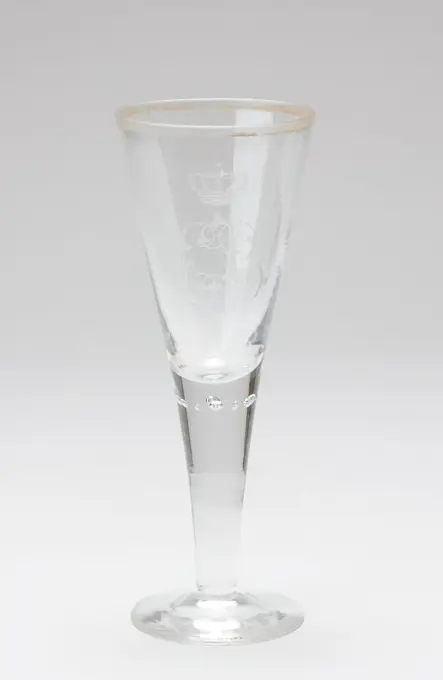
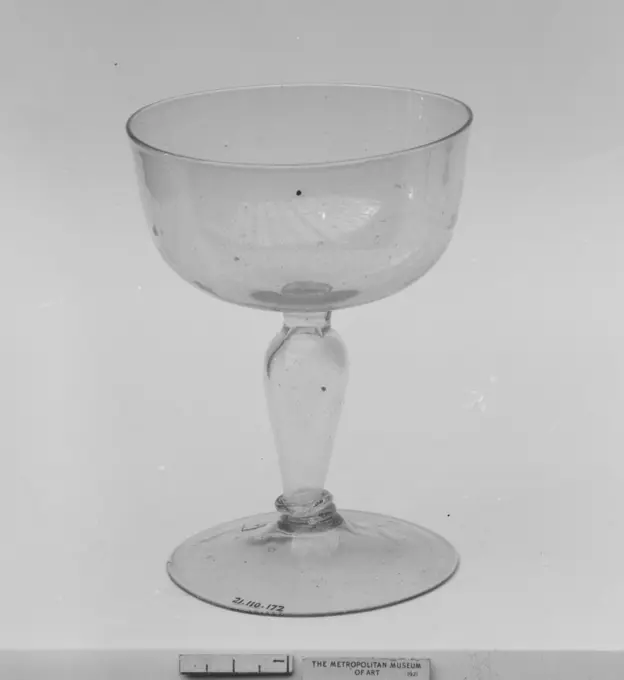
Engraved Glassware Collection

Elegant glass goblets and chalices with intricate engravings, showcasing craftsmanship from different historical periods.
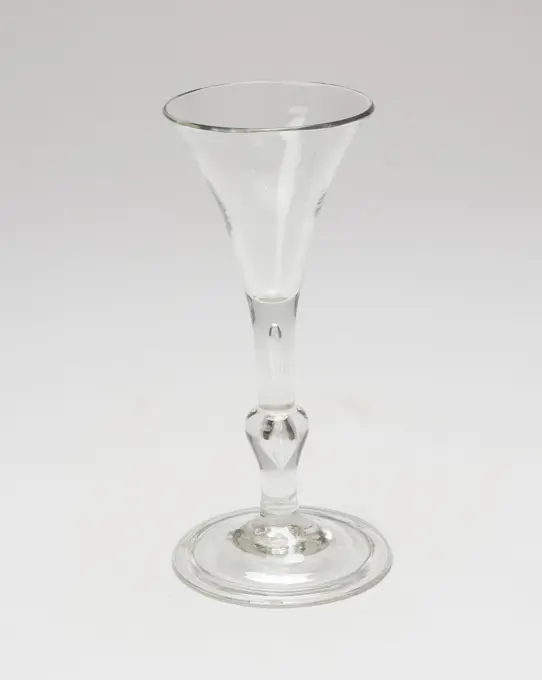
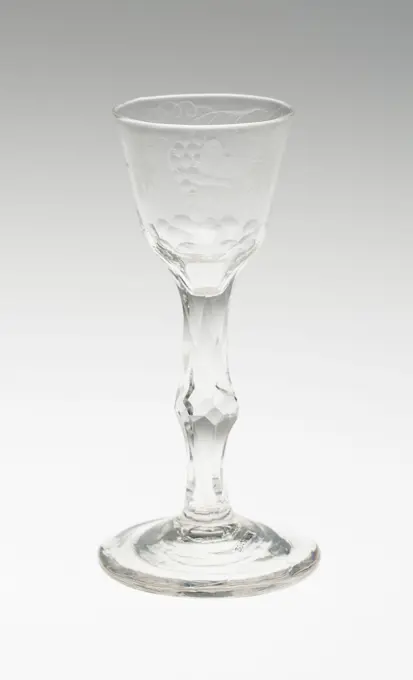
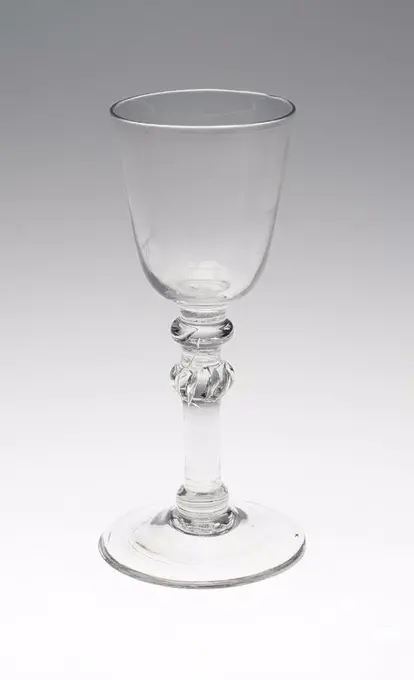
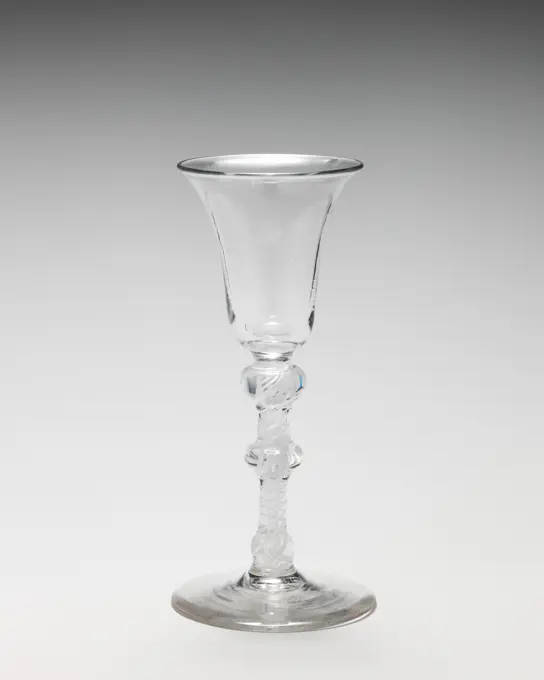
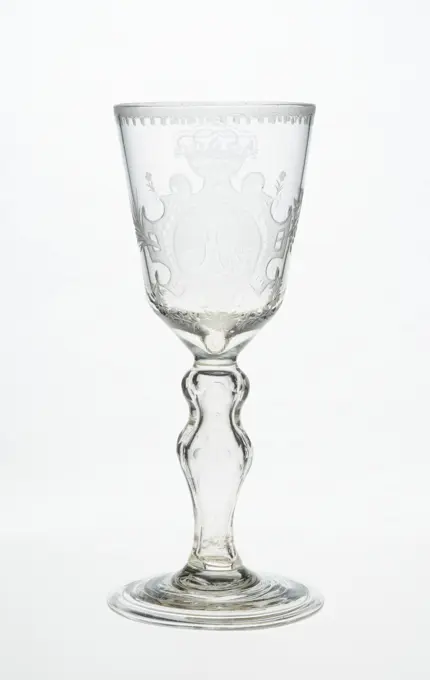
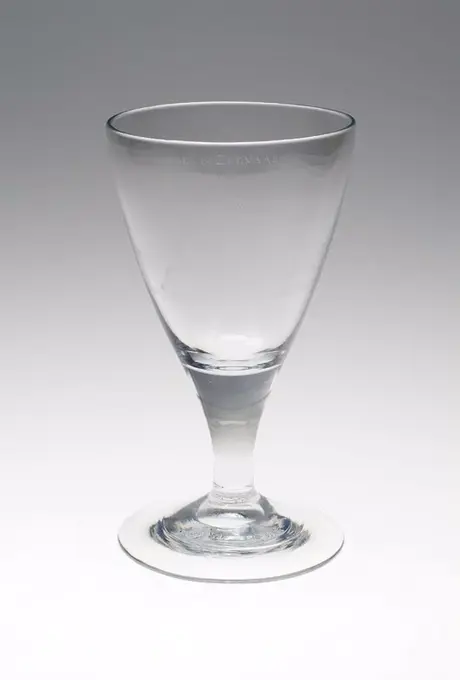
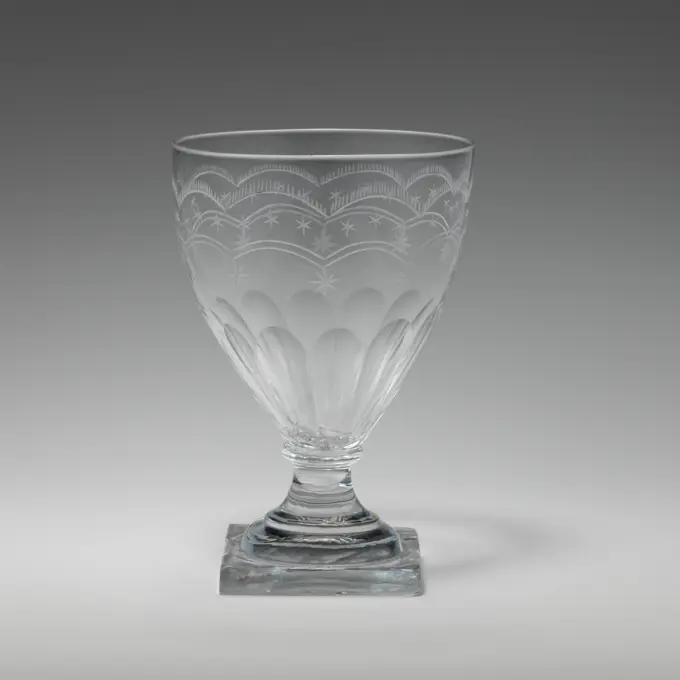
Wine Glass, c. 1725-1750, 6 1/2 in. (16.51 cm), Glass, England, 18th century
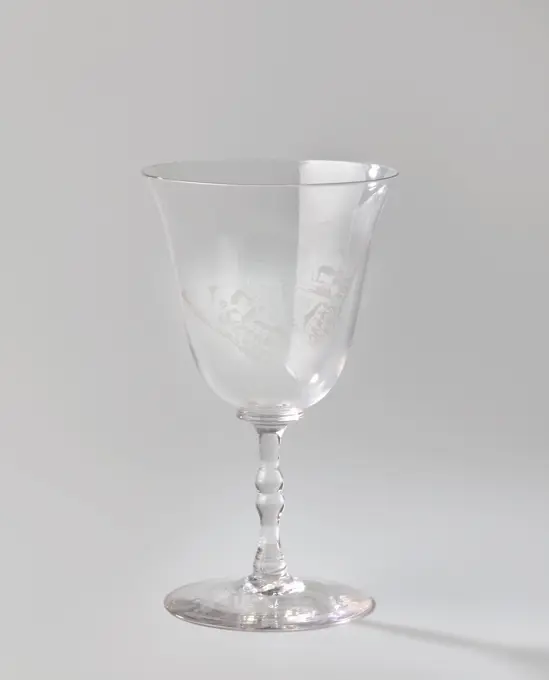
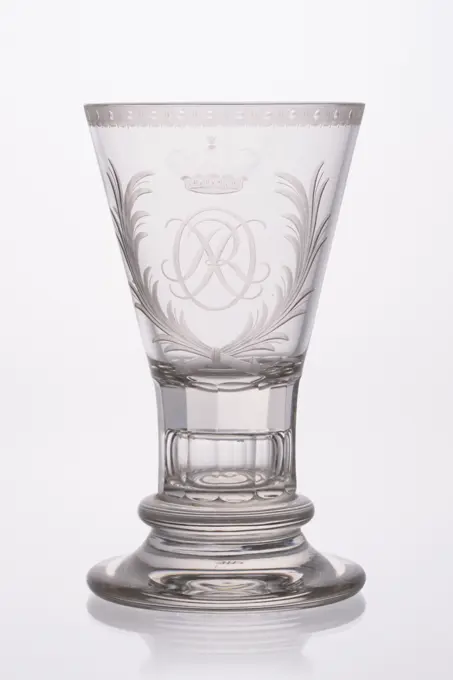
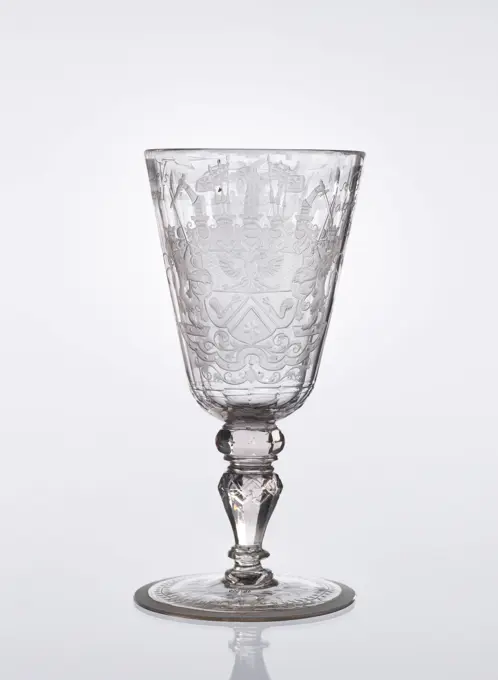
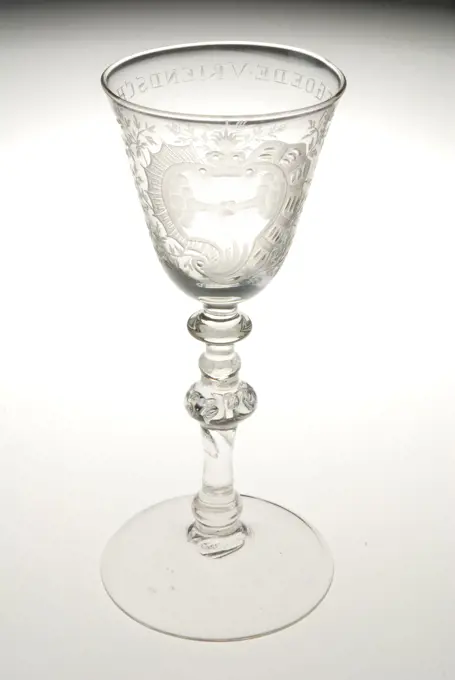
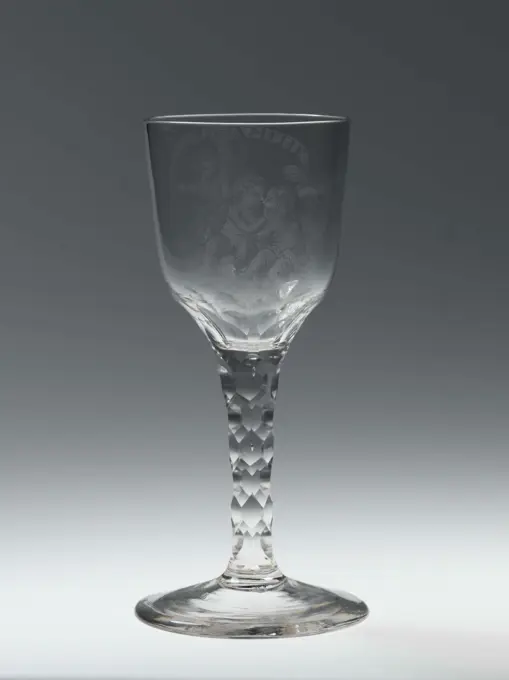
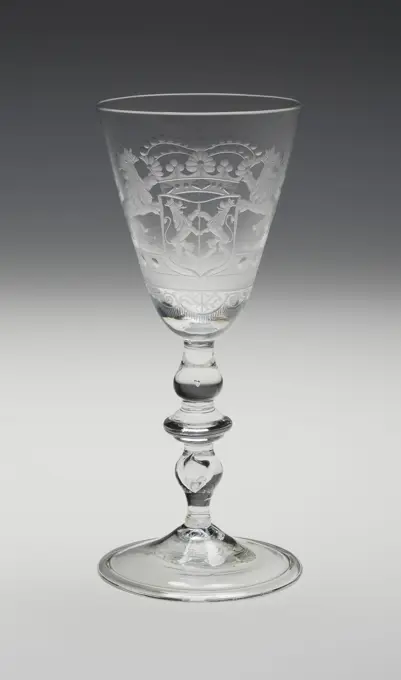
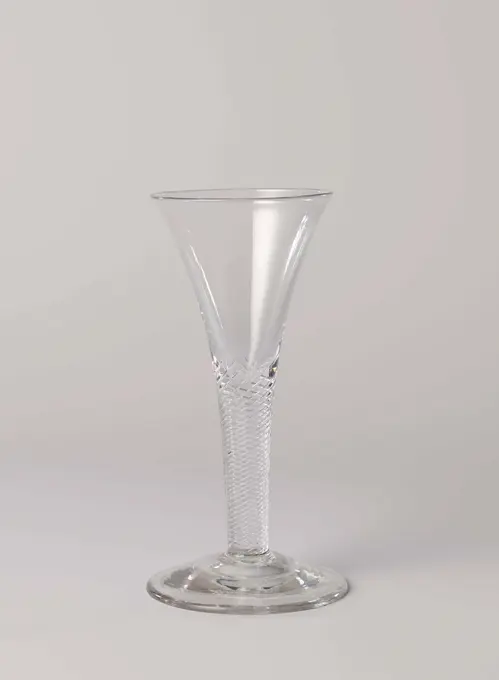
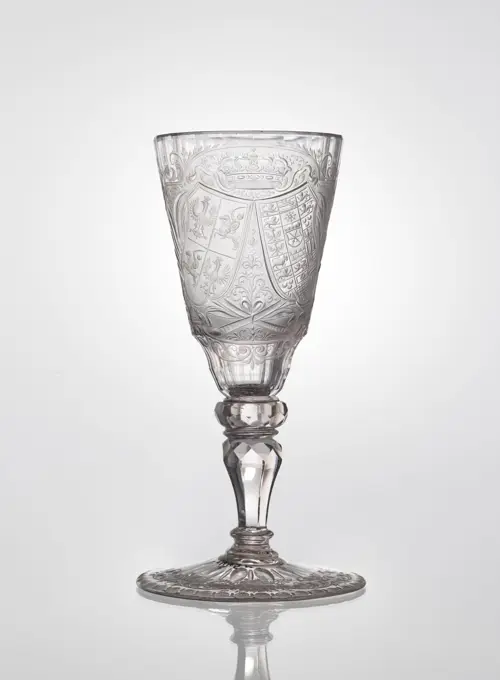
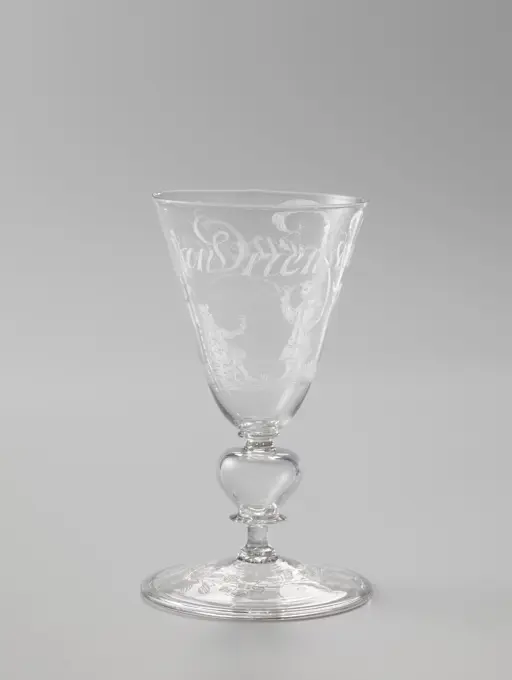
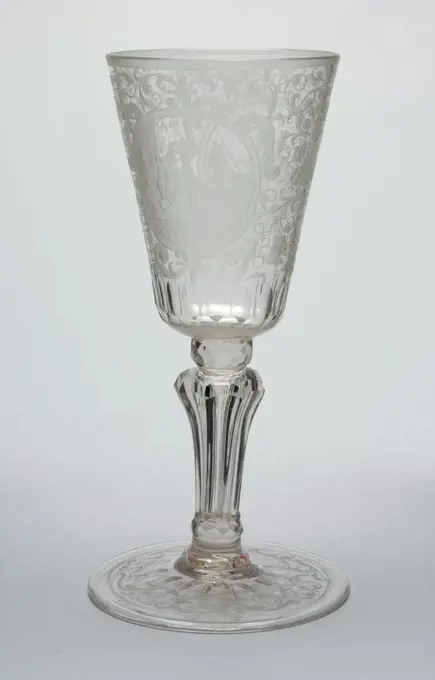
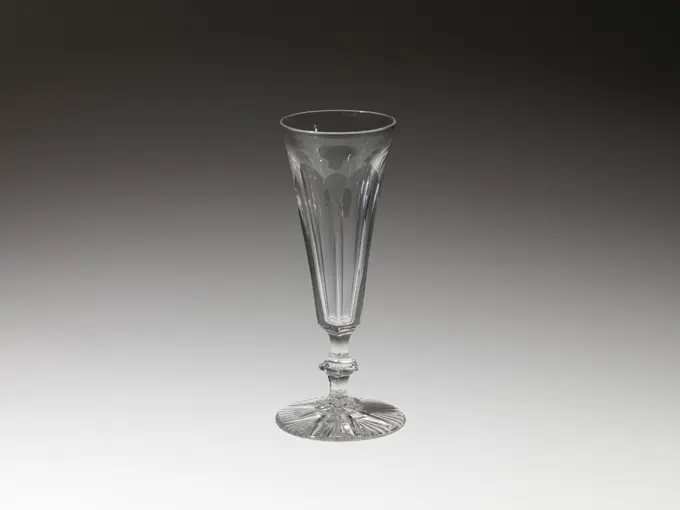
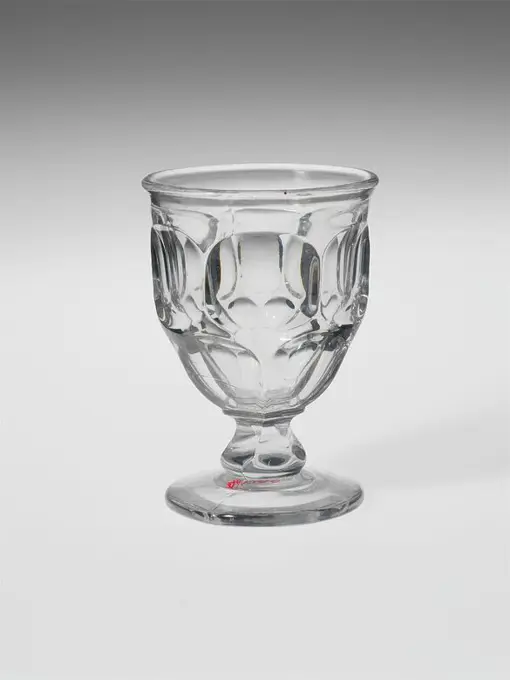
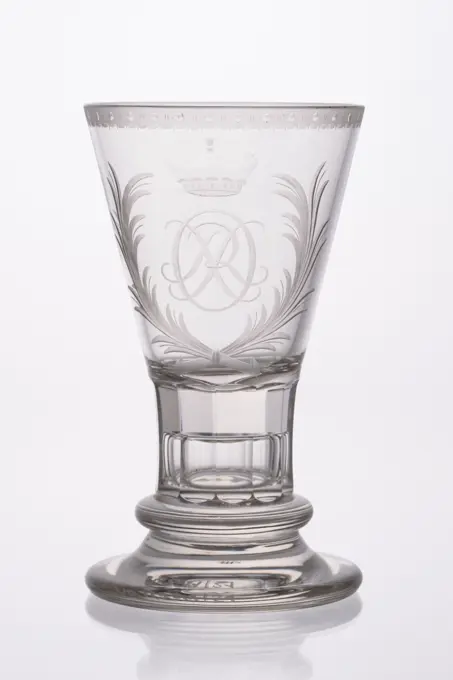
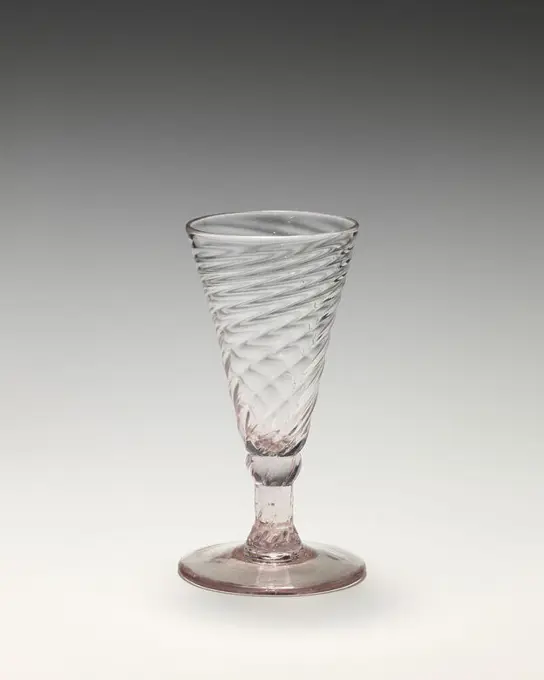
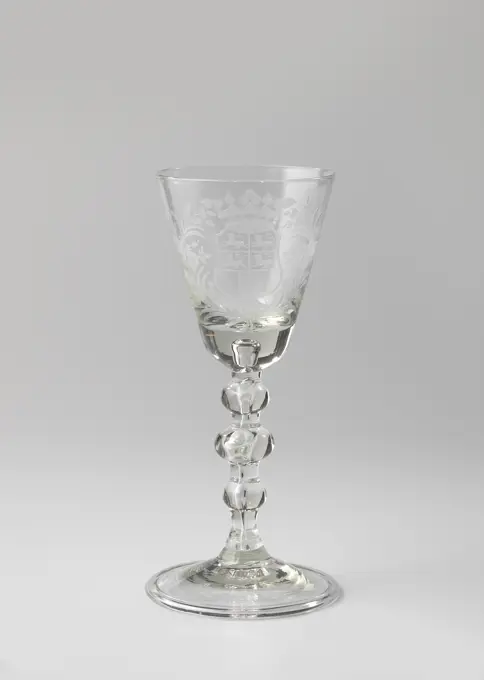
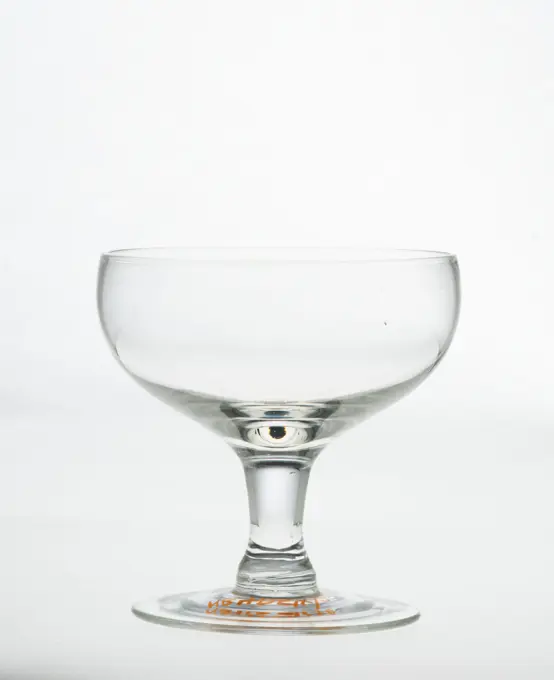
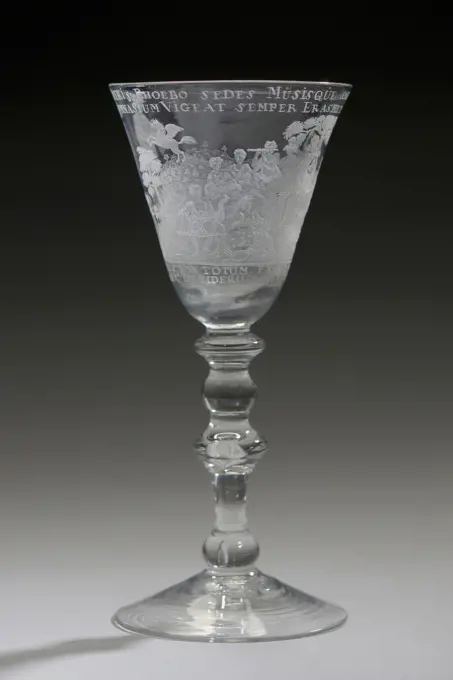
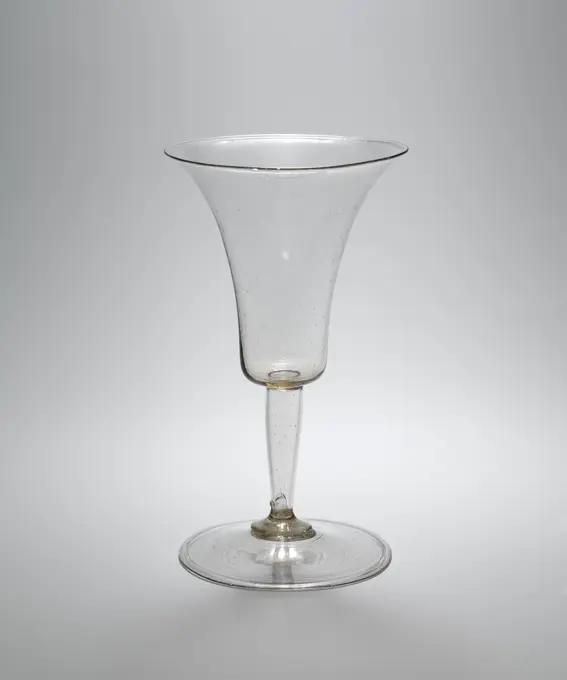
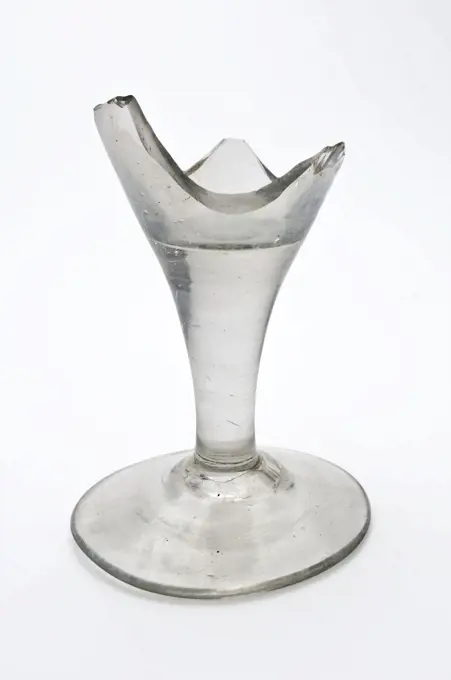
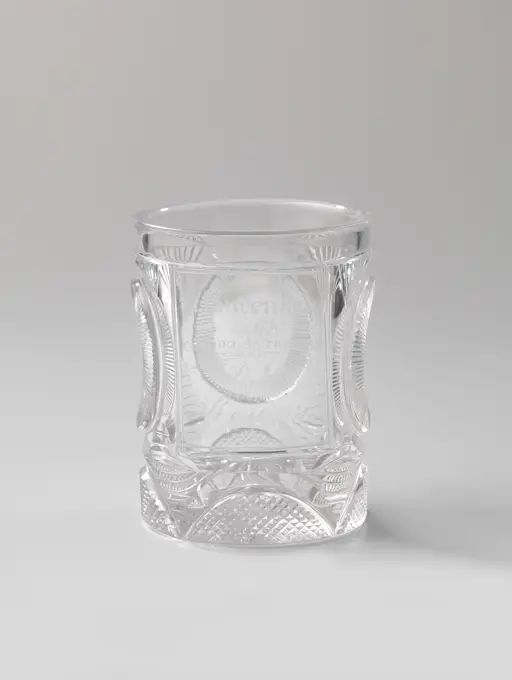
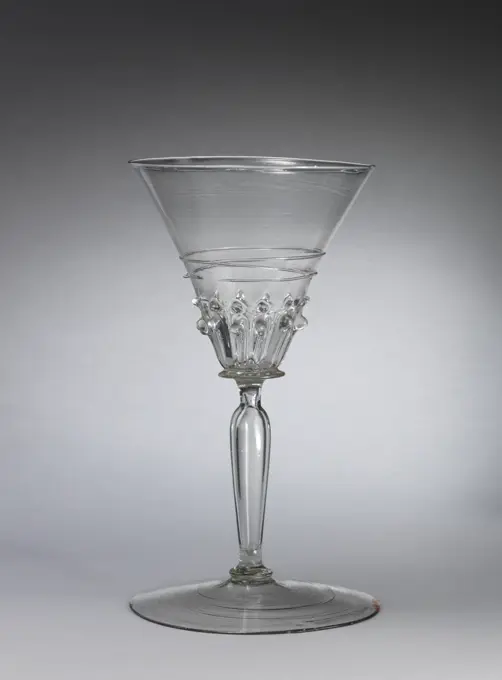
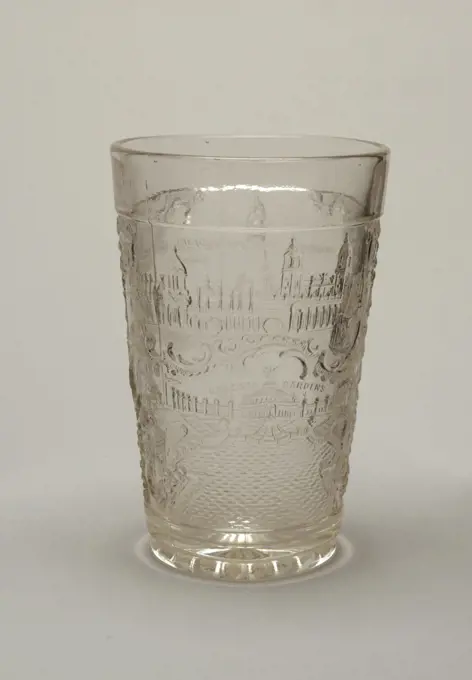
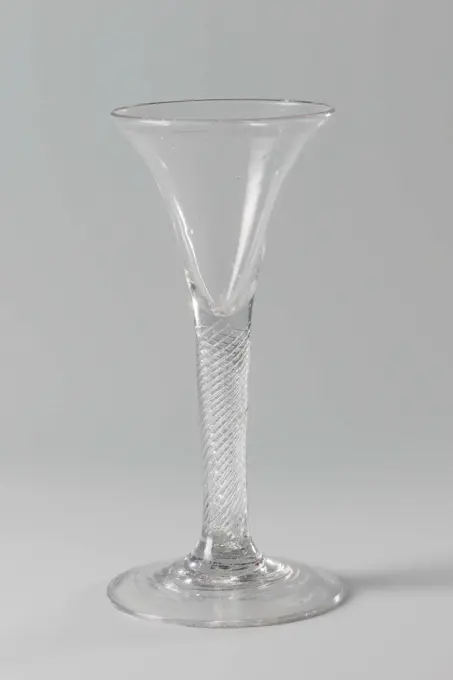
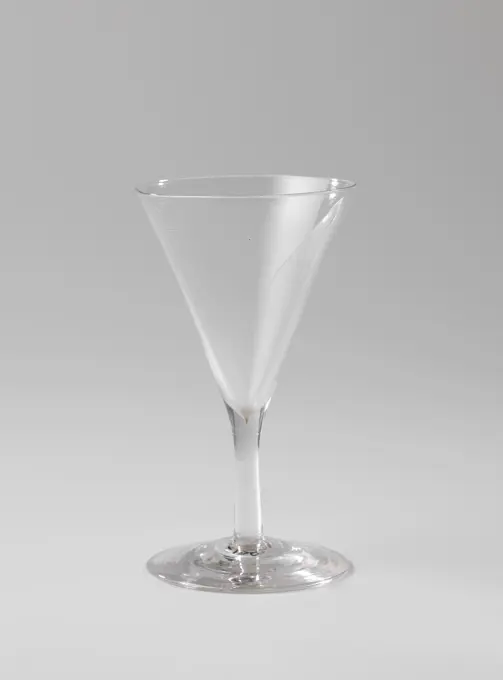
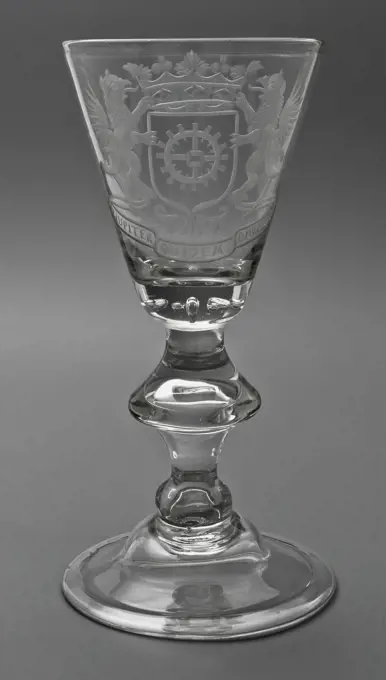
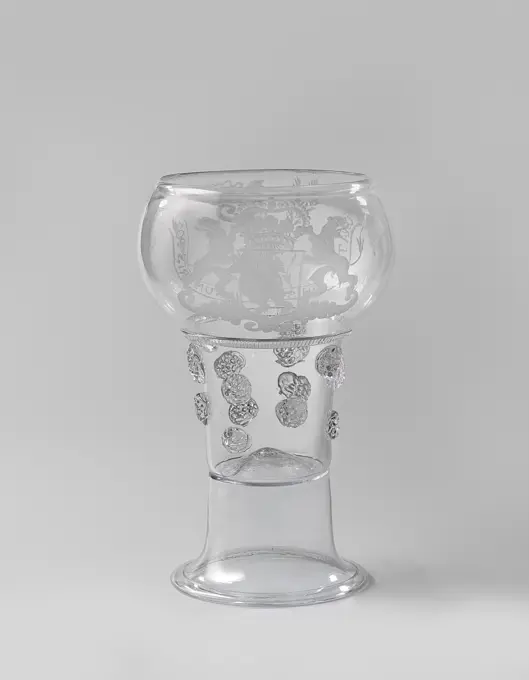
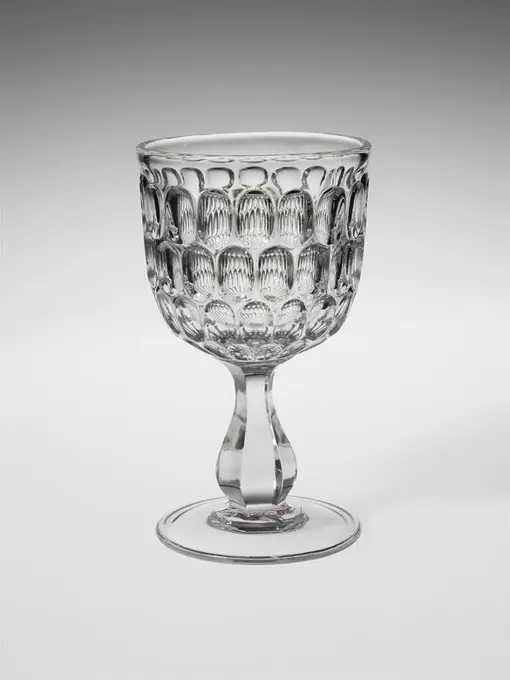
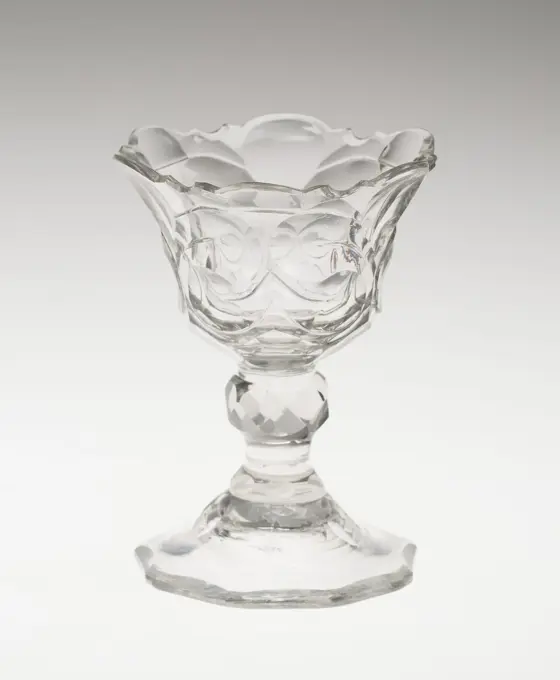
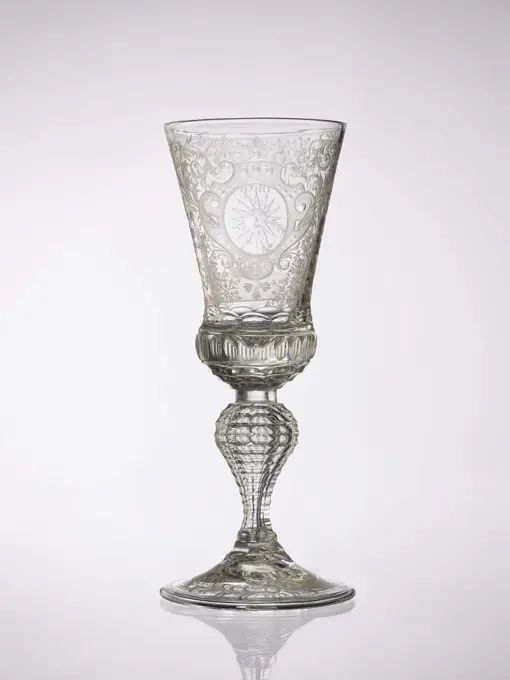
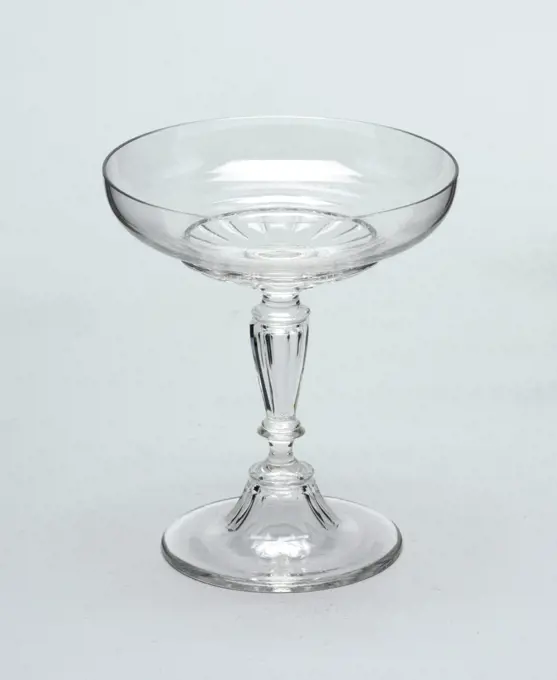
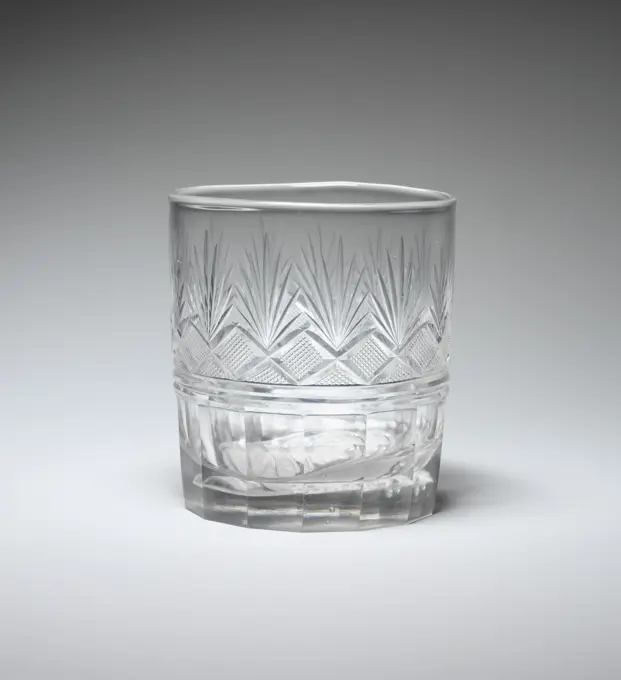
Wine Glass 1785-1795 England. GlassChalice glass with a butterfly, anonymous, c. 1850 - in or before 1863 Chalice glass with a engraved show of a butterfly on the bell -shaped chalice. Double baluster -shaped trunk on slightly curved round foot. Glassblower: Franceamsterdam glass glassblowing Chalice glass with a engraved show of a butterfly on the bell -shaped chalice. Double baluster -shaped trunk on slightly curved round foot. Glassblower: Franceamsterdam glass glassblowing. .Chalip glass with the weapon of Nijmegen, Anonymous, c. 1725 - c. 1750 Chalice glass with baluster tribe with facets (cast). On the chalice the crowned weapon of Nijmegen between two lions. glassblower: EnglandNorthern Netherlands glass glassblowing Chalice glass with baluster tribe with facets (cast). On the chalice the crowned weapon of Nijmegen between two lions. glassblower: EnglandNorthern Netherlands glass glassblowingNo. 107 Rhine Wine Glass; Designed by Ludwig Lobmeyr (Austrian, 1829 - 1917); Manufactured by J. & L. Lobmeyr GmbH (Austria); Austria; mouth-blown crystal, facet-cut and polishedGlass; Lobmeyr, J. & L. (Vienna; 1823-); 1920-39 (1920-00-00-1939-00-00);. translation of inscription: The Flax TradeWine Glass, c. 1725-1750, 6 1/2 in. (16.51 cm), Glass, England, 18th centuryCup; indefinite steelworks; 1731 (1731-00-00-1731-00-00);coats of arms, religious scenesChalice glass engraved with rocaille with two shaking hands and DE. GOOD. FRIENDSHIP, wine glass drinking glass drinking utensils tableware holder lead glass glass, gram free blown and shaped radgraving polishing goblet wineglass in clear colorless lead glass Pontil mark under round light ascending hollow base Two-part solid reverse balustere stem: lower part with convex knot and baluster knot with all-round drop-shaped trapped air bubbles; upper part with two stacked buttons: convex and sharp. Round-shaped funnel-shaped chalice with fire-rounded edge THE GOOD. FRIENDSHIP (radgravure top of the chalice made between 1850 and 1875) 75th anniversary celebration Fa. H. grocery business fruit export trade 1880 - 1955 serve drink remember Rotterdam Ex collection Hudig. Conical foot. Faceted strain, undervantage in a cylindrical chalice with concave bent, facet cut bottom. On the chalice three children on clouds, two of which embrace each other. The third holds a column and a banderle with the text l'Amitie. Under the show signed J: Van den turn, f.Chalice glass with an enclosed mint from 1713, anonymous, c. 1713 - c. 1725 Chalice glass on a conical base with a hollow -over edge. Hollow balustrian trunk with in the nodus a mint of silver from Queen Anne from the year 1713. Bell -shaped chalice with a thick bottom in which an air bubble is stabbed. England glass. munt: silver (metal) glassblowing Chalice glass on a conical base with a hollow -over edge. Hollow balustrian trunk with in the nodus a mint of silver from Queen Anne from the year 1713. Bell -shaped chalice with a thick bottom in which an air bubble is stabbed. England glass. munt: silver (metal) glassblowingWine Glass 1735-1745 England. Glass .Wine Glass. England or Netherlands. Date: 1790-1800. Dimensions: 17.5 × 6.7 cm (6 7/8 × 2 5/8 in.). Glass; blown and stipple engraved. Origin: England. Museum: The Chicago Art Institute, Chicago, USA.Slinger glass with trumpet-shaped chalice. Slinger glass with conical foot and lightly flared tribe. In the multiple air spiral strain. Stam continuously in trumpet-shaped chalice.Cup; Weissbach (glassworks; 1617-1754), Weiberge (glassworks; post 1702-1754), Jeleniogórska Valley (engraving center; Ca 1600-); 1720-1740 (1720-00-00-1740-00-00);August II Mocny (Polish King - 1670-1733), August III (Polish King - 1696-1763), Herbs, Lords, Silesia (Habsburgs - 1526-1740)Wineglass with Tribunal Scene 1750-1800 Netherlands. Glass .Wineglass 18th century British or Dutch. Wineglass. British or Dutch. 18th century. Glass. GlassWine glass, anonymous, c. 1680 - c. 1700 Low base with turned around. Hollow, baluster -shaped trunk with one flat disc. High, funnel -shaped chalice, which is completed at the bottom. Two-drinking men are depicted on the chalice, one sitting in a chair, the other standing. Above it the inscription 'A Glaesie of Vrienschap'. glassblower: Low CountriesRotterdam glass glassblowing Low base with turned around. Hollow, baluster -shaped trunk with one flat disc. High, funnel -shaped chalice, which is completed at the bottom. Two-drinking men are depicted on the chalice, one sitting in a chair, the other standing. Above it the inscription 'A Glaesie of Vrienschap'. glassblower: Low CountriesRotterdam glass glassblowingChalip glass, funnel -shaped with unadorned cylindrical trunk and round foot, Anonymous, 1800 - 1900 Chalip glass, funnel -shaped with unadorned cylindrical trunk and round foot.  glass Chalip glass, funnel -shaped with unadorned cylindrical trunk and round foot.  glassFour Continents, Johannes Meyer, 1655 - 1712, glass, Standing cup with medallions of two continents between scrollwork. Europe, crowned, holding scepter and shield with Habsburg coat of arms; attributes: horse, helmet, and banners (after an engraving by Johannes Meyer), printed on a New Years broadside, “Geographia,” for 1706 issued by the Burgerliche Bibliotec, Zurich; Africa, holding tambourine and parasol, attended by buffalo and crocodile. Baluster stem with knob: foot cut and engraved with strapwork., Thuringia, Germany, 1701-50, glasswares, Decorative Arts, Standing cup, Standing cupCup; Huta of the Crystal Glass (Naliboki; 1722-1862), Crystal Glass Huta and the mirror (Urzecze; 1737-1846); The eighties of the 18th century (1780-00-00-1789-00-00);Champagne flute 1824-35 Jersey Glass Company of George Dummer. Champagne flute 21485Goblet 1720-1735 Schleswig. Glass .Egg Cup. Culture: American. Dimensions: H. 3 5/8 in. (9.2 cm). Date: 1830-70.With the development of new formulas and techniques, glass-pressing technology had improved markedly by the late 1840s. By this time, pressed tablewares were being produced in large matching sets and innumerable forms. During the mid-1850s, colorless glass and simple geometric patterns dominated. Catering to the demand for moderately-priced dining wares, the glass industry in the United States expanded widely, and numerous factories supplied less expensive pressed glassware to the growing market. At the Exhibition of the Industry of All Nations at New York's Crystal Palace in 1853, for example, the New England Glass Company exhibited 130 pieces of one design, "consisting of bowls, tumblers, champagnes, wines, and jelly glasses." This object belongs to one such service. Although the glass manufactory is not known, the glassware is very typical of the large services that were very popular with America's middle Kelkglas with funnel-shaped chalice. Kelkglas with conical foot with beaten edge. Stem made up of a cuff, blown into the mold, low-ribbed baluster with diamonds on the shoulder and a composite nodus. Funnel shaped on the bottom chaliceGlass; Lobmeyr, J. & L. (Vienna; 1823-); 1920-39 (1920-00-00-1939-00-00);Glass; Lobmeyr, J. & L. (Vienna; 1823-); 1920-39 (1920-00-00-1939-00-00);Ale glass. Culture: British. Dimensions: Height: 4 3/4 in. (12.1 cm). Date: mid-18th century. Museum: Metropolitan Museum of Art, New York, USA.Jar with thread, with the weapons of the Seven United Provinces. Flat foot with beaten edge. Faceted baluster trunk with elongated air bubble and nodus, in which thread and bus. Conical chalice, engraved with the weapons of the Seven United Provinces.Bowl with the coat of arms of the city of Rotterdam. Bowl with flat foot with beaten edge. Baluster trunk with three buttons and an elongated air bubble. Conical chalice with massive soil. On the chalice the crowned arms of the city of Rotterdam.Glass;  20th century (1901-00-00-2000-00-00);Goblet engraved with Apollo and the nine muses and opposite the statue of Erasmus, wineglass drinking glass drinkware tableware holder lead glass glass, gram free blown and formed radgraving polishing goblet occasional glass Wine glass in clear colorless lead glass Pontil mark (f.11739) under round ascending hollow base Massive inverted balustere stem made of two parts: lower part with two knots both with enclosed air bubble; upper part with rounded and sharp knot Rounded trumpet-shaped chalice with fire-rounded edge Radgravure chalice: Illustris Phoebo Sedes Musisque sacrata Gymnasium Vigeat semper Erasme tuum. Totus non totum Fateor capit orbis Erasmum Haec Desiderium sculpta tabella refert (May the magnificent place dedicated to Phoebus Apollo and the Muses be your Gymnasium Erasmus always powerful.) The whole world confess I do not contain the entire Erasmus this engraved plate narrates onlyCup with lobed foot, anonymous, c. 1700 - c. 1800 Small cup with lobed foot and trumpet -shaped chalice. England glass glassblowing Small cup with lobed foot and trumpet -shaped chalice. England glass glassblowingAle Glass 1750-1850 England. Glass .Chalip glass with David and Jonathan, Anonymous, c. 1725 - c. 1750 Chalice glass with conical foot. Octagonal baluster tribe with a flat button. A bubble in the bottom of the conical chalice. On the chalice an engraved performance by David and Jonathan who reach each other's hand. glassblower: EnglandNorthern Netherlands glass glassblowing Chalice glass with conical foot. Octagonal baluster tribe with a flat button. A bubble in the bottom of the conical chalice. On the chalice an engraved performance by David and Jonathan who reach each other's hand. glassblower: EnglandNorthern Netherlands glass glassblowingWineglass late 16th-early 17th century Italian, Venice (Murano) During the Renaissance, Venetian glassmakers, working on the island of Murano, were celebrated across Europe for their fine and sparkling work. Called cristallo” emulating the clarity of rock crystal, in the hands of the most skilled glassblowers the medium could be delightfully manipulated, variously stretched paper-thin flat, or playfully twisted, or blown into molds with spectacular patterns.. Wineglass. Italian, Venice (Murano). late 16th-early 17th century. Glass. GlassBase of hand-blown goblet or trumpet glass, colorless clear glass, pontilmark, drinking glass drinking utensils tableware holder soil find glass, free blown Foot of goblet or trumpet glass. Clear and colorless glass Slim massive stem conical in shape seamlessly transitioning into the base of the chalice. Foot with soul and pontilemark Foot is uneven in shape the glass stands shaky archeology Valckensteyn Poortugaal Albrandswaard serving serve drinking wine Soil discovery: Castle Valckensteyn Poortugaal.Chalice glass with a funnel -shaped chalice, anonymous, c. 1600 - c. 1699 Flat, rigid ribbed foot. The trunk formed by a threaded wire, separated from the funnel -shaped chalice, which is optically blown into vertical ribs. Venice glass glassblowing Flat, rigid ribbed foot. The trunk formed by a threaded wire, separated from the funnel -shaped chalice, which is optically blown into vertical ribs. Venice glass glassblowingCup with the inscription: Reminding Citadel Antwerp D.G. Reijers, Val Saint Lambert (attributed to), 1830 cup Cylinder -shaped cup with flat bottom with cut star. Three oval and one square medallion between which cut ornaments on the sides. Straight, smooth upper edge. Inscription; On cup: Reminding / Citadel Antwerp / D.G. / Reijers. Dated in oval medallion on the rear 27 October 1830. BelgiumLow Countries glass grinding / glassblowing  Citadel of Antwerp (19th century)Wineglass 17th century Italian, Venice (Murano) or façon de Venise In the fifteenth century, Murano, the glass-making center of Venice, Italy, developed cristallo, a nearly colorless and highly ductile glass. Vessels made of cristallo were prized throughout Europe for their clarity and weightlessness. Venice came to dominate the luxury glass market. By the seventeenth century, the glassware being produced was very thinly blown and incredibly lightweight as can be seen in this vessel. The stem is hollow, contributing to the seeming weightlessness of the wineglass.. Wineglass. Italian, Venice (Murano) or façon de Venise. 17th century. Glass. GlassCup; Huta Kryszta 1718-1726 (1718-00-00-1726-00-00);Leliwa (coat of arms), Potocki Jakub, Sieniawski, Adam Mikołaj (+1726), Dar, HerbyBeaker. Augsburg, Germany. Date: 1712-1713. Dimensions: 13 × 8.9 cm (5 1/8 × 3 1/2 in.). Parcel gilt silver. Origin: Augsburg. Museum: The Chicago Art Institute, Chicago, USA.Drinking glass, Glass, Clear tapering cylindrical form with pressed decoration of rocail scrollwork surrounding four scenes from the 1904 Louisiana Purchase Exposition: the Palace of Machinery, the Cascade Gardens, the Louisiana Purchase Monument and St. Louis Union Station. Radiating star on underside of base., 1904, glasswares, Decorative Arts, Drinking glassWine Glass. England or Netherlands. Date: 1775-1799. Dimensions: 18.1 × 10 cm (7 1/8 × 3 15/16 in.). Glass; stipple engraved. Origin: England. Museum: The Chicago Art Institute, Chicago, USA.. Slinger glass with conical foot and lightly flared tribe. In the multiple air spiral strain. Stam continuously in trumpet-shaped chalice.Glass; Lobmeyr, J. & L. (Vienna; 1823-); 1920-39 (1920-00-00-1939-00-00);Chalip glass, funnel -shaped with unadorned cylindrical trunk and round foot, Anonymous, 1800 - 1900 Chalip glass, funnel -shaped with unadorned cylindrical trunk and round foot.  glass Chalip glass, funnel -shaped with unadorned cylindrical trunk and round foot.  glassGoblet engraved with family coat of arms of Van Hogendorp, wine glass drinking glass drinkware tableware holder glass, with thick (1.5 cm) bottom in which six trapped air bubbles around one central air bubble Rad engraved escutcheon on one side (four-spoked mill wheel with sixteen scoops) under crown flanked by two griffins as shield holders above banderole with text: Ne Iupiter Quidem Omnibus Ne Iupiter Quidem Omnibus (even Jupiter can not be everyone for the sake of all) heraldic drinking Jupiter Van Hogendorp RotterdamCup; Non -like Lona Huta; 2. W. 18th century (1725-00-00-1750-00-00);Several drops falling into a glass filled with waterChalice glass with an ornament edge, anonymous, c. 1725 - c. 1750 Chalice glass whose chalice is engraved with a leaf edge with birds. The chalice is clock -shaped. Stam with three knots. The foot is arched in the middle. Clear glass. glassblower: Low CountriesNorthern Netherlands glass glassblowing Chalice glass whose chalice is engraved with a leaf edge with birds. The chalice is clock -shaped. Stam with three knots. The foot is arched in the middle. Clear glass. glassblower: Low CountriesNorthern Netherlands glass glassblowingBeaker first half 18th century German. Beaker. German. first half 18th century. Glass. GlassRoemer with the weapon of Holland. Roemer van Wit glass, on which the coat of arms of Holland ceased by two lions. On the other side, peace with the peace branch in and the horn of abundance under the arm. She stands on a banderole, on which the words "Pax Una Triumphis Innumeris Potior".Cup  flute Company: Dubic brothersGlass, Glass, Three clear ovals in goblet, 19th century, glasswares, Decorative Arts, GlassGoblet. Culture: American. Dimensions: H. 6 3/16 in. (15.7 cm). Maker: Bakewell, Pears and Company (1836-1882). Date: 1850-70. Museum: Metropolitan Museum of Art, New York, USA.Salt 1715-1745 England. Glass .Kelkglas with two joined hands and the inscription: Amition. Bell-shaped base with beaten edge. Baluster trunk with a knot. Conical chalice with rounded soil. On the chalice with two hands between branches and above in a banderole: "Amitation".Goblet ca. 1790 British. Goblet. British. ca. 1790. Glass. GlassGoblet Engraved with Hunting Scenes 1675-1685 Bohemia. Glass .Goblet. Glucksburg (huta szkła ; 1700-post 1756), creatorNo. 176, Ludwig Lobmeyr, Austrian, 1829 - 1917, J. & L. Lobmeyr GmbH, Vienna, Austria, founded ca. 1935, Mouth-blown crystal, hand-cut and polished, Mouth-blown crystal, hand-cut and polished, ca. 1880, glasswares, Decorative Arts, Champagne cup, Champagne cupVase, glass, Ovoid body tapers to fluted neck, wide flat lip with turned-up rim and scalloped border; body and upper rim cut with diamonds, pillar flutes at base. Hyacinth, possibly Cork, Ireland, ca. 1800-10, glasswares, Decorative Arts, VaseBerkenmeier with three rows of flat studs. Flat, spun base from a thread. Inserted soil. The light concave chalice as a whole blown out with the trunk that is busy with three rows of flat studs. The transition from the chalice to strain indicated by a ribbed wire.Glass; Non -like Lona Huta; Ok. PO. 18th century (1740-00-00-1760-00-00);Wineglass. Culture: British, probably Bristol. Dimensions: Overall (confirmed): 6 1/4 × 2 3/4 × 2 3/4 in. (15.9 × 7 × 7 cm). Date: 1750-1800. Museum: Metropolitan Museum of Art, New York, USA.Glass;  1920-39 (1920-00-00-1939-00-00);Wine Glass and Cover 1725-1735 Bohemia. Glass with engraved gold leaf decoration .Tumbler ca. 1825 Bakewell, Page & Bakewell The cameo portrait in the base of this tumbler depicts the Marquis de Lafayette, whose visit to the United States in 1824 and 1825 provided the impetus for Bakewells production of commemorative sulphide glass. Developed in France, the technique of embedding a high-fired ceramic material into a bubble of glass, which was then deflated, was complicated and costly.. Tumbler 9035Decanter -Tumbler 1850-60 American With the development of new formulas and techniques, glass-pressing technology had improved markedly by the late 1840s. By this time, pressed tablewares were being produced in large matching sets and innumerable forms. During the mid-1850s, colorless glass and simple geometric patterns dominated. Catering to the demand for moderately-priced dining wares, the glass industry in the United States expanded widely, and numerous factories supplied less expensive pressed glassware to the growing market. At the Exhibition of the Industry of All Nations at New Yorks Crystal Palace in 1853, for example, the New England Glass Company exhibited 130 pieces of one design, "consisting of bowls, tumblers, champagnes, wines, and jelly glasses." This object belongs to one such service. Although the glass manufactory is not known, the glassware is very typical of the large services that were very popular with Americas middle class in the nineteenth century.. Tumbler. American. Tumbler. Culture: American. Dimensions: H. 3 1/2 in. (8.9 cm); Diam. 3 1/16 in. (7.8 cm). Date: 1830-70.With the development of new formulas and techniques, glass-pressing technology had improved markedly by the late 1840s. By this time, pressed tablewares were being produced in large matching sets and innumerable forms. During the mid-1850s, colorless glass and simple geometric patterns dominated. Catering to the demand for moderately-priced dining wares, the glass industry in the United States expanded widely, and numerous factories supplied less expensive pressed glassware to the growing market. At the Exhibition of the Industry of All Nations at New York's Crystal Palace in 1853, for example, the New England Glass Company exhibited 130 pieces of one design, "consisting of bowls, tumblers, champagnes, wines, and jelly glasses." This object belongs to one such service. Although the glass manufactory is not known, the glassware is very typical of the large services that were very popGlass; Lobmeyr, J. & L. (Vienna; 1823-); 1920-39 (1920-00-00-1939-00-00);Glass; indefinite steelworks, Weissbach (glassworks; 1617-1754); horse. XVII- early 18th century (1680-00-00-1710-00-00);Features, Silesia (Habsburgs - 1526-1740)Glass;  1920-39 (1920-00-00-1939-00-00);Wineglass 19th century Italian, Venice (Murano). Wineglass. Italian, Venice (Murano). 19th century. Glass. GlassWater pitcher - Maple Leaf PatternGlass;  1920-39 (1920-00-00-1939-00-00);Come with smooth wall and bottom, anonymous, 1800 - 1899   glass   glassGlassBokaal, with the weapon of the Republic of the Seven United Provinces, Anonymous, c. 1680 - c. 1700 Flat base with turned around. The trunk composed of two hollow, four -lobe knots between three pairs of rings. Funnel-shaped chalice with rounded underside with tangonament (NIPT diamond-waies). On the chalice the crowned weapon of the Republic of the Seven United Provinces, surrounded by vines with grapes and birds. A leaf shelf on the foot. The chalice is broken. With lid (BK-KOG-159-2). glassblower: Low CountriesNorthern Netherlands glass glassblowing Flat base with turned around. The trunk composed of two hollow, four -lobe knots between three pairs of rings. Funnel-shaped chalice with rounded underside with tangonament (NIPT diamond-waies). On the chalice the crowned weapon of the Republic of the Seven United Provinces, surrounded by vines with grapes and birds. A leaf shelf on the foot. The chalice is broken. With lid (BK-KOG-159-2). glassblower: Low CountriesNorthern Netherlands gGlass;  1920-39 (1920-00-00-1939-00-00);Cup; Non -like Lona Huta; 1. W. 18th century (1700-00-00-1725-00-00);Glass; Lobmeyr, J. & L. (Vienna; 1823-); 1920-39 (1920-00-00-1939-00-00);Wine Glass. England or Netherlands. Date: 1755-1785. Dimensions: 19.1 × 7.9 cm (7 1/2 × 3 1/8 in.). Glass; stipple engraved. Origin: England. Museum: The Chicago Art Institute, Chicago, USA.Wine Glass. Bohemia, Czech Republic. Date: 1700-1725. Dimensions: 20.3 × 8.3 cm (8 × 3 1/4 in.). Glass with engraved gold leaf decoration. Origin: Bohemia. Museum: The Chicago Art Institute, Chicago, USA.. Conical foot. In facets ground, widening trunk, overtoring in a curved chalice. On the chalice the portrait of Hendrik Hooft Danielsz. (1716- 1794), Mayor of Amsterdam, bordered by a lauertak and on the right through a branch of egg lof, which are connected. Above the Henrik Hooft Danielsz portrait. Mayor of Amsterdam.Glass; Lobmeyr, J. & L. (Vienna; 1823-); 1920-39 (1920-00-00-1939-00-00);STOCE CHALLED;  4. W. XVII century (1676-00-00-1700-00-00);enamels, goblets, flowers, fruitWine glass, one of a pair, 19th century, H.11-1/8 in., Glass, Germany, 19th century. .Kelkglas with leaf drinks and circles. Kelkglas of clear, colorless glass. Leaf rights and circles engraved on the chalice.Puzzle Glass; glassGlass;  around 1840 (1830-00-00-1860-00-00);Goblet, Glass, Clear glass globlet, vessel has wide flaring opening (martini glass). Large footed stem. Painted stag central figure., Switzerland, 18th century, glasswares, Decorative Arts, GobletCelery Vase ca. 1865 Portland Glass Company. Celery Vase. American. ca. 1865. Pressed glass. Made in Portland, Maine, United StatesChampagne glass - Tiffany Glass Company Tiffany Glass CompanyWineglass 17th-18th century Italian, possibly Venice (Murano) During the Renaissance, Venetian glassmakers, working on the island of Murano, were celebrated across Europe for their fine and sparkling work. Called cristallo” emulating the clarity of rock crystal, in the hands of the most skilled glassblowers the medium could be delightfully manipulated, variously stretched paper-thin flat, or playfully twisted, or blown into molds with spectacular patterns.. Wineglass. Italian, possibly Venice (Murano). 17th-18th century. Glass. GlassGoblet 1885-90. Goblet. 1885-90. Pressed glass