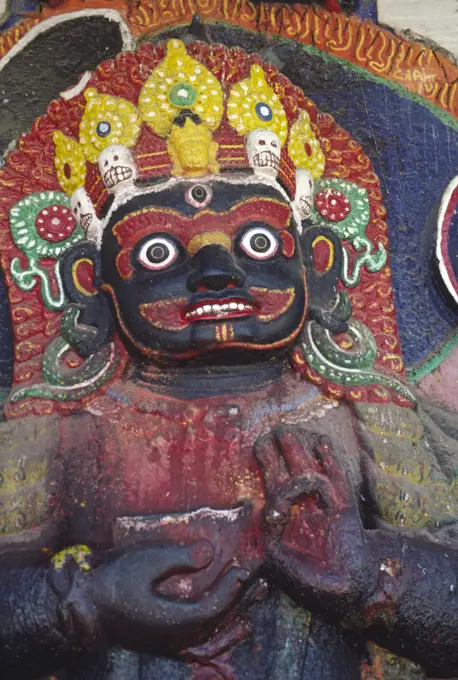
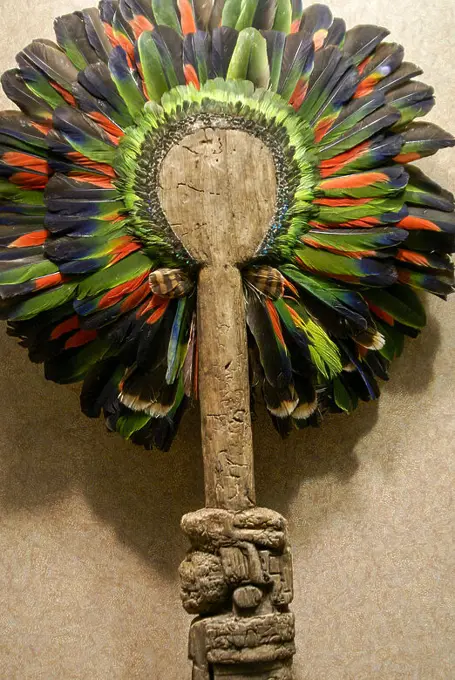
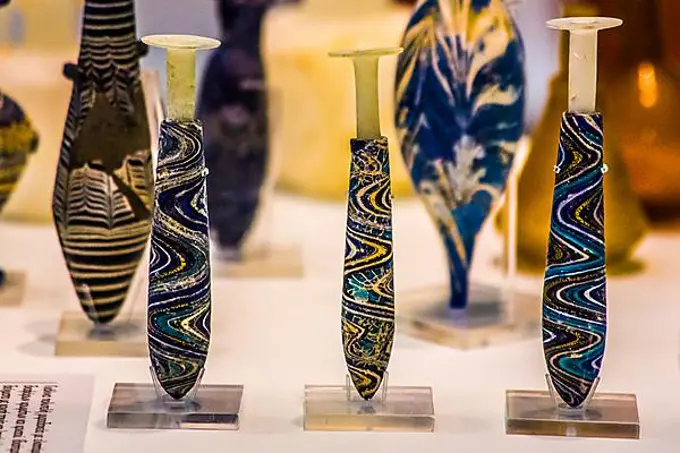
Ethnographic Toys and Jewelry

Artifacts including a toy cradleboard, bags, and intricate jewelry, representing diverse cultural traditions and craftsmanship from different eras.
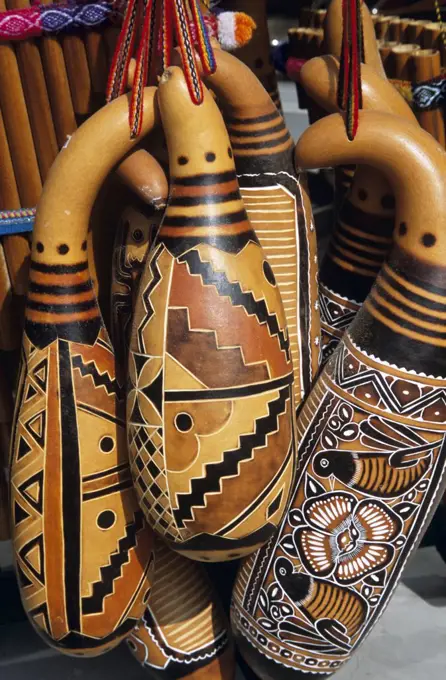
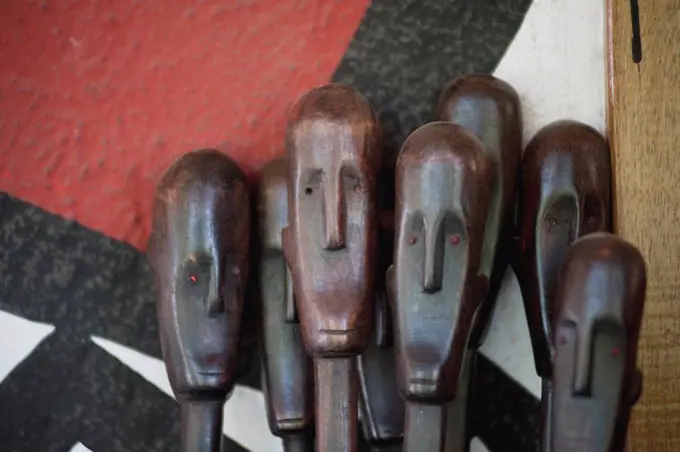
Display of huiros (musical instruments) outside gift shop, Indian Market, Lima, Peru
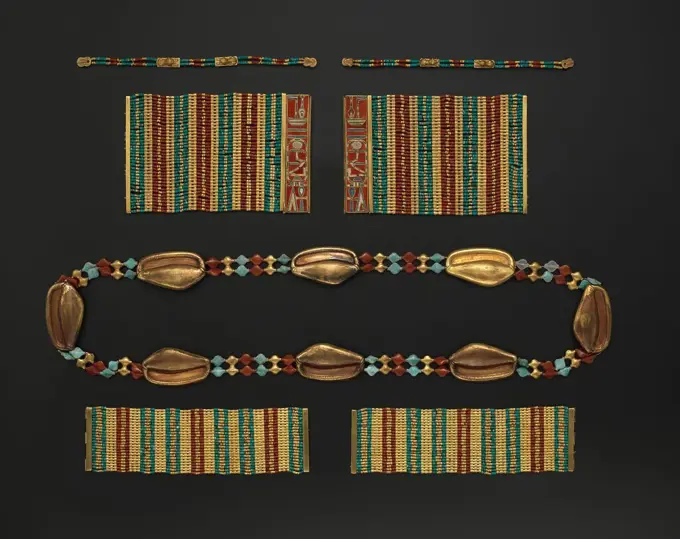
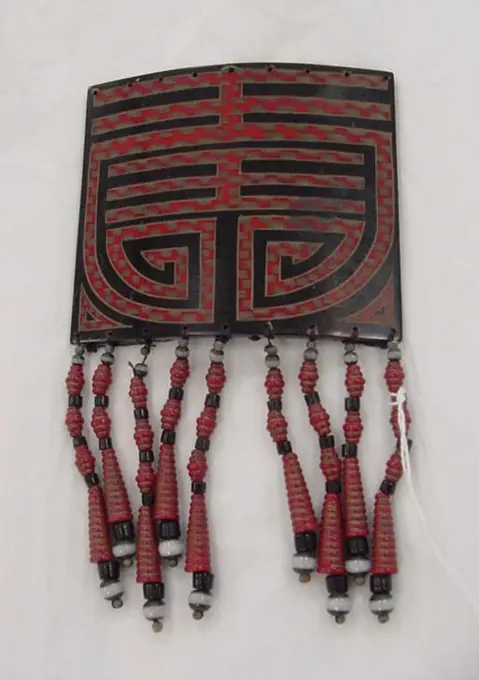
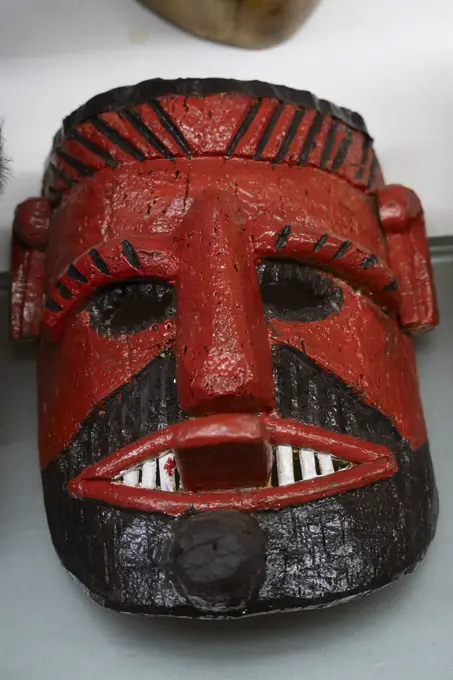
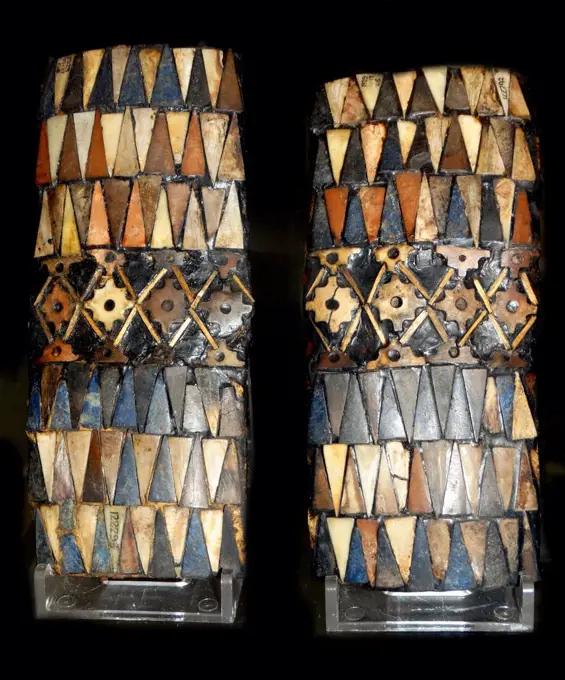
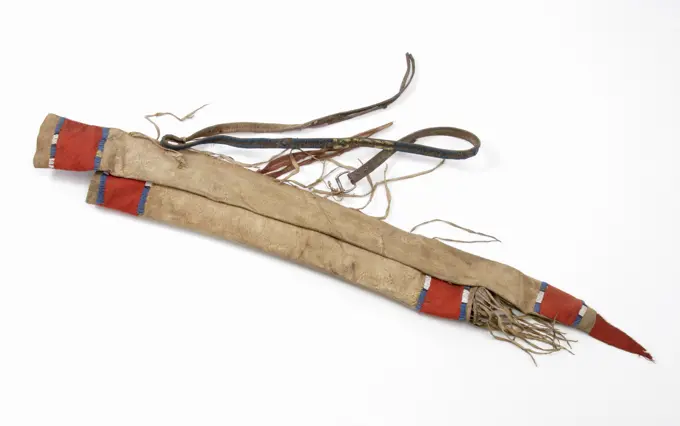
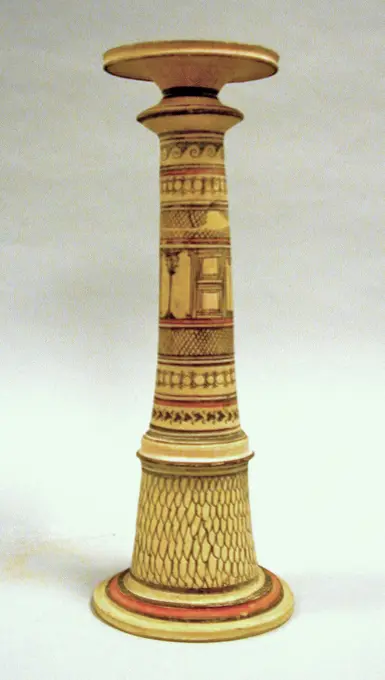
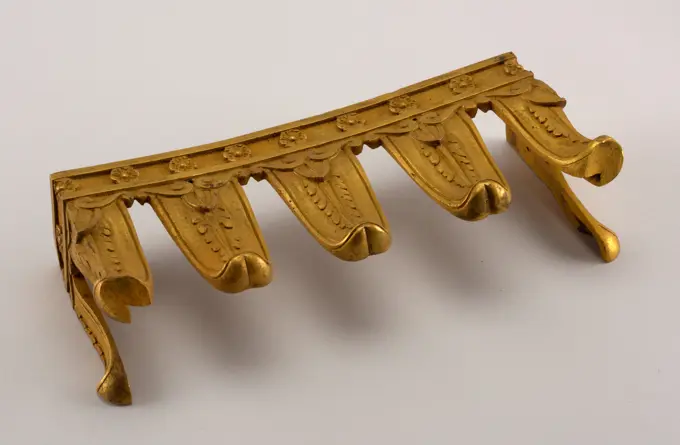
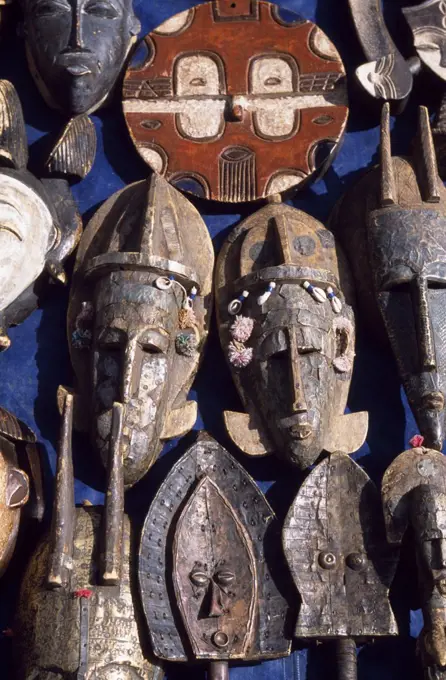
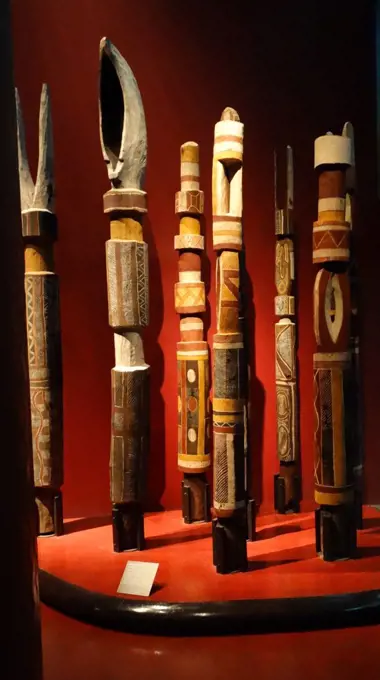
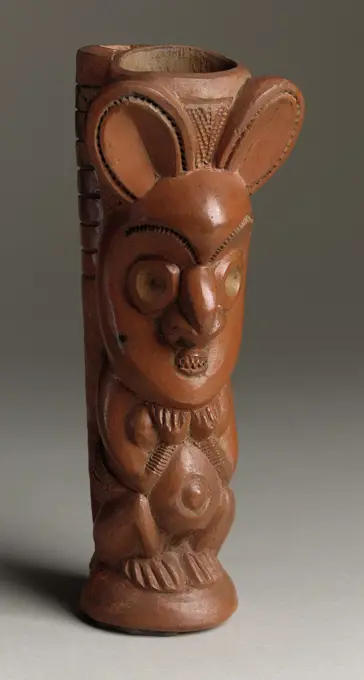
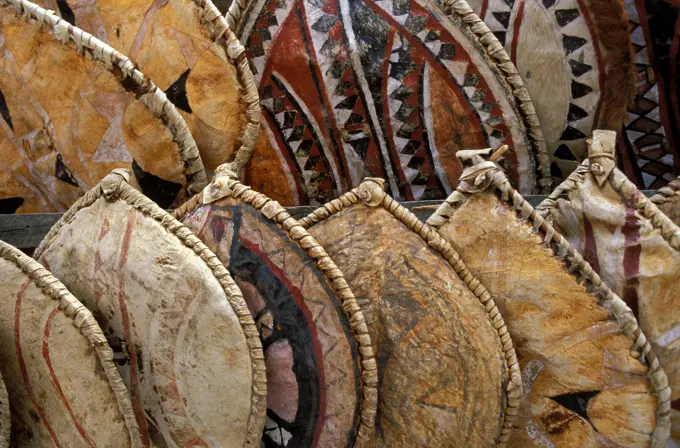
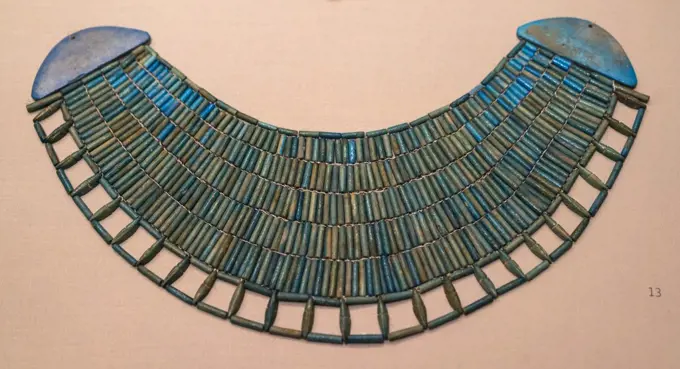
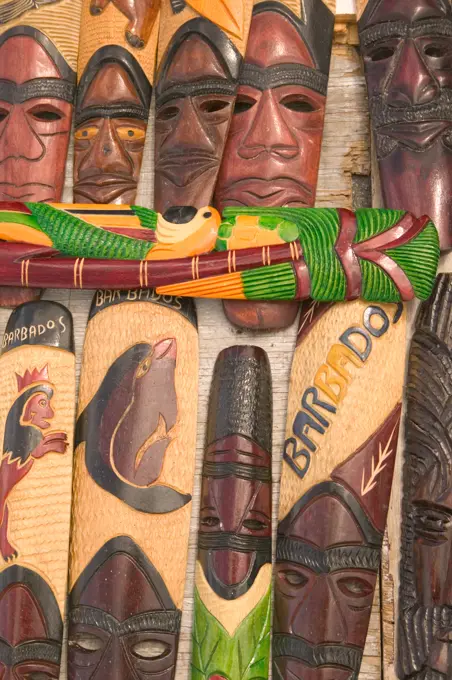
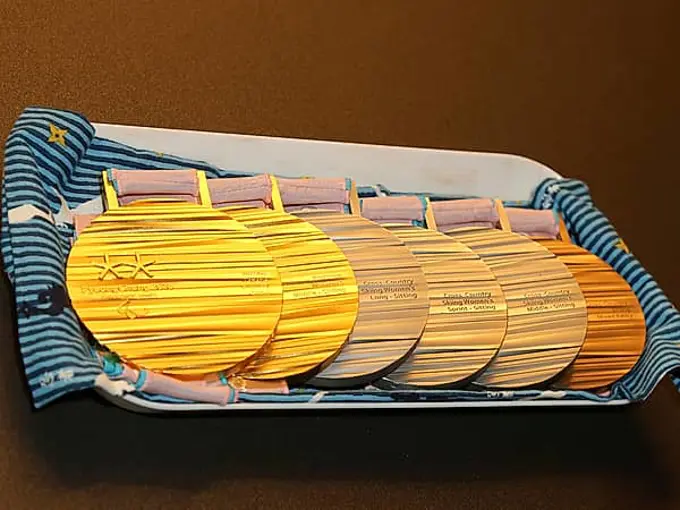
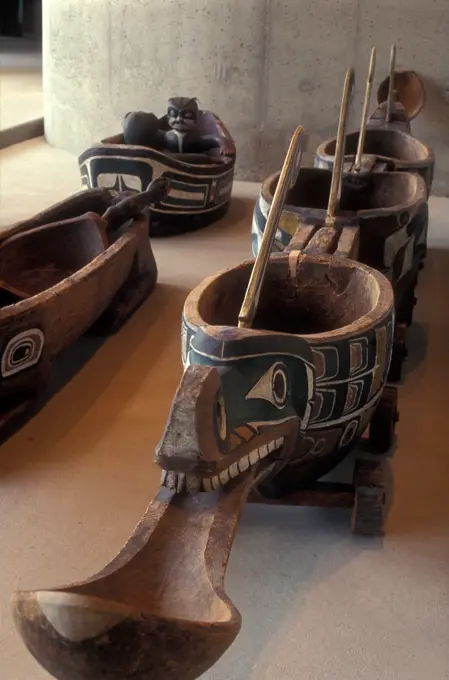
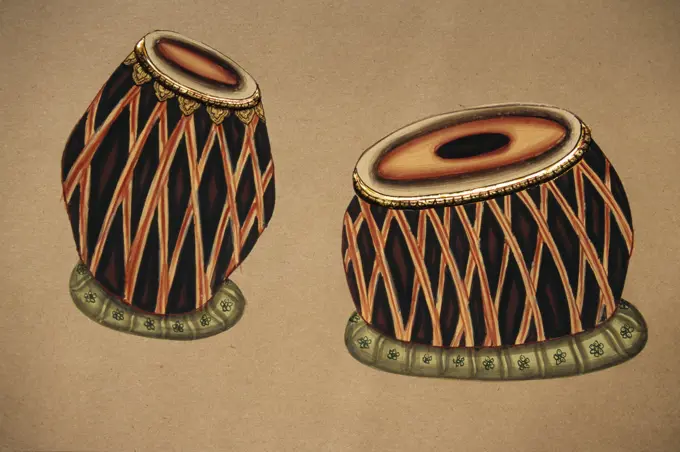
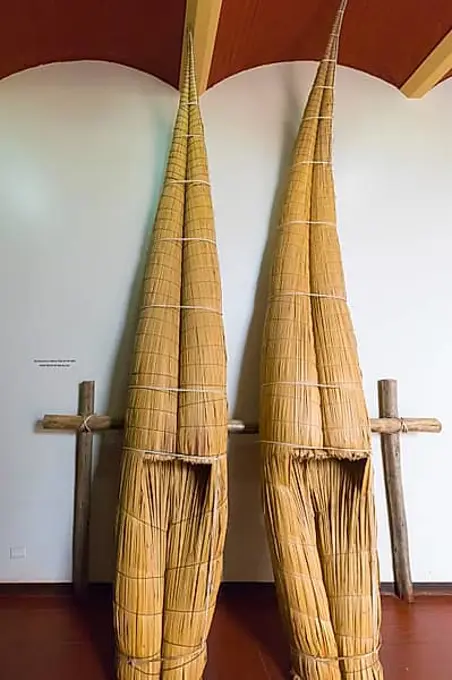
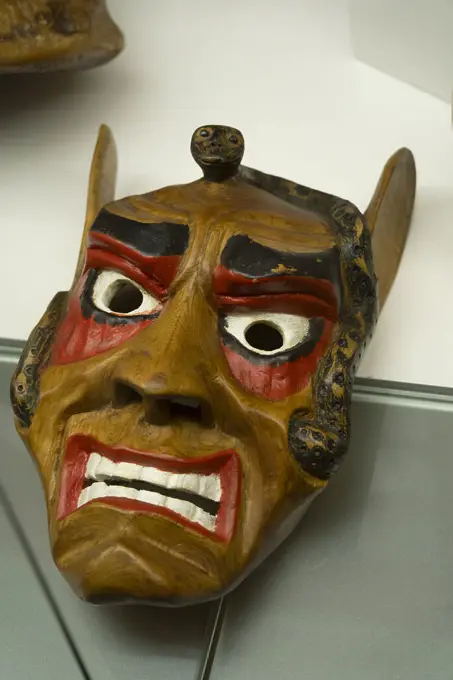
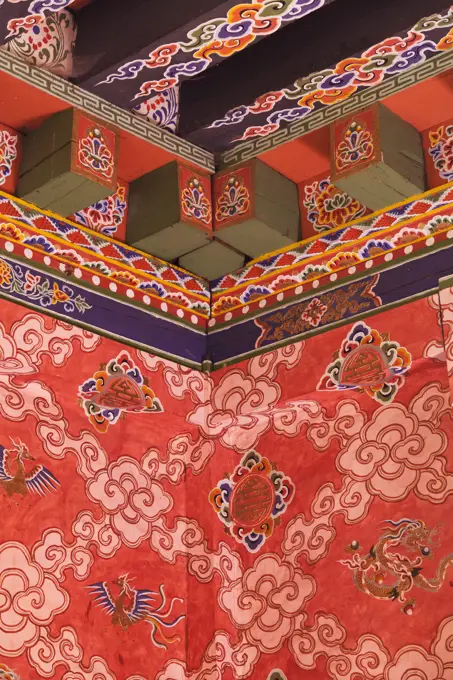
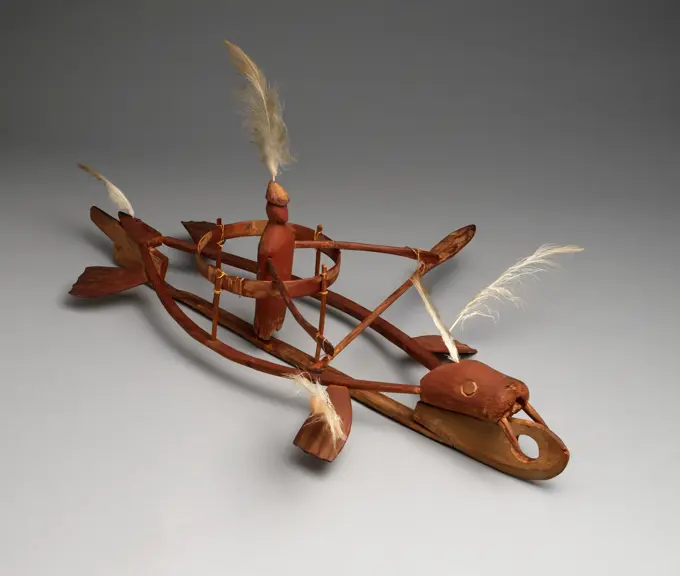
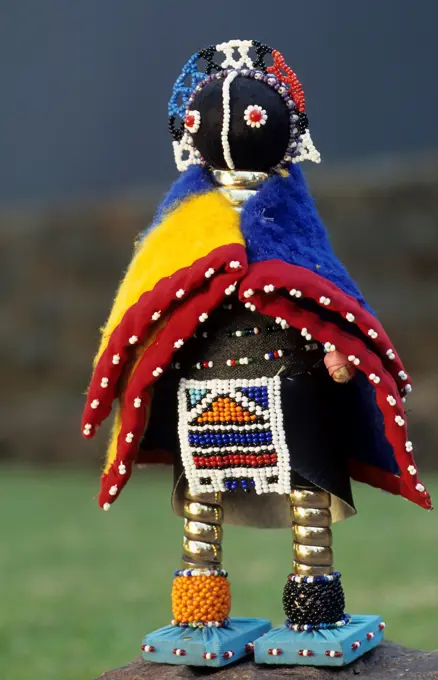
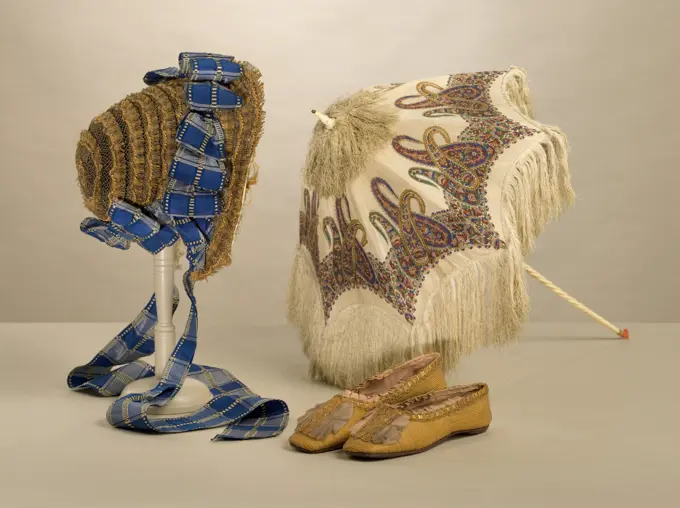
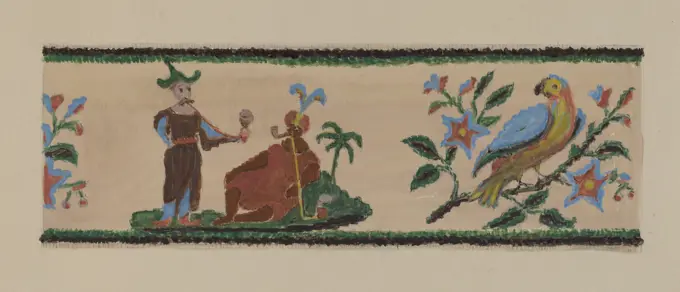
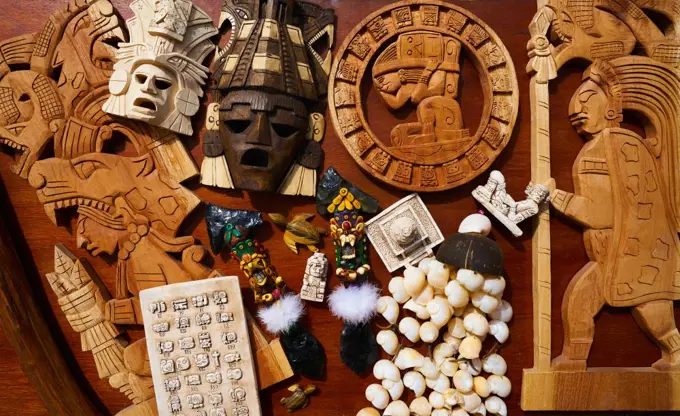
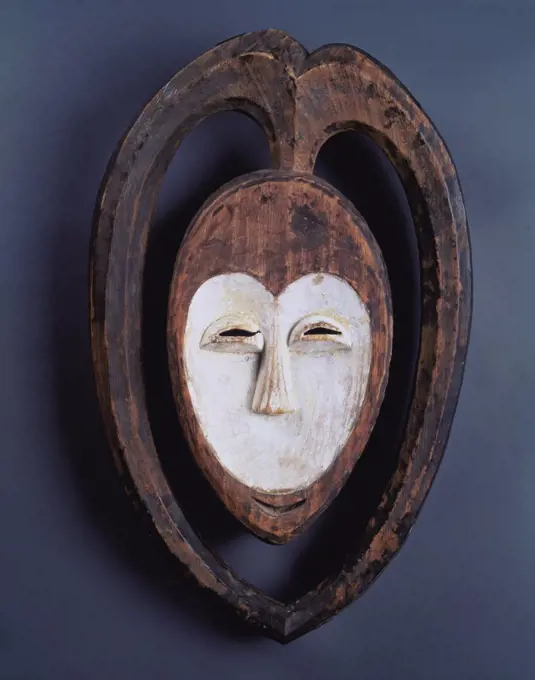
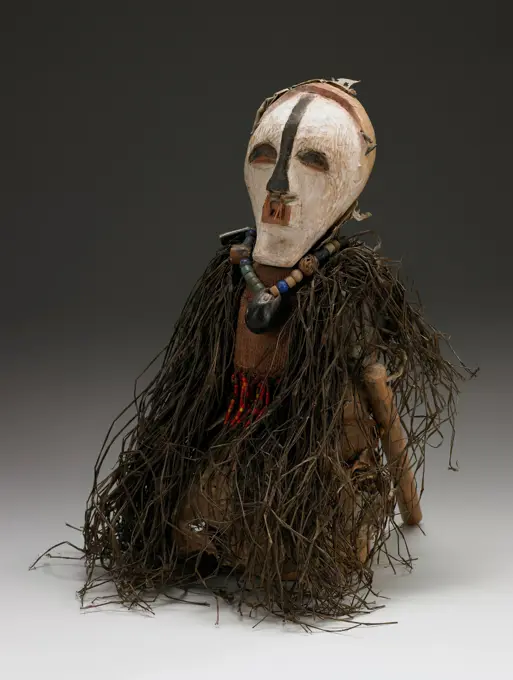
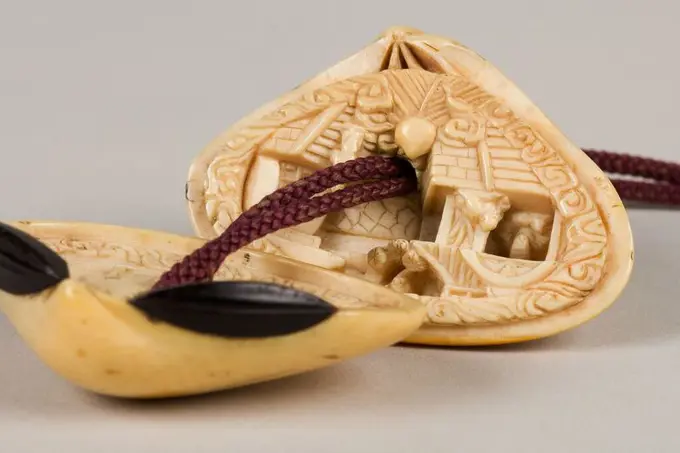
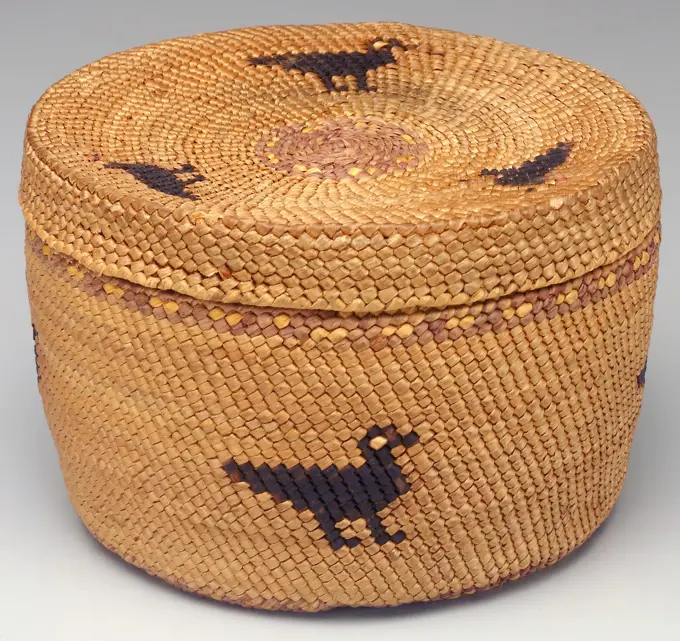
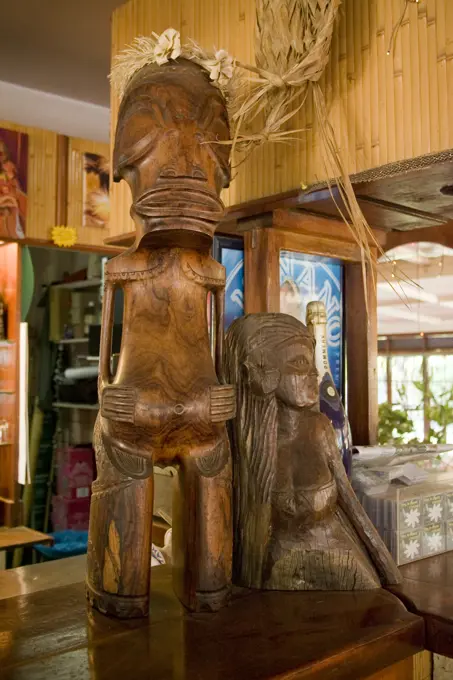
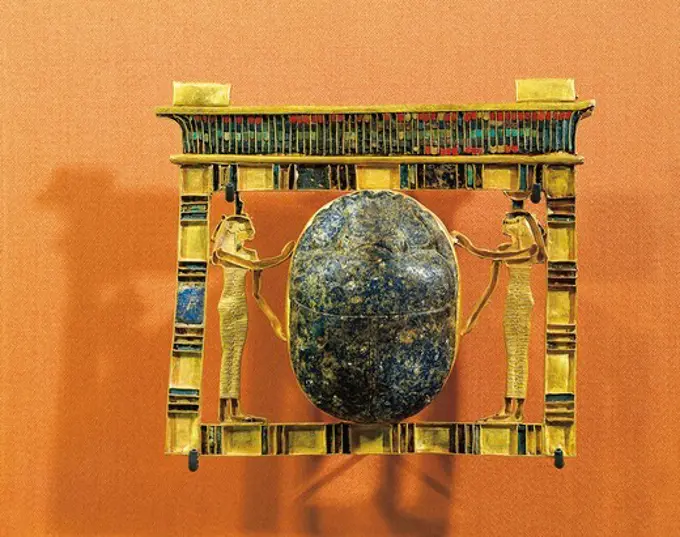
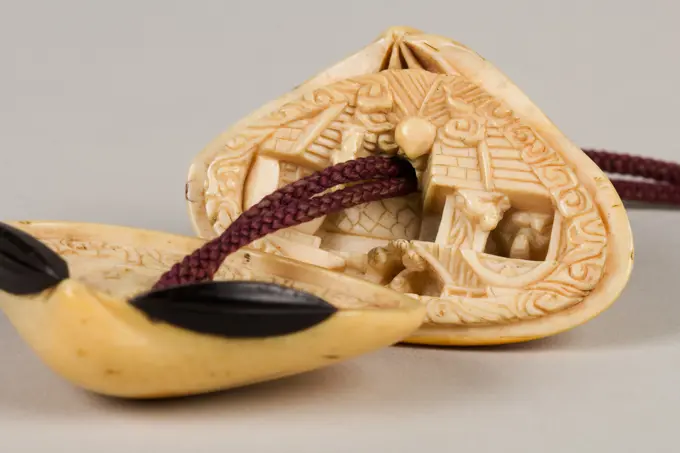
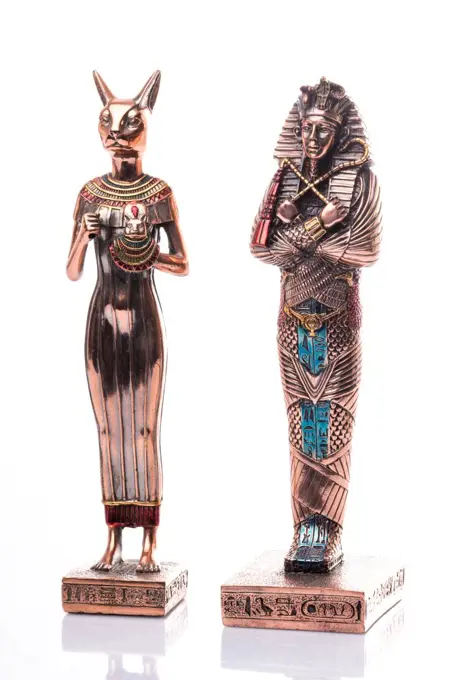
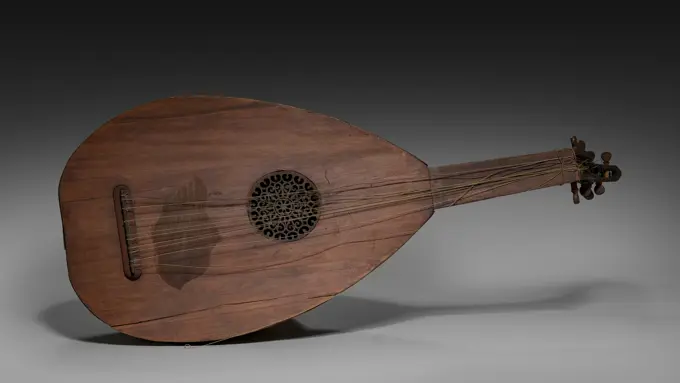
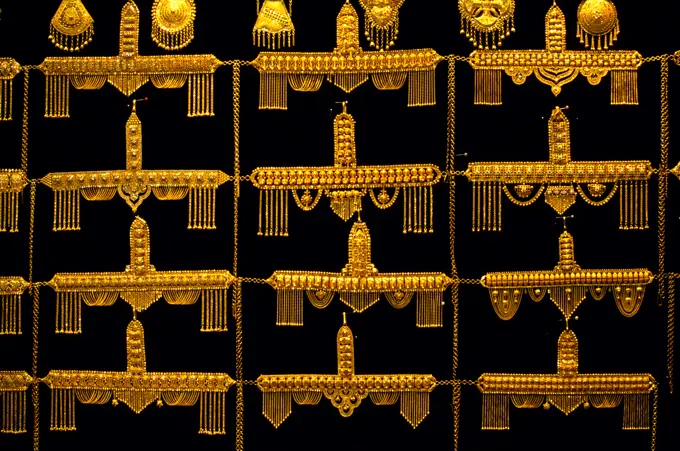
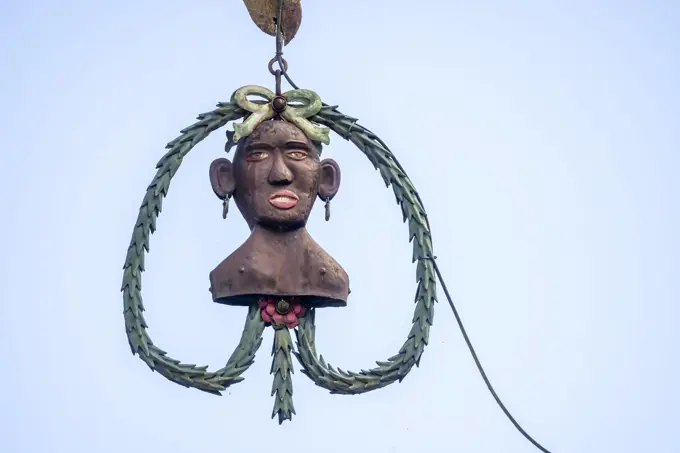
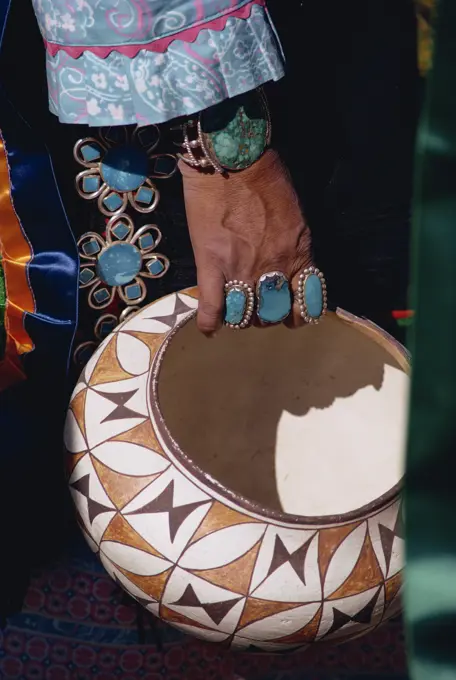
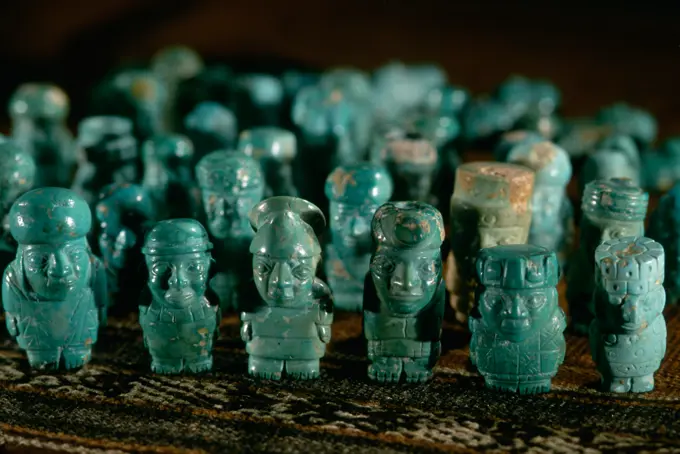
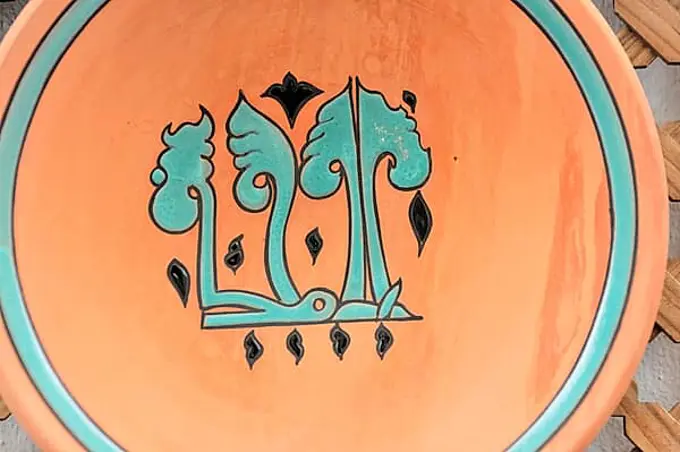
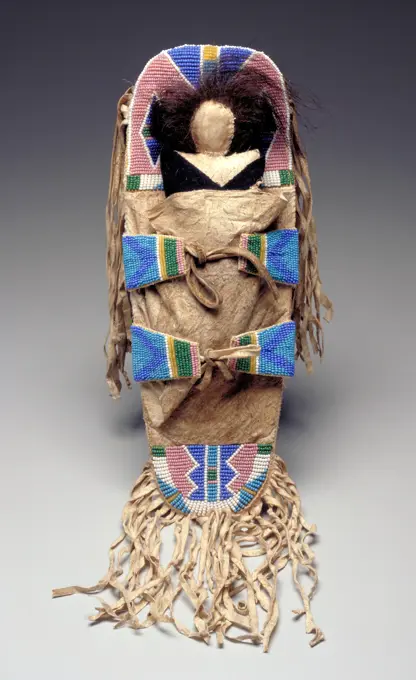
Toy Cradleboard and Baby Doll, c. 1900, 11 1/2 x 4 1/8 x 2 1/4 in. (29.2 x 10.5 x 5.7 cm) (overall, without fringe), Animal hide, beads, animal hair, fabric, United States, 19th-20th century, Apsaalooka parents provided many toys for their children. The nature of these gifts insured that when children became adults, they would be honorable members of the community. Constructed like a full-size one and decorated with classic Apsaalooka designs, this miniature cradleboard has a small removable doll with buffalo hair. This piece and the doll may have been created to teach young children the importance of being a good parent.Bag 8th-9th century Nasca. Bag 307963Bell idol, Ancient Greek, c700 BC. Artist: UnknownCowrie Shell Girdle, Lion Bracelets, Bracelets with the Name of Amenemhat III, and Anklets of Princess Sithathoryunet. Dimensions: 16.1.5: L. 84.3 cm (33 3/16 in.); L. (cowrie) 4.7 cm (1 7/8 in.); 16.1.8: L. 12.5 cm (4 15/16 in.); W. (clasp) 8 cm (3 1/8 in.); 16.1.9: L. 12.5 cm (4 15/16 in.); W. (clasp) 8 cm (3 1/8 in.); 16.1.10a: L. 15.4 cm (6 1/16 in.); W. 4.4 cm (1 3/4 in.); 16.1.11a: L. 15.4 cm (6 1/16 in.); W. 4.5 cm (1 3/4 in.); 16.1.12: L. 14.5 cm (5 11/16 in); L. of lions 1.6 cm (5/8 in); L. of clasp 1 cm (3/8 in); 16.1.13: L. 14.5 cm (5 11/16 in); L. of lions 1.4 cm (9/16 in); L. of clasp (0.8 cm (5/16 in). Dynasty: Dynasty 12. Reign: reign of Senwosret II-Amenemhat III. Date: ca. 1887-1813 B.C..Along with the pectoral, these bracelets, anklets, and girdle seem to have belonged to a set of formal jewelry that may have been worn during a special rite. Although the objects share a color scheme, variations in manufacture suggest they were accumulated over time. All the pieces weOrnament probably 19th century Chinese This collection of largely ethnographic jewelry includes examples from cultures in South America, North America, Europe, Asia, and Africa and dates from the Pre-Columbian period to the twentieth century. Owned by renowned art collector and fashion enthusiast Muriel Kallis Newman, the collection represents her knowledge and appreciation of a wide range of jewelry design and making traditions. Numerous items in her collection are composite artifacts made from various cultures and time periods reappropriated as modern jewelry creations by or for Muriel. It is important to note that Newman wore many of the pieces in the collection, interpreting them to suit and express her own singular, often avant-garde style.. Ornament 141702Fragment of black-figure neckamphora.  Artist: Affecter, 540-520 B.C.Typical artisan mask for traditional masquerade celebration, Iberian Museum of Masks and Costume, Braganza (Bragança),Trás-os-Montes and Alto Douro, Portugal.lapis lazuli and red limestone inlaid plaques, from Ur, Iraq, Sumerian 2600ó2500 BC (Early Dynastic)Quiver -Display of huiros (musical instruments) outside gift shop, Indian Market, Lima, PeruTerracotta thymiaterion (incense burner) 3rd century B.C. Native Italic, Daunian, Canosan Thymiateria are a frequent shape in the late Daunian pottery from Canosa. Noteworthy among the bands of patternwork here is the central one that seems to show architectural motifs such as columns.. Terracotta thymiaterion (incense burner). Native Italic, Daunian, Canosan. 3rd century B.C.. Terracotta. Hellenistic. VasesMount (USA), mid-late 19th century; gilt bronzeDouble-gourd bottle with floral patterns late 17th-early 18th century China. Double-gourd bottle with floral patterns. China. late 17th-early 18th century. Porcelain painted in underglaze cobalt blue (Jingdezhen ware). Qing dynasty (1644-1911), Kangxi period (1662-1722). CeramicsCarved wooden masks for sale in street marketPipe Bag, c. 1870-1880s, 9 5/16 x 6 5/16 in. (23.65 x 16.03 cm) (without fringe), Animal hide, beads, wool, United States, 19th centurya wooden canadian totem miniature isolated over a white backgroundTraditionally woven Hopi wicker trays made using the butterfly kachina motif.Olmec civilization, Mexico, 9th-4th century b.c. Axe of Baron Humboldt. From Tres Zapotes.Bottle, Mythic Figures 4th-6th century Nasca. Bottle, Mythic Figures 308568Beautiful dishes from birch bark. Russian national crafts. Focus on application.Raven rattle. Culture: Native American (Tsimshian). Dimensions: 12 3/16 × 4 1/16 × 4 1/8 in. (31 × 10.3 × 10.5 cm). Date: 19th century.Most often associated with shamanic practices on the Northwest Coast, raven rattles are held oriented with the bird's beak pointing down when used in dance. Additionally, rattles like this are used to channel a shaman's spirit guide and can be used in healing ceremonies. Much of the symbolism associated with this rattle comments on the transmission of power from one figure to the next--the raven to humankind in general (as oral tradition states) and the kingfisher to the prone figure on the raven's back. The prone figure is personified with a face of a wolf, perhaps another guide of the owner of this rattle. Rattles are considered extremely personal objects and bear specific symbolism and power known only by those who understand their meaning. As symbols of power, rattles are also kept by clan leaders. Carved in two pieces and assembled using wooden piShieldModern female walletsGaming stick -Box with Falcon Statuette, Ptolemaic Period, Metropolitan Museum of Art, Manhattan, New York City, USA, North AmericaLarge Oval Storage Basket ca. 1492-1473 B.C. New Kingdom The undisturbed tomb of a woman named Hatnefer (36.3.1) was discovered by the Museum's Egyptian Expedition in 1936. This find was particularly interesting because Hatnefer was the mother of Senenmut, a well-known official of the female pharaoh Hatshepsut. Hatnefer had died in her seventies, outliving her husband, Ramose, and several other family members by many years. When his mother died, Senenmut brought the mummies of his father, three women, and four children from their previous resting place, and had them interred in Hatnefer's tomb. He provided his family with all of the things necessary for the afterlife, including baskets of food to nourish their spirits. This oval basket has a slightly convex lid. Both are made with coils of grass that are sewn together using the same grass. A flange of two coils has been attached to the inside of the rim using strips of palm leaf. The decoration of chevrons is created with dyed grass wrpainted wooden, tribal funerary posts, made by the Tiwi people of Bathurst Island, Australia. Nearly 2,500 Tiwi live in the Bathurst and Melville Islands, which make up the Tiwi Islands. 1950'sPipe Bowl. Africa, Cameroon, Ekoi peoples. Tools and Equipment; pipes. ArgilliteMayan deity statue from Mexico isolated on white backgroundKenya. Handmade Masai shields at a roadside display.Ceremonial Sword. Eastern Tibet or Mongolia, 18th century. Arms and Armor; swords. Steel blade, jade handle; silver sheath inlaid with coral and turquoise; silk tasselMask, Kwele people. West Africa. American Museum of Natural History. New York. Unites States..13 Broad collar Deli el-Bestia; tomb E Middle Kingdom; Dynasty 12; 1991-1783 B.C. Faience; steatiteBowl Fragment 100 BCE-100 CE Roman Empire. In ancient Rome, there was a high demand for colorful glass that could dazzle banquet guests alongside the expensive silver and gold serving wares meant to impress. Fragments like this one would have once been a part of larger mosaic dishes. The ribbon pattern was made by bundling rows of parallel rods of glass, which were then fused to create swirling patterns.. Glass . Ancient RomanBasket, early 20th century, 3 1/8 x 6 x 5 1/4 in. (7.94 x 15.24 x 13.34 cm), Plant fibers, United States, 20th centuryShirt - Chief American Horse's OutfitBARBADOS, Bridgetown, Bajan Carvings, Tourist Souvenirs, Chamberlain Bridge Tourist MarketWood carvings, Kenya, AfricaAll 6 medals of Paralympcs 2018 of the athlete Andrea Eskau at the reception of the participants of the Olympic Winter Games and Paralympics 2018 in MagdeburgUSA, Arizona, Navajo Nation, Chinle. Navajo craftsman holds a completed piece of pottery.Basket, 19th-20th century, 3 1/2 x 11 3/4 in. (8.89 x 29.85 cm), Plant fibers, United States, 19th-20th centuryContemporary pottery with kachina motif's by Hopi clay artist Delmar Polacca from the Second Mesa, ArizonaVariety of mask, Kolkata, West Bengal, India Copyright: xDebasishxBanerjee/DinodiaxPhotoxGiant First nation feast dishes, Museum of Anthropology, University of British Columbia, Vancouver, CanadaMiniature Painting On Paper, Indian classical Musical Instrument Tabla Copyright: xBhagwandasxRupani/DinodiaxPhotoxPeru July 2018 Detail of traditional boats in Chan Chan museum, northern Peru. These boats used by incas are even used today by local fishermenWooden paddle shaped doll. Face and hair made of mud beads. Theoris. c. 1900 BC. Middle Kingdom Egypt.Skirt, 19th century, L.30-1/8 in., silk, gold thread, China, 19th centuryTypical artisan mask for traditional masquerade celebration, Iberian Museum of Masks and Costume, Braganza (Bragança),Trás-os-Montes and Alto Douro, Portugal.Bright room decorations painted on the walls in a homestay house in Ura village.Close-up of a gong, Shanghai, ChinaDance object ca. 1900 Yup'ik, Native American This object hung from the roof of a ceremonial house, and it honored the animals taken in the hunt. A male figure wears a traditional Yupik bentwood hunting hat and pilots a magical kayak disguised as a walrus—the head, tail, and flippers of the creature are visible. The Museum of Modern Art, New York, featured this assemblage at the entrance to its famous 1941 exhibition, “Indian Art of the United States.”. Dance object. Yup'ik, Native American. ca. 1900. Wood, pigment, vegetal fiber, and feathers. Made in Alaska, United StatesHeaddress Frontlet ca. 1885 Tlingit. Headdress Frontlet. Tlingit. ca. 1885. Wood, paint, abalone shell. United States, Alaska. Wood-SculptureNdebele doll. Botshabelo Historical village. Mpumalanga. South AfricaDetail of historic costume, 19th Century reenactment, Rocky Mountain House National Historic Site, Alberta, Canada, North AmericaDurro, collar para ganado, 1940. Museu Català de les Arts i Tradicions Populars.Capot, blacksmith, pumps. Shadow: Cover in Cream Silk Print with polychrome arrangements, Cream silk canvas, Metal carcass with eight branches, pink and white glass needle, flowing in chiseled gold, tip, mast and twisted ivory handle, coral pearls . Capote: Like decorated with straw lace arranged in a spiral; Scottish ribbon. Pumps: blonde straw, knot and lining in pale pink silk taffeta, leather sole. 1848-1860. Galliera, fashion museum of the city of Paris. Accessory, needle, ring, white, hood, cord, blue tile, shoe, flow, cover, polychrome arrangement, lining, tip, pump, female, printing, twisted ivory, handle, mat, metal, shadow, gold chisel, white straw , Coral pearl, pale pink, ribbon, silk canvas cream, pink glassVIOLA (1700) - CABEZA TALLADA. Location: METROPOLITAN MUSEUM OF ART. NEW YORK CITY.Ancient style wooden treasure chest with mother of pearl inlayFirst Nation aboriginal heritage at the Museum of Anthropolgy; UBC campus (University of British Columbia); Vancouver; British Columbia; CanadaFiji, masks for sale.Wooden carved heads for sale, Nosy Be, Madagascar, AfricaAustria, Lower Austria, Wachau, Duernstein, Heurigen restaurant sign against skyTurkey, Cappadocia, Goreme Valley. Traditional blue & white Evil Eye good luck amulets.Fanchon Larzelere, Belt, c 1940 BeltMayan mexican handcrafts souvenirs carved wood mixKwele Mask African Art Wood  Figure, 19th-20th century, 14 1/8 x 5 3/16 x 5 1/2 in. (35.88 x 13.18 x 13.97 cm), Wood, animal hide and fur, plant fibers, beads, metal, pigment, Democratic Republic of the Congo, 19th-20th centuryNetsuke in the form of a Clamshell Containing a Landscape. Culture: Japan. Dimensions: H. 1 1/8 in. (2.9 cm); W. 2 in. (5.1 cm); D. 1 1/2 in. (3.8 cm). Date: 19th century. Museum: Metropolitan Museum of Art, New York, USA.Basket, late 19th-early 20th century, 2 3/8 x 3 1/2 x 3 1/2 in. (6.0 x 8.9 x 8.9 cm), Vegetable fiber, United States, 19th-20th centuryFrench Polynesia, Society Islands, Moorea. Wooden tiki and mermaid at a bar.Bamboo and ivory box. Engimono, from Japan.Gold pectoral with scarab of Ramses IIAlaska. Exhibits in the Wrangell Museum, Wrangell, Southeast Alaska. Wrangell, Southeast Alaska.Netsuke in the form of a Clamshell Containing a Landscape 19th century Japan. Netsuke in the form of a Clamshell Containing a Landscape 60065Lifebuoy and fishing net Lifebuoy boat and fishing net with lighthouse Copyright: xZoonar.com/IvonnexWierinkx 10212719Salem Dolls. Dated: 1935/1942. Dimensions: overall: 38.3 x 50.9 cm (15 1/16 x 20 1/16 in.) Original IAD Object: 7 1/4" high. Medium: watercolor, graphite, and gouache on paperboard. Museum: National Gallery of Art, Washington DC. Author: Beverly Chichester.Collection of vintage hand drawn design elements: peace pipe, Indian hat, dreamcatcher, axe, feathers and stars. Vector illustration. Collection of vintage hand drawn design elementsFlag of the German armed forces with the federal eagle, troop flag, Germany, EuropeEgyptian cats and pharaon on a white background. Egyptian pharaoh StatueUSA, NM, Gallup, Bolo Ties For SaleNepal, Kathmandu, Statue of Kalbairab at a Hindu Shrine.Face neck jars, Empires of the Sun, Peru, Wari, Huari, National Museum of PeruPlate decorated with figure of Queen Nefertiti between Isis and HorusAbanico. Cultura Mexica. Museo Nacional de antropologia. Estado de Mexico D.F.Mexico.Cult vessels from various domestic shrines (1600-1450 BC), Archaeological Museum with most important finds of the Minoan culture, Heraklion, Crete, Heraklion, Crete, Greece, EuropeAncient Egypt papyrus scroll with wooden rod cartoon vector illustration. Egyptian culture symbol, blank unfolded ancient paper to store information with wooden stick, isolated on white background. Ancient Egypt papyrus scroll with wooden rodOud, late 1800s-early 1900s. Northern Saudi Arabia. Wood, gut, and metal; overall: 81.3 x 33.7 cm (32 x 13 1/4 in.). A member of the lute family, there is perhaps no more emblematic instrument of the Islamic world than the oud. It provided music for banquets and gatherings, accompanied poets, punctuated celebrations and festivals, and is still prominent today. The oud is included in the medieval philosopher al-Farabis (872-950/951) Great Book of Music (Kitab al-Musiqa al-Kabir) in which he discusses the modal system of Arabic music. The defining characteristics of an oud are evident here: a pear-shaped body with a fretless fingerboard and a peg box set at a 45-to-90-degree angle to the neck.Asia, Oman, A display of gold jewellery in traditional Omani design in a shop in Muttrah souqIsolated Ecuadorian Ethnic Mask Ecuadorian indian tribal wood mask with funny expression isolated in white background Copyright: xZoonar.com/DanielxFerreira-LeitesxCiccarinox 10669699Town View of Schramberg Former Mohren Inn, nasal sign 11 07 2024 Schramberg, Baden Württemberg, Germany, EuropeWoven First Nation's vases U'Mista Cultural Centre, Alert Bay, British Columbia, Canada.Tiki Idol Hawaiian Wooden Statue Color Vector. Traditional Haaii God Idol. Antique Scary Totem Sculpture Concept Template Designed In Vintage Style Illustration. Tiki Idol Hawaiian Wooden Statue Color VectorClose_up of turquoise jewellery on the hand of an Indian holding a decorated bowl, New Mexico, United States of America, North AmericaDetail of Drum, Daniel Boone Homestead Brigade of American Revolution, Continental Army, Historical ReenactmentWarrior figurines, Universidad Nacional de San Antonio Abad del Cusco, Peru,Empires of the Sun,Wari, HuariDollar coins with paper currencyUSA, Pennsylvania, Pennsylvania Dutch Country, Lancaster, Landis Valley Museum, straw broomsOrange-coloured ceramic plate with abstract turquoise pattern, Cordoba, Andalusia, Spain, EuropeEthnic Mask on Vintage Background Ethnic mask on vintage background Copyright: xdunkanx