Exquisite Antique Figurines

A collection of intricate small sculptures representing various animals and mythological figures, crafted from materials like wood, obsidian, and bronze across different cultures.
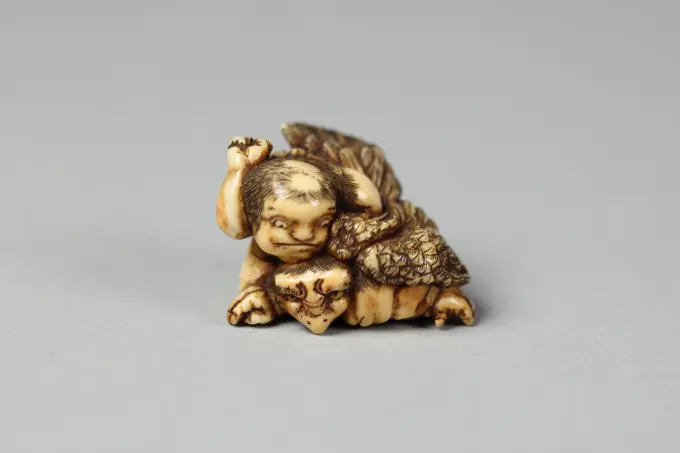
Netsuke of Boy Killing a Bird 19th century Japan. Netsuke of Boy Killing a Bird. Japan. 19th century. Ivory. Edo (1615-1868) or Meiji period (1868-1912). Netsuke
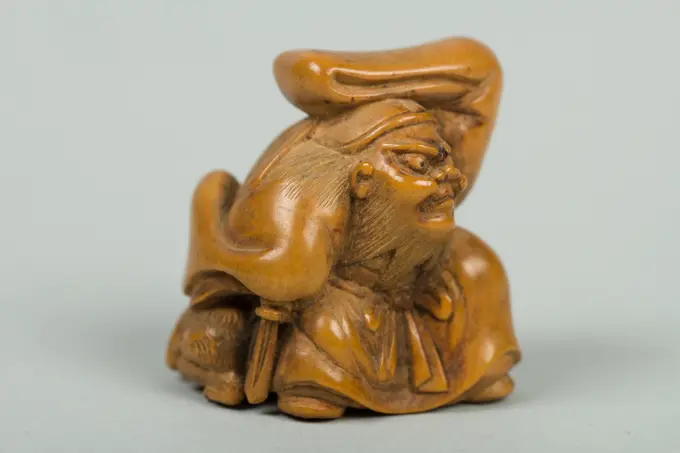
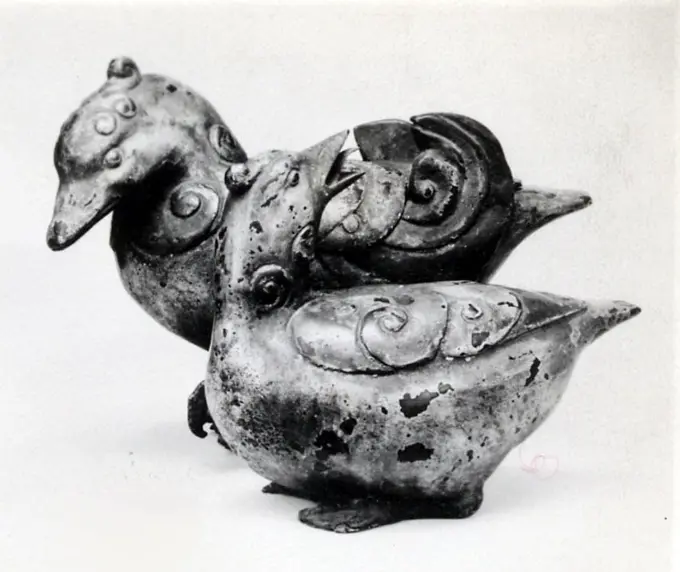
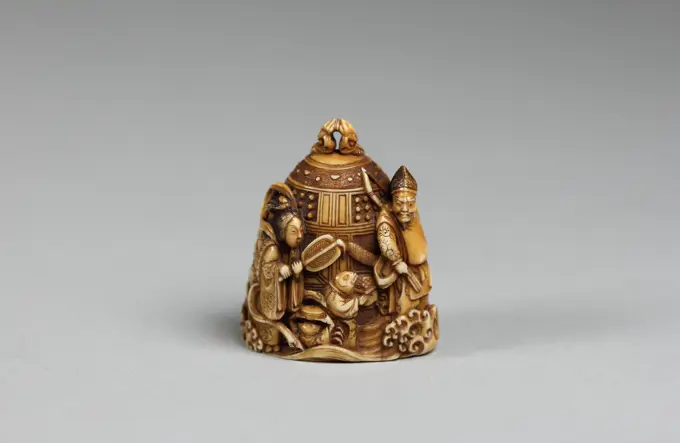
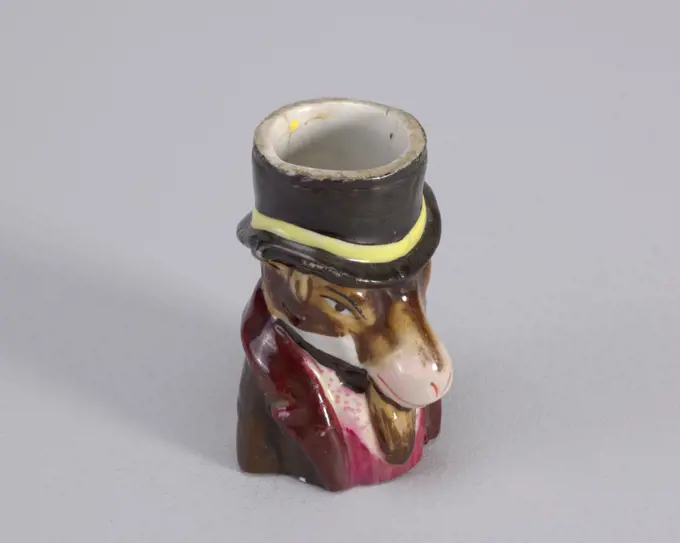
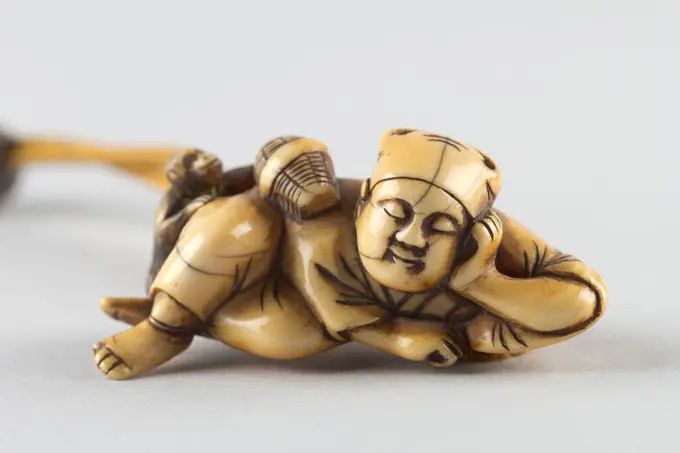
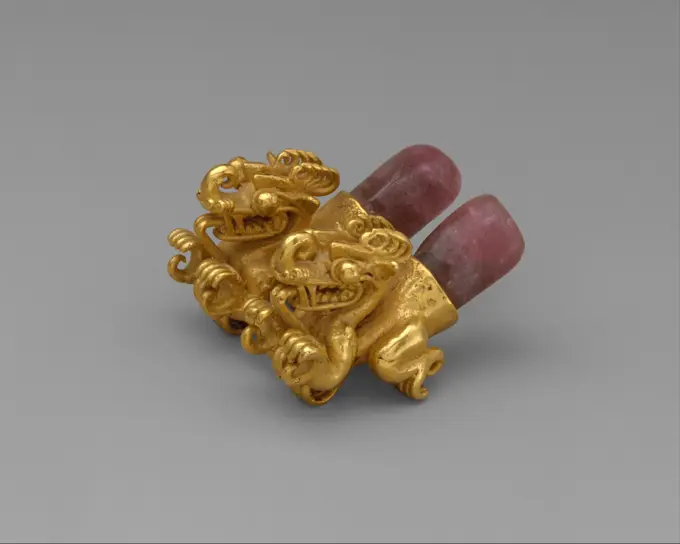
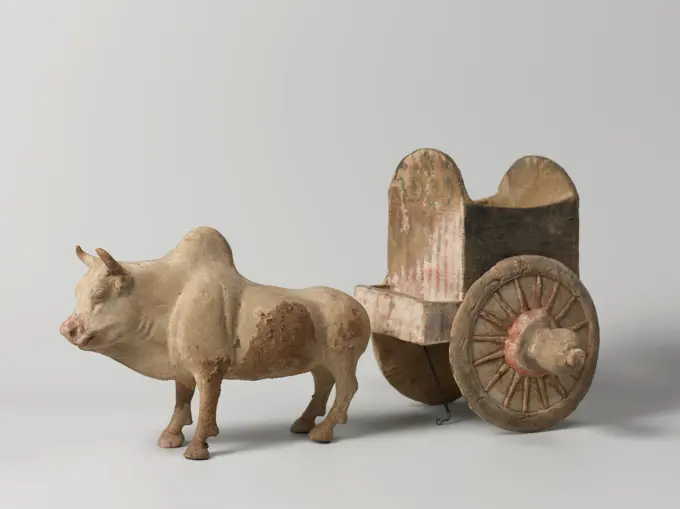
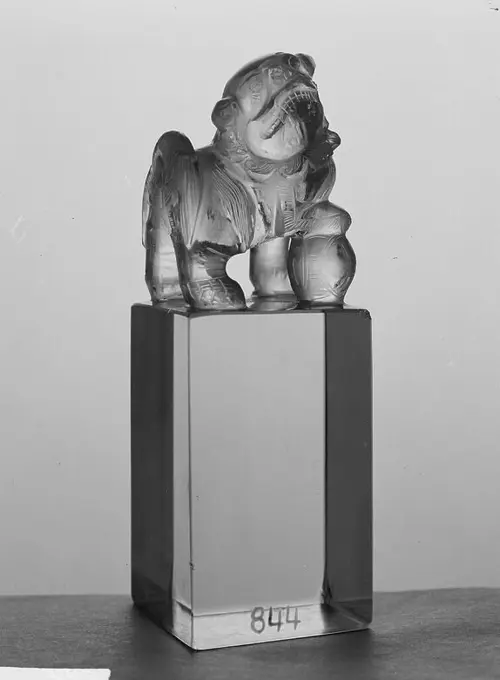
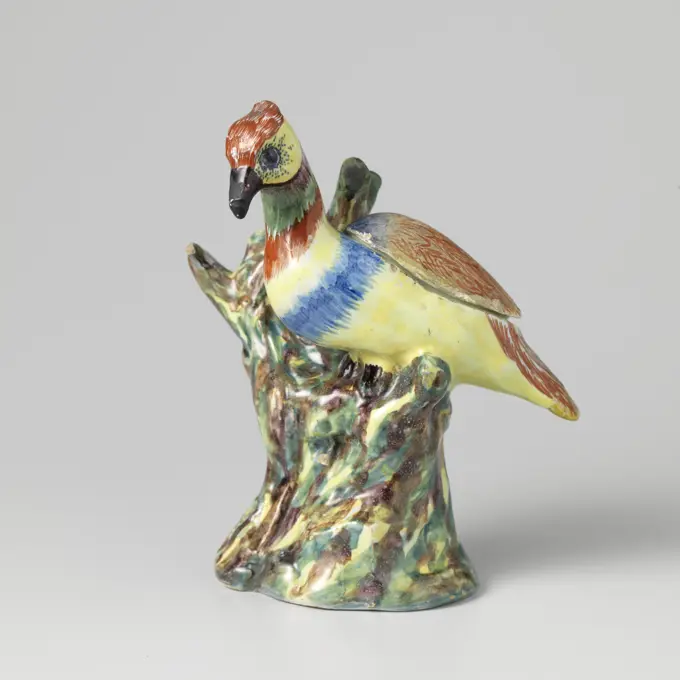
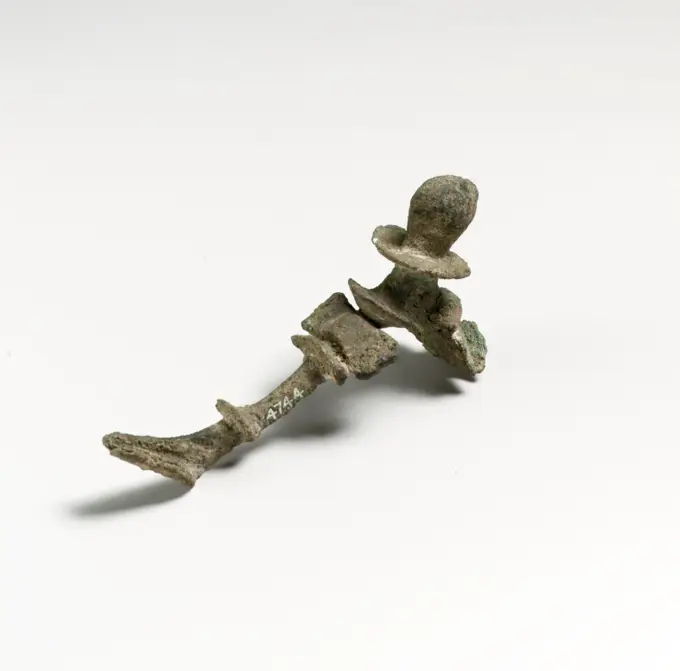
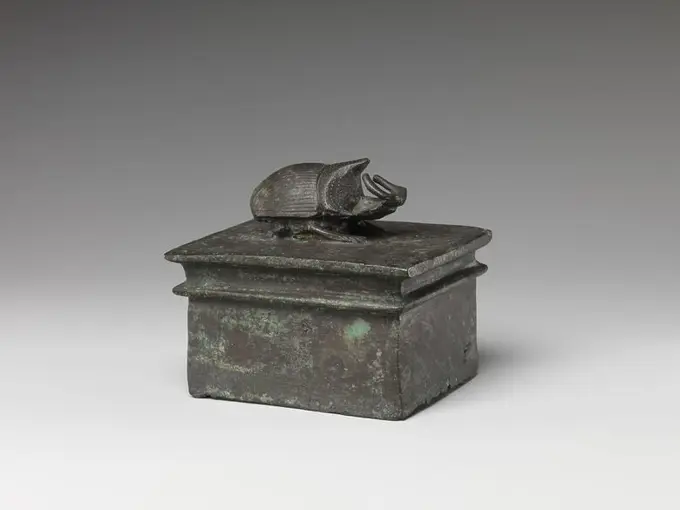
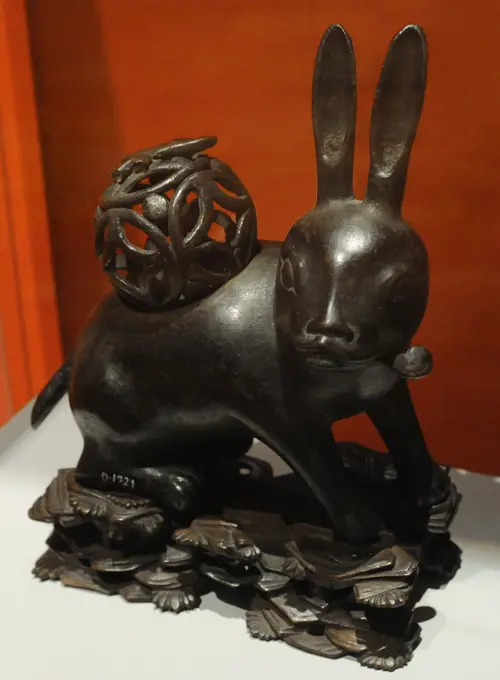
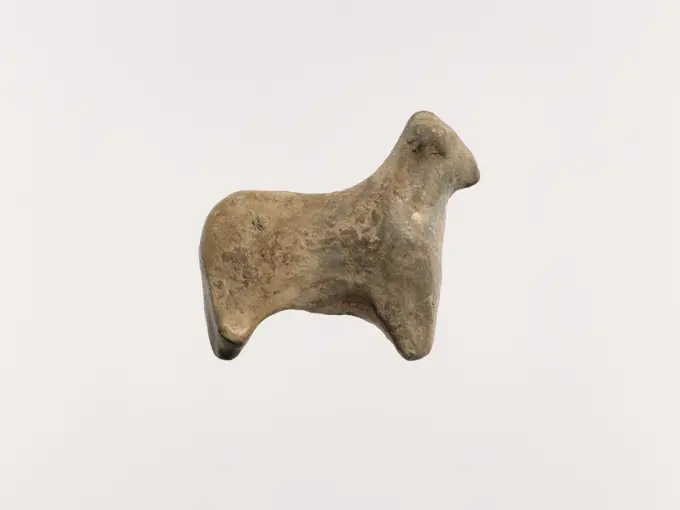
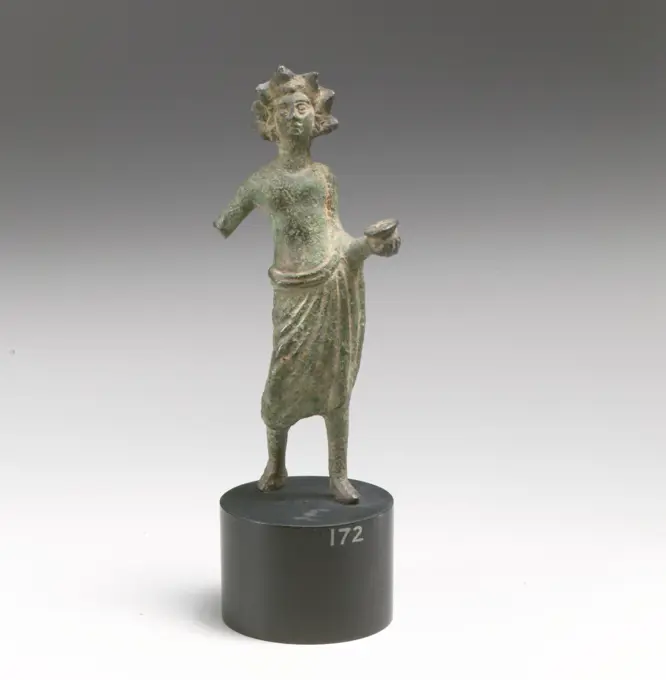
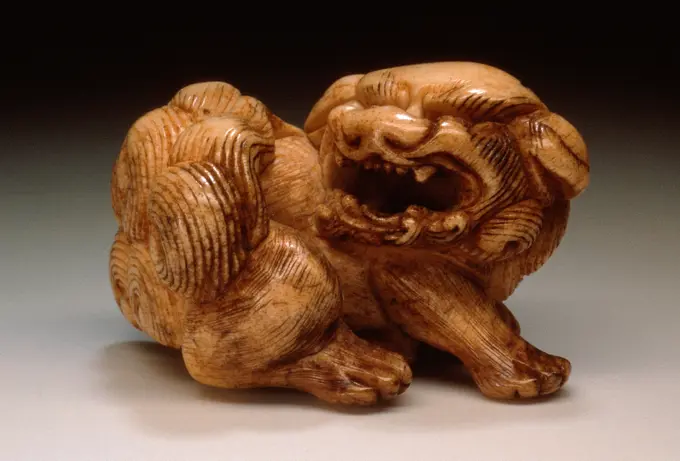
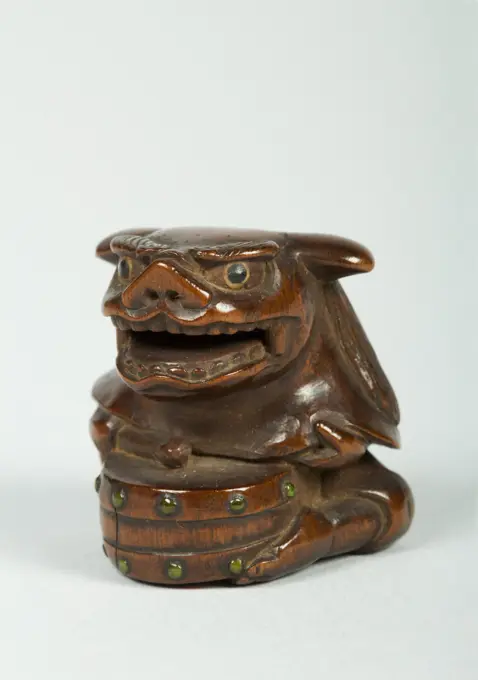
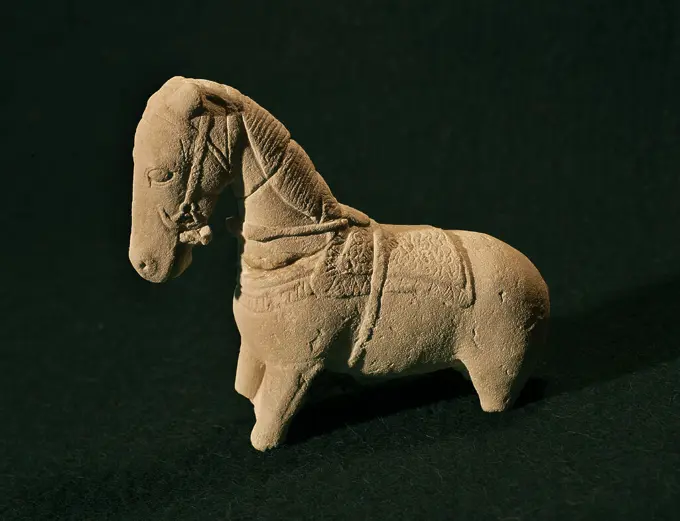
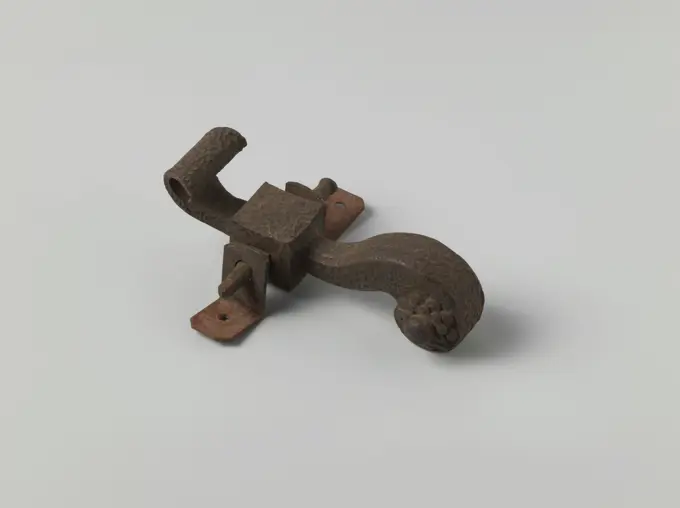
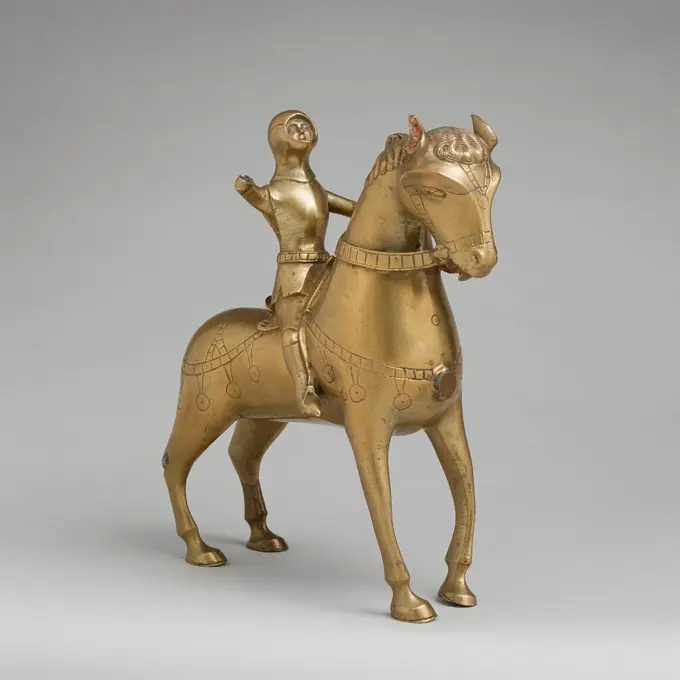
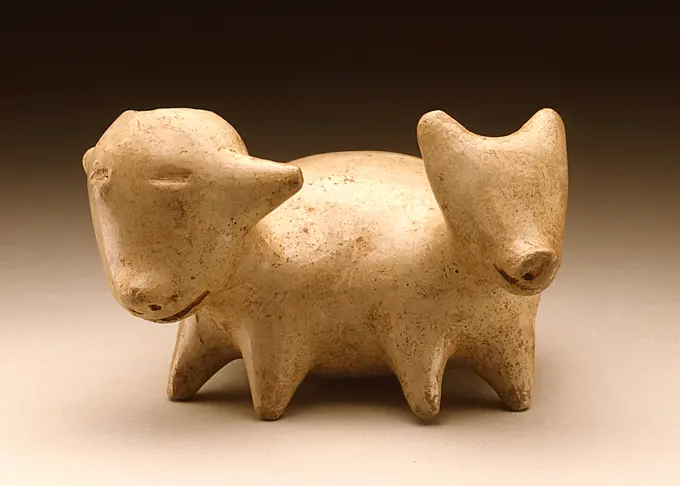
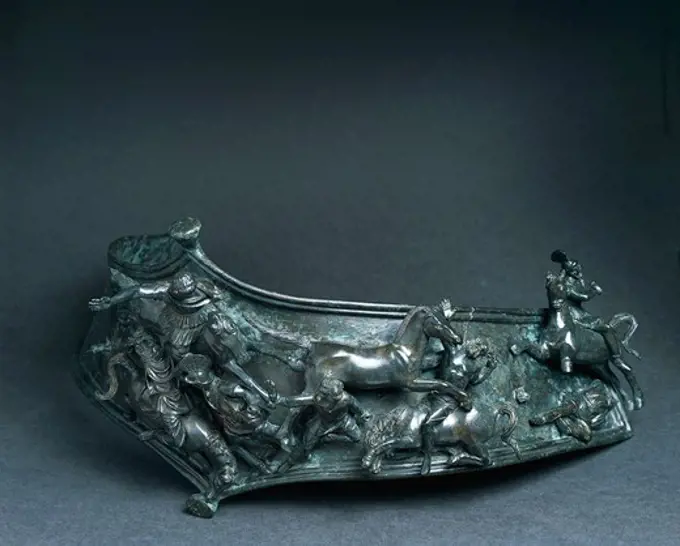
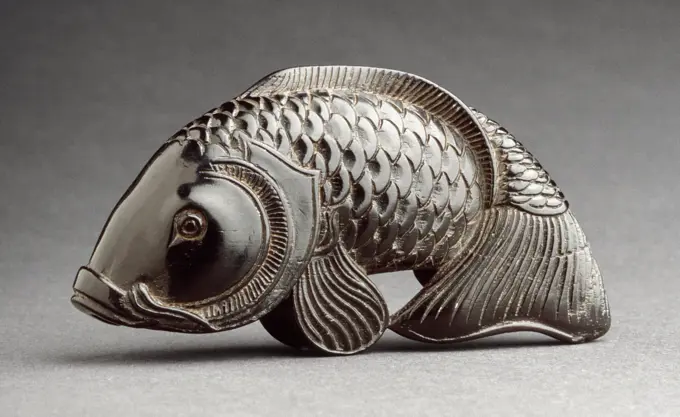
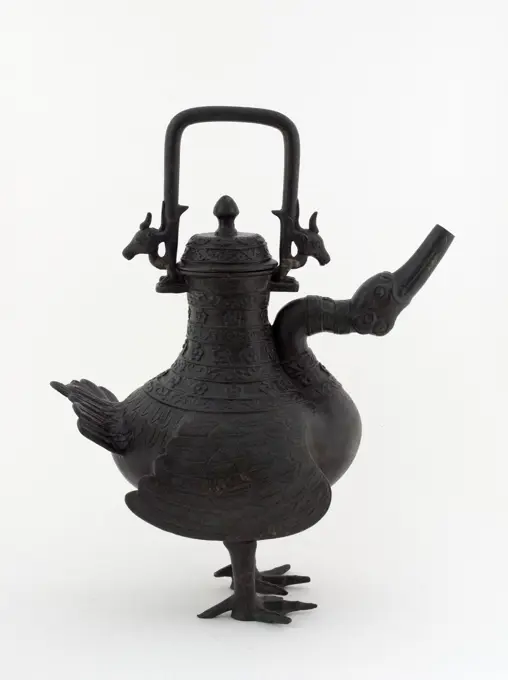
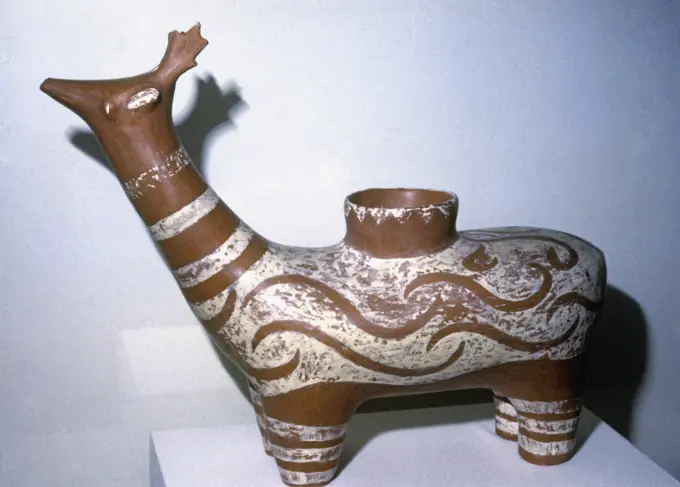
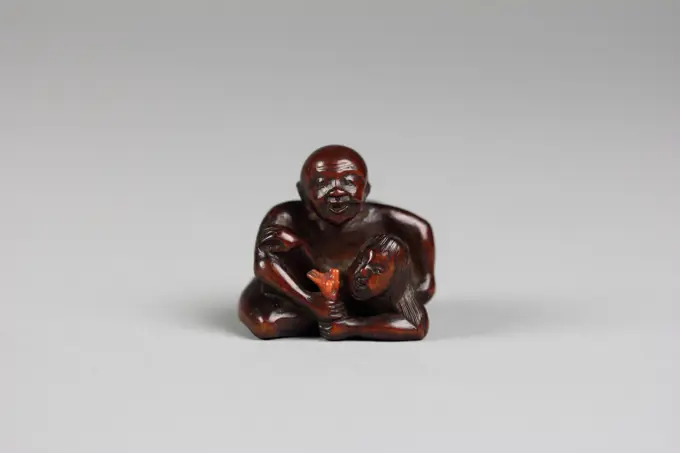
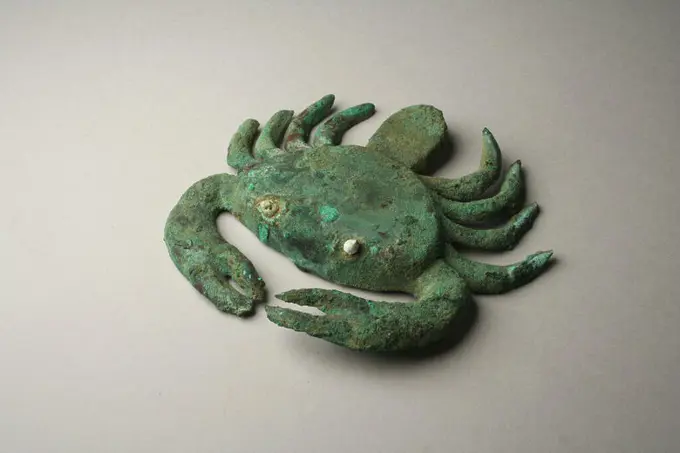
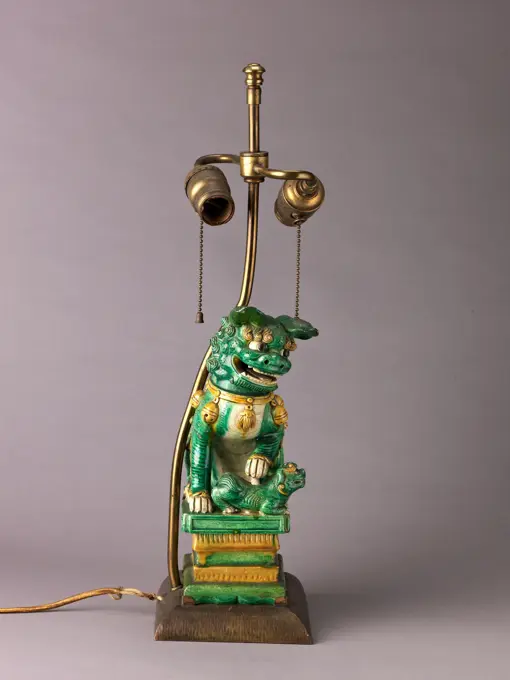
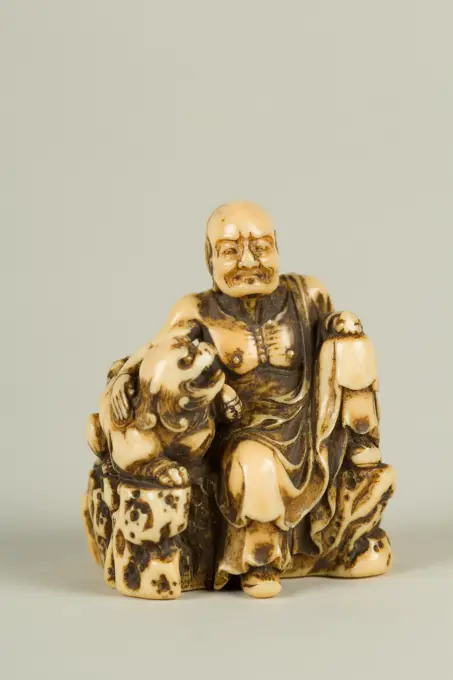
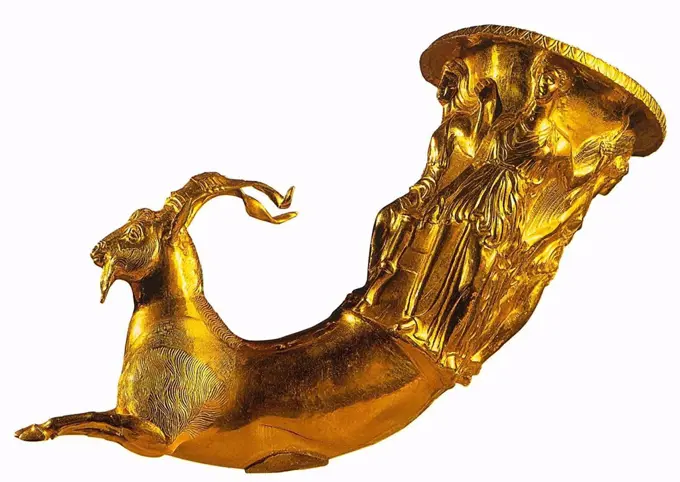
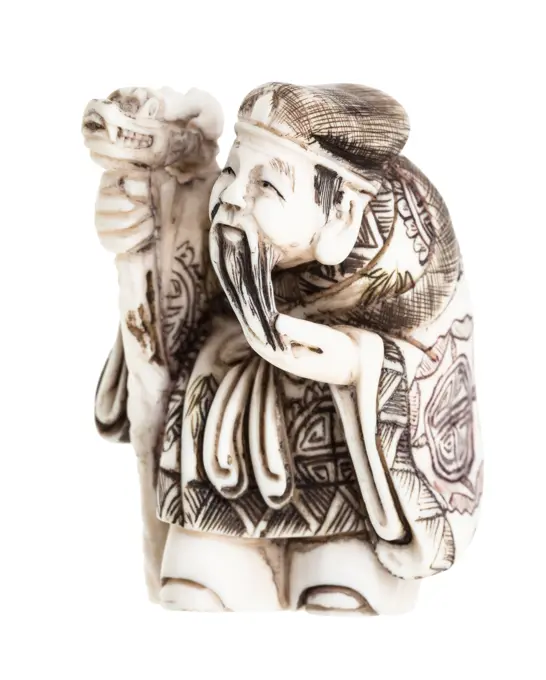
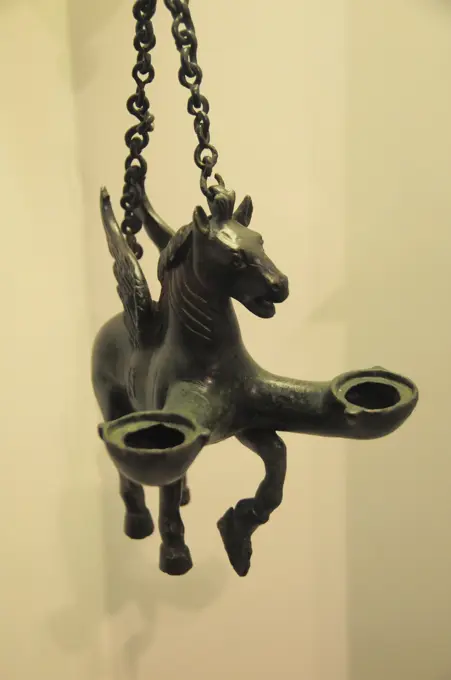
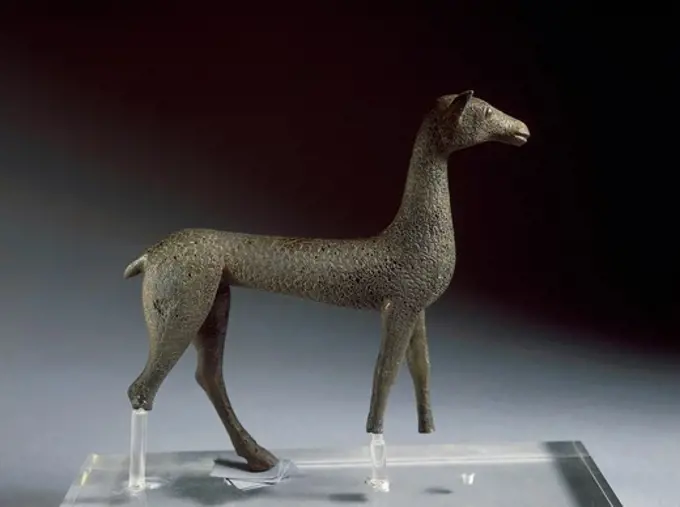
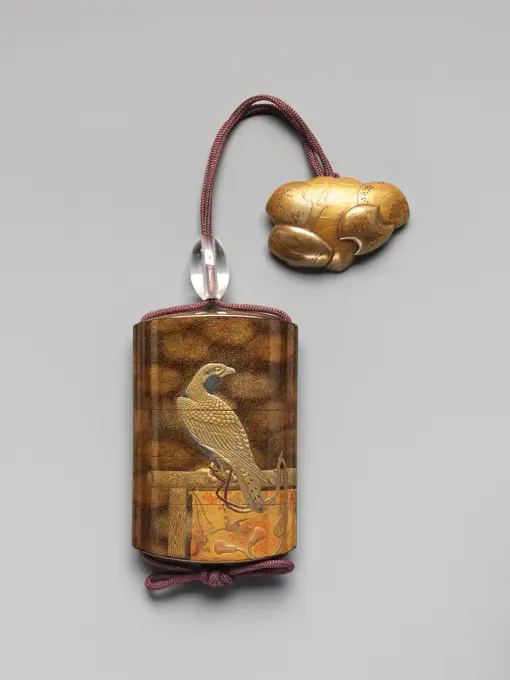
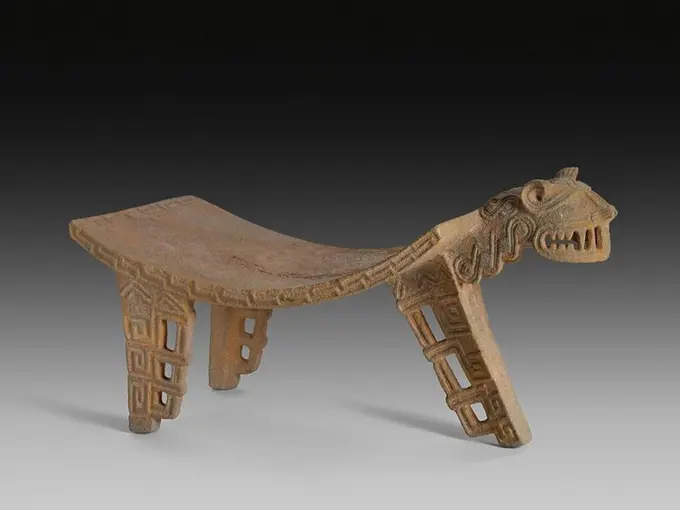
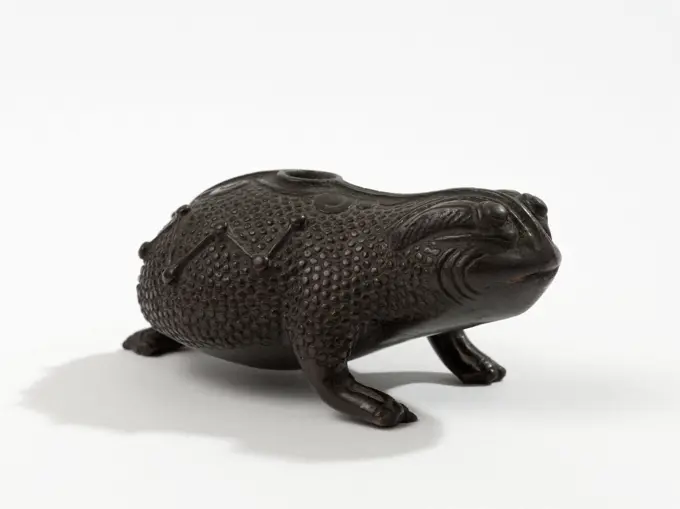
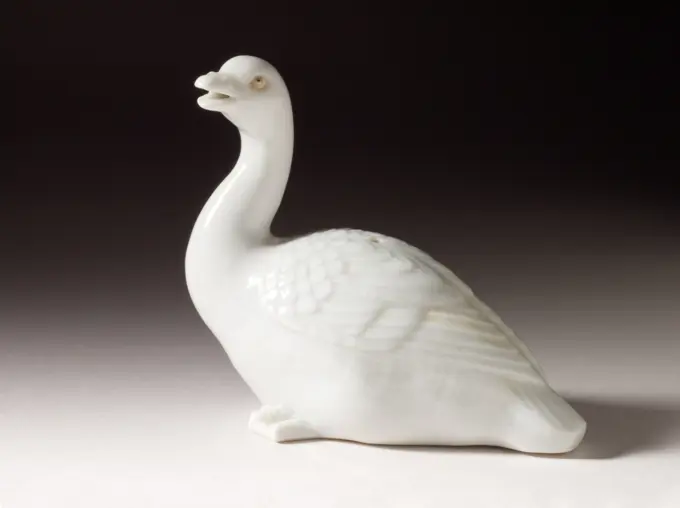
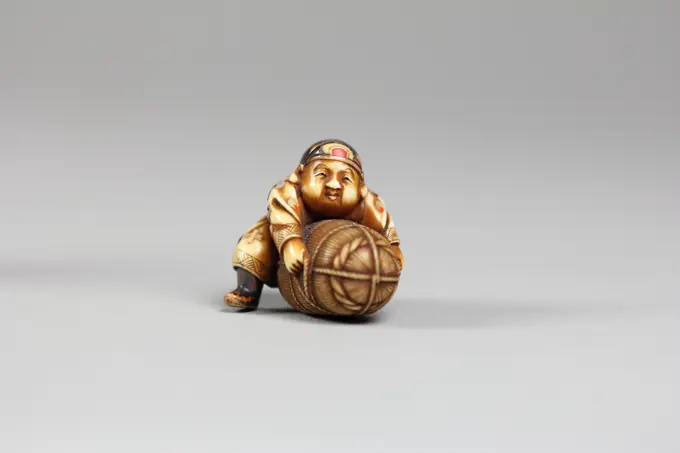
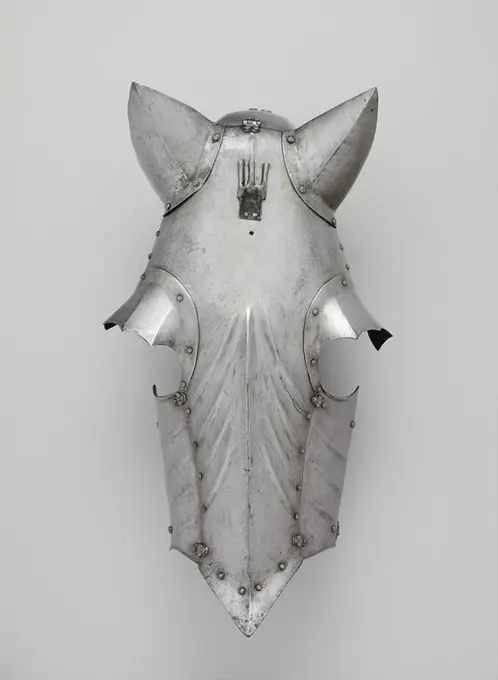
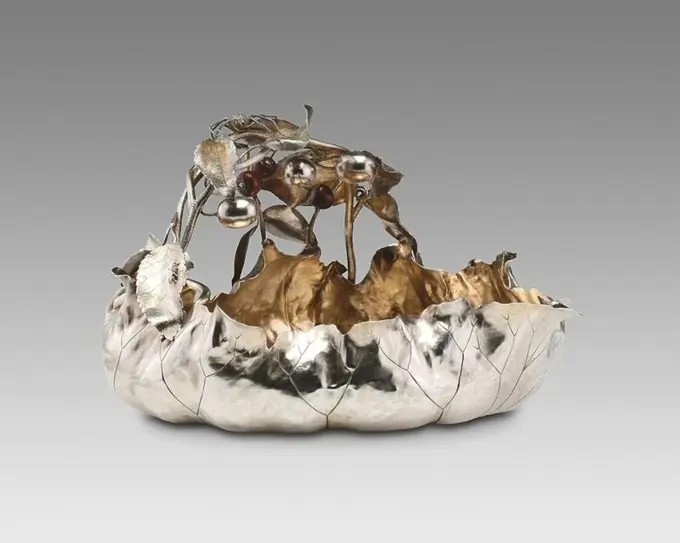
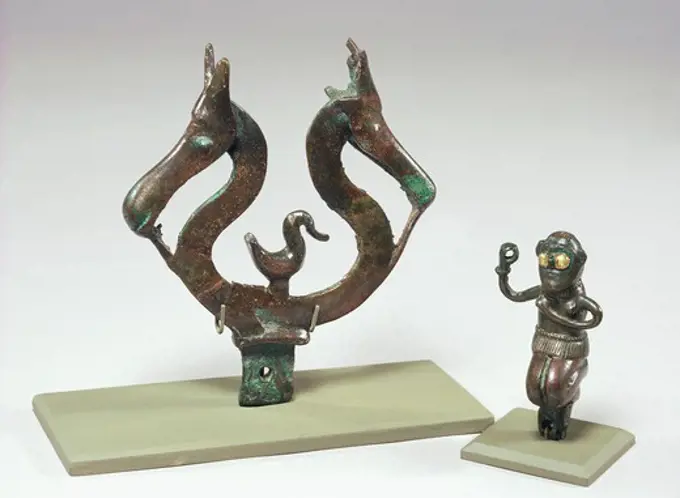
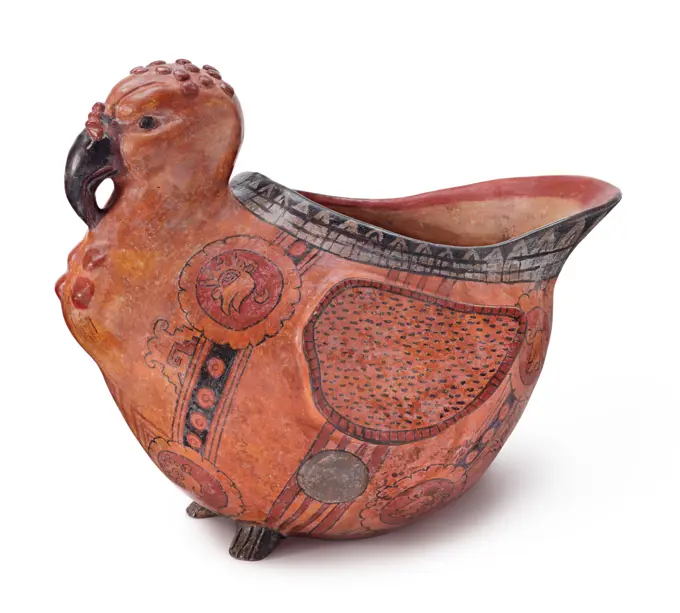
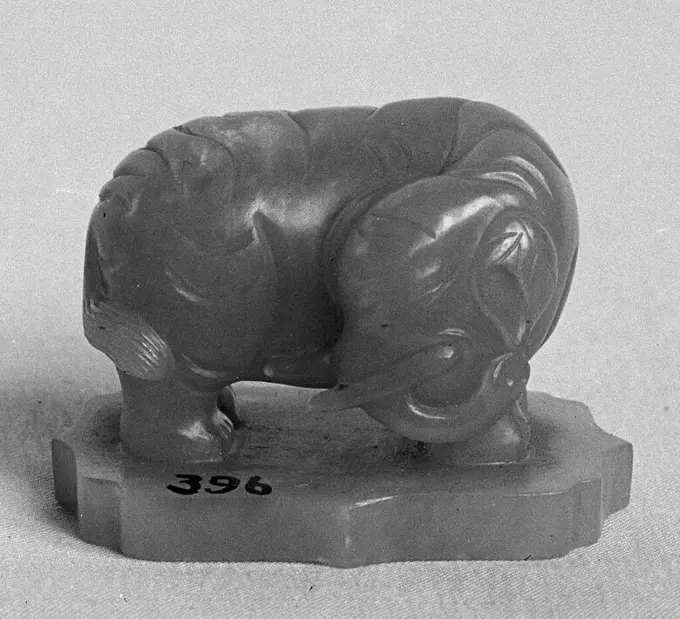
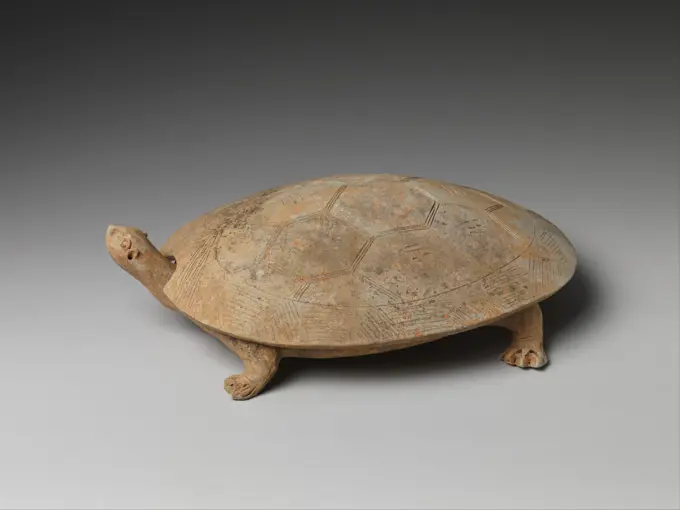
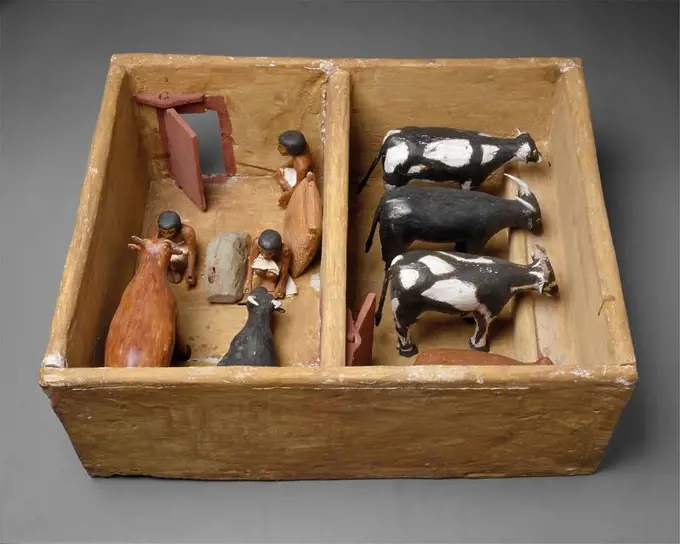
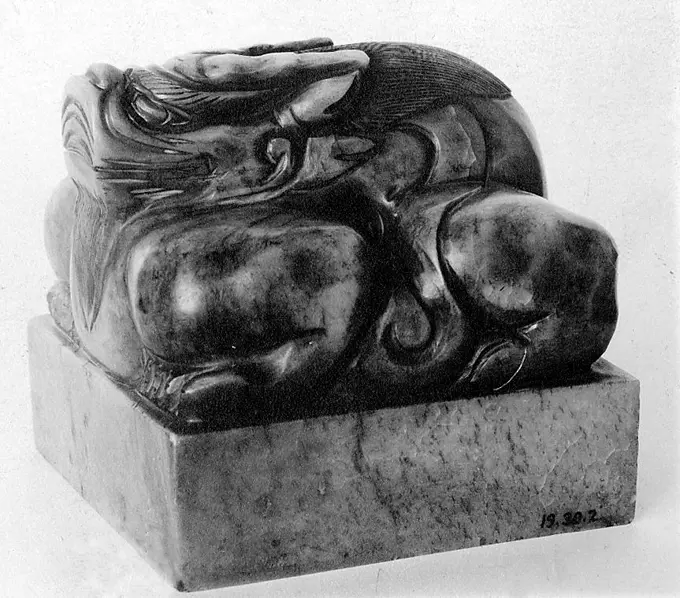
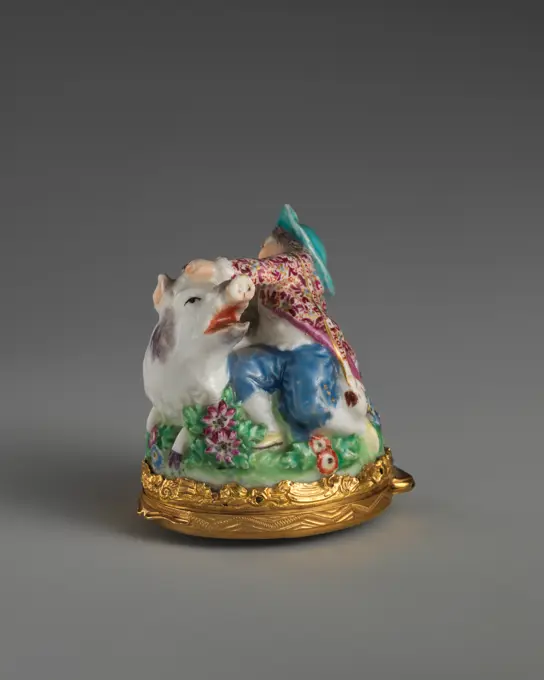
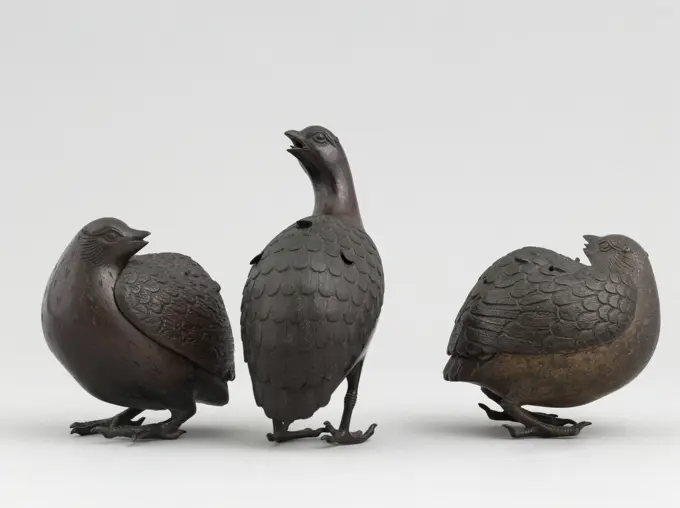
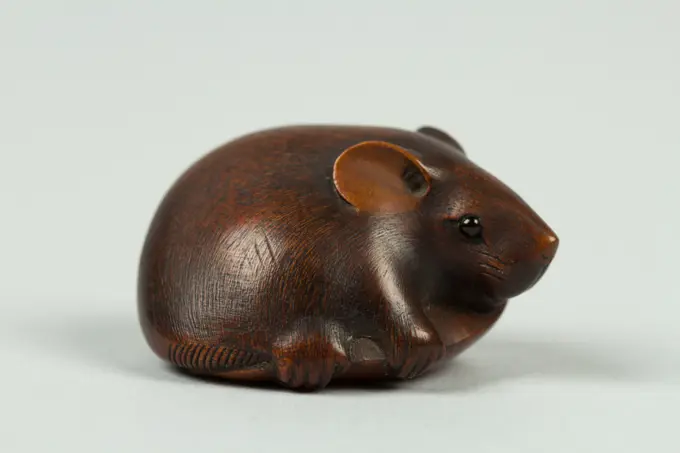
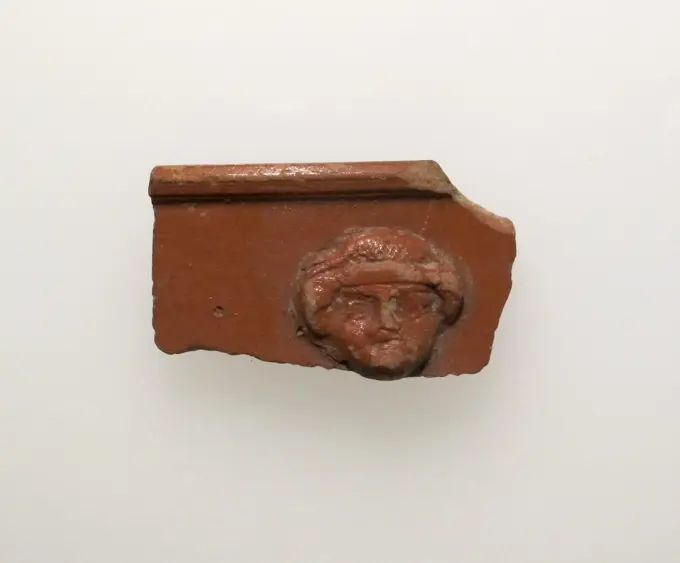
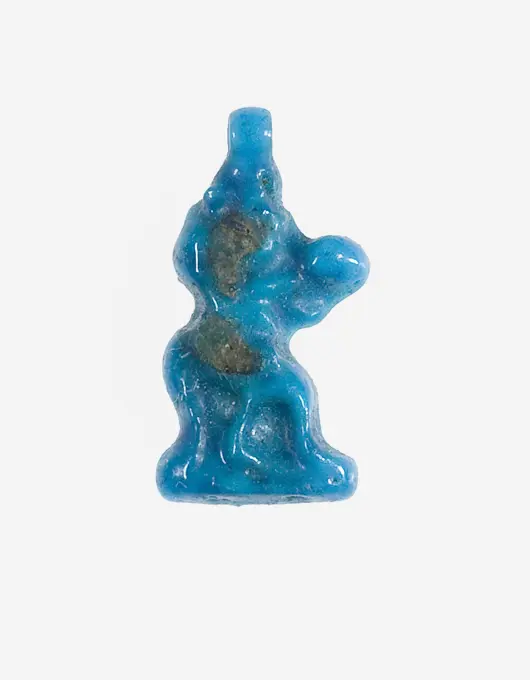
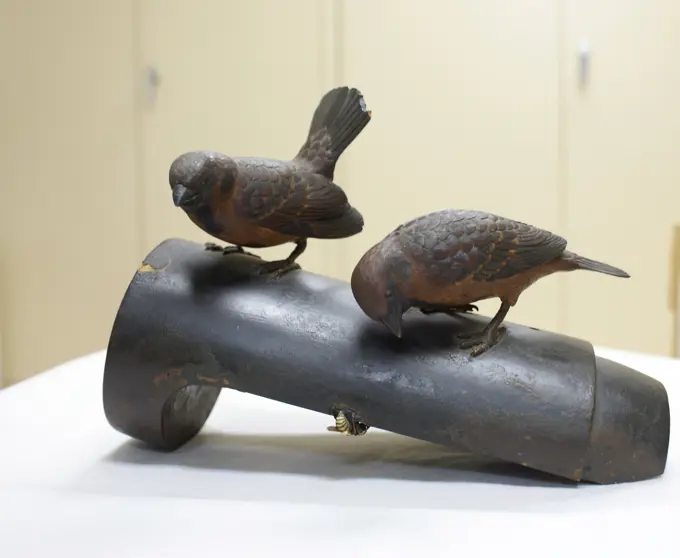
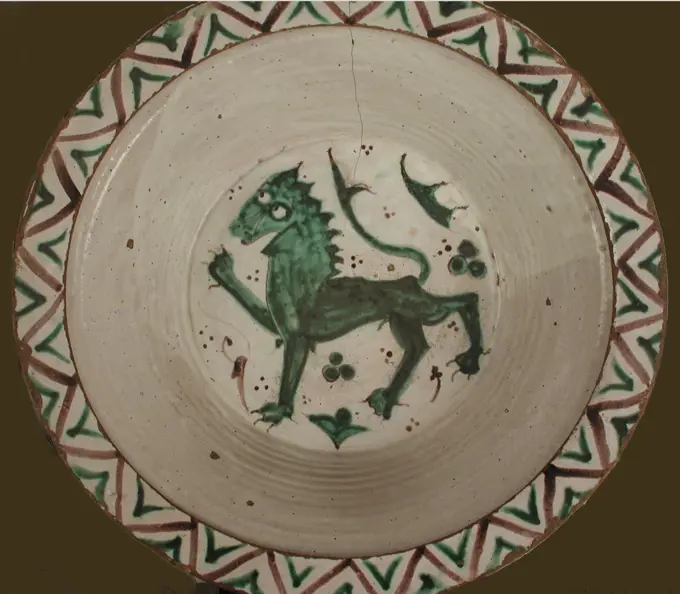
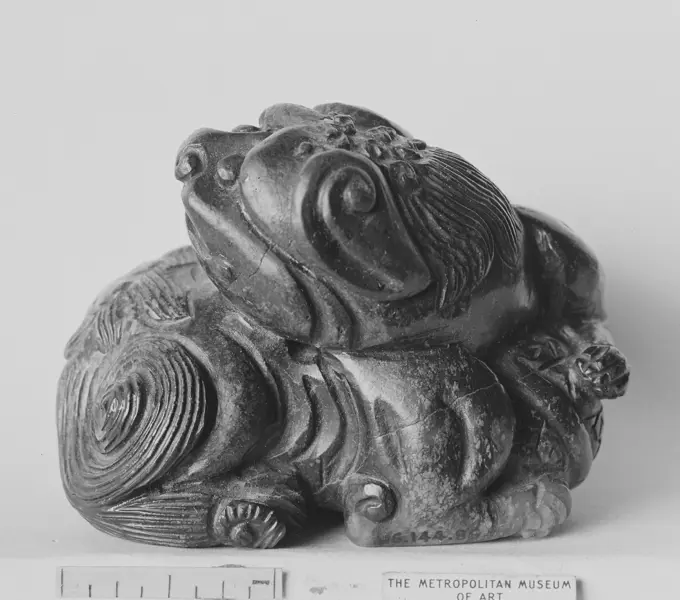
Figure of a Lion China. Figure of a Lion. China. Jade. Han dynasty (206 B.C.-A.D. 220). JadeNetsuke 19th century Japan. Netsuke. Japan. 19th century. Wood. Edo (1615-1868) or Meiji period (1868-1912). NetsukeIncense Burner China Ming dynasty (1368-1644) or earlierAquamanile in the form of a centaur, anonymous, c. 1220 - c. 1240 Centaur aquamanile from copper alloy. The object and acclaimed object in Cire Perdue technique, in which the details are extended or engraved, has the shape of a female centaur. She wears a child dressed in wrappers on her right arm and holds a big breast with her left hand, which serves as a spout. The front legs end in feet, the hind legs in claws. The S-shaped tail is in line with a dragon acting as a handle, which has secured itself with head and legs in the hair of the Centaur. In the head of the Centaur, a valve attached with a hinge has been cut to fill it with water. The hole in the chest of the animal was closed after removal of the cast core. Pieces have also been used in other places. In the back of the animal a more or less triangular opening, so that three remains of cast needles can be observed on the inside. Hildesheim copper alloy casting / engraving Centaur aquamanile from copper alloy. The object and acFigure of a parrot on a rock, anonymous, c. 1700 - c. 1799 Image of porcelain, covered with a monochrome turquoise, blue glaze. A parrot standing on an openwork rock. Image has been restored. Monochrome. China porcelain. glaze vitrification Image of porcelain, covered with a monochrome turquoise, blue glaze. A parrot standing on an openwork rock. Image has been restored. Monochrome. China porcelain. glaze vitrificationNetsuke in the form of a Bell Ornamented with Waves and Figures late 19th century Japan. Netsuke in the form of a Bell Ornamented with Waves and Figures. Japan. late 19th century. Ivory. Meiji period (1868-1912). Netsukematchsafe, Porcelain, Figure of donkey wearing top hat with yellow band. Figure also wears maroon coat with magenta waistcoat and white shirt with magenta dots., probably England, late 19th century, containers, Decorative Arts, matchsafeHorse 701 CE-750 CE China. Earthenware with three-color (sancai) lead glazes .Netsuke of a Man Sleeping while Monkey Steals Contents of Basket. Culture: Japan. Dimensions: L. 1 3/4 in. (4.4 cm). Date: 19th century. Museum: Metropolitan Museum of Art, New York, USA.Double Crocodile Pendant 8th-10th century Coclé (Macaracas) Depicted on this pendant are two side-by-side composite creatures in which the long, toothy snouts with extended, bifurcated tongues of crocodiles are combined with the curled-up noses of bats and flowing crests of iguanas. The accumulation of such specific animal featuresthough little understood todaymay have referred to the wearer's status and the ability to control natural and/or supernatural forces. The pairing of figures is found on some of the earliest known Central American gold objects and continued until the time of the conquest. Its purpose may have been to increase the potency of the image. This cast gold pendant incorporates two stones of translucent pink quartz that depict the tails of the beasts and contribute to the visual appeal of the piece through the juxtaposition of different colors and textures.. Double Crocodile Pendant 312920Horse and oxcart, anonymous, c. 580 - c. 650 Image (grave plastic or burial gift) of earthenware with remains of polychromy. A Zeboo-Os and an ox cart on two wheels. China earthenware. dye painting Image (grave plastic or burial gift) of earthenware with remains of polychromy. A Zeboo-Os and an ox cart on two wheels. China earthenware. dye paintingPaperweight. Culture: China. Dimensions: H. 5 1/16 in. (12.9 cm). Date: 18th century. Museum: Metropolitan Museum of Art, New York, USA.Bird on tree trunk from Faience, Anonymous, c. 1750 - c. 1780 Bird on Faience tree trunk. Multicolored painted. Delft . Bird on Faience tree trunk. Multicolored painted. Delft .Fibula Greek, Cypriot. Fibula. Greek, Cypriot. Bronze. BronzesRhinoceros beetle box. Dimensions: h. 6.4 cm (2 1/2 in); l. 7 cm (2 3/4 in); w. 5.9 cm (2 5/16 in). Date: 664-30 B.C..This rather sinister horned creature seems to represent the rhinoceros beetle, Oryctes nascicarnis, which is native to the Mediterranean region. The small bronze sarcophagus that it guards once held a beetle mummy, though not necessarily of the same species. In embalming beetles, as in all animal mummification, the Egyptians of the Late Period and Ptolemaic and Roman times gave tangible form to their belief that all animals, large and small were incarnations of the divine. Museum: Metropolitan Museum of Art, New York, USA.Sweetmeat dish ca. 1730 Vienna. Sweetmeat dish 200731Lion, 1900s. France, 20th century (). Terracotta glazed in mottled purple tin glaze; overall: 27.7 cm (10 7/8 in.).Lid of hard baked pottery; Staffordshire., Anonymous, c. 1750 Lid of hard baked pottery. The lid has a bird as a button. England earthenware. lead glaze marbled paper / gilding Lid of hard baked pottery. The lid has a bird as a button. England earthenware. lead glaze marbled paper / gildingHare censer, ca.1830. Bronze figure. A small key in the mouth released smoke and incense through the ears. From China. Naval Museum. Madrid. Spain.Figurine ca. 2900-2700 B.C. Sumerian. Figurine. Sumerian. ca. 2900-2700 B.C.. Ceramic. Early Dynastic I. Mesopotamia, NippurBean Pod and Snail. Japan, 18th century. Costumes; Accessories. WoodBronze statuette of a priest or offrant 3rd-2nd century B.C. Etruscan The weight is on the left leg with the right slightly drawn back; the mantle covers the lower part of the body and the left shoulder.. Bronze statuette of a priest or offrant 246415A sheep. Bronze. Chine. Par musée musée malée. Chinese art, bronze, bird, animalFigura de la dinastía Han (206 a.C. - 9 d.C). Colección privada.Chinese Lion. Japan, late 18th-early 19th century. Costumes; Accessories. BoneNetsuke of Man Wearing a Mask and Beating a Drum 18th century Japan. Netsuke of Man Wearing a Mask and Beating a Drum. Japan. 18th century. Wood. Edo period (1615-1868). NetsukeChinese Lion Dance Mask. Japan, 18th century. Costumes; Accessories. Wood with red and black Negoro lacquerEXVOTO DE CABALLO EN BARRO-ARTE IBERICO-CIGARRALEJO-MURCIA. Location: PRIVATE COLLECTION. MADRID. SPAIN.Door beater, anonymous, c. 1600 - c. 1699 An iron door beater. unknown iron (metal) An iron door beater. unknown iron (metal)Aquamanile in the Form of a Soldier on Horseback. Culture: German. Dimensions: 10 9/16 × 9 15/16 × 3 3/4 in., 4.6 lb. (26.8 × 25.2 × 9.5 cm, 2086g). Date: early 15th century.This elaborate water vessel was intended for handwashing. A specialty of metalworkers in German-speaking lands for centuries--from the twelfth to the fifteenth--they are called aquamanilia, from the Latin words for water (aqua) and hand (manus). A clue to the date of this figure is the rider's helmet, a type without visor that came into fashion in northern Italy around 1410. Museum: Metropolitan Museum of Art, New York, USA.Double-Headed Dog. Mexico, Nayarit, Nayarit, 200 BCE-500 CE. Ceramics. Burnished cream-slipped ceramicNetsuke of Sparrow (Split-tongue) 19th century Japan. Netsuke of Sparrow (Split-tongue) 59074Terracotta guttus (flask with handle and spout). Culture: Greek, South Italian, Campanian. Dimensions: H. 3 1/2 in. (8.9 cm)length 5 1/8 in. (13 cm). Date: 4th century B.C..The left foot wears a sandal with a thick sole--perhaps that of an actor The functional features of the object include the strainer at the top, a small spout in the form of a lion's head, and the vertical ring handle. Vases in the form of sandaled feet occur in Greek art at all periods and in all areas. Museum: Metropolitan Museum of Art, New York, USA.Baldric (belt) decorated in bronze depicting battle between Romans and barbariansHarness or bridle ornament in the form of a boar ca. 5th century B.C. Scythian. Harness or bridle ornament in the form of a boar. Scythian. ca. 5th century B.C.. Gold, bone, silver. Eurasian steppesCarp. Kiyoshi (Japan, active 19th century). Japan, 19th century. Costumes; Accessories. EbonyTea-pot. Bronze. China. Paris, Cernuschi museum. 70003-50 Anse, Chinese art, bronze, lid, standing, bird, profile, head, theiere zoomorphic, animalPedestal for flowers - an elephant figure;  19th century (1801-00-00-1900-00-00);Stag, Clay vessel, early Neolithic, 6-5 mill. BC, Karanovo , BulgariaNetsuke of a Man Holding a Mermaid 18th century Japan. Netsuke of a Man Holding a Mermaid 59053A Sea Monster. Dated: second quarter 16th century. Dimensions: overall: 4.5 x 13.3 x 8.8 cm (1 3/4 x 5 1/4 x 3 7/16 in.). Medium: bronze//Medium brown bronze. Museum: National Gallery of Art, Washington DC. Author: Workshop of Severo da Ravenna.Sword Guard (Tsuba). Culture: Japanese. Dimensions: H. 2 3/4 in. (7 cm); W. 2 5/8 in. (6.7 cm); thickness 3/8 in. (1 cm); Wt. 5.4 oz. (153.1 g). Date: 19th century. Museum: Metropolitan Museum of Art, New York, USA.Medal: Creation (obverse), 1900s. Anthony de Francisci (American, 1887-1964). Metal; diameter: 7.4 cm (2 15/16 in.).Crab. Culture: Moche (Loma Negra). Dimensions: Length 3-13/16 in. (9.7 cm). Date: 390-450. Museum: Metropolitan Museum of Art, New York, USA.Figure of lion mounted as lamp probably 19th century Chinese This Buddhist lion mounted as a lamp forms a pair with another in the Lehman Collection (1975.1.1729). The lions sit on high plinths, which have a removable drawer. The animals  1975.1.1728 is the female with her cub, and 1975.1.1729 is the male with his traditional brocaded ball  are decorated in green, yellow, and white glazes. They are fairly well modeled and display a certain amount of animation. The condition is good, except for repairs to the ears in both pieces.. Figure of lion mounted as lamp 461498Netsuke of Man and a Qilin Sitting on a Rock 19th century Japan. Netsuke of Man and a Qilin Sitting on a Rock 60188Ancient jewelry by anonymous artist, gold, 4th century BC, Bulgaria, Plovdiv, Archaeological Museumold man with staff carved from ivory isolated antique japanese netsuke - old man with staff carved from ivory isolated on white background Copyright: xZoonar.com/ValeryxVoennyyx 15083559Italy, Lazio, Rome, Crypta Balbi, Terracotta lamp 6-7th Century.Italy, Siena Province, Gaiole in Chianti, Brolio, Bronze statue depicting fawnGlass snake-thread flask shaped like a mouse. Snake-thread is a technique used to describe a trailed decoration in this instance used by the Romans in the 3rd century AD.Polychrome terracotta vessel in shape of whistle with crayfish figures, Vicus culture, circa 100 B.C.Display of alibrije - carved, colorful painted animals and fantasy creatures - at the alibrije studio of Jacobo y Maria Angeles in the Zapotec wood carving village of San Martin Tilcajete near Oaxaca, Mexico.Netsuke, japanese miniature sculpture. Museum: COLECCION PRIVADA.Pendant 4th-8th century Atlantic Watershed. Pendant 313021Case (Inrō) with Design of Two Hawks on Tasseled Perches 19th century Japan. Case (Inrō) with Design of Two Hawks on Tasseled Perches 58777Ceremonial Grinding Table (Metate) in the Form of a Feline. Nicoya; Nicoya, Guanacaste province, Costa Rica. Date: 500 AD-1000. Dimensions: 41.3 × 34.9 × 86.4 cm (16 1/4 × 13 3/4 × 34 in.). Volcanic stone. Origin: Nicoya. Museum: The Chicago Art Institute, Chicago, USA.Spirit figure from the Tolai tribe, New Britain. The Tolai are the indigenous people of the Gazelle Peninsula and the Duke of York Islands of East New Britain in the New Guinea Islands region of Papua New Guinea.Anonymous. Covered fountain, decor. Porcelain. XVIIth-18th century. Museum of Fine Arts of the City of Paris, Petit Palais. 122742-11Toad. Bronze. China, 18th century. Paris, Cernuschi museum. 74290-7 Bronze, toad, animalWater Dropper in the Form of a Goose. Japan, 19th century. Ceramics. Hirado Mikawachi ware; porcelain with clear glazeNetsuke 19th century Japan. Netsuke 59972Mosaic handle from Puebla, Mexico. Mixtec Puebla Civilization.Rooster' mechanical bank, c. 1880-1890, Attributed to Kyser & Rex Company, Philadelphia, c. 1879-1898, 6 x 3 1/2 x 2 5/16 in. (15.24 x 8.89 x 5.87 cm), Iron, pigment, 19th centuryTarasowiczs, Konstanty and Helena - collection, gift (provenance), paper buttons, animalsShaffron (Horse's Head Defense). Armorer: Attributed to Romain des Ursins (Italian, Milan, recorded in Lyon 1493-95). Culture: Franco-Italian. Dimensions: H. 24 7/8 (63.2 cm); W. 13 in. (33 cm); D. 9 1/2 in. (24.1 cm); Wt. 4 lb. 4 oz. (1918 g). Date: ca. 1480-95; ear guards, eye guards, and plume holder, 19th century restorations.This is a rare example of a late Gothic shaffron preserved with its matching crinet also in the Metropolitan Museum's collection (acc. no. 14.25.1662). The combination of the shaffron's slender, pointed shape and its radiating ridges, together with the Italian-style armorer's marks, suggests that it is a work alla tedesca (in the German fashion) by an Italian master. The mark, an orb surmounted by a cross above the letters ROM ROM, has been attributed to the Milanese armorer Romain des Ursins, who appears to have supplied armor to the French court. (The ear and eye guards, bottom lame of the crinet, and mail fringe are ninteenth-century restorations.). MuseumBerry Bowl. Design attributed to George W. Shiebler; American, 1846-1920; Made by George W. Shiebler (1876-1891) or George W. Shiebler and Company (1892-1907/10); New York, New York. Date: 1885-1895. Dimensions: 20.32 × 30.48 × 35.56 cm (8 × 12 3/4 × 14 1/8 in.); 1833.8 grams. Silver, parcel-gilt silver, and copper. Origin: New York City. Museum: The Chicago Art Institute, Chicago, USA.Prehistory, Denmark, Bronze Age. Bronze figures of a kneeling woman and two animal heads.Censer in the Form of a Chinese Lion with Scroll and Sword Finial. Japan, 19th century. Ceramics. Hirado Mikawachi ware; porcelain with blue underglazeTurkey Effigy Vessel. Mexico, Aztec/Mixtec, 1200-1521. Ceramics. Slip-painted ceramicThree bronze horses. Ordos type, 5th-3rd century BC.Figure of Elephant. Culture: China. Dimensions: H. 1 in. (2.5 cm); W. 1 1/2 in. (3.8 cm); L. 1 in. (2.5 cm). Museum: Metropolitan Museum of Art, New York, USA.Brass and copper design fitting on antique wooden rolling horse, Jodhpur, Rajasthan, India Copyright: xSafatxAli/DinodiaxPhotoxAntoine-Louis Bare (1795-1875). "Basset Debout". Bronze brown brown red. Around 1845. Museum of Fine Arts of the City of Paris, Petit Palais. Statuette, 19th XIXth 19th 19th 19th 19th century, animalDiorite statue of bull-deity Apis, from RomeDouble vase 18th century China. Double vase 44128Jaguar Pendant 11th-16th century Veraguas. Jaguar Pendant 313115Cat sculpture, 1st-5th century, 3 1/2 x 2 x 1 1/4 in. (8.9 x 5.1 x 3.2 cm), Bronze, Egypt, 1st-5th centuryButton with Dragon, early 1900s. Japan, Meiji period (1868-1912) to Taishō period (1912-26). One of a set of six buttons; cast () silver with relief; diameter: 3.8 cm (1 1/2 in.)."Inkstone" and cover in the shape of a turtle 6th-7th century China Turtles and tortoises, symbols of longevity and endurance, have long been associated with divination in ancient China. Here, the shell is engraved with the eight trigrams (bagua) used in Daoist cosmology, which became increasingly important during the Sui and Tang dynasties.. "Inkstone" and cover in the shape of a turtle 65348Gane  End of the 18th century (1791-00-00-1800-00-00);Model Cattle stable from the tomb of Meketre. Dimensions: l. 72.5 cm (28 9/16 in); w. 57 cm (22 7/16 in); h. 28.5 cm (11 1/4 in)average height of cattle: 18 cm (7 1/16 in.). Dynasty: Dynasty 12. Reign: reign of Amenemhat I, early. Date: ca. 1981-1975 B.C..This model of a stable was found with twenty three other models of boats, gardens, and workshops in a hidden chamber at the side of the passage leading into the rock cut tomb of the royal chief steward Meketre, who began his career under King Nebhepetre Mentuhotep II of Dynasty 11 and continued to serve successive kings into the early years of Dynasty 12.Cattle are being fattened for slaughter in this stable. Four oxen feed from a manger in the large stall; two others are being hand fed by the stablemen from a pile of fodder and a sack of grain in the room in front. One of the cattle is so fat he can no longer stand. By the door sits an overseer with a baton in his hand.All the accessible rooms in the tomb of Meketre had been robbA carbouw in black soapstone ,, 1800 - 1899 A carbouw in black soapstone. China soapstone (metamorphic rock) A carbouw in black soapstone. China soapstone (metamorphic rock)Amulet of a Ram 700 BCE-1 BCE Egypt. Small-scale Egyptian figurines, known as amulets, were thought to promote health and good luck. Amulets were such an important part of Egyptian religious beliefs that they were worn by both the living and the dead. They could be mounted on rings or strung as bracelets or necklaces and were placed among the mummy wrappings to secure the deceasedís rebirth and well-being in the afterlife. Many varieties of amulets survive, including figures of deities, parts of the human (ordivine) body, animals, plants, and objects of daily life. The ram symbolized of virility and power. The amulet was also a pun the words ìramî and ìsoulî were the same in ancient Egyptian, and so by extension, the amulet gave power to the soul of the deceased.. Glass . Ancient EgyptianGrave goods with amber statue of Eros and Anteros, 1st century National Archaeological Museum, Villa Cassis Faraone, UNESCO World Heritage Site, important city in the Roman Empire, Aquileia, Friuli, Italy, Aquileia, Friuli, Italy, EuropeSeal China. Seal 41008Boy with boar ca. 1760 Chelsea Porcelain Manufactory. Boy with boar. British, Chelsea. ca. 1760. Soft-paste porcelain. Chelsea Porcelain Manufactory (British, 1745-1784, Gold Anchor Period, 1759-69). Ceramics-PorcelainPartridge. Japan. Bronze. 18th-19th century. Paris, Cernuschi museum. 53739-14 Bronze, Japanese, bird, partridgeNetsuke of a Rat Grasping a Soybean Pod early 19th century Japan. Netsuke of a Rat Grasping a Soybean Pod. Japan. early 19th century. Wood. Edo period (1615-1868). NetsukeVase fragment 1st century B.C.-1st century A.D. Roman Medusa mask.. Vase fragment 250389Amulet of Bes with tambourine ca. 1390-1353 B.C. New Kingdom. Amulet of Bes with tambourine. ca. 1390-1353 B.C.. Faience. New Kingdom. From Egypt, Upper Egypt, Thebes, Malqata, Palace of Amenhotep III, MMA excavations, 1910-11. Dynasty 18Study of a Mustang. Dated: original wax 1860s, cast by 1921. Dimensions: overall without base: 21.8 x 11.4 x 30.9 cm (8 9/16 x 4 1/2 x 12 3/16 in.) height without base (of horse): 21.1 cm (8 5/16 in.). Medium: copper alloy. Museum: National Gallery of Art, Washington DC. Author: EDGAR DEGAS.Gingerbread reindeer sled and star with color frosting shot on white background gingerbread reindeer sled and star with color icing on white background copyright: xzoonar.com/romanxmilertx 22560886Romania, Bujoru, Ritual chariot, bronzeAlfred H Smith, Wooden Horse Weather Vane, c 1940 Wooden Horse Weather VaneBOTIJO DE CAMPANARIO CON 3 PISOS VIDRIADO Y PINTADO EN ARCILLA BLANCA. Location: ALFARERIA. Soria. SPAIN.Pair of sparrows and wasp, late 19th century, Unknown Japanese, 7 1/2 × 4 × 9 1/8 in. (19.05 × 10.16 × 23.18 cm), Lacquer on wood, Japan, 19th centuryRay Price, Ceramic Pitcher, 1935 1942 Ceramic PitcherBowl 16th century Spanish. Bowl 466578Sasanian Art. Incense-Burner in the shape of king Khosrow II (reign 590-628). Riding a horse. Bronze. Iran. 7th-8th centuries. The State Hermitage Museum. Saint Petersburg. Russia.