Exquisite Antique Figurines

A collection of intricate small sculptures representing various animals and mythological figures, crafted from materials like wood, obsidian, and bronze across different cultures.
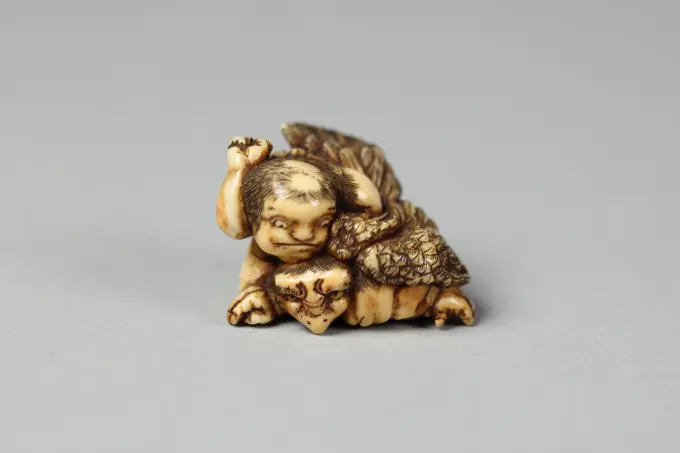
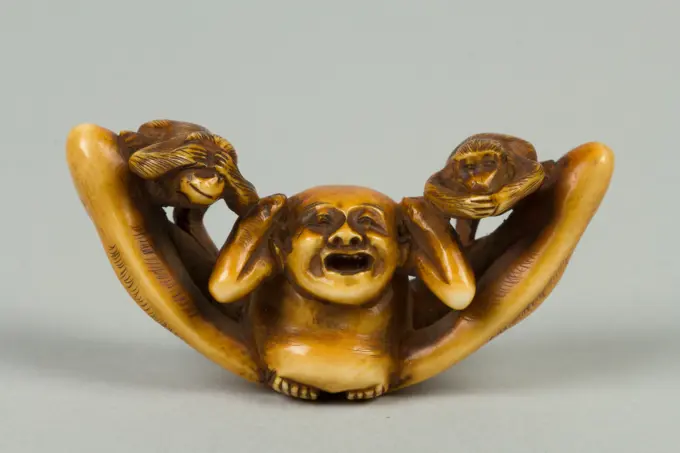
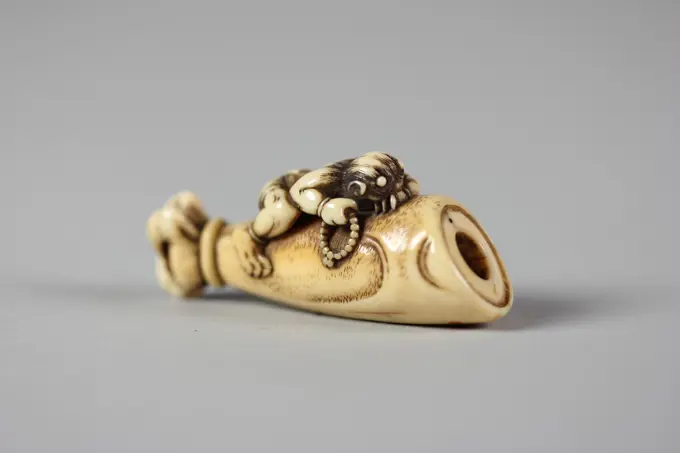
Netsuke of Boy Killing a Bird 19th century Japan. Netsuke of Boy Killing a Bird. Japan. 19th century. Ivory. Edo (1615-1868) or Meiji period (1868-1912). Netsuke
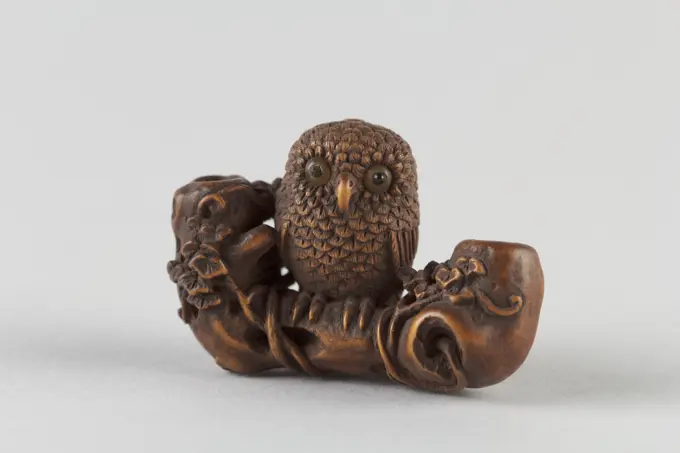
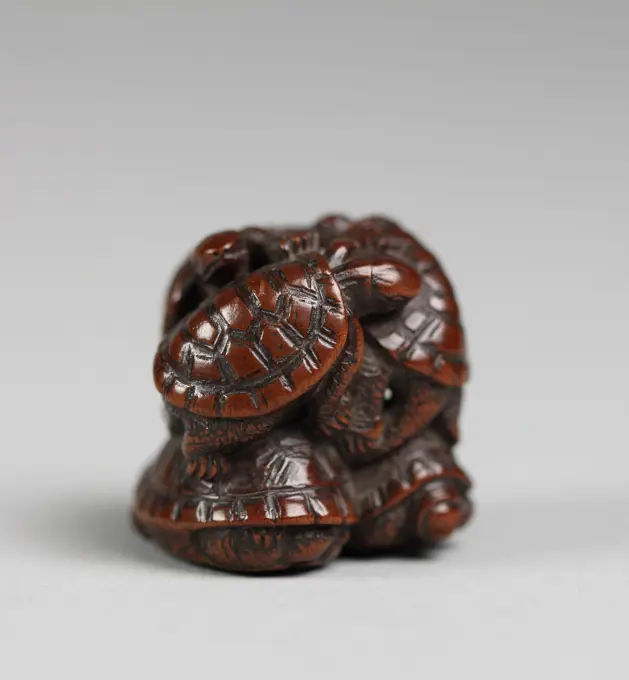
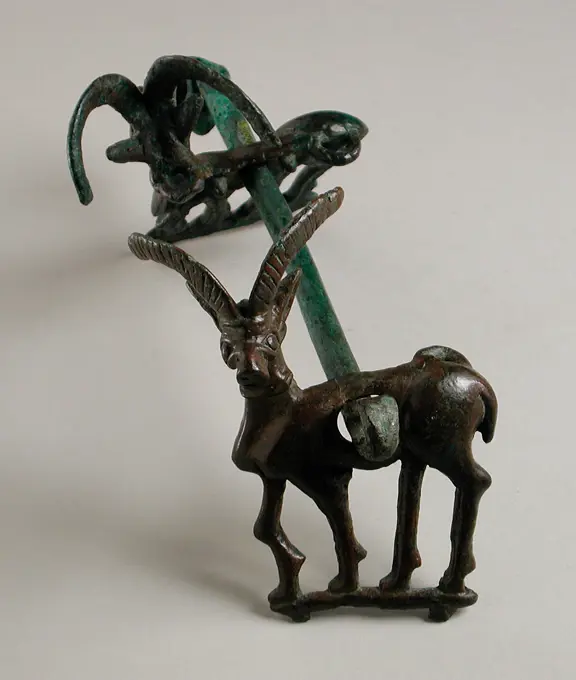
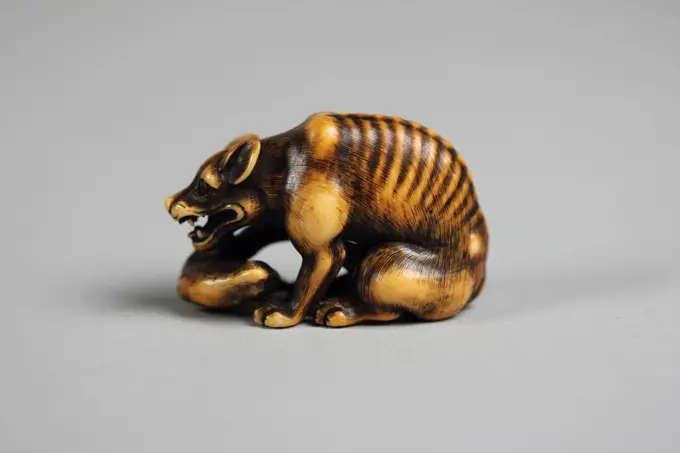
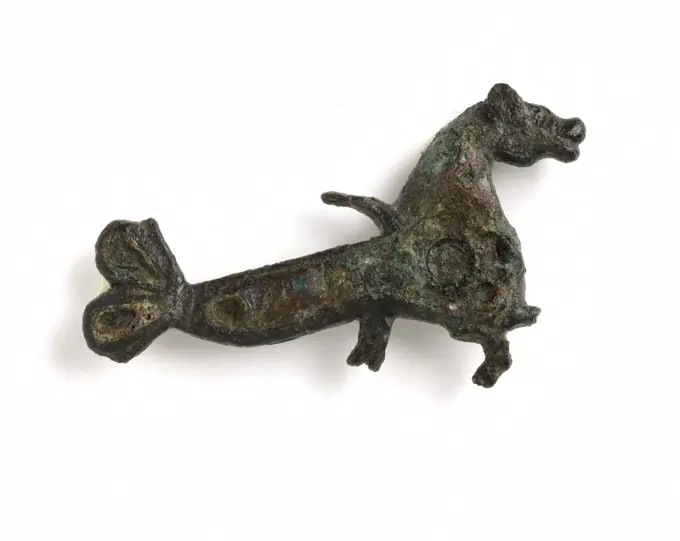
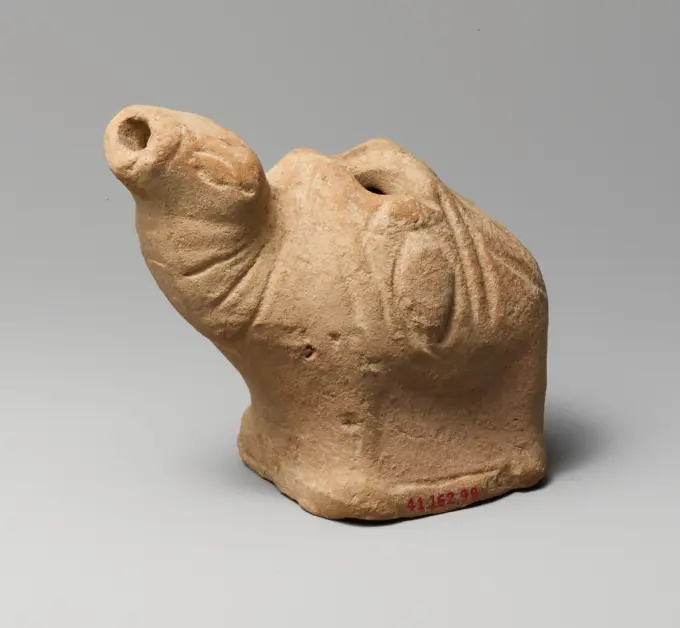
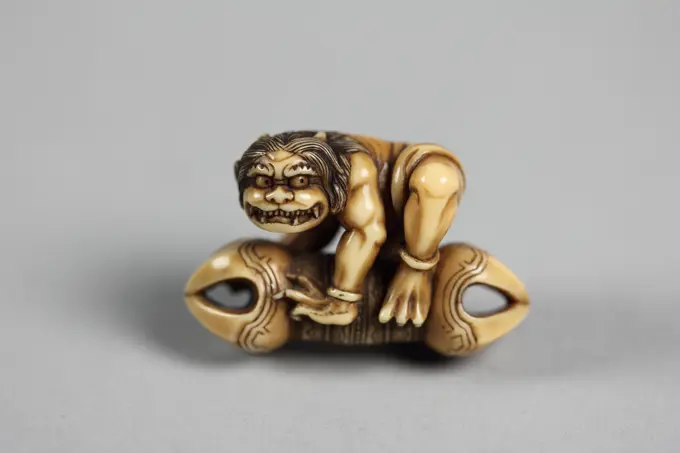
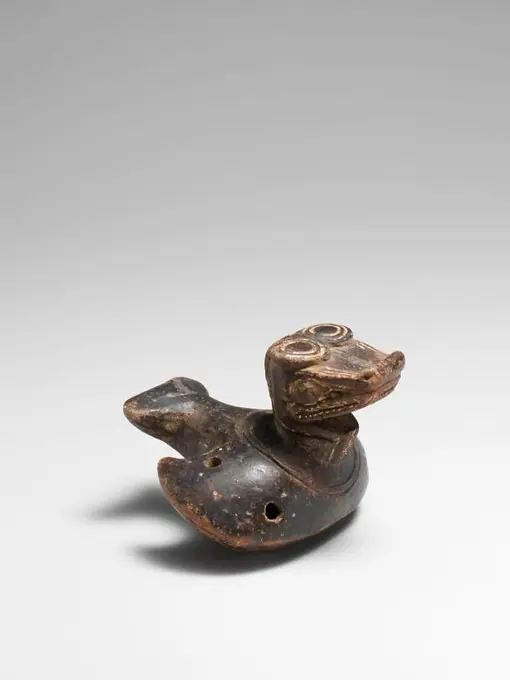
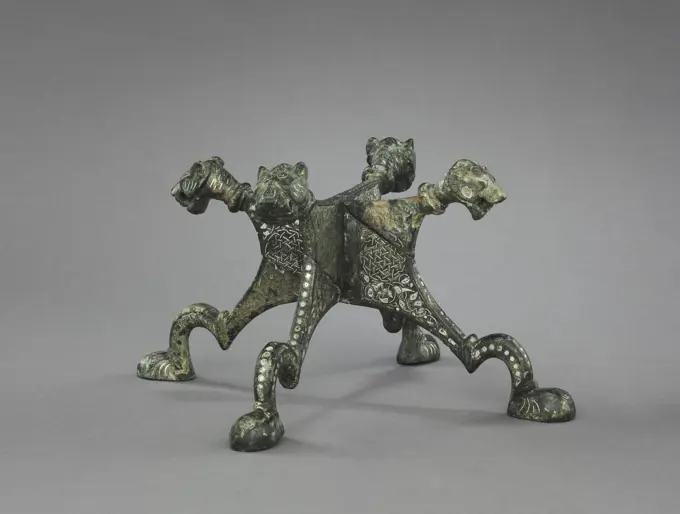
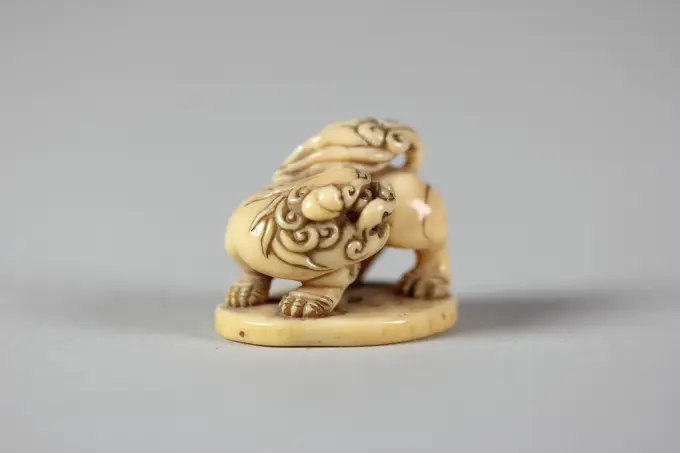
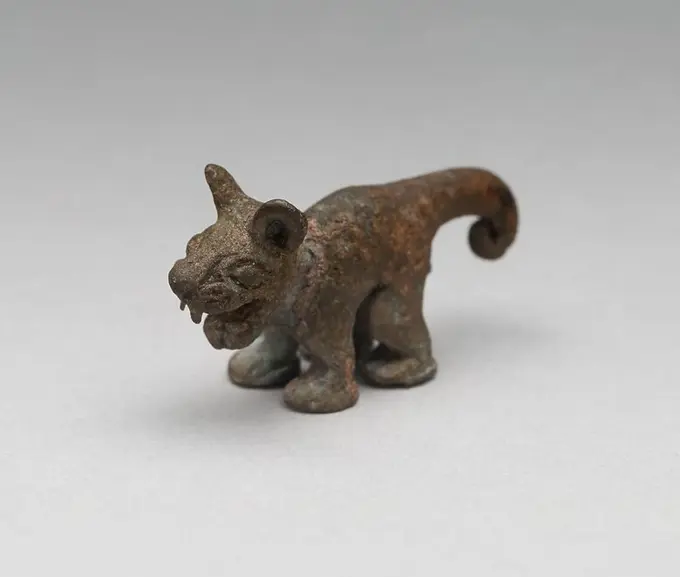
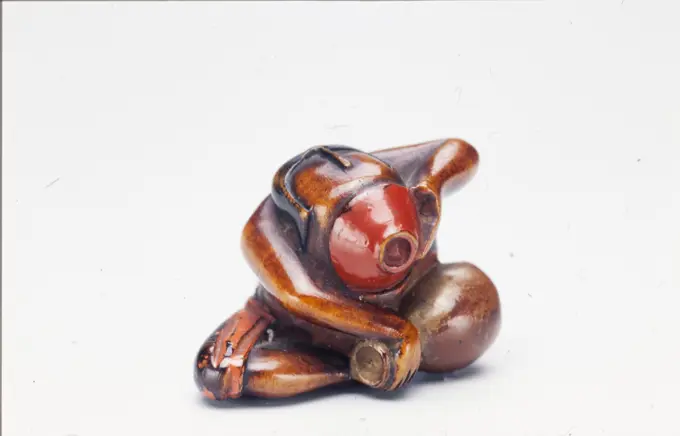
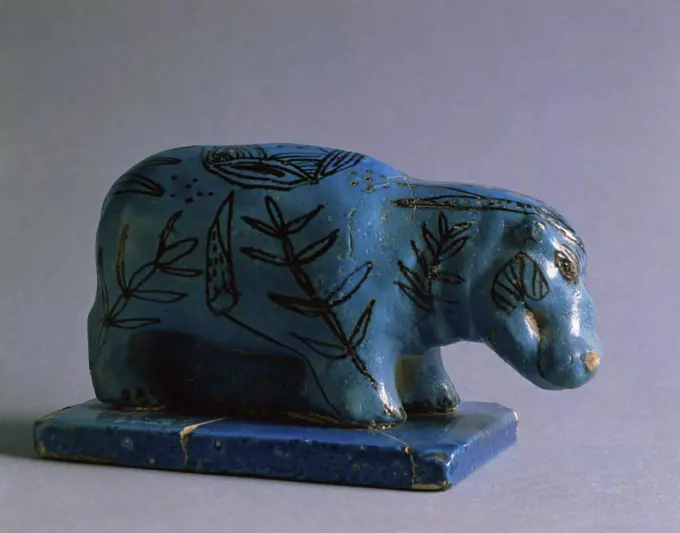
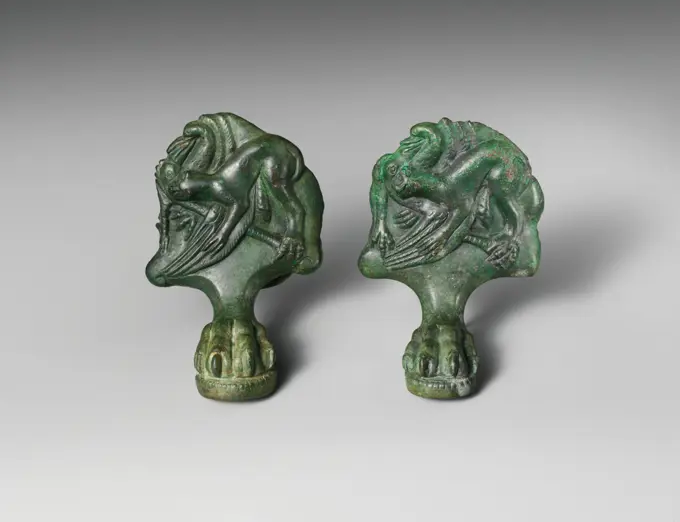
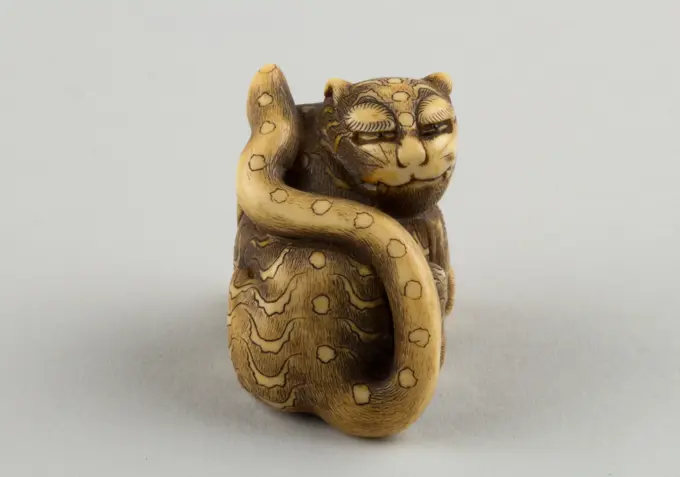
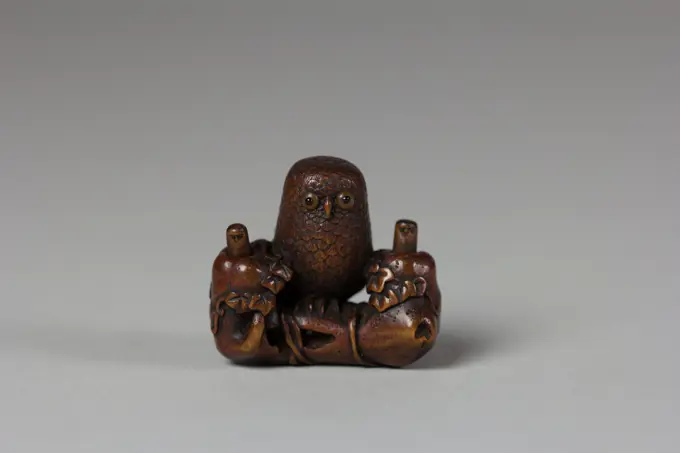
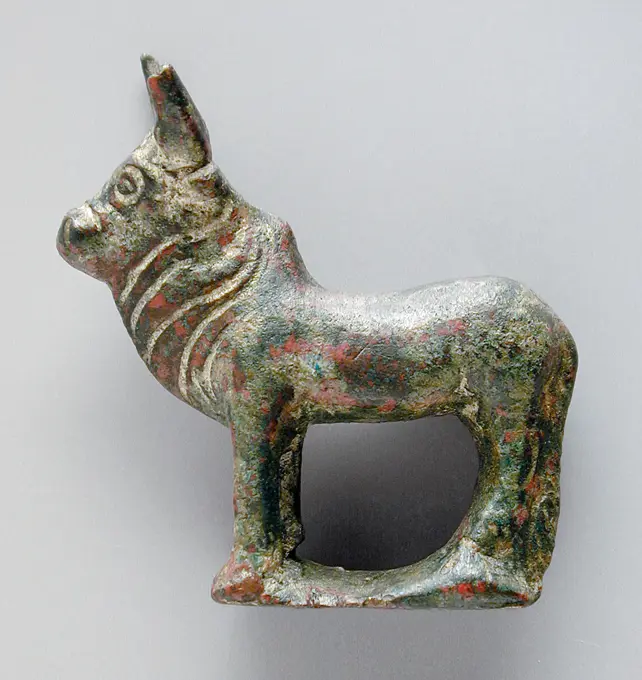
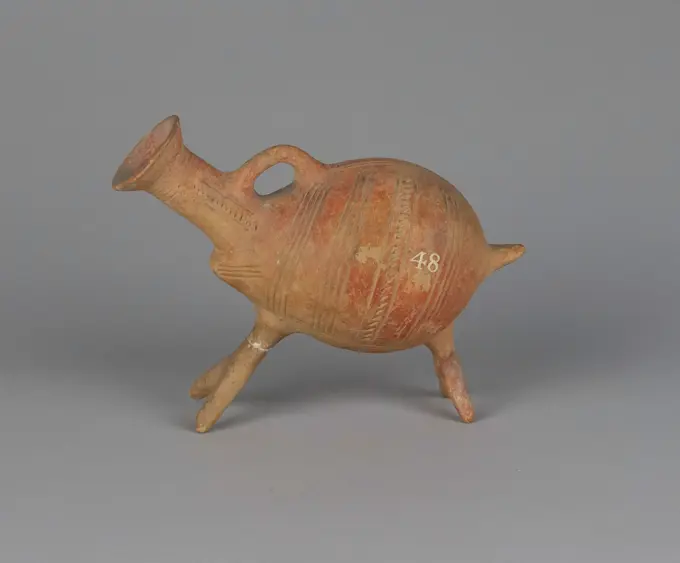
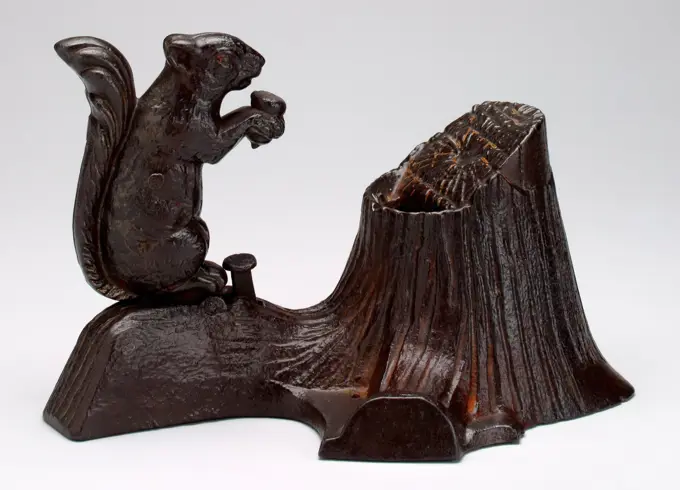
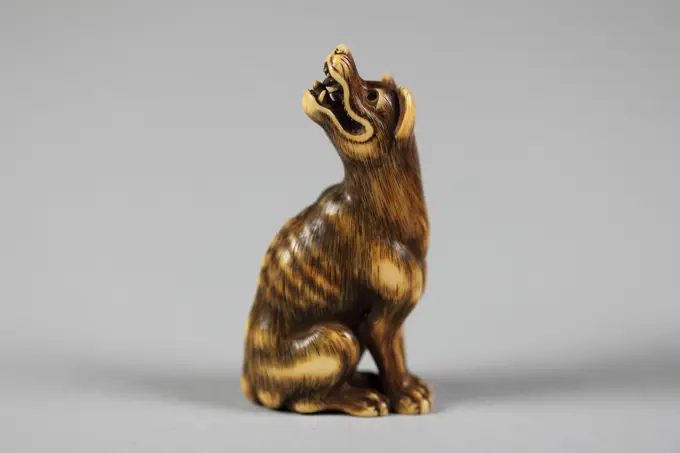
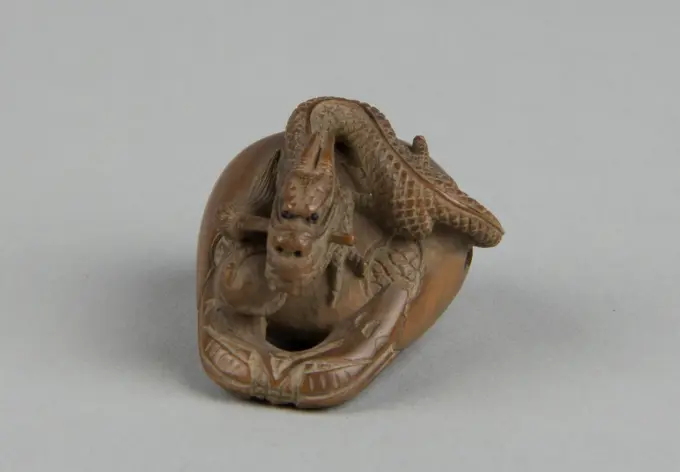
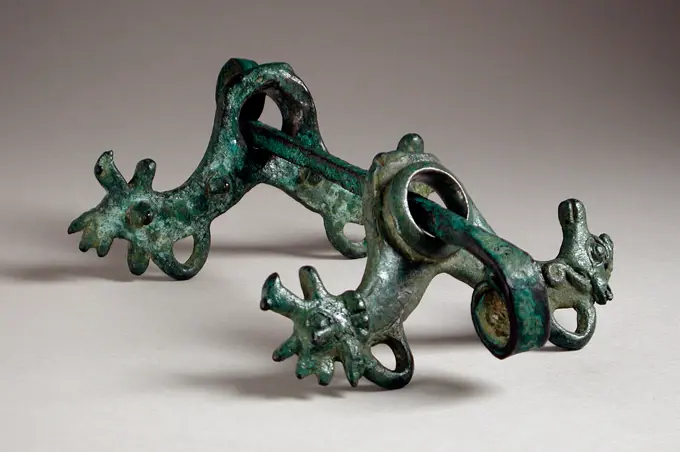
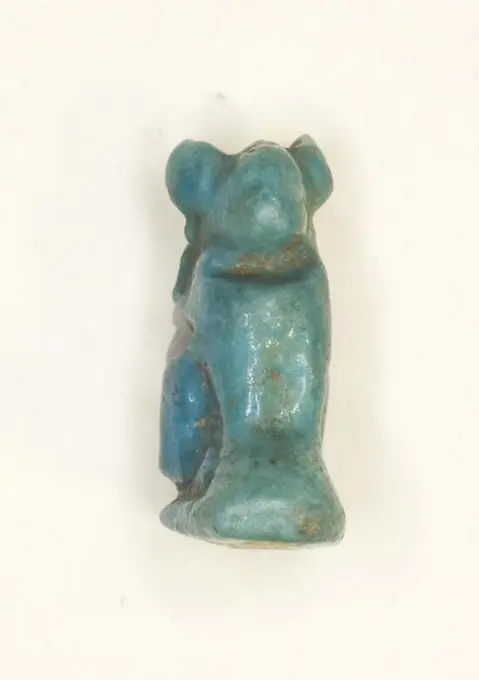
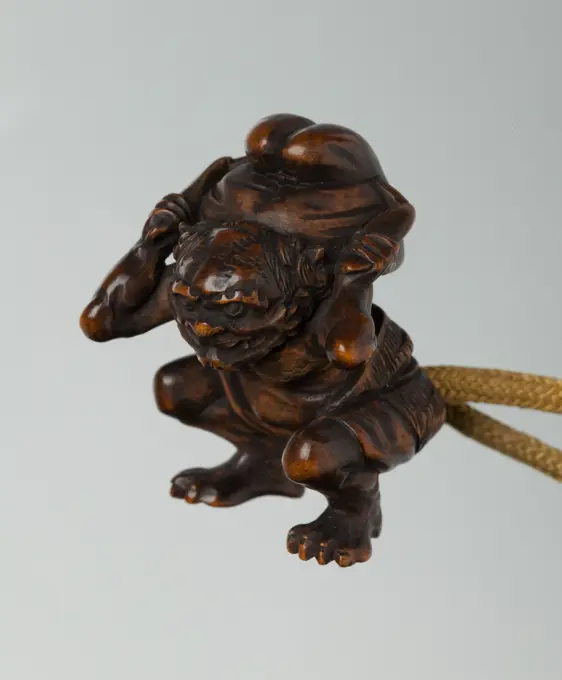
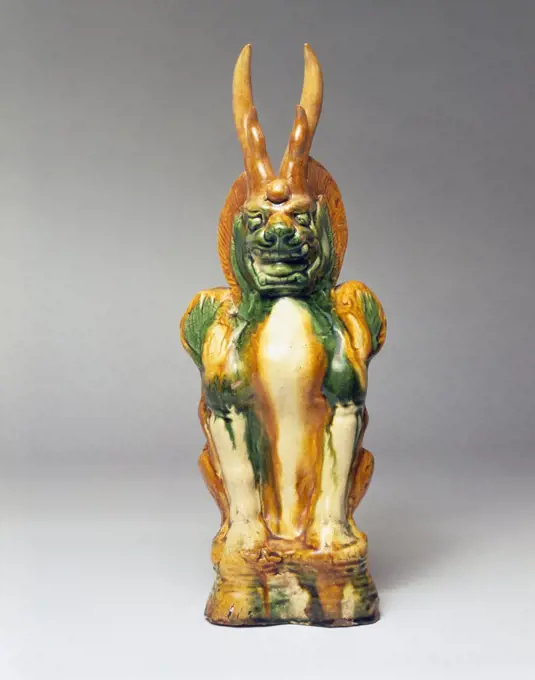
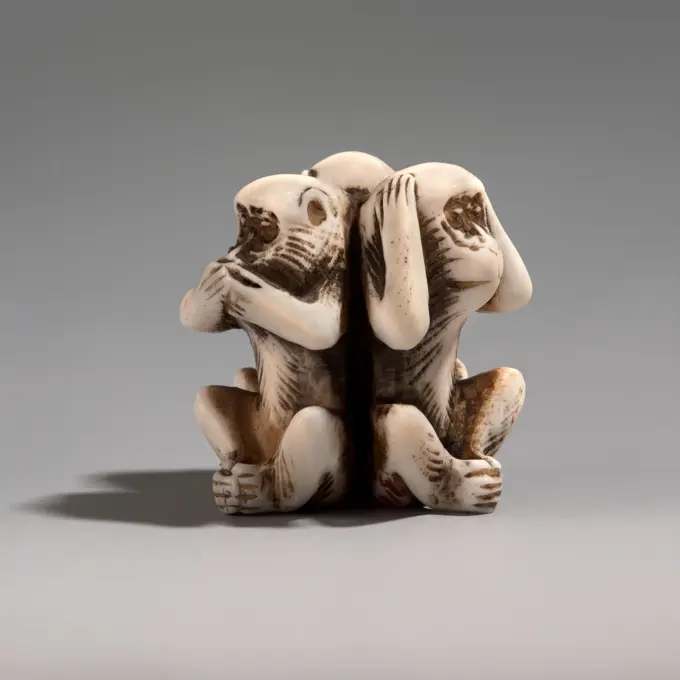
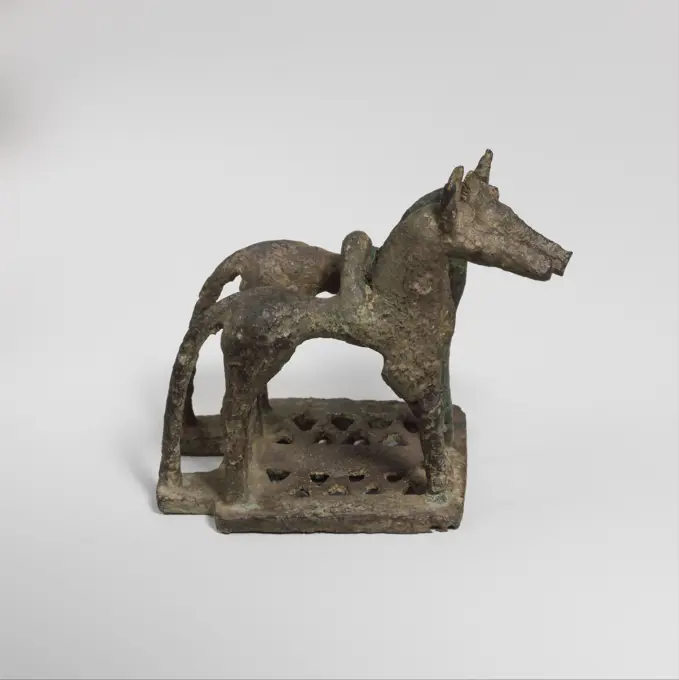
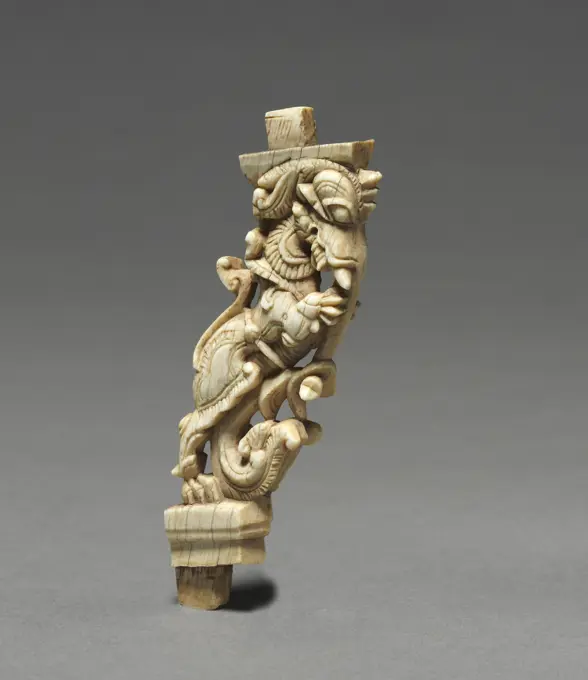
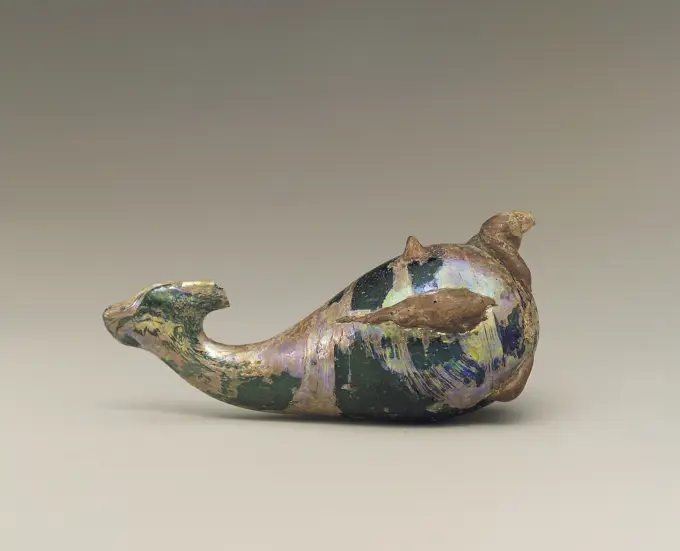
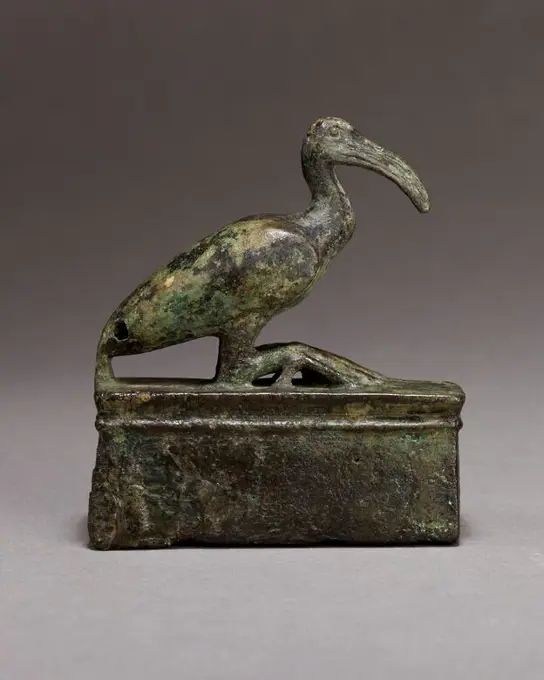
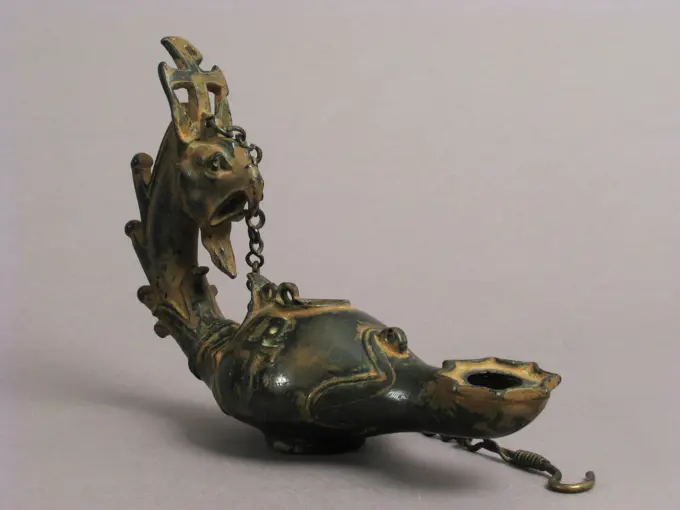
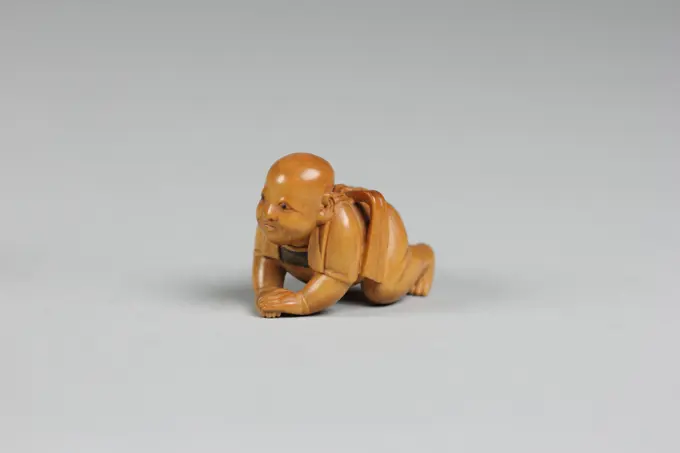
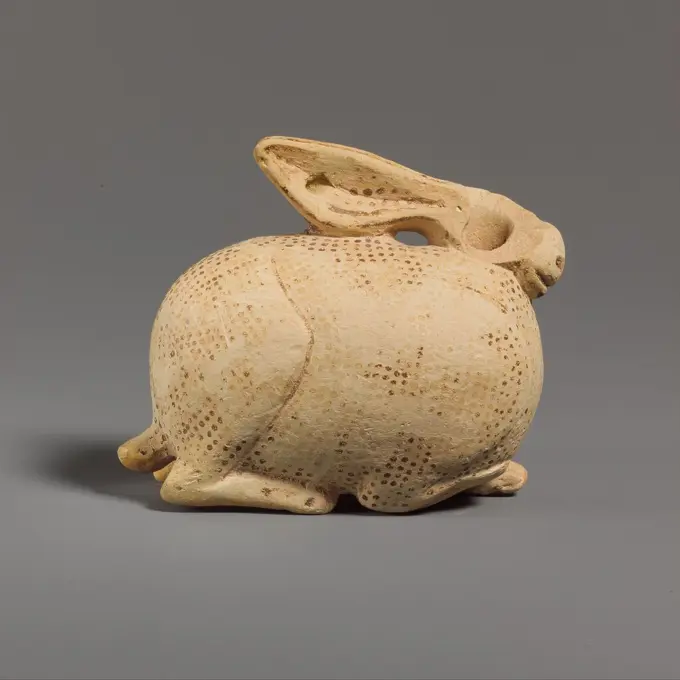
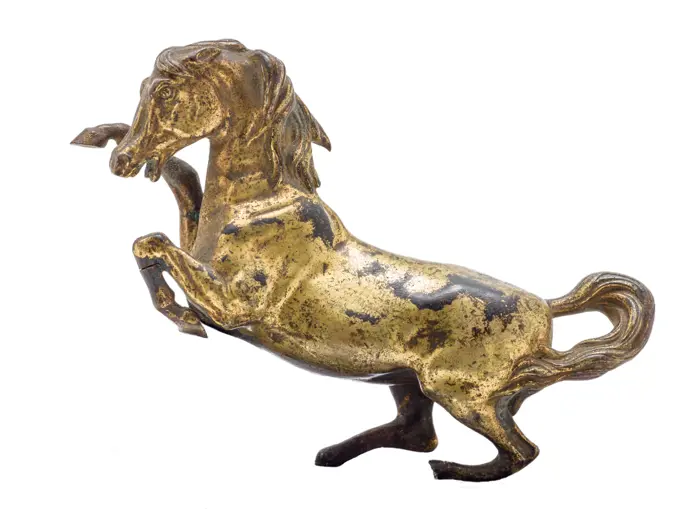
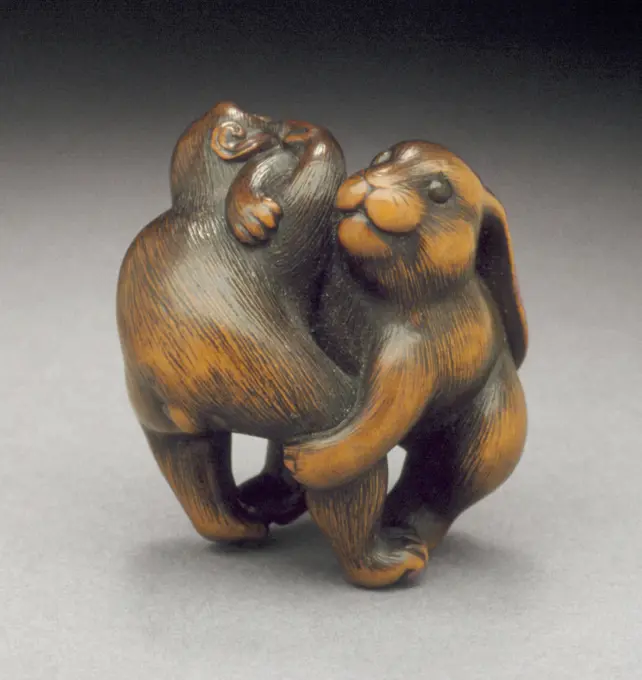
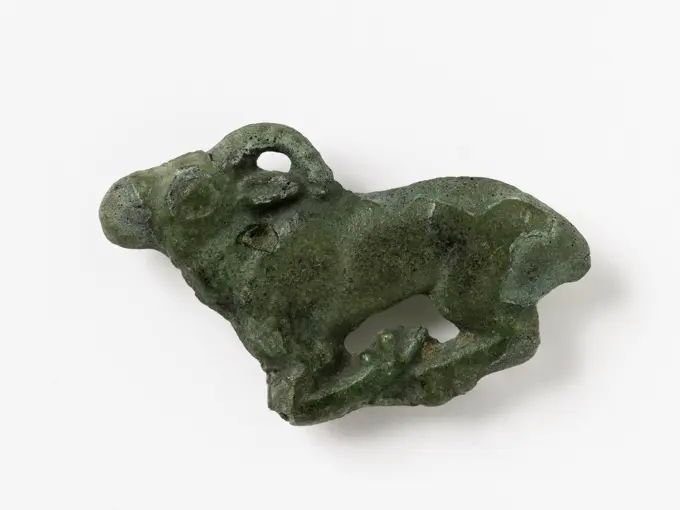
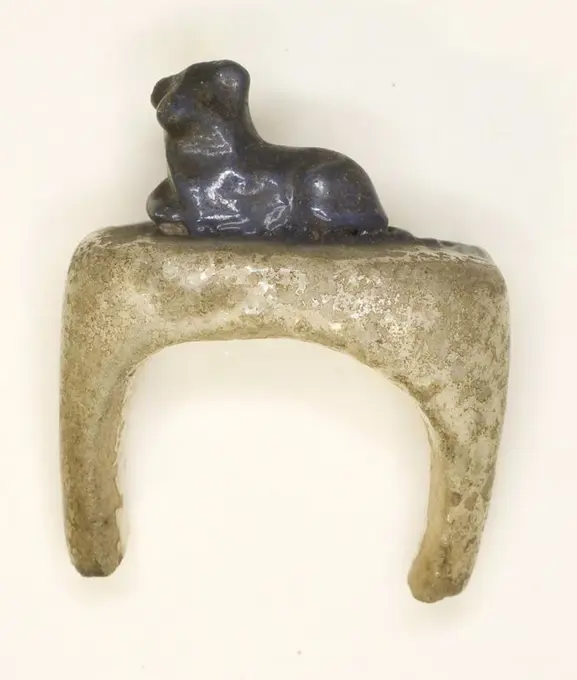
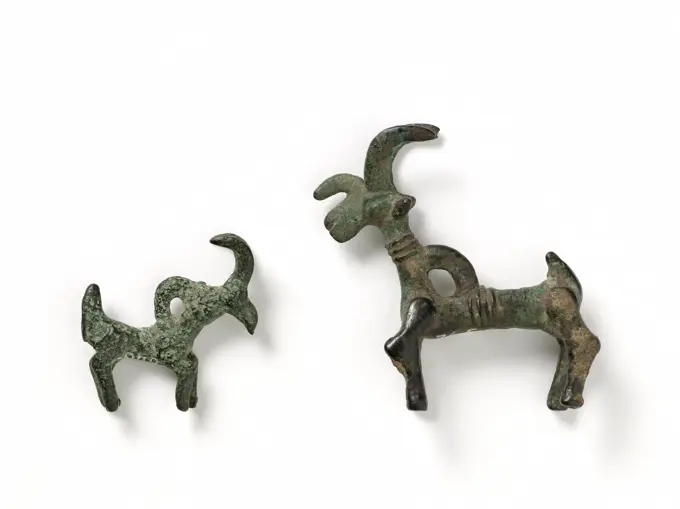
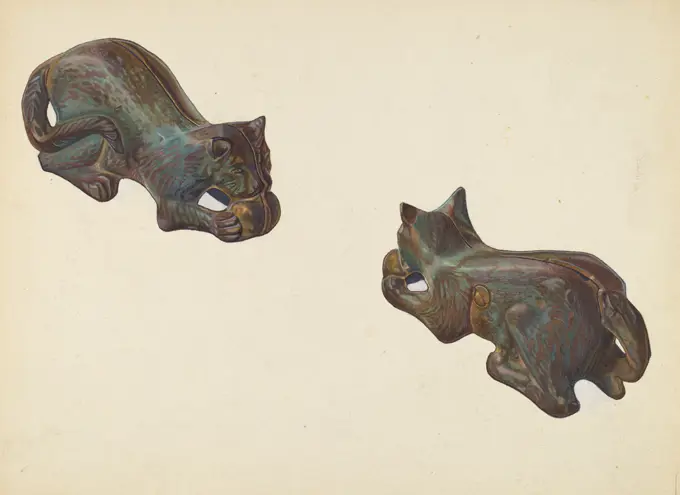
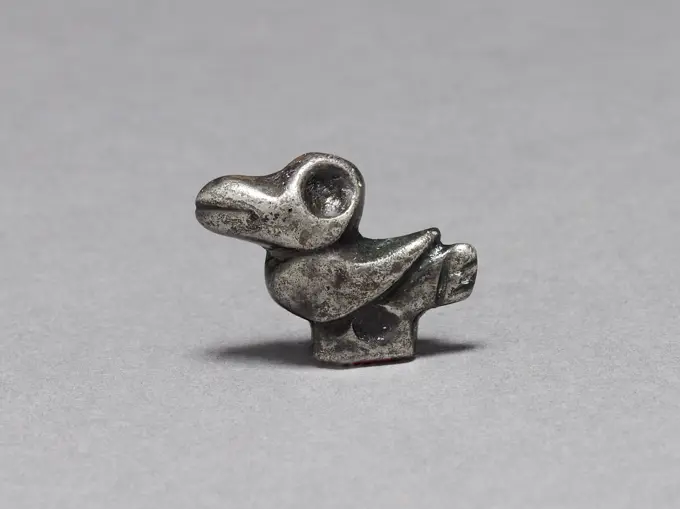
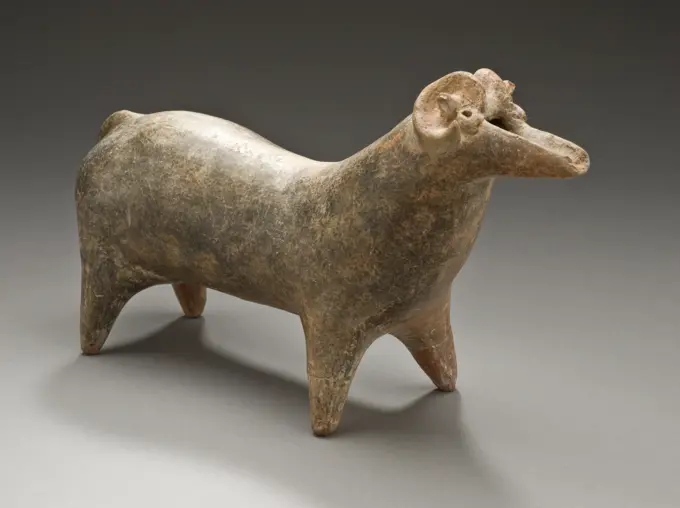
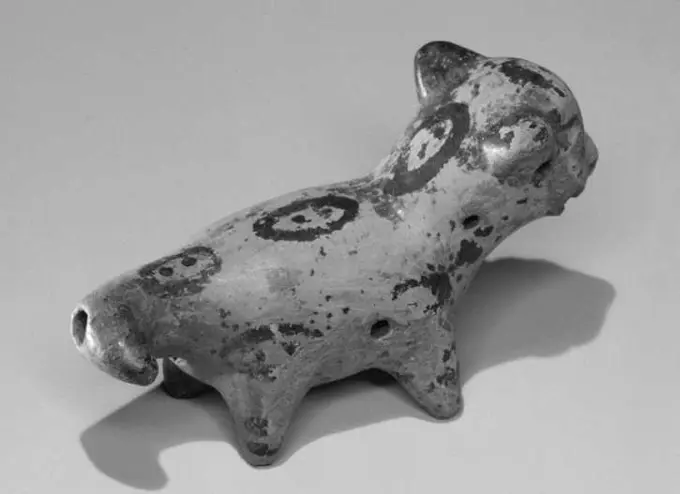
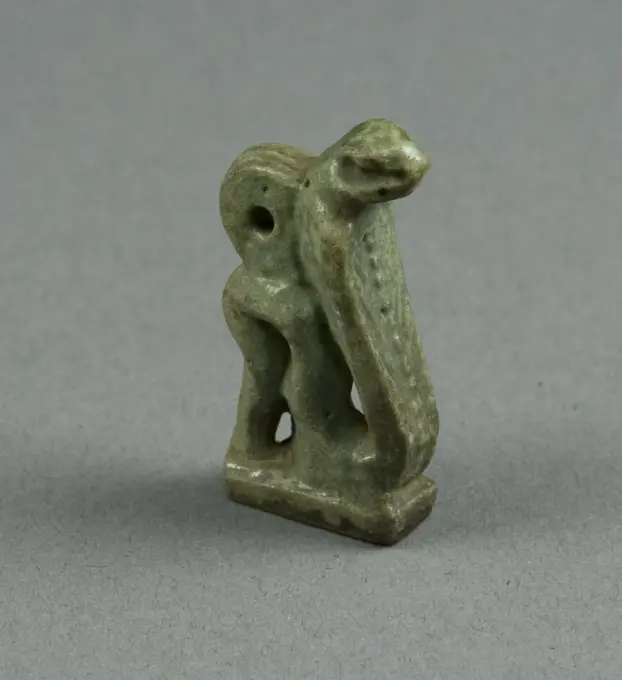
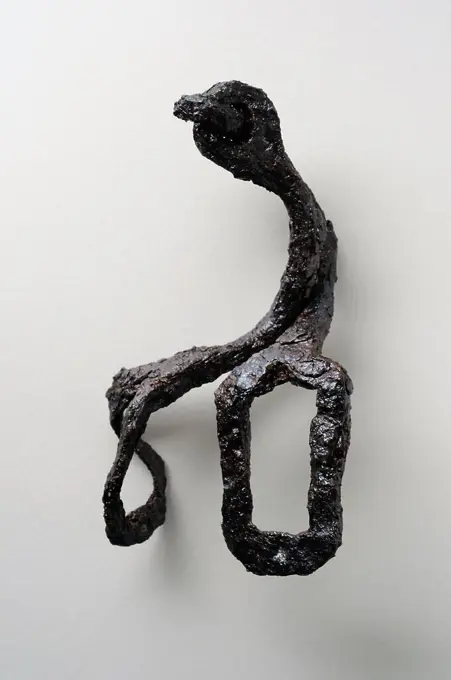
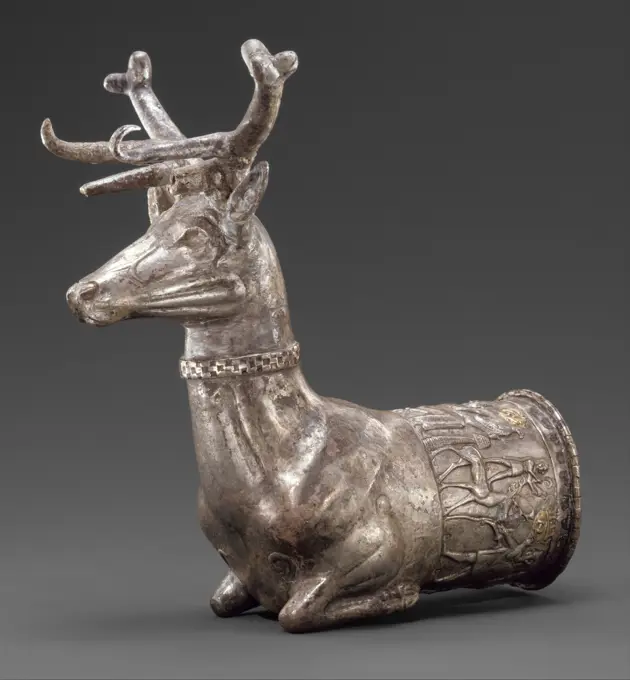
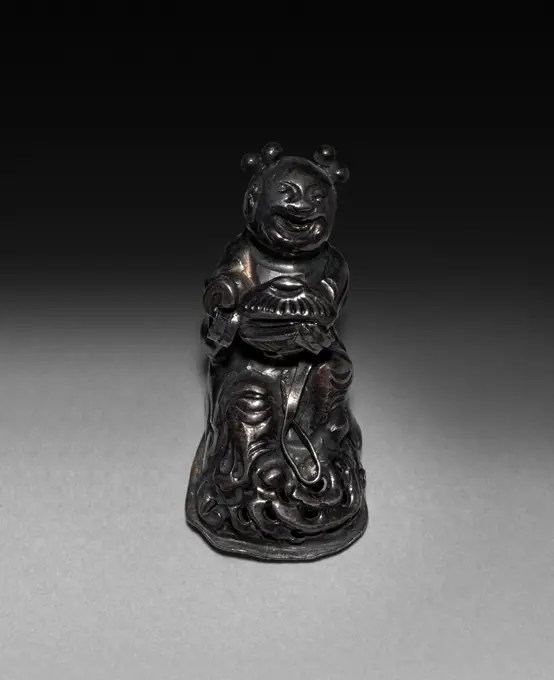
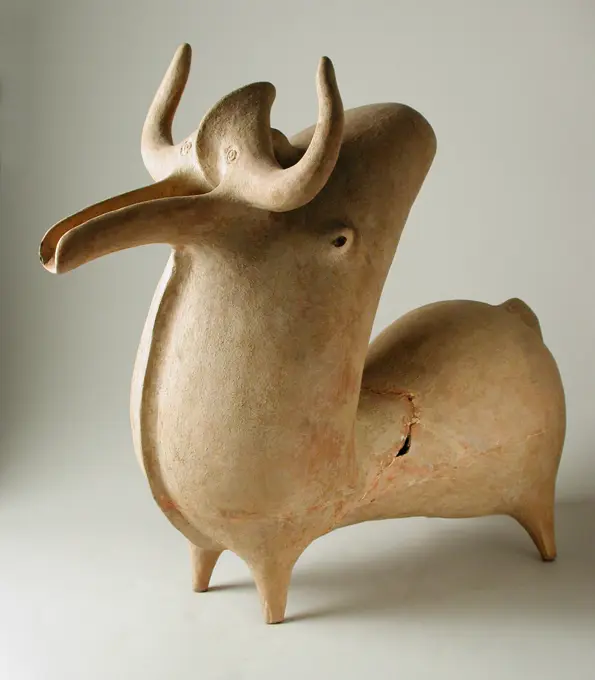
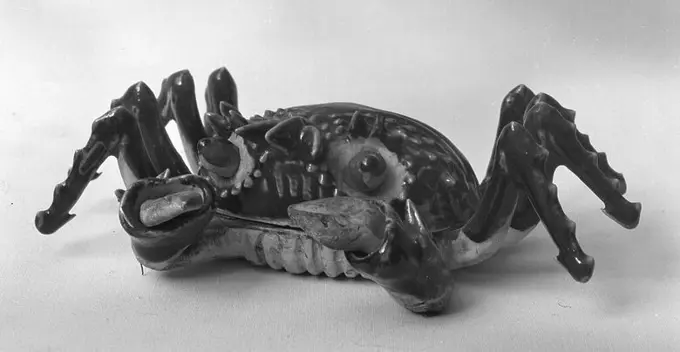
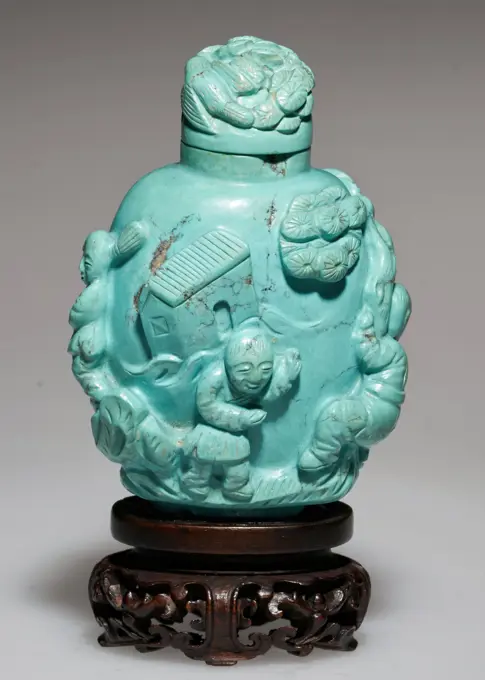
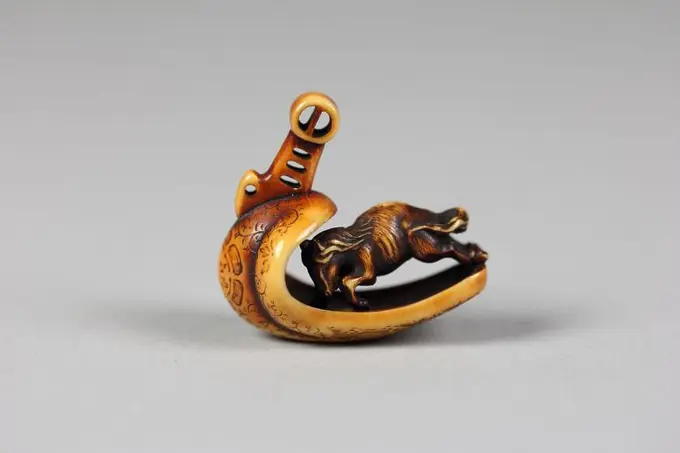
Netsuke of Horse in a Boat. Culture: Japan. Dimensions: H. 1 3/8 in. (3.5 cm); W. 1 1/2 in. (3.8 cm). Date: 19th century. Museum: Metropolitan Museum of Art, New York, USA.Amulet New Kingdom, Ramesside ca. 1295-1070 B.C. View more. Amulet. ca. 1295-1070 B.C.. Obsidian. New Kingdom, Ramesside. From Egypt. Dynasty 19-20Arm and hand of Athena, fragment Roman. Arm and hand of Athena, fragment 248758'Sea Monster'. Italy, 16th century. Dimensions: height 9,0 cm; length 11,0 cm. Museum: State Hermitage, St. Petersburg.Netsuke of Owl on a Branch 19th century Japan. Netsuke of Owl on a Branch. Japan. 19th century. Wood; inlaid glass eyes. Edo (1615-1868) or Meiji period (1868-1912). NetsukeNetsuke 19th century Japan. Netsuke. Japan. 19th century. Ivory. Edo (1615-1868) or Meiji period (1868-1912). NetsukePendantSchnaptshund. Body constructed from three connected bulbs. Spherical head. A flat rosette on the dog's breast. The tail turns flat and walks out. A glass wire has been laid around the impetus. Paws, muzzle and ears are massive.Netsuke of Boy Killing a Bird 19th century Japan. Netsuke of Boy Killing a Bird. Japan. 19th century. Ivory. Edo (1615-1868) or Meiji period (1868-1912). NetsukeStanding Dog VesselNetsuke in the Shape of a Pile of Turtles 19th century Japan. Netsuke in the Shape of a Pile of Turtles. Japan. 19th century. Wood. Edo (1615-1868) or Meiji period (1868-1912). NetsukeHorse Bit. Iran, Luristan, Luristan bronzes, circa 1000-650 B.C.. Tools and Equipment; horse trappings. Bronze, castWater Dropper, 16th-17th century, 2 11/16 x 3 3/4 x 1 13/16 in. (6.83 x 9.53 x 4.6 cm), Bronze, China, 16th-17th century, Cast in the form of a hoofed mythical animal, this container held water for making ink. A finger hole is positioned on the back with the outlet hole located in the mouth. By covering the finger hold, a controlled amount of water could be sprinkled onto the inkstone for the grinding of ink. The creature probably represents a chi-lin, an auspicious mythological animal of good omen whose appearance at the imperial court was a sign of heavenly favor.Wolf late 18th-early 19th century Tomotada Japanese. Wolf. Tomotada (Japanese, active late 18th-early 19th century). Japan. late 18th-early 19th century. Carved ivory. Edo period (1615-1868). NetsukeHippocampal -shaped pin. Sarmatian art. End of the 1st-nth century. Paris, Cernuschi museum. 35173-9 Art Sarmate, Bijou, Broche, Bronze, Hippocampe, Sarmate, SaromatePony from Cape Shiriya, Aomori. Japan, late 18th-early 19th century. Costumes; Accessories. Wood with sumiTerracotta lamp in the form of a camel 3rd century B.C.-3rd century A.D. Greek or Roman Lamp in the form of a camel.. Terracotta lamp in the form of a camel 254271 Greek or Roman, Terracotta lamp in the form of a camel, 3rd century B.C.3rd century A.D., Terracotta, H. 3 7/8 in. (9.8 cm). The Metropolitan Museum of Art, New York. Bequest of W. Gedney Beatty, 1941 (41.162.99)Netsuke of ni on Vadra, Crouching 19th century Japan. Netsuke of ni on Vadra, Crouching. Japan. 19th century. Ivory. NetsukeHorse and Two Men 19th century Japan. Horse and Two Men 59152Bronze statuette of a bull late 6th century B.C. Greek, Boeotian Inscribed in Greek, Thaletas dedicated me to the KabeiroiThe Kabirion of Thebes, where this votive was found, was one of the most important mystery cult centers of the little-known divine Kabeiroi. Bronze bulls such as this were the most common type of dedication to be made there.. Bronze statuette of a bull. Greek, Boeotian. late 6th century B.C.. Bronze. Archaic. BronzesOcarina. Culture: Tairona People; Gayraca style. Dimensions: 2 3/8 × 2 11/16 × 2 3/16 in. (6.1 × 6.9 × 5.6 cm). Date: 1300-1500. Museum: Metropolitan Museum of Art, New York, USA.Netsuke in the Shape of a Demon. Culture: Japan. Dimensions: H. 1 5/8 in. (4.1 cm). Date: 19th century. Museum: Metropolitan Museum of Art, New York, USA.Throne for Statuette of a Deity 664-332 B.C. Late Period. Throne for Statuette of a Deity 550992Dog Talisman. Japan, 19th century. Costumes; Accessories. Carved red lacquerDecorative batter from the wreck of the East Indies Hollandia, Anonymous, 1700 - in or Before 1743  Fitting, decorative fitting or fragment; fragm, id. NG 1980-27H1133, scrolling ends of wings missing, eroded. Netherlands lead (metal)   SecondLion-headed Stand, 1150-1220. Northern Iraq or Syria, Zengid or Ayyubid period. Cast brass inlaid with silver; overall: 14 cm (5 1/2 in.).Limestone statuette of three animals ca. 6th century B.C. Cypriot Votive statuettes of animals such as this one were often found in sanctuaries or inside tombs. The animals represented may either be cows or sheep with their offspring.. Limestone statuette of three animals. Cypriot. ca. 6th century B.C.. Limestone. Archaic. Stone SculptureFigure of Two Cats China. Figure of Two Cats 42932Netsuke of Qilin 19th century Japan. Netsuke of Qilin 59769Ornament in the Shape of a Fantastic Winged Feline 4th-3rd century B.C. China. Ornament in the Shape of a Fantastic Winged Feline 49497Figure of a Feline, Possibly a Finial for a Pin. Chimú; North coast, Peru. Date: 1100-1470. Dimensions: 2 x 3.8 cm (3/4 x 1 1/2 in.). Bronze. Origin: North Coast. Museum: The Chicago Art Institute, Chicago, USA.Bronze helmet attachment in the shape of a triton Etruscan 6th century BCE From a rounded object; bearded, fish tail.Sake drinker, 19th century, Unknown Japanese, 1 x 1 15/16 x 1 3/16in. (2.5 x 4.9 x 3cm), Wood, lacquer, Japan, 19th centuryKorbeel with weapon Dekema and Hermana (), Anonymous, c. 1600 - c. 1625 Korbeel of oak. On the consolorous front piece the coat of arms of the Dekema and Hermana () Families, above which a helmet with an angel as a helmet sign. The sides show s-shaped volutes with blossoms in the flower. Coming from the stins demolished in 1887 in Franeker. (See also inv.no. BK-16706-A to -B and BK-16706-D to -j). Northern NetherlandsNetherlands wood (plant material). oak (wood) Korbeel of oak. On the consolorous front piece the coat of arms of the Dekema and Hermana () Families, above which a helmet with an angel as a helmet sign. The sides show s-shaped volutes with blossoms in the flower. Coming from the stins demolished in 1887 in Franeker. (See also inv.no. BK-16706-A to -B and BK-16706-D to -j). Northern NetherlandsNetherlands wood (plant material). oak (wood)Stylized Bat. Japan, mid- to late 19th century. Costumes; Accessories. Rhinoceros horn or umimatsu (black coral)Fox Mask. Japan, late 19th century. Costumes; Accessories. WoodStatue of a Hippopotamus  Egyptian Art  Musee du Louvre, Paris Fire Stest of Survey Work, Anonymous, 1753 Fire test of lead glaze pottery, on three legs. The fire test is colored yellow on the inside and green on the outside. The fire test is decorated with notching work and is dated at the bottom between the legs: Anno 1753. Friesland earthenware. lead glaze Fire test of lead glaze pottery, on three legs. The fire test is colored yellow on the inside and green on the outside. The fire test is decorated with notching work and is dated at the bottom between the legs: Anno 1753. Friesland earthenware. lead glazeFeline Vessel, 200-850. Central Andes, North Coast, Moche people, Early Intermediate Period. Ceramic; overall: 17 x 14 x 19.8 cm (6 11/16 x 5 1/2 x 7 13/16 in.).Pair of bronze cista (toiletries box) feet with panthers attacking cranes ca. 350-300 B.C. Praenestine The attachments on these lion's-paw feet show a panther attacking a crane.. Pair of bronze cista (toiletries box) feet with panthers attacking cranes 255900Netsuke of Seated Tiger with a Curled-up Tail Across its Back late 18th-early 19th century Japan. Netsuke of Seated Tiger with a Curled-up Tail Across its Back. Japan. late 18th-early 19th century. Ivory, horn. NetsukeNetsuke of Owl 19th century Japan. Netsuke of Owl. Japan. 19th century. Wood. Edo (1615-1868) or Meiji period (1868-1912). NetsukeFemale sphinx amulet Middle Kingdom-Second Intermediate Period ca. 1981-1550 B.C. View more. Female sphinx amulet. ca. 1981-1550 B.C.. Lapis lazuli. Middle Kingdom-Second Intermediate Period. From Egypt. Dynasty 12-17Netsuke of Hand and Forearm of a Demon with Small Demon on the Side 19th century Japan. Netsuke of Hand and Forearm of a Demon with Small Demon on the Side. Japan. 19th century. Ivory. Edo (1615-1868) or Meiji period (1868-1912). NetsukeChinese Lion. Japan, 18th century. Costumes; Accessories. WoodZebu. Roman, A.D. 1st-2nd century. Sculpture. Bronze, castBuire (common name). Cernuschi Museum, Asia Museum of Asia in the city of Paris.Baroque Pearl Mounted as a Grotesque Beast 1600-1725 Europe. Gold, enamel, diamonds, and baroque pearl .Mythical CreatureTianluHorse and rider. Culture: Cypriot. Dimensions: H. 5 5/16 in. (13.5 cm). Date: ca. 750-600 B.C..The figurine is handmade and solid. A small figure rides a horse with two heads and one body. He sits on a flat "handle" that splits to join each horse's neck. Museum: Metropolitan Museum of Art, New York, USA.Figurine, Horse 306-30 B.C. Ptolemaic Period. Figurine, Horse. 306-30 B.C.. Pottery. Ptolemaic Period. From Egypt, Upper Egypt, Thebes, Asasif, MMA excavationsAskos in the form of a bird 2500-1900 B.C. Cypriot Incised lines.. Askos in the form of a bird. Cypriot. 2500-1900 B.C.. Terracotta. Early Cypriot. VasesStaff finial, c. 1930, 4 3/4 × 2 × 3 in. (12.07 × 5.08 × 7.62 cm), Brass, Cameroon, 20th centuryTerracotta group of a man in a two horse chariot Found in Tomb 4, Ialysos, Rhodes. The form is simplified: the two horses have only four legs between them and the chariot wheels are not represented, In the chariot stands the rider, holding a crude pair of reins.Squirrel and Tree Stump' mechanical bank, c. 1881, Robert E. Turnbull; Manufacturer: Mechanical Novelty Works, American, New Britain, Connecticut, 1870s-1890s, 4 1/2 x 6 3/4 x 4 in. (11.43 x 17.15 x 10.16 cm), Iron, pigment, 19th centuryBelt Plaque in the Shape of a Wild Boar 3rd-2nd century B.C. Northwest China. Belt Plaque in the Shape of a Wild Boar 59512Dog late 18th century-early 19th century Tomotada Japanese This carving is an example of the Kyoto style’, a phrase applied to artists working in Kyoto in the late eighteenth century. Particularly striking are the open mouth and prominent ribs of the animal. There is a large group of good quality netsuke signed Tomotada’, however many forgeries were made, even during the artist’s lifetime.. Dog. Tomotada (Japanese, active late 18th-early 19th century). Japan. late 18th century-early 19th century. Ivory. Edo period (1615-1868). NetsukeArdiniera;  End of the 19th century (1890-00-00-1900-00-00);Plasticine brown dog over maple wood backgroundNetsuke of Dragon in a Nut 19th century Japan. Netsuke of Dragon in a Nut. Japan. 19th century. Wood. Edo (1615-1868) or Meiji period (1868-1912). NetsukeHorse Bit. Iran, Luristan, Luristan bronzes, circa 1000-650 B.C.. Tools and Equipment; horse trappings. Bronze, castVessel Attachment. Roman, A.D. 2nd-4th century. Furnishings; Serviceware. Bronze, castAmulet of a Seated Cat (the Goddess Bastet). Egyptian. Date: 1069 BC-332 BC. Dimensions: 1.4 × 0.8 × 0.5 cm (9/16 × 5/16 × 3/16 in.). Faience. Origin: Egypt. Museum: The Chicago Art Institute, Chicago, USA. Author: Ancient Egyptian.CDK Genryosai Minkoku IIPeanuts and jujube dates 18th century China In this charming carving, a master craftsman has cleverly adapted the sculptural design to the stones original shape and colors. The artist used the translucent brown gem to create the glazed surface of the fruit and the yellowish opaque crust for the bumpy look of the peanut shells. The peanuts and jujube dates are rebuses: the words rhyme with the phrase “may you have children soon” (zao sheng gui zi), a common wish for newly married couples.. Peanuts and jujube dates 44155Sancai pottery figure of Guardian Beast, Chinese ArtDoor knocker late 16th century Italian, Venice. Door knocker. Italian, Venice. late 16th century. Bronze. Sculpture-Bronzegift (provenance), netsuke, sambiki-no saru, Japanese artStatuette of a Mouse. UnknownBronze statuette of a team of horses 8th century B.C. Greek Statuette of a horse team with a perforated base.. Bronze statuette of a team of horses 255369Zoomorphic pendant in shape of afrog.  Artist: UnknownCarved Bracket, 1600s. South India, probably Madurai. Ivory with traces of pigment; overall: 10.2 cm (4 in.).Figure in the shape of a buffalo, anonymous, c. 1800 - c. 1899 Image (Okimono) of porcelain, covered with a beige glaze with gold. The image is in the form of a horizontal buffalo with open mouth and two large horns. The horns have been demolished. Japan porcelain. glaze. gold (metal) gilding / vitrification Image (Okimono) of porcelain, covered with a beige glaze with gold. The image is in the form of a horizontal buffalo with open mouth and two large horns. The horns have been demolished. Japan porcelain. glaze. gold (metal) gilding / vitrificationBird-shaped Pendant with Brown Wings (Toy) 13th century The exact function of these glass birds is not known. The loop on the backs of some of them suggest that they may have been suspended; the rattling rods found inside indicate that they were perhaps chimes or toys. Many of these birds are decorated with marvered trails, usually white on a manganese-purple ground.. Bird-shaped Pendant with Brown Wings (Toy). 13th century. Glass, green; blown, applied opaque red decoration. Attributed to Syria. GlassIbis on a shrine shaped box, probably for an animal mummy. Dimensions: H. 8 cm (3 1/8 in.); W. 2.2 cm (7/8 in.); L. 7.4 cm (2 15/16 in.). Date: 664-30 B.C.. Museum: Metropolitan Museum of Art, New York, USA.Hanging Lamp with a Griffins Head 4th-6th century Byzantine This griffin, a mythical beast associated in the classical world with light and protection, was adapted for Christian use by placing on its side a variation of the Chi-Rho Christogram, the monogram for Christs name.. Hanging Lamp with a Griffins Head 468594Netsuke of Crawling Child 18th century Japan. Netsuke of Crawling Child 59246Terracotta vase in the form of a hare. Culture: Greek, Corinthian. Dimensions: H. 2 3/8 in. (6 cm); length 2 1/2 in. (6.4 cm). Date: 1st half of the 6th century B.C..Hares represent one of the most common types of Corinthian plastic vases. They appear either as seated on all fours, as here, or with the body extended, as dead game. Museum: Metropolitan Museum of Art, New York, USA.Miniature version of firing iron, firebox stove hearth model soil find copper metal, molded Y-shaped object the two ends next to each other can represent hoofs. Behind an attachment residue the single end is broken off. Profiled archeology Rotterdam railway tunnel Soil discovery: trajectory Rotterdam rail tunnel.Rearing Horse. Italy, 17th century. Sculpture. Gilt bronze on lapus lazuli baseMonkey and Rabbit Sumo Match. Naitō Toyomasa (Japan, 1773-1856). Japan, first half of 19th century. Costumes; Accessories. Wood with inlaysfine arts, ceramic, statuette, lying horse, clay, green glazed, 5,3 cm x 8,8 cm, Mildenberg Collection,Plate. Small ibex. Ordos. Han dynasty. Paris, Cernuschi museum. 35388-1 Han, hetao dynasty, Mongolia Meridional, Ordos, Paleolithic, Little Bouquetin, Prehistory, Prehistoric, Animal, PlateRing with a Recumbent Lion. Egyptian. Date: 1550 BC-1069 BC. Dimensions: 2.5 × 2.2 × 1 cm (1 × 7/8 × 3/8 in.). Glass, faience. Origin: Egypt. Museum: The Chicago Art Institute, Chicago, USA. Author: Ancient Egyptian.PICCI BOUQUETIN AND PENDOTOQUQUQUE. Lurctan. 1000-750 av. J.-C. Par musée musée malée. 35407-1 Iron Age, Bronze, Pendeloque, Small Bouquetin, AnimalWilliam O Fletcher, Cat and Ball Coin Bank, c 1939 Cat and Ball Coin BankBird, 900-1200. Peru, Chimú (), 10th-13th century. Silver; overall: 2.9 cm (1 1/8 in.).Zoomorphic Vessel (Ram). Northern Iran, Iron Age I-II (circa 1350-800 B.C.). Furnishings; Serviceware. Mottled with red/gray burnished wareVase (USA); Manufactured by Union Porcelain Works; porcelainPottery Whistle ca. 800-1525 Costa Rican Whistle in the shape of a jaguar.Although numerous pottery instruments survive from pre-Conquest South and Central America, little is known of how they were used before Spanish invaders ravaged the native cultures. Whistles, trumpets and rattles in animal or human form probably had ceremonial functions or served as playthings. Smaller whistles in animal shapes, perhaps worn suspended from the neck, sometimes have fingerholes that allow variation of pitch.. Pottery Whistle 502956Amulet of a Uraeus (Cobra) 662 BCE-332 BCE Egypt. Faience . Ancient EgyptianIron horse bite. Length 12, 5 cm Width 7 cm Weight 122 gr ( 1st - 3rd CE ) - Roman period from " House of Hyppolytus "- Archaeological site of Complutum in Alcalá de Henares ( Madrid ). SPAIN.Chair, Sgabello type, late 1500s. Italy, late 16th century. Walnut; overall: 100.3 x 33.7 x 44.2 cm (39 1/2 x 13 1/4 x 17 3/8 in.).Vessel terminating in the forepart of a stag ca. 14th-13th century B.C. Hittite By 1700 B.C., people speaking Hittitean Indo-European languagehad founded a capital at Bogazköy (ancient Hattusha) and, under a series of powerful kings, established a state in central Anatolia. The Hittite army attacked and partly destroyed Babylon in 1595 B.C., and in 1285 B.C. fought a battle against the Egyptian king Ramesses II at Qadesh in Syria.This silver drinking vessel in the form of a stag was hammered from one piece that was joined to the head by a checkerboard-patterned ring. Both the horns and the handle were attached separately. A frieze depicting a religious ceremony decorates the rim of the cup, suggesting the uses for which the cup was intended. A prominent figure, thought to be a goddess, sits on a cross-legged stool, holding a bird of prey in her left hand and a small cup in her right. She wears a conical crown and has large ears, typical of Hittite art. A mushroom-shaped incense burneSeated Figure, 1800-1916. China, Qing dynasty (1644-1911) or Republican period (1912-49). Silver; overall: 3.6 cm (1 7/16 in.).Pottery Vessel in the Form of Ram. Western Iran, 1350-800 B.C.. Furnishings; Serviceware. CeramicSnuff Bottle with Two Boys and Lotus late 18th century China. Snuff Bottle with Two Boys and Lotus. China. late 18th century. Nephrite (jade). Qing dynasty (1644-1911). Snuff BottlesFigure of a Crab. Culture: China. Dimensions: W. 6 1/2 in. (16.5 cm). Date: first half of the 19th century. Museum: Metropolitan Museum of Art, New York, USA.Candlestick, two copiesSnuff Bottle, 1900-1935, 2 1/2 x 2in. (6.4 x 5.1cm), Turquoise, China, Qing dynasty