Exquisite Historical Artifacts

Historical artifacts including decorative daggers and glasses, reflecting cultural significance and artistry from different regions and eras.
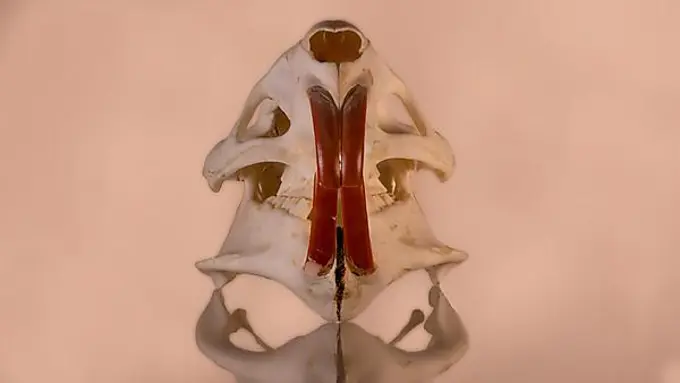
Nutriaskull
Nutriaskull
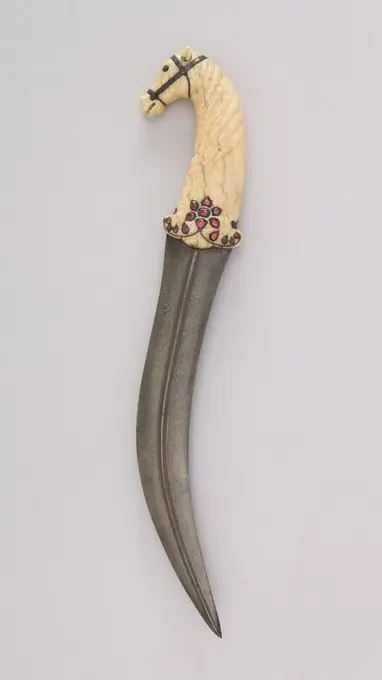
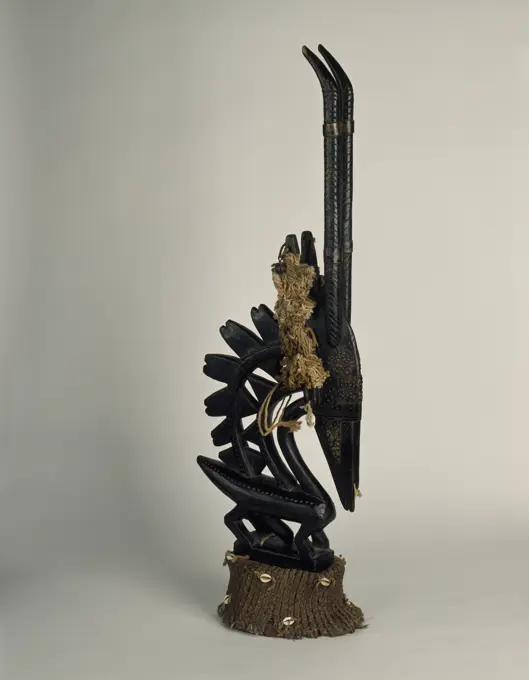
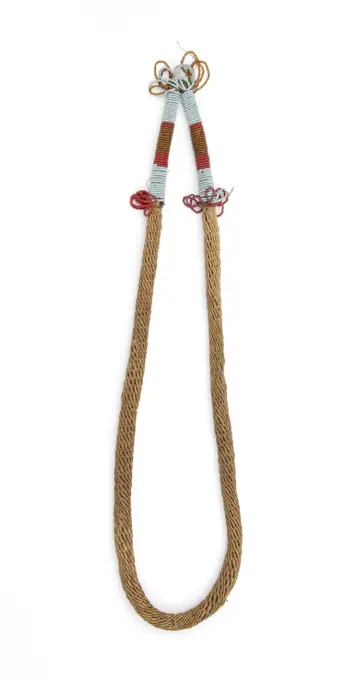
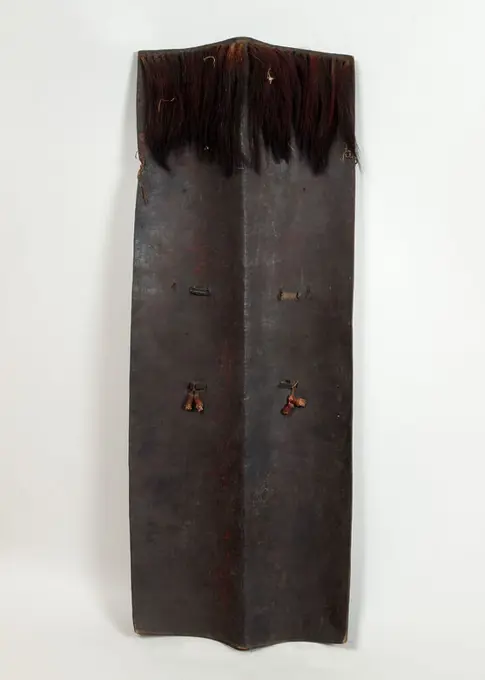
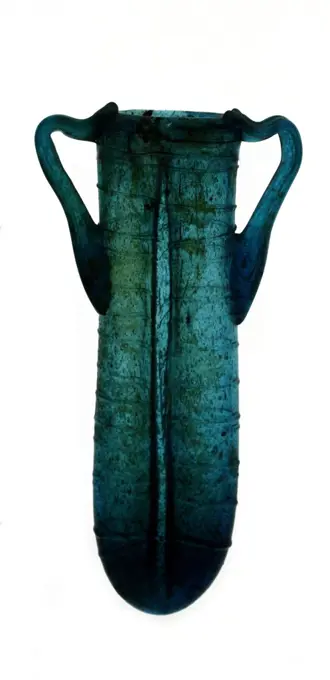
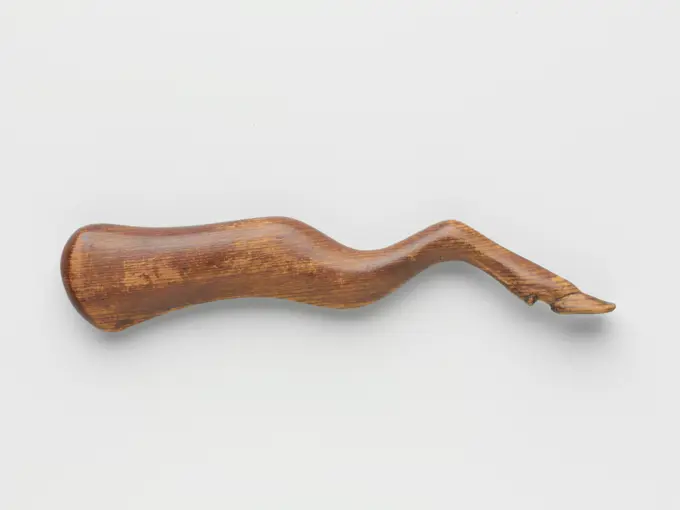
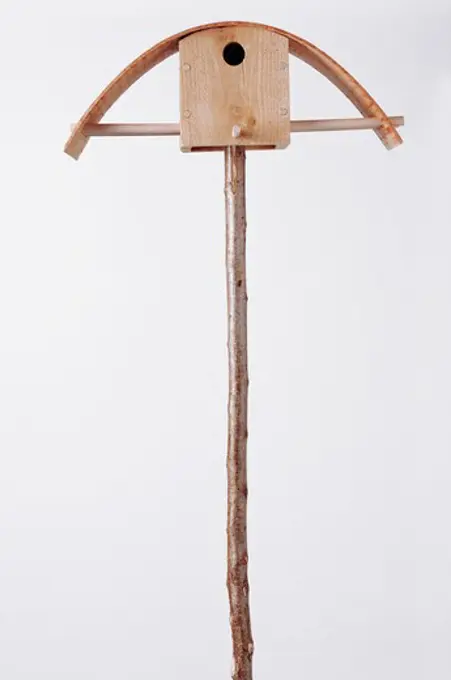
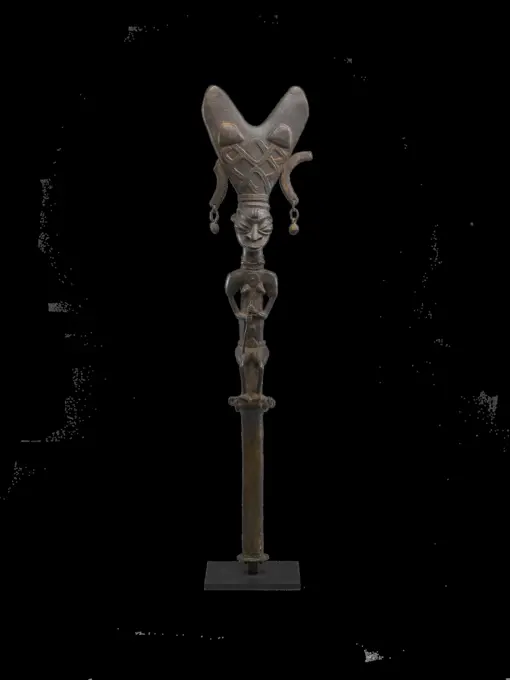
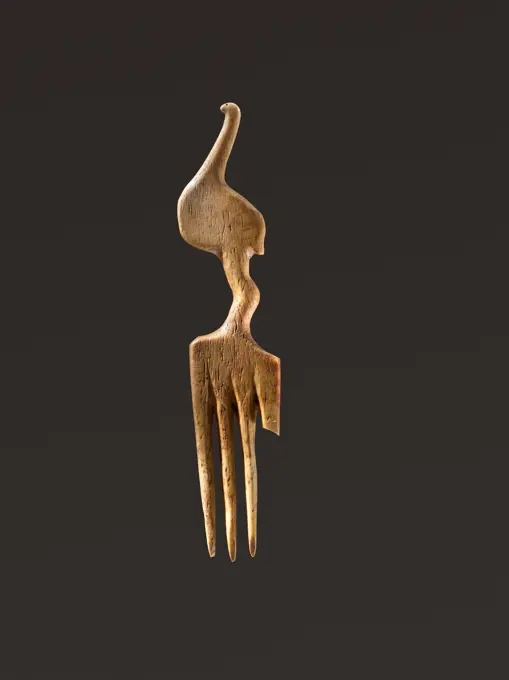
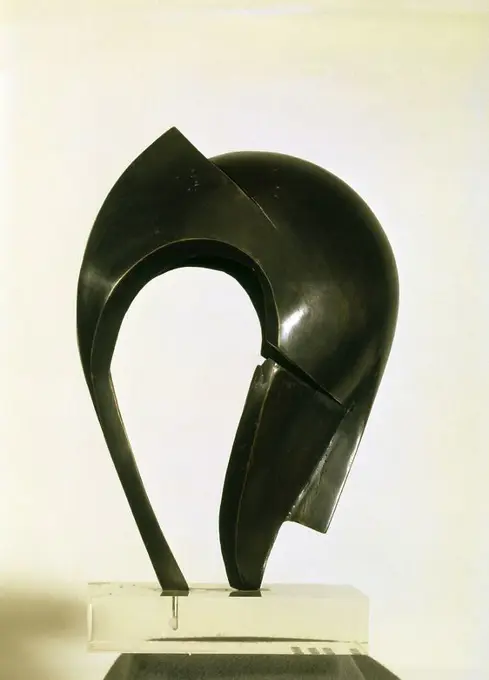
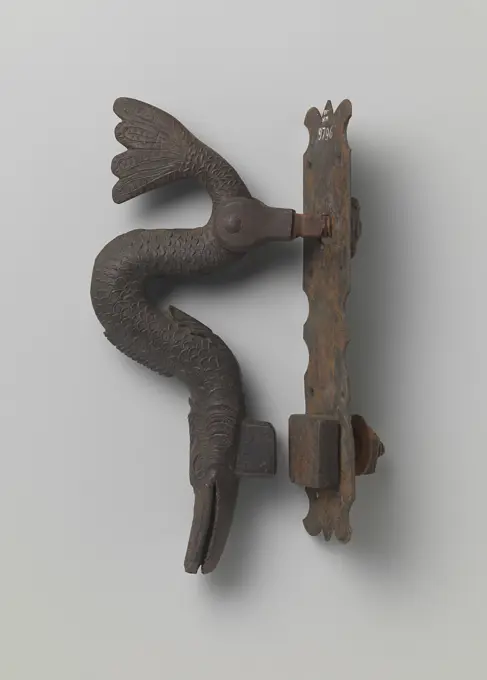
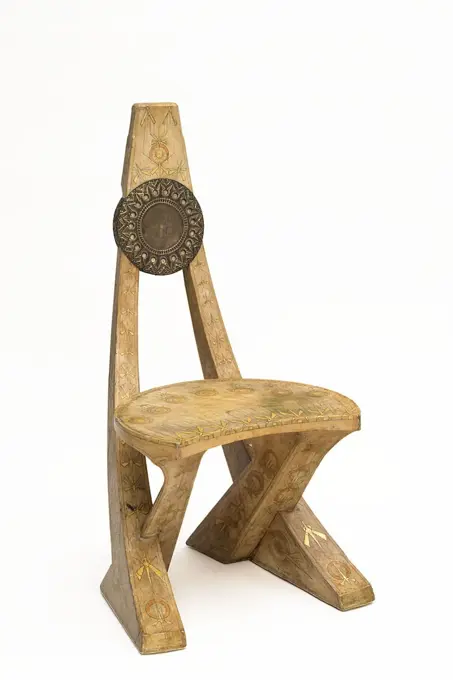
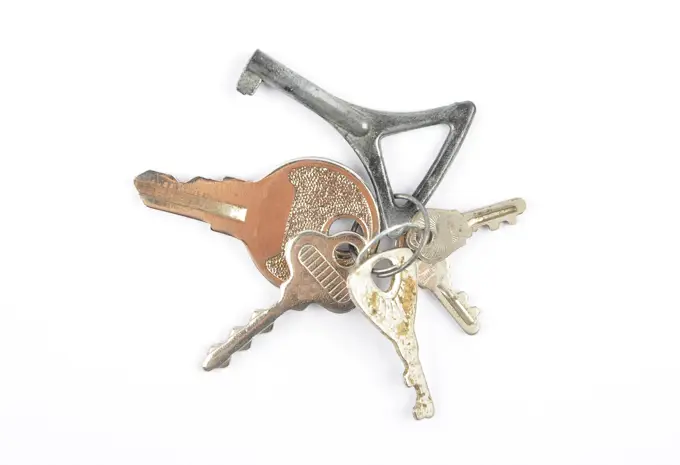
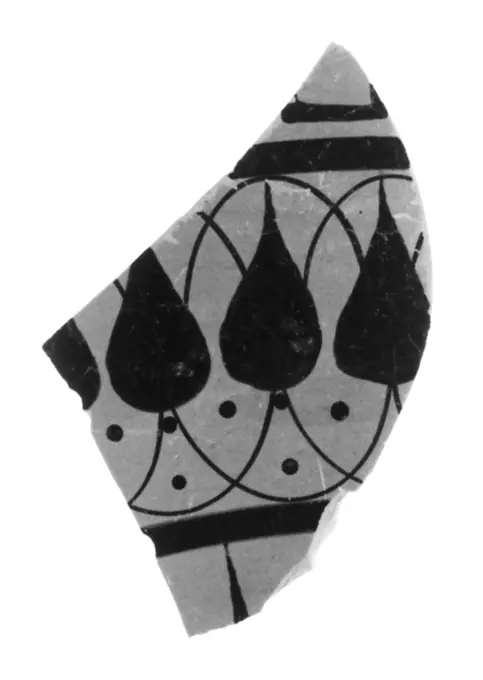
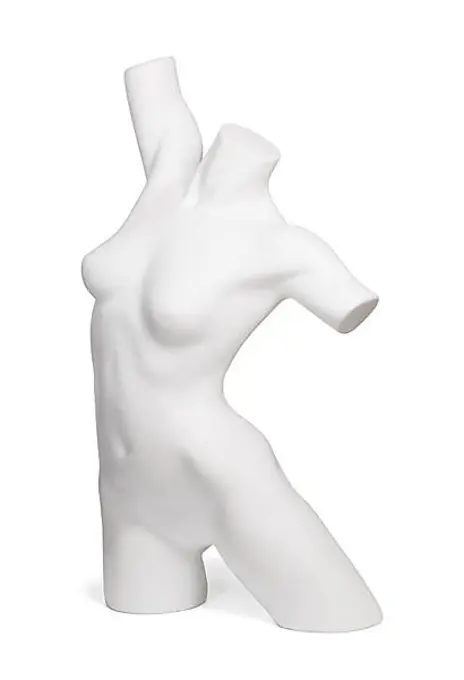
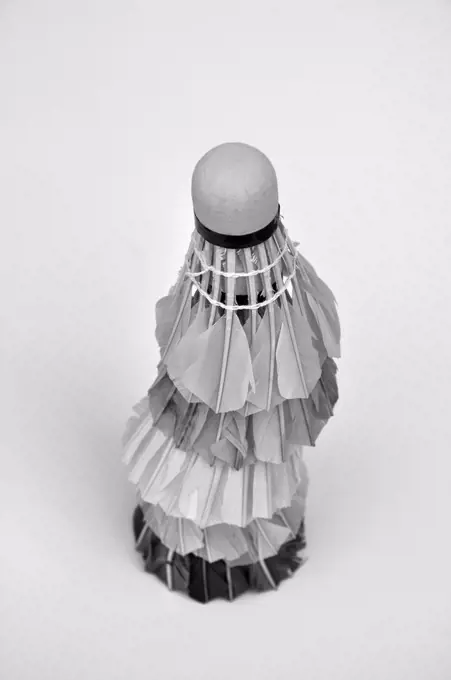
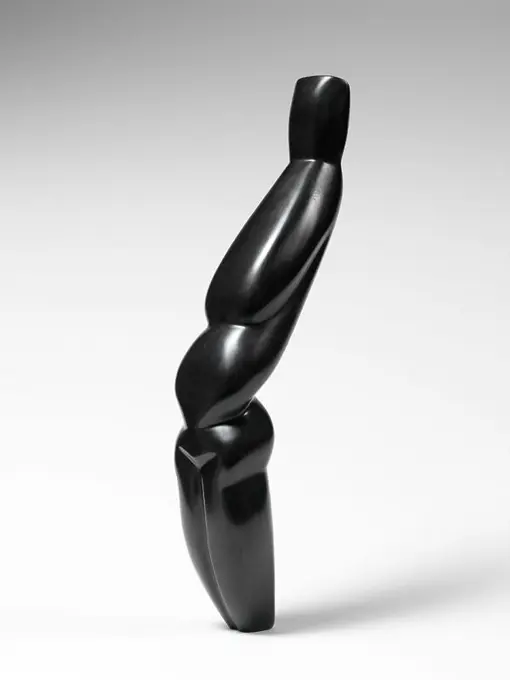
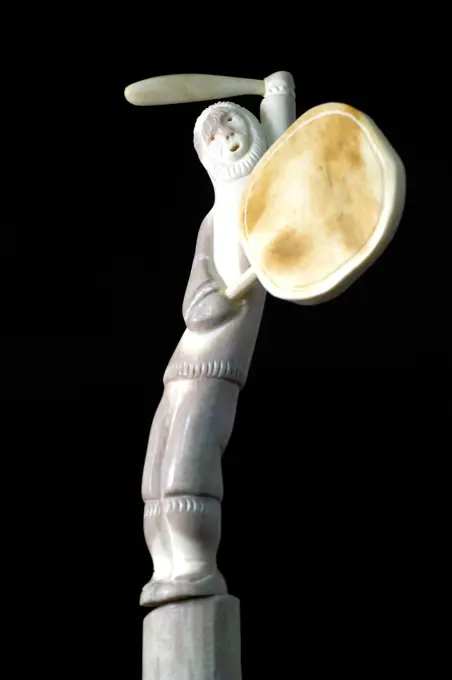
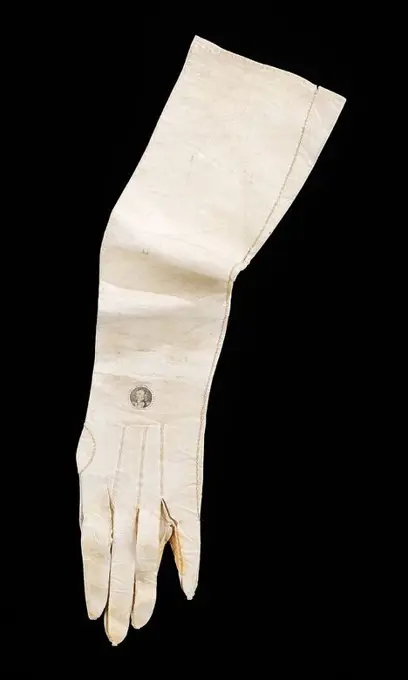
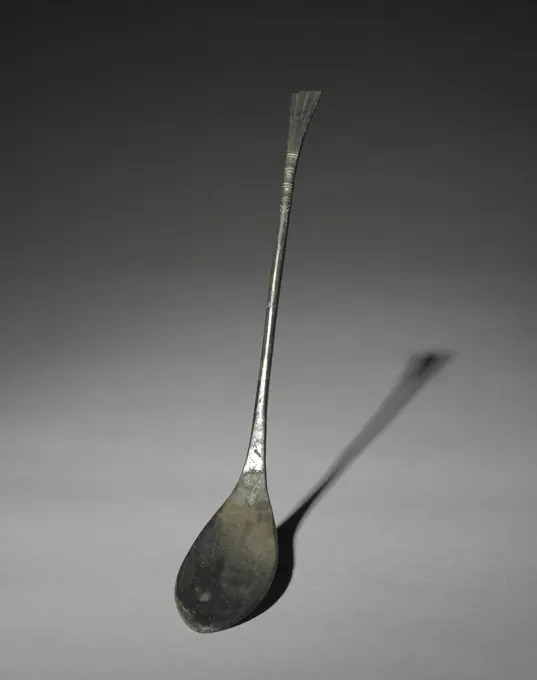
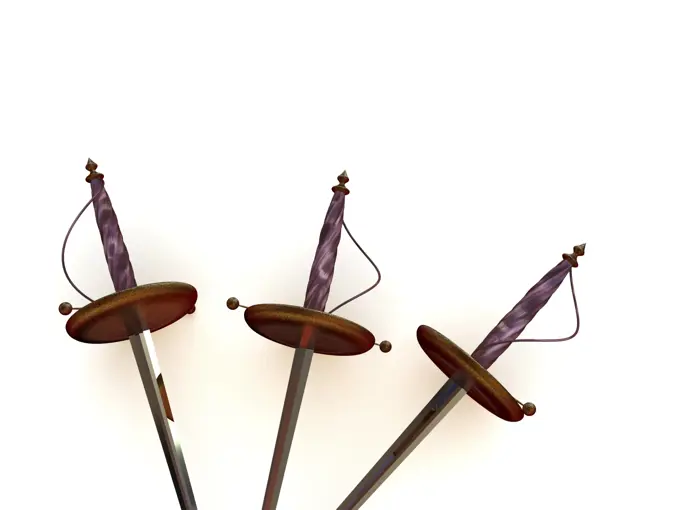
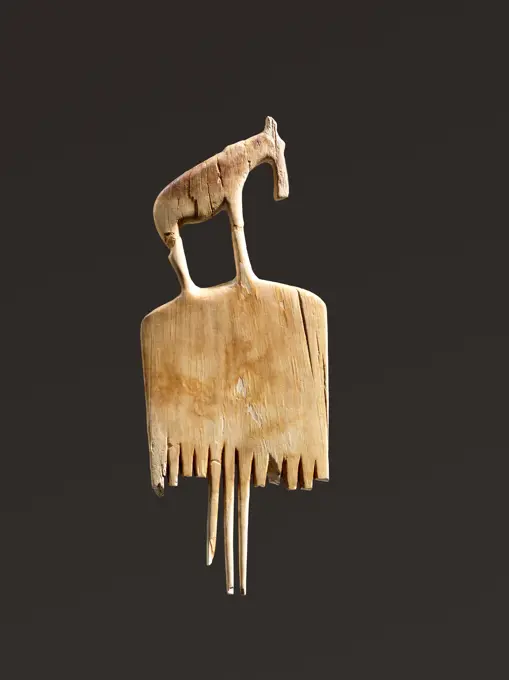
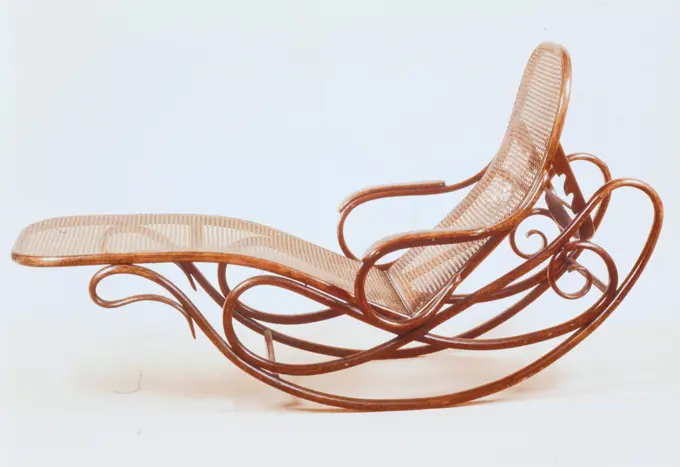
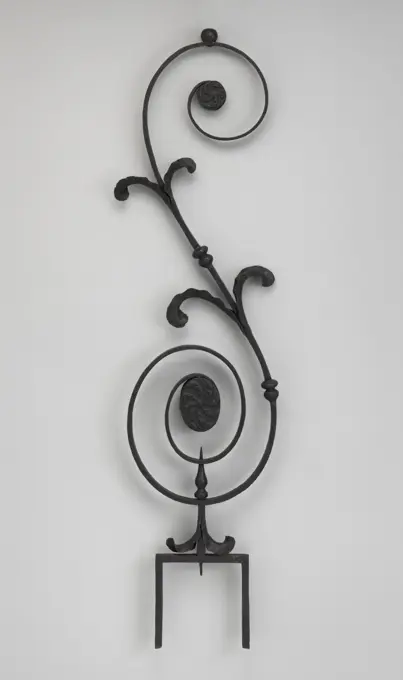
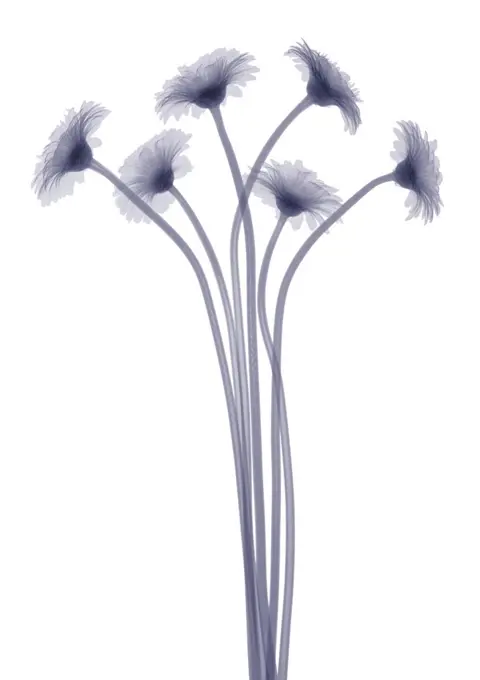
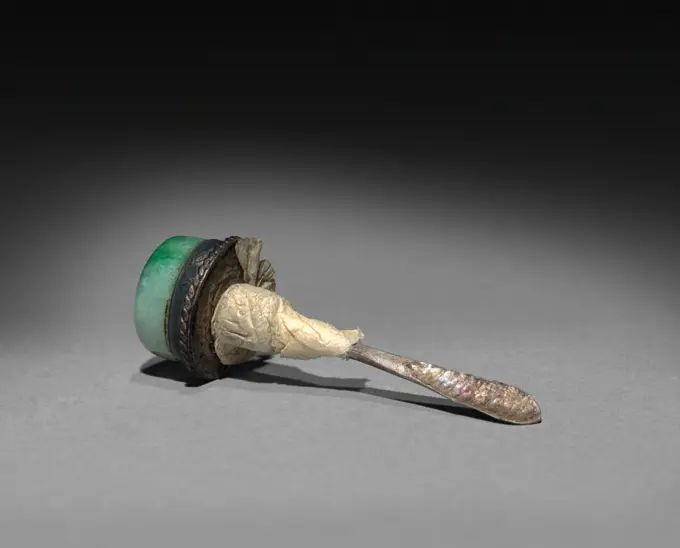
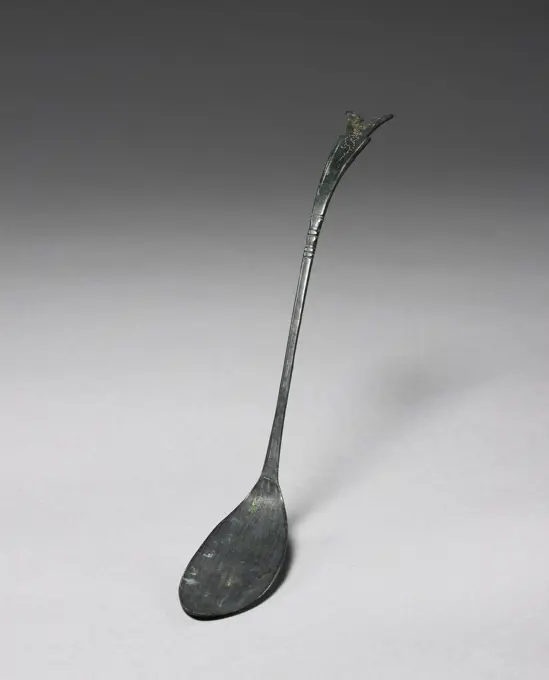
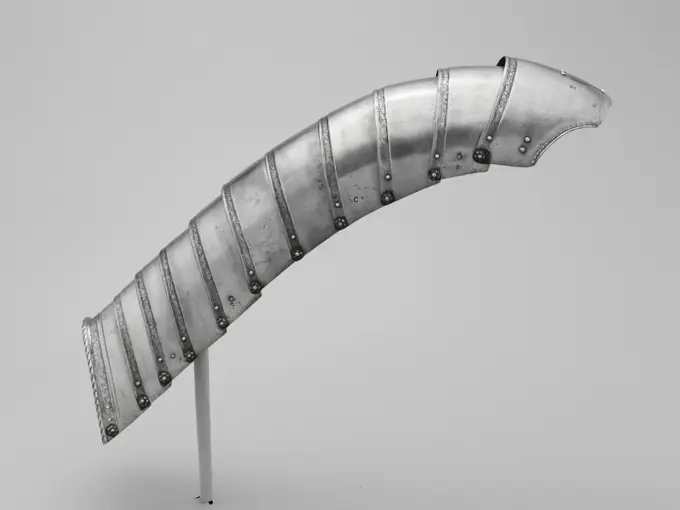
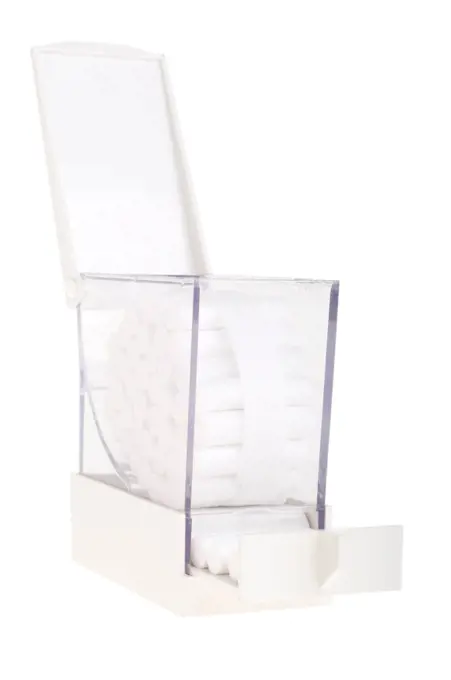
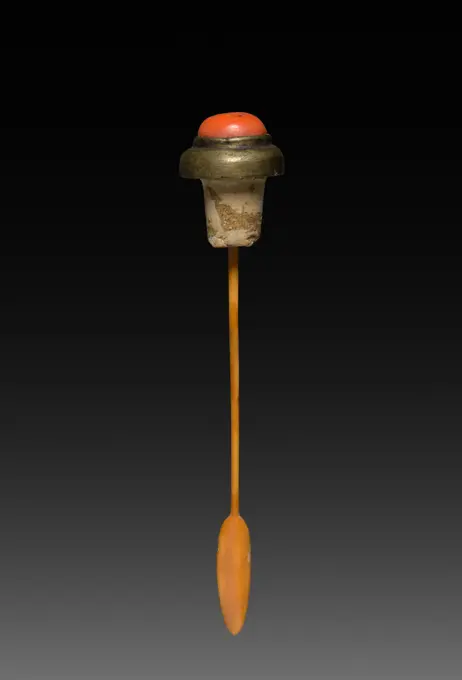
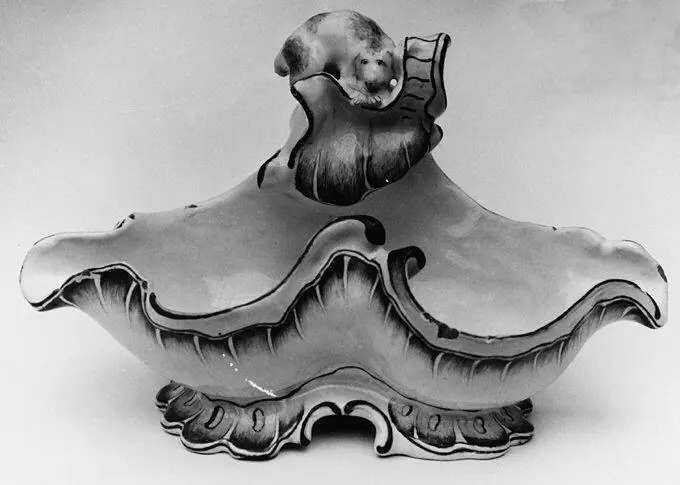
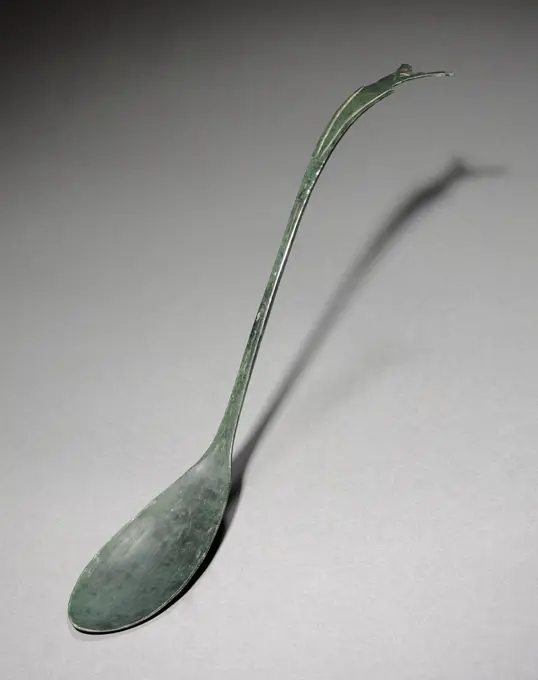
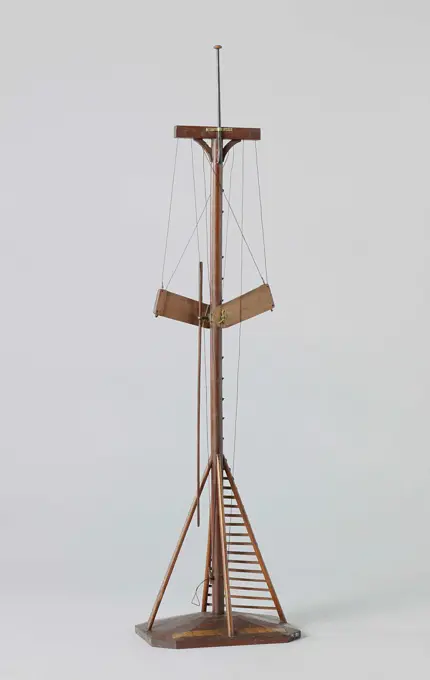
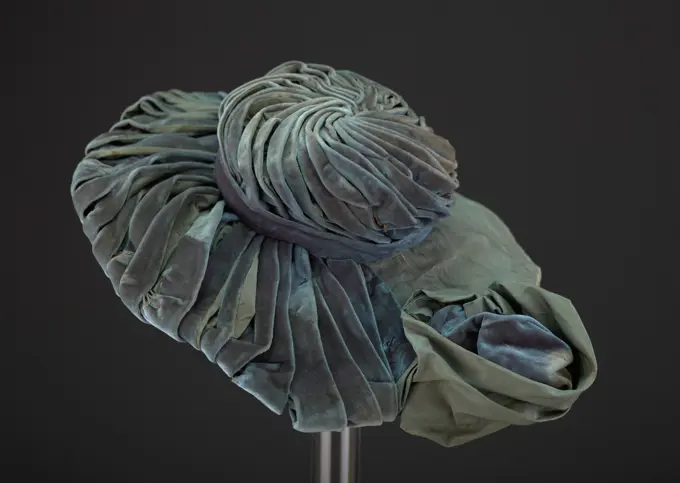
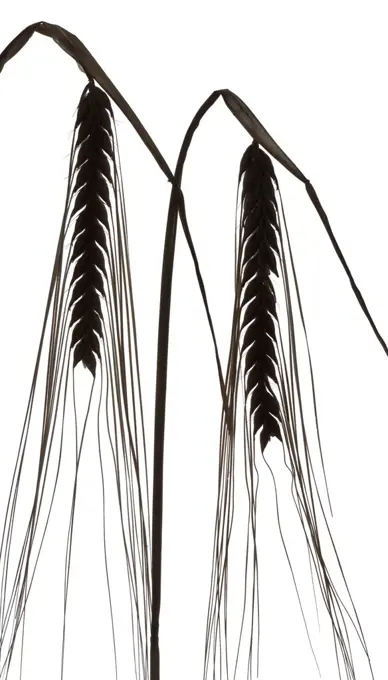
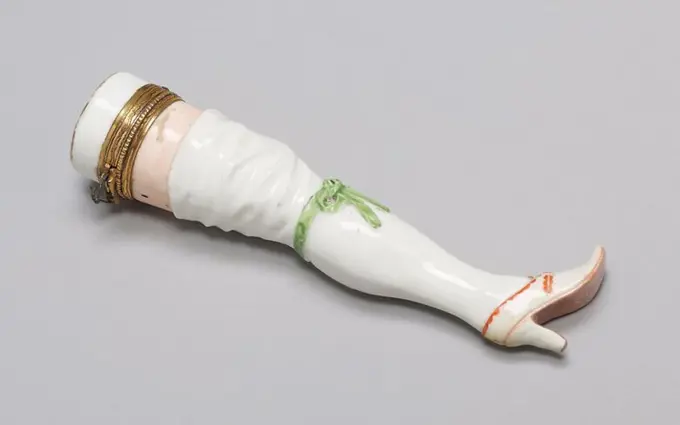
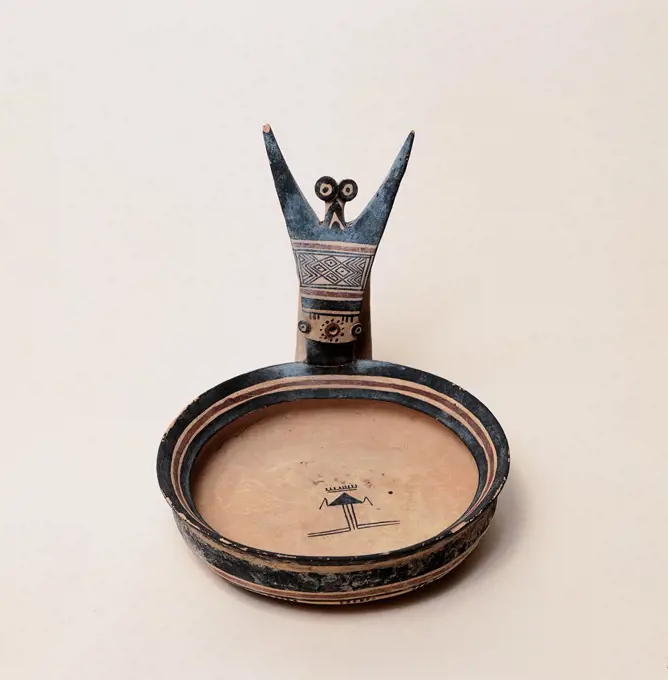
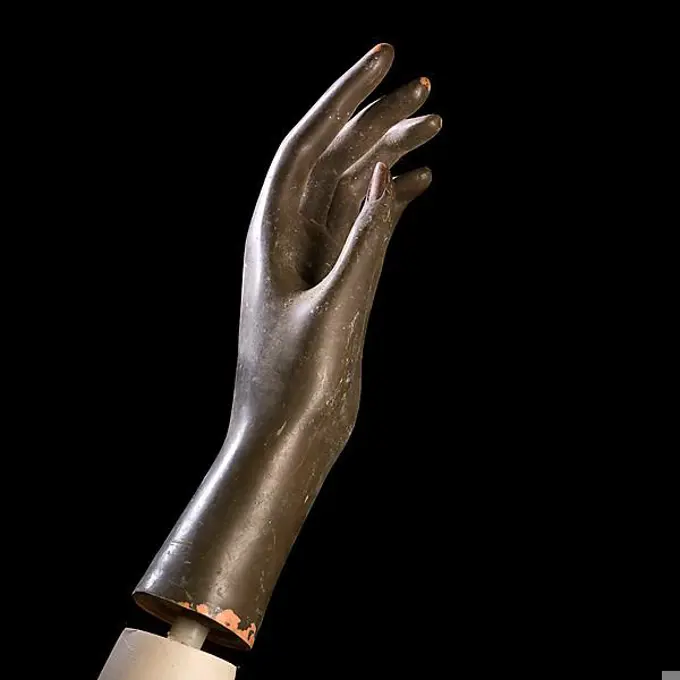
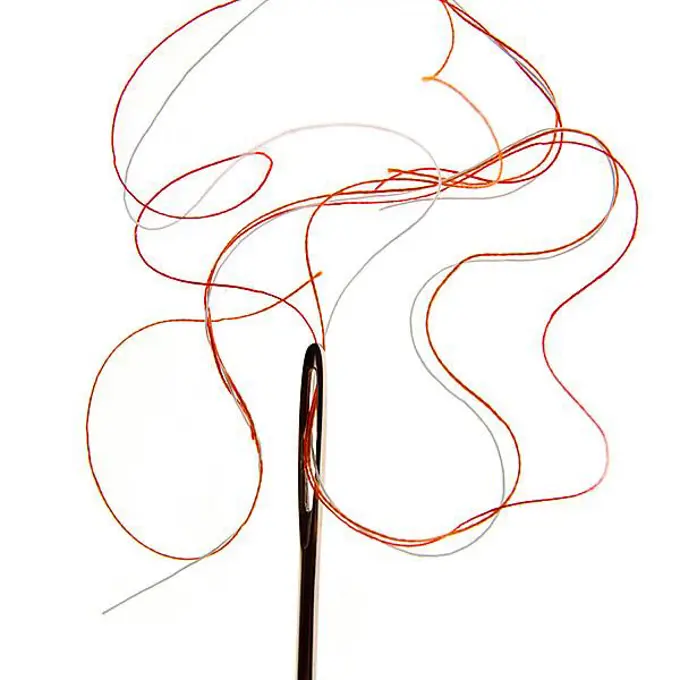
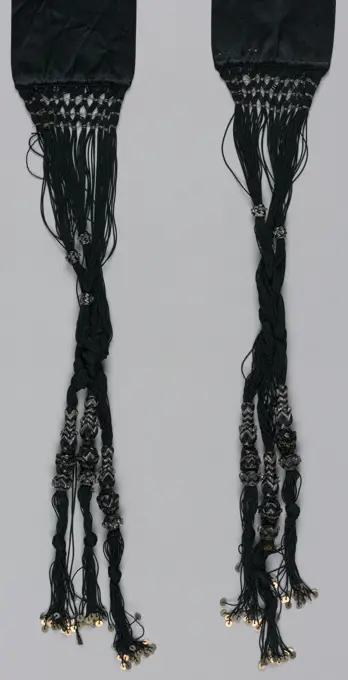
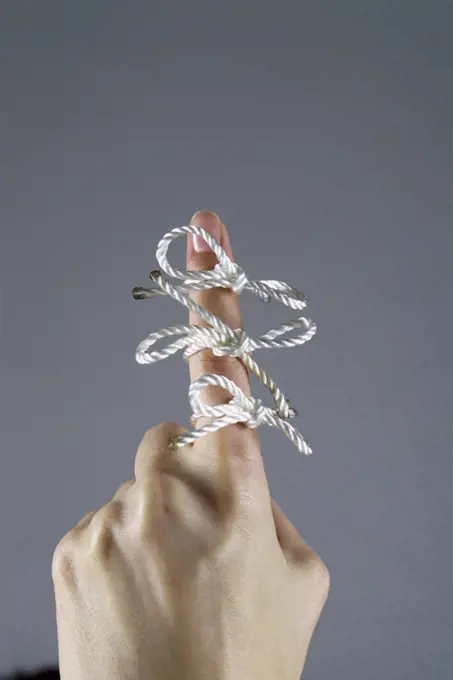
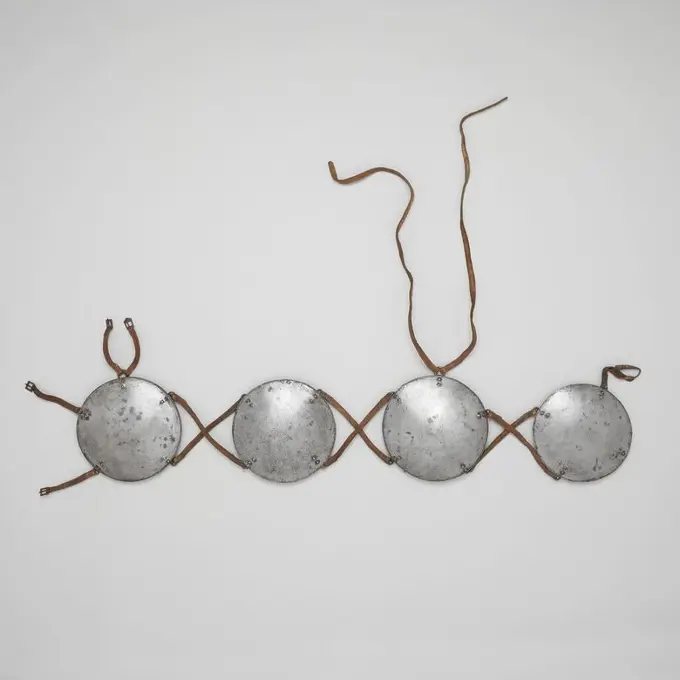
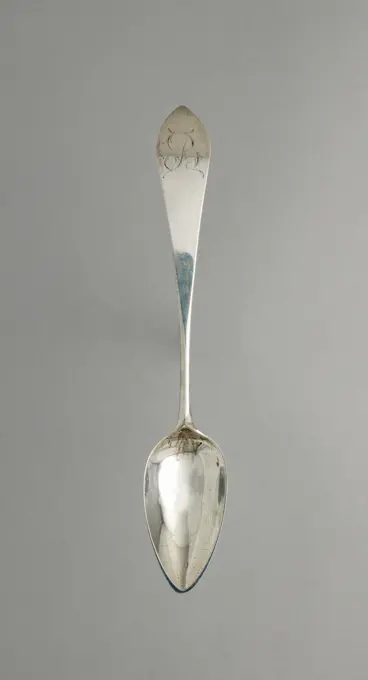
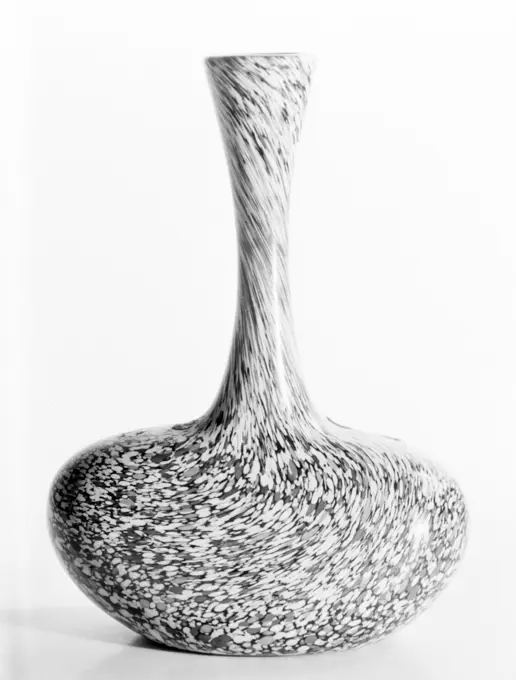
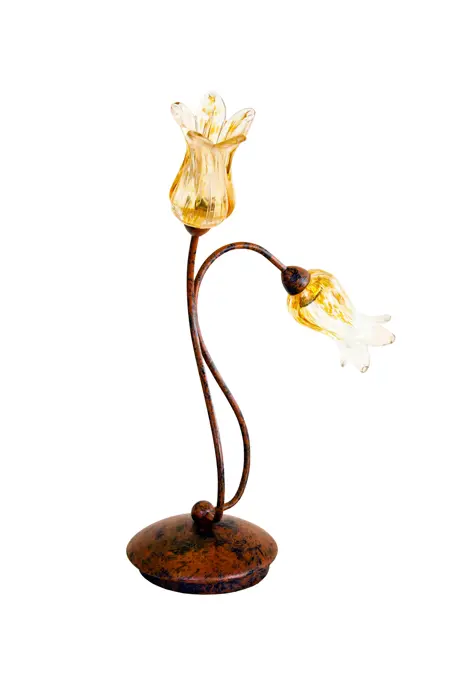
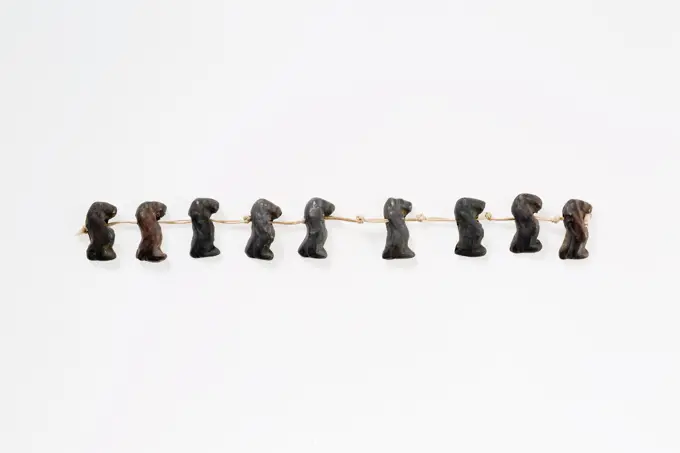
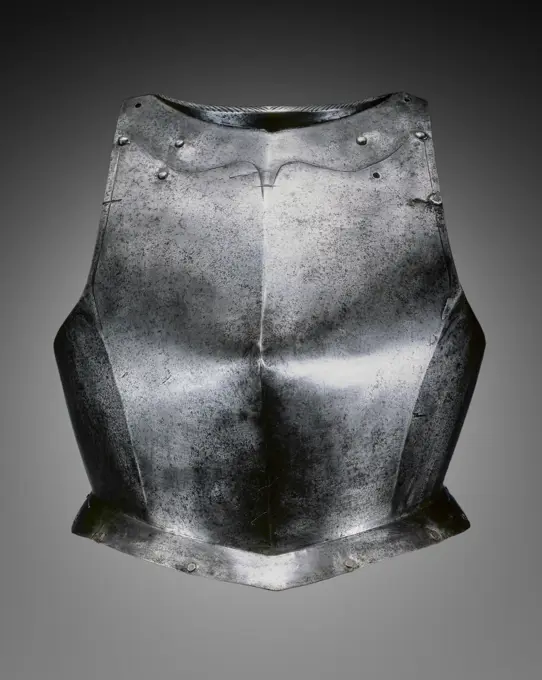
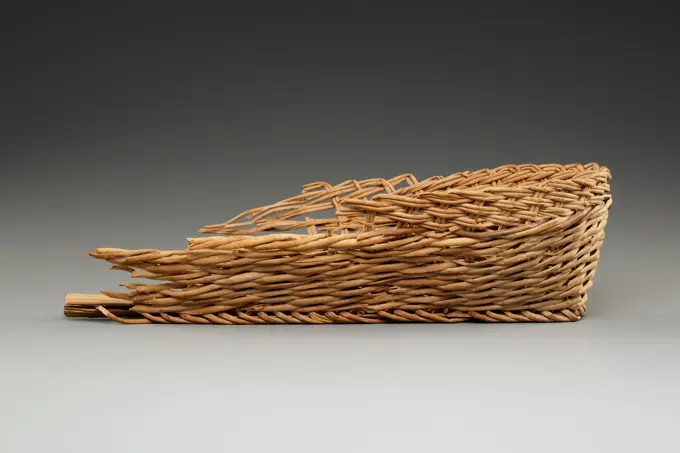
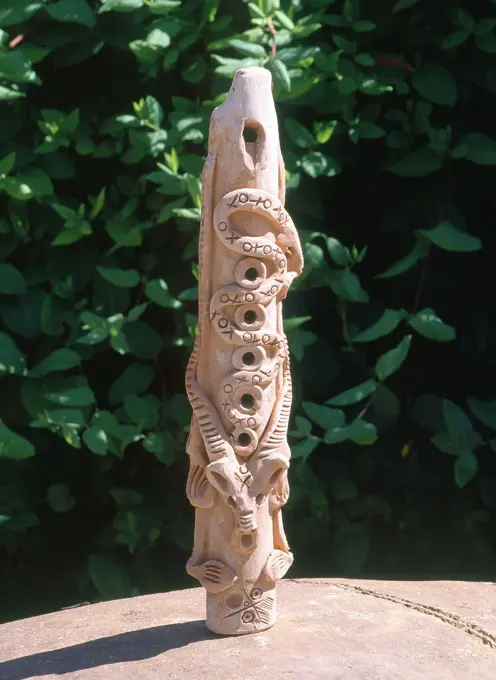
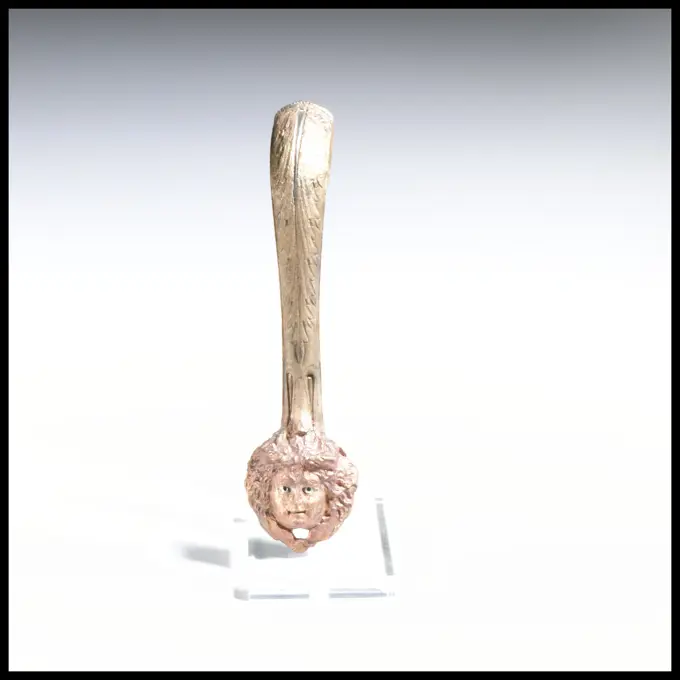
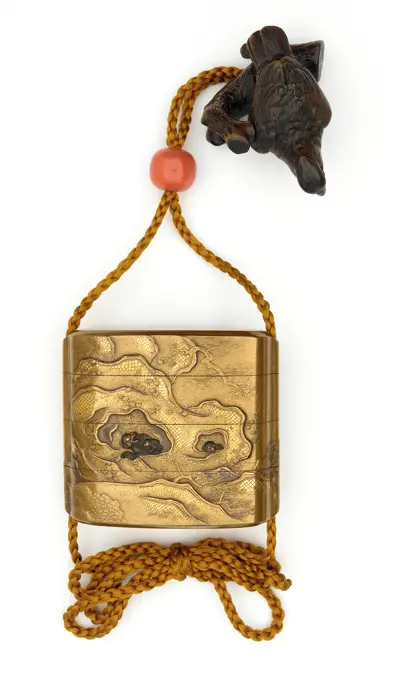
. Prince Frederick Henry of Orange was stadtholder from 1625 until his death in 1647. Here he is holding a shieldwith seven arrows, symbol of the Seven United Provinces of the Netherlands, over which he ruled as stadtholder.Dagger (Jambiya). Culture: Indian, Mughal. Dimensions: H. 13 in. (33 cm); H. of blade 8 3/4 in. (22.2 cm); W. 2 7/16 in. (6.2 cm); Wt. 8.8 oz. (249.5 g). Date: 18th century. Museum: Metropolitan Museum of Art, New York, USA.Feather of a greylag goose (anser anser), detached, Vechta, Lower Saxony, Germany, EuropeFeather of a greylag goose (anser anser), detached, Vechta, Lower Saxony, Germany, EuropeGrot oszczepu. nieznany warsztat bliskowschodni, workshopNutriaskullChi-Wara Headdress Bamara Culture African Art Collection of The Museum of Contemporary Art, Jacksonville, Florida Necklace -Shield (Dhàl). Culture: Indian, Assam, Naga Hills. Dimensions: H. 35 3/4 in. (90.8 cm); W. 14 in. (35.6 cm); D. 2 in. (5.1 cm); Wt. 3 lb. 11.5 oz. (1686.8 g). Date: 19th century. Museum: Metropolitan Museum of Art, New York, USA.Wildflower in goldBlown Glass jug blue. Barcelona. Spain 2013Beautiful makeup closeup. Beautiful makeup closeup. Copyright: xZoonar.com/xx 10419633Indian WeatherVaneModel of the foreleg of a horned animal, perhaps from a foundation deposit ca. 1400-1295 B.C. New Kingdom The smoothed edges on this foreleg of an ox indicate that it is not a fragment from an animal figure, but a complete three-dimensional object in its own right. In fact, this master-piece of wood carving is a miniature representation of a khepesh, the most important meat offering that ancient Egyptians presented to the gods and the deceased.The khepesh played a role in the foundation ceremonies of temples during which real joints of meat and ritual objects were placed in pits at significant points around the perimeter of the sacred building. From at least Dyansty 19, however, small khepesh models became part of foundation deposits. The elongated shape and delicate rendering of this khepesh suggest a date in the second half of Dynasty 18, when the art of animal representation was at its peak. This piece may be an earlier use of a model khepesh, or it served some other purpose.. ModelClose-up of wooden bird-box on hazel poleJester's bauble 17th century French. Jester's bauble 193166Western billboard. Wooden notice of saloon, vector icon isolated on white background. Western billboard. Wooden notice of saloon, vector iconDrip paint on a white background. Drip paint on a white background. Copyright: xZoonar.com/xx 10047136Double-Axe Staff for Sàngó (OséSàngó)blur in iran antique door entrance and      decorative handle for backgroundComb decorated with an ostrich ca. 3900-3500 B.C. Predynastic, Late Naqada l-Naqada II. Comb decorated with an ostrich 547219CABEZA - ESCULTURA. Author: Martín Chirino (b. 1925).Cartoon character, broadly laughing headDoor knocker in the shape of a pike .. an iron door knocker in the shape of a pike with plate and screws.Werndl hunter rifle 1867Chair. Acquired by Campe Historical Art FoundationSchlüsselbund auf weiss - Bunch of keys on white background Schlüsselbund auf weiss - Bunch of keys on white background Copyright: xZoonar.com/lantapixx 12954264Attic Black-Figure Nicosthenic Amphora Fragment. UnknownOld fashion mannequin torso made of polystyrene isolated on white with natural shadowsHand drawn feather illustration. fluffy feathers. for invitation wedding card. Rustic feathers Bright colors. backgroundOld fashioned shuttlecocks on white backgroundold car horn isolated on a white backgroundGrunge icon - Detergent BottleLluis Ventós / "Goddess", 2006, Sculpture, 48 x 8.9 x 7 cm.Cravat third quarter 19th century American. Cravat 173937Kris 16th-19th century Balinese. Kris 31261Drip paint on a white background. Drip paint on a white background. Copyright: xZoonar.com/xx 10042906Canada,  First Nations Canadian art. Typical carved caribou antler figure,  Clyde River drummer. Property release.Gloves. Culture: American. Date: 1824.This glove commemorates General Lafayette's historic Grand Tour of the United States in 1824 to celebrate the nation's 50th anniversary. It was probably worn to the welcoming reception held in New York City on August 24, 1824This object is part of a collection of historic garments and textiles purchased from Mrs. Edward Lamson Henry, wife of Edward Lamson Henry (1841-1919), an American painter from Charleston, South Carolina. Henry assembled the collection and used the items as props in his paintings. According to a September 1, 1919 letter from Mrs. Henry to William Henry Fox, director of the Brooklyn Museum, "The Costumes are valuable and all original... Mr. Henry was many years collecting them, & used them in his paintings constantly.". Museum: Metropolitan Museum of Art, New York, USA.Wildflower in goldSpoon with Fish-Tail Design, 918-1392. Korea, Goryeo period (918-1392). Bronze; overall: 28.2 cm (11 1/8 in.).three swords. 3d three swords. 3d Copyright: xZoonar.com/SerhiixPavlovx 1588836Comb decorated with a wildebeest ca. 3900-3500 B.C. Predynastic, Late Naqada l-Naqada II. Comb decorated with a wildebeest 547214Dark cutting board on a white background. Cutting Board on a white backgroundRocking chaise, model no. 7500, c. 1880, Attributed to August Thonet; Manufacturer: Gebrüder Thonet, Austro-Hungarian, 1829-1910, 32 x 68 3/4 x 26 1/2 in. (81.28 x 174.63 x 67.31 cm), Bent and turned beechwood, caning, Austria, Art Nouveau, Still eye-catching today, this chaise is constructed of carefully bent beech wood that seems to writhe beneath the back and seat, creating motion even at a standstill. In the mid-1800s, Thonet set a precedent as the first company to make well-designed, mass-produced furniture that was widely distributed throughout Europe. But because this rocking chaise required considerable space, it was a status object for those with large and affluent homes.Iron baluster ca. 1770 British. Iron baluster. British. ca. 1770. Wrought iron. Metalwork-IronSix daisies, X-rayold parchment paper scroll old parchment paper scroll isolated on white background Copyright: xZoonar.com/PhilxMorleyx 3230709Error 500 (Server Error)!!1500.That’s an error.There was an error. Please try again later.That’s all we know.Snuff Bottle (stopper), 1644-1911. China, Qing dynasty (1644-1911). Glass; overall: 6.4 cm (2 1/2 in.).BAJAR EN ORDEN-1989. Author: KELLEY MIKE.Spoons with Fish-Tail Design, 918-1392. Korea, Goryeo period (918-1392). Bronze; overall: 24.2 cm (9 1/2 in.).Meat Crown, Wessel Jansen, After 1642 - Before 1696 Peat crown consisting of a ring with four hooks that are attached to a rod by means of four arches. The top of the rod ends in a hook and the bottom in four hooks. The crown is marked: Mt. = Wessel Jansen and a dolphin. Amsterdam silver (metal) Peat crown consisting of a ring with four hooks that are attached to a rod by means of four arches. The top of the rod ends in a hook and the bottom in four hooks. The crown is marked: Mt. = Wessel Jansen and a dolphin. Amsterdam silver (metal)Crinet ca. 1535 Valentin Siebenbürger German Decorated with narrow bands etched with delicate foliate scrolls, this crinet once formed part of a horse armor made for one of the co-ruling counts palatine; Ottheinrich (1502-1559) and Philipp (1503-1548).. Crinet. German, Nuremberg. ca. 1535. Steel. Nuremberg. Armor for Horseplastic cotton roll dispenser (dentisty equipment) isolated on white backgroundFake handSnuff Bottle with Stopper (stopper), 1723-35. China, Jiangxi province, Jingdezhen kilns, Qing dynasty (1644-1911), Yongzheng reign (1723-35). Porcelain; overall: 7.7 cm (3 1/16 in.).Sauceboat ca. 1760-70 Niderviller Faience, or tin-glazed and enameled earthenware, first emerged in France during the sixteenth century, reaching widespread usage among elite patrons during the seventeenth and early eighteenth centuries, prior to the establishment of soft-paste porcelain factories. Although characterized as more provincial in style than porcelain, French faience was used at the court of Louis XIV as part of elaborate meals and displays, with large-scale vessels incorporated into the Baroque garden designs of Versailles. Earlier examples of French faience attest to the strong influence of maiolica artists from Italy. Later works demonstrate the ways in which cities such as Nevers, Rouen, Lyon, Moustiers, and Marseille developed innovative vessel shapes and decorative motifs prized among collectors throughout Europe. While faience can be created from a wide mixture of clays, it is foremost distinguished by the milky opaque white color achieved by the addition of tin oxidWild bird feather on a white backgroundMitaine of white knitted cotton, anonymous, c. 1750 - c. 1820 Left mitaine made of knitted cotton, in crossing pattern with cutting windows and stars. With loose, open thumb. West-Europa whole: Cotton (textile) knitting Left mitaine made of knitted cotton, in crossing pattern with cutting windows and stars. With loose, open thumb. West-Europa whole: Cotton (textile) knittingSpoon with Fish-Tail Design, 918-1392. Korea, Goryeo period (918-1392). Bronze; overall: 24.8 cm (9 3/4 in.).Model of an Optical Telegraph.Model of an optical telegraph on base board, incomplete. It consists of a pounded mast short gallows at the top. Sports are made between two of the four crowds to climb in the mast. With hoists through disks in the bell struts, two wooden wings are moved halfway through the mast; Two other signals that are currently missing, probably balls, are lifted up and down with hoists over drives in the gallows. The wings are mottled on a metal ring, which can rotate freely to the mast: by means of a rod can rotate with wings, so that they will be in a different communication line. Scale 1:27 (Scale by model).Artwork: "The Peace Keepers" Artist: Charles Carroll. Country: Unknownreligious blackwood figurine of Virgin Mary isolated on white backgroundGun-Lock Hammer, c. 1800-1825. England. overall: 6.4 x 3.8 cm (2 1/2 x 1 1/2 in.).Women's hat unknownStaff, 20th century, 14 1/8 x 1 13/16 x 1 3/4 in. (35.9 x 4.6 x 4.4 cm), Wood, Democratic Republic of the Congo, 20th centuryHordeum, BarleyBonnet ca. 1880 Mme. Mantel French. Bonnet 168437Ramon Orlina, Pintado, 1994. Glass.Etui. Vienna, Austria. Date: 1765-1775. Dimensions: L. 12.4 cm (4 7/8 in.). Hard-paste porcelain, polychrome enamels, and gilding. Origin: Vienna. Museum: The Chicago Art Institute, Chicago, USA.Funerary simpulum ""coccio cornuto"", 6th Century, ceramic,Hand of a mannequinchristmas decoration fir tree on a white backgroundThread passing through needle eye, studio shot, France, EuropeBelt (USA); silkBrass shower head Brass shower head closeup isolated on white background Copyright: xZoonar.com/ChristinaRahmx 13827962Three bows tied to a person´s fingerSet of Four Mirriors (Cuirass). Culture: Tibetan, and possibly Bhutanese and Nepalese. Dimensions: Diam. of each 7 in. (17.8 cm). Date: 18th-19th century. Museum: Metropolitan Museum of Art, New York, USA.Clock made of wooden spoons on a black background concrete. eating time conceptleather gloves, protective for bikers.Teaspoon, 1804. Timothy Gerrish (American, 1749-1815). Silver; overall: 4.5 cm (1 3/4 in.).Bottle 17th century French, Nevers. Bottle. French, Nevers. 17th century. Glass. GlassOld small wrinkled book on white backgroundBlack Silk Fabric Flying On White. Banner TemplateLamp isolated Decorative desktop lamp isolated included clipping path Copyright: xZoonar.com/Baloncicix 14643281Nine Taweret Amulets ca. 1850-1700 B.C. Late Middle Kingdom This group of amulets was found in the plundered chamber reached by a shaft in the portico of a rock-cut tomb in the Asasif section of the Theban necropolis. Among the finds were parts of a rectangular wooden coffin with green hieroglyphs on a yellow background as well as a few remains of one or more model wooden boat(s), three scarabs (13.180.8- .10), two anhydrite toilet vessels (13.180.19a- .c, .20) and the group of jewelry items (13.180.1- .18a- .l) striking for the extensive use of silver. Dates that can be ascertained by stylistic comparisons to some of the objects range from the late Middle Kingdom (ca. 1850-1700 B. C.) to the late Second Intermediate Period (ca. 1580-1550 B. C.). A number of clay pots (28.3.239- .241 now in the Oriental Institute Museum, Chicago) from the area of the tomb but not with certainty identified as found inside the shaft and chamber from which the jewelry was obtained date to the late Second Balsamin with a cover; Baur, Mattäus II (1653-1728); 1690-1694 (1690-00-00-1694-00-00);Empty wooden cutting board for preparing ingredients for preparing a delicious dish Empty wooden cutting board for preparing ingredients for preparing a delicious dish. Kitchen utensils Copyright: xZoonar.com/TetianaxChernykovax 21728543Three windmills for drawing water, Wessel Jansen, c. 1650 - before 1696 The front and rear wall of a mill is on a rectangular plate. The walls are open and carry the pivot on which the blades turn. The blades are drilled out. There is a bird on top of every wall of the mill. The edge of the plate is decorated. There is a hole in the plate, causing a rope that is attached to the pivot and that the blades can run by pulling it. The mill is marked: Mt. = Wessel Jansen. Amsterdam silver (metal) The front and rear wall of a mill is on a rectangular plate. The walls are open and carry the pivot on which the blades turn. The blades are drilled out. There is a bird on top of every wall of the mill. The edge of the plate is decorated. There is a hole in the plate, causing a rope that is attached to the pivot and that the blades can run by pulling it. The mill is marked: Mt. = Wessel Jansen. Amsterdam silver (metal)Hand bones, illustrationGothic Breastplate, c. 1540. Germany, 16th century. Steel; overall: 32.4 x 31.4 cm (12 3/4 x 12 3/8 in.). A breastplate is an element of armor that protects the chest and abdomen; it would have been worn with a now missing backplate. Nuremburg was one of the chief armor production centers and gained international renown; armor produced there was exported throughout Europe. It was not a coincidence that Nuremburg was known for its armor. The ore available in the region made Nuremburg an iron producing center close to the raw material needed to make a better quality and reliable product.Lid of basket Roman Period A.D. 2nd-3rd century View more. Lid of basket. A.D. 2nd-3rd century. Basketry. Roman Period. From Egypt; Said to be from Middle Egypt, MaghaghaSIGNO VI - 2000 - ACERO INOX. Author: PABLO PALAZUELO (1916-2007). Location: GALERIA SOLEDAD LORENZO. MADRID. SPAIN.FLAUTA PASTORIL DE BARRO CON ADORNOS EN RELIEVE - SIN VIDRIAR - ARTE POPULAR. Location: ALFARERIA. VILLAFRANCA DE LOS CABALLEROS. Toledo. SPAIN.Carnival headdress with long fur ears, rabbit, rabbit costume on isolated background carnival headdress with long fur ears, rabbit, rabbit costume on isolated background copyright: xzoonar.com/dankoxnatalyax 22670164Banksia cone (), Australia, OceaniaShell Pendant 900 A.D. Huaxtec. The scenes on the surfaces depicts a sacrifice by means of decapitation. Bronze jug handle 1st-2nd century A.D. Roman The handle is decorated with acanthus leaves in low relief. On the lower attachment is a head of Medusa. The eyes of the Medusa are inlaid with silver.. Bronze jug handle 256832Inrō, Ojime, Netsuke. Hara Yōyūsai (Japan, 1768-1845). Japan, 18th-early 19th century. Costumes; Accessories. Inrō: lacquer on substrate, sprinkled gold flecks, metal inlays; Ojime: coral; Netsuke: wood with horn and ivory inlays