Exquisite Lace Trim Strips

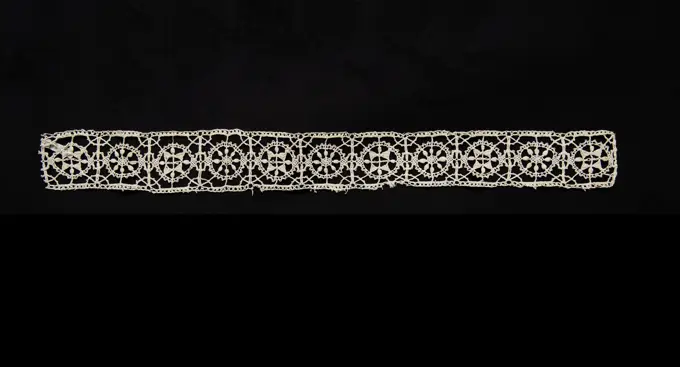
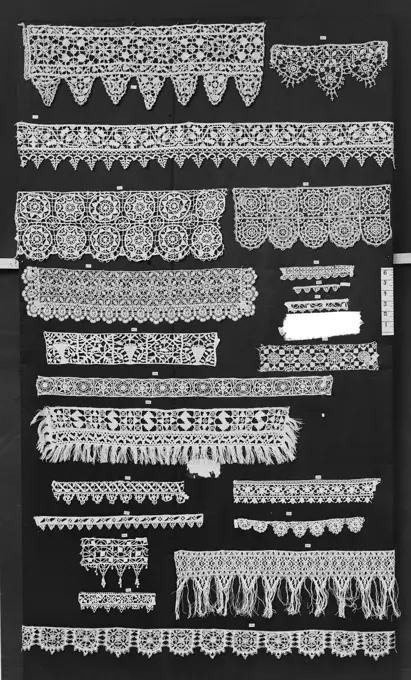
Collection of intricate lace strips featuring various styles like Flemish, Maltese, and Venetian designs, showcasing natural colors and detailed botanical patterns.


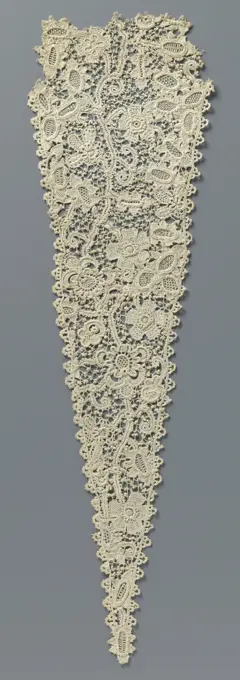
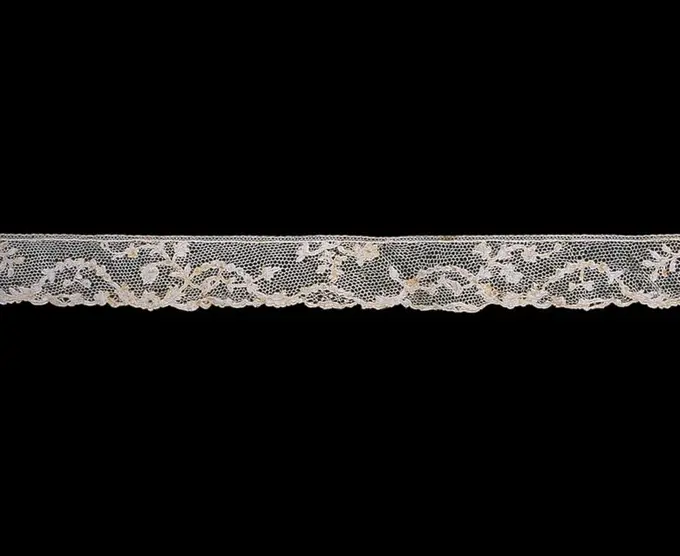
Strip of needle side with plumed tendrils, anonymous, c. 1875 - c. 1895 Strip of natural -colored needle side: Venetian rose side. On a bar of land with six -sided meshes, rich branches, to the left and right, are swiveling and right -wing, sometimes dwelling, sometimes walking. There are multifaceted, carefully detailed button -shaped flowers. Here and there the top of a slender has grown through an opening in the branch. Straight finish of alternately an eye and a triangle. BURANO linen (material) Venetian rose point Strip of natural -colored needle side: Venetian rose side. On a bar of land with six -sided meshes, rich branches, to the left and right, are swiveling and right -wing, sometimes dwelling, sometimes walking. There are multifaceted, carefully detailed button -shaped flowers. Here and there the top of a slender has grown through an opening in the branch. Straight finish of alternately an eye and a triangle. BURANO linen (material) Venetian rose point
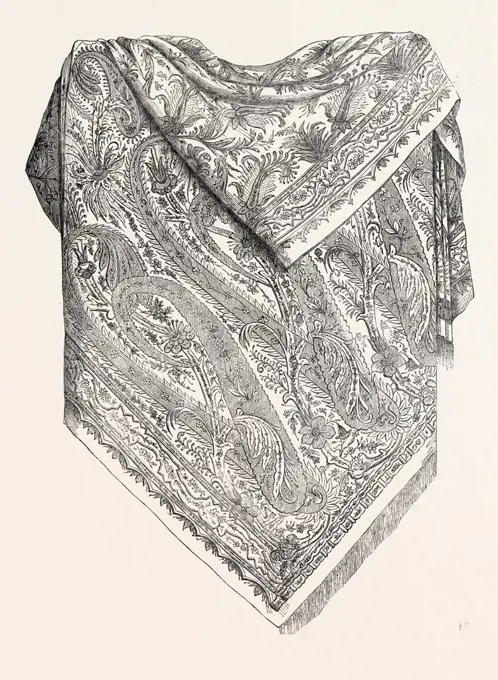
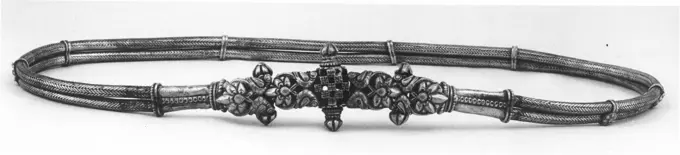
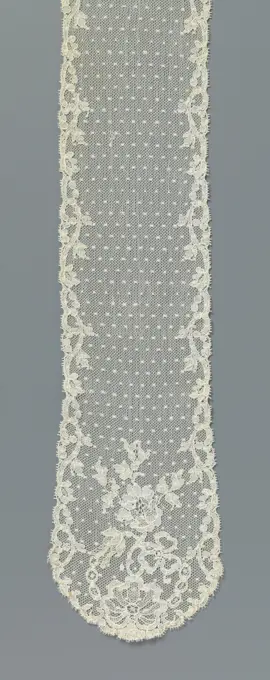
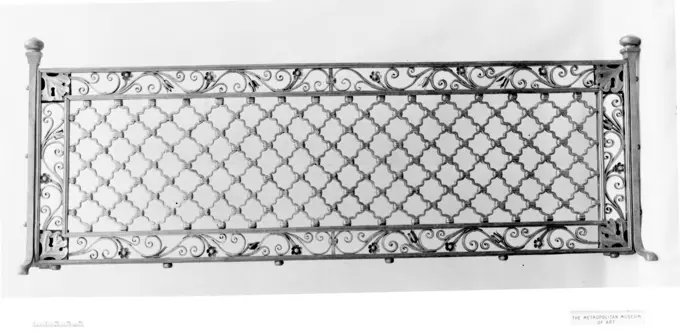
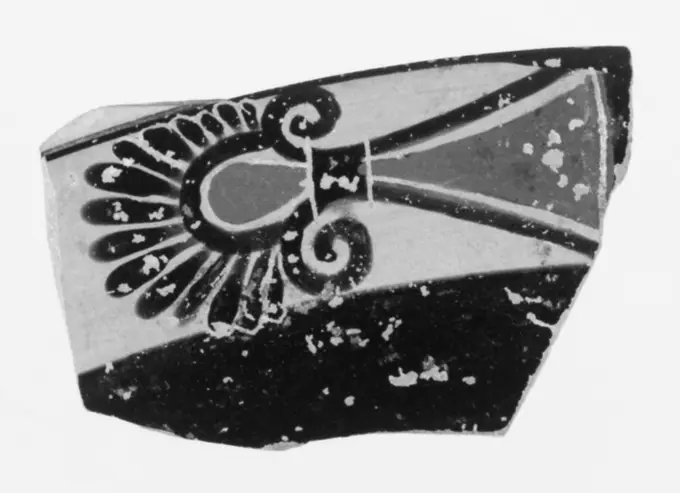
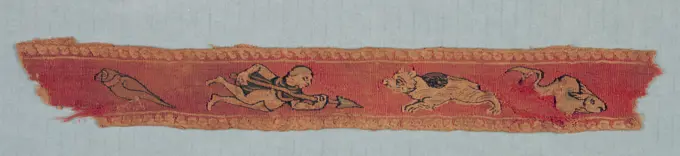
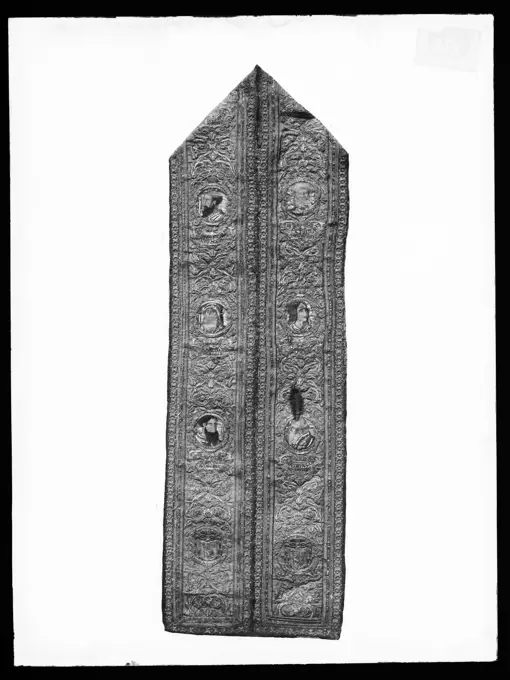
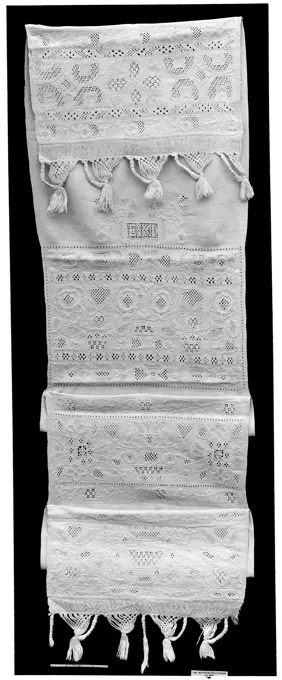
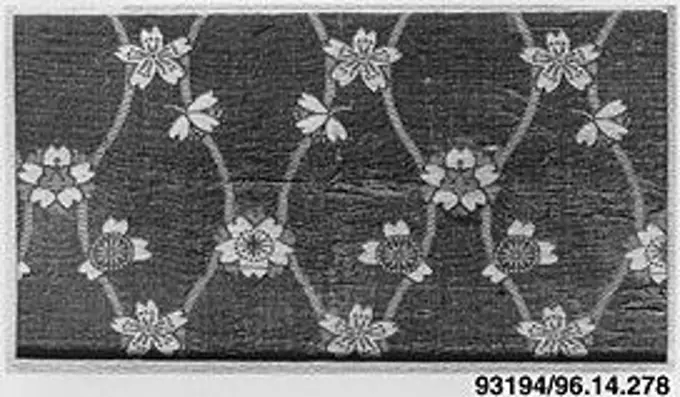
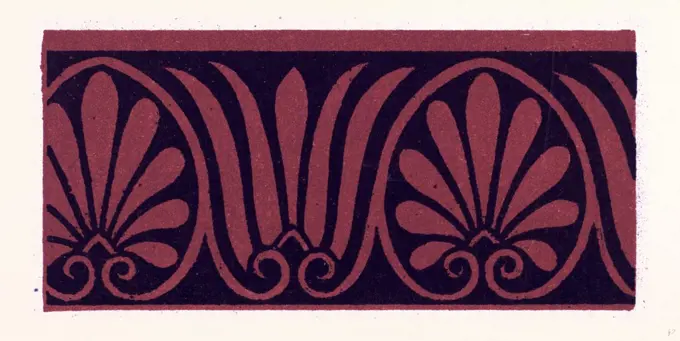
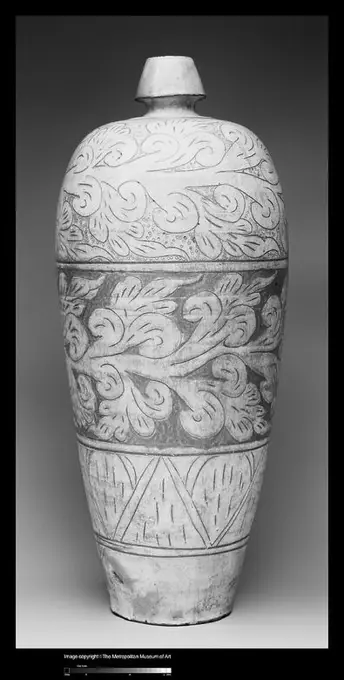
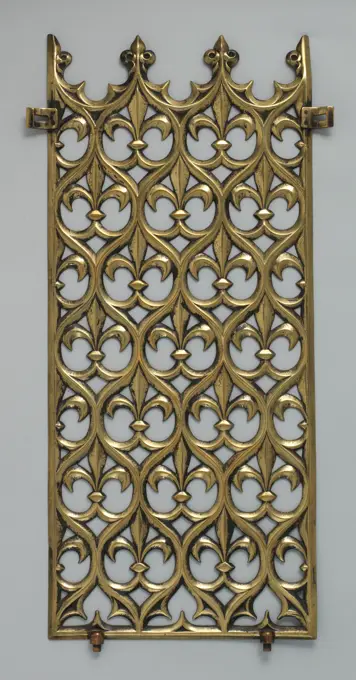
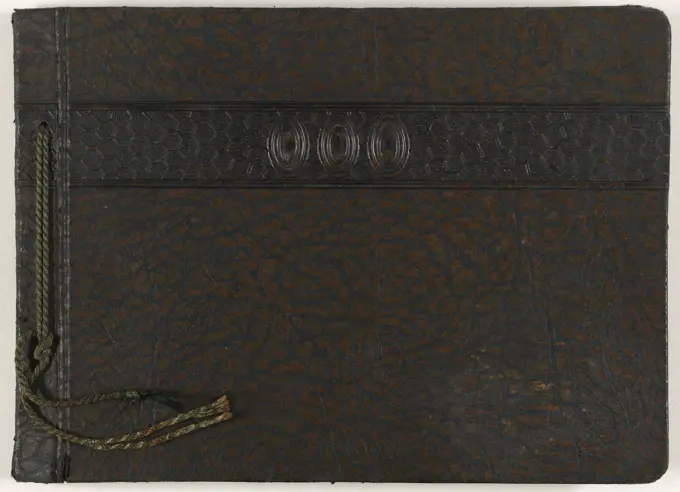
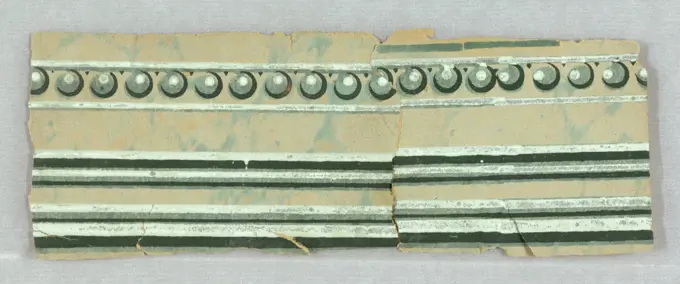
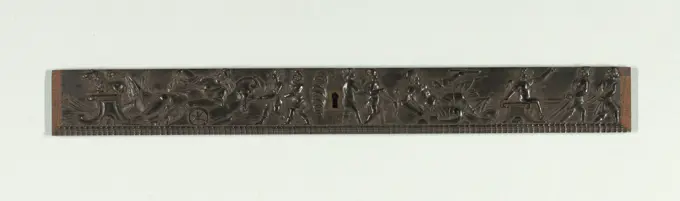
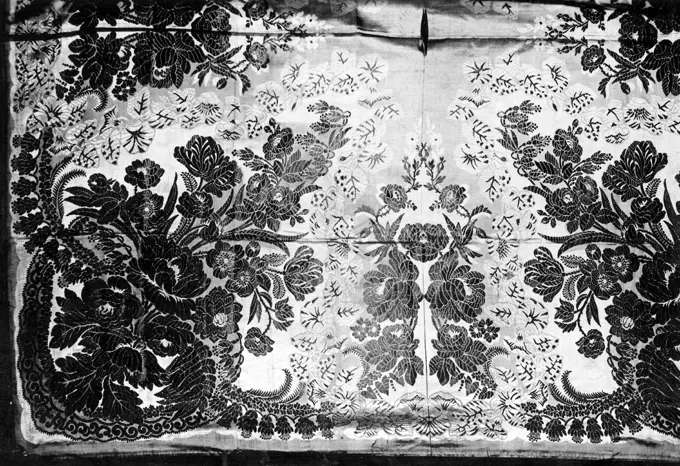
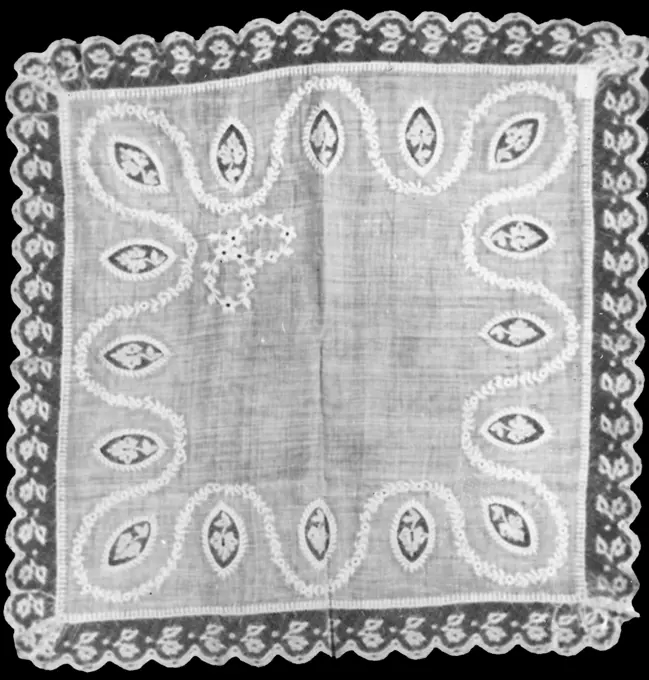
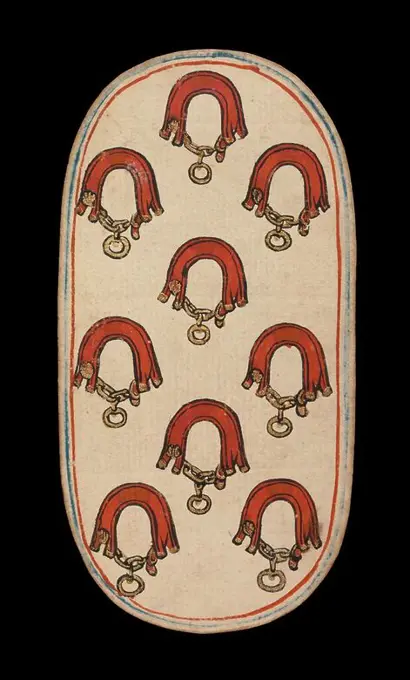
Pair of Bobbin Lace (Valenciennes) Lappets, early 18th century. France, Valenciennes, early 18th century. Lace, bobbin: linen; average: 119.4 x 10.2 cm (47 x 4 in.).Needlepoint (Venetian Rose Point) Lace Edging, 17th century. Italy, Venice, 17th century. Lace, needlepoint: linen; average: 7 x 59.7 cm (2 3/4 x 23 1/2 in.).Border, Medium: linen Technique: bobbin lace made in Lille style with heavy outlining thread and twisted torchon ground, 19th century, lace, BorderPiece 18th century French. Piece 221857Trimming, Medium: silk Technique: cut supplementary warp pile in a plain weave foundation, Design of a pink ribbon wound onto a white rod in cut velvet on a ground of gray and white basket weave., France, 19th century, trimmings, TrimmingSHAWL. BY WEBBER AND HAIRS. 1851Spread piece of crocheted side imitation coarse Venetian needle side imitates, anonymous, c. 1890 - c. 1909 V-shaped support piece of natural-colored Irish crocheted side, imitation coarse Venetian needle side. The long sides of the V are finished with a potented bow edge. The short side is not finished. Ireland cotton (textile) V-shaped support piece of natural-colored Irish crocheted side, imitation coarse Venetian needle side. The long sides of the V are finished with a potented bow edge. The short side is not finished. Ireland cotton (textile)Girdle 19th century. Girdle 446716Band with Vegetal Ornament 7th-8th century This ornamental band, probably from a garment, bears stylized naturalistic forms--a row of pointed leaf forms containing little palm trees. This particular stylization of the forms and the brightening of the palette indicate a date early in the Islamic period.. Band with Vegetal Ornament 444316Border. France. Date: 1770-1779. Dimensions: 4.7 × 145.3 cm (1 7/8 × 57 1/4 in.). Linen, needle lace of a type known as "Point d'Argentan" with bottonholed mesh ground. Origin: France. Museum: The Chicago Art Institute, Chicago, USA.Trimming (Russia); silk, linen, metallic threadPiece 18th century French. Piece 223754Sample early 19th century French. Sample 224060Piece 17th century Northern Italian. Piece 212568Women's Das from Machinale Lace with Mosjes and Borders with Plume -shaped flour, Anonymous, c. 1890 - c. 1910 Women's Das from Machinale Side: Machinal Mechelen side. The tie is filled with moesjes and has a pattern of stretched S-shaped flower stalks along the edge with a curled end and a plume-shaped flower with five pointed petals. At both ends of the tie is a large shell -like flower with a flower branch with two large flowers, leaf branches and a tie. A decorative land has been used in the upper flower (on both sides). The motifs are provided with contour threads and are connected by a mechanical Mechelen land. The sides are finished with picots. Europe (possibly) cotton (textile) Women's Das from Machinale Side: Machinal Mechelen side. The tie is filled with moesjes and has a pattern of stretched S-shaped flower stalks along the edge with a curled end and a plume-shaped flower with five pointed petals. At both ends of the tie is a large shell -like flower with a flower branch wiBand, Medium: linen Technique: grid of laid cord with needle lace, reticella style, Spain, ca. 1600, lace, BandTextile Fragment 5th-6th century. Textile Fragment 443694Sampler 19th century German. Sampler 228626Embroidered band, Medium: silk embroidery on silk foundation Technique: embroidered in satin stitch on gauze weave, Purple silk gauze embroidered in white silk in design of confronted birds and flowers. Two upper and one lower border., China, 19th century, embroidery & stitching, Embroidered bandGrill 16th century Flemish. Grill 191293Piece 18th century Italian. Piece 230892Cover 16th-17th century Sicilian or Spanish. Cover 226270Textile Sample from Sample Book 19th century Japan. Textile Sample from Sample Book 68190Lakonian Cup Fragment. UnknownTwo shoulder bands Hungarian, Mezökövesd second half 19th centuryPiece 18th century French. Piece 223778Quilt 18th century French. Quilt 221868Edging 17th century Italian. Edging. Italian. 17th century. Needle lace. Textiles-LacesBobbin Lace (Needlepoint Design) Insertion, second half of 16th century. Italy, Genoa, second half of 16th century. Lace, bobbin; average: 4.2 x 43.2 cm (1 5/8 x 17 in.).Piece 19th century Japan. Piece 72232Glass Fragment 14th-15th century French. Glass Fragment. French. 14th-15th century. Colorless glass. Glass-StainedPiece. Culture: French. Dimensions: L. 46 x W. 3 1/2 inches (116.8 x 8.9 cm). Date: 18th century. Museum: Metropolitan Museum of Art, New York, USA.Fringe early 19th century French. Fringe 225124Textile Sample from Sample Book 19th century Japan. Textile Sample from Sample Book 68196Embroidery; silk, gold-wrapped silk core threadCap crown 18th century Flemish. Cap crown 222447Embroidery, Medium: silk, gold-wrapped silk core thread Technique: slashed and embroidered satin weave, Narrow border of same material as A., Europe, 16th century, embroidery & stitching, EmbroideryFragment from a Child's Tunic: Clavus, 600s-700s. Egypt, Umayyad period (661-750). Wool and linen: tapestry weave; overall: 28.7 x 4 cm (11 5/16 x 1 9/16 in.).Sampler (Germany); cotton; H: 100 cm (39 3/8 in.); Bequest of Mrs. Henry E. Coe; 1941-69-123Bliżej Kultury unknownBorder, Block-printed paper, gilt, flocked, Rinceau of light pink flocked leaves whose stems enclose gilt, buff and brown eye-like shapes. Bead and reel design forms lower border., France, ca. 1850, Wallcoverings, BorderPiece 17th century Italian. Piece 224534Galloon 18th century French. Galloon 214097Piece. Culture: French. Dimensions: 5 5/8 x 7 3/4 inches (14.3 x 19.7 cm). Date: 18th century. Museum: Metropolitan Museum of Art, New York, USA.Towel early 19th century Danish. Towel. Danish. early 19th century. Linen. Textiles-EmbroideredPiece 18th-19th century Japan. Piece. Japan. 18th-19th century. Silk. Edo (1615-1868). Textiles-WovenBorder. Northern Italy. Date: 1701-1750. Dimensions: 14.5 x 183.8 cm (5 3/4 x 72 3/8 in.)Width repeat: 55.8-56.9 cm (22-22 3/8 in.)Bottom edge height: .8 cm (3/8 in.). Linen, bobbin part lace. Origin: Northern Italy. Museum: The Chicago Art Institute, Chicago, USA.Three Cornice Blocks with Ornamentation. UnknownGreek Ornament and Etruscan OrnamentTwo Borders Made 1690-1710 Italy. Linen, bobbin part lace (continuous clothwork tapes) .Dress border 1805-15 French. Dress border 226469Fan Leaf (France); silkBorder (Italy); linenShoe Buckle 1775-1800. Shoe Buckle. 1775-1800. Silver plate on copperFragment ca. 1830 Swiss. Fragment 213406Cassone 16th century probably Italian, Venice. Cassone 197168L'Autel. Culture: French, Lyons. Designer: Jean Démosthène Dugourc (French, Versailles 1749-1825 Paris). Dimensions: L. 96 x W. 22 inches (loom width)243.8 x 55.9 cm. Manufacturer: Maison Pernon. Date: late 18th century. Museum: Metropolitan Museum of Art, New York, USA.Rank Badge with Silver Pheasant late 18th-early 19th century China. Rank Badge with Silver Pheasant 68954Accessory 1873 American. Accessory 124751Gallon;  XIX-XX century (1801-00-00-1950-00-00);Trimming, Medium: cotton Technique: plain weave with secondary warp of blue chenille, Cream coloured cotton plain cloth ground with design of ovals formed by secondary warp of blue cotton chenille., 1850-99, TrimmingFragment. Dimensions: 3 13/16 in. high 2 15/16 in. wide (9.7 cm high 7.5 cm wide). Date: 4th century. Museum: Metropolitan Museum of Art, New York, USA.Piece 18th century French. Piece 216801Piece 18th century Japan. Piece 72010Fragment Made 1601-1700 Iran. Brocaded fancy compound double cloth, silk and silver wound on white silk core .Vase with Abstract Scroll Decoration. Culture: China. Dimensions: H. 18 1/2 in. (47 cm); Diam. 7 1/2 in. (19.1 cm). Date: 11th-12th century.Cizhou wares were domestic wares produced and used throughout north China. They were made as well at a few kilns in Inner Mongolia, and the combination of the sketchy incising with the use of a darker glaze in the central register suggests that this towering vase was made in the northeast. Museum: Metropolitan Museum of Art, New York, USA.Sash Fragment with Fringe 7th-10th century Peruvian. Sash Fragment with Fringe. Peruvian. 7th-10th century. Camelid hair. Peru. Textiles-WovenStrip 16th century possibly Greek. Strip 220846Fringe (Spain); silkFragment ca. 1851-72 British. Fragment. British. ca. 1851-72. Cotton. Textiles-PrintedTrimming (France); 1909-2-176Band; silk; Bequest of Marian Hague; 1971-50-51Decorative grill from the Palace of Westminster ca. 1845-59 Augustus Welby Northmore Pugin These decorative grill panels exemplify the designs of Augustus Welby Northmore Pugin (1812-1852), who was the leading exponent of the Gothic Revival style in England. Pugins work is central to the transformation in British design that began in the mid-nineteenth century. He admired what he saw as the honesty and purity of medieval art, and deplored the meaningless repetition of historical motifs. Pugin coined the phrase "Brumagen Gothic," referring to "those inexhaustible mines of bad taste, Birmingham."The medieval Palace of Westminster, much altered by later additions, was almost entirely destroyed by a devastating fire which broke out on October 16, 1834. When the last flames were finally contained five days later, only Westminster Hall and parts of the chapel were standing. The following Spring, a competition was held for the design of a modern building that could accommodate the state aparBorder (France); block-printed, flocked; 74.5 x 11.5 cm (29 5/16 x 4 1/2 in.)Fragment, Medium: silk and metallic embroidery on linen foundation Technique: embroidered, Narrow fragment of linen and twill embroidered in silk and metal. Pattern shows three circular motifs. Outer circle is made up in each case of leaves running counter clockwise., Turkey, 19th century, embroidery & stitching, FragmentFragment 1830 Swiss. Fragment. Swiss. 1830. Bobbin lace. Textiles-LacesFragment Made 301 CE-600 CE Egypt. Linen and wool, tapestry weave .Tobacco Pouch Made 1801-1900 Japan. Straw, 2 2 oblique point twill interlacing; edged with leather; lined with suede; metal clasp and grommets .Trimming, Medium: silk Technique: woven, Trimming fragment in a design of green chevrons between borders of yellow and white., France, 19th century, trimmings, TrimmingKozuka, decorated embossed with four leaves and a seed box.Family album. Family album from the first half of the 20th century. Central to the album is a girl, first a baby, at the end approx. 7 years. The album comes from the Van der Meer family. Cover is made of cardboard with leather print, string through the back. The album contains eleven pages of brown cardboard whose last four are empty. A total of 34 photos, quite a bit of the pictures were taken on the beach.Fringe Spanish or Italian 18th-19th centuryBorder, Borders, polished colors. All with beading, some marbleized., France, 1860-1900, Wallcoverings, BorderBorder Made 1601-1625 Italy. Silk, plain gauze weave; embroidered with silk in darning stitches (lacis) .Belt, c. 1900s. Ecuador, 20th century. Wool and jute; warp face, extended tabby; overall: 185.4 x 5.1 cm (73 x 2 in.).Ribbon, Medium: silk, metallic Technique: woven, 17th century, woven textiles, RibbonButtons ca. 9th century B.C. Iran. Buttons 325129Trimming (Spain); gold metallic foil, gold metallic foil wound onto yellow silk, and green silk chenilleBeam. Date/Period: Before 1862. Ethnological object. Author: Micronesia Palau Islands.Fragment, Drawer Front; wood, carvedTextile Fragment 3rd-4th century. Textile Fragment 443261Trimming; 1907-33-2Sleeve band, 19th century, 46 3/4 x 3 1/4 in. (118.75 x 8.3 cm), Silk, gold thread, embroidery, China, 19th centuryShawl Made 1850-1870 England. Silk, compound weave .Produktbild.Trimming, Medium: silk Technique: woven, Yellow trimming fragment in a design of conventionalized flower forms and lozenges., France, 19th century, trimmings, TrimmingHandkerchief Made 1850-1875 France. Linen, plain weave, embroidered with cotton in buttonhole, eyelet, padded overcast, and padded satin stitches; couching; inserts and edging of cotton, bobbin straight lace of a type known as Valenciennes .Strip late 16th century Italian Punto in arialiterally, "stitches in the air"is one of the earliest styles of needle lace, which is itself developed from cutwork of primarily geometric design. When lacemakers transitioned to using a foundation of threads laid out according to a pattern drawn on parchment, they were able to incorporate more fluid lines and curves into their designs.. Strip. Italian. late 16th century. Needle lace, , punto in aria, bobbin lace. Textiles-Laces9 of Collars, from The Cloisters Playing Cards. Culture: South Netherlandish. Dimensions: 5 3/16 × 2 3/4 in. (13.2 × 7 cm). Date: ca. 1475-80.The Cloisters set of fifty-two cards constitutes the only known complete deck of illuminated ordinary playing cards (as opposed to tarot cards) from the fifteenth century. There are four suits, each consisting of a king, queen, knave, and ten pip cards. The suit symbols, based on equipment associated with the hunt, are hunting horns, dog collars, hound tethers, and game nooses. The value of the pip cards is indicated by appropriate repetitions of the suit symbol. The figures, which appear to be based on Franco-Flemish models, were drawn in a bold, free, and engaging, if somewhat unrefined, hand. Their exaggerated and sometimes anachronistic costumes suggest a lampoon of extravagant Burgundian court fashions. Although some period card games are named, it is not known how they were played. Almost all card games did, however, involve some form of gFragment Made 1701-1725 France. silk; brocaded plain compound satin .