Exquisite Lace Trim Strips

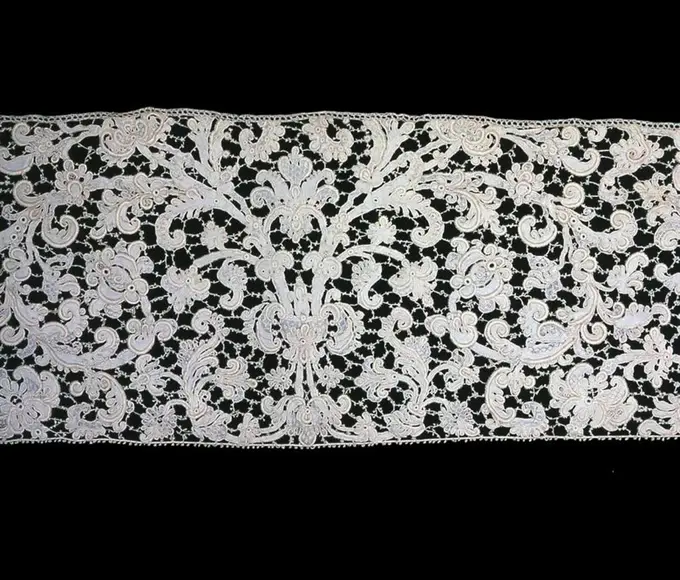
Collection of intricate lace strips featuring various styles like Flemish, Maltese, and Venetian designs, showcasing natural colors and detailed botanical patterns.

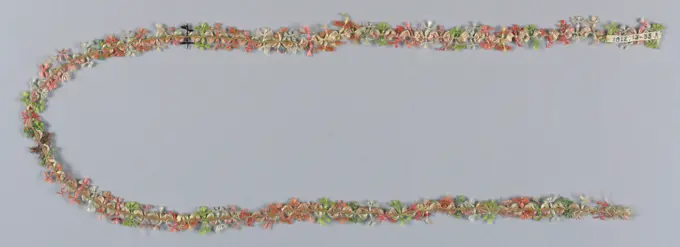
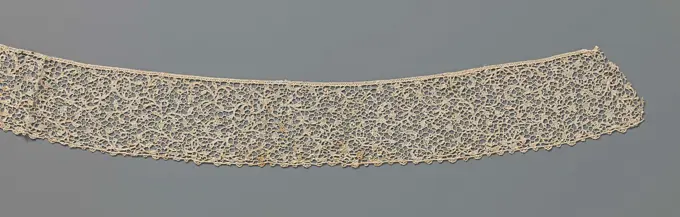
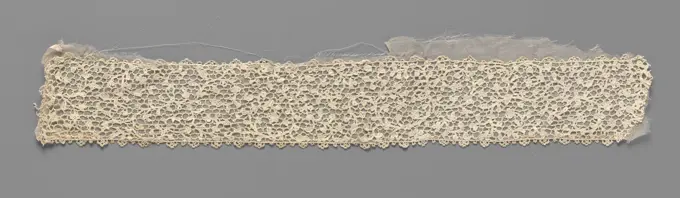
Strip of needle side with plumed tendrils, anonymous, c. 1875 - c. 1895 Strip of natural -colored needle side: Venetian rose side. On a bar of land with six -sided meshes, rich branches, to the left and right, are swiveling and right -wing, sometimes dwelling, sometimes walking. There are multifaceted, carefully detailed button -shaped flowers. Here and there the top of a slender has grown through an opening in the branch. Straight finish of alternately an eye and a triangle. BURANO linen (material) Venetian rose point Strip of natural -colored needle side: Venetian rose side. On a bar of land with six -sided meshes, rich branches, to the left and right, are swiveling and right -wing, sometimes dwelling, sometimes walking. There are multifaceted, carefully detailed button -shaped flowers. Here and there the top of a slender has grown through an opening in the branch. Straight finish of alternately an eye and a triangle. BURANO linen (material) Venetian rose point
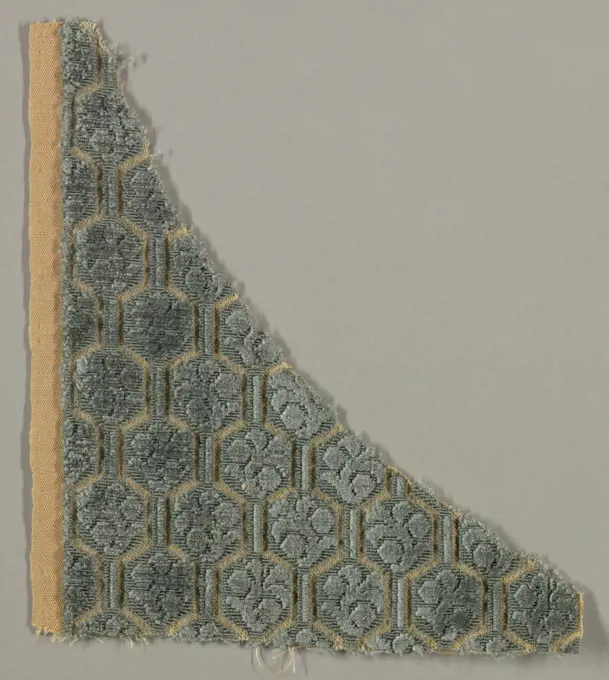
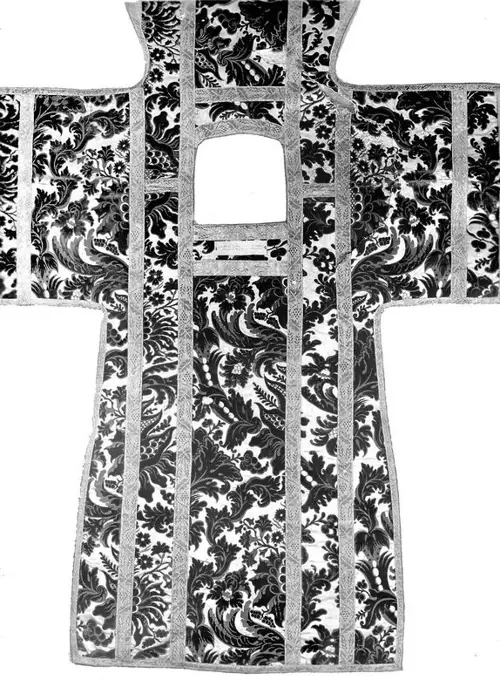
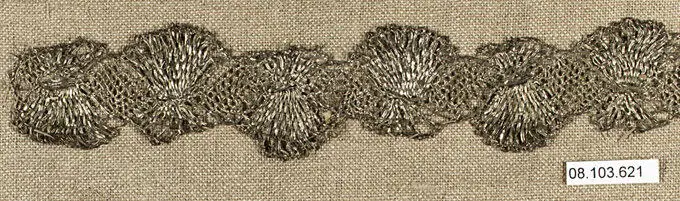
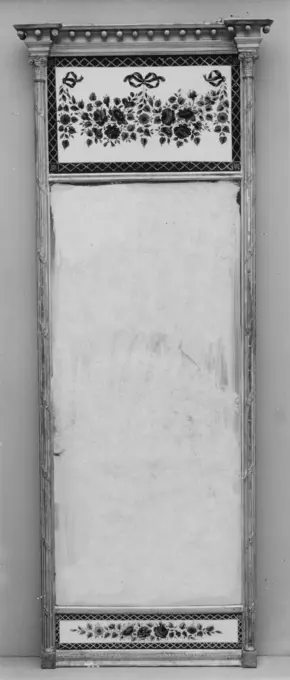
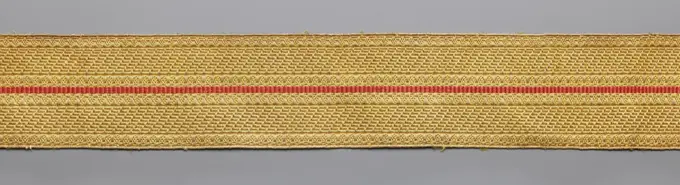
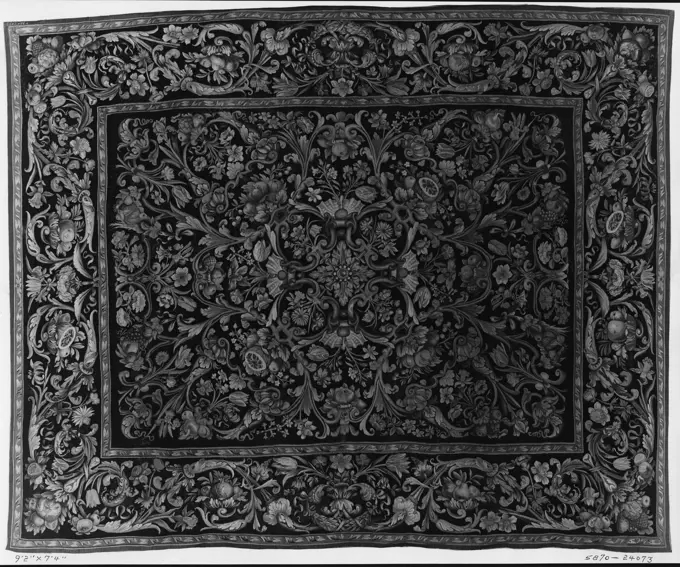
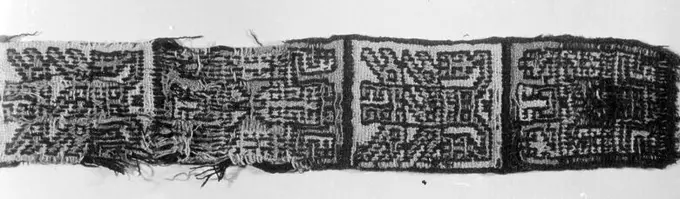
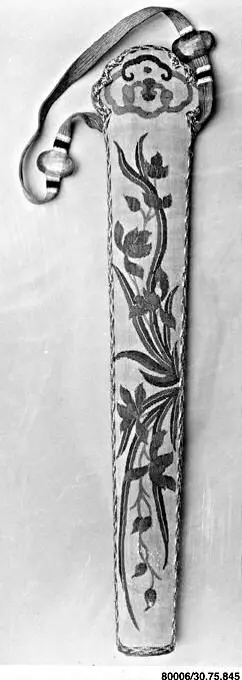
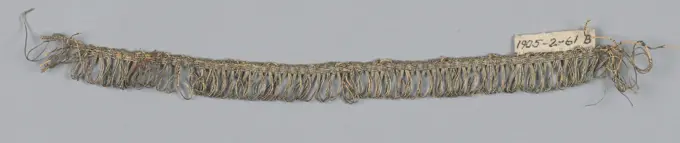
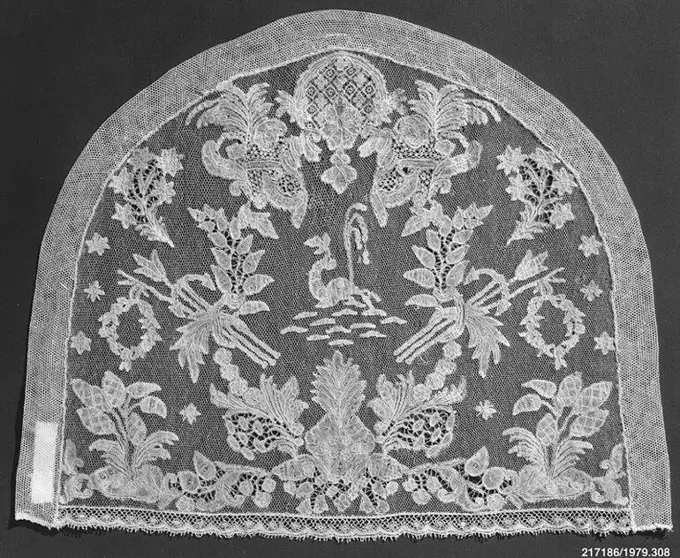
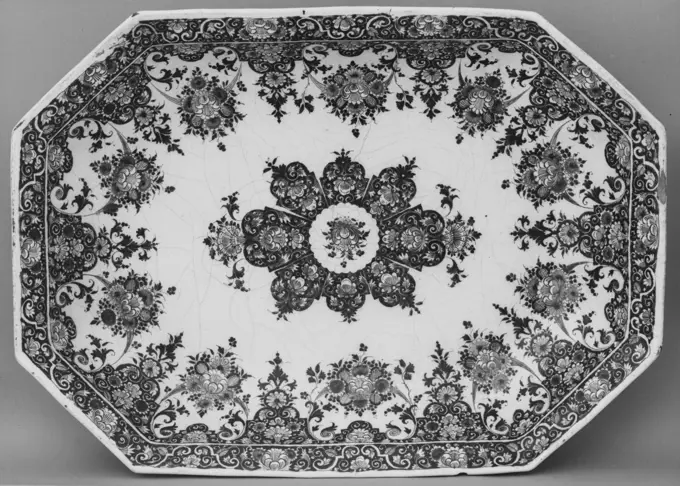
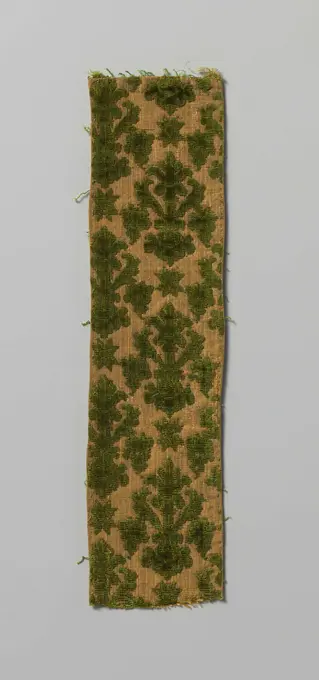
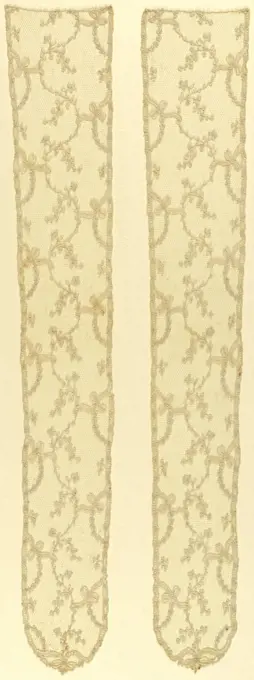
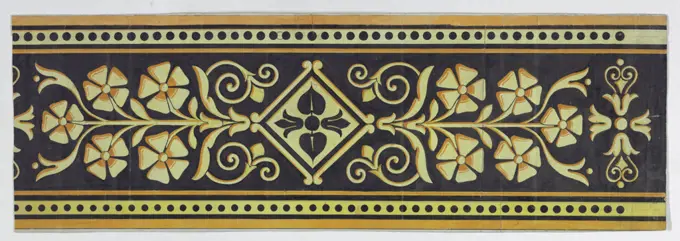
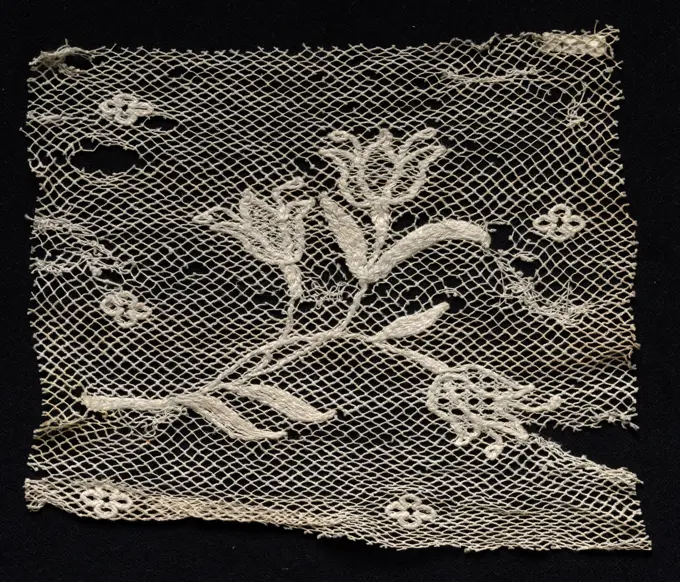
Fragment of a Band with Floral Motif, 18th century. Spain, 18th century. Needle lace, filet/lacis (knotted ground and darned in one direction); bleached linen (est.); overall: 18.5 x 15.3 cm (7 5/16 x 6 in.). Though it is a small fragment, this piece of lace is simple and honest in its decorative quality. The focus is on the tulips, which stand out with thick darning against the unadorned diamond ground netting.Fragment, Medium: linen, cotton Technique: plain weave with supplementary weft, Supplementary blue warp floating alternatively face to face creating a pattern of birds flanking a tree., Italy, 17th century, woven textiles, FragmentGalloon 18th century French. Galloon. French. 18th century. Metal thread. Textiles-TrimmingsPiece 17th-18th century Italian. Piece 216589TrimmingBand 17th-18th century. Band 451642Apparel late 16th century Spanish or Italian. Apparel 226750Trimming (France); 1909-2-88Galloon 17th century French or Italian. Galloon 214116Piece ca. 1700-1715 Italian. Piece 227530Piece 18th century French. Piece 223677Trimming (France); silk, metallic threadbelt, Medium: wool Technique: double cloth, Belt with geometrical motifs and large diamond shapes. Tan on dark brown background. Warp ends are braided., Guadalupe Ocotán, Nayarit, Mexico, probably 19th century, woven textiles, beltBobbin Lace (Punto di Milano) Edging, 17th-18th century. Italy, Milan, 17th-18th century. Lace, bobbin; average: 12.5 x 48.3 cm (4 15/16 x 19 in.).Apparel 16th century Spanish. Apparel 226591Sampler 19th century German. Sampler 228596Piece 1750-60 French. Piece 227383Border. France. Date: 1801-1825. Dimensions: 95.6 × 9 cm (37 5/8 × 3 1/2 in.)Warp repeat: 39.8 cm (15 5/8 in.). Silk, warp-float faced 4:1 satin weave with weft-float faced 3:1 twill interlacings of secondary binding warps and supplementary patterning wefts. Origin: France. Museum: The Chicago Art Institute, Chicago, USA.Fragment; silk, cotton, linen, metallic threadStrip early 18th century Flemish. Strip. Flemish. early 18th century. Bobbin lace. Textiles-LacesChasuble 1610 Spanish. Chasuble 217395Sample ca. 1840 French, Mulhausen. Sample 219996Band (Italy); linenPiece 18th century French. Piece 223989Textile Fragment 5th-6th century. Textile Fragment 444197Piece early 19th century French. Piece 223613Band 11th-12th century. Band 448027Trimming (Italy); silk, silver metallic threadPiece early 19th century French. Piece 223636Strip crochet side of gold thread with a bird on a branch.strip Crochet Side or Golden Metal Wire, Fillet Hook. Repetitive Motif from alternating a circle and a bird on a branch. Eight Semi-Round Shelters on the bottom.Cover Made 1701-1800 Iran. Plain compound cloth, silk and gold wound on yellow silk core, filled with diagonally woven border of compound cloth, silk, gold wound on yellow silk core, and silver wound on white silk core .Flounce. Italy, Venice. Date: 1660-1680. Dimensions: 23.3 x 355.5 cm (9 1/4 x 140 in.). Linen, raised needle lace. Origin: Italy. Museum: The Chicago Art Institute, Chicago, USA.Fragment; linen; 1933-1-71Piece ca. 1760 British, probably. Piece 13796Piece 18th-19th century Japan. Piece. Japan. 18th-19th century. Silk. Textiles-WovenTextile Fragment 19th century. Textile Fragment 447406Upper inner foot valence; about 1690 - 1715; Silk satin; cording; velour; silk embroidery; damask panels with linen linings; 28.6 x 159.9 cm (11 1,4 x 62 15,16 in.)Textile Fragment 18th century. Textile Fragment 445957Band 16th-17th century Italian or Greek. Band. Italian or Greek. 16th-17th century. Silk on linen. Textiles-EmbroideredBorder 16th century Italian, Abruzzi. Border 214807Length, Medium: linen Technique: bobbin lace, Mechlin style with Point de Paris ground, Point de Paris reseau with small ornaments and floral sprays., France, 18th century, lace, LengthFlounce early 18th century French. Flounce 222327Fragment. Culture: Italian. Dimensions: L. 11 x W. 2 1/2 inches (27.9 x 6.4 cm). Date: ca. 1600.Punto in aria--literally, "stitches in the air"--is one of the earliest styles of needle lace, which is itself developed from cutwork of primarily geometric design. When lacemakers transitioned to using a foundation of threads laid out according to a pattern drawn on parchment, they were able to incorporate more fluid lines and curves into their designs. Museum: Metropolitan Museum of Art, New York, USA.Fragment ca. 1550-1600 Italian. Fragment 212724Shawl Made 1830-1850 Scotland. .Textile Fragment 3rd-4th century. Textile Fragment 443850Trimming, Medium: silk, metallic thread Technique: woven, Design of a ribbed center with saw tooth borders in yellow and metallic thread., France, mid-18th century, trimmings, TrimmingFragment, Medium: silk Technique: supplementary warp forming raised pile (velvet), Nestling hexagonal shapes in blue-grey on white., possibly 17th century, woven textiles, FragmentStrip of gold side with striped wavy band, anonymous, c. 1785 - c. 1799  Strip bobbin, gold side, Spanish side. The pattern consists of a wavy band with stripes in width. Under each wave top is a simple bean -shaped motif and in each golf valley an elongated bent motif, with a recess in the middle crowned by an oval. The motifs are made in form, with thicker contour threads. Top and bottom of the strip are straight and equipped with picots. Volvic . bobbin laceTrimming; metallic strips wrapped around linen coreDalmatic. Italy. Date: 1601-1700. Dimensions: 119.4 x 109.2 cm (47 x 43 in.). Silk, velvet, cut and uncut, against satin weave foundation. Origin: Italy. Museum: The Chicago Art Institute, Chicago, USA.Strook naaldkant met een fijn rankornament.Strip natural needle side: point de france. Pattern with a fine rank ornament on a hexagonal bars ground with picots. The top is trimmed with a border clamping side. The underside is finished with a straight picro edge with arcs.Fragment; linenBorder, Medium: linen Technique: bobbin lace, Mechlin style, N. Europe, 18th century, lace, Border.Chidori and Waves (ramma), c. 1700. Japan, Edo period (1615-1868). Wood; overall: 148.6 x 28 cm (58 1/2 x 11 in.).Border (England), ca. 1860; block printed; 75 x 6 cm (29 1/2 x 2 3/8 in.)Matelasse (pieces from dress 1923.1639a). France. Date: 1880-1890. Dimensions: 31 × 12.5 cm (12 1/4 × 5 in.). Garnet velvet with moss green satin allover design of single large roses. Velvet, satin and wool.Matelasse is Jacquard figured fabric of heavy compound weave having raised pattern as if quilted or wadded. It was made of all materials or combinations of materials. Origin: France. Museum: The Chicago Art Institute, Chicago, USA.BorderPiece 18th century French. Piece 214118Tiles (16) late 18th century Dutch. Tiles (16) 196272Section of crocheted side imitation coarse Venetian side, anonymous, c. 1890 - c. 1909 V-shaped support piece of natural-colored Irish crocheted side, imitation coarse Venetian needle side. The long sides of the V are finished with a potented bow edge. The short side is not finished. Ireland cotton (textile) V-shaped support piece of natural-colored Irish crocheted side, imitation coarse Venetian needle side. The long sides of the V are finished with a potented bow edge. The short side is not finished. Ireland cotton (textile)Trimming (France); silkTrimming, Medium: silk, metallic thread Technique: bobbin lace, Gold lace border with one scalloped edge. Above scallops are areas of openwork, and a section with six closely-woven blocks. In yellow silk and metallic thread., Italy, 17th century, lace, TrimmingFragment; silkPier Looking Glass 1795-1810 American. Pier Looking Glass 5619Inscribed Chisel From Foundation Deposit 2 of Hatshepsut's Valley Temple ca. 1479-1458 B.C. New Kingdom. Inscribed Chisel From Foundation Deposit 2 of Hatshepsut's Valley Temple. ca. 1479-1458 B.C.. Bronze or copper alloy. New Kingdom. From Egypt, Upper Egypt, Thebes, Asasif, Hatshepsut Valley Temple, Foundation Deposit 5AFD2, MMA excavations, 1915-16. Dynasty 18Galloon early 19th century French. Galloon. French. early 19th century. Silk and metal thread. Textiles-TrimmingsGallon;  19th century (1801-00-00-1900-00-00);Lamb frames of white taf deposited with blue passing. Lice line for on the inside of the sky of a four-poster bed (top left inside). The lambrem line is made from white taf off with blue passment. This label belongs to the so-called Rosendaelbed.Arabesque of flowers, fruits and shells. unknown c. 1640-1660 Tapestry Dimensions: H 9'2" x W 7'4" Tapestry Materials/Techniques: silk Culture: Dutch Weaving Center: unknown Ownership History: French & Co. purchased from Stettenheim, 12/31/1921; sold to Luigi Orselli 1/25/1932. Inscriptions: Initial on upper guard, left: M.S. FET FECITBorder, Bobbin lace border, floral vine; early 18th century Binche, early 18th century, lace, BorderBobbin Lace (Bride Ground) Border, 17th century. Italy, Milan, 17th century. Lace, bobbin: linen; overall: 9.6 x 100 cm (3 3/4 x 39 3/8 in.).Sample early 19th century French. Sample 223124Band or Belt Fragment. Nazca-Wari; Probably south coast, Peru. Date: 700 AD-900 AD. Dimensions: 51.4 x 7.0 cm (20 1/4 x 2 3/4 in.). Origin: Peru. Museum: The Chicago Art Institute, Chicago, USA.Fan Case with Orchids and Lotus 18th-19th century China This fan case has two different tapestry-woven patterns. One side, suitable for summer, depicts a lotus; the other, more appropriate for autumn, features orchids.. Fan Case with Orchids and Lotus. China. 18th-19th century. Silk and metallic thread tapestry (kesi). Qing dynasty (1644-1911). Textiles-TapestriesCollar 17th century Italian. Collar 222105Fringe (Italy); silver foil on a silk coreFragment of a Sleeve 3rd-4th century. Fragment of a Sleeve 444002Apparel from a Dalmatic, early 1500s. Italy, early 16th century. Embroidery; silk and metallic threads; overall: 3.4 x 65.6 cm (1 5/16 x 25 13/16 in.).Band, Medium: linen Technique: lace of early premade tape with needlework fillings and needle work ground, The tape is bobbin made and the fillings are needle work with needle work ground.., Italy, 17th century, lace, BandBelt of side brokaat; On a white surface, a continuous pattern of a leaf vank has been installed in green, pink and silver, anonymous, c. 1700 - c. 1750 Belt of side brokaat; On a white surface, a continuous pattern of a leaf vank has been installed in green, pink and silver. The edges are trimmed with decorative band. A buttonhole has been installed at one end. West-Europa geheel: silk. brocade (textile). silver thread Belt of side brokaat; On a white surface, a continuous pattern of a leaf vank has been installed in green, pink and silver. The edges are trimmed with decorative band. A buttonhole has been installed at one end. West-Europa geheel: silk. brocade (textile). silver threadCap crown 18th century Flemish, Brussels. Cap crown 229604Band; silk, metalDagger Sheath with Profile of a Soldier Supported by Tendrils 1535 Heinrich Aldegrever German Design for a dagger sheath with a profile of a soldier. The profile is placed on top and faces left. Underneath the dagger sheath is decorated with foliated scrolls.. Dagger Sheath with Profile of a Soldier Supported by Tendrils 422496Plateau ca. 1705-20 French, Rouen Faience, or tin-glazed and enameled earthenware, first emerged in France during the sixteenth century, reaching widespread usage among elite patrons during the seventeenth and early eighteenth centuries, prior to the establishment of soft-paste porcelain factories. Although characterized as more provincial in style than porcelain, French faience was used at the court of Louis XIV as part of elaborate meals and displays, with large-scale vessels incorporated into the Baroque garden designs of Versailles. Earlier examples of French faience attest to the strong influence of maiolica artists from Italy. Later works demonstrate the ways in which cities such as Nevers, Rouen, Lyon, Moustiers, and Marseille developed innovative vessel shapes and decorative motifs prized among collectors throughout Europe. While faience can be created from a wide mixture of clays, it is foremost distinguished by the milky opaque white color achieved by the addition of tin oxidStrip of needle side with floral motifs, anonymous, c. 1690 - c. 1699 Strip of natural needle side, venise flat. Pattern with highly curved sities and simple flower and leaf shapes. The strip is possible (a part of) a hat -slip. Irregular bar with picots. The strip is finished on one short sides and two long sides with a picot edge with arcs. The side is sewn on a light pink. unknown linen (material) flat Venetian (needle point) Strip of natural needle side, venise flat. Pattern with highly curved sities and simple flower and leaf shapes. The strip is possible (a part of) a hat -slip. Irregular bar with picots. The strip is finished on one short sides and two long sides with a picot edge with arcs. The side is sewn on a light pink. unknown linen (material) flat Venetian (needle point)Laces, 17th century. Venice stitch (Punto Venezia) needle lace hems with high relief foliage, approximately 1650.Fragment silk velvet with rows of palm tree flowers and star shapes in green. Fragment Silk Velvet with Rows or Palm Trees and Starfish in Green on Golden Yellow Soil on golden yellow soil. Italy, 16th century.Edging, Medium: linen Technique: bobbin lace, continuous braid-like, Lace edging with rounded scallops. Design shows two rows of tape arranged in curves and deep scallops formed by short braids and the typical 'wheat grain' ornament., probably Genoa, Italy, 17th century, lace, EdgingCap streamers, Medium: linen, horsehair Technique: needle lace, Design shows serpentine garlands of small-scale flowers and leaves with connecting bow-knots in repeat pattern., France, 1770-90, lace, Cap streamersPiece 18th century French. Piece 224258Piece 16th century Italian. Piece 216653Sample early 19th century French. Sample 224039Panel Made 1501-1600 Italy. Silk and gilt-metal-strip-wrapped silk, plain weave with gilt-metal-strip supplementary facing wefts and with supplementary patterning wefts .Trimming, White and colored silks in uncut velvet weave., Four shields in color, each showing different arms and each one crowned, on a white ground., Spain, early 19th century, trimmings, TrimmingCoat rack with 8 hooks. A coat rack, on which rough and poorly engraved a lumberjack, a lady and a gentleman, a goose, a dog and a flowerpot. Coarse work.Sash 10th-15th century Chimú. Sash 307944Design for a Woven Border, Pen and black ink, brush and wash, graphite on paper, Plants grow horizontally beside the lateral points of a lozenge containing two spade leaves and two calyxes growing from a bead. Motif is to alternate with another consisting of four calyxes surrounding a bead. Heart motifs grow from the upper and lower calyxes. Upper and lower framing stripes, one with row of beads., France, ca. 1810, textile designs, Drawing, DrawingPiece 16th-17th century Italian. Piece 224413