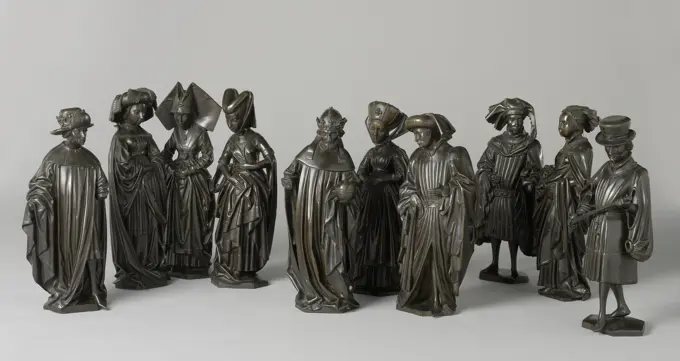
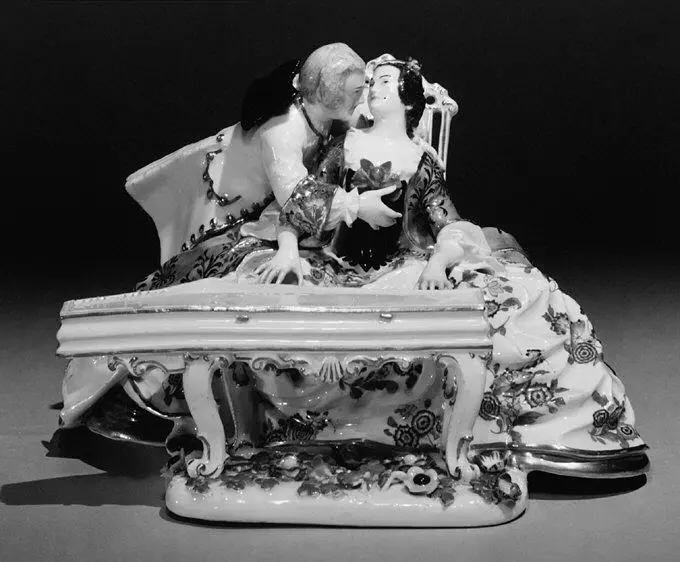
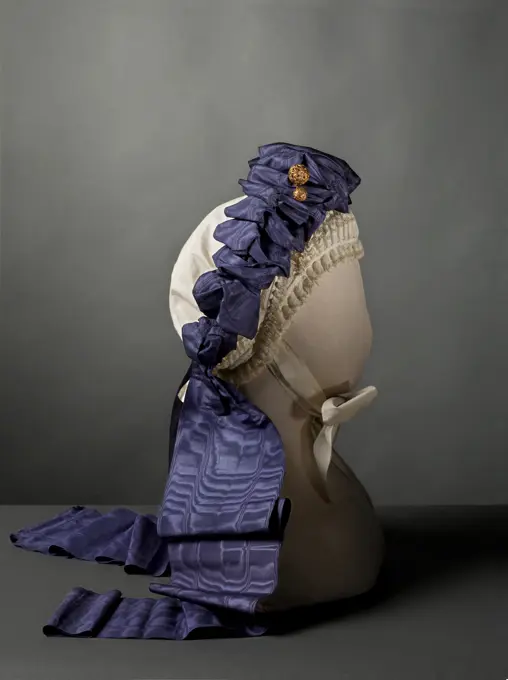
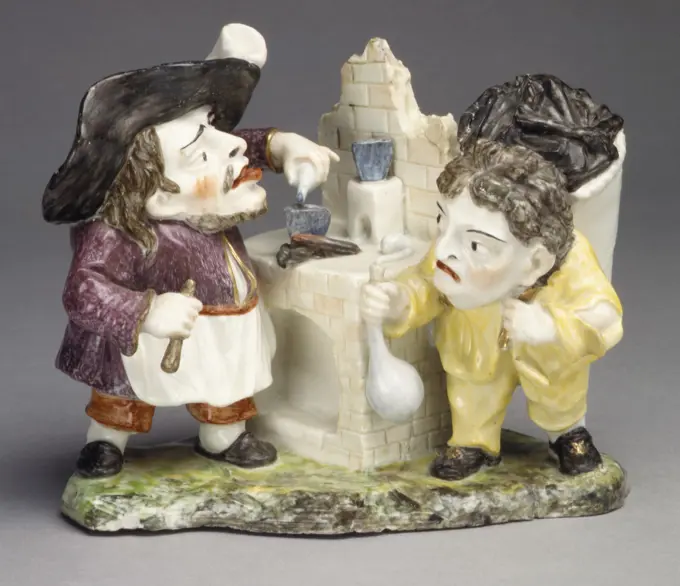
Figurines and Sculptures

A variety of small sculptural works, primarily in porcelain and bronze. Depicts historical and pastoral figures from different eras.

Figure of a Shepherd, Anonymous, 1600 - 1950 Sculpture, figure of a shepherd of white unglazed porcelain, so -called biscuit.  earthenware Sculpture, figure of a shepherd of white unglazed porcelain, so -called biscuit.  earthenware
Figure of a Shepherd, Anonymous, 1600 - 1950 Sculpture, figure of a shepherd of white unglazed porcelain, so -called biscuit. earthenware Sculpture, figure of a shepherd of white unglazed porcelain, so -called biscuit. earthenware
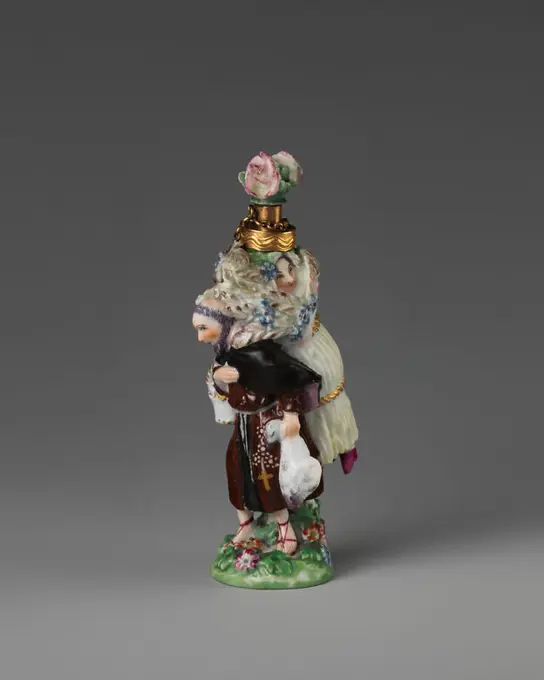
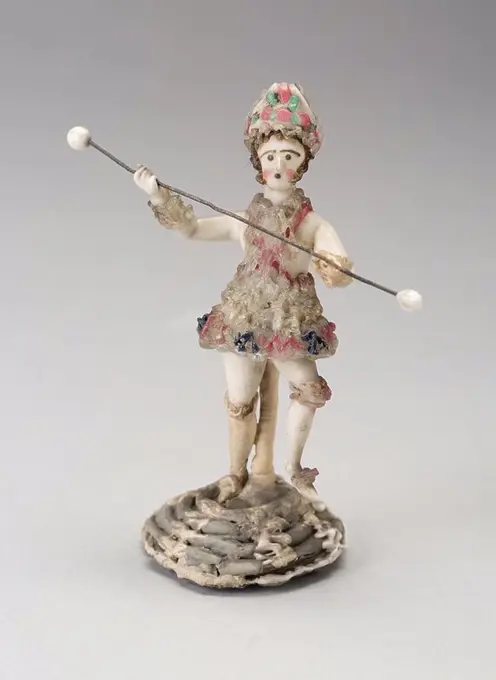
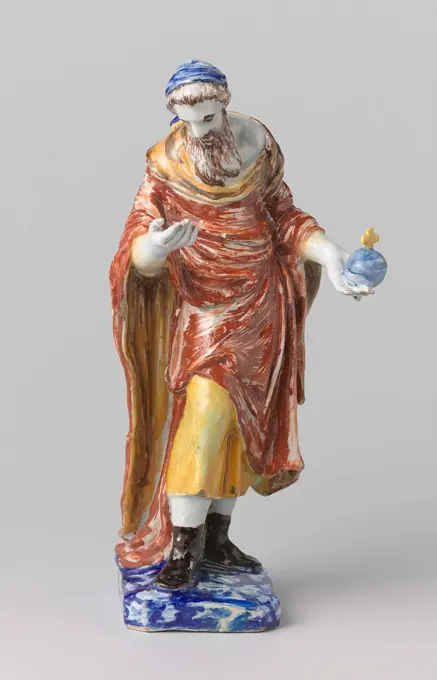
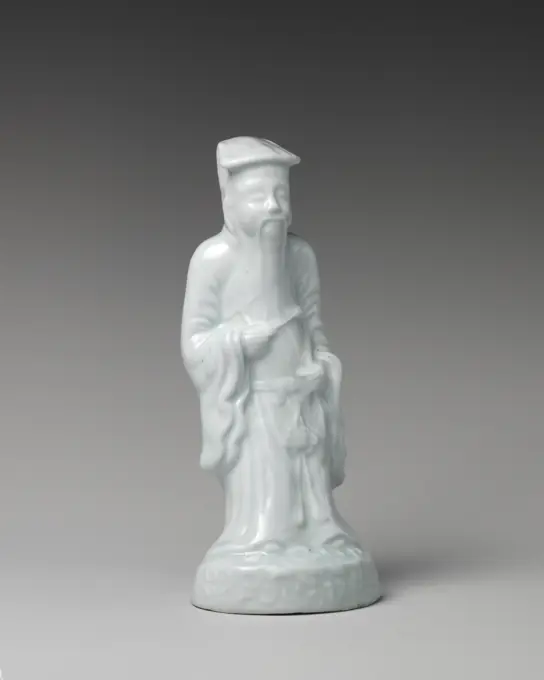
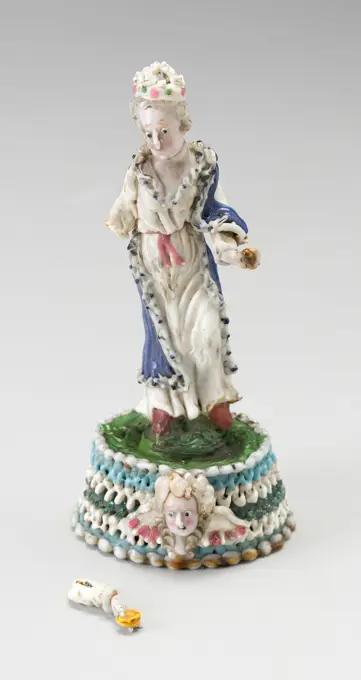
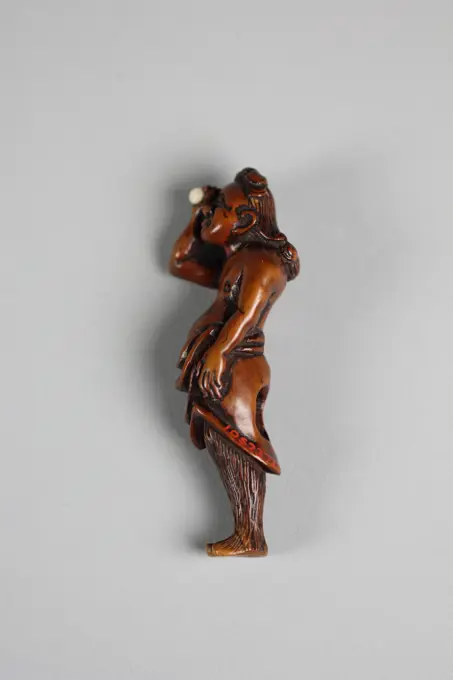
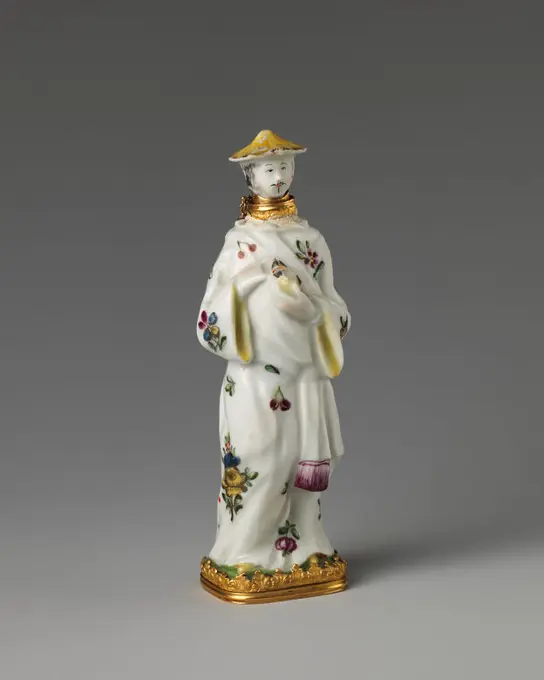
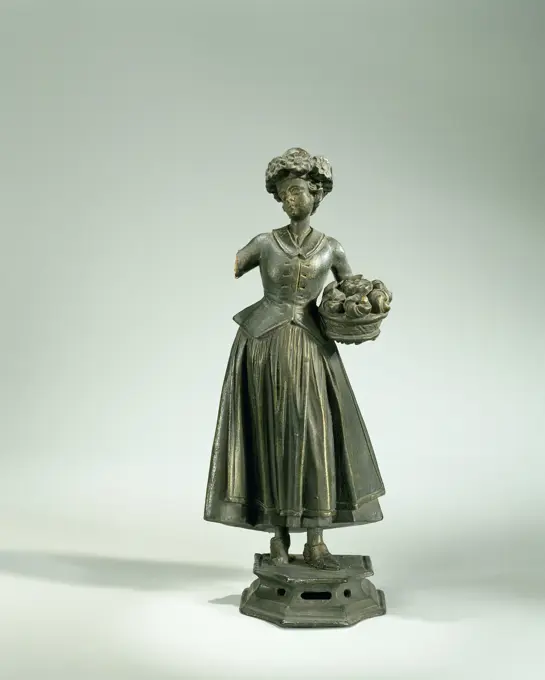
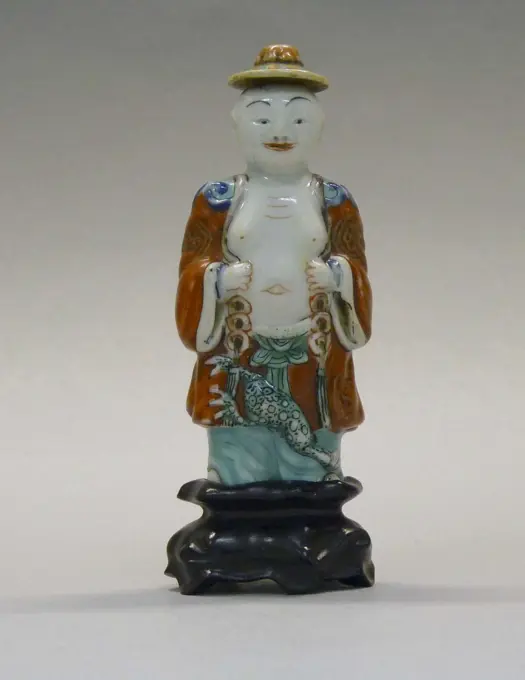
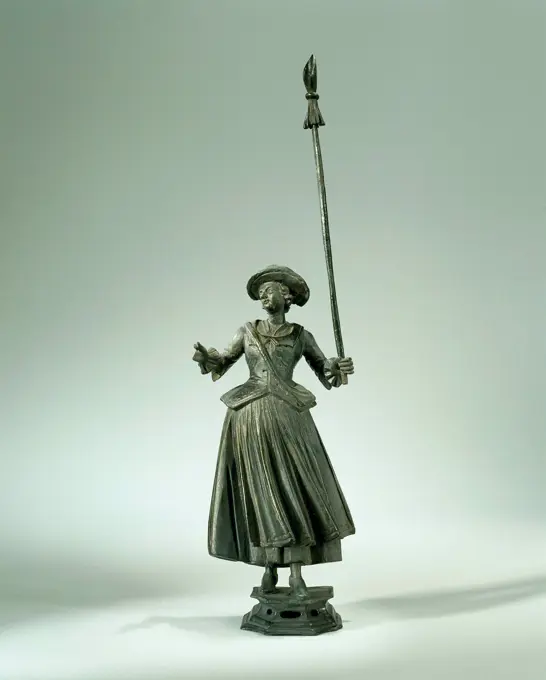
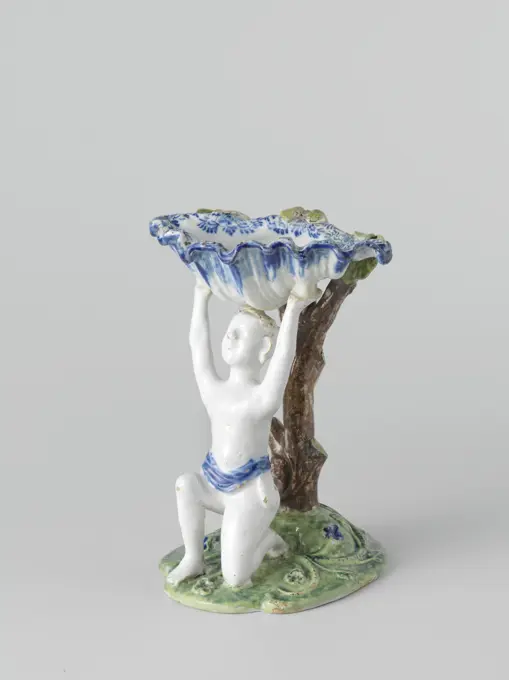
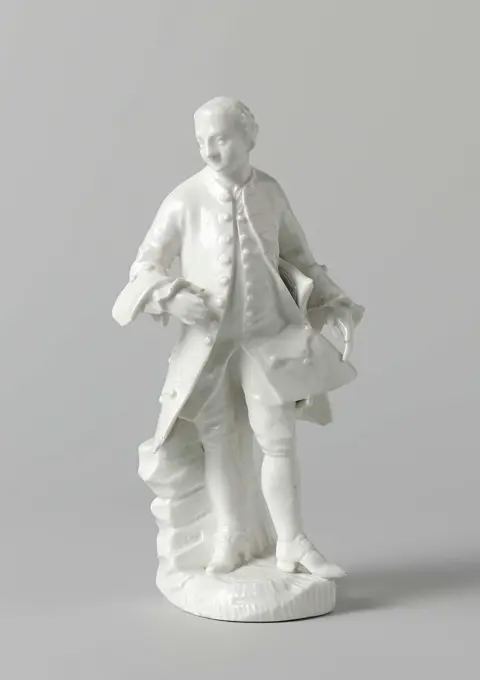
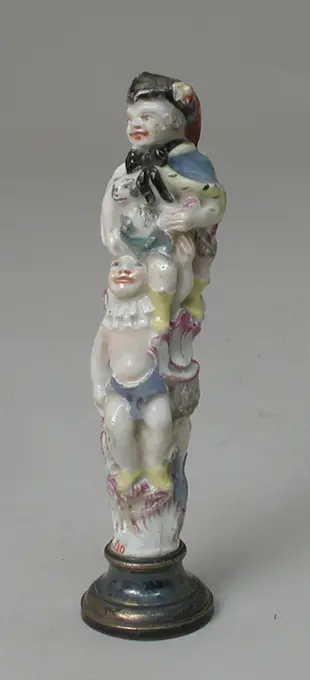
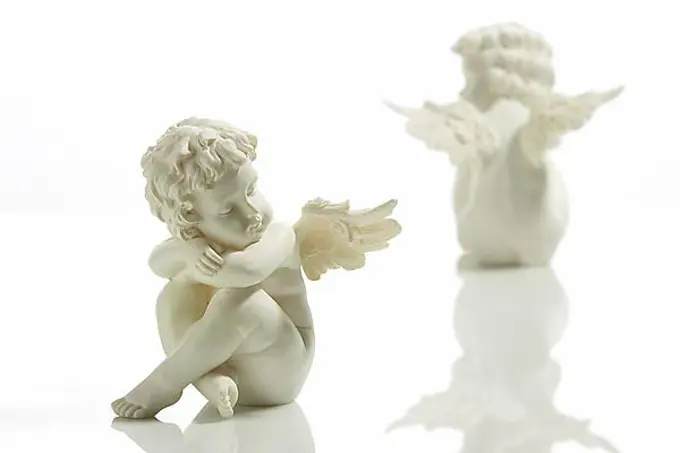
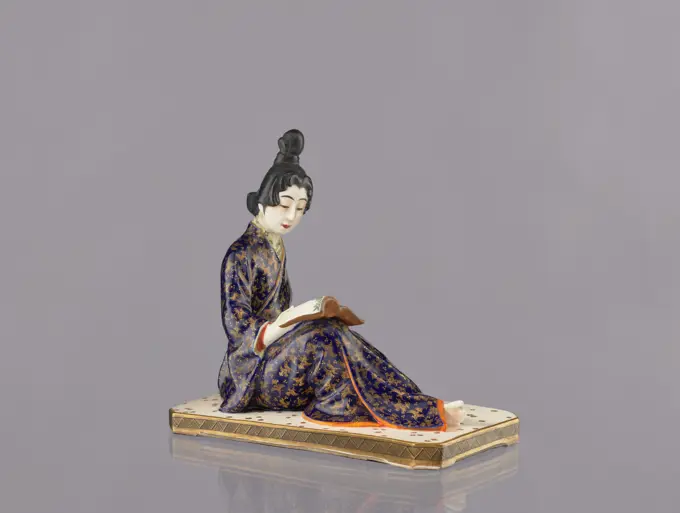
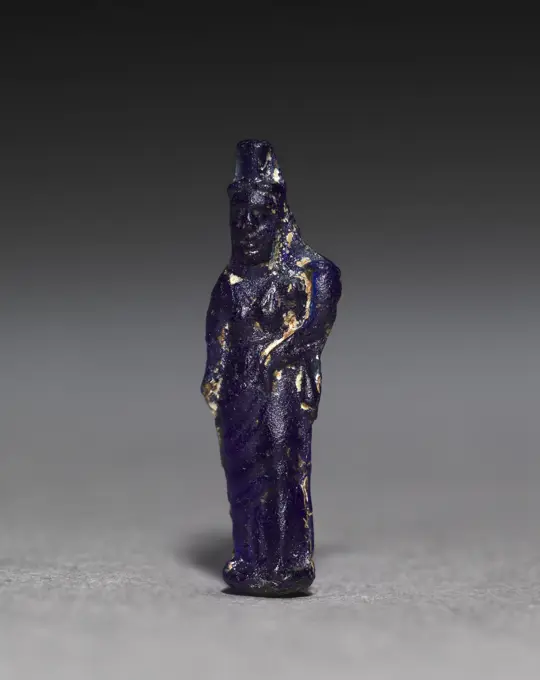
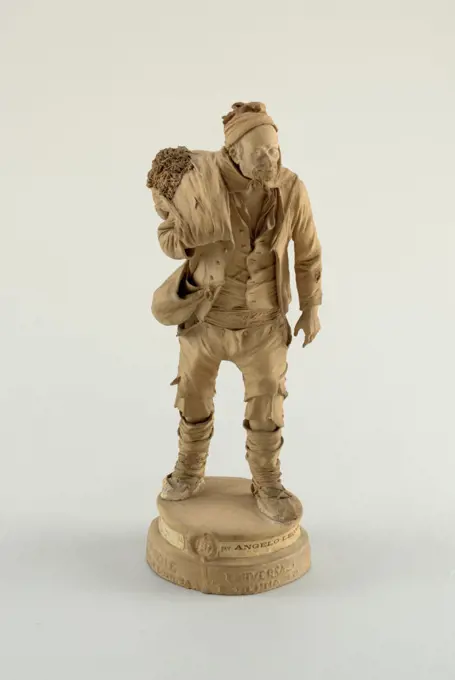
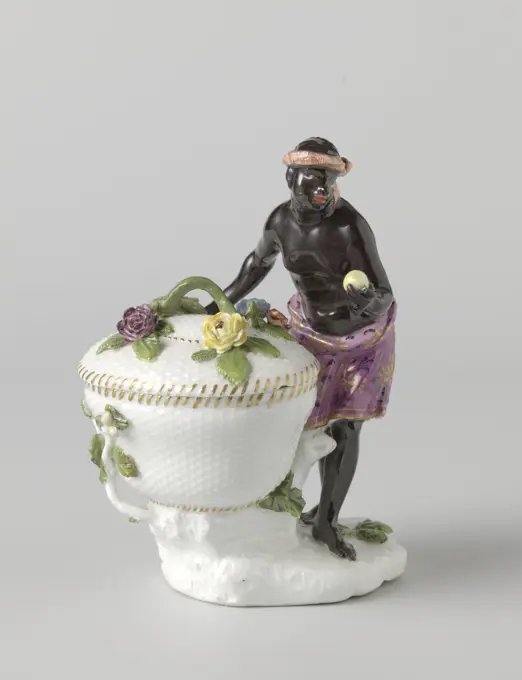
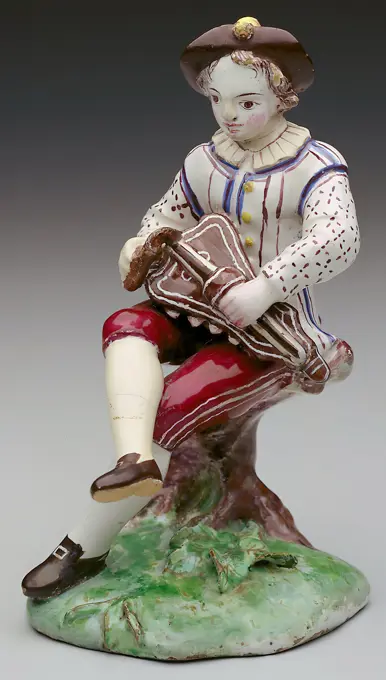
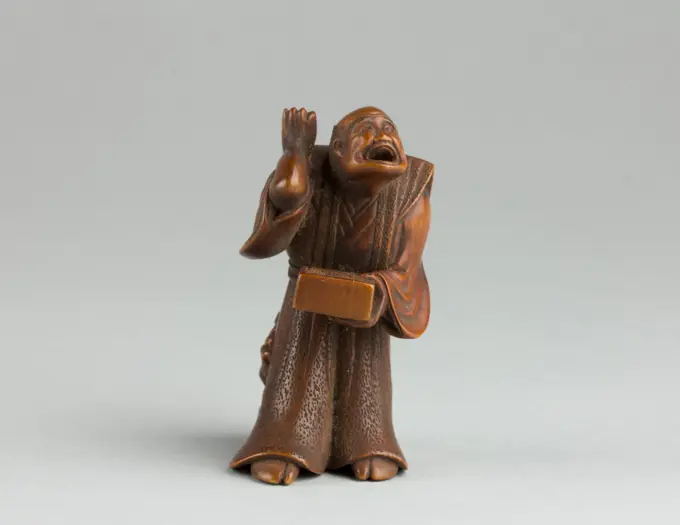
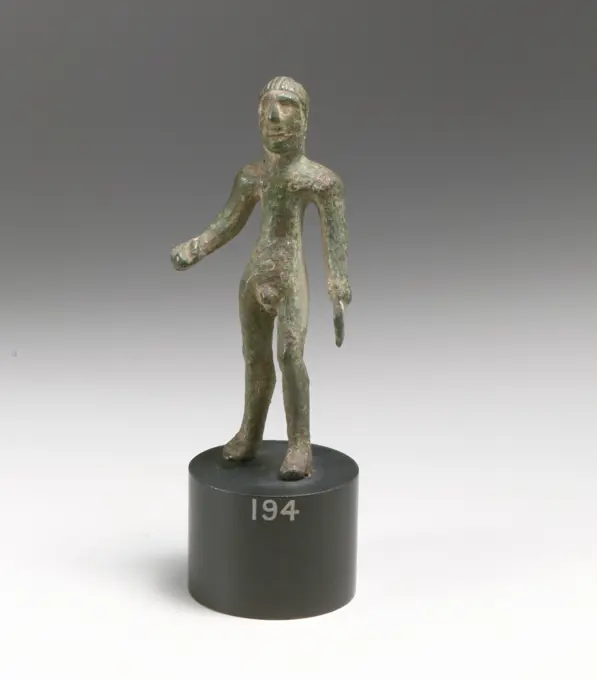
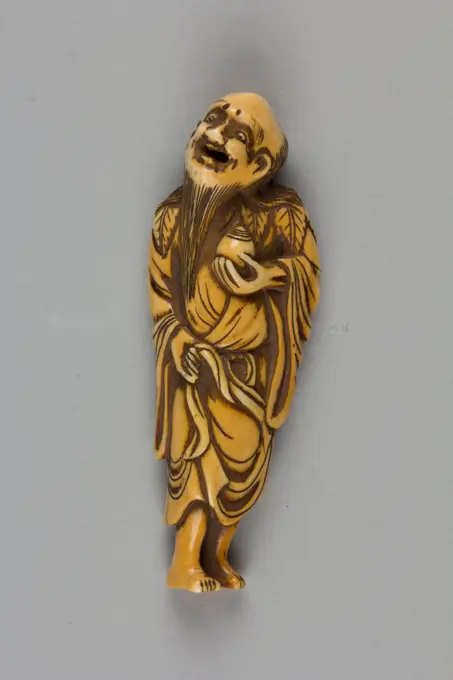
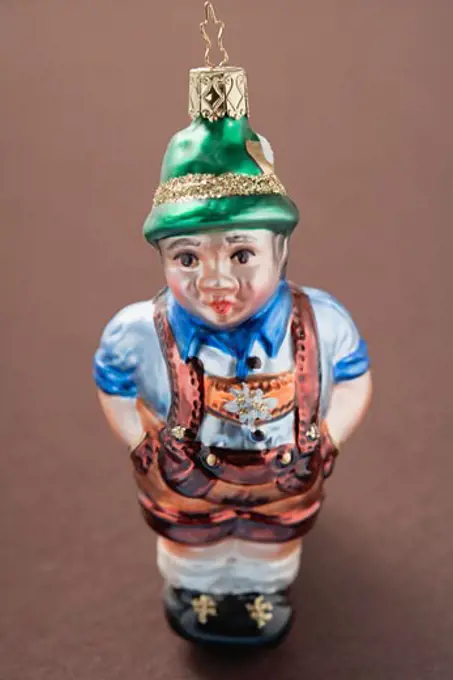
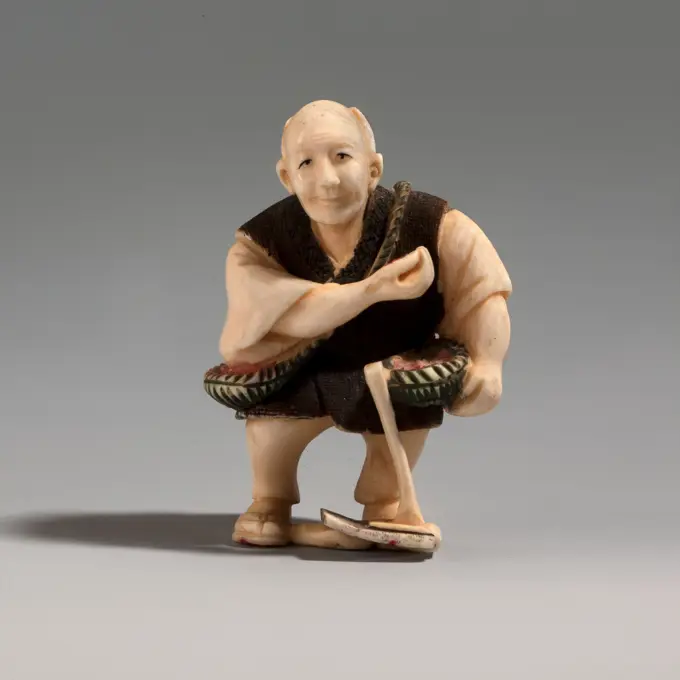
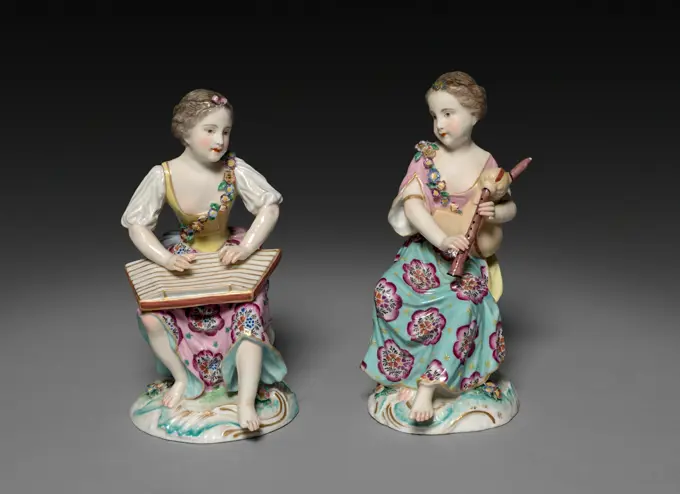
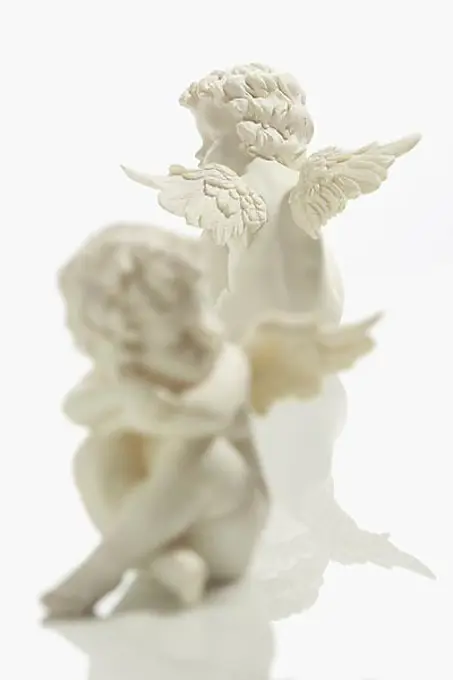
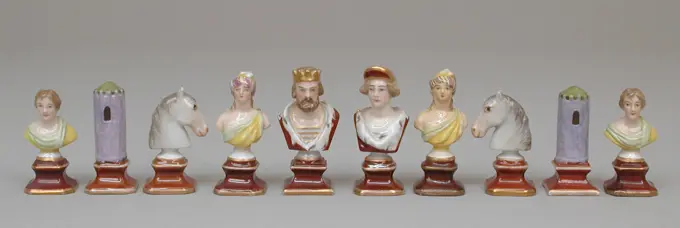
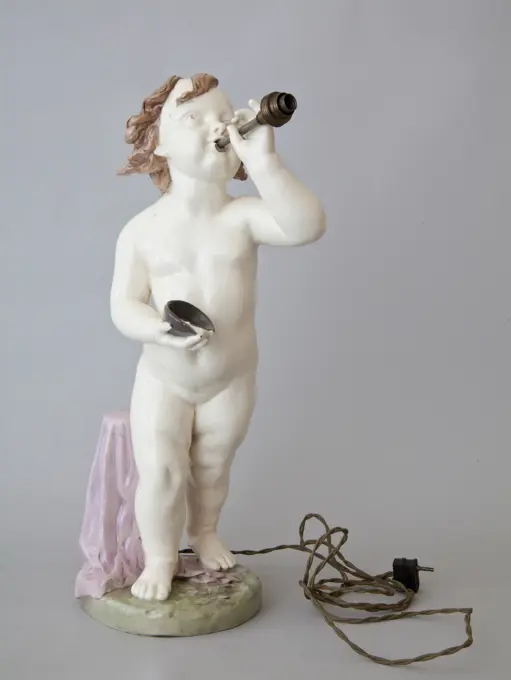
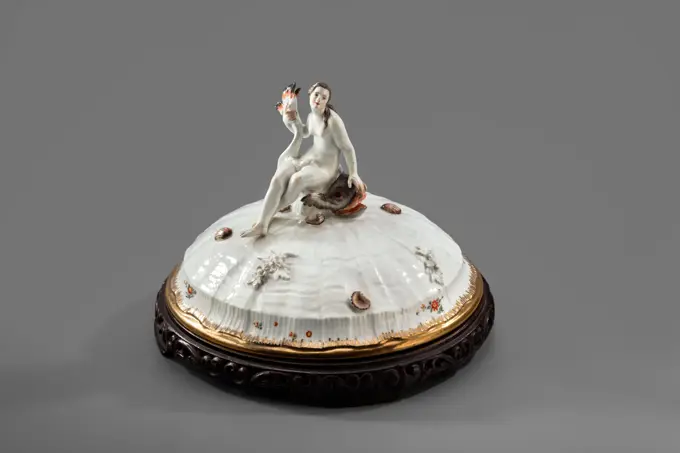
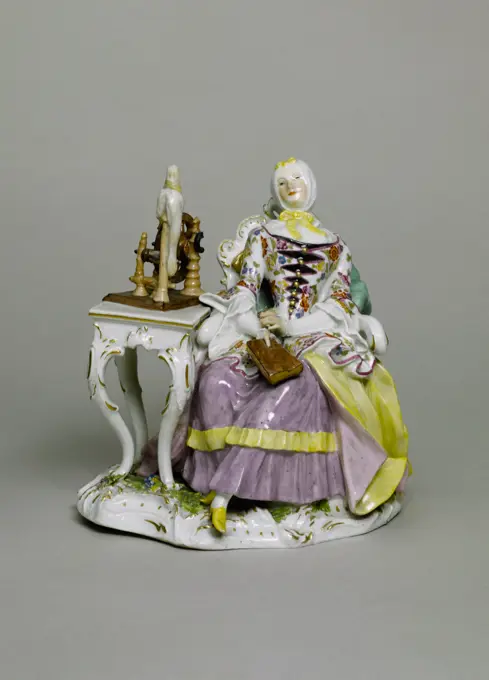
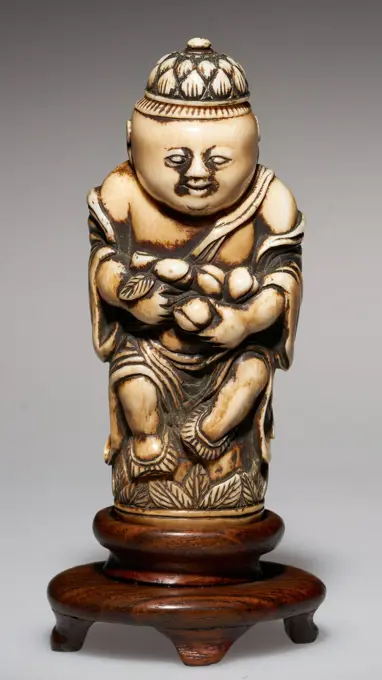
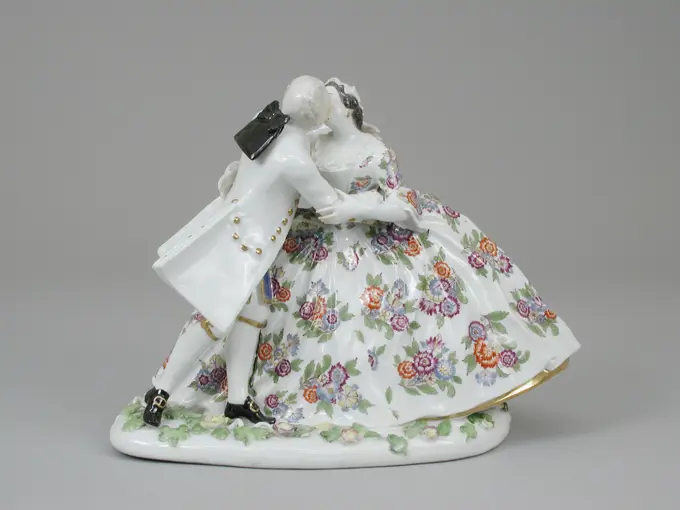
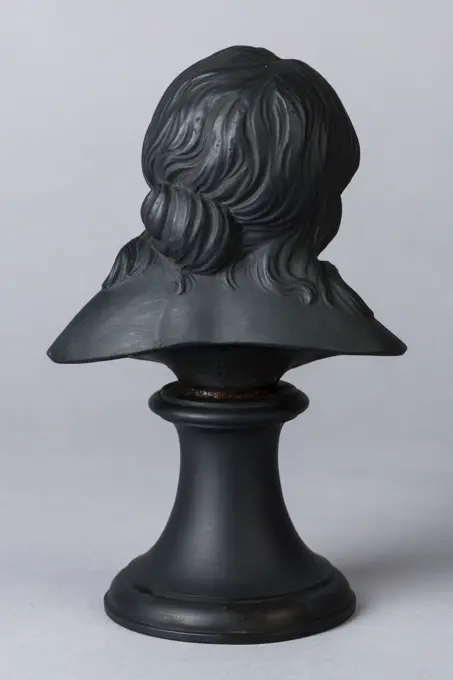
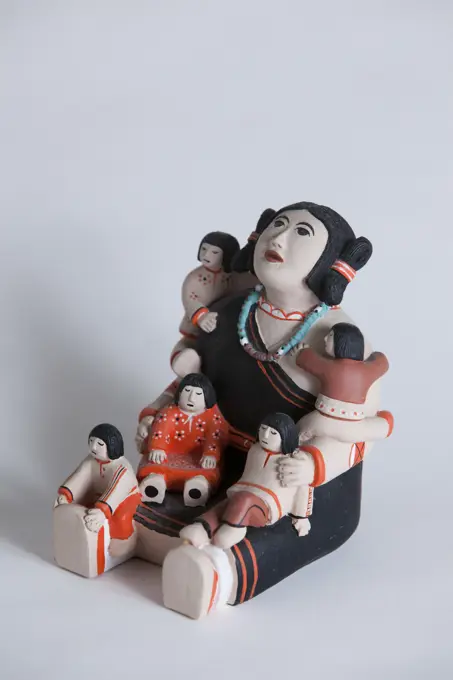
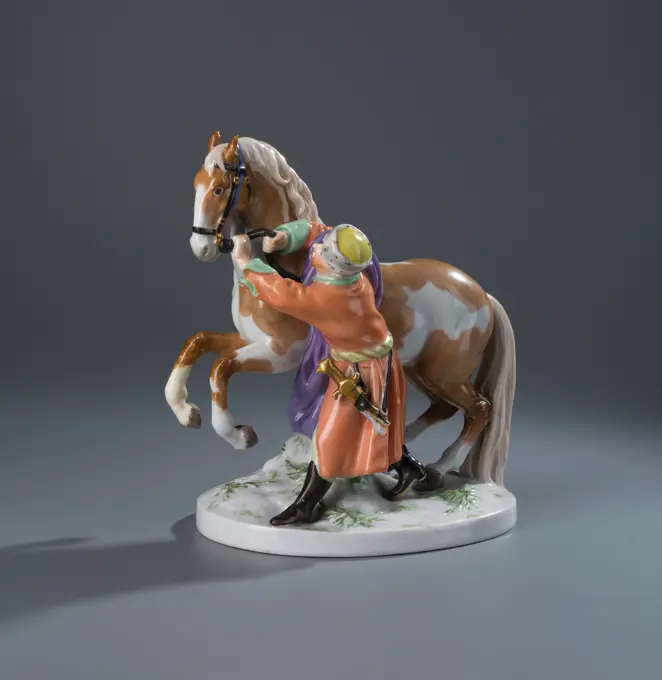
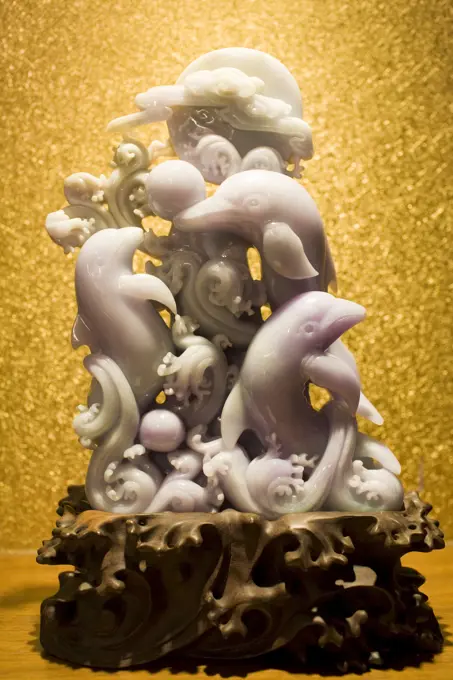
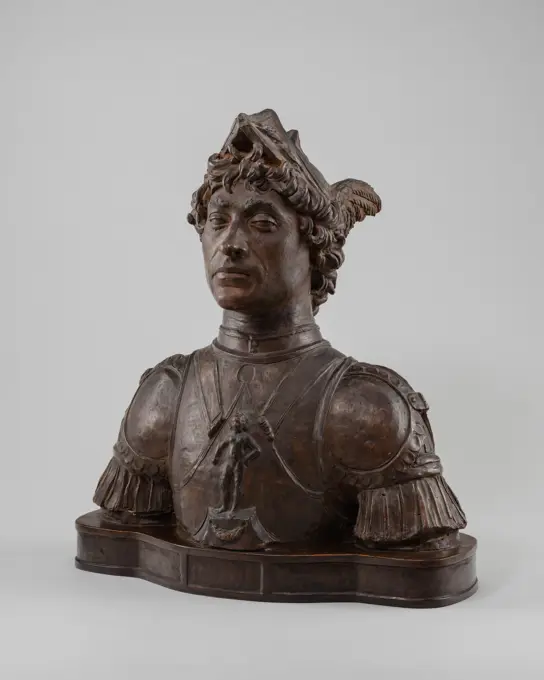
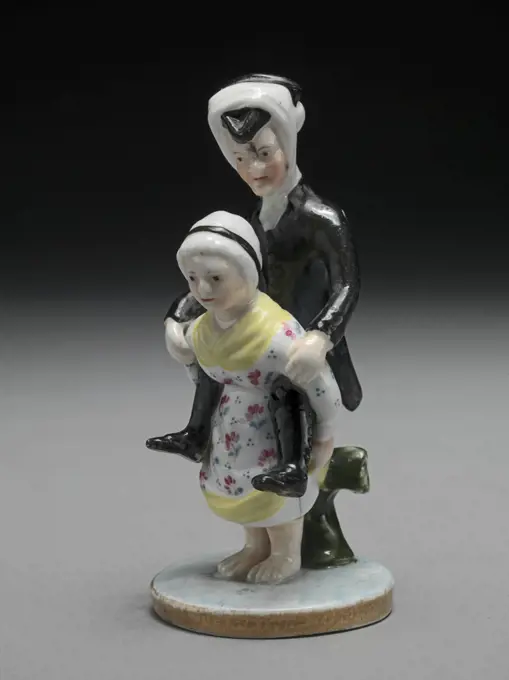
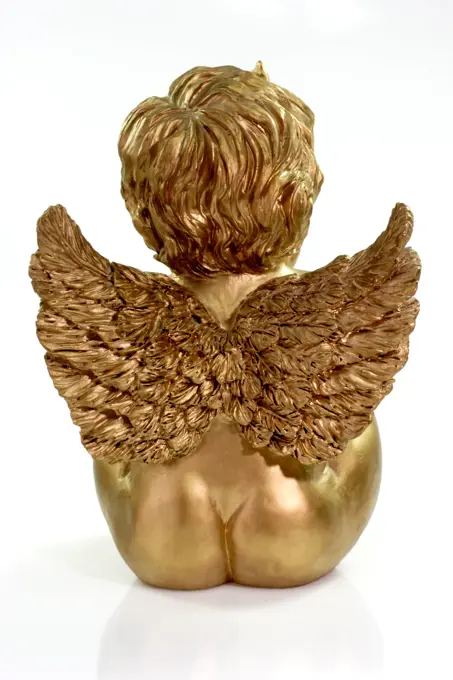
Boy 1700-1725 France. Glass; lampwork (verre de Nevers), metal armature .Figure of a Shepherd, Anonymous, 1600 - 1950 Sculpture, figure of a shepherd of white unglazed porcelain, so -called biscuit.  earthenware Sculpture, figure of a shepherd of white unglazed porcelain, so -called biscuit.  earthenwareFriar carrying a woman. Culture: British, Chelsea. Dimensions: Overall: 3 7/8 × 1 3/8 in. (9.8 × 3.5 cm). Factory: Chelsea Porcelain Manufactory (British, 1745-1784, Gold Anchor Period, 1759-69). Date: ca. 1755. Museum: Metropolitan Museum of Art, New York, USA.Anonymous. "Crocker". Bronze. 1820-1840. Paris, Carnavalet museum. STATUETTEAnonymous. Young man greeting. Porcelain, 1765. Paris, Cognacq-Jay museum. 79169-30 Standing, young man, porcelain, greet, statuette, hold, 18th 18th 18th 18th 18th 18th 18 century, hatCourt Dancer. Nevers, France. Date: 1700-1750. Dimensions: H. 8.3 cm (3 1/4 in.). Glass; lampwork (verre de Nevers), metal armature. Origin: France. Museum: The Chicago Art Institute, Chicago, USA.Figure of a lady, Wilhelm Caspar Wegely, c. 1752 - c. 1757 Image of porcelain in the form of a standing lady in a layered dress with a cape with hood. Marked on the foot with a W and on the bottom with 2/90/50. Berlin porcelain. glaze vitrification Image of porcelain in the form of a standing lady in a layered dress with a cape with hood. Marked on the foot with a W and on the bottom with 2/90/50. Berlin porcelain. glaze vitrificationDecorative object. Men's figure of faience, representing Christ with the Rijkeappel in hand. Painted multi-colored.Cupid on a lion. Culture: British, Chelsea. Dimensions: Overall: 3 1/2 × 1 3/4 in. (8.9 × 4.4 cm). Factory: Chelsea Porcelain Manufactory (British, 1745-1784, Gold Anchor Period, 1759-69). Date: ca. 1765. Museum: Metropolitan Museum of Art, New York, USA.Monnikbeker, anonymous, c. 1600 - c. 1610 Cup of lead glaze pottery, in the form of a priest. The cup is covered with green and yellow lead glaze. The hood on the back forms the cup. The priest wears a black beret, a green -brown beard and a green miscramping in the left hand. Netherlands earthenware. lead glaze Cup of lead glaze pottery, in the form of a priest. The cup is covered with green and yellow lead glaze. The hood on the back forms the cup. The priest wears a black beret, a green -brown beard and a green miscramping in the left hand. Netherlands earthenware. lead glazeLu Tung Pin 1750 Bristol. Lu Tung Pin. British, Bristol. 1750. Soft-paste porcelain. Bristol (British). Ceramics-PorcelainQueen 1700-1750 France. Glass; lampwork (verre de Nevers), metal armature .Chess figure Chładek Skirmuntt, Helena (1827 1874)Netsuke 18th century Japan. Netsuke 59413Chinese figure with bird. Culture: British, London. Dimensions: Overall: 3 5/8 × 1 3/8 in. (9.2 × 3.5 cm). Maker: Saint James's Factory (British, ca. 1748/49-1760). Date: ca. 1750-55. Museum: Metropolitan Museum of Art, New York, USA.Figure, representing spring, anonymous, c. 1700 - c. 1800 Figure, woman with flowers around the headgear and a basket with fruits and flowers (spring). On an open -up layer pedestal. Oberammergau wood (plant material) Figure, woman with flowers around the headgear and a basket with fruits and flowers (spring). On an open -up layer pedestal. Oberammergau wood (plant material)Monkey with a snuff box, Meissener porcelain manufactory, c. 1730 - c. 1733 Figure of painted porcelain. The figure represents a white monkey with brown head that sits on a tree stump. With his right front, he takes a pinch from a white oval snuff box with lid open, which he holds in his left front leg. The monkey wears a belt around its waist. The figure is not marked. Float porcelain Figure of painted porcelain. The figure represents a white monkey with brown head that sits on a tree stump. With his right front, he takes a pinch from a white oval snuff box with lid open, which he holds in his left front leg. The monkey wears a belt around its waist. The figure is not marked. Float porcelainAnonymous. "Closernière". Bronze. 1820-1840. Paris, Carnavalet museum. STATUETTESnuff Bottle China. Snuff Bottle. China. Porcelain. Qing dynasty (1644-1911), Qianlong period (1736-95). Snuff BottlesMonkey Automaton Playing Violin on Barrel Organ. Figure, woman whose attributes have been lost. The autumn On cut-away low pedestal.Zoutvat, anonymous, c. 1760 - c. 1780 salt (condiment vessel) Salt barrel of multi -colored painted faience. On a ground is a tree with a naked kneeling boy figure in front. Above his head he holds a large, deep shell. An identical salt vessel belongs to the salt barrel. Delft (possibly) earthenware. tin glaze.Figurine of a Woman Sitting on a RockPair of Figures. France, Niderviller, late 18th century. Sculpture. PorcelainLord. Figure presenting a man dressed in a knee pants and a jacket with stab under the left arm. Signature: w in underglazing blue and stamped 2/90/49. See pendant: Inv. BK-1965-180-a.Venus figurine; Unknown Roman workshop; Roman period (0-00-00-0-00-00);Winter, c. 1760. England (Derby), 18th century. Soft-paste porcelain; overall: 15.5 x 8.9 x 8.3 cm (6 1/8 x 3 1/2 x 3 1/4 in.).The Court Jester Joseph Fröhlich 1739 Meissen Manufactory German. The Court Jester Joseph Fröhlich 207185Rider on horseback, anonymous, c. 1780 - c. 1820 Image of undecorated faience. On a rectangular pedestal with beveled corners is a rider on horseback. The horse has bent its left front leg. The rider leans forward against the horse's neck. Delft earthenware. tin glaze. Image of undecorated faience. On a rectangular pedestal with beveled corners is a rider on horseback. The horse has bent its left front leg. The rider leans forward against the horse's neck. Delft earthenware. tin glaze.Miniature seal 1759-69 Chelsea Porcelain Manufactory. Miniature seal. British, Chelsea. 1759-69. Soft-paste porcelain. Chelsea Porcelain Manufactory (British, 1745-1784, Gold Anchor Period, 1759-69). Ceramics-PorcelainFO lion figurine;  18th century (1701-00-00-1800-00-00);Statuette of a youth ca. 500 B.C. Greek. Statuette of a youth. Greek. ca. 500 B.C.. Bronze. Archaic. BronzesSeal ca. 1764 Kelsterbach Pottery and Porcelain Manufactory. Seal. German, Kelsterbach. ca. 1764. Hard-paste porcelain. Ceramics-PorcelainFigure of angel with coat of arms, part candles wreath. The figure is part of a candle wreath and consists of the following cast parts: the angel, the two hands, the two wings and the coat of arms. The hands are riveted. The wings are placed in slots. The kneeled angel holds a blank coat of arms. The figure is hollow and has an opening at the top.Sitting angelsFour Seasons (Spring) 1753-55 Chelsea Porcelain Manufactory. Four Seasons (Spring). British, Chelsea. 1753-55. Soft-paste porcelain. Chelsea Porcelain Manufactory (British, 1745-1784, Red Anchor Period, ca. 1753-58). Ceramics-PorcelainNetsuke of Figure of Daikoku with a Rat on His Mallet 19th century Japan. Netsuke of Figure of Daikoku with a Rat on His Mallet. Japan. 19th century. Ivory. Edo (1615-1868) or Meiji period (1868-1912). NetsukeFigurine of reading woman. Kinkôzan, workshopAmulet of Isis, 1st Century BC-1st AD Century. Egypt, Roman Empire. Deep blue glass; overall: 2.5 x 0.8 cm (1 x 5/16 in.).Bronze statuette of a Lar 1st-2nd century A.D. Roman The lower part of the tunic is blown out on either side; no mantle.. Bronze statuette of a Lar. Roman. 1st-2nd century A.D.. Bronze. Imperial. BronzesMan's head ca. 1760 Chelsea Porcelain Manufactory. Man's head. British, Chelsea. ca. 1760. Soft-paste porcelain. Chelsea Porcelain Manufactory (British, 1745-1784, Gold Anchor Period, 1759-69). Ceramics-PorcelainFigures, Glazed and gilt porcelain, A woman dressed in white with gold accents. She wears a fringed apron and carried a gold watch (), 19th century, ceramics, Decorative Arts, FiguresVenditore di Cicorie (Chicory Vendor), Angelo Leone, Terracotta, Striding male figure on circular based. Bearded. Carries sack of chicory on right shoulder. Cap and bandana cover head and neck. Shirt and jerkin open at neck. Coat unbuttoned. Bag on right shoulder. Knee breeches and underclothes with visible buttons. Leggings and sandals., Catania, Sicily, Italy, after 1873, ceramics, Decorative Arts, Figure, FigureMonk Bottle. United States, Vermont, Bennington, 19th century. Furnishings; Accessories. Earthenware, glazeSugar bowl in the form of a woman in a basket, Meissener Porzellan Manufaktur, 1741 Porcelain sugar bowl, in the form of a woman with a basket with lid on a ground with leaves next to her. The woman wears a skirt, violet with flower branches in black and gold and a red striped headscarf around the hair. She has an apple in the left hand. A branch with multicolored flowers is installed on the lid and wall of the basket. The image is marked. Float porcelain Porcelain sugar bowl, in the form of a woman with a basket with lid on a ground with leaves next to her. The woman wears a skirt, violet with flower branches in black and gold and a red striped headscarf around the hair. She has an apple in the left hand. A branch with multicolored flowers is installed on the lid and wall of the basket. The image is marked. Float porcelainMother-and-Child Doll 1870-80 Seneca. Mother-and-Child Doll 319221Figurine, 1740-60, Paul Antoine Hannong, French (Strasbourg), French, c.1700-1760, 6 1/2 x 3 1/2 x 4 1/4 in. (16.5 x 8.9 x 10.8 cm), Tin-glazed earthenware, France, 18th centuryNetsuke 19th century Japan. Netsuke. Japan. 19th century. Wood. Edo (1615-1868) or Meiji period (1868-1912). NetsukeStatuette of a man 3rd-1st century B.C. Etruscan Stands with his weight chiefly on his right leg. The right arm is a little extended and holds a round object.. Statuette of a man 246419Schindler (court jester and hussar) ca. 1735 Meissen Manufactory German. Schindler (court jester and hussar) 203132Anonymous. "Crochet". Bronze. 1830-1830. Paris, Carnavalet museum. STATUETTENetsuke of Man with Long Beard Carrying a Vase 19th century Japan. Netsuke of Man with Long Beard Carrying a Vase 60417Oceanian Drummer. Japan, 18th century. Costumes; Accessories. WoodChristmas tree ornament from Bavaria (man in lederhosen)Figure (Austria); metal, enamel gilt, brass, leadDar (provenance), Japanese (culture), netsuke, Japanese artGirl Musicians, c. 1770. Frankenthal Porcelain Factory (German). Porcelain; overall: 16.4 x 11.5 cm (6 7/16 x 4 1/2 in.).Violinist figurine. Kaiserliche Porzellanmanufaktur in Wien (1744-1864), factoryKarl J Hentz, Tavern Sign Figure, 1935 1942 Tavern Sign FigureSitting angelsChessmen (32) ca. 1870 Royal Porcelain Manufactory, Berlin The sides are distinguished by the hair color of the figures, blonde or brunette, and the bases, which are enameled on the blonde side, left white on the brunette side. The set is quite practical, and apart from the subject of its opposition is rather conventional in its major pieces. The king, queen, knight, and rook are in no way unusual; the bishops, however, are ladies, which is not customary. The set was made at the Royal Berlin Porcelain Factory.. Chessmen (32). German, Berlin. ca. 1870. Hard-paste porcelain. Chess SetsGoat and Bee Cream Jug. Chelsea Porcelain Manufactory; London, England, c. 1745-1784. Date: 1740-1750. Dimensions: 11.4 × 6.7 × 4.1 cm (4 1/2 × 2 5/8 × 1 5/8 in.). Porcelain. Origin: Chelsea. Museum: The Chicago Art Institute, Chicago, USA.Lamp  Putto PackersCovers the vase, based on; Koenigliche Porcellain Fabrique, Meissen (1710-1763), Kaendler, Johann Joachim (1706-1775), Eberlein, Johann Friedrich (1695-1749); 1737-1741 (1737-00-00-1737-00-00);Bruehl, Henryk (1700-1763), Mętlewicz, swan service, purchase (provenance)Sugar bowl in the shape of a woman at a basket. Porcelain sugar bowl, in the form of a woman with a bowl with a basket with lid on a ground with leaves. The woman wears a rose-beige skirt with a golden edge and a white headscarf around the hair. A branch with lemons has been applied to the basket lid. The inside of the basket and the lid are completely plated. The image has been marked.The domestic virtue ", around 1745. German porcelain from Meissen. Museum of Fine Arts of the city of Paris, Petit Palais. Servant, spinner, young woman, Meissen factory, German porcelain, hold book, virtueSnuff Bottle, 19th century, 3 5/8 x 1 5/8in. (9.2 x 4.1cm), Ivory, China, 19th centuryTwo Boys on a Drum. China, middle Qing dynasty, about 1700-1800. Sculpture. Abraded jadeBoy Blowing a Horn mid-19th century Japan. Boy Blowing a Horn 45560The Kiss ca. 1745 Meissen Manufactory German. The Kiss. After a composition by Laurent Cars (French, Lyons 1699-1771 Paris). German, Meissen. ca. 1745. Hard-paste porcelain. Ceramics-PorcelainSatire mask;  XVII/XIXW. (1601-00-00-1900-00-00);Toby Jug American 1830-70 View more. Toby Jug. American. 1830-70. Parian porcelain. Probably made in Bennington, Vermont, United StatesTurk and companion ca. 1755 Chelsea Porcelain Manufactory. Turk and companion. British, Chelsea. ca. 1755. Soft-paste porcelain. Chelsea Porcelain Manufactory (British, 1745-1784, Red Anchor Period, ca. 1753-58). Ceramics-PorcelainCleopatra, 1780-90. Basalt. Fine grained unglazed black stoneware.. Attributed to: William Hackwood. Manufacturer: Josiah Wedgwood (& Sons Ltd).. .Doll necklace -Native American storyteller doll made from clayBox ca. 1750 British, Staffordshire. Box. British, Staffordshire. ca. 1750. Salt-glazed stoneware. Ceramics-PotteryFigure Showing Top Half of a Woman Figure; porcelain, vitreous enamelA nobleman figurine with a horse; Koenigliche Porzellan Manufaktur (KPM; Berlin; 1763-1918), Eckstein, Johannes II (Fl. Ca 1772-1822); 1775 (1775-00-00-1775-00-00);Ryszard, Stanisław Ryszard (1871-1955) - collection, figurines, Polish figurines, nobles, purchase (provenance)Coral Diver. Toshinaga (Japan, active mid- to late 19th century). Japan, mid- to late 19th century. Costumes; Accessories. Umimatsu (black coral or sea pine), coral, woven metal cord, inlaysLavender jade dolphins ornament on display in the Huahui Jade Factory and Showroom, Xian, ChinaWeepers from the tomb of Isabella of Bourbon, c. 1475 - c. 1476 Graffers, ten, so -called funeral carriers or plorans, from the Praal Grave of Isabella van Bourbon. Brussels bronze (metal) Graffers, ten, so -called funeral carriers or plorans, from the Praal Grave of Isabella van Bourbon. Brussels bronze (metal)Figure of a 'Malabar' Musician, biscuit, Germany, 18th century, ceramics, Decorative Arts, figure, figureLovers at a spinet 1741 Meissen Manufactory German. Lovers at a spinet 203069Vintage Doll toy, Tanika, Russian made doll circa 1920sNanny cap (for the outside) with its pins. Dark blue silk silk. 2nd half of the 19th century. Nanny caps: pair of pendant balls. Esta, openwork, chopped and welded brass on an iron needle. Around 1900. Galliera, fashion museum of the city of Paris. Nanny and Pin Bonnet Iron needle, openness, dark blue, nanny cap, pendant ball, chisel, mouth, epingle, brass, feminine mode, pair, moree silk, sodaMilitia Woman Figure; Designed by Natalya Yakovlevna Danko (Russian, b. Georgia, 1892-1942); Model maker: Ivan Kuznetsov; Manufactured by State Porcelain Factory (Russia); enameled porcelain; 20 cm (7 7/8 in.); The Henry and Ludmilla Shapiro Collection; Partial gift and partial purchase through the Decorative Arts Association Acquisition and Smithsonian Collections Acquisition Program Funds; 1989-41-144Porcelain accessories. That William and Mary were eternalized in tin-glazed earthenware is highly appropriate. Mary was particularly fond of this material, and De Grieksche A was her favourite supplier. Even so, these busts were not made on royal commission, but served as decorative objects in the house of a loyal Orangist family.epiphany day kings figurines with sack coal copy spaceAlchemists ca. 1770 probably Italian. Alchemists. probably Italian. ca. 1770. Hard-paste porcelain. Ceramics-Porcelain18th Century decorated glass bottle from Germany. Dated 18th CenturyMale Court Doll. France, circa 1780. Sculpture. a) Carved and painted wood; b-c) Silk and linenImitator of Antonio del Pollaiuolo, Bust of a Warrior, 1850 1870 Bust of a Warriortitle QS:P1476,en:Bust of a Warrior label QS:Len,Bust of a Warrior label QS:Lde,Büste eines KriegersClay figurine  statue of rajasthani man smoking chillum Copyright: xRajendraxShukla/DinodiaxPhotoxDr. Syntax: his head bound with a rag, riding on the back of a woman, Derby porcelain factory, founded 1756, British, ca. 1810, Derby figure, Sheet: 4in. (10.2cm), caricature, medicine, physician, scienceNapkinRing.  Manufacturer: Derby Silver Company, American, 1872-1981Hitching Post. Dated: c. 1937. Dimensions: overall: 35.6 x 24.5 cm (14 x 9 5/8 in.). Medium: watercolor, graphite, and pen and ink on paper. Museum: National Gallery of Art, Washington DC. Author: Robert W. R. Taylor.Dancing Monkey 1830-1845 France. Bronze . Christophe FratinFlügel Studio Copyright: xZoonar.com/Teamarbeitx 144547