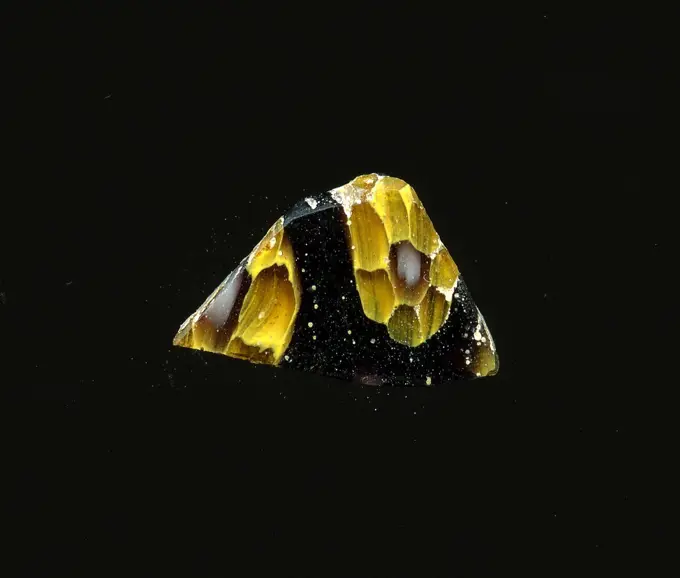
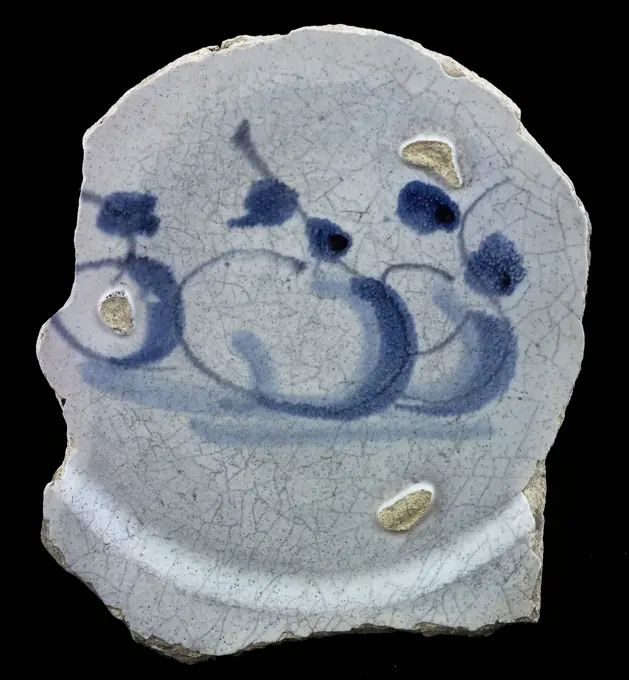
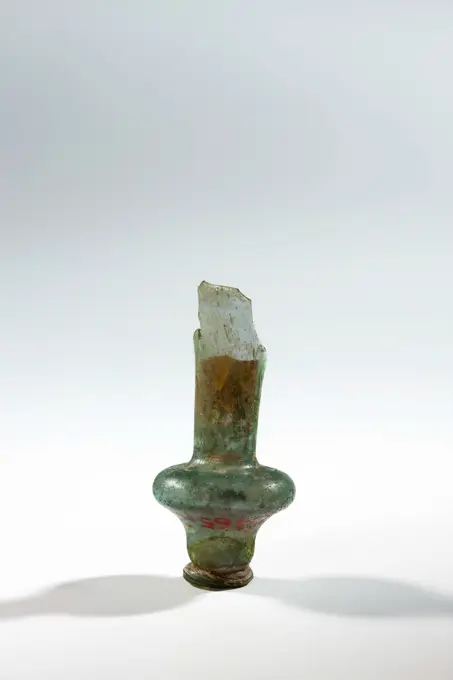
Fragmented Vintage Pottery

Fragments of pottery and ceramic pieces recovered from shipwrecks, each showcasing unique textures and historical relevance.
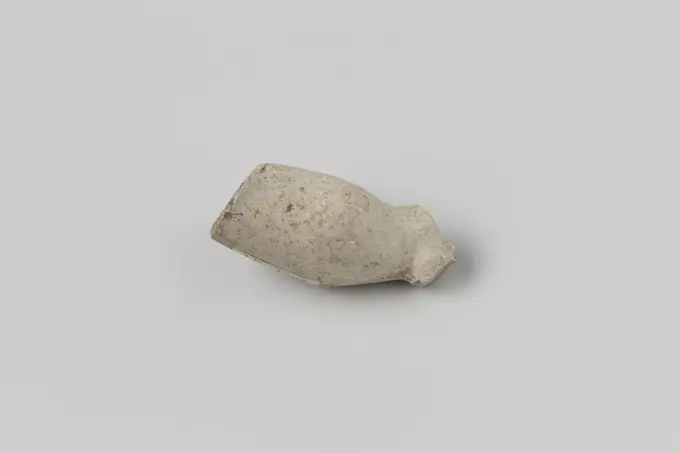
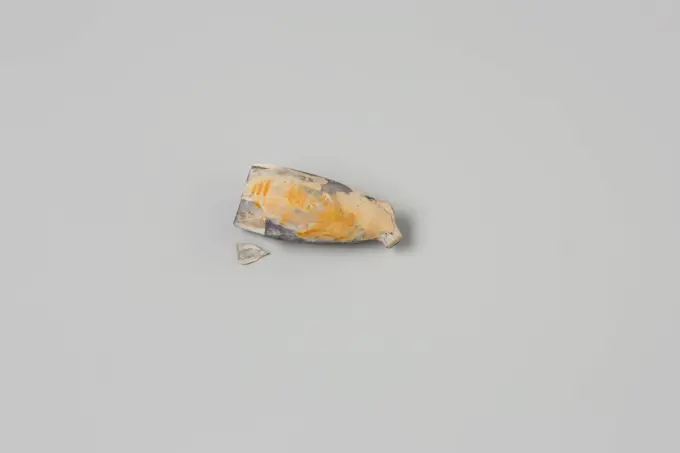
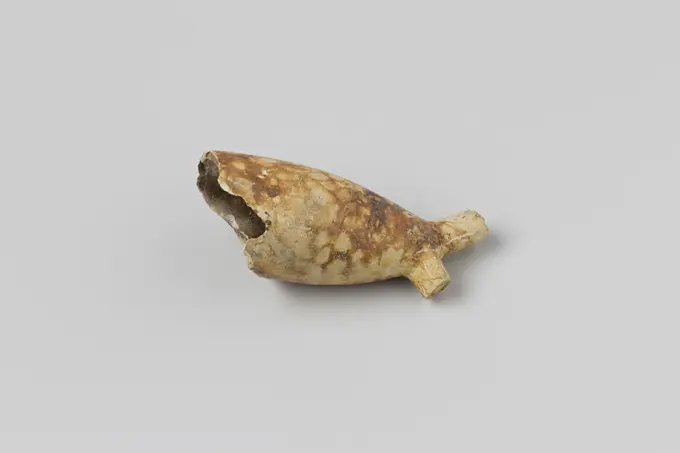
Pijpenkop, Anonymous, 1600 - 1699 Pipe. Of the excavations on the Hofstede Arentsburg 1827-1831 under the supervision of Professor Reuvens. Netherlands pipe clay Pipe. Of the excavations on the Hofstede Arentsburg 1827-1831 under the supervision of Professor Reuvens. Netherlands pipe clay
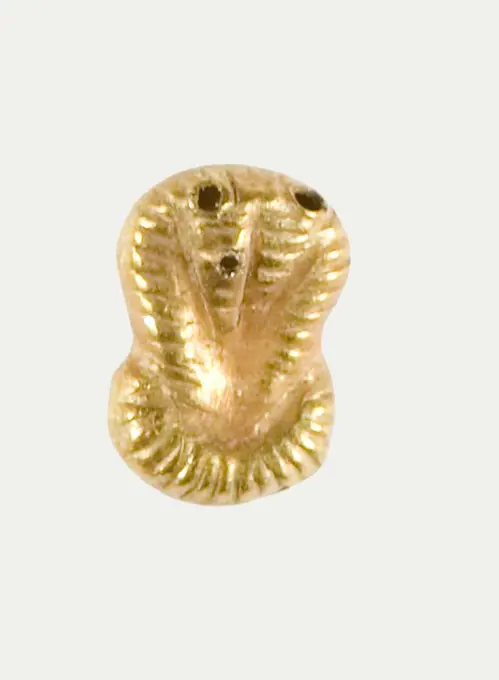
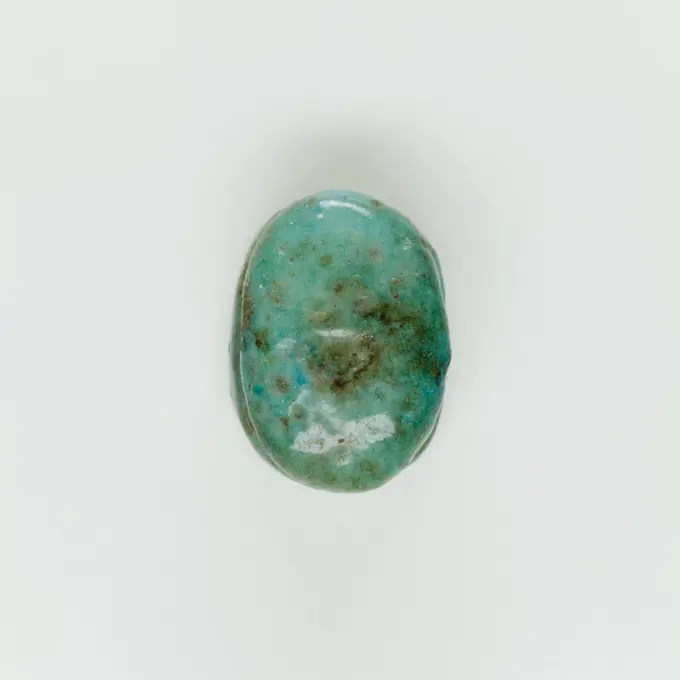
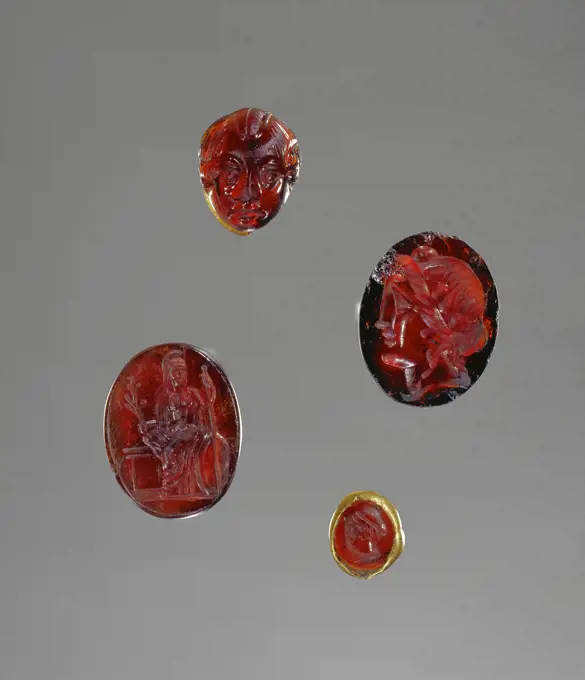
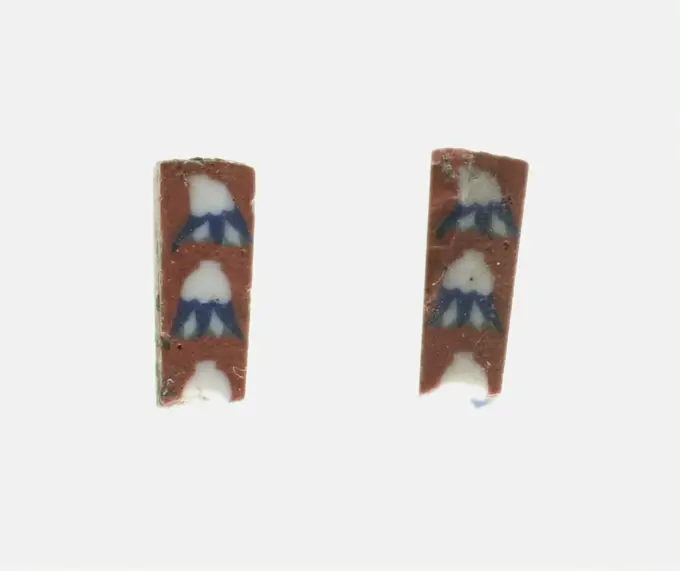
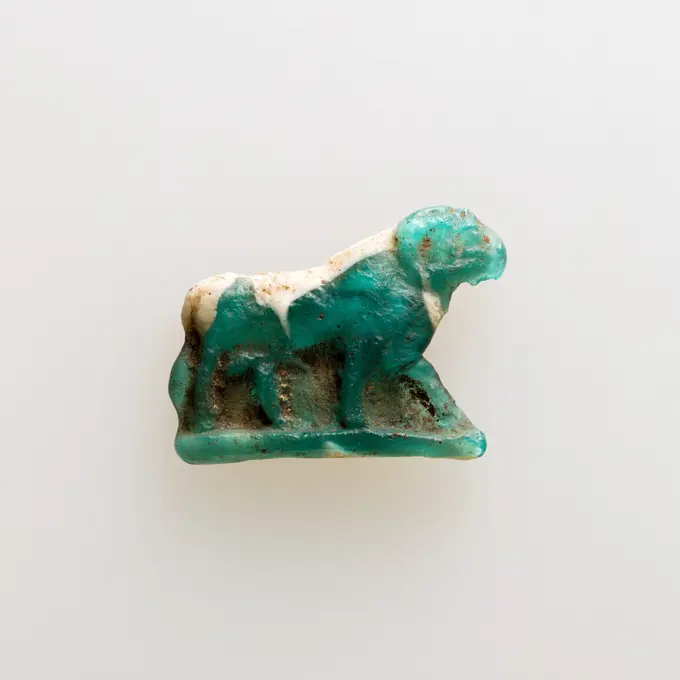
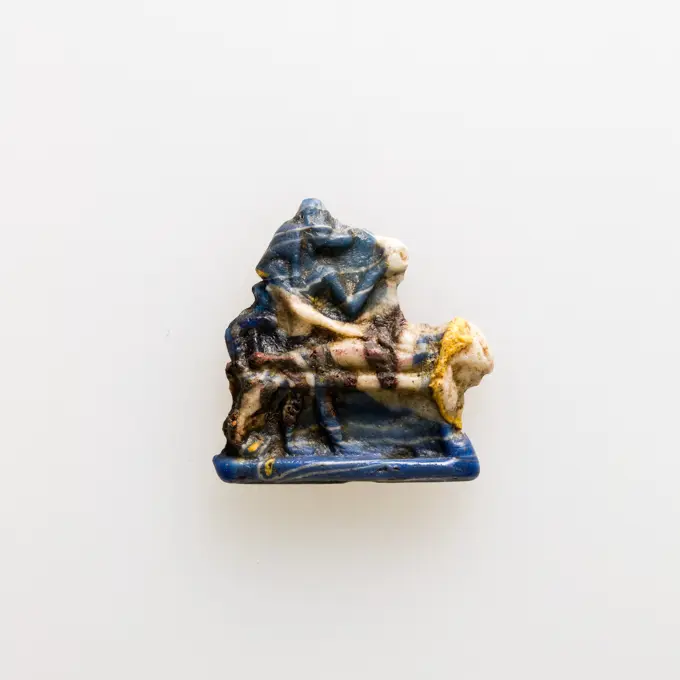
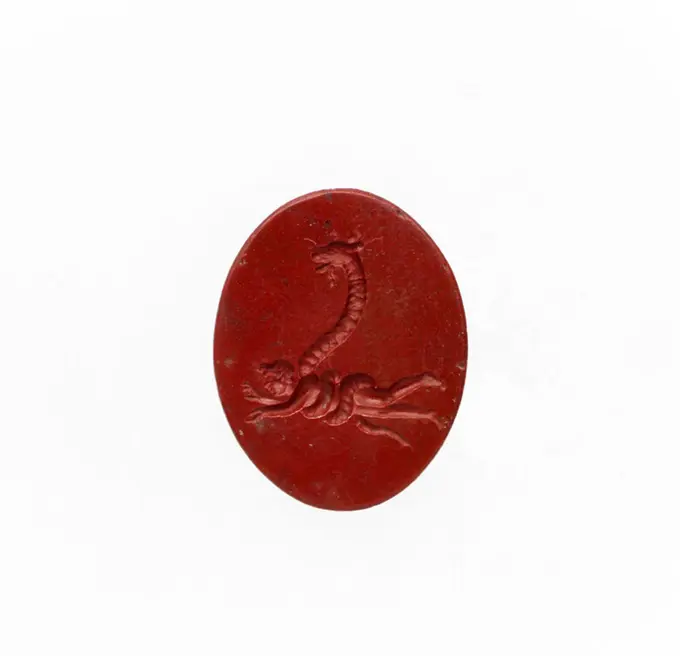
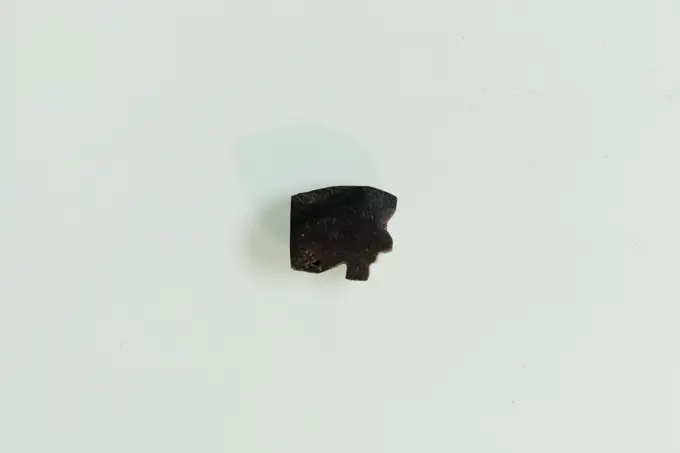
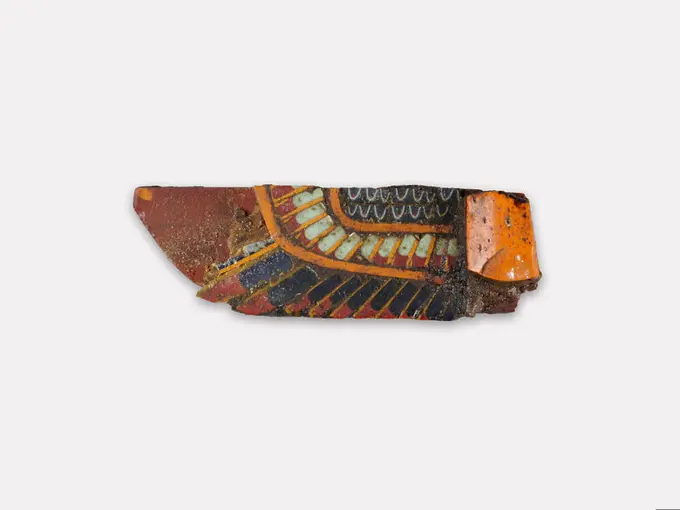
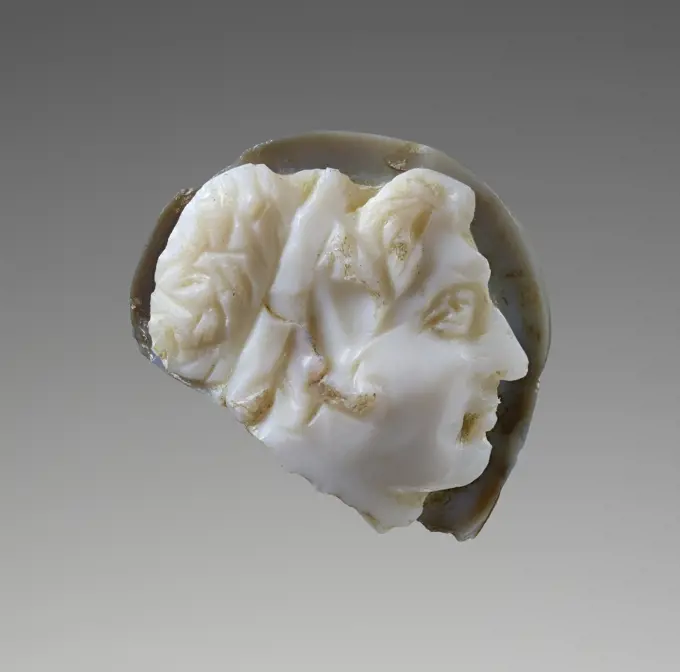
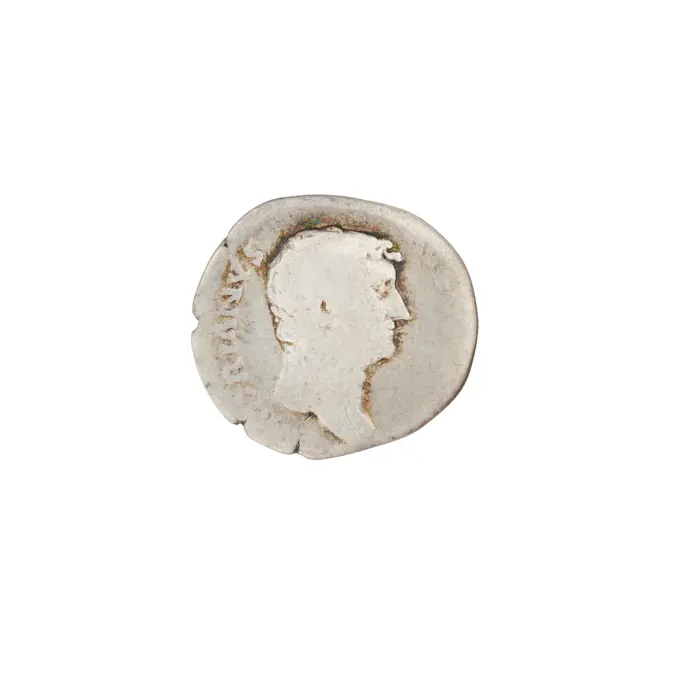
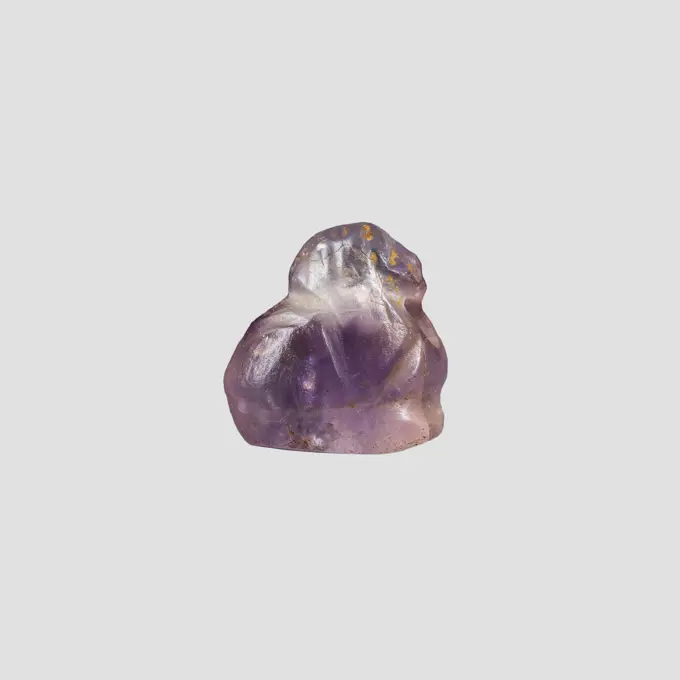
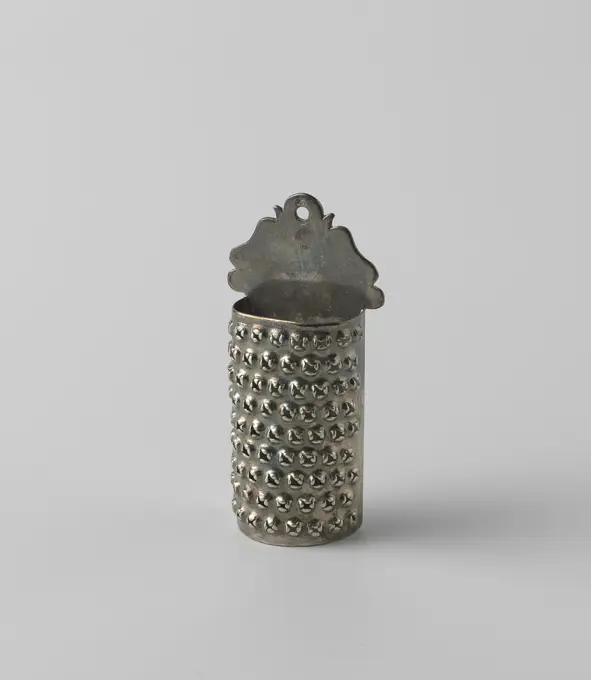
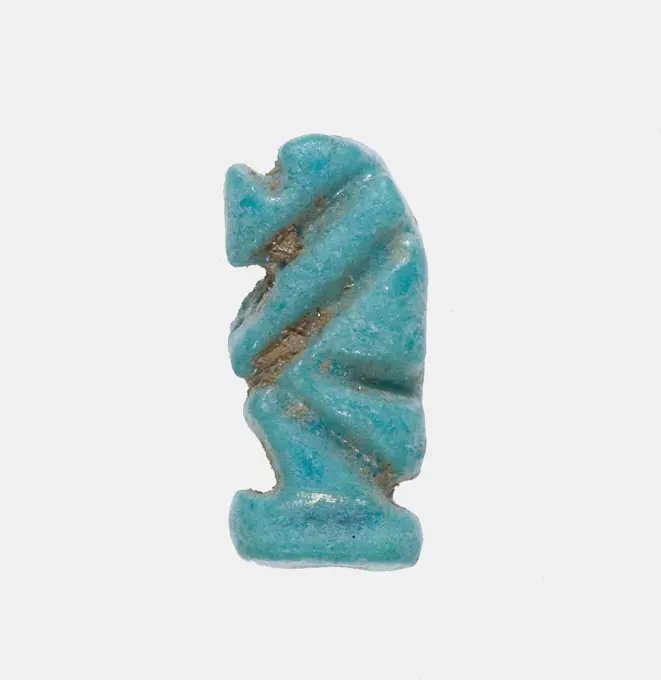
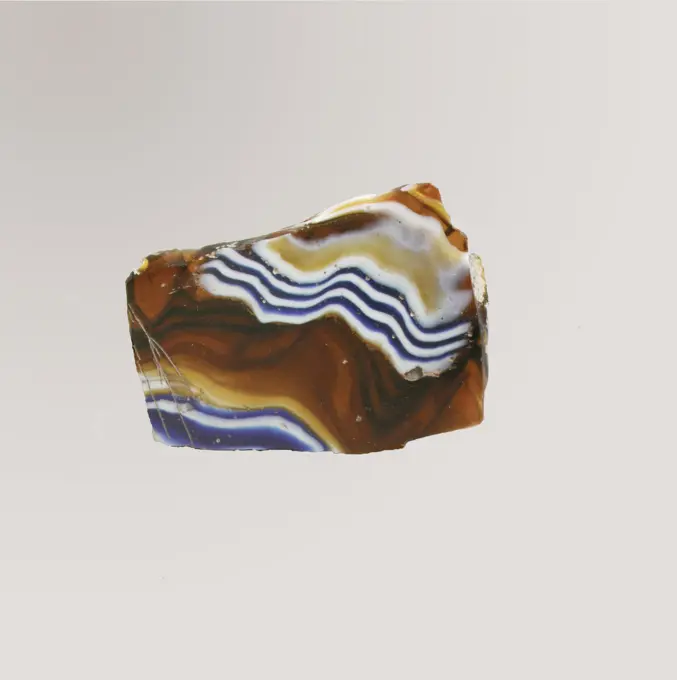
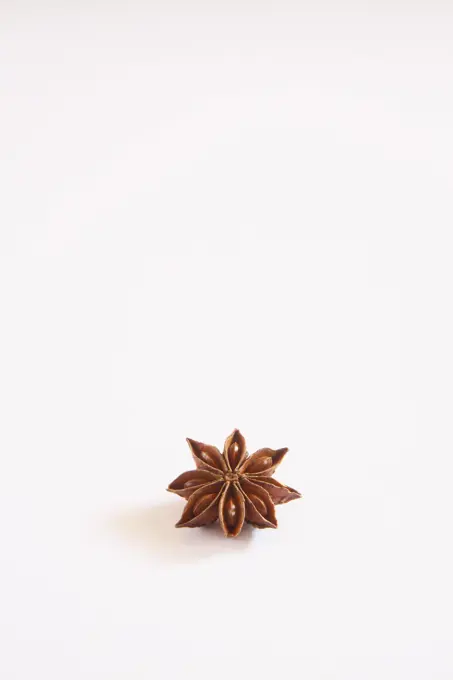
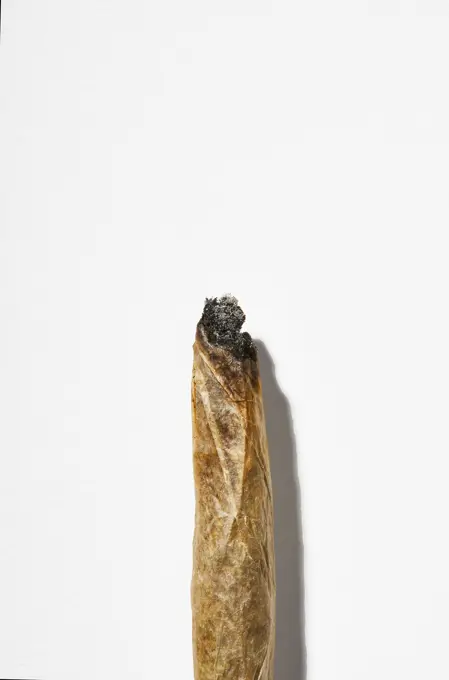
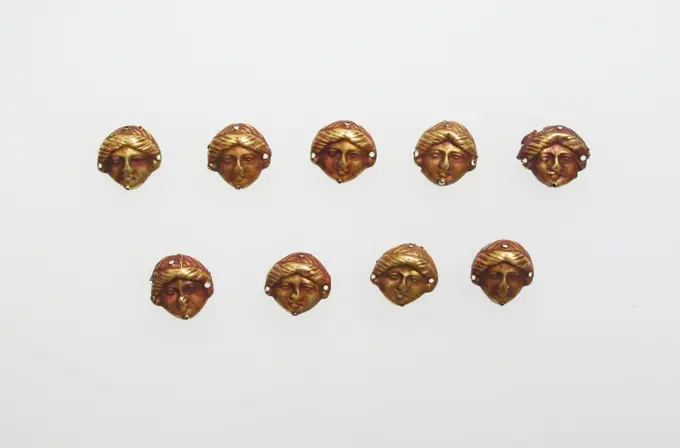
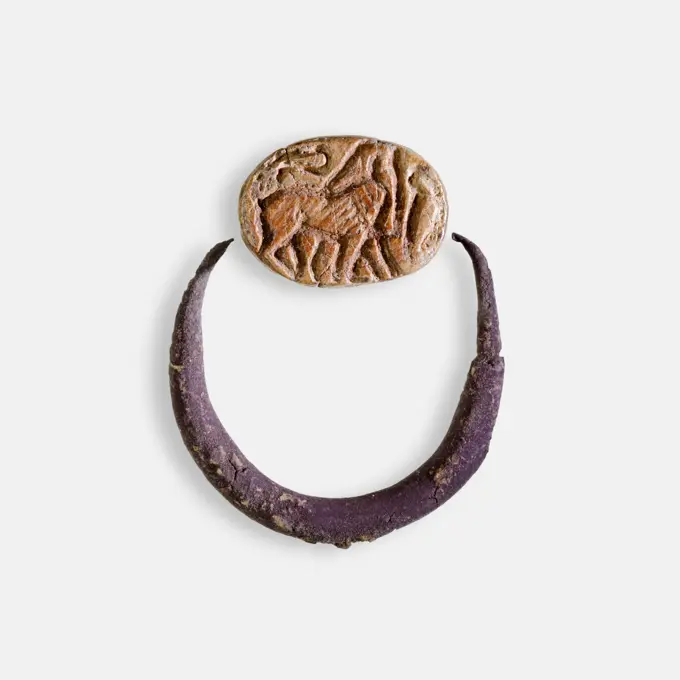
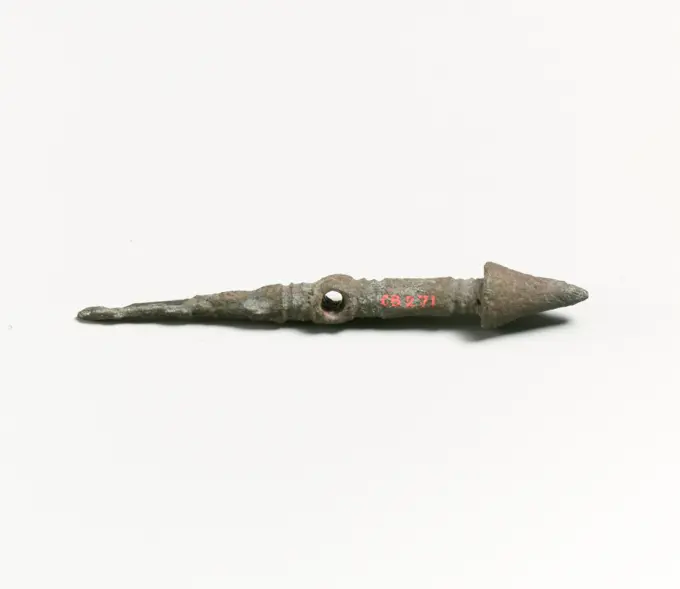
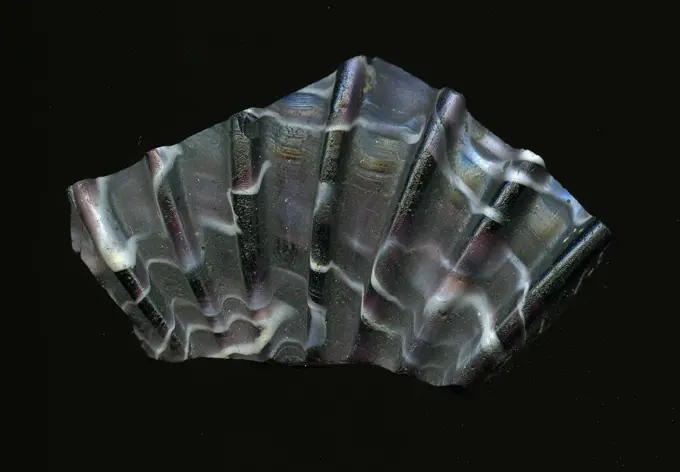
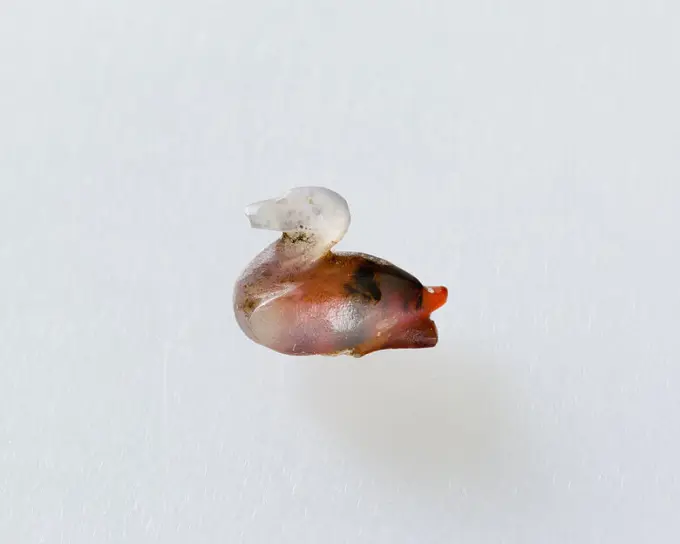
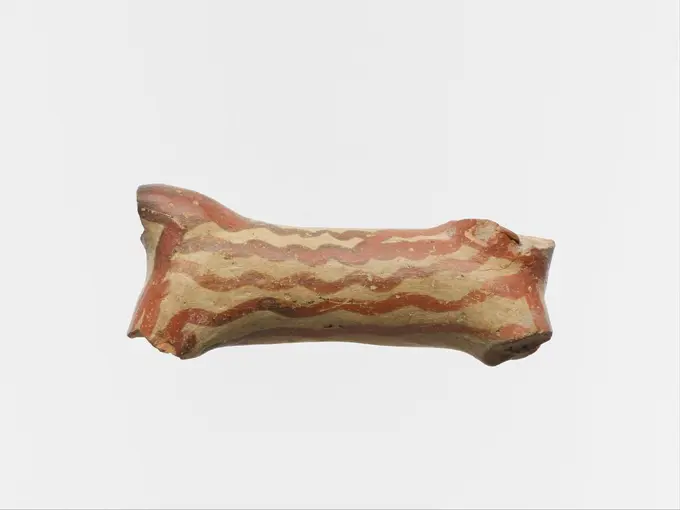
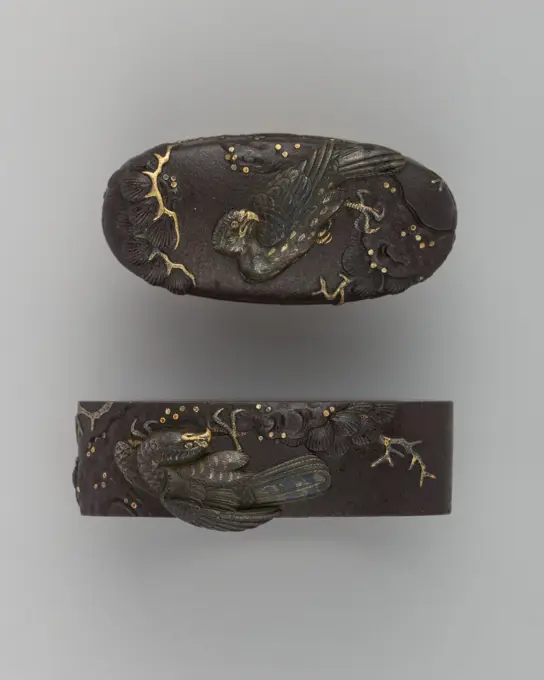
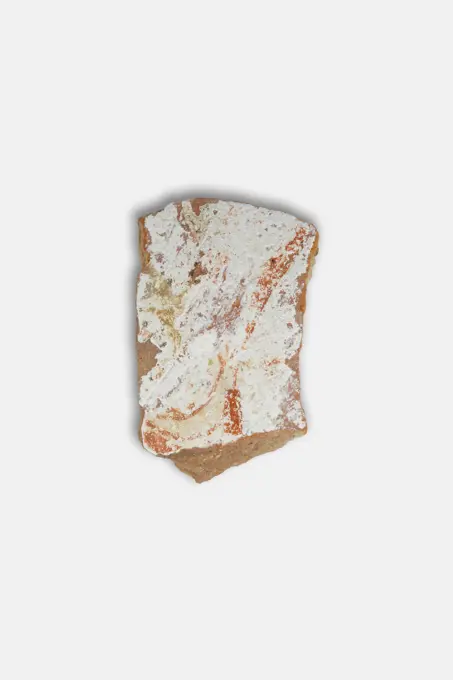
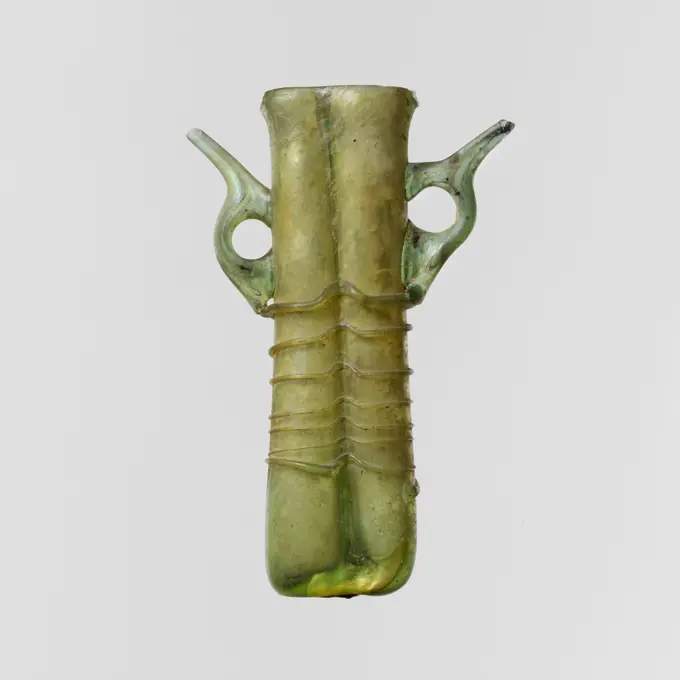
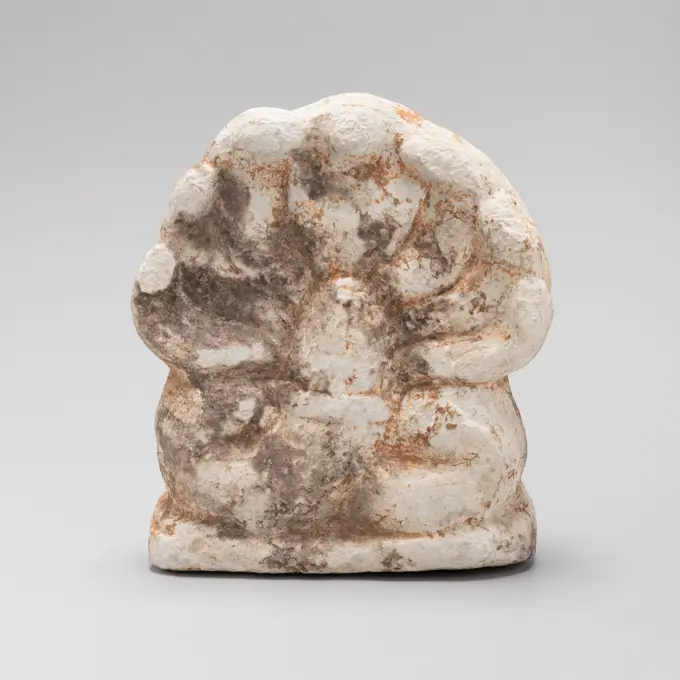
Seven-Hooded Snake (Naga) 200 BCE-200 CE India. Limestone .Knoop, anonymous, c. 1590 - c. 1596 button Button, braid of black yarn. Netherlands yarn braiding  Nova Zembla. Saving HuysFour Knot Clasps of Sithathoryunet ca. 1887-1813 B.C. Middle Kingdom. Four Knot Clasps of Sithathoryunet. ca. 1887-1813 B.C.. Gold. Middle Kingdom. From Egypt, Fayum Entrance Area, Lahun, Tomb of Sithathoryunet (BSA Tomb 8), BSAE excavations 1914. Dynasty 12Fragment of a Mosaic Glass Vessel. Unknown 1st century B.C.-1st century A.D. Light blue with colorless, white, red and dark blue in rosette pattern. Modeled fragment.Bird Plaque Ornament 3rd century B.C.-A.D. 2nd century Vicús. Bird Plaque Ornament 315469Umbel Pendant ca. 1390-1353 B.C. New Kingdom. Umbel Pendant. ca. 1390-1353 B.C.. Faience. New Kingdom. From Egypt, Upper Egypt, Thebes, Malqata, Palace of Amenhotep III, MMA excavations, 1910-11. Dynasty 18Campania Napoli Naples S. Lorenzo Maggiore06. Hutzel, Max 1960-1990 Medieval: Sculpture, architecture, architectural sculpture (including Roman spolia) 13-14th century Chapter house; sarcophagi, gravestones; wall painting. Fragment of mosaic; sculptural fragments in the Sala Capitolare. Post-medieval: Architecture, architectural sculpture, ceiling painting fresco cycle; prints depicting Venice c. 1845 (4), sculpture; life-size creche figures dressed in original Neapolitan costume Church restored in 1882, 1926, 1944; excavations under the transept undertaken between 1958-1962, and in the cloister in 1976, have revealed remains of a Roman macellum (market), street, and the paleochristian basilica of the 6th c. AD. Antiquities: Pottery: black-glazed, archaic banded, domestic wares, bucchero; architectural terracottas, statuettes, lamps, sculpture fragments Object Notes: 3 color negatives with no prints at the end. General Notes: Most objects/paintings/frescoes unidentified. Three batches Uninscribed Scaraboid Bead. Dimensions: L. 1 cm (3/8 in.); W. 0.7 cm (1/4 in.); H. 0.5 cm (3/16 in.). Dynasty: Dynasty 18, early. Reign: reign of Thutmose I-early sole Thutmose III. Date: ca. 1504-1447 B.C..This uninscribed scaraboid bead was found near the remains of a small basket inside the coffin of a man named Amenemhat. The basket had been placed near the head of Amenemhat's mummy and seems to have contained more some 400 mostly uninscribed scarabs and a variety of other beads. Museum: Metropolitan Museum of Art, New York, USA.Cameo Gem; 1st century; Garnet; 1.2 × 1 × 0.6 cm (7,16 × 3,8 × 3,16 in.)Fragments of Inlays Depicting Lotus Buds ( ) 100 BCE-100 CE Italy. Glass, mosaic glass technique . Ancient RomanSuzuribako, anonymous, 1800 - 1900 Suzuribako with inlaid the presentation of a plaice. Japan wood (plant material). lacquer (coating) Suzuribako with inlaid the presentation of a plaice. Japan wood (plant material). lacquer (coating)Stack of three folded and tied napkins, anonymous, c. 1750 - c. 1800 Stack of three folded and cotton band -tied napkins, each of which are hemmed on two sides. Netherlands linen (material). cotton (textile) Stack of three folded and cotton band -tied napkins, each of which are hemmed on two sides. Netherlands linen (material). cotton (textile)Plaque fragment. UnknownBead Roman. Bead. Roman. Glass. GlassEccentric Flint in Form of an Insect. Belize, Guatemala, Honduras, or Mexico, Maya, 600-900 CE. Stone. ChertDragon Pendant with Small Blade. China. Date: 1300 BC-1000 BC. Dimensions: 4.2 × 3.4 cm (1 5/8 × 1 5/16 in.). Jade. Origin: China. Museum: The Chicago Art Institute, Chicago, USA.Roter Jaspis Roter Jaspis Copyright: xZoonar.com/lantapixx 1080807Grahal-Manzara. Carnavalet 2013-2016 collection sites. Numismatics.Belt Buckle with an Eagle 500-700 Ostrogothic. Belt Buckle with an Eagle 472630Arrowheads, needles, hooks and harpoons. Culture: Japan. Dimensions: W. 3/8 in. (1 cm); L. 1 1/4 in. (3.2 cm). Museum: Metropolitan Museum of Art, New York, USA.Amulet - pierścionek z inskrypcją. unknown, authorFrogpendant.  Artist: UnknownScarab ca. 2030-1640 B.C. Middle Kingdom. Scarab. ca. 2030-1640 B.C.. Blue glazed steatite. Middle Kingdom. From Egypt, Upper Egypt, Thebes, Asasif, Tomb CC 64, Burial 10, Carnarvon excavations, 1913Ear of Eenppot from the wreck of the East Indians Hollandia, Anonymous, 1700 - in Or Before 1743 pot Stoneware, Rhenish, Westerwald, pot; of handle, sim. NG 1980-27H2412 with relieved decoration. Westerwald stoneware   SecondAmulet of a walking ram 525-30 BC Late Period-Ptolemaic Period Starting in the later Late Period and continuing through the Ptolemaic Period, a type of glass amulet cast by pressing the glass into a shallow open mold appears. The back was left rough, and the amulets may look ragged because glass overflowed the mold around the edges. The earlier amulets are monochrome, bi- or multicolor amulets supplement the repertoire during the Ptolemaic Period. Some of the amulets can be specifically tied to spells of the Book of the Dead - for example, acc. no. 17.194.2526 - and most are clearly funerary amulets, presumably meant to be wrapped between the bandages of the mummy where the presence of the amulet would do its job irrespective of its degree of finish.. Amulet of a walking ram. 525-30 BC. Glass. Late Period-Ptolemaic Period. From EgyptGlass bead in the form of a rosette early 1st century A.D. Roman Translucent cobalt blue and opaque white.Plano-convex oval with thin irregular white layer as backing to blue. Pierced with two small holes.Molded into a rosette of six petals in high relief, and added central dot.One large weathered chip; dulling, pitting of opaque white, and some iridescent weathering.. Glass bead in the form of a rosette. Roman. early 1st century A.D.. Glass. Early Imperial. GlassHeavy Silver Ring with CarnelianSeal, 100-256, Silver and carnelian seal, 2.5 × 2.8 cm (1 × 1 1/8in.), Yale-French Excavations atDura-Europos, Excavated in Dura-Europos, Syria, Syrian,Dura-Europos, Greco-Roman orParthian, JewelryAmulet showing Anubis standing over mummy on bier 332-30 B.C. Ptolemaic Period Starting in the later Late Period and continuing through the Ptolemaic Period, a type of glass amulet cast by pressing the glass into a shallow open mold appears. The back was left rough, and the amulets may look ragged because glass overflowed the mold around the edges. The earlier amulets are monochrome, bi- or multicolor amulets supplement the repertoire during the Ptolemaic Period. Some of the amulets can be specifically tied to spells of the Book of the Dead like this one: the vignette associated with Book of the Dead spell 151 shows Anubis placing his hands on the mummy. And most are clearly funerary amulets, presumably meant to be wrapped between the bandages of the mummy where the presence of the amulet would do its job irrespective of its degree of finish.. Amulet showing Anubis standing over mummy on bier. 332-30 B.C.. Glass. Ptolemaic Period. From EgyptRed jasper ring stone. Culture: Roman. Dimensions: Length: 5/8 in. (1.6 cm). Date: ca. 1st century B.C.-3rd century A.D..Serpent carries off the child OpheltesThe story of Opheltes of Nemea in the Peloponnese, who was put in charge of Hypistyle, the banished daughter of king Thoas of Lemnos, and who was killed by a dragon while he was left alone for a short while, is the subject of a tragedy named Hypistyle by the Classical Greek playright Euripides. Museum: Metropolitan Museum of Art, New York, USA.Wedjat eye from string of amulets ca. 1070-945 B.C. Third Intermediate Period Nine amulets of various materials were found threaded together in a tight group around the throat of the Lady Djedmutesankh; two of these, of green glass, disintegrated after they were discovered. This is a wedjat, the mythological eye of Horus that was wounded and then magically made whole. It was thus considered a powerful symbol of healing and regeneration.For the amulet group, see 25.3.169-related.. Wedjat eye from string of amulets 551037Excerpt of a pipe head from the wreck of the East Indians' t Vliegend Hart, WS, 1700 - 1735  A broken head of an earthen Goudse pipe with the heel brand crowned WS, purplish and orange (rust) discolored and a shard from the edge. Fragments of Bowls and Stems. Gouda pipe clayInlay fragment ca. 1981-1640 B.C. Middle Kingdom. Inlay fragment. ca. 1981-1640 B.C.. Blue faience. Middle Kingdom. From Egypt, Memphite Region, Lisht North, Cemetery, MMA excavations, 1920-22. Dynasty 12-13Tile with yellow glaze, anonymous, c. 1600 - c. 1900  Netherlands earthenware  Netherlands earthenwareSpinning stones, anonymous, c. 1600 - c. 1699 Spinsten (20) of Steengoed, a few of earthenware, lung on a rope. A tire of Ingegrode Lines on the widest part of the stones. Some are covered with a brown Engobe. Raeren. Rae stoneware. earthenware. glaze. engobe vitrification Spinsten (20) of Steengoed, a few of earthenware, lung on a rope. A tire of Ingegrode Lines on the widest part of the stones. Some are covered with a brown Engobe. Raeren. Rae stoneware. earthenware. glaze. engobe vitrificationFive fragments of earthenware firearms, decorated in sludge technology, fire dome cover soil find ceramic clay engobe glaze lead glaze, hand molded decorated glazed fired ring of five Five fragments of firearms. Red shard Decorated in sludge technology ring stem technique Leaf motifs contour following lines straight and wavy lines. Two claws of bird remain on one fragment (D) archeology Rotterdam City Triangle Schielandshuis Korte Hoogstraat deaf heating living Soil discovery: Gallery garden Schielandshuis.Bone and amber segment from a bronze fibula (safety pin) 7th-6th century B.C. Etruscan Inlaid with bone or ivory.. Bone and amber segment from a bronze fibula (safety pin). Etruscan. 7th-6th century B.C.. Amber, bronze, bone. Archaic. Miscellaneous-AmberVase fragment 1st century B.C.-1st century A.D. Roman Lion mask.. Vase fragment 250388Cornflower Pendant ca. 1390-1353 B.C. New Kingdom. Cornflower Pendant. ca. 1390-1353 B.C.. Faience. New Kingdom. From Egypt, Upper Egypt, Thebes, Malqata, Palace of Amenhotep III, MMA excavations, 1910-11. Dynasty 18Fish Ornament 11th-12th century Peru; central coast (). Fish Ornament 308840Glass dish, with peach and flower, anonymous, 1800 - 1900 Glass dish, with peach and flour. See also BK-NM-6994-2.  glass Glass dish, with peach and flour. See also BK-NM-6994-2.  glassKozak on horseback. There is a rider with a point stitch on an elongated album. On the left, the rider has his sword sheath and he holds his sword in his raised right hand. The image is labeled: STK. = Amsterdam, JRL. = R (1751), Mt. = Arnoldus van Geffen and an ax.Inlay, wing from a winged sun or falcon. Dimensions: H. 1.3 × L. 4 cm (1/2 × 1 9/16 in.). Date: 200 BC-100 AD.Monochrome and mosaic glass sections have been adhered to a background to form this elaborately patterned wing. Museum: Metropolitan Museum of Art, New York, USA.Tit (Isis knot) amulet. Dimensions: l. 2 cm (13/16 in.)× h. 0.9 cm (3/8 in.). Dynasty: Dynasty 26-29. Date: 664-380 B.C.. Museum: Metropolitan Museum of Art, New York, USA.Water chestnut (trapa natans), isolated on a white backgroundCarnelian scarab. Culture: Greek. Dimensions: L. 1.4 cm; W. 1 cm. Date: ca. 500 B.C..Youth bending to lift a Corinthian helmet .Inscribed TIMEAS. Museum: Metropolitan Museum of Art, New York, USA.Glass Fragment. Culture: French. Dimensions: Overall: 1 3/4 x 1 1/2 in. (4.4 x 3.8 cm). Date: 13th century. Museum: Metropolitan Museum of Art, New York, USA.Fragment of a Bowl 9th century View more. Fragment of a Bowl. 9th century. Earthenware; purplish black and yellow slip decoration, glazed. Excavated in Iran, Nishapur. CeramicsCameo Gem with Head of Alexander the Great; 50 B.C.-A.D. 50; White and gray sardonyx; 1.6 × 1.3 × 0.9 cm (5,8 × 1,2 × 3,8 in.)Head in Bird's Beak, 1200-1519. Mexico, Oaxaca, Mixtec. Serpentine; overall: 1.4 cm (9/16 in.).beads from rainbow pyrite gemstone close up beads from rainbow pyrite gemstone close up isolated on white background Copyright: xZoonar.com/ValeryxVoennyyx 8877171Engraved Scaraboid. UnknownGlass Fragment. Culture: French. Dimensions: Overall: 3 3/4 x 1 3/8 in. (9.5 x 3.5 cm). Date: 12th-14th century. Museum: Metropolitan Museum of Art, New York, USA.Head of horned animal. unknown, craftsmanMosaic fragment ca. 3rd-7th century A.D. Sasanian Written sources state that in 540, the Sasanian emperor Khusraw I (r. 531-79) decorated his palace at Ctesiphon with mosaics commemorating the Sasanian army's siege of the Byzantine city of Antioch. Excavations at the site uncovered fragments of mosaics with vibrant colors and gilding in the palace precinct. The use of a medium associated with Byzantine imperial architecture at the Sasanian capital is an example of the complex cultural and political exchanges made between the two empires.. Mosaic fragment 322774Conus generalis shell from the wreck of the Dutch East India ship Witte Leeuw, before 1613  Shell from V.O.C. ship the 'Witte Leeuw'.  .   Sint-HelenaGlass Fragment 17th century German (). Glass Fragment. German (). 17th century. Colorless glass. Glass-StainedBronze statuette of a mouse ca. 1st-3rd century A.D. Roman Statuette of a mouse from a lamp.. Bronze statuette of a mouse. Roman. ca. 1st-3rd century A.D.. Bronze. Imperial. Bronzesdenarius; Hadrian (76-138; Roman emperor 117-138); 134-138 (134-00-00-138-00-00);Coin (personification), heads, bias of abundance, weightHuman headed amulet (bird) Middle Kingdom-Second Intermediate Period ca. 1981-1550 B.C. View more. Human headed amulet (bird). ca. 1981-1550 B.C.. Amethyst. Middle Kingdom-Second Intermediate Period. From Egypt. Dynasty 12-17Tin ring with oval setting, in which green stone, ring ornament clothing accessory clothing soil find tin natural stone stone semi-precious stone metal, d 0.1 cast pewter ring Small green stone in the setting. Zetting consists of four bent lips on diamond-shaped surface decorated with dots or spheres. Gouging seams horizontally and continuously behind the front along archeology Rotterdam rail tunnel wear adorn prosperity status Soil discovery: railway tunnel 1988-1993.Scarab of Ramesses II ca. 1295-1070 B.C. New Kingdom, Ramesside. Scarab of Ramesses II 559958Khonsu amulet 664-380 B.C. Late Period. Khonsu amulet 561529Glass mosaic rim fragment. Culture: Roman. Dimensions: 1 3/8 × 2 × 1/8 in. (3.5 × 5.1 × 0.3 cm); estimated diameter 7 1/16 in. (18 cm). Date: late 1st century B.C.-early 1st century A.D..Rim fragment of large, deep bowl.Translucent cobalt blue and opaque white.Vertical, rounded rim; side curving in gently toward bottom.Composite mosaic pattern formed from sections of a single cane in a blue ground with numerous white rods.Polished exterior, with some pitting of surface bubbles; pitting, dulling, and reddish soil encrustation on interior, rim, and edges. Museum: Metropolitan Museum of Art, New York, USA.Bead pendants, tubular Cypriot. Bead pendants, tubular 242752Rasp of silver, anonymous, c. 1400 - c. 1950 Rasp of silver.  silver (metal) Rasp of silver.  silver (metal)Scarab. Dimensions: l. 0.7 cm (1/4 in). Dynasty: Dynasty 12-18. Date: ca. 1981-1295 B.C.. Museum: Metropolitan Museum of Art, New York, USA.Monkey Amulet ca. 1802-1450 B.C. Late Middle Kingdom-Early New Kingdom. Monkey Amulet. ca. 1802-1450 B.C.. Faience. Late Middle Kingdom-Early New Kingdom. From Egypt, Memphite Region, Lisht North, Cemetery south of pyramid, House A1, so-called "faience factory", MMA excavations, 1920-22. Dynasty 13-18, earlyVase fragment Greek, Laconian. Vase fragment 251300 Greek, Laconian, Vase fragment, Terracotta, 1 1/2 x 3/4in. (3.8 x 1.9cm). The Metropolitan Museum of Art, New York. Gift of A. J. B. Wace, 1923 (23.119.24)Attic black-figure fragment with a lotus band below a male foot and an unidentified whiteobjectGlass mosaic ribbed bowl fragment late 1st century B.C.-early 1st century A.D. Roman Body fragment.Translucent honey brown, cobalt blue, and opaque white.Slightly outsplayed neck; curving side tapering downward.Ribbon mosaic pattern formed from sections of a single cane in brown ground with irregular wavy white and blue threads in parallel lines; on exterior, three vertical ribs, fairly widely spaced, with flattened tops and rounded outer edges.Polished interior; pitting of surface bubbles and cracks on interior; dulling and patches of creamy iridescent weathering on exterior and jagged edges.. Glass mosaic ribbed bowl fragment. Roman. late 1st century B.C.-early 1st century A.D.. Glass; cast and tooled. Early Imperial. GlassFragment of a vessel. A low curvature of the glass fragment allows the assignment to a vessel. Violet glass is decorated with flowers in millefiori technology. The flowers consist of a white core with a transparent border to be arranged the circular transparent petals with yellow contour. For the production, different colored glasses were molded into tubes and rods. These were compressed and heated, causing a long bar. The glass sliced now had different amorphous or floral patterns. Thereafter, several of these platelets were folded together, heated again and pressed into the vascular shape. Burry for the elaborate manufacturing process and its fragility was one of the luxury articles of antiquity.Fragment majolica dish, blue on white, three thick apples with stalk, plate dish crockery holder soil find ceramic earthenware enamel, baked underside covered with lead glaze purple pink mottled Monochrome archeology Rotterdam Stadscentrum Stadsdriehoek Jan Scharpstraat serving up food eat Soil discovery: construction site Ds. J. Scharpstraat Rotterdam July 1969.Small bottle. unknown, craftsmanFragment blowjob from the wreck of the East India Hollandia.Pipe, Bowl, Healmar: Fish, Flounder; Fragm, 2HSM1.6.Chinese spice, Star Anise Anasphal Illicium verum on white background India Copyright: xNirmalaxMishra/DinodiaxPhotoxFragments straight stem from glass from the wreck of the East Indiesman Hollandia. Glass, Voice Glass, votes, Plain; Fragm or end with base or bowl, circular, conically Everted, Hollow Core.Cannabis cigarette on white backgroundOne of a Pair of Ear Pendants 500 B.C.-A.D. 300 Vietnam (North) or Indonesia (Sumatra). One of a Pair of Ear Pendants 53330 Vietnam (North) or Indonesia (Sumatra), One of a Pair of Ear Pendants, 500 B.C.A.D. 300, Bronze, H. 2 5/8 in. (6.7 cm); W. 1 3/4 (4.4 cm); D. 5/16 in. (0.8 cm). The Metropolitan Museum of Art, New York. Samuel Eilenberg Collection, Bequest of Samuel Eilenberg, 1998 (2001.433.383)Penningdoos, c. 1986 medal box Half -burned box. With accompanying medal NG-1988-22-1.  paper   Amsterdam. Dutch East Indies, TheBead ornaments in the form of female head 6th-5th century B.C. Greek. Bead ornaments in the form of female head. Greek. 6th-5th century B.C.. Electrum. Classical. Gold and SilverCovered box, 19th century, Unknown Japanese, 1 3/4 x 2 3/8 x 3 1/2 in. (4.45 x 6.03 x 8.89 cm), Lacquer with sprinkled gold designs and mother-of-pearl inlay, Japan, 19th centuryStampScarab Ring of Ruiu ca. 1504-1447 B.C. New Kingdom The burial the House Mistress Ruiu was found in the tomb of her father, Neferkhawet, which was excavated by the Museums Egyptian Expedition in 1935. On the left hand of Ruiu's mummy were three scarab rings. The scarabs were made of glazed steatite and the ring bands were silver. The scarabs had been mounted by passing a silver wire through a hole running from head to tail. The wire was then lashed to the ring with finer silver wire. Silver deteriorates over time when exposed to dampness, and the rings were badly corroded. The scarabs were all originally glazed blue, but the glaze has almost entirely disappeared from wear and from the damp conditions inside the tomb.This scarab is inscribed on the base with a striding sphinx facing a rearing cobra. This design is typical of scarabs dating to the Hyksos period, a century or so before Ruiu's death, sometime in the sole reign of Thutmose III. The other two rings and two scarabs belonging Fragment; tin-glazed earthenwarePendant with goat's headSword-Hilt Pommel (Kashira), 1700-1850. Japan, Edo period (1615-1868). Shakudo; average: 3.9 x 2 cm (1 9/16 x 13/16 in.).Bronze eyelet-type pin ca. 14th century B.C. Mycenaean "Eyelet" type with conical head and molded rings on shaft.. Bronze eyelet-type pin 244409Taweret amulet 100 BC-100 AD Ptolemaic or Roman Period. Taweret amulet 570507Vase fragment ca. 800-700 B.C. East Greek/Sardis, Lydian Basket pattern.. Vase fragment 252715 East Greek/Sardis, Lydian, Vase fragment, ca. 800700 B.C., Terracotta, Overall: 2 3/8 x 1 5/16in. (6 x 3.4cm). The Metropolitan Museum of Art, New York. Gift of The American Society for the Excavation of Sardis, 1926 (26.199.147)Fragment of a rib shell. A low curvature of the glass fragment and the seven ribs obtained allow assignment to a rib shell. The dark violet to violet piece is crossed by white, irregular strokes. On the inside, spirals can be seen.For the production, different colored glasses were shaped to tubes and rods. These were compressed and heated, causing a long bar. The glass sliced now had different amorphous or floral patterns. Thereafter, several of these platelets were folded together, heated again and pressed into the vascular shape. Burry for the elaborate manufacturing process and its fragility was one of the luxury articles of antiquity.Duck amulet. Dimensions: L. 1 × W. 0.6 × H. 0.8 cm (3/8 × 1/4 × 5/16 in.). Date: 200 BC-200 AD.This is one of a small group of animals carved in semiprecious stones from the Davis Collectiom that share share a general liveliness and more Hellenistic than Egyptian style. Alongside subjects that are familiar in Egyptian iconography such as a baboon and ducks, are others like a goat, dolphins, rhinoceros, galloping horse, and reclining hound that are more at home in the Greco-Roman sphere. Museum: Metropolitan Museum of Art, New York, USA.Sharf of a bowl from the wreck of the East Indians' t Vliegend Hart ,, 1700 - 1735 bowl One shard from the edge of a porcelain bowl. Delft blue with the drawing from outside. Bowl. Netherlands porcelainTerracotta animal figurine. Culture: Mycenaean. Dimensions: length 2 1/2in. (6.4cm). Date: ca. 14th-13th century B.C..From Mycenae. Museum: Metropolitan Museum of Art, New York, USA.Sword-Hilt Collar and Pommel (Fuchigashira) ca. 1615-1868 Japanese A fuchigashira is a pair of matching sword fittings comprising the fuchi (collar at the base of the grip of the sword hilt) and kashira (pommel cap at the end of a sword hilt).. Sword-Hilt Collar and Pommel (Fuchigashira). Japanese. ca. 1615-1868. Iron, copper-silver alloy (shibuichi), gold. Sword Furniture-Fuchi-KashiraA beautiful Christmas composition consisting of ceramic plates, gingerbread and other elements of New Year’s decorations on a dark concrete backgroundDecorated jar fragment ca. 1390-1352 B.C. New Kingdom. Decorated jar fragment. ca. 1390-1352 B.C.. Pottery and ink, paint. New Kingdom. From Egypt, Upper Egypt, Thebes, Malqata, Palace of Amenhotep III, MMA excavations. Dynasty 18Glass mosaic fragment late 1st century B.C.-early 1st century A.D. Roman Translucent purple and opaque white.Shallow curving side.Marbled mosaic pattern in a purple ground with white threads.Polished exterior; pitting of surface bubbles on exterior and some weathering along one serrated edge; dulling, pitting, and creamy weathering on interior and edges.. Glass mosaic fragment 257340Glass bowl fragment with later inscription. Culture: Roman. Dimensions: Overall: 2 1/2 x 3 1/8 in. (6.4 x 7.9 cm). Date: ca. 1st-3rd century A.D..The fragment has been shown by scientific analysis and examination to be ancient. It is probably part of a bowl or globular bottle that was decorated with linear engraving in antiquity. However, the inscription and floral decoration appear to be modern additions. The inscription is copied from a Roman marble cinerary urn that has been known since 1716 and been in the British Museum since 1804. The decoration was therefore added to the fragment in order to enhance its attractiveness and value probably in the 19th century by an astute, well-informed, but unscrupulous person. Museum: Metropolitan Museum of Art, New York, USA.Glass double cosmetic flask (kohl tube) 4th century A.D. Roman, Syrian Translucent pale blue green; handles and trail in same color.Rim folded slightly in and pressed flat on top; body comprising two tubes, side by side, made from a single inflated gather by pinching sides vertically to make diaphragm; pontil mark on thick bottom; two handles attached to side of body over top of trail in elongated pads, drawn up, out, and inward, forming rings, each with a tall, outward projection above.Single fine trail applied as a pad on lower body, drawn up and wound in a spiral seven and a half times around body, ending under one handle.Complete, except for two chips in rim, ends of projections to handles, and internal cracks in upper body and bottom; pinprick bubbles, some black impurities in handle, and blowing striations; dulling, pitting, and iridescent weathering.. Glass double cosmetic flask (kohl tube) 256718Snuff Bottle (stopper), 1644-1911. China, Qing dynasty (1644-1911). Glass; overall: 7 cm (2 3/4 in.).