Fragmented Vintage Pottery

Fragments of pottery and ceramic pieces recovered from shipwrecks, each showcasing unique textures and historical relevance.
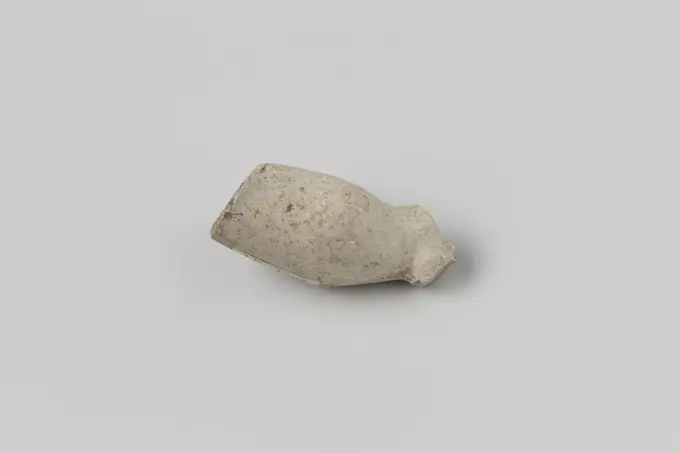
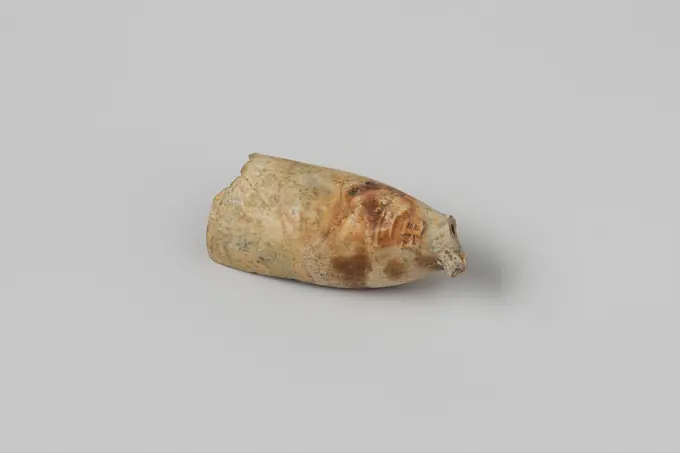
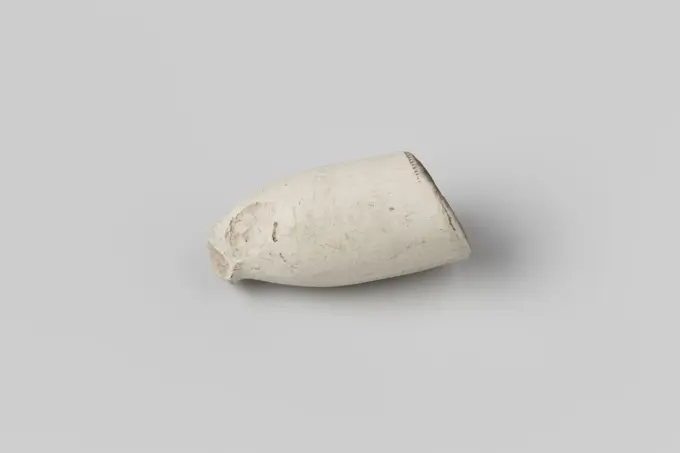
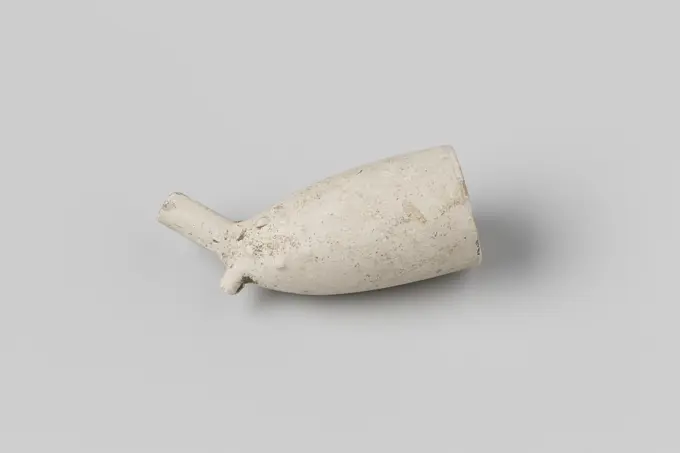
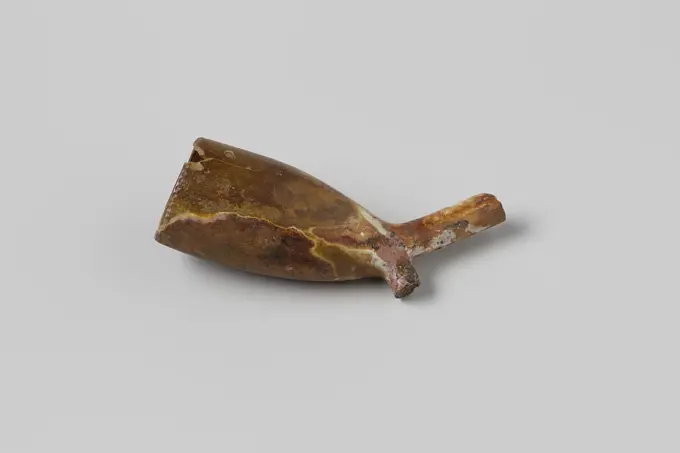
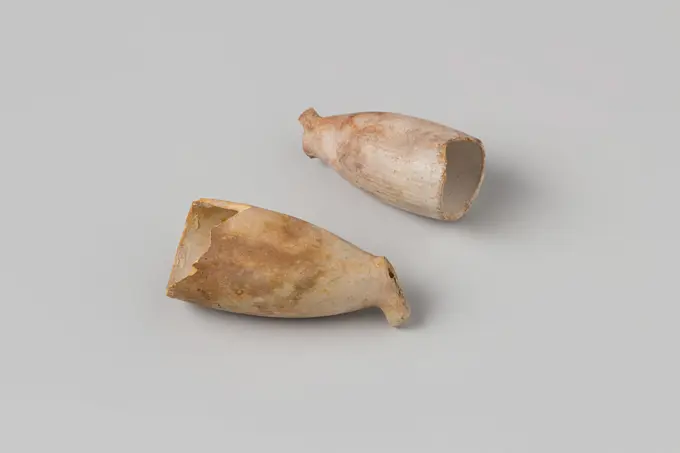
Pijpenkop, Anonymous, 1600 - 1699 Pipe. Of the excavations on the Hofstede Arentsburg 1827-1831 under the supervision of Professor Reuvens. Netherlands pipe clay Pipe. Of the excavations on the Hofstede Arentsburg 1827-1831 under the supervision of Professor Reuvens. Netherlands pipe clay
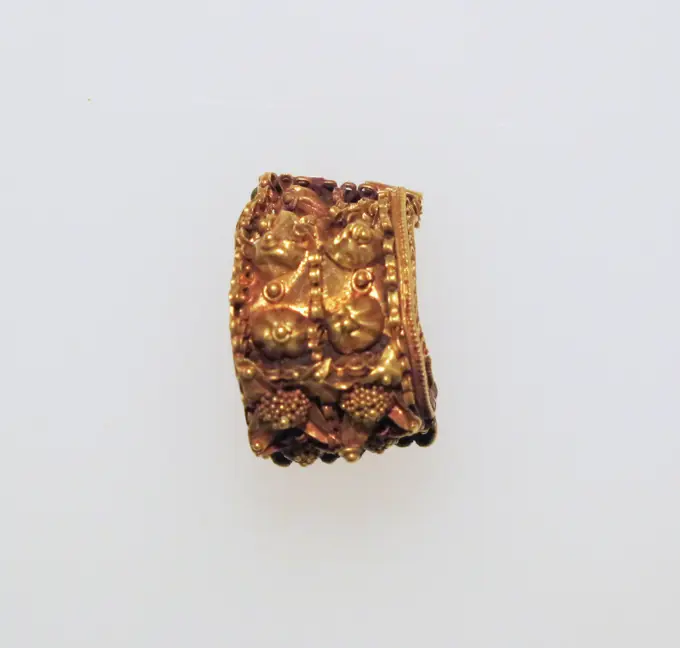
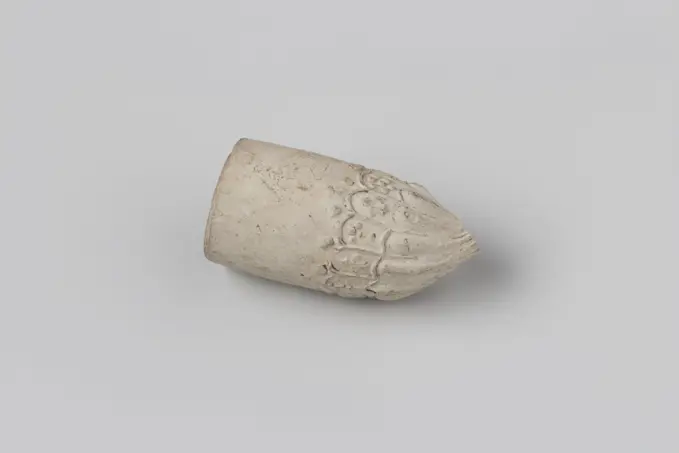
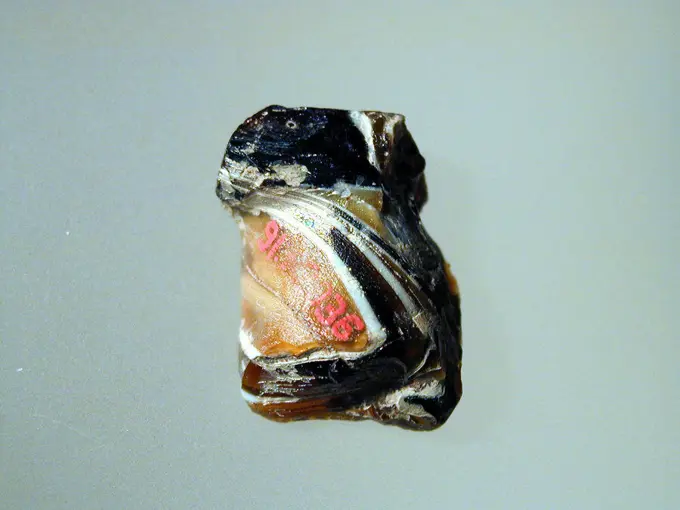
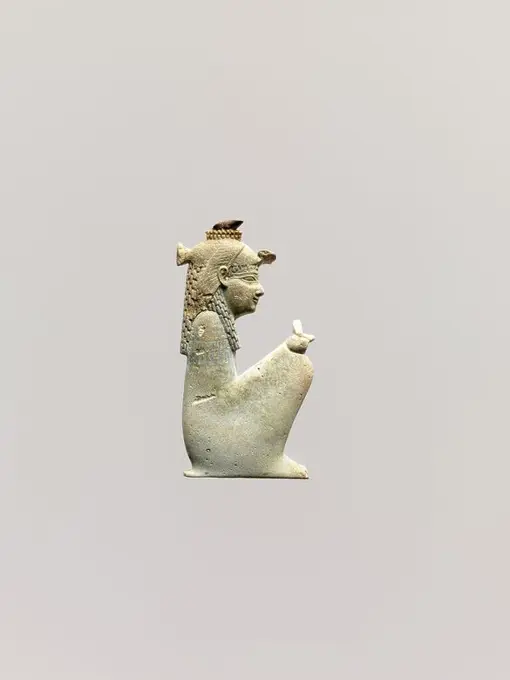
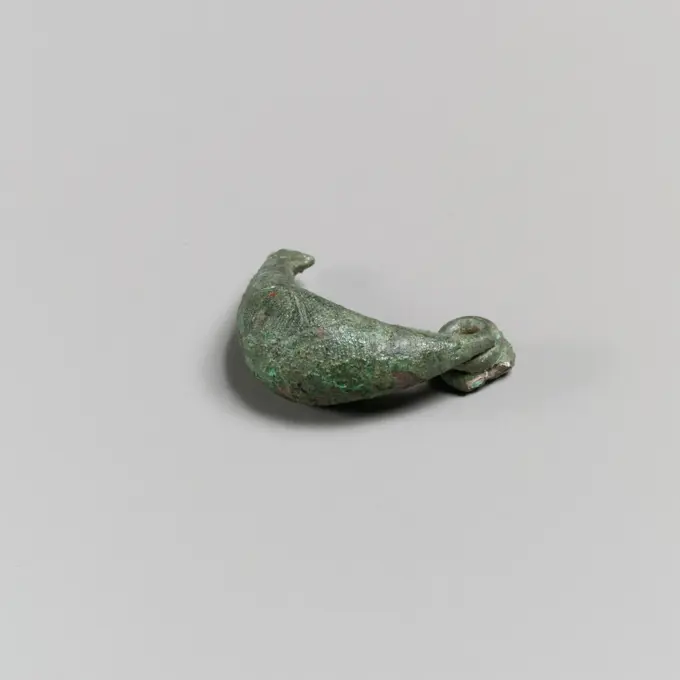
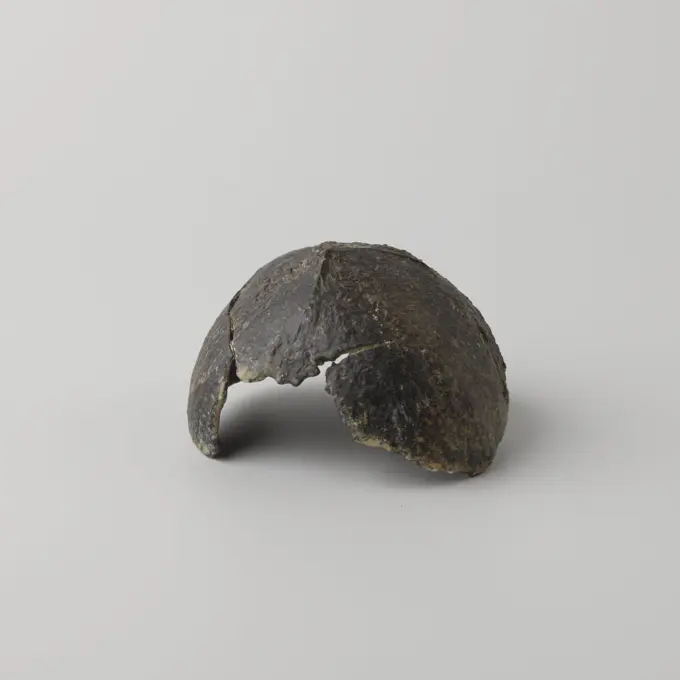
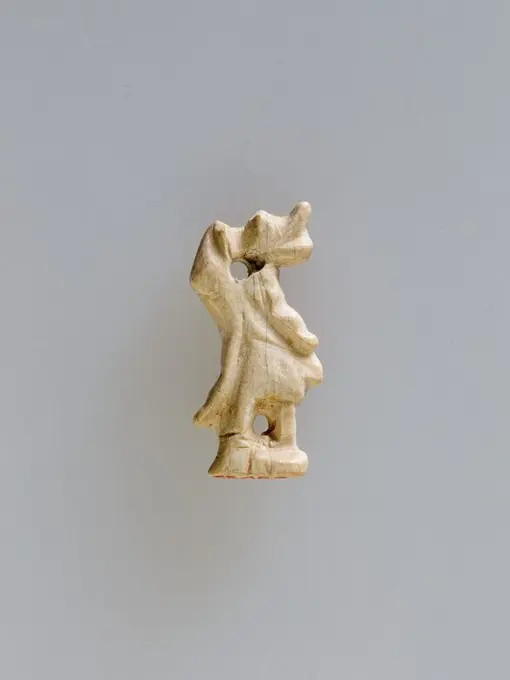
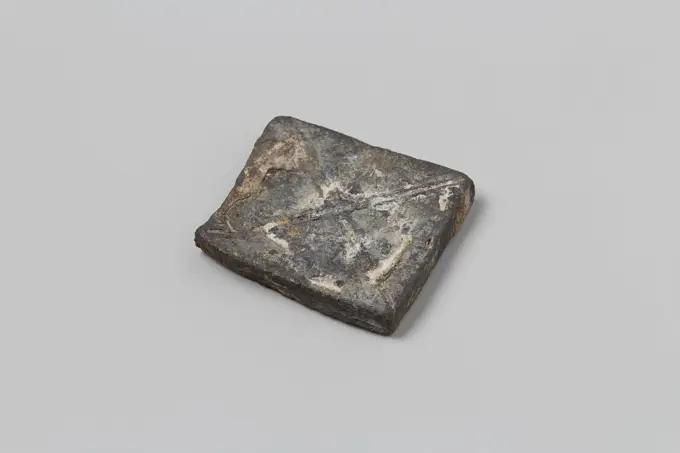
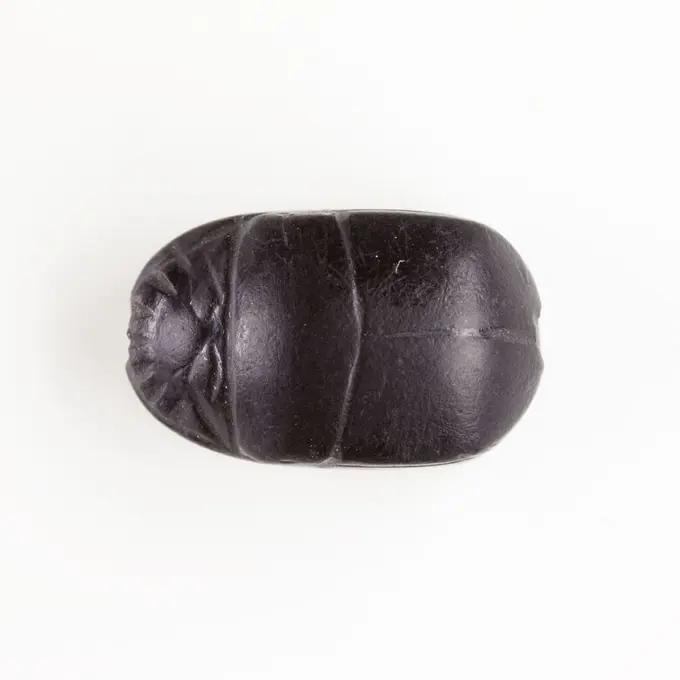
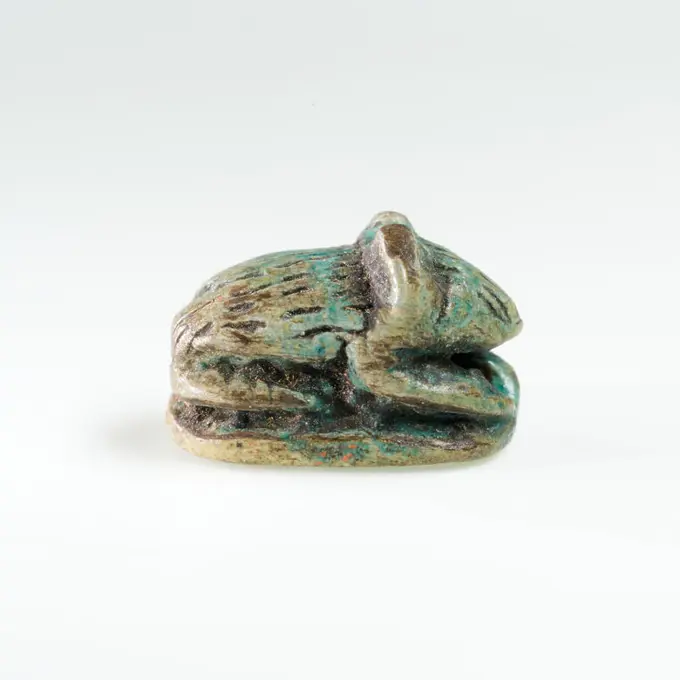
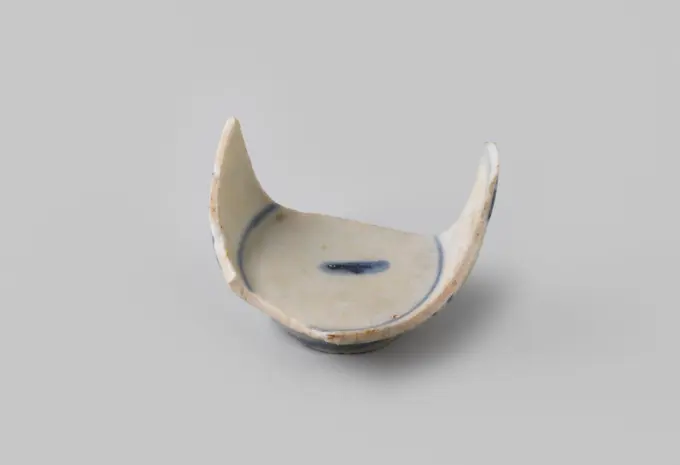
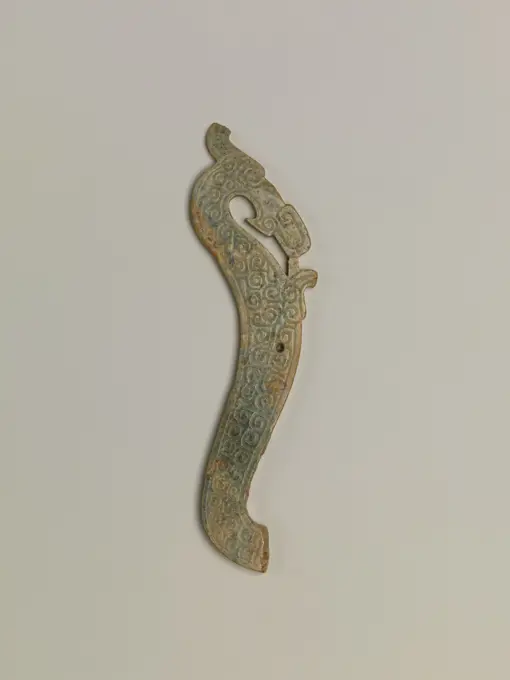
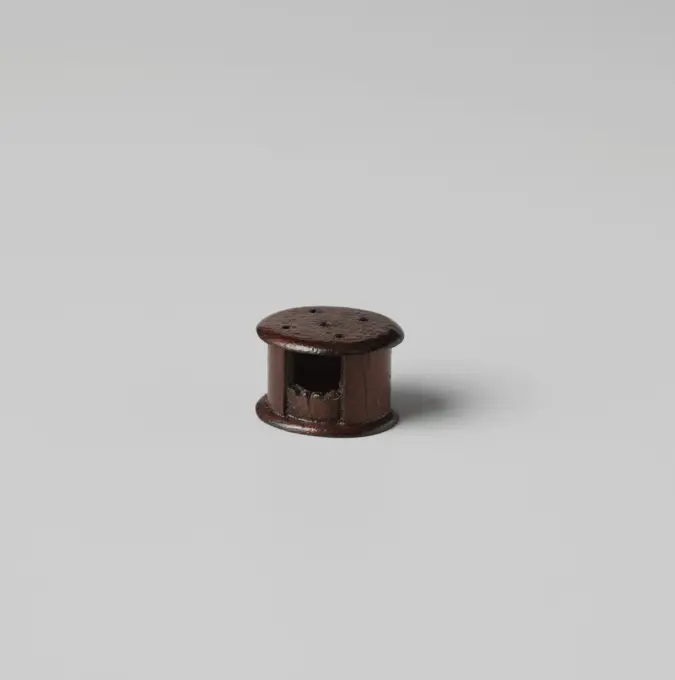
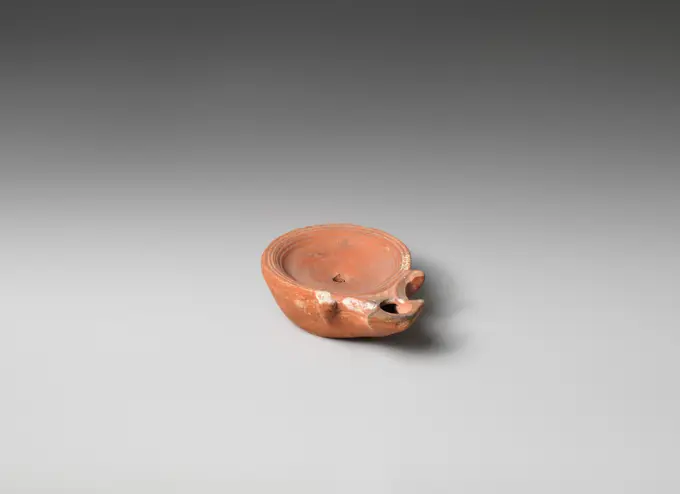
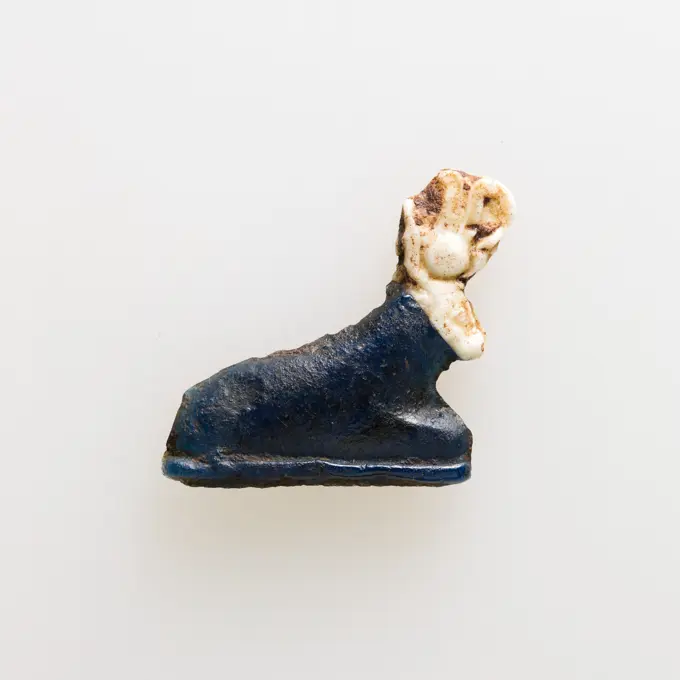
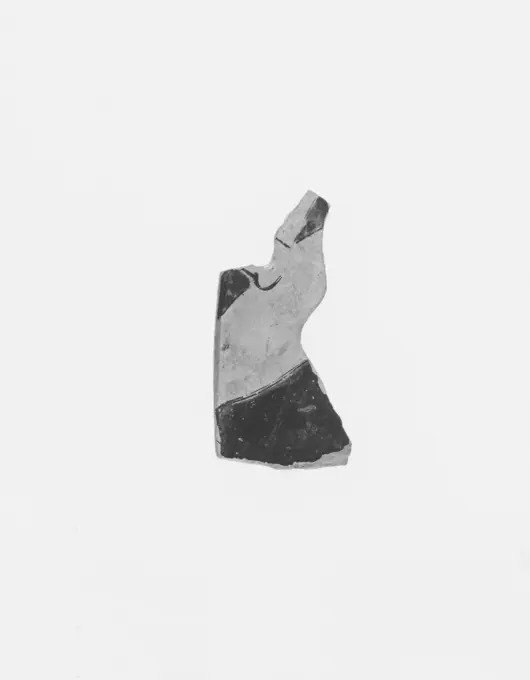
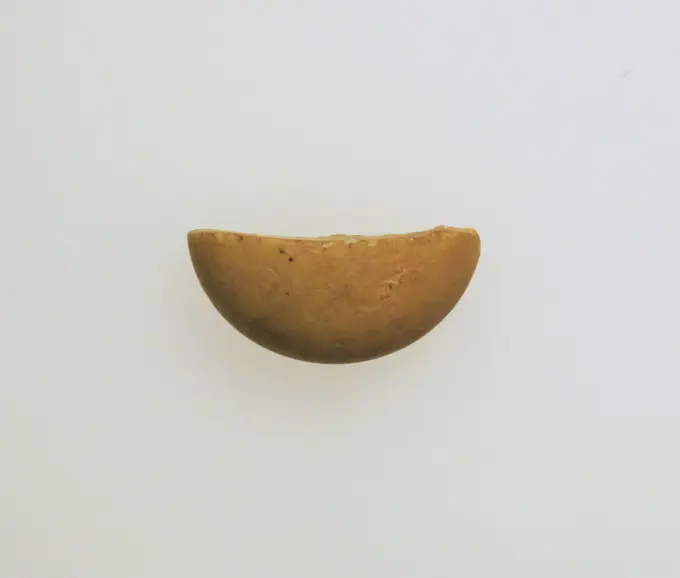
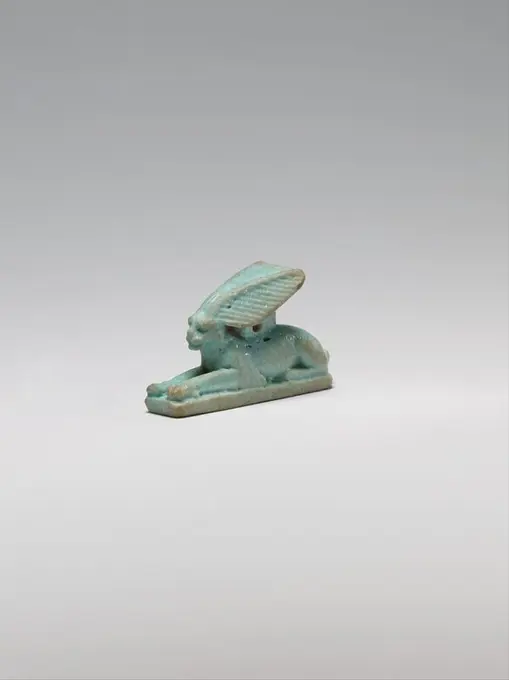
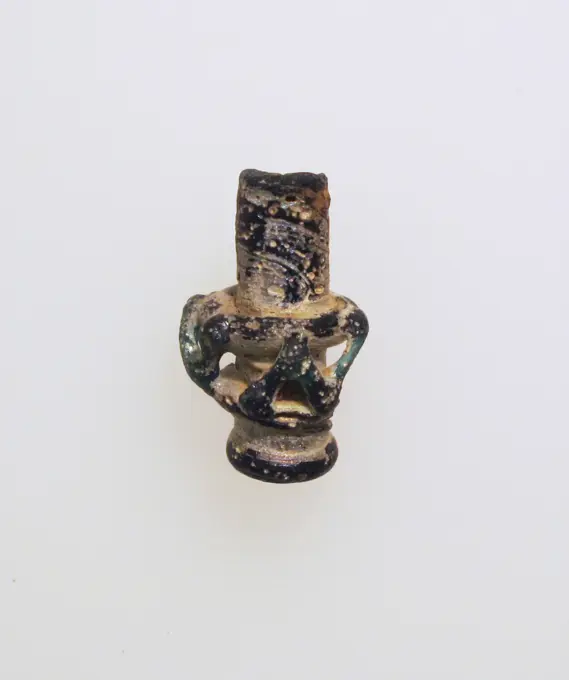
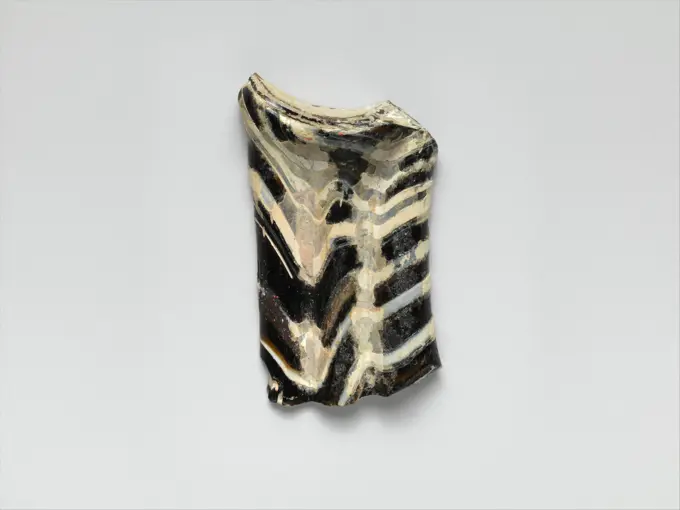
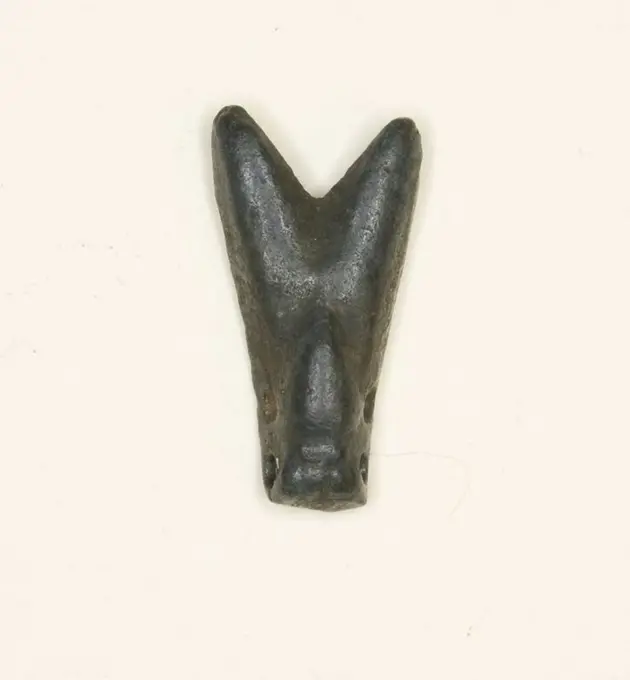
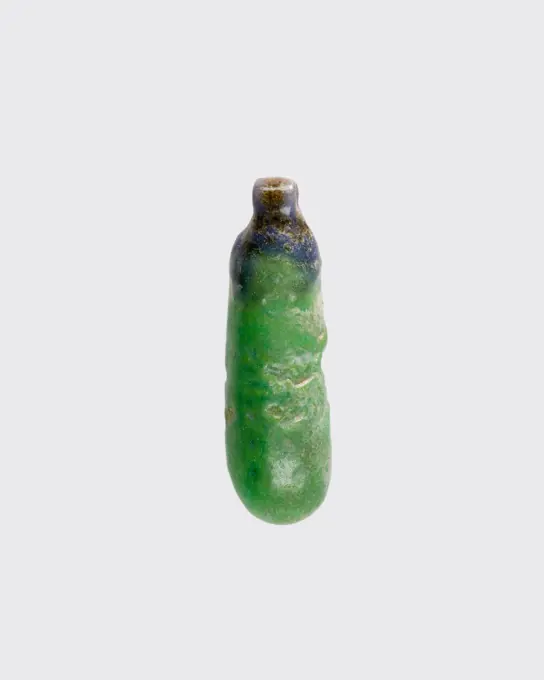
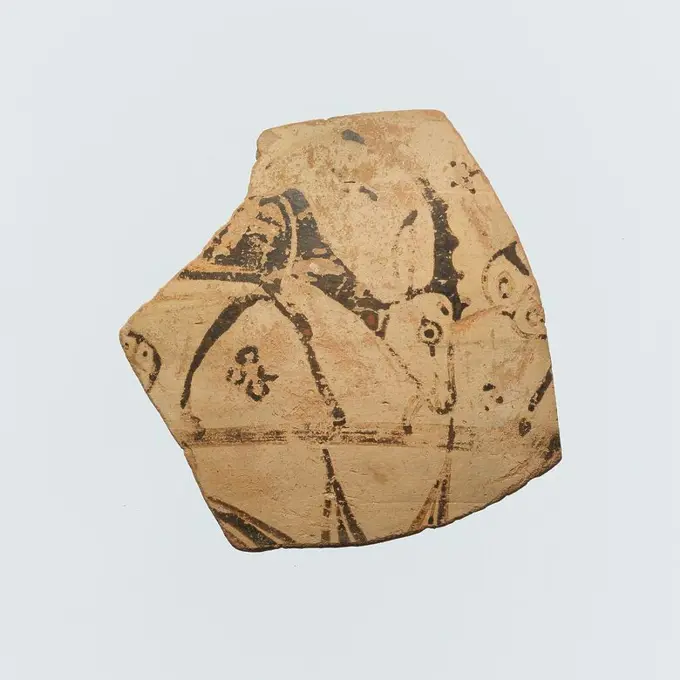
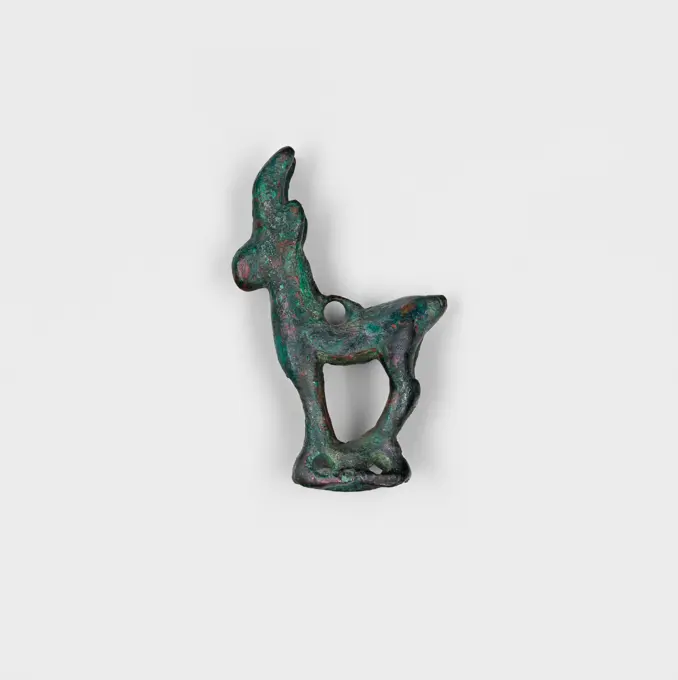
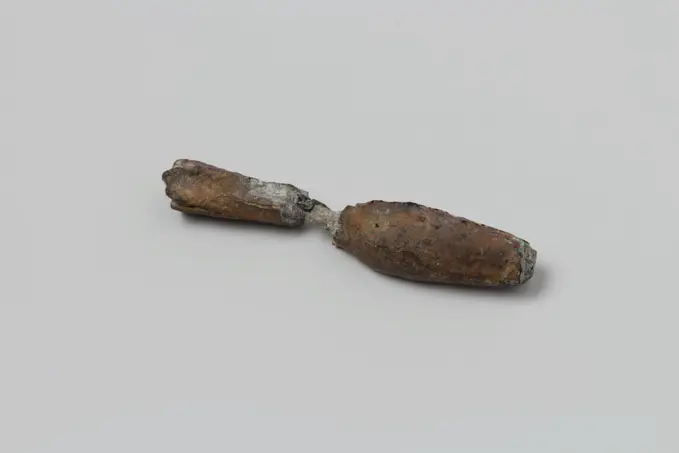
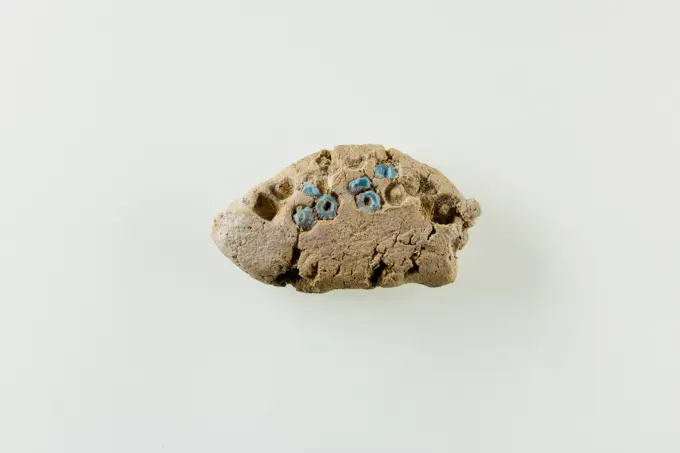
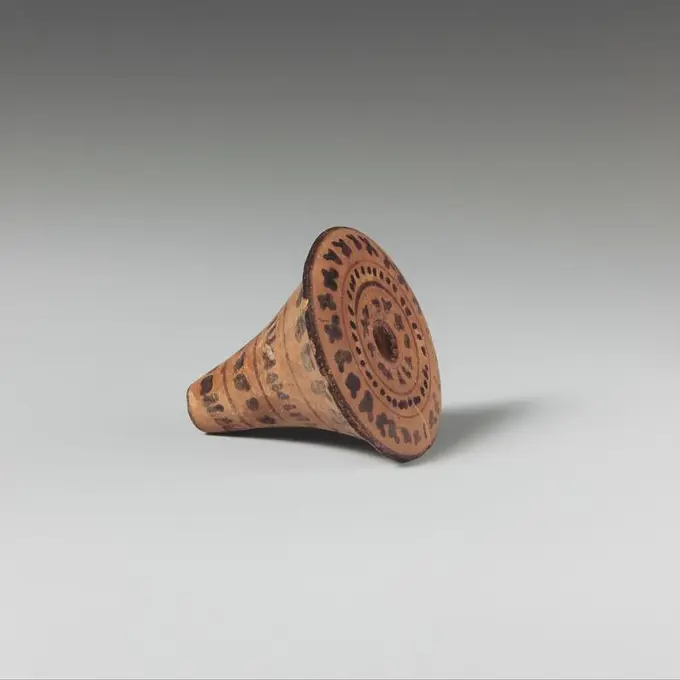
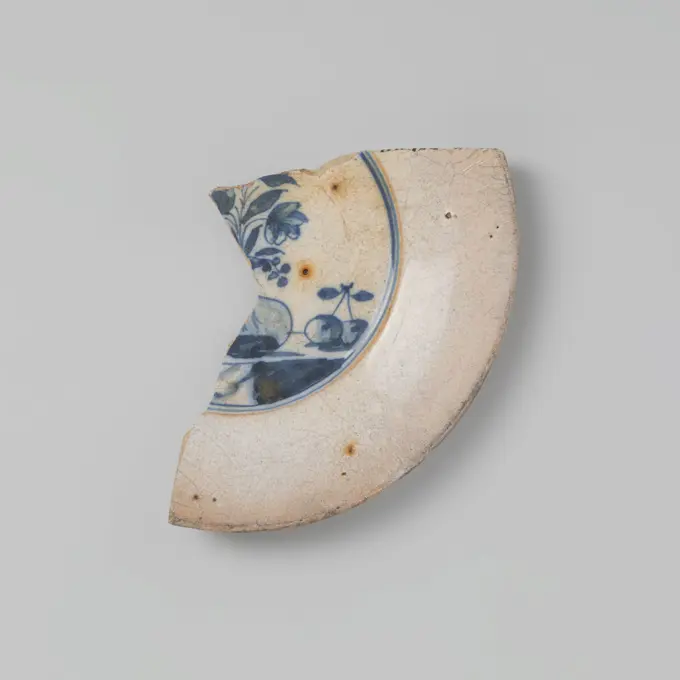
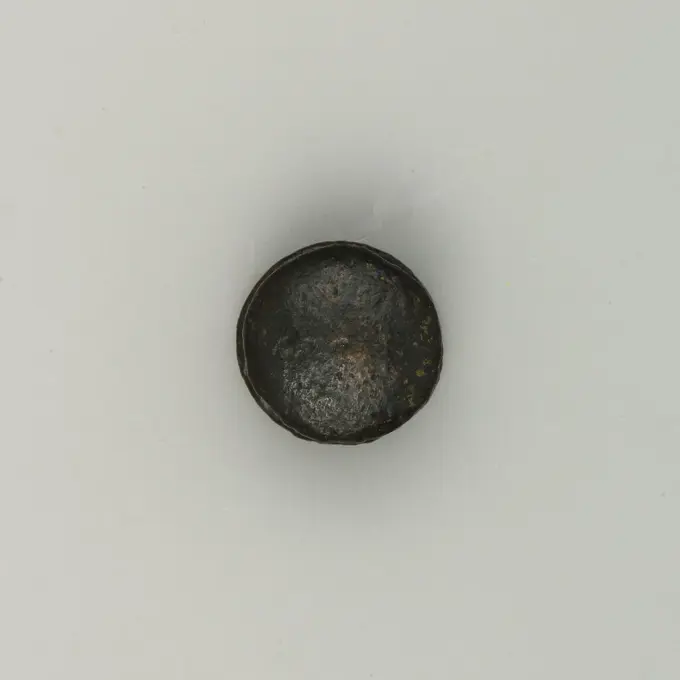
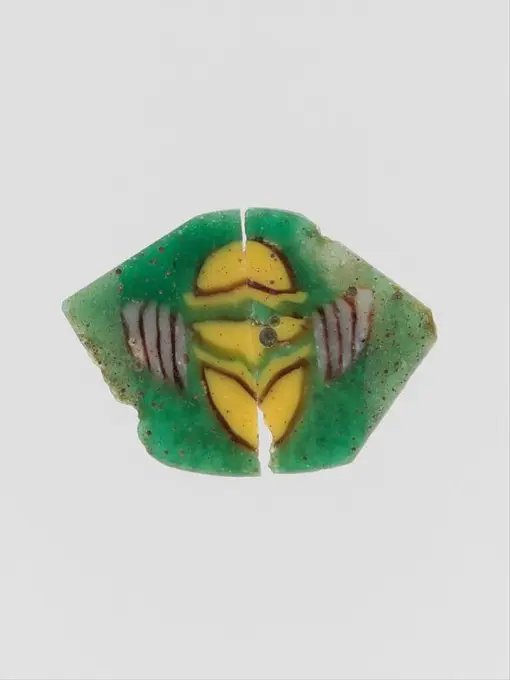
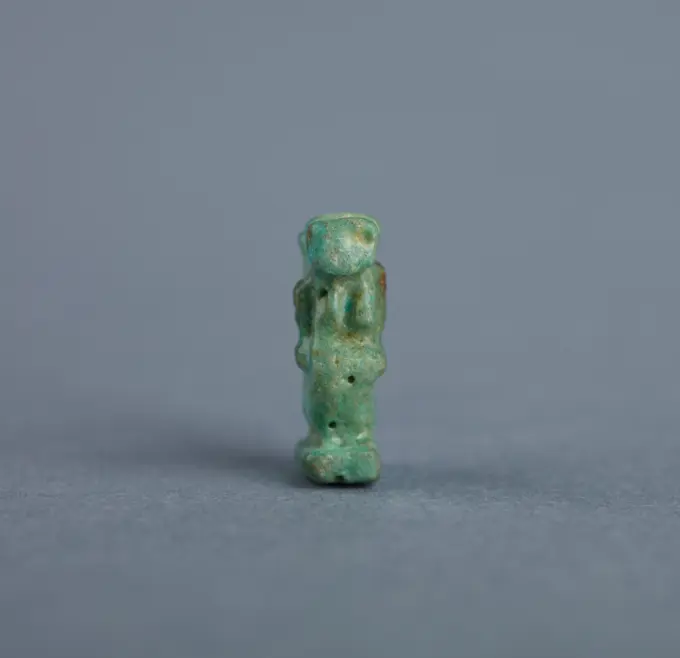
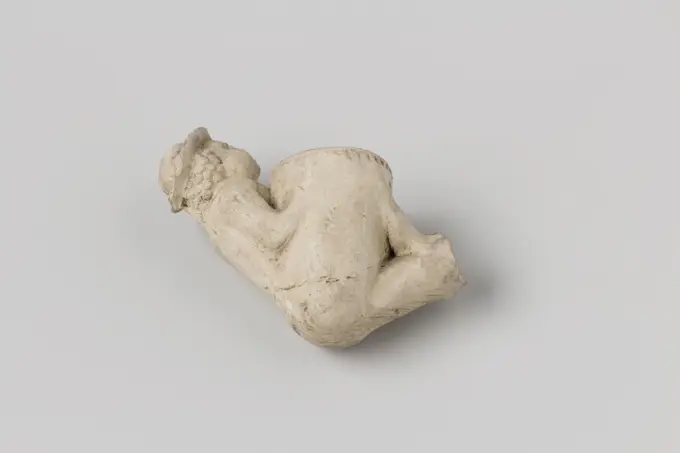
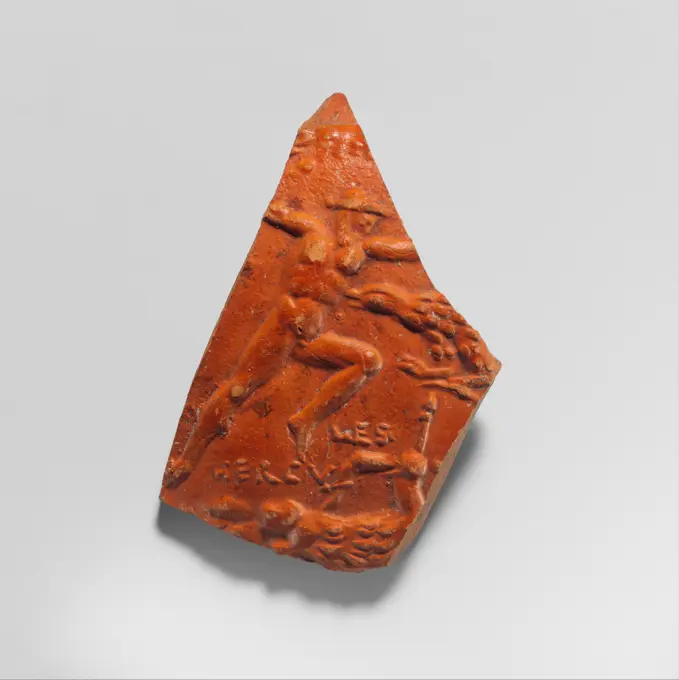
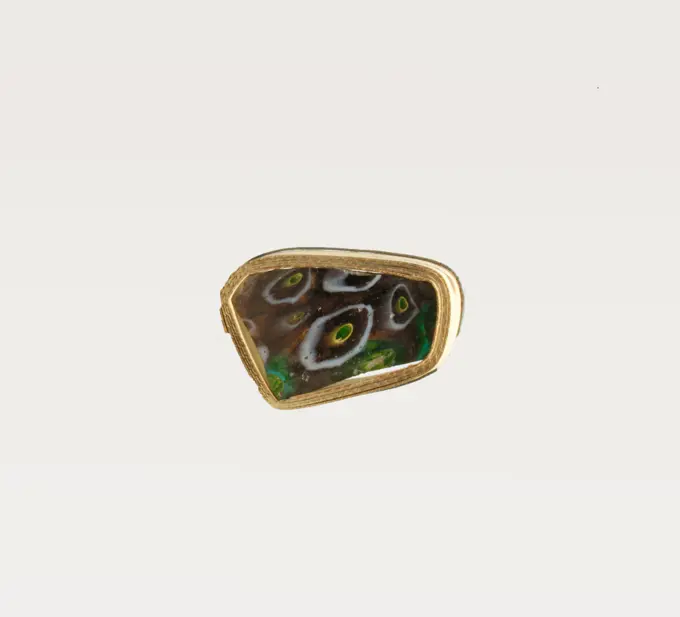
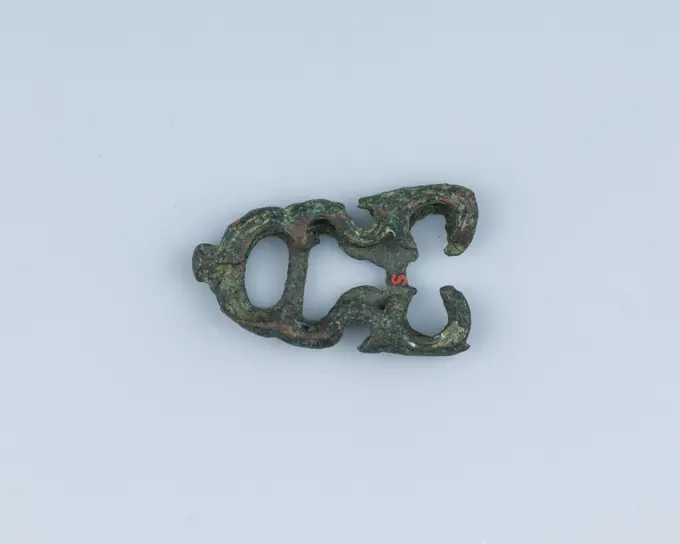
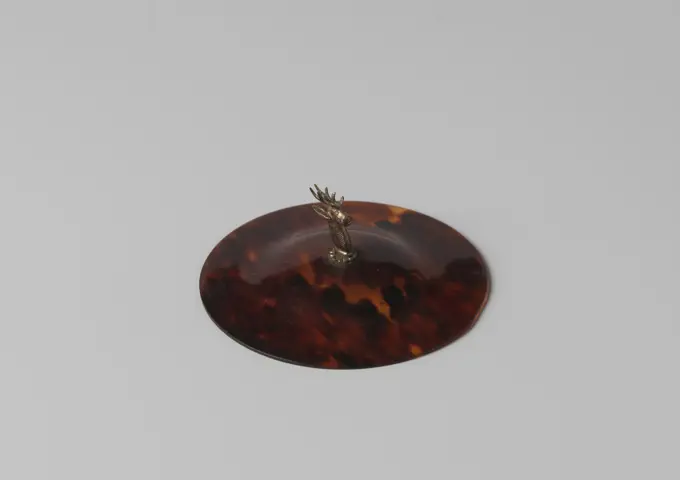
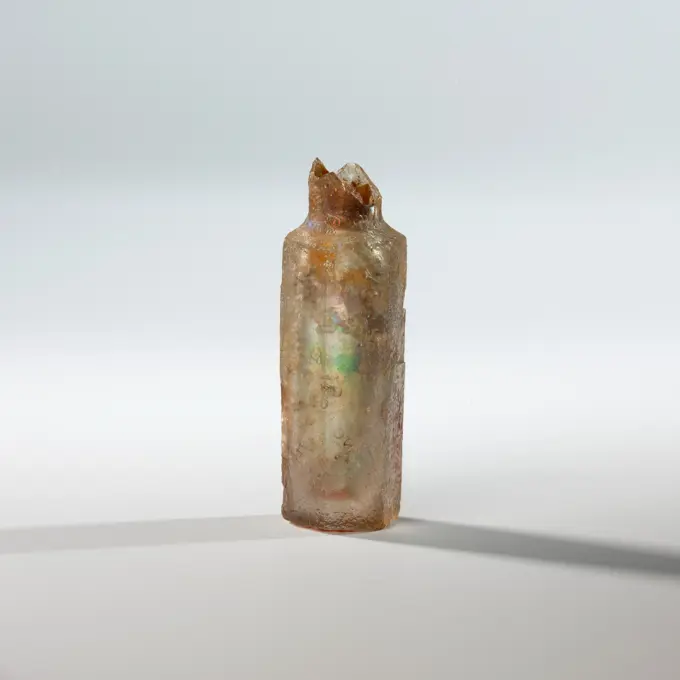
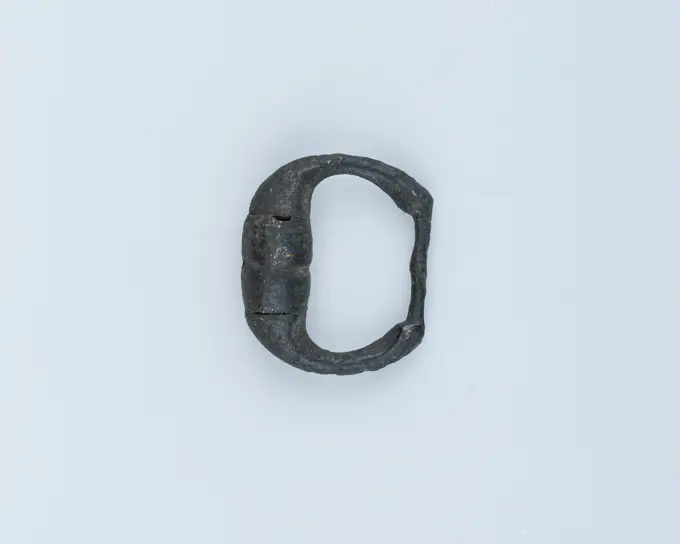
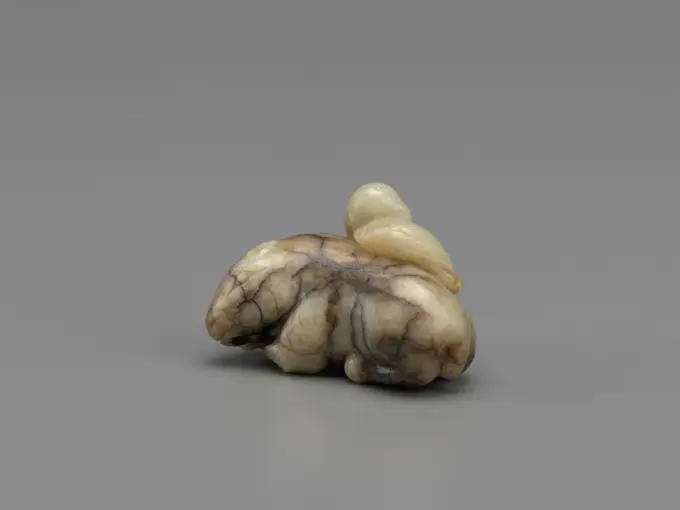
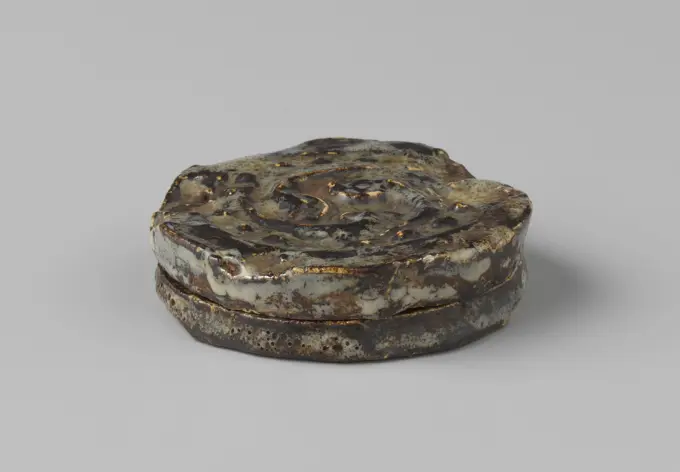
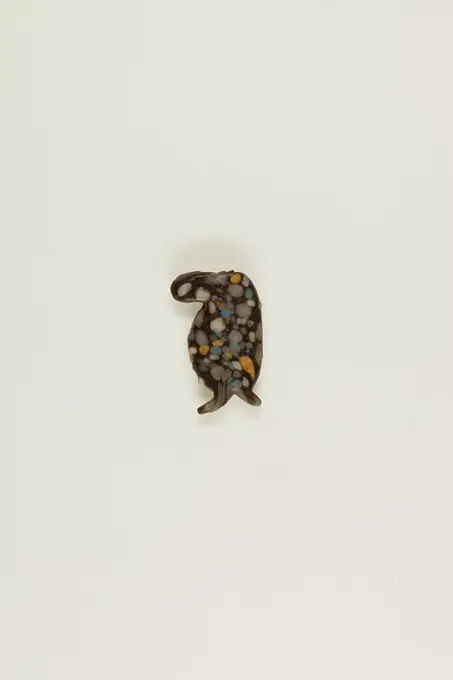
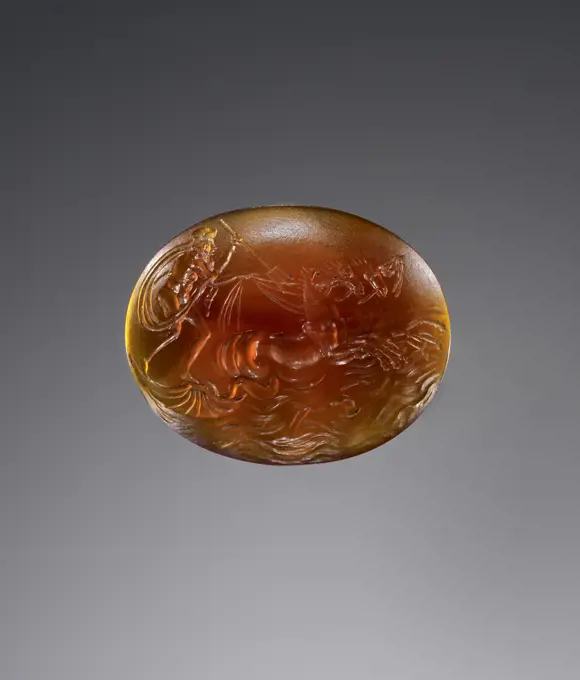
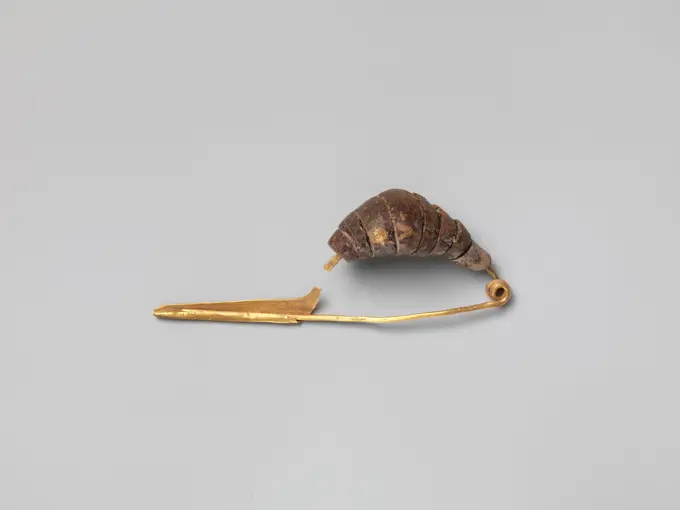
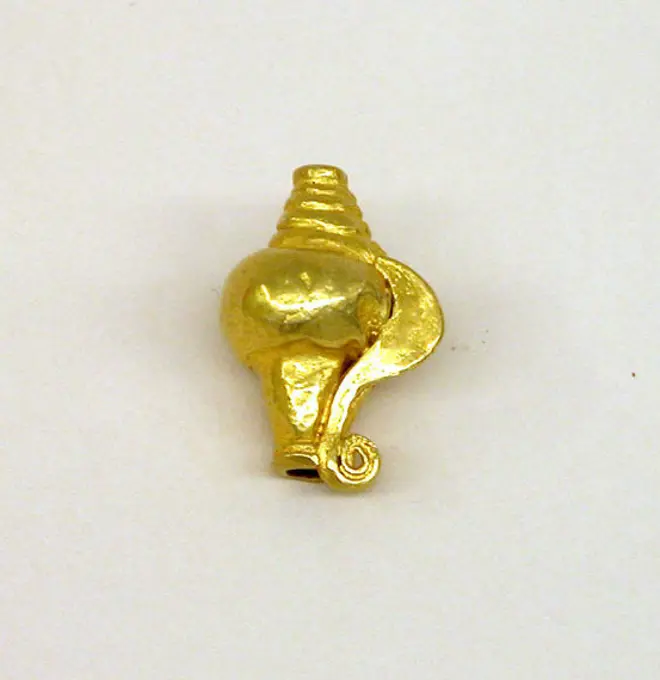
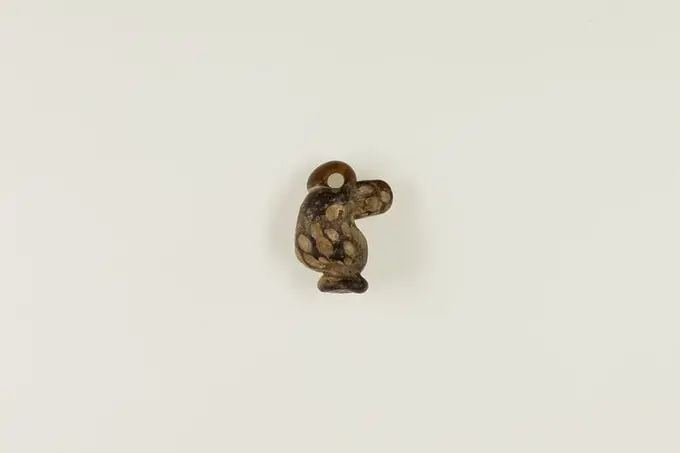
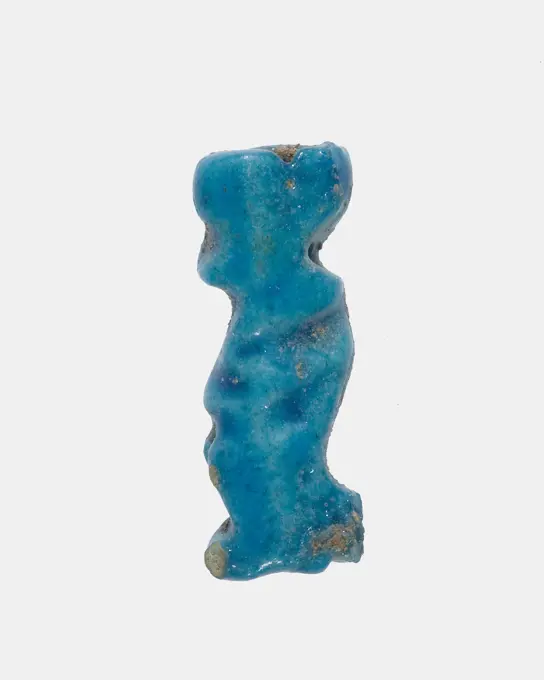
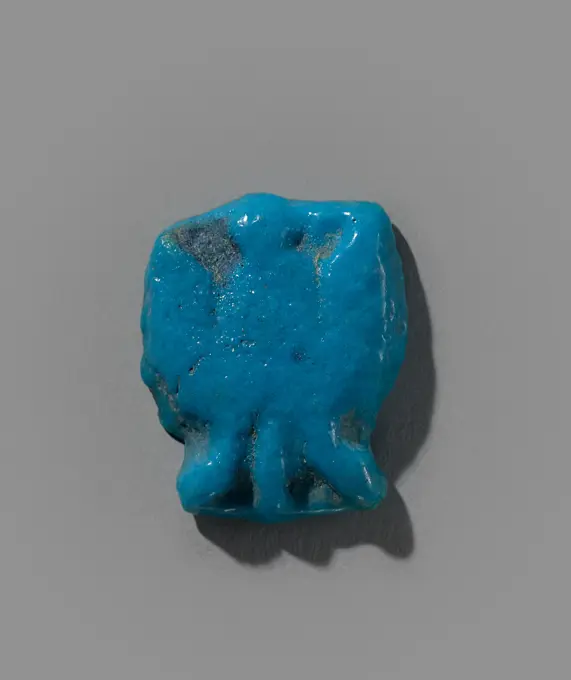
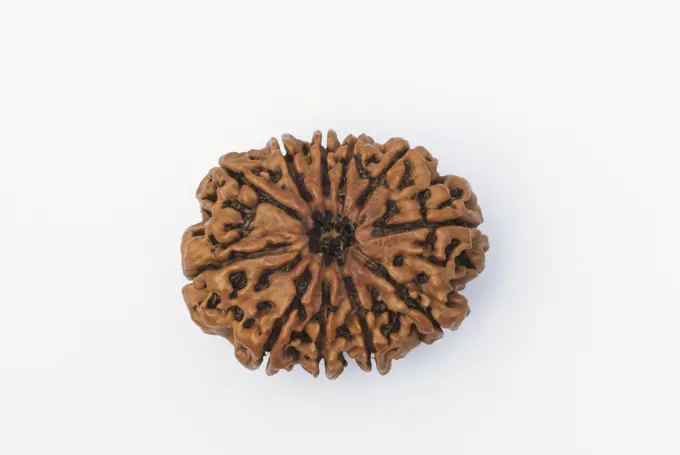
Stop of crockery from the wreck of the East India Hollandia. Vessel part, stopper; Fragm, ID. 70-527H, Finial Broken off.Fragment Pijpenkop from the wreck of the East Indians Hollandia, Anonymous, 1700 - in Or Before 1743  Pipe, bowl, whole market illegible; fragment. Netherlands pipe clay   SecondScherf of a pot from the wreck of the East Indians Hollandia, Anonymous, 1700 - in Or Before 1743 pot Stoneware, Rhenish, Westerwald, pot; of body, sim. NG 1980-27H2624r. Westerwald stoneware   SecondPijpenkop, Anonymous, 1600 - 1699 Pipe. Of the excavations on the Hofstede Arentsburg 1827-1831 under the supervision of Professor Reuvens. Netherlands pipe clay Pipe. Of the excavations on the Hofstede Arentsburg 1827-1831 under the supervision of Professor Reuvens. Netherlands pipe claySharf of a beard fancier from the wreck of the East Indians Hollandia, Anonymous, 1700 - in Or Before 1743  Stoneware, Rhenish, Frechen-ware, jug; fragm of bellarmine mask-appliqué. Cologne stoneware   SecondEarring, baule type 7th-5th Century B.C. Etruscan. Earring, baule type 245937Pinhead. Pinhead. Glass. GlassPendant with Dragon Head 1100 BCE-900 BCE China. Jade .Scherf of a sign from V.O.C. ship De 'Witte Leeuw', Before 1613 plate (dishes) Sharf of a sign from V.O.C. ship the 'Witte Leeuw'.  porcelain   Sint-HelenaFragment Pijpenkop, Jan Nieuwveld, 1740 - 1780 Fragment Pijpenkop, round bottom model, with grunts in outline (floral sinking motif), ending at the top in arcs in which alternating stylized floals and lilies and a row of flowers above the arches. Of the excavations on the Hofstede Arentsburg 1827-1831 under the supervision of Professor Reuvens. Gouda pipe clay Fragment Pijpenkop, round bottom model, with grunts in outline (floral sinking motif), ending at the top in arcs in which alternating stylized floals and lilies and a row of flowers above the arches. Of the excavations on the Hofstede Arentsburg 1827-1831 under the supervision of Professor Reuvens. Gouda pipe clayHead of Jupiter early 19th century Filippo Rega Italian Filippo Rega, son of an antiques dealer in Naples who sent him to Rome to study with the Pichlers (see 39.22.42, .45, .46) returned to Naples and settled there. This monumental, rounded head emerges from subtly graduated, cloudlike mauve hues.. Head of Jupiter 198584Fragment Pijpenkop, Anonymous, 1750 - 1785 Fragment pipes head with twelve grunts with outlines (floral -sainted motif) and a coat of arms with lion and crown, enclosed by flower vines. Of the excavations on the Hofstede Arentsburg 1827-1831 under the supervision of Professor Reuvens. Schoonhoven (Possible) pipe clay Fragment pipes head with twelve grunts with outlines (floral -sainted motif) and a coat of arms with lion and crown, enclosed by flower vines. Of the excavations on the Hofstede Arentsburg 1827-1831 under the supervision of Professor Reuvens. Schoonhoven (Possible) pipe clayGlass mosaic fragment late 1st century B.C.-early 1st century A.D. Roman Translucent honey brown and opaque white.Cylindrical but cut down on back, with projection at one end.Irregular wavy pattern.Polished on back, with some pitting of surface bubbles; dulling and iridescent weathering on exterior.Possibly part of a solid, thick stem and foot.. Glass mosaic fragment 257375Fragment faceted handle from a flute glass from the wreck of the East Indieschief Hollandia. Glass, voice glass, stem, faceted; Fragment, octagonal faceted, taper downward, elongated tear, impovered end with base or bowl, circular.Inlay of a squatting goddess, probably Hathor. Dimensions: H. 7.1 cm (2 13/16 in.); W. 3.8 cm (1 1/2 in.); D. 1.5 cm (9/16 in.). Date: 4th century B.C..This inlay represents a small crouching female goddess. She wears the vulture headdress associated by this time with great mother goddesses, topped by a modius of uraei and a disk, all broken away. She originally held a scepter in the fist on her knee. The king Nectanebo II incorporated into his royal names epithets relating him to the goddess Hathor. Museum: Metropolitan Museum of Art, New York, USA.Straight Steel of glass from the wreck of the East Indians Hollandia, Anonymous, 1700 - in Or Before 1743 drinking glass Glass, stem glass, stems, plain; fragm, id. NG 1980-27H798. Netherlands glass   SecondLotus inlay ca. 1400-1300 B.C. New Kingdom. Lotus inlay 548313Fibula 9th-8th century B.C. Italic, Villanovan. Fibula 256000Half Coconut from V.O.C. ship De 'Witte Leeuw', Before 1613 coconut (fruit) Half coconut from V.O.C. ship De 'Witte Leeuw'. Roughly the entire top.  coconut shell   Sint-HelenaTaweret amulet. Dimensions: H. 2.3 × W. 1.1 × D. 0.4 cm (7/8 × 7/16 × 3/16 in.). Dynasty: Dynasty 8-11. Date: ca. 2110-2030 B.C.. Museum: Metropolitan Museum of Art, New York, USA.Fragment Pijpenkop, Anonymous, 1750 - 1780 Fragment Pijpenkop. Of the excavations on the Hofstede Arentsburg 1827-1831 under the supervision of Professor Reuvens. Alphen aan den Rijn (Possible) pipe clay Fragment Pijpenkop. Of the excavations on the Hofstede Arentsburg 1827-1831 under the supervision of Professor Reuvens. Alphen aan den Rijn (Possible) pipe clayGlass pendant in the form of a lamp. Culture: Roman. Dimensions: Overall: 5/16 x 5/8 in. (0.8 x 1.6 cm). Date: 4th century A.D..Translucent cobalt blue.Solid pendant, flat on top and bottom, with projecting U-shaped nozzle and upturned handle as suspension loop.Two small holes in top to indicate holes in discus and nozzle.Intact; pitting of surface bubbles, dulling, and small patches of whitish weathering.Blue lamp, hole through neck. Museum: Metropolitan Museum of Art, New York, USA.Playing Task from the wreck of the East India Hollandia. Rectangular, Square, Flat, Engraved Diagonal Cross on One Side, Game token.Scarab. Dimensions: L. 1.5 cm (9/16 in). Dynasty: Dynasty 12-18. Date: ca. 1981-1550 B.C.. Museum: Metropolitan Museum of Art, New York, USA.Hedgehog Stamp Seal. Dimensions: L. 1.3 cm (1/2 in.); W. 0.9 cm (3/8 in.); H. 0.8 cm (5/16 in.). Dynasty: Dynasty 18. Reign: reign of Thutmose III. Date: ca. 1479-1425 B.C..This seal amulet hsa been carved in the form of a a hedgehog and the base is inscribed with the throne name of Thutmose III, Menkheperre. Museum: Metropolitan Museum of Art, New York, USA.Fragment Wijnkom from V.O.C. ship De 'Witte Leeuw', Before 1613  Fragment wijnkom. In the centre of this winecup a thin line and a small blotch are drawn. On the inside a scroll of stylized flowers and stems is drawn. Around the lip-rim is a single band and around the footring a double band.  porcelain   Sint-HelenaPendant in the shape of a crested dragon 5th century B.C. China. Pendant in the shape of a crested dragon 75242Fragment. Fragment of brass, gold-plated. Completely decorated. It is not known to which item this fragment has belonged.Sydney Roberts, Iron Hatchet Head, c 1938 Iron Hatchet HeadBuckle 15th-16th century European. Buckle. European. 15th-16th century. Bronze, patina. Miscellaneous-Buckles & OrnamentBox with lid, anonymous, 960 - 1368 Flat round box with a scalloped lid. The preformed decoration of the lid shows a walking boy with a rod over his shoulder, on which a fish dangles. China porcelain vitrification Flat round box with a scalloped lid. The preformed decoration of the lid shows a walking boy with a rod over his shoulder, on which a fish dangles. China porcelain vitrificationStew, oval, with five holes in the top, anonymous, c. 1740 - c. 1760 Stew of mahogany, oval with five holes in the top, the opening for the fire test is finished with a scalloped front line. Amsterdam mahogany (wood) Stew of mahogany, oval with five holes in the top, the opening for the fire test is finished with a scalloped front line. Amsterdam mahogany (wood)Button from the wreck of the East Indians Hollandia, Anonymous, 1700 - in or before 1743 button Knoop. (1) flat top and base, plain, bevelled rim (2.6d, 0.3t), loop-shank damaged Netherlands copper (metal)   SecondTerracotta oil lamp 1st century B.C.-1st century A.D. Roman Loeschcke Type 1A. Mold-made. Plain, concave discus; single filling hole at center, with a band of lines and grooves at edge. Volutes flanking angular nozzle, with large wick hole. Raised base ring, and uneven base.Intact.. Terracotta oil lamp. Roman. 1st century B.C.-1st century A.D.. Terracotta. Early Imperial. TerracottasThimble -Amulet of kneeling cow wearing disk and feathers 400-30 BC Late Period-Ptolemaic Period Starting in the later Late Period and continuing through the Ptolemaic Period, a type of glass amulet cast by pressing the glass into a shallow open mold appears. The back was left rough, and the amulets may look ragged because glass overflowed the mold around the edges. The earlier amulets are monochrome, bi- or multicolor amulets supplement the repertoire during the Ptolemaic Period. Some of the amulets can be specifically tied to spells of the Book of the Dead - for example, acc. no. 17.194.2526 - and most are clearly funerary amulets, presumably meant to be wrapped between the bandages of the mummy where the presence of the amulet would do its job irrespective of its degree of finish.. Amulet of kneeling cow wearing disk and feathers. 400-30 BC. Glass. Late Period-Ptolemaic Period. From EgyptAttic Red-Figure Kylix Fragment. UnknownPinhead 1st century B.C.-5th century A.D. Roman. Pinhead. Roman. 1st century B.C.-5th century A.D.. Glass. GlassHare amulet. Dimensions: L. 3.5 × W. 1.3 × H. 2.1 cm (1 3/8 × 1/2 × 13/16 in.). Date: 664-30 B.C..The amulets 44.4.23-44.4.28 have a uniformity of size and detailing that constitutes a stylistic relationship. Possibly they were made in related workshops. Museum: Metropolitan Museum of Art, New York, USA.Grahal-Manzara. Carnavalet 2013-2016 collection sites. Numismatics.Glass pendant in the form of a vase 4th-early 5th century A.D. Roman Translucent blue, appearing black; trails in translucent turquoise blue.Tall cylindrical body, hollow at top; flat pad base.Two horizontal trails around the lower half of the body, between them, openwork trail in zigzag pattern.Broken around top of body with rim missing; dulling, pitting, and iridescent weathering.. Glass pendant in the form of a vase. Roman. 4th-early 5th century A.D.. Glass; rod-formed and trailed. Late Imperial. GlassBelt hook. Belt hook in the shape of a bird. The patina is dark green.Glass pendant in the form of a jar 4th-early 5th century A.D. Roman Uncertain color, appearing opaque black; opaque yellow trail.Squat, globular body, with regular cylindrical cavity inside; disk-shaped pad base.Continuous zigzag trail in relief around body.Broken at top, with suspension loop missing; slight pitting, but virtually unweathered.. Glass pendant in the form of a jar. Roman. 4th-early 5th century A.D.. Glass; rod-formed, tooled, and trailed. Late Imperial. GlassVase fragment East Greek, Rhodian. Vase fragment 252809 East Greek, Rhodian, Vase fragment, Terracotta, Overall: 4 x 2 3/8in. (10.2 x 6cm). The Metropolitan Museum of Art, New York. Gift of The American Society for the Excavation of Sardis, 1926 (26.199.242)Glass mosaic handle fragment late 1st century B.C.-early 1st century A.D. Roman, probably northern Italian Handle in deep honey brown, appearing black, and opaque white; body in translucent pale honey brown.Thick, straight strap handle tooled into three rounded ribs, with projecting roll at top, attached to neck.Mosaic pattern of irregular stripes in brown and white, appearing as streaks on interior.Polished interior of handle; pitting of surface bubbles on interior; dulling and iridescent weathering on sides and exterior of handle; thick creamy weathering on interior of body.The handle belongs to a type of marbled blown glass ewer (olpa), found principally in northern Italy.. Glass mosaic handle fragment 257063Amulet of a Fly. Egyptian. Date: 1550 BC-1069 BC. Dimensions: 1.3 × 0.6 × 0.3 cm (1/2 × 1/4 × 1/8 in.). Stone (). Origin: Egypt. Museum: The Chicago Art Institute, Chicago, USA. Author: Ancient Egyptian.Fragment blowjob from the wreck of the East India Hollandia.Pipe, Bowl, Bowlmark: Crowned He; Fragm, 2HSM3.Date Pendant ca. 1390-1353 B.C. New Kingdom. Date Pendant. ca. 1390-1353 B.C.. Faience. New Kingdom. From Egypt, Upper Egypt, Thebes, Malqata, Palace of Amenhotep III, MMA excavations, 1910-11. Dynasty 18Carnavalet museum, tokens collectionFragment of a terracotta oinochoe (jug). Culture: East Greek, Wild Goat Style. Dimensions: 4 9/16 x 4 7/16in. (11.5 x 11.3cm). Date: 7th century B.C..Grazing goat. Museum: Metropolitan Museum of Art, New York, USA.Figurka koziołka. nieznany warsztat bliskowschodni, workshopBaluster-shaped handle from a flute glass from the wreck of the East India Hollandia. Glass, voice glass, stem, baluster-shaped; Fragment, Solid, Constizing of An Inverted Baluster Below A Large Flattened Button, Broken, With A Flattened Button at the Junction of FootFragment Pijpenkop, Anonymous, 1650 - 1750 Fragment Pijpenkop. Of the excavations on the Hofstede Arentsburg 1827-1831 under the supervision of Professor Reuvens. Netherlands pipe clay Fragment Pijpenkop. Of the excavations on the Hofstede Arentsburg 1827-1831 under the supervision of Professor Reuvens. Netherlands pipe claySeal, duck ca. 1492-1479 B.C. New Kingdom. Seal, duck 552423Fragment Steel van Fork or Spoon from the wreck of the East Indians Hollandia, Anonymous, 1700 - in Or Before 1743 spoon Cutlery, fragment: stem of fork or spoon; fragm, heavily corroded. Netherlands tin (metal)   SecondBronze ring Decorated with five sets of bosses.. Bronze ring 256672Fragment of clay lump with imbedded ring beads Late Middle Kingdom-Early New Kingdom ca. 1802-1450 B.C. View more. Fragment of clay lump with imbedded ring beads. ca. 1802-1450 B.C.. Clay, faience. Late Middle Kingdom-Early New Kingdom. From Egypt, Memphite Region, Lisht North, Cemetery, debris, MMA excavations. Dynasty 13-18, earlyTerracotta spindle whorl. Culture: Greek, Attic. Dimensions: H. 1 1/2 in. (3.8 cm). Date: 6th-5th century B.C..Like the two onoi (06.1021.52, 10.210.13) displayed nearby, this spindle whorl is a specialized piece of equipment used in working wool into thread. Carefully shaped and painted, it would have been attached to one end of the spindle to make it easier to rotate. Such objects were appropriate indeed for the graves of women. Museum: Metropolitan Museum of Art, New York, USA.Papier -sherry, with white tinglaze on the top and bottom and a representation with flowers and fruit in blue at the top, damaged, anonymous, 1500 - 1799   earthenware. tin glaze   earthenware. tin glazeFragment tobacco pipe. Fragment tobacco pipe with two stipped flowers. Of the excavations at the Hofstede Arentsburg 1827-1831 under the supervision of professor Reuvens.Button, maybe for a Horse Tack. Culture: possibly Roman. Dimensions: H. 5/8 in. (1.6 cm); Wt. 0.5 oz. (14.2 g). Date: probably 1st-4th century.This small button originally adorned a piece of leather, possibly part of a horse tack. Museum: Metropolitan Museum of Art, New York, USA.Glass mosaic inlay. Culture: Egyptian, Ptolemaic or Roman. Dimensions: Other: 15/16 in. (2.4 cm). Date: late 1st century B.C.-early 1st century A.D..Translucent turquoise green; decoration in opaque white and yellow, and translucent purple.Diamond-shaped thin, flat plaque.Symmetrical bug-shaped motif, with wings represented by white and purple stripes.Complete but with minor chips on edges; upper side and edges ground and polished; pitted surface bubbles, iridescent weathering on back.The inlay is made from two sections cut from the same cane of mosaic glass, with decoration appearing in mirror image.The design may represent a winged beetle. Museum: Metropolitan Museum of Art, New York, USA.denarius; Lucius Werus (130-169; Roman emperor 161-169); 166 (166-00-00-166-00-00);Amulet  touristSharf of a sign from the wreck of the East Indians Hollandia, Anonymous, 1700 - in Or Before 1743 plate (dishes) Porcelain, plate, type 3; fragm of rim, sim. NG 1980-27H3202c. Netherlands porcelain   SecondFragment Pijpenkop, Jan Boot, 1700 - 1740 Fragment pipe head with a sitting man with curled hair and hat. Of the excavations on the Hofstede Arentsburg 1827-1831 under the supervision of Professor Reuvens. Gouda pipe clay Fragment pipe head with a sitting man with curled hair and hat. Of the excavations on the Hofstede Arentsburg 1827-1831 under the supervision of Professor Reuvens. Gouda pipe clayTerracotta medallion fragment mid-2nd century A.D. Roman, Gallic Prometheus tied up with arms outstretched and eagle pecking at his chest; below Hercules armed with bow and arrow, and wearing lionskin: in field: HERCU LES. The medallion was applied to a vessel as decoration.. Terracotta medallion fragment 250475 Roman, Gallic, Terracotta medallion fragment, mid-2nd century A.D., Terracotta, 2 3/4  1 5/8  1/4 in. (7  4.2  0.6 cm). The Metropolitan Museum of Art, New York. Gift of J. Pierpont Morgan, 1917 (17.194.2139)Engraved Tabloid. UnknownFragments of a pipe head and pipe stems from the wreck of the East India Flying Heart. A fragment of the head of a golden earthen pipe and 7 fragments of pipe stems with caked metal residues.Reduced housing model: Right's roof roof. Terracotta. Cernuschi Museum, Asia Museum of Asia in the city of Paris.Glass mosaic fragment late 1st century B.C.-early 1st century A.D. Roman Body fragment.Translucent deep purple, turquoise blue partially appearing green, opaque white and yellow.Convex curving side.Mosaic pattern formed from polygonal sections of two canes: one in a purple ground with a hollow white circle and an inner, small yellow circle around a central blue rod, and the other in a blue ground with an indeterminate pattern (spiral) in yellow.Polished exterior; pitting and slight weathering of surface bubbles on exterior; dulling and creamy iridescent weathering on interior and three edges; one edge unweathered.. Glass mosaic fragment. Roman. late 1st century B.C.-early 1st century A.D.. Glass; cast. Early Imperial. GlassMordant 15th-17th century European. Mordant. European. 15th-17th century. Bronze. Miscellaneous-Buckles & OrnamentLid of turtle with Hertekop of silver (series of 28 pieces A to BB), Anonymous, c. 1700 - c. 1799 Turtle cover (28 pieces: A to BB) with silver's deer head as a button. Indonesia silver (metal) Turtle cover (28 pieces: A to BB) with silver's deer head as a button. Indonesia silver (metal)Bottle;  VIII-XII century (701-00-00-1200-00-00);Semerau-Siemianowski, Władysław (1849-1938), Semerau-Siemianowski, Władysław (1849-1938)-collection, gift (provenance), Islam (culture), art of IslamLandscape Jasper Stone Against White BackgroundBuckle Loop possibly 5th century French, Haute-Savoie. Buckle Loop. French, Haute-Savoie. possibly 5th century. Bronze. Miscellaneous-Buckles & OrnamentDress part from the wreck of the East Indians Hollandia, Anonymous, 1700 - in Or Before 1743  Tap, spigot, removable; fragm, circular ring-shaped handle, part of NG 1979-523H. Netherlands copper (metal)   SecondBlade ca. 4600-3600 B.C. Ghassulian. Blade 326543Bear andHawkIncense container shaped as the end of a rooftile, anonymous, 1700 - 1850 Round, flat incense box ( kōgō) of brown earthenware with green glaze, the lid with a relief decoration in the form of the end of a weathered end -roof pan: a motif of three comma forms (  Tomoe), surrounded by a band with points. The underside marked with a stamped signature  buntei / fumitei.  raku earthenware. Japan earthenware. vitrification Round, flat incense box ( kōgō) of brown earthenware with green glaze, the lid with a relief decoration in the form of the end of a weathered end -roof pan: a motif of three comma forms (  Tomoe), surrounded by a band with points. The underside marked with a stamped signature  buntei / fumitei.  raku earthenware. Japan earthenware. vitrificationTaweret amulet. Dimensions: l. 1.9 × w. 1.3 cm (3/4 × 1/2 in.). Date: 100 BC-100 AD. Museum: Metropolitan Museum of Art, New York, USA.The aperture of a helmet shellGlass pendant in the form of a jar 3rd-4th century A.D. Roman Uncertain color, appearing opaque black; loop and base in same color; chips in opaque yellow, red, and uncertain colors.Squat globular body; rounded pad base; thick circular suspension loop applied at top.A few chips applied randomly to body and loop, and marvered.Intact, but chipped on one side; dulling, pitting, and weathering.. Glass pendant in the form of a jar. Roman. 3rd-4th century A.D.. Glass; rod-formed and applied. Late Imperial. GlassVase fragment Greek, Laconian. Vase fragment 251285 Greek, Laconian, Vase fragment, Terracotta, 13/16 x 13/16in. (2 x 2cm). The Metropolitan Museum of Art, New York. Gift of A. J. B. Wace, 1923 (23.119.9)Fossil Vistand. Fossil fishing edge with fossilized leg, very likely to be a side tooth from the left top jaw of a cosmopolitodus Hastalis, an extinct shark species that was very common in the Miocene and the early pliocene. (Determined by Lex Cat shop, collector of fossil shark teeth, based on photo, October 2010).Pijpenkop with piece of stem from the wreck of the East Indieschief Hollandia. Pipe, Bowl, Healmar: Coat of Arms of the Province of Gelderland; No HSM.Chinese tael weight from the wreck of the Dutch East India ship 't Vliegend Hart, anonymous, 1700 - 1735 weight Small copper weight in the form of a violin with Chinese and Western characters. Violin weight, Violin-Shaped Weights. NetherlandsChina copper (metal)Engraved Gem Neptune; Europe; 1750 - 1850; Carnelian; 2 x 2.5 cm (13,16 x 1 in.)Gold and amber fibula (safety pin) 7th-6th century B.C. Italic Eight amber fragments form the fibula's bow.. Gold and amber fibula (safety pin). Italic. 7th-6th century B.C.. Gold, amber. Archaic. Gold and SilverBird Plaque Ornament 3rd century B.C.-A.D. 2nd century Vicús. Bird Plaque Ornament 315462Pendant in the Shape of a Shankha Second half of the 8th-second half of the 10th century Indonesia (Java). Pendant in the Shape of a Shankha. Indonesia (Java). Second half of the 8th-second half of the 10th century. Gold. Central Javanese period. JewelryAmulet, Taweret. Dimensions: l. 1.9 × w. 1.3 cm (3/4 × 1/2 in.). Date: 100 BC-100 AD. Museum: Metropolitan Museum of Art, New York, USA.Pipes from the wreck of the East India Hollandia.Pipe, Bowl, Heelmark: Crowned 91; 1HSM1.String of 16 beads 1st Century B.C. to 5th Century A.D. Roman Period or later. String of 16 beads 570579Tubular bead. Dimensions: l. 1.6 cm (5/8 in); diam. 0.4 cm (3/16 in). Dynasty: Dynasty 13. Date: ca. 1802-1640 B.C.. Museum: Metropolitan Museum of Art, New York, USA.Monkey Amulet ca. 1802-1450 B.C. Late Middle Kingdom-Early New Kingdom. Monkey Amulet. ca. 1802-1450 B.C.. Faience. Late Middle Kingdom-Early New Kingdom. From Egypt, Memphite Region, Lisht North, Cemetery south of pyramid, House A1, so-called "faience factory", MMA excavations, 1920-22. Dynasty 13-18, earlyFood Model Amulet: Brace of Duck, 1295-1069 BC. Egypt, New Kingdom, Dynasties 19-20. Turquoise faience; overall: 2.6 cm (1 in.).Sharf of yellowish baking earthenware, with white glaze, with a decorative border in blue, anonymous, 1600 - 1650  Northern Netherlands earthenware. glaze majolica  Northern Netherlands earthenware. glaze majolicaNagelas from v.O.c.-ship the 'white lion'. Wooden Nagelas. Wood weathered and cracked.Eleven mukhi Rudraksha Price Rs.1800 botanically Elaeocarpus Ganitrus Roxb, English Utrasum Copyright: xMxAmirtham/DinodiaxPhotox