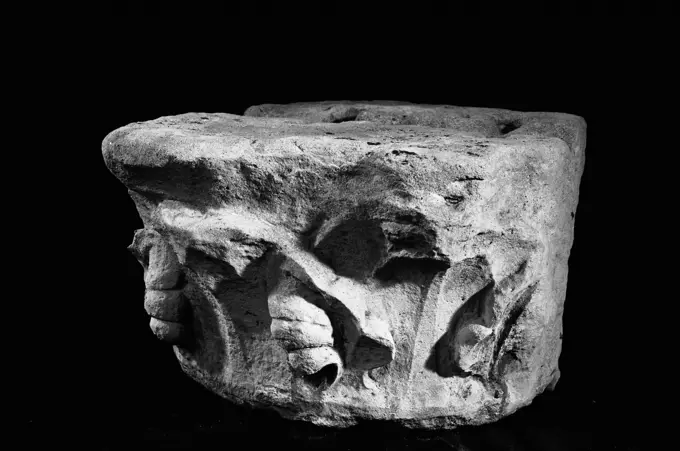
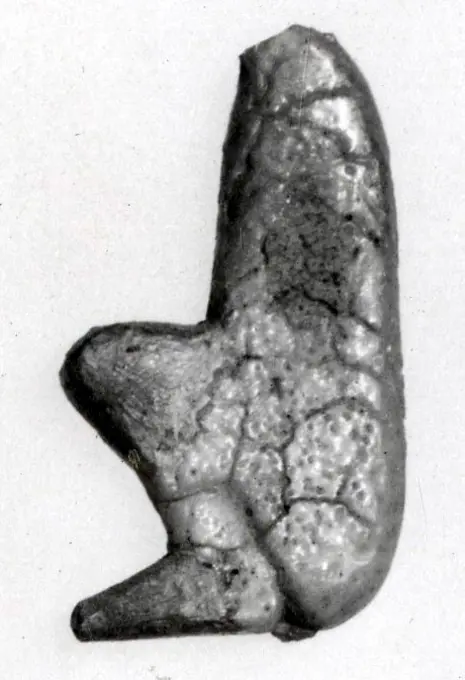
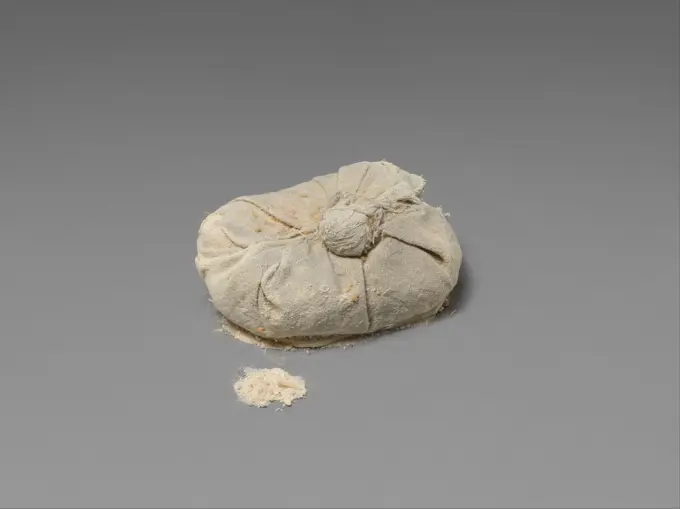
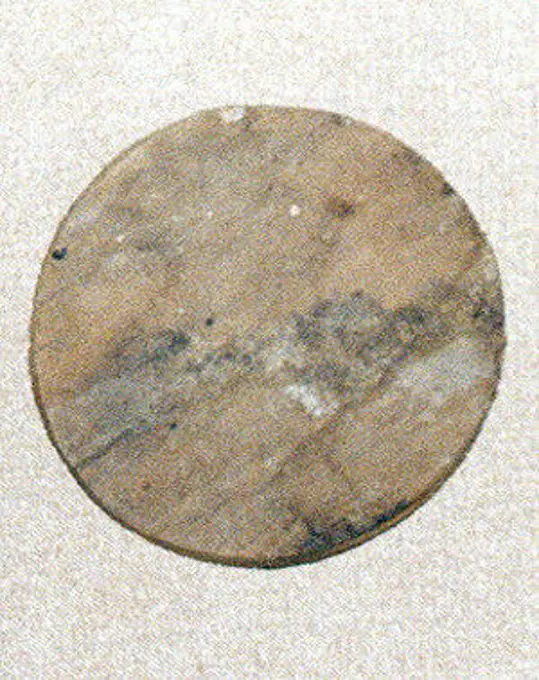
Fragments of Ancient Artifacts

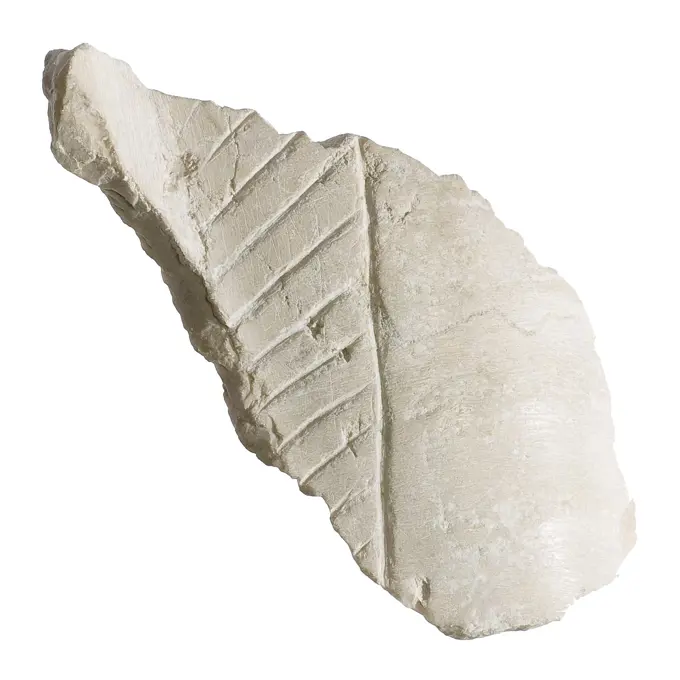
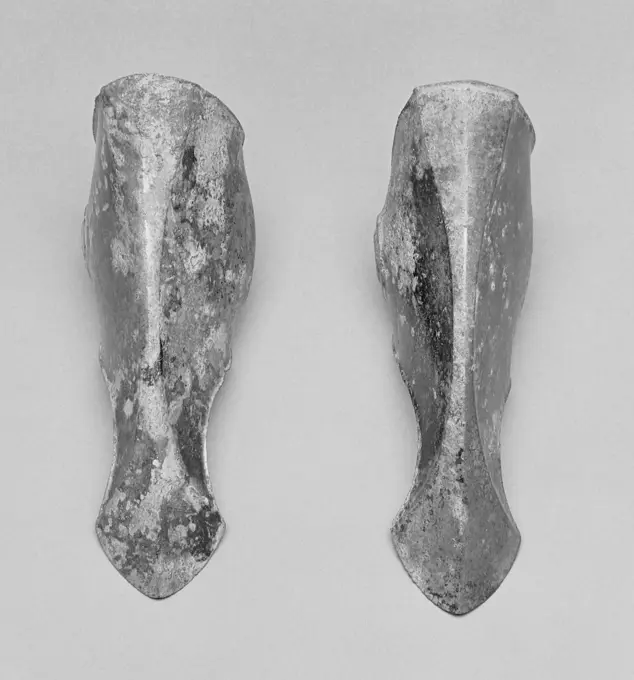
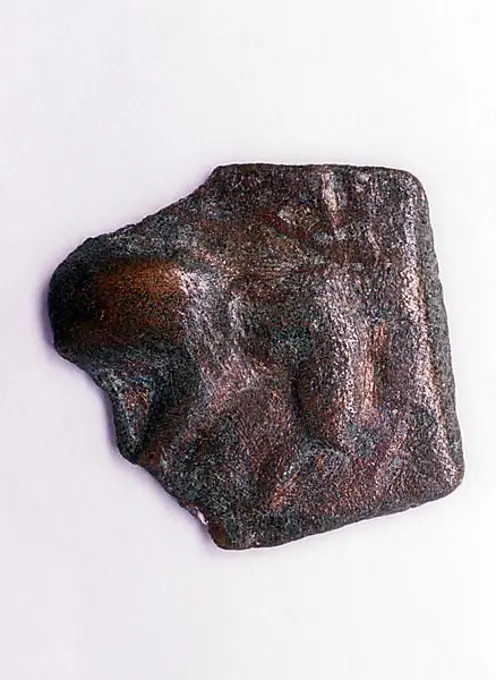
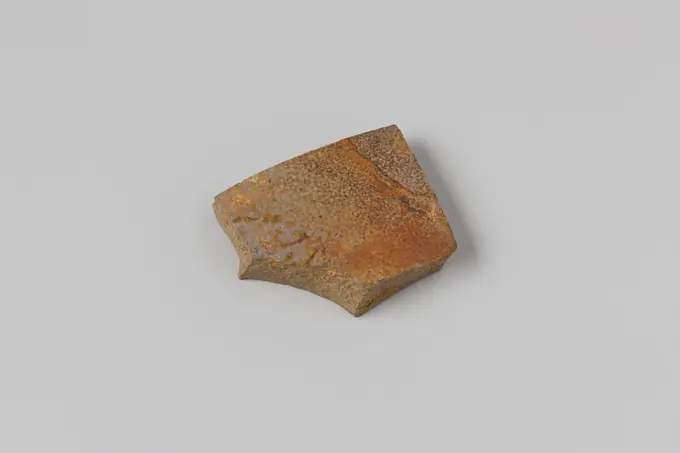
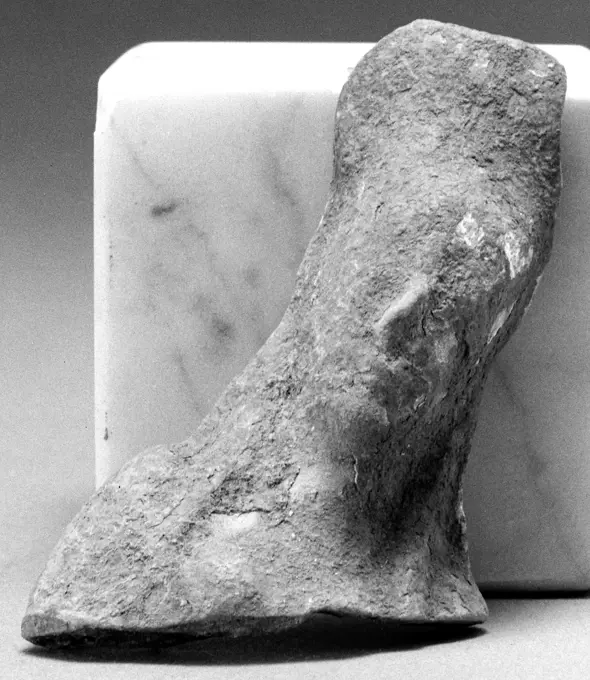
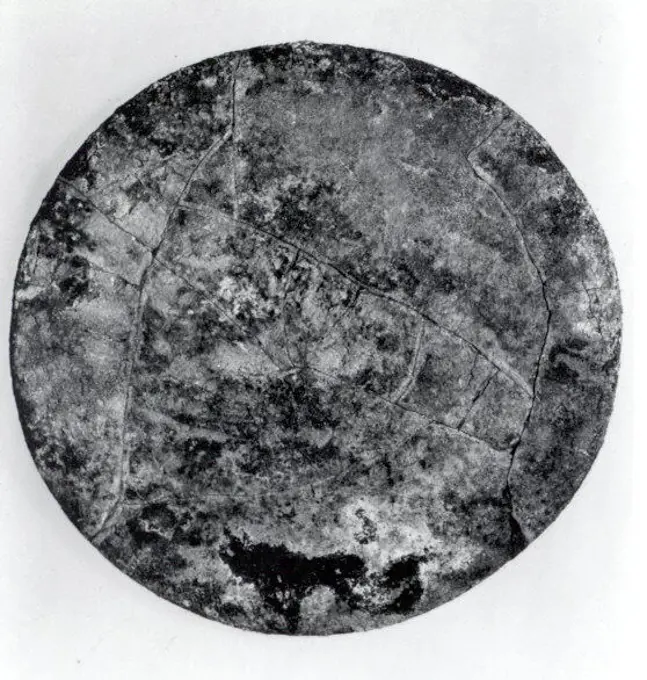
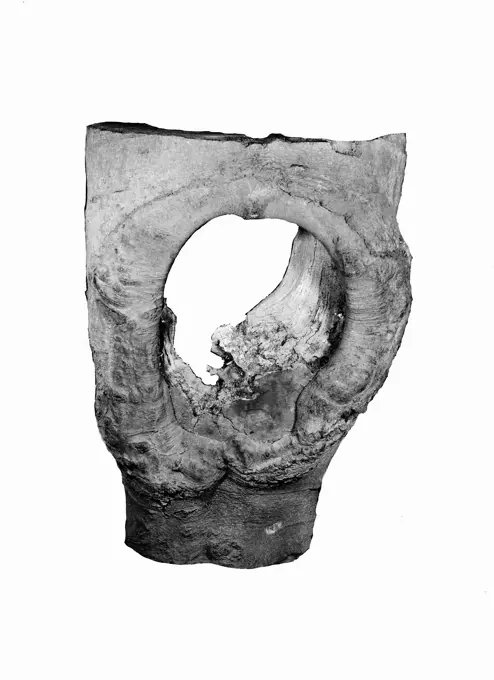
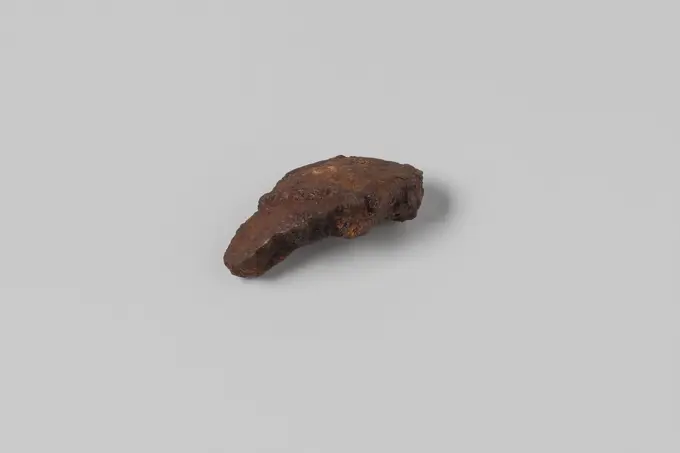
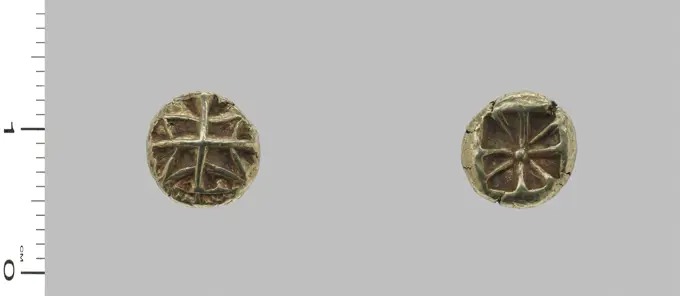
A series of unidentified fragments and coins, showcasing the remnants of ancient civilizations, including sealing fragments and figurine pieces.
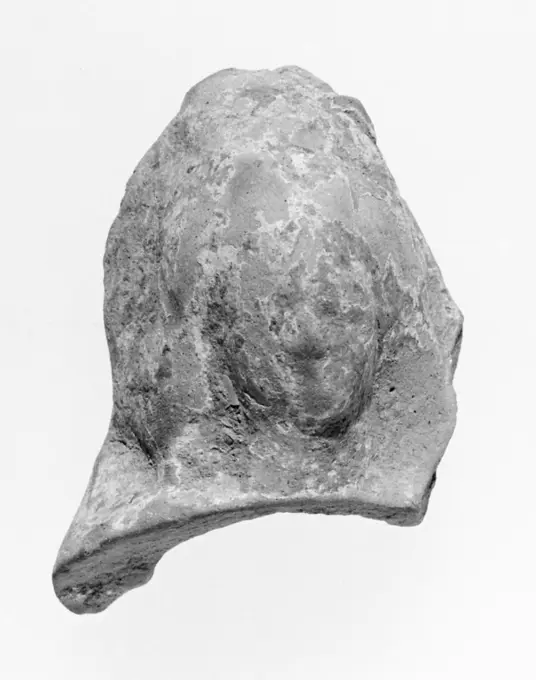
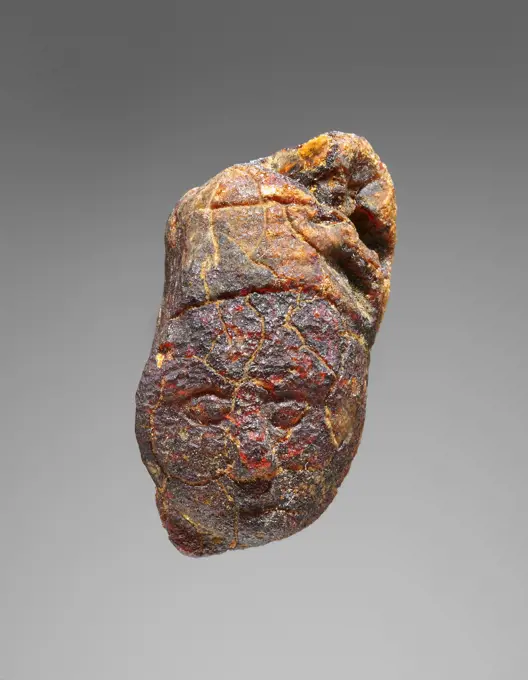
Female Head. Unknown
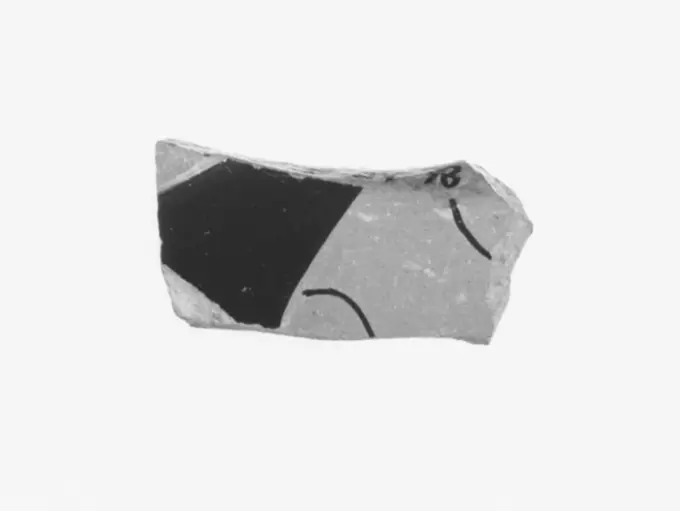
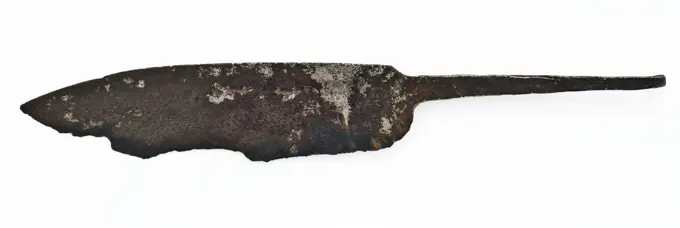
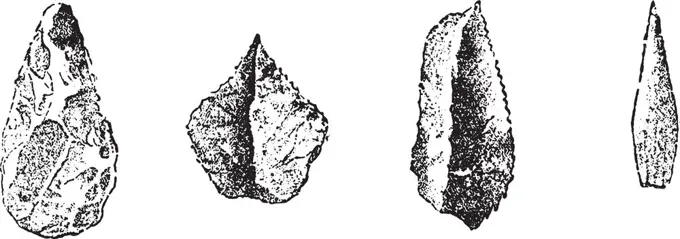
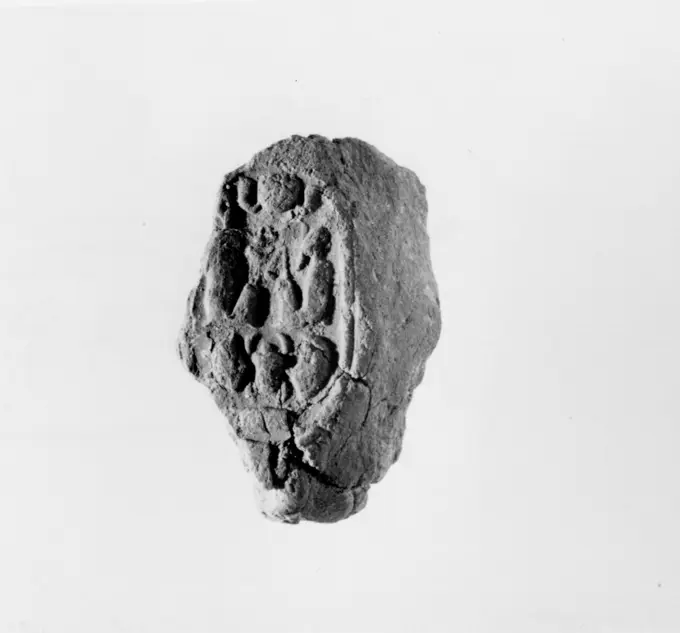
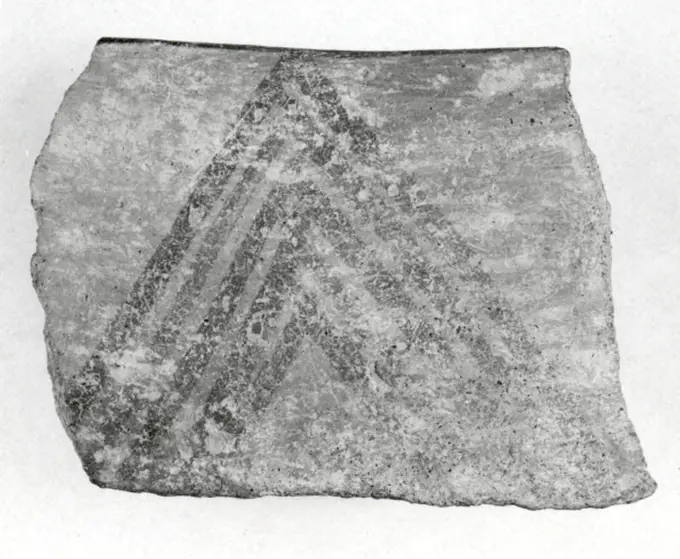
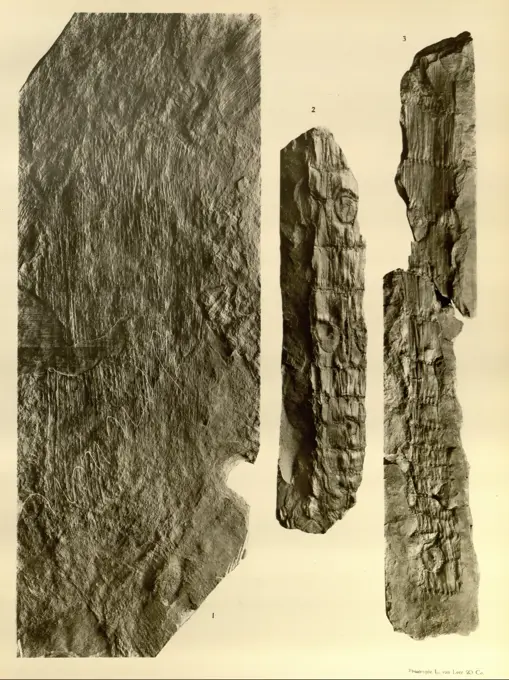
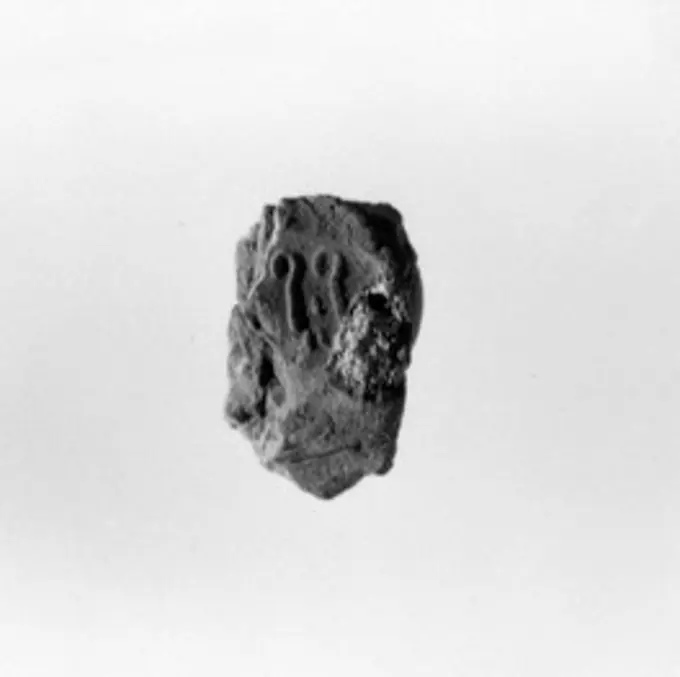
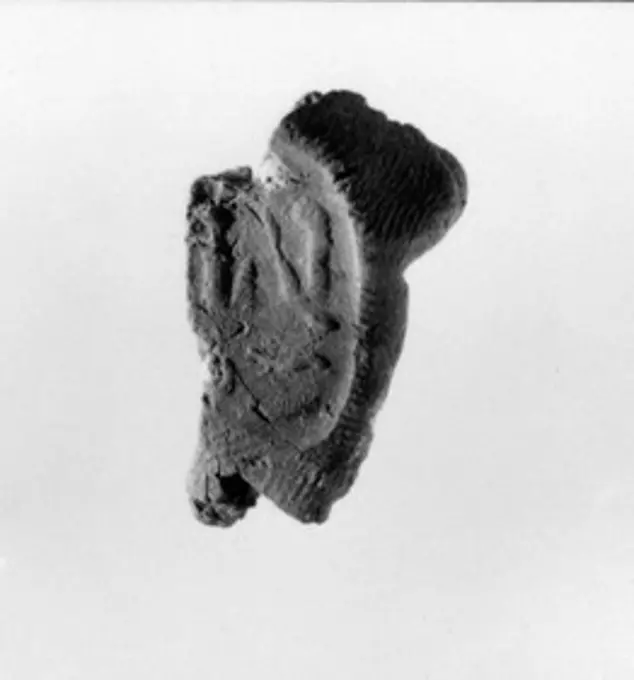
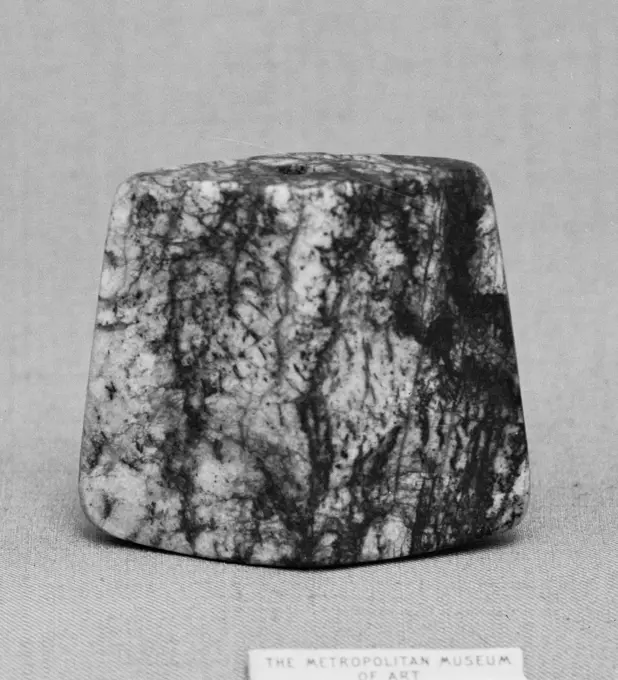
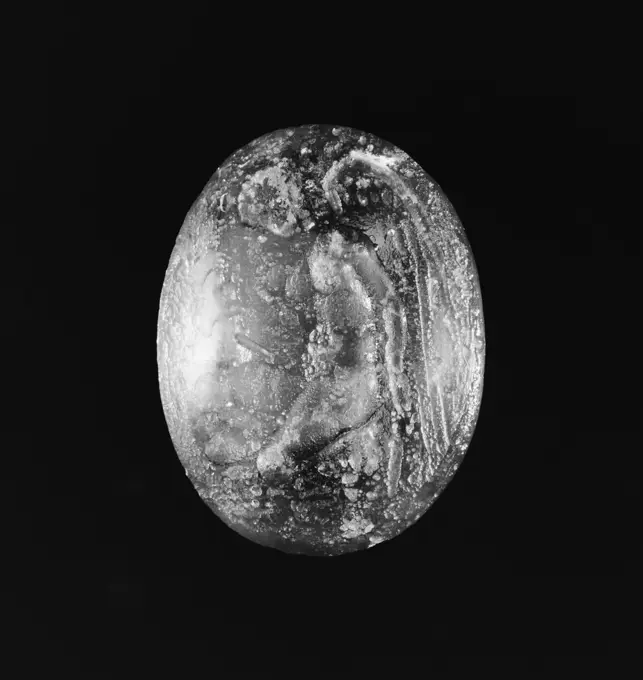
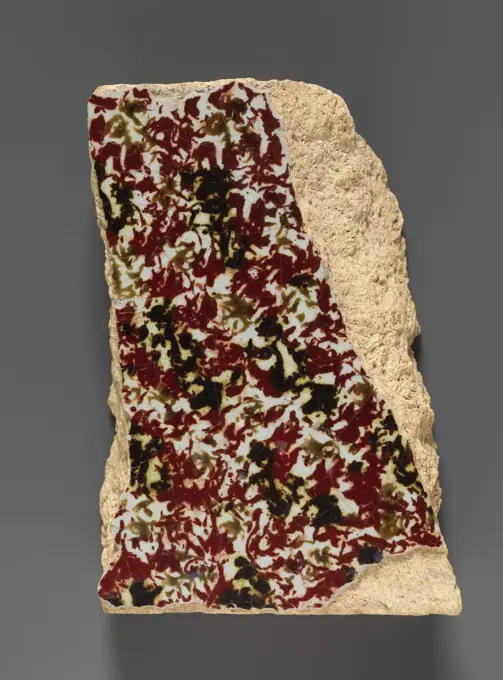
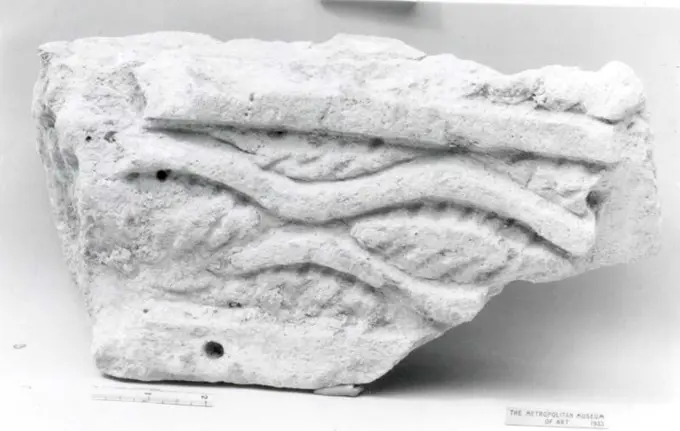
Funerary Cone of Senenre and His Wife Satmenhetet ca. 1479-1425 B.C. New Kingdom This cone has the impression of a stamp seal inscribed for a scribe named Senemre who owned Theban tomb 246 and was also chief of the servants of the god Amun. His wife, Satmenhetet, is also mentioned. For a drawing of this impression see http://www.funerarycones.com/, number 229.. Funerary Cone of Senenre and His Wife Satmenhetet Funerary Cone of Senenre and His Wife Satmenhetet ca. 1479-1425 B.C. New Kingdom This cone has the impression of a stamp seal inscribed for a scribe named Senemre who owned Theban tomb 246 and was also chief of the servants of the god Amun. His wife, Satmenhetet, is also mentioned. For a drawing of this impression see http://www.funerarycones.com/, number 229.. Funerary Cone of Senenre and His Wife Satmenhetet. ca. 1479-1425 B.C.. Pottery. New Kingdom. From Egypt, Upper Egypt, Thebes. Dynasty 18Attic Red-Figure Cup Fragment. UnknownBlade of hand-forged meat cleaver or kitchen knife with stern, rear side of which is perpendicular, knife equipment foundations iron metal, hand forged Probably meat knife or kitchen knife punched table side: two equal marks elongated ragged shape archeology underground pit Rotterdam City center Stadsdriehoek Groenendaal cutting food preparation kitchen Soil discovery underground pit Groenendaal from manure pit on reed 25091975.Hammer headWeapons and tools of the age of the Great Bear and the Reindeer, vintage engraved illustration. From Natural Creation and Living Beings.Attic Red-Figure Duck Askos Fragment. UnknownFragment with remains of polychromy; (possibly) belonging to the retable of Soest, c. 1475 - c. 1499   wood (plant material)   wood (plant material)Aes from RomanEmpireIndie, Dynastia Naga (200 340), Ganapati Naga, 1/4 kakini, ok. 340 r. N.E.Square Plaque 7th century () Frankish. Square Plaque 464975 Frankish, Square Plaque, 7th century (), Copper alloy, Overall: 13/16 x 11/16 x 3/16 in. (2.1 x 1.8 x 0.5 cm). The Metropolitan Museum of Art, New York. Gift of J. Pierpont Morgan, 1917 (17.191.269)Drohiczyn seal. unknown, managerLimb with garment fringe, pleating ca. 1353-1336 B.C. New Kingdom, Amarna Period. Limb with garment fringe, pleating 549803Left Ankle Guard. UnknownSangam age Chera Coin, Elephant, India, Asiadenarius; W ADSY AW III WARNE Czyk (Polish king; 1434-1444); 1434-1444 (1434-00-00-1444-00-00);Drohiczy seal;  XI-XIII century (1090-00-00-1110-00-00);guild seals, customs seals, touches, seals of customs chambers, official seals, seals with a crossShard of one can be from the wreck of the East India Hollandia.Stoneware, Rhenish, Frechen-Ware, Jug; Fragm or body.Obol fromGreece. Artist: UnknownDocument Sealing With the Throne Name of Amenhotep III ca. 1390-1353 B.C. New Kingdom. Document Sealing With the Throne Name of Amenhotep III. ca. 1390-1353 B.C.. Mud. New Kingdom. From Egypt, Upper Egypt, Thebes, Malqata, West Villas, West Villa B, MMA excavations, 1910-12. Dynasty 18Drohiczyn seal. unknown, managerSherd ca. 3500-3100 B.C. Iran This sherd is made of a red clay, with black painted decoration. It is typical of Namazga II ceramics from Turkmenistan, dating to ca. 3500-3100 B.C. It was excavated in 1937 at a prehistoric site in the vicinity of Nishapur in northeastern Iran. While Nishapur itself was founded by the Sasanian king Shapur I (reigned ca. A.D. 241-272), this sherd shows that human habitation there goes back to the prehistoric period. Furthermore, the prehistoric pottery from Nishapur has close affinities with ceramic materials from Central Asia rather than with contemporary sites in Iran, meaning that in this period its inhabitants were likely culturally linked to their neighbors to the east. At the same time, Nishapurs location on what later became known as the Great Khorasan Road suggests that it was part of the trade network that facilitated the import of precious stones such as lapis lazuli, carnelian and turquoise from Central Asia to Mesopotamia.. Sherd 323659Wig from a Portrait of a Roman Lady. UnknownButton from the wreck of the East Indians Hollandia, Anonymous, 1700 - in or before 1743 button Knoop. (1) domed, relieved flower-head motif (1.4d, 0.5h), flat base, shank broken Netherlands tin (metal)   SecondDrohiczyn seal. unknown, managerpolished Shungite rock isolated on white closeup of sample of natural mineral from geological collection - polished Shungite rock isolated on white background Copyright: xZoonar.com/ValeryxVoennyyx 14989638Female Head. UnknownHuman Head (). UnknownJar lid ca. 3rd-7th century A.D. Sasanian. Jar lid 323203Belt Plate Fragment. Culture: Frankish. Dimensions: Overall: 2 1/2 x 1 11/16 x 3/16 in. (6.3 x 4.3 x 0.5 cm). Date: 4th-7th century. Museum: Metropolitan Museum of Art, New York, USA.Stater from uncertain,Lycia, 520-510 B.C., Silver, 9.30 g, 20mm, Made in uncertain, Lycia, Greek, 6th century B.C., NumismaticsButton. UnknownAE. ChersonezDrohiczyn seal. unknown, managerCollection of the Dutch Heidematschappij. reproductions, pruning. undatedFragment hand grenade from the wreck of the East Indies Chief Hollandia. Hand Grenade; Frag or shell, SIM.ng 1980-27H2901.Head with Melon Coiffure and Wreath. UnknownTile from marsh scene ca. 1353-1336 B.C. New Kingdom, Amarna Period. Tile from marsh scene 571925Fragment of an Attic Red-Figure Dinos. Attributed to Kleophrades (Greek (Attic), active about 490 B.C.)native Limonite stone isolated on white macro shooting of mineral resources - native Limonite stone bog iron ore, brown hematite, pea iron, bean ore isolated on white background Copyright: xZoonar.com/ValeryxVoennyyx 9620028Grab from a hilt from the wreck of the East India Hollandia. HILT, GRIP; ID. NG 1980-27H2582.Cannonball -Attic Red-Figure Stamnoid Fragment. Attributed to the Brygos Painter (Greek (Attic), active about 490 - 470 B.C.)Shards of wine bottles with concretion from the wreck of the East Indians' t Vliegend Hart, Anonymous, 1700 - 1735  Shards of onion -shaped wine bottles of green glass that has been in red (port) wine. With concretion in which remains of shells and cats and dogs are. Netherlands .. pipe clay. concretionary stoneClose up detail textured red Australian crocoisite stone on gray backgroundChisel 3rd millennium B.C.. Chisel 325645Glass Fragment 13th-16th century European. Glass Fragment. European. 13th-16th century. Colorless glass. Glass-StainedBell 1st century Italian (Ancient Roman). Bell 502518Mededeelingen van 's Rijks Herbarium, Leiden, Rijks Universiteit, Rijks Herbarium, 1911, horsetails, The image showcases three distinct carved stone artifacts, each with unique textures and markings that suggest intricate craftsmanship. The first piece, on the left, presents a broad, flat surface filled with deep grooves and patterns, indicating purposeful decoration or symbolism. The second artifact, narrower and more elongated, features a series of vertical lines and notches that hint at its functional or artistic significance. The third, also slim and upright, displays a more rugged texture with irregular surfaces, suggesting it may have been shaped by natural processes as well as human intervention. Together, these artifacts reflect the skill and creativity of their creators, offering insights into the cultural practices and artistic expressions of the time.Coin 5th-14th century. Coin. 5th-14th century. Copper. Excavated in Iran, Nishapur. CoinsDocument Sealing ca. 1390-1353 B.C. New Kingdom. Document Sealing. ca. 1390-1353 B.C.. Mud. New Kingdom. From Egypt, Upper Egypt, Thebes, Malqata, no exact location recorded, MMA excavations, 1910-12. Dynasty 18Fragment earthenware dish, biscuit earthenware, plate dish crockery holder soil find ceramic earthenware, w 4.7 hand turned fried glazed fried Fragment of earthenware dish biscuit without glaze Border fragment with flag ending in slightly up curled dish edge. Yellow shard scraped pottery On the underside some faint letter and number characters probably from the newspaper on which the shard is laid after cleaning Misbaksel; once baked dish broken or deformed during or after baking and subsequently rejected for further processing and discarded archeology City Triangle Rotterdam Town Hall indigenous pottery craft steward Bakery Soil discovery: probably found around the Town Hall in Rotterdam 1916 - 1917.heller. Legnica, issuerInformation office and radio broadcaster Dutch New Guinea. Under the left: decorated top of a handle; Middle: decorated pot wall, right: glazed Chinese pottery with floral pattern; Upstairs: edited hard stone with grooves on either side; destination unknown. October 1957. New GuineaVessel ca. 1st century A.D. Nabataean. Vessel 324288Document Sealing With the Throne Name of Amenhotep III ca. 1390-1353 B.C. New Kingdom. Document Sealing With the Throne Name of Amenhotep III. ca. 1390-1353 B.C.. Mud. New Kingdom. From Egypt, Upper Egypt, Thebes, Malqata, no exact location recorded, MMA excavations, 1910-12. Dynasty 18Two half-capitals decorated with winded leaves, from the Hotel des Arch�ve de Reims, XIII CENTURY (Cat 136-137). View of AP 309 rating Anonymous. Two half-capitals decorated with rolled leaves, from the Hotel des Archbishops of Reims, 13th century (Cat 136-137). View from the AP 309. Pierre.Attic Black-Figure Amphora Fragment. UnknownFragments of copper from the wreck of the East Indians Hollandia, 1700 - in Or Before 1743  Parts of artefacts; eroded fragments: materials; copper. Netherlands copper (metal)   SecondArrowhead ca. 7th century B.C.-2nd century A.D.. Arrowhead 325122Lazio Viterbo Viterbo Museo Civico42. Hutzel, Max 1960-1990 Views of paintings (Middle Ages through 18th c.), frescoes, a tabernacle, coffin, sculpture reliefs, portal fragments, busts, sculpture, tapestry found in the Pinacoteca, Second floor gallery and Second floor cloister sequences. Antiquities: Many views of Etruscan and Roman fragments, sculpture, sarcophagi, pottery, masks, jewelry and other objects found in the Storeroom sequence (inventory numbers on back of prints), and the Cloister, Second floor Cloister, Valle Giulia, Sala Romana and Sala Etrusca sequences. General Notes: There are eight separate numerical sequences for this location. The cloister as an architectural structure, rather than museum site, is documented in the record and file for S. Maria della Verita, Cloister, all views of which are stored in Medieval core collection. Five views from the Museo Civico Second floor cloister sequence are stored in Medieval. German-born photographer and scholar Max Hutzel (1911-Inlay 664-610 B.C. Late Period, Saite A quantity of faience hieroglyphs and border elements was found in the tomb or courtyard of Nespekashuty. These are displayed in galleries 127 and 130. They are of similar size and manufacture, so seem to have belonged to a single object, likely of wood. Some of the signs belong to the standard offering formula, others mention Osiris and Anubis, so they certainly suggest an item of funerary furniture - a box, a screen, or a coffin although coffins are not usually inlaid in faience and remnants of Nespekashuty's were painted.Unfortunately, there are no signs indisputably pointing to Nespekashuty's names or titles. Although it seems likely that the fairly elaborate piece of equipment to which they testify belonged to the main burial of this tomb, and not to the Third Intermediate Period burials found in the courtyard or to the material apparently cleared from the Hathor Shrine at Deir el Bahri or to the other sets of late shabtis found in the vicinitMap of Slovakia on rusty metalFragment lead from the wreck of the East Indieschief Hollandia. Parts or artifacts; eroded fragments: Materials; Lead.Bag of Natron from Tutankhamun's Embalming Cache ca. 1336-1327 B.C. New Kingdom, Amarna Period In December 1907 Theodore M. Davis, a wealthy American who was funding excavations in the Valley of the Kings, discovered a small pit near the tomb of Seti I. Inside the pit were approximately a dozen large sealed whitewashed storage jars (09.184.1). Among other things, the jars contained bags of natron (a kind of salt), pieces of linen with hieratic inscriptions dated to Years 6 and 8 of a king named Tutankhamun (throne name Nebkheperure). At the time, almost nothing was know about Tutankhamun, and Davis declared that he had discovered the king's tomb.Davis received a number of the jars and their contents in the division of finds and, in 1909, he gave most of his share to the Metropolitan Museum. It was only later that Herbert Winlock, the field director of the Museum's excavations at Thebes, realized that the natron and linen were embalming refuse from the mummification of Tutankhamun.NatroWooden disc (part of a horn drinking cup) ca. 7th-9th century A.D. Alanic. Wooden disc (part of a horn drinking cup) 327558Sealing ca. 7th century A.D. Sasanian. Sealing 323360Pendant: Winged Female Head; Italy; 525 - 480 B.C; Amber; 40 × 20 × 18 mm (1 9,16 × 13,16 × 11,16 in.)Brown coin; Pantikapaion; approx. 250 BC (-255-00-00--246-00-00);Apollo (mitol.), Nadczarzyorze, Terlecki, Ignacy (1860-1916), Terlecki, Ignacy (1860-1916)-collection, head of Apollo (iconogr.), Eagles, birds, purchase (provenance)Papyrus column amulet 664-332 B.C. Late Period. Papyrus column amulet. 664-332 B.C.. Faience. Late Period. From Egypt. Dynasty 26-30Chisel 3rd millennium B.C.. Chisel. 3rd millennium B.C.. Stone, dark green. Early Bronze Age. AnatoliaScabbard ornament China late 19th to early 20th centuryBead, of double cone. Bead, of double cone 243015Fragment Germany. Fragment 43554Drohiczy seal;  XI-XIII century (1090-00-00-1110-00-00);guild seals, customs seals, touches, seals of customs chambers, official seals, seals with a crossCast Gem. UnknownFragment lead from the wreck of the East Indieschief Hollandia. Parts or artifacts; eroded fragments: Materials; Lead.Seal in the form of a Black African head, engraved with an animal combat. UnknownPolychrome Luster Tile Fragment 9th century This earthenware tile was covered with a white glaze, fired, painted with metallic pigments in three colors, re-fired, and then polished. Designers of Abbasid period put this new glazing technology, known as luster painting, to innovative use at Samarra to replicate the sheen and mottling of semiprecious stones using locally available materials.. Polychrome Luster Tile Fragment. 9th century. Earthenware; polychrome luster-painted on opaque white glaze. Excavated in Iraq, Samarra. Ceramics-TilesAttic Black-Figure Hydria Fragment (comprised of 2 Joined Fragments). UnknownCoin 5th-14th century. Coin. 5th-14th century. Copper. Excavated in Iran, Nishapur. CoinsRelief fragment ca. 6th-8th century A.D. Sasanian or Islamic. Relief fragment 322678Prehistory, Italy, Liguria region, Upper Paleolithic. Bone figurine of Venus, one of the group known as Grimaldi Venus. From Balzi Rossi caves, province of Imperia.Trebizond Coin; about 13th century; Silver, Byzantine Coinage of the empire of TrebizondsTrebizond Coin; about 13th century; Silver, Byzantine Coinage of the empire of TrebizondsHemihekte fromIonia. Artist: UnknownAttic Cup Fragment. UnknownAugust 1860. Harvest Time. Wheat is being harvested by hand. It is cut with sickles, the sheaves are arranged in stooks and then leaded on a horse-drawn wagon by pitchfork. Among the straw stems are some of the wild flowers of cornfields: blue cornflowers, red poppies, daisy-flowered corn chamomile and the small pink bindweed.Drohiczyn seal. unknown, managercervico-dorsal lines representing a name, paleolithic furniture art, Pielagos, Museum of prehistory and archeology (MUPAC), Santander, Cantabria, Spain.Stamp seal (bell-shaped with loop handle) with monster ca. 8th-7th century B.C. Urartian. Stamp seal (bell-shaped with loop handle) with monster. Urartian. ca. 8th-7th century B.C.. Copper/bronze alloy. Iron Age II. UrartuAttic Red-Figure Kylix Fragment. UnknownVilnius. Cathedral interior of the royal crypt; Bułhak, Jan (1876-1950); 1931 (1931-00-00-1931-00-00);False coin, IIthuanian shilIIng, John II Casimir (1649 1668)Head with Wreath. UnknownPendant:woman's head 5th century B.C. Italic. Pendant:woman's head. Italic. 5th century B.C.. Amber. Classical. Miscellaneous-Amberpolished round cabochon of labradorite gem stone macro shooting - polished round cabochon of labradorite mineral gemstone isolated on white background Copyright: xZoonar.com/ValeryxVoennyyx 8880541RELIQUIAS ENCONTRADAS EN EXCAVACIONES. Location: CATEDRAL-INTERIOR. SANTIAGO DE COMPOSTELA. A CORUÑA. SPANIEN.This slab of stone is part of a burial mound known as a barrow. Remains of the dead would be placed in a stone chamber called a cist, which was then covered over by earth.Black Clay Seal. UnknownRusty hex bolt from different perspectives on a white background Rusty hex bolt from different perspectives on a white background Copyright: xZoonar.com/BORISxZERWANNx 16873920