Fragments of Ancient Artifacts

A series of unidentified fragments and coins, showcasing the remnants of ancient civilizations, including sealing fragments and figurine pieces.
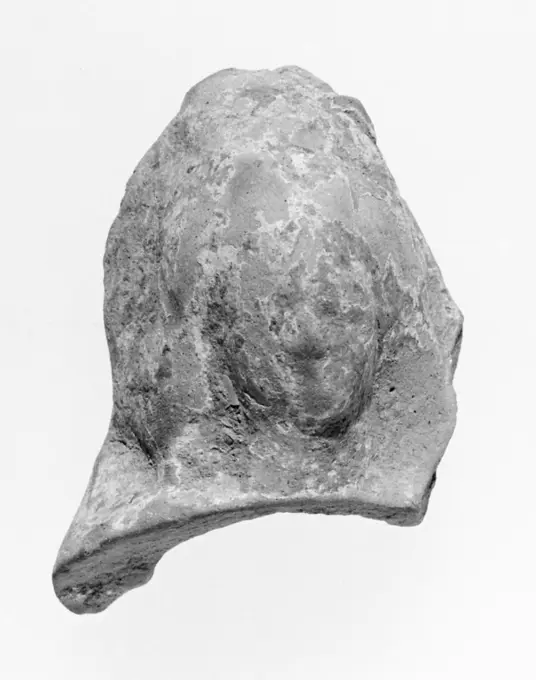
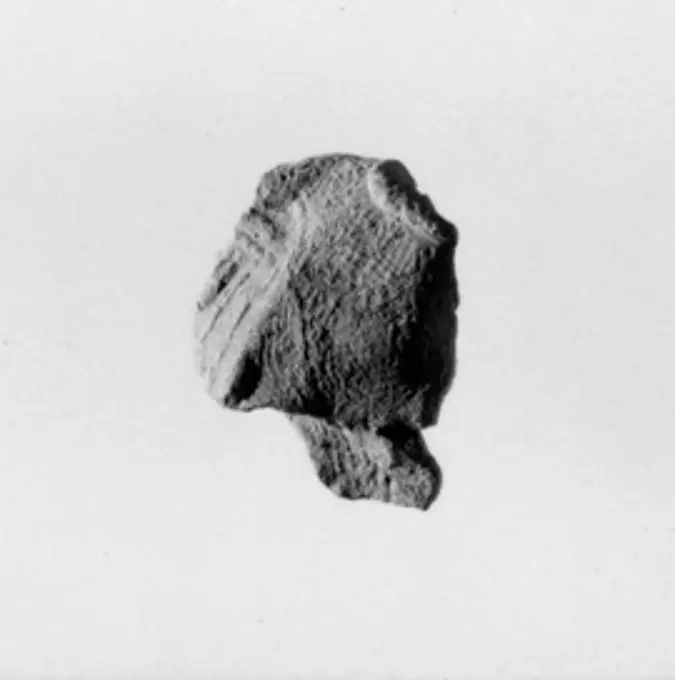
Female Head. Unknown
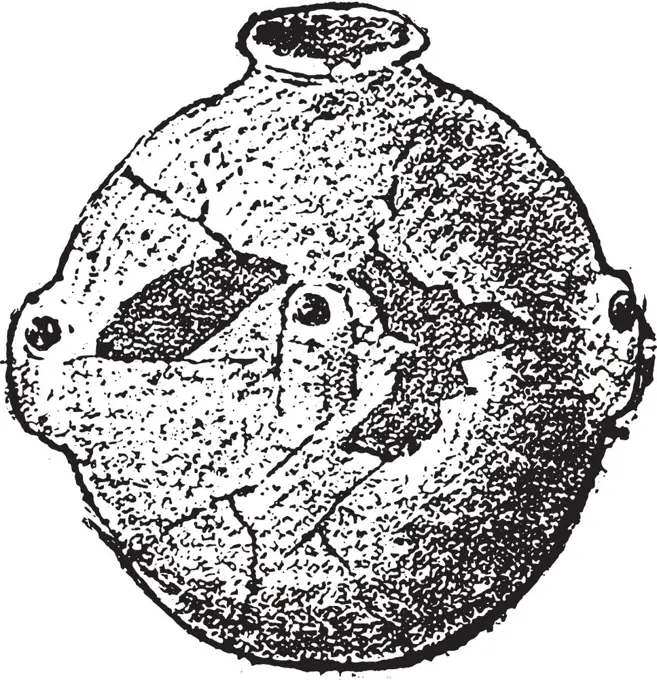
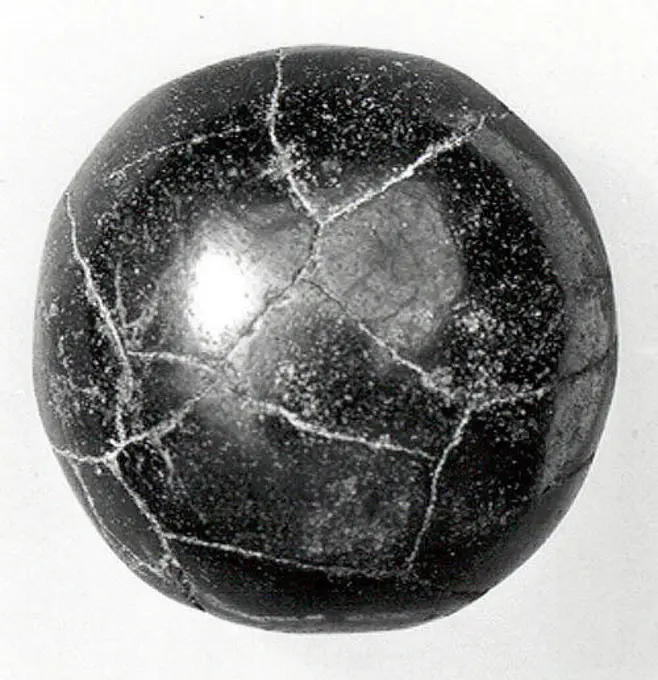
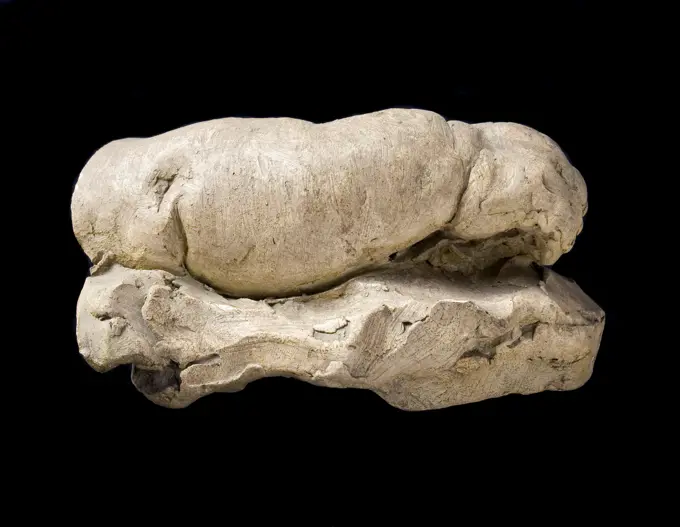
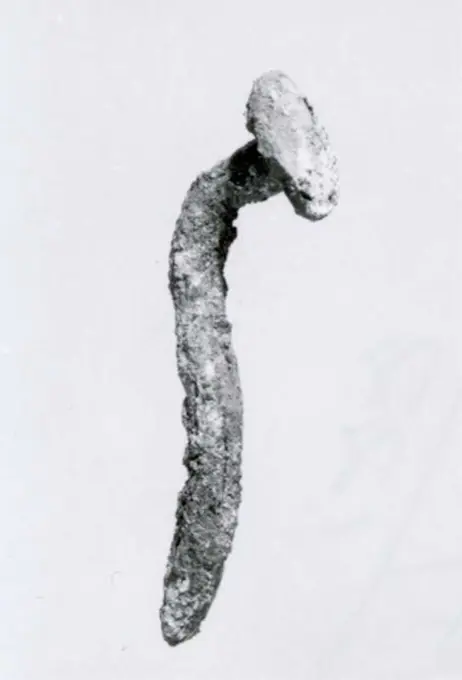
Nail ca. 9th century B.C. Iran. Nail 325303Block of bronze. Dimensions: 1 x 1 1/4 x 1 3/4in. (2.5 x 3.2 x 4.5cm). Museum: Metropolitan Museum of Art, New York, USA.Lazio Roma Rome SS. Giovanni e Paolo, Museum9. Hutzel, Max 1960-1990 Medieval: Ceramic fragments, sculptural fragments, fresco fragments, inscribed tomb markers. Houses one of the best collections of Malagan medieval ceramics for casting wall monuments, copies of which are housed in campanile. Specific Location: Museum Antiquities: Ceramic fragments, sculptural fragments, architectural fragments Object Notes: Basilica has separate record and is filed separately. German-born photographer and scholar Max Hutzel (1911-1988) photographed in Italy from the early 1960s until his death. The result of this project, referred to by Hutzel as Foto Arte Minore, is thorough documentation of art historical development in Italy up to the 18th century, including objects of the Etruscans and the Romans, as well as early Medieval, Romanesque, Gothic, Renaissance and Baroque monuments. Images are organized by geographic region in Italy, then by province, city, site complex and monument.Prehistory. Temple Period (4000 to 2500 BC). Malta. Spindle whorl of globigerina limestone with scratched zig-zag lines. From Mnajdra. National Museum of Archaeology. Valletta. Malta.Pyrite. minerals. North America; USA; Illinois; Randolph CountyTrebizond Coin; about 13th century; Silver, Byzantine Coinage of the empire of TrebizondsCigarette ashes isolated on black backgroundDocument Sealing ca. 1390-1353 B.C. New Kingdom. Document Sealing. ca. 1390-1353 B.C.. Mud. New Kingdom. From Egypt, Upper Egypt, Thebes, Malqata, no exact location recorded, MMA excavations, 1910-12. Dynasty 18Vase in the cave in Furfooz, Belgium, vintage engraved illustration. From Natural Creation and Living Beings.Karte von Libyen auf rostigem Metall - Map of Libya on rusty metal Karte von Libyen auf rostigem Metall - Map of Libya on rusty metal Copyright: xZoonar.com/lantapixx 10941674Rock and featherWeight 3rd-1st millennium B.C.. Weight 321512Fist of Atlas Figure, Artus Quellinus (I)   terracotta (clay material)   terracotta (clay material)Aimé-Jules Dalou (1838-1902). "Children's arm". Terracotta, S.D. Museum of Fine Arts of the City of Paris, Petit Palais. Anatomy, child arm, finger, hand, base, terracottaAttic Red-Figure Kalpis Fragment. UnknownGlass Fragment. Culture: Dutch. Dimensions: Overall: 2 x 1 1/2 in. (5.1 x 3.8 cm). Date: 18th century. Museum: Metropolitan Museum of Art, New York, USA.Stamp seal ca. late 3rd-early 2nd millennium B.C. Bactria-Margiana Archaeological Complex. Stamp seal. Bactria-Margiana Archaeological Complex. ca. late 3rd-early 2nd millennium B.C.. Copper alloy. Bronze Age. Bactria-MargianaMap of Bavaria on rusty metalPendant: female head with bird headdress. Culture: Etruscan. Dimensions: H.: 1 in. (2.5 cm). Date: 8th-7th century B.C..Pendant of a female head in profile wearing a headdress. Museum: Metropolitan Museum of Art, New York, USA.Block from an Arch with a Rosette 6th-7th century The more important buildings were decorated with courses of sculpted stone freely combining floral and geometric motifs inspired by classical art - rosettes, acanthus leaves, meander patterns - with more recent Christian themes. These sculptural elements, demonstrating the Byzantine love of complex patterning with lush textures, were originally painted in rich, vibrant colors like those surviving in textiles.. Block from an Arch with a Rosette. 6th-7th century. Sandstone; carved in relief. Said to be from Egypt, Aswan. SculptureFragment of a vessel. A low curvature of the glass fragment allows the assignment to a vessel, possibly a shell. Violet background shows several flowers in millefiori technology. They consist of a yellow circle as a core to put the concentrically multiple colored rings - from the inside to the outside in transparent, mint green, red, brown, white. For the production, different colored glasses were shaped to tubes and rods. These were compressed and heated, causing a long bar. The glass sliced now had different amorphous or floral patterns. Thereafter, several of these platelets were folded together, heated again and pressed into vascular shape. Burry for the elaborate manufacturing process and its fragility was one of the luxury articles of antiquity.