Fragments of Historical Figurines

A collection of ancient figurine fragments, including female forms and decorative elements, exhibiting various styles and historical significance.
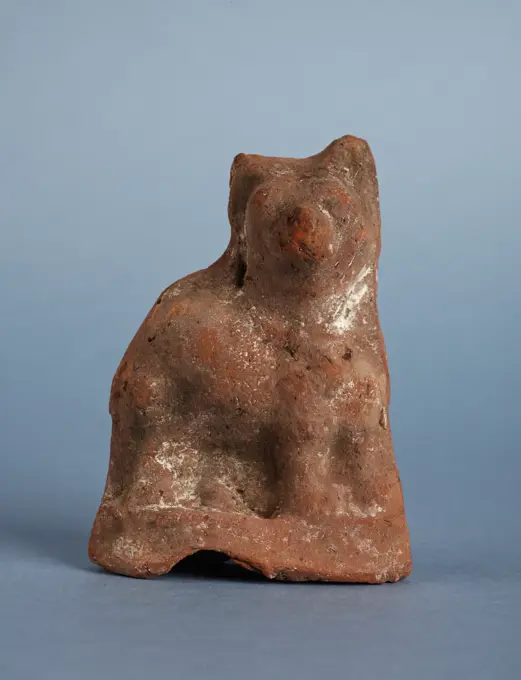
Figurine of a Cat
Figurine of a Cat
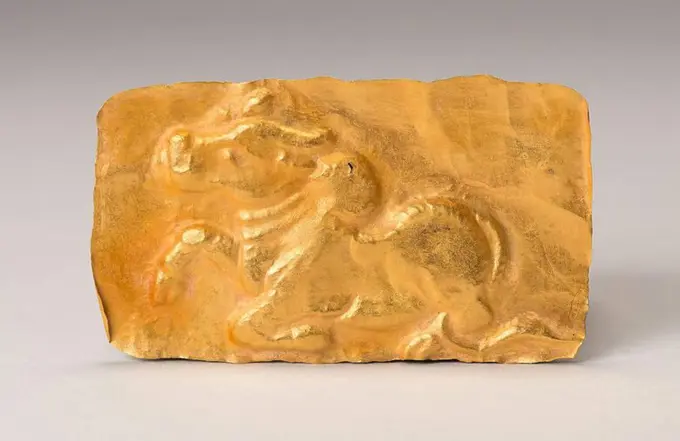
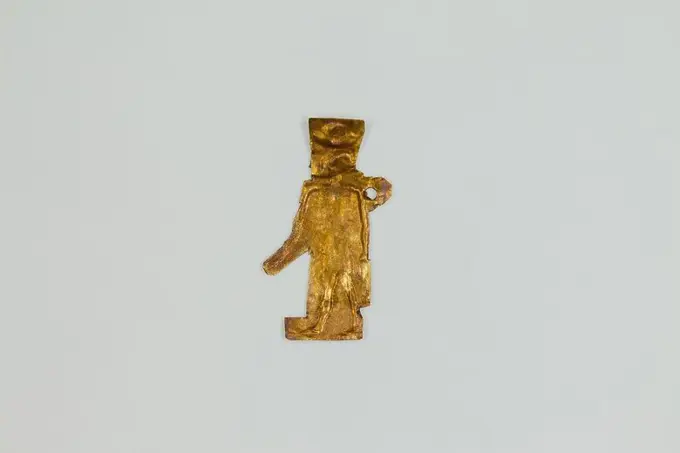
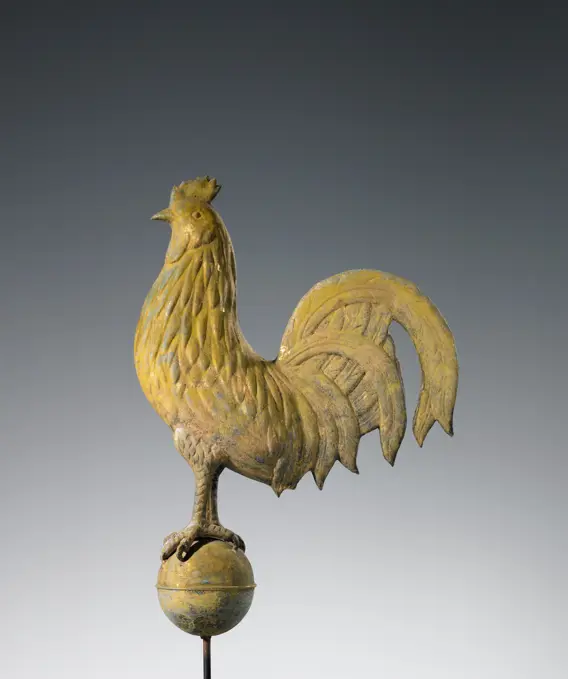
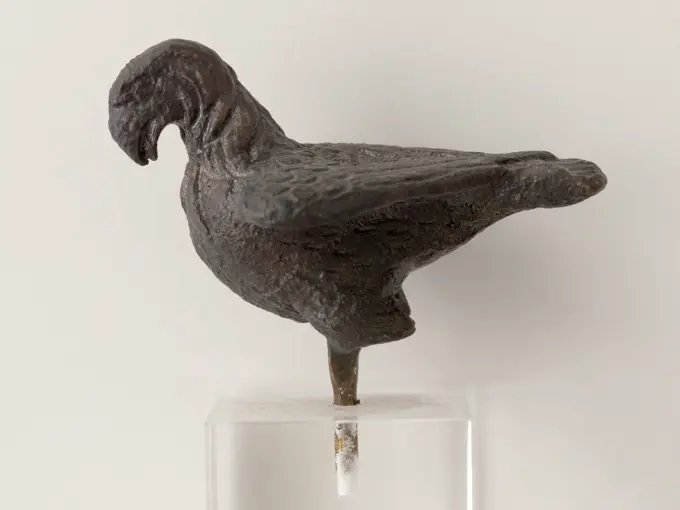
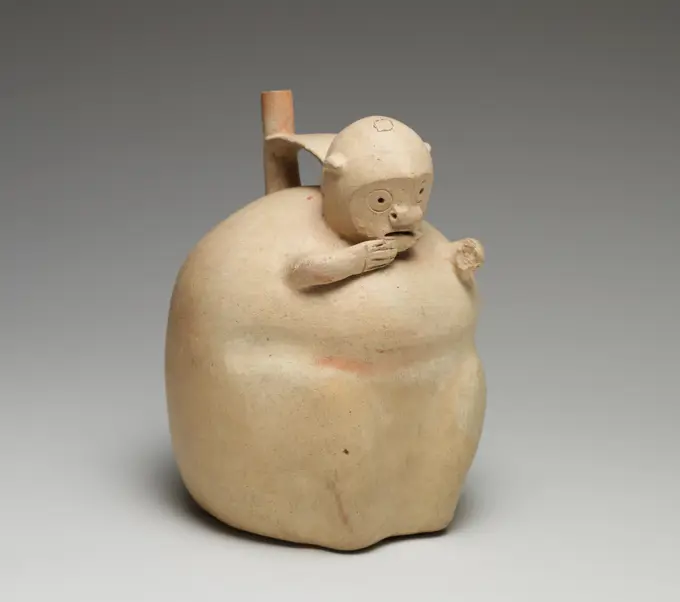
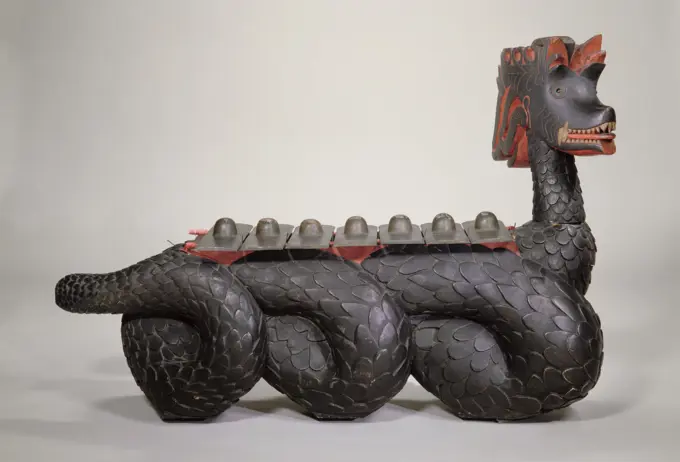
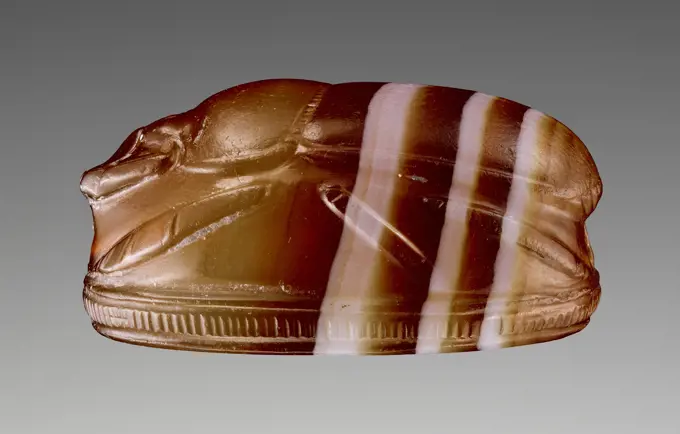
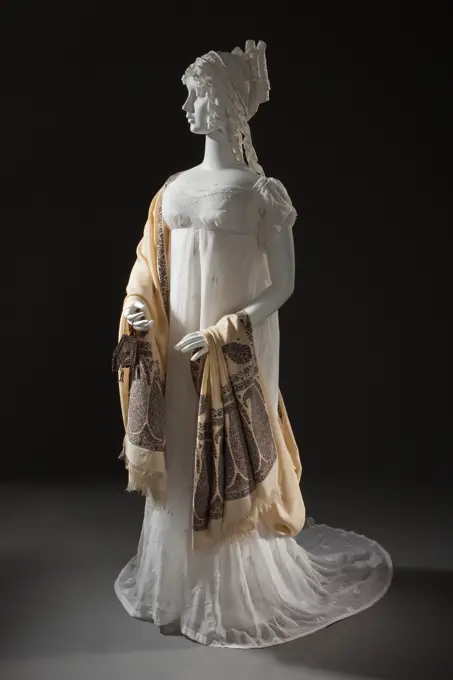
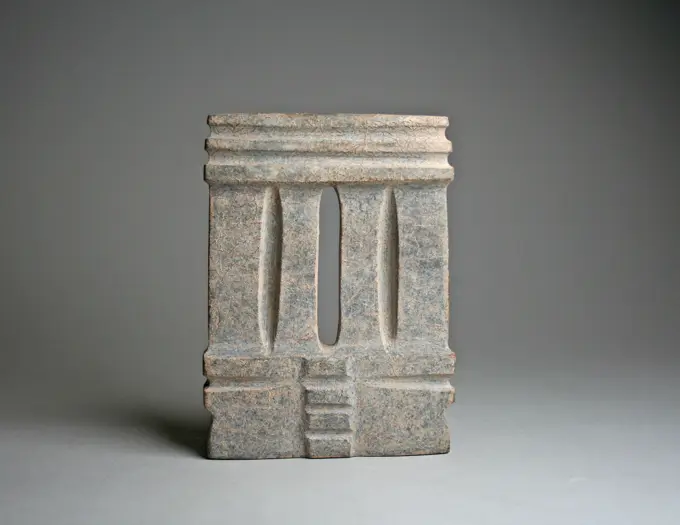
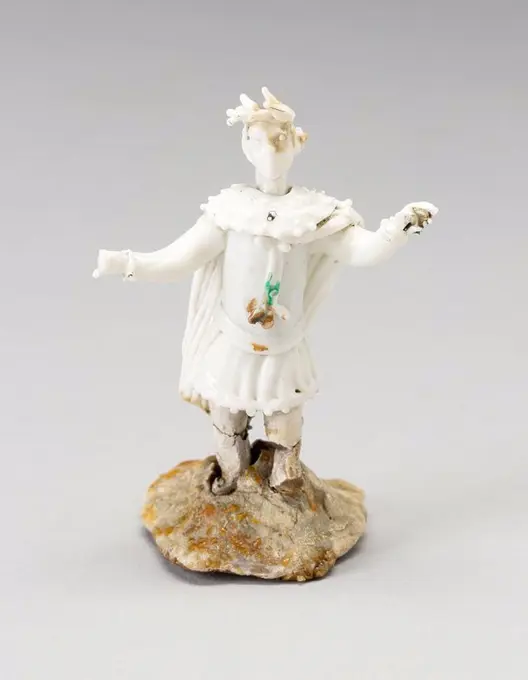
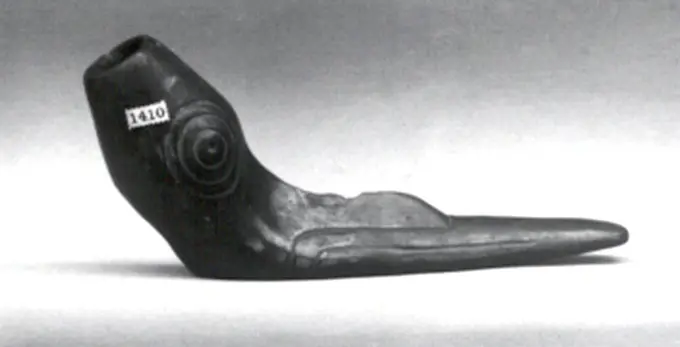
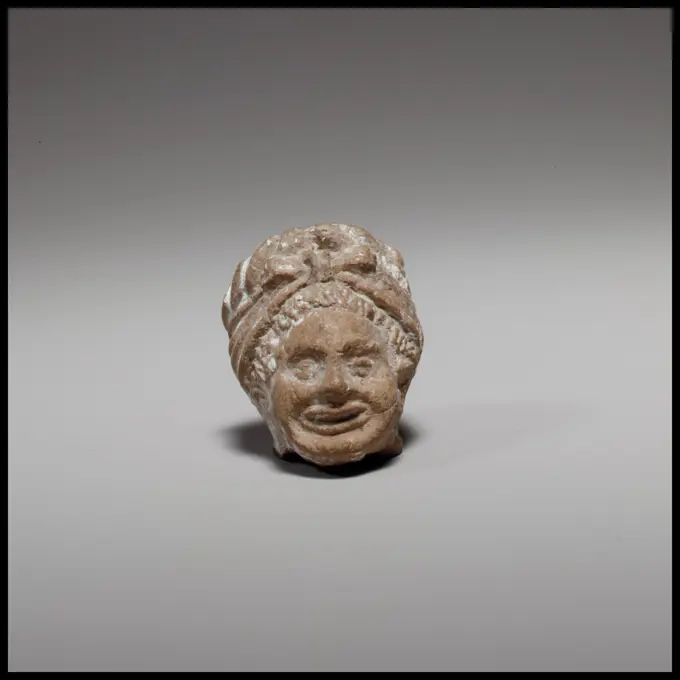
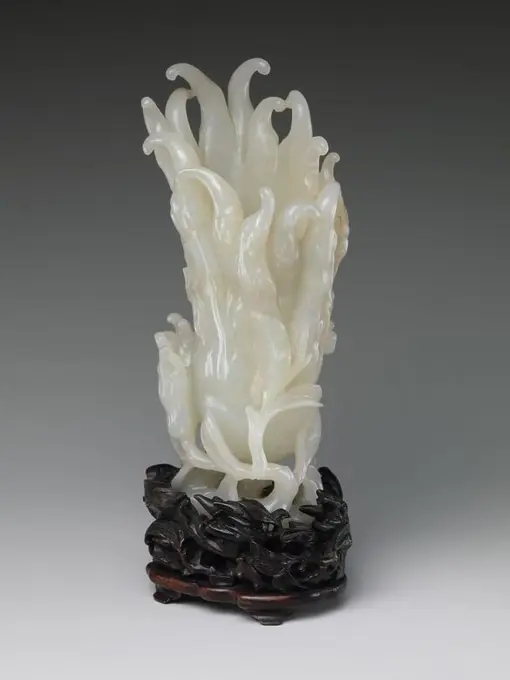
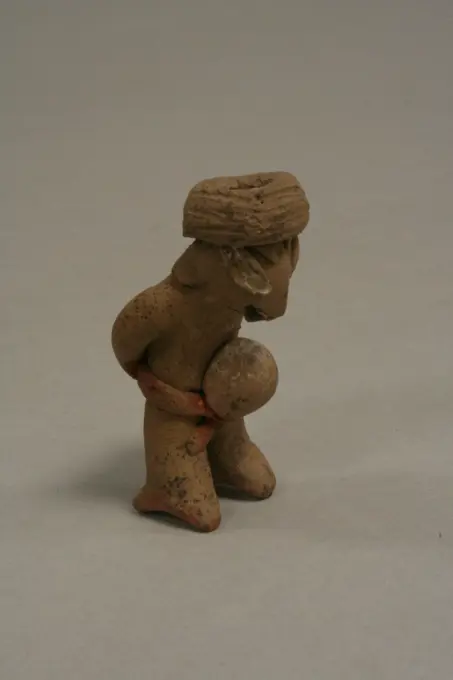
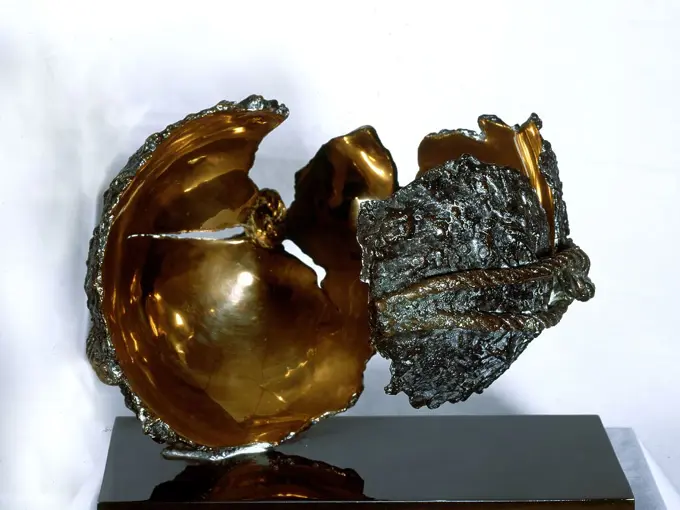
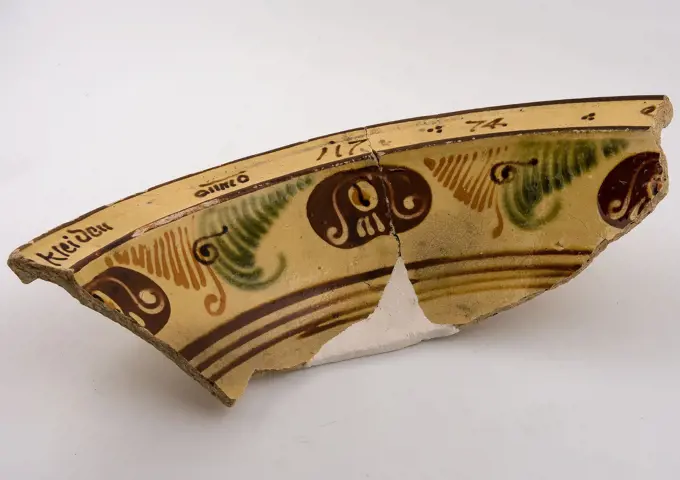
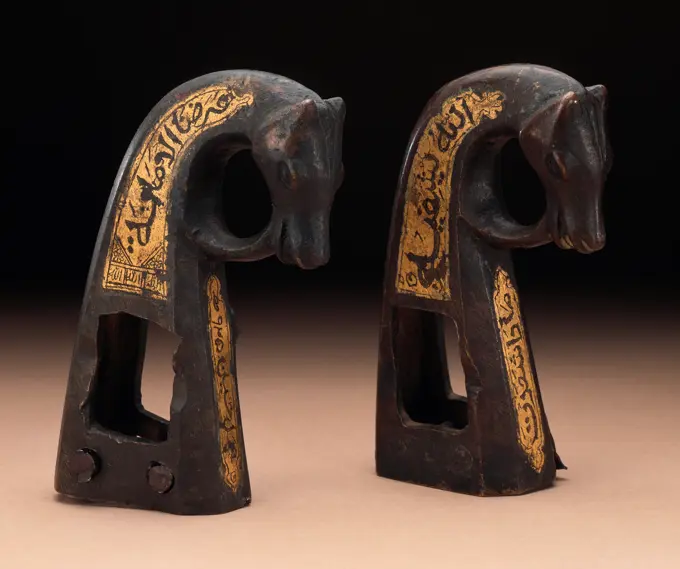
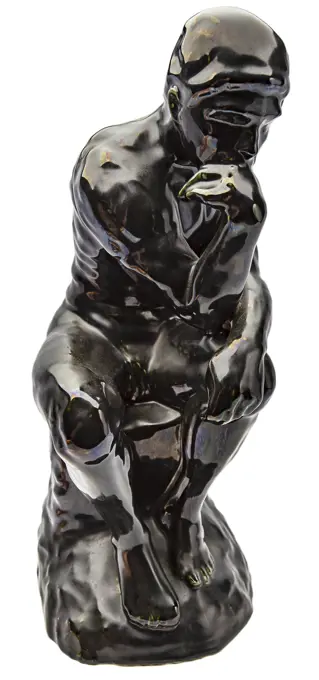
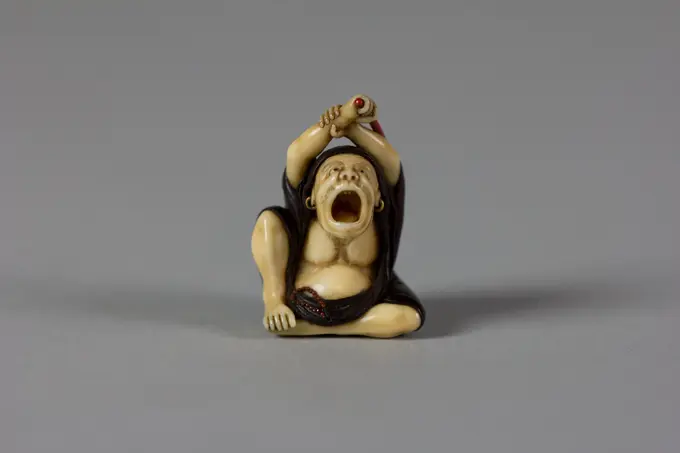
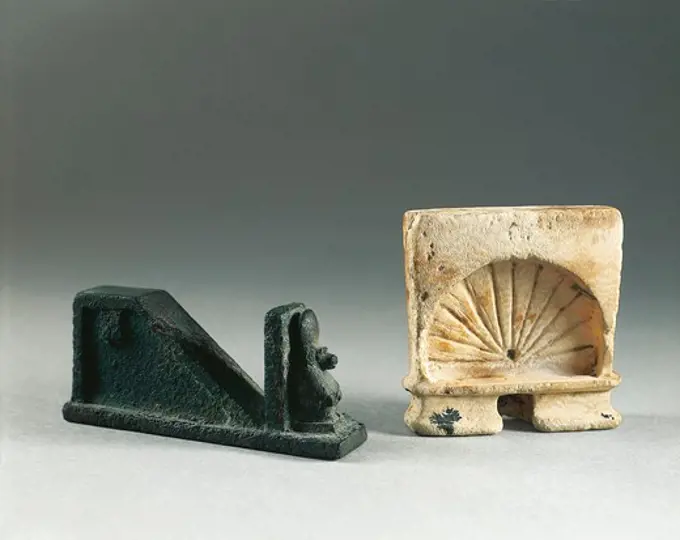
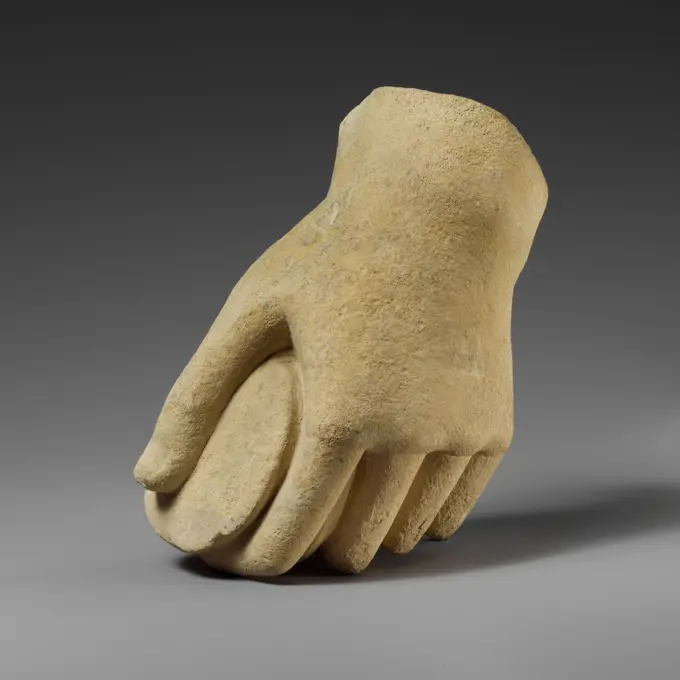
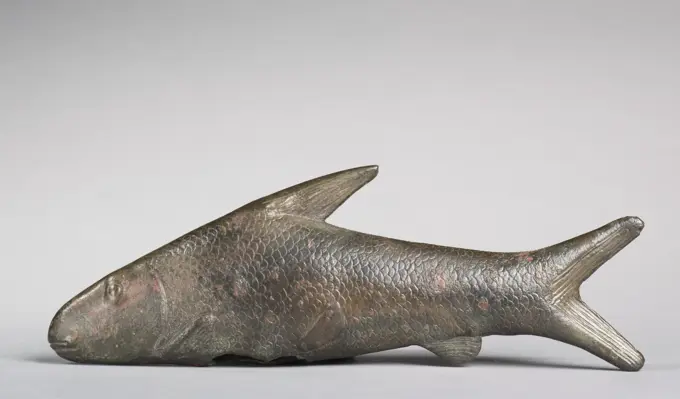
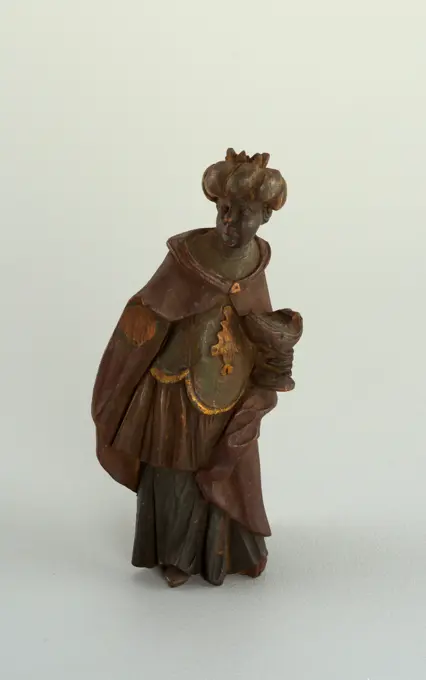
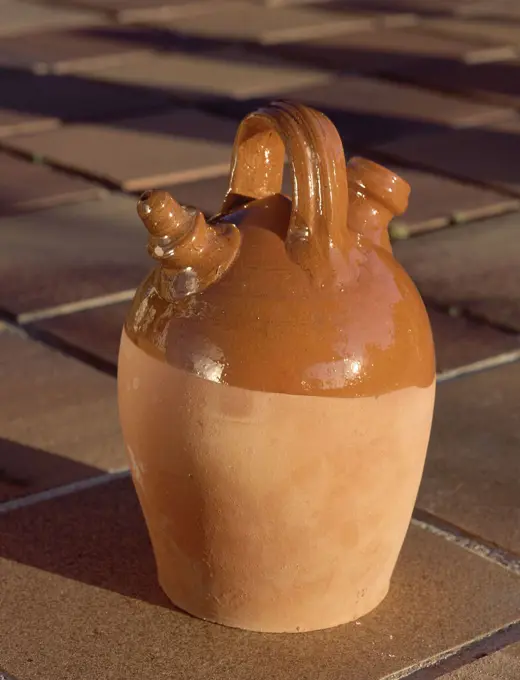
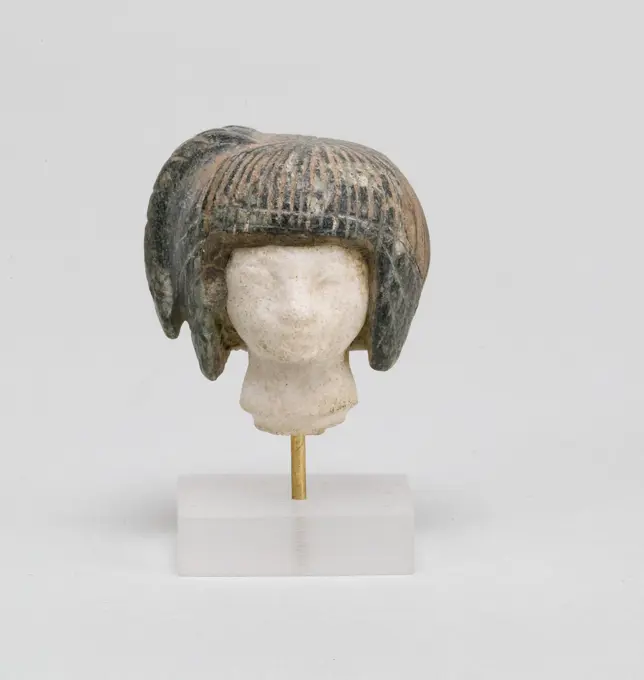
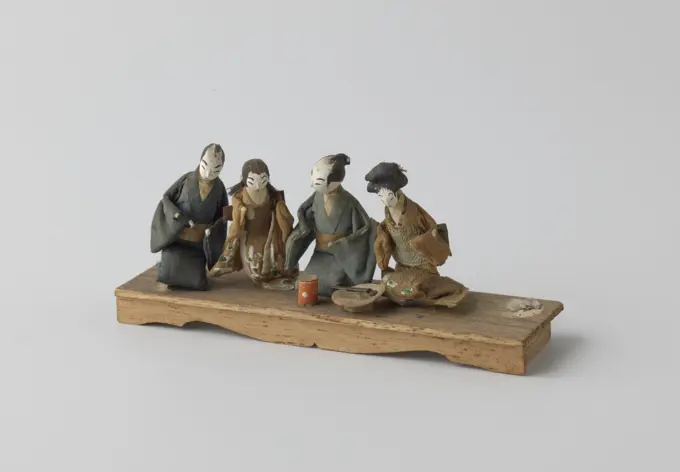
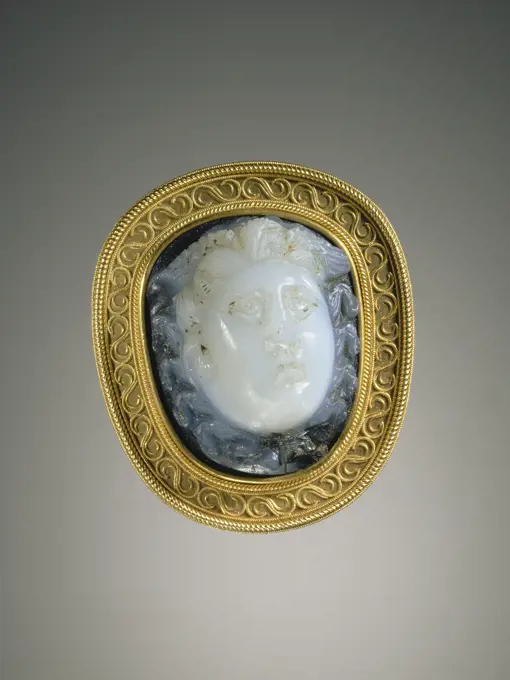
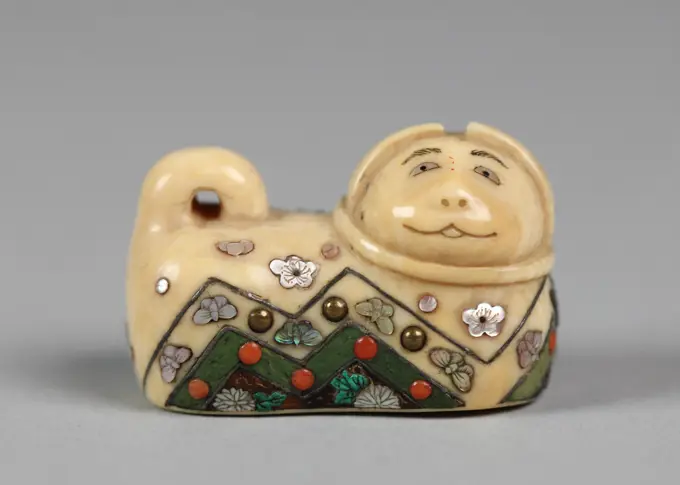
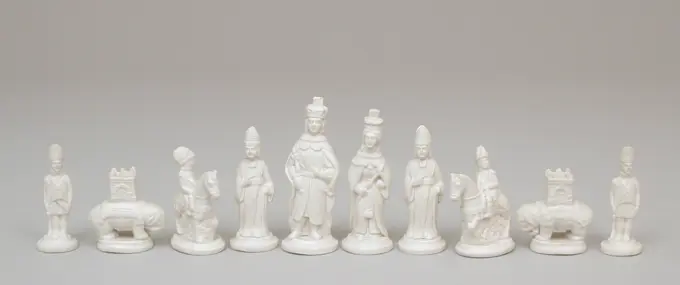
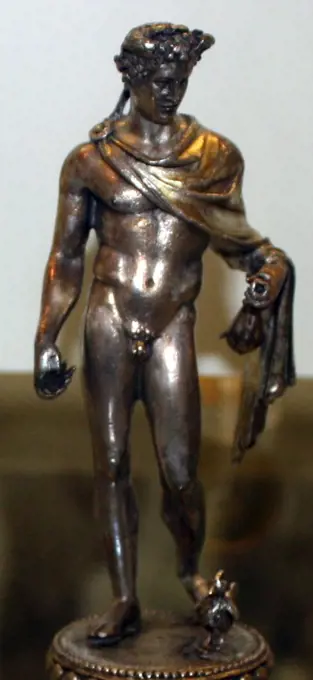
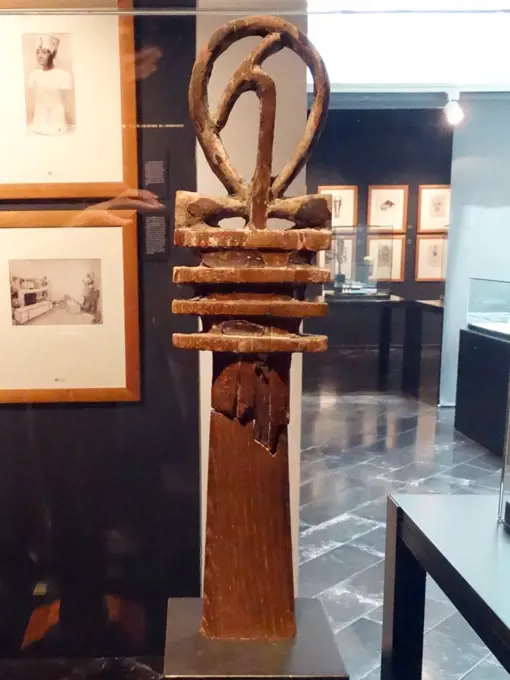
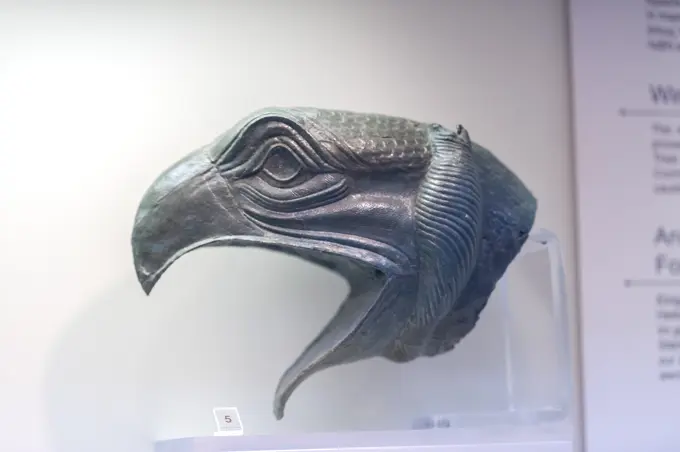
Nautilus pompilius shell from the wreck of the Dutch East India ship Witte Leeuw, before 1613  Schelp from V.O.C. ship the 'Witte Leeuw', shell of a squid.  .   Sint-HelenaVotive Plaque with Bull. Indonesia; Java. Date: 1201-1400. Dimensions: 4.5 x 7.7 cm (1 1/34 x 3 in.). Gold worked in repoussé. Origin: Java. Museum: The Chicago Art Institute, Chicago, USA.Miniature seal 18th century Chelsea Porcelain Manufactory. Miniature seal. British, Chelsea. 18th century. Soft-paste porcelain. Chelsea Porcelain Manufactory (British, 1745-1784, Transitional (Brown Anchor) Period, ca. 1758-1759). Ceramics-PorcelainTadpole Pendant, 800-1500. Panama, Veraguas. Cast gold; overall: 4.8 x 3.6 x 1.1 cm (1 7/8 x 1 7/16 x 7/16 in.).Small Cross Tube China. Small Cross Tube 61349Incense Burner. Dimensions: H. 9 3/4 in. (24.8 cm)W. 10 in. (25.4 cm)D. 4 1/4 in. (10.8 cm). Date: 11th century.Long-handled, footed incense burners are known throughout the Islamic Near East, but the square body, high domed lid, and horseshoe arches on the low register of this example suggest Western, probably Spanish production. Incense played an important role in al- Andalus, as it did throughout the medieval world, and the international trade in aromatic substances was a lucrative one. Museum: Metropolitan Museum of Art, New York, USA.Canada,  First Nations Canadian art. Typical carved caribou antler walrus figure. Property release.Curved spout ca. 18th century B.C. Old Assyrian Trading Colony. Curved spout 323557Khonsu amulet. Dimensions: l. 2.3 cm (7/8 in.) × h. 1.3 cm (1/2 in.). Dynasty: Dynasty 26-29. Date: 664-380 B.C.. Museum: Metropolitan Museum of Art, New York, USA.Wazon na podstawie. unknown, craftsmanSleeve weight in the form of a crouching tiger, anonymous, -206 - 220 The squatted tiger turns to the left. China bronze (metal). gold (metal) casting / inlay (process) The squatted tiger turns to the left. China bronze (metal). gold (metal) casting / inlay (process)Rooster weathervane, c. 1880, J.W. Fiske, American, New York City and Paterson, New Jersey, 1863-1982, 24 1/16 x 16 1/2 x 5 1/4 in. (61.12 x 41.91 x 13.34 cm), Copper, zinc, gilt, United States, 19th centuryGreen bell-shaped bottle (fragments), 'clock model', bottle holder bottomfound glass , free blown Fragments of round-bellied bottle of green glass. The glass is multi-colored iridescent archeology packagingStein. Nieborów (manufaktura majoliki ; 1881-1899), factoryEagle. Copper alloy. Gallo-Roman. Paris, Carnavalet museum. 51468-18 Eagle, Cuvreux alloy, Gallo-Roman, Gallo-Roman, bird, raptor, statuette, animal, animalOctopus. Japan, mid-19th century. Costumes; Accessories. Ivory with staining, sumi, double inlaysKey Ring, 30 BC-AD 395. Egypt, Roman Empire. Bronze; diameter: 2 cm (13/16 in.); overall: 0.9 cm (3/8 in.).Figure: Bird. Culture: Djenné peoples. Dimensions: H. 7 x W. 7 in. (17.8 x 17.8 cm). Date: 13th-14th century. Museum: Metropolitan Museum of Art, New York, USA.Paper-Blowing Game. Hōshunsai Masayuki (Japan, active mid- to late 19th century). Japan, mid-19th century. Costumes; Accessories. WoodStanding Ceramic Winged Figure 6th-9th century Remojadas. Standing Ceramic Winged Figure 312777Monkey Bottle 2nd century B.C.-A.D. 1st century Topará. Monkey Bottle 308354Slento late 19th century Javanese This playful, now obsolete, Javanese instrument combines antiquated tuned, knobbed bronze bars with a dragon-shaped frame, designed to appeal to European collectors. A trough beneath the bars serves as a resonating chamber. Today, the slento has been replaced by the slentem, a single octave metallophone with thins, flat bars which are suspended on rope above individual tube resonators. A wood or horn beater used with the slento has given way to a padded, disc-shaped mallet associated with the slentem.. Slento 502037Nike Crowning Hercle; Etruria; 400-380 B.C; Banded red and white agate; 1.8 × 1.4 × 0.9 cm (3,4 × 9,16 × 3,8 in.)Roman period toy chariot made of terracotta. Germano-Roman.Woman's Bag (Reticule). France, 1810-1815. Costumes; Accessories. MetalShoulder plate of a harness with decorations, c. 1525 - c. 1575  Shoulder piece with wing, iron, blank, consists of three plates with four ramped strips to protect the upper arm. The cabled edges are surrounded. A decoration of a female figure is placed on the wing that holds a mirror with her left hand. She is surrounded by oval -shaped praise with mythical looking creatures on both sides. On both sides of the shoulder plate two volutes with the heads of a figure in the middle, the left head of which is no longer clearly visible. Raws with decorations around the floating edges. On top of the shoulder plate a leather, slightly white stretched belt and with iron buckle. At the ends of the upper arm pipe a leather belt with iron buckle. Praise is engraved from under the buckle and runs down over the four strips of the arm cover. Along the edges of the four strips of the edges that are brushed at the ends, rivets are attached. Added over the strips of horizontal decorations. Inside of theStone Temple Model 1st-8th century Mezcala. Stone Temple Model 317512Boy. Nevers, France. Date: 1700-1725. Dimensions: H. 6.7 cm (2 5/8 in.). Glass; lampwork (verre de Nevers), metal armature. Origin: France. Museum: The Chicago Art Institute, Chicago, USA.Chess Piece, Pawn 8th-11th century. Chess Piece, Pawn 451938Pipe 14th-16th century Aztec. Pipe 318681Chess Piece Pawn 1800-1899 Burslem. Stoneware (jasperware) . Wedgwood Manufactory (Manufacturer)Jacobus the Multiple, Anonymous, c. 1450 - c. 1550 The figure is cast as a whole and added here and there. He is at the back hollow with a protrusion in the middle to confirm a larger object. The saint can be recognized by the pilgrim clothing, a staff, a book and a hand decorated with a shell. Northern Netherlands (possibly) brass (alloy) casting The figure is cast as a whole and added here and there. He is at the back hollow with a protrusion in the middle to confirm a larger object. The saint can be recognized by the pilgrim clothing, a staff, a book and a hand decorated with a shell. Northern Netherlands (possibly) brass (alloy) castingLady with vase, 1736-1795, 8 1/4 in. (21 cm), Red coral, China, 18th centuryHubcap or horn with feline head, Bronze, made with lost wax, End of the 7th century BC. to early 6th century BC. Necropolis of "La Joya", Huelva Museum, Huelva, Andalusia, Spain.Head of a comic figurine Late 4th-3rd century B.C. Cypriot The head is mold-made and solid. The back is handmade and roughly finished. The masked head and a small part of the neck are preserved.. Head of a comic figurine 241056Antoni Clavé i Sanmartí / Julio a Deux Facea, 1962. Colección privada.Buddha's hand. Culture: China. Dimensions: H. 6 3/8 in. (16.2 cm); W. 2 9/16 in. (6.5 cm); D. 2 5/16 in. (5.9 cm). Museum: Metropolitan Museum of Art, New York, USA.Male Figure 3rd century B.C.-A.D. 4th century Chupicuaro. Male Figure 313180Turtle, before 1921. Colombia. Pottery; overall: 5.8 cm (2 5/16 in.).Vessel with Condor and Human Head, 400-1000. Peru, Tiwanaku style, 400-1000. Pottery; overall: 10.4 x 5.5 x 10.5 cm (4 1/8 x 2 3/16 x 4 1/8 in.).Toggle  -Figurine of a Woman with HarpGruppe von Shimeji-Pilzen auf schwarzer Steinplatte angeordnet Group of Shimeji mushrooms arranged on black stone plate, Shimeji Hypsizygus tessellatus mushrooms Copyright: xZoonar.com/NerijusxLiobex 22603573Wild boar mandible (common name). wild boar mandible. Carnavalet museum, history of Paris.Cap ca. 1810 American. Cap 169966OBRA SIN DOCUMENTAR. Location: PRIVATE COLLECTION. MADRID. SPAIN.Purse, Medium: silk, metal Technique: beaded crochet, Small purse of white silk crocheted net with clusters of steel beads. Ring of cut steel to close. Top finished with two small bars, steel chain., France, early 19th century, costume & accessories, PursePipeThree fragments of yellow dish, with brown and green décor of lines and rosettes, dated, dish crockery holder soil find ceramic earthenware glaze clay largest fragment, hand turned decorated glazed fried lemonade Fragments of yellow dish with brown and green decor of lines and rosettes dated Decoration applied in sludge technology Large dish with outstanding top edge. Stand with traces of traces Four fragments, two of which are glued. On the edge in brown letters and numbers text and year on edge: Kleiden anno 1774 archeology Gerdesiaweg underground pit Rotterdam Kralingen-Crooswijk Rubroek Soil discovery underground pit Gerdesiaweg January 1978.Society  sacristy, Wawel Cathedral, KrakowTwo Fittings for a Palaquin (). Northern India or the Deccan, modern gilt inscription dated 925 AH/1519 A.D. or 935 AH/1528-1529 A.D.. Furnishings; Accessories. Copper alloy with gilt decorationSmall The thinker statue Glossy ceramic statue of the thinker Copyright: xZoonar.com/YannxPoirierx 12596223Model of a Grain Mill, 2nd century BCE - 2nd century CE, 3 3/8 x 10 1/2 x 7 1/4 in. (8.57 x 26.67 x 18.42 cm), Glazed ceramic, China, 2nd century BCE - 2nd century CE, Unlike the milling shed tableau shown to the right, this model of a grain mill takes full account of human interaction by featuring figures at work as well as a curious dog. In the center is the supervisor in a long robe, instructing a man using a foot-operated mortar and pestle to pound grain. Another worker operates a two-handed winnowing machine while a dog next to him sits focused on a small, open door as if expecting a visitor. A large, circular millstone is positioned in the lower right.Figurine of the goddess Guanyin with a different one;  19th century (1701-00-00-1800-00-00);Guanyin (iconogr.), MINC, Bronisław (1913-2004), Minc, Bronisław and Elżbieta-collection, minc-kawenoki, Elżbieta (1910-2008), Qing (style), ceramics, Chinese (culture), gift (provenance) , figurines, Chinese artSeated male and female pair. Nayarit. Zacateus. statuette, 250-550 AD. MEXICO.Netsuke 19th century Japan. Netsuke 60093Table screen China. Table screen 43957Solar gnomon and sundial, Egyptian civilizationMarble left hand holding a scroll 1st or 2nd century A.D. Roman Left hand holding a scroll.. Marble left hand holding a scroll. Roman. 1st or 2nd century A.D.. Marble. Imperial. Stone SculptureEarring-hook type with paste setting. Earring-hook type with paste setting. Gold, glass paste. Gold and SilverLimestone hand holding a pyxis Cypriot The over-lifesize left hand holds a pyxis. The tip of the fingers is indicated by a line in relief.. Limestone hand holding a pyxis 242282Lepidotus Fish, 305-30 BC. Egypt, Greco-Roman Period, probably Ptolemaic Dynasty. Bronze, hollow cast; overall: 5.4 x 2 cm (2 1/8 x 13/16 in.).MORTERO FORMA DE PAJARO BRASIL. Location: MUSEO DE AMERICA-COLECCION. MADRID. SPAIN.Creche FigureDiente de cachalote, alrededor de 1856. Americano. Adquirido con fondos de la Lotería de la Fundación Alemana de Berlín. Deutsches Technikmuseum. Berlin. Alemania.Small Lepidotus Fish, 305-30 BC. Egypt, Probably Ptolemaic Dynasty. Bronze, hollow cast; overall: 1.2 cm (1/2 in.); with tang: 4.2 cm (1 5/8 in.); without tang: 3.2 cm (1 1/4 in.).BOTIJO PARCIALMENTE VIDRIADO - ARTE POPULAR S XX. Location: ALFARERIA. ARRABAL DE PORTILLO. Valladolid. SPAIN.Fob 18th century French. Fob. French. 18th century. silk, metal thread, glassIllyrian (Greek) helmet, Pangaion, 550-500 BCA bunch of purple asparagusHead from a Spoon in the form of a Swimming Girl ca. 1390-1353 B.C. New Kingdom Cosmetic spoons in the shape of swimming girls were popular luxury goods in the New Kingdom. This exquisite travertine head, topped with an elaborately modeled wig of schist, incised to deliniate the individual locks, is all that is left of such a spoon (see 26.2.47 26.2.47 for a complete example).. Head from a Spoon in the form of a Swimming Girl. ca. 1390-1353 B.C.. Travertine (Egyptian alabaster), steatite. New Kingdom. From Egypt, Upper Egypt, Thebes, Malqata, MMA excavations, 1910-12. Dynasty 18Coatimundi Pendant 2nd century B.C.-A.D. 3rd century Colima. Coatimundi Pendant 310684Incense Burner 12th-13th century This object represents a type of zoomorphic incense burner, many of which have survived. The square opening in the chest once held a drawer for the placement of incense whose aroma would escape through the perforated areas. The falcon's head represents the upper section of a full bird's figure that was once hinged to the rest of the body.. Incense Burner 452061Elongated shelf on which four squeezing dolls (a standing doll is missing), 1900 - 2000 Elongated plank on which four squeezing dolls and - originally - a standing in Japanese clothing. The standing doll is missing Japan wood (plant material) Elongated plank on which four squeezing dolls and - originally - a standing in Japanese clothing. The standing doll is missing Japan wood (plant material)Matchsafe 1830-70 American. Matchsafe 4990Copper-Alloy Faucet and Conduit. Culture: Byzantine. Dimensions: Overall: 5 1/4 x 12 3/8 x 3/16 in. (13.3 x 31.4 x 0.4 cm)faucet: 5 1/4 x 2 11/16 in. (13.3 x 6.8 cm)conduit in 2 parts: 4 1/8 x 10 3/8 x 2 5/16 in. (10.5 x 26.3 x 5.8 cm). Date: 6th-7th century.Byzantine cities often drew their water supplies from aqueducts many miles in length. The cross on this faucet may have been meant to bless the water or protect the drinker. Museum: Metropolitan Museum of Art, New York, USA.FragmentFigurine seals Koriak folk productsCameo Gem Set into a Mount; Gem Unknown, Mount by Alessandro Castellani; Roman Empire; 2nd - 3rd century; Sardonyx set in a nineteenth-century gold mount by Alessandro Castellani; 3 × 2.8 cm (1 3,16 × 1 1,8 in.)Dog Amulet (Inu Hariko) mid-19th century Shitayama Inlaid with mother-of-pearl and cloisonné, this netsuke resembles a benevolent dog amulet (inu hariko). These box-shaped charms were given to women in childbirth and to young girls to insure good fortune and a safe home.. Dog Amulet (Inu Hariko). Shitayama. Japan. mid-19th century. Ivory inlaid with mother-of-pearl, metal and cloisonné. Edo period (1615-1868)-Meiji period (1868-1912). NetsukeGold collars, pectorals, amulets, Dynasty 18, reign of Thutmose 111 (ca. 1479-1425 B.C.) Sheet gold.Bell, from a set of ten, 1st century BCE, 6 1/8 x 3 x 2 1/2 in. (15.56 x 7.62 x 6.35 cm), Ceramic, China, 1st century BCEFaceted jar, made with glazed porcelain, from the Joseon Period, Korea. Dated 19th CenturyChessmen (32) first half 19th century French. Chessmen (32). French. first half 19th century. Bone. Chess SetsSOMBRERO DE FIBRA VEGETAL DE LOS INDIOS NUTKA - SIGLO XVIII - VANCOUVER (CANADA) - COSTA NOROESTE DE AMERICA DEL NORTE - 17 cm - Nº DE. Location: MUSEO DE AMERICA-COLECCION. MADRID. SPAIN.Jade itemBracket 16th-17th century. Bracket. 16th-17th century. Wood; carved. Attributed to India, Ahmadabad. WoodWooden carved animal head post, archaeological find from the Oseberg Ship grave, Viking Ship Museum, Vikingskiphuset, Bygdoy, Oslo, Norway, EuropeChessmen (32) ca. 1800-1810 Probably David Dunderdale & Co.. Chessmen (32). British, Castleford. ca. 1800-1810. Salt-glazed porcelain. Chess SetsSilver statuettes of deities. Roman, made about AD 150-220 From MaconSALSERA EN FORMA DE PERDIZ VIDRIADA Y POLICROMADA - VISTA LATERAL. Location: ALFARERIA. Manises. Valencia. SPAIN.Music association 'Exercise Baart Kunst', D&G, 1854  One-sided, open-up insignia of irregular shape of red-white-blue ribbon. Front: Lier on Pennant with Monogram OBK; On the basis of instrument: year. Reverse: Blanco Netherlands silver (metal) striking (metalworking)Man 1700-1799 France. Glass; lampwork (verre de Nevers), metal armature .An Egyptian sceptre with an ankh (life) symbol. (715-332 BC).Medal of Belgian Patriotic Plaquette: Belgian Hearts Beat in Unison”. Artist: Pierre Theunis, Belgian, 1883-1950Bronze zoomorphic attachment from cauldron rim, Griffin, Olympia Museum, Olympia, GreecePalissy ware dishes, early 1600s, France, ceramic 1685-585-6.BOTIJO CON FORMA DE PAVO REAL - CERAMICA POPULAR. Location: ALFARERIA. ALBA DE TORMES. SALAMANCA. SPAIN.Piece 18th century British. Piece. British. 18th century. Wool on cotton. Textiles-EmbroideredBronze Roman statue of a young man, based on an earlier Greek statue. Egypt. Dated 1st Century AD