Fragments of Historical Figurines

A collection of ancient figurine fragments, including female forms and decorative elements, exhibiting various styles and historical significance.
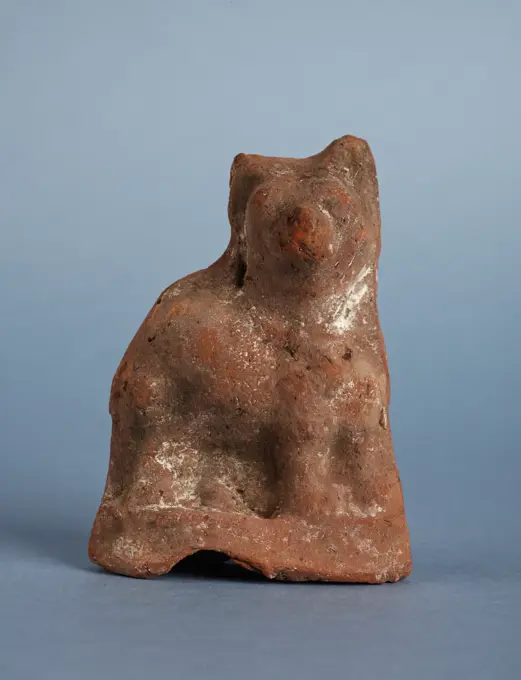
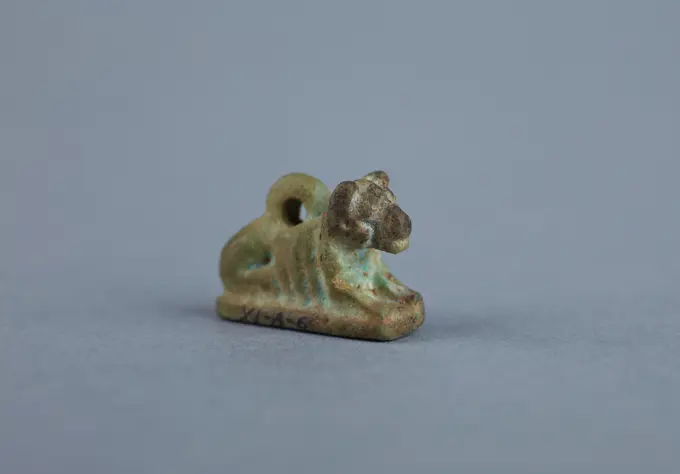
Figurine of a Cat
Figurine of a Cat
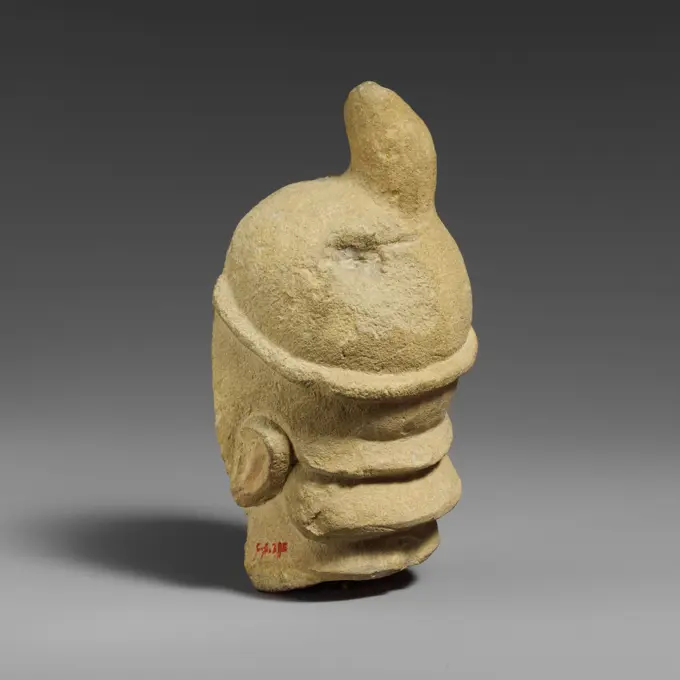
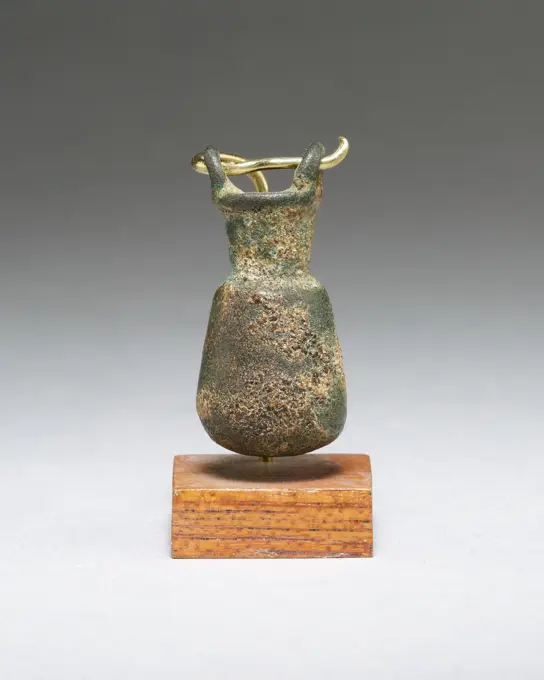
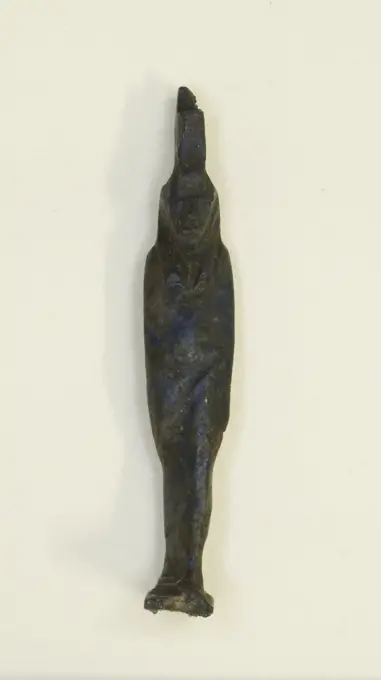
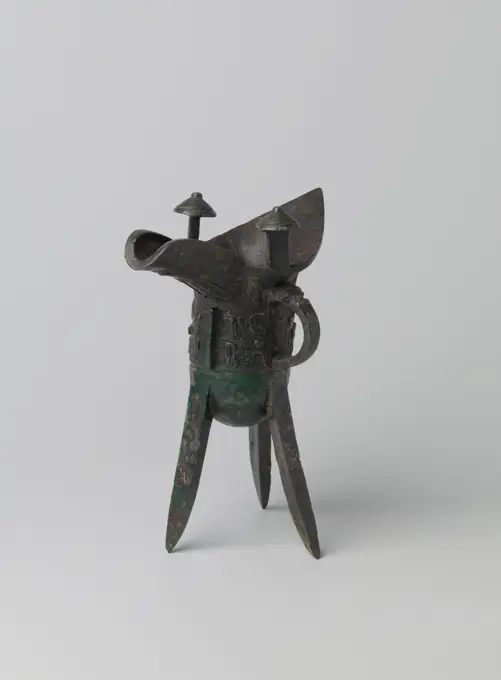
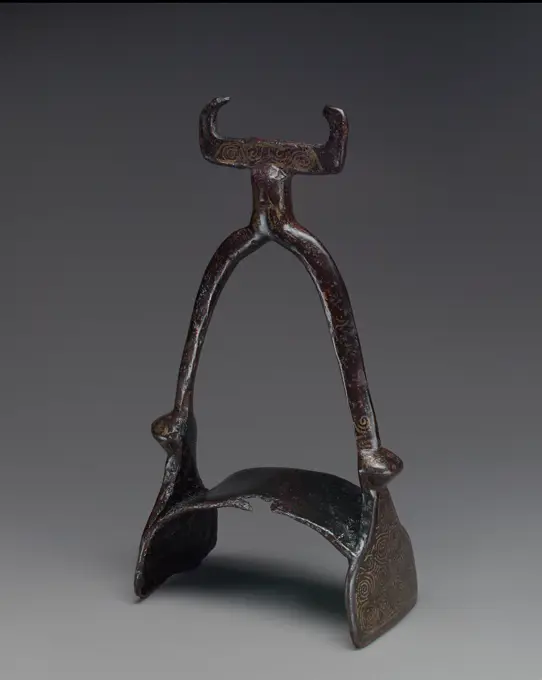
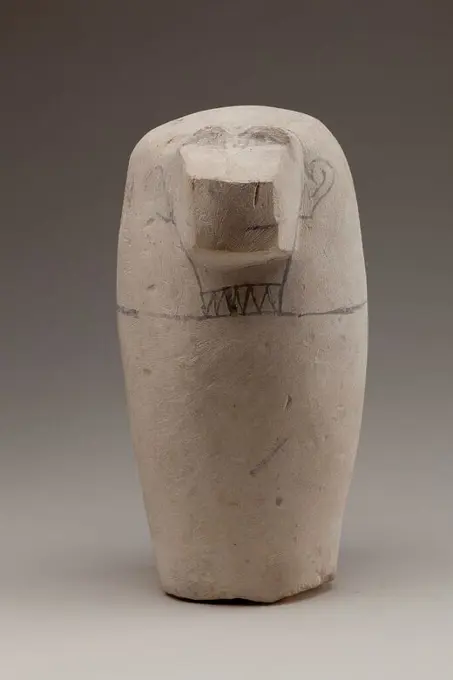
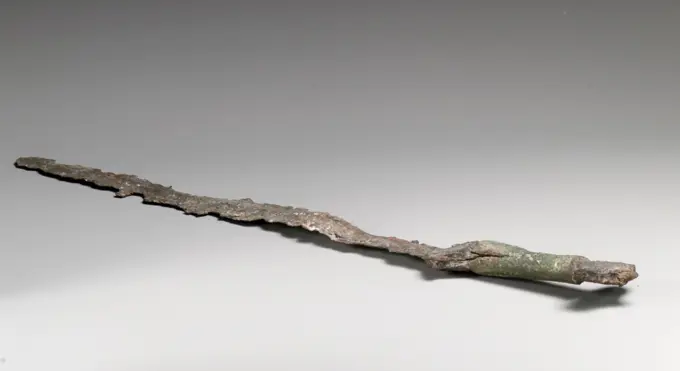
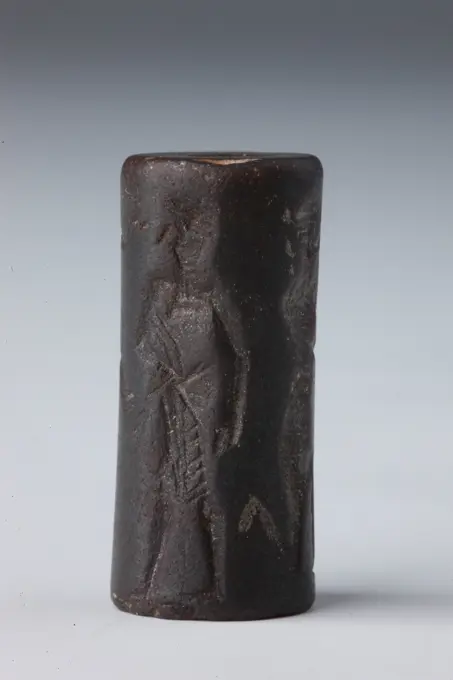
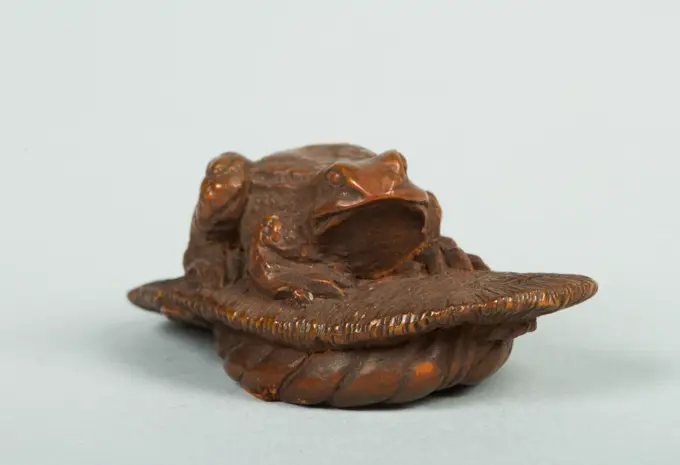
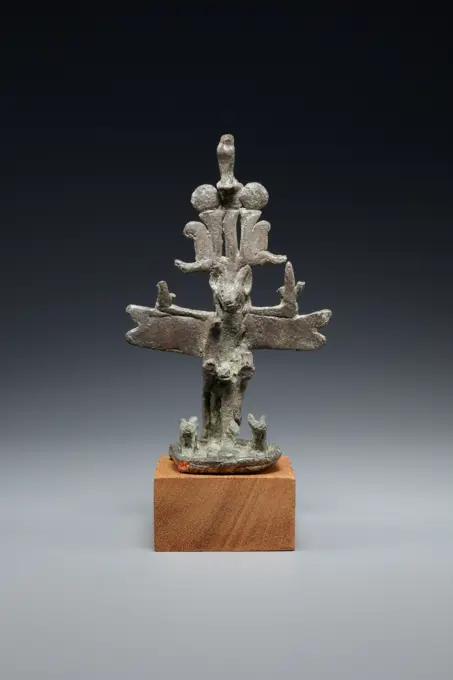
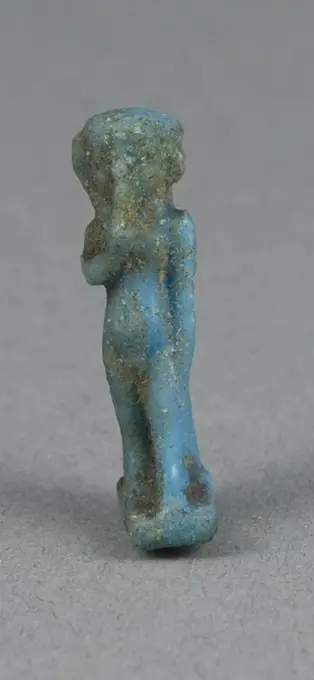
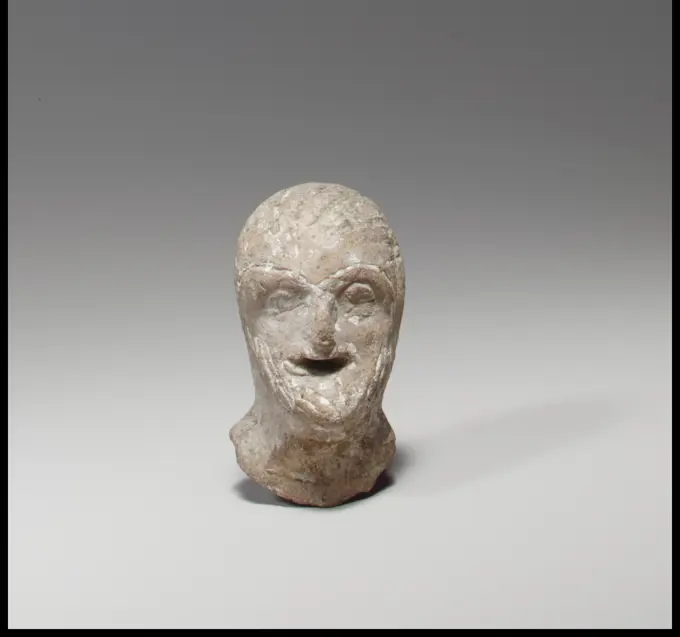
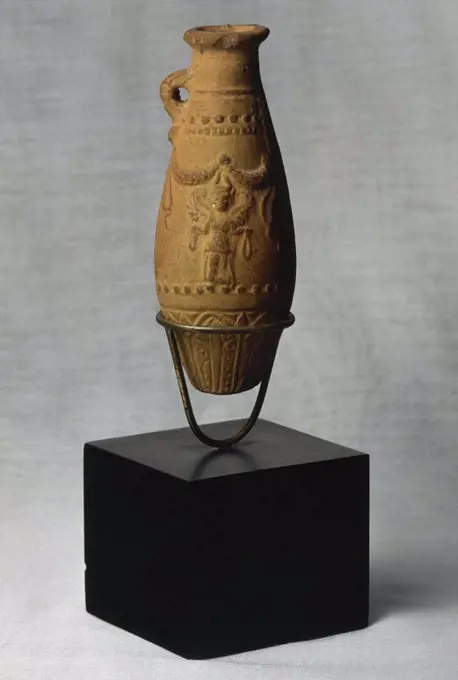
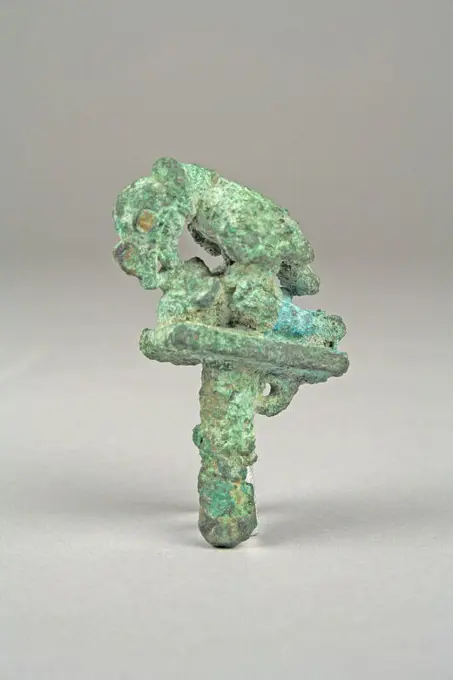
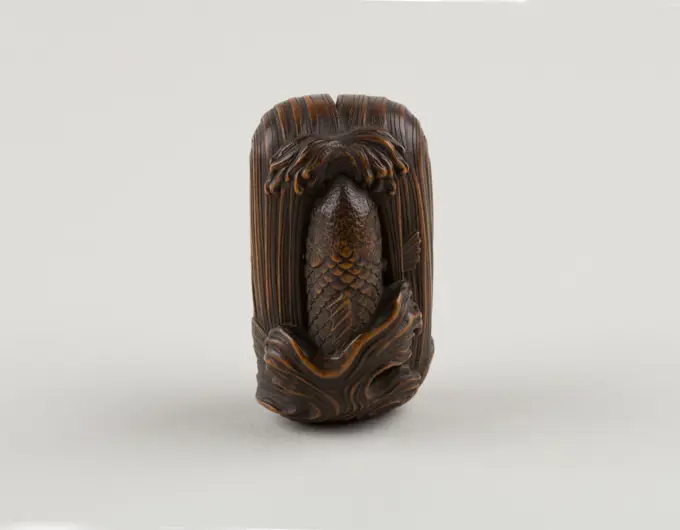
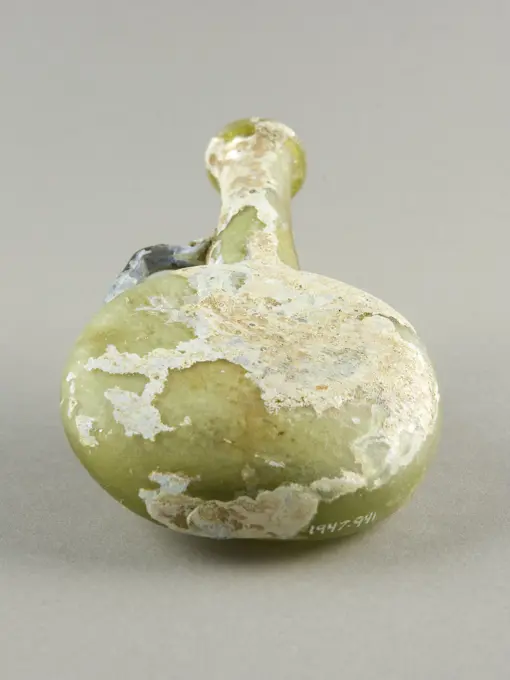
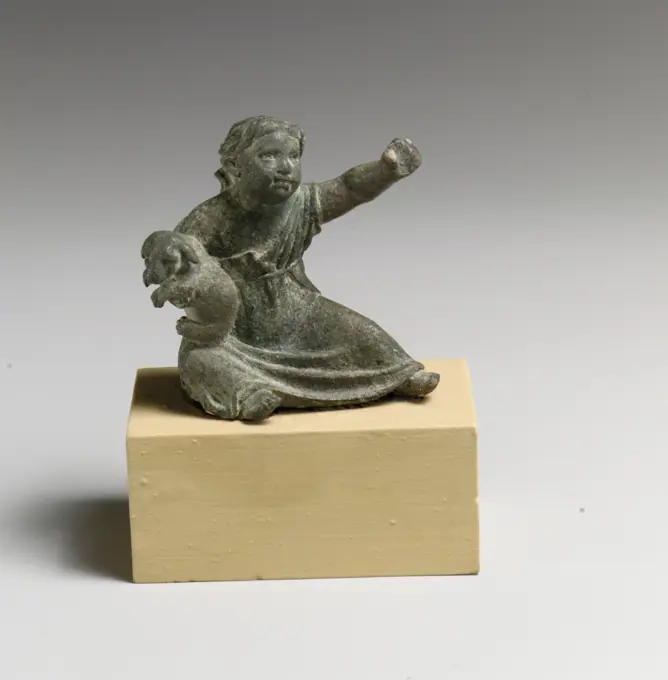
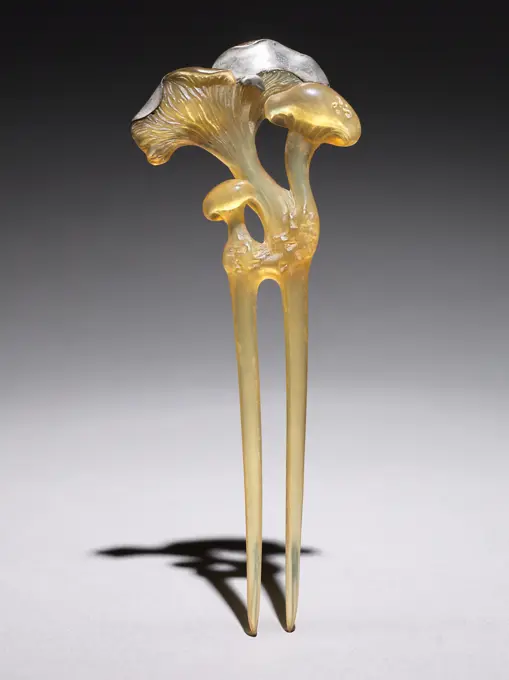
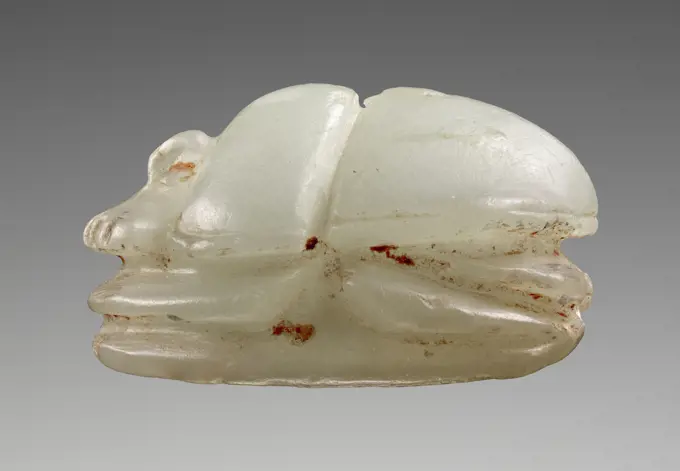
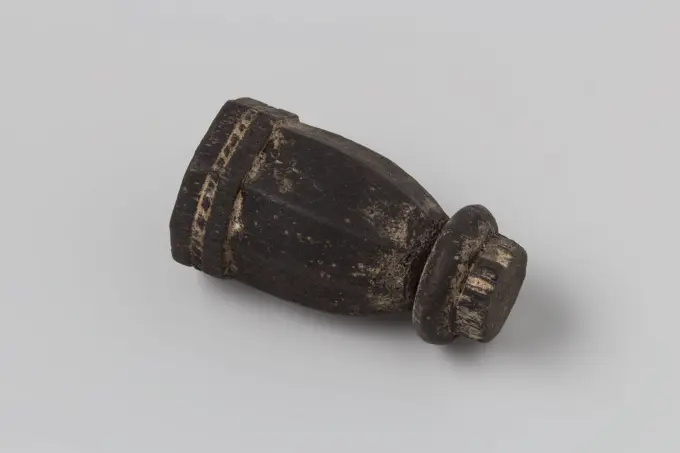
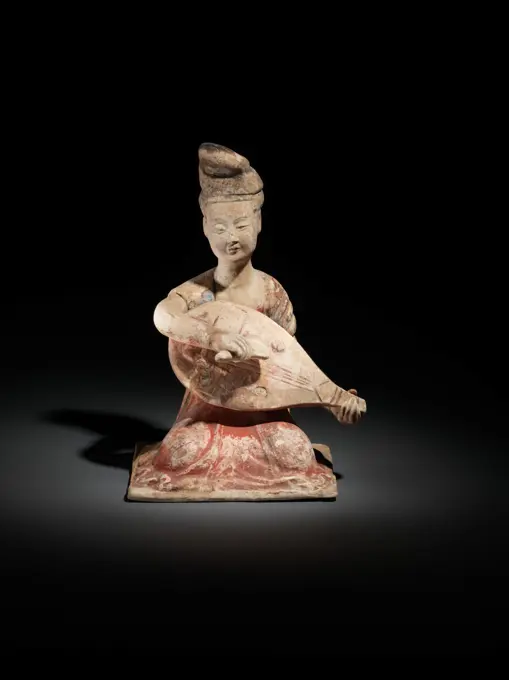
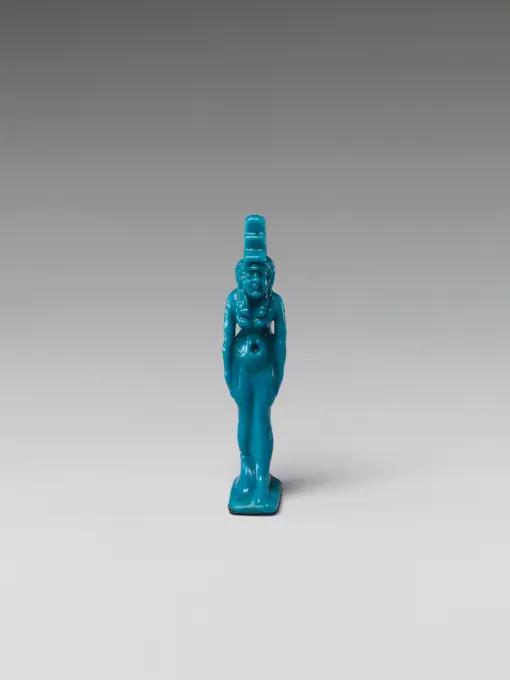
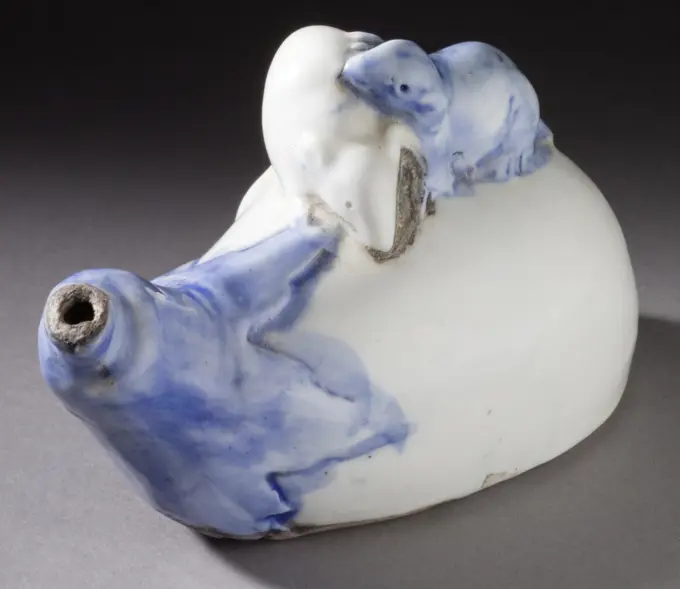
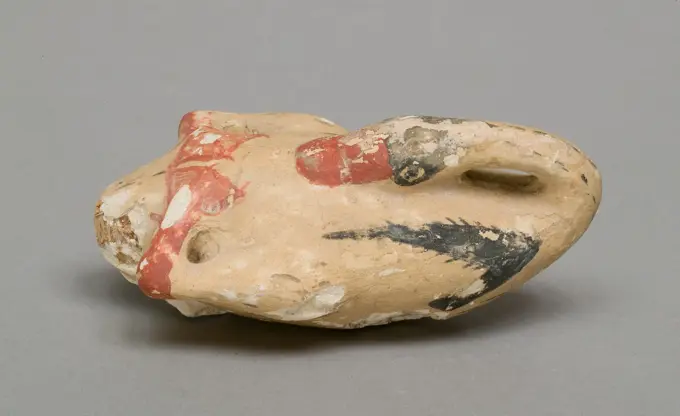
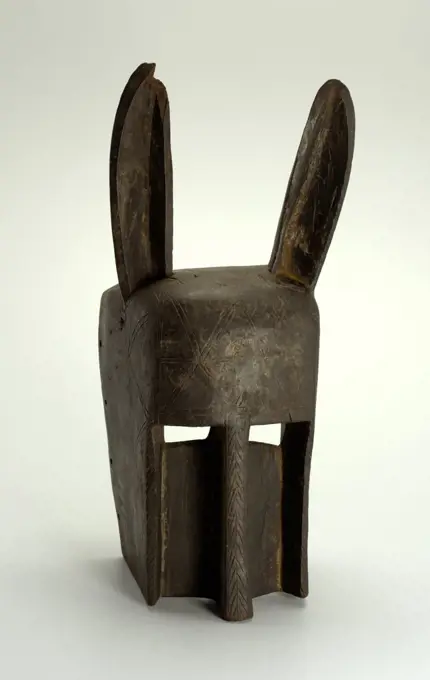
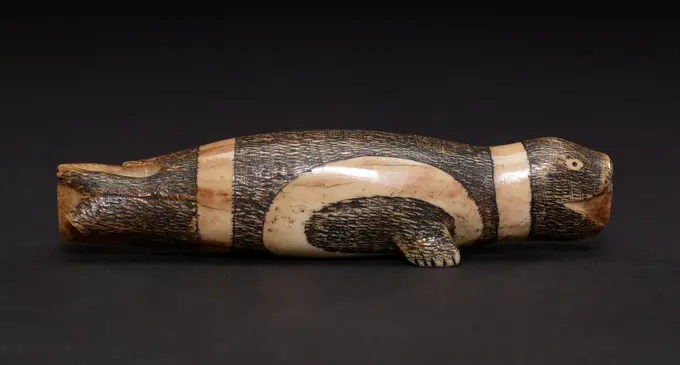
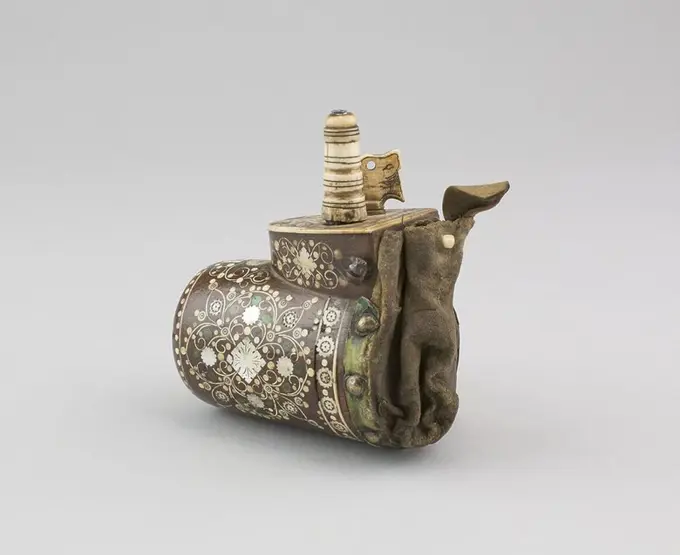
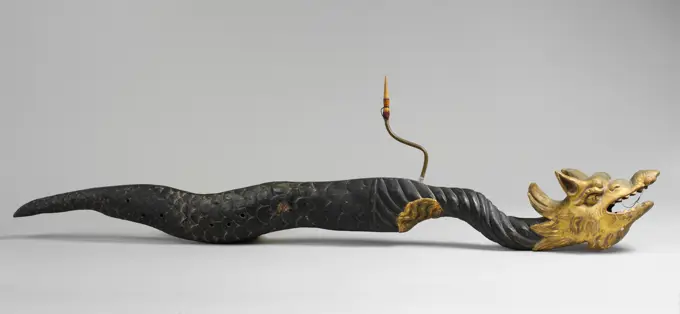
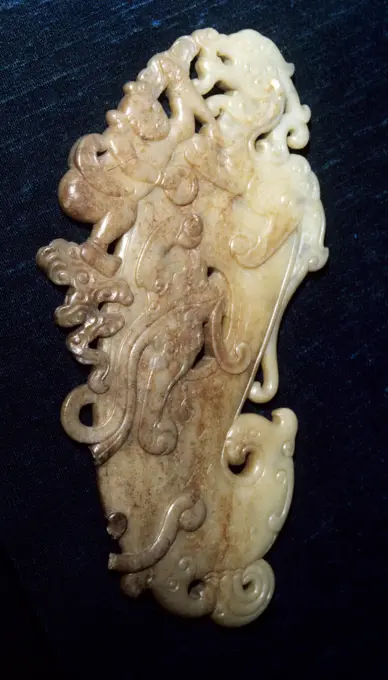
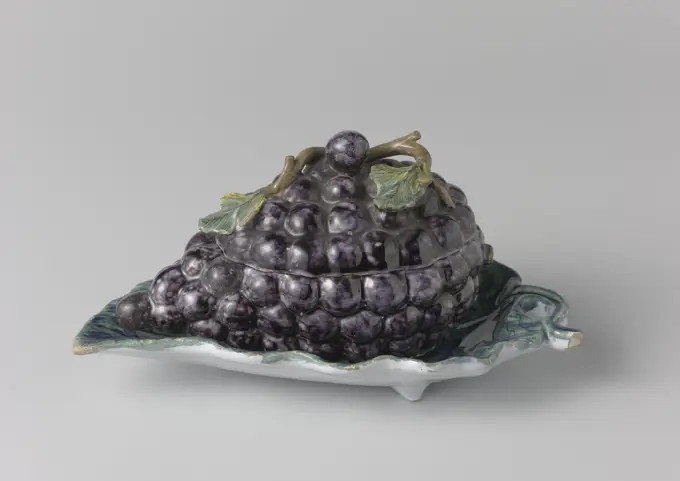
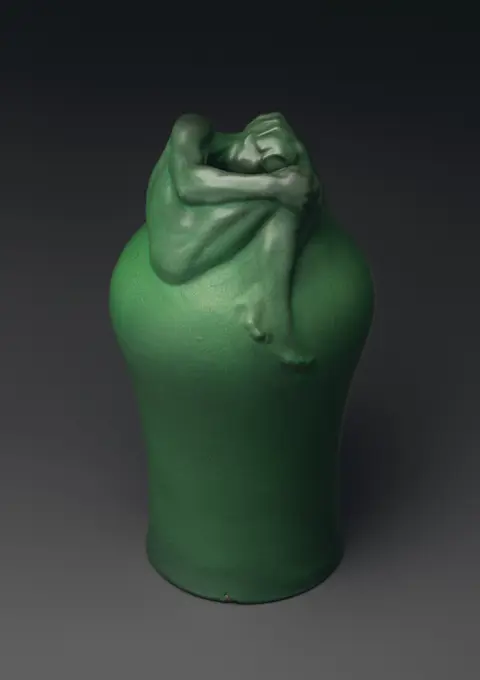
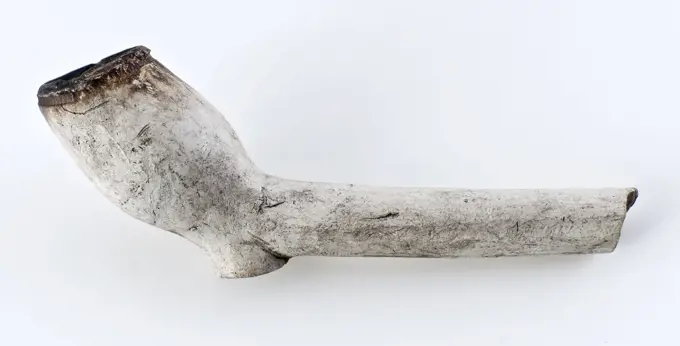
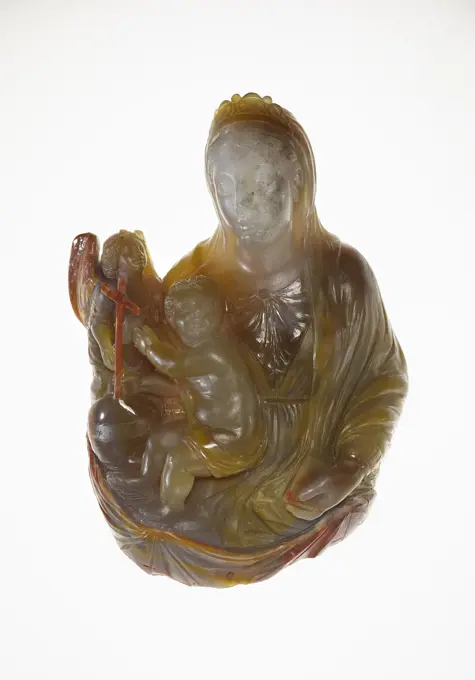
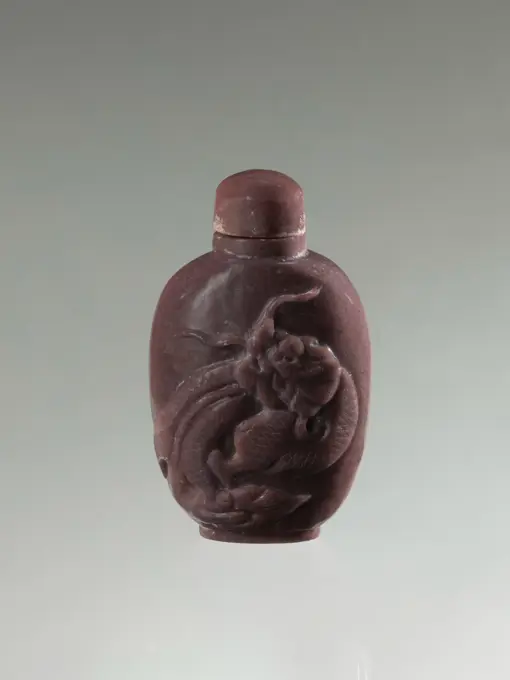
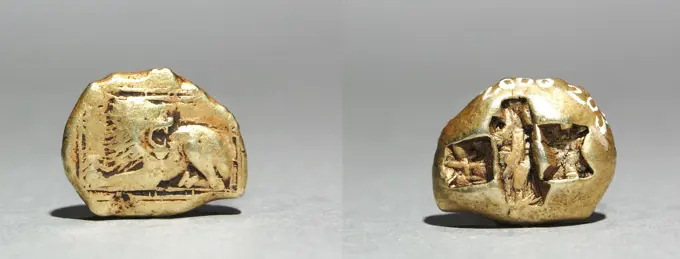
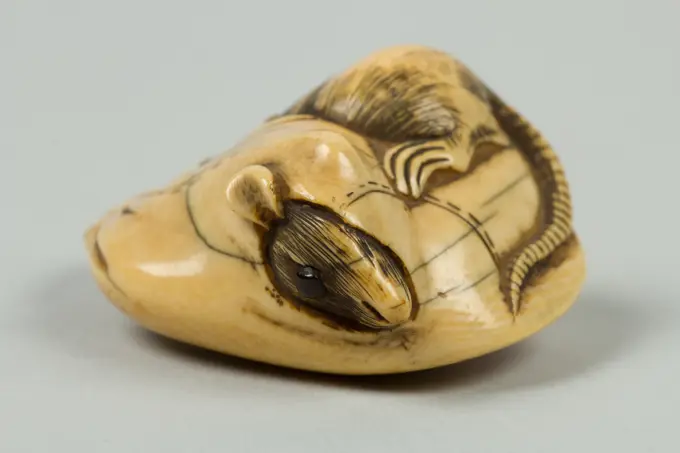
Women's head - a fragment of the figurine;  III-II century BC () (-300-00-00--201-00-00);Fragmentary Neolithic Standing Female Figurine. UnknownKnee Fragment. Culture: Coptic. Dimensions: Overall: 3 11/16 x 4 x 3 3/8 in. (9.4 x 10.2 x 8.5 cm). Date: 4th-7th century. Museum: Metropolitan Museum of Art, New York, USA.Fragment of a limestone head of the Triple Geryon” (?) 6th or 5th century B.C. Cypriot The helmeted head is slanted toward its right. The right ear is painted red. The crest of the helmet is turned toward the front. A mass of hair falls beneath the neck guard.. Fragment of a limestone head of the Triple Geryon” (?) 242139Situla amulet 664-332 B.C. Late Period. Situla amulet. 664-332 B.C.. Bronze. Late Period. From Egypt. Dynasty 26-30Burgundian storm hat with short comb. Burgundian storm hat, iron, blank, helmet ball with flap and comb of one plate made. The valve has a point, a pretty high comb on the helmet bulb. Clocked neck album. Hinged channuts with air holes are shocked with copper rivets. The edges are shed. The inside of the helmet is black, there is a green remnant of presumably paint visible. A rope between the cheek valves keep it in place.Amulet of a Kneeling Syncretic God. Egypt, probably Ptolemaic Period (332 - 30 BCE). Jewelry and Adornments; amulets. BronzeEtruscan bronze figure of offering man, 7th Century B.C.TattooKitFigurine of a CatMarble left hand holding a small box 1st or 2nd century A.D. Roman The hand must have belonged to a female statue. The box has holes on the lid, perhaps for sprinkling incense.. Marble left hand holding a small box 251450Amulet of the Goddess Isis 1070 BCE-656 BCE Egypt. Lapis lazuli . Ancient EgyptianHead of Goddess Anukis. Dimensions: H. 8.2 cm (3 1/4 in.); W. 4.6 cm (1 13/16 in.); D. 5.5 cm (2 3/16 in.). Dynasty: Dynasty 19. Date: ca. 1336-1250 B.C.. Museum: Metropolitan Museum of Art, New York, USA.Jar 101 CE-300 CE Syria. Glass, blown technique . Ancient RomanOrnamental shield made from an elks antler, anonymous, c. 1000 - c. 1199 Antlers from a moose. The wide flat part is bordered on one side by a worn -out band with relief in relief repeating birds and lions. The eight branches have been edited into dragons, lions etc. Van de Roos is a kind of lion's head. Decorations in Romanesque style. One of the branches is missing, a second has been demolished. Maasland antler (material) cutting Antlers from a moose. The wide flat part is bordered on one side by a worn -out band with relief in relief repeating birds and lions. The eight branches have been edited into dragons, lions etc. Van de Roos is a kind of lion's head. Decorations in Romanesque style. One of the branches is missing, a second has been demolished. Maasland antler (material) cuttingCoiled Snake, before 1921. Colombia. Pottery; diameter: 10.2 cm (4 in.); overall: 8.4 cm (3 5/16 in.).Taweret Figurine 664-332 B.C. Late Period. Taweret Figurine. 664-332 B.C.. Rock crystal. Late Period. From Egypt. Dynasty 26-30Shabti. Egypt, 19th - 31st Dynasty (1569 - 333 BCE). Sculpture. FaienceStanding Lamp with a Cross on a Pricket Stand 4th-5th century Byzantine. Standing Lamp with a Cross on a Pricket Stand. Byzantine. 4th-5th century. Copper alloy. Made in perhaps Syria. Metalwork-BronzeRitual Plot Cup, Anonymous, c. -1300 - c. -800 Ritual Plot Cup decorated with Taotie and Leiwen. China bronze (metal) Ritual Plot Cup decorated with Taotie and Leiwen. China bronze (metal)Engraved Gem with a Lynx; Italy; 2nd - 1st century B.C; Banded agate; 1.2 × 0.9 × 0.2 cm (1,2 × 5,16 × 1,16 in.)Doorpull (pair), 16th century. Leone Leoni (Italian, 1509-1590). Bronze; overall: 11 x 6.1 x 5.2 cm (4 5/16 x 2 3/8 x 2 1/16 in.).Head of a Sea Monster. UnknownStirrup 975-1075 Anglo-Scandinavian Though the Vikings are best known as seafaring warriors, through contact with Europe they grew even more adept as cavalrymen. This stirrup, decorated with a distinctive technique of iron inlay, is of a type found in England and may have been introduced in the renewed Viking attacks at the end of the tenth century.. Stirrup 468185Dummy Canopic Jar with the Head of Hapy. Dimensions: H. 26 × W. 13.5 × D. 15.5 cm, 5.4 kg (10 1/4 × 5 5/16 × 6 1/8 in., 11.9 lb.). Dynasty: Dynasty 25. Date: ca. 712-664 B.C..Four jars with animal heads (25.3.205a-d) were found in the tomb of a woman named Ankhshepenwepet who lived during Dynasty 25. These are "dummy" canopic jars made of solid stone and can't be opened. In earlier periods, canopic jars were made to store the four internal organs that were removed during mummification. By Ankhshepenwepet's time, these organs were preserved, wrapped, and returned to the body instead of being placed in jars. However, canopic jars had been part of funerary equipment since the Pyramid Age, more than 1500 years earlier, and dummy jars were often provided instead of functional jars. Museum: Metropolitan Museum of Art, New York, USA.Ancient art. Bosporan Kingdom. Figured Vessel: Toy (cart). Shaped as fantastic Beast. Clay. 1st-2nd century AD. Necropolis of Pantikapaion (Kerch), catacomb 53. The State Hermitage Museum. Saint Petersburg. Russia.Votive Plaque ca. 8th century or later Tibet. Votive Plaque. Tibet. ca. 8th century or later. Clay. SculptureAlabastron (Container for Scented Oil) 664 BCE-332 BCE Egypt. Calcite . Ancient EgyptianVase. Dimensions: H. 3 3/4 in. (9.5 cm). Date: 1880-90. Museum: Metropolitan Museum of Art, New York, USA.Iron sword with bronze hilt ca. 2nd century B.C.-1st century A.D. Roman, Gaul Long swords like this one were a typical weapon of the Gauls who populated southern France before the Romans. The Museum's statue of a fighting Gaul on display in the northern end of the Roman court would have been fighting with such as blade, as his sword belt indicates.. Iron sword with bronze hilt 248742Flask 301 CE-400 CE Syria. Glass, blown technique . Ancient RomanFragment of red earthenware, partly glazed, fragment crockery holder kitchen utensils earthenware ceramics earthenware glaze lead glaze, hand molded hand turned glazed fried Fragments of red pottery Frying pans jugs pots of grass and bottom of small jug Spicy or only partly glazed with lead glaze archeology Rotterdam Stadscentrum Stadsdriehoek Hoogstraat indigenous pottery water washing cooking nutrition food preparation handicraft pottery Soil discovery Hoogstraat Rotterdam 15 June 1983.SealPlaque fragment ca. 8th-7th century B.C. Assyrian This small ivory fragment was probably blackened through exposure to fire when the palace complexes at Nimrud were sacked during the final defeat of Assyria at the end of the seventh century B.C. Carved ivory pieces such as this were widely used in the production of elite furniture during the early first millennium B.C., and were often inlaid into a wooden frame using joinery techniques and glue. Although fragmentary, this piece still preserves part of a figure wearing a short skirt, whose muscular leg can be seen striding to the right. The skirt is belted at the waist, and is represented as overlapping pieces of pleated fabric with a decorated border, somewhat similar to the garment worn by the winged figure shown fighting a griffin on another ivory plaque in the Metropolitan Museums collection (61.197.11). Built by the Assyrian king Ashurnasirpal II, the palaces and storerooms of Nimrud housed thousands of pieces of carved ivory. MosCylindrical sealNetsuke of Toad on a Sandal 18th century Japan. Netsuke of Toad on a Sandal. Japan. 18th century. Wood. Edo period (1615-1868). NetsukeSnuff bottle with lion China. Snuff bottle with lion 41532Figurine group, animals 688-525 B.C. Late Period, Saite. Figurine group, animals. 688-525 B.C.. Bronze. Late Period, Saite. From Egypt, Memphite Region, Saqqara, Teti Pyramid Cemetery, Egyptian Antiquities Service excavations, 1926. Dynasty 26Amulet of the God Harpocrates (Standing). Egyptian. Date: 664 BC-332 BC. Dimensions: 2.5 × 1 × 0.6 cm (1 × 3/8 × 1/4 in.). Faience. Origin: Egypt. Museum: The Chicago Art Institute, Chicago, USA. Author: Ancient Egyptian.Seal early 20th century China. Seal. China. early 20th century. Jade. SealsStatuette fragments (8), Ahmose Nefertari New Kingdom ca. 1525-1504 B.C. View more. Statuette fragments (8), Ahmose Nefertari. ca. 1525-1504 B.C.. Serpentinite. New Kingdom. From Egypt, Upper Egypt, Thebes, Dra Abu el-Naga, Tomb AN-B, Carnarvon/Carter excavations 1914. Dynasty 18Helmet. Culture: Korean. Dimensions: H. including nape defense 19 1/4 in. (48.9 cm); H. excluding nape defense 12 in. (30.5 cm); W. 10 1/2 in. (26.7 cm); D. 10 3/8 in. (26.4 cm); Wt. 5 lb. 13 oz. (2636.5 g). Date: 16th-19th century. Museum: Metropolitan Museum of Art, New York, USA.Head of a comic figurine 5th-4th century B.C. Cypriot The head is mold-made and solid; the missing torso was hollow. The back is probably handmade.. Head of a comic figurine. Cypriot. 5th-4th century B.C.. Terracotta; mold-made. Cypro-Classical. TerracottasARTE ETRUSCO S. V-IV a J. C ALABASTRON poriforme. Decoración de cenefas en bajorrelieve, con motivos geométricos que circundan una figura de diosa. Tierra cocida. Tiene 120 mm de altura y 50 mm de diámetro. Procede de Etruria. Museo del Perfume. Barcelona. Cataluña.BumpAmulet - LionFinial with Figures. Culture: Moche. Dimensions: H x W: 2 5/8 x 1 3/4in. (6.7 x 4.5cm). Date: 1st-mid-8th century. Museum: Metropolitan Museum of Art, New York, USA.Netsuke of a Carp Climbing a Waterfall 19th century Japan. Netsuke of a Carp Climbing a Waterfall 59678Flask 101 CE-600 CE Syria. Glass, blown technique . Ancient RomanAmphora. China. Date: 400 BC-200 BC. Dimensions: H. 46.4 cm (18 1/4 in.); diam. 15.2 cm (6 in.). Earthenware with striated surface. Origin: China. Museum: The Chicago Art Institute, Chicago, USA.Snuff Bottle China. Snuff Bottle 41368Terracotta statuette of a woman ca. 600-480 B.C. Cypriot Though simply executed, the figure is ornamented with ear caps, earrings, and two necklaces. In her left arm, now broken away, she may have held a lyre.. Terracotta statuette of a woman 241185Bronze statuette of a girl holding a dog 1st century B.C.-2nd century A.D. Greek or Roman Seated child holding a puppy in her right arm, her left extended in the same direction as her gaze. A charming study of child life, with the little girl and dog both rendered with remarkable truth to nature.. Bronze statuette of a girl holding a dog. Greek or Roman. 1st century B.C.-2nd century A.D.. Bronze. Late Hellenistic or Imperial. BronzesHair Ornament, c. 1903. Jeannine Chenneviere (French), possibly by Lucien Gaillard (French, 1861-1942). Horn with silver mounts; overall: 14.4 x 5.5 cm (5 11/16 x 2 3/16 in.).Engraved Scarab; Attributed to Onesimos (Greek, active about 500 B.C.); about 500 B.C; Pale green serpentine; 1 × 1.7 × 1.1 cm (3,8 × 11,16 × 7,16 in.)Wooden object from V.O.C. ship De 'Witte Leeuw', Anonymous, Before 1613 object Wooden object. Tapered octagonal shape with a border with a bred rope at the top and a ring on the bottom.  wood (plant material)   Sint-HelenaFemale musician with lute late 7th century China Ensembles featuring female musicians often served as a musical bridge between elite and popular culture. As expert musicians, they were often musical innovators. Here, a small ensemble is shown (23.180.4-.7), clapping and playing the pipa, tongbo (small copper cymbals), and konghou (harp). The pipa is played in its original position, like an Arabic lute; its silk strings are plucked with a triangular plectrum. The construction and playing style resemble those of the biwa, a Japanese lute derived from the pipa. Today, the biwa maintains the use of a triangular plectrum, the West Asian plectrum guard, and the C-shaped sound holes seen on the instrument played by the musician here as well as on the jade belt featured in this case. The Chinese playing style changed during the chaotic Later Tang period (921-36), when the plectrum was discarded. The angular konghou harp, introduced at the end of the Han dynasty, was in decline at this time andIsis amulet 332-30 B.C. Ptolemaic Period This amulet depicts the goddess Isis. On her head is a throne, which is the hieroglyph that represents her name. Isis was the quintessential example of a loving and caring wife as well as a nurturing and protective mother. In the funerary realm, Isis was extremely important as she cared for and revived her husband Osiris. She is often described as "The Great One of Magic," and this amulet was presumably supposed to invoke her protection and versatile powers for the benefit of its wearer. The back pillar of the piece is pierced so that the amulet could be suspended, for example on a necklace. The piece belongs to three other amulets, which represent the deities Nephthys, Horus, and Khnum (26.7.884-.886); all four are probably mummy amulets.. Isis amulet 551324Water Dropper in the Form of Rats on an Eggplant. Japan, 19th century. Ceramics. Hirado Mikawachi ware; porcelain with underglaze blueModel duck, trussed ca. 1981-1640 B.C. Middle Kingdom. Model duck, trussed. ca. 1981-1640 B.C.. Wood covered with stucco. Middle Kingdom. From Egypt. Dynasty 12-13Bronze foot. Bronze foot, shape of a lion.Tintinabula representing a phallus said to be a symbol of power, luck and fertility. Barcelona. Spain 2013Candlestick BrothersFragment 14th-15th century. Fragment 446429Lamp ca. 1st century A.D. Nabataean. Lamp 325903mask, wood, Hollowed rectangular anthropomorphic form with long tapering ears framing deep bulbous forehead above pierced rectangular eyes, and bisected by elongated straight nose. Dark brown patina., Mali (formerly known as French Sudan), 19th century, costume & accessories, Decorative Arts, maskSmall Figure with Long MaceQUEIMADA PARA CHORIZOS EN FORMA DE CERDO-VIDRIADA-S XX ARTE POPULAR. Location: ALFARERIA. NIÑODAGUIA. Orense. SPAIN.Table Centerpiece 1881 Italy. Bronze . Rinaldo CarnieloNeedle case in the form of a seal, c. 1880-1910, 15/16 × 3 7/8 × 15/16 in. (2.38 × 9.84 × 2.38 cm), Walrus ivory, United States, 19th-20th centuryPowder Flask with Bullet Pouch. Polish, Silesia, Teschen. Date: 1630-1660. Dimensions: 21.6 × 21.6 cm (8 1/2 × 8 1/2 in.). Wood, horn, mother-of-pearl, leather, brass, and iron. Origin: Central Europe. Museum: The Chicago Art Institute, Chicago, USA.Fragment 16th century Italian, Venice (Murano). Fragment 194462Armour of a Greek warrior. GREECE.Sea Dragon 17th century Italian This and a similar dragon in The Cincinnati Art Museum are the only known instruments of this kind to survive. Used as a stage prop, it probably appeared in masquerades and theatrical scenes depicting the underworld. The instruments were capable of producing sounds and noises that supported onstage dramaturgical actions both visually and aurally. Made from two joined hollowed out lengths of wood, the dragon was then sculpted, painted a dark green and gilded on its head and fins. During the 19th century the body was partially re-painted black. The original mouthpiece and bocal are now missing.. Sea Dragon 501492Sung/ Song Dynasty jade plaque of dragon & phoenix, 11c, China.Terrine of multicolored painted faience, in the form of a grapesros, the Porceleyne Byl, c. 1750 Terrine in the form of a grape vent. With accompanying lid and underpot. Delft . Terrine in the form of a grape vent. With accompanying lid and underpot. Delft .Pre-Columbian art. Pre-Incan. Tumaco-Tolita culture. Region of the Pacific Colombo-Ecuadorian coast from 300BC-600 AD. Ceramic object. Form squirrel. 25 x 10'5 cm. From Ecuador. Private collection.Snuff Bottle China. Snuff Bottle 41400Despondency vase Designed in 1902; 1905 Designed by Artus Van Briggle Artus Van Briggle began his career in ceramics at the Rookwood Pottery, but because of respiratory issues, moved to Colorado, where, with his wife Anna Van Briggle, he established his own pottery in Colorado Springs in 1901. The Van Briggles and some other designers produced models from which molds were made, and the vases were then slip-cast in multiple forms. They were particularly noteworthy for their glazes in satiny soft textures in unusual colors, sometimes one or more combine on a single piece. Like many American artists, Artus Van Briggle had traveled to and studied in Paris in the late 1890s and was much influenced by not only the artistic ceramics he saw there, but much of the French art that was on exhibition. Van Briggles early work often exhibits the stylistic characteristics of the Art Nouveau, especially in the sinuous curves of the stems on his floral-decorative vases. This “Despondency” vase is noteOne of a Pair of Decorated Palanquin Hooks and Rings, 1100-1175. Cambodia, Angkor Wat Style, 12th century. Bronze; overall: 52.6 x 34.2 x 23 cm (20 11/16 x 13 7/16 x 9 1/16 in.).White clay pipe, unnoticed, with decorated handle, clay pipe smoking equipment smoke floor earthenware ceramic pottery, hand-formed baked White clay pipe unnoticed with decorated handle. Steel is decorated with stamped fleur de lis archeology smoking tobaccoStatuette of a votary playing flute ca. 1000-600 B.C.. Statuette of a votary playing flute 241242Madonna and Child with an Angel; Venice; Venice, Italy; early 1500s; Chalcedony; 15.6 x 11.1 x 6 cm (6 1,8 x 4 3,8 x 2 3,8 in.)Head of a sculpture, anonymous, 1300 - 1500 Fragment (head) of a man with pointed headdress, in the form of two large horns against which there is a threesome plaque. On a pedestal. Indonesia terracotta (clay material). sokkel: wood (plant material) Fragment (head) of a man with pointed headdress, in the form of two large horns against which there is a threesome plaque. On a pedestal. Indonesia terracotta (clay material). sokkel: wood (plant material)Tassel, Medium: linen, metal wire, silk Technique: braided and knotted, Linen tassel, braided and knotted. Single loop attached to pear-shaped unit from which hang three elaborate knottings in shape of human figures holding on to one another. From bottom of pear-shaped unit hangs a ball decoration, with smaller knotted balls. Silk bows stitched to top part of pear-shaped unit. Hair of human figures made of tarnished metal wire., Italy, Europe, 17th century, trimmings, TasselCombLid of Incense Container (Kōgō) in the Shape of a Mandarin Duck, c. 1700-1868. Japan, Edo period (1615-1868). Pottery; overall: 4.5 x 7.1 cm (1 3/4 x 2 13/16 in.).Tabakierka z łyżeczką. unknown, craftsmanBottle 14th century. Bottle 445353Conch Shell 2nd century B.C.-A.D. 4th century Monte Alban. Conch Shell 313132Anillo romano procedente del yacimiento arqueológico de Can Modolell. Can Serra Museu de Mataró.Chop, 5 15/16 x 2 x 2in. (15.1 x 5.1 x 5.1cm), Jade, ChinaJar ca. 3rd-7th century A.D. Sasanian. Jar 322729Figurine. Anatolia, Syro-Hittite, 2500-800 B.C.. Sculpture. CeramicChessmen (32) American Eskimo, Alaska late 19th century View more. Chessmen (32). American Eskimo, Alaska. late 19th century. Walrus ivory. Chess SetsGarment Hook 400 BCE-200 BCE China. Jade .Stater: Lion (obverse); Incuse Punches (reverse), 600-550 BC. Greek, minted at Miletos (Ionia). Electrum (gold-silver alloy); overall: 1.6 x 2 x 0.8 cm (5/8 x 13/16 x 5/16 in.). The lion, king of the beasts and an animal associated with regal and heroic power, featured prominently on the coinage of many ancient Greek city-states. Artists placed the lion in a variety of poses, sometimes including the whole body, at other times the foreparts or just the head. Although it may once have roamed nearby, for many Greeks the lion was a monster nearly as exotic as the Chimaera, of which it formed a part, together with a goat head and snake-headed tail.Netsuke of Mouse in a Bag 19th century Japan. Netsuke of Mouse in a Bag. Japan. 19th century. Ivory. Edo (1615-1868) or Meiji period (1868-1912). NetsukeIvory figure with hollow eyes and eyebrows from Ancient Egypt.Overshoe on iron stand ring, anonymous, c. 1775 - c. 1800 Doll shoe, overshoes on an iron stand ring. Sole and square cut heel made of black wood. Redf tires made of red leather with a white stitching and white tires. Netherlands schoen: wood (plant material). zool: metal. wreefbanden: leather Doll shoe, overshoes on an iron stand ring. Sole and square cut heel made of black wood. Redf tires made of red leather with a white stitching and white tires. Netherlands schoen: wood (plant material). zool: metal. wreefbanden: leather