Geometric Ceramic Bowls

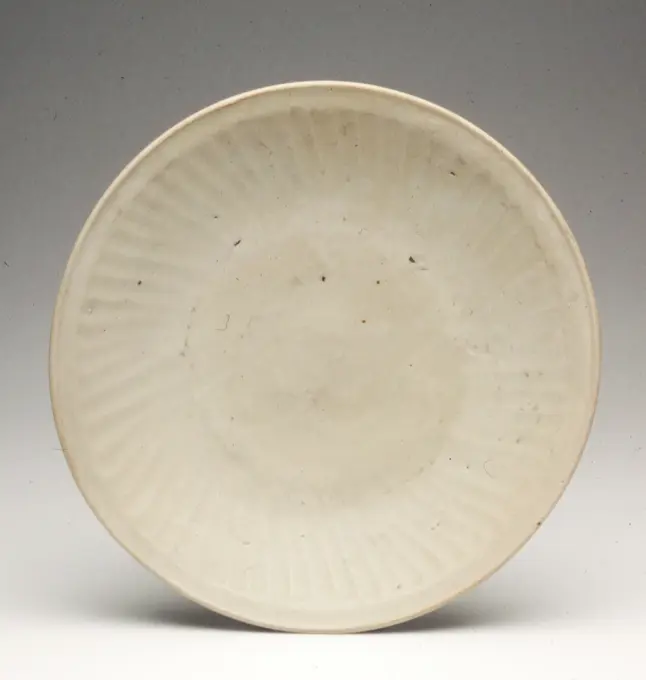
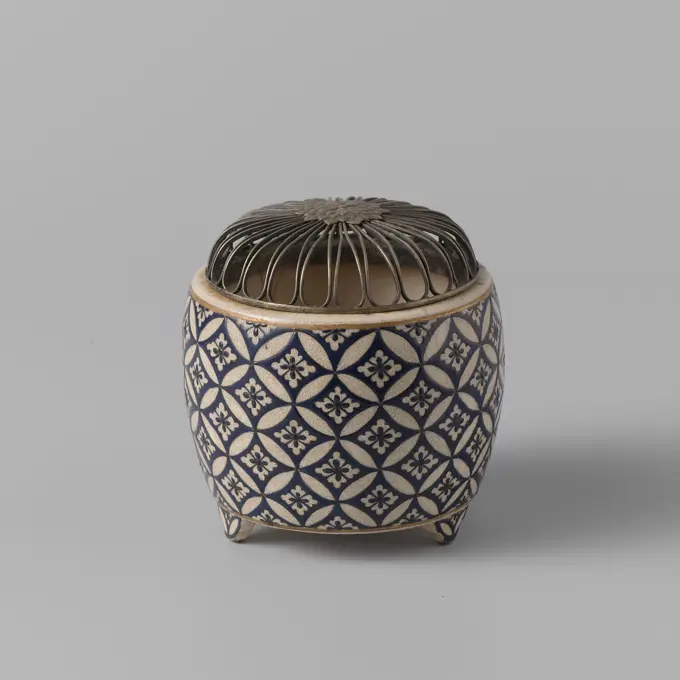
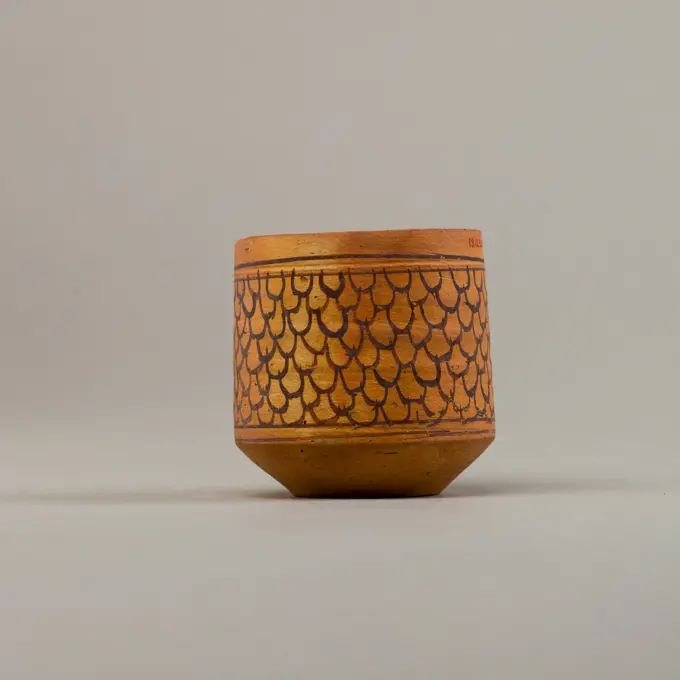
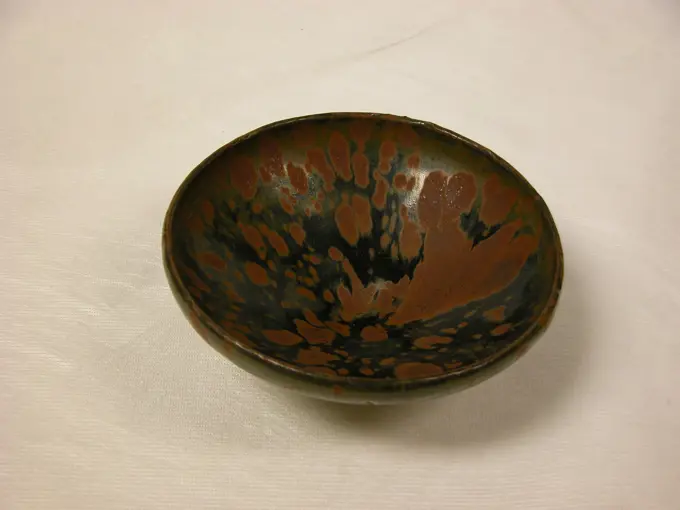
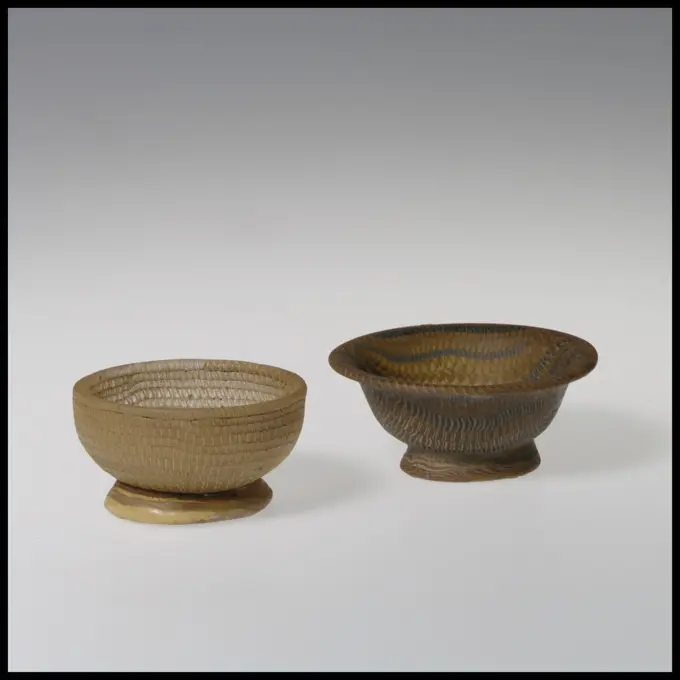
A collection of earthenware bowls featuring intricate geometric and floral designs, showcasing varying shapes and colors, including blues and browns.

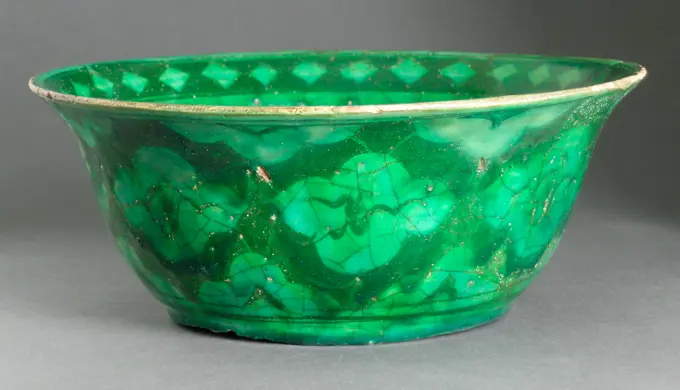
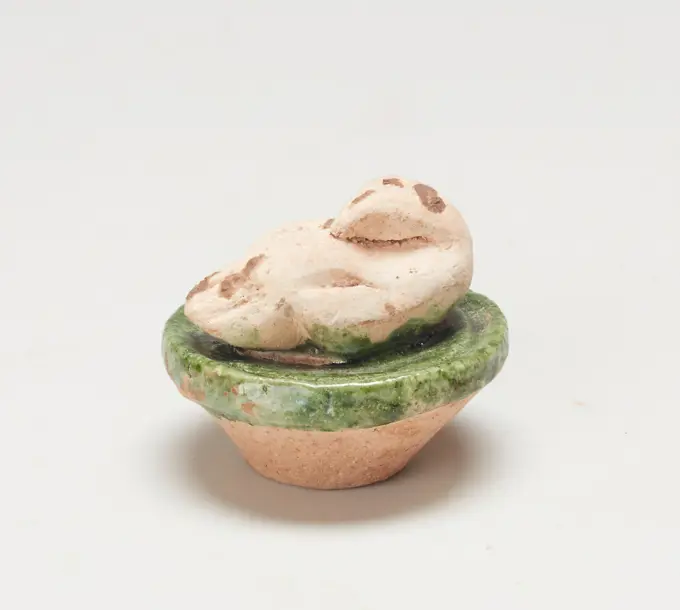
Miniature basin ". Terracotta with green lead glaze. Han dynasty (206 BC-220 AD). Paris, Cernuschi museum. Chinese art, miniature pool, han dynasty, han time, container, terracotta
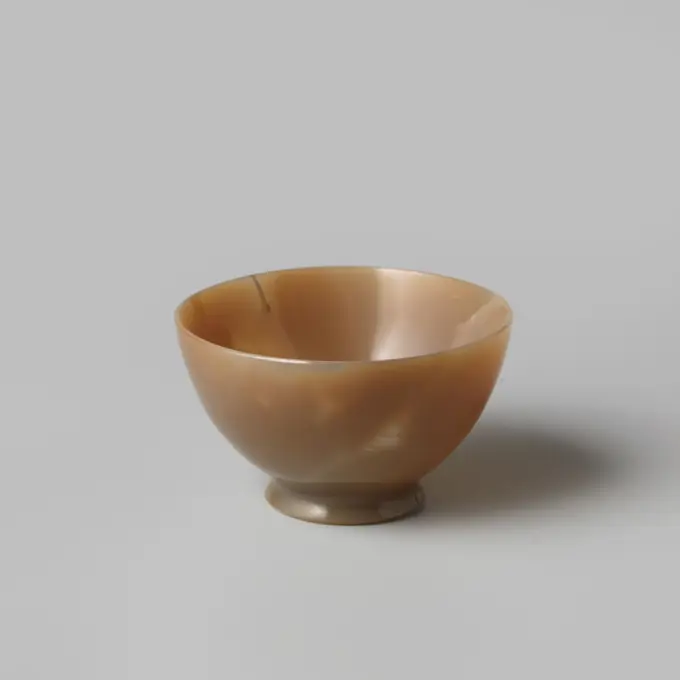
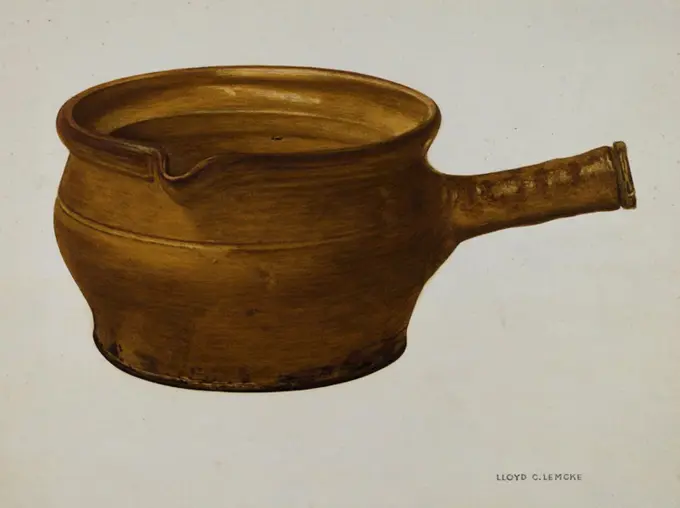
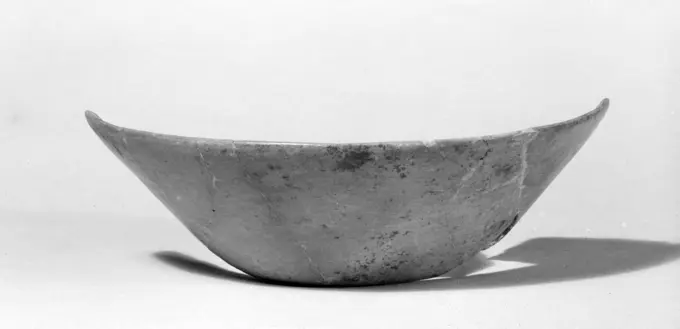
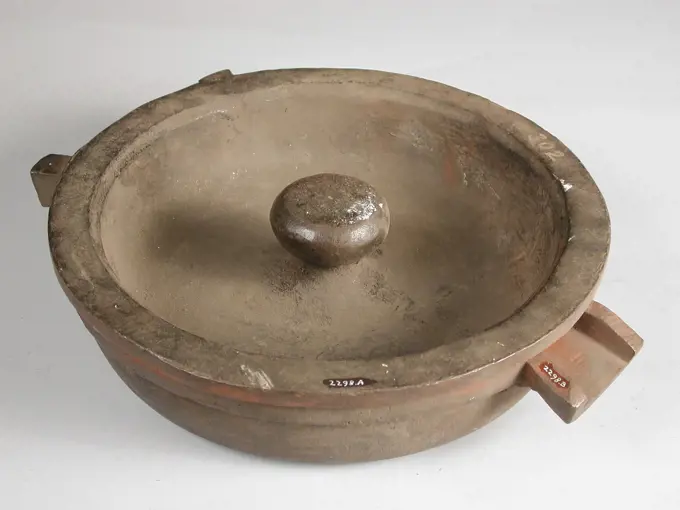
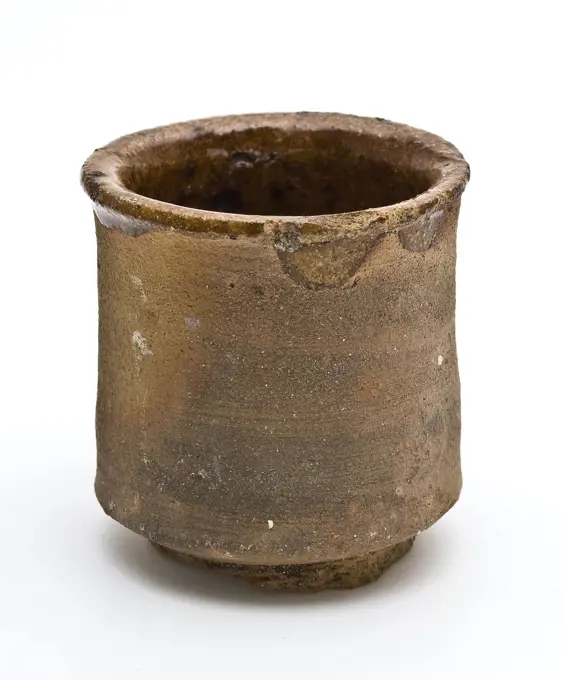
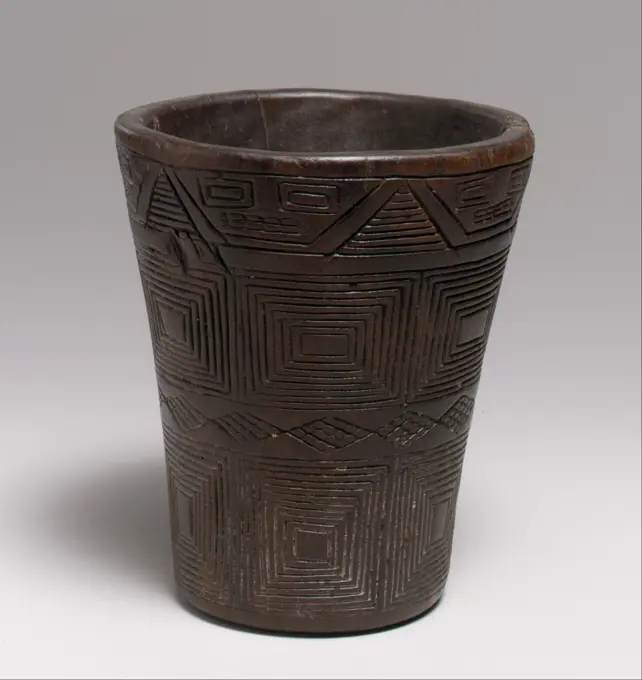
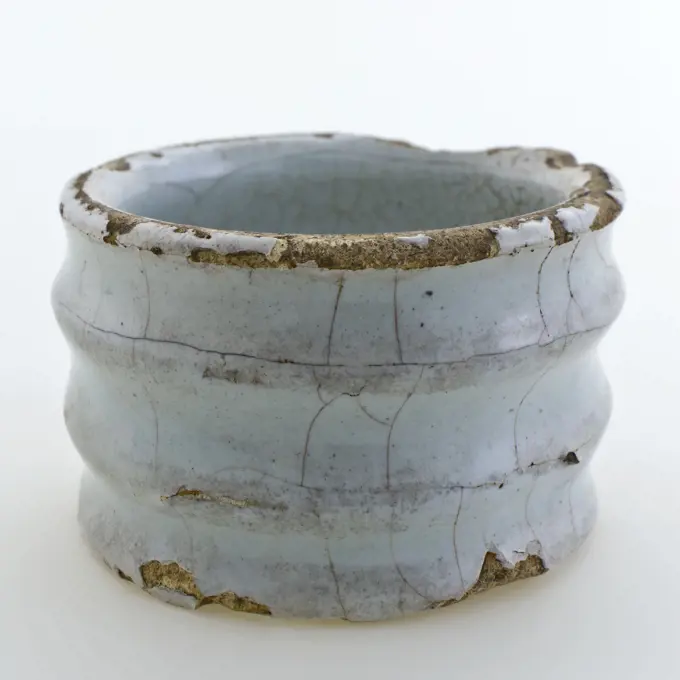
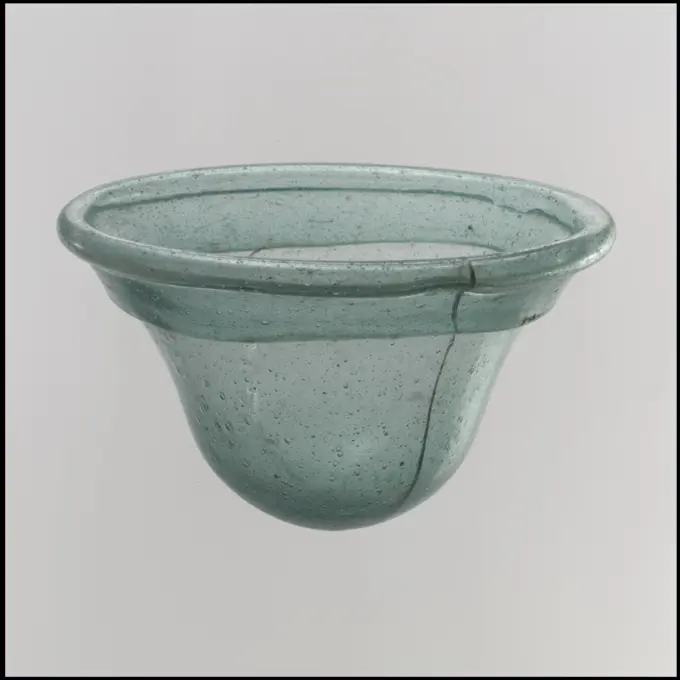
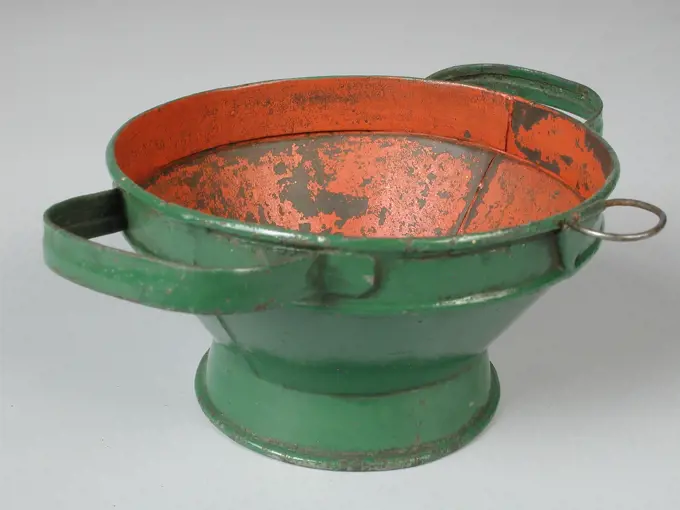
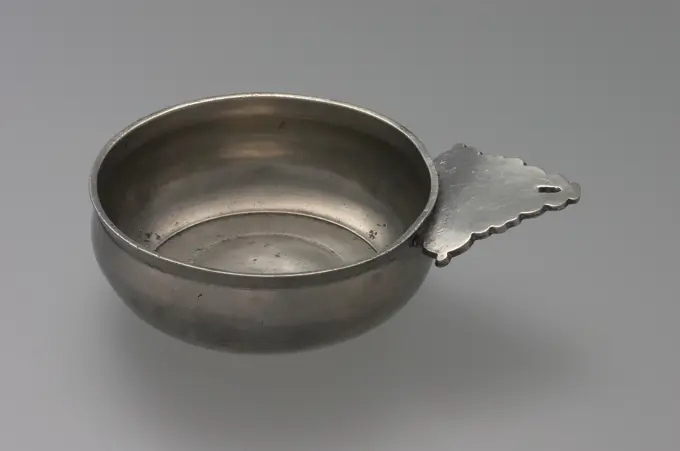
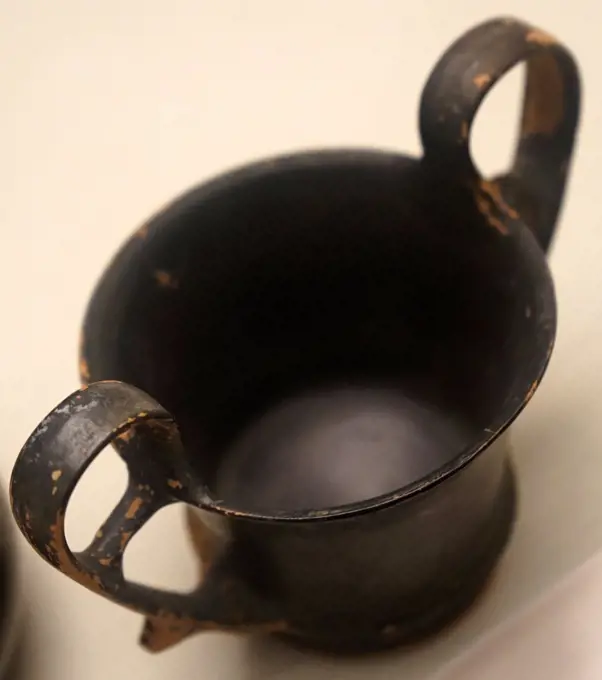
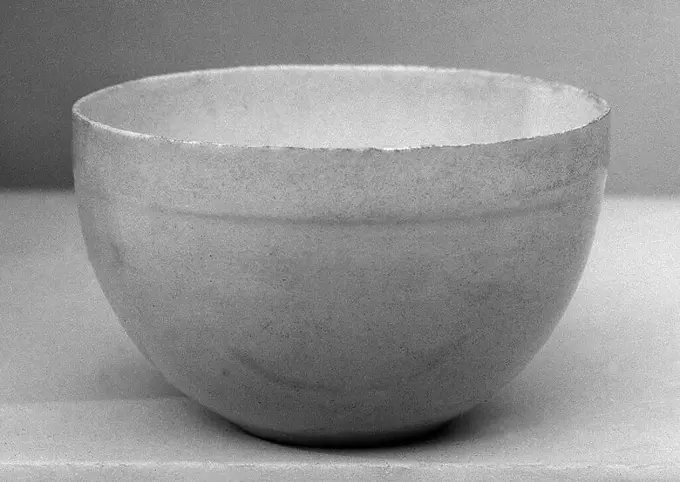
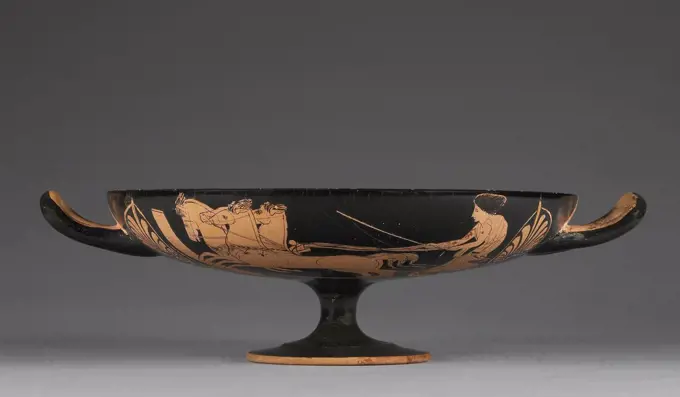
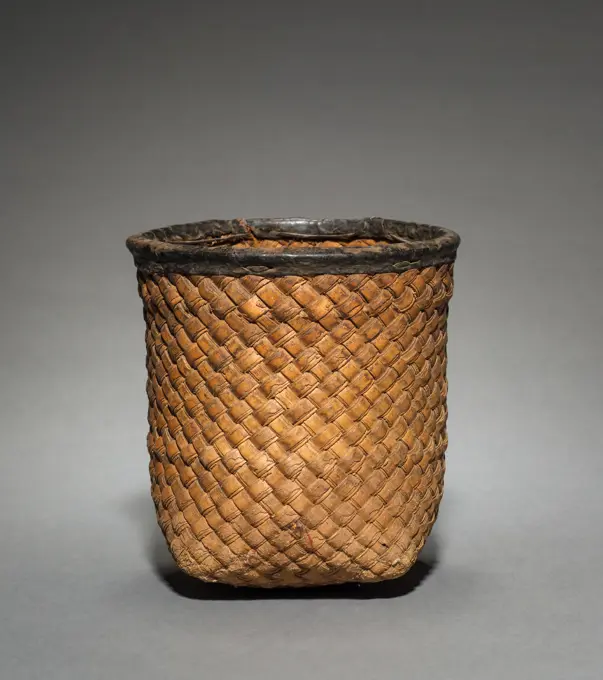
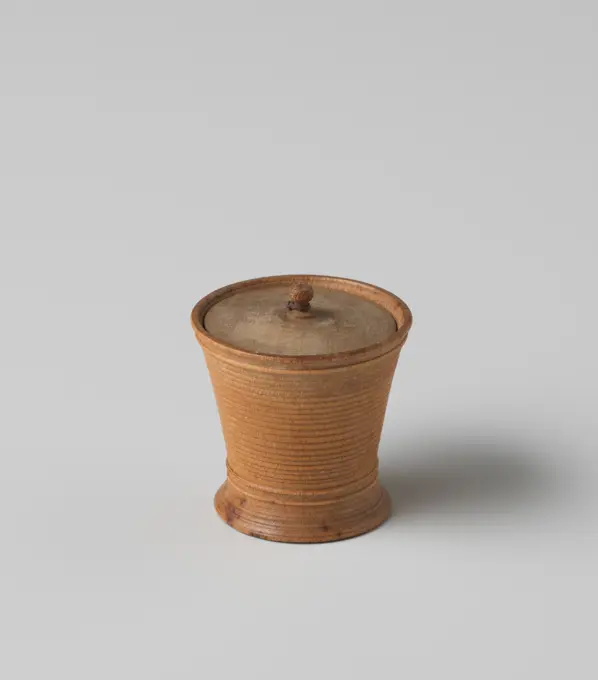
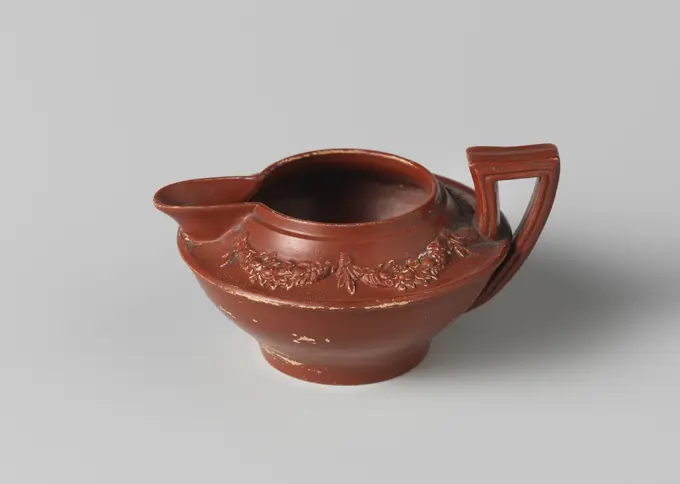
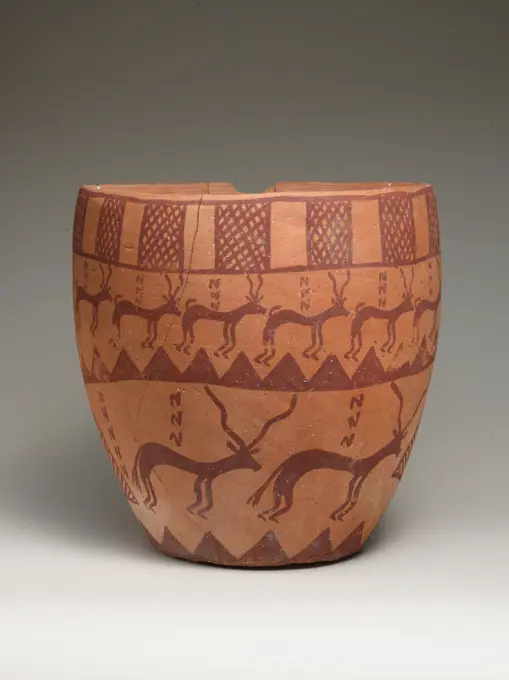
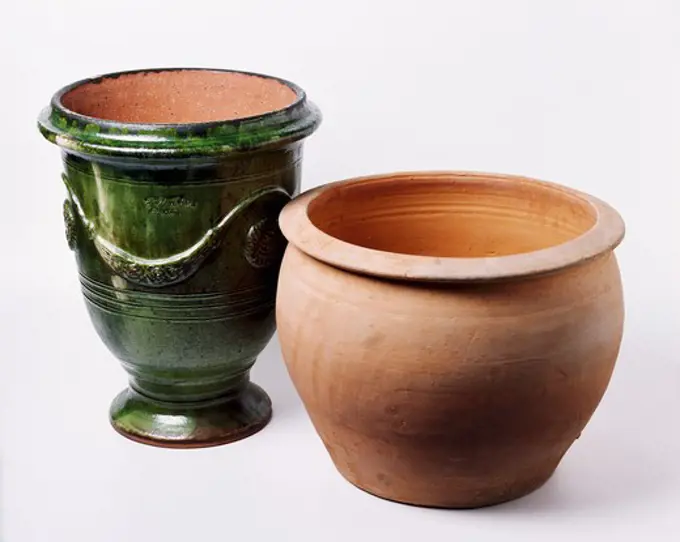
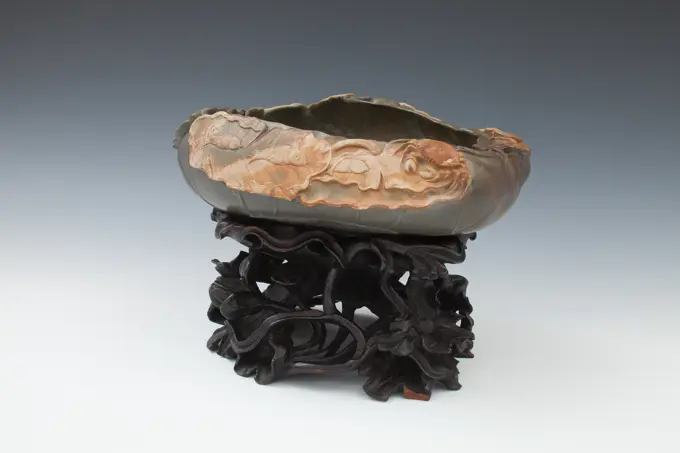
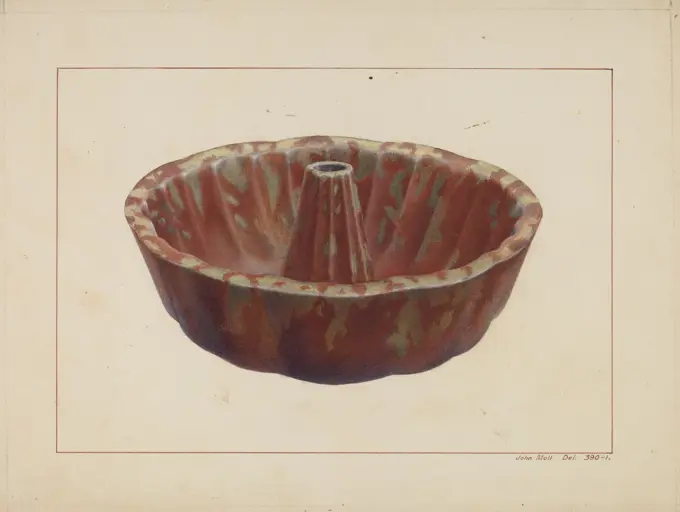
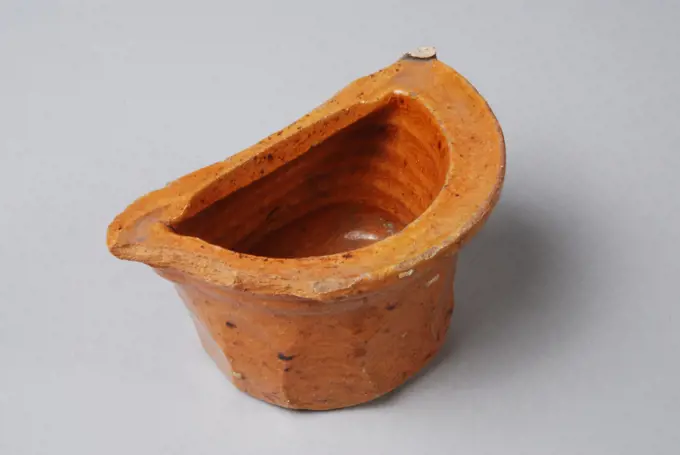
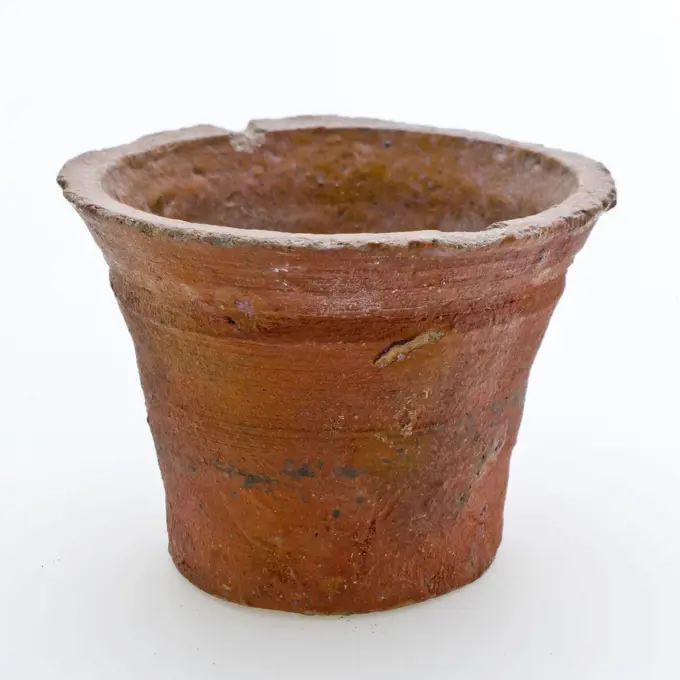
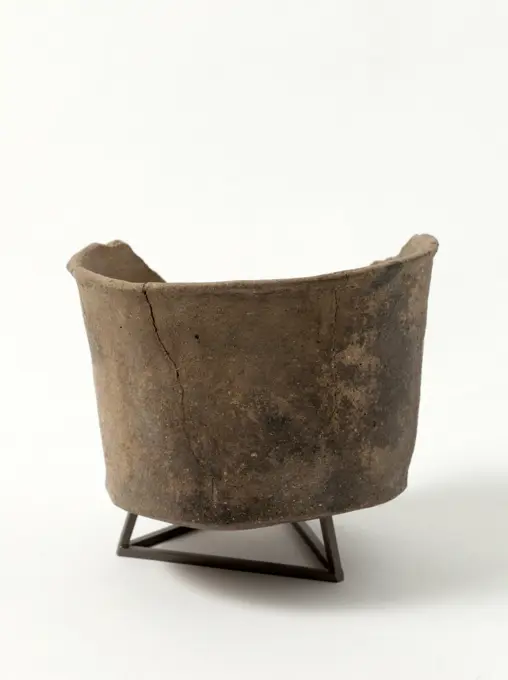
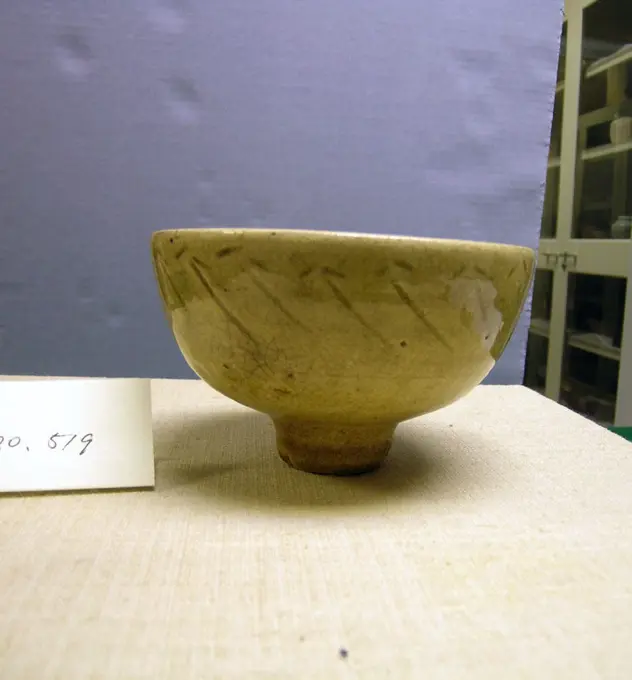
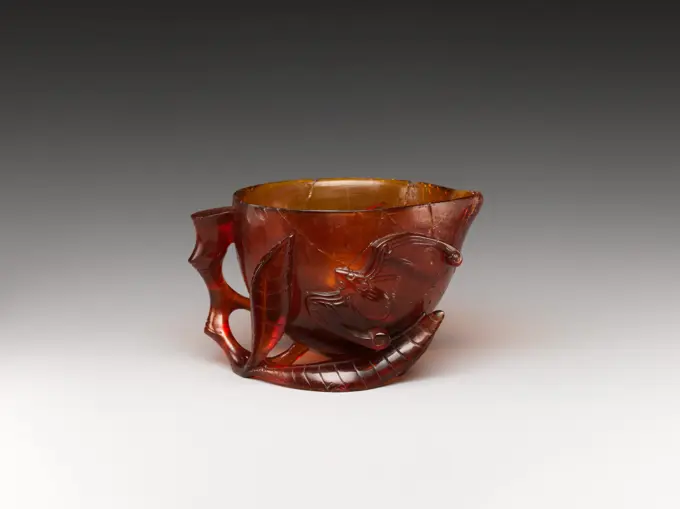
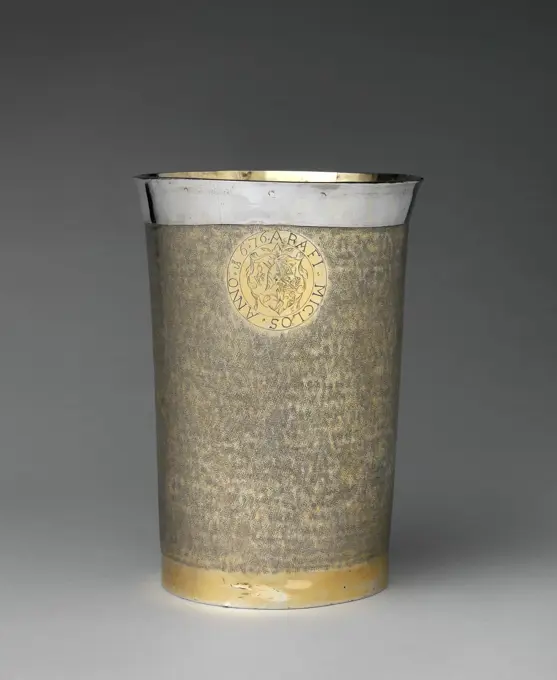
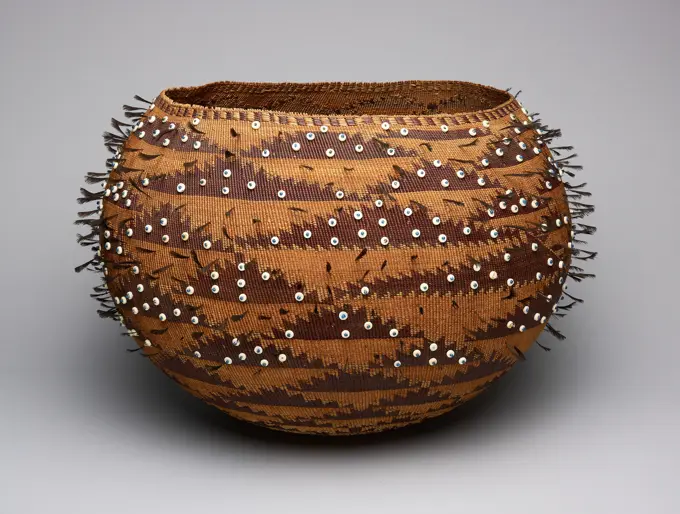
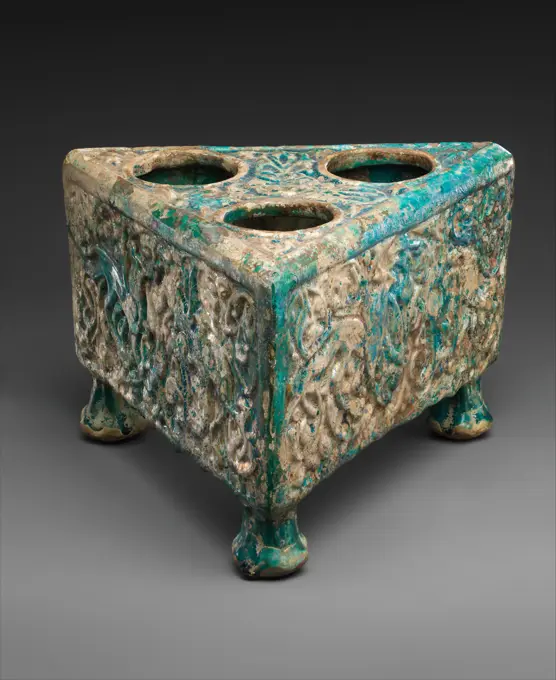
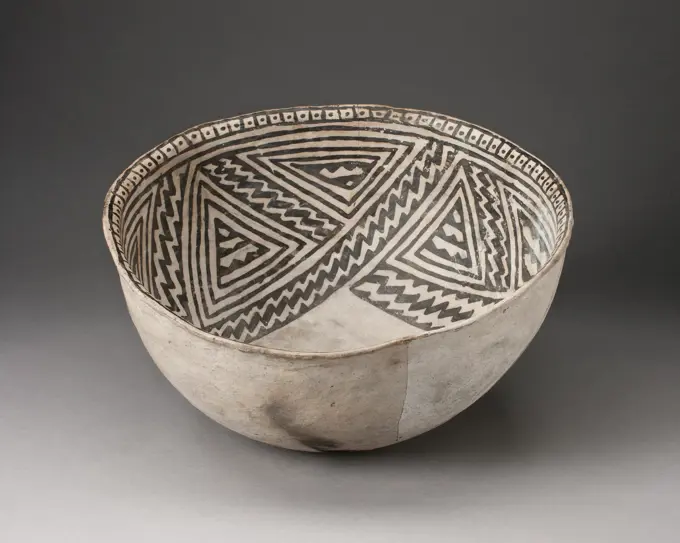
Bowl with Interlocking Zigzag Motif in Four-Part Design on Interior Walls 900 CE-1450 Arizona. Ceramic and pigment . Ancestral Pueblo (Anasazi)Head of Gray Agate, Anonymous, 1600 - 1699 Head of gray agate. Netherlands agate (chalcedony) Head of gray agate. Netherlands agate (chalcedony)Bowl. Dated: 1935/1942. Dimensions: overall: 28.8 x 30.5 cm (11 5/16 x 12 in.) Original IAD Object: 4 1/8" High 6 11/16" Dia.(top) 5 7/16" Dia.(base) 10" Long(w/handle). Medium: watercolor, colored pencil, and graphite on paperboard. Museum: National Gallery of Art, Washington DC. Author: Lloyd Charles Lemcke.Undecorated painted bowl with flared sides 6th-3rd century B.C. () Paracas. Undecorated painted bowl with flared sides. Paracas. 6th-3rd century B.C. (). Ceramic. Peru. Ceramics-ContainersBowl; Unknown Egyptian workshop; VI century (501-00-00-600-00-00);Tea bowl with the 'three friends of winter', anonymous, anonymous, c. 1850 - c. 1899 Come from stoneware, covered with a cream -colored enamel and painted in underlaze blue. On the outer wall the 'Three Friends of Winter' (Pijnboom, Prunus, Bamboo). Kyoyaki. Japan stoneware. glaze. cobalt (mineral) painting / vitrification Come from stoneware, covered with a cream -colored enamel and painted in underlaze blue. On the outer wall the 'Three Friends of Winter' (Pijnboom, Prunus, Bamboo). Kyoyaki. Japan stoneware. glaze. cobalt (mineral) painting / vitrificationBowl with Dragons and Clouds, 1403-1424. China, Jiangxi province, Jingdezhen, Ming dynasty (1368-1644), Yongle period (1403-1424). Porcelain with molded and incised decoration and white glaze; diameter: 8.4 x 17.2 cm (3 5/16 x 6 3/4 in.); overall: 8 cm (3 1/8 in.).Plate 18th century British. Plate. British. 18th century. Pewter. Metalwork-PewterWine cup mid-19th century Japan The glassware known as chalcedony was developed in Renaissance Venice. Production ceased in the eighteenth century, only to be revived in the mid-nineteenth century. These examples of chalcedony glassware reveal skill and artistry equal to that of European makers, although they were produced only shortly after the technique was introduced into Japan in the mid-1800s.. Wine cup. Japan. mid-19th century. Glass. Edo period (1615-1868). GlassFood or Carrying Bowl, late 1800 - early 1900. California, Pala- Luiseno, Pala Mission, late 19th - early 20th century. Coiled; overall: 25.5 x 48.8 cm (10 1/16 x 19 3/16 in.).Dirck Messchaert II, Two-piece bronze mold for deep plate or dish with initials, Messchaert) Rotterdam tingieterij tin stainer tableware tin Meeuws Druy craft Shapes are from the origin of 18th century Rotterdam tinnegieter J Druy. The large molds that were not signed or dated were the property of the tinker guild and were rented to the small tin caster.Bowl ca. 550-450 B.C. Italic-Native, South Italian (Daunian). Bowl 255188 Italic-Native, South Italian (Daunian), Bowl, ca. 550450 B.C., Terracotta, H. w/ handles 8.51 cm. Diameter 16.51 cm.. The Metropolitan Museum of Art, New York. Rogers Fund, 1965 (65.11.7)Ointment jar, red earthenware, cylindrical, ointment jar pot holder soil found ceramic earthenware glaze lead glaze, hand-turned glazed baked Straight wall foot and flat scraping edge. Red earthenware inside and edge glazed. Cylindrical ointment jar. Strapping above the archaeological site Rotterdam spontunnel packing care ointment medicine drug pharmacy Soil discovery: rail tunnel Rotterdam.CapitalKero 15th-early 16th century Inca Tumbler-shaped drinking vesselscalled keros when made of wood and aquillas when made of gold and silverwere used in Peru to consume chicha (corn beer) for hundreds of years before the Inca came to power. During Inca times, they were made and used in pairs since custom required that two individuals drink together. Both vessels had the same size, shape, and decoration. To consolidate the relationship between local communities and the Inca state, toasts were exchanged during ceremonial occasions and pairs of keros, often together with fine textiles, were given to provincial leaders as a sign of Inca generosity.As with other Inca works, kero production was state controlled and highly standardized, showing uniformity in size and decoration. The finely incised lines meet at angles to form a series of geometric shapes that can be read as squares, triangles, or diamonds. They are typically arranged in two to four horizontal registers, as seen on this cup. ThEarthenware ointment jar, low model, white glazed, ointment jar pot holder soil find ceramic pottery glaze tin glaze, delfts white hand-turned glazed baked Pottery ointment jar wide low form with three smooth constrictions along the outside of the kettle. White glazed with blue tint. Stand archaeology Rotterdam City triangle Delftsevaart health care indigenous pottery pharmacy packaging medicine drug sell craft store Soil discovery discovered and found during the partial reclamation of the Delfse Vaart for the purpose of making the lift over the Vaart in the summer of 1928.Palm Cup 7th-8th century Frankish. Palm Cup 465747 Frankish, Palm Cup, 7th8th century, Glass, Overall: 2 3/4 x 4 7/16 in. (7 x 11.3 cm). The Metropolitan Museum of Art, New York. Gift of J. Pierpont Morgan, 1917 (17.193.403)metal worker: Gresnich, Green tin miniature, teil kitchenware miniature toy relaxant model metal paint, beaten soldered painted tinned tin Round Slightly angled foot conical wall straight edge. Two large handles Ring to hang. Somewhat hollow soil. Outside green inside red 1868 Sibilla van Embden playing washing cleaning kitchenCome from smooth -polished jade, anonymous, c. 1700 - c. 1800 Come from smooth -polished jade. China jade (rock) Come from smooth -polished jade. China jade (rock)Shigaraki Ware Mizusashi (Tea Ceremony Fresh Water Jar) Shigaraki Ware Mizusashi (Tea Ceremony Fresh Water Jar), ca. 1620. Buff stoneware with ash glaze, lacquer lid; Shigaraki ware, 6 x 6 1/2 in. (15.2 x 16.5 cm).  Whereas most potters take care to filter rocks out of their clay, the potters of the Shigaraki region understand that the texture created by rocky bits of quartz and feldspar adds tactile and visual interest to their wares. The artisans add only minimal glaze, letting the surface retain its graininess. Shigaraki, east of Kyōto, has been a kiln site for centuries, originally making utilitarian pieces such as storage jars and mortars. When the tea ceremony gained popularity in the sixteenth century, Shigaraki ceramicists were quick to adapt to the tea masters demands for rustic but engaging vessels, such as this deceptively simple water jar. Asian Art ca. 1620Porringer.  Maker: Robert Bonynge, American, active. ca. 1731-63Pottery black-glazed beaked pouring vessel (oinochoe). From Athens. Dated 400 BCLamp. Byzantine; Eastern Mediterranean. Date: 501 AD-600 AD. Dimensions: 12.3 × 8.9 × 8.9 cm (4 7/8 × 3 1/2 × 3 1/2 in.). Glass, blown and tooled technique. Origin: Eastern Mediterranean Region. Museum: The Chicago Art Institute, Chicago, USA.Cup. Culture: Korea. Dimensions: H. 1 3/4 in. (4.4 cm); Diam. 2 3/4 in. (7 cm). Museum: Metropolitan Museum of Art, New York, USA.Attic Red-Figure Cup; Attributed to the Marlay Group; Athens, Greece, Europe; about 430 - 420 B.C.; Terracotta; Object: H: 8 to 8.4 x W (handles): 29.5 x Diam.: 22.9 cm (3 1/8 to 3 5/16 x 11 5/8 x 9 in.), Object (foot): Diam.: 9 cm (3 9/16 in.)Anonymous basin (usage name), 0960. Copper alloy. Dark brown patina. Cernuschi Museum, Asia Museum of Asia in the city of Paris.One of Ten Nesting Wedding Baskets, c 1900s . Africa, Western Sudan, Burkina Faso, Lobi, 20th century (). Plant fiber and leather; diameter of mouth with rim: 13.8 x 12.7 cm (5 7/16 x 5 in.).Bowl (USA); Company: Biloxi Art Pottery (United States); Ceramist: George E. Ohr (American, 1857-1918); painted and glazed earthenwareSilver cup. Baroque, 17th century. Museum: Museo Arqueológico Nacional, Madrid.Bin, bucket-shaped, with lid. A bucket-shaped bin turned from maple wood, decorated with profile and groove edges; Loose, smooth lid with button.Milk jug of red hard-baked pottery, children's toys .. lying ellipse trough milk jug of red hard-baked pottery. The can have a spout and a rectangular ear. The can be embossed with garlands of leaves and fruits. The milk jug belongs to a miniature tea service (BK-15429-A to BK-15429-D).Waiter 1738-1739 London. SilverVase. Culture: Roman. Dimensions: H. 7.80 cm..Black vase with stamp repeated twenty-six times. Museum: Metropolitan Museum of Art, New York, USA.Spouted Dish with King Vulture Heads 800 BCE-400 BCE México. Ceramic with kaolin slip and cinnabar . OlmecCup with figures in landscape 19th century China. Cup with figures in landscape 46308profile view of open ceramic pot isolated profile view of open ceramic pot from black unglazed clay isolated on white background Copyright: xZoonar.com/ValeryxVoennyyx 8880268Focolare bowl second half of 6th century B.C. Etruscan Undecorated.. Focolare bowl. Etruscan. second half of 6th century B.C.. Terracotta; bucchero. Archaic. VasesBrush Washer China Derived from copper, lush pinkish-red glazes were first produced in the third quarter of the seventeenth century as part of experimentation at the Jingdezhen kilns. The delicate red and greenish spots that mottle the surface of this vessel are part of the appeal of this elegant and hard-to-make peach bloom” glaze.. Brush Washer. China. Porcelain with peachbloom glaze (Jingdezhen ware). Qing dynasty (1644-1911), Kangxi mark and period (1662-1722). CeramicsBowl. Iran, late 15th-first quarter 16th century. Ceramics. Fritware, underglaze-painted and incisedyuca chicha vessel, Shipibo culture, Peruvian Amazon, collected in 1933-34, clay, natural pigments and varnish, Anthropology National Museum, Madrid, Spain.Concept, kasora clay bowl cup of baked on white background India Copyright: xNirmalaxMishra/DinodiaxPhotoxPLATO COPO CON VIDRIADO INTERIOR. Location: MUSEO DEL PUEBLO ESPAÑOL. MADRID. SPAIN.Campania Napoli Naples S. Lorenzo Maggiore24. Hutzel, Max 1960-1990 Medieval: Sculpture, architecture, architectural sculpture (including Roman spolia) 13-14th century Chapter house; sarcophagi, gravestones; wall painting. Fragment of mosaic; sculptural fragments in the Sala Capitolare. Post-medieval: Architecture, architectural sculpture, ceiling painting fresco cycle; prints depicting Venice c. 1845 (4), sculpture; life-size creche figures dressed in original Neapolitan costume Church restored in 1882, 1926, 1944; excavations under the transept undertaken between 1958-1962, and in the cloister in 1976, have revealed remains of a Roman macellum (market), street, and the paleochristian basilica of the 6th c. AD. Antiquities: Pottery: black-glazed, archaic banded, domestic wares, bucchero; architectural terracottas, statuettes, lamps, sculpture fragments Object Notes: 3 color negatives with no prints at the end. General Notes: Most objects/paintings/frescoes unidentified. Three batches Bracelet 9th-8th century B.C. Italic, Villanovan. Bracelet 256030Deep bowl depicting people, animals, and plants ca. 3650-3300 B.C. Predynastic, Naqada II. Deep bowl depicting people, animals, and plants. ca. 3650-3300 B.C.. Pottery, paint. Predynastic, Naqada II. From EgyptGourd-Shaped Basket. Culture: Japan. Dimensions: H. 8 in. (20.3 cm); W. 7 1/2 in. (19.1 cm). Date: 19th century. Museum: Metropolitan Museum of Art, New York, USA.Egyptian 18th dynasty alabaster vesselRound bowl embossed  isolated on white background  with clipping pathLotus Stemcup 1736-1795 China. Glazed porcelain .Fingerbowl, from a set of 12, c. 1929-1930, 1 5/8 x 4 5/8 x 4 1/2 in. (4.1 x 11.7 x 11.4 cm), Silver, Mexico, 20th centuryIncense burner. Bronze. China. Paris, Cernuschi museum. 70003-57 Anse, Chinese art, bronze, bruise-parfum, foot, rectangularShallow Chalice. UnknownClose-up of large green glazed and terracotta garden potsBowl. Culture: Arizona (). Dimensions: H. 5 1/8 x Diam. 7 7/8 in. (13 x 20 cm). Date: 10th-11th century. Museum: Metropolitan Museum of Art, New York, USA.Lotos leaf shaped vase based on unknownJohn B Moll, Turk's Head Baking Dish, 1938 Turk's Head Baking DishSugar Bowl 1780-1820 American. Sugar Bowl 7935Earthenware with wide top edge, at the front nine flattened surfaces, trough trough basin earthenware ceramics earthenware glaze lead glaze, hand turned hand shaped glazed baked earthenware bird basin red shard entirely covered with lead glaze Nine flattened surfaces above the standing surface Top edge and boiler straightened on one side Draailles on the side inside archeology native pottery poultry animal bird19th century wooden commemorative dish, HawaiianStand ca. 550 B.C. Etruscan Shallow dish with foot, no decoration.. Stand. Etruscan. ca. 550 B.C.. Terracotta; bucchero. Archaic. VasesCeladon Dish, 1368-1644, 2 x 9 5/8 x 9 5/8 in. (5.1 x 24.45 x 24.45 cm), Stoneware, China, 14th-17th century. Charcoal burner (hiire) of stoneware on three feet, painted on the glaze in blue. The wall is covered with a geometric pattern with circles and stylized flowers. Marked on the underside with 'Satsuma Yaki Maruyama'. Burner has been broken. Satsuma.Cup with feather () decoration 30 B.C.-A.D. 364 Meroitic Period After a stable border had been established between Roman Egypt and areas controlled by Meroë, settlement in the Meroitic regions of lower Nubia intensified and economic prosperity grew. Several cemeteries of the first to third centuries A.D. have been found in this area. Inlaid woodwork, glass, metalwork, jewelry of faience, shell, metal, semiprecious stones, and politshed quartz, and a rich repertoire of pottery are characteristic objects in lower Nubian burials.Ceramics produced in Meroë are known mainly through the lower Nubian finds. Most of the pottery is painted, but stamped and barbotine (a type of applied clay decoration) wares are also represented. Among the examples of painted pottery the hands of different artists can be identified, and archaeologists have found vessels by the same painter at widely separated sites, testifying to a thriving ceramics industry and active trade, or possibly to the movement of painBowl China. Bowl 52629Attic Black-Figure Lip Cup; Athens, Greece; about 530 B.C; Terracotta; 14.3 × 21.1 cm (5 5,8 × 8 5,16 in.)Sugar Bowl and Cover. Josiah Wedgwood & Sons, Ltd. (England, Staffordshire, established 1759)Josiah Wedgwood (England, 1730-1795)Wedgwood (England, Staffordshire, founded 1759). England, circa 1820. Furnishings; Serviceware. Stoneware with metallic-oxide stain (caneware)Basin, 1127-1279. China, Zhejiang province, Hangzhou, Southern Song dynasty (1127-1279). Porcelaneous stoneware, Guan ware; diameter: 24.2 cm (9 1/2 in.).Basket, c. 1900-1920, 8 11/16 × 13 11/16 × 13 11/16 in. (22.07 × 34.77 × 34.77 cm), Willow and rosebud fibers, United States, 20th centurySmall bowl decorated with chrysanthemum. Culture: Korea. Dimensions: H. 1 3/4 in. (4.4 cm); Diam. 3 5/16 in. (8.4 cm); Diam. of foot 1 5/8 in. (4.1 cm). Date: 12th century.This delicate bowl exemplifies white ware of the Goryeo period--what might be termed "soft" porcelain because of the type of clay--of which there was limited production. Porcelain became the main type of ceramic on the peninsula from the fifteenth century under the Joseon dynasty. Museum: Metropolitan Museum of Art, New York, USA.Pottery ointment jar, low model, white glazed, ointment jar pot holder soil find ceramic earthenware glaze tin glaze, delfts white hand-turned glazed fried Wide low form with smooth transitions at constrictions below edge and above bottom. White glazed Stand archaeology Rotterdam City center New West Westzeedijk health care indigenous pottery pharmacy packaging medicine drug sell handicraft storage Soil discovery found at excavation on the Westzeedijk at nr. 50 Rotterdam 1916.Cup (Bei) with Sword-Pommel Pattern. China, Southern Song dynasty or early Yuan dynasty, 1127-about 1300. Furnishings; Serviceware. Carved black and red lacquer (tixi) on wood core with silver liningIncense Burner 17th century China. Incense Burner. China. 17th century. Porcelain with low-relief decoration under a clear glaze, Dehua ware (blanc de chine). Qing dynasty (1644-1911). CeramicsBasket, c. 1900, 4 7/8 × 9 13/16 × 9 13/16 in. (12.38 × 24.92 × 24.92 cm), Plant fibers, quail feathers, United States, This basket, made in the early 20th century by an Indigenous woman artist in California, incorporates locally harvested materials including grasses and roots, gathered through a deeply complex understanding of the local ecology. Harvesting is just the beginning of a long process of the preparation of materials that must happen before each artist can sit down to weave.Glass network mosaic bowl with base ring mid-1st century B.C. Greek, Eastern Mediterranean Translucent greenish yellow, translucent cobalt blue, and opaque white.Outsplayed horizontal rim with rounded edge; S-shaped side tapering downwards to flat bottom within applied outsplayed base ring with thick rounded edge.Network mosaic pattern formed from lengths of two canes laid side by side across body in a pattern comprising a single blue cane flanked to either side by a pair of yellow canes; the blue and yellow canes each wound spirally with two parallel white threads; a yellow network cane also wound spirally with a double white thread is attached as rim; the base ring is yellow streaked with blue and white threads.Broken and repaired, with two areas of fill in rim and jagged hole in base ring; some bubbles; dulling, pitting, and faint browning weathering.. Glass network mosaic bowl with base ring 249795Pottery ointment jar, mortar model, red shard, internally glazed, ointment jar holder soil find ceramic earthenware glaze lead glaze, hand turned glazed baked Pottery ointment jar mortar model red shard with fire red glow internally glazed Flat wide top edge stand with light soul archeology health care indigenous pottery pharmacy store sell craftMetal pot isolated on whiteGlass jar. Culture: Roman. Dimensions: H.: 2 7/8 in. (7.3 cm)Diam.: 2 15/16 x 2 1/8 x 2 7/16 in. (7.5 x 5.4 x 6.2 cm). Date: 1st century A.D..Translucent light bluish green.Vertical rounded rim with slight inward turn below; shallow, angular shoulder expanding downwards; folded horizontal flange; cylindrical body with slightly convex sides tapering downwards; another folded horizontal flange, forming base ring; convex bottom, pushed in at center, with small off-center kick and traces of round pontil mark.Intact; a few bubbles; dulling, patches of creamy brown weathering, and iridescence. Museum: Metropolitan Museum of Art, New York, USA.Vase with low hull. Terracotta. Neolithic. Paris, Carnavalet museum. Care, neolithic, terracotta, dishes, vase, archeological vestigeTeabowl ca. 1700 Japan. Teabowl. Japan. ca. 1700. Clay; thin, light glaze with fine crackle; incised lines on outside under glaze (Ki Seto ware). Edo period (1615-1868). CeramicsCup China. Cup. China. Amber. Qing dynasty (1644-1911), Qianlong period (1736-95). AmberStorage Bowl, late 1800. California, Pomo, late 19th century. Twined; overall: 27.3 x 45.7 cm (10 3/4 x 18 in.).Basket, 19th-20th century, 3 1/2 x 7 3/4 x 7 3/4 in. (8.9 x 19.7 x 19.7 cm), Plant fiber, United States, 19th-20th centuryBowl - Bennington. Dated: 1938. Dimensions: overall: 30.1 x 40.4 cm (11 7/8 x 15 7/8 in.) Original IAD Object: 4 1/2" High 9 3/4" Dia. Medium: watercolor and graphite on paperboard. Museum: National Gallery of Art, Washington DC. Author: Charles Moss.Collection clay pots isolated on white. Ceramic tableware. Side view and top.Close up photo of a tiger head albino pythonCup with cover. Culture: China. Dimensions: H. 2 9/16 in. (6.5 cm); W. 3 3/4 in. (9.5 cm). Museum: Metropolitan Museum of Art, New York, USA.Clam basket with Tump Line, late 1800. Northwest Coast, Clallam, late 19th century. Cedar root; openwork, braided, plaited; overall: 32.5 x 42.5 cm (12 13/16 x 16 3/4 in.); cord: 101.6 cm (40 in.).Potter making ceramic pot on the pottery wheel Hands of a potter. Potter making ceramic pot on the pottery wheel Copyright: xZoonar.com/VOLODYMYRxBURDYAKx 17119603Painted Bowl 1st-6th century Nasca. Painted Bowl 309733Fragment green glazed jug without stand ring, jug holder soil find ceramic earthenware glaze, hand-turned glazed fried Fragment of green glazed jug without stand or stand ring Rough yellow shard scraped earthenware Fully glazed Belly model with small short neck Jug probably contained fish oil olives or olive oil archeology Rotterdam Heliport site indigenous pottery import oil lighting food preparation Soil discovery: Heliport site Rotterdam June 1978.Shallow Bowl 5th-7th century Korea. Shallow Bowl. Korea. 5th-7th century. High-fired pottery (proto-porcelain) with traces of ash glaze. Three Kingdoms period (57 B.C.-A.D. 676). CeramicsBracelet probably 19th century African This collection of largely ethnographic jewelry includes examples from cultures in South America, North America, Europe, Asia, and Africa and dates from the Pre-Columbian period to the twentieth century. Owned by renowned art collector and fashion enthusiast Muriel Kallis Newman, the collection represents her knowledge and appreciation of a wide range of jewelry design and making traditions. Numerous items in her collection are composite artifacts made from various cultures and time periods reappropriated as modern jewelry creations by or for Muriel. It is important to note that Newman wore many of the pieces in the collection, interpreting them to suit and express her own singular, often avant-garde style.. Bracelet 141552Beaker ca. 1676 Hungarian, Brassó Engraved letters and numerals on this beaker date the work and may one day identify its patron. They surround a stylized shield ornament with a helmet, sword, and grapes. The patron likely donated this beaker to a guild or a corporationpossibly the local civic militia companyto which he belonged. Members of equal standing within these groups would use valuable beakers to share expensive alcoholic beverages. It is rare to find snakeskin ornament applied to such a bold and substantial object. There is a mark on the underside, the initials "PM" under a crown, but they are not contained within a shield. To date, the master who used such a mark remains unidentified; possibly the maker did not belong to the guild, and this may also explain the rudimentary quality of the engraving.LiteratureEuropean Silver. Sale cat., Sotheby’s, Geneva, May 13, 1986, p. 35, no. 95.Judit H. Kolba. Hungarian Silver: The Nicolas M. Salgo Collection. London, 1996, p. 77, no. 55Basket, 20th century, 12 1/2 x 12 1/2 in. (31.8 x 31.8 cm), Natural plant fibers, United States, 20th centuryTray with Fowl, from a coffer table, from a set of model furniture, 17th century, 1 5/8 x 2 x 2 in. (4.13 x 5.08 x 5.08 cm), Glazed ceramic, China, 17th centuryWedding Basket 1890-1900 California. Given to a bride at her betrothal, twined dowry baskets are some of the largest and most complex objects woven by Pomo artists. The basic pattern of this basket includes different sizes of serrated design motifs that are animated with topknot feathers from the California quail, imported glass beads, and indigenous clamshell beads.. Plant fibers, feathers, and glass and clamshell beads . Pomodomestic pot isolated on whiteBowl 1st-6th century Nasca. Bowl 312505Tabouret with Winged Griffins and Benedictions 12th century The holes in this tabouret held vessels, perhaps of the spheroconical type.. Tabouret with Winged Griffins and Benedictions 451441Wedding Basket. Pomo; Northern California, United States. Date: 1890-1900. Dimensions: 61 × 63.5 cm (24 × 25 in.). Plant fibers, feathers, and glass and clamshell beads. Origin: California. Museum: The Chicago Art Institute, Chicago, USA.