Geometric Ceramic Bowls

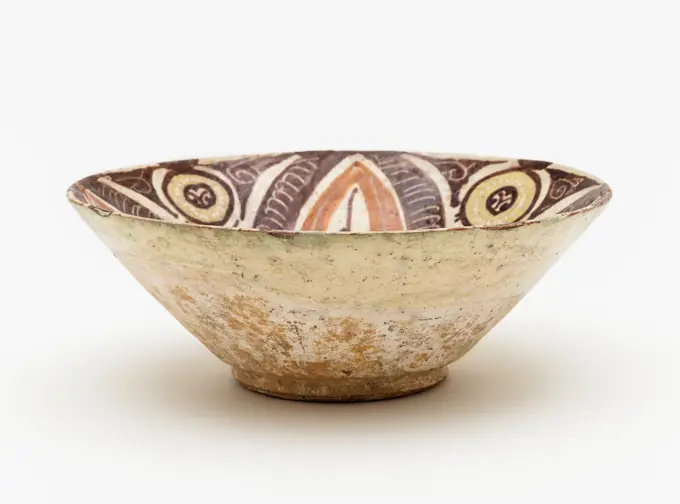
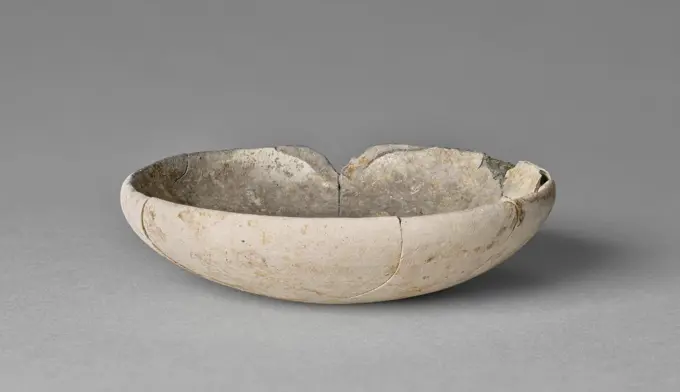
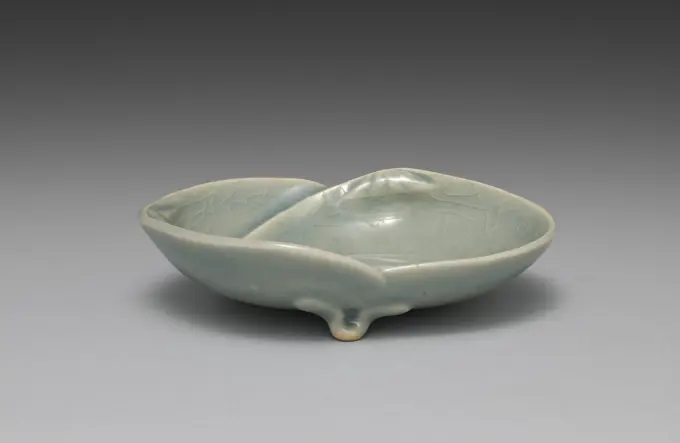
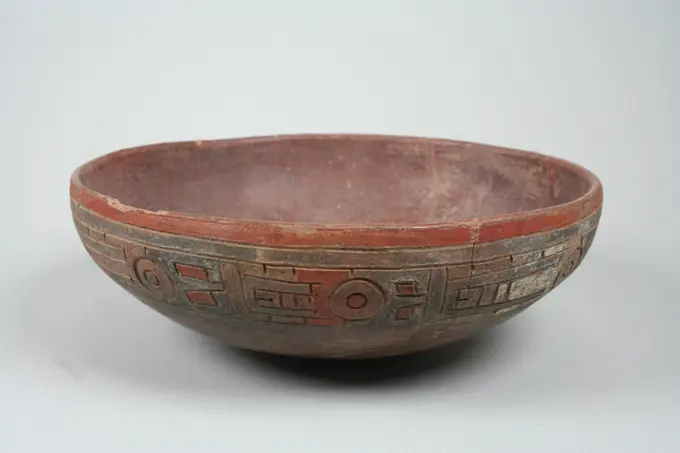
A collection of earthenware bowls featuring intricate geometric and floral designs, showcasing varying shapes and colors, including blues and browns.

Miniature basin ". Terracotta with green lead glaze. Han dynasty (206 BC-220 AD). Paris, Cernuschi museum. Chinese art, miniature pool, han dynasty, han time, container, terracotta
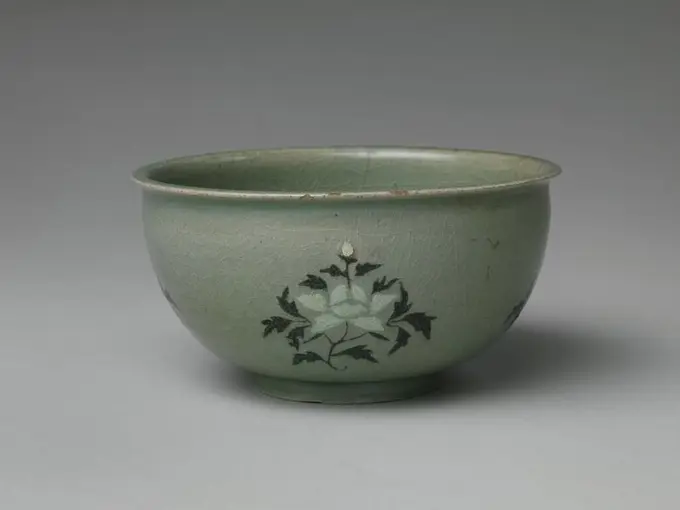
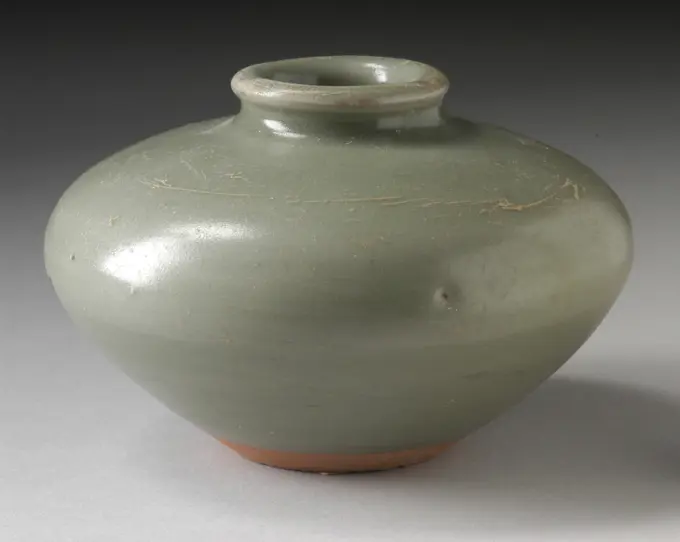
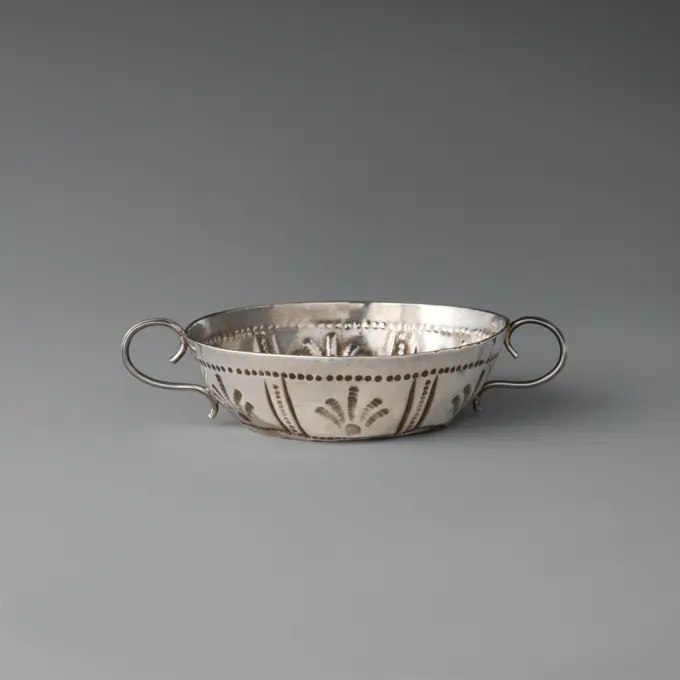
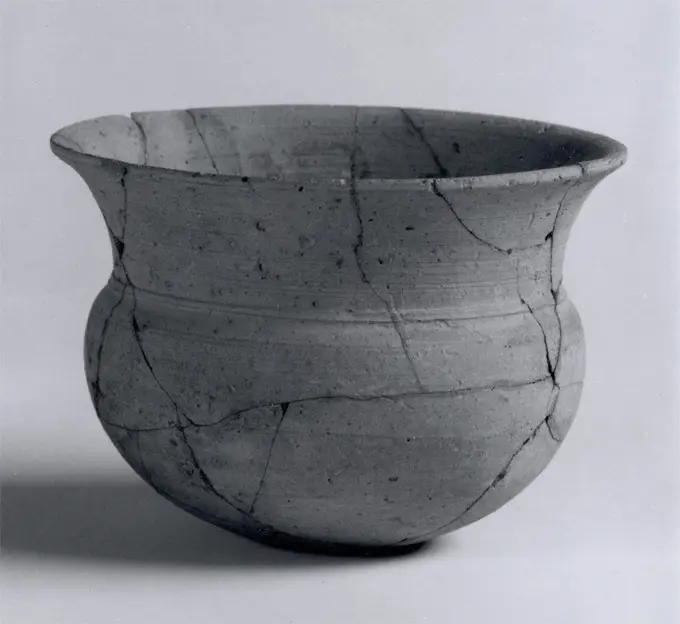
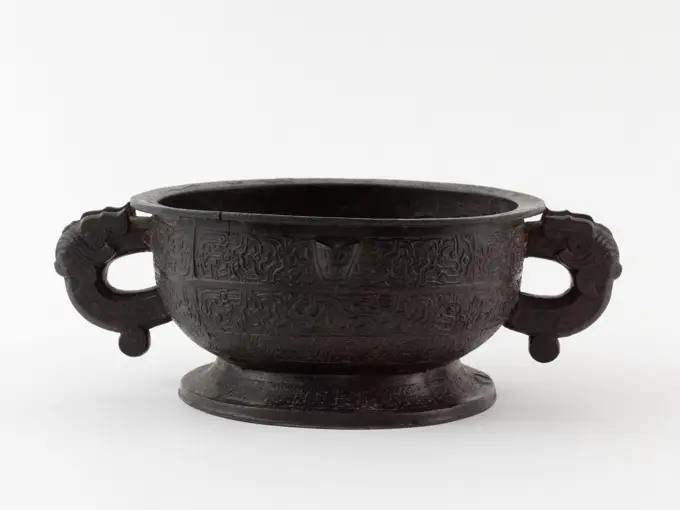
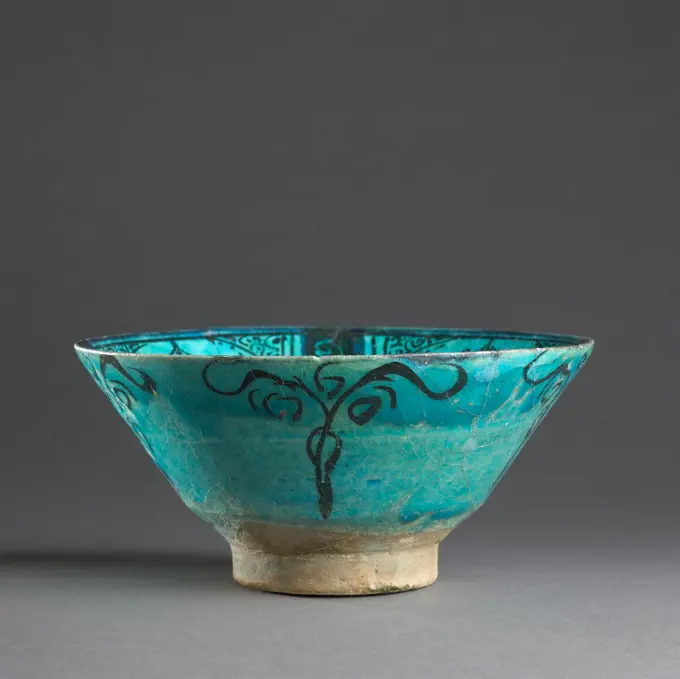
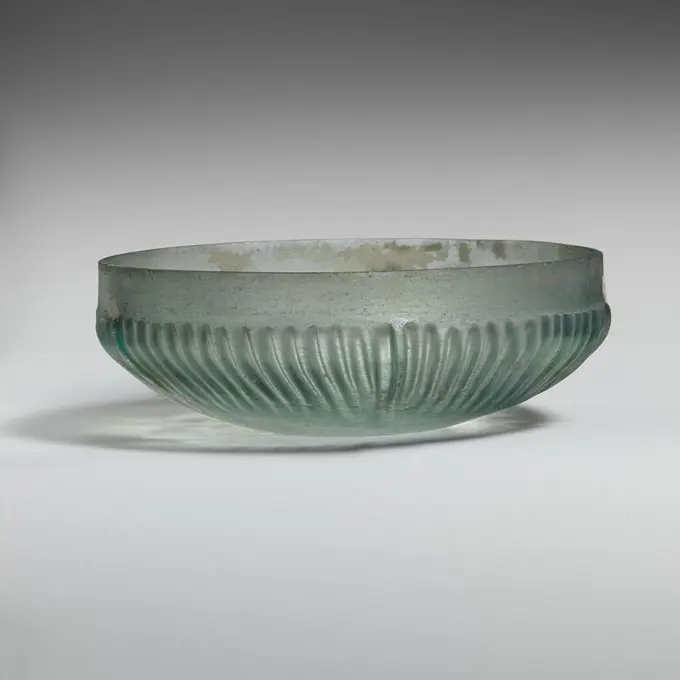
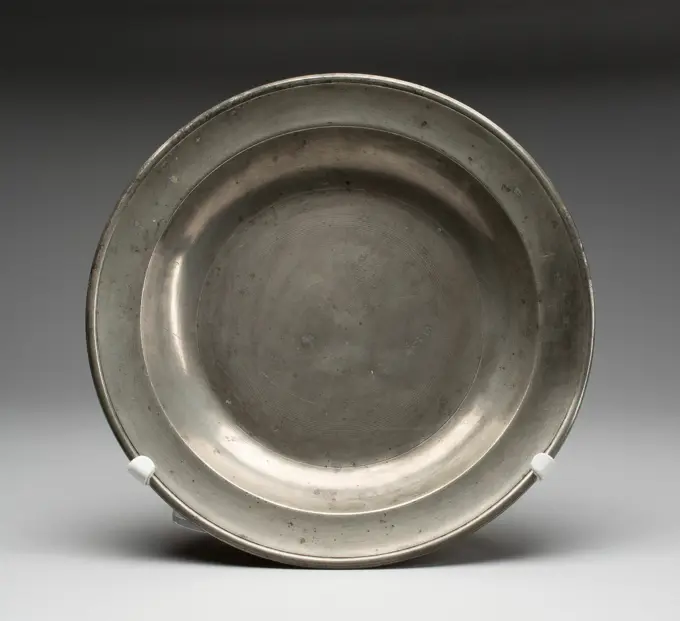
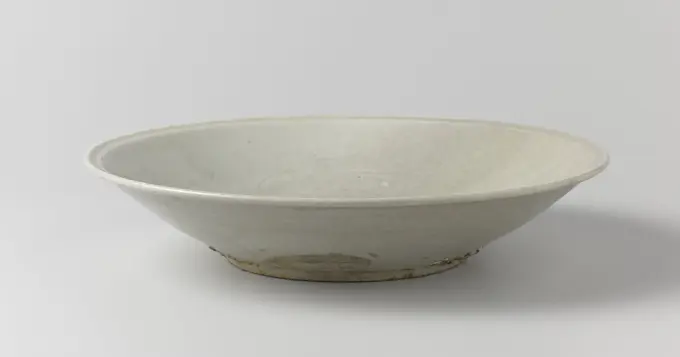
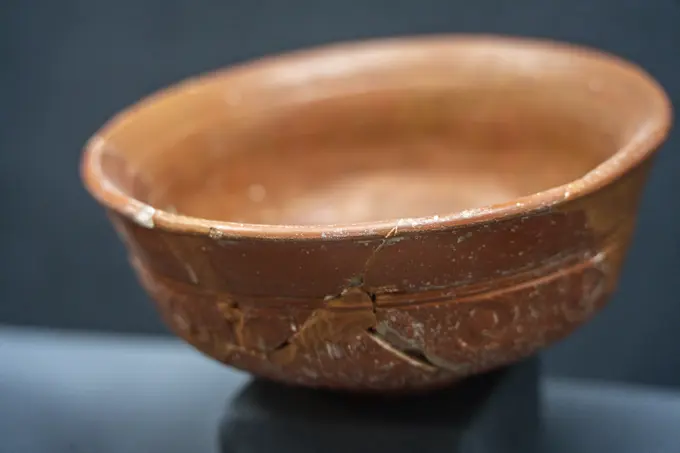
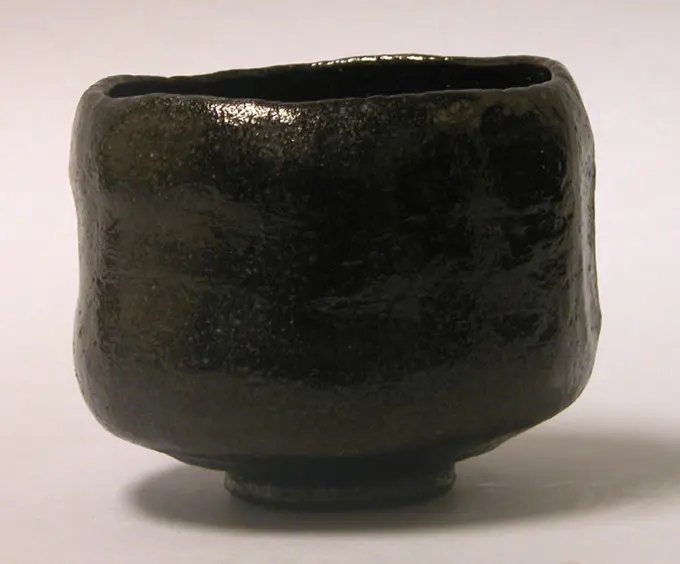
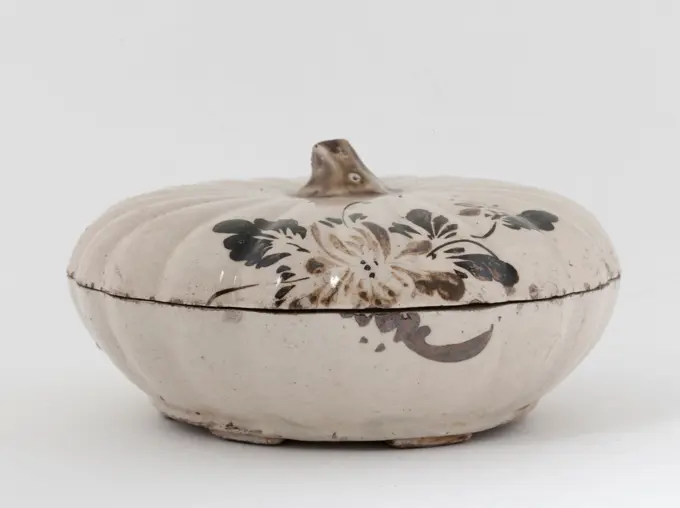
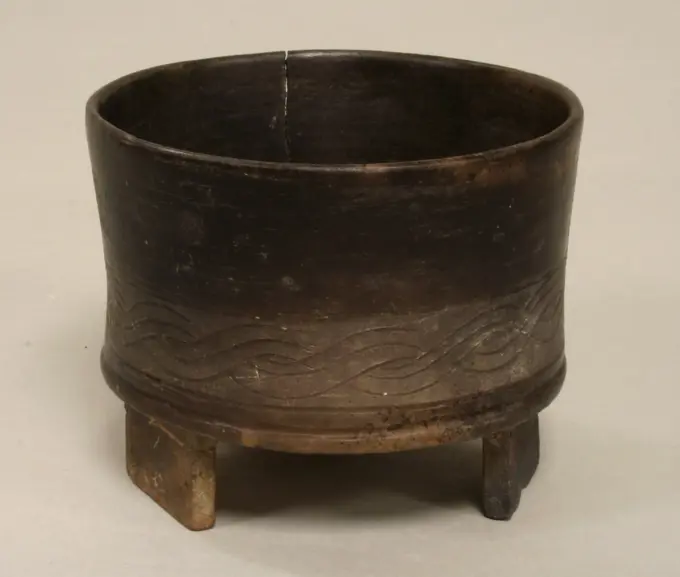
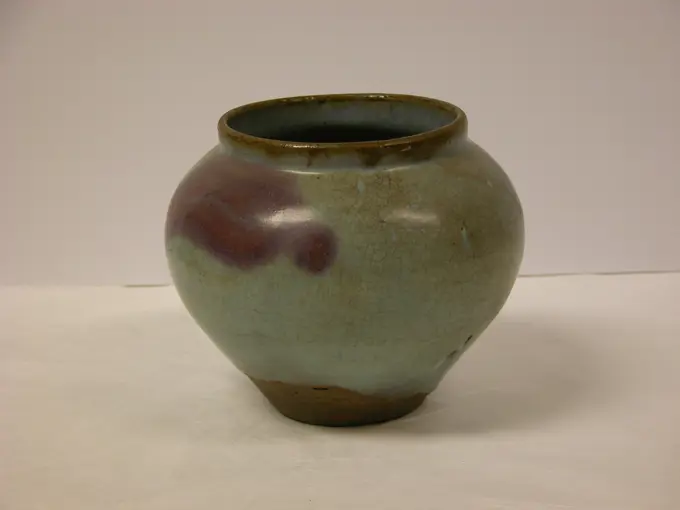
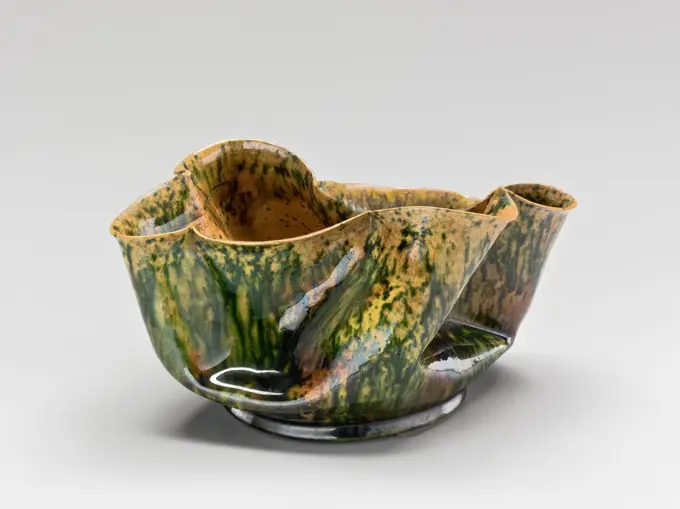
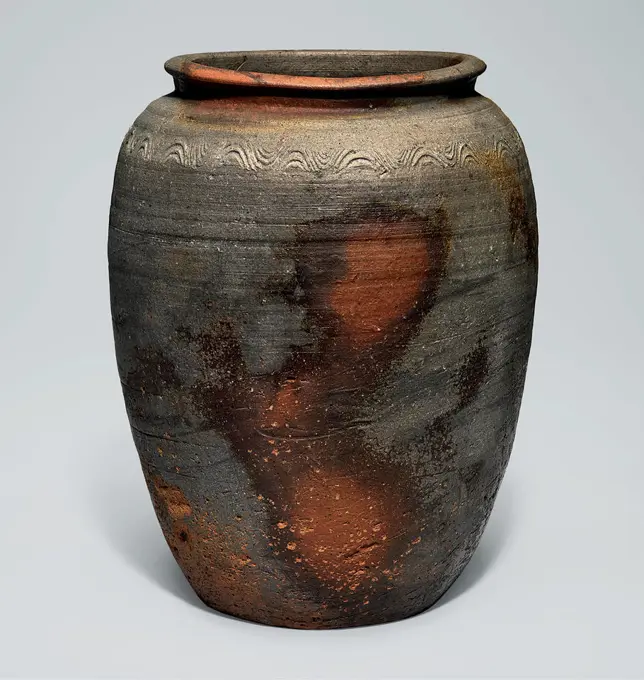
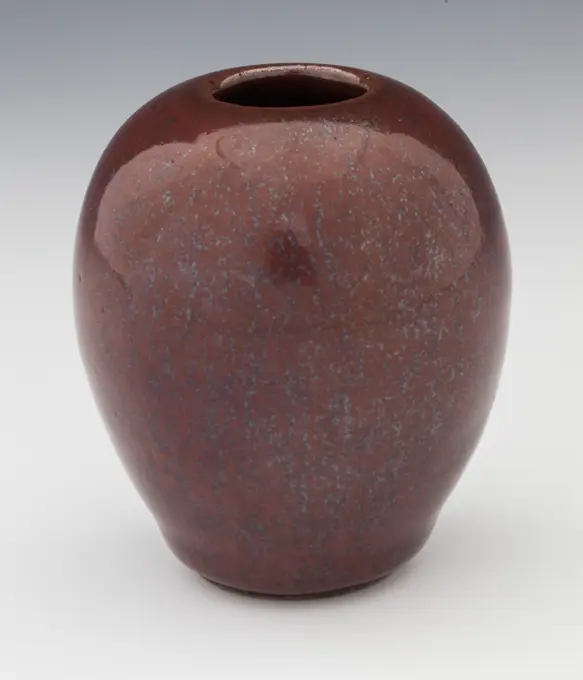
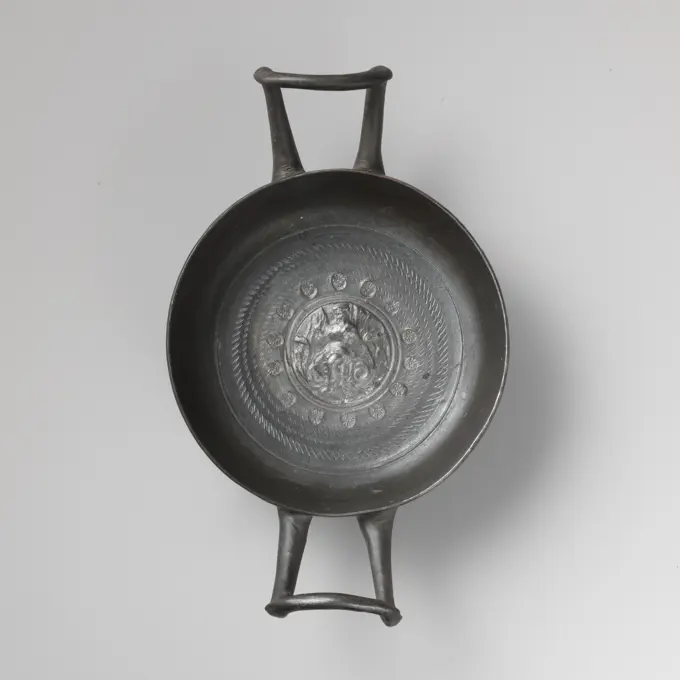
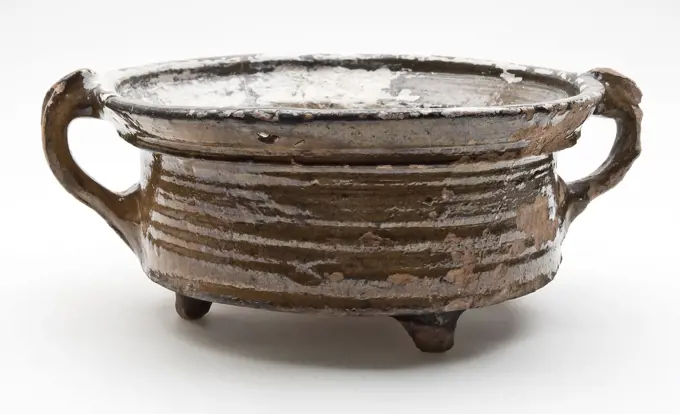
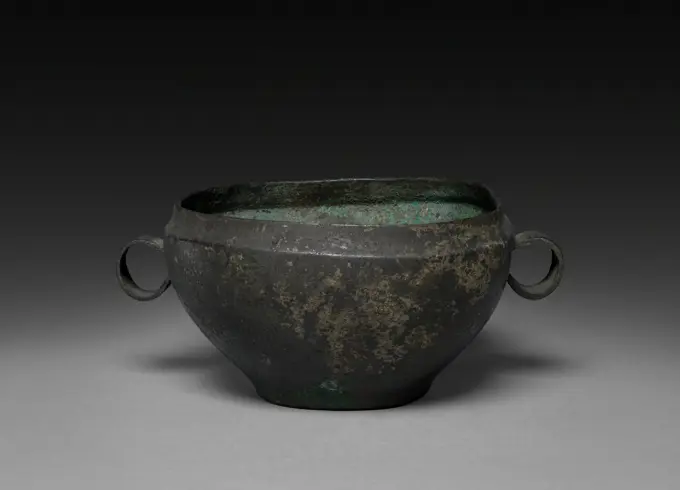
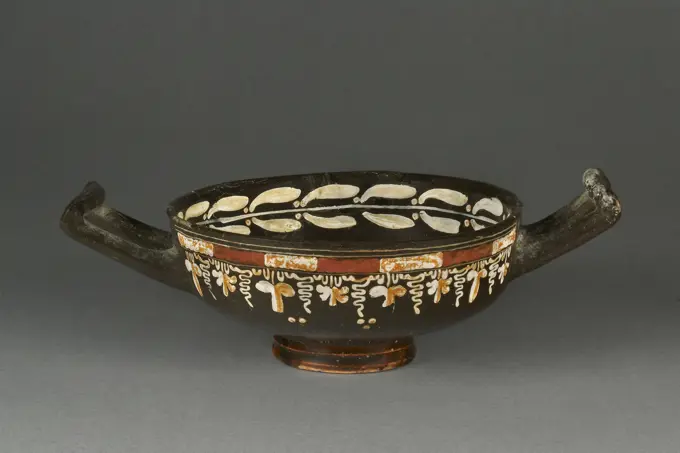
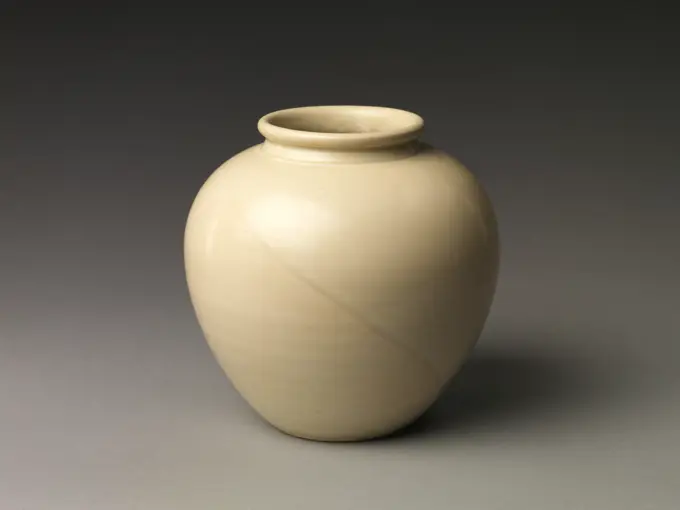
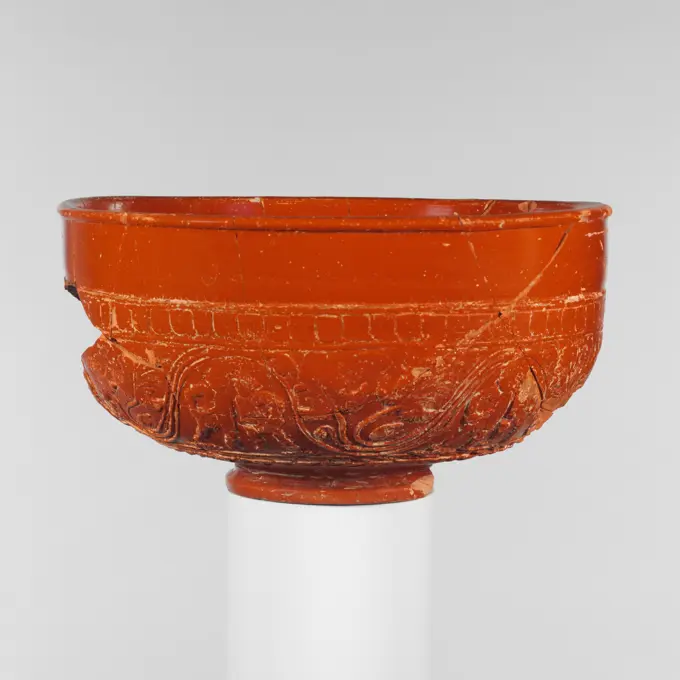
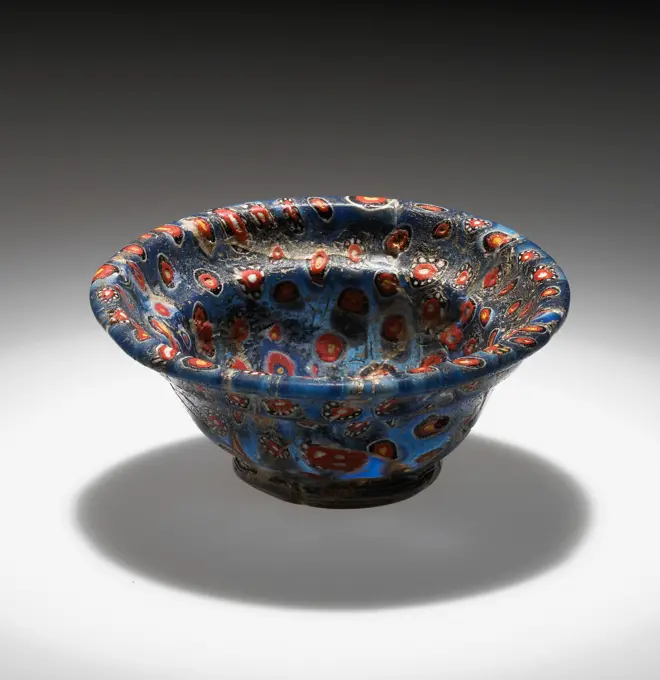
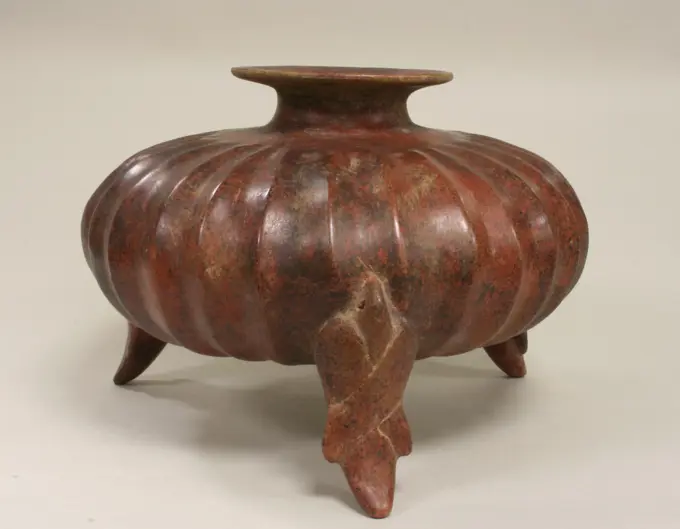
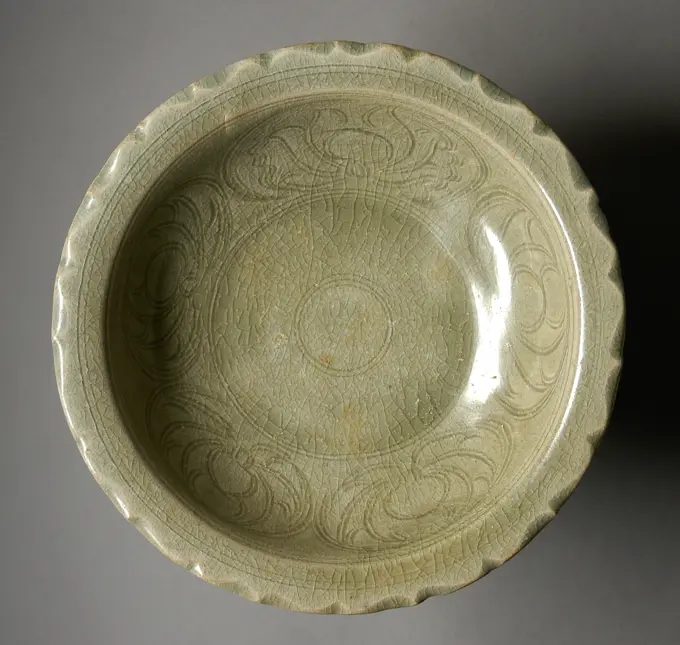
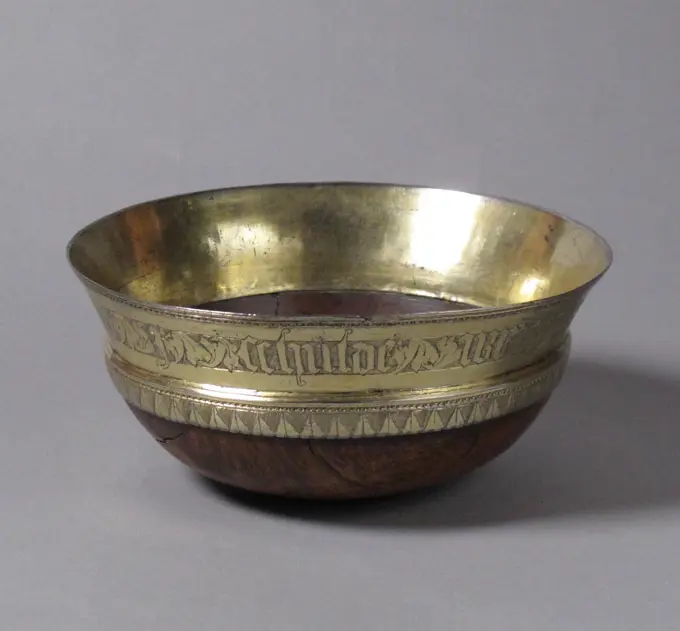
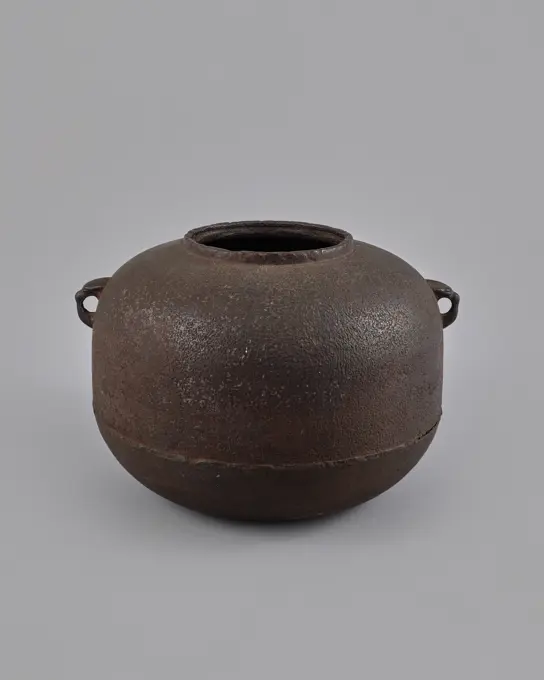
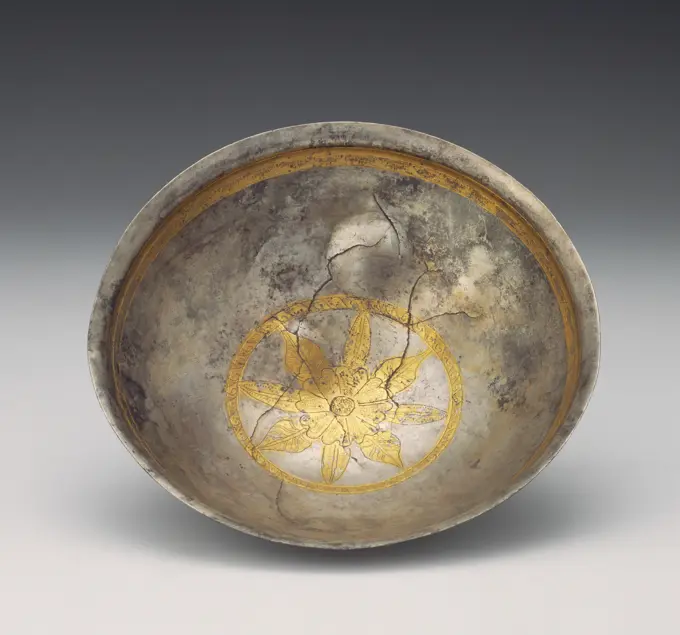
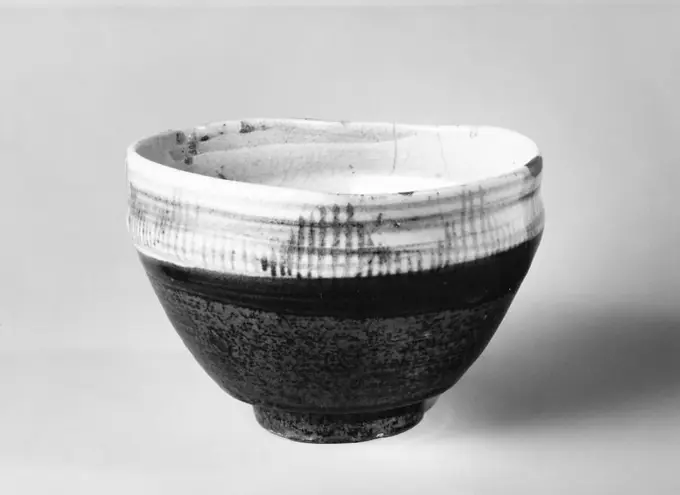
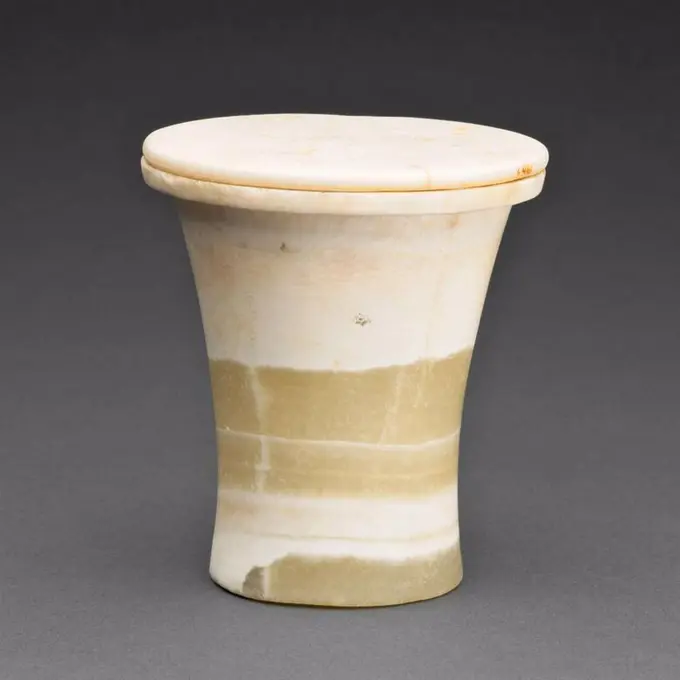
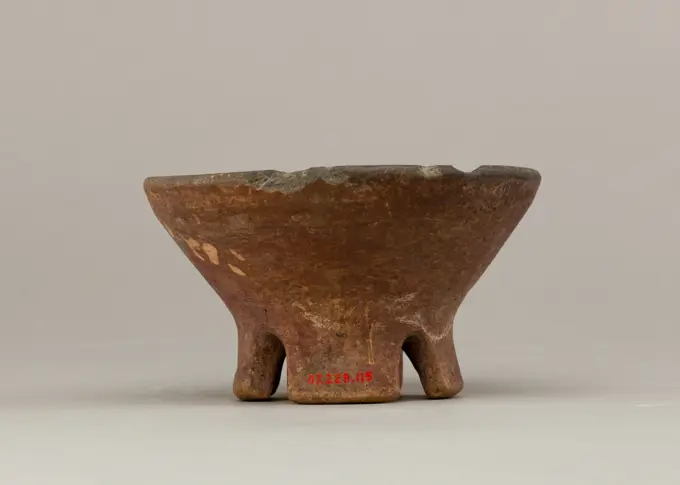
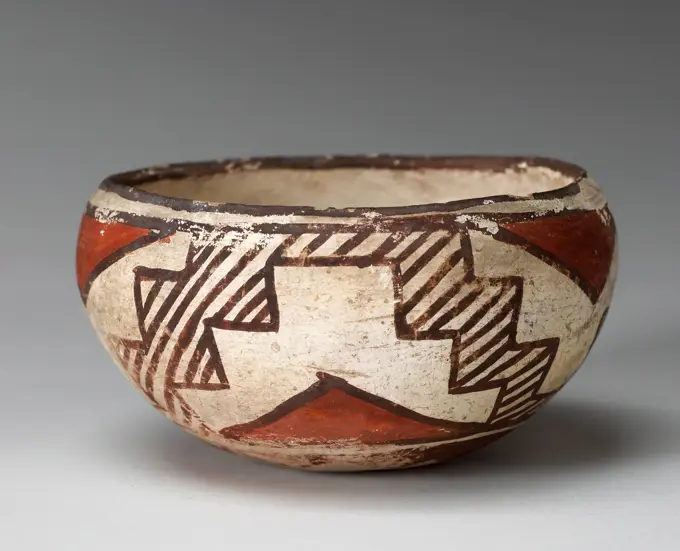
BowlBasin with peony decoration. Culture: Korea. Dimensions: H. 3 3/8 in. (8.6 cm); Diam. 6 1/2 in. (16.5 cm). Date: second half of the 12th century.This deep, bowl-like basin would have been paired with a tall, slender wine ewer or bottle and filled with hot water to keep the wine warm. Museum: Metropolitan Museum of Art, New York, USA.Jar. China, 14th century. Furnishings; Serviceware. Stoneware with celadon glazeSmall BowlExcerpt of a teapot of white-baking earthenware with brown glossy glasses on the outer and inside; ear, spout and lid are missing, c. 1500 - c. 1899 fragment   earthenware. glazeGui-type censer. Hu, Wenming, craftsmanIncised bowl with crosses. Culture: Paracas. Dimensions: Overall: 2 in. (5.08 cm)Other: 7 3/4 in. (19.69 cm). Date: 3rd-2nd century B.C.. Museum: Metropolitan Museum of Art, New York, USA.Come with marbled decor, n.v. Plateelbakkerij Ram, c. 1925 - c. 1930 Come of earthenware, with outstanding mouth edge, with a green, yellow and gray -marbled decor. Luxor pottery. Arnhem earthenware marbled paper Come of earthenware, with outstanding mouth edge, with a green, yellow and gray -marbled decor. Luxor pottery. Arnhem earthenware marbled paperNeolithic painted vessel with geometric decoration, from Dimini, GreeceMiniature wine taster probably 1670-75 W. M.. Miniature wine taster. British, possibly London. probably 1670-75. Silver. Metalwork-Silver-MiniatureAnonymous / 'Case for shell-shaped jasper bowl with a snail on the cover'. 1665 - 1700. Leather, Wood, Metal, Velvet, Suede. Museum: Museo del Prado, Madrid, España.Incense Burner: Longquan Ware, 960-1279. China, Southern Song dynasty (1127-1279). Glazed porcelain; diameter: 14 cm (5 1/2 in.); overall: 11.4 cm (4 1/2 in.).Vessel 4th-early 2nd century B.C. Seleucid This bowl has a globular body, a ring base, a carinated shoulder and a flaring rim. It is made of a pinkish buff clay using a potters wheel. It was excavated at Pasargadae in southwestern Iran, about 90 km northeast of Shiraz. Pasargadae was the first capital of the Achaemenid Persian Empire, founded by Cyrus the Great c. 546 B.C. The bowl was found at the Tall-i Takht, a massive artificial platform presumably built as the site of a royal palace but converted into a fortified compound after Darius established a new capital at Persepolis around 520. However, the coin hoards and other finds from the Takht, including this bowl, show that it continued to be occupied down into the second century B.C., long after the fall of the Achaemenid Empire. The bowl was found in a room in the southern corner of the Takht.The distinctive shape of this bowl is closely associated with the Achaemenid Empire, as it is depicted in the reliefs of the Apadana - the Cooking pot with two ears on three legs, red -reversed, anonymous, c. 1675 - c. 1700 Cook pot with two ears on three legs (one fog) finely turned from Esdoornhout () Red red. Amsterdam wood (plant material). maple (wood) Cook pot with two ears on three legs (one fog) finely turned from Esdoornhout () Red red. Amsterdam wood (plant material). maple (wood)Water Pot 18th century Ogata Kenzan Japanese. Water Pot 62690Incense burner. Bronze. China, 18th century. Paris, Cernuschi museum. 74290-26 Asian art, Chinese art, Extreme-East art, bronze, brule-parfum, metal, objectBowl ca. 1600-1050 B.C. Aegean. Bowl 243962. Come from quartz frying with an ingrangled and black-painted decoration of four compartments in which a hanging decoration with curl works under a turquoise alkalilation.Glass mosaic carinated bowl early 1st century A.D. Roman Translucent turquoise green body with translucent deep purple, opaque white, opaque yellow, and opaque red; color(s) of base ring uncertain.Outsplayed rim with angular edge; carinated side, with two convex curves, the upper being shallow and the lower deep; slightly convex bottom within applied outsplayed base ring with rounded edge.Composite mosaic pattern formed from polygonal sections of four canes: the first in a green ground with numerous yellow rods surrounding a central red rod; the second in a green ground with numerous yellow rods surrounding a central white rod; the third in a purple ground with a white circle surrounding a central white rod; and the fourth in a purple ground with numerous yellow rods.Intact, except for one small weathered chip in base ring; pitting of pinprick bubbles, dulling and iridescent weathering on interior, base ring, and bottom.. Glass mosaic carinated bowl 248665Incised Painted Bowl 5th-2nd century B.C. Paracas. Incised Painted Bowl 308649Glass ribbed bowl. Culture: Roman. Dimensions: Diam.: 5 1/16 in. (12.9 cm)H.: 1 11/16 in. (4.3 cm). Date: late 1st century B.C.-mid-1st century A.D..Translucent blue green.Vertical rim with angular top edge; plain, vertical band around top of sides, then bulging outward before curving in sharply to slightly concave bottom.On interior, three fine concentric grooves around outer edge of bottom and small, broader circle at center; on exterior, seventy-six vertical or slightly slanting ribs of slightly varying length, width, and thickness, with tops ground off, arranged around bulging middle section of body.Intact; pinprick bubbles; pitting, dulling, and iridescence with small patches of creamy weathering.Rotary grinding marks on plain band around top of sides and on interior. Museum: Metropolitan Museum of Art, New York, USA.Terracotta oil lamp. Culture: Roman. Dimensions: Length: 3 7/8 in. (9.9 cm)Height: 1 3/16 in. (3 cm). Date: 2nd century A.D.. Museum: Metropolitan Museum of Art, New York, USA.Cup 14th century The inlay process used in the decoration of this cup consists of creating cavities on the surface of an object and filling them - in this case, with silver. Silver inlay was especially popular in Iran during the thirteenth and fourteenth centuries.. Cup 444542Conical bowl. unknown, craftsmanConcept, kasora clay bowl cup of baked on white background India Copyright: xNirmalaxMishra/DinodiaxPhotoxEarthenware pap bowl with carved ears, off-white glazed, pop bowl bowl crockery holder earth discovery ceramics earthenware glaze tin glaze, ring 7.2 hand turned fried glazed baked earthenware papkom with cultivated ear Vertical ear slightly upwards with curls decorated and round hole in the middle on the outside Failed glaze layer; glaze is partially leaved and leaking glaze flakes have settled on the bottom again. Thick and glue-like glaze. Crackle in glaze layer Standring Delftware archeology Rotterdam indigenous pottery porridge serve serving table war Second World War Soil finds from rubble after the bombing of May 1940 Rotterdam.Terracotta oil lamp 2nd century A.D. Roman Loeschcke Type 8. Mold-made. Large, concave discus: rosette of four large, heart-shaped petals, with a single small filling hole at center and a groove around edge. Narrow, undecorated shoulder. Heart-shaped nozzle, flanked by two small concentric circles with central dot. Incised base ring, and uneven base.Intact; large blob of red sealing wax on base.. Terracotta oil lamp. Roman. 2nd century A.D.. Terracotta. Mid Imperial. TerracottasTeabowl ca. 1780 Japan. Teabowl 63153Salt. Culture: American. Dimensions: H. 3 3/4 in. (9.5 cm). Date: 1815-35. Museum: Metropolitan Museum of Art, New York, USA.One Ovoid Bowl. Unknown 100-50 B.C. One of a pair of ovoid bowls. On the inside of the rim is a rounded molding, grooved at the lower edge.Incised bowl with birds 3rd-2nd century B.C. Paracas. Incised bowl with birds 308328Dish with foliate rim North Central Thailand, Si Satchanalai 15th-16th century This large-scale dish with foliate rim is an exemplary example of the green-glazed stonewares produced at the Si Satchanalai kilns in north-central Thailand. It has an incised design in the wet clay in which the glaze has pooled, its greater depth serving to heighten the décor chromatically. At the center is a floral roundel and the cavetto has four boldly drawn lotuses in bloom. A distinctive feature of the best of this class of ware is the carefully scalloped rim which creates a foliate effect, echoing the carved lotuses within. The bowl has a deep profile, with high, recessed foot. The latter is unglazed and has oxidization burning from the firing process. View more. Dish with foliate rim. North Central Thailand, Si Satchanalai. 15th-16th century. Stoneware with incised décor and iron-green celadon glaze. CeramicsBowl. Culture: Coptic. Dimensions: Overall: 1 7/16 x 3 1/16 in. (3.6 x 7.7 cm). Date: 4th-7th century. Museum: Metropolitan Museum of Art, New York, USA.Gobelet ". Red terracotta with Céladon covered. China, six dynasties (311-589). Paris, Cernuschi museum. Chinese art, Chinese ceramic, containing, time six dynasty, goblet, container, terracottaBowl (Wan) in the Form of a Flower Blossom. China, Middle Northern Song dynasty, about 1000-1100. Furnishings; Serviceware. Brown and red lacquer on fabric coreOintment Vessel. Egyptian. Date: 1550 BC-1292 BC. Dimensions: 6.5 × 10.6 × 10.6 cm (2 1/2 × 4 1/8 × 4 1/8 in.). Egyptian alabaster. Origin: Egypt. Museum: The Chicago Art Institute, Chicago, USA. Author: Ancient Egyptian.Pedestal Bowl. Culture: Recuay. Dimensions: Height: 2 7/8in. (7.3cm)Diameter: 5 7/8in. (14.9cm). Date: 5th-6th century. Museum: Metropolitan Museum of Art, New York, USA.Charger c 1807-1811 Philadelphia. Pewter . Thomas Danforth, IIIStatue base Greek, South Italian For a statuette.. Statue base. Greek, South Italian. Terracotta. TerracottasNaczynie, krater. nieznany warsztat egipski, authorBowl. Iran, Nishapur or Uzbekistan, Samarqand, 10th century. Ceramics. Earthenware, underglaze slip-paintedSaucer-dish with an incised landscape and foliate decoration, anonymous, c. 1800 - c. 1960 Scale of stoneware, covered with a gray -white glaze. On the flat an Ingrift sketchy landscape with a tree. On the inner wall a breached sheet decoration. Baking sand on the foot ring and on the outer wall. Old label on the bottom with 'ownership mvak/ Vermande 1961'. Monochrome. China stoneware. glaze engraving / vitrification Scale of stoneware, covered with a gray -white glaze. On the flat an Ingrift sketchy landscape with a tree. On the inner wall a breached sheet decoration. Baking sand on the foot ring and on the outer wall. Old label on the bottom with 'ownership mvak/ Vermande 1961'. Monochrome. China stoneware. glaze engraving / vitrificationIncense burner with characters "longevity, mountain, fortune, sea" (shou shan fu hai) 13th century China. Incense burner with characters "longevity, mountain, fortune, sea" (shou shan fu hai) 48458Spanische Terra-Sigillata-Gefäße Spanische Terra-Sigillata-Gefäße Copyright: xZoonar.com/TOLOxBALAGUERx 22568780JarTeabowl early 19th century Raku Ryōnyū Japanese. Teabowl 62886Lid box ". Model sandstone painted in brown under transparent cover. Paris, Cernuschi museum. Chinese art, Chinese ceramic, lid, painted decor, creed cream, foliage, round shape, gres, decorative motifPottery ointment jar, cylindrical model, red shard, internally glazed, ointment jar pot holder soil find ceramic earthenware glaze lead glaze, hand turned glazed baked Pottery ointment jar cylindrical model red shard internal glazed Flat little outstanding top edge. Narrowing of the boiler above the stand Level with light soul Pot is rotten twisted and not finished intended model is not recognizable archeology health care indigenous pottery store pharmacy sell craft medicine drug packagingBowl. UnknownGlass dish. Culture: Roman. Dimensions: H.: 1 3/16 in. (3 cm)Diam.: 7 1/8 in. (18.1 cm). Date: 1st century A.D..Translucent deep blue green.Outsplayed, tubular rim, folded round, down, and under; shallow, vertical side; thick, tubular foot ring at junction with side, made by folding; uneven, but almost flat bottom with off-center pontil scar and slight kick on interior.Intact, except for internal crack across bottom; many bubbles; dulling, pitting, and patches of iridescent weathering.Green, shallow, colored blown glass. Museum: Metropolitan Museum of Art, New York, USA.Tripod Vessel 5th century Teotihuacan. Tripod Vessel 314633Jar China Ming dynasty (1368-1644)Gold tableware from graves in MycenaeDish: Ding ware, 12th Century. China, Hebei province, Jin dynasty (1115-1234). Glazed grayish-white porcelain; diameter: 30.2 cm (11 7/8 in.); overall: 4.7 cm (1 7/8 in.).Bowl ca. 1897-1900 George E. Ohr In many ways George Edgar Ohr was the quintessential Arts and Crafts potter, combining artartistic vision with extraordinary skill with his hands. Working in the seaside resort town of Biloxi, Mississippi, he dug the clay, processed and prepared it, threw the shape on the wheel, altered the piece according to his vision, mixed and applied his own glazes, fired the kiln, created his own style of advertising, and took his wares on the road. Ohrs personal mantra was "no two alike," and he was as eccentric as his work was individualistic, with its manipulated forms on ultra-thin thrown vessels, crimping, ruffling, off-centering, and twisting, to create unprecedented forms for the 1890s. To these forms, he applied his own completely new and unusual glazes, applied by sponging, splashing, and spattering, resulting in works that in many ways anticipated the abstract art movements that would find form decades later.Ohr threw open bowls and then manipulated theYellow head with ear, tapered form, constriction above the foot, cup crockery holder soil find ceramic earthenware glaze lead glaze, hand turned set glazed baked Cup of white earthenware yellow glaze bandoor rings. Tapered from shape downwards Narrowing Cords above the foot Stand surface. Green spot in bile acid archeology Valckensteyn Poortugaal Albrandswaard indigenous earthenware crockery drink drink water serve Soil discovery: castle Valckensteyn in Poortugaal now Albrandswaard 1961-1962.Vase first half of the 7th century B.C. Etruscan Reddish-brown with tall foot, one handle and incised rim on which are two knobs.. Vase. Etruscan. first half of the 7th century B.C.. Terracotta; buccheriod impasto. Orientalizing. VasesWidemouthed jar (kame) with wave pattern late 16th-early 17th century Japan A delicately incised, repeating wave pattern graces the shoulder of this widemouthed, unglazed vessel. The placement of the vessel in the wood-burning kiln, combined with the potters control of the fire, airflow, and ash caused “kiln transformations” (kamahen) such as the dark reddish patches on the body and lip. Variations in surface color are the result of haphazard contact with wood ash.. Widemouthed jar (kame) with wave pattern. Japan. late 16th-early 17th century. Stoneware with incisions and fire marks (Bizen ware). Momoyama period (1573-1615). CeramicsBowl and spoon, Han dynasty, red painted terracottaWEP WAID WITH RCHINE GLASSE GLASS unknownTerracotta stemless kylix (drinking cup) late 4th-3rd century B.C. Greek, South Italian, Campanian, Calenian Silver cups with medallions in low relief on the interior were favored luxury items in antiquity. Terracotta versions such as these suggest their appearance. One tondo shows the Eleusinian god Triptolemos in his snake-drawn chariot. The other cup features the head of Arethusa, taken from the reverse of a celebrated coin of Syracuse in Sicily. "Arethusa cups" were made and found principally in Campania.. Terracotta stemless kylix (drinking cup). Greek, South Italian, Campanian, Calenian. late 4th-3rd century B.C.. Terracotta; black-glaze. Hellenistic. VasesLimestone mortar Cypriot Shallow bowl with trough-spout and two handles.. Limestone mortar 244034Pottery cooking pot with straight side walls and two band ears, on three legs, cooking pot tableware holder utensils earthenware ceramics earthenware glaze lead glaze, hand-turned glazed baked Pottery cooking pot with straight walls and two bandors Three legs slightly curved bottom Draarilles on the side wall. Slanting inwardly directed outstanding upper edge Upper edge with collar on the outside. Fully brown green glazed except the bottom of the bottom. Thick layer of caked material on the inside lime or plaster archeology Rotterdam Heliport terrain indigenous pottery cooking kitchen food preparation mixing craft Soil discovery: Heliport site Rotterdam June 1978.Bronze Dish, Chou design. China. Bronze; overall: 7.7 cm (3 1/16 in.).Stemless Kylix. UnknownJar 7th-early 8th century China In the eighth and ninth centuries, technically advanced Xing wares were the rarest and most valued ceramics in Asia. Some are known to have been used at the Chinese court. Others were either diplomatic gifts or trade goods sent to centers such as the Abbasid court in Iraq, where they inspired poetry comparing them to the luster of a pearl or of the moon.. Jar. China. 7th-early 8th century. Porcelain with white glaze (Xing ware). Tang dynasty (618-907). CeramicsKantharosAgate bowl, used as container for ointments and lotions, From ErcolanoSpouted Jug. Western Iran, circa 1350-1000 B.C.. Furnishings; Serviceware. Gray wareWine coaster, Sheffield plate (silver, copper), wood, Round with low straight sides, horizontal rim top edge with egg and dart molding, stepped at base; turned wooden base with concentric grooves and central silver boss., Sheffield, England, ca. 1810, metalwork, Decorative Arts, Wine coasterBowl (USA); Made by W. E. Hentschel; earthenware, glazeTerracotta bowl ca. A.D. 90 Roman, South Gaulish Exterior, in relief, groups of warriors, with vine leaves between.. Terracotta bowl. Roman, South Gaulish. ca. A.D. 90. Terracotta; red slip ware. Early Imperial, Flavian. VasesMosaic Bowl. UnknownSaltcellar 1830-40 American. Saltcellar 6971Terracotta stemmed dish 6th century B.C. Lydian The surface of the stem and bowl is enhanced with a white slip, perhaps to simulate the effect of marble or alabaster.. Terracotta stemmed dish 248836Tripod Jar 2nd century B.C.-A.D. 3rd century Colima. Tripod Jar 312572Bucchero Phiale Mesomphalos. UnknownBowl 13th century. Bowl 444556Dish from Saucers with Matching Shells, 1893-1914. Seifū Yohei III (Japanese, 1851-1914). Porcelain with molded design and green crackled glaze; overall: 3 x 12 x 8.5 cm (1 3/16 x 4 3/4 x 3 3/8 in.).Bowl. Culture: Aztec. Dimensions: H. 1 3/8 x Diam. 3 in. (3.5 x 7.6 cm). Date: 15th-early 16th century. Museum: Metropolitan Museum of Art, New York, USA.. Scale of stoneware, covered with a transparent glaze with a light blue hue. On the flat bullying leaf raft. The edge is unglazed. Old label on the bottom with 'WO94'. Qingbai.Celtiberian vessel, 4th-1st century BC, Cerro de San Miguel, Arnedo, Museum of Romanization, Calahorra, La Rioja, Spain, Europe.Incised bowl with birds 7th-5th century B.C. Paracas. Incised bowl with birds 308311. Tea bowl of stoneware, covered with a black green glaze. Old label on the bottom with 'W711'. Raku.Bowl. Thailand, Sawankhalok, 15th century. Furnishings; Serviceware. Stoneware with celadon glazeDrinking Bowl second half 15th century British The term "mazer" derives from a German word meaning "burled" or "grained" and is generally applied to any lathe-turned root or hardwood object. The inscription on the lip of this drinking bowl reads: "Reason bade that I should write, think much, and speak little.". Drinking Bowl. British. second half 15th century. Maple with silver-gilt mounts. Metalwork-SilverMARMITE (common name), 1750, iron and carbon alloy. Cernuschi Museum, Asia Museum of Asia in the city of Paris.Bowl with Leaf Calyx Medallion. UnknownBowl ca. 1820 Sōhei Ikasa Japanese. Bowl 63150Teabowl early 17th-mid-19th century Japan. Teabowl 39570Oil Jar with Lid. Egyptian. Date: 1976 BC-1794 BC. Dimensions: a (jar): 7.9 × 7.4 × 7.4 cm (3.14 × 2.95 × 2.94 in)b (lid): .5 × 7.4 × 7.4 cm (.21 × 2.92 × 2.95 in). Stone. Origin: Egypt. Museum: The Chicago Art Institute, Chicago, USA. Author: Ancient Egyptian.Elliptical vase on four legs  blue enamel with purple spots unknownStone Bowl; Egypt; 1st - 2nd century; Agate; 3.8 × 9.1 cm, 0.508 kg (1 1,2 × 3 9,16 in., 1.12 lb.);Bowl ca. 3850-2960 B.C. Predynastic Period. Bowl. ca. 3850-2960 B.C.. Pottery. Predynastic Period. From EgyptRitual Cauldron, c. 1000-900 BC. Hungary, Bronze Age, c. 2500-800 BC. Bronze, hammered, cast and wrought ; diameter: 29.9 cm (11 3/4 in.); overall: 16.5 x 30.2 cm (6 1/2 x 11 7/8 in.).Candle in a jar in a bowlPlate second half 18th century Francis Piggott. Plate. British, London. second half 18th century. Pewter. Metalwork-PewterHandmade coffee dripper ceramic on  textile background.. Handmade coffee dripper ceramicFour Mile Bowl, c. 1350-1400, 3 x 7 1/4 in. (7.62 x 18.42 cm), Pottery, pigment, United States, 14th-15th centuryBowl, c. 1880-1900, 2 1/4 x 4 1/2 in. (5.72 x 11.43 cm), Ceramic, pigment, United States, 19th-20th century