Historic Armor Collection

A display of various historic helmets including an armet, a closed burgonet, and a visored sallet, showcasing unique designs and craftsmanship from different cultures.

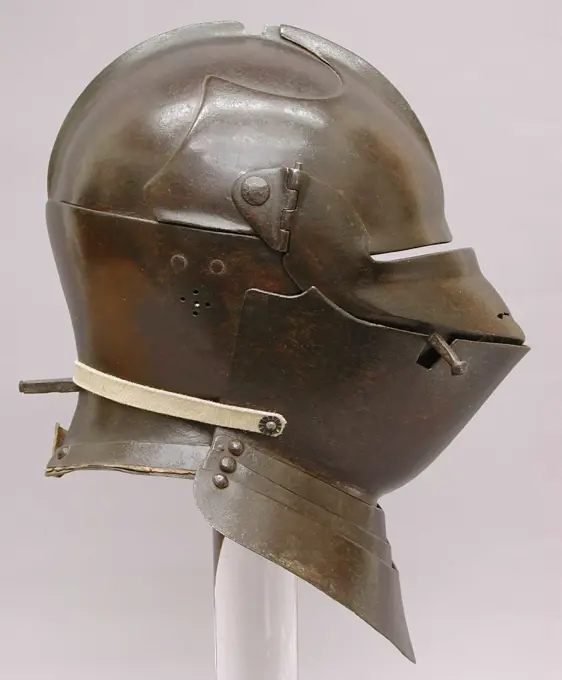
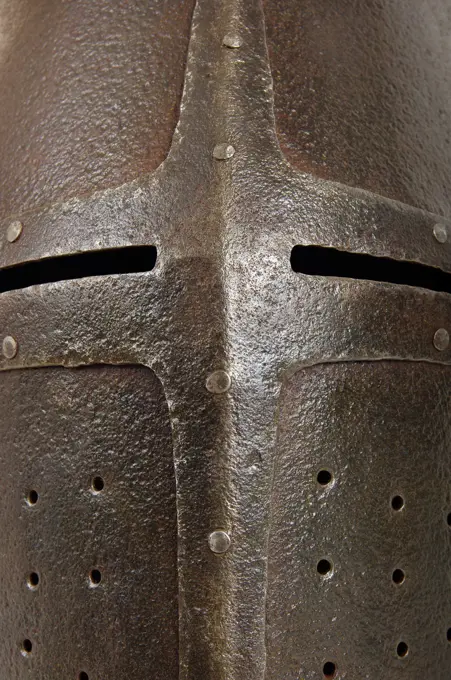
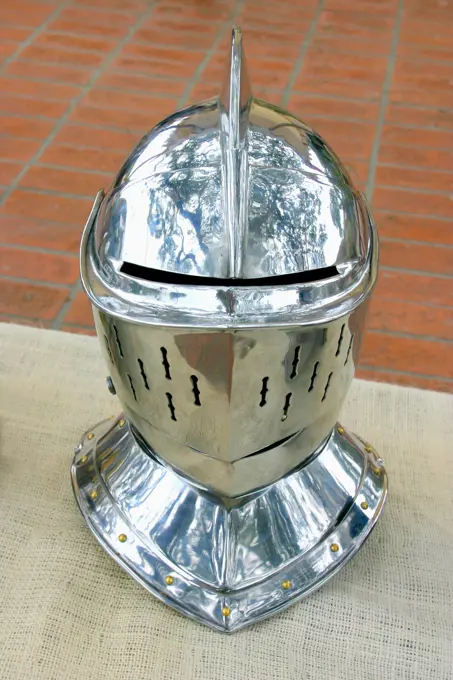
Iron helmet Iron helmet of the medieval knight. Very heavy headdress Copyright: xZoonar.com/ValeryxxSibrikovx 5718625
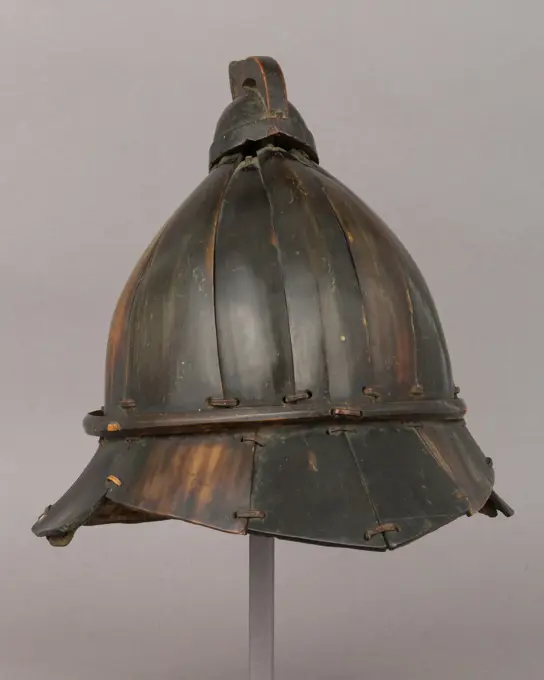
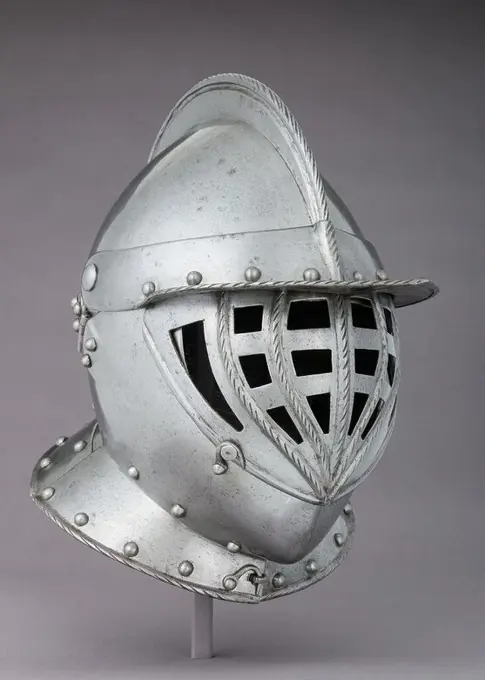
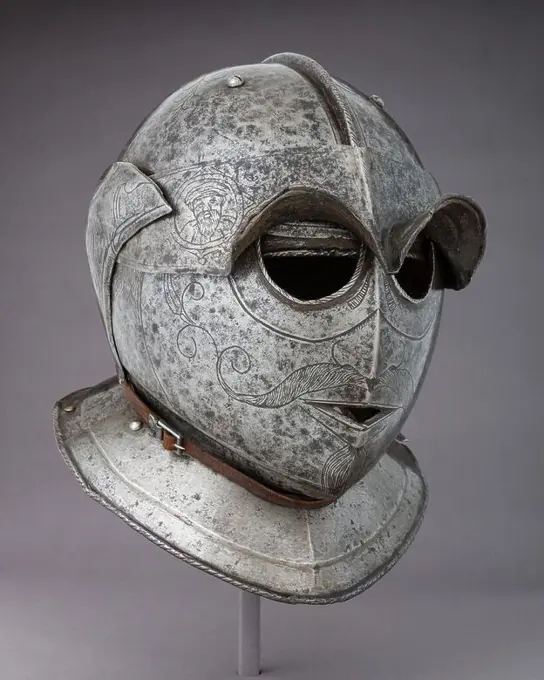
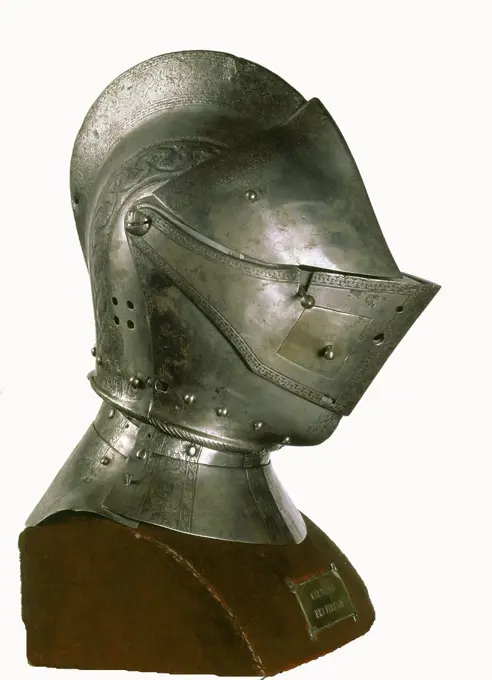
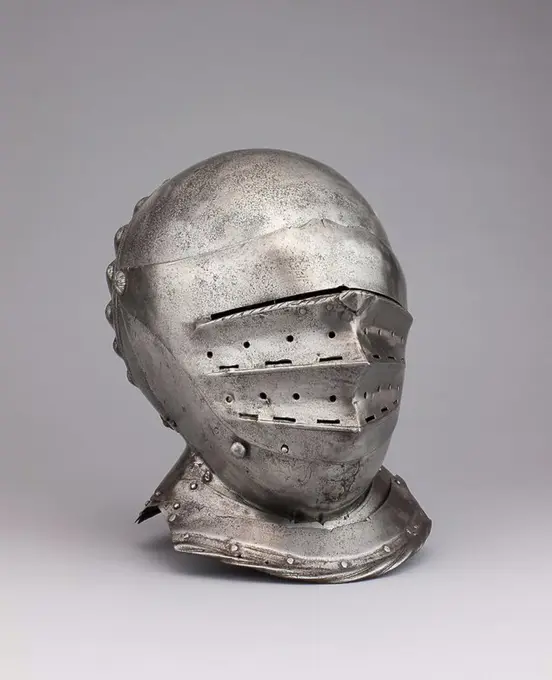
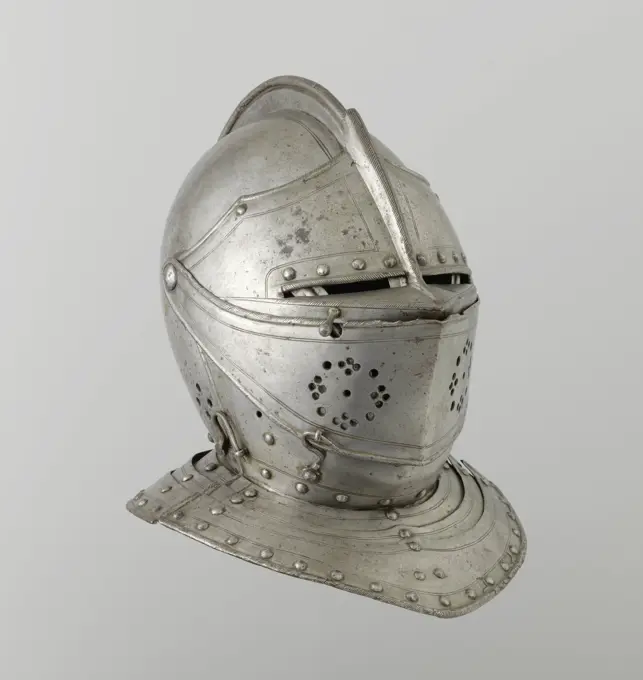
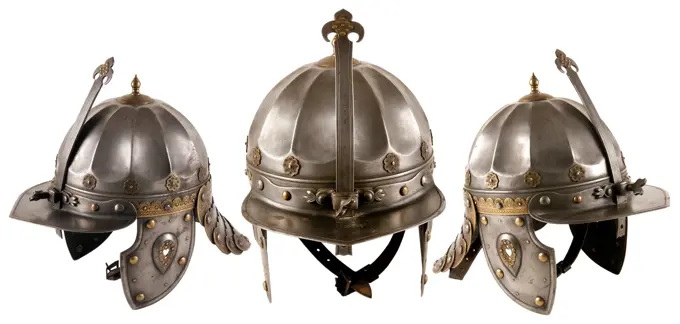
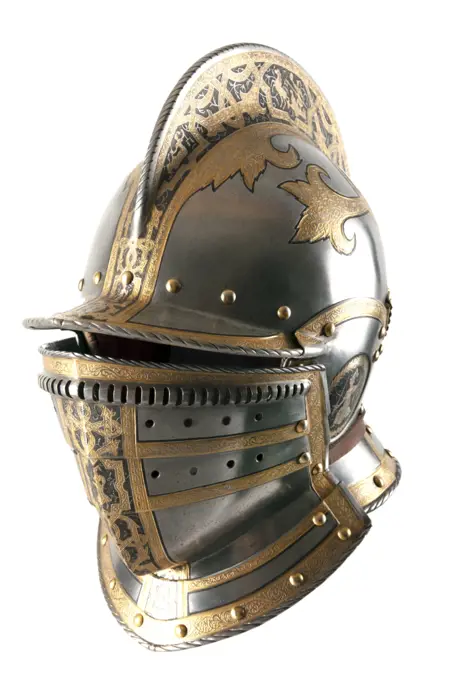
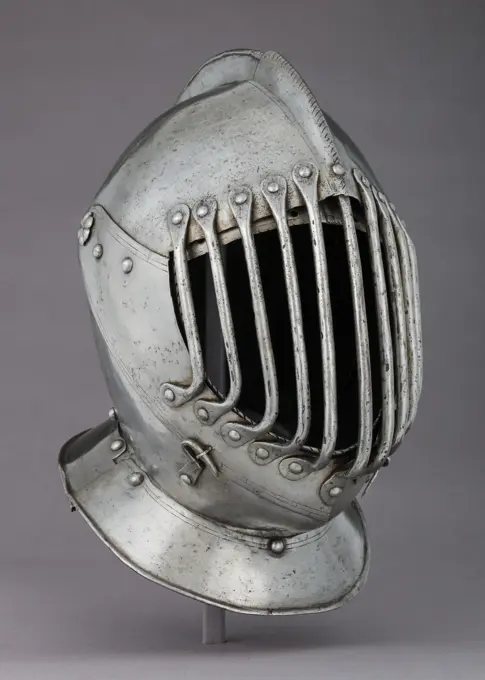
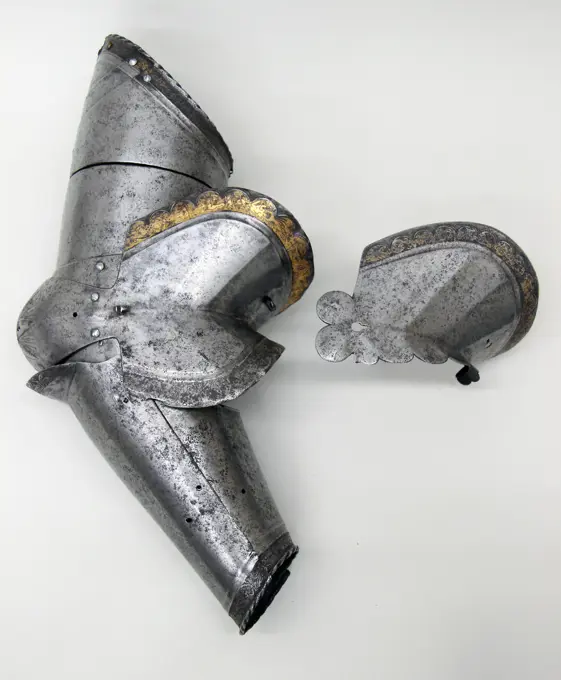
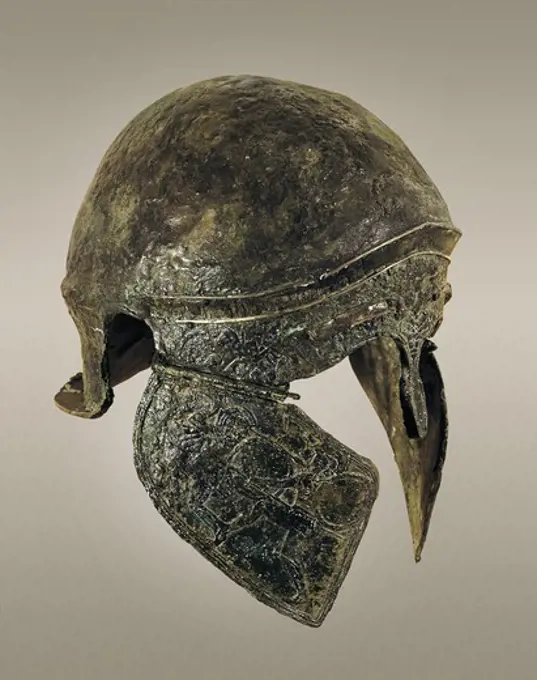
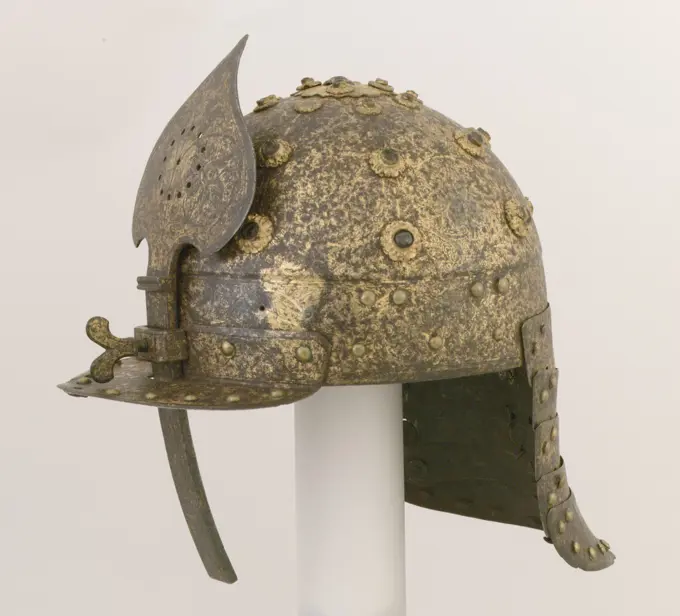
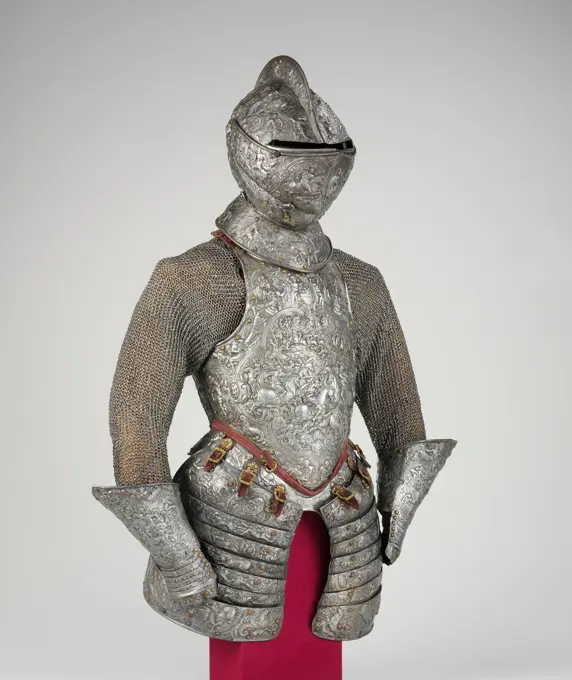
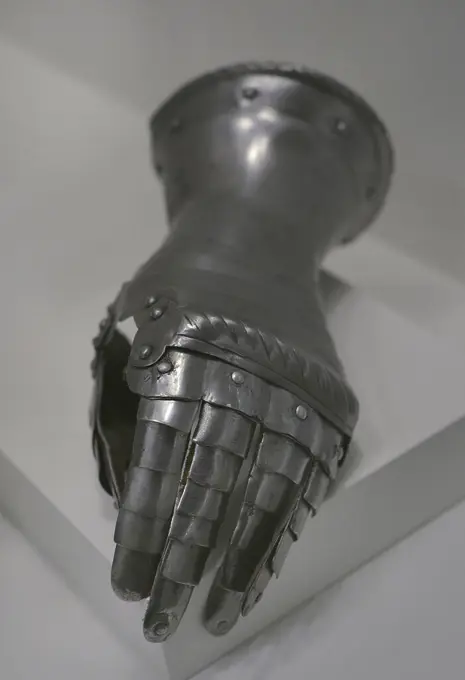
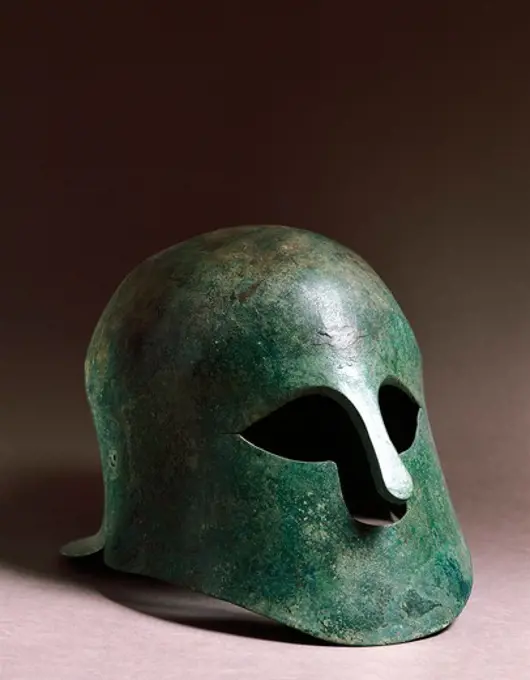
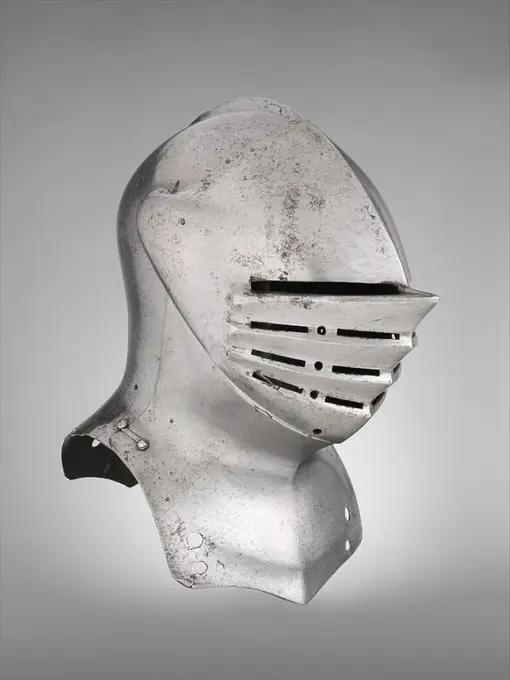
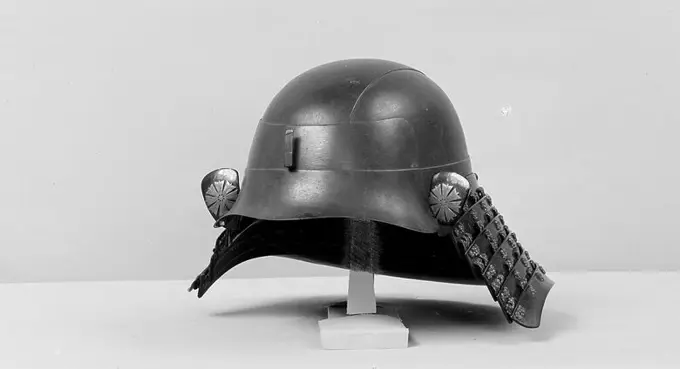
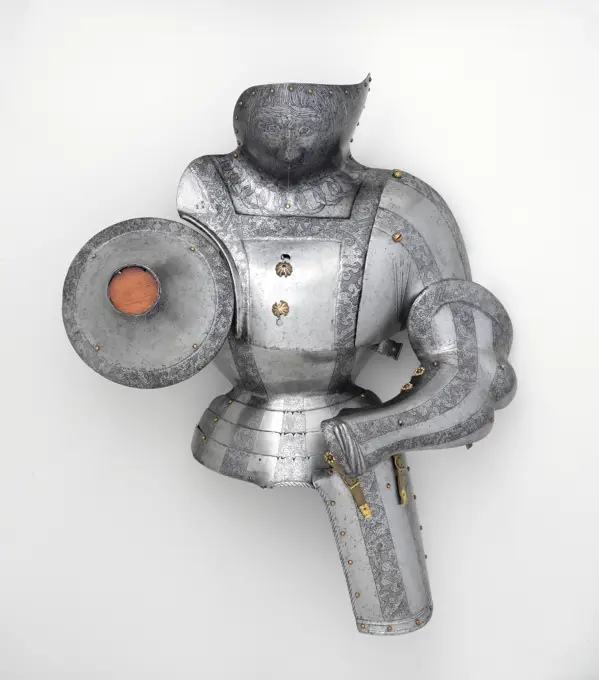
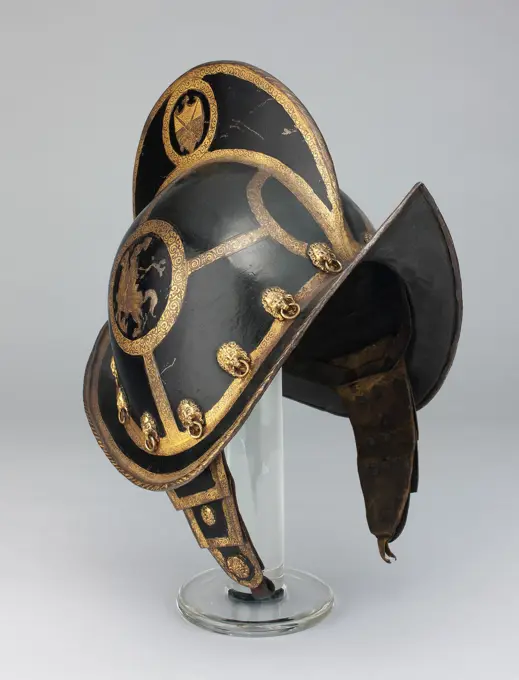
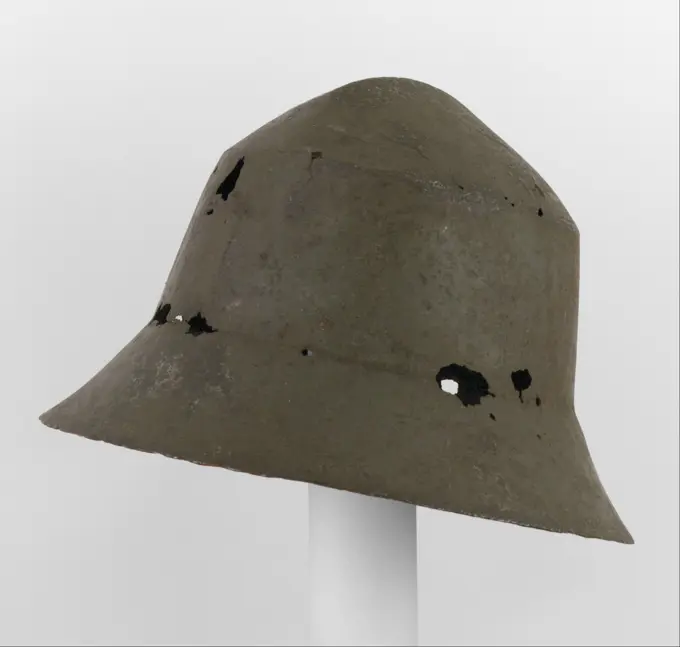
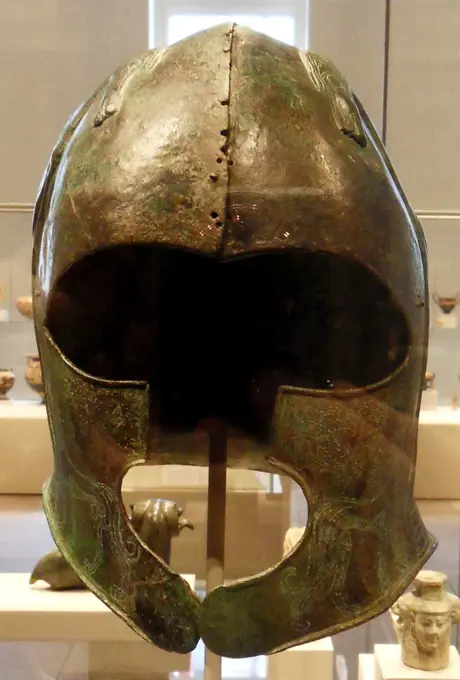
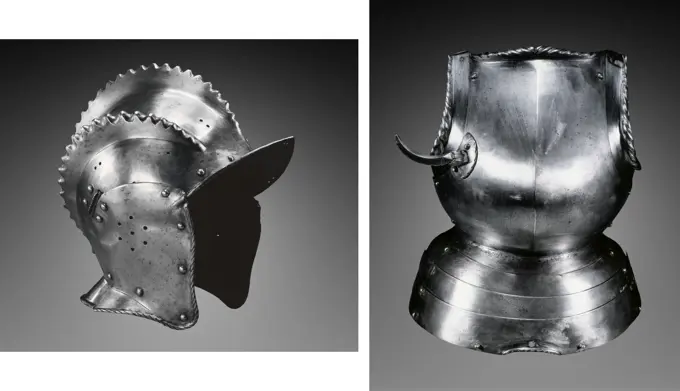
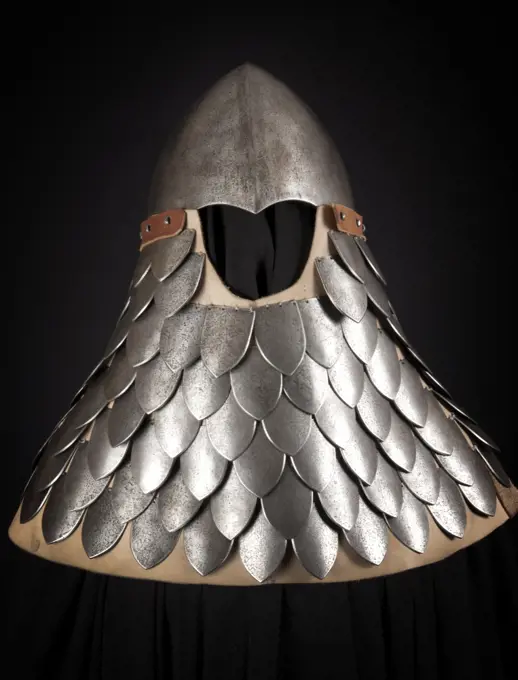
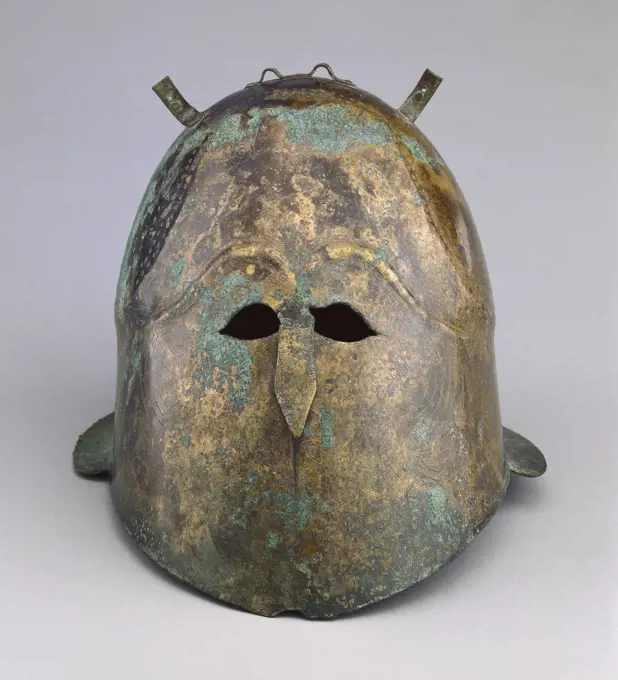
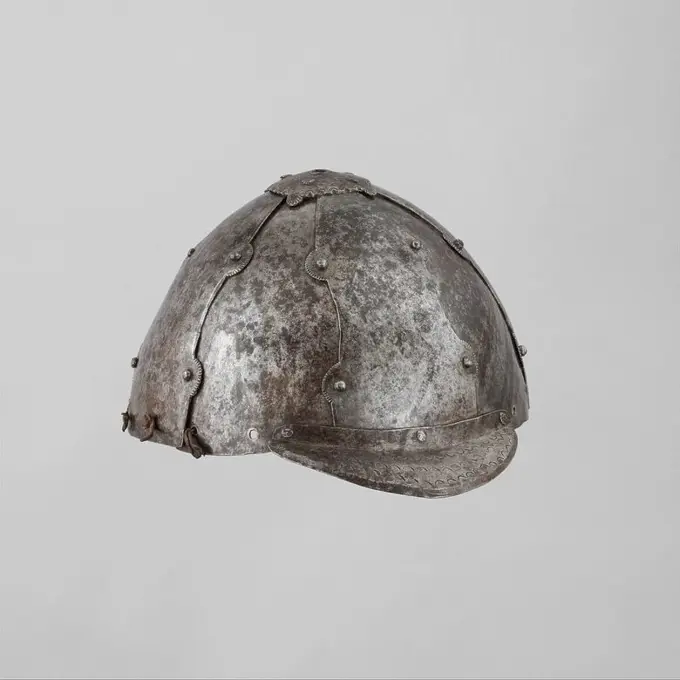
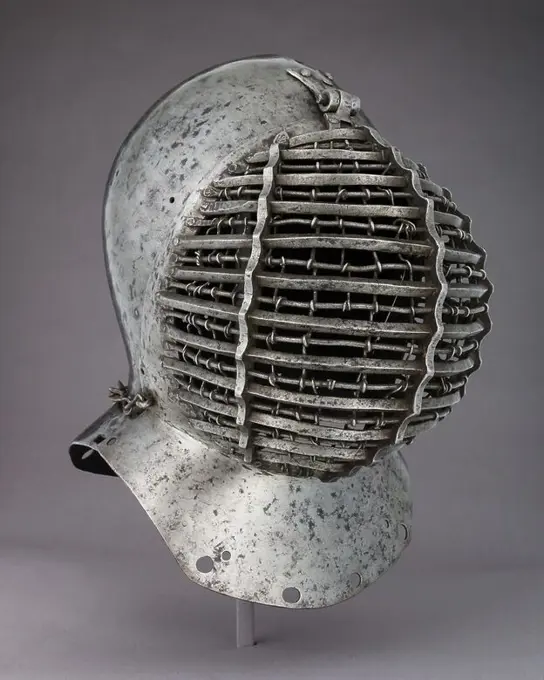
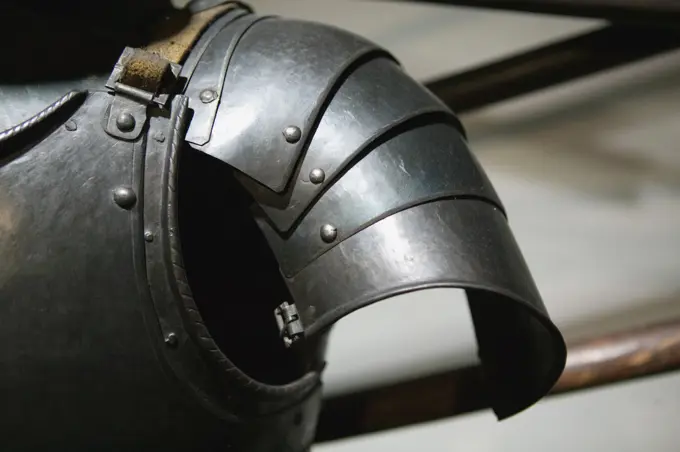
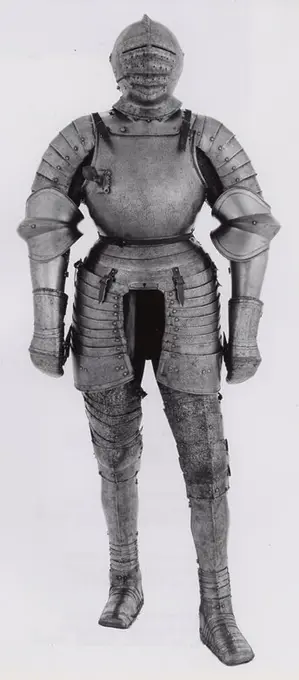
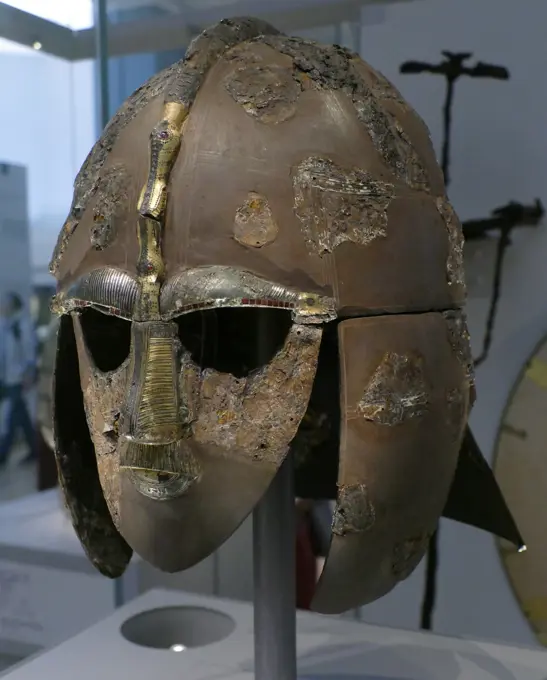
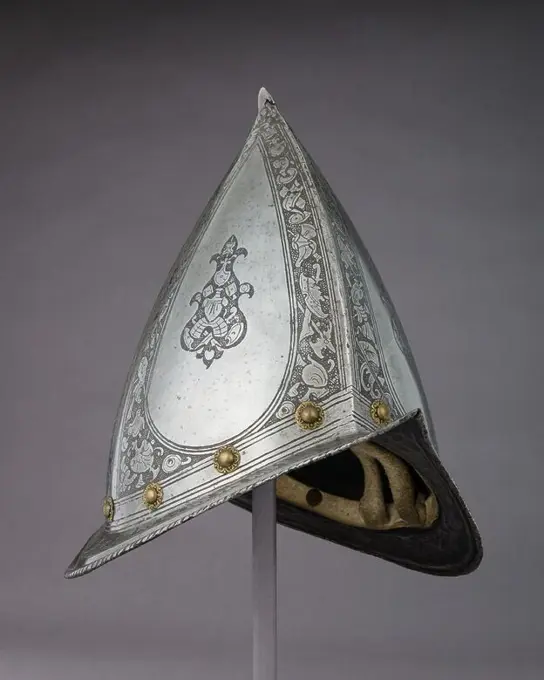
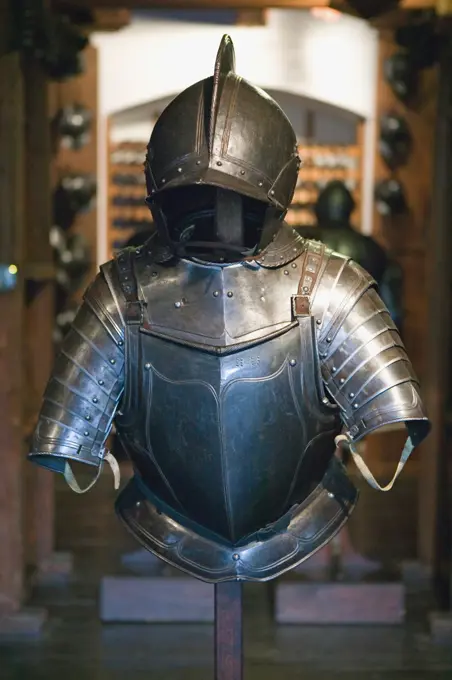
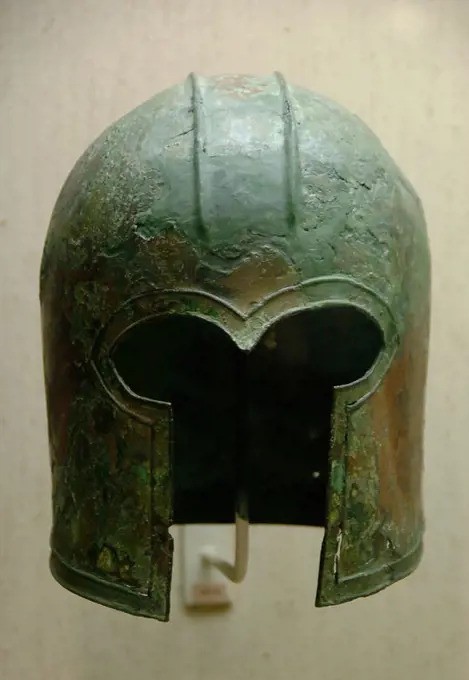
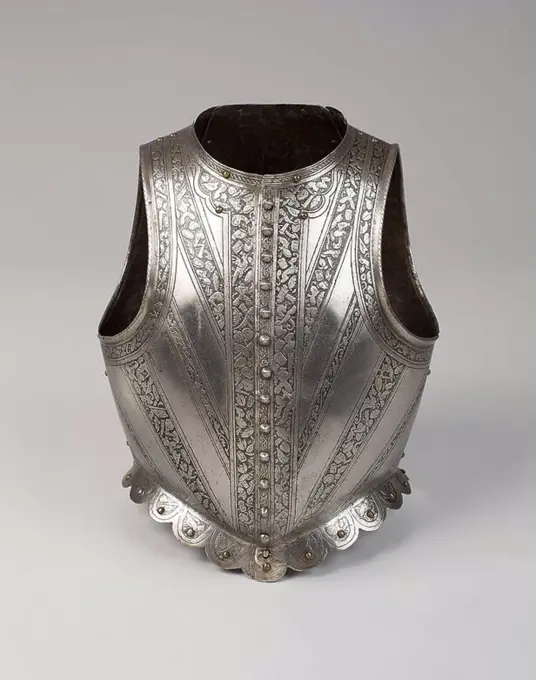
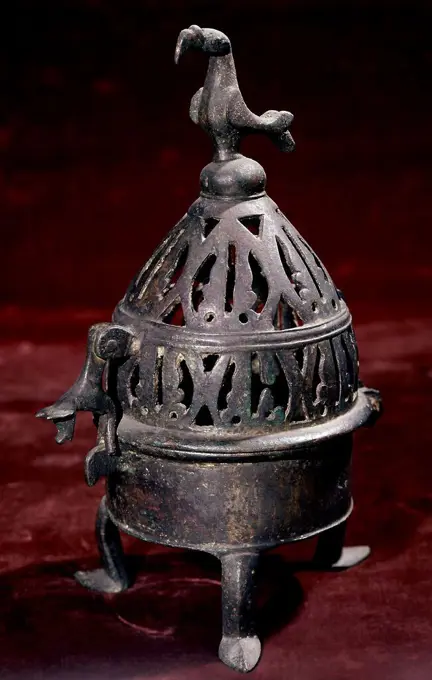
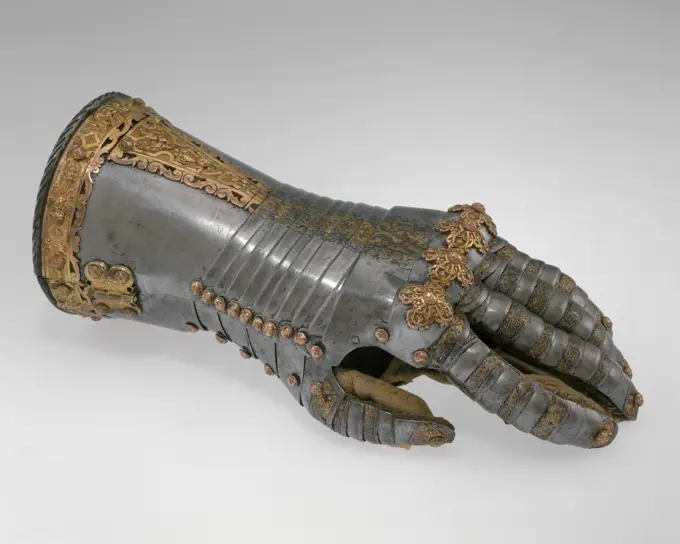
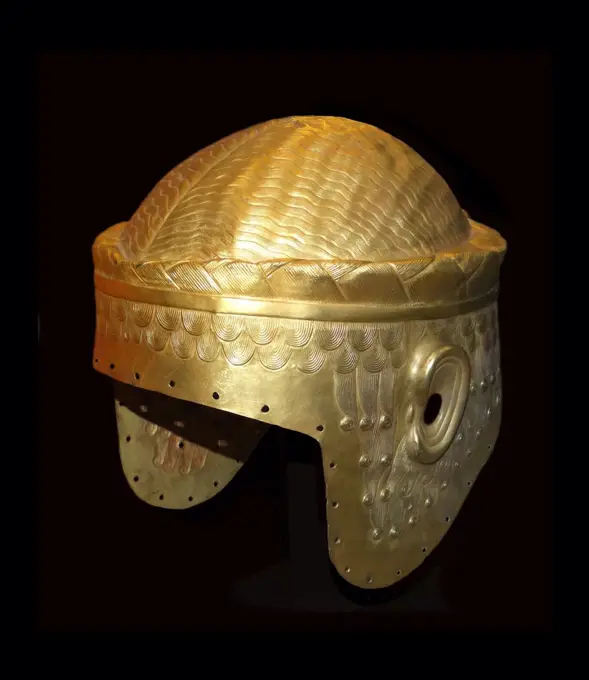
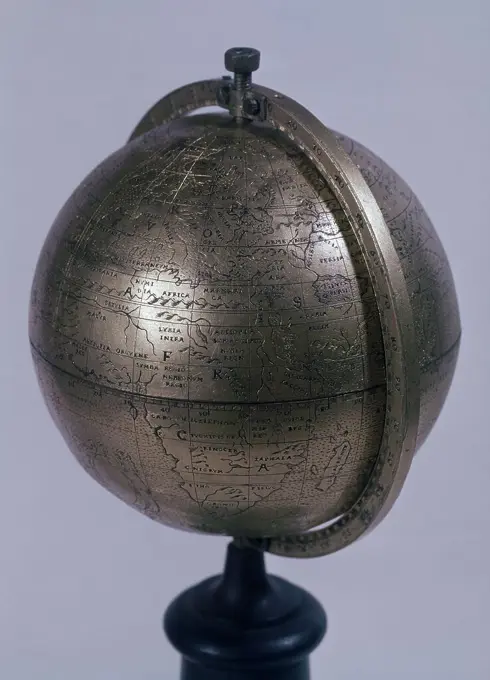
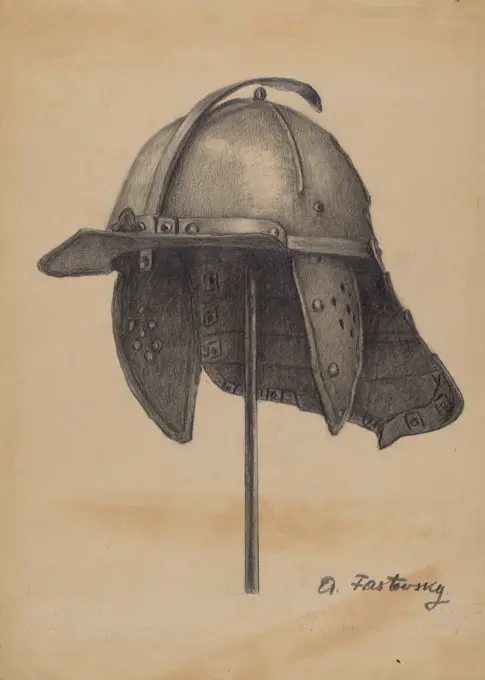
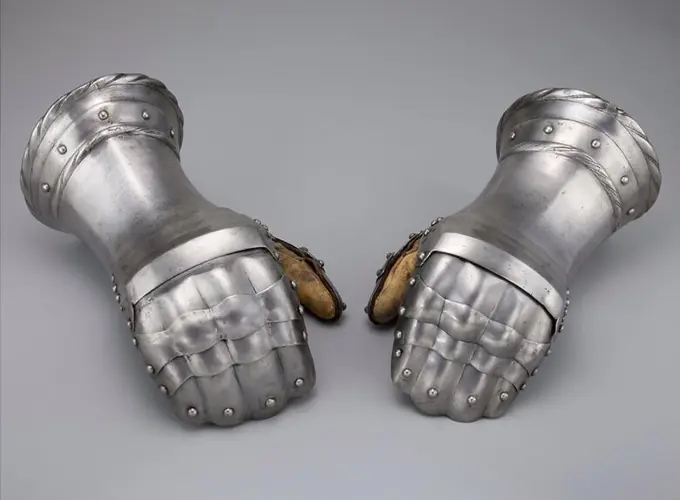
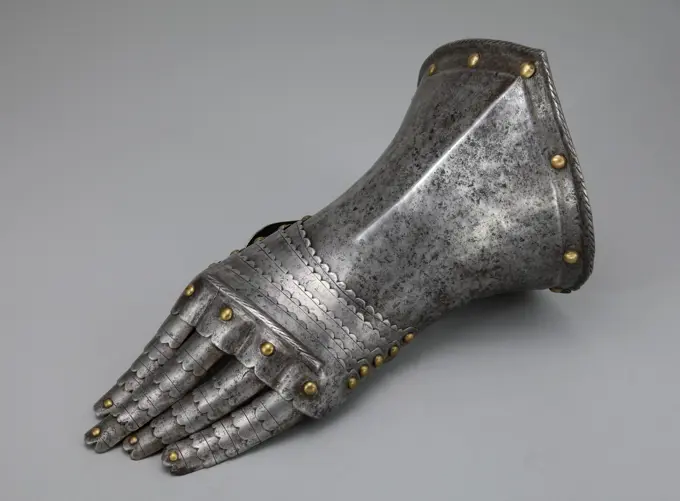
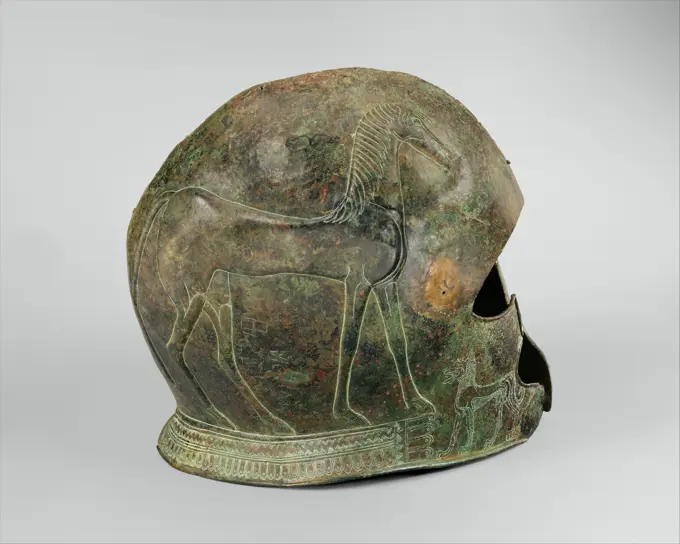
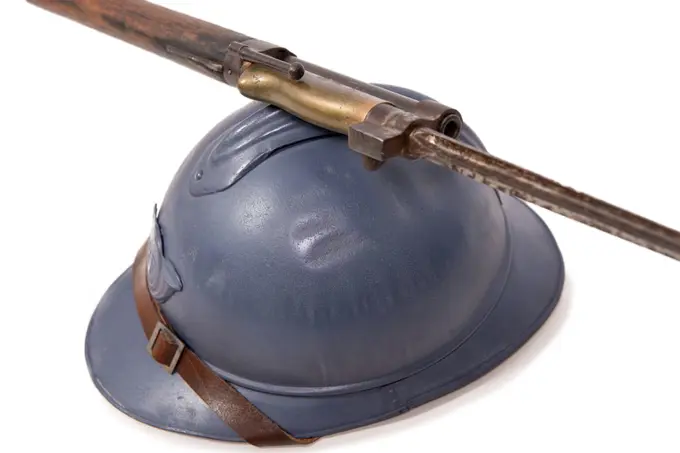
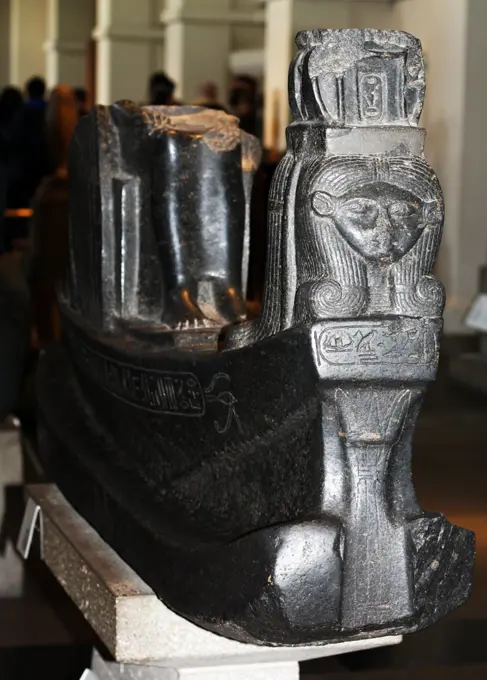
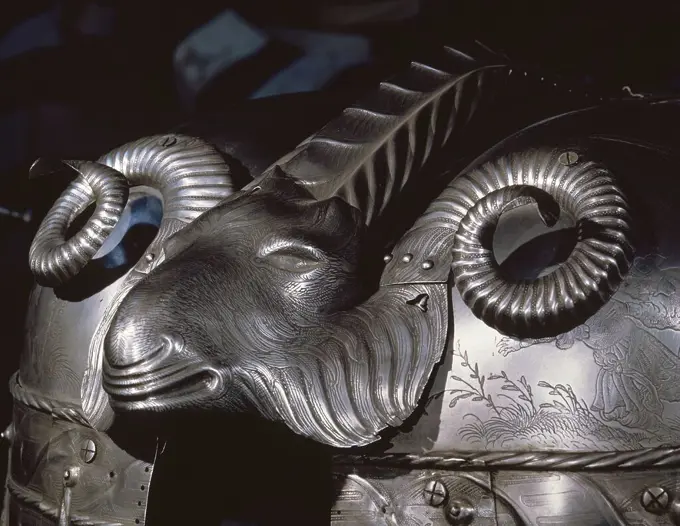
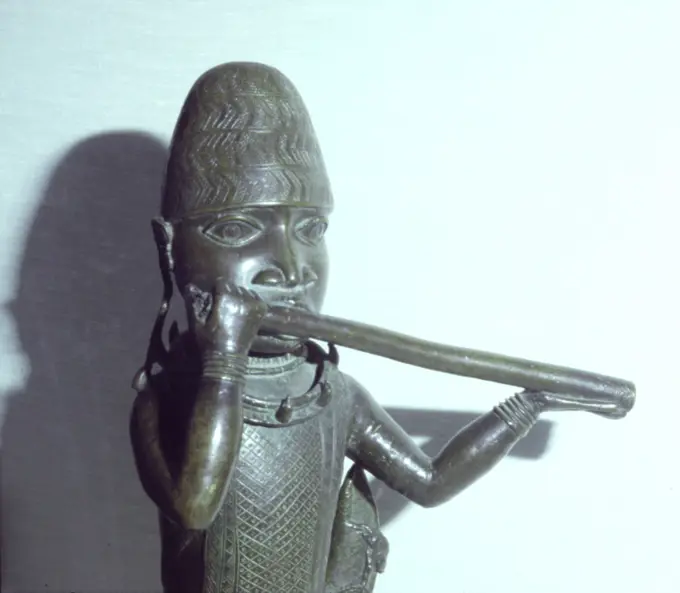
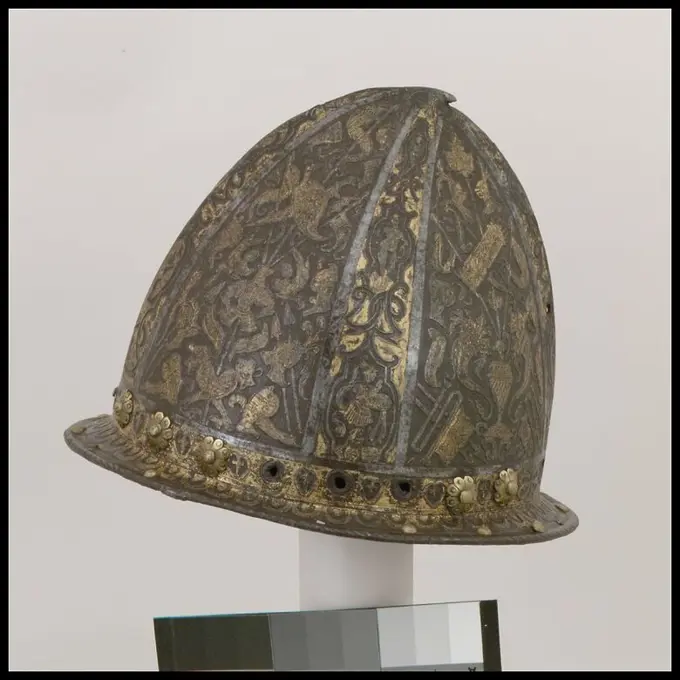
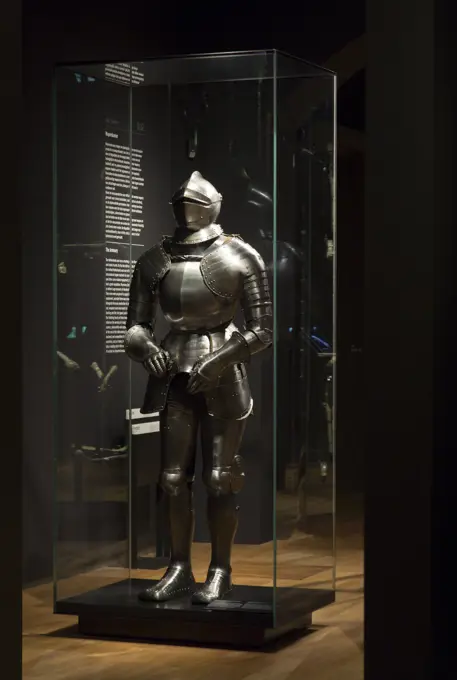
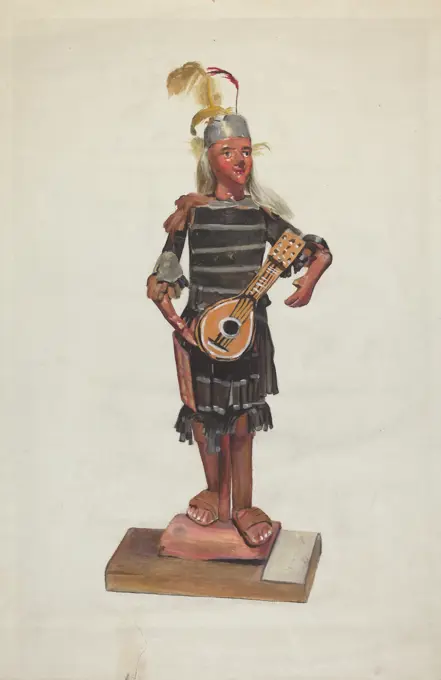
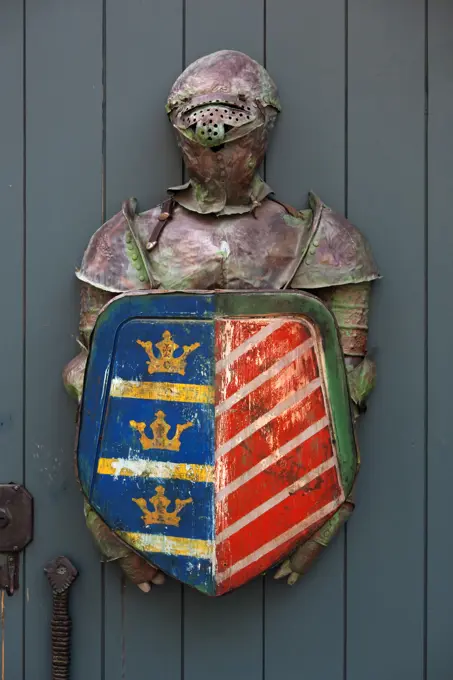
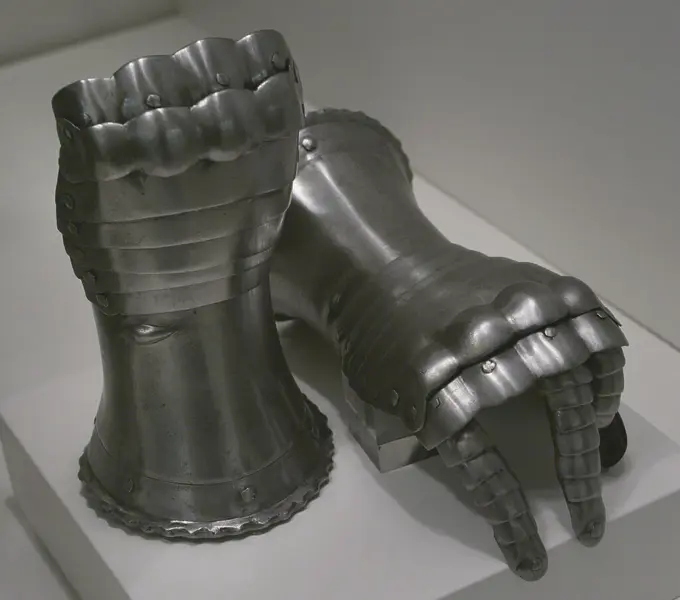
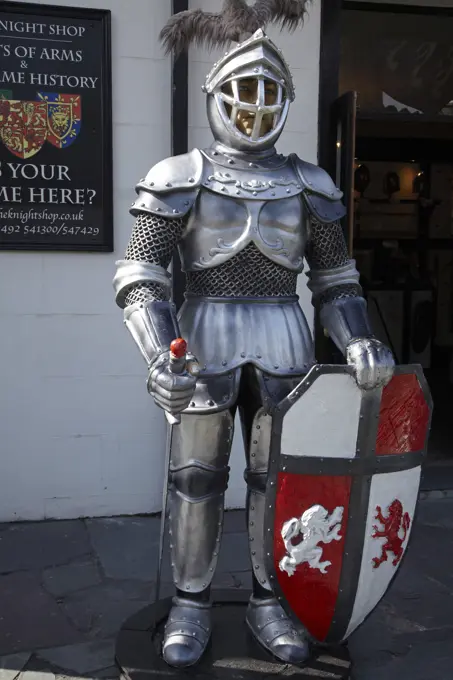
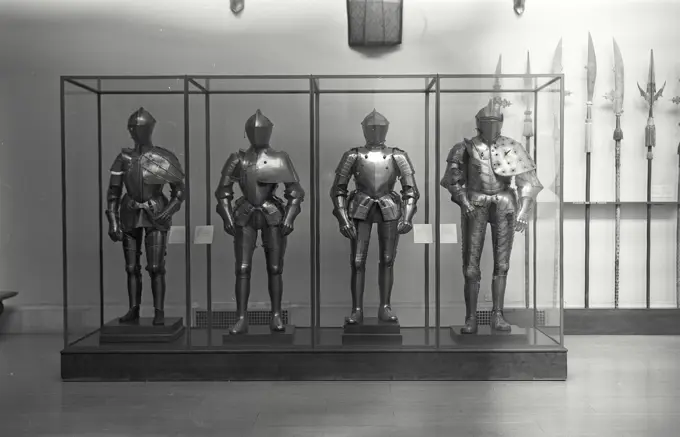
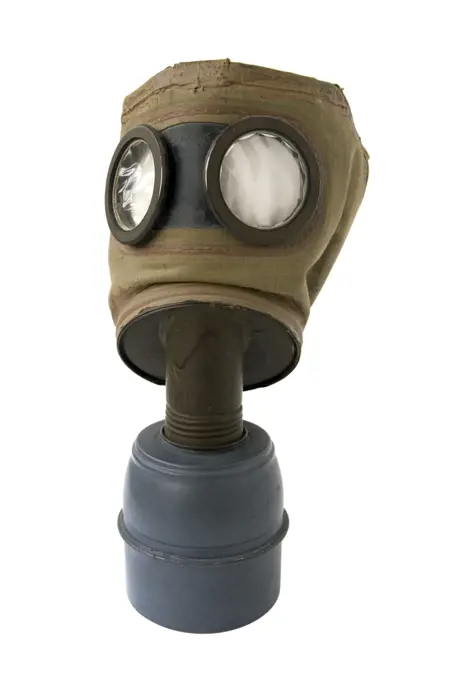
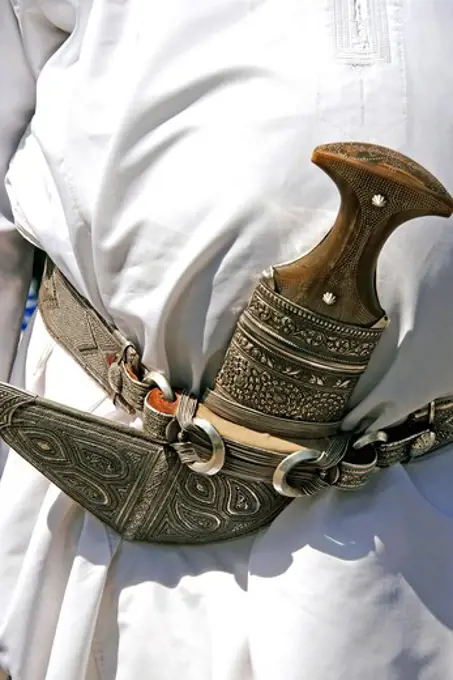
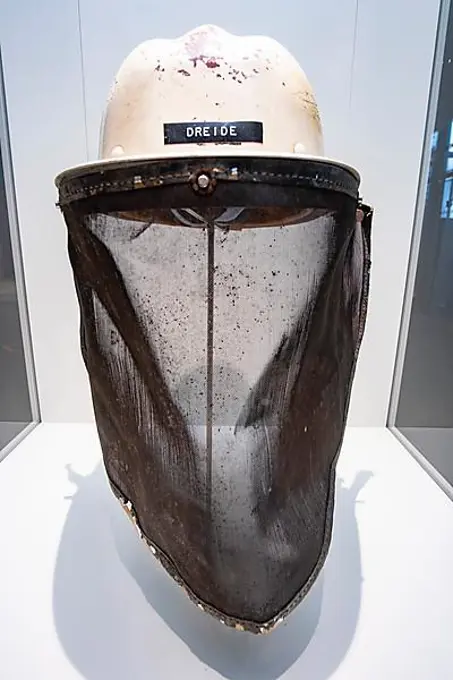
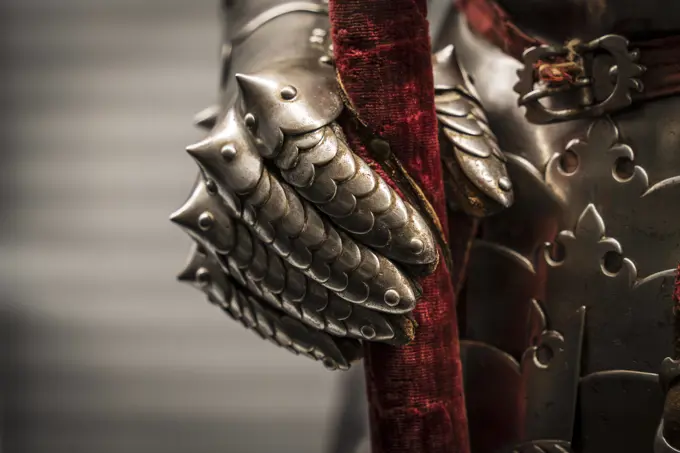
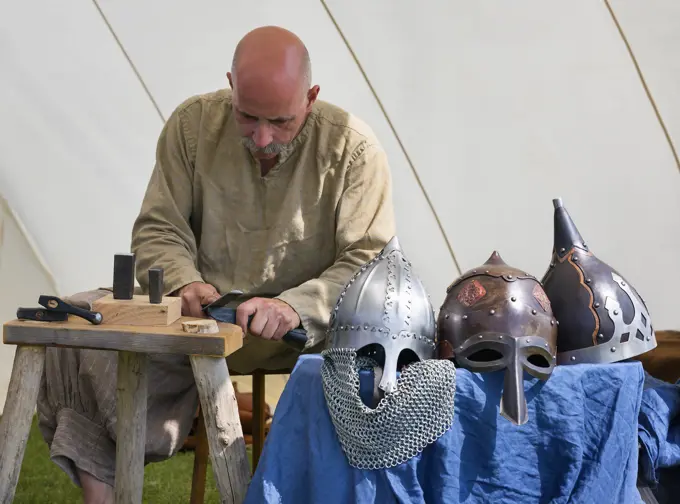
Armet with Matching Wrapper ca. 1475 Italian, probably Milan The armet was typically worn with a wrapper, a reinforcing plate that gave extra protection to the lower face and neck area. This is a rare example of an armet surviving together with its original wrapper.. Armet with Matching Wrapper 24691Helmet 18th-19th century Philippine, Moro. Helmet 27827Closed Burgonet. Culture: German, Cologne. Dimensions: H. 12 3/4 in. (32.4 cm); W. 9 1/4 in. (23.5 cm); D. 14 3/8 in. (36.5 cm); Wt. 6 lb. 1 oz. (2750 g). Date: ca. 1600. Museum: Metropolitan Museum of Art, New York, USA.Visored Sallet ca. 1500 German. Visored Sallet 34275Siege Helmet. Culture: Italian. Dimensions: H. 12 in. (30.5 cm); W. 9 7/8 in. (25.1 cm); D. 11 1/4 in. (28.6 cm); Wt. 17 lb. 9 oz. (7966 g). Date: ca. 1625. Museum: Metropolitan Museum of Art, New York, USA.CELADA DE FELIPE II. Location: PRIVATE COLLECTION. MADRID. SPAIN.Iron helmet Iron helmet of the medieval knight. Very heavy headdress Copyright: xZoonar.com/ValeryxxSibrikovx 5718625Iron helmet of the medieval knight. Very heavy headdressCASCO DE PERFIL DE LA ARMADURA A49 - SIGLO XVI. Location: PALACIO REAL-REAL ARMERIA DE MADRID. MADRID. SPAIN.Close Helmet. Italian in the German style. Date: 1500-1530. Dimensions: H. 20.3 cm (8 in.). Steel. Origin: Italy. Museum: The Chicago Art Institute, Chicago, USA.Equipment of Iron, Anonymous, 1599 - 1629  Rider helmet, iron, white, the helmet composed of two halves. Long low comb with a cabled edge that ends under the iron feather cooker. The articulated neck plate is plunged on the helmet and has a cabled edge of the flange. Sealed from the front with three plates, foldable at a common point. The chin plate is sounded on the articulated neck plate and the helmet and has a cacked edge. On the left side of the chin plate a hook that can be attached to the lower visor. Parallel walking on the edge lines with roughables underneath. The facial plate has three vertical bars, each of which has a roll in the middle. All around decorative lines. On the helmet there is a double visor whose lower visor on the left has an eye where the hook of the chin plate can be attached and has a protruding middle bone, the edge of the visor is tackled and has decorative lines under the edge lines. Round air holes on both sides of the visor. The upper visor has two hoIron helmet Iron helmet of the medieval knight. Very heavy headdress Copyright: xZoonar.com/ValeryxxSibrikovx 5589349Iron helmet of the medieval knight. Very heavy headdressArmet 17th century Italian, Pisa. Armet 27092Arm Defense for Right Arm ca. 1530 German, probably Augsburg. Arm Defense for Right Arm. German, probably Augsburg. ca. 1530. Steel, gold. probably Augsburg. Armor PartsArmet Made 1510-1540 Southern Germany. Steel .ITALY. Todi. Bronze Etruscan helmet (3rd-4th c. BC). Decorative Arts. ITALY. LAZIO. Rome. National Etruscan Museum of Villa Julia.Burgonet in Oriental Fashion late 16th century German, probably Augsburg This finely etched, gilt, and jeweled burgonet recalls the sumptuously embellished helmet and cuirass acquired in Augsburg and offered in 1590 by the imperial court in Vienna as tribute to the Ottoman sultan. This helmet once was completed by large shaped cheekpieces in the Turkish fashion.. Burgonet in Oriental Fashion. German, probably Augsburg. late 16th century. Steel, gold, bronze, glass. probably Augsburg. HelmetsPortions of a Ceremonial Armor ca. 1575-80 French This armor was severely damaged by fire in the 1870s, destroying its gorget (collar) and arm defenses and melting off the gilding that originally covered all its exterior surfaces. Despite this damage, the remaining parts are important as examples of French ceremonial armor from the period of Henri III (reigned 1574-89). The embossed decoration consists of battle scenes of soldiers wearing Classical armor.. Portions of a Ceremonial Armor 35824Armour Armour of the medieval knight. Metal protection of the soldier against the weapon of the opponent Copyright: xZoonar.com/ValeryxxSibrikovx 5596312Boy's Armor 1675-1700 France. Steel, brass, and leather .Iron helmet Iron helmet of the medieval knight. Very heavy headdress Copyright: xZoonar.com/ValeryxxSibrikovx 5718598Iron helmet Iron helmet of the medieval knight. Very heavy headdress Copyright: xZoonar.com/ValeryxxSibrikovx 2449837Armour. Gauntlet. Glove of metal plates which protected the hand. Europe, 16th century. Army Museum. Toledo, Spain.Italy, Abruzzo, Campovalano, Picene helmetHelm for Foot Combat. Culture: possibly British. Dimensions: H. 16 3/4 in. (42.6 cm); W. 14 in. (35.6 cm); D. 15 1/2 in. (39.4 cm); Wt. 11 lb. 12 oz. (5330 g). Date: ca. 1500-1520.English armor of the early sixteenth century is extremely rare, and tournament armor even more so. This helm, also called a "great bascinet" in the sixteenth century, is one of only a few of its kind in existence today. It was made for use in a type of tournament that was fought between two fully armored men, on foot and equipped with pole axes, spears, swords, and daggers. Museum: Metropolitan Museum of Art, New York, USA.Helmet (Kabuto). Culture: Japanese. Dimensions: 6 in. (15.2 cm) x 10 1/2 in. (26.7 cm).. Date: 18th-19th century. Museum: Metropolitan Museum of Art, New York, USA.Sallet "in the Venetian Style" ca. 1460; decoration, probably 17th century and later Italian Sallets covered with textile and mounted with decorative metal appliqués were worn for parades and tournaments throughout Italy in the fifteenth century. The practice apparently was continued into the eighteenth century, particularly in Venice; hence these colorful helmets came to be called alla veneziana. The present example is covered with an old red velvet (but possibly applied in modern times) and mounted with a border of gilt-copper leaves, probably of seventeenth-century date (the leaves at the front and across the top are restorations). Unused rivet holes visible inside the bowl indicate that the helmet was once fitted with different appliqués.. Sallet "in the Venetian Style" 23230Armour Armour of the medieval knight. Metal protection of the soldier against the weapon of the opponent Copyright: xZoonar.com/ValeryxxSibrikovx 5693777Half Armor ca. 1510-20 and later Helmet and reinforcing pieces attributed to Kolman Helmschmid German The design of armor was often influenced by the style of mens clothing. From about 1510 to about 1530, in southern Germany and Austria, this trend was taken to an extreme in elaborate armor that directly imitated flamboyant puffed and slashed costume. Only the most skillful and inventive armorers could successfully re-create cut-velvet and embroidered silk in hammered and etched steel. The most renowned practitioners of this demanding style were Conrad Seusenhofer (active 1500-1517) of Innsbruck and Kolman Helmschmid (1471-1532) of Augsburg, both of whom worked for the imperial court.The helmets of costume armors frequently included visors that were embossed to represent exaggerated human or animal masks. Such mask-visors were inspired in part by the masks worn in the traditional pre-Lenten carnivals that were popular throughout Germany.. Half Armor. German, Augsburg. ca. 1510-20 and 16th century browned and gilded medieval suit of armour with armet, burgonet helmet, burgundian sallet at the Royal Museum of the Army and of Military History in Brussels, Belgium, EuropeArmour Armour of the medieval knight. Metal protection of the soldier against the weapon of the opponent Copyright: xZoonar.com/ValeryxxSibrikovx 2415905Morion for the Bodyguard of the Elector of Saxony Made 1570-1590 Nuremberg. Steel, brass, gilding, leather, and paint . Hans MichelWar Hat possibly 15th century European Said to have been found in Lake Morat, Switzerland, this helmet traditionally has been considered Swiss and of mid-fifteenth-century date. However, the presence of similarly large, deep helmets of this general type in fourteenth- and early-fifteenth-century Italian paintings suggests that both the attribution and date are subject to further review. The steel surface retains traces of its original tinning, an early form of rustproofing.. War Hat 25097bronze helmet from Crete, Greece. Late 7th century BCElements from an Armor, c. 1540-70. Germany, 16th century. Steel, leather bands; steel; steel and leather; A full suit of armor comprises over a dozen different pieces. Here there are several elements including a burgonet, a gorget, pauldrons, and a breastplate. Popular throughout the 1500s and 1600s, the burgonet was a light, open headpiece favored by cavalry and infantry alike. Its main features are a peak over the eyes and hinged cheekpieces that fasten with a strap or lace under the chin. A gorget is an element of armor that protects the neck, throat, and upper part of the chest. It normally consists of two parts, front and back, joined by a hinge on the left shoulder and fastened with a stud on the right. A pauldron is a component of plate armor that covers the shoulder and often the armpit, and parts of the back and chest as well. The breastplate is an element that protects the chest and abdomen and is normally worn with a backplate.Iron helmet of the medieval knight. Very heavy headdress.Morion ca. 1600 German. Morion 27096Iron helmet Iron helmet of the medieval knight. Very heavy headdress Copyright: xZoonar.com/ValeryxxSibrikovx 2454171Helmet; South Italy; 400 - 375 B.C; Bronze; 19.4 × 22.5 × 29.8 cm (7 5,8 × 8 7,8 × 11 3,4 in.)Helmet of Eight Plates in the Korean Style. Culture: Korean or Mongolian. Dimensions: H. 5 1/8 in. (13 cm); W. 8 1/4 in. (21 cm); D. 9 9/16 in. (24.3 cm); Wt. 2 lb. 5.6 oz. (1065.9 g). Date: possibly 14th-16th century. Museum: Metropolitan Museum of Art, New York, USA.Tournament Helm (Kolbenturnierhelm). Culture: German. Dimensions: H. 15 1/8 in. (38.4 cm); W. 10 in. (25.4 cm); D. 13 5/8 in. (34.6 cm); Wt. 10 lb. 8 oz. (4763 g). Date: 1510. Museum: Metropolitan Museum of Art, New York, USA.French helmet pattern 1926 in a firefighter unknown labelArmour Armour of the medieval knight. Metal protection of the soldier against the weapon of the opponent Copyright: xZoonar.com/ValeryxxSibrikovx 2415930AUSTRIA, STYRIA (Stiermark), GRAZ: Landeszeughaus Museum / Provincial Armory (b.1642)17th Century ArmorTuscany, Italy. Detail of an original Medieval armourBreastplate with Tassets (thigh defences). Probably Italian. Date: 1510-1520. Dimensions: H. 195.6 cm (77 in.). Steel and leather. Origin: Germany. Museum: The Chicago Art Institute, Chicago, USA.reconstruction of the Sutton Hoo helmet, a decorated Anglo-Saxon helmet discovered during the 1939 excavation of the Sutton Hoo ship-burial. Buried around 625 AD. it is believed to have been the helmet of King Raedwald; for whom its elaborate decoration may have given it a secondary function almost akin to a crown.Iron helmet Iron helmet of the medieval knight. Very heavy headdress Copyright: xZoonar.com/ValeryxxSibrikovx 2454195Armour Armour of the medieval knight. Metal protection of the soldier against the weapon of the opponent Copyright: xZoonar.com/ValeryxxSibrikovx 6284548Morion-Cabasset. Culture: Italian. Dimensions: H. 11 5/8 in. (29.5 cm); W. 9 1/16 in. (23 cm); D. 13 11/16 in. (34.8 cm); Wt. 2 lb. 10 oz. (1192 g). Date: ca. 1575. Museum: Metropolitan Museum of Art, New York, USA.AUSTRIA, STYRIA (Stiermark), GRAZ: Landeszeughaus Museum / Provincial Armory (b.1642)17th Century ArmorHelmet of the Dutch Army, M 28 - 'New Model', United Blikfabrieken 'SGERIFA', 1928 - 1939 helmet Olive -green steel helmet with in relief of gushed copper the national weapon with the Dutch lion. Learning interior with buckles and felt cushions. Helmet species: röchling helmet (to the steel species) with 'collar'. Coming from a staff member of the KLM, aerial photography department, awarded to him in Mobilization in 1939 but never used. Manufacturer: Wormerveermanufacturer: Amsterdam steel (alloy). leather. felt (textile)   NetherlandsShining armor in Mont Saint-Michel on the Normandy coast of FranceGREEK ART. Archaic bronze helmet of Corinthian type. Dated to 700-675 b.C. Museum of Cycladic and Ancient Greek Art. Athens. Greece.USA, California, San Diego, Cabrillo Festival, Late medieval mid 1500s Spanish military helmet.Waistcoat Cuirass. Italian; Milan. Date: 1565-1580. Dimensions: Wt. 6 lb. 5 oz. Steel. Origin: Milan. Museum: The Chicago Art Institute, Chicago, USA.Knights Armor, harness, Kueriss, c. 1590, National Museum, Munich, Upper Bavaria, Bavaria, Germany, EuropePEBETERO DE BRONCE PROCEDENTE DE GRANADA- 23 CM ALTURA- HISPANOMUSULMAN. Location: INSTITUTO VALENCIA DE DON JUAN-COLECCION. MADRID. SPAIN.Gauntlet for the Left Hand ca. 1557 Gilt copper ornament attributed to Jörg Sigman German The decoration of this gauntlet matches that of a complete armor (now in the Art History Museum, Vienna) that was made for Archduke Maximilian (later Emperor Maximilian II) in 1557. The applied bands of gilt copper ornament are attributed to the Augsburg goldsmith Jörg Sigman (about 1527-1601).. Gauntlet for the Left Hand. German, Augsburg. ca. 1557. Steel, gold, copper alloy, leather. Augsburg. Armor Parts-GauntletsElectrotype of gold helmet of Meskalamdug; Early Dynastic III. 2600BC Royal Cemetery at Ur, Iraq. Meskalamdug ('hero of the good land') was an early ruler of Ur, who does not appear in the Sumerian king list. His tomb, discovered by English archaeologist Sir Leonard Woolley in the Royal Cemetery of Ur in 1924, contained numerous gold artefacts including this golden helmet with an inscription of the king's nameGLOBO TERRAQUEO. Location: MUSEO NAVAL / MINISTERIO DE MARINA. MADRID. SPAIN.First World War (1914-1918). German army soldier field helmet. Latvian War Museum. Riga.Aaron Fastovsky, Bourganet, c 1936 BourganetPot helmet. unknown, craftsmanPair of Mitten Gauntlets. Flemish. Date: 1510-1530. Dimensions: Each 26.7 cm (10 1/2 in.). Steel and leather. Origin: Flanders. Museum: The Chicago Art Institute, Chicago, USA.Gauntlet from a Tournament Garniture of a Hapsburg Prince Made 1560-1590 Augsburg. Steel, gilding, brass, and leather . Anton PeffenhauserFingered Gauntlet for the Left Hand Made 1565-1610 Germany. Steel, brass, and leather .England, East Sussex, Battle, Battle Abbey, Souvenir Shop Display of Souvenir Replica Medival WeaponsBronze helmet late 7th century B.C. Greek, Cretan Bronze helmet with two long-legged horses worked in repoussé with incised details; on the cheekpieces, small engraved lions.. Bronze helmet 255926a french military helmet of the First World War on white backgroundHelmet, Roman Centurion, vintage engraved illustration. Dictionary of words and things - Larive and Fleury - 1895.Sacred boat of Queen Mutemwia. 18th Dynasty, about 1400 BC, from Thebes, Temple of Karnak. This sculpture of a ceremonial boat carried a statue of Queen Mutemwia. Mutemwia means 'the Goddess Mut in the (sacred) boat. The back of the statue is carved with vulture wings. Mut is shown as a vulture.Figure of a ManDETALLE DEL ARNES PARA JUSTA DE CARLOS V - CABEZA DE CARNERO - SIGLO XVI. Location: PALACIO REAL-REAL ARMERIA DE MADRID. MADRID. SPAIN.Brass flute player, 16th cent. NIGERIA.Cabasset. Culture: Italian. Dimensions: H. 8 1/2 in. (21.6 cm); W. 9 in. (22.9 cm); D. 10 3/8 in. (26.4 cm); Wt. 3 lb. 2 oz. (1422 g). Date: ca. 1585. Museum: Metropolitan Museum of Art, New York, USA.Armour of Pankraz von Freyberg, anonymous, c. 1500 - c. 1550  Harnas presumably worn by Ridder PankRAZ von Freyberg. Vienna iron (metal). leather. wood (plant material). oak (wood)   Kasteel HohenaschauKnight helmet hand drawn ink sketch. Engraved style vector illustrationVintage Diving Helmet, Broome, Kimberley Region, Western Australia, AustraliaSamurai Warrior Cosutme Japanese samurai antique warrior costume at antique store in san telmo distrcit, Argentina Copyright: xZoonar.com/DanielxFerreira-LeitesxCiccarinox 12726026Jane Iverson, Indian Doll  Winnipeg Brave, 1935 1942 Indian Doll - Winnipeg BraveEstonia, Tallinn, Toompea area, souvenir suits of armorAn armour and arms of Roman gladiators, warriors and slaves, special exhibition at the Colosseum, Rome, Latium region, Italy, EuropeArmour. Gauntlets. Glove of metal plates which protected the hand. Pair of Prince's gauntlets. Europe, 16th century. Army Museum. Toledo, Spain.The Knight Shop, Conwy, WalesSheet with six helmets, a star, a heraldic lily, a bubble and three fruit roses.Suits of armor in a display cabinetPrzeszo Przyszoci unknownCuirass 18th century Indian. Cuirass. Indian. 18th century. Steel, iron, brass. Armor Partsold gas mask on a white background. gas maskWarrior helmets, with nasal, 11th-12th century, Fashion history, Costume history, Historical, digitally restored reproduction of an original 19th century patternDiver - in early brass diving helmet Military gaz mask Military gaz mask isolated over white background Copyright: xZoonar.com/IvonnexWierinkx 17616093Oman man with a typical Krumdolch, one in traditional clothHelmet with heat shield made of several layers of glass fibre mats from 1959, Zollverein Colliery, Essen, North Rhine-Westphalia, Germany, EuropeBelgium, Brussels, Grand Place, Brussels City Museum, Display of Manneken Pis Costumesangled cup mitten with articulated fingertips and pointed knuckles angled cup mitten with articulated fingertips and pointed knuckles, Marquisate of Falces, 15th century, Álava Armory Museum, Vitoria, Basque Country, Spain Copyright: xZoonar.com/Tolox 21366638Blacksmith making Viking helmets, Icelandic Festival of Manitoba, Gimli, Manitoba, CanadaAnefo photo collection. Arm in the Golden Age. Exhibition in the Waaggebouw in Amsterdam. Figures of beggars. Exhibitions, sculptures. October 20, 1965. Amsterdam, Noord-Holland