Historic Artifacts

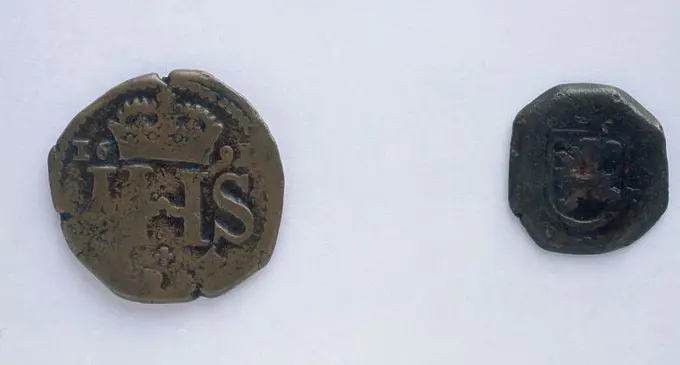
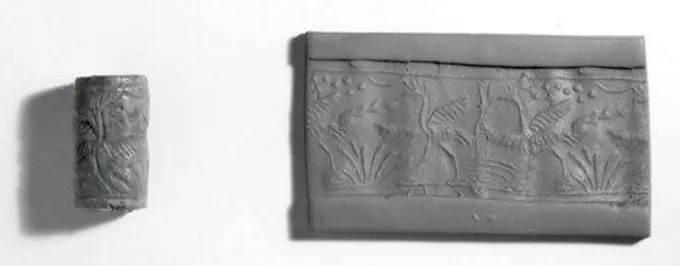
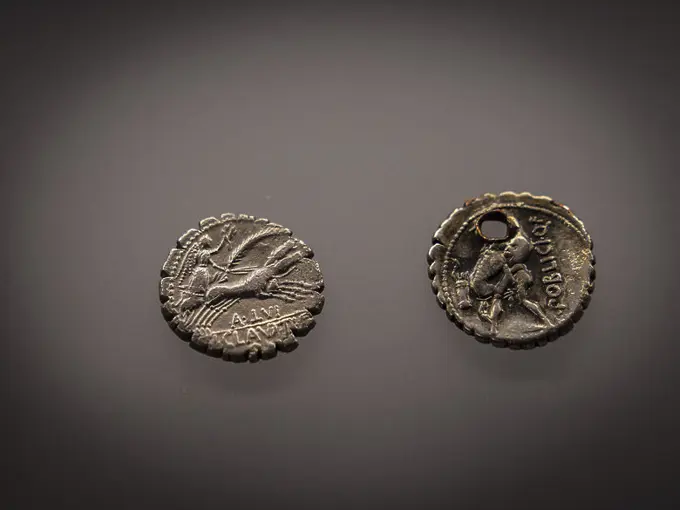
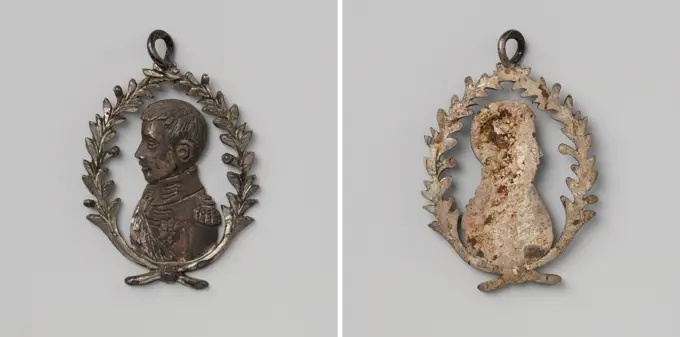
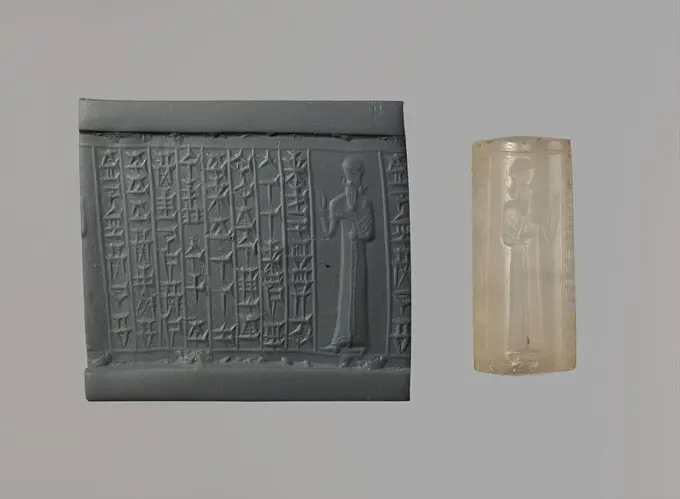
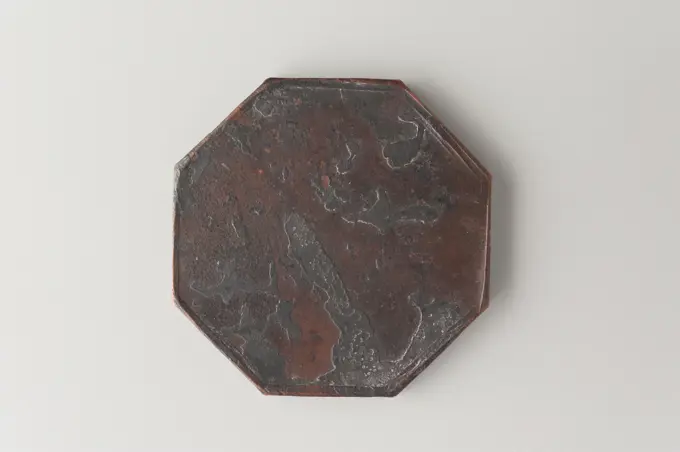
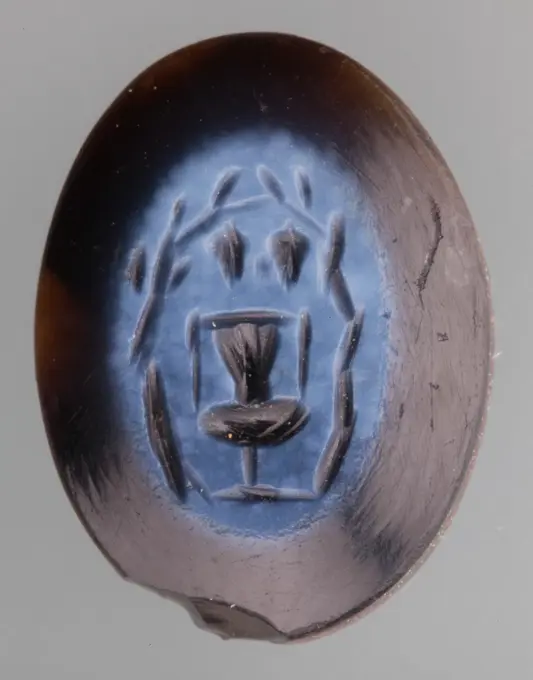
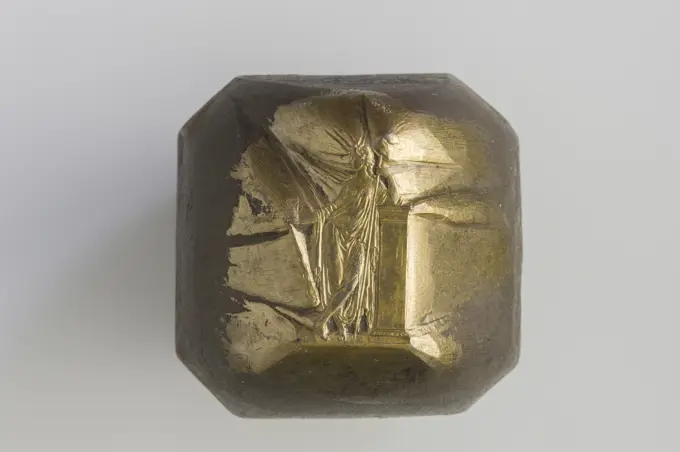
Artifacts featuring intricate designs and imprints, including crowns and medallions. Each piece reflects a unique historical narrative from different cultures.

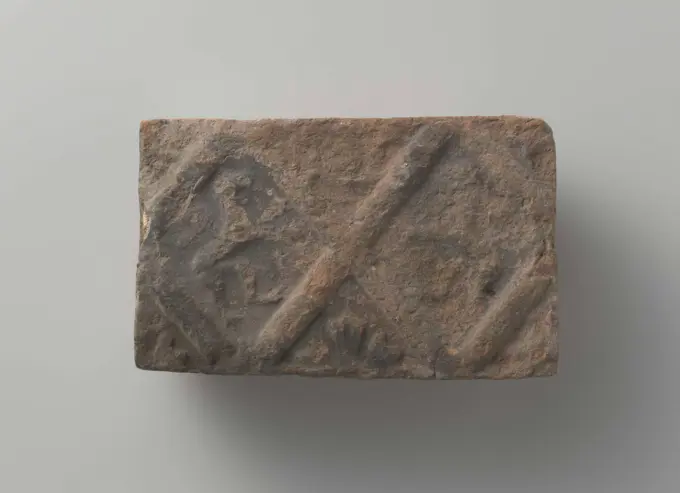
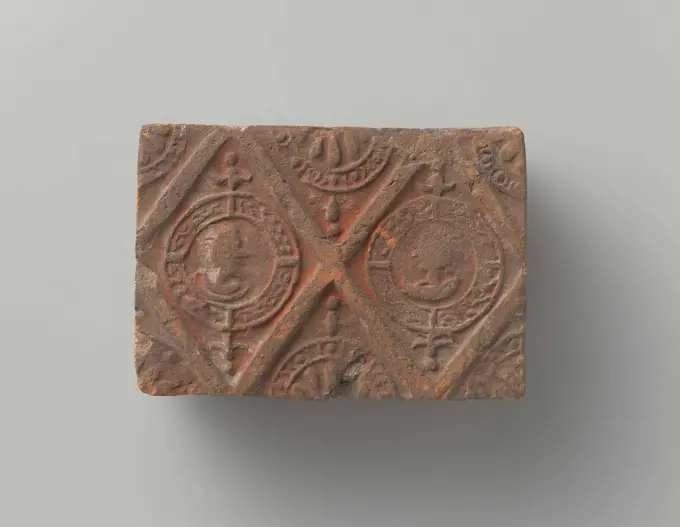
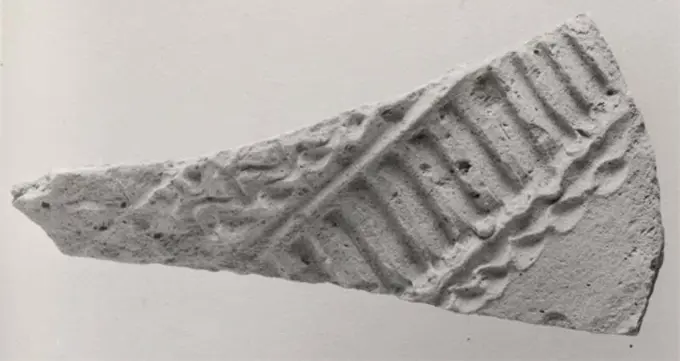
Highstone with a crowned men's and women's head from the side, c. 1575 - c. 1600 Hearing stone with representation of a crowned men's and women's head from the side, in two medallions, placed in two profiled windows. The half windows on top and bottom are filled with parts of medallions with star motif. The presentation of the right half is completely worn out. Southern Netherlands earthenware Hearing stone with representation of a crowned men's and women's head from the side, in two medallions, placed in two profiled windows. The half windows on top and bottom are filled with parts of medallions with star motif. The presentation of the right half is completely worn out. Southern Netherlands earthenware
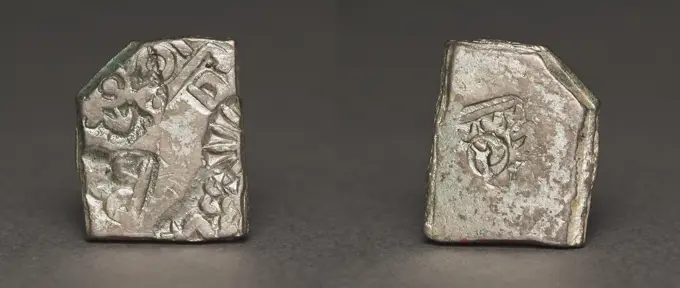
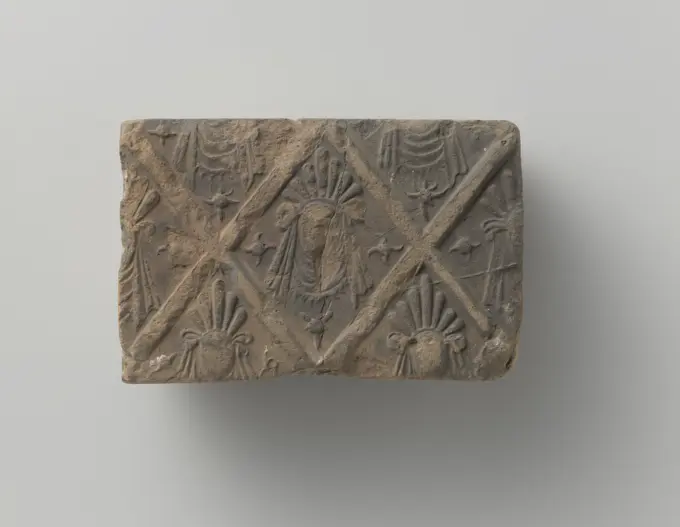
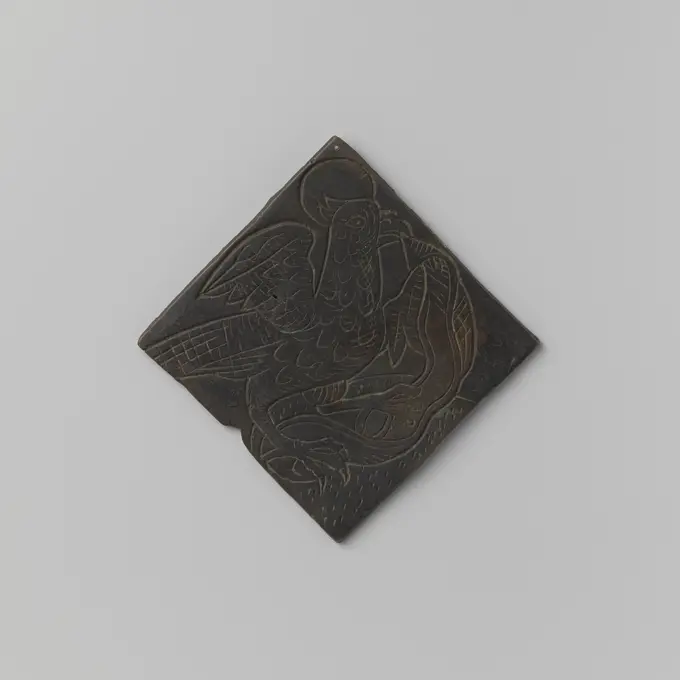
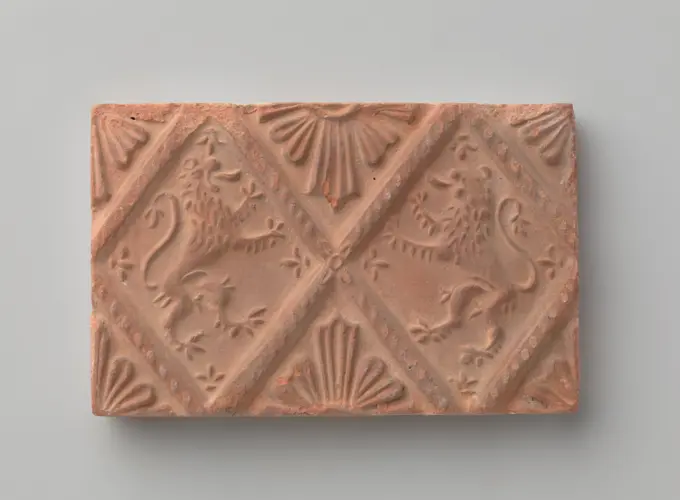
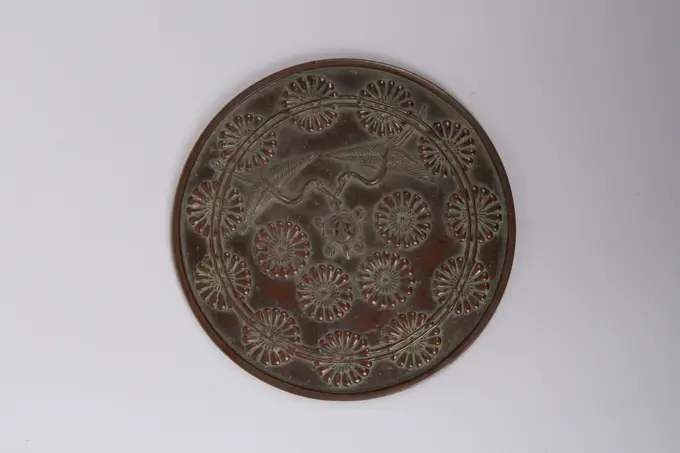
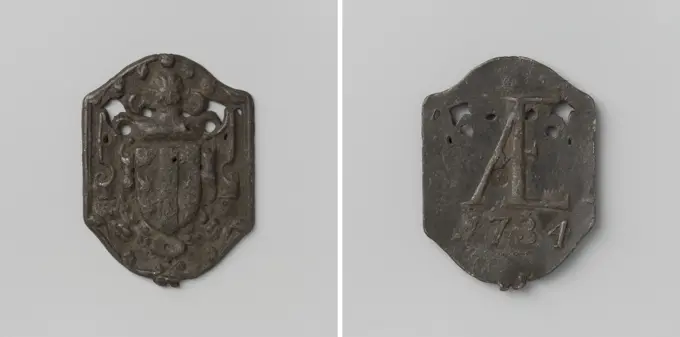
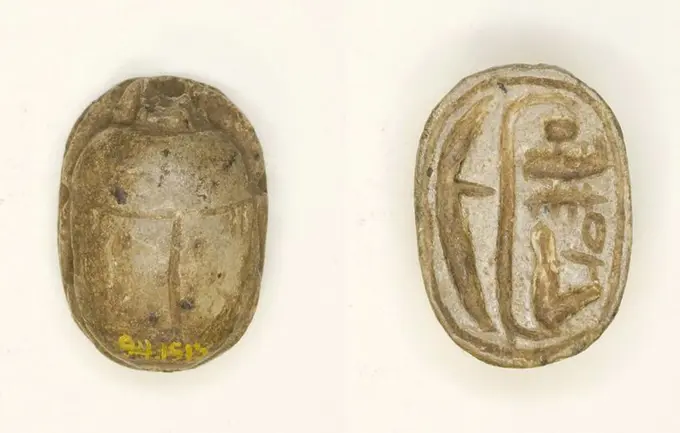
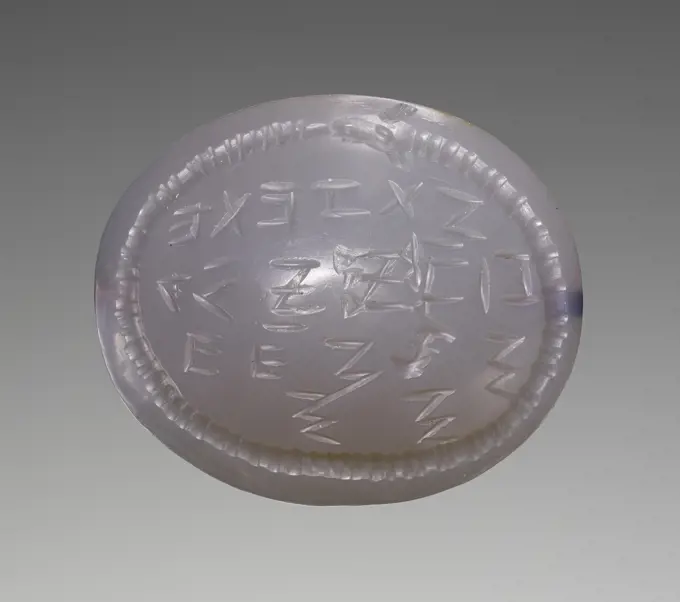
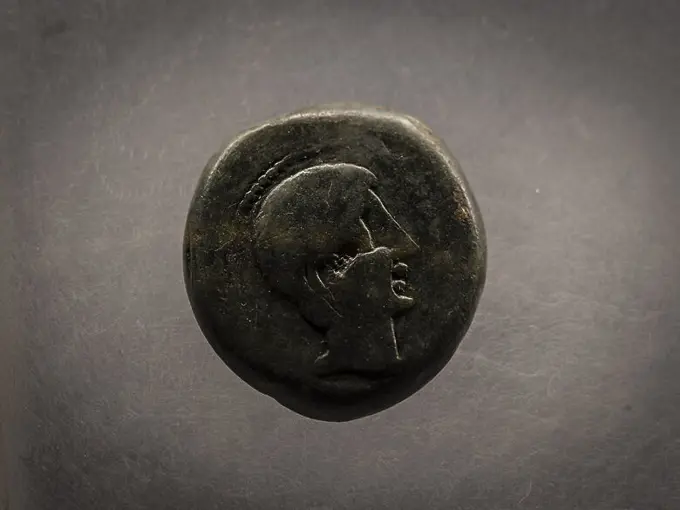
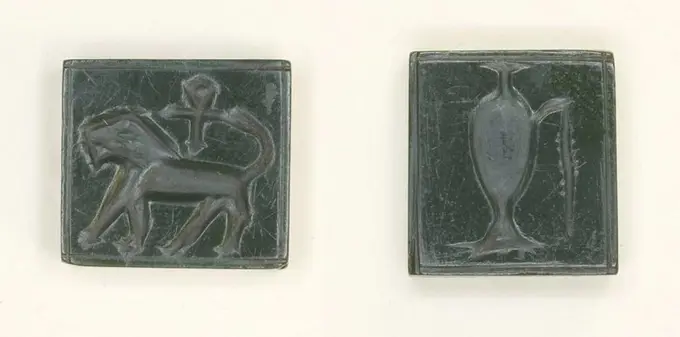
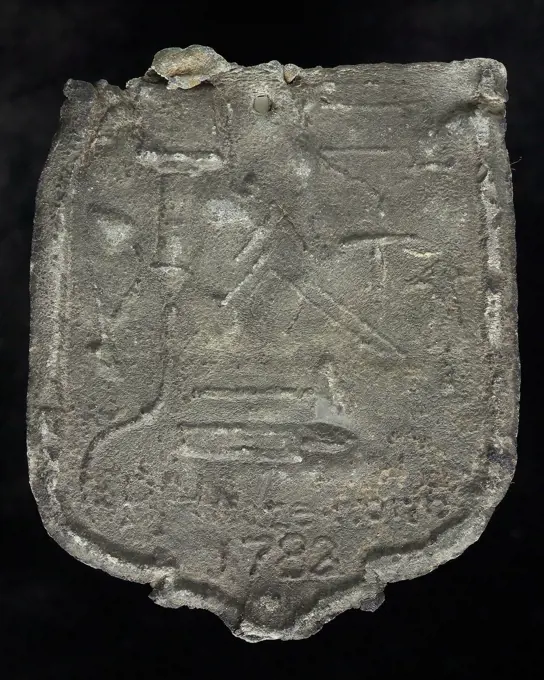
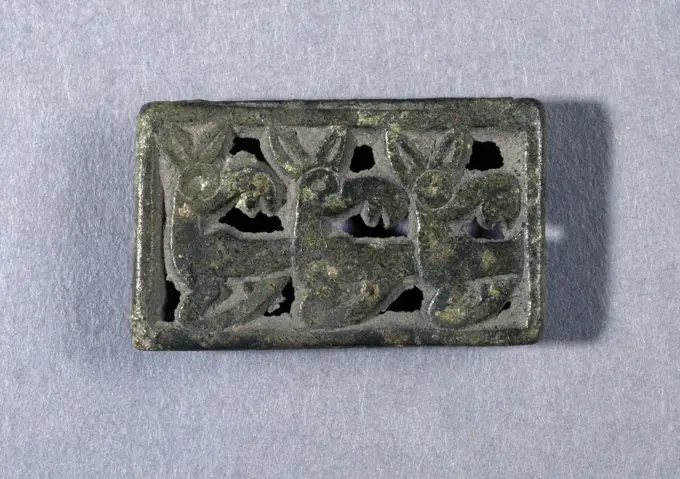
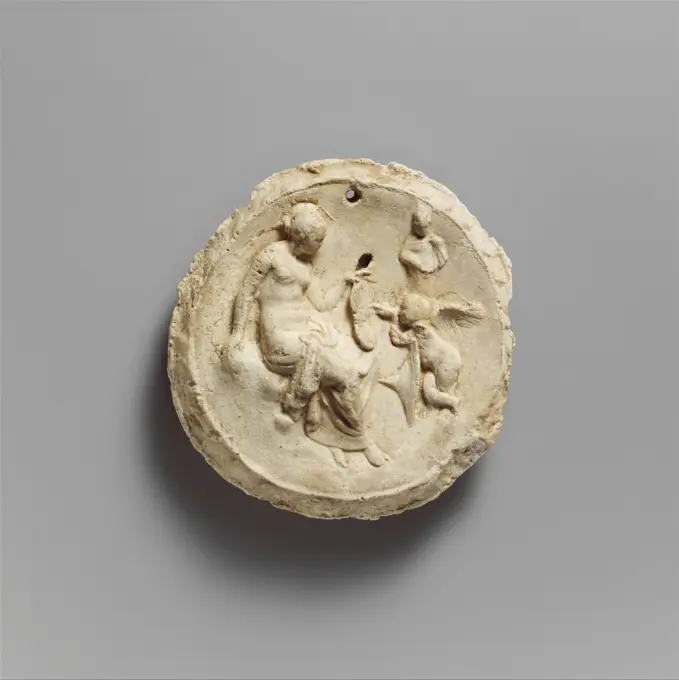
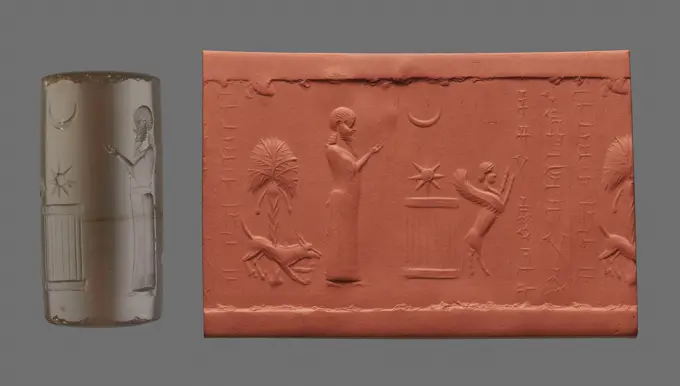
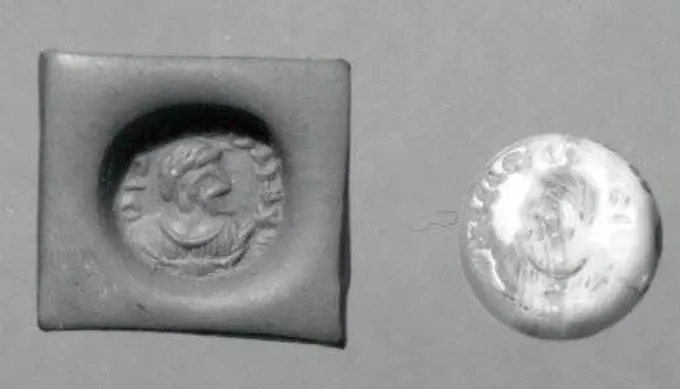
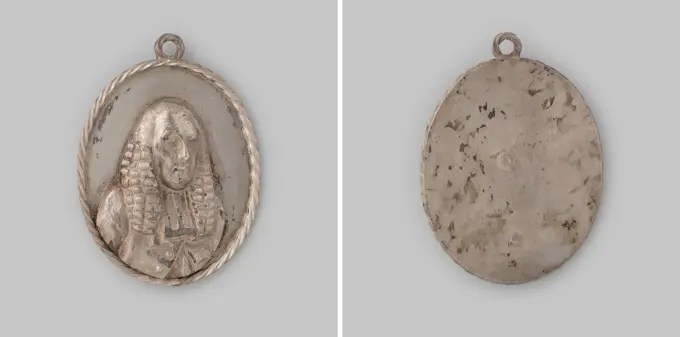
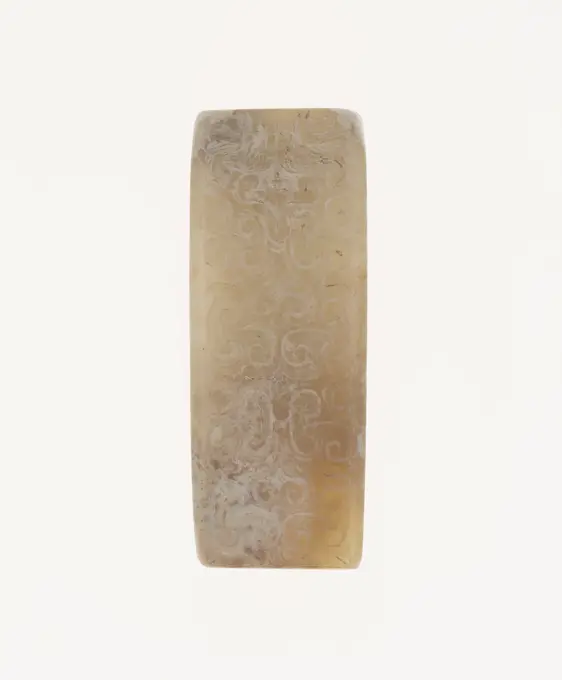
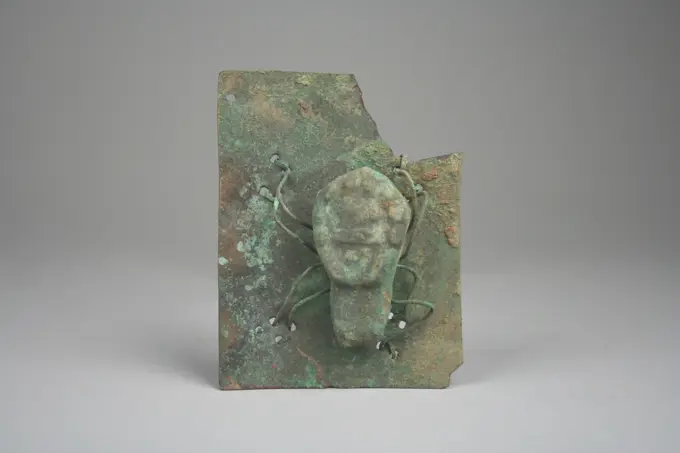
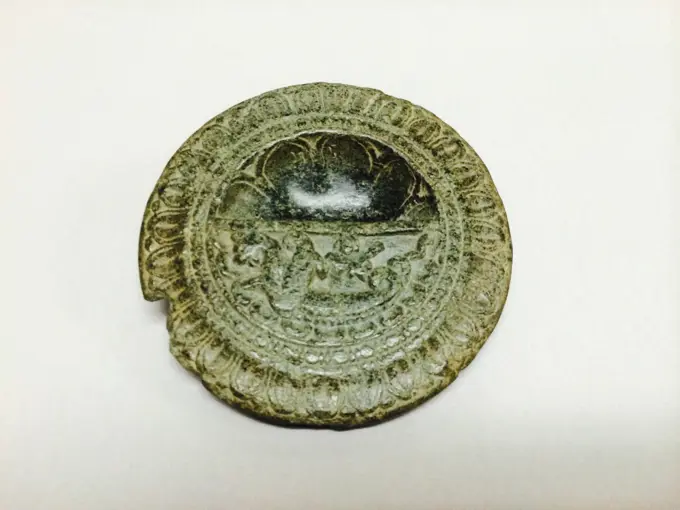
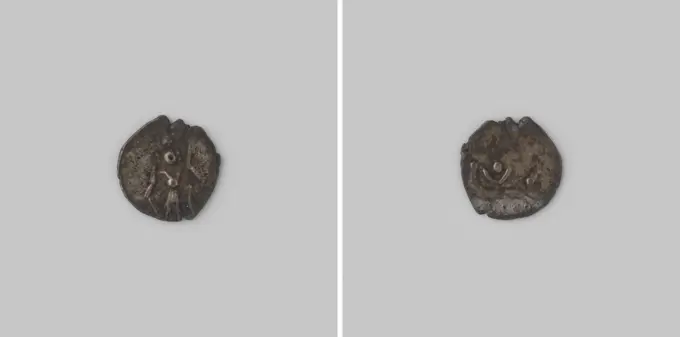
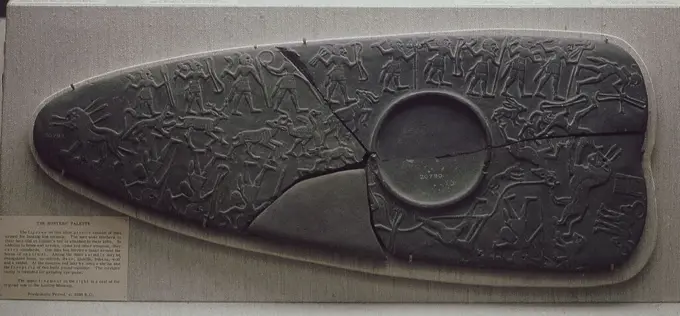
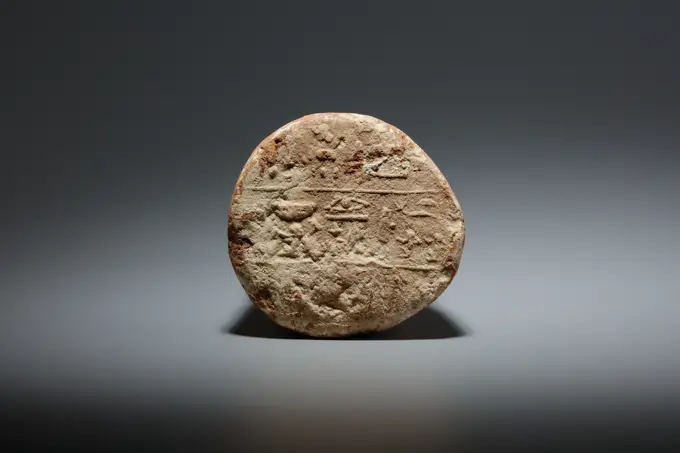
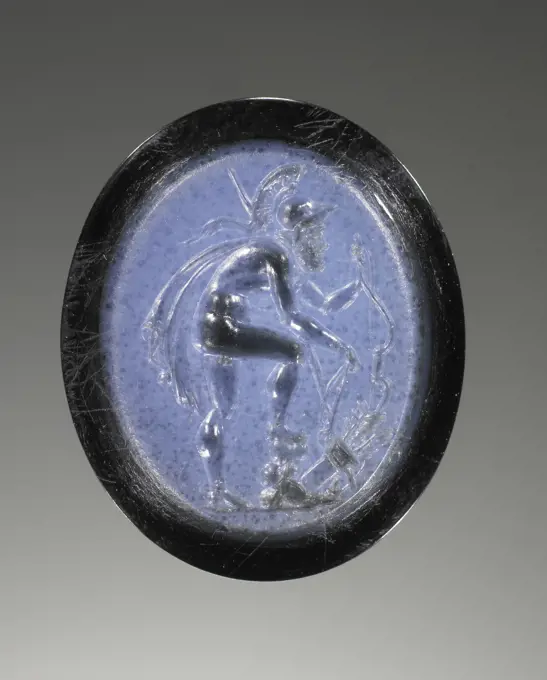
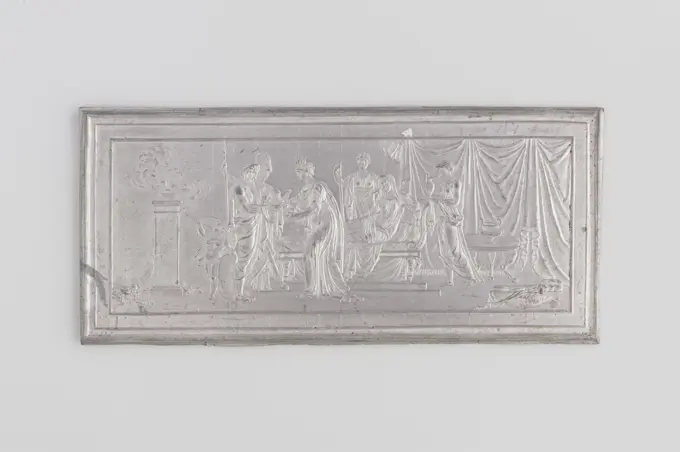
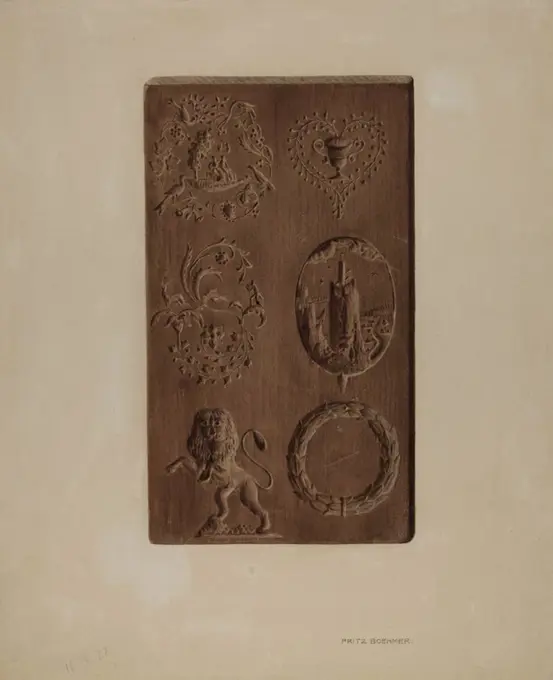
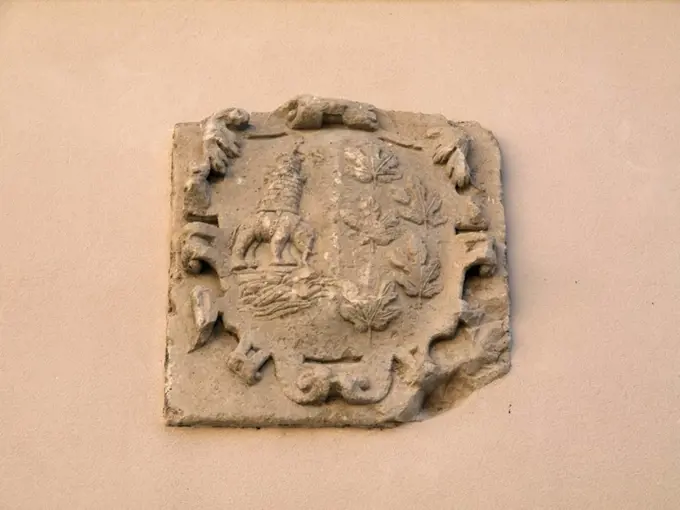
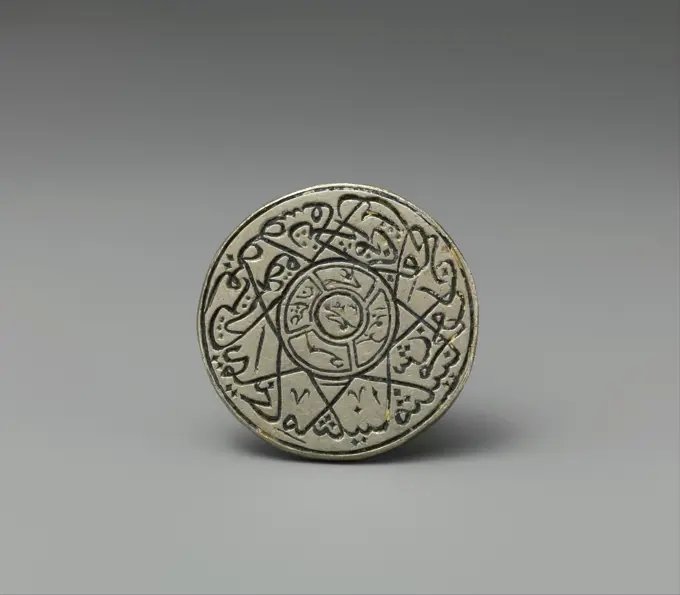
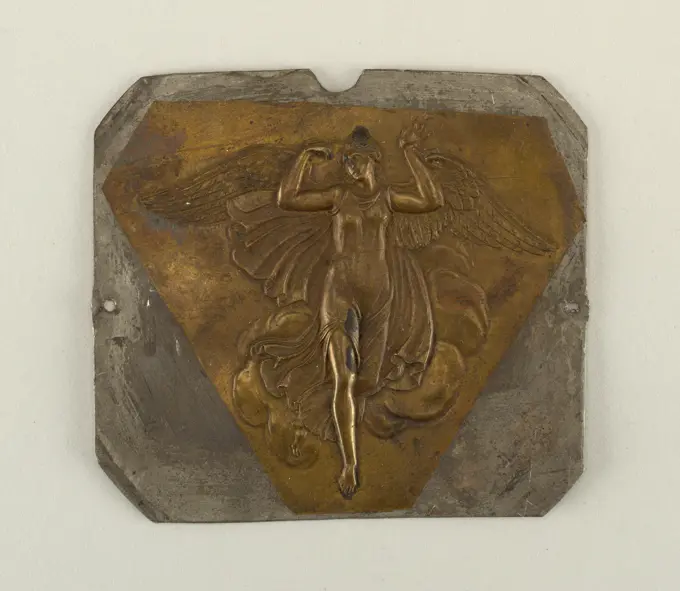
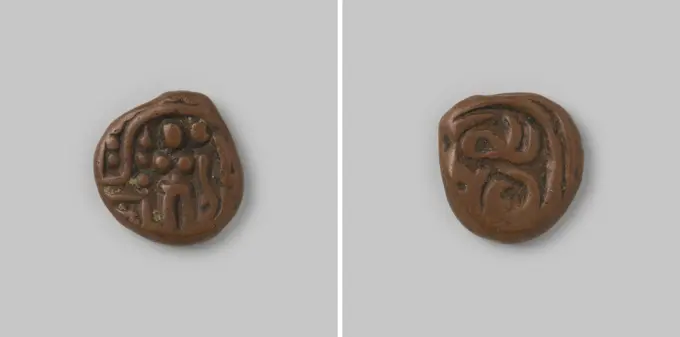
Fireplace with presentation of two climbing lions, placed in two windows. Fireplace with presentation of two climbing lions, placed in two windows. The half windows at the top and bottom are filled with diamond-shaped flowers.Highstone with a crowned men's and women's head from the side, c. 1575 - c. 1600 Hearing stone with representation of a crowned men's and women's head from the side, in two medallions, placed in two profiled windows. The half windows on top and bottom are filled with parts of medallions with star motif. The presentation of the right half is completely worn out. Southern Netherlands earthenware Hearing stone with representation of a crowned men's and women's head from the side, in two medallions, placed in two profiled windows. The half windows on top and bottom are filled with parts of medallions with star motif. The presentation of the right half is completely worn out. Southern Netherlands earthenwarePunch-Marked Coin, 400-300 BC. India, Rajasthan, Maurya Period (322-185 BC). Silver; overall: 1.4 x 1.2 cm (9/16 x 1/2 in.). After Alexander of Macedon succeeded in conquering Egypt and Persia in 331 BC, his ambition to rule the known world led him further east across Bactria in Afghanistan, through the Hindu Kush mountain pass, and into India. There he succeeded in defeating all the local kings of the region until his men, on the brink of mutiny, insisted that they return to Greece. Alexander left governors in charge of his territories, and after his death in 323 BC, his governors became independent kings, establishing Hellenistic cities and a Greek cultural base in the region, which lasted for almost 200 years. Native Indian coinage was marked with symbols associated with the place where they were issued.Carnavalet museum, medal collection Right heads faced with Barbès and Raspail, surmounted by a level of equality and followed by a faith.Lead cover, shield-shaped for covering the nails of a lead roof cover. Lead cover, shield-shaped for covering the nails of a lead roof cover. Then shared in low relief, right a half eagle, on the left a pilot and the letters A.I. Coming from the steeple of Hindelopen.Hearing stone with a mask in a profiled diamond, anonymous, c. 1550 - c. 1599 Hearing stone with a mask with a food and hanging draperies, with a star shape on the sides and at the bottom, placed in a profiled diamond. The half windows on the top and bottom and on the sides are filled with parts of the same mask pattern. Southern Netherlands earthenware Hearing stone with a mask with a food and hanging draperies, with a star shape on the sides and at the bottom, placed in a profiled diamond. The half windows on the top and bottom and on the sides are filled with parts of the same mask pattern. Southern Netherlands earthenwareFireplace of baked earth with diamond-shaped distribution with two medallions of a man and woman. Fireplace of baked earth with diamond-shaped distribution. Two medallions of a man and woman.Hearing stone of baked earth with diamond -shaped distribution with two medallions of a man and woman, c. 1400 - c. 1950 Hearing stone of baked earth with diamond -shaped distribution. Two medallions of a man and woman. Southern Netherlands earthenware Hearing stone of baked earth with diamond -shaped distribution. Two medallions of a man and woman. Southern Netherlands earthenwareFragment Pijpenkop, Unknown, 1780 - 1800 Fragment piping head with a crown and the letters I v s and n. Of the excavations on the Hofstede Arentsburg 1827-1831 under the supervision of Professor Reuvens. Schoonhoven (Possible) pipe clay Fragment piping head with a crown and the letters I v s and n. Of the excavations on the Hofstede Arentsburg 1827-1831 under the supervision of Professor Reuvens. Schoonhoven (Possible) pipe clayNoach, de ark betrekkende (fragment), Hans Jacob Bair (attributed to), in or after 1604 - in or before 1628 Irregular oval, lead plaque (fragment). A female figure, the breasts bared and moving to the left, holds a vase on the head with her left hand and in the right, supporting on the hip, a basket with fruits. Next to her a man with a turban on the head, behind her a cozy, wearing a vase. Behind it several figures and animals. Augsburg lead (metal) casting Irregular oval, lead plaque (fragment). A female figure, the breasts bared and moving to the left, holds a vase on the head with her left hand and in the right, supporting on the hip, a basket with fruits. Next to her a man with a turban on the head, behind her a cozy, wearing a vase. Behind it several figures and animals. Augsburg lead (metal) castingPlate with the symbol of the Evangelist Johannes. The plate has an engraved representation of an eagle with an envene pool. In the mouth of the animal a banderole without inscription.Loudstone, sortop Andomeda of Sint Ameis, c. 1400 - c. In 1950 Hearing stone, on which Andromeda or Sint Joris. From fine baked earth. Southern Netherlands earthenware Hearing stone, on which Andromeda or Sint Joris. From fine baked earth. Southern Netherlands earthenwareFloor tile with window, anonymous, c. 1500 - c. 1560 Tile with a window in which the inscription: all Dinc-has-sijnen-tijt. In the corners, a quarter rosette. Netherlands earthenware. lead glaze Tile with a window in which the inscription: all Dinc-has-sijnen-tijt. In the corners, a quarter rosette. Netherlands earthenware. lead glazeHearing stone with representation of two climbing lions, c. 1875 - c. 1900 Hearing stone with representation of two climbing lions, placed in profiled window. The half windows at the top and bottom are filled with star motif. Netherlands earthenware Hearing stone with representation of two climbing lions, placed in profiled window. The half windows at the top and bottom are filled with star motif. Netherlands earthenwareHearing stone with representation of two climbing lions, c. 1875 - c. 1900 Hearing stone with representation of two climbing lions, placed in profiled window. The half windows at the top and bottom are filled with star motif. Netherlands earthenware Hearing stone with representation of two climbing lions, placed in profiled window. The half windows at the top and bottom are filled with star motif. Netherlands earthenwareMirror Japan. Mirror. Japan. Bronze. Nanbokuch (1336-92)-Muromachi (1392-1573) period. MirrorsCarnavalet museum, tokens collectionFloor tile made of red -baking earthenware, anonymous, c. 1400 - c. 1600 Floor tile made of red -baking earthenware. The tile is part of three floor tiles (BK-NM-1388-1 to BK-NM-1388-4). Netherlands (possibly) earthenware. glaze Floor tile made of red -baking earthenware. The tile is part of three floor tiles (BK-NM-1388-1 to BK-NM-1388-4). Netherlands (possibly) earthenware. glazeStad Gouda, Lood good for a ton of peat and a gift in money, Anonymous, 1734  Penning of irregular form. Front: coat of arms in graceful cartouche. Reverse: monogram of letters A and E above the year; Between letters A and E beat: Sentimight star Gouda lead (metal) casting  GoudaStamp seal ca. 3rd-7th century A.D. Sasanian. Stamp seal 324963Scarab: Menmaatra (Sety I). Egyptian. Date: 1294 BC-1279 BC. Dimensions: 1.6 × 1 × 0.6 cm (5/8 × 3/8 × 1/4 in.). Steatite. Origin: Egypt. Museum: The Chicago Art Institute, Chicago, USA. Author: Ancient Egyptian.Sherd ca. 3rd-7th century A.D. Sasanian. Sherd 322820Votive Plaque with Seated Buddhas ca. 618-906 Tibet. Votive Plaque with Seated Buddhas. Tibet. ca. 618-906. Terracotta. SculptureMarriage of Frederik, Prince of the Netherlands and Louise, princess of Prussia in Berlin, Leonhard Posch (attributed to), 1825  Plaquette on wear eye. Front: breastpiece woman to the left. Road side: inscription: "Luise Auguste Wilhelmine Amalie / Gemahlin des Prinzen / Friedrich / der Niederlande / born 1tn February 1808". Berlin iron (metal) casting  BerlinEngraved Gem with Magical Inscription; Afghanistan; A.D. 100-250; Chalcedony, gray; 2.3 × 2.3 × 1.2 cm (7,8 × 7,8 × 1,2 in.)Stamp seal and modern impression: horned animal and bird 6th-5th millennium B.C. The impressing of carved stones into clay to seal containers had a long tradition in Mesopotamia, with the earliest evidence found in Syria dating to the seventh millennium B.C. During the Ubaid period, the variety of designs carved on seals expanded from simple geometric forms to include animals with humans, snakes, and birds. Seals like this one with deeply carved animal motifs became characteristic of northern Syria and southeastern Anatolia. It is decorated with a four-legged horned animal. Above the animal is a leaf shape, possibly a stylized bird, while two bent lines under its body may represent vegetation or perhaps snakes.. Stamp seal and modern impression: horned animal and bird 326912Iberian period coins, Iberian culture, Iberian Museum of Jaén, Andalusia, Spain.Grahal-Manzara. Carnavalet 2013-2016 collection sites. Numismatics.Plaque: Lion and Ankh/Libation Vessel. Egyptian. Date: 1550 BC-1069 BC. Dimensions: 1.3 × 1.1 × 0.5 cm (1/2 × 7/16 × 3/16 in.). Green jasper. Origin: Egypt. Museum: The Chicago Art Institute, Chicago, USA. Author: Ancient Egyptian.3 pieces, glazed pottery for the Boston Public Schools , Tiles, Pendants Jewelry. The Massachusetts WPA Federal Art Project Photograph CollectionStampP. Haazelhorst, Roof lead, shield-shaped cover plate with 1783, P. Haazelhorst and guide tool, lead hallmark lead metal, Roof lead shield shaped cover plate with embossed various guide tools and the name of the plumber P. Haazelhorst and 1783 on plate: P. HAAZELHORST 1783Double Golden Dukaat, emergency coin of Maurits van Saksen from Leipzig, beaten during the siege by Johan Frederik, Elector of Saxony., Anonymous, 1547 coin. siege coin Golden diamond -shaped emergency coin. Front: Coat of arms under the inscription Binnenbladerkrans. Tours side: Inscription Boven Wapenchild Inside Bladerkrans Leipzig gold (metal) striking (metalworking)  LeipzigGrahal-Manzara. Carnavalet 2013-2016 collection sites. Numismatics. Law the king enthroned surrounded by lay and ecclesiastical dignitaries.Bell Half zygmunt (Large Topór Coat of ARMS)  Zygmuntów Tower, Wawel Cathedral, KrakowSword Guard (Tsuba). Culture: Japanese. Dimensions: Diam. 3 1/16 in. (7.8 cm); thickness 3/16 in. (0.5 cm); Wt. 4.5 oz. (127.6 g). Date: ca. 1800. Museum: Metropolitan Museum of Art, New York, USA.Clay ConeEpiscopal seal, red and yellow stamped wax, 13th century, Huesca Diocesan Museum, Aragon community, Spain.Bell Nowak (inscription: cce r / t)  Silver bell tower, Wawel Cathedral, KrakowPlate or element of harness on animal subject in bronze, China, ordos, art of steppes, between the 3rd century BC and the 2nd century AD. Paris, Cernuschi museum. 35007-16 Art of steppes, bronze, china, decoration, han dynasty, harness element, ordos, brochure, animal subject, animalEmblema with Aphrodite and Eros ca. 1st-2nd century Mediterranean Similar plaster emblema from the Mediterranean were found at the Afghan site of Begram. Such trade goods were particularly important for the transmission of classical motifs and styles.. Emblema with Aphrodite and Eros 39605Bake  cylindrical; An unknown workshop of Nowobabilo SKI, unknown Achaemenid workshop; VI century BC ; Nowobabilo period (-600-00-00--501-00-00);Stamp seal ca. 3rd-7th century A.D. Sasanian. Stamp seal. Sasanian. ca. 3rd-7th century A.D.. Plasma (transulcent quartz). Sasanian. IranGobelin - a cup covering;  19th century (1801-00-00-1900-00-00);Bell (vegetable frieze)  parish church Saint. Jakub St., Powroźniki near KrynicaStamp seal ca. 3rd-7th century A.D. Sasanian. Stamp seal. Sasanian. ca. 3rd-7th century A.D.. Agate. Sasanian. Iran or Mesopotamia1/16 rupid from India van Shah Alam II, 1173-1221 = 1759-1806 ,, 1759-1806 coin Silver coin. Front: in Arabic characters in two lines. Inscription. Reverside: Inscription in Arabic characters.  silver (metal) striking (metalworking)Hendrik Danielsz. Hooft, mayor of Amsterdam, Anonymous, 1787  Silver oval carrying sign with cable edge on bearing eye. Front: breastpiece man. Reverse: Blanco; Two more nails are visible on the downside, with which the front and downside are attached to each other Netherlands silver (metal) casting / engraving  AmsterdamScabbard Slide 206 BCE-9 CE China. The bar-shaped scabbard slide, used for suspending a long iron weapon from a low-slung leather belt, saw widespread distribution throughout the Mediterranean, Central and Western Asia, and the Ural steppe (southern Russia), where it likely originated in the 7th/6th century B.C. The earliest scabbard slides, used by cavalry as well as nomadic tribes engaged in hunting and herding, were likely made of stone, wood, and metal. Nomadic horsemen who occupied Chinaís northern and Central Asian steppe regions likely introduced the scabbard slide to craftsmen in central and southern China, who designed elegant versions like this in jade. These, in turn, inspired imitations in commoner stones by later craftsmen of the steppe regions. The scabbard slide therefore seems to have traveled full circleóeastward to China and from there, westward again.. Jade .Die, Engraved steel, Rectangle engraved with a monogram CF, in reverse., 1883-1918, metalwork, Decorative Arts, DieSpider Ornament 6th-7th century Moche (Loma Negra). Spider Ornament 314708Scaraboid; Pendants Group; about 400 B.C; Mottled grey-white chalcedony; 0.9 × 2.5 × 1.9 cm (3,8 × 1 × 3,4 in.)Dish with a Sea Monster and Marine Deity ca. 1st century B.C.-3rd century A.D. Pakistan (ancient region of Gandhara). Dish with a Sea Monster and Marine Deity. Pakistan (ancient region of Gandhara). ca. 1st century B.C.-3rd century A.D.. Green Stone. SculptureMONEDAS DE CARLOS II DE COBRE - ANVERSOS- IZQ 8 MARAVEDIES- DCHA 2 MARAVEDIES - S XVII. Location: FABRICA NACIONAL DE MONEDA Y TIMBRE-COLECCION. MADRID. SPAIN.Cylinder seal with animals 9th - 8th century B.C. Assyrian. Cylinder seal with animals. Assyrian. 9th - 8th century B.C.. Egyptian Blue. Neo-Assyrian. Iran, Hasanluserrati denarii, Iberian culture, Iberian Museum of Jaén, Andalusia, Spain.Stamp seal ca. 5th century A.D. Sasanian. Stamp seal. Sasanian. ca. 5th century A.D.. Agate. Sasanian. Iran or MesopotamiaWillem Frederik, Prince of Oranje-Nassau, Souverein Vorst, Anonymous, 1813  One -sided silver oval open -up carrying sign with wreath of lauwert branches on Sea Eye. Front: breastpiece man. Reverse: Blanco Netherlands silver (metal) striking (metalworking)Sword Pommel of Falchion or Saber. English. Date: 1625-1650. Dimensions: Overall. Iron. Origin: England. Museum: The Chicago Art Institute, Chicago, USA.Upper fragment of the gara; Unknown Nubian workshop; 1. PO. VIII century (701-00-00-750-00-00);Faras (Sudan), relief decorations, architectural elements, crosses, Nubian crafts, Polish excavations in Faras (Sudan), HungaryCylinder seal. Culture: Kassite. Dimensions: 1.35 in. (3.43 cm). Date: ca. 16th-12th century B.C..Although engraved stones had been used as early as the seventh millennium B.C. to stamp impressions in clay, the invention in the fourth millennium B.C. of carved cylinders that could be rolled over clay allowed the development of more complex seal designs. These cylinder seals, first used in Mesopotamia, served as a mark of ownership or identification. Seals were either impressed on lumps of clay that were used to close jars, doors, and baskets, or they were rolled onto clay tablets that recorded information about commercial or legal transactions. The seals were often made of precious stones. Protective properties may have been ascribed to both the material itself and the carved designs. Seals are important to the study of ancient Near Eastern art because many examples survive from every period and can, therefore, help to define chronological phases. Often preserving imagery no longer exDoor handle, anonymous, c. 1700 - c. 1800 Pokhout door handle. Netherlands hackia Pokhout door handle. Netherlands hackiaBrabantse Revolution, Anonymous, 1789 - 1790  One-sided silver oval open-up carrier on bearing eye and black-yellow-red-gold-colored ribbon. Front: Standing lion, who has hit the arms around Cross within Covering Belgium silver (metal). gilding (material). textile materials striking (metalworking) / engraving / gildingElements from frieze. Turkey, 13th century. Stucco. Stucco, carvedIntaglio. Eastern Mediterranean, Roman, 332 B.C.-A.D.395. Tools and Equipment; seals. StoneHyperpyron (Coin) of Andronicus II Palaeologus and Michael IX Struck 1282-1328 Byzantine Empire. The front of this coin portrays Andronicus II (on the left) and Michael IX (on the right). They are kneeling as Christ stands behind and crowns them.On the back a bust of the Virgin lagrely lost, shown surrounded by city walls with four groups of towers.. Gold . ByzantineStożek pogrzebowy Basy. unknown, authorCarnavalet museum, tokens collectionCrater between two trees with guilty groupsGrahal-Manzara. Carnavalet 2013-2016 collection sites. Numismatics. Law The Republic is standing, leaning on a stele; She holds a mass in her right hand.Bell Nowak (inscription: ECCE R)  Silver bell tower, Wawel Cathedral, KrakowGrahal-Manzara. Carnavalet 2013-2016 collection sites. Numismatics.Fair stone with a representation of a minnent couple. Fair stone with a representation of a minnent couple.Medal of the Commercial Tercentenary of New York1614-1914. Manufacturer: Tiffany and Company, American, founded 1837MDMA (contracted from 3,4-methylenedioxy-methamphetamine) is a psychoactive drug of the substituted methylenedioxyphenethylamine and substituted amphetamine classes of drugs that is consumed primarily for its euphoric and empathogenic effectsPieczęć stemplowa w formie kaczki. unknown, authorScarab. UnknownSeis piezas circulares de bronce con adornos circulares, arte griego (III).Arm with Aten cartouches ca. 1353-1336 B.C. New Kingdom, Amarna Period. Arm with Aten cartouches 549672Sword Guard (Tsuba) 16th century Japanese This tsuba features an openwork design of a dragonfly. It is made in the so-called tōshō (swordsmith's) style.. Sword Guard (Tsuba) 247811/4 puttan from Cochin in India van Raja Rama-Varman, 1805-1809 ,, 1805-1809 coin Silver coin. Front: standing figure with twelve dots on the chest in three rows of four. Reverse: unthinkable characters on two lines. Kochi silver (metal) striking (metalworking)PALETA DE LOS CAZADORES - 3500 AC PERIODO PREDINASTICO. Location: BRITISH MUSEUM. LONDON. ENGLAND.Funerary Cone of the Scribe Nebamun ca. 1479-1458 B.C. New Kingdom This cone has the impression of a stamp seal inscribed for a man named Nebamun, who served as a scribe of accounts of the grain belonging to the god Amun during the joint reign of Hatshepsut and Thutmose III. He was owner of Theban Tomb 179 (TT 179) in the Khokha cemetery of Western Thebes. Unlike the majority of New Kingdom cone inscriptions, which give the name and titles of the tomb owner, this one also identifies his father as a scribe named Itef (or perhaps Iti), and his mother as Ahmose.The area around Nebamun's tomb was cleared in the 1910-1911 field season by Norman DeGaris Davies, director of the Graphic Section of the Museum's Egyptian Expedition. This cone and another of the same type came to the Museum in the division of finds.During the 1926-27 field season, the Museum's excavators uncovered a Middle Kingdom tomb (MMA 110) with rows of unstamped cones embedded along the upper edge of the façade (see fig. 1)Engraved Gem; Italy; 1st - 2nd century; Sardonyx; 1.5 x 0.4 x 1.8 cm (9,16 x 3,16 x 11,16 in.)Planets-manager. Cornalet Collection Sites 2013-2016. Numismatic.Bell (fragment; medallion with the Parys court)  parish church Assumption of the Blessed Virgin Mary, OłpinaMedal of the army ofFrance. Artist: Paul Adrian Brodeur Artist: Jules Prosper Joseph Marie Edmond Legastelois, French, 1855-1931Springerle for Christmas Cookies. Dated: 1935/1942. Dimensions: overall: 43.7 x 35.5 cm (17 3/16 x 14 in.). Medium: watercolor and graphite on paperboard. Museum: National Gallery of Art, Washington DC. Author: Fritz Boehmer.DETALLE DEL ESCUDO. CASA PALACIO EN LA PLAZA DEL INFANTE DON JUAN MANUEL.Square Plaque. Culture: Vicús. Dimensions: Height 3-1/4 in. (8.2 cm). Date: 3rd century B.C.-A.D. 2nd century. Museum: Metropolitan Museum of Art, New York, USA.Liberation of the Netherlands, Anonymous, 1945 button Unilateral, somewhat convex knot with an eye on the downside. Front: Share in four; Above left: English flag; Right above: Russian flag; Left below: American flag; Right below: Dutch flag. Reverse: Blanco. Netherlands tin plate. paint (coating) striking (metalworking) / painting  Netherlands. England. United States of America. Sovjet-UniePa. German Butter Mold. Dated: c. 1938. Dimensions: overall: 33.5 x 32 cm (13 3/16 x 12 5/8 in.) Original IAD Object: 4 3/4". Medium: watercolor and graphite on paperboard. Museum: National Gallery of Art, Washington DC. Author: Albert Levone.Sword Guard (Tsuba) with Grapevine, c. 1615-1868. Japan, possibly Edo period (1615-1868). Iron; diameter: 7.4 cm (2 15/16 in.).Stamp Seal 18th century The punctured stem of this stamp seal suggests that a well-to-do individual may have worn it as a pendant. The star includes the names of the Rashidun ("Rightly Guided") caliphs and the Prophet Muhammad. The names of the Seven Sleepers of Ephesus and their dog Qitmr, the subject of the miraculous story from the Sura al-Kahf (Of the Cave, 18) from the Quran, which is often revered for its talismanic qualities, imbue the stamp and its impression with a protective aura.. Stamp Seal. 18th century. Silver; cast and engraved. Attributed to Turkey. SealsA one euro coin with crisscrossed dents in itIntaglio with bust ofMarsMount; brass, zincSet of gilded bronze bridle mounts. Broa.Gotland, Sweden. VIKING.Amulet - węzeł bogini Izydy tit. unknown, author2 Kasu from Tinnevelli in India under the Nayakas, 1700-1800 ,, 1700 - 1800 coin Copper mint. Front: Venkatesvara access gateway from the front. Reverse: in Telingic script in two lines the name: SRI VIRA.  copper (metal) striking (metalworking)