Historic Ceramics and Glassware

A collection of historical pottery and glass items, showcasing unique designs and craftsmanship from various periods, featuring earthenware, glass, and canopic jars.

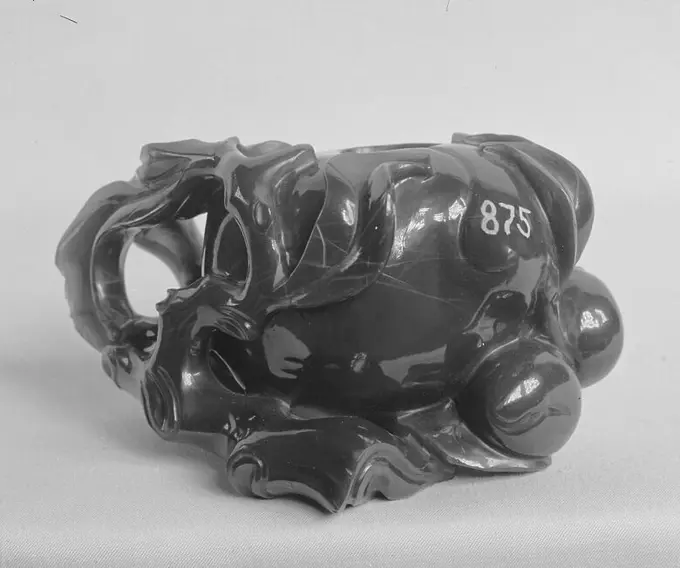
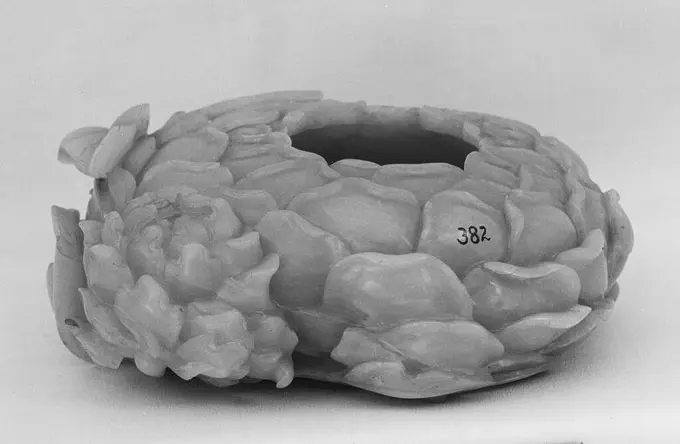
Dish China. Dish. China. Jadeite. Qing dynasty (1644-1911), Qianlong period (1736-95). Jade
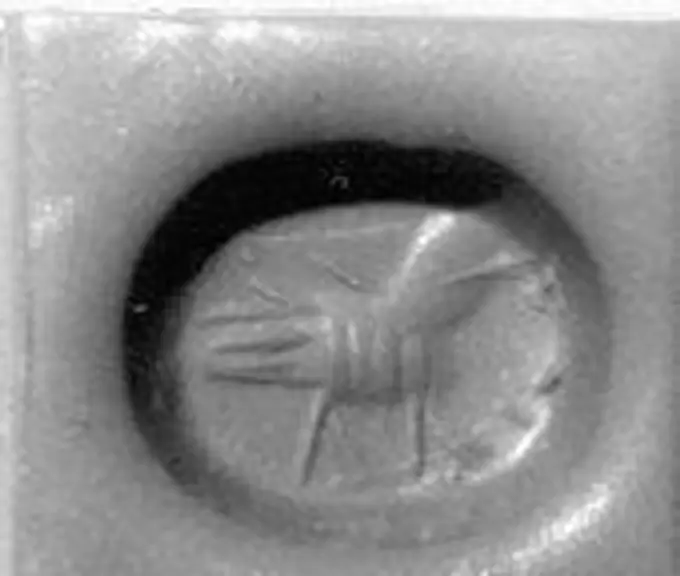
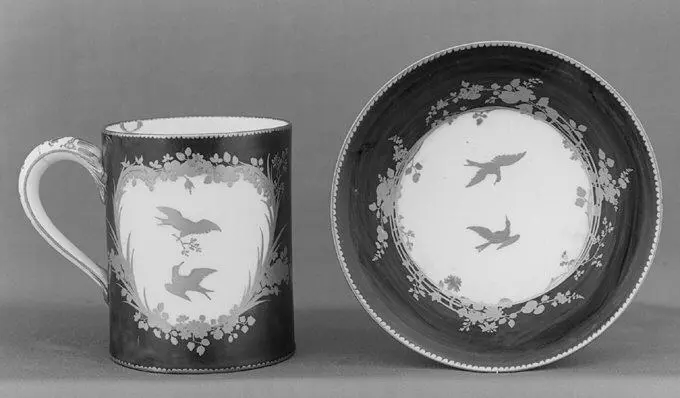
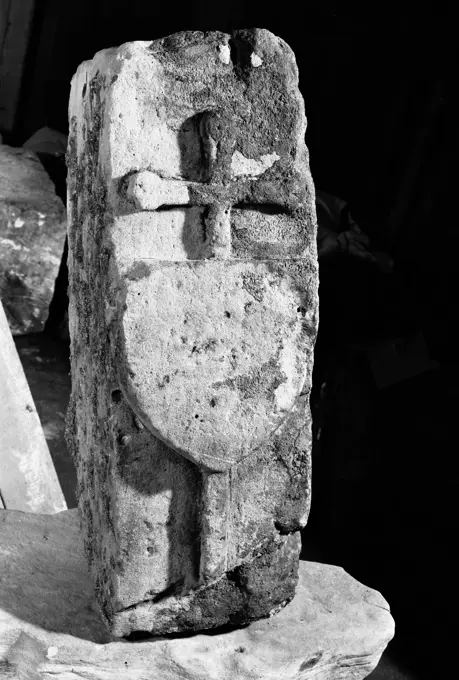
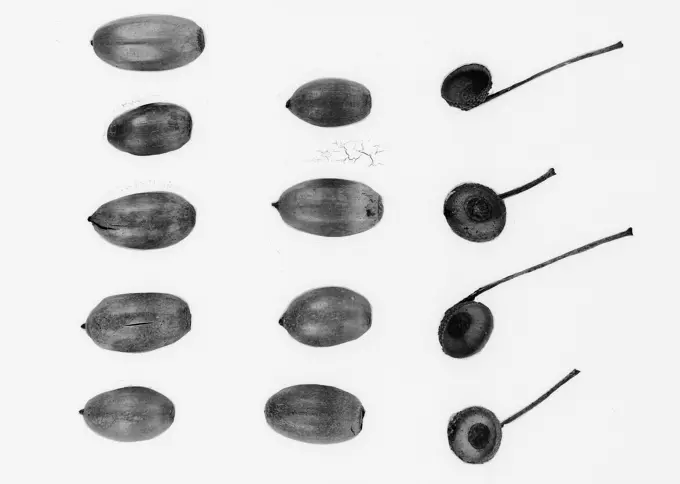
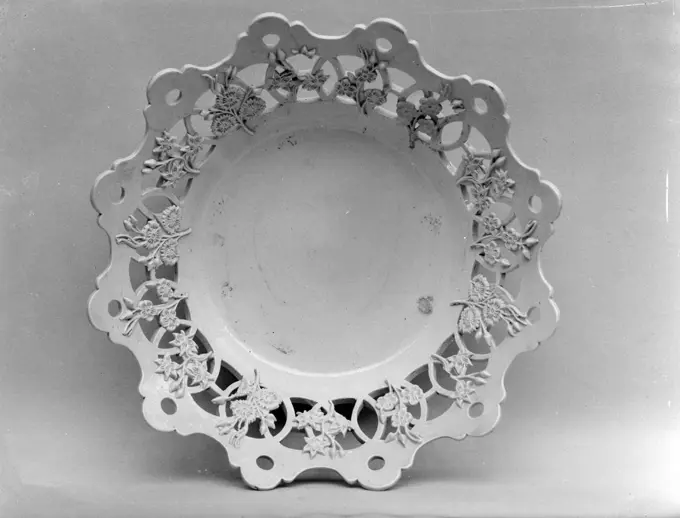
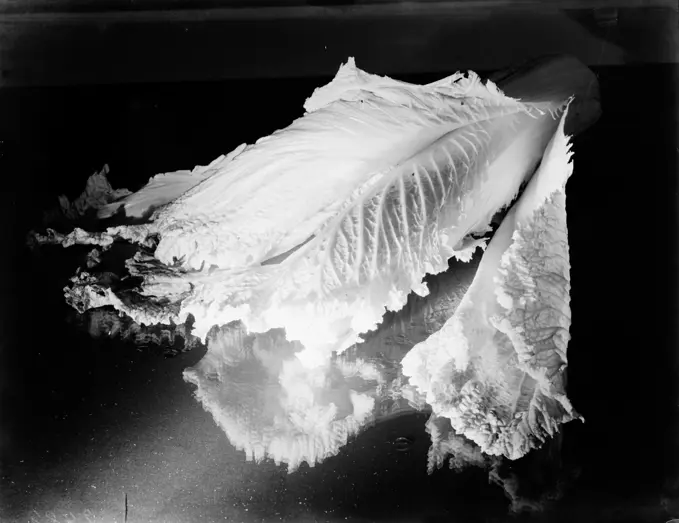
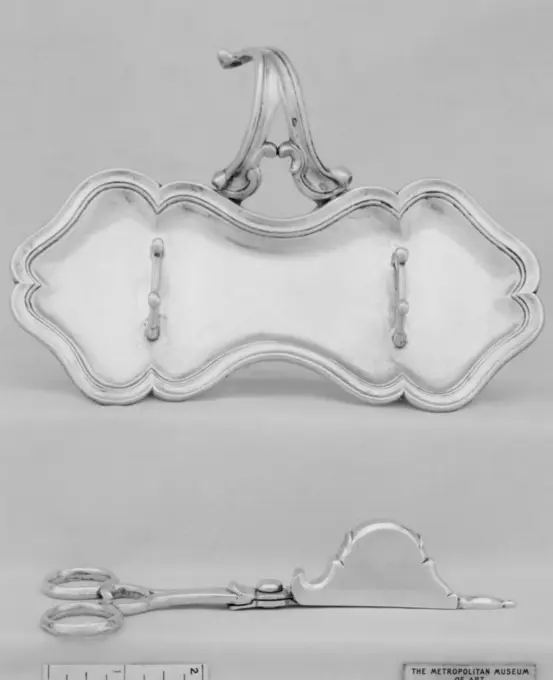
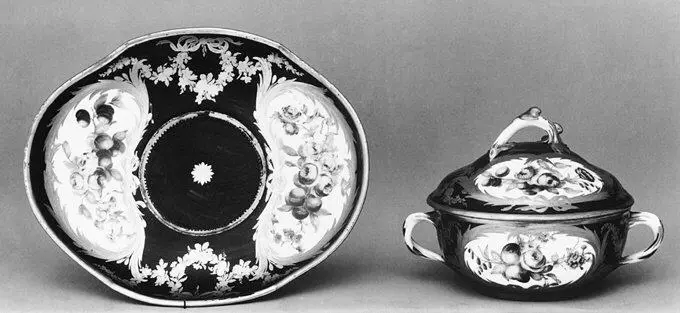
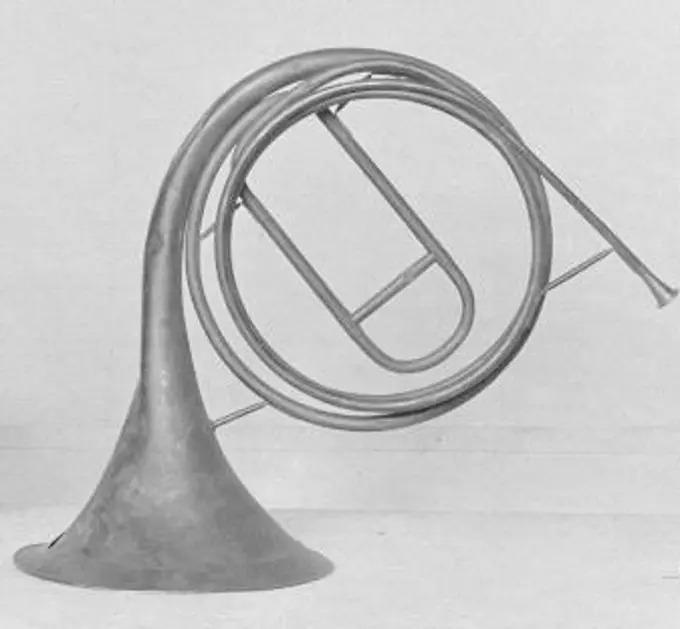
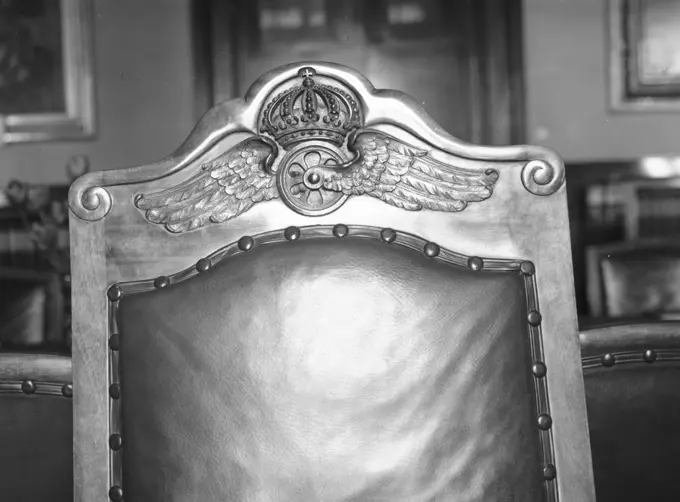
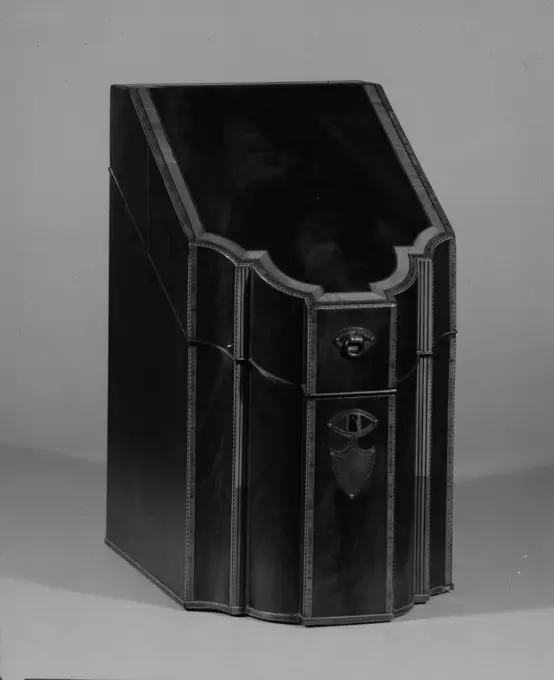
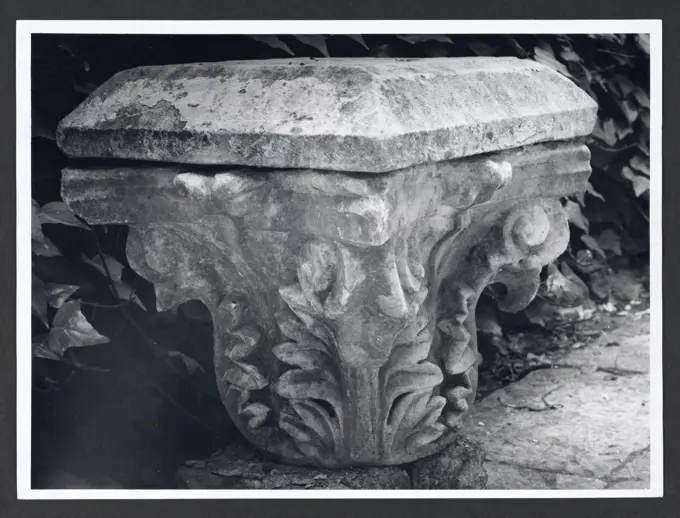
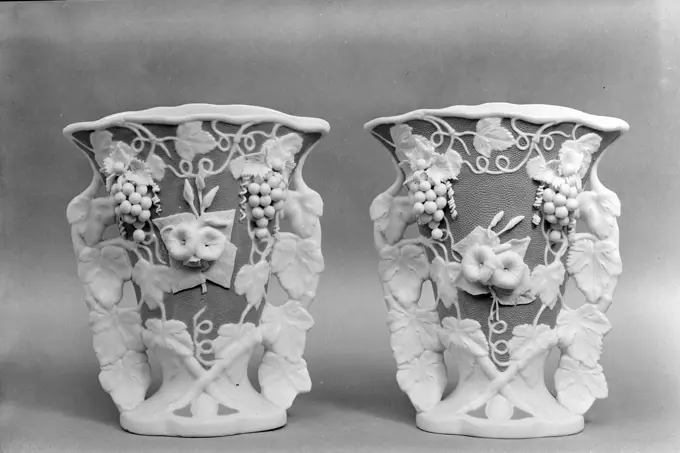
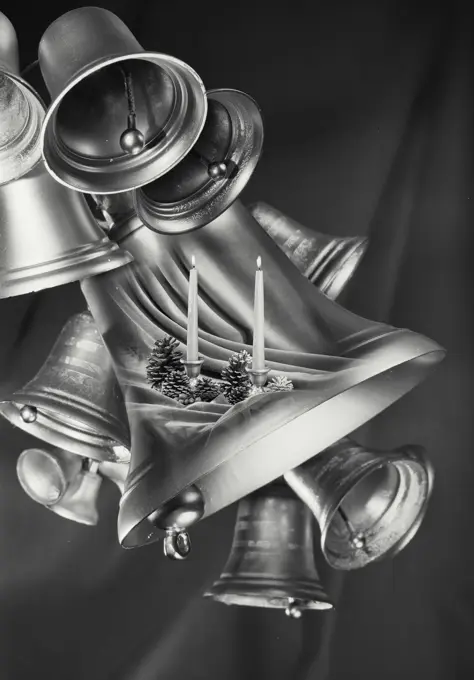
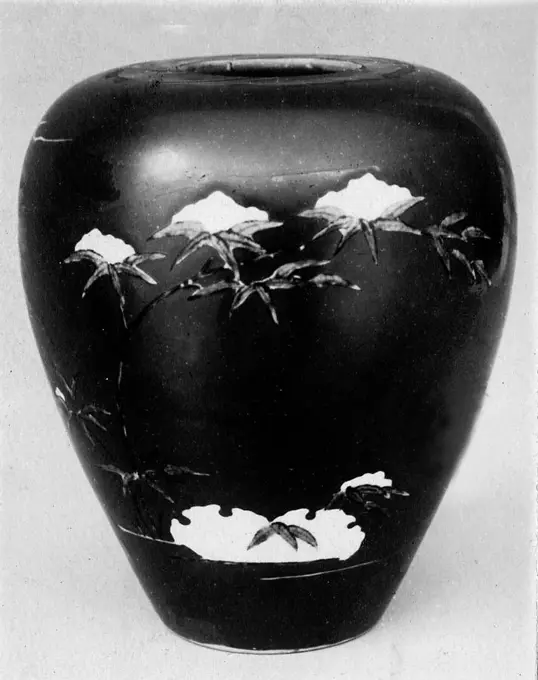
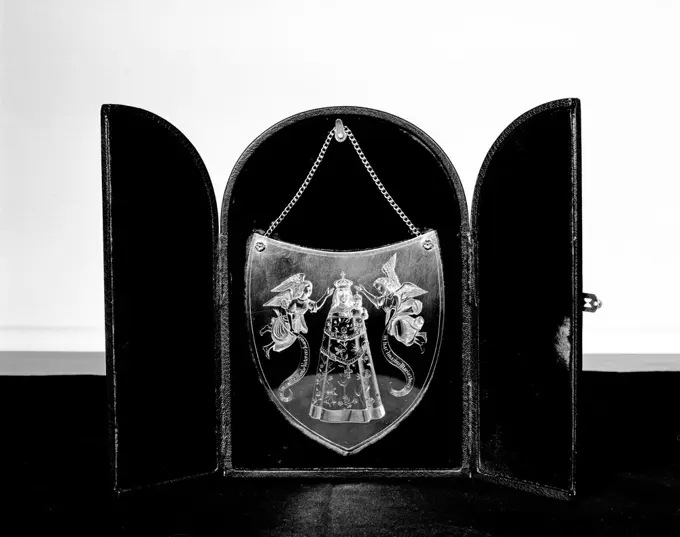
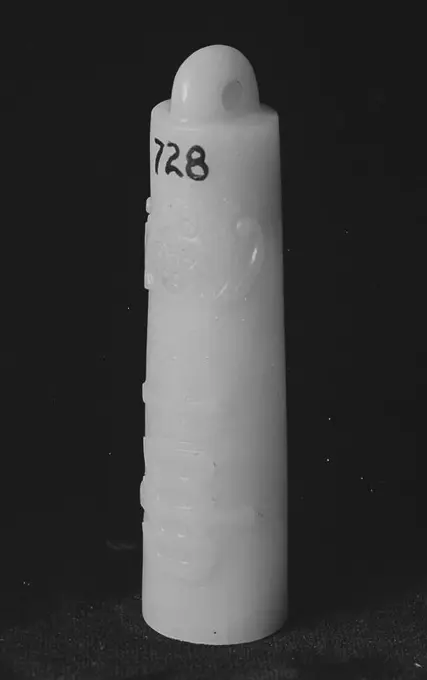
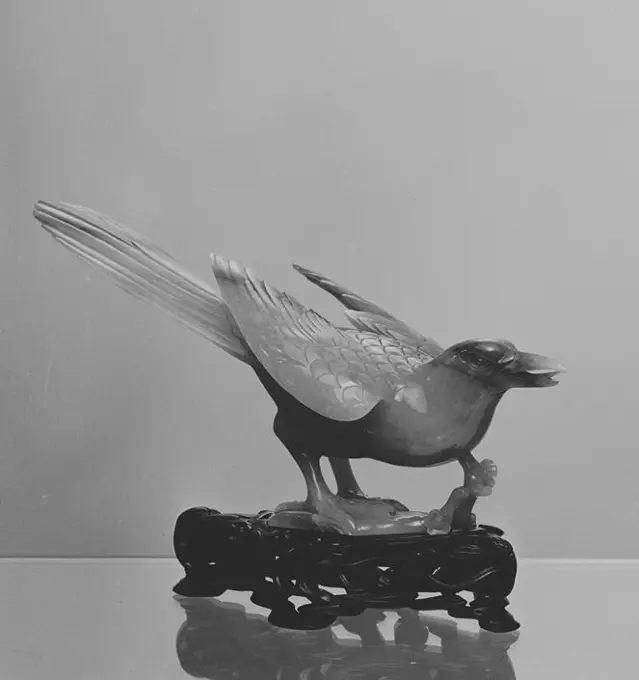
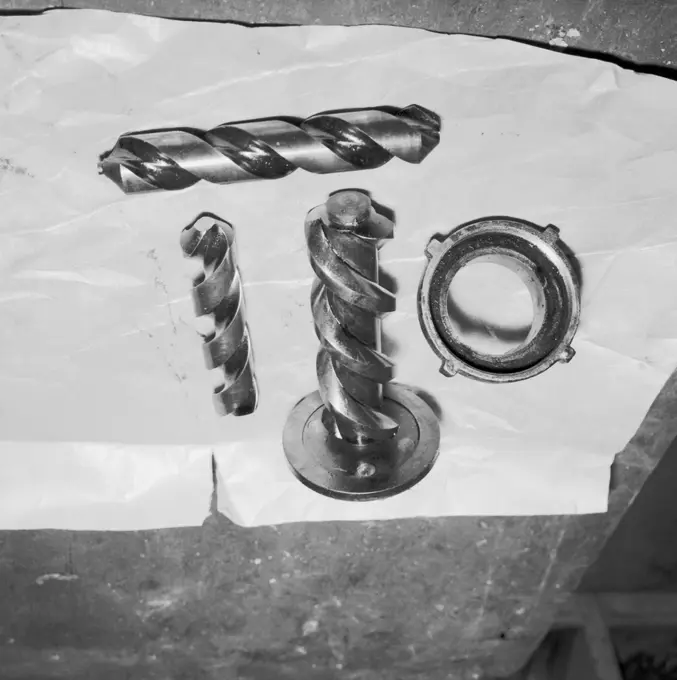
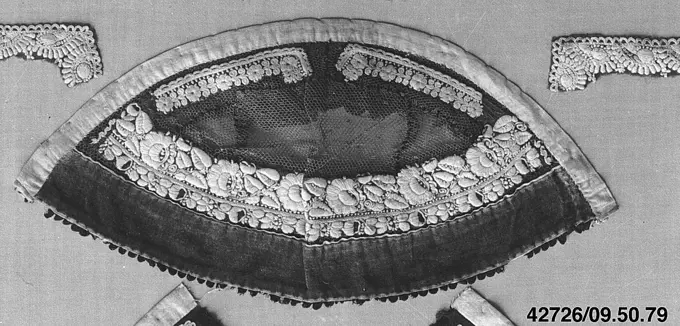
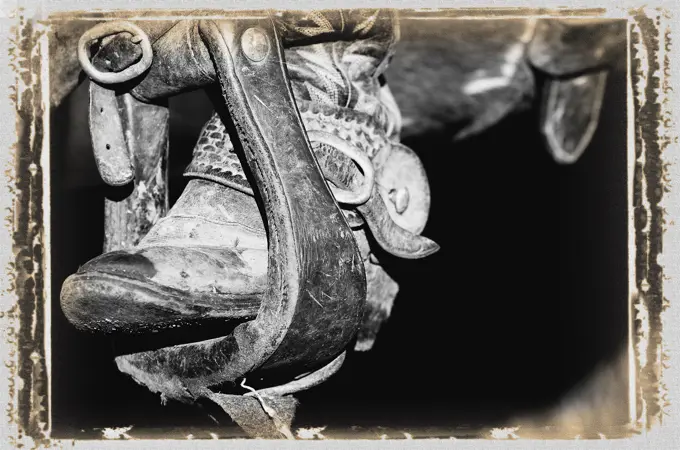
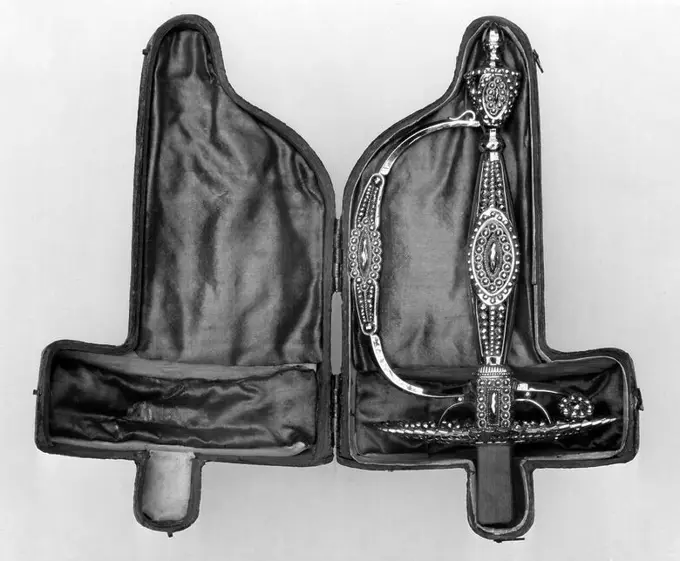
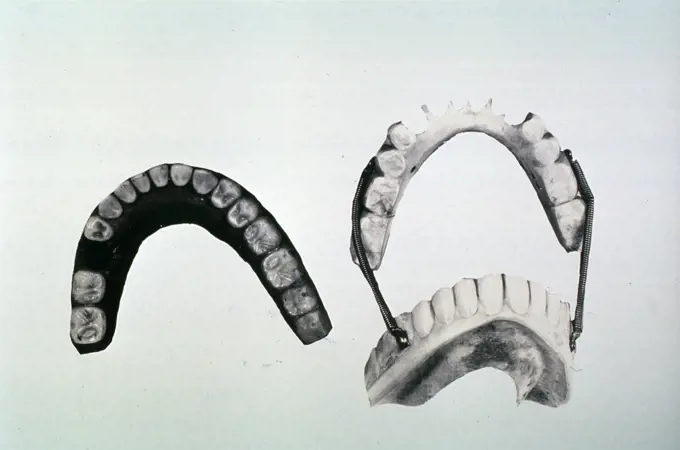
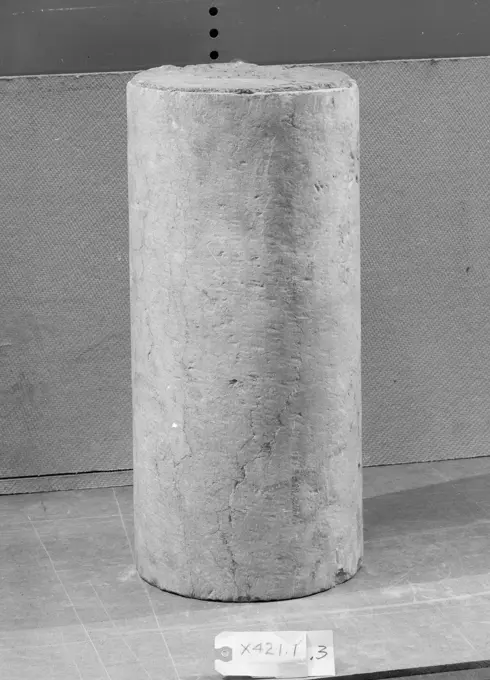
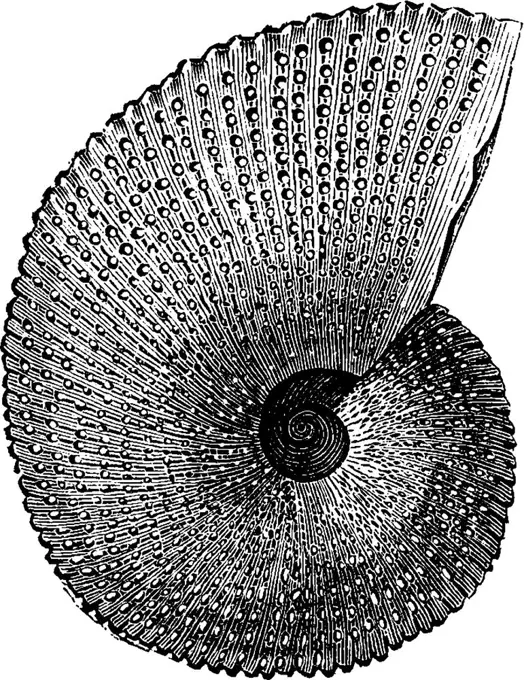
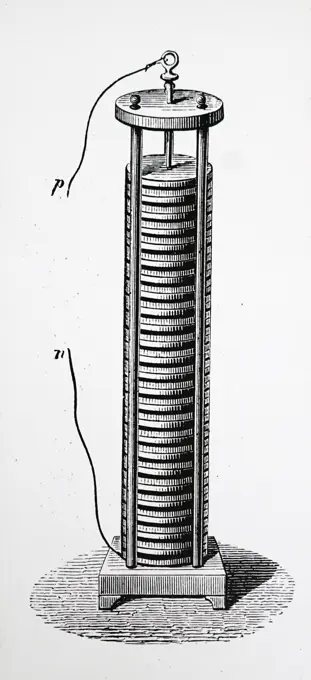
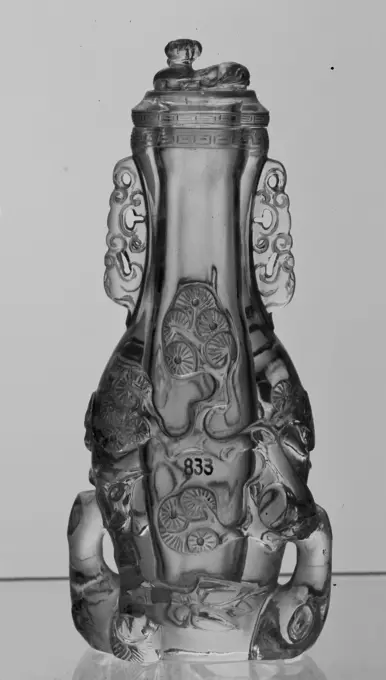
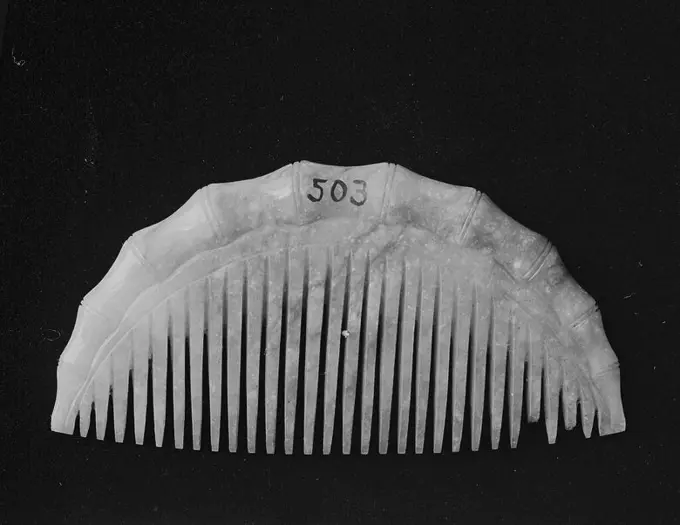
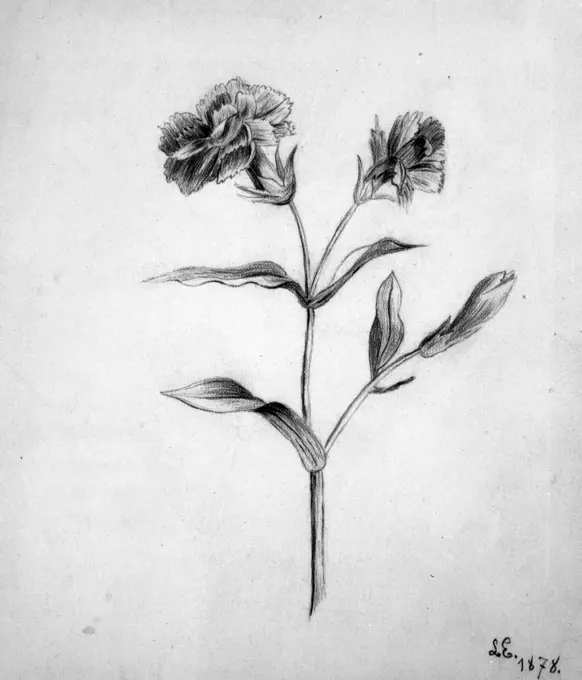
Medal Case. Dimensions: 6 1/2 x 6 1/2 in. (16.5 x 16.5 cm). Date: ca. 1867. Museum: Metropolitan Museum of Art, New York, USA.Stamp seal ca. 3rd-7th century A.D. Sasanian. Stamp seal. Sasanian. ca. 3rd-7th century A.D.. Chalcedony, yellow. Sasanian. Iran or MesopotamiaCup (gobelet litron) and saucer 1754 Vincennes Manufactory French. Cup (gobelet litron) and saucer 191889ECU poses on a cross, relief from Saint-Germain boulevard (Cat 134a) Anonymous. ECU posed on a cross, relief from Boulevard Saint-Germain (Cat 134 bis). Pierre.Beads ca. 9th century B.C. Iran. Beads 325288Twin-fish vase 18th century China. Twin-fish vase. China. 18th century. Porcelain with light blue glaze (Jingdezhen ware). Qing dynasty (1644-1911). CeramicsImage about the glass, its manufacture and history, with motifs of finished glass, manufacturing process and craft.Anefo photo collection. Statuette of bayens. February 3, 1972Hälsingborg (depicted - name).Hälsingborg (depicted - name)Pier Base Section. Culture: French. Date: ca. 1130-40. Museum: Metropolitan Museum of Art, New York, USA.Collection of the Dutch Heidematschappij. Oak, fucks, summer oak. undatedDish ca. 1760 British (American market). Dish. British (American market). ca. 1760. Stoneware. Made in Staffordshire, EnglandBowl 1835-50 American. Bowl. American. 1835-50. Lacy pressed colorless and opalescent glass. Made in New England, United StatesShaving dish and jug 1725-26 William Fawdery. Shaving dish and jug 205028Vintage photograph. Spinning Carnival Wheel on WallSet of four candlesticks 1728 Paul de Lamerie British. Set of four candlesticks 204872Snuff bottle with stopper 18th-19th century China. Snuff bottle with stopper 41140Feathered Ornament. Culture: Central or south coast (). Dimensions: H x W: 9 3/4 x 8 1/2in. (24.8 x 21.6cm). Date: 11th-15th century (). Museum: Metropolitan Museum of Art, New York, USA.Tree Identification - Oak: Black. Photographs Relating to National Forests, Resource Management Practices, Personnel, and Cultural and Economic HistoryVintage photograph. Horseshoe in front of sunburst backgroundSnuff bottle with stopper 18th-19th century China. Snuff bottle with stopper 41161Poll photo collection. Still life of a Chinese cabbage. 1933Sweden, Blekinge, Blekinge, Karlskrona, Karlskrona, external marina (depicted, town).Sweden, Blekinge, Blekinge, Karlskrona, Karlskrona, External War Gogs (depicted, City)Cup 1780 Japan. Cup 52453Incense Container 19th century Japan. Incense Container 50337Snuffers 1754 Probably by Vicente Gavilanis. Snuffers 192345Mandira 19th century Indian. Mandira 500806Bowl with cover and stand (écuelle ronde tournée et plateau ovale) 1777 Sèvres Manufactory French Covered bowls and stands such as this were used for serving either broth or soup. They were intended for individual use in the bedroom where soup was customarily served during the toilette, the elaborate dressing ritual that took place in the morning. The cover kept the contents warm, and bread was placed on the stand.. Bowl with cover and stand (écuelle ronde tournée et plateau ovale) 192860Orchestral Horn ca. 1858 H. Delcourt Belgian. Orchestral Horn. Belgian. ca. 1858. Brass. Ath, Belgium. Aerophone-Lip Vibrated-hornSweetmeat dish (part of a service) ca. 1737 Chinese, for Scottish market The arms on this dish are those of James, fifth duke of Hamilton (1702/3-1743), and it is possible that this dish is part of a large service created for him at the time of his marriage to his third wife in 1737.. Sweetmeat dish (part of a service). Chinese, for Scottish market. ca. 1737. Hard-paste porcelain. Ceramics-Porcelain-ExportThe emblem on the chair in the plenary.Pair of Pattens (Overshoes). England. Date: 1720-1729. Dimensions: . Leather, silk, plain weave; brocaded. Origin: England. Museum: The Chicago Art Institute, Chicago, USA.Feathered Ornament 11th-15th century () Central or south coast (). Feathered Ornament. Central or south coast (). 11th-15th century (). Feathers, vegetable fiber, cotton. Peru. Feathers-OrnamentsKnife Box ca. 1790 American. Knife Box. American. ca. 1790. Mahogany, satinwood. Made in United StatesUnknown, Salver, 1798-1809, silver.Seal amulet in the form of a bird of prey ca. 3300-2900 B.C.. Seal amulet in the form of a bird of prey 324732Skiopticon image from the Department of Photography at the Royal Institute of Technology. Use by Professor Helmer Bäckström as lecture material. Bäckström was Sweden's first professor in photography at the Royal Institute of Technology in Stockholm 1948-1958.trollrumma. Optics toy to create illusion of moving pictures. The front of the film.For more info See: Bäckström, Helmer. Photographic manual. Other revised edition. Nature and Culture. Stockholm. 1948. p. 1253.Sweden, Blekinge, Blekinge, Karlskrona, Karlskrona, external marina (depicted, town).Sweden, Blekinge, Blekinge, Karlskrona, Karlskrona, External War Gogs (depicted, City)Attic Black-Figure Neck Amphora Fragment. UnknownAttic Black-Figure Neck Amphora Fragment. UnknownCup China. Cup 62134Cow Bell 19th century European. Cow Bell. European. 19th century. metal. Idiophone-Struck-bell-clapperCampania Caserta Capua Museo Campano22. Hutzel, Max 1960-1990 Medieval: Byzantine architectural fragments; parchment fragments with miniatures (12th century) from Montecassino; painted wooden crucifix (13th century); Carolingian crucifixes; Bishop's miter (11th century) of gold and silver damask; fresco (13th century). Post-medieval: Architecture (15th century). Formerly the Palazzo Antignano. Unusual Catalan/Moorish-style portal; Paintings on panel and canvas (15th-18th centuries); marble intarsia (16th century); marble sculpture: busts of Christ and Mary (17th century); sculpture of saints in marble and in wood (15th century); painted and gilded sculpture in wood; marble grave sculpture (16th century); sarcophagus with allegorical carvings; gold reliquary "Rosa d'Oro"; crucifix made of elephant tusk Specific Location: Pianterreno Antiquities: Italic sculpture (seated women holding babies); inscription. Photo campaign #1: 533 photos. Roman relief and sculpture; cinerary urns; Greek anLock 17th century German. Lock 202020Engraved Gem. UnknownVase 1830-70 American Named in reference to the ancient marble quarry on the Greek island of Parros, parian has a higher proportion of feldspar than conventional porcelain, resulting in a vitrified biscuit body that resembles white statuary marble. Stylish and affordable, parian statuary and hollowware were extremely popular household ornaments in the mid-nineteenth century. This vase (one of a pair, 47.90.34) was likely made by the United States Pottery Company, which exhibited parian to great acclaim at the 1853 New York Crystal Palace Exhibition in New York.. Vase. American. 1830-70. Parian porcelain. Probably made in Bennington, Vermont, United StatesCup (part of a service) ca. 1770 Worcester factory. Cup (part of a service) 206129Stamp seal ca. 3rd-7th century A.D. Sasanian. Stamp seal. Sasanian. ca. 3rd-7th century A.D.. Chalcedony, brown. Sasanian. Iran or MesopotamiaRayed Dish 1820-40. Rayed Dish. 1820-40. Blown molded lead glassVintage Photograph. Photo composite with candles, pinecones, and ringing bellsPoll photo collection. Meisterschule für mode. Bobbin sewing. 1934Flower vase 1780 Japan. Flower vase. Japan. 1780. White porcelain covered with a glaze and reserves with blue under the glaze (Hirado ware). Edo period (1615-1868). CeramicsGift for John F. Kennedy, Jr. (JFK, Jr.). Gift for John F. Kennedy, Jr., from his godfather, Prince Stanislaus Radziwill of Poland. Medallion in red velvet-lined case; obverse.rnrnPlume holder. Culture: China. Dimensions: H. 2 7/8 in. (7.3 cm); W. 7/8 in. (2.2 cm). Date: 1796-1875. Museum: Metropolitan Museum of Art, New York, USA.Hair Ornament, 2 9/16in. (6.5cm), ChinaMagpie 18th century or later China. Magpie 62010Curtain Knob 1840-60 American. Curtain Knob. American. 1840-60. Lacy pressed glass, brass. Probably made in New England, United StatesMachine parts for corral treatment.Sweden, Blekinge, Blekinge, Karlskrona, Karlskrona, External War Gogs (depicted, City)Fragment early 19th century Hungarian, Sàrköz. Fragment 215480Hallsta damaged generator.A Black And White Photo Of A Cowboy Boot And StirrupWater pot. Culture: China. Dimensions: H. 1 7/8 in. (4.8 cm). Date: 18th century. Museum: Metropolitan Museum of Art, New York, USA.Poll photo collection. Product photos; silverware. Spoon with Queen Wilhelmina from the Fa. Gerritsen & van Kempen in Zeist. January 1, 1930. Utrecht (province), ZeistSweden, Blekinge, Blekinge, Karlskrona, Karlskrona, external marina (depicted, town).Sweden, Blekinge, Blekinge, Karlskrona, Karlskrona, External War Gogs (depicted, City)Vintage photograph. Plate with stick of butter on grey backgroundDamm. >>Sweden, Blekinge, Blekinge, Karlskrona, Karlskrona, external marina (depicted, town).Sweden, Blekinge, Blekinge, Karlskrona, Karlskrona, External War Gogs (depicted, City)Fruit bowl on tableOrchidSmallsword Hilt with Storage Case. Culture: British, Birmingham or London. Decorator: Rundell, Bridge and Rundell (British, London, active 1797-1843). Dimensions: Hilt (a); L. including tang 8 1/4 in. (21 cm); L. excluding tang 6 15/16 in. (17.7 cm); W. 4 1/2 in. (11.4 cm); D. 3 1/2 in. (8.9 cm); Wt. 10 oz. (284.1 g); case (b); 5.2 oz. (147.4 g); trade card (c); 2 1/2 x 3 9/16 in. (6.4 x 9 cm). Date: ca. 1785-1800.Beaded steel hilts were an English specialty, beginning about 1775. This example retains its original fitted storage box, which would have been provided by the goldsmith or jeweler who sold it. Museum: Metropolitan Museum of Art, New York, USA.Campania Caserta Capua Museo Campano12. Hutzel, Max 1960-1990 Medieval: Byzantine architectural fragments; parchment fragments with miniatures (12th century) from Montecassino; painted wooden crucifix (13th century); Carolingian crucifixes; Bishop's miter (11th century) of gold and silver damask; fresco (13th century). Post-medieval: Architecture (15th century). Formerly the Palazzo Antignano. Unusual Catalan/Moorish-style portal; Paintings on panel and canvas (15th-18th centuries); marble intarsia (16th century); marble sculpture: busts of Christ and Mary (17th century); sculpture of saints in marble and in wood (15th century); painted and gilded sculpture in wood; marble grave sculpture (16th century); sarcophagus with allegorical carvings; gold reliquary "Rosa d'Oro"; crucifix made of elephant tusk Specific Location: Pianterreno Antiquities: Italic sculpture (seated women holding babies); inscription. Photo campaign #1: 533 photos. Roman relief and sculpture; cinerary urns; Greek anStamp seal ca. 3rd-7th century A.D. Sasanian. Stamp seal. Sasanian. ca. 3rd-7th century A.D.. Chalcedony, gray. Sasanian. Iran or MesopotamiaTea Roses Emily Maria Scott (Spafard) (American, 1832-1915). Tea Roses, 19th century. Watercolor, 36 x 28 in. (91.4 x 71.1 cm).   American Art 19th centuryJohn Bridge, Mess Kit, 1824/25, silver.Water Bottle in the Form of a Mouse 18th century Japan. Water Bottle in the Form of a Mouse 52461Sweden, Blekinge, Blekinge, Karlskrona, Karlskrona, external marina (depicted, town).Sweden, Blekinge, Blekinge, Karlskrona, Karlskrona, External War Gogs (depicted, City)Vase ornamentCeylonese dentures ca. early 1900s. Dessert Spoon 1800-1830 Martin Benedict. Dessert Spoon. American. 1800-1830. Silver. Made in New York, United StatesSection of Shaft ca. 1130-40 French. Section of Shaft. French. ca. 1130-40. Stone. Made in Roussillon, France. Sculpture-ArchitecturalWater receptacle. Culture: China. Dimensions: H. 2 9/16 in. (6.5 cm); W. 6 1/4 in. (15.8 cm). Museum: Metropolitan Museum of Art, New York, USA.Anefo photo collection. Assignment the line images from NIC. Jonk. October 10, 1963Ammonite aon, vintage engraved illustration. Earth before man a 1886.Engraving depicting Alessandro Volta's pile: the first electric battery made up of discs of zinc, copper, cloth moistened with acid, zinc, and so on.Vase with cover 18th-19th century China. Vase with cover. China. 18th-19th century. Rock crystal. HardstoneCollection Dutch Heidematschappij. Drain tubes. undatedPlate ca. 1885 British. Plate. British. ca. 1885. Blown satin green and white opaque glass. Made in West Midlands, EnglandStrainer spoon 18th century William Soame. Strainer spoon 192213Snuff Bottle China. Snuff Bottle 41367Comb. Culture: China. Dimensions: H. 1 5/16 in. (3.3 cm); W. 2 5/8 in. (6.7 cm); L. 1/4 in. (0.7 cm). Museum: Metropolitan Museum of Art, New York, USA.Esoteric magic pendulum collection. Vintage symbol of esoterism, withcraft and fortune-tellingSweden, Blekinge, Blekinge, Karlskrona, Karlskrona, external marina (depicted, town).Sweden, Blekinge, Blekinge, Karlskrona, Karlskrona, External War Gogs (depicted, City)Poll photo collection. Still life of 'Fire arrows'. 1932in oman old carpet and pillow like table to restSweden, Blekinge, Blekinge, Karlskrona, Karlskrona, external marina (depicted, town).Sweden, Blekinge, Blekinge, Karlskrona, Karlskrona, External War Gogs (depicted, City)in the rock desert of jordan an antique old fashioned lamp isolatedBowling pins in lane at bowling alleyPinks Louis Michel Eilshemius (American, 1864-1942). , 1878. Conte crayon or charcoal on paper, Sheet: 7 5/16 x 6 9/16 in. (18.6 x 16.7 cm).   American Art 1878Stamp seal ca. 3rd-7th century A.D. Sasanian. Stamp seal. Sasanian. ca. 3rd-7th century A.D.. Magnetite (). Sasanian. IranDuckling amulet ca. 2110-2030 B.C. Old Kingdom-First Intermediate Period. Duckling amulet. ca. 2110-2030 B.C.. Ivory. Old Kingdom-First Intermediate Period. From Egypt. Dynasty 8-11