Historic Ceramics and Glassware

A collection of historical pottery and glass items, showcasing unique designs and craftsmanship from various periods, featuring earthenware, glass, and canopic jars.

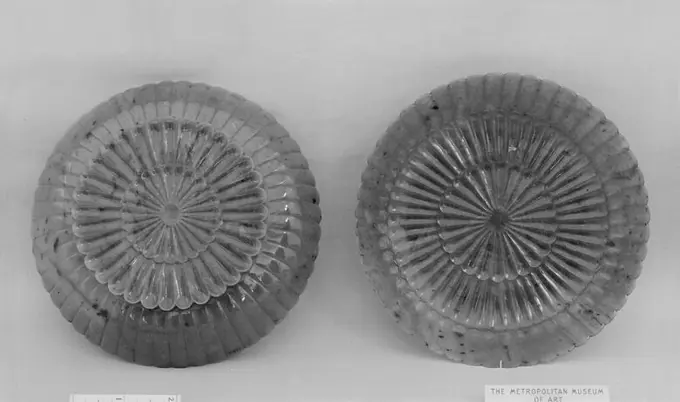
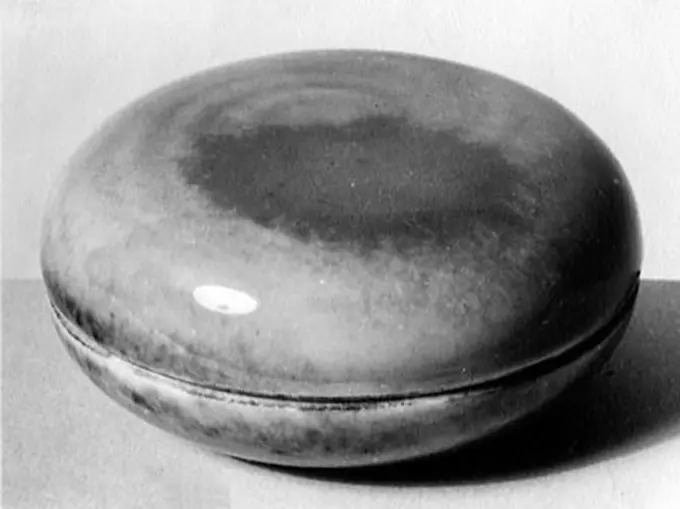
Dish China. Dish. China. Jadeite. Qing dynasty (1644-1911), Qianlong period (1736-95). Jade
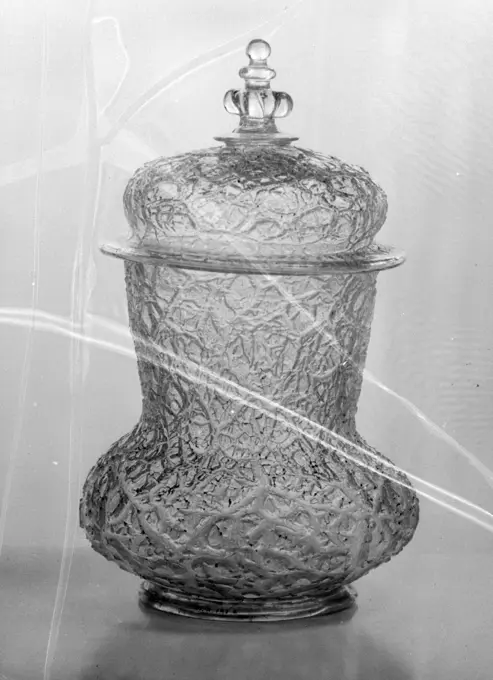
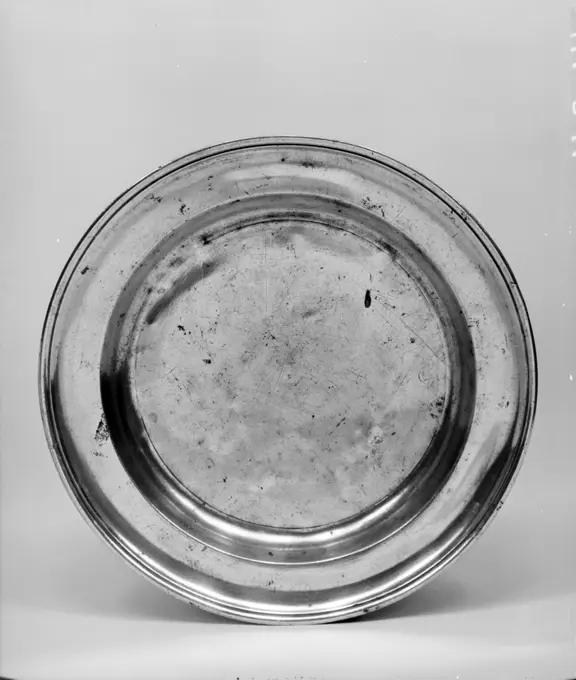
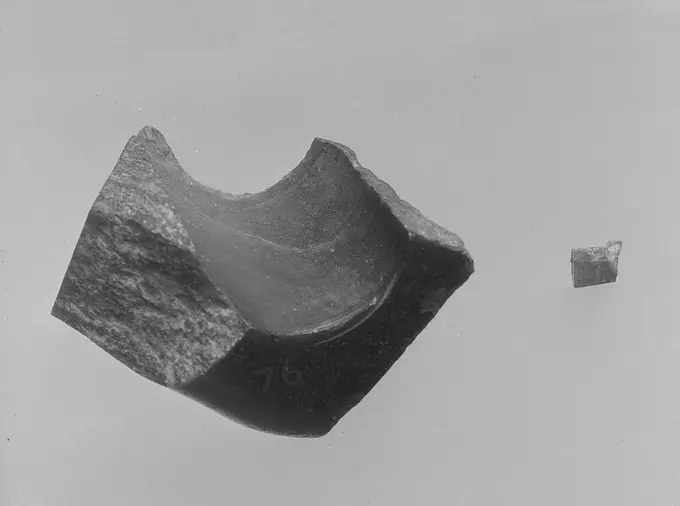
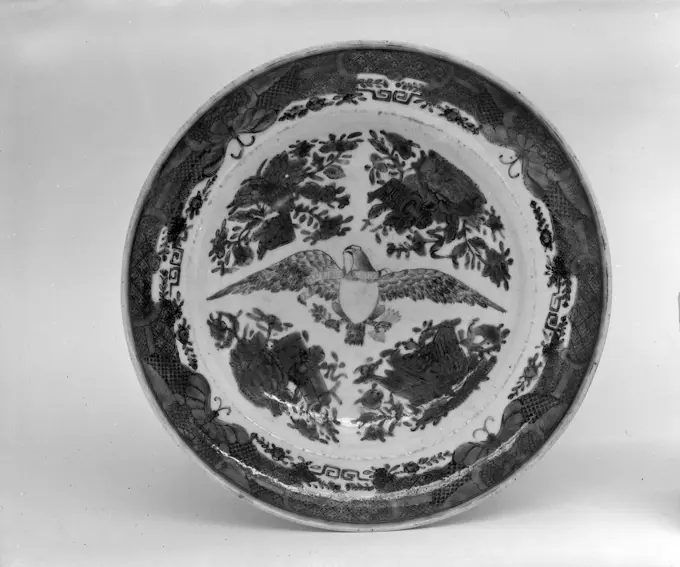
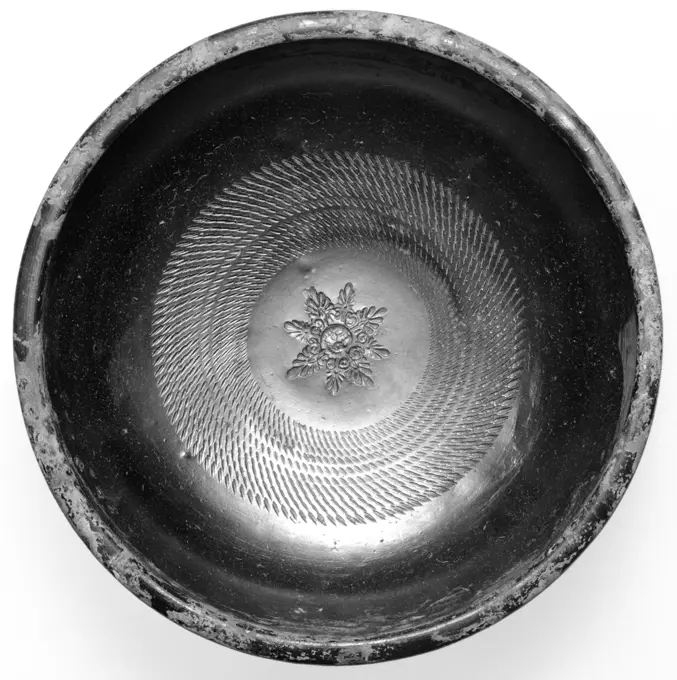
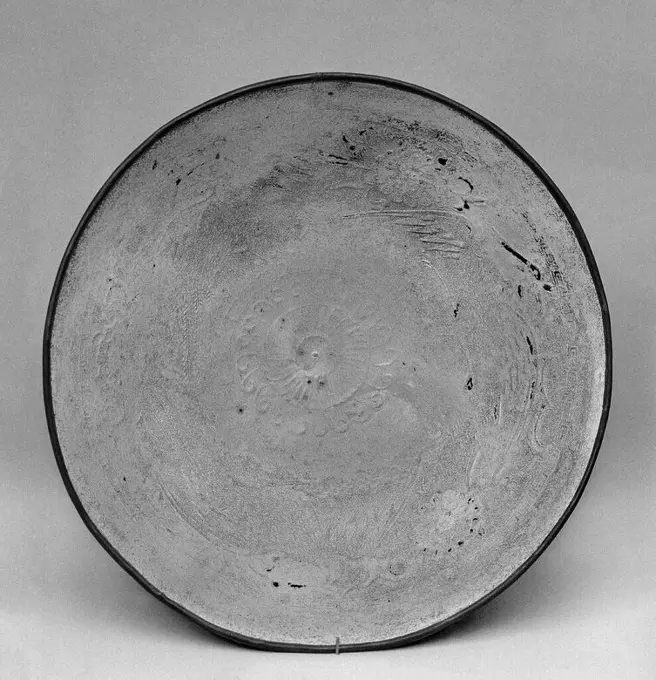
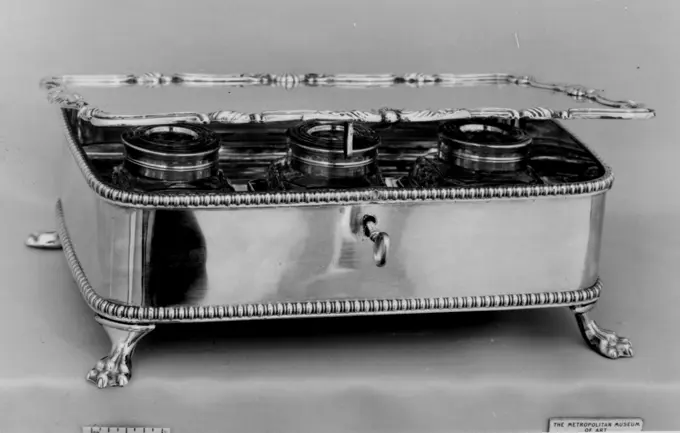
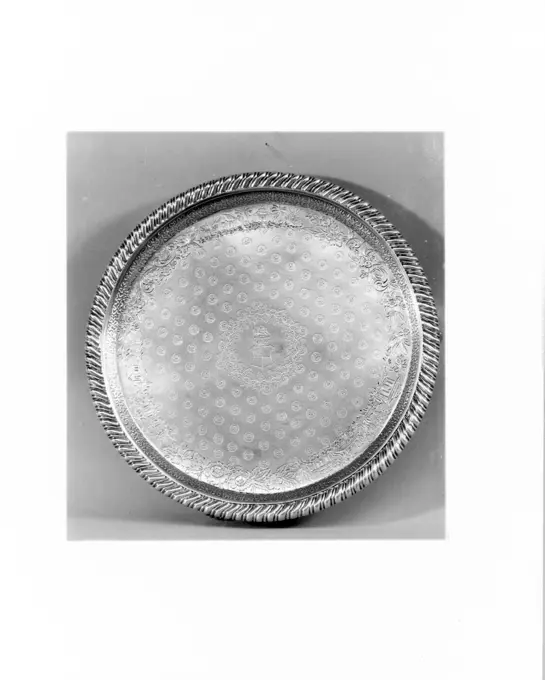
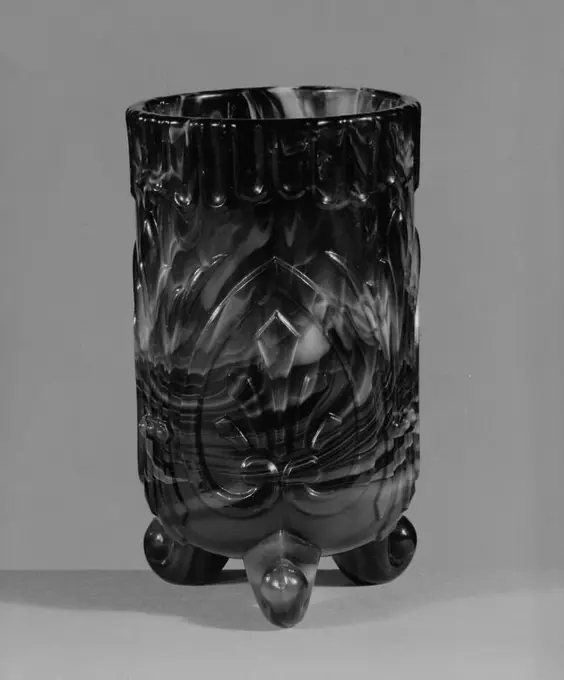
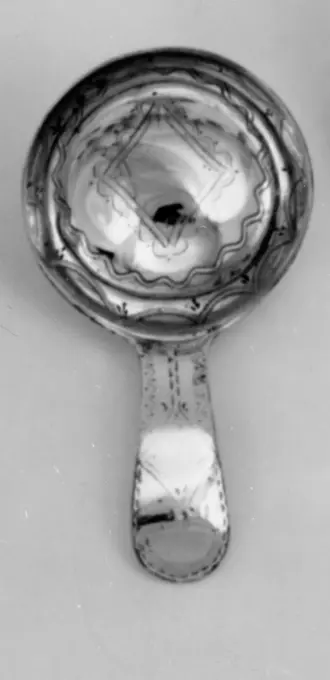
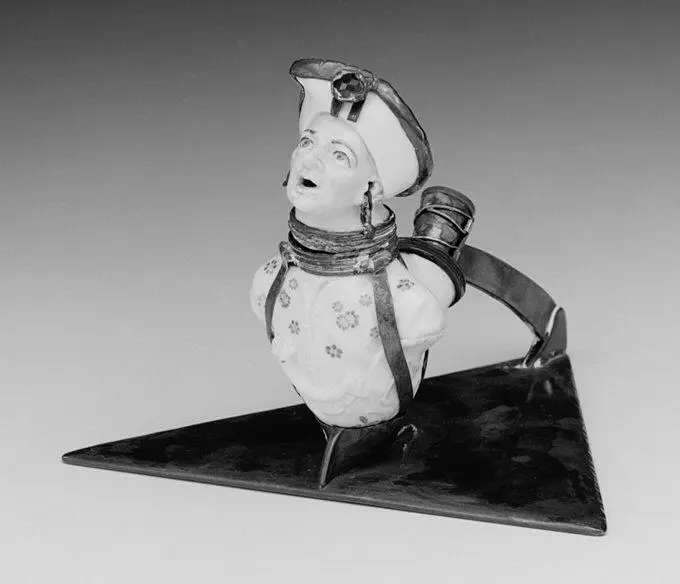
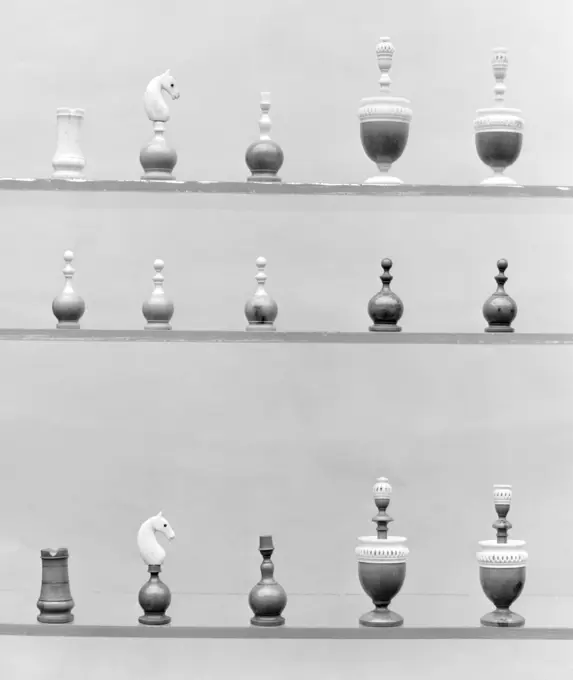
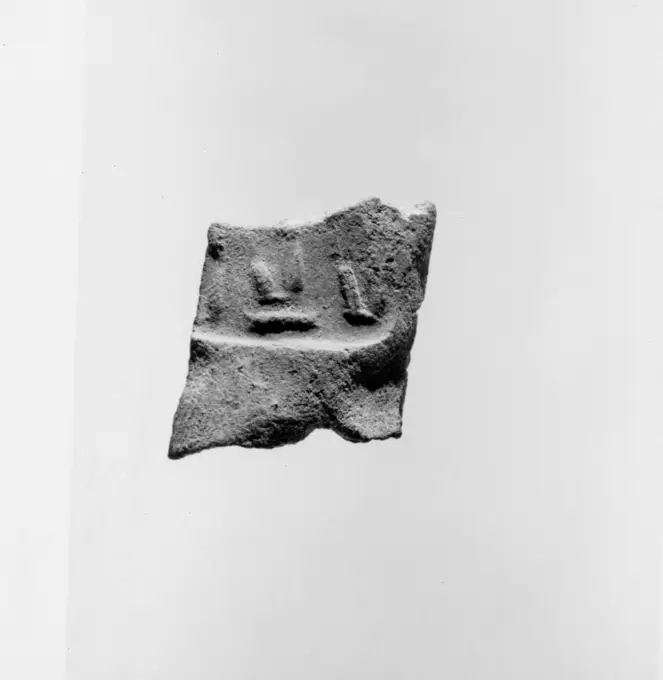
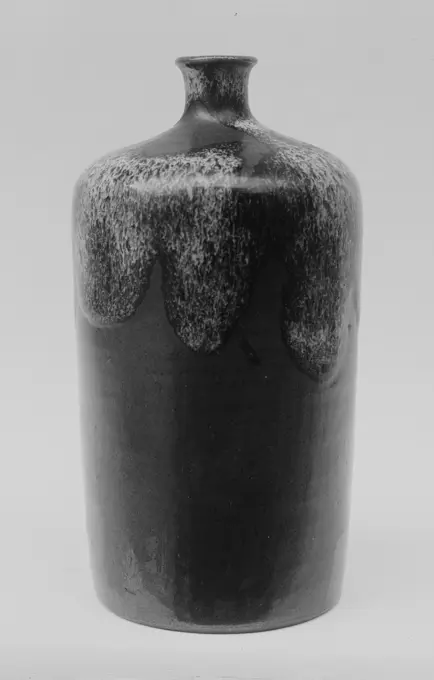
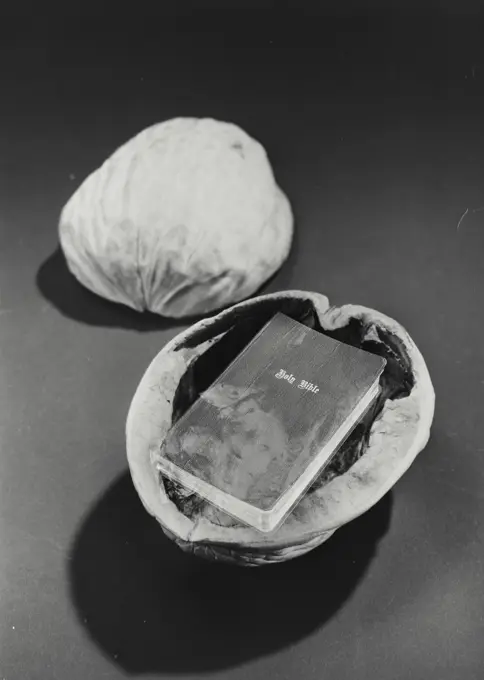
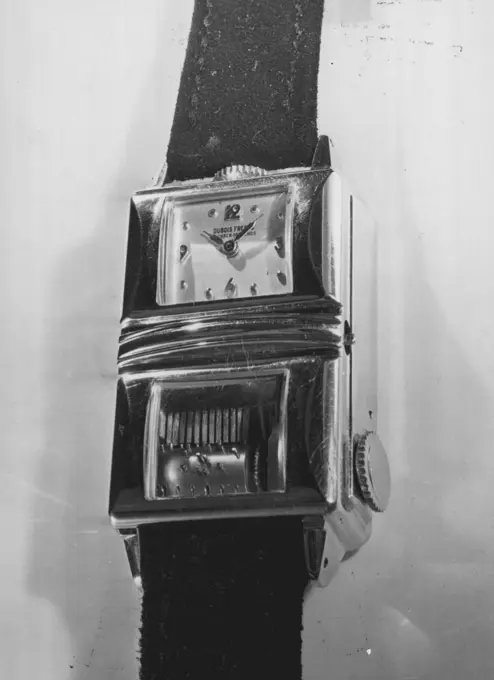
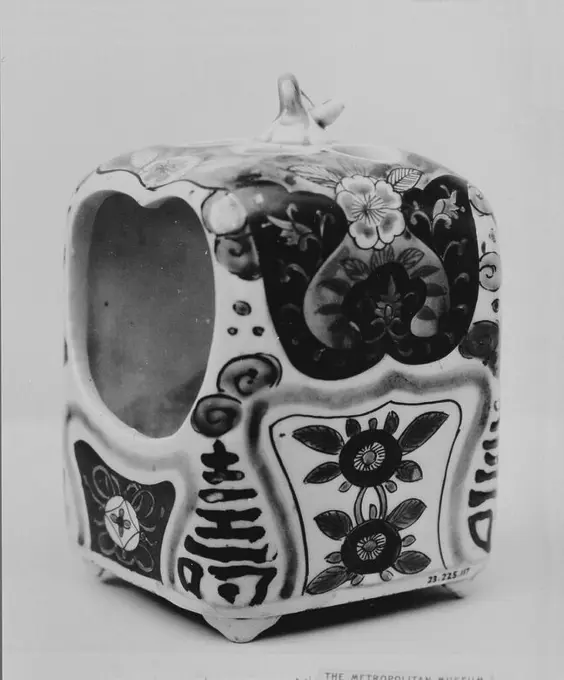
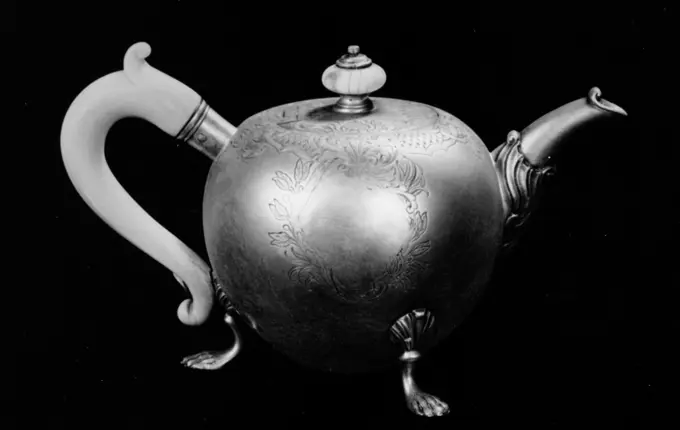
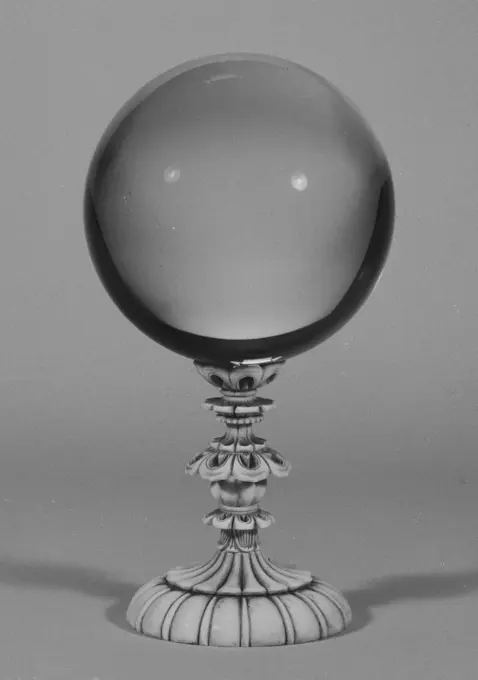
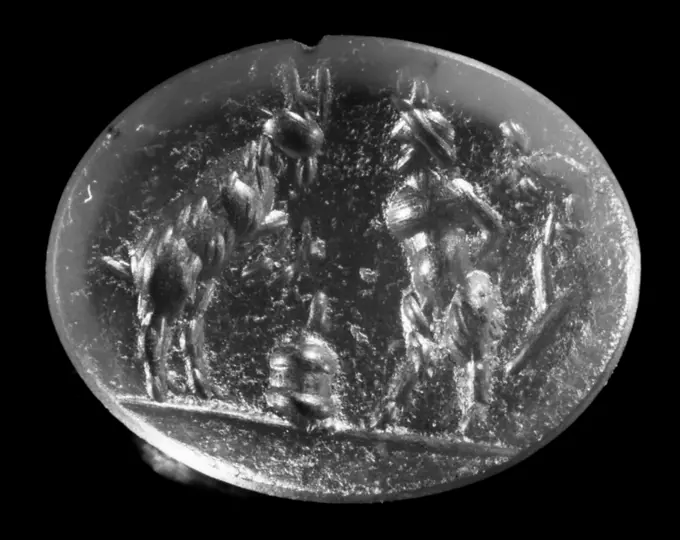
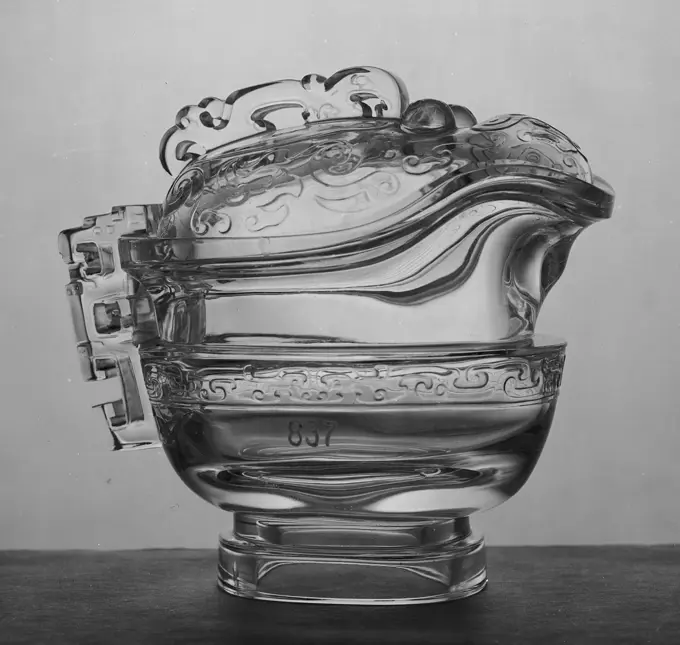
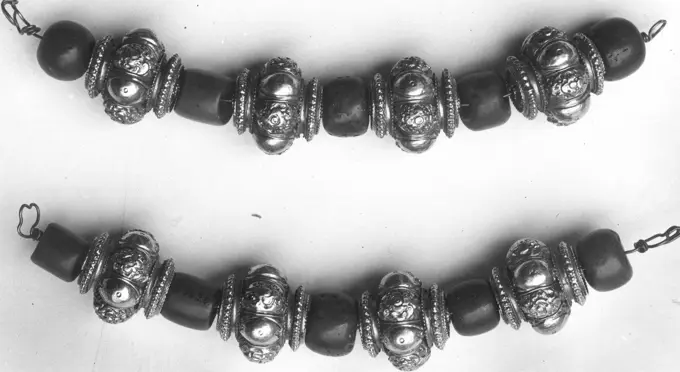
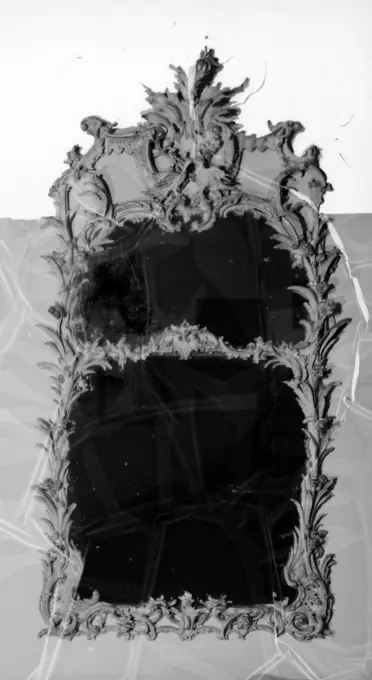
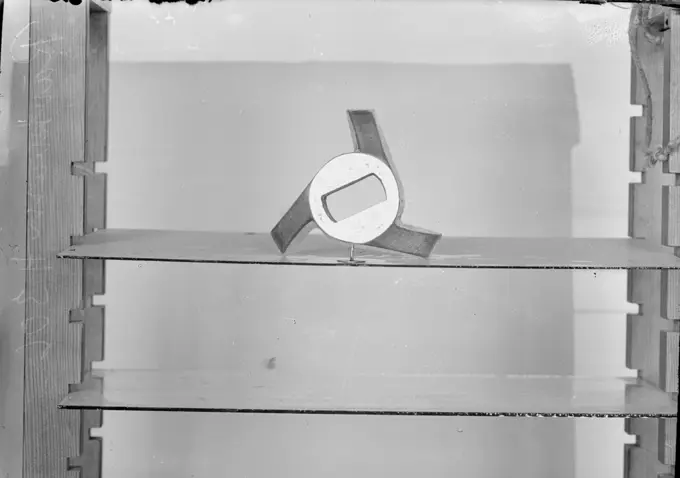
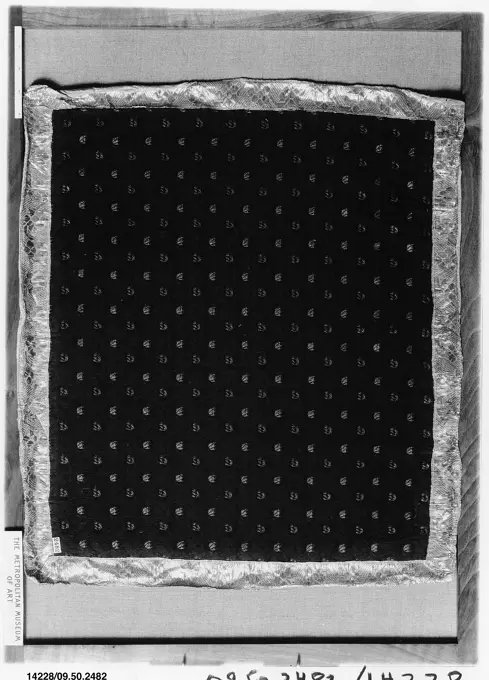
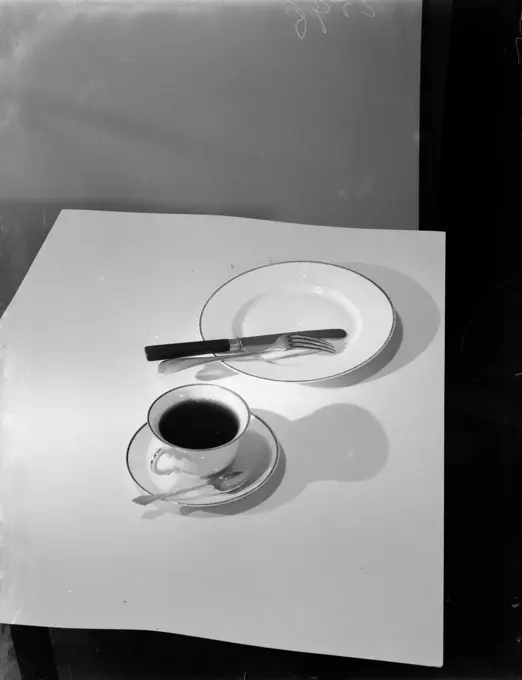
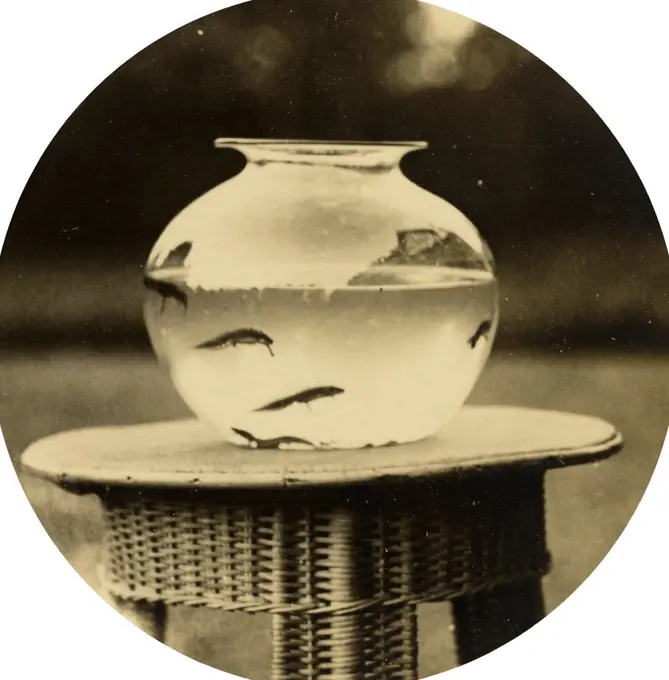
Dish 1889 Possibly by Simon Singer. Dish. Possibly by Simon Singer (born 1822). American. 1889. Earthenware; Redware. Made in Bucks County, Pennsylvania, United StatesPlate after 1886 New England Glass Company. Plate. American. after 1886. Blown glass. Made in East Cambridge, Massachusetts, United StatesCanopic Jar (with lid 30.8.54) ca. 1349-1336 B.C. New Kingdom, Amarna Period Although this canopic jar was intended for a funerary context, the face on the lid was carved by a master with the skill and care one might expect in a more public portrait. Whatever the age of the owner at her death, she was given a youthful countenance for the eternal afterlife. The shape of the face, with its long slender nose, sloe eyes, and sensuous mouth, identifies it as a product of the latter half of the Amarna period. The jar and lid were altered in antiquity, making it extremely difficult to identify the original owner.The striking face carved on the jar lid represents one of the royal women of Amarna. Her hairstyle of overlapping curls, known as the Nubian wig, was worn only by adults and was popular among the female members of Akhenaten's family. The hole at the center of the forehead once secured the separately carved upper body of a rearing cobra whose tail is visible across the top of the wig. Dish 1870-80 Possibly Challinor, Taylor and Company. Dish. American. 1870-80. Pressed purple marble glass. Made in Tarentum, Pennsylvania, United StatesJar with cover second half 17th century Italian, Venice (Murano). Jar with cover. Italian, Venice (Murano). second half 17th century. Glass. GlassDish 1774-1809 Gershom Jones. Dish. American. 1774-1809. Pewter. Made in Providence, Rhode Island, United StatesDish China. Dish. China. Jadeite. Qing dynasty (1644-1911), Qianlong period (1736-95). JadeBracelet 19th century China. Bracelet. China. 19th century. Jadeite. Jade104 (depicted - name).104 (depicted - name)Porringer 1773-1856 Attributed to Samuel Hamlin. Porringer 6690Pair ofSalts.  Maker: Samuel Casey, American, 1723-1773Sweden, Blekinge, Blekinge, Karlskrona, Karlskrona, external marina (depicted, town).Sweden, Blekinge, Blekinge, Karlskrona, Karlskrona, External War Gogs (depicted, City)Fragment. Culture: Turkestan. Dimensions: H. 2 1/4 in. (5.7 cm); W. 3 in. (7.6 cm); Th. 2 1/2 in. (6.4 cm). Museum: Metropolitan Museum of Art, New York, USA.Scenes from Tongan LifeCovered vase. Culture: China. Dimensions: H. 11 3/4 in. (29.8 cm). Date: 18th century. Museum: Metropolitan Museum of Art, New York, USA.Sweden, Blekinge, Blekinge, Karlskrona, Karlskrona, external marina (depicted, town).Sweden, Blekinge, Blekinge, Karlskrona, Karlskrona, External War Gogs (depicted, City)Wine bottle ca. 1750 Japan. Wine bottle. Japan. ca. 1750. Clay, finely crackled glaze with stains; decoration in underglaze blue (Kiyomizu ware). Edo period (1615-1868). CeramicsDish (part of a service) early 19th century Chinese, for American market. Dish (part of a service). Chinese, for American market. early 19th century. Hard-paste porcelain. Ceramics-Porcelain-ExportBowl 1800-1830 American. Bowl. American. 1800-1830. Free-blown glass. Possibly made in New Jersey, United StatesRectangular plaque seal, engraved on two faces ca. 12th-11th century B.C. Cypriot. Rectangular plaque seal, engraved on two faces. Cypriot. ca. 12th-11th century B.C.. Steatite, black. Late Cypriot III. CyprusMaker's mark I:B, probably for John Bu(c)kett, Snuffers and Tray, 1780-82, silver.Campanian Black Bowl. UnknownThe meat grinder.Lazio Viterbo Viterbo Museo Civico85. Hutzel, Max 1960-1990 Views of paintings (Middle Ages through 18th c.), frescoes, a tabernacle, coffin, sculpture reliefs, portal fragments, busts, sculpture, tapestry found in the Pinacoteca, Second floor gallery and Second floor cloister sequences. Antiquities: Many views of Etruscan and Roman fragments, sculpture, sarcophagi, pottery, masks, jewelry and other objects found in the Storeroom sequence (inventory numbers on back of prints), and the Cloister, Second floor Cloister, Valle Giulia, Sala Romana and Sala Etrusca sequences. General Notes: There are eight separate numerical sequences for this location. The cloister as an architectural structure, rather than museum site, is documented in the record and file for S. Maria della Verita, Cloister, all views of which are stored in Medieval core collection. Five views from the Museo Civico Second floor cloister sequence are stored in Medieval. German-born photographer and scholar Max Hutzel (1911-Bowl. Culture: China. Dimensions: H. 3 1/4 in. (8.3 cm); Diam. 7 3/4 in. (19.7 cm). Museum: Metropolitan Museum of Art, New York, USA.Sugar sifter early 19th century Dutch. Sugar sifter 188071 Dutch, Sugar sifter, early 19th century, Silver, 6 in. (15.2 cm). The Metropolitan Museum of Art, New York. Gift of Mrs. Samuel P. Avery, 1897 (97.2.36)Inkstand ca. 1815 British. Inkstand. British. ca. 1815. Sheffield plate, glass. Metalwork-SilverplatePilaster base late 15th-early 16th century Italian Similar pilasters are found on Roman funeral monuments.. Pilaster base. Italian. late 15th-early 16th century. Marble. Sculpture-ArchitecturalBottle ca. 1750-60 British, Staffordshire. Bottle 199466Photography of a glass glass so called joking dishes unknownBowl ca. 1830. Bowl 763Salver ca. 1830 Samuel Kirk This small salver would have been used for the presentation of refreshments.. Salver. American. ca. 1830. Silver. Made in Baltimore, Maryland, United StatesVase. Dimensions: H. 3 7/8 in. (9.8 cm); Diam. 2 1/4 in. (5.7 cm). Date: 1880-90. Museum: Metropolitan Museum of Art, New York, USA.Richard Crossley, Caddy Spoon, 1794/95, silver.Pipe bowl ca. 1764-66 Kelsterbach Pottery and Porcelain Manufactory. Pipe bowl. German, Kelsterbach. ca. 1764-66. Hard-paste porcelain. Ceramics-PorcelainMiniature Vase China. Miniature Vase. China. Nephrite, white with a light greenish tint and a few russet stainings. Qing dynasty (1644-1911), Qianlong period (1736-95). JadePlate 1800-80 American. Plate 6006LOMBARDA - FOTOGRAFIA EN BLANCO Y NEGRO - AÑOS 60.Vase 16th century or later China. Vase 50020Disk China. Disk 42879Girdle ornament China. Girdle ornament 43194Sword Pommel China. Sword Pommel. China. Jade. Han dynasty (206 B.C.-A.D. 220). JadeSet of three liqueur cups 1788-89 Jean-François Roumier. Set of three liqueur cups 200285Strainer.   Maker: William Gowen, American, 1749-1809A depth from the Marine Chapel of the Royal Netherlands Marine (Markap).Square Tray. Culture: Japan. Dimensions: W. 8 3/4 in. (22.2 cm); D. 7/8 in. (2.2 cm). Date: 1720. Museum: Metropolitan Museum of Art, New York, USA.Necklace of Rock Crystal Beads 3rd-6th century Moche. Necklace of Rock Crystal Beads 308735Marches Macerata San Ginesio Collegiata3. Hutzel, Max 1960-1990 Object Notes: There may be a problem with this monument and the Oratorio di S. Biagio, which is the name of its crypt. The Oratorio has its own folder, but negatives do not appear to be in place. Second, a photo marked "S. Ginesio, S. Tommaso" is with the Collegiata prints, but its identification is unknown. German-born photographer and scholar Max Hutzel (1911-1988) photographed in Italy from the early 1960s until his death. The result of this project, referred to by Hutzel as Foto Arte Minore, is thorough documentation of art historical development in Italy up to the 18th century, including objects of the Etruscans and the Romans, as well as early Medieval, Romanesque, Gothic, Renaissance and Baroque monuments. Images are organized by geographic region in Italy, then by province, city, site complex and monument.Chessmen, board, and box late 18th-early 19th century French The shapes of the pieces, especially the urn-shaped bodies of the king and queen, are very typical of the second half of the eighteenth century. The shape of the horse heads continued into the beginning of the nineteenth century.. Chessmen, board, and box 199962Lazio Roma Rome SS. Giovanni e Paolo, Museum40. Hutzel, Max 1960-1990 Medieval: Ceramic fragments, sculptural fragments, fresco fragments, inscribed tomb markers. Houses one of the best collections of Malagan medieval ceramics for casting wall monuments, copies of which are housed in campanile. Specific Location: Museum Antiquities: Ceramic fragments, sculptural fragments, architectural fragments Object Notes: Basilica has separate record and is filed separately. German-born photographer and scholar Max Hutzel (1911-1988) photographed in Italy from the early 1960s until his death. The result of this project, referred to by Hutzel as Foto Arte Minore, is thorough documentation of art historical development in Italy up to the 18th century, including objects of the Etruscans and the Romans, as well as early Medieval, Romanesque, Gothic, Renaissance and Baroque monuments. Images are organized by geographic region in Italy, then by province, city, site complex and monument.Tumbler 1800-1830 American. Tumbler. American. 1800-1830. Blown pattern-molded glass. Made in Midwest, United StatesDocument Sealing ca. 1390-1353 B.C. New Kingdom. Document Sealing. ca. 1390-1353 B.C.. Mud. New Kingdom. From Egypt, Upper Egypt, Thebes, Malqata, King's Palace, West magazine, MMA excavations, 1910-12. Dynasty 18Attic Red-Figure Kylix Fragment. UnknownLamp Shade ca. 1800 American. Lamp Shade. American. ca. 1800. Free-blown glass. Made in United StatesTechnical recording of the hood of an oxygen mask of the Royal Netherlands Marechaussee (KMar).Bottle 1750 Japan. Bottle. Japan. 1750. Clay covered with a transparent glaze and an overglaze (Satsuma ware). Edo period (1615-1868). CeramicsFan mid-19th century French. Fan 209792Vintage Photograph. Photo composite of Holy Bible inserted into open Walnut shell with top half of shell in background, Frame 2Vase from an incense set 18th century China. Vase from an incense set. China. 18th century. Jade (nephrite). Qing dynasty (1644-1911). JadeRoundel. UnknownOne of the most talked of novelties show at the 25th Swiss Watch Fair was this music-box wrist watch. Just flick the tiny lever opposite the music-box winding stem and you have a little tune to cheer you up or amuse your friends. May 1, 1955.Embroidered Arms of the family of Huntington Strong. Culture: American. Dimensions: 36 5/8 x 36 3/8 in. (93 x 92.4 cm). Date: ca. 1765. Museum: Metropolitan Museum of Art, New York, USA.Censer with Ideograph "Ju". Culture: Japan. Dimensions: H. 5 3/4 in. (14.6 cm); W. sq. 3 3/4 in. (9.5 cm). Date: 1700. Museum: Metropolitan Museum of Art, New York, USA.Johann A. Lamoureux, Teapot, c. 1740, silver.Caddy spoon early 19th century Dutch. Caddy spoon 188268 Dutch, Caddy spoon, early 19th century, Silver, 3 1/2 in. (8.9 cm). The Metropolitan Museum of Art, New York. Gift of Mrs. Samuel P. Avery, 1897 (97.2.245)Inkwell 1830-70 American. Inkwell. American. 1830-70. Parian porcelain. Probably made in Bennington, Vermont, United StatesDish 1832-38 Tucker and Hemphill. Dish. American. 1832-38. Porcelain. Made in Philadelphia, Pennsylvania, United StatesSweden, Blekinge, Blekinge, Karlskrona, Karlskrona, external marina (depicted, town).Sweden, Blekinge, Blekinge, Karlskrona, Karlskrona, External War Gogs (depicted, City)Crystal Ball on Stand 20th century China. Crystal Ball on Stand. China. 20th century. Crystal. HardstoneTile American. Tile, 1883-1887. Earthenware, lead glaze, 6 x 6 in. (15.2 x 15.2 cm).   Decorative Arts 1883-1887Engraved Gem. UnknownCovered vessel in the shape of an ancient ritual bronze 18th-19th century China. Covered vessel in the shape of an ancient ritual bronze. China. 18th-19th century. Rock crystal. Qing dynasty (1644-1911). HardstoneArchitectural ornaments, Laurens Lodewijk Kleijn (Attributed to), c. 1865 - c. 1900    glass wet collodion negative ornament derived from architectural detailsGift Tapp. >>Water dish China. Water dish. China. Nephrite, sage-green of various shades, with a few patches of light brown. Qing dynasty (1644-1911), Qianlong period (1736-95). JadeBracelet, One of a Pair 18th-19th century. Bracelet, One of a Pair 446728M54 (depicted - name).M54 (depicted - name)Box with Medallion Top 1800-1883. Box with Medallion Top 943Basket ca. 1760 British, Staffordshire. Basket 199560Tumbler. Culture: American. Dimensions: H. 4 in. (10.2 cm). Maker: Probably Hobbs, Brockunier and Company (1863-1891). Date: after 1886. Museum: Metropolitan Museum of Art, New York, USA.Mirror ca. 1750-55 British. Mirror. British. ca. 1750-55. Gessoed pine, partly gilded, partly painted gray. Woodwork-FurnitureFox mill. Detail.Plate late 17th or early 18th century Italian (Venice). Plate 460745Fan ca. 1830 French. Fan 209800Snuff Bottle China. Snuff Bottle 41362Antique glass 1898, Middle EastPiece 18th century German. Piece 217148Balafon African late 19th CenturyStanding cup 1665-70 Johann I Seutter. Standing cup 192067Goblet ca. 1670 Possibly workshop of Hermann Schwinger German. Goblet. German, Nuremberg. ca. 1670. Glass. GlassOne of Pair of Dishes. Culture: China. Dimensions: H. 1 3/16 in. (3 cm); W. 6 1/8 in. (15.5 cm). Museum: Metropolitan Museum of Art, New York, USA.Sundial. UnknownEngraved Gem. UnknownEngraved Gem. UnknownBead ca. 17th-16th century B.C. Iran. Bead 325938Poll photo collection. Reporting Dutch Railways. Cup and saucer, blackboard with cutlery, with shadows. 1932Box with Cover China. Box with Cover 52926Textile Appliqué. UnknownAmerican 19th Century, Untitled (Fishbowl), c. 1888, gelatin silver printObjects, furniture, gold frame mirror , Mirrors. Frank Cousins Glass Plate Negatives Collection