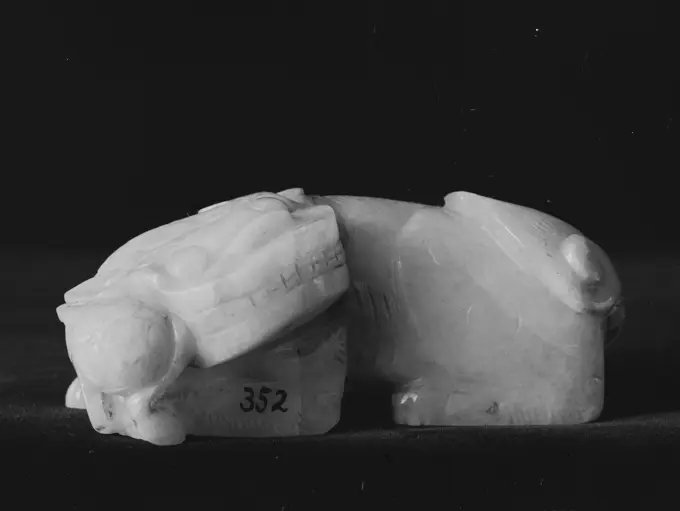
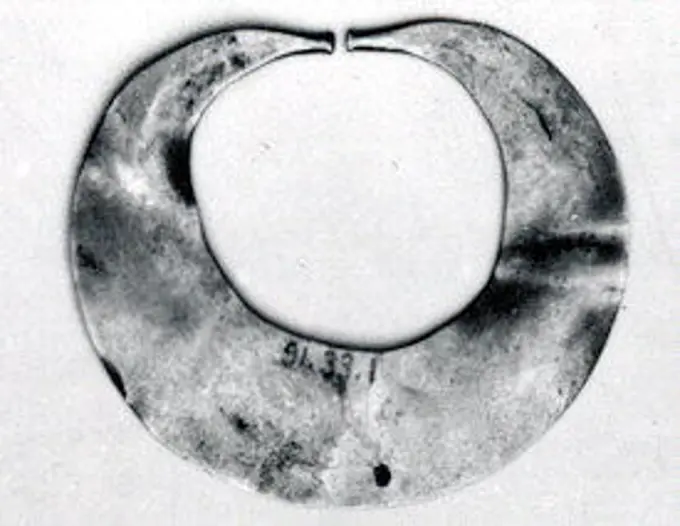
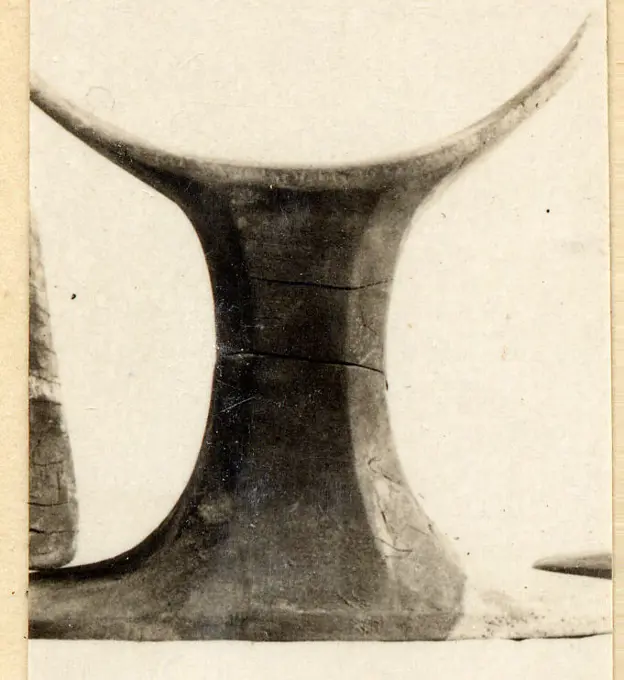
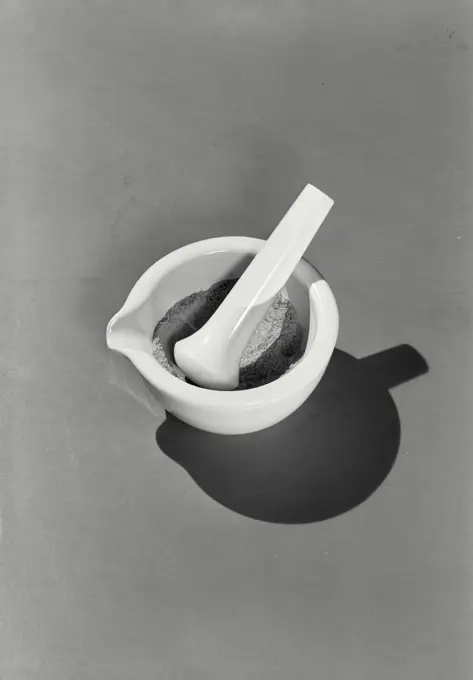
Historic Chinese Ceramics

Images of traditional Chinese vessels and containers, showcasing intricate designs from various historical periods.

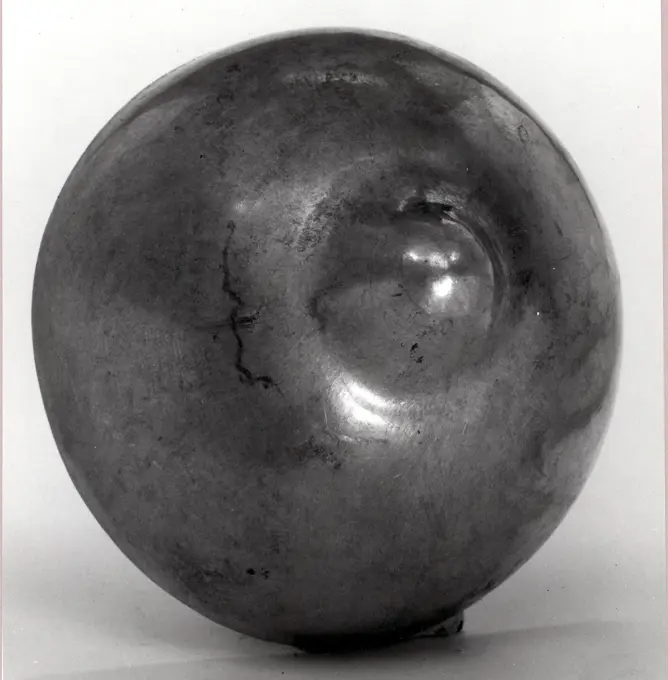
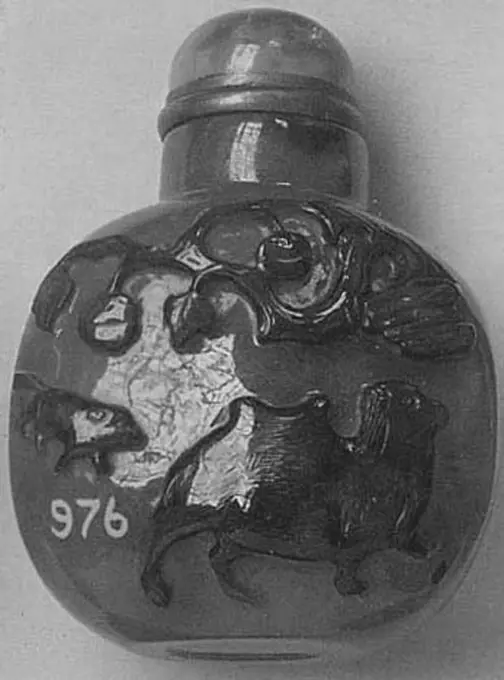
Bottle China. Bottle 60641
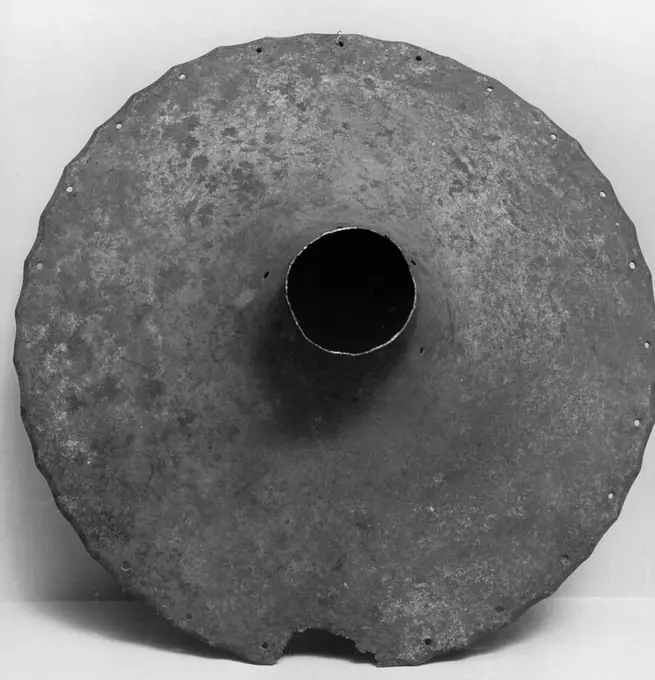
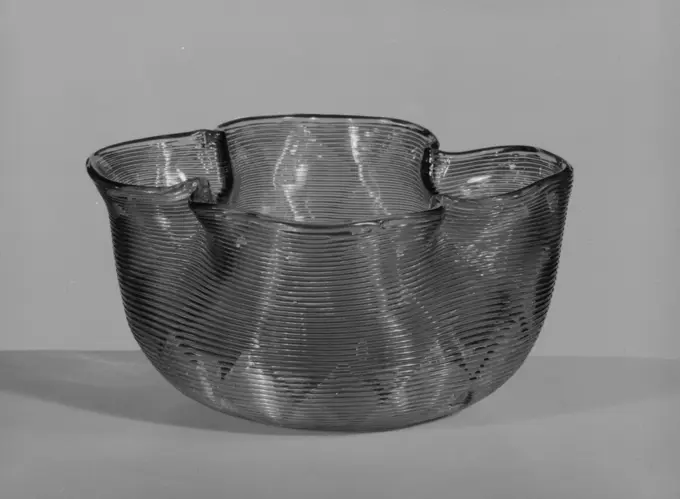
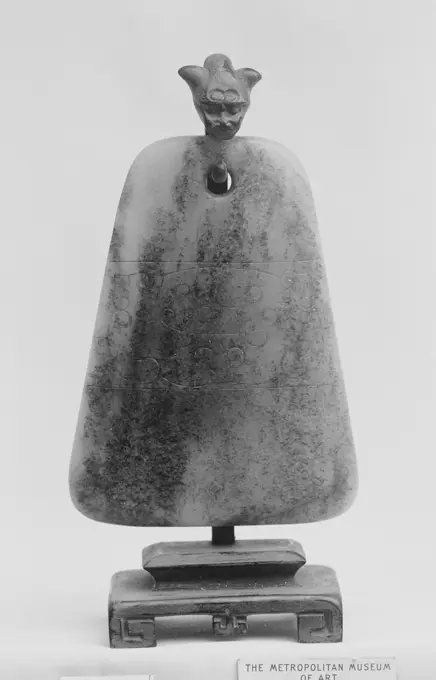
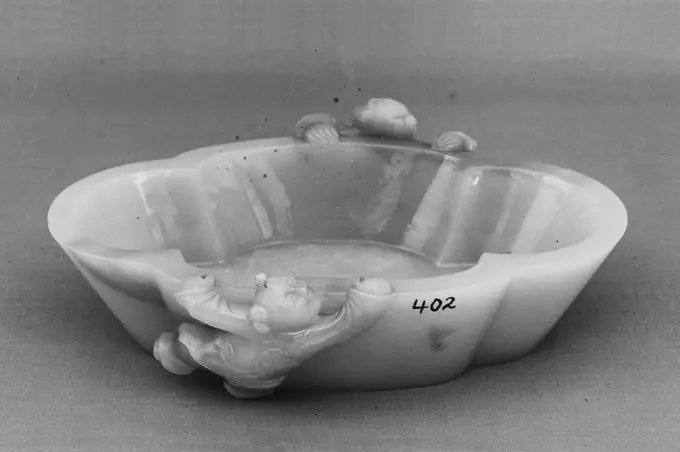
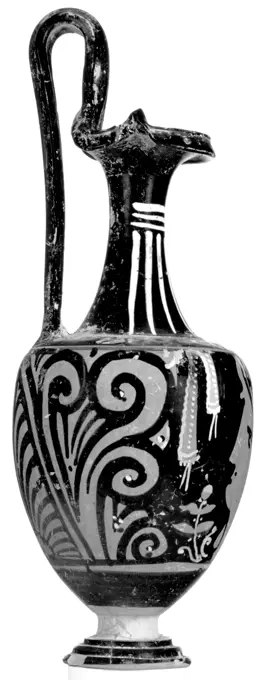
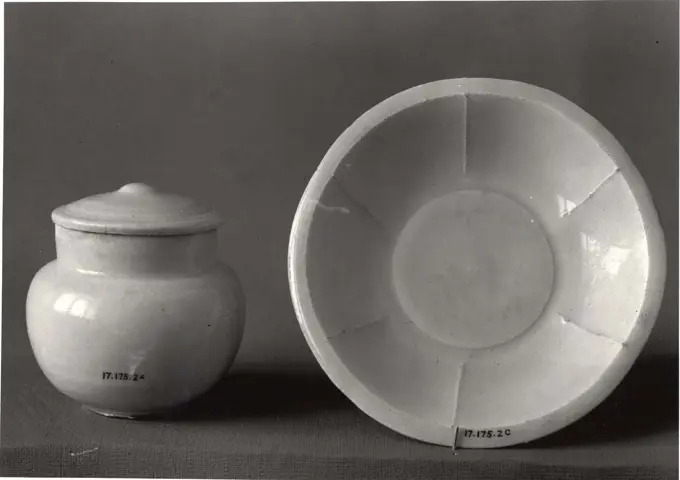
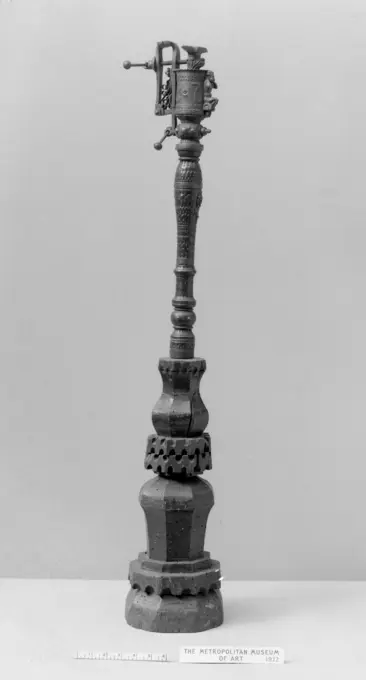
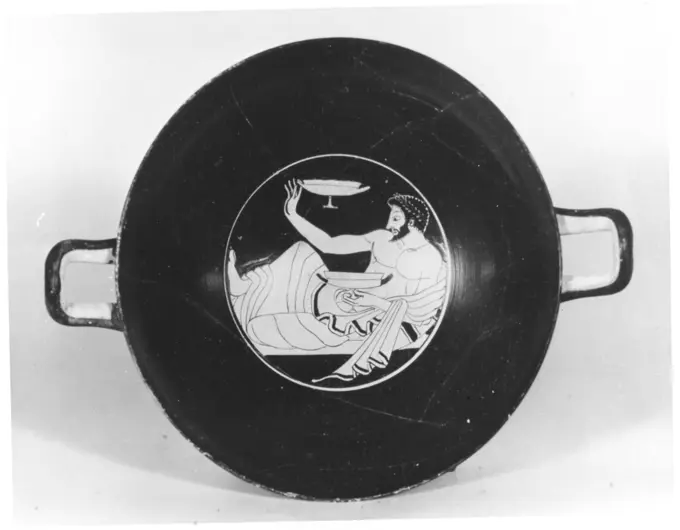
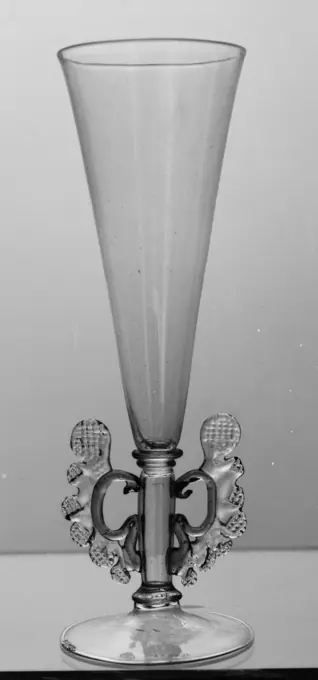
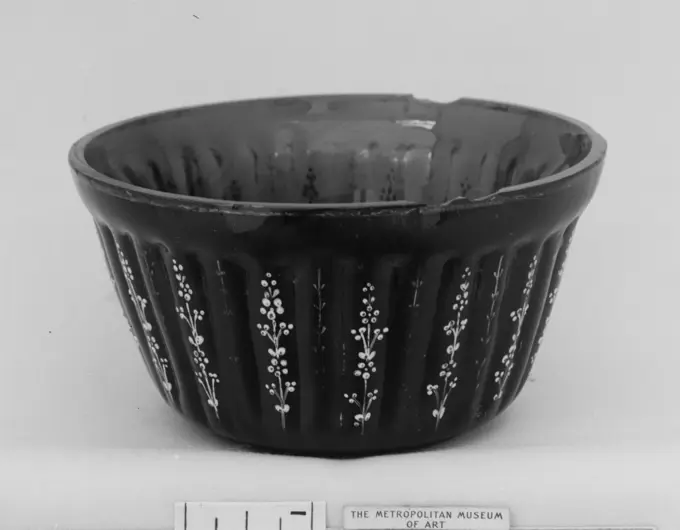
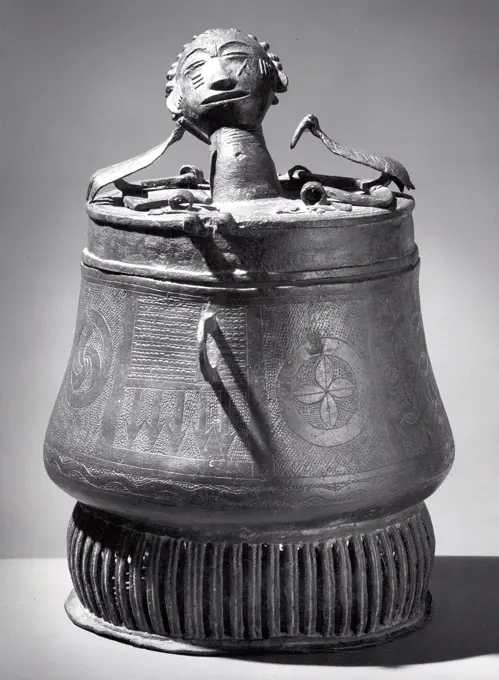
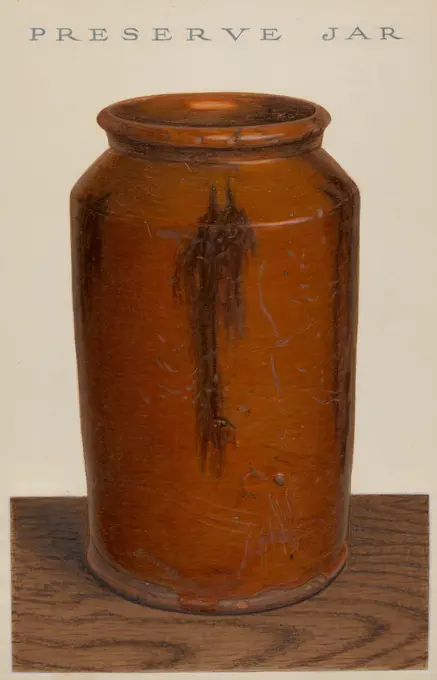
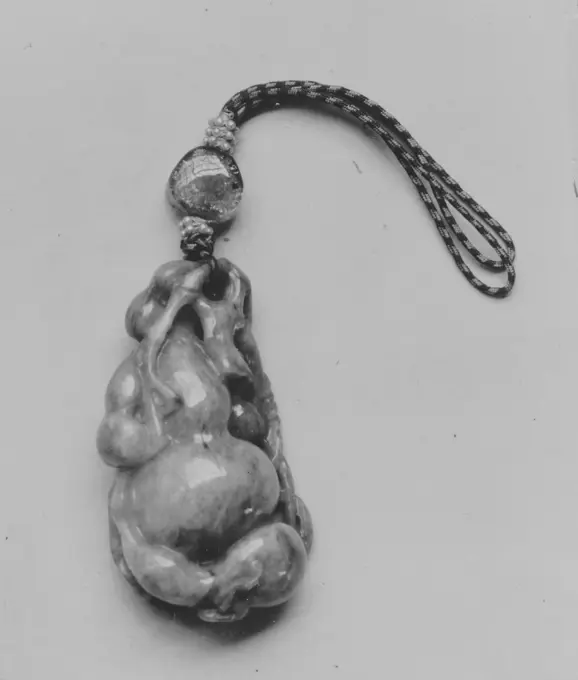
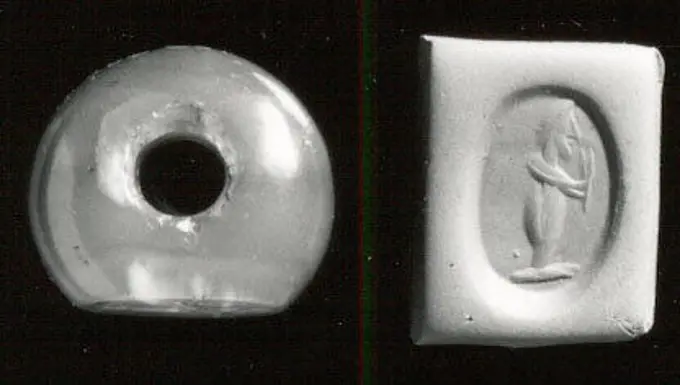
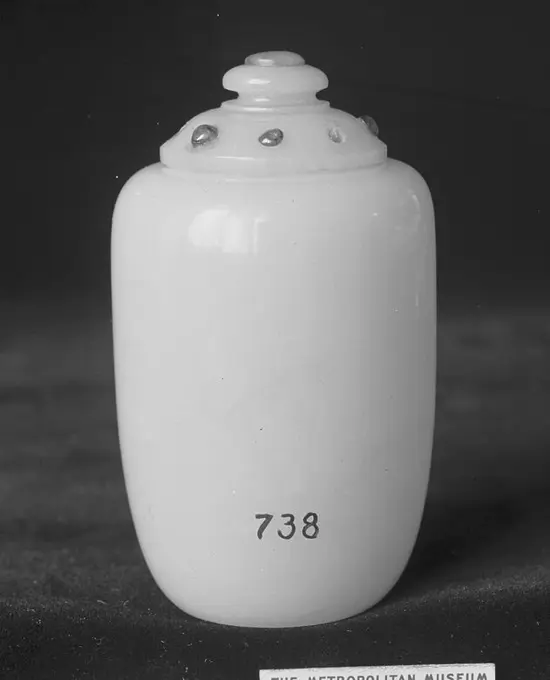
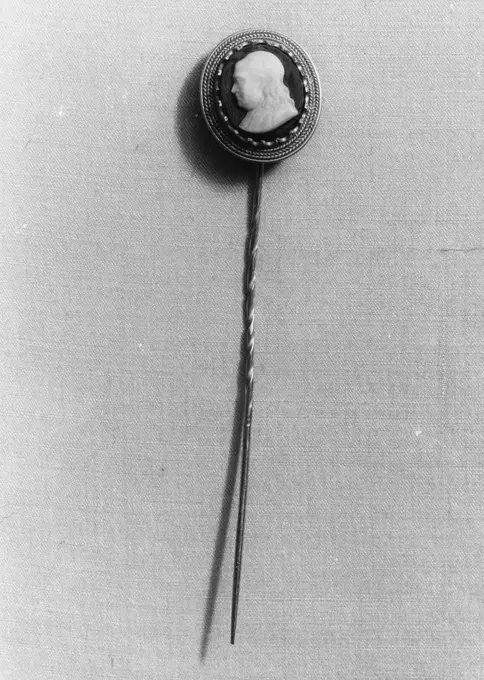
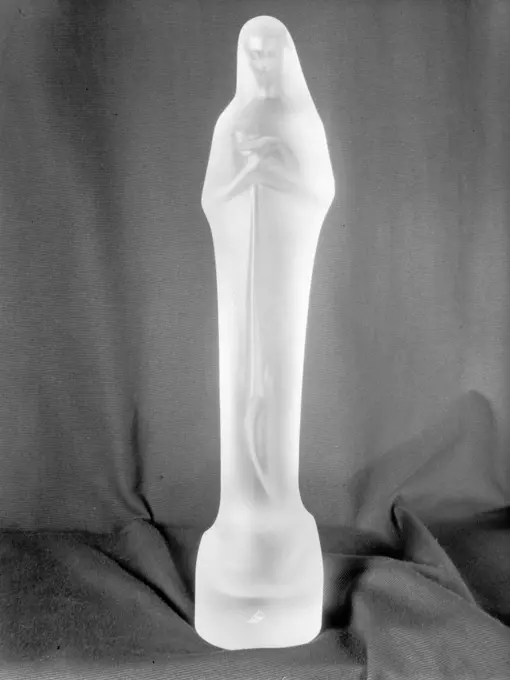
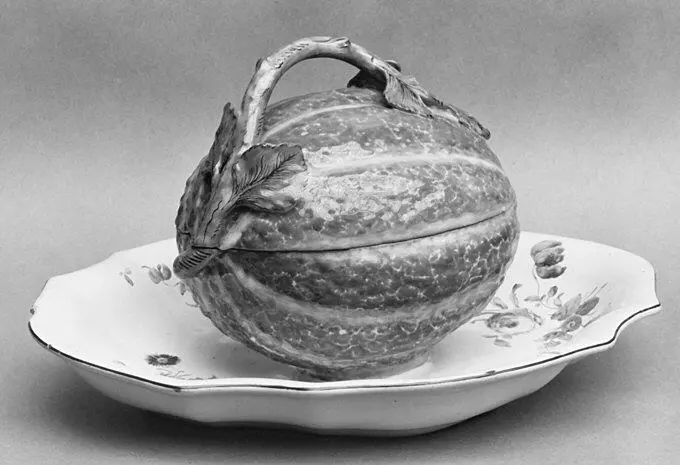
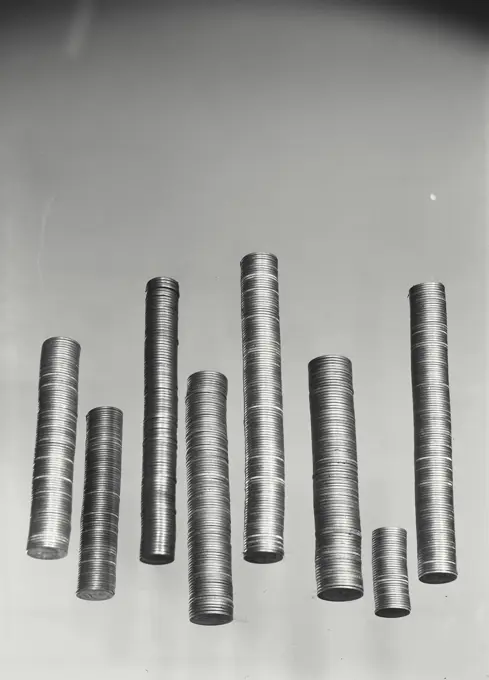
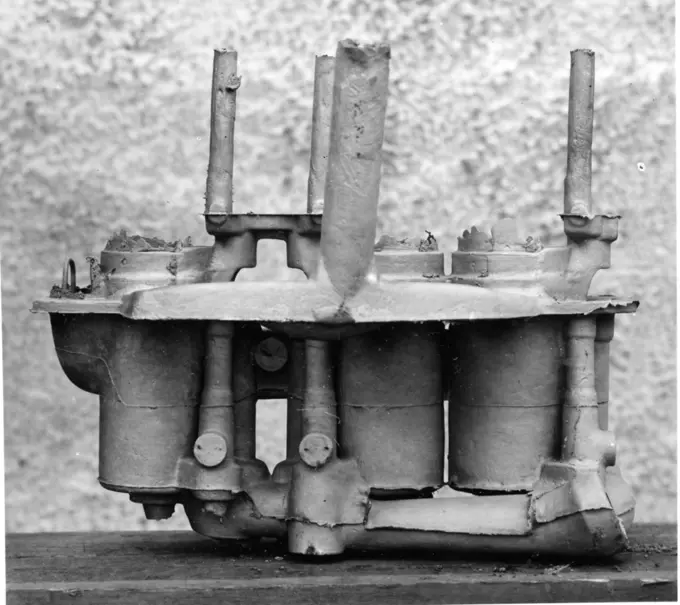
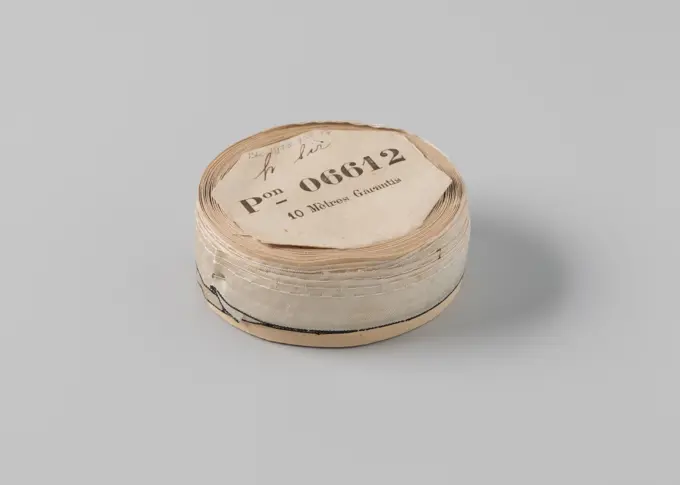
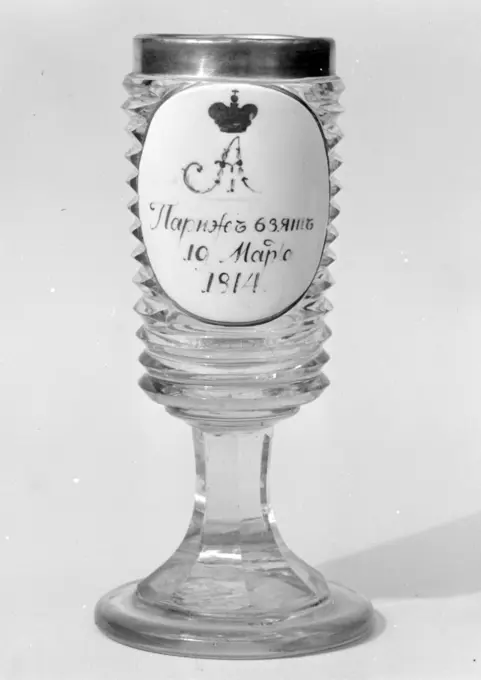
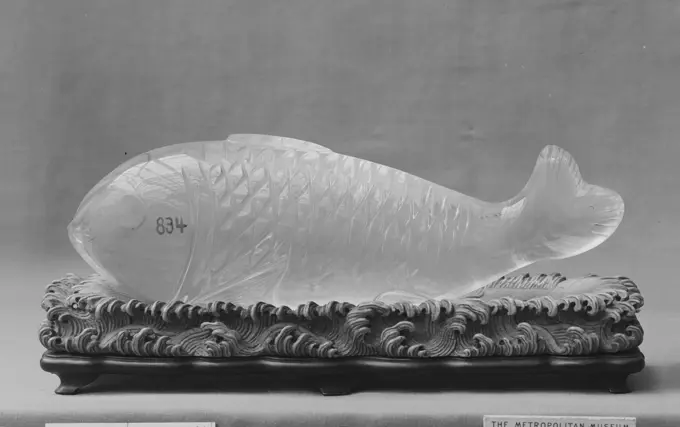
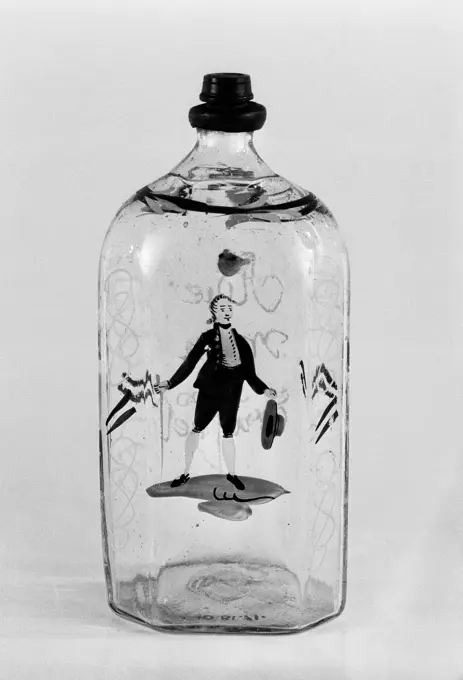
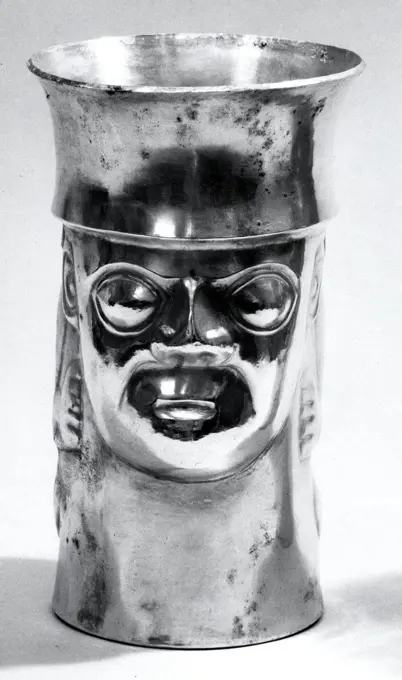
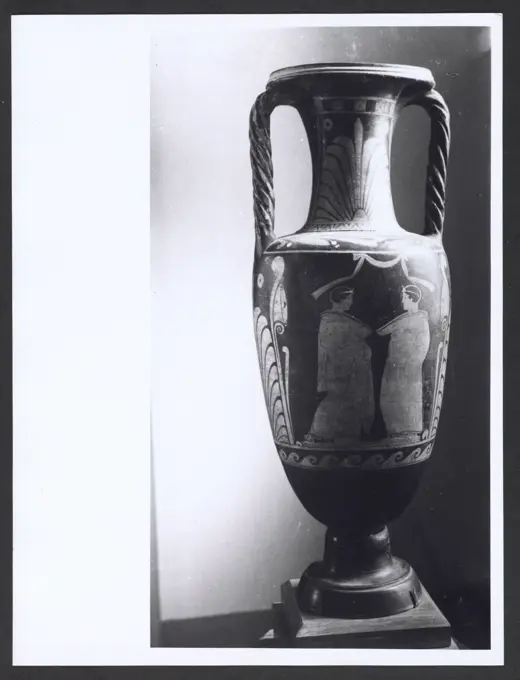
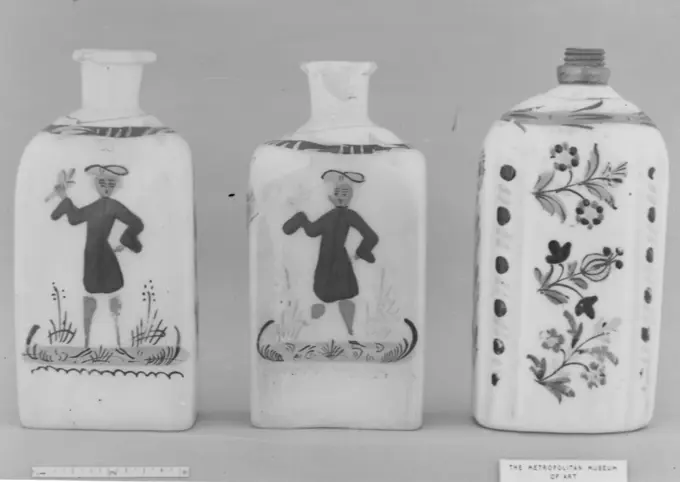
Bowl () 10th-16th century Colombia (). Bowl () 309977Lazio Roma Rome SS. Giovanni e Paolo, Museum43. Hutzel, Max 1960-1990 Medieval: Ceramic fragments, sculptural fragments, fresco fragments, inscribed tomb markers. Houses one of the best collections of Malagan medieval ceramics for casting wall monuments, copies of which are housed in campanile. Specific Location: Museum Antiquities: Ceramic fragments, sculptural fragments, architectural fragments Object Notes: Basilica has separate record and is filed separately. German-born photographer and scholar Max Hutzel (1911-1988) photographed in Italy from the early 1960s until his death. The result of this project, referred to by Hutzel as Foto Arte Minore, is thorough documentation of art historical development in Italy up to the 18th century, including objects of the Etruscans and the Romans, as well as early Medieval, Romanesque, Gothic, Renaissance and Baroque monuments. Images are organized by geographic region in Italy, then by province, city, site complex and monument.Decorative vase of sandstone from ancient Greece, c. 1890 - 1893 photomechanical print Part of a group of photos collected by photographer Richard Polak on travel. This photomechanical print was exhibited together with other photos collected on his journeys at the Rotterdamsche Kunstkring (1895), Arti and Amicitiae in Amsterdam (1897-1898) And Societeit 't Collegie in Kampen (date unknown). Athene paper. cardboard collotype container of stone: stone vase. piece of sculpture, reproduction of a piece of sculptureVamplate of a Jousting Lance. Culture: German. Dimensions: H. 4 3/16 in. (10.6 cm); Diam. 12 13/16 in. (32.5 cm); Diam. of lance opening 2 5/16 in. (5.8 cm); Wt. 1 lb. 12 oz. (793.8 g). Date: 16th century. Museum: Metropolitan Museum of Art, New York, USA.Lazio Viterbo Viterbo Museo Civico62. Hutzel, Max 1960-1990 Views of paintings (Middle Ages through 18th c.), frescoes, a tabernacle, coffin, sculpture reliefs, portal fragments, busts, sculpture, tapestry found in the Pinacoteca, Second floor gallery and Second floor cloister sequences. Antiquities: Many views of Etruscan and Roman fragments, sculpture, sarcophagi, pottery, masks, jewelry and other objects found in the Storeroom sequence (inventory numbers on back of prints), and the Cloister, Second floor Cloister, Valle Giulia, Sala Romana and Sala Etrusca sequences. General Notes: There are eight separate numerical sequences for this location. The cloister as an architectural structure, rather than museum site, is documented in the record and file for S. Maria della Verita, Cloister, all views of which are stored in Medieval core collection. Five views from the Museo Civico Second floor cloister sequence are stored in Medieval. German-born photographer and scholar Max Hutzel (1911-Bottle probably 18th century possibly German. Bottle. possibly German. probably 18th century. Glass; pewter. GlassProduktbild.Campania Salerno Nocera Inferiore Museo dell'Agro Nocerino03. Hutzel, Max German-born photographer and scholar Max Hutzel (1911-1988) photographed in Italy from the early 1960s until his death. The result of this project, referred to by Hutzel as Foto Arte Minore, is thorough documentation of art historical development in Italy up to the 18th century, including objects of the Etruscans and the Romans, as well as early Medieval, Romanesque, Gothic, Renaissance and Baroque monuments. Images are organized by geographic region in Italy, then by province, city, site complex and monument.Anonymous / 'Case for eight-sided topaz urn with serpent handles'. First quarter of the XVII century. Wood, Silk. Museum: Museo del Prado, Madrid, España.Octagonal Dish 13th century Korea. Octagonal Dish 57432Kinnari Vina 19th century Indian Once part of the classical music tradition, today this zither with three gourd resonators survives only in rural, tribal settings.. Kinnari Vina. Indian. 19th century. Wood, gourds. India. Chordophone-Lute-plucked-frettedUnknown, Plate, 1788, silver.Campania Napoli Naples S. Lorenzo Maggiore70. Hutzel, Max 1960-1990 Medieval: Sculpture, architecture, architectural sculpture (including Roman spolia) 13-14th century Chapter house; sarcophagi, gravestones; wall painting. Fragment of mosaic; sculptural fragments in the Sala Capitolare. Post-medieval: Architecture, architectural sculpture, ceiling painting fresco cycle; prints depicting Venice c. 1845 (4), sculpture; life-size creche figures dressed in original Neapolitan costume Church restored in 1882, 1926, 1944; excavations under the transept undertaken between 1958-1962, and in the cloister in 1976, have revealed remains of a Roman macellum (market), street, and the paleochristian basilica of the 6th c. AD. Antiquities: Pottery: black-glazed, archaic banded, domestic wares, bucchero; architectural terracottas, statuettes, lamps, sculpture fragments Object Notes: 3 color negatives with no prints at the end. General Notes: Most objects/paintings/frescoes unidentified. Three batches Finger Bowl 1880-88 Possibly Boston & Sandwich Glass Company. Finger Bowl. American. 1880-88. Blown amber glass with applied threaded decoration. Made in Sandwich, Massachusetts, United StatesGirdle ornament China. Girdle ornament. China. Jade. Han dynasty (206 B.C.-A.D. 220). JadeSnuff bottle with stopper 18th-19th century China. Snuff bottle with stopper 41118Dish China. Dish. China. Nephrite, yellow with a faint greenish tint and some cloudings of light brown. Ming dynasty (1368-1644). JadeEast Greek Faience Aryballos. UnknownApulian Oinochoe, Shape 1. Attributed to the Kantharos Group (Greek (Apulian))Jar with Cover and Saucer 9th-10th century China (). Jar with Cover and Saucer 57418Anvil and vise 18th century possibly German. Anvil and vise 188513 possibly German, Anvil and vice, 18th century, Iron, brass, Height: 43 1/4 in. (109.9 cm). The Metropolitan Museum of Art, New York. Gift of Henry Victor Burgy, 1901 (01.23.97a, b)Squared Food Vessel with Stem ca. 1610-1630s Japan These piece from a set of five dishes would be used during the kaiseki stage of the tea ceremony to hold a small portion of food.. Squared Food Vessel with Stem 45515Potato sealTerracotta kylix (drinking cup) ca. 500 B.C. Attributed to an artist near the Kleophrades Painter Interior, symposiast (participant in drinking party)Known chiefly for his work on pots, the Kleophrades Painter is also associated with kylikes both early and late in his career. The man depicted here holds a cup, presumably filled with wine, in his left hand. With the cup in his right hand he plays kottabosan after-dinner pastime in which the symposiasts knocked the finials off lamp stands with the lees remaining in their kylikes.. Terracotta kylix (drinking cup) 254921Covered Box 19th century China. Covered Box. China. 19th century. Nephrite. Qing dynasty (1644-1911). JadeSnuff bottle with stopper. Culture: China. Dimensions: H. 2 1/2 in. (6.4 cm). Date: 18th-19th century. Museum: Metropolitan Museum of Art, New York, USA.Wineglass 17th century Italian, Venice (Murano) During the Renaissance, Venetian glassmakers, working on the island of Murano, were celebrated across Europe for their fine and sparkling work. Called cristallo” emulating the clarity of rock crystal, in the hands of the most skilled glassblowers the medium could be delightfully manipulated, variously stretched paper-thin flat, or playfully twisted, or blown into molds with spectacular patterns.. Wineglass. Italian, Venice (Murano). 17th century. Glass. GlassBowl 16th-17th century Italian, Venice or Spanish. Bowl. Italian, Venice or Spanish. 16th-17th century. Glass. GlassContainer (Kuduo) 18th-19th century Akan peoples, Asante Ornate, cast brass vessels known as kuduo were the possessions of kings and courtiers in the Akan kingdoms. Gold dust and nuggets were kept in kuduo, as were other items of personal value and significance. As receptacles for their owners' kra, or life force, they were prominent features of ceremonies designed to honor and protect that individual. At the time of his death, a person's kuduo was filled with gold and other offerings and included in an assembly of items left at the burial site.The elaborate form and complex iconography of this kuduo reveal the broad range of aesthetic traditions from which the Akan peoples have drawn to create their courtly arts. Goods from Europe and North Africa, received in exchange for Akan gold, textiles, and slaves, included vessels that may have partly inspired the design of this and other kuduo. The repeating bands of geometric patterns incised into the surface, as well as the elegantly flarinFragment 9th-10th century. Fragment 450899Flask 17th-18th century Spanish or German. Flask. Spanish or German. 17th-18th century. Glass. GlassVase late 17th-early 18th century China. Vase. China. late 17th-early 18th century. Porcelain with ox-blood glaze (Jingdezhen ware). Qing dynasty (1644-1911), Kangxi period (1662-1722). CeramicsBlock Fragment. Culture: French. Date: ca. 1130-40. Museum: Metropolitan Museum of Art, New York, USA.Jar 7th-6th millennium B.C.. Jar 327117Lazio Latina Sezze Antiquarium Comunale05. Hutzel, Max 1960-1990 German-born photographer and scholar Max Hutzel (1911-1988) photographed in Italy from the early 1960s until his death. The result of this project, referred to by Hutzel as Foto Arte Minore, is thorough documentation of art historical development in Italy up to the 18th century, including objects of the Etruscans and the Romans, as well as early Medieval, Romanesque, Gothic, Renaissance and Baroque monuments. Images are organized by geographic region in Italy, then by province, city, site complex and monument.Snuff bottle with stopper 18th-19th century China. Snuff bottle with stopper 41153Pair of Thigh Defenses (Cuisses) with Knee Defenses (Poleyns) 16th century German. Pair of Thigh Defenses (Cuisses) with Knee Defenses (Poleyns) 34872Bowl sherd ca. 8th-7th century B.C. Assyrian. Bowl sherd. Assyrian. ca. 8th-7th century B.C.. Ceramic. Neo-Assyrian. Mesopotamia, Nimrud (ancient Kalhu)Food bottle () early 18th century possibly Dutch. Food bottle () 189072 possibly Dutch, Food bottle (), early 18th century, Pewter, No dimensions recorded. The Metropolitan Museum of Art, New York. Rogers Fund, 1906 (06.736)Jar 7th-6th millennium B.C.. Jar 327115Two painted boxes with floral or bird decorParts of an Inner Thigh Defense (Hoguine) for a Boy's Armor. Culture: probably German. Dimensions: H. 6 1/2 in. (16.5 cm); W. 8 in. (20.3 cm). Date: ca. 1520. Museum: Metropolitan Museum of Art, New York, USA.Saucer. Culture: American. Dimensions: H. 3/4 in. (1.9 cm); Diam. 6 1/8 in. (15.6 cm). Maker: Thomas Danforth, III (1756-1840). Date: 1777-1818. Museum: Metropolitan Museum of Art, New York, USA.Mouthpiece. Afghanistan, 3rd century. Tools and Equipment. IvorySweden, Blekinge, Blekinge, Karlskrona, Karlskrona, external marina (depicted, town).Sweden, Blekinge, Blekinge, Karlskrona, Karlskrona, External War Gogs (depicted, City)Pedestal for a Statuette. UnknownLion China. Lion. China. Jadeite. before Ming dynasty (1368-1644). JadeLamp 1st-3rd century India. Lamp 38758Nose ornament 13th-16th century Colombian. Nose ornament. Colombian. 13th-16th century. Gold. Colombia, Cocha or Chaco, Atrato River. Metal-OrnamentsHeadrest ca. 2030-1504 B.C. Middle Kingdom-Early New Kingdom. Headrest 545469Weight 3rd-1st millennium B.C.. Weight 321506Porcelain mortar with material insideDish in the shape of a chrysanthemum flower (one of two). Culture: China. Dimensions: H. 1 9/16 in. (4 cm); Diam. 6 7/16 in. (16.4 cm). Date: 19th century. Museum: Metropolitan Museum of Art, New York, USA.Apothecary bottle - Inconnu / UnknownAlfred Parys, Preserve Jar, c 1939 Preserve JarÉtui ca. 1760-70 probably German. Étui 198095Glazed pottery & vases for the Boston Public Schools , Vases. The Massachusetts WPA Federal Art Project Photograph CollectionElectrolysis, Boston Water Works, Boston-Lowery hydrant pot, from end of 6-inch main River Street, showing electrolytic pittings, Dorchester, Mass., Oct. 29, 1904 , waterworks, pipes conduits, construction sites, electrolysisPaperweight China. Paperweight. China. Nephrite, light spinach-green with black inclusions, and a light gray caused by calcination. Qing dynasty (1644-1911), Qianlong period (1736-95). JadeLazio Viterbo Viterbo Museo Civico57. Hutzel, Max 1960-1990 Views of paintings (Middle Ages through 18th c.), frescoes, a tabernacle, coffin, sculpture reliefs, portal fragments, busts, sculpture, tapestry found in the Pinacoteca, Second floor gallery and Second floor cloister sequences. Antiquities: Many views of Etruscan and Roman fragments, sculpture, sarcophagi, pottery, masks, jewelry and other objects found in the Storeroom sequence (inventory numbers on back of prints), and the Cloister, Second floor Cloister, Valle Giulia, Sala Romana and Sala Etrusca sequences. General Notes: There are eight separate numerical sequences for this location. The cloister as an architectural structure, rather than museum site, is documented in the record and file for S. Maria della Verita, Cloister, all views of which are stored in Medieval core collection. Five views from the Museo Civico Second floor cloister sequence are stored in Medieval. German-born photographer and scholar Max Hutzel (1911-Ornament 19th century China. Ornament. China. 19th century. Jadeite. Qing dynasty (1644-1911). JadeStamp seal ca. 3rd-7th century A.D. Sasanian. Stamp seal 324964Anefo photo collection. Horticulture: tulip culture. Flower bulb culture. 1945Pair of Thigh Defenses (Cuisses) with Knee Defenses (Poleyns). Culture: German, Nuremberg. Dimensions: H. of each 19 1/2 in. (49.5 cm). Date: 16th century. Museum: Metropolitan Museum of Art, New York, USA.Lantern in Shape of a Pagoda 1800 Japan. Lantern in Shape of a Pagoda. Japan. 1800. Pottery with moulded design covered with glaze (Takatori ware). Edo period (1615-1868). CeramicsCracked piston.Cook Islands lobster pot (Rarotonga) black-and-white negatives, gelatin dry plate negativesCup 18th-19th century China. Cup. China. 18th-19th century. Jade. JadeProbably Elizabeth Morley, Caddy Spoon, 1803/4, silver.Salt Caster after 1883 Probably New England Glass Company. Salt Caster. American. after 1883. Blown glass. Made in East Cambridge, Massachusetts, United StatesJar with cover. Culture: China. Dimensions: H. 3 1/8 in. (8 cm); W. 1 3/4 in. (4.5 cm). Museum: Metropolitan Museum of Art, New York, USA.Jar; glassCundall, Joseph, Six Decorated Vases and Pedestals, photograph, photo, page, photos, photographically illustrated books, height 361 mm, width 270 mm, English, 1818-09-22 - 1895-01-10, photographer, 1868 - 1873, paper, carbon printGlazed pottery, 3 pieces for the Boston Public Schools , Bears, Birds. The Massachusetts WPA Federal Art Project Photograph CollectionDummy vase ca. 1850-1750 B.C. Middle Kingdom. Dummy vase. ca. 1850-1750 B.C.. Limestone. Middle Kingdom. From Egypt, Memphite Region, Lisht North, cemetery north of the tomb of Senwosret (758), Pit 822, lower chambers, MMA excavations, 1908-09. Dynasty 12, late-early 13Scarf Pin 1776-83 American. Scarf Pin 7326Title pump. >>Poll photo collection. Product photos; Glass art. Madonna with child. Image of glass factory Leerdam press glass, designed by the sculptor Steph U veal. 1932. Holland, LeerdamIt is a lubricant used to keep the surface polished and rust free. Oil or grease is put inside it. , vintage engraved line art illustration. Bicycle Accessories 1900.Tureen with cover ca. 1750-70 French, Strasbourg Faience, or tin-glazed and enameled earthenware, first emerged in France during the sixteenth century, reaching widespread usage among elite patrons during the seventeenth and early eighteenth centuries, prior to the establishment of soft-paste porcelain factories. Although characterized as more provincial in style than porcelain, French faience was used at the court of Louis XIV as part of elaborate meals and displays, with large-scale vessels incorporated into the Baroque garden designs of Versailles. Earlier examples of French faience attest to the strong influence of maiolica artists from Italy. Later works demonstrate the ways in which cities such as Nevers, Rouen, Lyon, Moustiers, and Marseille developed innovative vessel shapes and decorative motifs prized among collectors throughout Europe. While faience can be created from a wide mixture of clays, it is foremost distinguished by the milky opaque white color achieved by the additSweden, Blekinge, Blekinge, Karlskrona, Karlskrona, external marina (depicted, town).Sweden, Blekinge, Blekinge, Karlskrona, Karlskrona, External War Gogs (depicted, City)Vintage Photograph. Looking up at stacks of coins from below.Bell from 1702 with a church in the wing location (Galicia) requisitioned in 1917/1918 - general view;  Not after 5.10.1918 (1917-00-00-1918-00-00);Sweden, Blekinge, Blekinge, Karlskrona, Karlskrona, external marina (depicted, town).Sweden, Blekinge, Blekinge, Karlskrona, Karlskrona, External War Gogs (depicted, City)Ribbon on roll, white satin with one side trimmed in black, c. 1890 - c. 1935 Ribbons on roll, white satin with one side deposited in black. NijmegenFrance (possibly) textile materials. cardboard. paper Ribbons on roll, white satin with one side deposited in black. NijmegenFrance (possibly) textile materials. cardboard. paperGlass 1814 Bakhméteff Glassworks Commemorative glass made shortly after the 1812 war with Napoleon.. Glass. Russian, Nikolskoye Pestrovka. 1814. Glass. Bakhméteff Glassworks (est. 1763). GlassFigure of a Fish 18th century China. Figure of a Fish. China. 18th century. Rock crystal. HardstoneBottle 18th century German. Bottle. German. 18th century. Glass, pewter. GlassStamp seal ca. 3rd century A.D. () Sasanian. Stamp seal. Sasanian. ca. 3rd century A.D. (). Hematite. Sasanian. Iran or MesopotamiaBottle. Culture: American. Dimensions: H. 4 in. (10.2 cm). Date: 1700-1800. Museum: Metropolitan Museum of Art, New York, USA.Hunchback Figure Beaker 14th-15th century Chimú. Hunchback Figure Beaker 310621Vase.   Maker: Marblehead Pottery, American, 1904-36Poll photo collection. Advertising photography. Nuts and a nutcracker. undatedAntique vector drawing or engraving of vintage classic Straw beehive or bee hive or skep. Illustration from book Illustrierter Neuester Bienenfreund, printed in Leipzig, Germany 1852.. Vintage Vector Drawing or Engraving of Antique Old Style Bee Hive or Beehive Made From StrawCampania Caserta Capua Museo Campano009. Hutzel, Max 1960-1990 Medieval: Byzantine architectural fragments; parchment fragments with miniatures (12th century) from Montecassino; painted wooden crucifix (13th century); Carolingian crucifixes; Bishop's miter (11th century) of gold and silver damask; fresco (13th century). Post-medieval: Architecture (15th century). Formerly the Palazzo Antignano. Unusual Catalan/Moorish-style portal; Paintings on panel and canvas (15th-18th centuries); marble intarsia (16th century); marble sculpture: busts of Christ and Mary (17th century); sculpture of saints in marble and in wood (15th century); painted and gilded sculpture in wood; marble grave sculpture (16th century); sarcophagus with allegorical carvings; gold reliquary "Rosa d'Oro"; crucifix made of elephant tusk Specific Location: Pianterreno Antiquities: Italic sculpture (seated women holding babies); inscription. Photo campaign #1: 533 photos. Roman relief and sculpture; cinerary urns; Greek aChild's Shoe. England. Date: 1501-1600. Dimensions: 19 × 6 × 5 cm (7 1/2 × 2 3/8 × 2 in.). Leather. Origin: England. Museum: The Chicago Art Institute, Chicago, USA.Teapot 18th-19th century China. Teapot. China. 18th-19th century. Stoneware with relief decoration (Yixing ware). Qing dynasty (1644-1911). CeramicsBottle 18th century Dutch. Bottle. Dutch. 18th century. Milk glass. Glass12/31/1962. San Lorenzo de el Escorial. Chair of Philip II.