Historic Chinese Ceramics

Images of traditional Chinese vessels and containers, showcasing intricate designs from various historical periods.

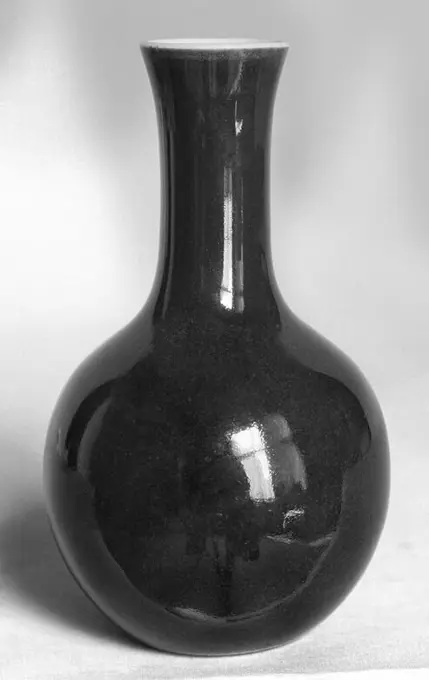
Bottle China. Bottle 60641
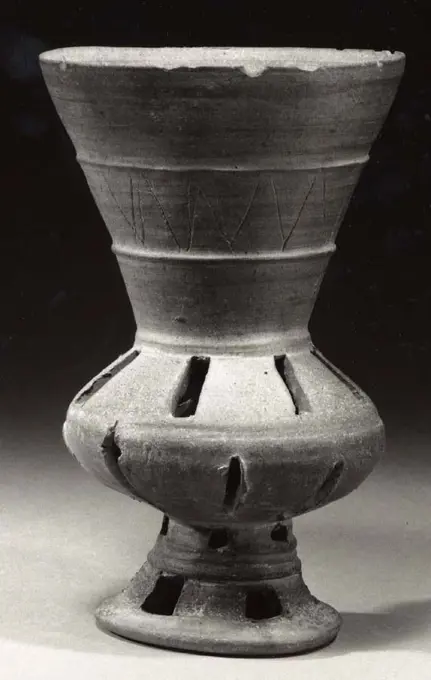
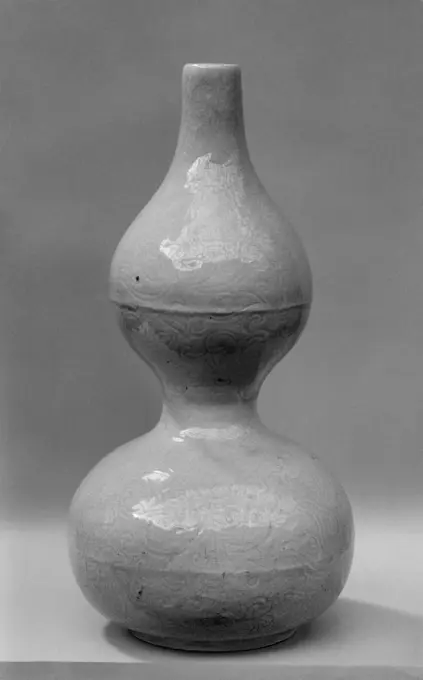
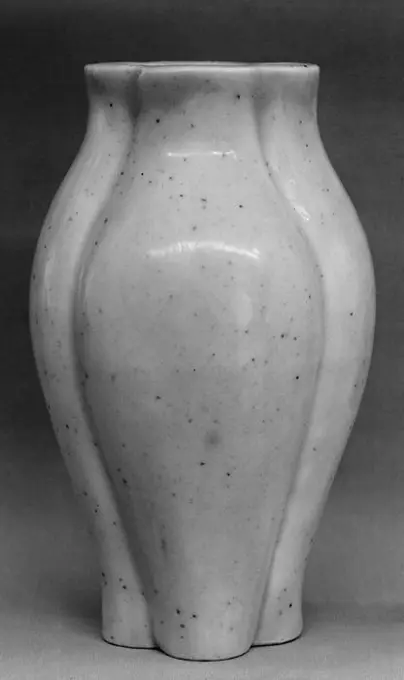
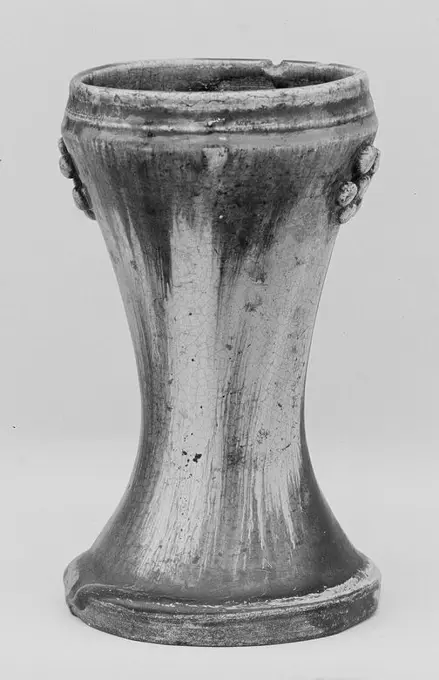
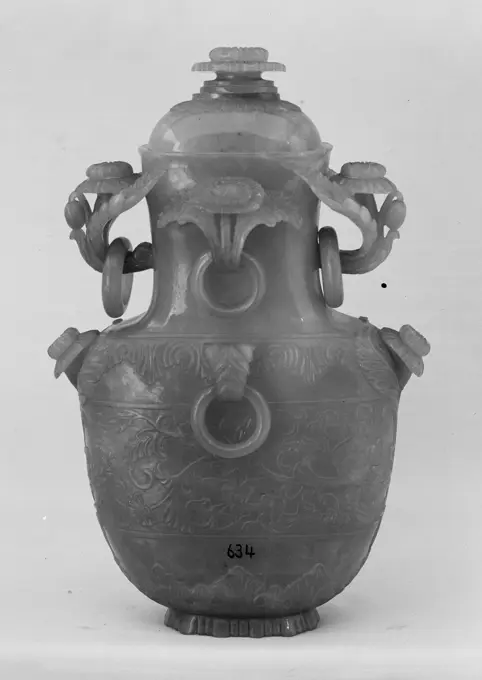
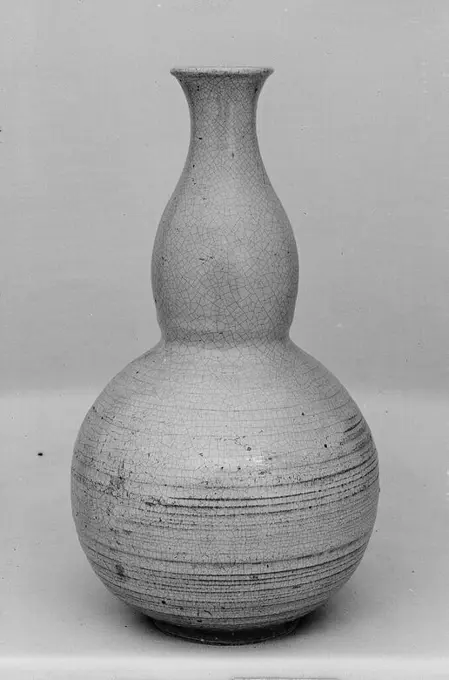
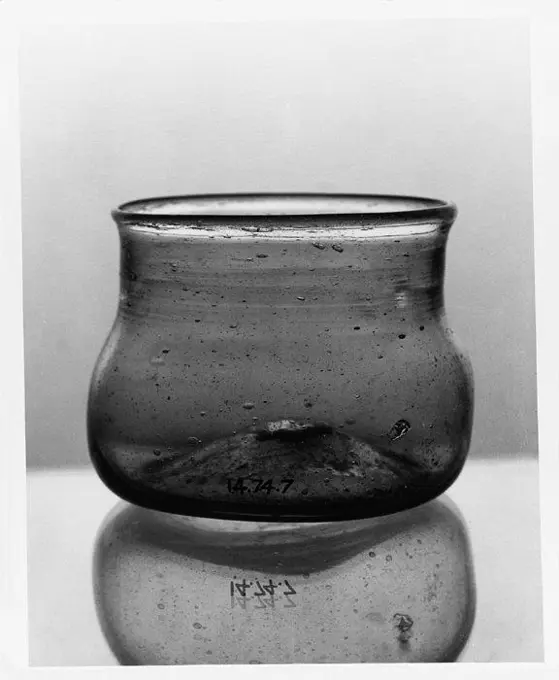
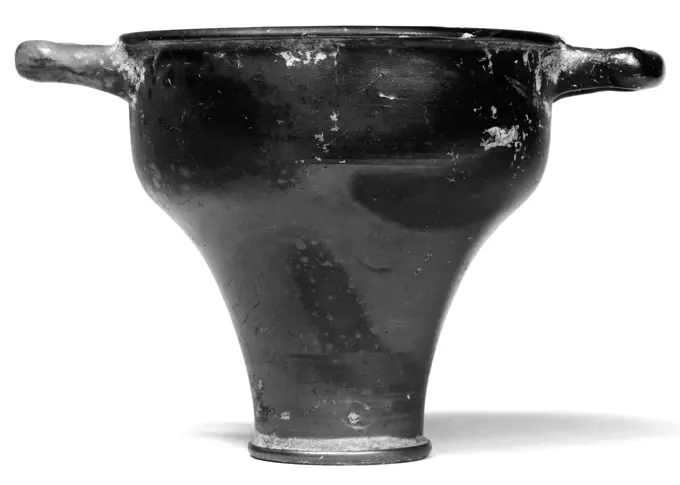
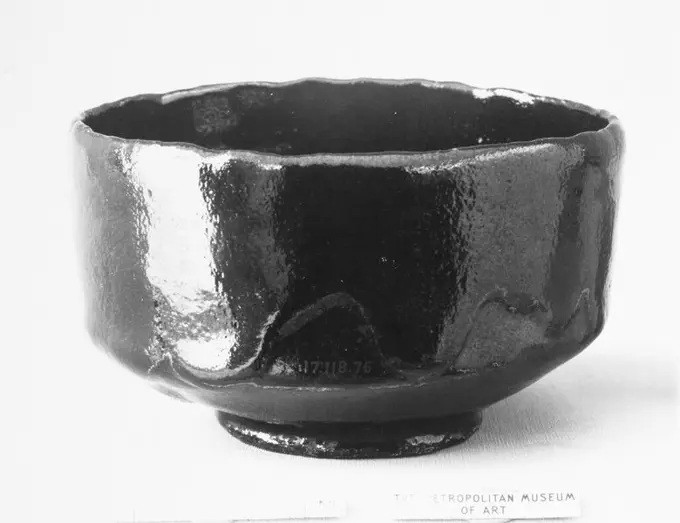
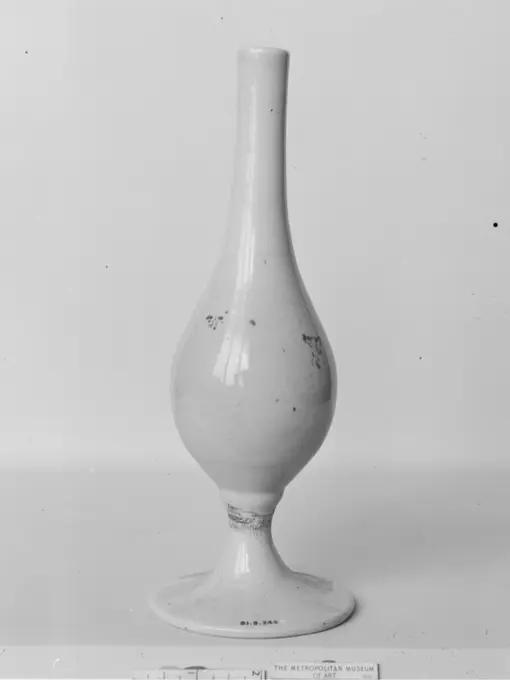
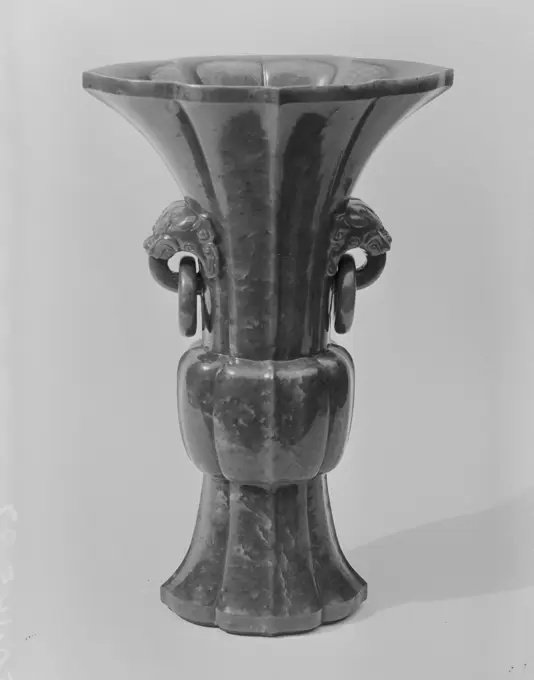
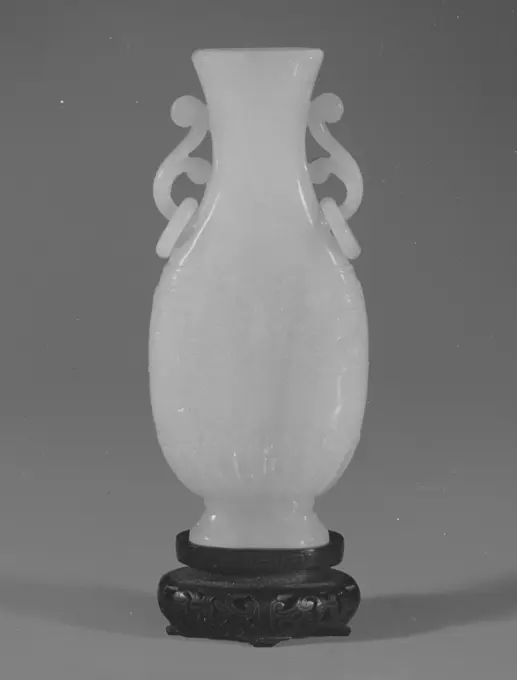
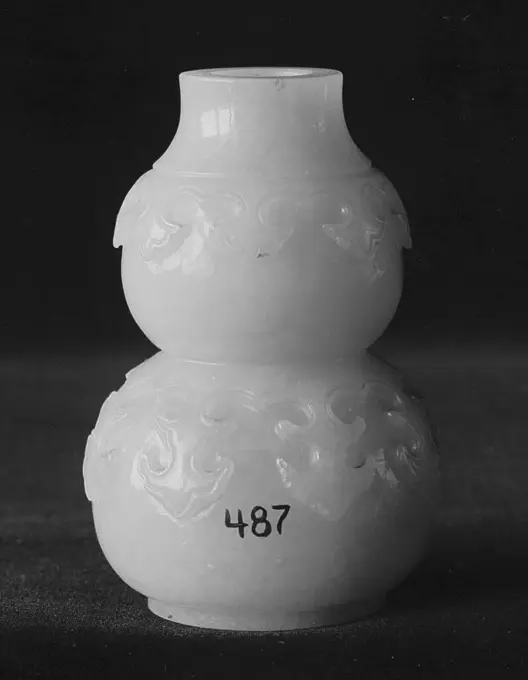
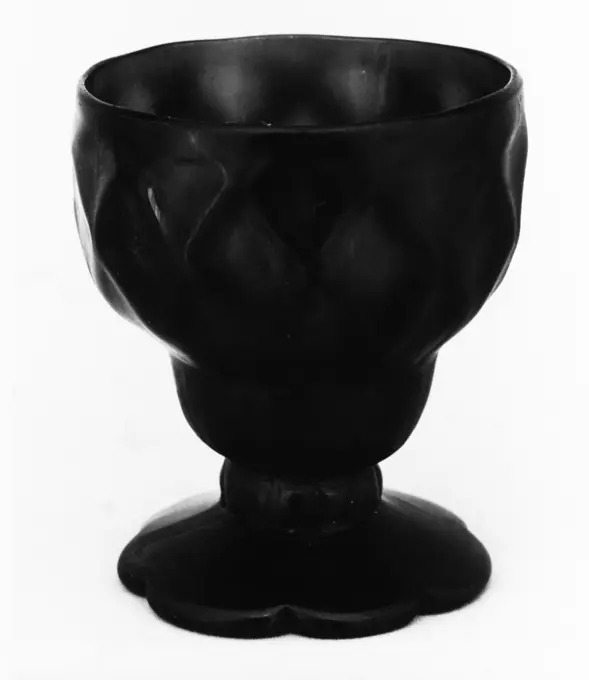
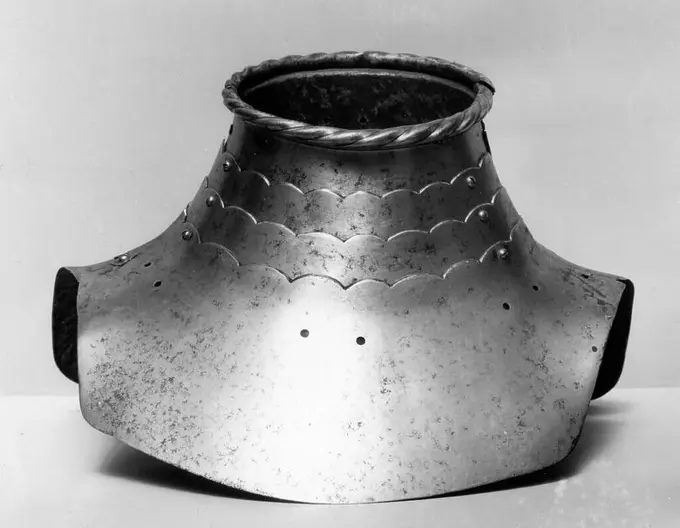
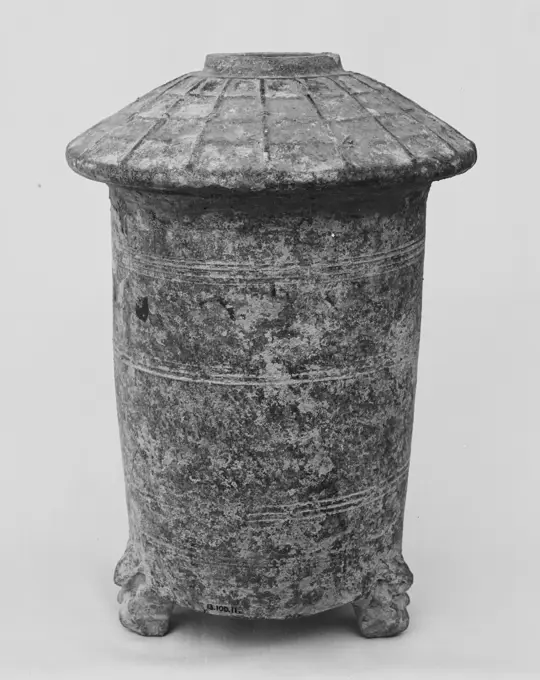
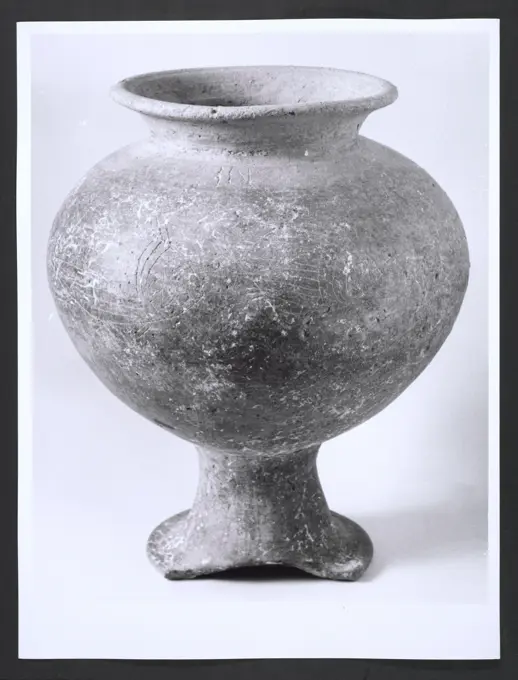
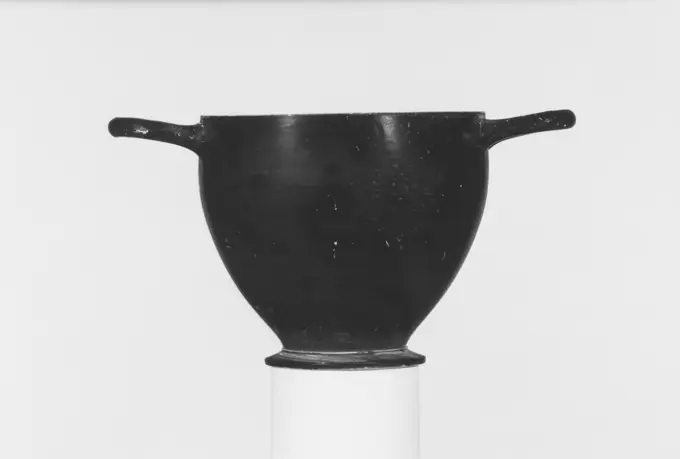
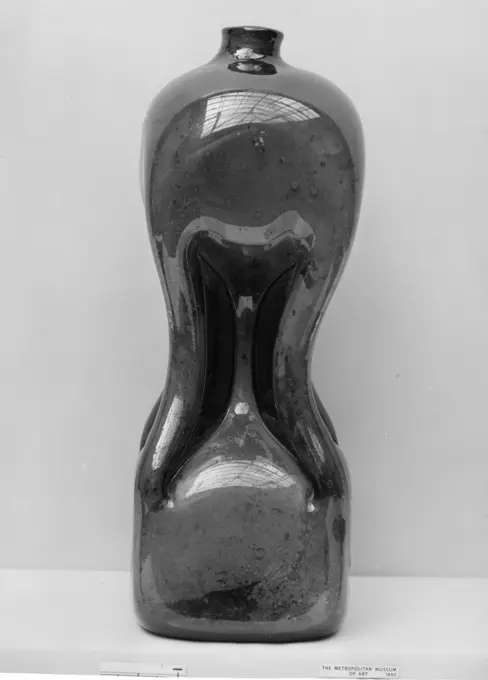
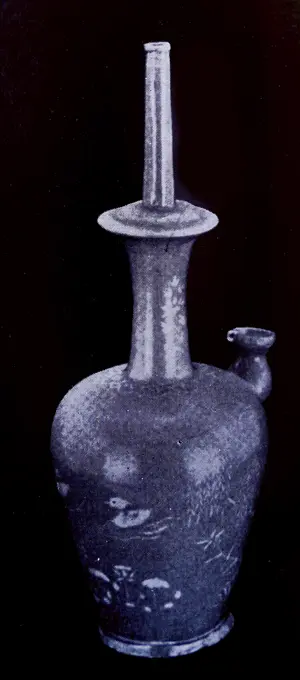
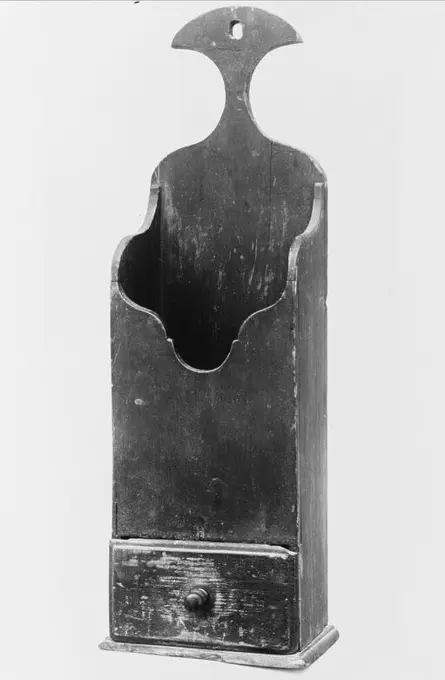
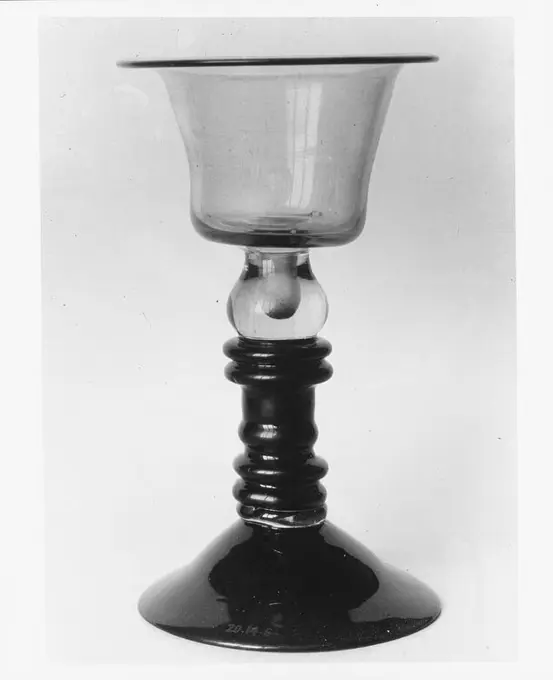
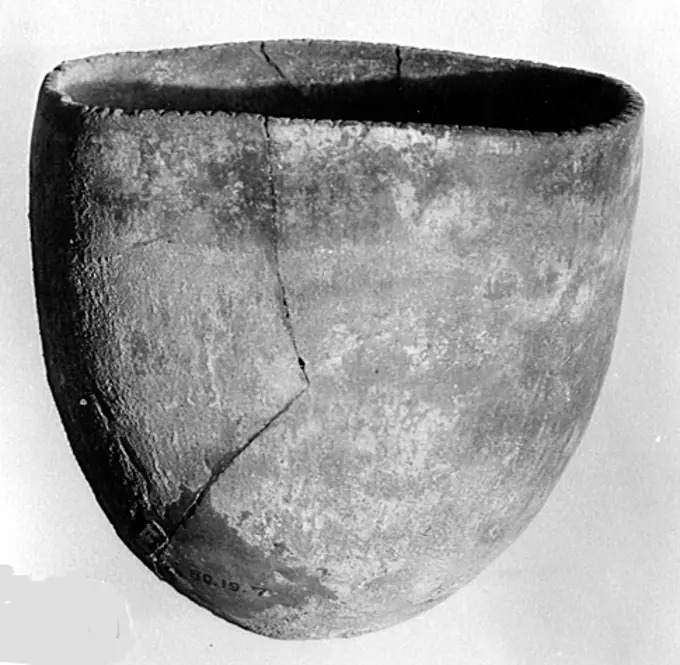
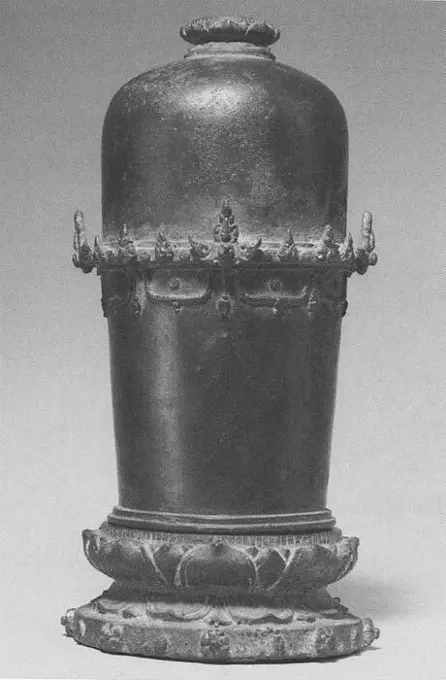
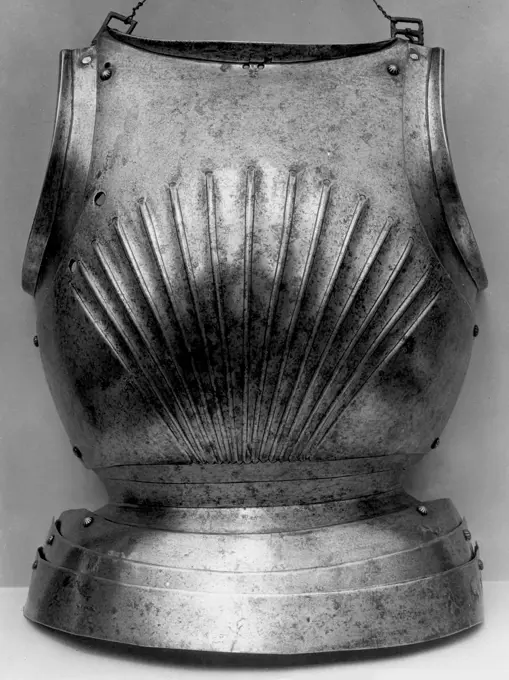
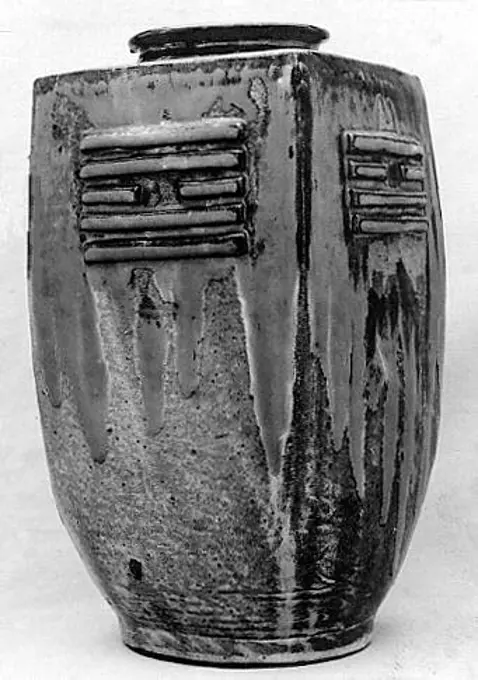
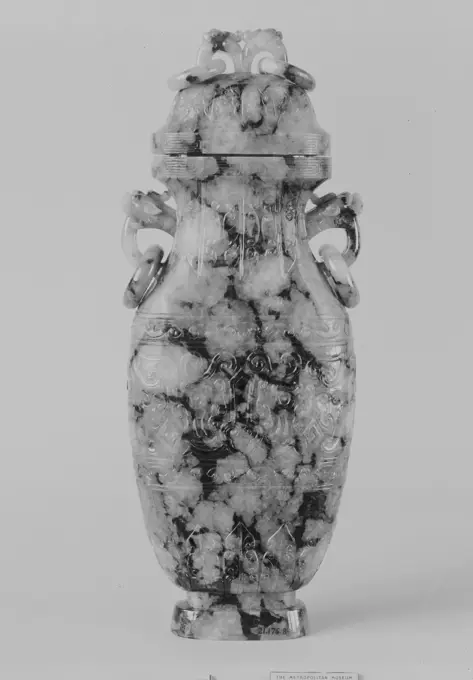
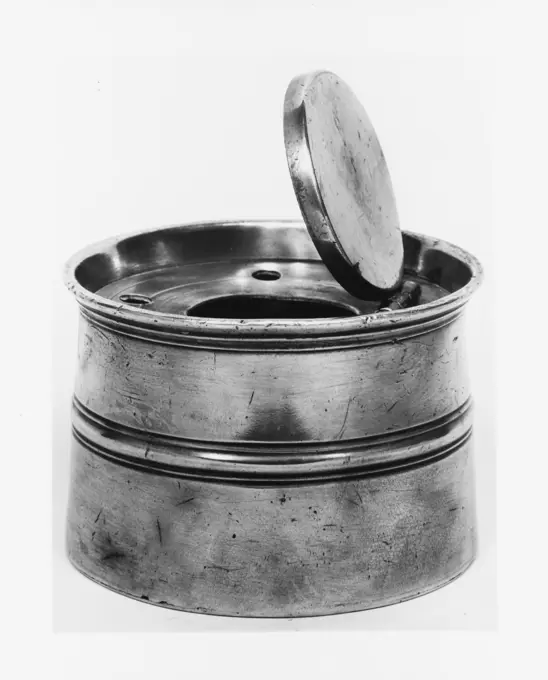
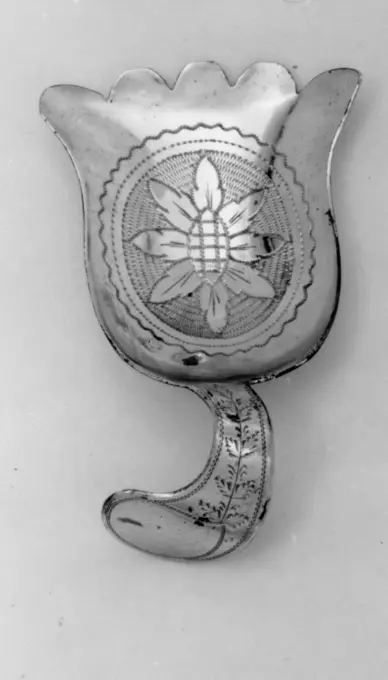
Cricket cage 18th-19th century China. Cricket cage 60738Bottle China. Bottle 60641Vase. Culture: China. Dimensions: H. 4 in. (10.2 cm). Date: late 18th-first half of the 19th century. Museum: Metropolitan Museum of Art, New York, USA.Bell Cup 5th-6th century Korea. Bell Cup 39508Water Jar 17th century Japan. Water Jar. Japan. 17th century. Clay covered with a mottled and streaked glaze (Seto ware). Momoyama (1573-1615) or Edo period (1615-1868). CeramicsTall Geometric Pitcher. UnknownVase China. Vase. China. Porcelain with cream white glaze. Ming dynasty (1368-1644). CeramicsVase 19th century China. Vase 46675Jar China. Jar 46893Hanging Vase. Culture: Japan. Dimensions: H. 5 3/4 in. (14.6 cm). Date: 19th century. Museum: Metropolitan Museum of Art, New York, USA.Gourd-shaped Bottle. Culture: Japan. Dimensions: H. 9 3/8 in. (23.8 cm). Date: 19th century. Museum: Metropolitan Museum of Art, New York, USA.Bottle. Culture: China. Dimensions: H. 6 in. (15.2 cm). Museum: Metropolitan Museum of Art, New York, USA.Flask. UnknownSnuff Bottle second half of the 19th century China. Snuff Bottle 41269Vase. Culture: Japan. Dimensions: H. 7 1/4 in. (18.4 cm); Diam. of rim 4 in. (10.2 cm); Diam. of foot 4 1/8 in. (10.5 cm). Date: 18th century. Museum: Metropolitan Museum of Art, New York, USA.Vase with cover China. Vase with cover. China. Nephrite, light yellowish gray. Qing dynasty (1644-1911), Qianlong period (1736-95). JadeGheṇṭa (prayer bell) 11th century Javanese The bell (dril bu) is the most common musical instrument associated with Tantric Buddhist ritual. Held in the left hand, the dril bu (clapper bell) is always paired with a scepter (dorje), which is held in the right. The scepter symbolizes method, bliss, and male aspects while the bell represents wisdom, emptiness, and the female aspects. Both principles are necessary to achieve Enlightenment. The bell handle traditionally matches in decoration the scepter it is paired with - often with five spokes or points (five representing the five forms of mystical wisdom). These bells were produced in Java, Indonesia, during the eleventh century. Buddhism flourished in Indonesia at that time, before Islam became dominant in the thirteenth and fourteenth centuries. Gheṇṭa (prayer bell) 505109Vase China. Vase. China. Porcelain. Qing dynasty (1644-1911), Kangxi period (1662-1722). CeramicsBottle. Culture: Japan. Dimensions: H. 9 1/2 in. (24.1 cm). Date: 18th century. Museum: Metropolitan Museum of Art, New York, USA.Vase 18th century China. Vase 60617Bottle 11th-12th century Korea. Bottle 57433Bottle ca. 1150 Korea. Bottle 57425Water Coupe. Culture: China. Dimensions: H. 3 1/2 in. (8.9 cm); Diam. 5 in. (12.7 cm). Museum: Metropolitan Museum of Art, New York, USA.Wine Vessel of Archaistic Design 16th-17th century China. Wine Vessel of Archaistic Design 42091Jar 18th centuryCampanian Black Glazed Skyphos. UnknownBeaker of Zhou Design China. Beaker of Zhou Design. China. Nephrite. Qing dynasty (1644-1911), Qianlong period (1736-95). JadeTeabowl. Artist: Raku Donyu (Japanese, died 1656). Culture: Japan. Dimensions: H. 3 in. (7.6 cm); Diam. 5 in. (12.7 cm). Date: ca. 1650. Museum: Metropolitan Museum of Art, New York, USA.Vase 18th century or later Italian. Vase. Italian. 18th century or later. Glass. GlassVessel ca. 9th century B.C. Iran. Vessel. Iran. ca. 9th century B.C.. Ceramic. Iron Age II, Hasanlu Period IV. Iran, HasanluBottle China. Bottle 51027Flask 9th-11th century Islamic. Flask. Islamic. 9th-11th century. Almost colorless (brown tinged) and translucent purple glass. Blown (the body blown in a dip mold), the rim finished at the furnace, wheel-cut.. GlassVase 18th century China. Vase. China. 18th century. Jade. Qing dynasty (1644-1911). JadeBottle 18th century China. Bottle 60623Bottle latter half of the 12th century Korea. Bottle 57435Emilia-Romagna Ferrara Ferrara Museo Civico di Schifanoia86. Hutzel, Max 1960-1990 General Notes: INCOMPLETE RECORD--NEGATIVES PROCESSED, PRINTS FILED German-born photographer and scholar Max Hutzel (1911-1988) photographed in Italy from the early 1960s until his death. The result of this project, referred to by Hutzel as Foto Arte Minore, is thorough documentation of art historical development in Italy up to the 18th century, including objects of the Etruscans and the Romans, as well as early Medieval, Romanesque, Gothic, Renaissance and Baroque monuments. Images are organized by geographic region in Italy, then by province, city, site complex and monument.Bottle latter half of the 11th-first half of the 12th century Korea. Bottle 57520Pellet Bell late 18th century American. Pellet Bell 501984Beaker 1822-24 Thomas Danforth Boardman. Beaker. American. 1822-24. Pewter. Made in Hartford, Connecticut, United StatesVase with dragon 18th century China. Vase with dragon. China. 18th century. Porcelain with incised decoration (Jingdezhen ware), with metal mounts. Qing dynasty (1644-1911). CeramicsLiquor Glass 1820-40 American. Liquor Glass 4799Wine Bottle. Artist: Masamoto Naosaku (Japanese,). Culture: Japan. Dimensions: H. 7 1/2 in. (19.1 cm). Date: dated 1835. Museum: Metropolitan Museum of Art, New York, USA.Vase late 18th century China. Vase. China. late 18th century. Jade. JadeBulbous Weight. UnknownDouble-Gourd Vase. Culture: China. Dimensions: H. 2 13/16 in. (7.1 cm); W. 1 15/16 in. (4.9 cm). Museum: Metropolitan Museum of Art, New York, USA.Sgabello 16th century Italian, Tuscany. Sgabello 197162Vase with floral patterns 18th century China. Vase with floral patterns. China. 18th century. Porcelain with underglaze incised decoration (Jingdezhen ware). Qing dynasty (1644-1911). CeramicsGoblet (Roemer) early 19th century German. Goblet (Roemer). German. early 19th century. Glass. GlassDetail. >>Saltcellar 1780-1825 British, probably. Saltcellar 6974Wine cup. Culture: China. Dimensions: H. 3 3/4 in. (9.5 cm); W. 3 3/8 in. (8.5 cm); L. 1 7/16 in. (3.6 cm). Museum: Metropolitan Museum of Art, New York, USA.Vase late 17th-early 18th century China. Vase 42355Gorget. Culture: German. Dimensions: H. 8 in. (20.3 cm); W. 12 1/2 in. (31.8 cm); Wt. 2 lb. 14 oz. (1304 g). Date: 16th century. Museum: Metropolitan Museum of Art, New York, USA.Brush Holder. Culture: China. Dimensions: H. 5 in. (12.7 cm); Diam. 2 1/2 in. (6.4 cm). Date: 18th century. Museum: Metropolitan Museum of Art, New York, USA.Box and Cover 19th century Japan. Box and Cover 59828Emilia-Romagna Ferrara Ferrara Museo Civico di Schifanoia67. Hutzel, Max 1960-1990 General Notes: INCOMPLETE RECORD--NEGATIVES PROCESSED, PRINTS FILED German-born photographer and scholar Max Hutzel (1911-1988) photographed in Italy from the early 1960s until his death. The result of this project, referred to by Hutzel as Foto Arte Minore, is thorough documentation of art historical development in Italy up to the 18th century, including objects of the Etruscans and the Romans, as well as early Medieval, Romanesque, Gothic, Renaissance and Baroque monuments. Images are organized by geographic region in Italy, then by province, city, site complex and monument.Jaguar Bell 11th-16th century Chiriqui. Jaguar Bell 313120Ring collar of black dyed equestrian harness. Ring collar, iron, blank, from two halves that have rinded to each other on both of the opening of which the front and back ends in a corner. Opening to the head has a folded-flien edge. The right side of the opening has a pin whose size of the opening can be changed. The bottom edge of the front and rear are surrounded.Granary Tower 1st-early 3rd century China Pottery models of houses and farm structures were commonly included in Eastern Han burials to provide for the afterlife.. Granary Tower. China. 1st-early 3rd century. Earthenware with green lead glaze. Eastern Han dynasty (25-220). CeramicsLazio Viterbo Tarquinia Palazzo Vitelleschi30. Hutzel, Max 1960-1990 Exterior views of Palazzo and museum as well as interior courtyard views and interior views of vaulting. 15th cent. gothic architecture (1436-39, 1460-90). Inside palazzo is the Cappella gentilizia, 15th century, and the antecappella, with frescoes of the story of Lucrezia alternating with the cardinal virtues. Antiquities: Phoenician: faience. Etruscan: sarcophagi; pottery; bronze implements (weapons, vessels, mirrors, candelabra). Gold jewelry. Terracotta masks, statuettes and votive objects. Roman: marble statues, bronze vessels, pottery. Object Notes: Hutzel photo campaign dates: February 15, 1984 and November 9, 1985. It appears that there may have been another campaign for which there are no notes. Palazzo Vitelleschi houses the Museo Nazionale Tarquiniese, antiquities prints are located in antiquities section. Only a few of the antiquities prints are matched to negatives. However, the NNP numbers follow the higBottle 18th century Japan. Bottle. Japan. 18th century. White porcelain with incised design (Arita ware, Ko Imari style). Edo period (1615-1868). CeramicsEmilia-Romagna Ferrara Ferrara Museo Civico di Schifanoia99. Hutzel, Max 1960-1990 General Notes: INCOMPLETE RECORD--NEGATIVES PROCESSED, PRINTS FILED German-born photographer and scholar Max Hutzel (1911-1988) photographed in Italy from the early 1960s until his death. The result of this project, referred to by Hutzel as Foto Arte Minore, is thorough documentation of art historical development in Italy up to the 18th century, including objects of the Etruscans and the Romans, as well as early Medieval, Romanesque, Gothic, Renaissance and Baroque monuments. Images are organized by geographic region in Italy, then by province, city, site complex and monument.Attic Black-Ware Skyphos of Corinthian Shape. UnknownLazio Latina Sezze Antiquarium Comunale79. Hutzel, Max 1960-1990 German-born photographer and scholar Max Hutzel (1911-1988) photographed in Italy from the early 1960s until his death. The result of this project, referred to by Hutzel as Foto Arte Minore, is thorough documentation of art historical development in Italy up to the 18th century, including objects of the Etruscans and the Romans, as well as early Medieval, Romanesque, Gothic, Renaissance and Baroque monuments. Images are organized by geographic region in Italy, then by province, city, site complex and monument.Sugar Caster after 1885 American. Sugar Caster. American. after 1885. Blown satin cranberry glass. Probably made in United StatesCovered Box 19th century China. Covered Box. China. 19th century. Nephrite. Qing dynasty (1644-1911). JadeEmilia-Romagna Ferrara Ferrara Museo Civico di Schifanoia04. Hutzel, Max 1960-1990 General Notes: INCOMPLETE RECORD--NEGATIVES PROCESSED, PRINTS FILED German-born photographer and scholar Max Hutzel (1911-1988) photographed in Italy from the early 1960s until his death. The result of this project, referred to by Hutzel as Foto Arte Minore, is thorough documentation of art historical development in Italy up to the 18th century, including objects of the Etruscans and the Romans, as well as early Medieval, Romanesque, Gothic, Renaissance and Baroque monuments. Images are organized by geographic region in Italy, then by province, city, site complex and monument.Spirits flask German probably 19th century Bottles such as this, with a constriction in the interior, which allows the liquid to be poured slowly and carefully, have a special name in German, "kuttrolf." View more. Spirits flask. German. probably 19th century. Glass. GlassOrnament China. Ornament. China. Glass. Tang dynasty (618-907). GlassWater Pourer or Sprinkler. Celadon glaze; incised decoration filled with black and white slips. From the time of Koryo (Goreyo) (Goreyo) Kingdom (918 - 1392)Vase (Fang). Culture: China. Dimensions: H. 5 1/2 in. (14 cm). Date: 18th-19th century. Museum: Metropolitan Museum of Art, New York, USA.Plate 1761-93 Henry Will. Plate. American. 1761-93. Pewter. Possibly made in Albany, New York, United States; Possibly made in New York, New York, United StatesPipe Box. Culture: American. Dimensions: 19 1/2 x 5 1/2 x 3 1/2 in. (49.5 x 14 x 8.9 cm). Date: 1700-1800. Museum: Metropolitan Museum of Art, New York, USA.Girdle clasp. Culture: China. Dimensions: L. 2 1/4 in. (5.7 cm). Museum: Metropolitan Museum of Art, New York, USA.Vase in the Shape of a Bundle of Bamboo second half of the 19th century Japan. Vase in the Shape of a Bundle of Bamboo. Japan. second half of the 19th century. Porcelain with molded relief decoration and turquoise-blue glaze. Meiji period (1868-1912). CeramicsGoblet. Culture: American. Dimensions: H. 7 in. (17.8 cm). Date: 1830-70. Museum: Metropolitan Museum of Art, New York, USA.Rattle late 19th century Congolese. Rattle 501937Jar ca. 1550-1295 B.C. New Kingdom. Jar. ca. 1550-1295 B.C.. Pottery. New Kingdom. From Egypt. Dynasty 18Lazio Latina Sezze Antiquarium Comunale37. Hutzel, Max 1960-1990 German-born photographer and scholar Max Hutzel (1911-1988) photographed in Italy from the early 1960s until his death. The result of this project, referred to by Hutzel as Foto Arte Minore, is thorough documentation of art historical development in Italy up to the 18th century, including objects of the Etruscans and the Romans, as well as early Medieval, Romanesque, Gothic, Renaissance and Baroque monuments. Images are organized by geographic region in Italy, then by province, city, site complex and monument.Tea jar 17th century Japan. Tea jar. Japan. 17th century. Clay; streaked light and dark brown glaze (Seto ware). CeramicsVase 9th-10th century. Vase. 9th-10th century. Earthenware; under brown glaze. Excavated in Iran, Nishapur. Attributed to Iran, Nishapur. CeramicsRitual Object (Linga) Indonesia (Java) ca. 11th centuryBreastplate ca. 1510 Hans Maystetter Austrian The breastplate's rounded form and ribbed surface anticipate the appearance of a style of fluted armor popular in Germany and Austria during the early sixteenth century that is called the "Maximilian style.". Breastplate 23040Lute Probably Austrian mid-16th century The body was built over a wooden mould, whereby the nine maple ribs (ca. 1.5 mm thick) were glued to the block of ca. 1.2 cm thickness, which was loosely attached to the tip of the mould. After the mould was taken out, the neck was glued to the block and secured with a long iron nail. The paper strips are in part original and served to secure the glue joints, in part they bear witness of later repairs. The label "1591/ Hans Frey" (probably Hans Frey the Younger in Bologna) points to the first major repair in which the lute may have received its present, wider ebony veneered neck. View more. Lute. Probably Austrian. mid-16th century. Maple, spruce, ebony. Austria. Chordophone-Lute-plucked-frettedBottle (unguentaria) A.D. 1st-2nd century Roman Period. Bottle (unguentaria). A.D. 1st-2nd century. Glass, iridescent. Roman Period. From Egypt, Fayum Entrance Area, MeidumTemple Model 1st-8th century Mezcala. Temple Model 315072Vase China. Vase 40731Jug ca. 1550-1295 B.C. New Kingdom. Jug. ca. 1550-1295 B.C.. Serpentinite. New Kingdom. From Egypt. Dynasty 18Jar 19th century Japan. Jar. Japan. 19th century. Paste covered with a transparent glaze and streaks of overglaze (Takatori ware). Edo (1615-1868) or Meiji period (1868-1912). CeramicsVessel ca. 3100-2900 B.C.. Vessel 324056Wine bottle, Koryo (Goreyo) (Goreyo) . Celadon glaze; incised decoration, Koryo (Goreyo) (Goreyo) Dynasty (11th-12th century)Amphora ca. 1550-1295 B.C. New Kingdom. Amphora 544019Musee National d'Athènes, 718, vase funéraire Attique , Urns, Antiquities. Nicholas Catsimpoolas CollectionBlueshucspop of ceramic, Martin Rulech Jun, In , Foufgraphs, Josechmann , ArtistBridle Gauntlet 16th century German. Bridle Gauntlet 23001Double vase. Culture: China. Dimensions: Overall Height: 14 1/8 in. (35.9 cm); W. 6 in. (15.2 cm). Date: early 19th century. Museum: Metropolitan Museum of Art, New York, USA.Covered vase 19th century China. Covered vase. China. 19th century. Jadeite. Qing dynasty (1644-1911). JadeInkwell 1810-50 Thomas Danforth Boardman. Inkwell. American. 1810-50. Pewter. Made in Hartford, Connecticut, United StatesUnmarked, Caddy Spoon, 1815-1835, silver.Cocks & Bettridge, Caddy Spoon, 1810/11, silver.