Historic Coins and Medals

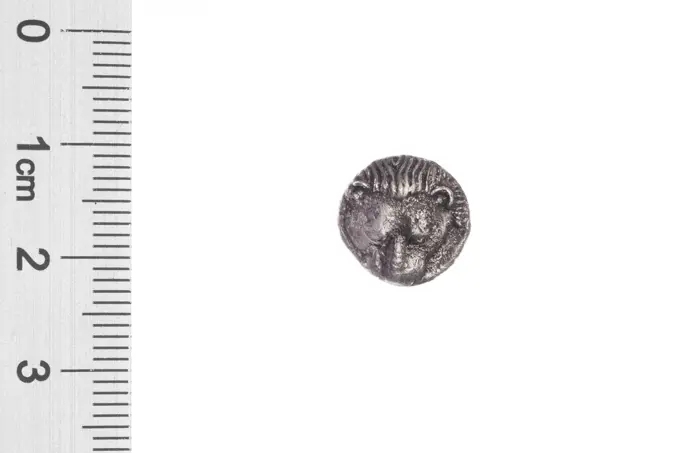
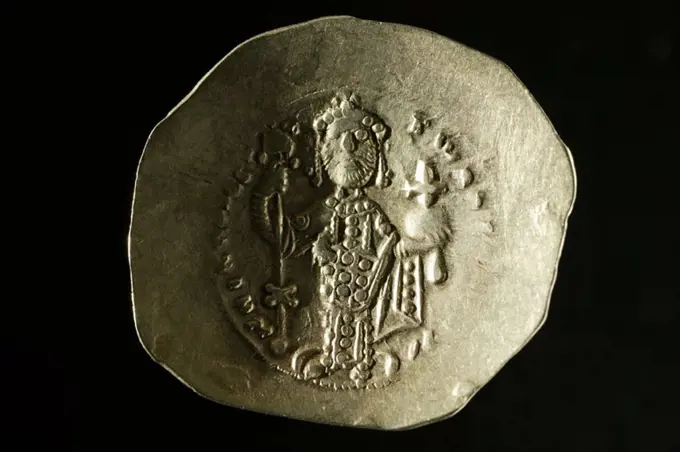
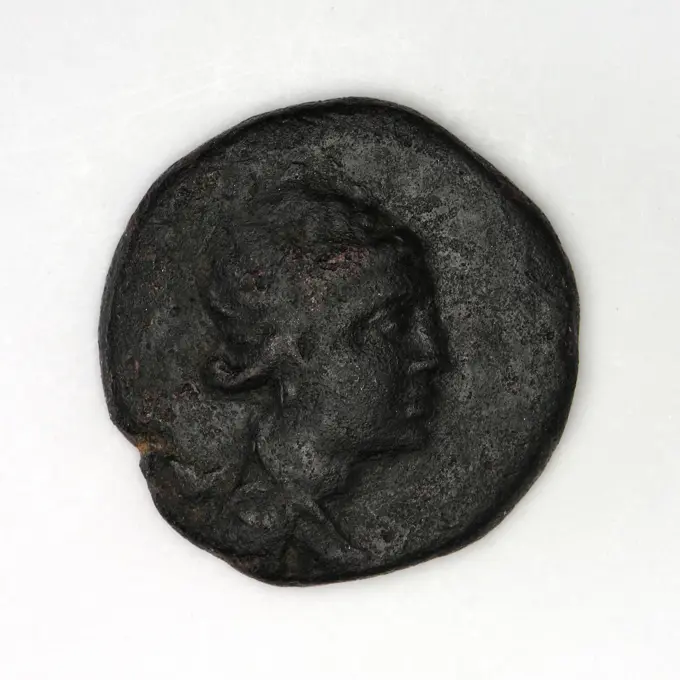
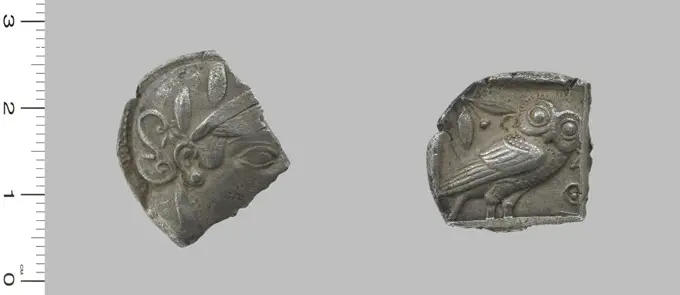
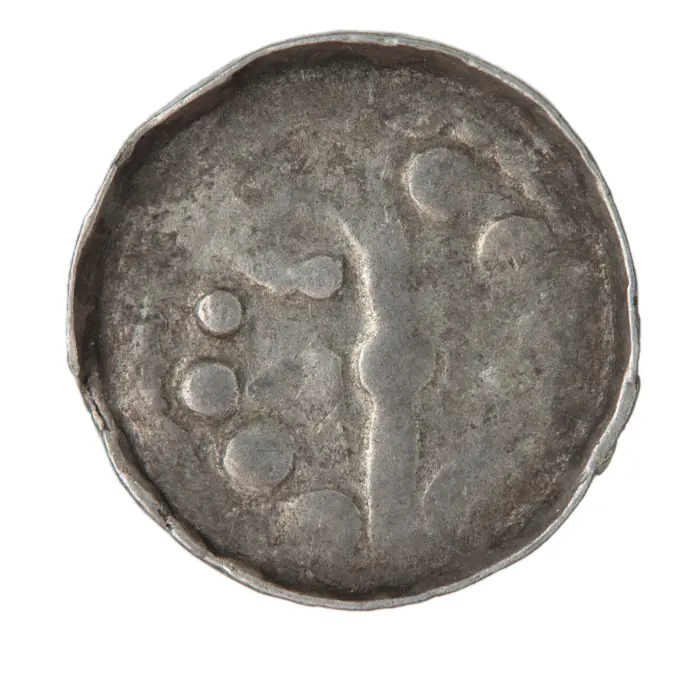
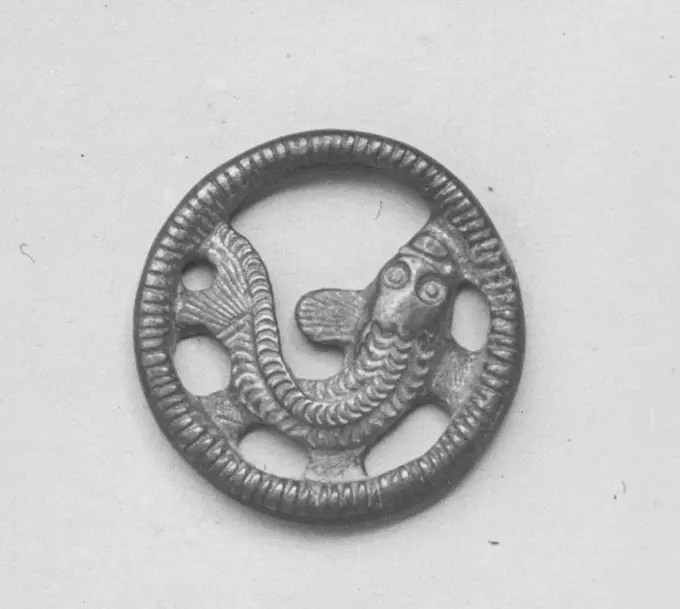
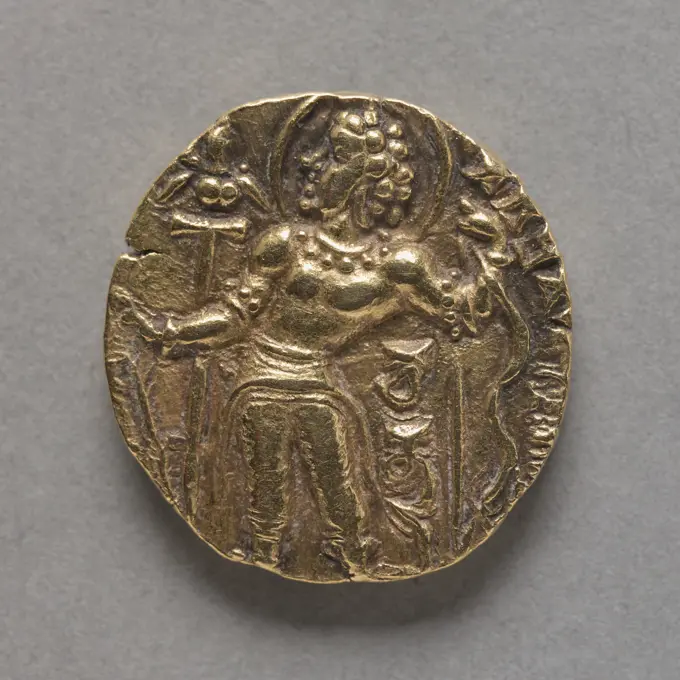
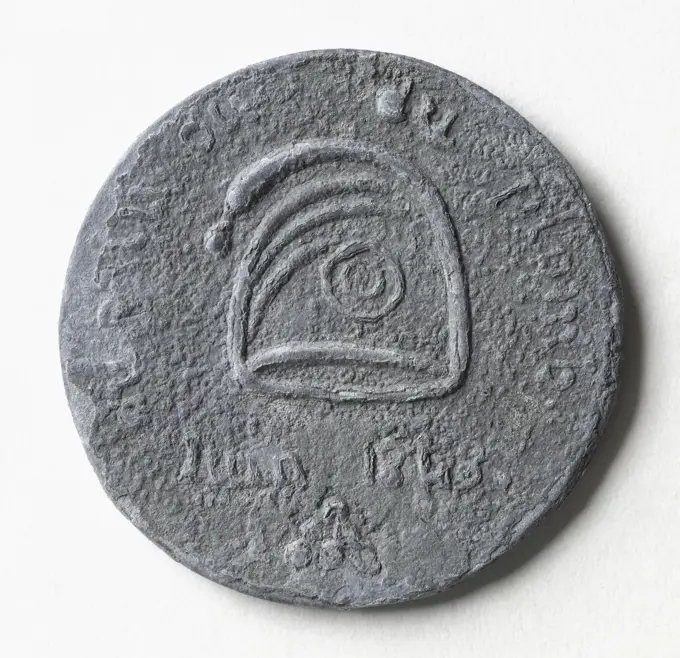
Various ancient coins with intricate designs and worn textures, showcasing historical significance and craftsmanship.
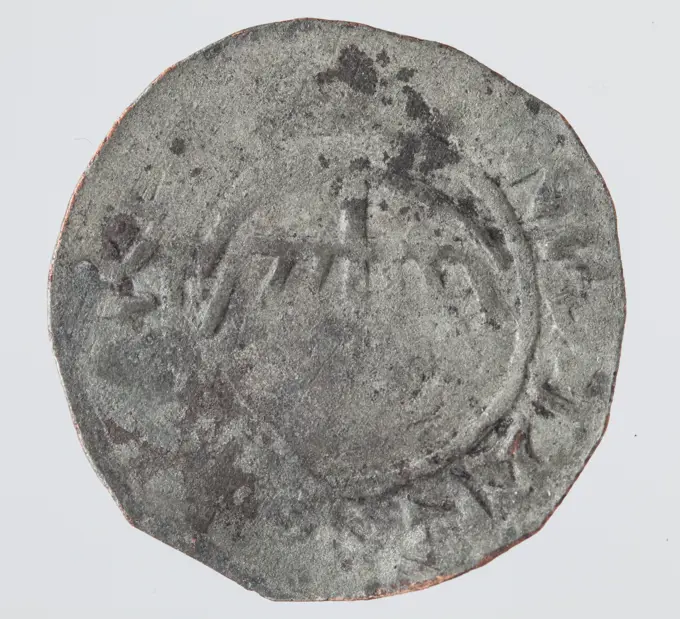
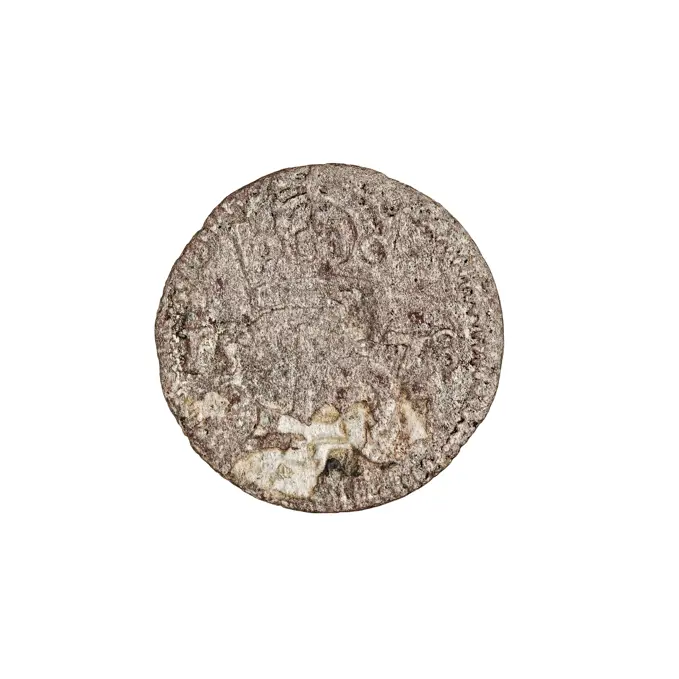
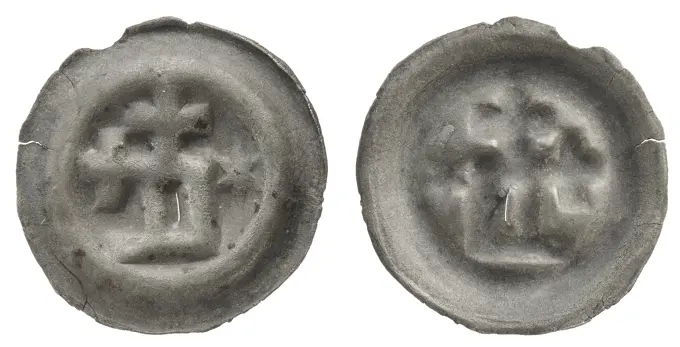
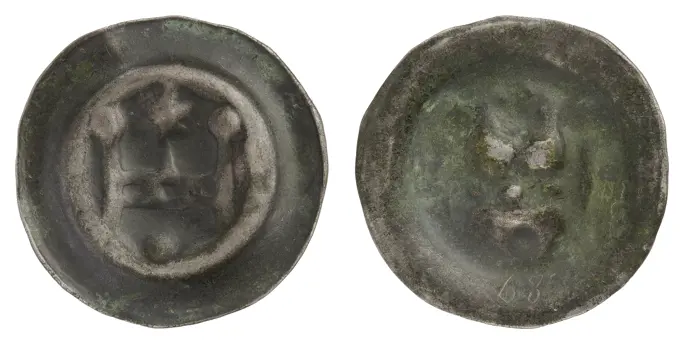
False Coin, Władysław Jagiełło (1386 1434), Kwartalnik Mały (Ternar); 1399/1400 unknown
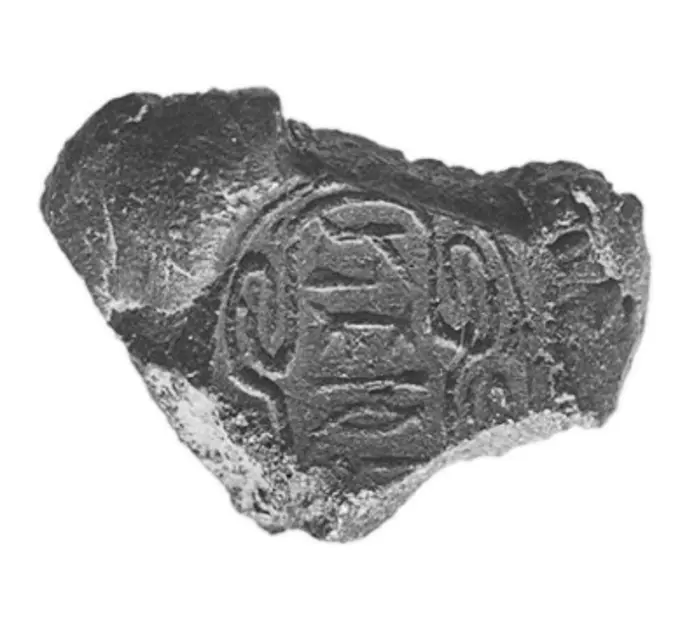
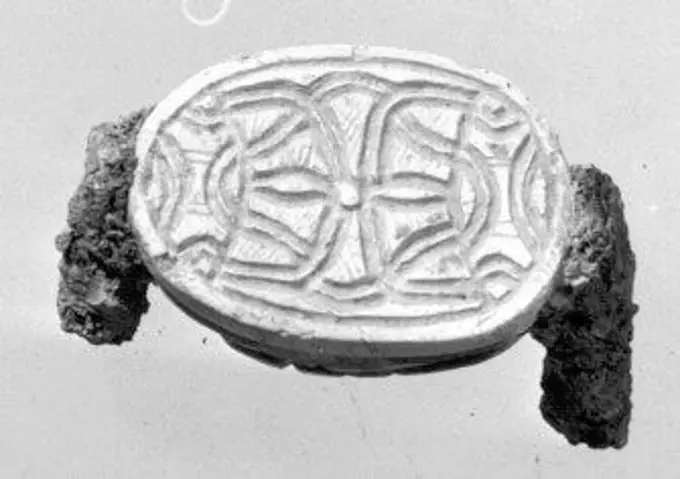
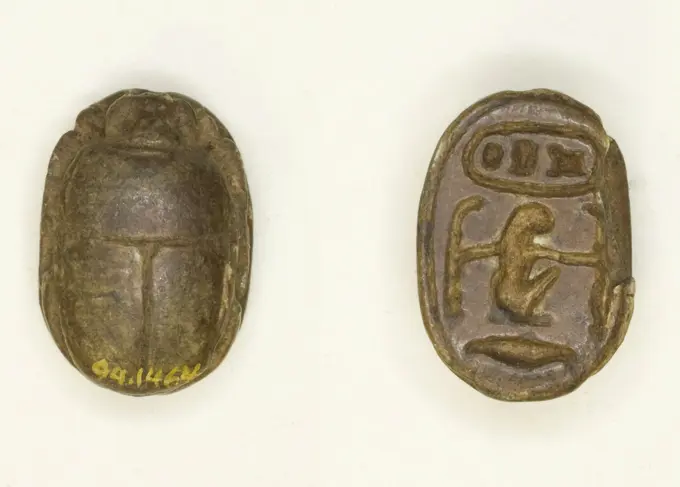
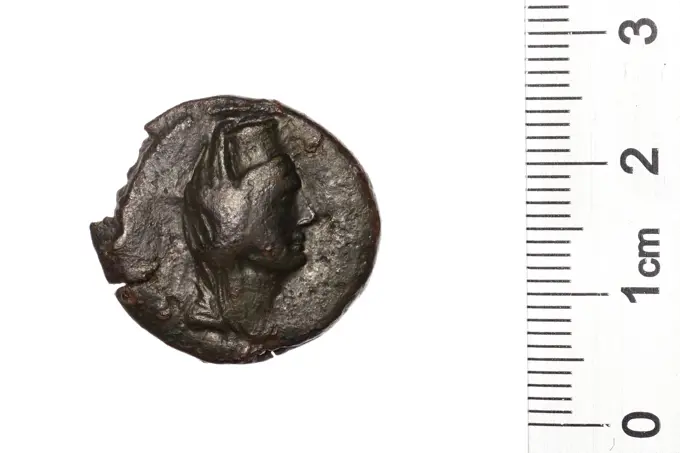
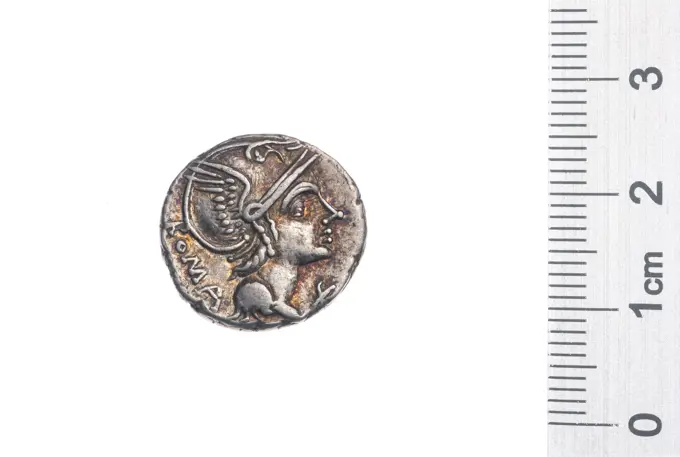
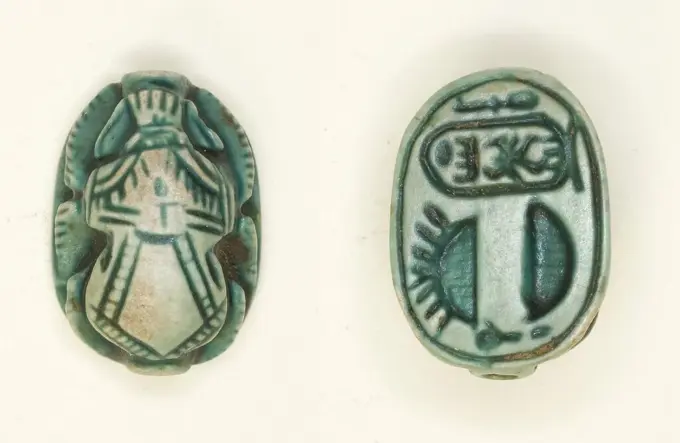
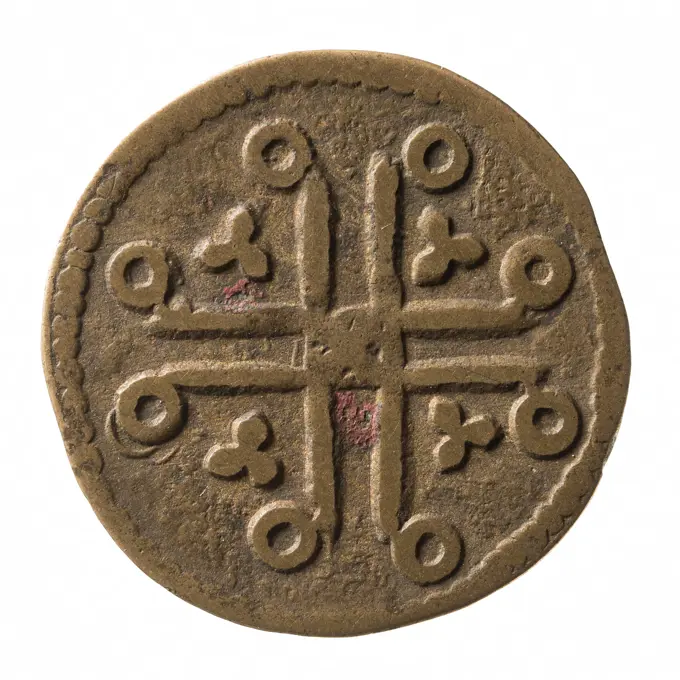
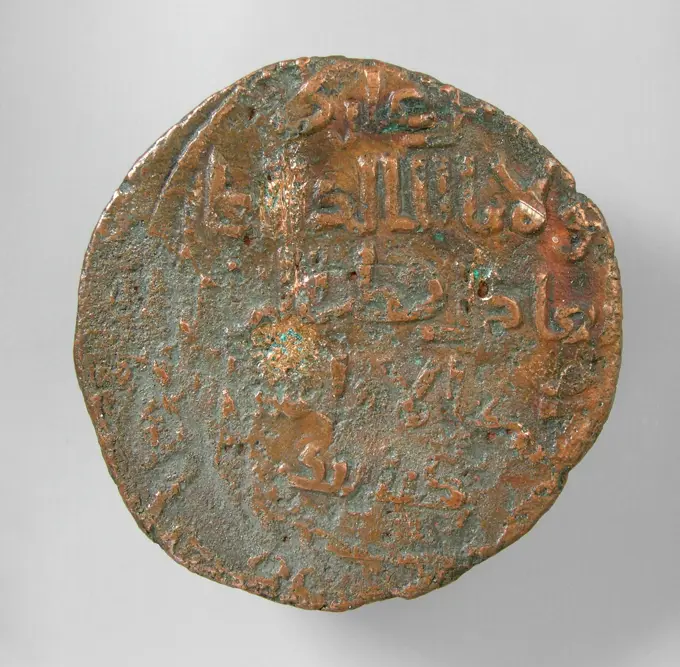
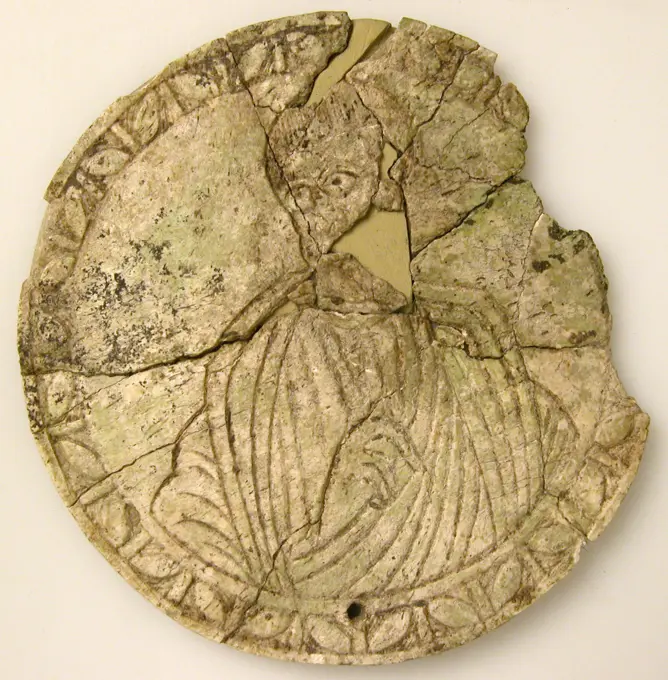
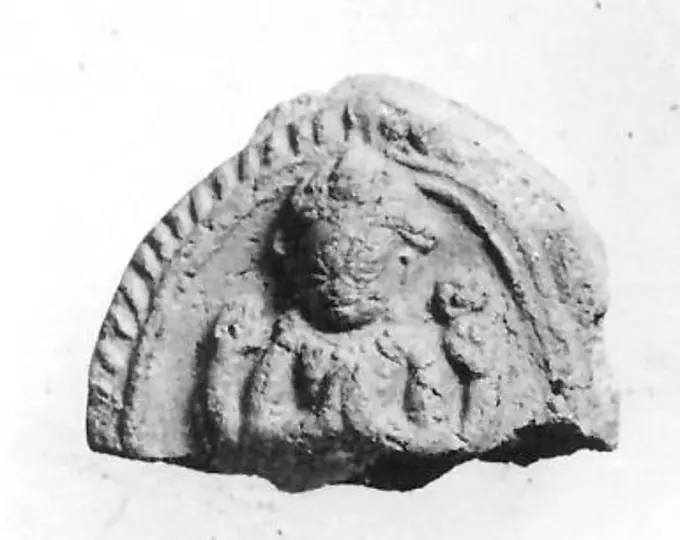
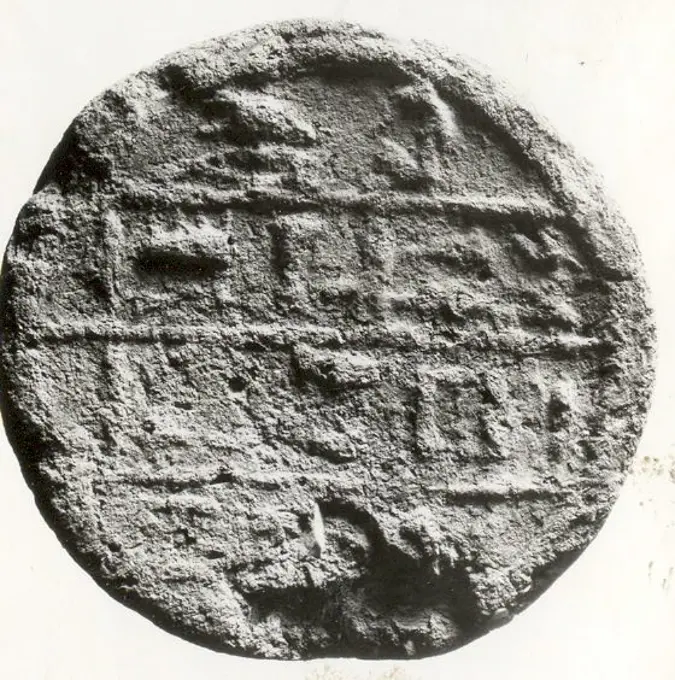
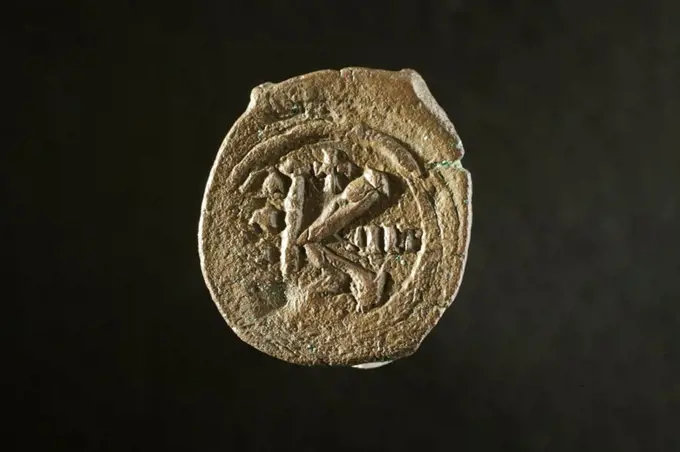
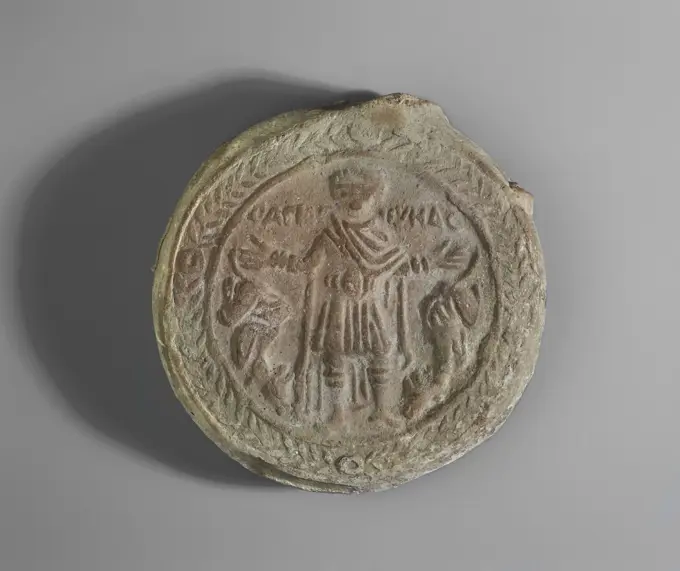
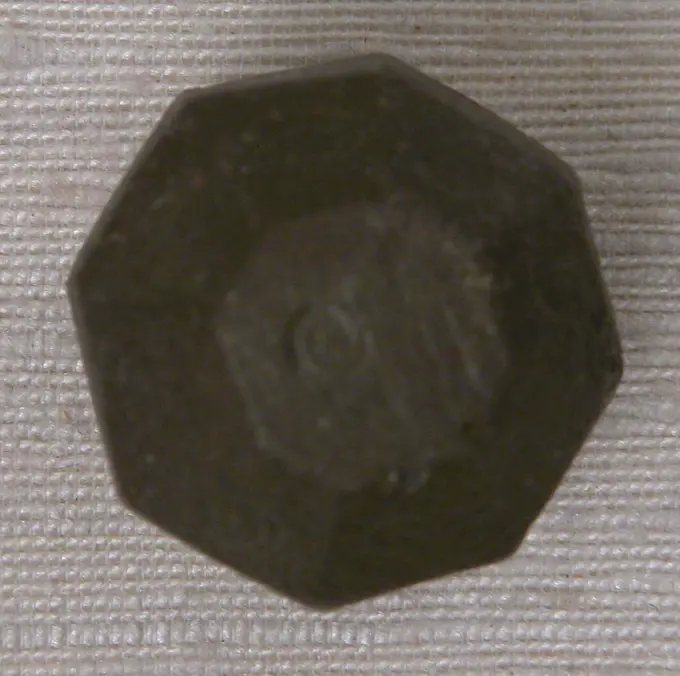
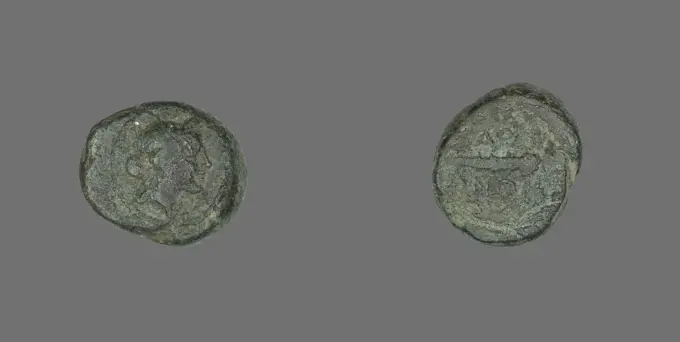
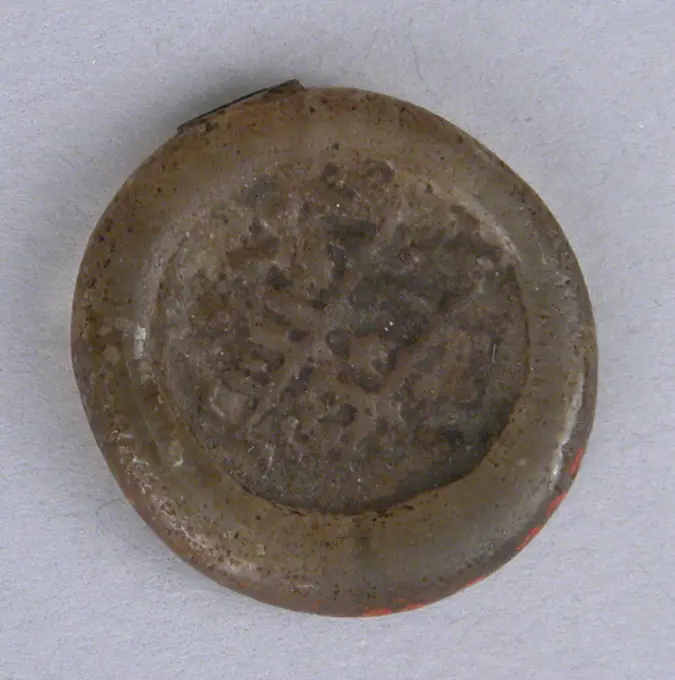
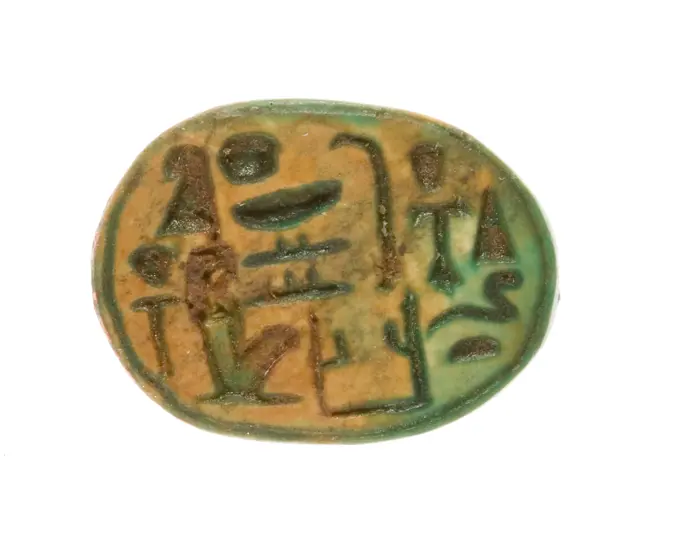
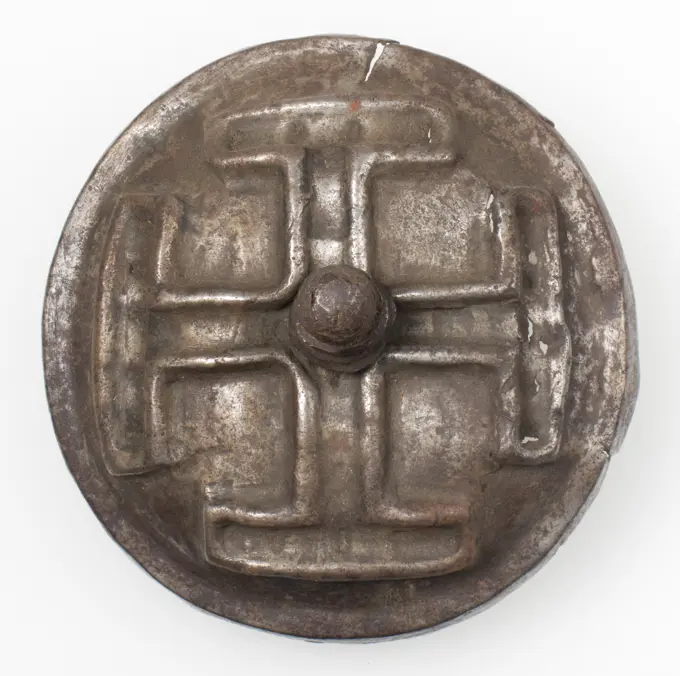
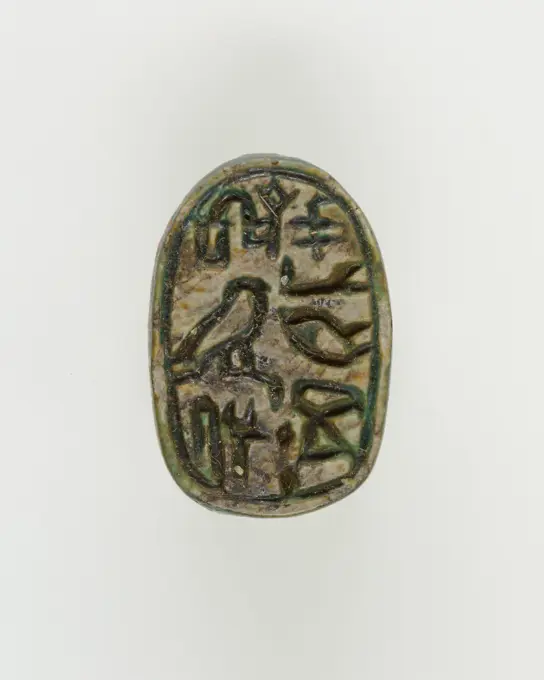
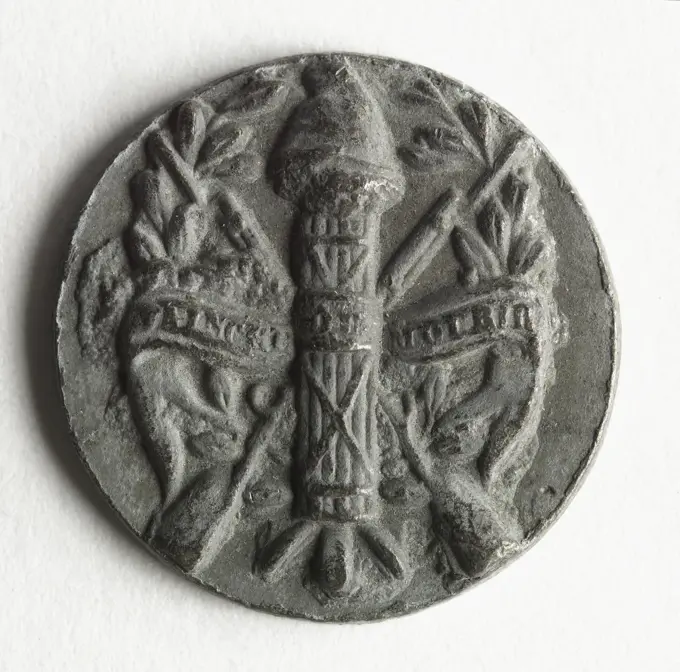
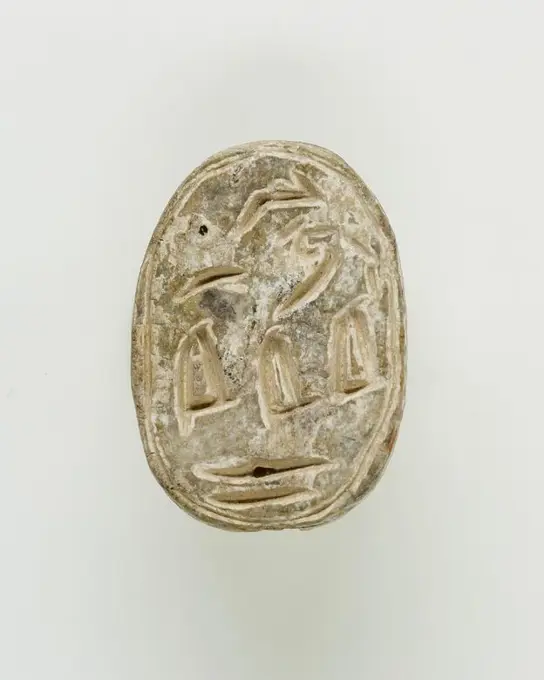
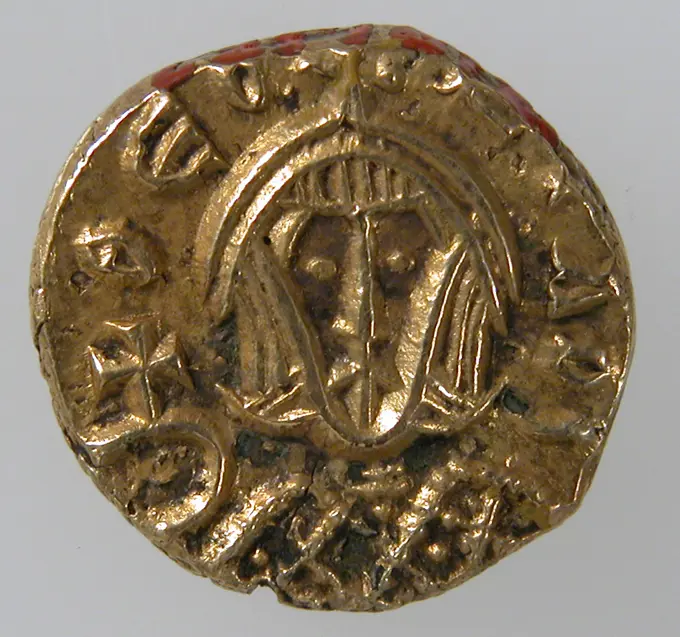
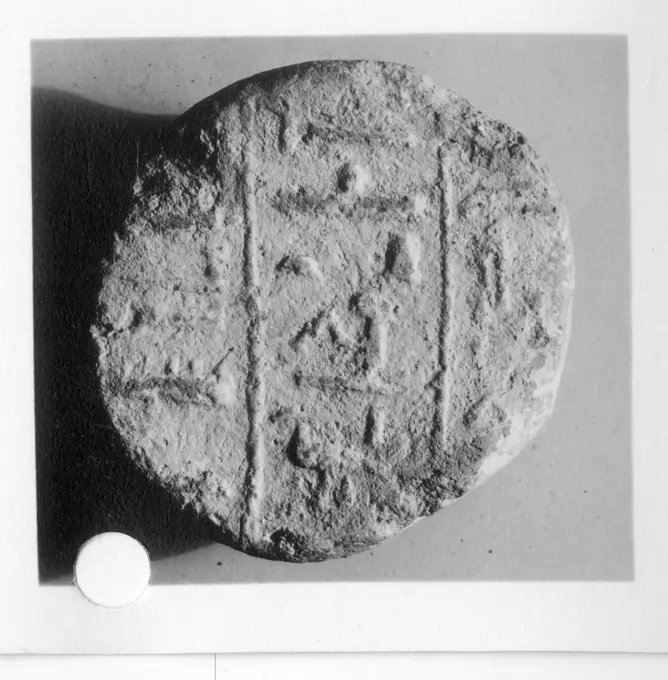
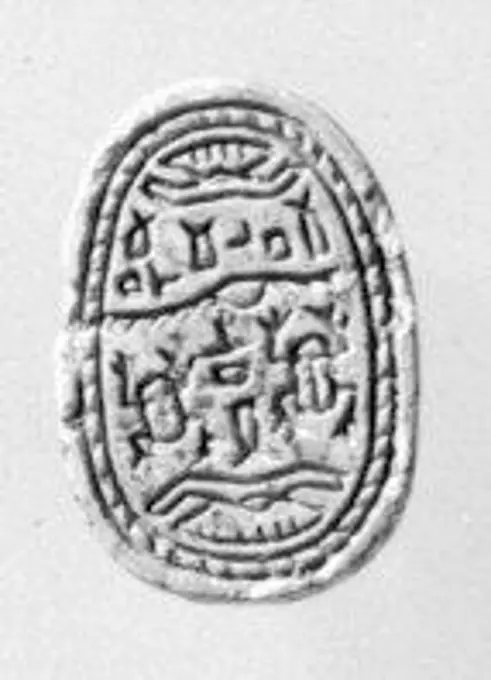
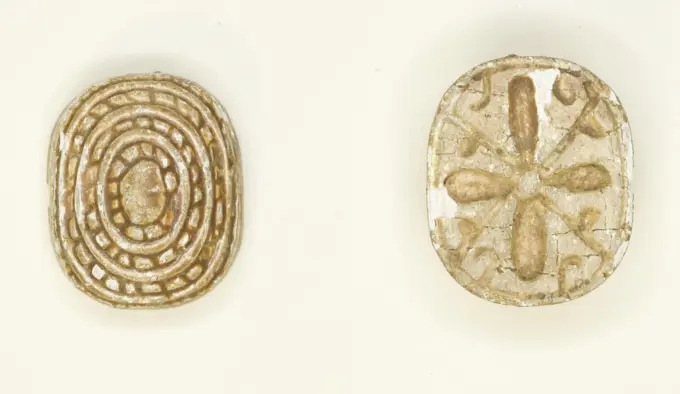
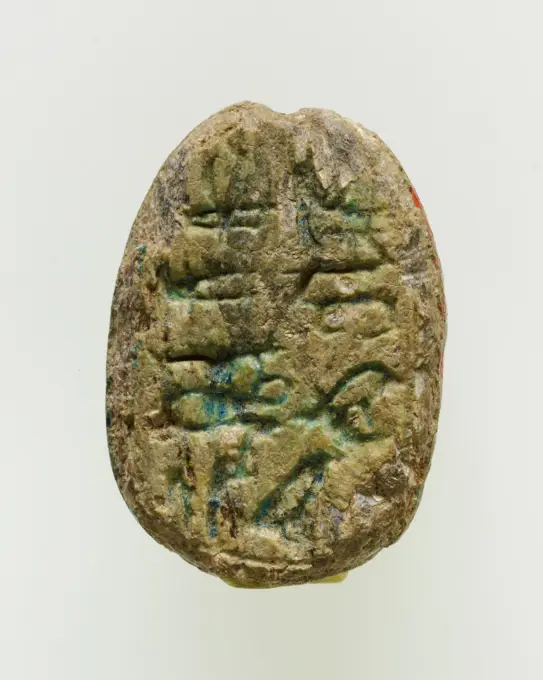
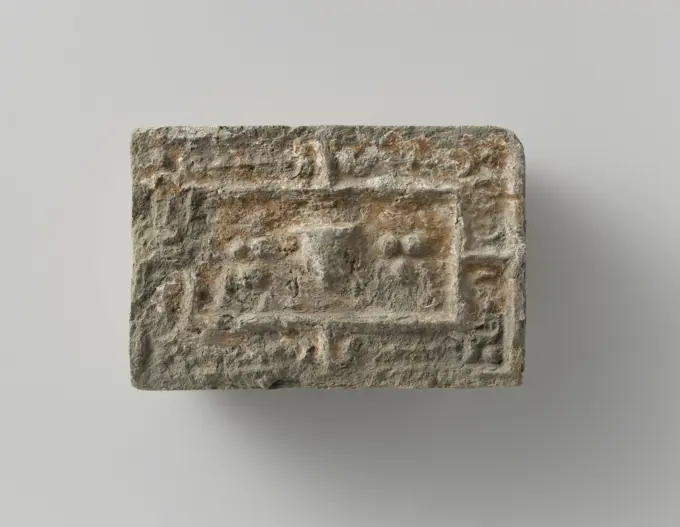
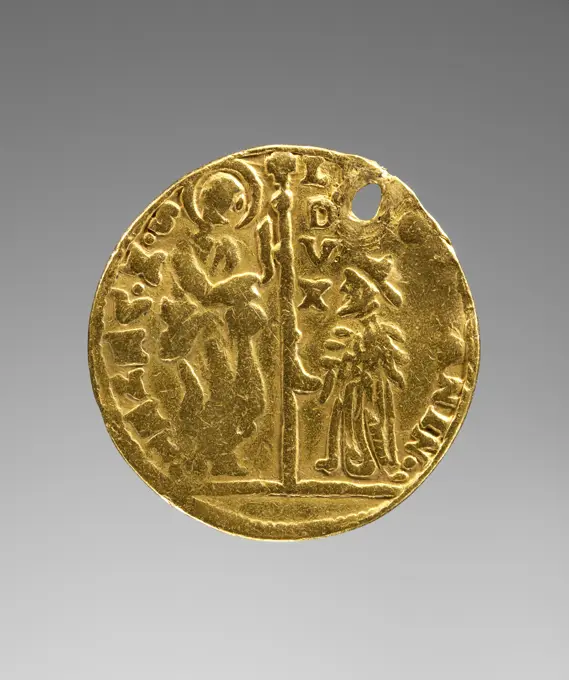
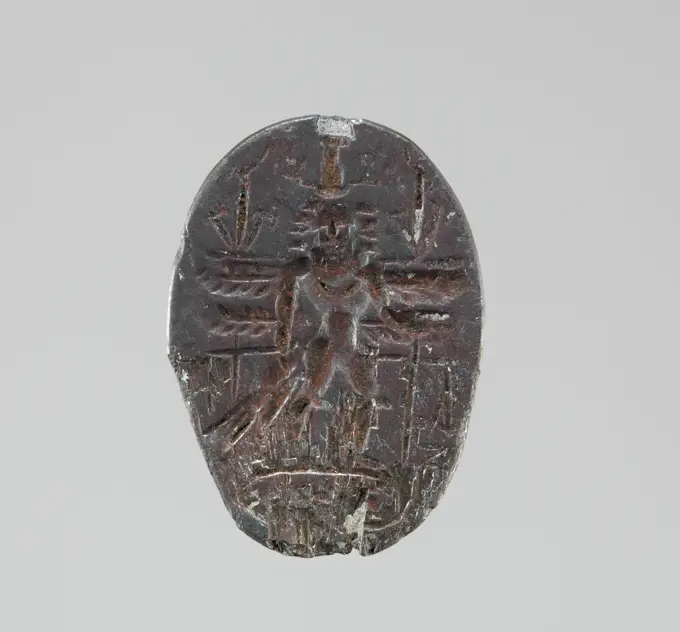
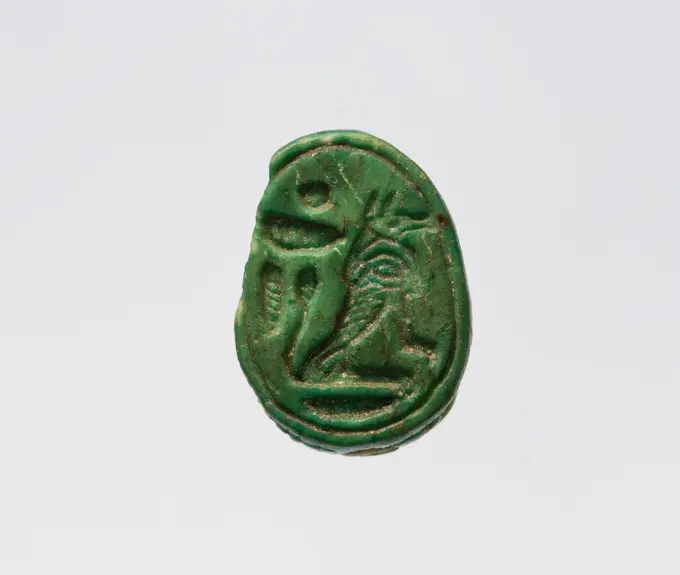
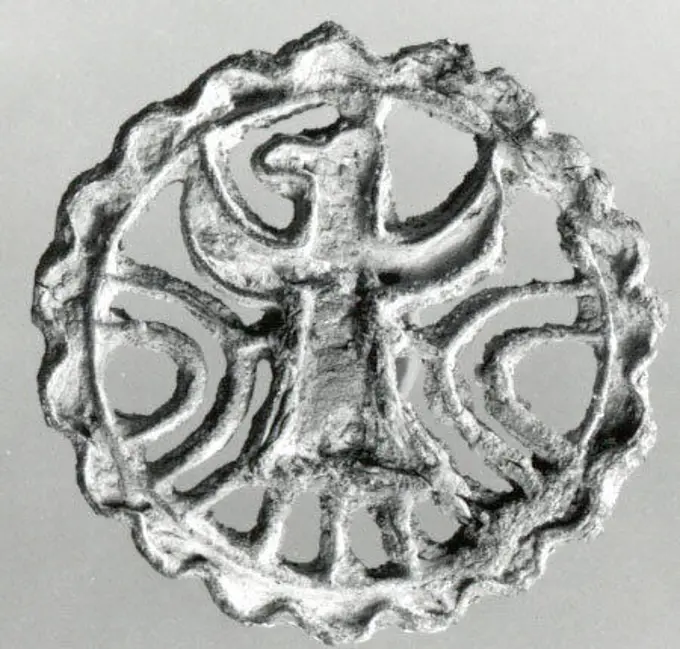
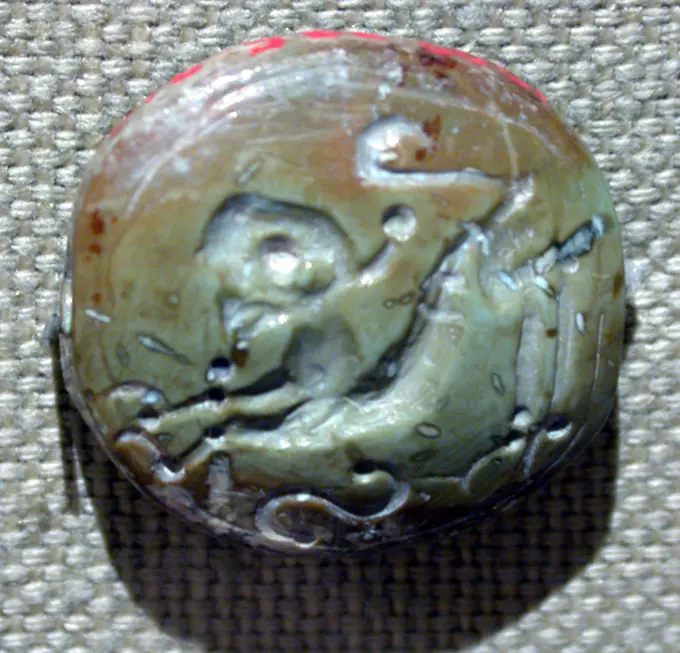
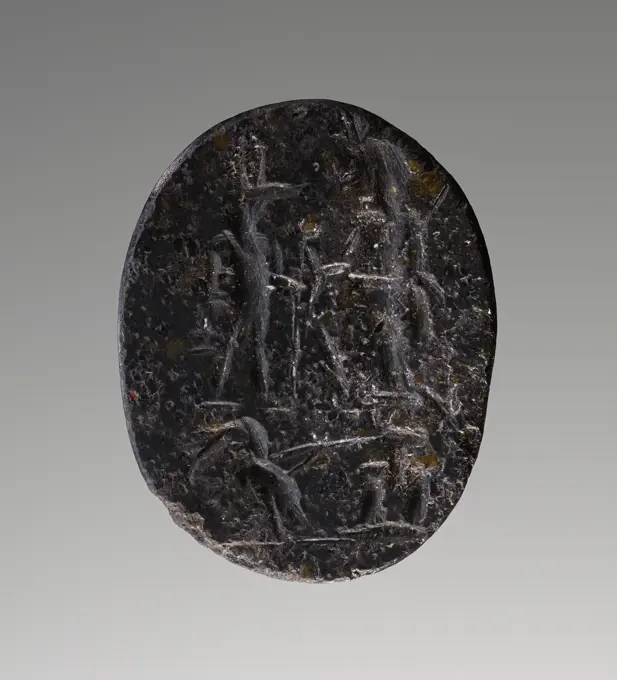
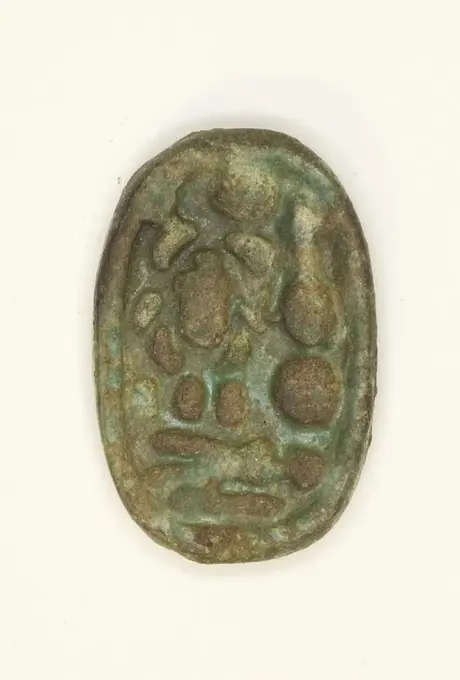
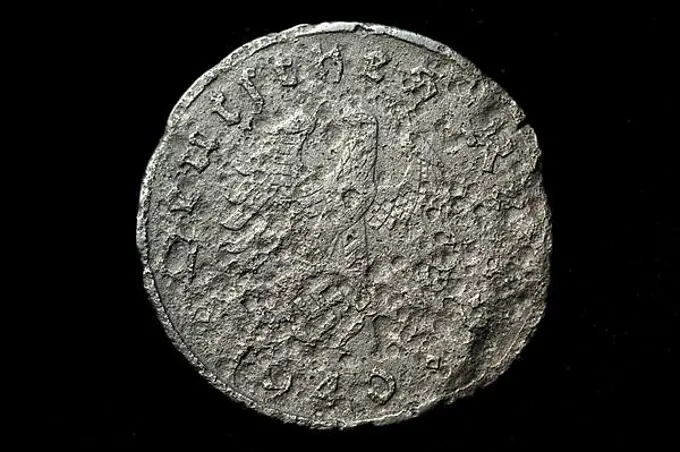
Coin dated A.H. 150/ A.D. 767. Coin 457362Brown coin; Pantikapaion; 4. W. II century BC (-125-00-00--101-00-00);Dioskurów (mitol. provenance)Sealing fragment Middle Kingdom ca. 2030-1640 B.C.Coin late 11th-early 13th century. Coin 457650Coin A.H. 170-93/ A.D. 786-808. Coin. A.H. 170-93/ A.D. 786-808. Copper. Excavated in Iran, Nishapur. CoinsScarab seal ring ca. 1700-1560 B.C.. Scarab seal ring. ca. 1700-1560 B.C.. Steatite, white. Dynasty 15-17, 2nd Intermediate Period, Hyksos. Levant, Lachish (modern Tell ed-Duweir)Scarab Menkheperra (Thutmose III) 1479 BCE-1425 BCE Egypt. Stone . Ancient EgyptianAE. Pantikapaiondenarius. Flaminius Chilo, L. (fl. 109-108 a.C.), monetary officer, Republika Rzymska, issuerScarab: Menkheperura (Thutmose IV). Egyptian. Date: 1400 BC-1390 BC. Dimensions: 1.3 × 1 × 0.6 cm (1/2 × 3/8 × 1/4 in.). Glazed steatite. Origin: Egypt. Museum: The Chicago Art Institute, USA. Author: Ancient Egyptian.Brown coin; Fanagoria; II century BC (-200-00-00--101-00-00);Nadczarzyorze, satir (mitol.), Terlecki, Ignacy (1860-1916), Terlecki, Ignacy (1860-1916)-collection, weapons (iconogr.), Arrows (weapons), armament (iconogr.), Purchase (provenance) , bow and arrow (iconogr.), Łuki (army)Greece, Lucania, Poseidonia, ca. 400-350 BC, AE 16 Poseidonia mintWładysław Herman (1079-1102), Denar, Kraków; 1080 1102 W Adys Aw Herman (1079-1102), Mint of KrakówAccount Token at the Cantoned Cross of Tiercefeles, XIVE CENTURY Anonymous. "Account token at the Cantoned Cross of Tiercefeuilles, 14th century". Copper.Coin dated A.H. 374/ A.D. 894. Coin 457120False Coin, Jagiellonian Crown Half GroschenEgypt, Ptolemeusz I (323 283), Alexandria, around 305 283 BC , bronze (AE) Mint Alexandria, Ptolemy I (323 283)Dirham. Anatolia, 1176-1184/572-580 A.H.. Tools and Equipment; coins. Coin2 denary; Gotard Kettler (Ksi  Kurland and Semigalia; 1561-1587); 1578 (1578-00-00-1578-00-00);Stamp seal. Culture: Hittite. Dimensions: H. 1 3/8 in. (3.5 cm); Diam. 1 in. (2.6 cm). Date: ca. 17th-16th century B.C..Stamp seals first appeared in northern Mesopotamia during the 6th millennium and were exclusively used throughout the ancient Near East until the innovation of the cylinder seal in the second half of the 4th millennium BC. Cylinder seals were the preferred administrative tool in Mesopotamia during the 3rd and 2nd millennia B.C. and in the 1st millennium B.C., stamp seals were once again adopted by the administrative classes. In Anatolia, stamp seals predominated and it was only during the Old Assyrian Period (ca. 2000-1700 B.C.) that Anatolians used cylinder seals in their administrative practices. Like cylinder seals, stamp seals could be made from a variety of local and exotic stones as well as metal and even clay. They were impressed directly upon tablets, vessels, and clay bullae used to seal storage containers and doors. Stamp seals exhibit either perforated bacBliżej Kultury Corinth mintMedallion with the Bust of an Apostle late 300s Roman or Byzantine. Medallion with the Bust of an Apostle 466052Votive Plaque 15th-17th century Tibet (Central Asia). Votive Plaque 38866Coin probably 13th-14th century. Coin 457356Tiles and ornaments from the palace of Ramesses II ca. 1279-1213 B.C. New Kingdom, Ramesside. Tiles and ornaments from the palace of Ramesses II. ca. 1279-1213 B.C.. Faience. New Kingdom, Ramesside. From Egypt, Eastern Delta, Qantir (Piramesse), Palace of Ramesses II, Private apartments. Dynasty 19Stożek pogrzebowy Amenwahsu. unknown, authorNUMISMATICA. MONEDA MONEDAS BIZANTINAS DE ORO Y BRONCE. REAL ACADEMIA DE LA HISTORIA.NUMISMATICA. MONEDA VISIGODA.SUINTILA ACCI (CARTHAGINESIS) (621-631) ANVERSO. HALLAZGO DE LA GRASSA. DONADA POR DON JAIME BARCALLI.Drachma; Chosroes II (W Adca Persia; 590-628); 590-628 (488-00-00-497-00-00);Coin Depicting the Goddess Athena. Greek. Date: 300 BC-200 BC. Dimensions: Diam. 1.3 cm; 1.49 g. Bronze. Origin: Ancient Greece. Museum: The Chicago Art Institute, Chicago, USA.Brown coin; Fraates IV (37-2 A.C.); 37-2 BC (37-00-00-32-00-00);Ampułka św.Menasa. nieznany warsztat egipski, workshopCarnavalet museum, medal collection Louis-Napoléon Bonaparte's right to the left; Reverse registration on eight lines in a crown of oak and bay leaf.diobol. PantikapaionCoin dated A.H. 144/ A.D. 761. Coin. dated A.H. 144/ A.D. 761. Copper. Excavated in Iran, Nishapur. CoinsCoin dated A.H. 344/ A.D. 955. Coin 457160SESTERC (counterfeit); Kommodus (161-192; Roman emperor 177-192); 190-191 (190-00-00-191-00-00);Scarab ca. 1479-1458 B.C. New Kingdom. Scarab. ca. 1479-1458 B.C.. Faience. New Kingdom. From Egypt, Upper Egypt, Thebes, Deir el-Bahri, Hatshepsut Hole, Hathor Shrine, MMA excavations, 1922-23. Dynasty 18Triangular label impressed with stamp seal: for grain loan ca. 7th century B.C. Assyrian. Triangular label impressed with stamp seal: for grain loan 324341NUMISMATICA. MONEDA MONEDAS BIZANTINAS DE ORO Y BRONCE. REAL ACADEMIA DE LA HISTORIA.Byzantine Empire, Fokas (602 610), Constantinople, Follis, Bronze (AE) Fokas (602 610), Mint of ConstantinopleWeight 9th-10th century. Weight 449667Brown coin; Fanagoria; the beginning of the first century BC (-100-00-00--91-00-00);Artemida (mitol.bracteate denarius. Zakon krzyżacki (1190-), issuerCoin Depicting the God Apollo 133 BCE Ancient Greece. Bronze . Ancient GreekCoin Weight 10th-12th century. Coin Weight 443184Scarab Inscribed Lord of the Two Lands Maatkare (Hatshepsut), Given Life Forever ca. 1479-1458 B.C. New Kingdom. Scarab Inscribed Lord of the Two Lands Maatkare (Hatshepsut), Given Life Forever. ca. 1479-1458 B.C.. Steatite (glazed). New Kingdom. From Egypt, Upper Egypt, Thebes, Deir el-Bahri, Temple of Hatshepsut, Foundation Deposit 9 (I), MMA excavations, 1926-27. Dynasty 18, earlyPlate and Nail 15th-16th century European. Plate and Nail. European. 15th-16th century. Iron. Metalwork-IronBliżej Kultury unknownCoin 5th-14th century. Coin. 5th-14th century. Copper. Excavated in Iran, Nishapur. CoinsScarab of an Official ca. 1760-1670 B.C. Middle Kingdom Administrative changes during Dynasty 12 lead to an increase in bureaucracy and, subsequently, in the production and use of seals. This is reflected in the beginning of the mass production of scarabs, the most popular shape for amulets, in late Dynasty 12 through Dynasty 13 (ca. 1850-1640 B.C.). Thousands of these late Middle Kingdom scarabs bear the names and titles of officials, who would wear them as amulets, but who could also use them to seal documents, containers or doors. However, the scarabs primary function remained that of a protective amulet. Several inscriptions add a funerary epithet to the owners name, indicating that the amulet was manufactured after the owner had passed away. The inscription on this scarab forms the name and titles of a judge, Horuser.. Scarab of an Official 557045Butter Mold. Dated: c. 1941. Dimensions: overall: 34 x 27.2 cm (13 3/8 x 10 11/16 in.). Medium: watercolor and graphite on paper. Museum: National Gallery of Art, Washington DC. Author: Mary Owen.Mint: Miletus, 1/48 Stater fromMiletus, ca. 525-500 B.C.?, Silver, 0.265 g, 6.2mm, Made in Miletus, Ionia, Greek, 6th century B.C., NumismaticsOne Penny Mikołaj i Mint Warsaw, Mikołaj I (1825 55)Canteen of the new force, good for 5 cents ", s. D. (Title registered (letter)) Canteen of the new force, good for 5 cents. Tin.Quarter Djampel of Kingdom Majopahit on Java ,, 1290 - 1520 coin Silver dish -shaped mint. Front: Load in Devanagari script Maa. Downside, figuration flower. Java silver (metal) striking (metalworking)Scarab of an Official. Dimensions: l. 2.2 cm (7/8 in). Dynasty: Dynasty 12-18. Date: ca. 1981-1550 B.C.. Museum: Metropolitan Museum of Art, New York, USA.Rosette 1186 BCE-1069 BCE Egypt. Faience . Ancient EgyptianCarnavalet Museum, Medals CollectionCoin Depicting the Goddess Athena 387 BCE-301 BCE Ancient Greece. Bronze . Ancient GreekSealing ca. 1981-1640 B.C. Middle Kingdom. Sealing 560301Gold Tremissis of Theophilos 831-842 Byzantine Theophilos, a supporter of Iconoclasm (the movement to ban all religious figural images), showed only imperial portraits on his coins.The Empires gold coins set an artistic and monetary standard for the Mediterranean world throughout most of Byzantine history. By the middle Byzantine period, a ruler portrait appeared on one side, with a religious icon on the other. Inscriptions were in either Greek, the official language of the Empire, or Latin, its original official language. The images reflected the artistic currents of their times.. Gold Tremissis of Theophilos 464812 Byzantine, Gold Tremissis of Theophilos, 831?842, Gold, Overall: 7/16 x 1/16 in. (1.1 x 0.1 cm). The Metropolitan Museum of Art, New York. Gift of J. Pierpont Morgan, 1917 (17.191.122)Funerary Cone ca. 1550-1295 B.C. New Kingdom. Funerary Cone 554878bracteate denarius. Zakon krzyżacki (1190-), issuerpenny; Straub (Strawb), Heinrich; 1542 (1542-00-00-1542-00-00);Mint: Clarentza, Tetradrachm fromClarentza, 455-449 B.C., Silver, 11.65 g, 6:00, 19mm, Made in Clarentza, Peloponnese, Greek, 5th century B.C., NumismaticsScarab seal ca. 6th century B.C.. Scarab seal. ca. 6th century B.C.. Jasper, green. Iron Age, Phoenicia (). Levant or SyriaSaksonia , Poland , The Cross Denar, between 1070 and 1107 unknownPlaque 1st millennium B.C. Iran. Plaque 325879Ornament Korea. Ornament 44809Bread shed of the Reformed Diaconie in Amsterdam 1707 ,, 1707 history medal Triangular lead with one -sided a round allocation on which a wreath with DIA, the year 1707 and a bread, with a change  lead (metal)Coin with Figure of an Archer (obverse), c. 400. India, Chandragupta II, Gupta Period, late 4th-early 5th century. Gold; diameter: 1.9 cm (3/4 in.).bracteate denarius. Zakon krzyżacki (1190-), issuerScarab seal ca. 1700-1560 B.C.. Scarab seal. ca. 1700-1560 B.C.. Steatite, white pink. Dynasty 15-17, 2nd Intermediate Period, Hyksos. Levant, Lachish (modern Tell ed-Duweir)Engraved Gem. UnknownUnattributed Trebizond Coin. UnknownCoin Weight 10th-11th century. Coin Weight 453524Double Falus from Persia at the time of Shah TahmaSP II, 1138 = 1725 from Mazandaran ,, 1725 coin Copper mint. Front: Lion to the right, above which stallen ranging sun, in which face. Reverse: in Arabic characters in four lines of coinstall designation and on third rule left year designation. Beaten in Mazandaran.  copper (metal) striking (metalworking)Plaque with Cross and Rope Designs 1650 BCE-1550 BCE Egypt. Glazed steatite . Ancient EgyptianPlaque. Southern Siberia, possibly 6th century B.C.. Sculpture; plaques. Bronze, castScarab of an Official ca. 1760-1670 B.C. Middle Kingdom Administrative changes during Dynasty 12 lead to an increase in bureaucracy and, subsequently, in the production and use of seals. This is reflected in the beginning of the mass production of scarabs, the most popular shape for amulets, in late Dynasty 12 through Dynasty 13 (ca. 1850-1640 B.C.). Thousands of these late Middle Kingdom scarabs bear the names and titles of officials, who would wear them as amulets, but who could also use them to seal documents, containers or doors. However, the scarabs primary function remained that of a protective amulet. Several inscriptions add a funerary epithet to the owners name, indicating that the amulet was manufactured after the owner had passed away. The scarab is inscribed for a high-ranking court official, named Mentuuser.. Scarab of an Official 545259Denar - Brakteat; approx. 1307/1308- 1317/1318 (1307-00-00-1318-00-00);. Fragment of the bottom of a bowl, with a thick lapis blue glaze and with symmetrical ornament from lily shaped flower reflections. The outside also blue glazed. Displays an Arabic letter sign in the middle of the bottom (). Gray yellow earth. The fragment is found in Cairo.Hearing stone with a mascaron between two fruiting sines, anonymous, c. 1575 - c. 1600 Hearing stone with a mascaron between two fruiting sines, the whole surrounded by a fruit festival. Southern Netherlands (possibly) earthenware Hearing stone with a mascaron between two fruiting sines, the whole surrounded by a fruit festival. Southern Netherlands (possibly) earthenwareCash of the VOC for Paliakate, Voor -India, United Oostindische Compagnie, 1650 - 1700 coin Copper mint. Front: monogram of the VOC, above which leeter q = tilted letter P. downside: Three -line Sitrif tin Arabic characters. Smooth edge. Paliact it copper (metal) striking (metalworking)Ducat. UnknownSealing ca. 1981-1640 B.C. Middle Kingdom. Sealing 559509Haematite intaglio: Winged Genius 2nd century A.D. Roman Winged genius; the name of Abrasax.. Haematite intaglio: Winged Genius. Roman. 2nd century A.D.. Haemaetite. Imperial. GemsScarab ca. 1479-1458 B.C. New Kingdom. Scarab. ca. 1479-1458 B.C.. Faience. New Kingdom. From Egypt, Upper Egypt, Thebes, Deir el-Bahri, Hatshepsut Hole, Hathor Shrine, MMA excavations, 1922-23. Dynasty 18Compartmented stamp seal ca. late 3rd-early 2nd millennium B.C. Bactria-Margiana Archaeological Complex. Compartmented stamp seal 326845Funerary Cone of the Guardian Nebwer ca. 1550-1295 B.C. New Kingdom This cone has the impression of a stamp seal inscribed for a man named Nebwer who was guardian of the house of the high priest of Amun. For a drawing of this impression see http://www.funerarycones.com/, number 171.. Funerary Cone of the Guardian Nebwer Funerary Cone of the Guardian Nebwer ca. 1550-1295 B.C. New Kingdom This cone has the impression of a stamp seal inscribed for a man named Nebwer who was guardian of the house of the high priest of Amun. For a drawing of this impression see http://www.funerarycones.com/, number 171.. Funerary Cone of the Guardian Nebwer. ca. 1550-1295 B.C.. Pottery. New Kingdom. From Egypt, Upper Egypt, Thebes. Dynasty 18Stamp seal: lion and horned animal Cypriot ca. late 2nd millennium BCEEngraved Gem. UnknownCoin with Inscription Chong Ning Tong Bao. Culture: China. Dimensions: Diam. 1 3/8 in. (3.5 cm). Date: 1102-06.This coin is round with a square hole. It conforms to the shape of Chinese coins that first developed in the early seventh century and continued well into the nineteenth. The four character inscription reads chong ning tong bao, roughly "circulating treasures of the Chongning era." This is the name given to the period from 1102 to 1106 by Huizong (r. 1101-1125), the last emperor of the Northern Song dynasty (960-1127). Museum: Metropolitan Museum of Art, New York, USA.Ring: Neferkheprure-Waenre (Akhenaton). Egyptian. Date: 1352 BC-1336 BC. Dimensions: 1.9 × 1.3 × 0.3 cm (3/4 × 1/2 × 1/8 in.). Faience. Origin: Egypt. Museum: The Chicago Art Institute, Chicago, USA. Author: Ancient Egyptian.German coin, from plane wreck Junkers JU-52, Black Sea, Odessa, Ukraine, Eastern Europe, EuropeReaal van Achten, beaten in Lima, mint from the wreck of the East Indians' t Vliegend Hart, Anonymous, 1686 - 1689  Drained silver coin, beaten on irregular coin plate. Front: columns of Herkules, standing in waves; between columns: inscription in three lines; top rule, v.l.n.r. Mint sign L, number 8, Ensayadors letter r; Middle rule: Habsburgs motto; bottom line v.l.n.r.: (not visible) Ensayadors letter, (partly visible) year, (partly visible) mint sign. Reverse: Peruvian cross; between cross arms: arms figures; above: number 8; Below (partly visible): figure 68 . Lima silver (metal) striking (metalworking)  PeruInsurrection of June 1848 (dummy title) Medal. Insurrection of June 1848. Copper White, 1848.Drachma; Hormizdes IV (579-590); 579-590 (488-00-00-497-00-00);Token 9th-10th century