Historic Coins and Medals

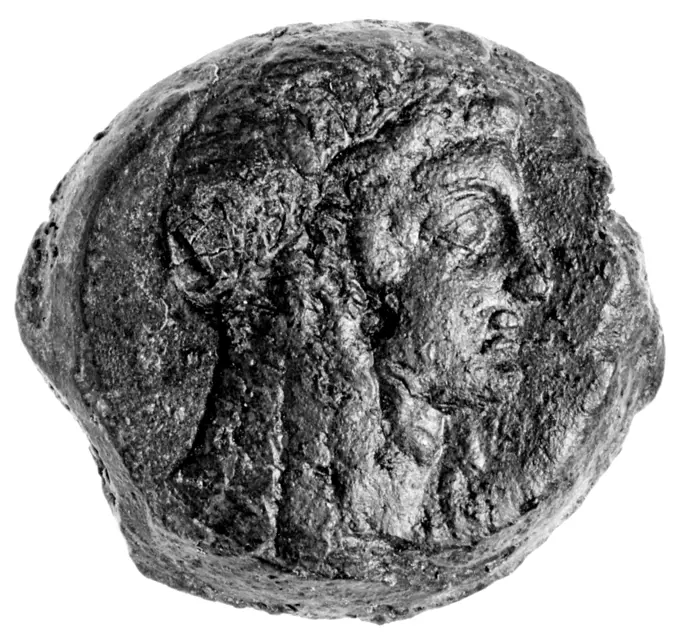
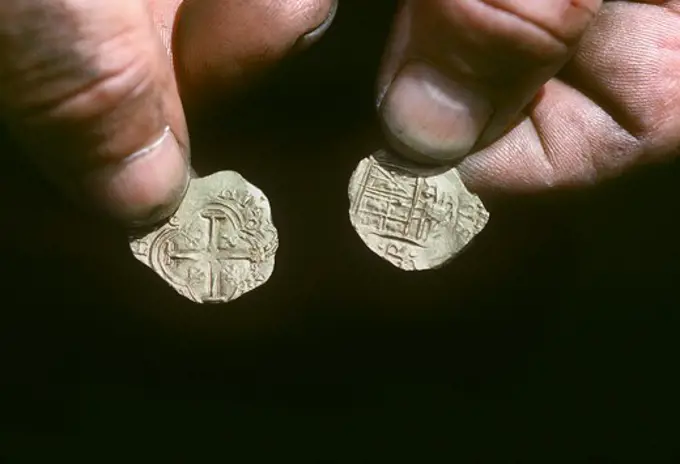
Various ancient coins with intricate designs and worn textures, showcasing historical significance and craftsmanship.
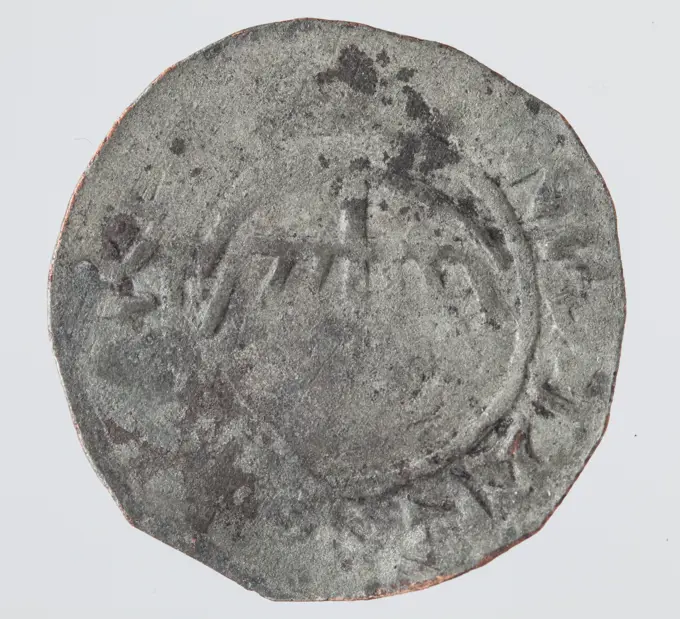
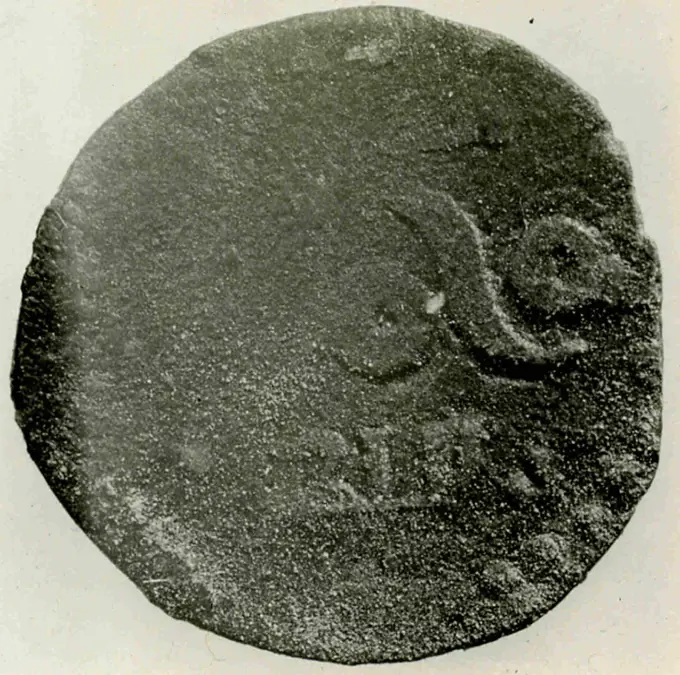
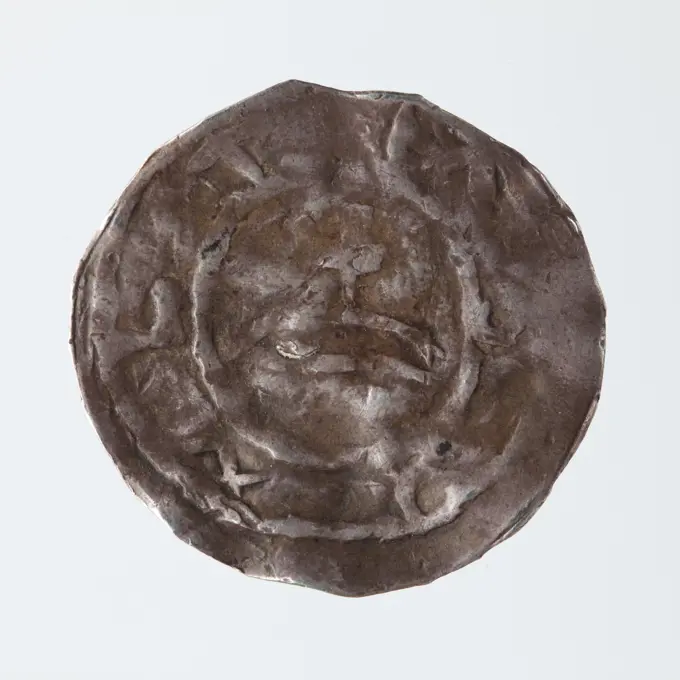
False Coin, Władysław Jagiełło (1386 1434), Kwartalnik Mały (Ternar); 1399/1400 unknown
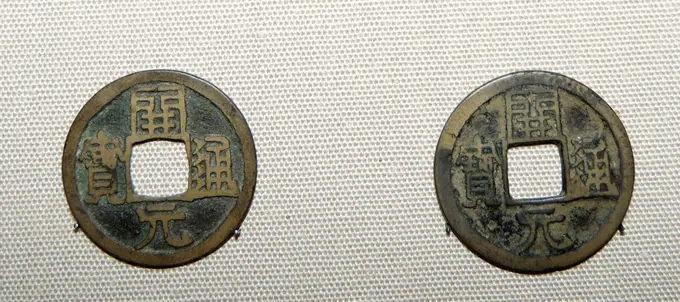
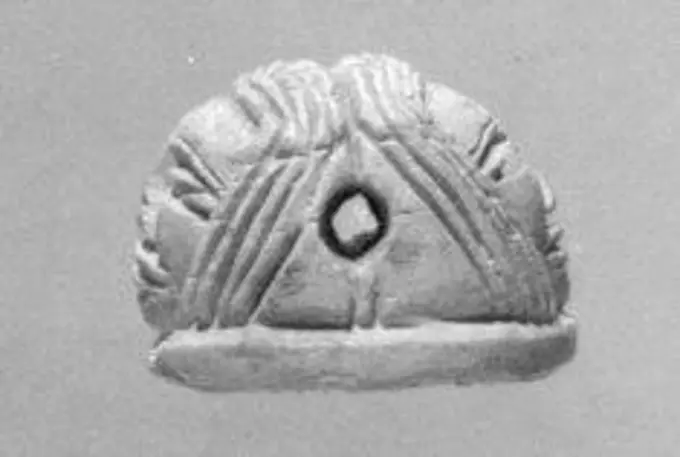
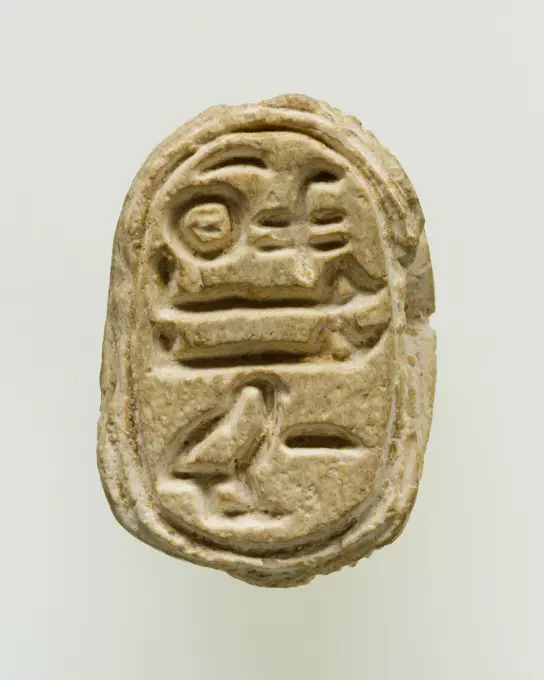
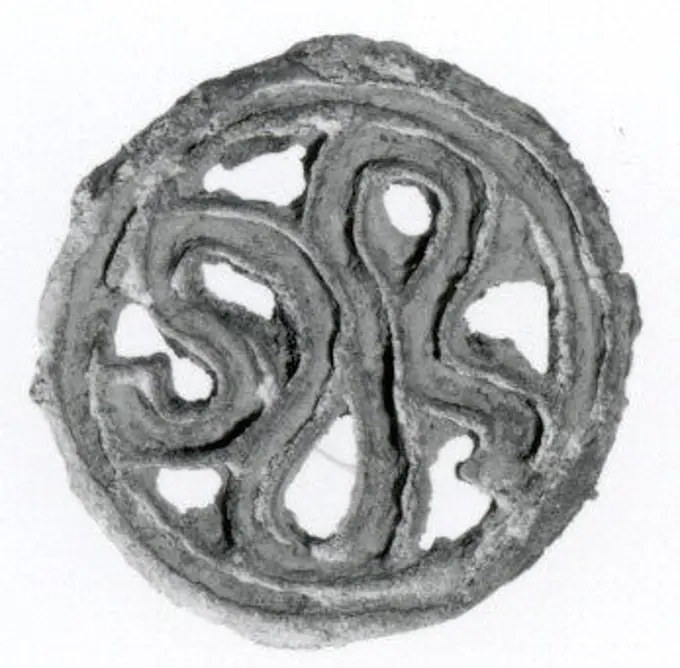
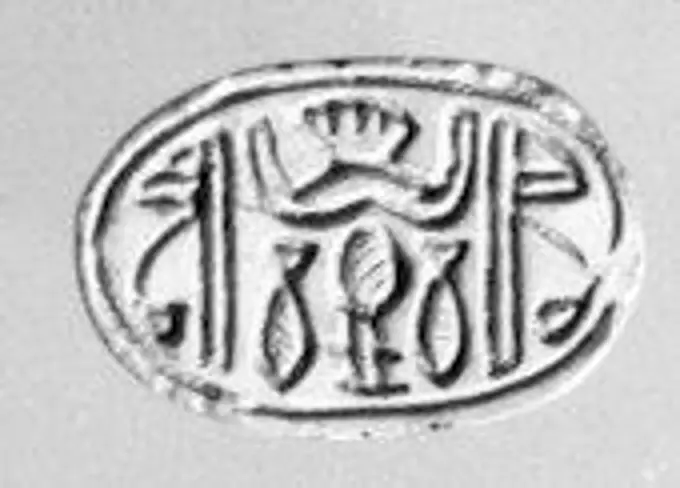
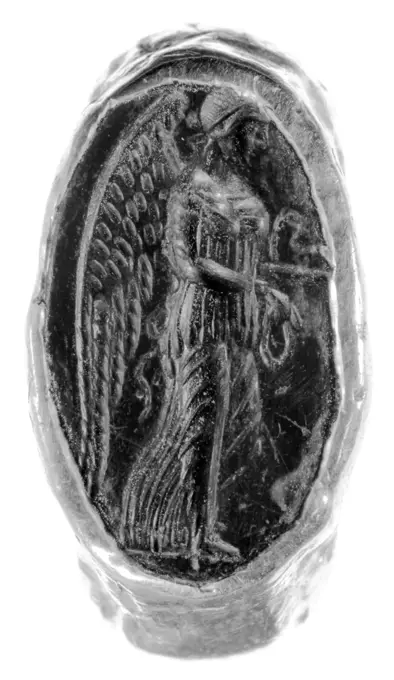
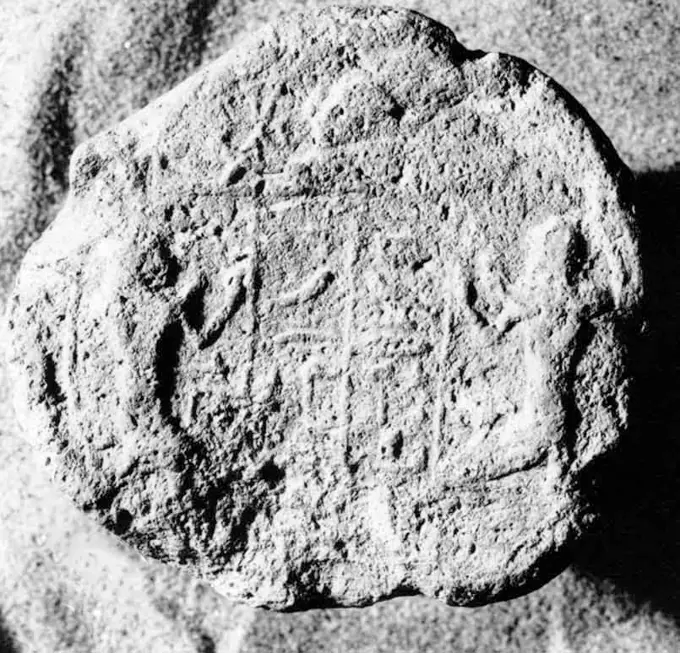
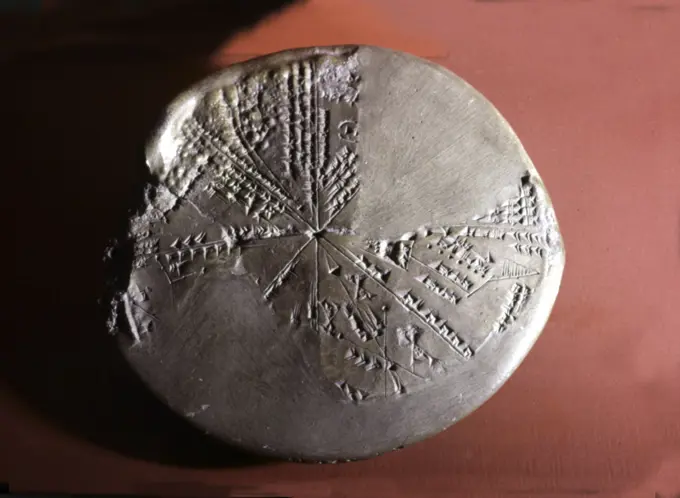
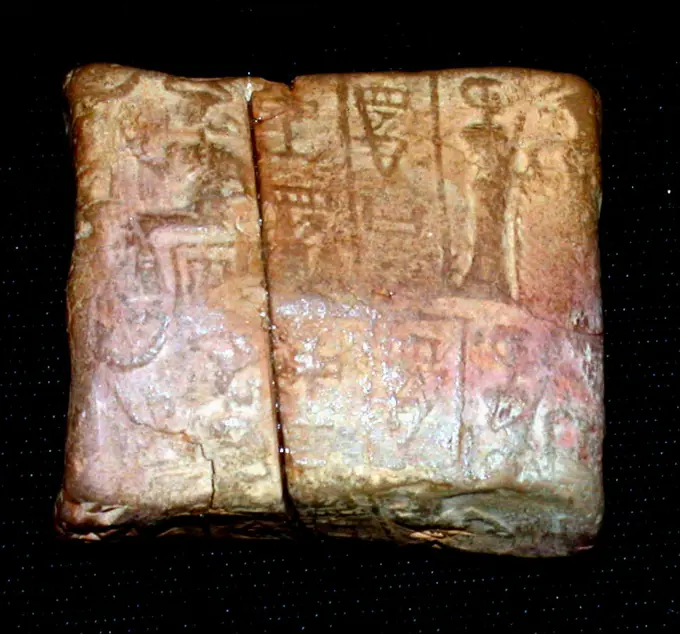
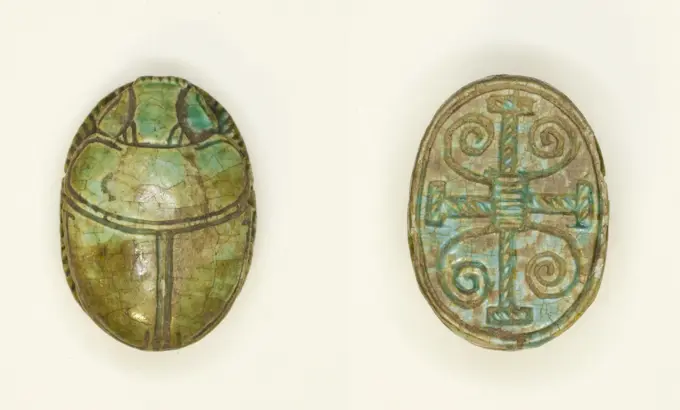
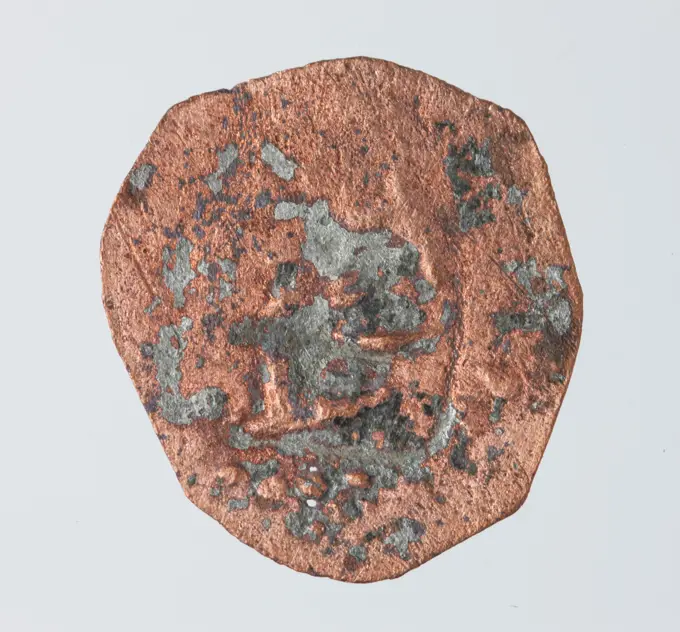
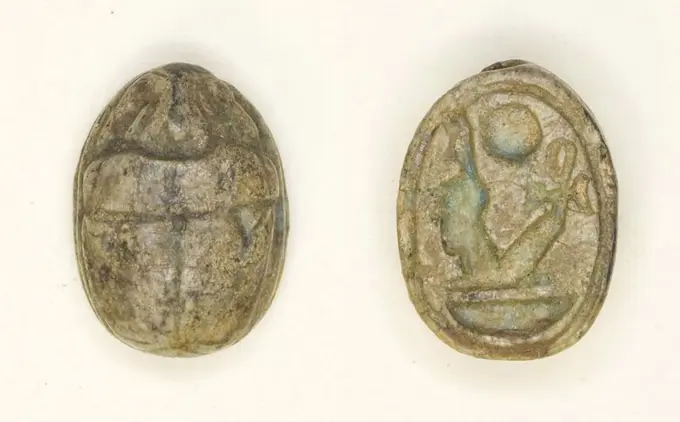
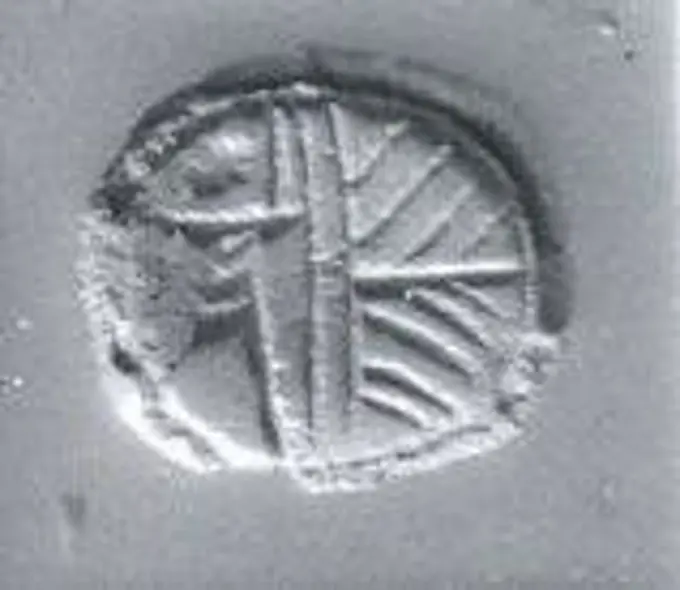
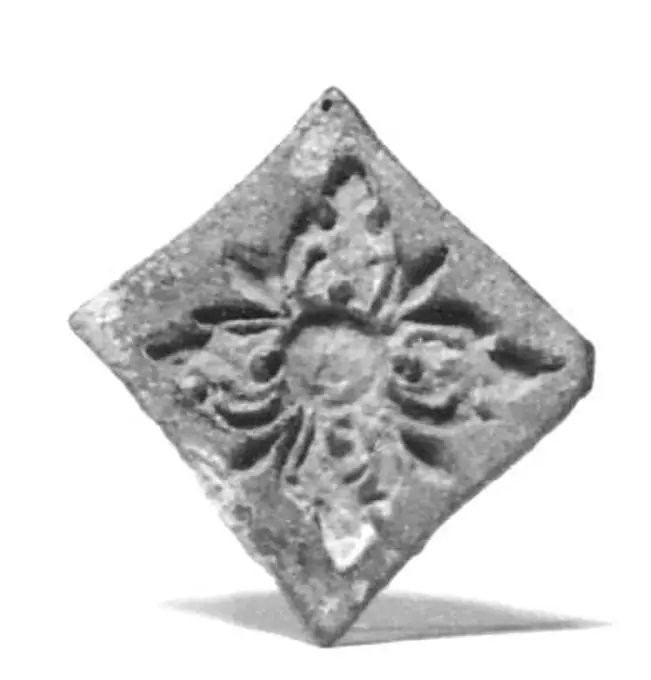
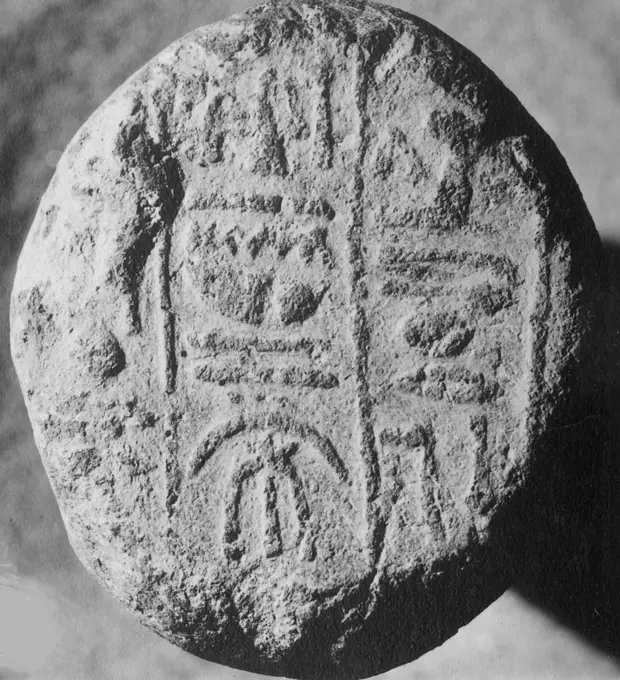
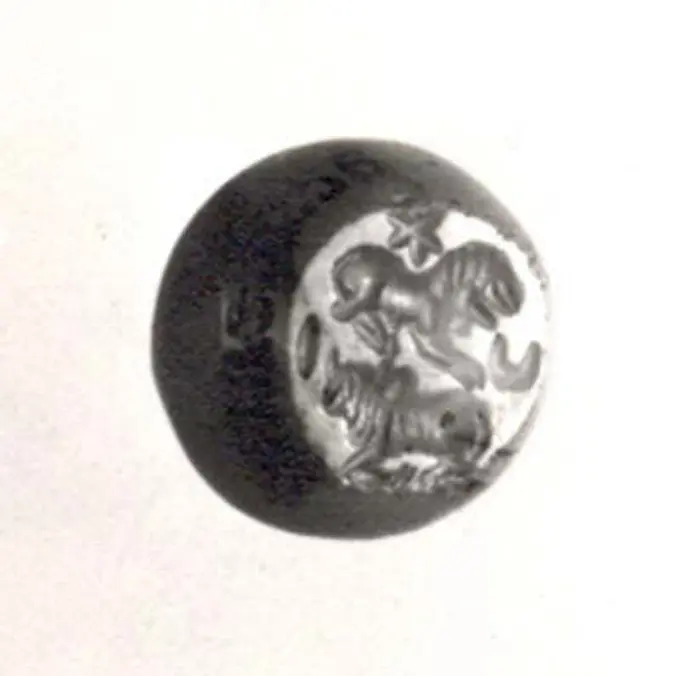
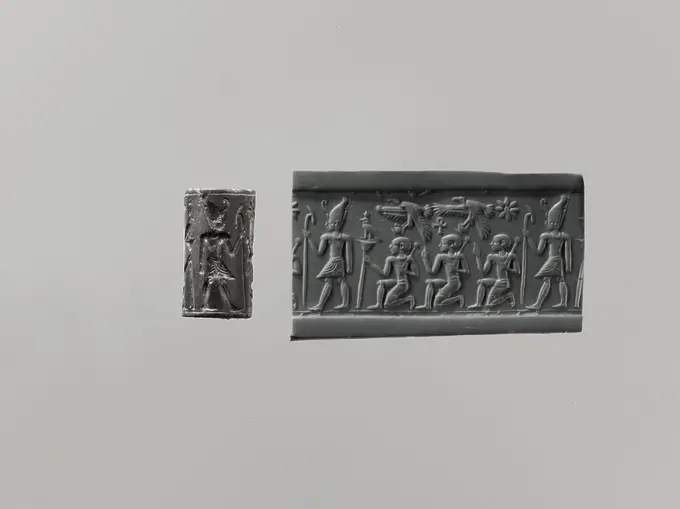
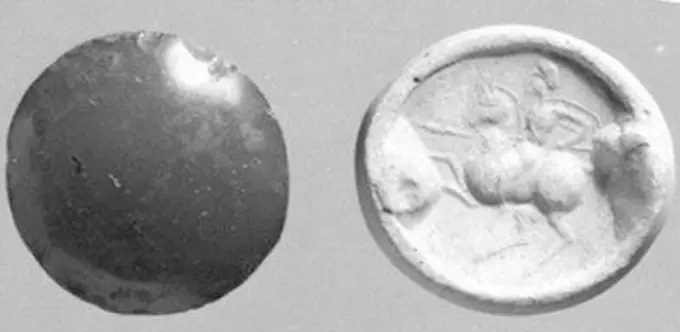
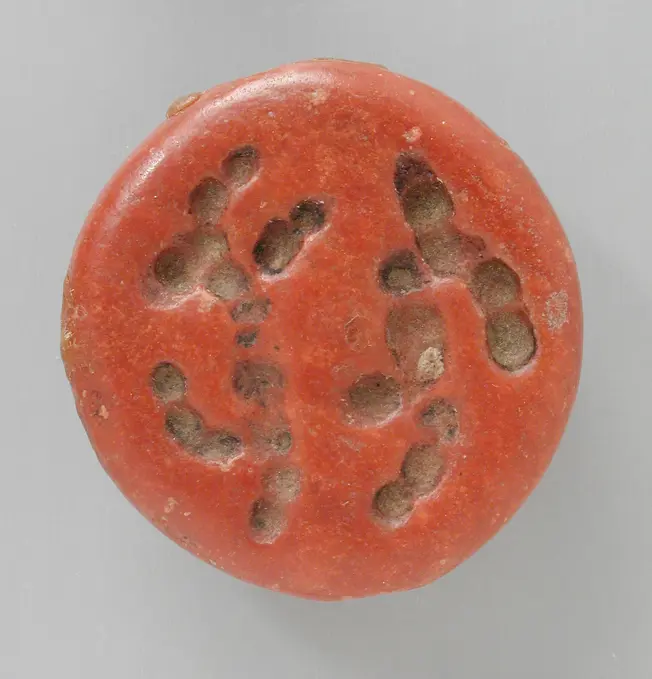
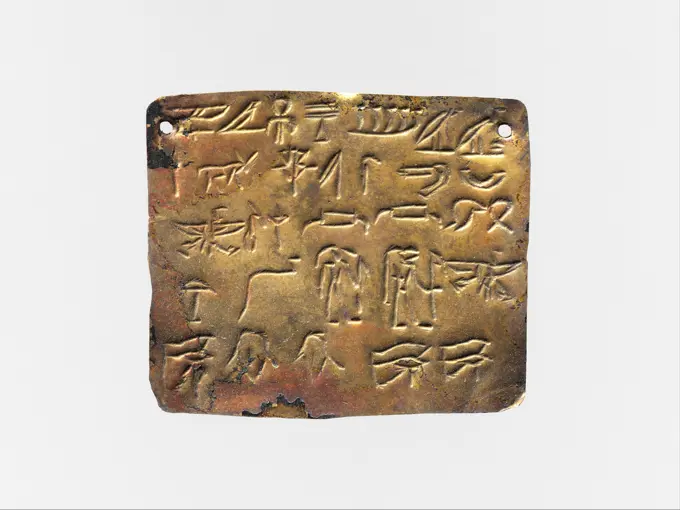
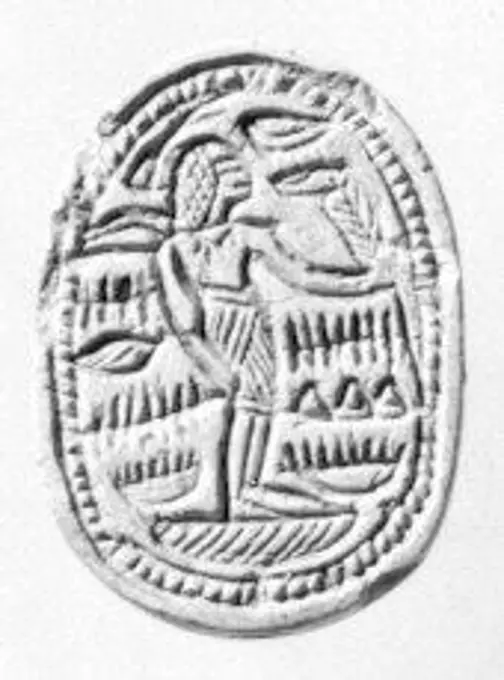
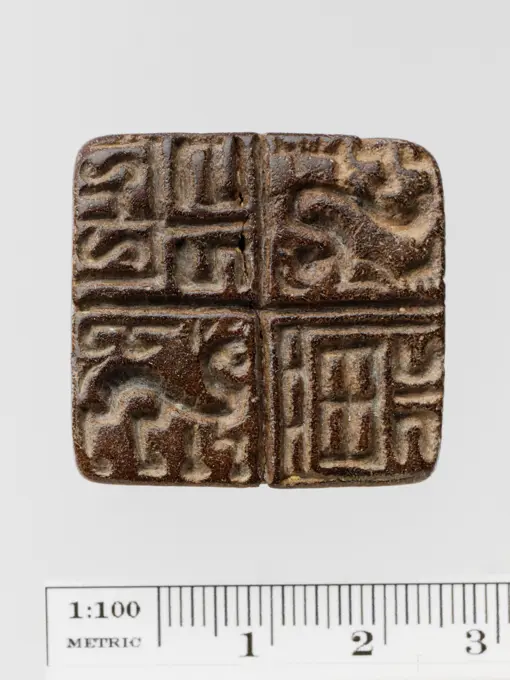
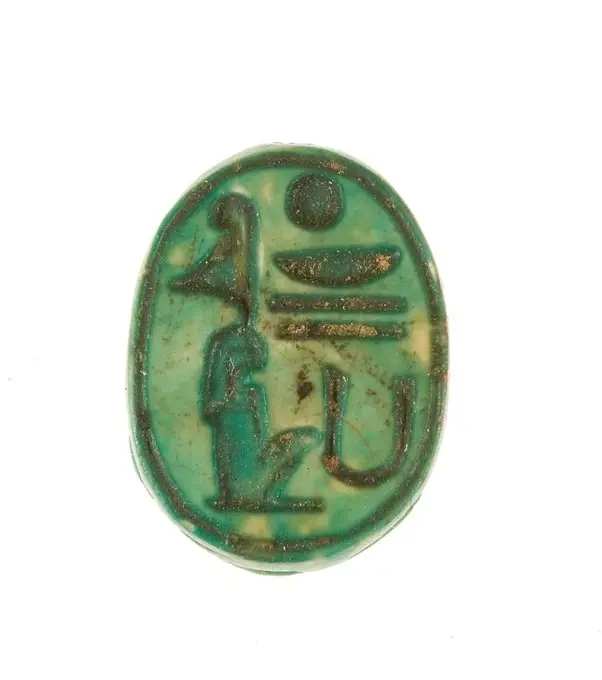
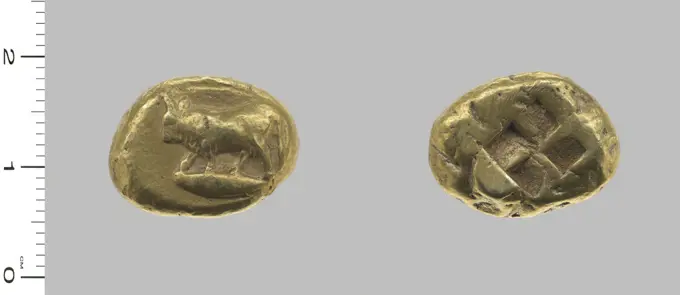
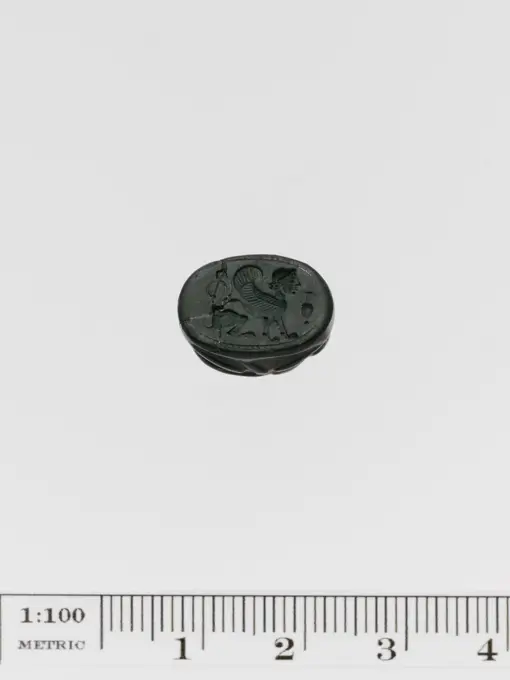
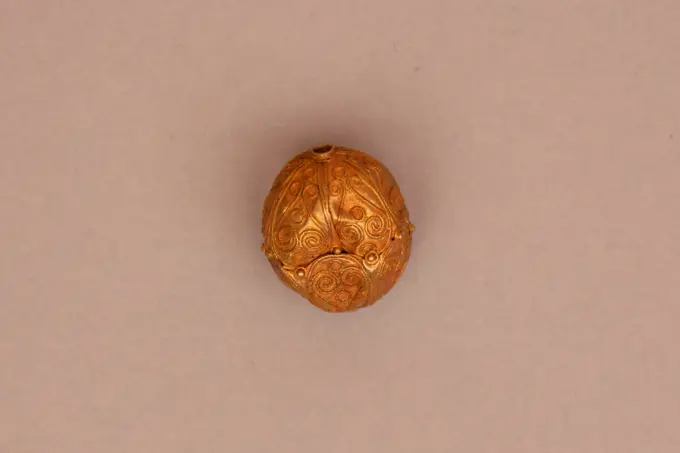
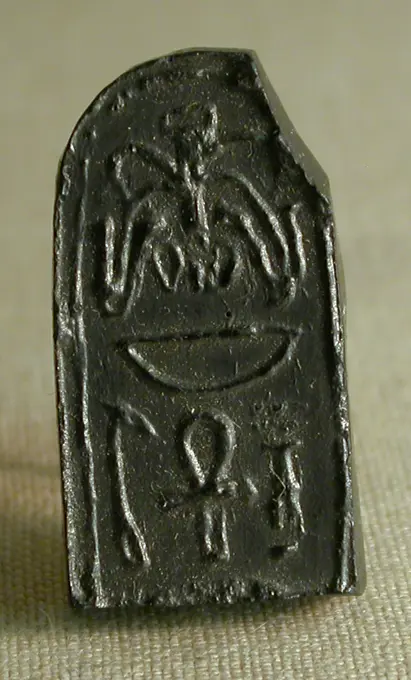
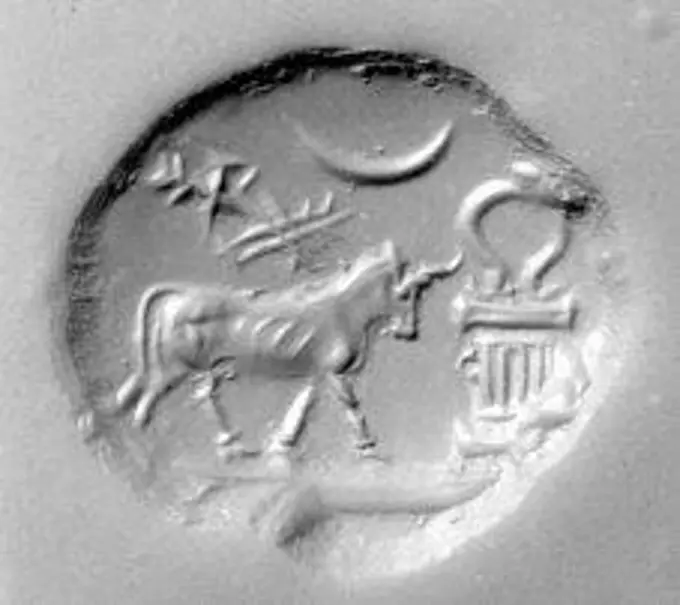
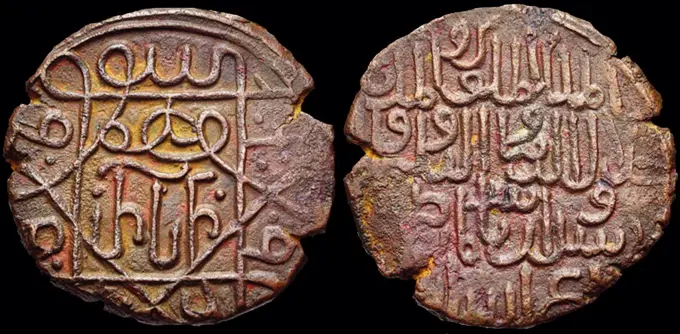
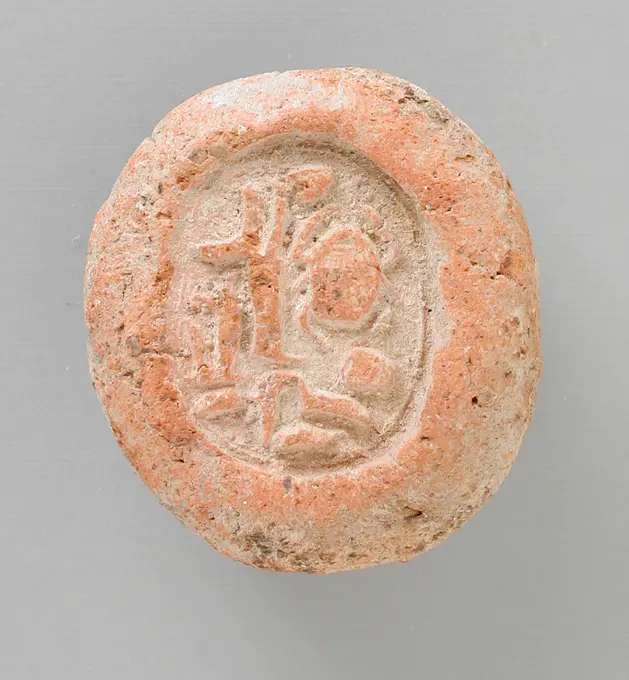
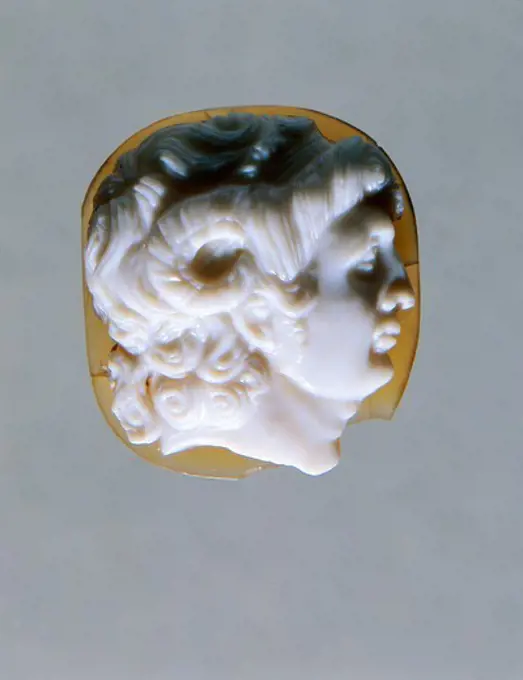
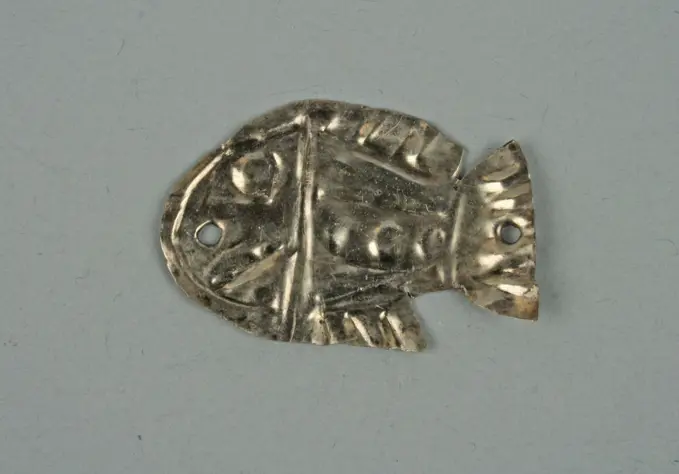
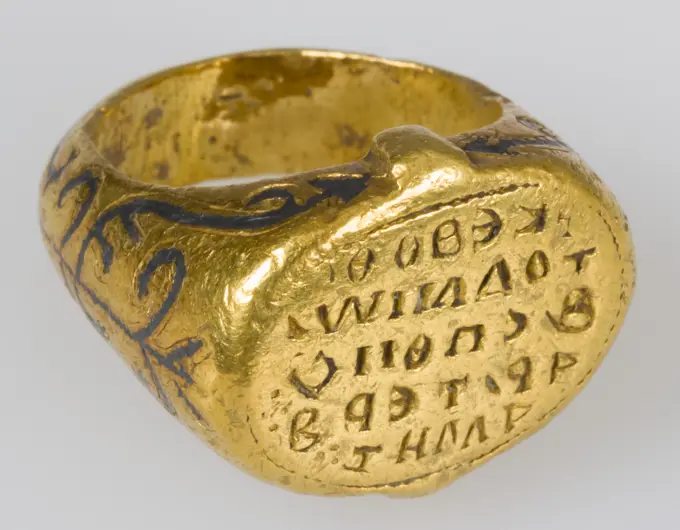
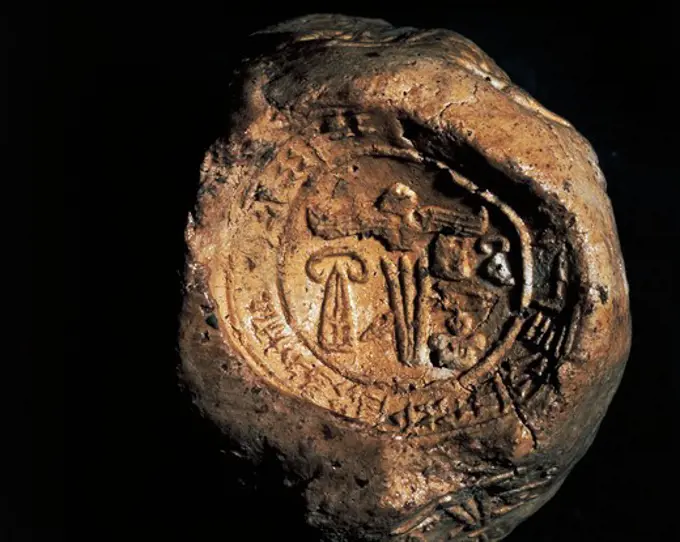
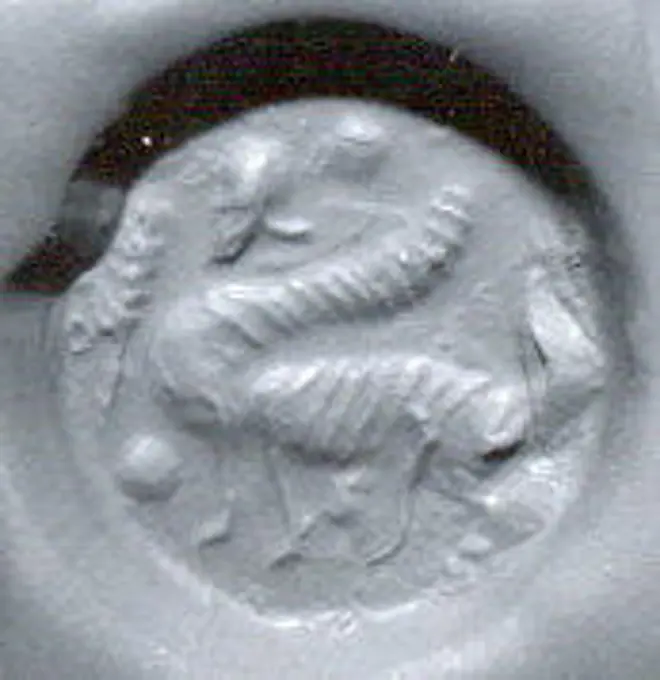
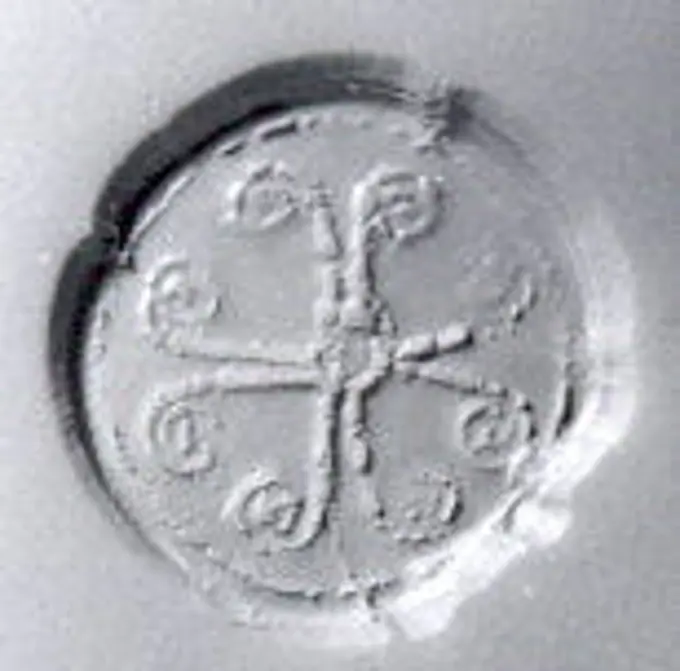
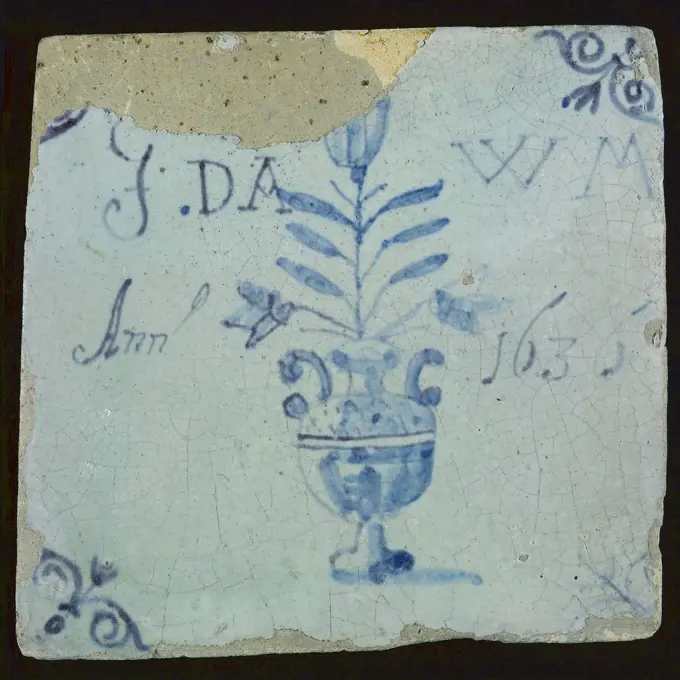
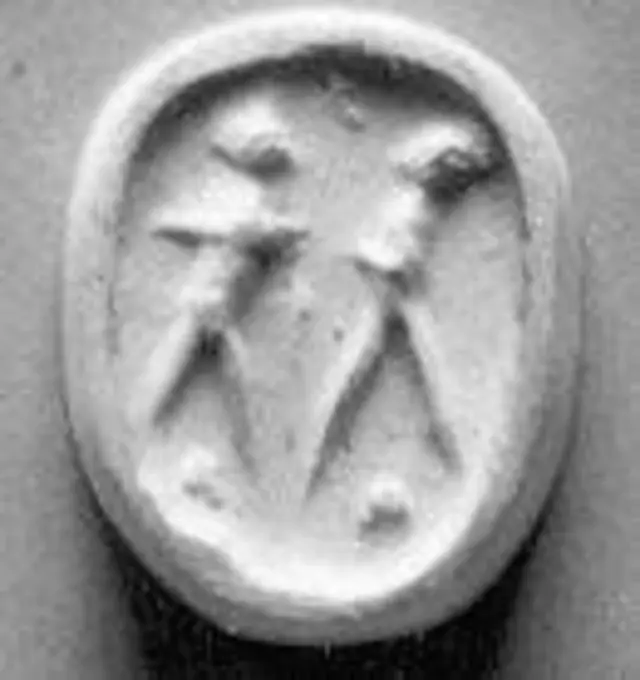
Relief fragment, tomb of Meketre ca. 1981-1975 B.C. Middle Kingdom. Relief fragment, tomb of Meketre. ca. 1981-1975 B.C.. Limestone, paint. Middle Kingdom. From Egypt, Upper Egypt, Thebes, Southern Asasif, Tomb of Meketre (TT 280, MMA 1101), MMA excavations, 1920. Dynasty 12Bronze wuzhu coin. Northern Wei (529 AD). The inscription is one of the earliest dated coin inscriptions.Hemispheroid seal with addorsed Egyptianizing human heads ca. 1991-1786 B.C.. Hemispheroid seal with addorsed Egyptianizing human heads. ca. 1991-1786 B.C.. Steatite, white. Dynasty 12 (), Middle Kingdom. Levant or EgyptScarab of an Official ca. 1760-1670 B.C. Middle Kingdom Administrative changes during Dynasty 12 lead to an increase in bureaucracy and, subsequently, in the production and use of seals. This is reflected in the beginning of the mass production of scarabs, the most popular shape for amulets, in late Dynasty 12 through Dynasty 13 (ca. 1850-1640 B.C.). Thousands of these late Middle Kingdom scarabs bear the names and titles of officials, who would wear them as amulets, but who could also use them to seal documents, containers or doors. However, the scarabs primary function remained that of a protective amulet. Several inscriptions add a funerary epithet to the owners name, indicating that the amulet was manufactured after the owner had passed away. The scarab is inscribed with the name and title of the ‘royal acquaintance Dedtu.. Scarab of an Official 545216Anonymous. "Adam". Blue gold background glass. Museum of Fine Arts of the City of Paris, Petit Palais. 99933-1 Antiquity, gold leaf, 4th 4th 4th century, brown glass, ancientFrench 16th Century, François I on Horseback (reverse), early 16th century François I on Horseback reverseCuneiform tablet: fragment regarding the visibility of Mercury ca. late 1st millennium B.C.. Cuneiform tablet: fragment regarding the visibility of Mercury 328923Two-Piece Cast Gem. UnknownCoin 767-75. Coin. 767-75. Copper. Excavated in Iran, Nishapur. CoinsCompartmented stamp seal ca. late 3rd-early 2nd millennium B.C. Bactria-Margiana Archaeological Complex. Compartmented stamp seal 326506Bischöfliches Siegel Episcopal seal, red and yellow stamped wax, 13th century, Huesca Diocesan Museum, Aragon community, Spain Copyright: xZoonar.com/Tolox 22307699Scarab seal ca. 1700-1560 B.C.. Scarab seal. ca. 1700-1560 B.C.. Stone, white. Dynasty 15-17, 2nd Intermediate Period, Hyksos. Levant, Lachish (modern Tell ed-Duweir)Engraved Gem Inset Into a Ring. UnknownFunerary Cone of the Chief Steward Padihorresnet ca. 1550-1295 B.C. New Kingdom This cone has the impression of a stamp seal inscribed for a man named Padihorresnet who was chief steward of the divine adoratrice who was probably the owner of Theban tomb 196. For a drawing of this impression see http://www.funerarycones.com/, number 609.. Funerary Cone of the Chief Steward Padihorresnet Funerary Cone of the Chief Steward Padihorresnet ca. 1550-1295 B.C. New Kingdom This cone has the impression of a stamp seal inscribed for a man named Padihorresnet who was chief steward of the divine adoratrice who was probably the owner of Theban tomb 196. For a drawing of this impression see http://www.funerarycones.com/, number 609.. Funerary Cone of the Chief Steward Padihorresnet. ca. 1550-1295 B.C.. Pottery. New Kingdom. From Egypt, Upper Egypt, Thebes. Dynasty 18Astrolabe or astrological calculator, Nineveh, 7th cent. BC. ASSYRIA.Cuneiform tablet case impressed with cylinder seal, for cuneiform tablet 86.11.249a: receipt of a kid ca. 2051 B.C. Neo-Sumerian. Cuneiform tablet case impressed with cylinder seal, for cuneiform tablet 86.11.249a: receipt of a kid 321824Scarab Cross Pattern 1650 BCE-1550 BCE Egypt. Glazed steatite . Ancient EgyptianFalse Coin, Władysław Jagiełło (1386 1434), Denar; 1399/1400 unknownScarab: Nebmaatra (Amenhotep III). Egyptian. Date: 1390 BC-1352 BC. Dimensions: 1.3 × 0.8 × 0.5 cm (1/2 × 5/16 × 3/16 in.). Faience. Origin: Egypt. Museum: The Chicago Art Institute, Chicago, USA. Author: Ancient Egyptian.Night watch main motif. Round Loden Plaque with the main motif from the "Night watch" by Rembrandt in Relief.Lazio Roma Subiaco Monastery of S. Scolastica Archaeological Museum27. Hutzel, Max 1960-1990 Antiquities: Views of antiquities in museum, including sarcophagi, plates, vases, coins. General Notes: Hutzel guide says we have negatives, but we cannot find them. German-born photographer and scholar Max Hutzel (1911-1988) photographed in Italy from the early 1960s until his death. The result of this project, referred to by Hutzel as Foto Arte Minore, is thorough documentation of art historical development in Italy up to the 18th century, including objects of the Etruscans and the Romans, as well as early Medieval, Romanesque, Gothic, Renaissance and Baroque monuments. Images are organized by geographic region in Italy, then by province, city, site complex and monument.Coin A.H. 596-616/ A.D. 1199-1219. Coin. A.H. 596-616/ A.D. 1199-1219. Copper. Excavated in Iran, Nishapur. CoinsScaraboid seal 2150-2030 B.C. Egyptian. Scaraboid seal. Egyptian. 2150-2030 B.C.. Stone. First Intermediate Period. EgyptSeals of municipalities. (IT)Mold (Square-Shaped with Flower) 10th-11th century() Indonesia. Mold (Square-Shaped with Flower). Indonesia. 10th-11th century(). Bronze. SculptureGreece, Mesopotamia, Nisibis, Aleksander Sewer (222 235), bronze; AE28 Mennica Nisibis Severus (208 235)Aplika w kształcie głowy Sylena. warsztat nadczarnomorski, workshopScarab ca. 1295-1070 B.C. New Kingdom, Ramesside. Scarab. ca. 1295-1070 B.C.. Steatite. New Kingdom, Ramesside. From Egypt. Dynasty 19-20bracteate denarius. Zakon krzyżacki (1190-), issuerFunerary Cone ca. 1550-1295 B.C. New Kingdom. Funerary Cone. ca. 1550-1295 B.C.. Pottery. New Kingdom. From Egypt, Upper Egypt, Thebes. Dynasty 18Stamp seal ca. 3rd-7th century A.D. Sasanian. Stamp seal. Sasanian. ca. 3rd-7th century A.D.. Carnelian. Sasanian. Iran or MesopotamiaMieszko II Lambert (1025 1034) As the Successor of the Throne, Denar; Wielkopolska, Kujawy or North Mazowsze; AROUND 1010-1020 Mieszko II Lambert (1025 1034)Funerary Cones ca. 1550-1295 B.C. New Kingdom. Funerary Cones. ca. 1550-1295 B.C.. Pottery. New Kingdom. From Egypt, Upper Egypt, Thebes. Dynasty 18Coin A.D. 684-685/65 A.H. Islamic. Coin 323500Cylinder seal and modern impression: pharaoh wearing Double Crown, kneeling figures below vultures holding shn symbols; ankh. Dimensions: 0.73 x 0.39 in. (1.85 x 0.99 cm). Date: ca. 1720-1650 B.C.. Museum: Metropolitan Museum of Art, New York, USA.Stamp seal ca. 3rd century B.C.-3rd century A.D. Parthian. Stamp seal. Parthian. ca. 3rd century B.C.-3rd century A.D.. Chalcedony (), red. Parthian. IranFunerary Cone of the Scribe Heriry New Kingdom ca. 1550-1295 B.C. This cone has the impression of a stamp seal inscribed for a scribe named Heriry who was also overseer of the double granary of Thebes (the Souther City)Textile Fragment 6th century Coptic. Textile Fragment 475238Stamp Seal, Hemispheroid. Iran or Mesopotamia, circa 3000 B.C.. Tools and Equipment; seals. Red marbleAmulet Plaque 664-30 B.C. Late Period-Ptolemaic Period Thirty-two amuletic images are chased into this nearly rectangular piece of gold sheet. Two holes at its top corners may have been intended for a string, possibly used to place the object around the neck of a deceased person. Small individual gold amulets with the depiction of an object or a deity are numerous and were often made out of stamped gold foil and placed on Late Period and Ptolemaic mummies. However, relatively large golden amulet plaques with multiple images, such as this piece, are very rare. For more information, please see the curatorial interpretation below.. Amulet Plaque 550944Coin. UnknownNail 15th-16th century European. Nail. European. 15th-16th century. Iron. Metalwork-IronScarab seal ca. 1700-1560 B.C.. Scarab seal. ca. 1700-1560 B.C.. Stone, white. Dynasty 15-17, 2nd Intermediate Period, Hyksos. Levant, Lachish (modern Tell ed-Duweir)Strip 18th century. Strip 448208AE. PantikapaionMantuan 16th Century, Saint Catherine (reverse), 1513 1530 Saint Catherine reverseScaraboid Thoth as a Baboon with Lunar Crescent 1295 BCE-1069 BCE Egypt. Faience . Ancient EgyptianA decimation of the blockade of Strasbourg under the restoration, 1814 An decimation of the blockade of Strasbourg under the restoration, 1814. Bronze, very damaged type. 1814. Anonymous photography.Steatite quadrangular seal late 8th-early 7th century B.C. Greek Four-sided. dark brown steatite, with tapering edges and a vertical perforation. Area divided into four squares, two are decorated with linear patterns, two with stylized animals-a griffin and another monster. On the back are three broad vertical grooves and a few other marks, perhaps an unfinished design.. Steatite quadrangular seal. Greek. late 8th-early 7th century B.C.. Steatite. Late Geometric or Orientalizing. GemsPre-Columbian era. Ornament. Hollow gold disk hammered design. Moche Style, Early Intermediate (200AD-600AD). Peru.Scarab Inscribed Lord of the Two Lands Maatkare (Hatshepsut). Dynasty: Dynasty 18, early. Reign: Joint reign of Hatshepsut and Thutmose III. Date: ca. 1479-1458 B.C.. Museum: Metropolitan Museum of Art, New York, USA.Mint: Cyzicus, Stater fromCyzicus, 440-415 B.C.(?), Electrum, 16.005 g, 21mm, Made in Cyzicus, Mysia, Greek, 5th century B.C., NumismaticsRound PiloncitoCoinFragment of a Band. Dimensions: 4 15/16 in. high 2 3/4 in. wide (12.5 cm high 7 cm wide). Date: 4th-5th century. Museum: Metropolitan Museum of Art, New York, USA.Jasper scarab 6th-5th century B.C. Greek Crouching sphinx; in the field is a pointed amphora.. Jasper scarab. Greek. 6th-5th century B.C.. Jasper, green. Archaic-Classical. GemsBead 11th century. Bead. 11th century. Gold; filigree and granulation. Attributed to Egypt or Syria. JewelryStamp Seal in the Form of a Sphinx ca. 1981-1802 B.C. Middle Kingdom. Stamp Seal in the Form of a Sphinx. ca. 1981-1802 B.C.. Glazed steatite. Middle Kingdom. From Egypt. Dynasty 12Stater (Coin) Depicting a Sea Turtle. Greek. Date: 650 BC-600 BC. Dimensions: Diam. 2 cm; 12.05 g. Silver. Origin: Greece. Museum: The Chicago Art Institute, Chicago, USA. Author: ANCIENT GREEK.Stamp seal (conoid) with animal and divine symbols second half of 8th - 6th century B.C. Assyro-Babylonian. Stamp seal (conoid) with animal and divine symbols. Assyro-Babylonian. second half of 8th - 6th century B.C.. Banded and flawed neutral Chalcedony (Quartz). Neo-Assyrian / Neo-Babylonian. MesopotamiaCoins of Queen Rusudan of Georgia by Numismatic, Ancient Coins   Private Collection 1227 Bronze D 2,4 Georgia Numismatics Objects Numismatics, Glyptics and MedalsMold with Throne Name of Ramses II. Egypt, New Kingdom, 19th Dynasty, reign of Ramses II or after (1304 - 1081 BCE). Tools and Equipment; molds. ClayHellenistic cameo in agate showing the head of Alexander the Great. Greek Civilization, 4th-1st Century BC.Gold coins recovered from the shipwreck ""Las Maravillas"", a Spanish galleon sunk in 1658, Bahamas. 1987. model releasedFish Ornament 11th-12th century Peru; central coast (). Fish Ornament 308807Signet Ring of John, Imperial Spatharios 10th century Byzantine The title spatharios, Sword-Bearer, was originally an honor reserved forthe imperial bodyguard. By the middle Byzantine period, it had becomean honorific title only, indicating Ioanniss respectable status.. Signet Ring of John, Imperial Spatharios. Byzantine. 10th century. Gold, niello. Metalwork-GoldOrnament with Decoration of Bird among Lotuses Korea. Ornament with Decoration of Bird among Lotuses 44815Indus valley Seals from Mohendro-Daro, Pakistan, 2nd millennium BCE. The seals often carried figure of animals such as unicorns, elephants and bulls. Some had inscribed symbols. In this example a Swastika is depictedStamp seal ca. 3rd-7th century A.D. Sasanian. Stamp seal. Sasanian. ca. 3rd-7th century A.D.. Stone. Sasanian. Iran, NishapurMirror 1650-1700 French. Mirror 196713King Hattusili III's seal from Tell Fray, Valley of Euphrates, SyriaSandstone tombstone Sandstone tombstone, 150-200 AD, Archaeological Museum of Ibiza and Formentera, Spain Copyright: xZoonar.com/Tolox 23005157Stamp seal (scaraboid) with monster late 8th-7th century B.C. Assyrian. Stamp seal (scaraboid) with monster. Assyrian. late 8th-7th century B.C.. Marble. Neo-Assyrian. UrartuHemispheroid seal 2150-2030 B.C. Egyptian. Hemispheroid seal. Egyptian. 2150-2030 B.C.. Stone, glazed. First Intermediate Period. EgyptStamp seal ca. 3rd-7th century A.D. Sasanian. Stamp seal. Sasanian. ca. 3rd-7th century A.D.. Agate (). Sasanian. IranA Thin Oval, Framed -Image of Madonna and child Byzantine. A Thin Oval, Framed -Image of Madonna and child, 15th century. Wood, paint, metal with inlay, 2 3/8 x 1 15/16 in. (6 x 5 cm).   European Art 15th centuryPeat carriers guild of Amsterdam, presence medal with letter D and number 77, Anonymous, c. 1600 - c. 1800 medal Lead medal. Front: fire bucket; Stamped through it: number 77. Championship: Letters T, D and G; Under D: Letter D Amsterdam lead (metal) casting / engraving  Amsterdamtile manufacturer: Wijtmans, Flower tile with blue flower pot, dated and signed, corner motif oxen head, wall tile tile sculpture ceramic earthenware glaze, baked 2x glazed painted Yellow shard square. Purple pull; blue on white fond front baked J DA WM Anno 1636 craft tile bakery WijtmansScarab seal ca. 7th-6th century B.C. Cypriot. Scarab seal. Cypriot. ca. 7th-6th century B.C.. Steatite, black. Cypro-Archaic. CyprusMold with Throne Name of Ramses II. Egypt, New Kingdom, 19th Dynasty, reign of Ramses II or after during 19th Dynasty (1304 - 1201 BCE). Tools and Equipment; molds. TerracottaBlack and White Illustration of a coin of King Edmund of East Anglia