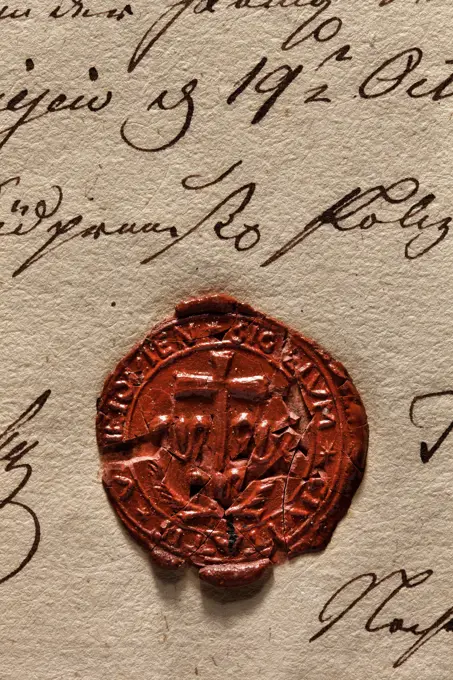
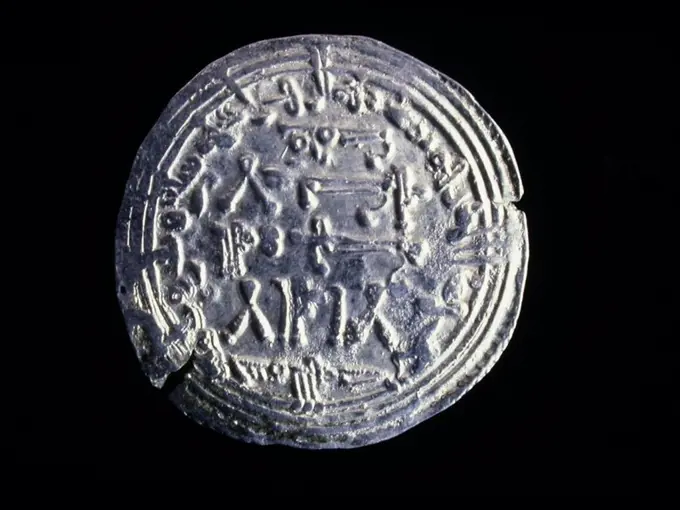
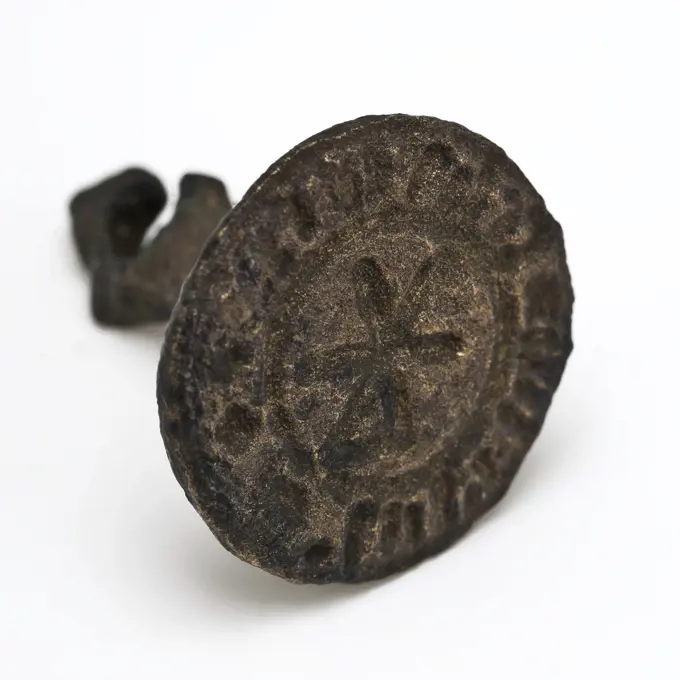
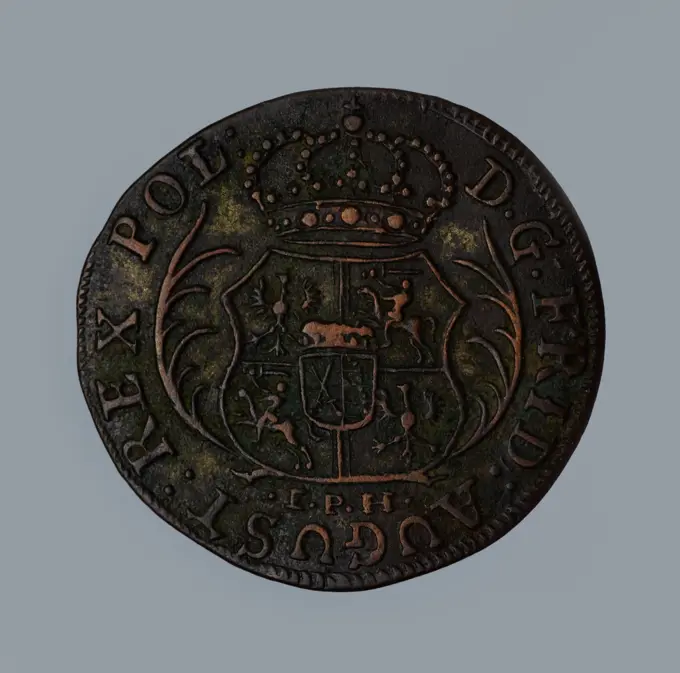
Historic Coins of Lithuania

Collection of antique Lithuanian coins, showcasing intricate designs and historical significance from the reign of Zygmunt I Stary and Kazimierz Jagiellończyk.
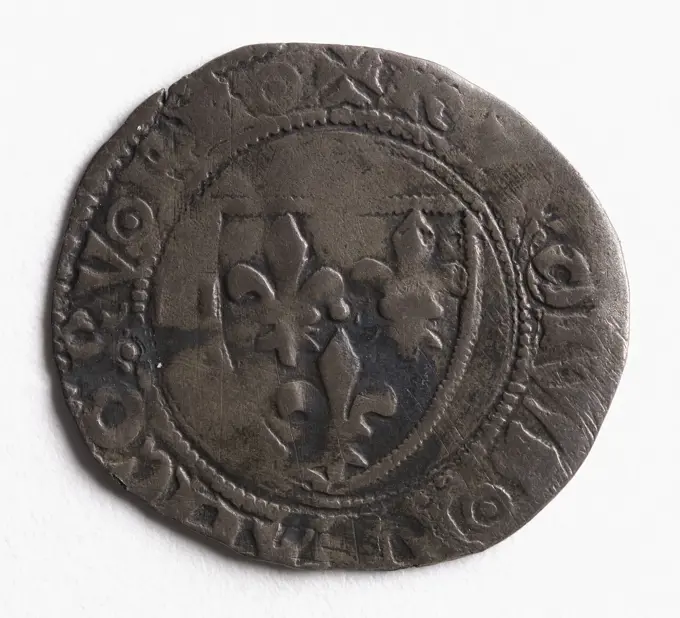
Semi-Gu�nar in Charles VI Silver, 1389 (Title Title) Semi-Gu�nar in Silver from Charles VI. Silver, 1389.
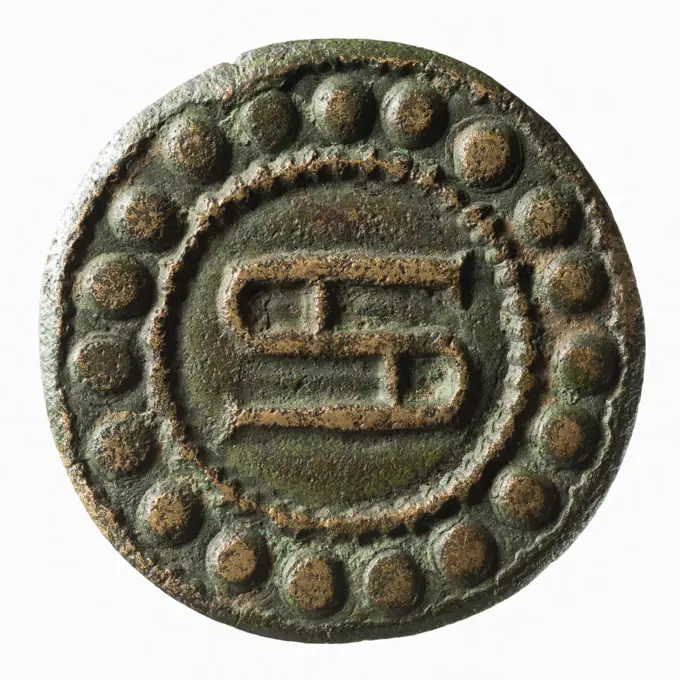
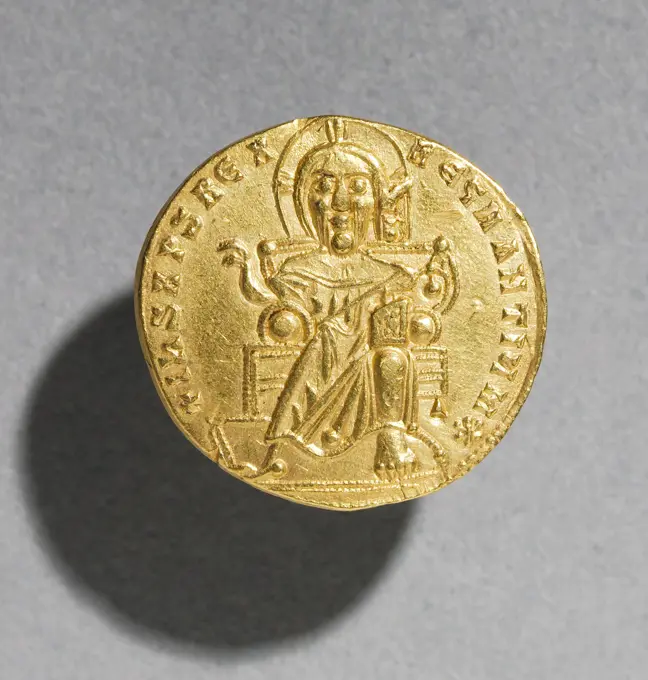
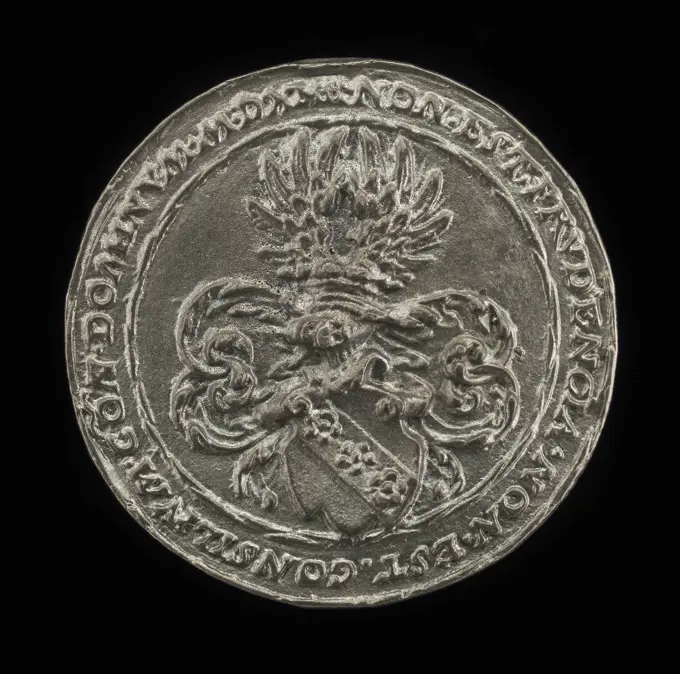
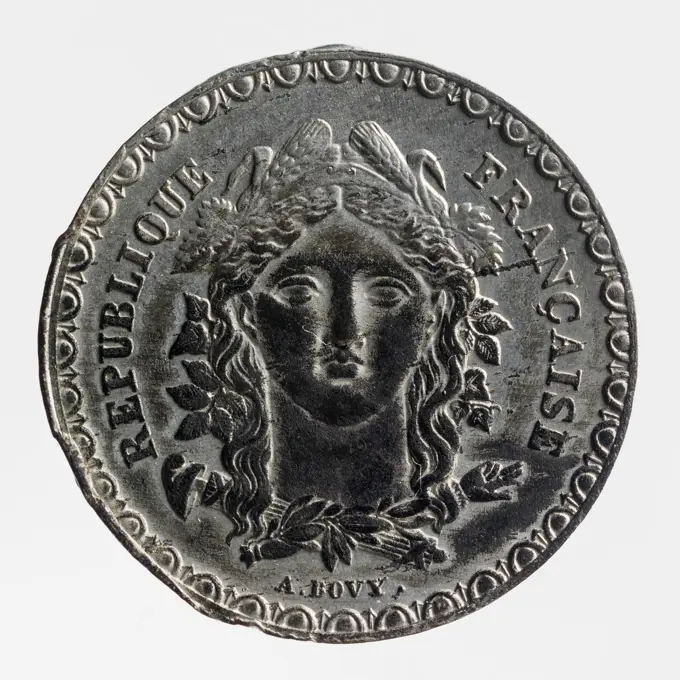
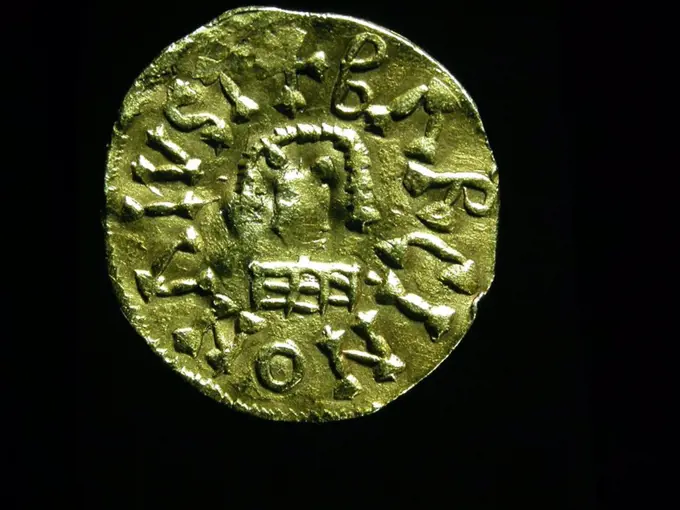
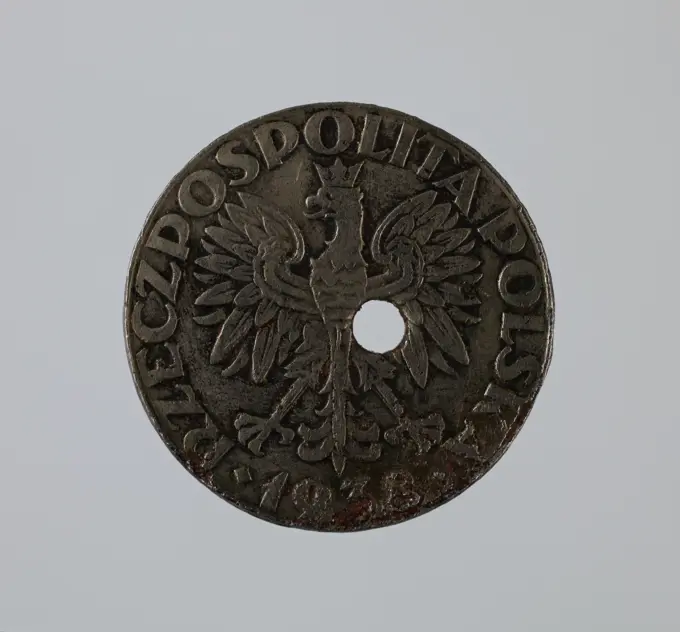
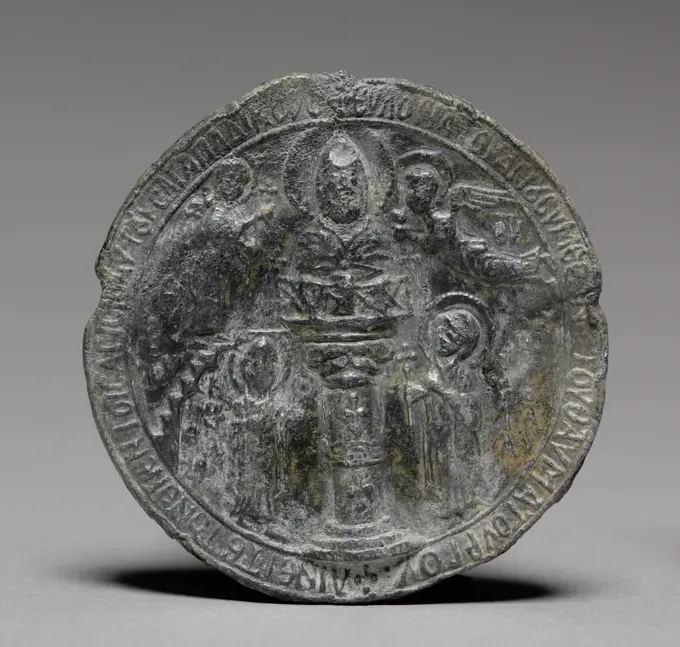
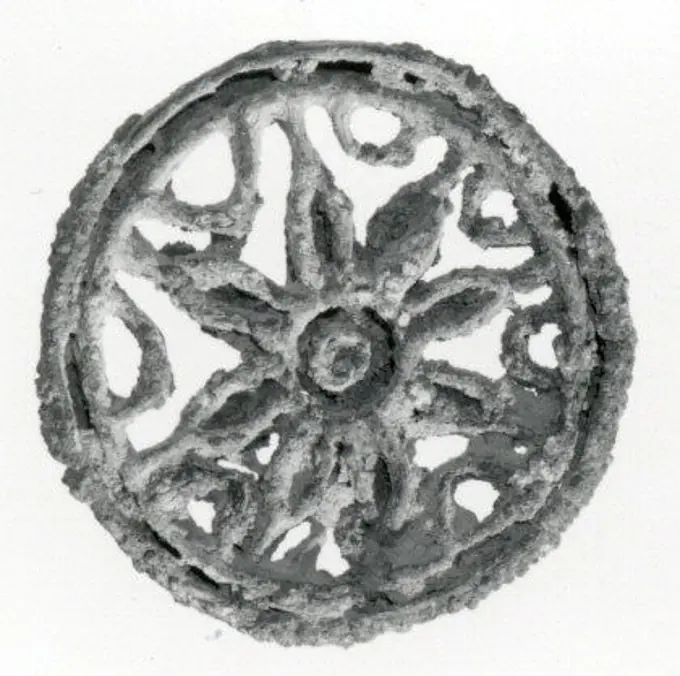
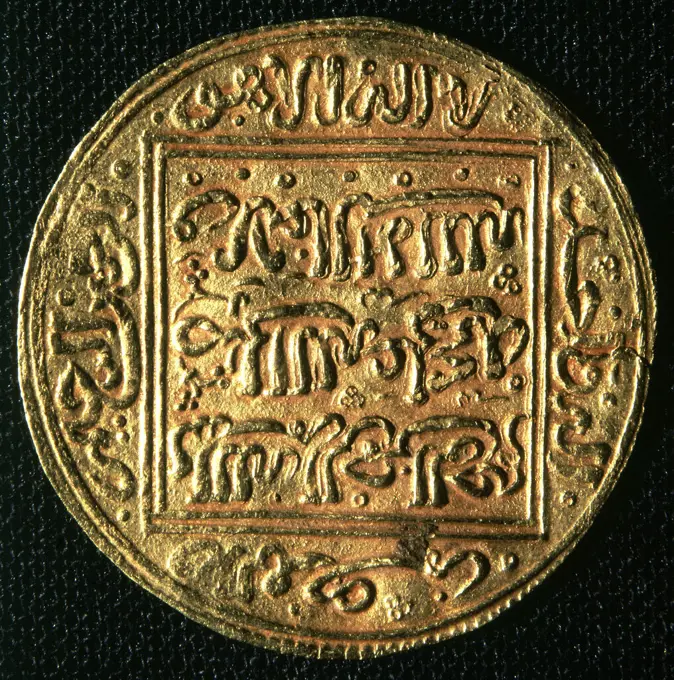
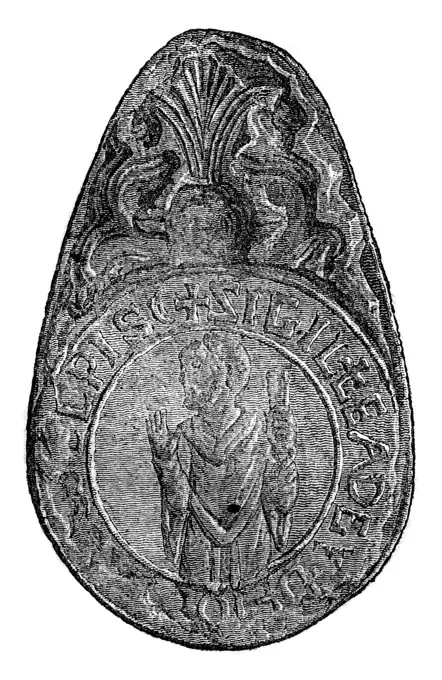
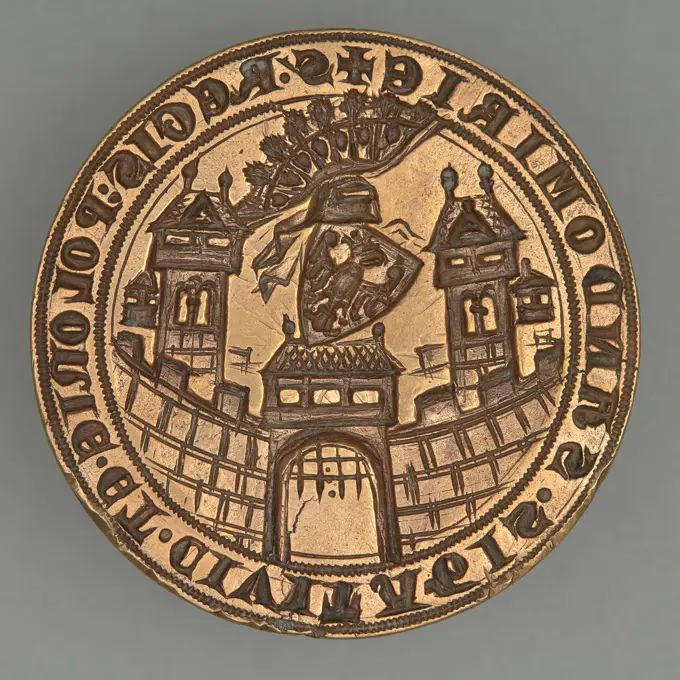
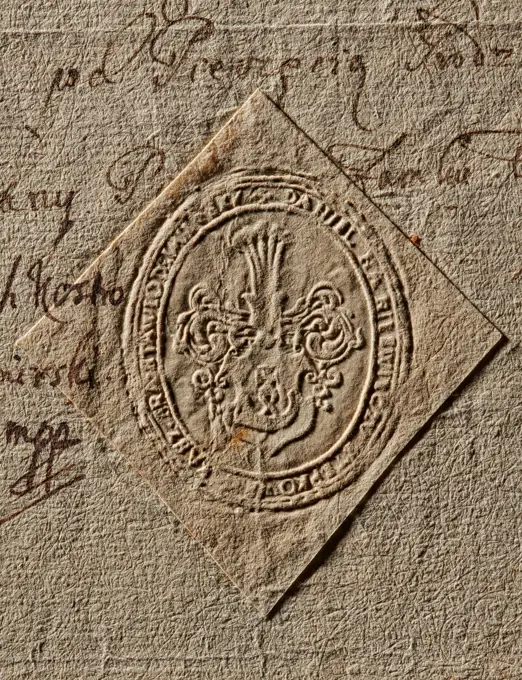
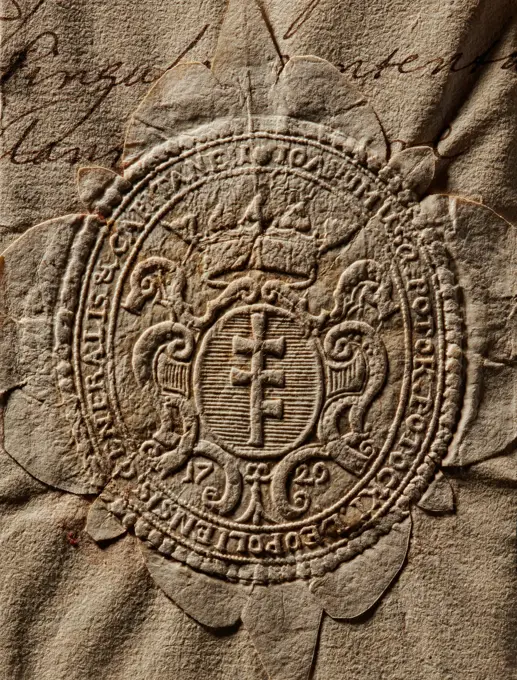
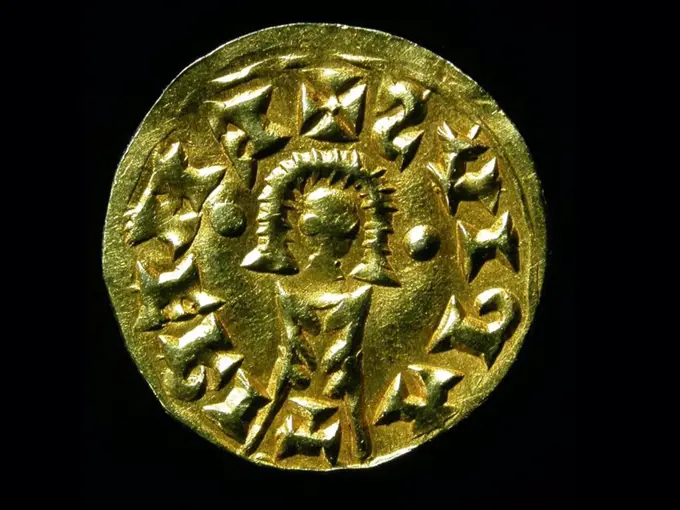
NUMISMATICA. MONEDA VISIGODA. MONEDA VISIGODA CHINTILA EMERITA LUISIANA (636-640) REVERSO.Bolesław Krzywousty (1102-1138), Denar, Kraków, After 1113 Boles And Krzywousty (1102 1138)Unattributed Trebizond Coin. UnknownLombard account token, XIII-15th century Anonymous. "Lombard account token, 13th-15th century". Bronze. 1200-1400.NUMISMATICA. MONEDA VISIGODA. LEOVIGILDO ELVORA (CARTHAGINESIS) 573-586 ANVERSO. HALLAZGO DE GARROVILLAS.denarius; Antoninus Pius (86-161; Roman emperor 138-161); 153-154 (150-00-00-151-00-00);Stanisław August Poniatowski (1764-1795), Half Groszy, Kraków; 1768 Stanisław August Poniatowski (1732 1798), Mint of KrakówNUMISMATICA. MONEDA MODERNA. PISTOLET DE ORO, DE FELIPE IV. ANVERSO. LEON CORONADO, CON ESPADA A LA IZQUIERDA, SE APOYA SOBRE UN MUNDO PUESTO ENCIMA DE UN PEDESTAL. (DEPOSITO: MUSEO ARQUEOLOGICO NACIONAL).Coin 977-82. Coin 457171Solidus with Romanus I Lecapenus and His Son Christopher (obverse), 920-944. Byzantium, 10th century. Gold; diameter: 2.1 cm (13/16 in.).German 16th Century, Arms and Inscription (reverse), 16th century Arms and Inscription reverseCroat, moneda de plata de Pedro II el Grande, acuñada en Barcelona, siglo XIII. Museum: Museu Nacional d'Art de Catalunya, Barcelona.Unattributed Trebizond Coin. UnknownBliżej Kultury unknownTest for the 20 francs of the Second Republic, 1848 Antoine Bovy (1795-1877). Test for the 20 francs of the Second Republic, 1848. Etain. 1848.NUMISMATICA. MONEDA VISIGODA. LIUVA BARCINONA (TARRACONENSIS) (601-603) REVERSO. MONEDA FALSA. DONACION DON JAIME RIPOL.Unattributed Trebizond Coin. UnknownFalse Coin, 50 Groschen, 1938, Repubiic of PolandPilgrim's Medallion with Saint Symeon the Younger, c. 1100. Byzantium, Syria, Byzantine period, early 12th Century. Lead; diameter: 5.7 x 0.4 cm (2 1/4 x 3/16 in.). Saint Symeon the Younger was a stylite saint, an early Christian ascetic who fled the world for the desert and, perched on a column, spent his days fasting and praying. The site of Symeons column attracted many pilgrims during and after his lifetime. Medallions like this one, showing Symeon atop his column, were taken home by pilgrims in commemoration of their visit and were believed to serve their owners as protective talismans.15 kreutzers. Chrystian (książę brzesko-legnicko-wołowski ; 1618-1672), ruler, Pfahler, Christian (fl. 1651-1665), moneyer, Weiss, Elias (fl. 1657-1673), mint wardenCompartmented stamp seal ca. late 3rd-early 2nd millennium B.C. Bactria-Margiana Archaeological Complex. Compartmented stamp seal 326507Uniejów town wax seal. Uniejów, signatoryGrahal-Manzara. Carnavalet 2013-2016 collection sites. Numismatics.Koningsdaalder, emergency coin from Groningen, beaten during the siege, for payment of overdue soldier to the garrison, processed in a history tendency, Balthasar Wijntgens, 1577 - 1592 coin. siege coin. history medal Round cut out and gilded emergency coin (Koningsdaalder) of Groningen, placed on a diamond -shaped plate contained in a cable edge with below and above the eye. Front: emergency coin: two -headed eagle with coat of arms for chest under letter g inside Covering; On a silver plate: Tweeregelig Dischanging: "T is weert to be horsed and to stor the Groningen is beat from the Walen don Men 1578 skew S. Martens tower no on brutal and remained". Reverse: Painted Portrait Woman; Left: two coats of arms united under crowned helmet Groningen silver (metal) striking (metalworking) / engraving  GroningenHans Krauwinkel, Brass player token, play medal utility medal medal broker ground find copper, Jupiter as eagle Ganimedes kidnapping Omschrift: IVPITER ET GANYMEDES (roosje). In the cut-off: H.K. archeology Jupiter Ganimedes Minerva Rotterdam archaeological find in the soil RotterdamNUMISMATICA. MONEDA MONEDAS BIZANTINAS DE ORO Y BRONCE. REAL ACADEMIA DE LA HISTORIA.Austrian Coin with Bust of Leopold I, 1657-1705 ADgroschen made on the occasion of the death of Sophie Elisabeth, Duchess of Legnica. Jerzy Rudolf (książę legnicko-brzeski ; 1595-1653), rulerNUMISMATICA. MONEDA HISPANO-ARABE. DIRHAM DE PLATA, DE ABD-AL-RAHMAN III. ANVERSO. 337 HEGIRA/949 D.C. (DEPOSITO: MUSEO ARQUEOLOGICO NACIONAL).Copper seal with christ sign and edge lettering, seal stamp stamping equipment ground find copper metal, die cut stamped stamp Stamping stamping stamp. Eye for attachment to chain. Sign of Pax Christi in the middle around it gothic engraving In the middle: PX in each other not decipherable archeology Rotterdam railway tunnel seal authenticity close features religion Jesus Christ gothic Pax Christi ecclesiastical power Soil discovery: pour rail tunnel Rotterdam.Reaal van Achten, beaten in Mexico, mint from the wreck of the East Indians' t Vliegend Hart, Francisco de la Pena Flores, 1733  Silver coin, beaten on irregular coin plate. Front: crowned coat of arms; on the left: letters omf, placed one above the other; A part of the Onderschanging is visible on the left. Reverse: Cross in multi -pass; between cross arms: arms figures; Van Dischanging is visible on the right and part. Mexico silver (metal) striking (metalworking)Unattributed Trebizond Coin. UnknownFire service medal of Zwolle, fire brigade penning identification carrier lead metal, Crowned coat of arms of Zwolle with two lions as shield holders Below in cartouche W.I., W.I. Zwolle Oroboro Oroboru fire departmentFALSE COIN, 1/12 Speaker, 1713, Frederick Augustus I (1694 1733), SaxonyThe Goix, Sieur de la Court, Provost of the Merchants, 1584-1586 The Goix, Sieur de la Court, Provost of the Merchants, 1584-1586 . Brass. 1584-1586.NUMISMATICA. MONEDA MODERNA. ESCUDO DE ORO, DE FELIPE II. REVERSO. CRUZ EQUILATERAL DENTRO DE OCHO SEMICIRCULOS CON CASTILLOS Y LEON. 1590. (DEPOSITO: MUSEO ARQUEOLOGICO NACIONAL).False Coin, 1/2 Crown Groschen, 1507, Sigismund I The Old (1506 1548)MONEDA-DINAR-PERIODO NAZARI 1238/72-ORO-ACUÑADO EN MALAGA-REVERSO. Location: MUSEO DE BATHA. FEZ.NUMISMATICA. MONEDA MONEDAS BIZANTINAS DE ORO Y BRONCE. REAL ACADEMIA DE LA HISTORIA.Seal of Canterbury Cathedral, vintage engraved illustration. Colorful History of England, 1837 Kreuzer Wiener currency, Friedrich Wiedmann, ClientSolidus (Coin) of Constantine V and Leo IV Struck 751 CE-775 CE Byzantine Empire. The purpose of the first portrait coins was to identify the ruler. The front side became a mirror of the sovereignís self-image. The back was often used to communicate the rulerís accomplishments or intentions. The profile portrait was used because it suited the very shallow depth and limited surface of the coin. The tiny images were carved by engravers into bronze dies, one for the front and another for the back. The coins were then struck, one by one, in a process similar to how modern coins are created today.Portraits with Royal RegaliaSince few citizens actually saw their sovereign, recognizable symbols such as crowns, robes, and regalia served to identify the ruler. This image of an emperor can no longer be thought of as a likeness of the man, but instead a portrait of kingship in the regalia of royalty.. Gold . ByzantineSeal of Wilton monastery, vintage engraving. Seal of Wilton monastery, vintage engraved illustration. Colorful History of England, 1837. Copyright: xZoonar.com/PatrickxGuenettex 10648693Piston of the seal of the great Soviet Sandomierz unknownseal of Daniel Stępkowski, Starost of Volodymyr-Volynskyi. Stempkowski, Daniel, Stefan (1613 -1672), signatoryseal of Joachim Potocki, Starost of Lviv. Potocki, Joachim (1700-1764), signatoryMedals.Token adorned with a vignette Civil Court of Marseille (TF)