Historic Furniture Designs

Collection of antique furniture items, including intricately designed cabinets and chairs reflecting different historical styles.

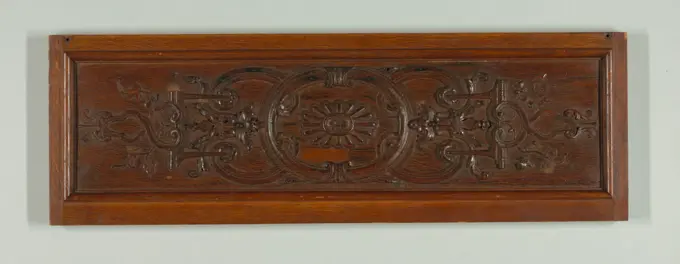
Sgabello, Carved walnut, Shaped back bears decoration of paired rosettes, leaves, and scrolls centering a fleur-de-lys and heraldic ornament. Moulded octagonal seat on panelled spreading box frame, moulded and dentillated at base. Front and rear leg panels joined by single stretcher. The front panel bears paired bound and scrolled leaves and centers a panel of feathering., Italy, 16th century, furniture, Decorative Arts, Chair, Chair
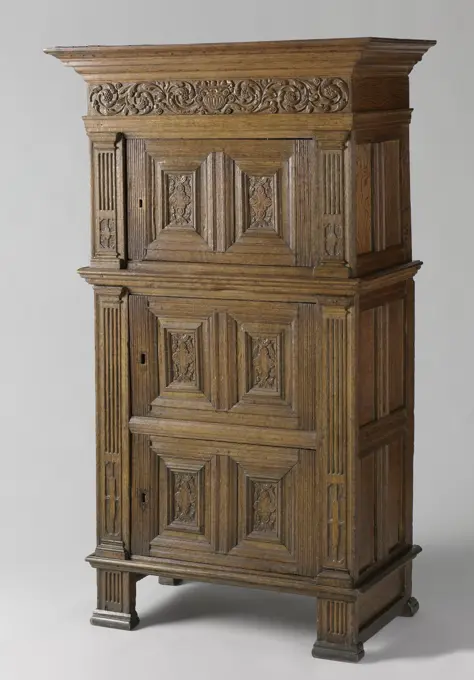
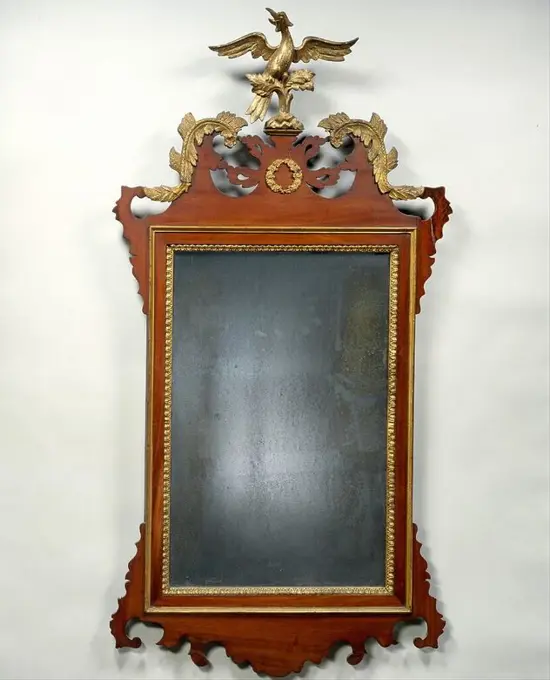
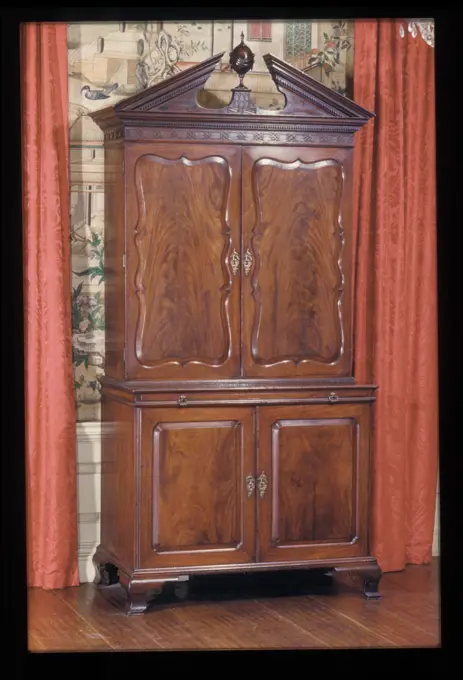
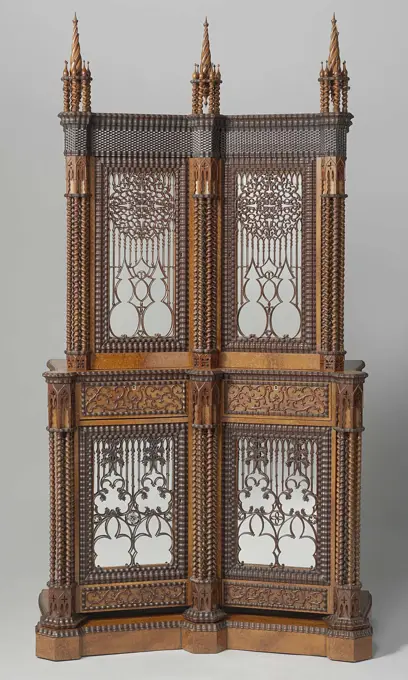
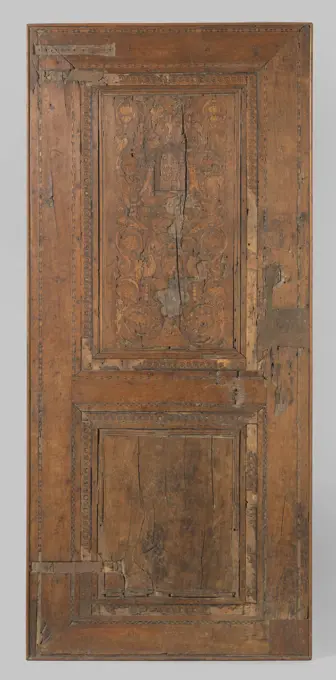
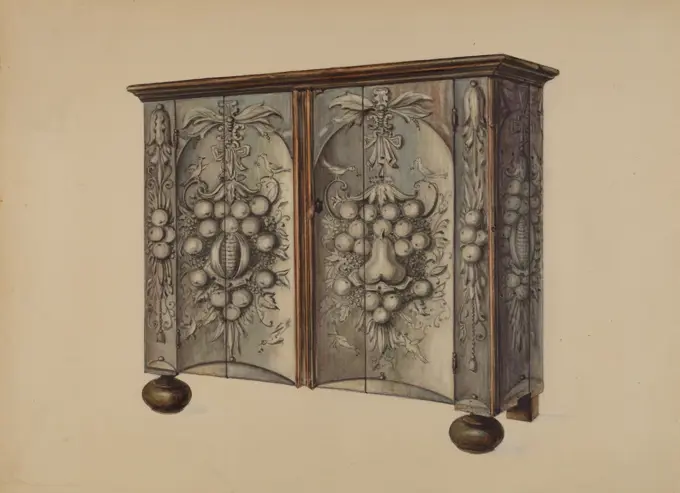
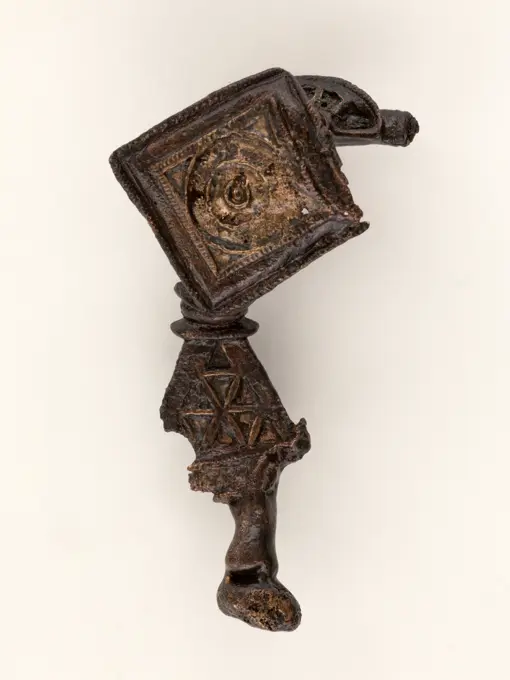
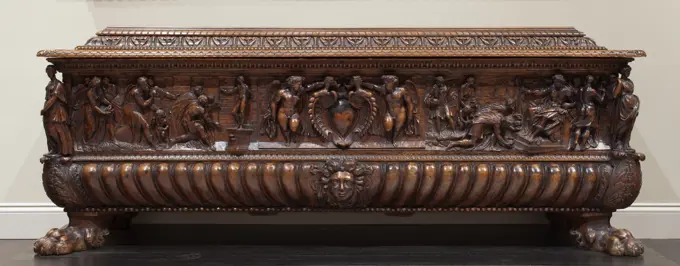
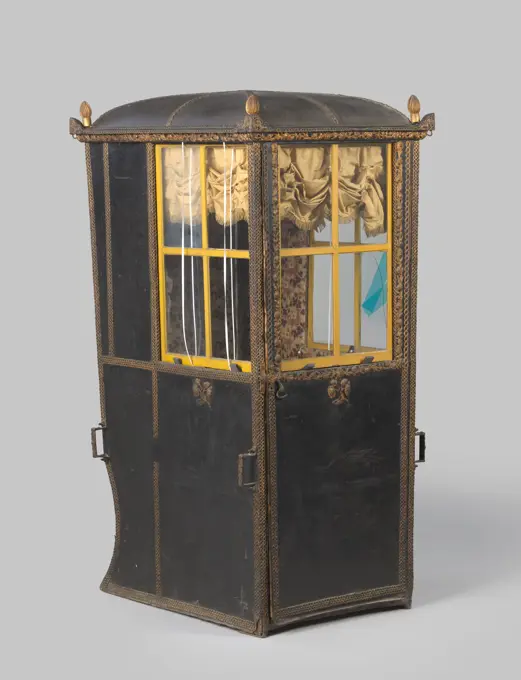
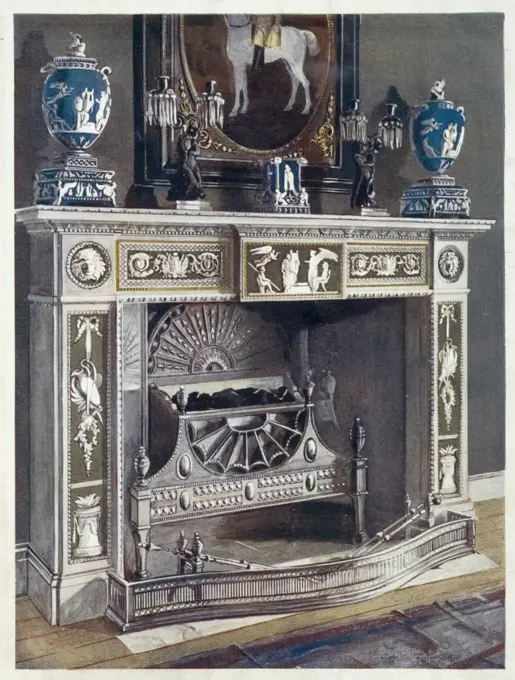
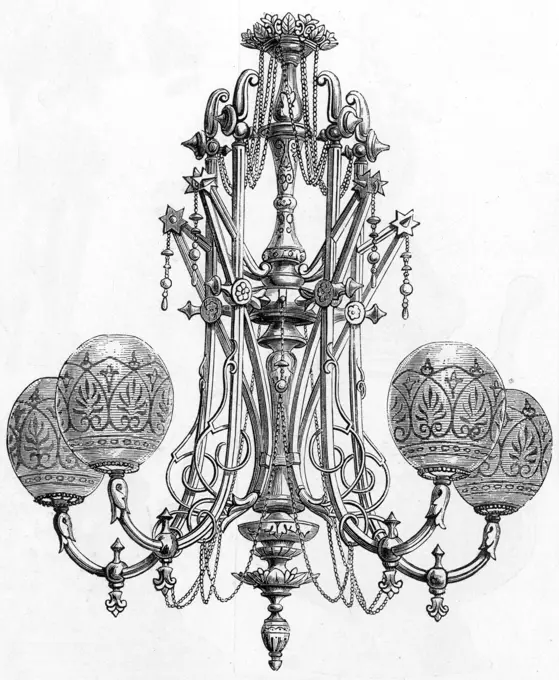
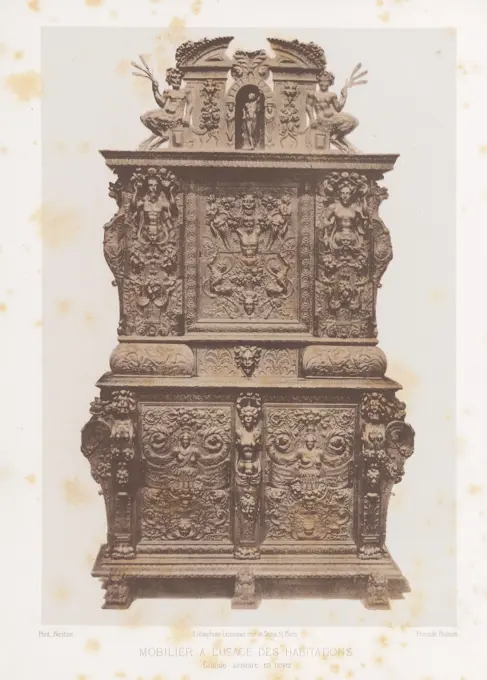
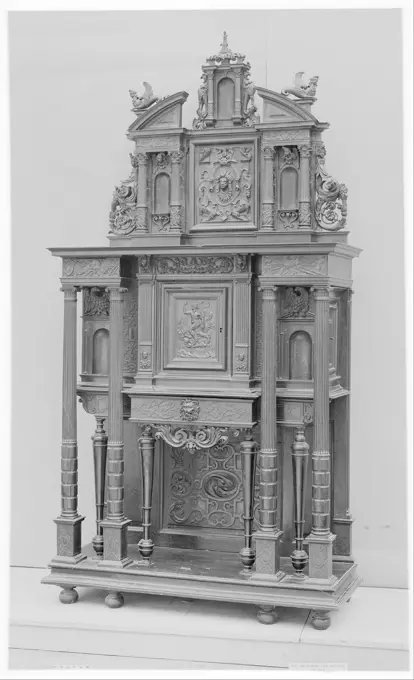
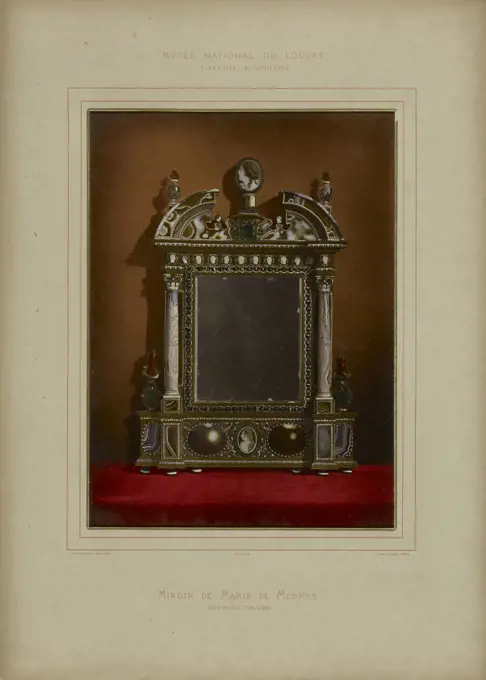
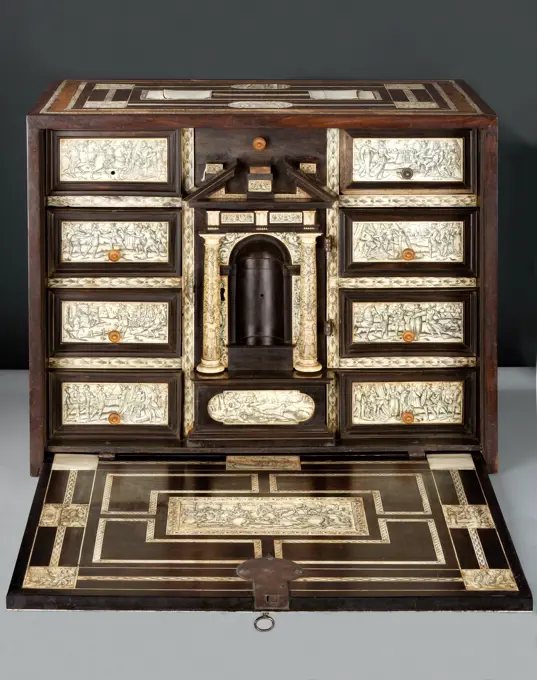
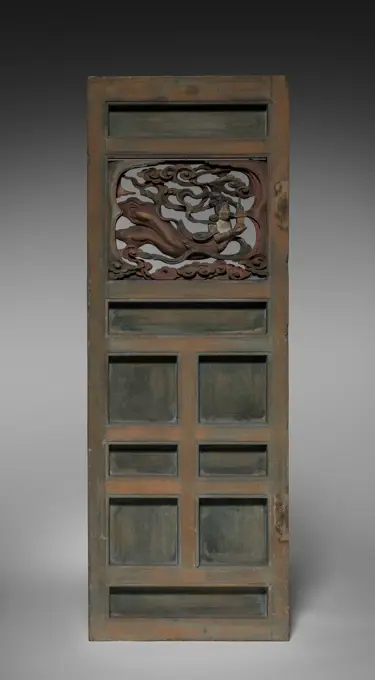
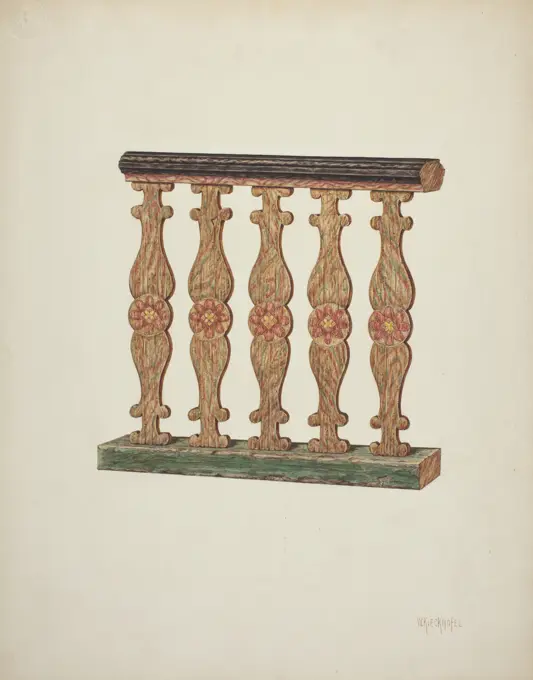
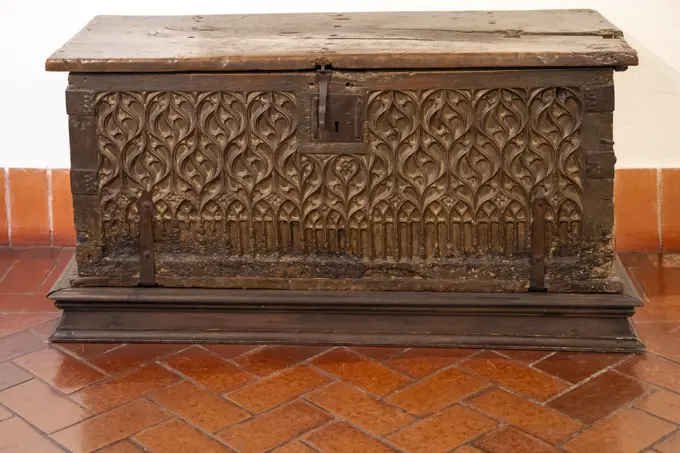
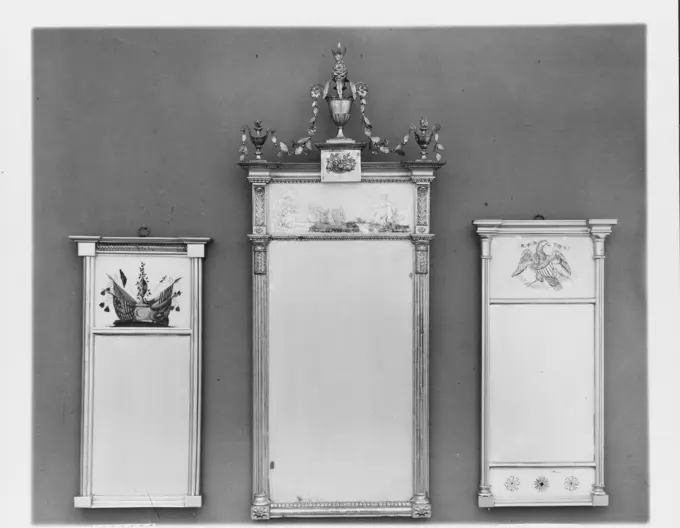
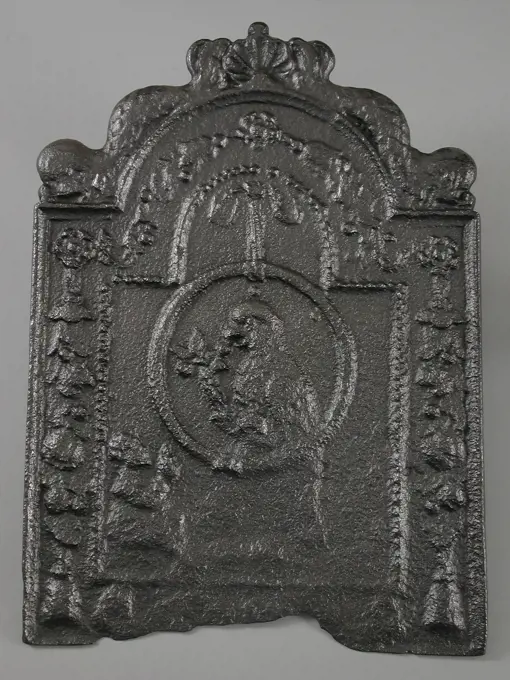
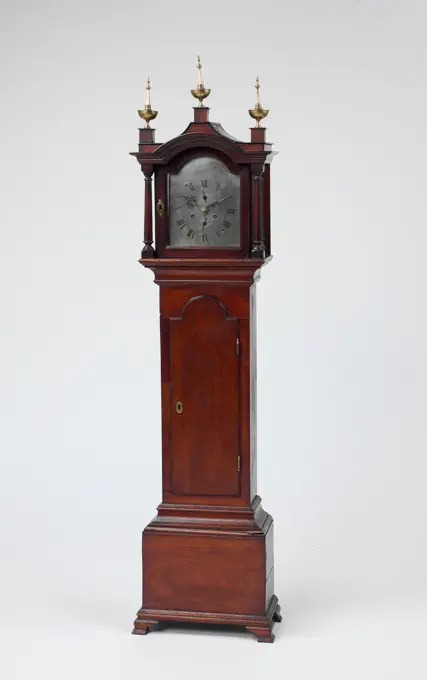
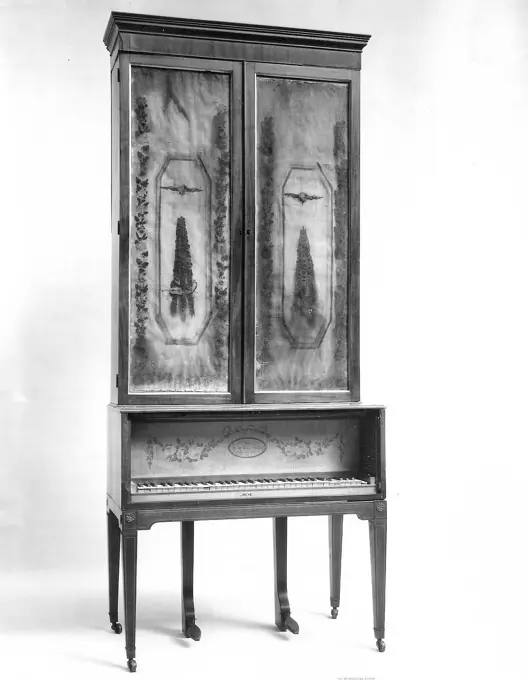
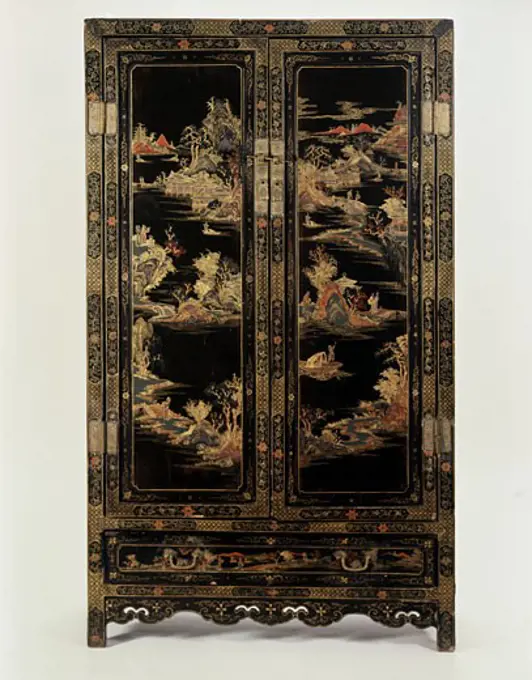
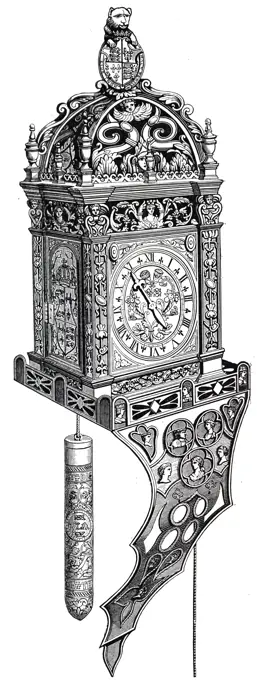
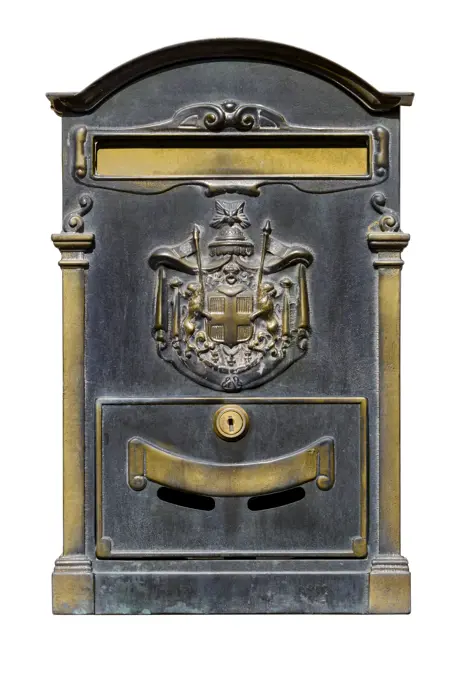
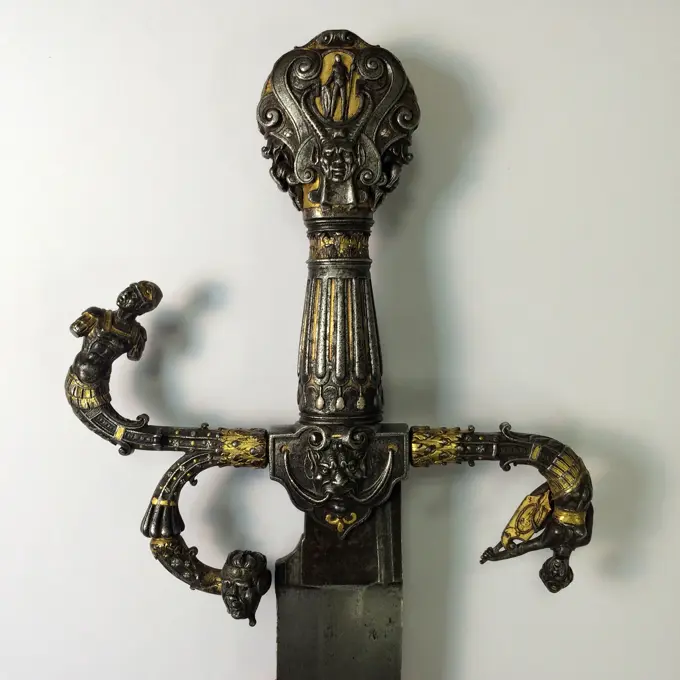
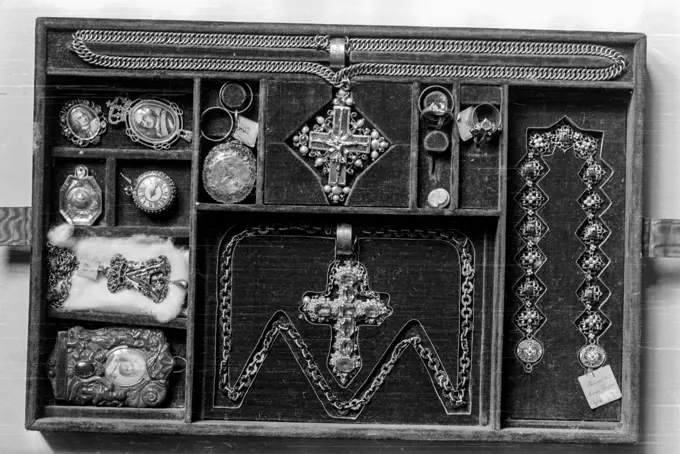
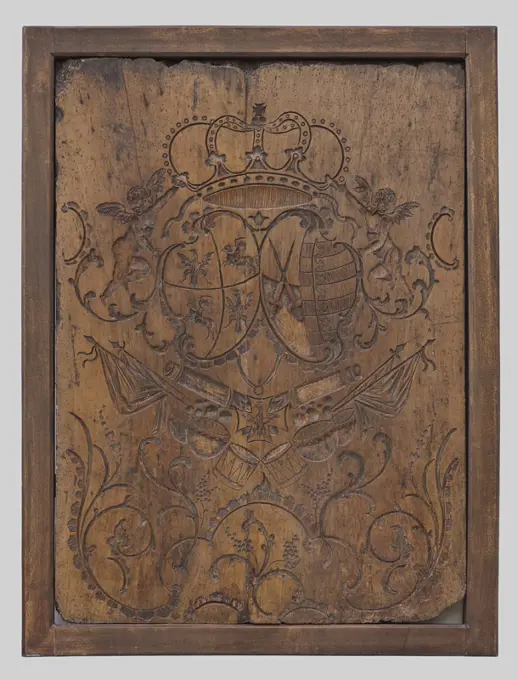
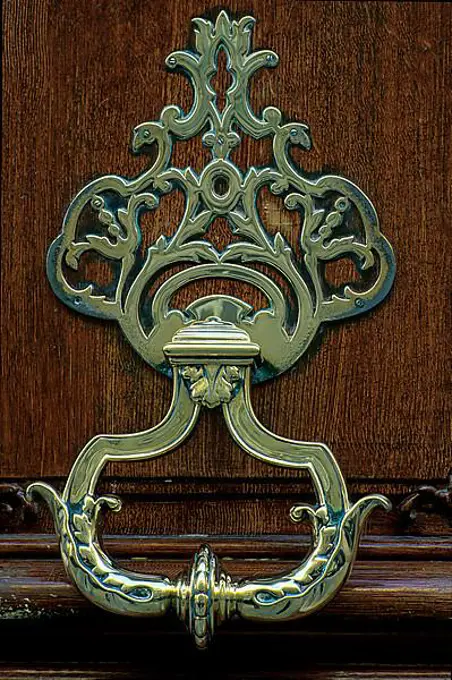
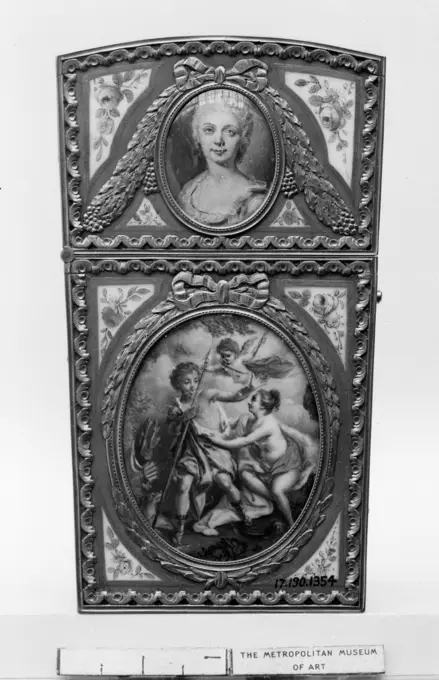
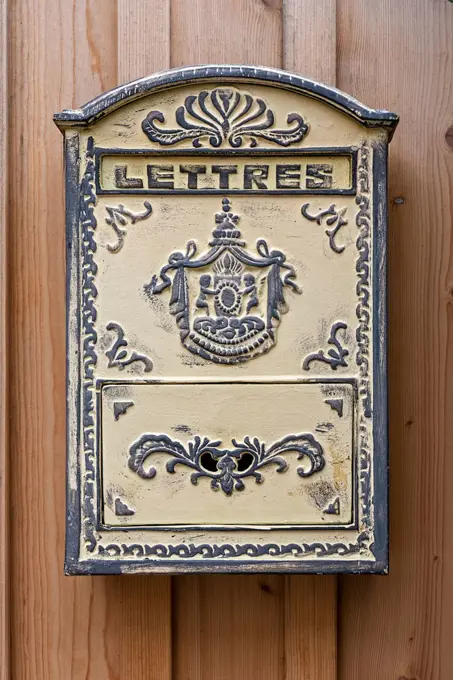
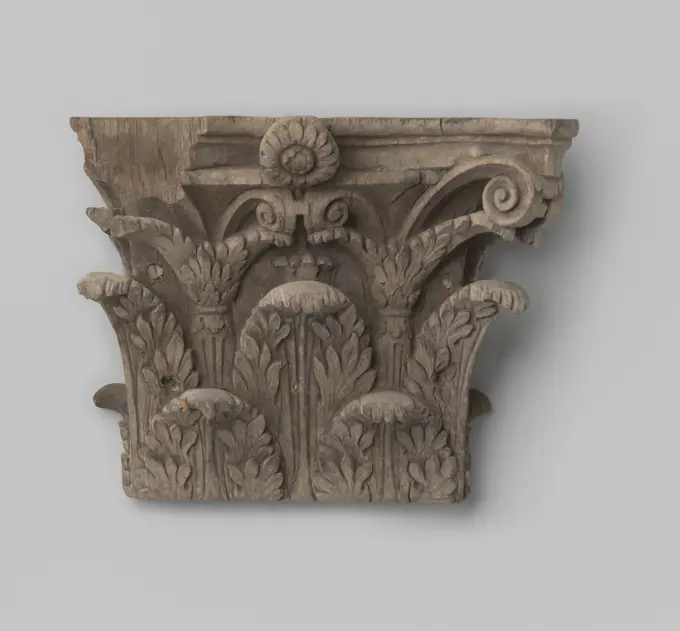
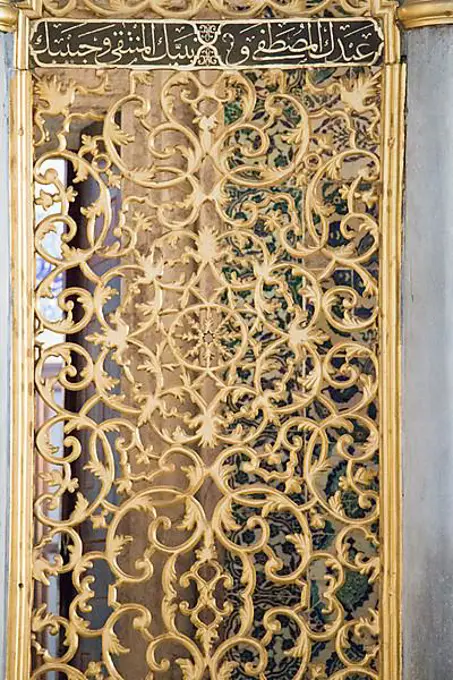
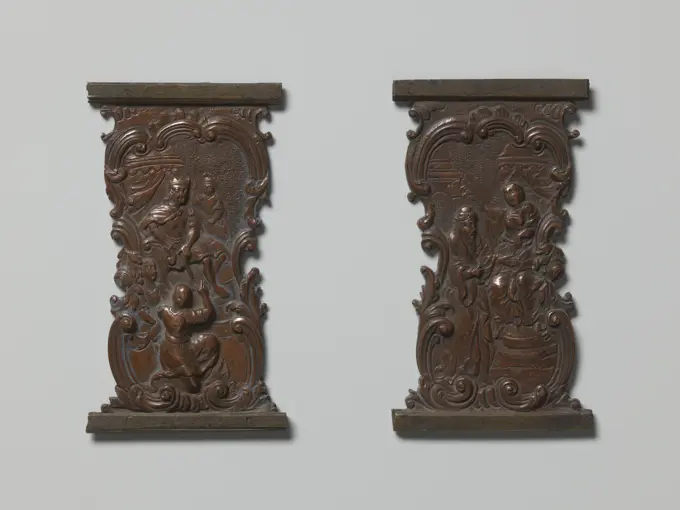
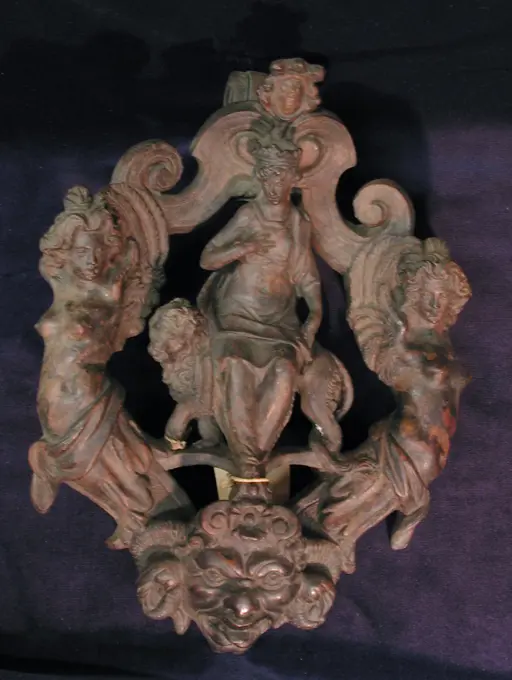
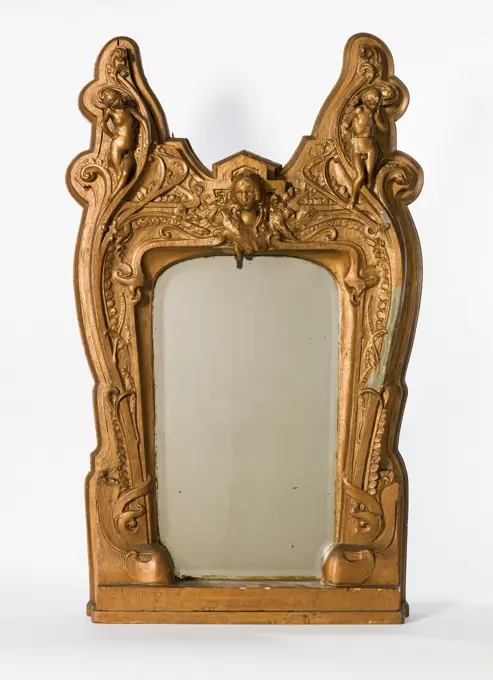
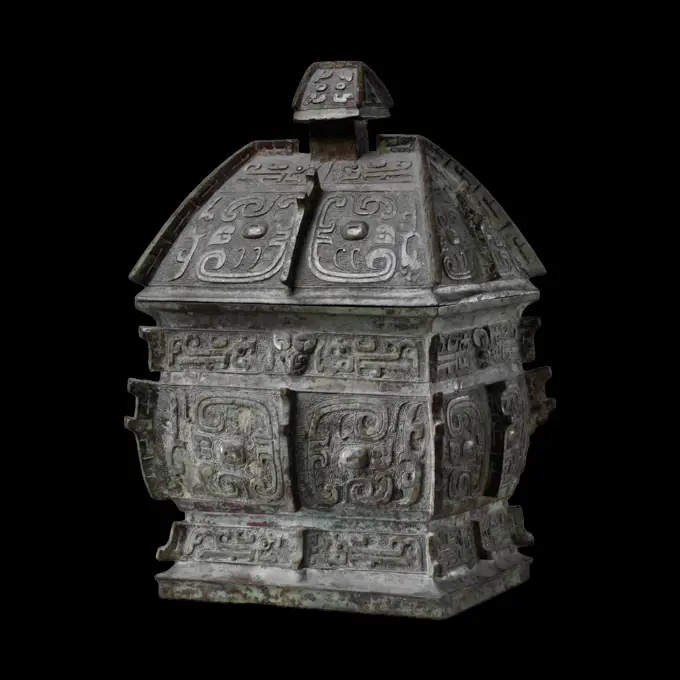
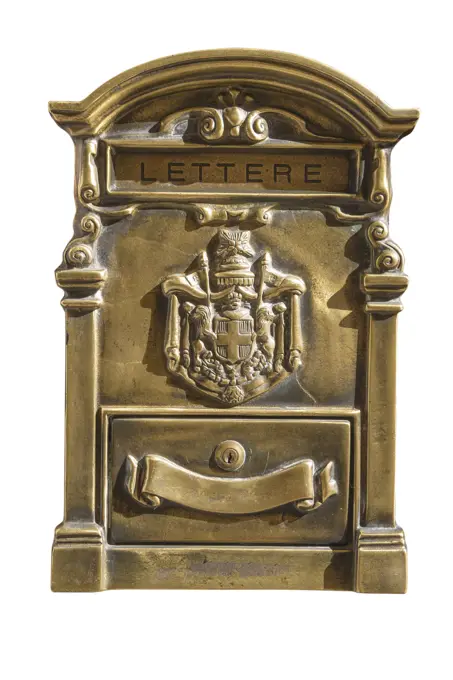
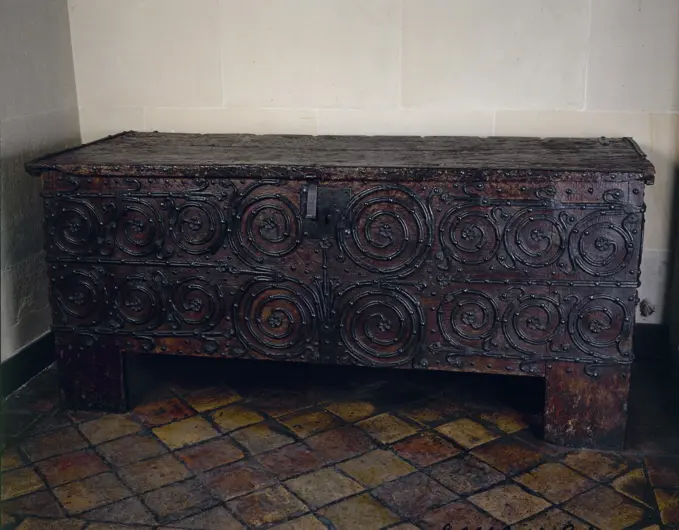
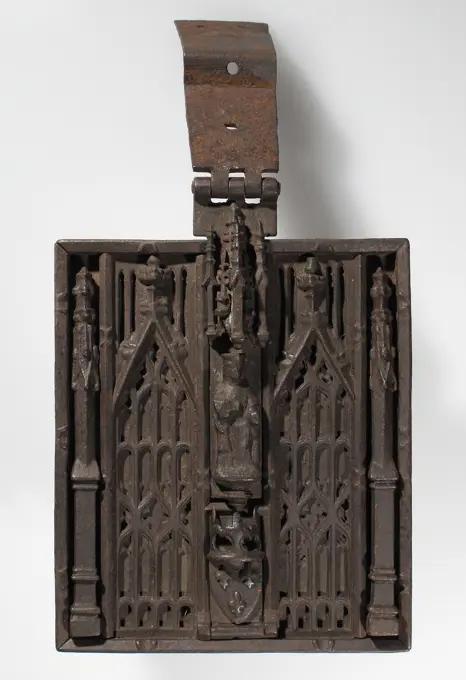
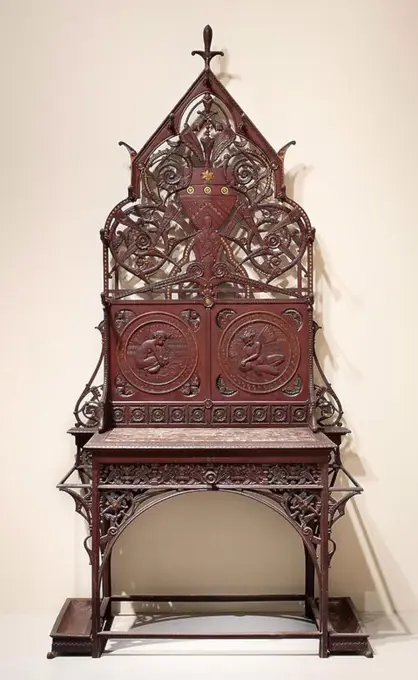
Hall Stand. Christopher Dresser (English, born Scotland, 1834-1904); Manufactured by Coalbrookdale Company of Ironbridge (English, founded 1756/62); England. Date: 1865-1875. Dimensions: 230 × 112 × 51 cm (90 1/2 × 44 × 20 in.). Cast iron and marble. Origin: Coalbrookdale. Museum: The Chicago Art Institute, Chicago, USA.Franklin C Moyan, Desk, 1935 1942 DeskEikhout cupboard with one-door upper cupboard and two-door base cabinet, anonymous, c. 1600 - c. 1650 Eikhout cupboard, consisting of a one-door upper cupboard and a two-door bottom cupboard. The corner styles wear Tuscan pilasters. The panels of the doors are decorated with a chain ornament and acanthus leaf inside profiled frames. The main frame has a stabbed Frisian with fruit bowl, flanked by Acanthus vranks. The panels of the sides are unadorned. North Holland wood (plant material). oak (wood) Eikhout cupboard, consisting of a one-door upper cupboard and a two-door bottom cupboard. The corner styles wear Tuscan pilasters. The panels of the doors are decorated with a chain ornament and acanthus leaf inside profiled frames. The main frame has a stabbed Frisian with fruit bowl, flanked by Acanthus vranks. The panels of the sides are unadorned. North Holland wood (plant material). oak (wood)Sgabello, Carved walnut, Shaped back bears decoration of paired rosettes, leaves, and scrolls centering a fleur-de-lys and heraldic ornament. Moulded octagonal seat on panelled spreading box frame, moulded and dentillated at base. Front and rear leg panels joined by single stretcher. The front panel bears paired bound and scrolled leaves and centers a panel of feathering., Italy, 16th century, furniture, Decorative Arts, Chair, ChairLooking Glass. Culture: American. Dimensions: Frame: 46 x 23 13/16 in. (116.8 x 60.5 cm)Glass: 23 3/8 x 15 1/4 in. (59.4 x 38.7 cm). Maker: Stephen Badlam (1751-1815). Date: ca. 1780. Museum: Metropolitan Museum of Art, New York, USA.Chest-on-ChestLeslie Macklem, Queen Anne Mirror, c 1939 Queen Anne MirrorClothes Press 1760-90 Attributed to Thomas Affleck Clothes presses, common in England, were rarely made in colonial Philadelphia. The design of this one was influenced by plates in Thomas Chippendales "Gentleman and Cabinet-Makers Director" (1754 and 1762 eds.). The doors of the upper section hide twelve drawers; those of the lower section, three sliding trays. The sliding shelf in between was for folding the clothes to be stored inside.. Clothes Press 2103The young cabinetmaker Jan Hillebrand displayed this Gothic Revival cabinet as a showpiece at the 1844 exhibition of decorative arts in Leeuwarden. His ambition was rewarded, for the cabinet was purchased by King William II, who had become a fan of the Gothic Revival style while studying in England. Hillebrand ingeniously combined a range of Gothic elements in the piece, such as the fine wood tracery over the mirror glass and the decorative spires or pinnacles.Cast iron plate for conversion of the fireplace, with the year 1682, anonymous, in or after 1682 - c. 1700 Plate of cast iron, part of the fireplace construction. The opening is bordered with a decorated list. The pilasters are decorated with flower festivities. Above that a narrow Frisian with palmets and the year 1682. The whole is crowned with a garland with flowers. Germany (possibly) iron (metal) casting Plate of cast iron, part of the fireplace construction. The opening is bordered with a decorated list. The pilasters are decorated with flower festivities. Above that a narrow Frisian with palmets and the year 1682. The whole is crowned with a garland with flowers. Germany (possibly) iron (metal) castingDoor panel of the Zijdeweversgilde in Florence, Anonymous, 1440 - 1460 Panel of a walnut door, attached to pinewood, decorated with Intarsia. The panel has a dichotomy and both the two courses and the frame show arabesks and kandelaber motifs. The upper compartment shows the weapon of the Zijdeweversgilde in Florence. Florence wood (plant material). walnut (hardwood). spruce (wood)   Florence Panel of a walnut door, attached to pinewood, decorated with Intarsia. The panel has a dichotomy and both the two courses and the frame show arabesks and kandelaber motifs. The upper compartment shows the weapon of the Zijdeweversgilde in Florence. Florence wood (plant material). walnut (hardwood). spruce (wood)   FlorenceIsadore Goldberg, Kas, c 1937 KasFibula. Copper alloy. Gallo-Roman. Paris, Carnavalet museum. 51474-2 Staple, copper alloy, attachment, Gallo-Roman time, fibula, Gallo-RomanWooden weapon board with three clovers in the weapon, from the Hopman family, Anonymous, 1650 - 1800  Wooden polychromed weapon board. The weapon is covered by a helmet and has cover rugs. The weapon carries three clovers (two upstairs, one below). The helmet sign consists of a fist that clips a block. The colors are largely worn out. Overijssel wood (plant material) cutting  OverijsselCassone. Italy, circa 1550. Furnishings; Furniture. WalnutGoldsmith's art, 19th century. Pendant and earrings.British Neoclassical frame, Unknown framemaker, late 18th to early 19th century, Wood and compo, original lacquered silverleafGoldsmith's art, Italy, 17th century. Urn reliquary of Saint Albert and Titus, 1693Ornate tomb door in the Pere Lachaise cemetery in Paris Ornate tomb door in the Pere Lachaise cemetery in Paris Copyright: xZoonar.com/ZvonimirxAtletix 20476114Schrank. American; Berks County, Pennsylvania. Date: 1785-1795. Dimensions: 204.5 × 176.5 × 56.9 cm (80 × 69 1/2 × 22 1/4 in.). Tulip. Origin: Berks County. Museum: The Chicago Art Institute, Chicago, USA.Sedent, Anonymous, 1752 The exterior is painted black with gold; The inside shows the remains of Geel Trijp. Northern Netherlands (possibly)Netherlands (possibly) wood (plant material). gilding (material). leather. wool. cotton (textile) gilding The exterior is painted black with gold; The inside shows the remains of Geel Trijp. Northern Netherlands (possibly)Netherlands (possibly) wood (plant material). gilding (material). leather. wool. cotton (textile) gildingLeslie Macklem, Cupboard, c 1939 CupboardFurniture around the turn of the century 1900, White gilt and painted fireplace (1911), White gilt and painted settee (1911) .Old rusty lantern. Isolated objects: very old shabby and rusty lantern, with red glass, on white backgroundA gas lit chandelier shown at the 1862 International Exhibition held in London, and made by Samuel Messenger of Birmingham     Date: 1862Paris, Lemercier, Joseph-Rosé, Berthier, Grande armoire en noyer, Reproduction of a decorated wooden cupboard, recto - printed, photomechanical print, page, reproduction, photographs, photographically illustrated books, Phot. Berthier., Procédé Poitevin, height 266 mm, width 156 mm, photographer, 1859 - 1864, paper, papier, photolithography, fotolithografie, clichémaker, French, 1803-06-29 - 1887-01-01, printer, printer'sCabinet 19th century Style of Jacques Androuet Du Cerceau French. Cabinet. French. 19th century. Walnut. Woodwork-FurnitureChimneypiece Design with Mirror 19th century Anonymous, British, 19th century British. Chimneypiece Design with Mirror 363285Miroir de Marie de Medicis; Léon Vidal (French, 1833 - 1906); Paris, France; about 1872 -1875; Woodburytype with chromolithography; 33 x 24.2 cm (13 x 9 1,2 in.)Kas. Dated: c. 1937. Dimensions: overall: 23.9 x 33 cm (9 7/16 x 13 in.) Original IAD Object: 54"high, 57 3/4"wide, 21"deep.. Medium: watercolor, colored pencil, and graphite on paperboard. Museum: National Gallery of Art, Washington DC. Author: Isadore Goldberg.Cabinet;  XVI/XVII century (1595-00-00-1620-00-00);Tasso, Torquato (1544-1595). Gerusalemme liberata, grotesque, monograms, hunting, purchase (provenance)Panel (France); wood (oak)Side chair (Sgabello, pair with 1975.1.1989) Italian, Rome or Florence late 16th century (partly)Organ clock by Charles Clay, clockmaker to the Board of Works. Dated 1735Corner Chimneypiece most likely from the house of one of Williem III's courtiers in the Hague. Dated 18th CenturyDower Chest Latch. Culture: American. Dimensions: Dimensions not recorded. Date: ca. 1780. Museum: Metropolitan Museum of Art, New York, USA.Shrine Door, 1700-1850. Japan, Edo period (1615-1868). overall: 76.5 x 54.6 cm (30 1/8 x 21 1/2 in.).William Kieckhofel, Choir Rail, 1939 Choir RailHard plate with crown between putti, anonymous, in or after 1695 Cast iron fireplace, with a semicircular top. Central is an empty middle surface. The whole is framed with an edge, decorated with a festoon on either side. At the top two putti that lifted a crown between them. The left putto is still wearing an olive branch, the right a scepter. At the bottom of a banderole with the inscription: Anno 1695. marked in the corners with the initials NL. Germany iron (metal) casting Cast iron fireplace, with a semicircular top. Central is an empty middle surface. The whole is framed with an edge, decorated with a festoon on either side. At the top two putti that lifted a crown between them. The left putto is still wearing an olive branch, the right a scepter. At the bottom of a banderole with the inscription: Anno 1695. marked in the corners with the initials NL. Germany iron (metal) castingNicholas Gorid, Mirror, 1936 MirrorRestello. Culture: Italian, Venice. Dimensions: Overall, 78.8 x 72.3 cm; sight, 25.8 x 25.5 cm; rebate, 28 x 27.5 cm.. Date: early 16th century.Essentially a tabernacle with decorative relief panels, this carved and gilt mirror frame is structurally similar to a type of tabernacle frame made for private devotional images in Venice and the Veneto during the first third of the sixteenth century. The present mirror is a modern replacement. Holes in the base molding, now plugged, evidently held hooks for hanging combs and brushes. Mirror frames of this type must have been common at one time, though surviving examples are relatively rare. The Lehman example is decorated with polychrome and pastiglia (applied ornament of gesso). Detached candelabrum-style columns support imposts punched with a scale pattern and a dentilated cornice with blue recesses. The base of the frame is supported on consoles above a relief panel in the form of an antependium, which is carved with acanthus leaves arounArchaic style rectangular incense burner 16th-17th century China. Archaic style rectangular incense burner 48376Hexagonal table 19th century () Italian. Hexagonal table 460504Gotische Truhe Gotische Truhe Copyright: xZoonar.com/TOLOxBALAGUERx 22568817Nicolas de Lyre. Book. Leather binding in the emblematic of Louis XII. Brown calf, cold compartments, interlaces pushed into silver on a dish. Museum of Fine Arts of the City of Paris, Petit Palais. BOOK Leather, emblem, book, binding, king France, valois, brown calfLooking Glass 1795-1810 American. Looking Glass. American. 1795-1810. Gilt gesso, wood, eglomise tablet. Made in New York, New York, United StatesFireback parrot with branch, fire place, cast Rectangular hearth plate with arch In the middle parrot with branch with berries; seated man on the bottom left. Around broad border with flower garlands between frame and pearl necklace. On top in the middle shell flanked by two dolphins living environment interior heatingPhoto album with 46 photos (Dutch), L.J. Hartkamp, Anonymous, 1873  Album with 46 photos, mainly portraits on Cartes-de Visite.  photographic support. cardboard. leather. metal albumen printMiniature Tall Clock 1785-90 Caleb Leach. Miniature Tall Clock. American. 1785-90. Mahogany, oak, maple, white pine. Made in Plymouth, Massachusetts, United StatesUpright (Cabinet) Piano 1801 M. & W. Stodart British The Stodard company was founded by Robert Stodart (fl. 1775-96) in London around 1775 and manufactured pianos until 1861. Stodart learned to build harpsichords and pianos from John Broadwood and was one of the British craftsmen who contributed to Americus Backers development of the English grand piano action. By 1794 Stodard's sons Matthew and William were both full partners and after Robert retired around 1796 continued as M. & W. Stodard, as can be seen on the label for this instrument. In 1795 the family started manufacturing upright pianos, patenting an upright cabinet piano design. The current instrument is an upright grand (with an action at the bottom end of the strings) that sits on a stand.Technical description: Vertical rectangular mahogany-veneer case with two glass doors lined with velvet panels decorated with painted birds, flowers, and musical instruments; strings and soundboard occupy the left side of the cabinet, thisFirestand. Culture: Italian (). Dimensions: Overall: 51 1/8 x 44 7/16 x 14 1/2 in. (129.9 x 112.9 x 36.9 cm). Date: 16th century. Museum: Metropolitan Museum of Art, New York, USA.Pall Made 1601-1700 Spain. Silk, warp-float faced broken twill weave with supplementary pile warps forming cut solid velvet; applizued with warp-float faced satin weave backed in linen, plain weave embroidered with silk in overcast, satin, split, and stem stitches; couching and French knots; painted; edged in warp-faced weft-rib plain weave with ground weft cut fringe .Chinese Black and Gold Lacquer Cabinet Antiques Cupboard Leaves. Date/Period: 701/800. Wood and Ivory. Width: 46.5 cm. Height: 122.2 cm. Author: UNKNOWN.Pedestal. Culture: American. Dimensions: 35 3/4 x 17 1/4 x 13 3/4 in. (90.8 x 43.8 x 34.9 cm). Date: ca. 1870. Museum: Metropolitan Museum of Art, New York, USA.An engraving depicting a clock given by Henry VIII to Anne Boleyn. Dated 19th centuryold dresser on parquet floorBalcon Hek Met Spiegelmonogram, in OR Before 1879 A forged iron balcony balustrade with a search monogram.  iron (metal) forging A forged iron balcony balustrade with a search monogram.  iron (metal) forgingTabernacle frame 1540-50 Italian, Verona. Tabernacle frame. Italian, Verona. 1540-50. Poplar with pine rebate.. FramesBriefkasten Briefkasten Copyright: xZoonar.com/angetax 6212414Sedan chair 18th century Italian, Naples. Sedan chair. Italian, Naples. 18th century. Wood, painted and gilded; painted canvas, brocade velvet. Woodwork-FurnitureTabernacle frame. Culture: Italian, Venice. Dimensions: Overall: 25 x 20 1/4. Date: early 16th century. Museum: Metropolitan Museum of Art, New York, USA.ARQUIMESA HOLANDESA CON TARACEA FIGURATIVA S XVI. Location: MUSEO LAZARO GALDIANO-COLECCION. MADRID. SPAIN.Pair of Corner Cupboards. Pierre Garnier (French, about 1720 - 1800, master 1742)Sword 19th century in 16th century style French. Sword. French. 19th century in 16th century style. Steel, gold. SwordsUmbria Terni Narni S. Giovenale, Cathedral54. Hutzel, Max 1960-1990 Medieval: Architectural sculpture, cosmati pavement, wall painting, mosaic (12th century). Post-medieval: 1982 & 1986 photos Architecture, architectural sculpture (17th century); painting, frescoes (17-18th century); sculpture, tombstones (16-18th century); metalwork, processional cross, candlestick, reliquary, chalice (16-17th century) General Notes: Site comprises two separate photo campaigns. Bibliographic material sent, now in Center Library German-born photographer and scholar Max Hutzel (1911-1988) photographed in Italy from the early 1960s until his death. The result of this project, referred to by Hutzel as Foto Arte Minore, is thorough documentation of art historical development in Italy up to the 18th century, including objects of the Etruscans and the Romans, as well as early Medieval, Romanesque, Gothic, Renaissance and Baroque monuments. Images are organized by geographic region in Italy, then by province,STRATY WOJENNE MNKOrnate tomb door in the Pere Lachaise cemetery in Paris Ornate tomb door in the Pere Lachaise cemetery in Paris Copyright: xZoonar.com/ZvonimirxAtletix 20560835Meissen. Schleinitz - Grave plateLandliftener at the reflector;  Ok. PO. 18th century (1740-00-00-1780-00-00);Bell(zhong)Tin mirror frame in Jugendstil, Anonymous, c. 1900 Tin mirror list in Jugendstil. The underside of the frame faints up through two legs, where two tifles spring. These tenders go up on either side on both sides and each end in three flowers, which cross the list. The top is closed with a fan -shaped flour that hangs down. At the rear two hinges to attach the mirror and the start for a hinge. Germany tin (metal) casting Tin mirror list in Jugendstil. The underside of the frame faints up through two legs, where two tifles spring. These tenders go up on either side on both sides and each end in three flowers, which cross the list. The top is closed with a fan -shaped flour that hangs down. At the rear two hinges to attach the mirror and the start for a hinge. Germany tin (metal) castingLeather embossing mould. unknown, authorCabinet of Amalia von Solms, Wilhelm de Rots, 17th century, Amsterdam, Netherlands.Door knocker'Music Cabinet. From a sketch by M. H. Baillie Scott', 19th century. Artist: Mackay Hugh Baillie Scott.Coffer on a Stand. Attributed to André-Charles Boulle (French, 1642 - 1732, master before 1666)Oliver Cromwell's Portable Steel Lock, c17th century, (1904). Artist: UnknownSouvenir with portrait of a woman 1775-76 French, Paris In eighteenth-century Europe, Paris led the production of high-quality luxury goods. Parisian goldsmiths made a wide range of small, personal articles such as snuffboxes; étuis to hold sealing wax, tweezers, or utensils for sewing; souvenirs, which contained thin ivory tablets for note taking; and shuttles for knotting lace. Gold snuffboxes and boxes decorated with portrait miniatures were prized and frequently given as royal gifts, often to ambassadors or members of the court in lieu of cash payments for their services. Coveted and admired, these boxes were produced from a variety of materials. The best were skillfully made of gold and embellished with diamonds, enameled decoration, lacquer, and other luxurious materials. By the middle of the century, the taking of snuff had become an entrenched social ritual, and the snuffbox, too, had become an important social prop. Snuffboxes were considered highly fashionable accessories, wiold beautifully decorated post box with the inscription in french language lettres in english lettersTabernacle frame early 16th century Italian, Venice. Tabernacle frame. Italian, Venice. early 16th century. Pine. FramesPair of double doors ca. 1710 French The decoration of these double doors is closely related to that of the doors in the Salon de la Chapelle, or the Chapel Room, on the second floor of Versailles, carved by Jules Degoullons (ca. 1671-1737) and his associates in 1710. Given the similarities, it is thought that these doors were formerly at Versailles as well, but it has not been possible to establish a precise location.. Pair of double doors. French. ca. 1710. Carved, painted, and gilded oak; modern gilt bronze. WoodworkBouwfragment, anonymous, 1700 - 1800 Oak Corintic pilaster capital, one of which was broken down. Northern Netherlands (possibly)Netherlands (possibly) wood (plant material). oak (wood) Oak Corintic pilaster capital, one of which was broken down. Northern Netherlands (possibly)Netherlands (possibly) wood (plant material). oak (wood)Example of Ottoman art patterns applied on metalsModels for brackets of a book lock with Esther for Ahasveros and Mordecai for Esther, Anonymous, c. 1750 - c. 1775 In the models for mold forms made for brackets, two representations contained in rococo ornament were driven by a kneeling woman in front of a king sitting on a throne and of a pries for a woman sitting on an elevation. The backs are partially filled with pitch. Straight lists have sounded on the narrow sides. The four clamps are missing. Amsterdam copper (metal) In the models for mold forms made for brackets, two representations contained in rococo ornament were driven by a kneeling woman in front of a king sitting on a throne and of a pries for a woman sitting on an elevation. The backs are partially filled with pitch. Straight lists have sounded on the narrow sides. The four clamps are missing. Amsterdam copper (metal). This clock is a miniature version of the famous astronomical clock that was erected in the cathedral of Strasbourg in the second half of the 16th century. Not only do the dials indicate time, but also the days and months of the year, the phases of the moon andthe position of the constellations: an entire universe in miniature.Choir stalls of the fortified church, Prejmer, Transylvania, Tartlau, Burzenland, Transylvania, Romania, EuropeDoor knocker 19th century, after 16th century original After an original by Jacopo Sansovino (Jacopo Tatti) Italian This electrotype is after a sixteenth-century original in the Botkine collection, St. Petersburg, at the time of reproduction. It is a copy of the original at Castel del Piove, Padua. See also 83.18.286.. Door knocker 186665Cabinet. Augsburg, Germany. Date: 1655-1665. Dimensions: 160 × 110.5 × 64.8 cm (63 × 43 1/2 × 25 1/2 in.). Ebony, ivory, various woods, brass, and iron. Origin: Augsburg. Museum: The Chicago Art Institute, Chicago, USA. Author: Philipp Hainhofer.Jules Lavirotte (1864-1929). Model for the carriage door of 29, avenue Rapp. Plaster, golden wood and mirror. Museum of Fine Arts of the City of Paris, Petit Palais. MODELFrame Industry school in. JózefFangyi aus Bronze - Ritualgefäß aus der Mitte des 10. Jahrhunderts v. Chr. Fangyi aus Bronze - Ritualgefäß aus der Mitte des 10. Jahrhunderts v. Chr. LicenseRF Copyright: xZoonar.com/GallóxGusztávx 23397580italienischer Briefkasten italienischer Briefkasten Copyright: xZoonar.com/angetax 5106546Furniture around the turn of the century 1900, Oak cabinet, with circular convex panels, Walnut chair (chaise sans bras), with interlaced floral ornament on the back (1910, 1911) .jpgWooden chest. Anonymous. Paris, Carnavalet museum. 23808-17 Anonymous, chest, furniture, sculpt, wood, furnitureLock 15th-16th century French The decoration of Gothic iron locks and keys was often elaborate and of the highest standard of workmanship. The motifs were frequently drawn from Gothic architecture, reproducing on a miniature scale complicated tracery patterns and even tiny statuettes. A number of these tiny locks were compound, with some of the mechanisms concealed from view, and required two or even three keys used in sequence to open them. It has been suggested that the greatly expanded use of locks on doors, or coffrets and other types of storage chests was a result of the increasing urbanization of life and the new emphasis on material wealth and private ownership which developed in the late Middle Ages.. Lock. French. 15th-16th century. Iron. Metalwork-IronCRUZ PROCESIONAL DE PLATA (EN EL MUSEO DE SANTA CRUZ).ARQUETA DE JOYAS DE ISABEL LA CATOLICA - SIGLO XV ARTES DECORATIVAS - REPUJADO. Location: CATEDRAL-CAPILLA REAL-INTERIOR. GRANADA. SPAIN.Paris - Annex Office Building, United States photographs Related to Embassies, Consulates, and Other Overseas Buildings